Have men forgotten how to dress sexy? Pick up your phone and scroll through Instagram. There it is: the same torso, compression shirt, and ribbed tank. Everyone looks good and put together. But too often, they also look as though they are reading from the same invisible handbook on how to be a man in 2026. The result is a kind of sameness that flatters and seems ideal, but leaves nothing to the imagination.
Sure, what people find sexy is subjective. One person’s sleaze is another person’s nightmare. But historically, we once deemed something sexy based on qualities contemporary masculinity now seems terrified of: vulnerability, impulsiveness, appetite, and a little bit of mess. So the point is not whether men today are attractive — plenty of them are clearly beautiful. The point is whether there is anything unresolved about them anymore. They are, simply put, too perfect today.
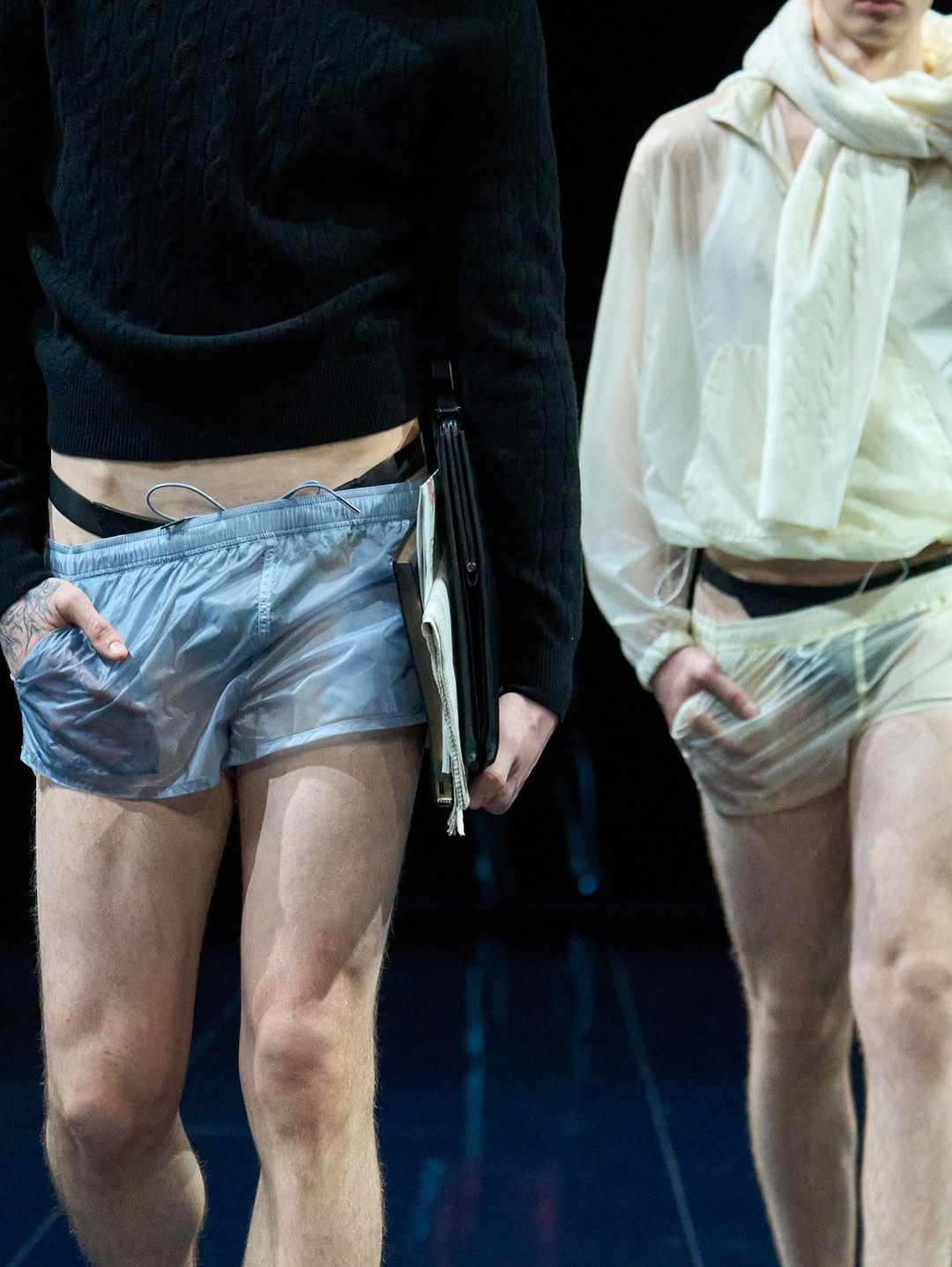
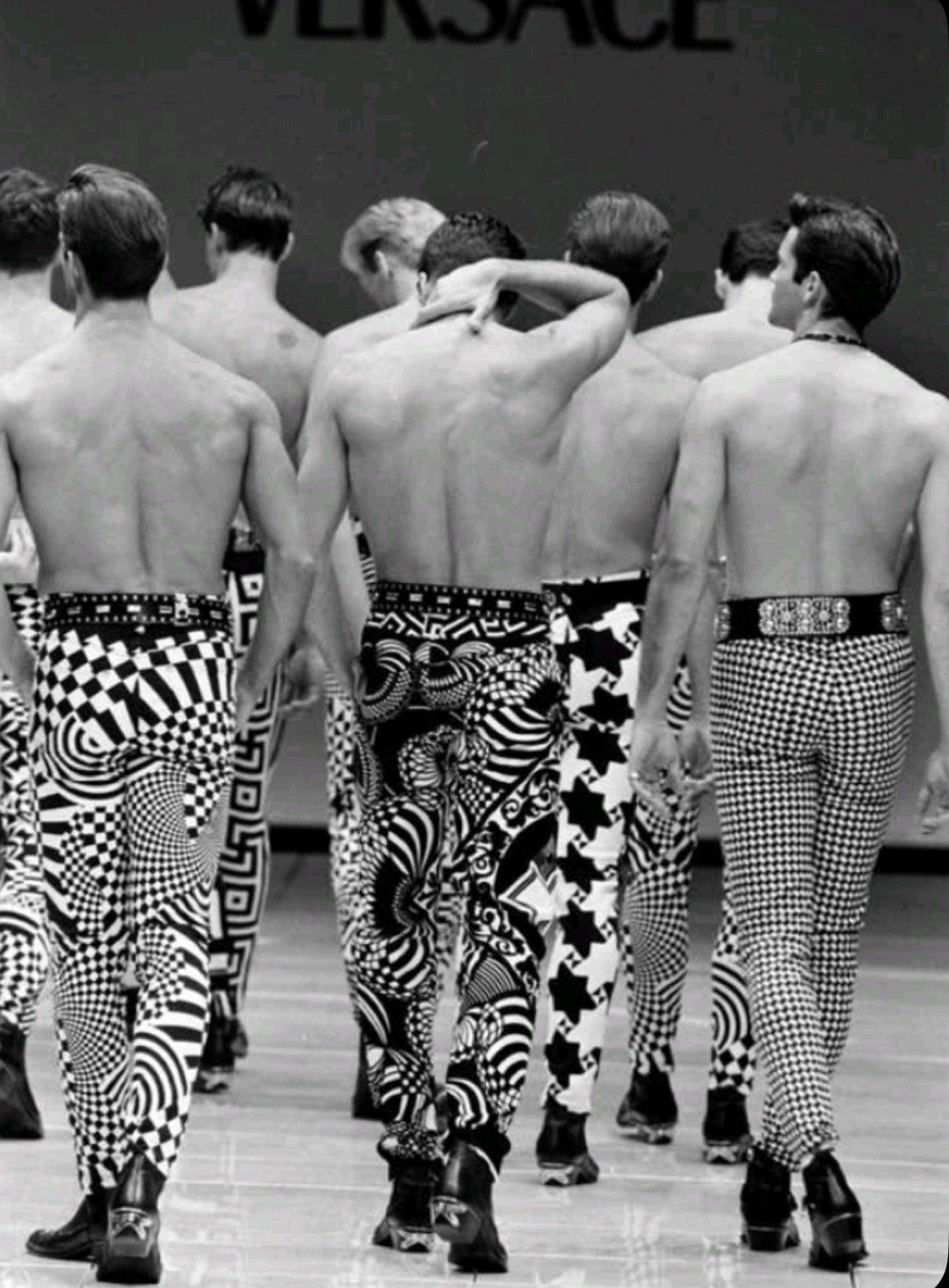
It reminds me a little of Patrick Bateman, albeit without the added delusions of grandeur. In American Psycho, the beauty of it was that he devoted his routine to a pristine fitness regimen that gymbros would never have the discipline for, and a skincare regimen once regarded as too effeminate. It was a film that led me to believe that if everything were calibrated just right, something underneath would finally click into place if you supervised it well.
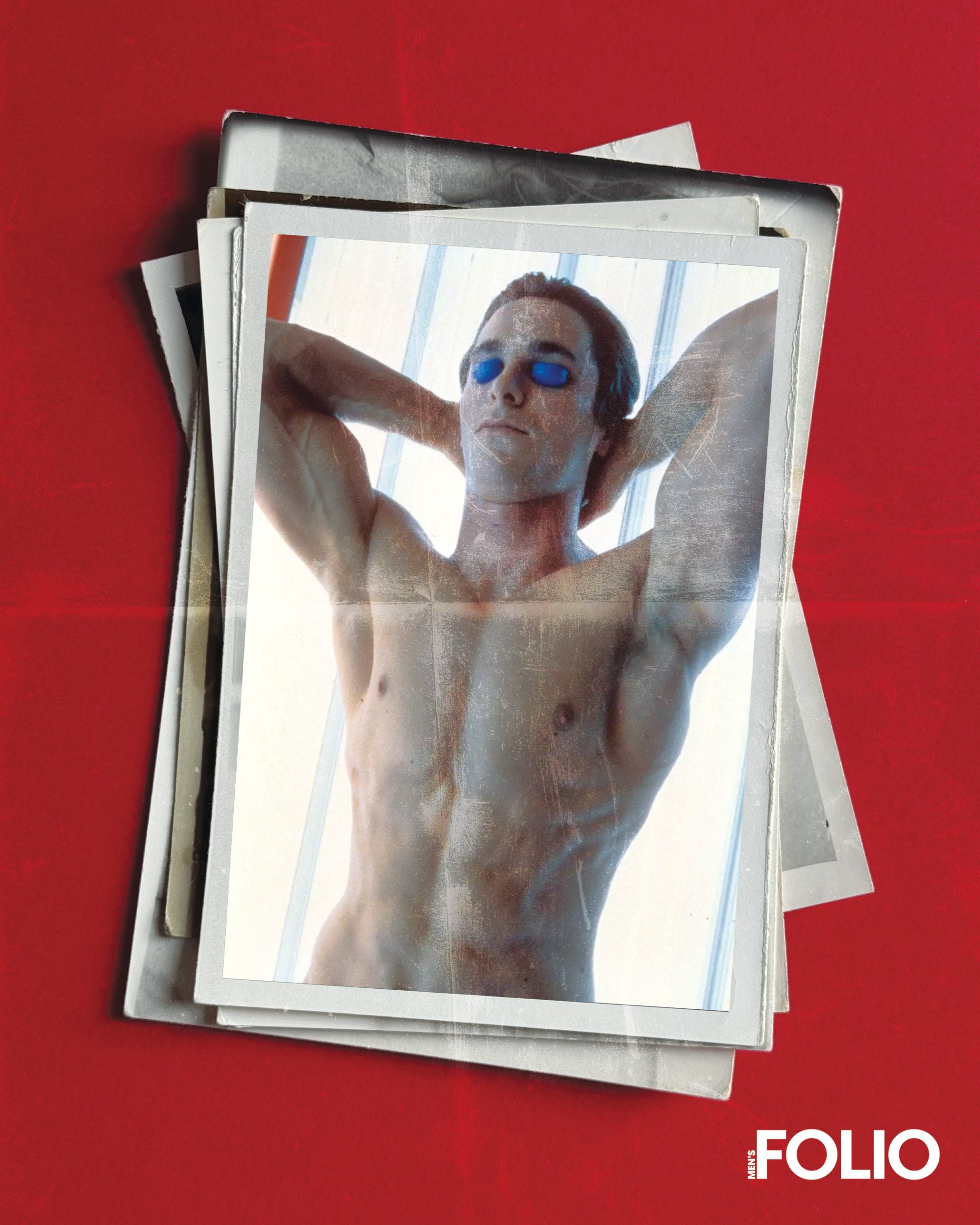
Decades since its release, and things, unfortunately, feel flatter. The truth is: the fantasy has long gone, and so have the transformations that once encouraged men to become better versions of themselves. Even the “effortless” feels rehearsed. You can practically see the internal calculations happening in real time. The modern male fantasy — about becoming someone you idolise — has been replaced by self-help rhetoric about preventing yourself from slipping from perfection, as though perfection itself bleeds a certain unattractiveness.
Perhaps that was the issue. We believed sexiness meant validation, and to achieve that validation, you needed some sense of perfection. But sexiness needs delay. It requires a bit of confusion, something slightly off-centre that makes others look twice at you — either in disgust or hopefully with desire or better still, lust. In fashion, the eroticism of older menswear often relied on some sense of interruption rather than exposure. A loosened tie at three in the morning, the musk of a designer perfume that has lingered all day and now brews with your own, or even leather jackets tattered and worn like the mess-up bed you spent the night with a stranger. It was vulgar because it felt like something you would keep exposed only in private. Yet, contemporary menswear chooses clarity to convey sexiness. You see it once, and it is assumed that you know what it is.
Then there is the issue of looksmaxxing — probably one of the most exhausted words on the internet right now. The term itself is overused. I have heard it inside the same loop of podcasts, Discord servers, gym TikToks, and YouTube video essays explaining facial symmetry to teenage boys. We should have retired it at some point, but it keeps resurfacing because it gives a name to that lack of vulnerability. Not the bone smashing or the skull measurements or whatever fresh humiliation men are putting themselves through this week, but the larger belief underneath all of it: that desirability is measurable if it can be calculated like a metric, be it with numbers or methods.
So the tragedy of contemporary masculinity is not that men have become vain. Men have always been vain. It is that vanity has become joyless. Face. Jaw. Posture. Body fat percentage. Voice. Wardrobe. Entire forums are dedicated to whether a flaw is “fixable” or whether someone is genetically condemned to life as a sub-human. It would be funny if it were not already leaking into mainstream menswear.
Fashion picked up on this shift almost immediately, which is why so much menswear right now feels obsessed with the body but strangely uninterested in sex. Not attractiveness — that is different. These clothes absolutely want to be looked at. They just do not seem interested in seduction, or tension, or even the small irrational theatre that makes someone actually lust-worthy.
As if proof were needed, you can definitely feel it all over the runway. Over the last few seasons, menswear has become tighter, sharper, and cleaner. We have seen more muscle and compression, even more skin, yet somehow less eroticism. It is so unappetising that it feels like a threat, that the body is no longer allowed to feel reckless, impulsive, or gloriously stupid. You can only treat it like a finished asset.
That is why so many hyper-built men on runways now feel less like sex symbols and more like very expensive action figures. Beautiful, for sure, but in the same way a showroom kitchen is: cold lighting with every surface wiped down. Obviously, nothing was ever cooked there.
All of this brings to mind RS Benedict’s essay “Everyone Is Beautiful and No One Is Horny,” which argued that contemporary culture has become obsessed with perfecting the body while simultaneously draining it of sensuality. Superhero films. Luxury campaigns. Fitness content. A generation of men with perfect abs and absolutely no sense of erotic life, or maybe even experienced an erotic life.
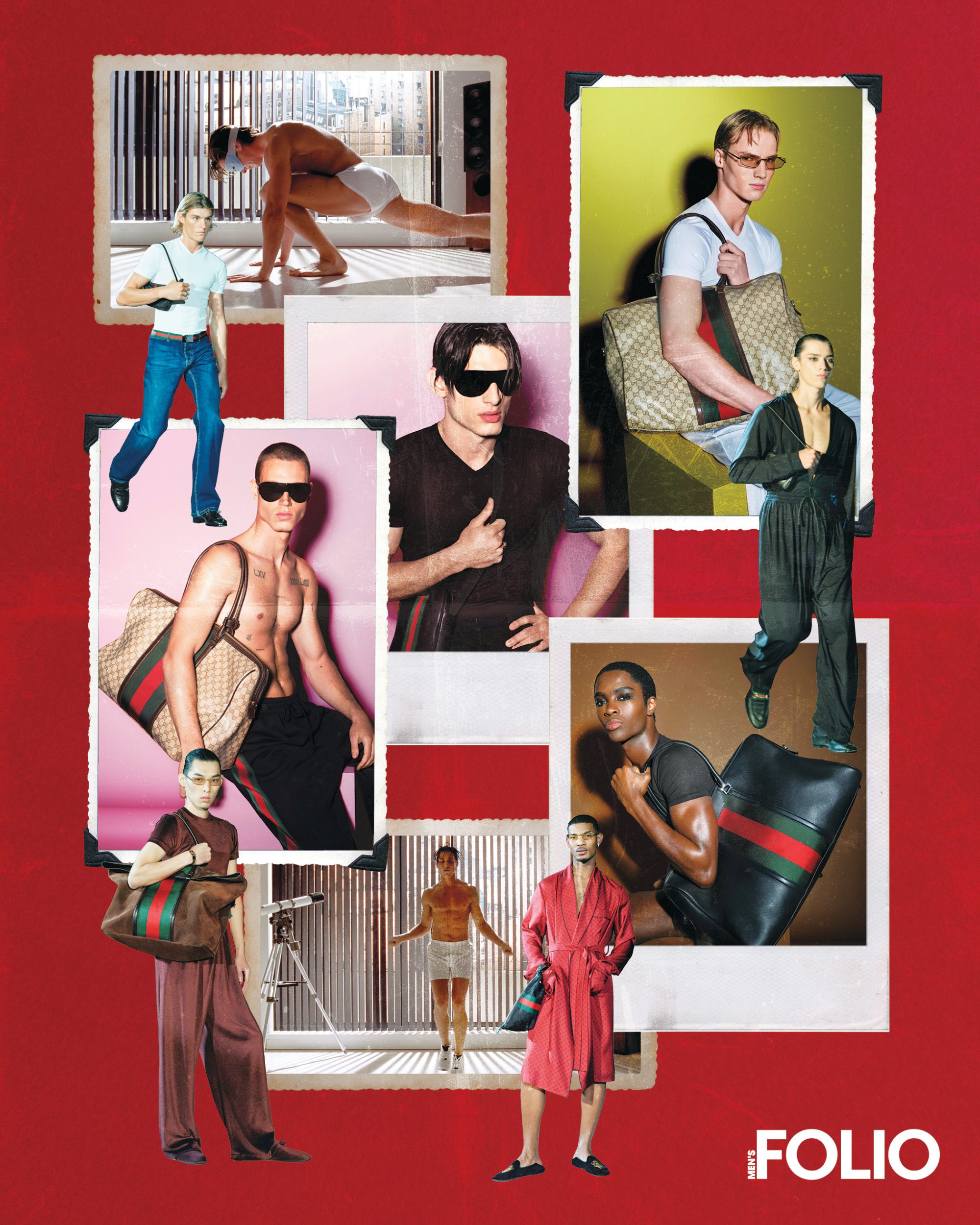
Compare that to a time of men from older campaigns or films. Think Tom Ford’s Gucci in the late 1990s and early 2000s. Those men were vain too, obviously. Groomed, immaculate, narcissistic even. But there was still sweat in the fantasy. Humour. Sleaze. A kind of cocaine-glossed impulsiveness. Silk shirts hanging open against damp skin. Velvet blazers crushed from a night out that probably ended badly. The clothes implied a life beyond the image. Somebody had just left the club. Somebody had stayed over. Somebody was probably about to make a terrible decision after two cigarettes and a vodka soda — that itself feels sexy.
The sexiness in those collections was never just about skin but rather about suggestion. After all, the best kind of vulgarity is when it is not in your face — we would not want to mistake subtle lust for pornography. And Tom Ford understood eroticism. But his way of expressing it worked because of the attitude underneath it. There was glazed skin, a half-smirk stretched across a campaign image, and louche tailoring that moved with the body instead of shrink-wrapping it. It all suggested appetite as taste and lust.
Someone like Anthony Bourdain would probably feel almost anomalous now. Crumpled shirts, nicotine-stained fingers, silver rings, a face that looked genuinely lived in. Bourdain famously once said, “If you don’t like sex, you can’t cook,” which sounds crude until you realise he was really talking about appetite. He meant the willingness to surrender to the experience rather than constantly managing yourself through it. He dressed like someone who had stories attached to his body. On the contrary, contemporary masculinity increasingly dresses like it is trying to avoid acquiring any.

But that leads us to fantasy as optimisation. Of course, contemporary culture still tries to manufacture the illusion of mess. Sleaze has become its own aesthetic category, evident in branding exercises and moodboards. Even Charli XCX’s Brat era, for all its cigarettes, chaos, and mascara-smudged hedonism, came as an incredibly sharp piece of cultural image-making in its own right.
Even as fashion, such as Demna’s take on Gucci now, borrows from Tom Ford-era codes, the result is different. People compared Demna’s Gucci debut to Ford’s, but the overlap feels more structural than emotional. Tom Ford’s men felt consumed by desire; Demna’s feel consumed by perception. With Demna, there is always this awareness of being watched, as though his brand is dressing someone who already sees himself as an image first and a person second.
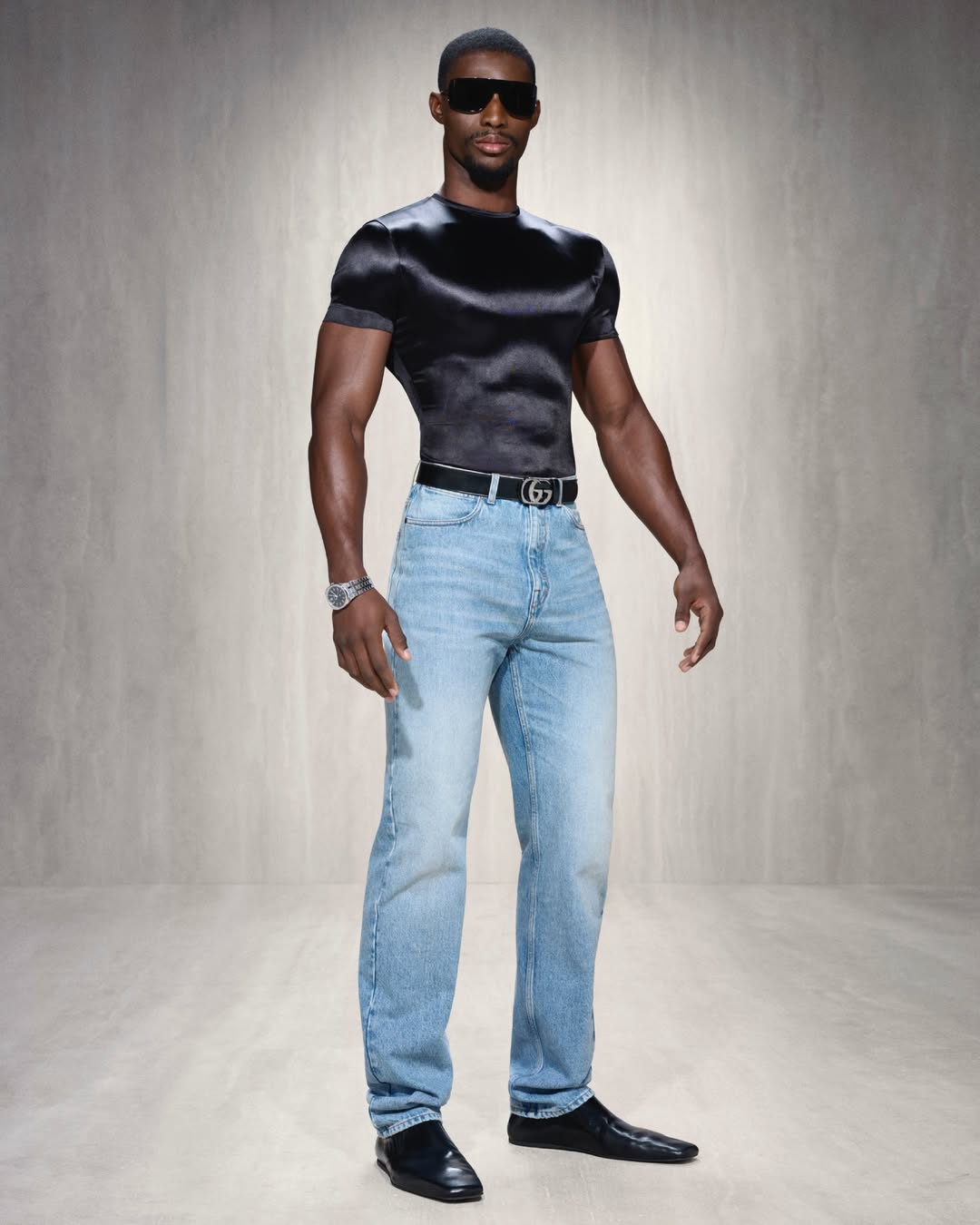
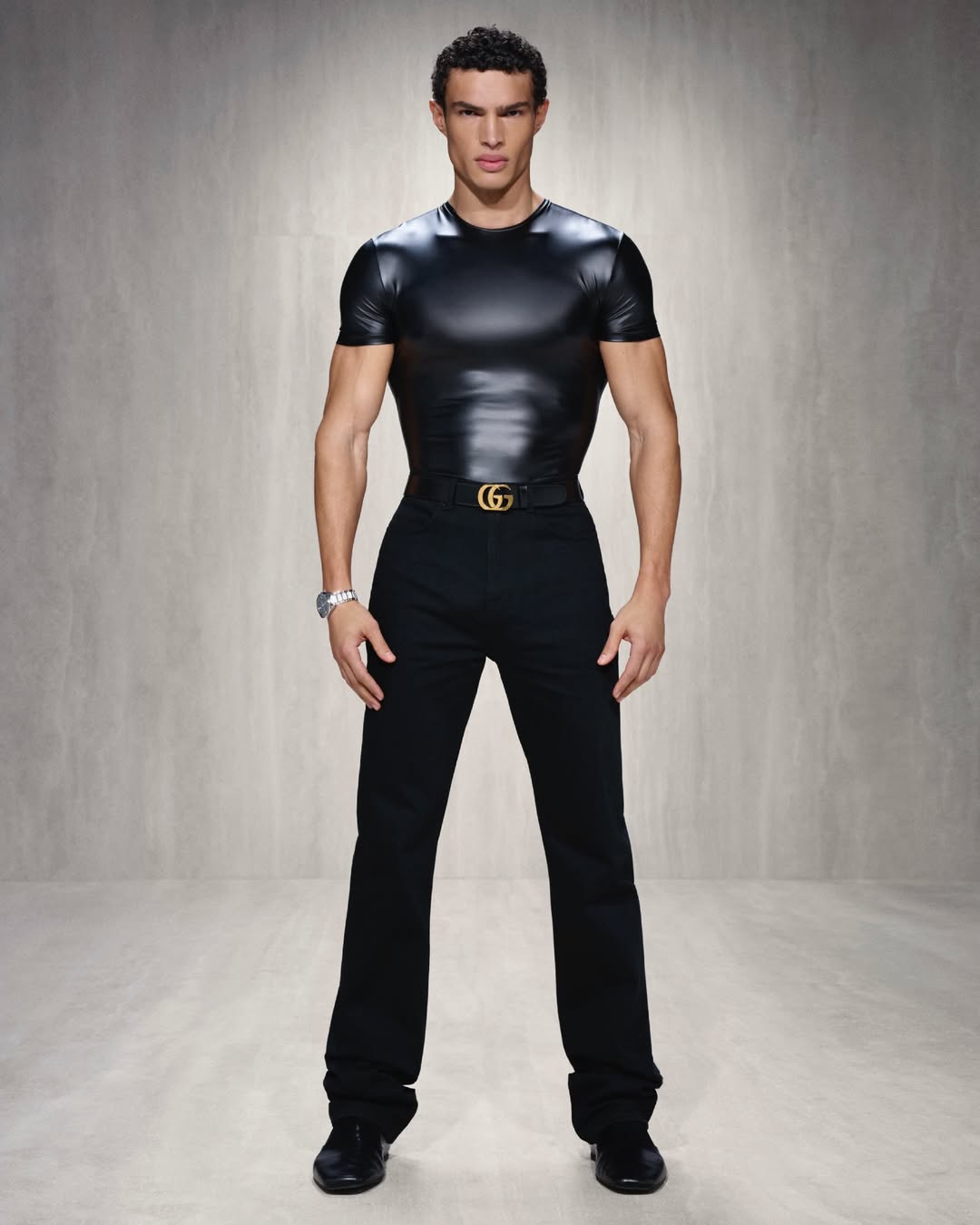
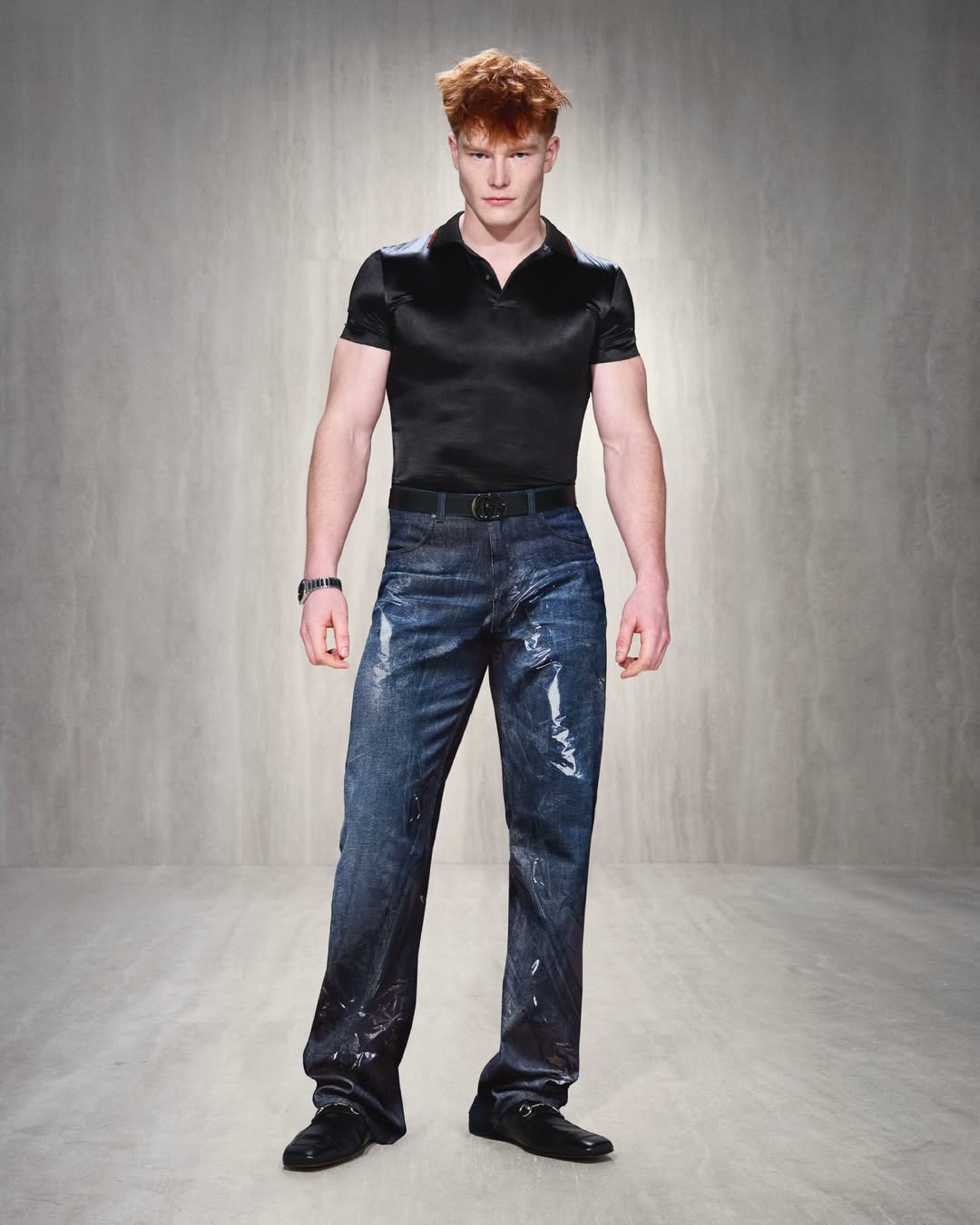
In a way, it is fashion for people who think about themselves the way social media does. And that is why the work can feel intentionally hollow, even when it appears clever. Internet degenerates such as Clavicular exist at the far end of that spectrum. Not as some universally desired masculine ideal, but as the kind of masculinity produced inside deeply online self-optimisation cultures. He is fascinating less because he is sexy and more because he reveals how sexiness itself has been replaced by optimisation. Clavicular feels almost over-rendered, like a man flattened by too much self-awareness and too many hours spent staring at his own reflection through a front-facing camera. It is as though it represents a body that is perfected so aggressively that nothing spontaneous survives it.
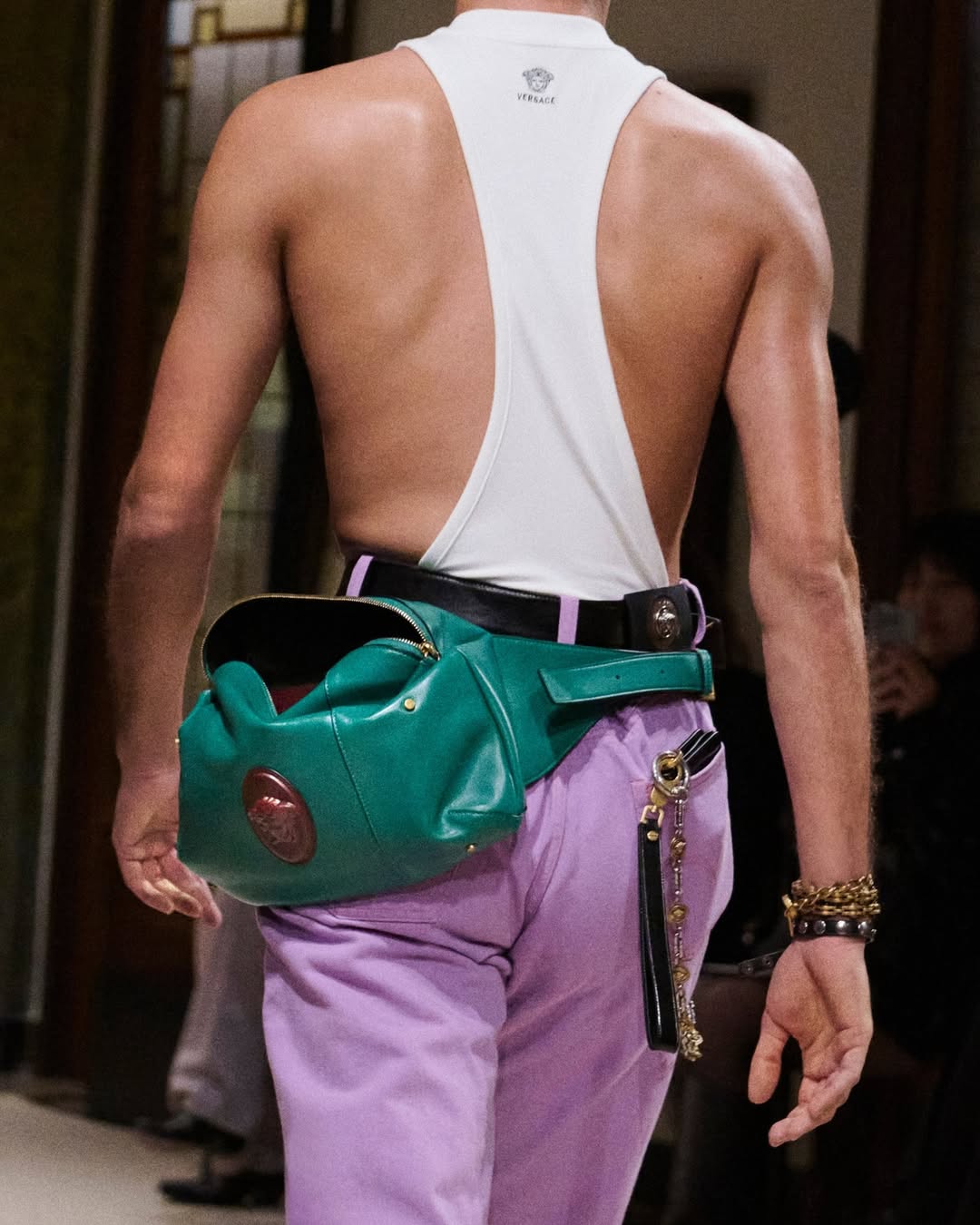
And at Versace under Dario Vitale, the body becomes even more explicit. Skin-tight silhouettes, sculpted torsos, shirts cut to cling rather than drape, and bodies engineered to hold the clothes correctly. Honestly, it works. A peptide-maxxed Bulgarian split-squat evangelist would probably look fantastic in those clothes. That is precisely the uncomfortable part. The aesthetics of luxury menswear and internet masculinity are beginning to overlap in strange ways.
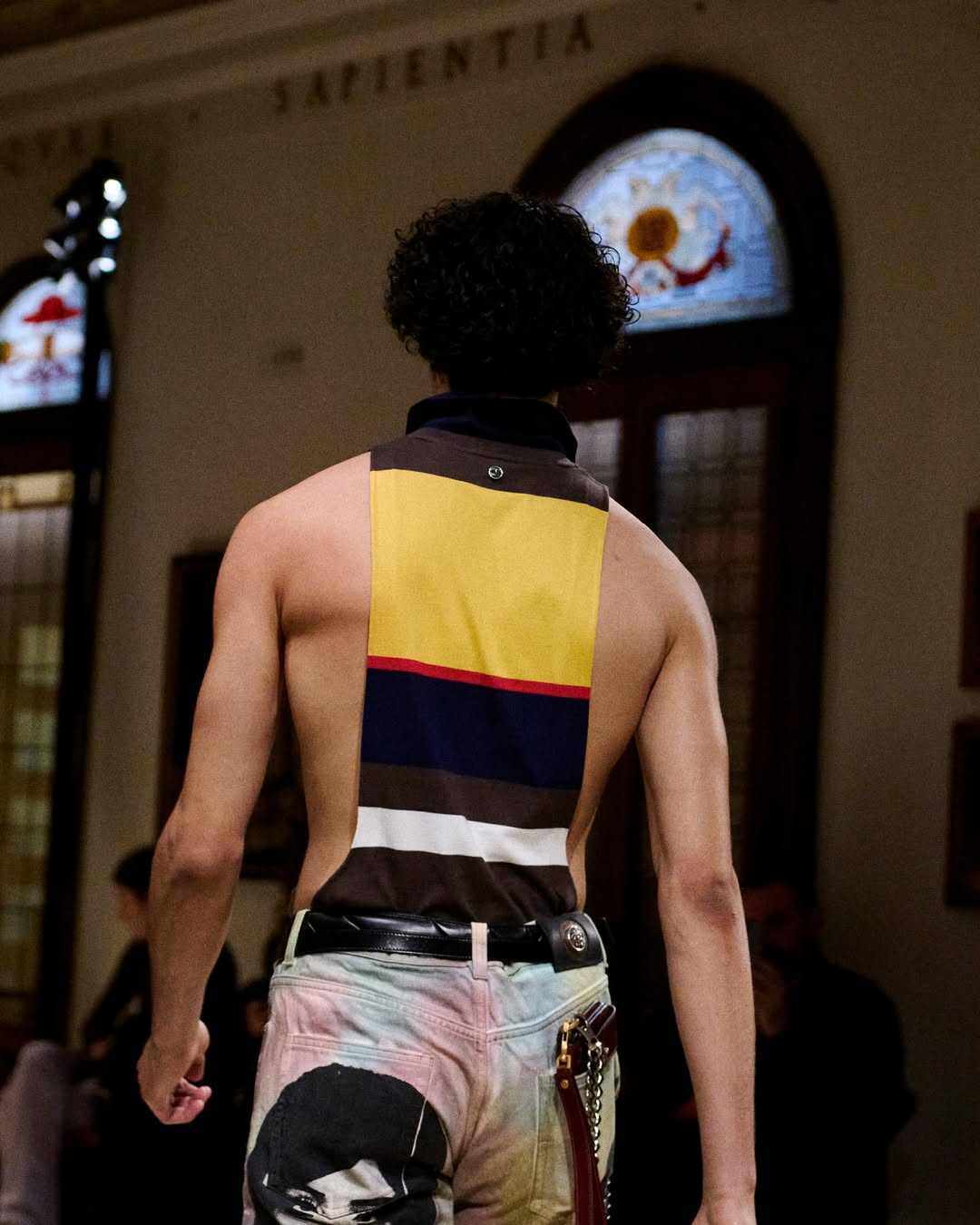
There we have it: the problem is that nothing gets to stay unseen anymore. The gym split becomes a carousel so much as the diet becomes a template, and the skincare routine becomes proof of discipline. What that leaves is very little room for myth. Sexiness always needs opacity. A little disorder helps too. After all, a person has to feel like a person, not a brand deck with abs.
And men are not suddenly less attractive — do not get me wrong. They are not dressing badly either. Many of them look better than ever. But they also seem painfully aware of being watched, and that awareness changes everything. It is just that the effort has become too legible. We see the strategy. Nothing is allowed to simply happen. And maybe that is what killed the sexy man.
Once you are done with this story, click here to catch up with our latest issue.