Fashion has spent the better part of the last decade demanding that brands change. Find a new audience. Find a new language. Find the next thing. The problem, particularly for heritage houses, is that reinvention can be just as dangerous as stagnation. Change too little and you risk irrelevance; change too much and you risk becoming a stranger to yourself. At Milan’s SS27 season, Gucci, Fendi, and Onitsuka Tiger each approached that tension differently, looking not to start over, but to see how much further their worlds could go.
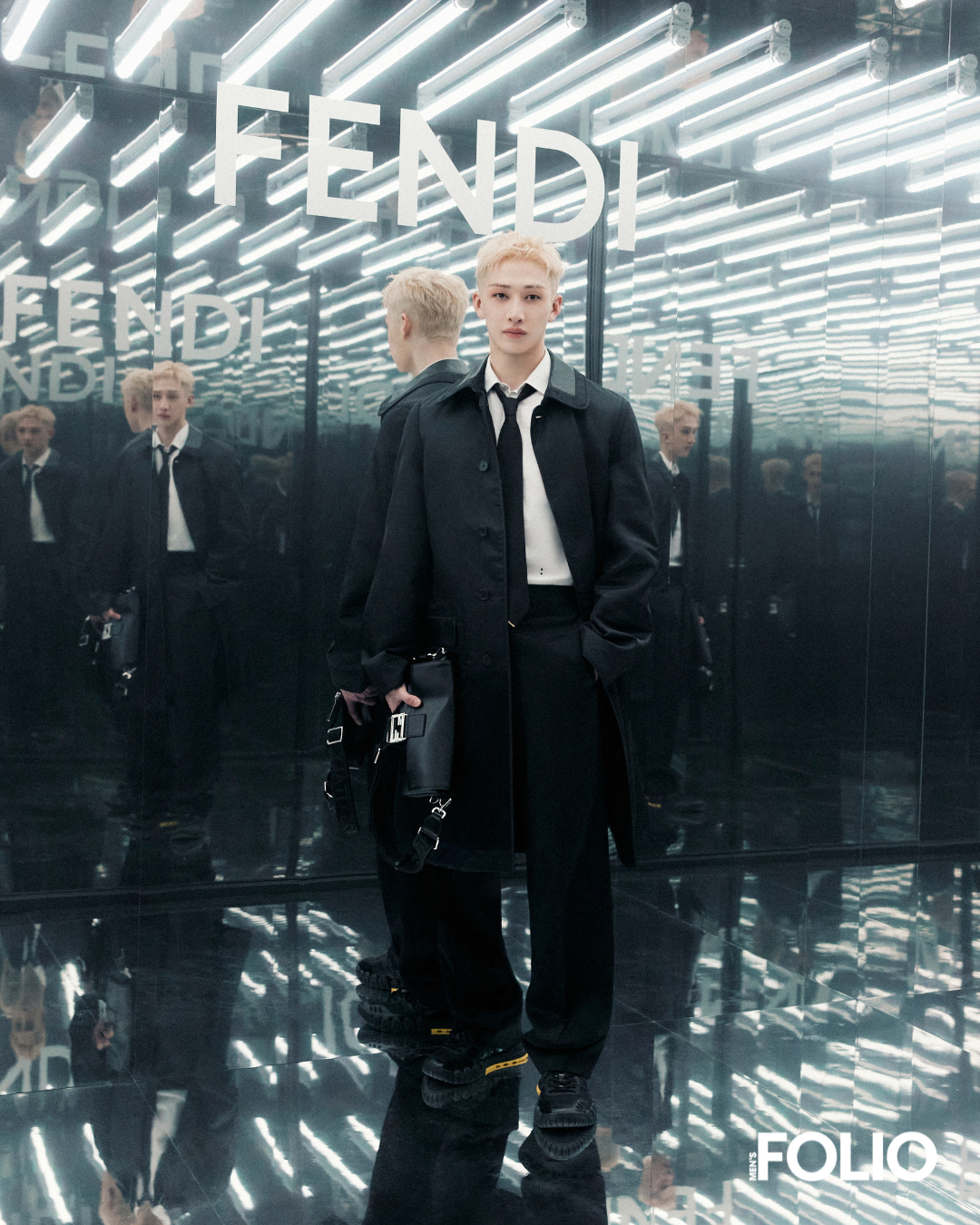
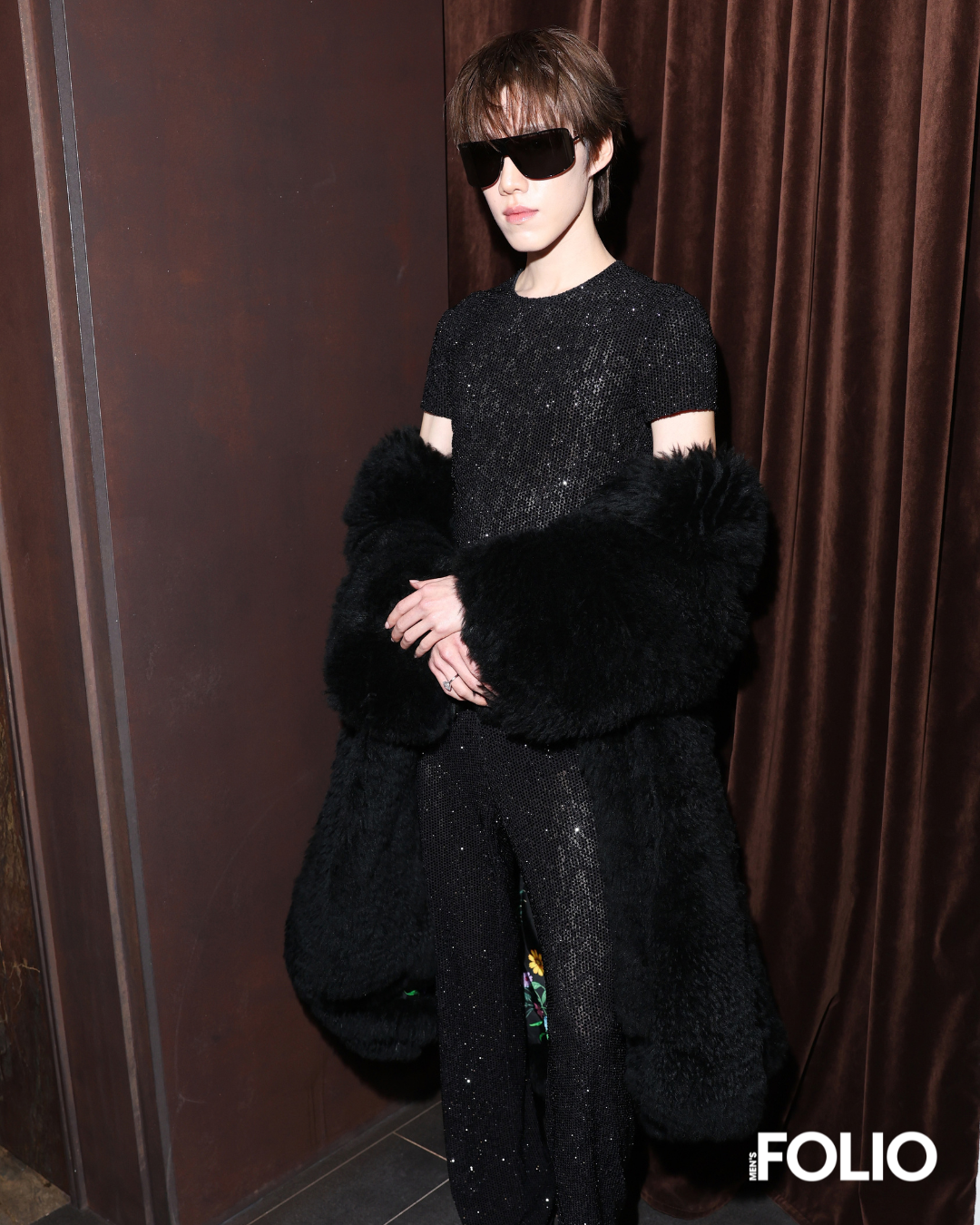

Gucci
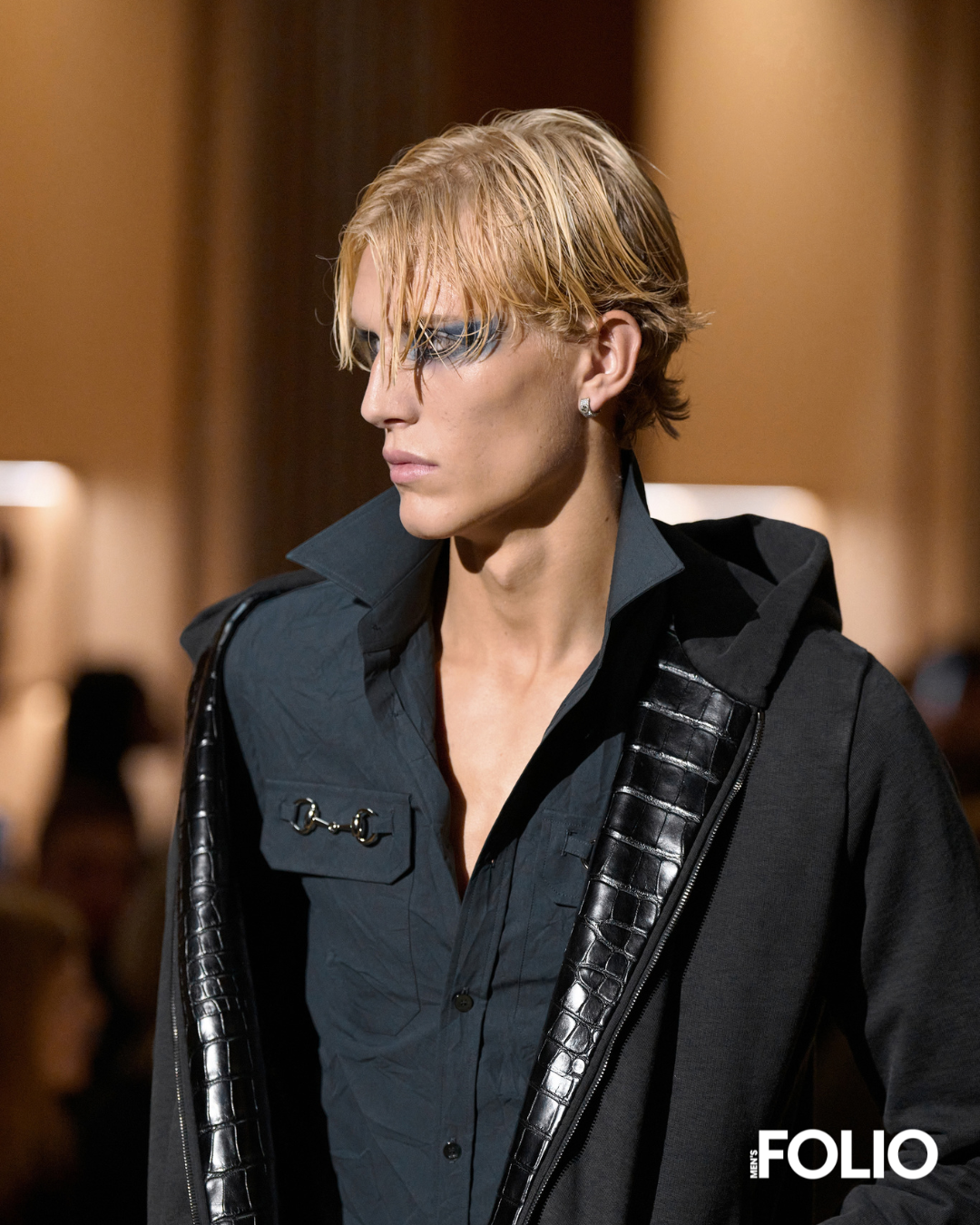
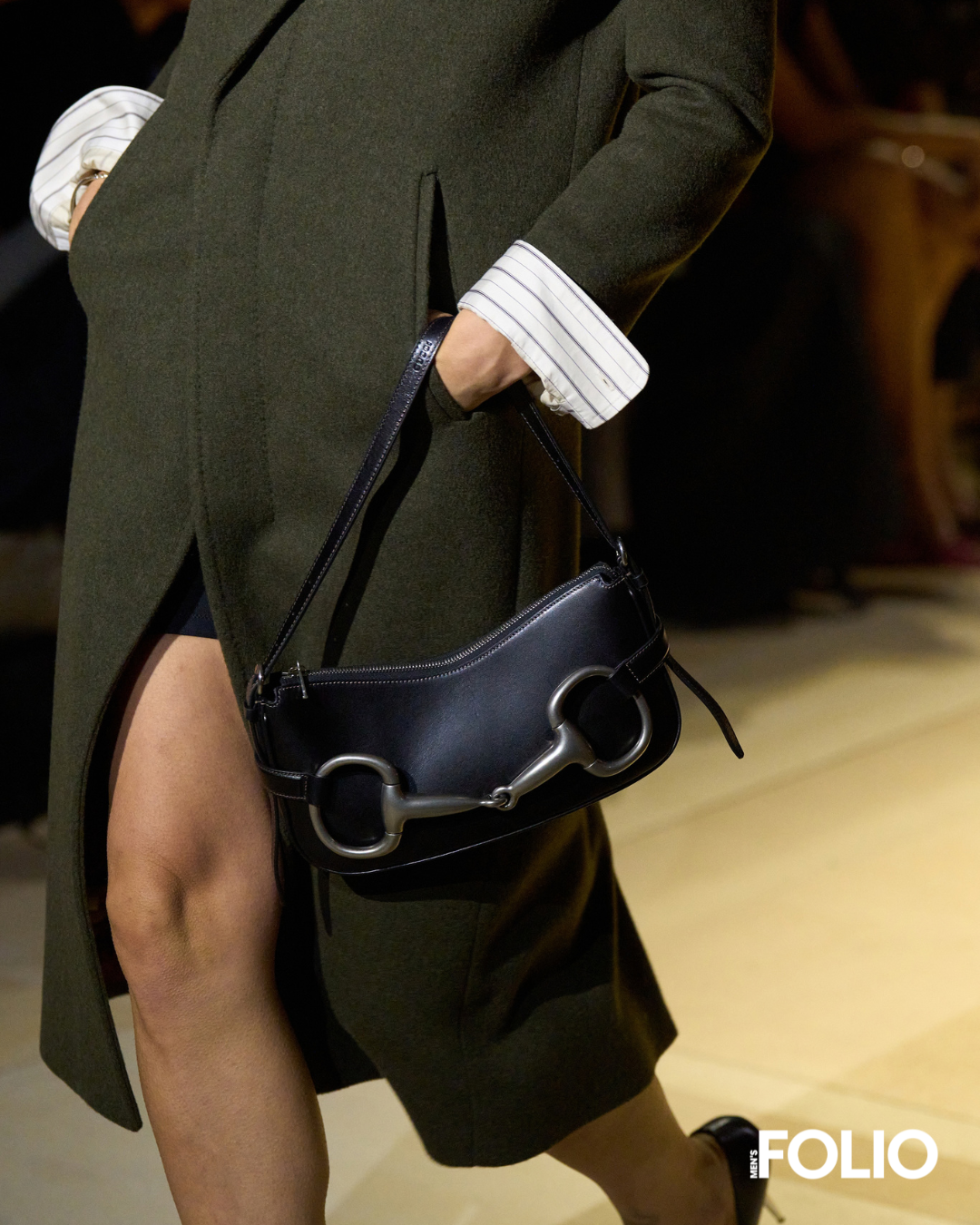
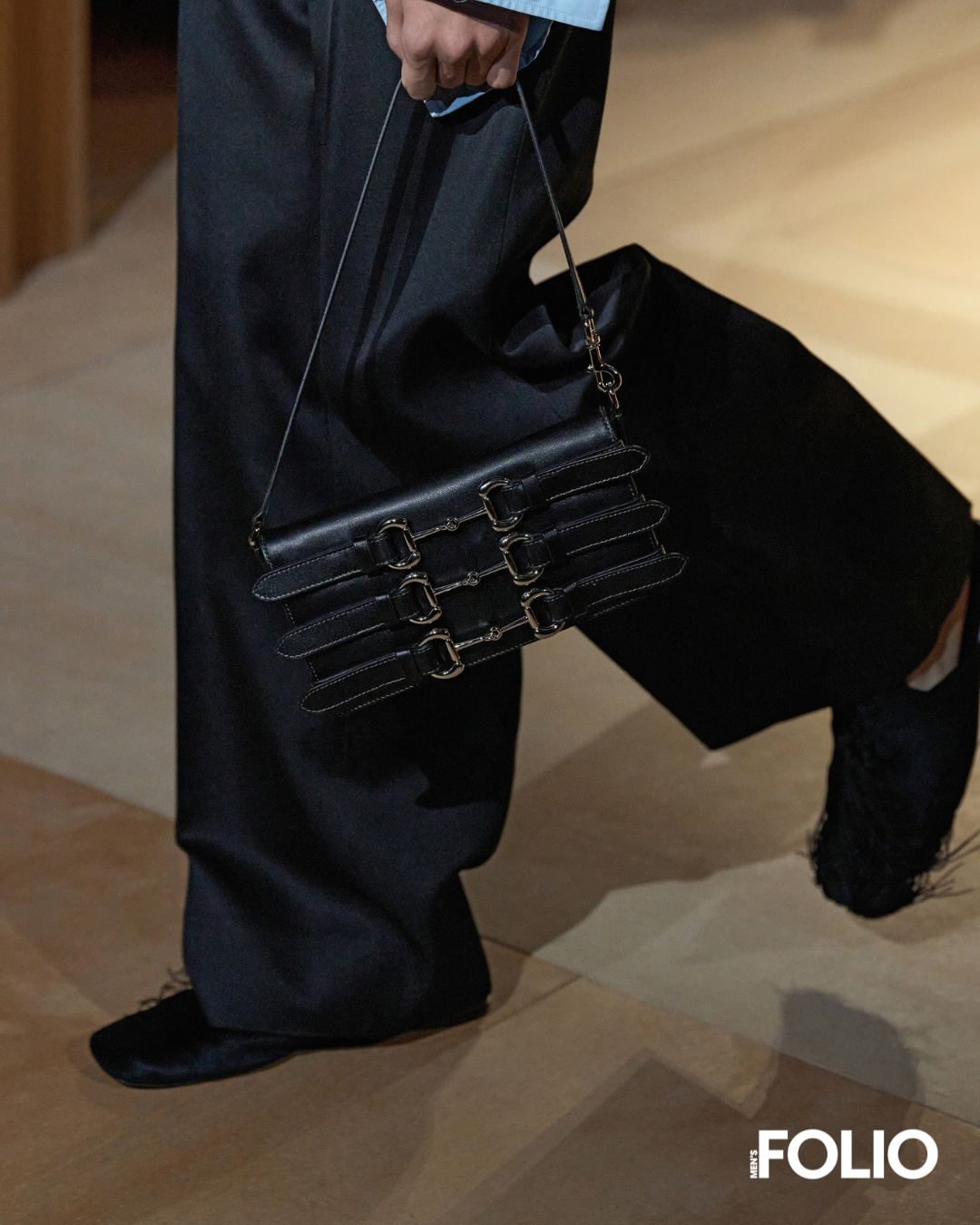
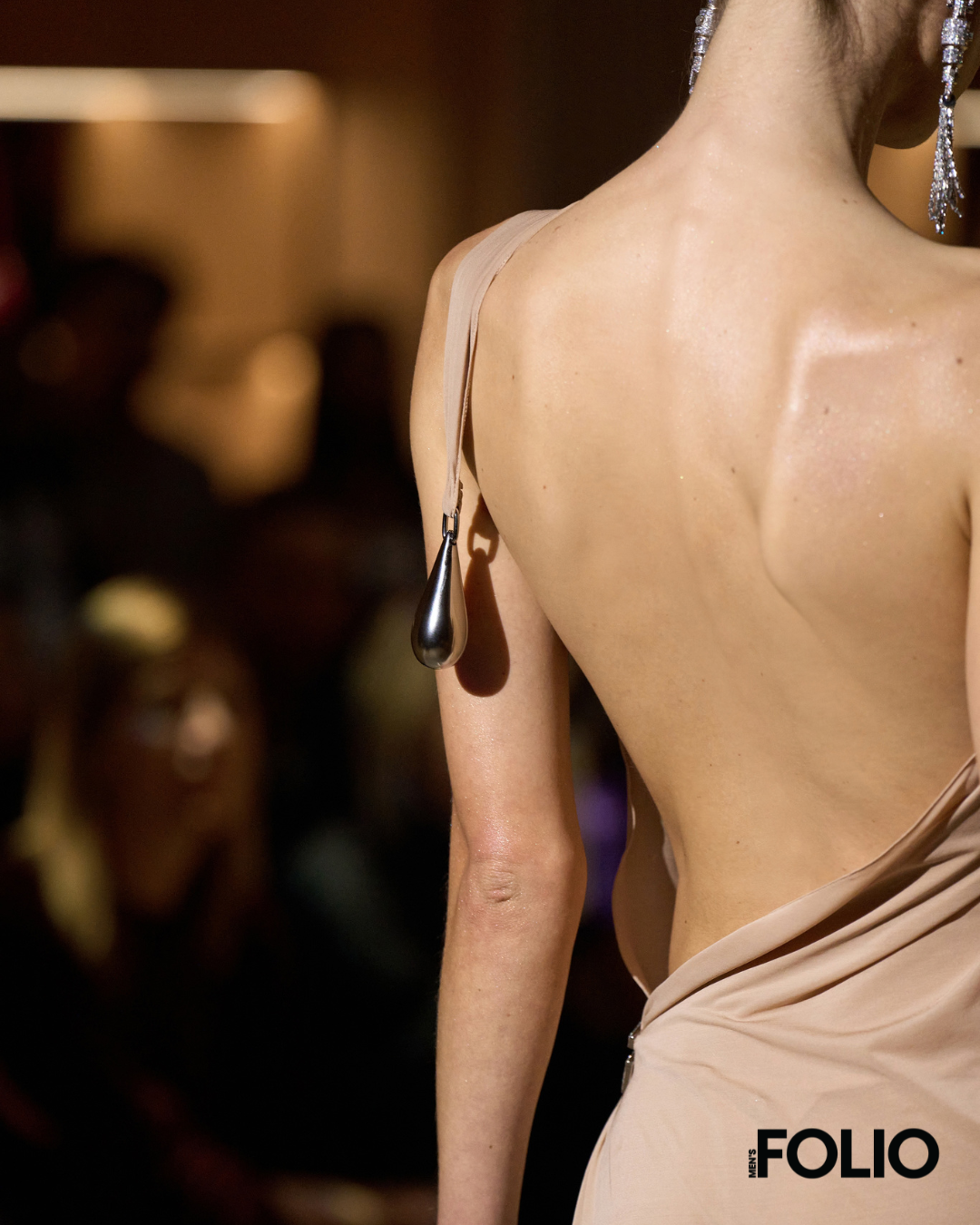
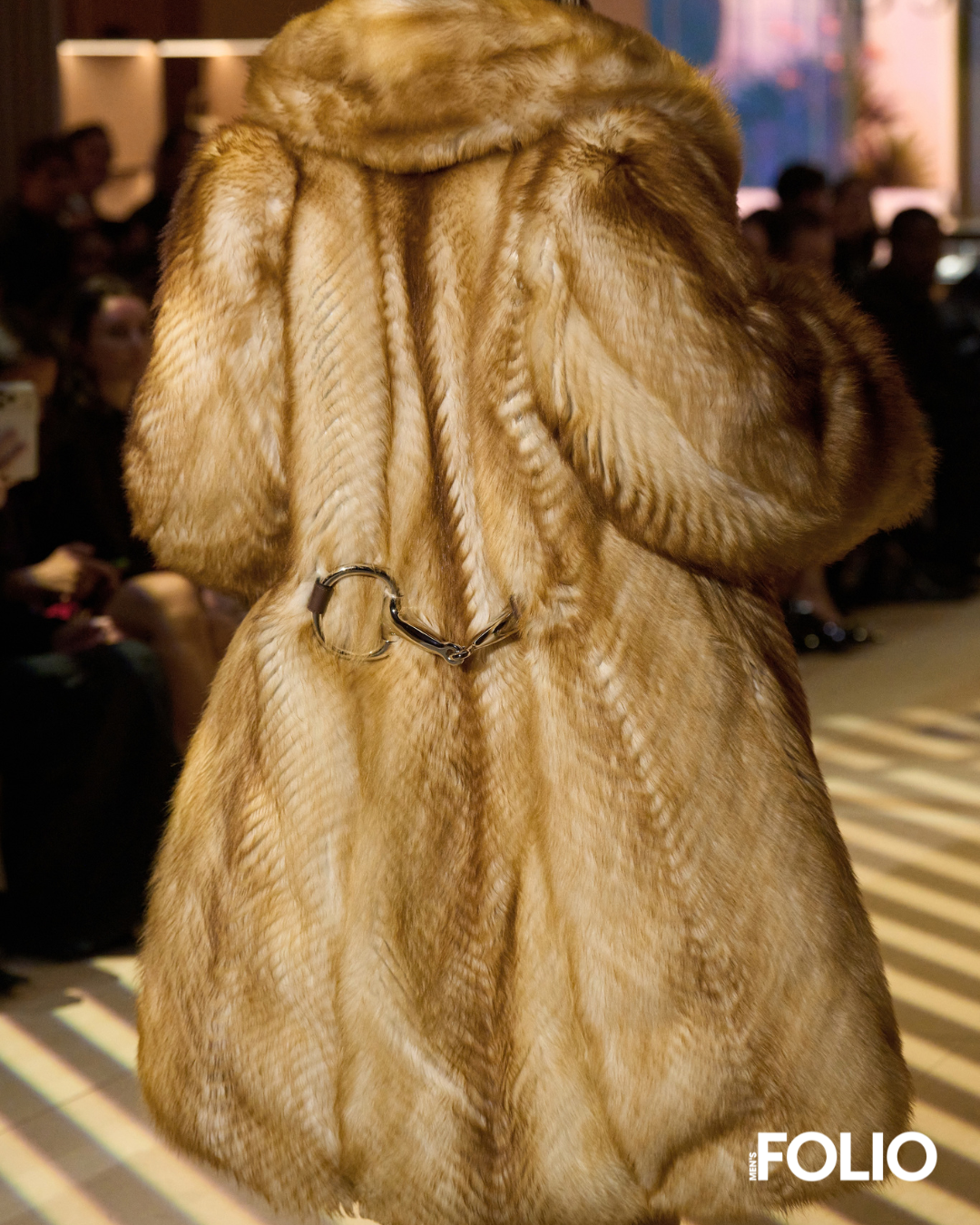
For Gucci, Demna’s answer seems to be: quite a lot. The Store Show works because Gucci has never really had a single identity to begin with. Its history contains the Horsebit, Bamboo, equestrianism, Italian bourgeoisie, Tom Ford-era sexuality, the New Romantics, and countless other versions that have accumulated over decades. The problem with having this much history is that there is no obvious “real” Gucci to return to. There are simply many of them, and Demna seems content to let those contradictions sit in the same room.
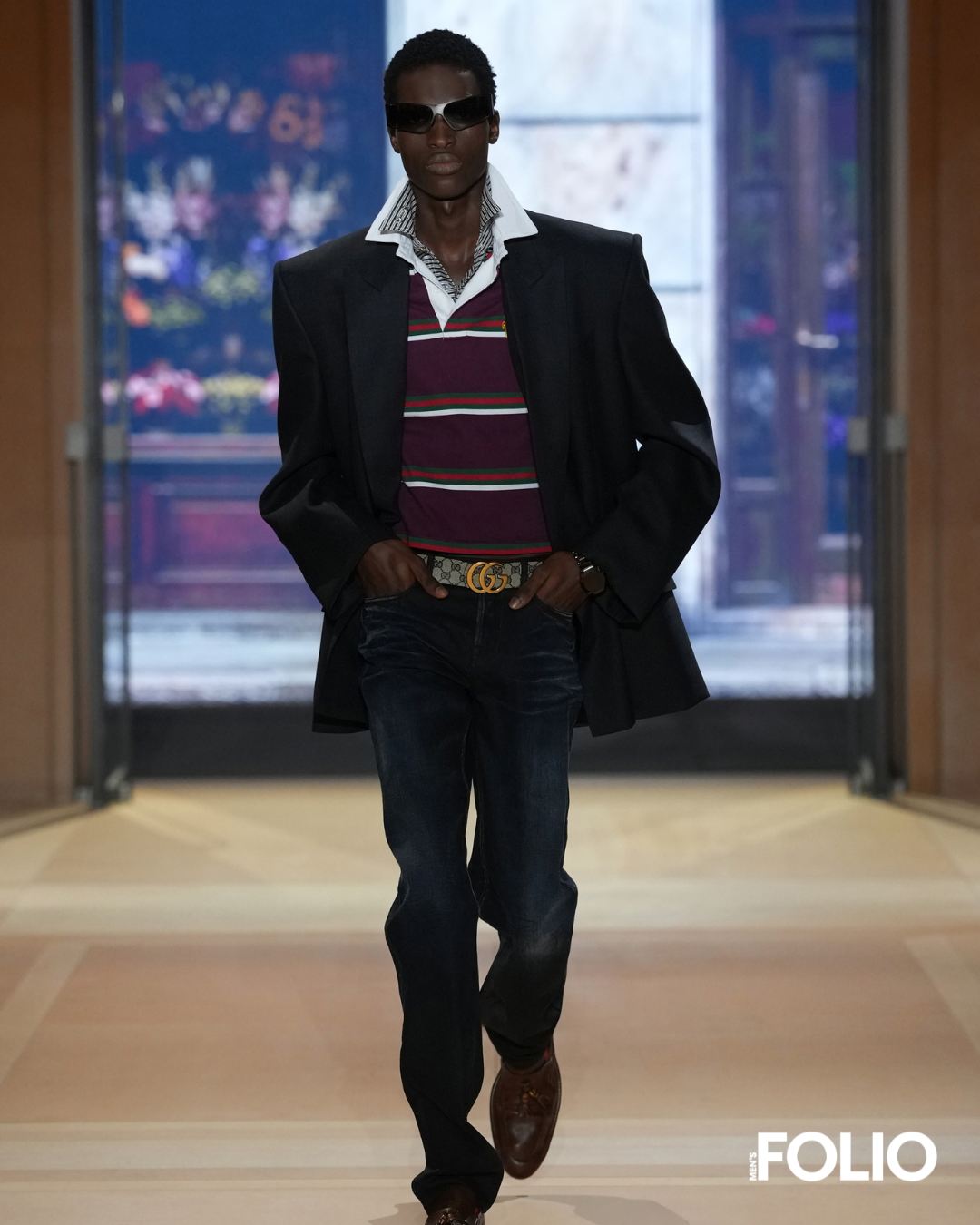
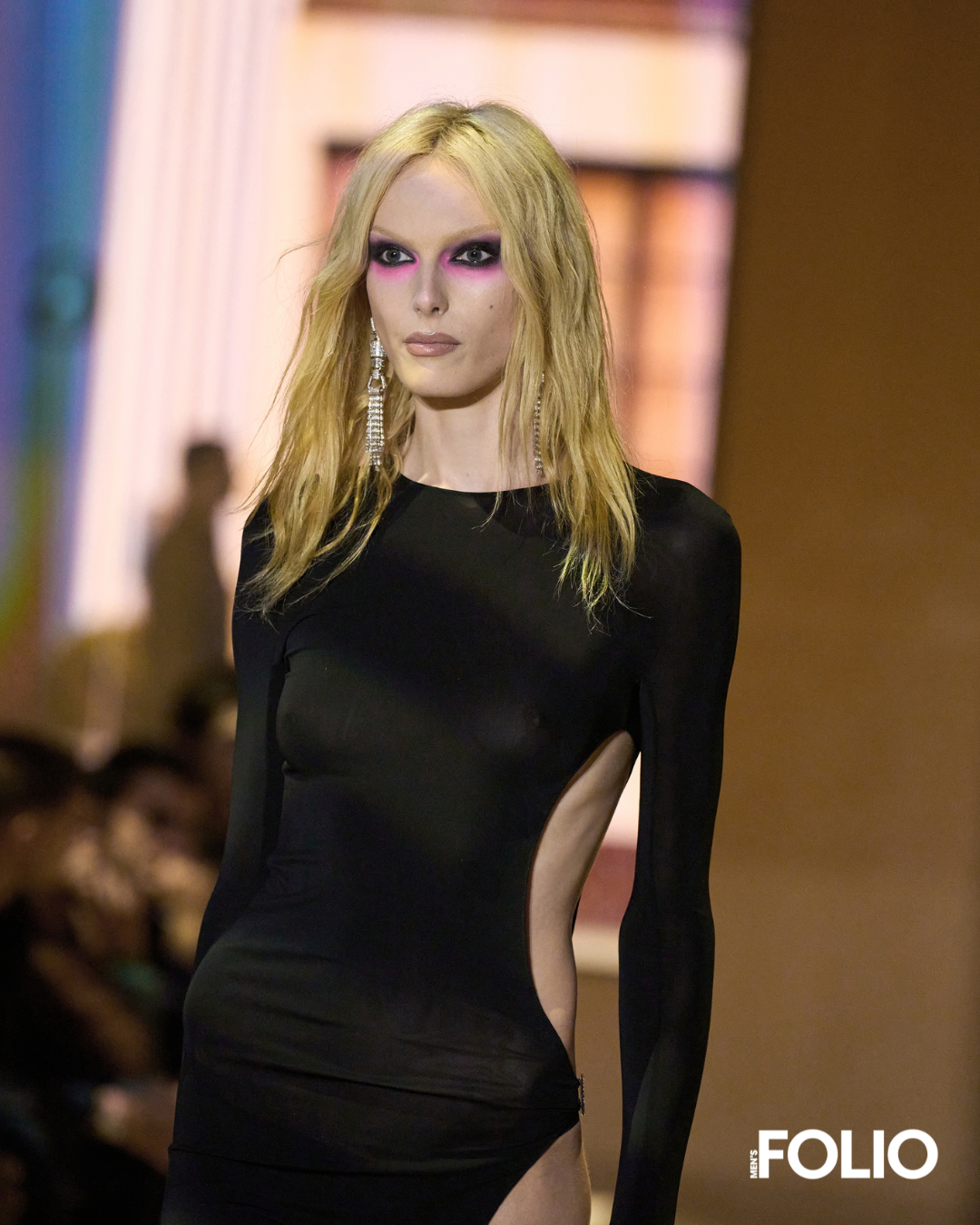
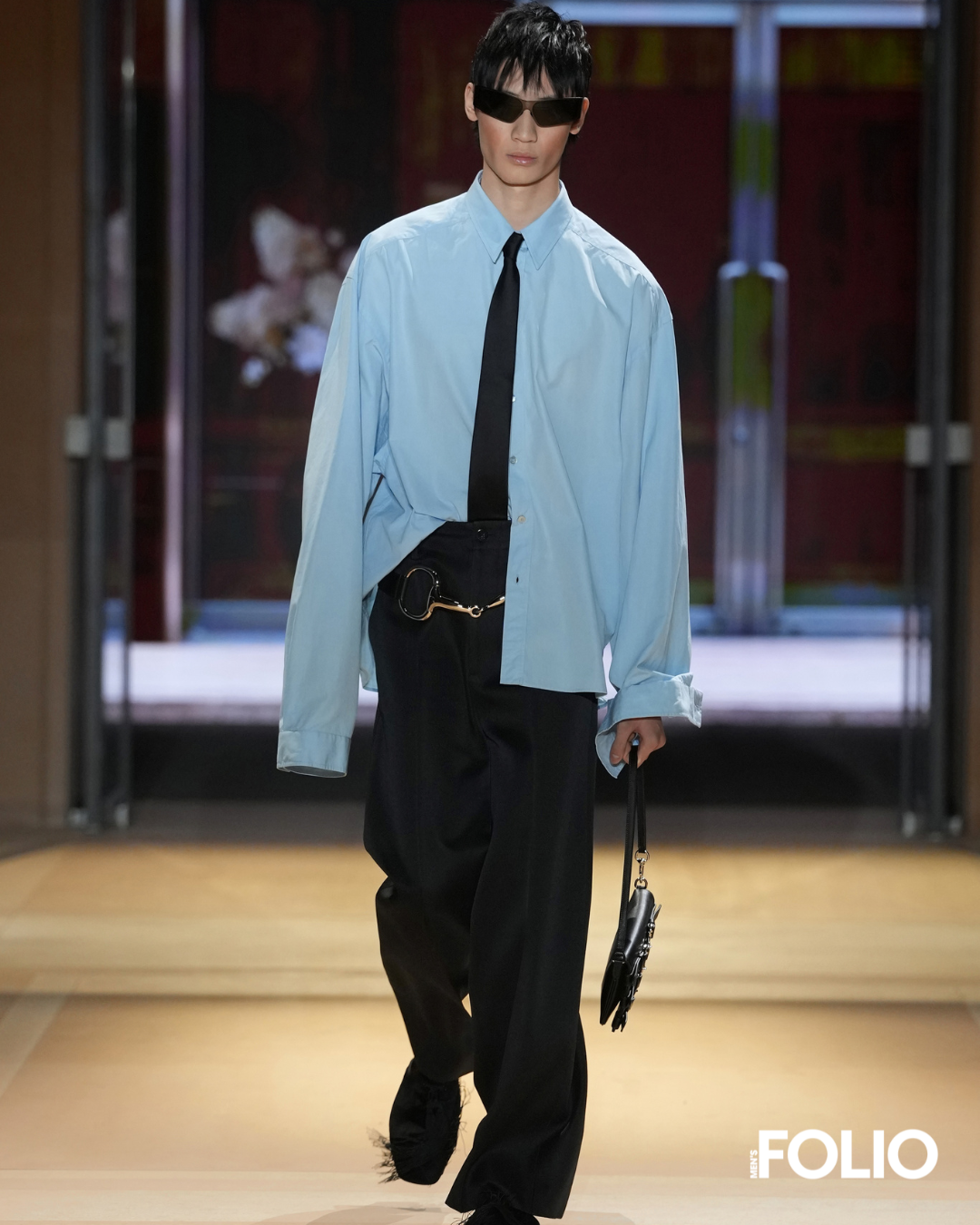
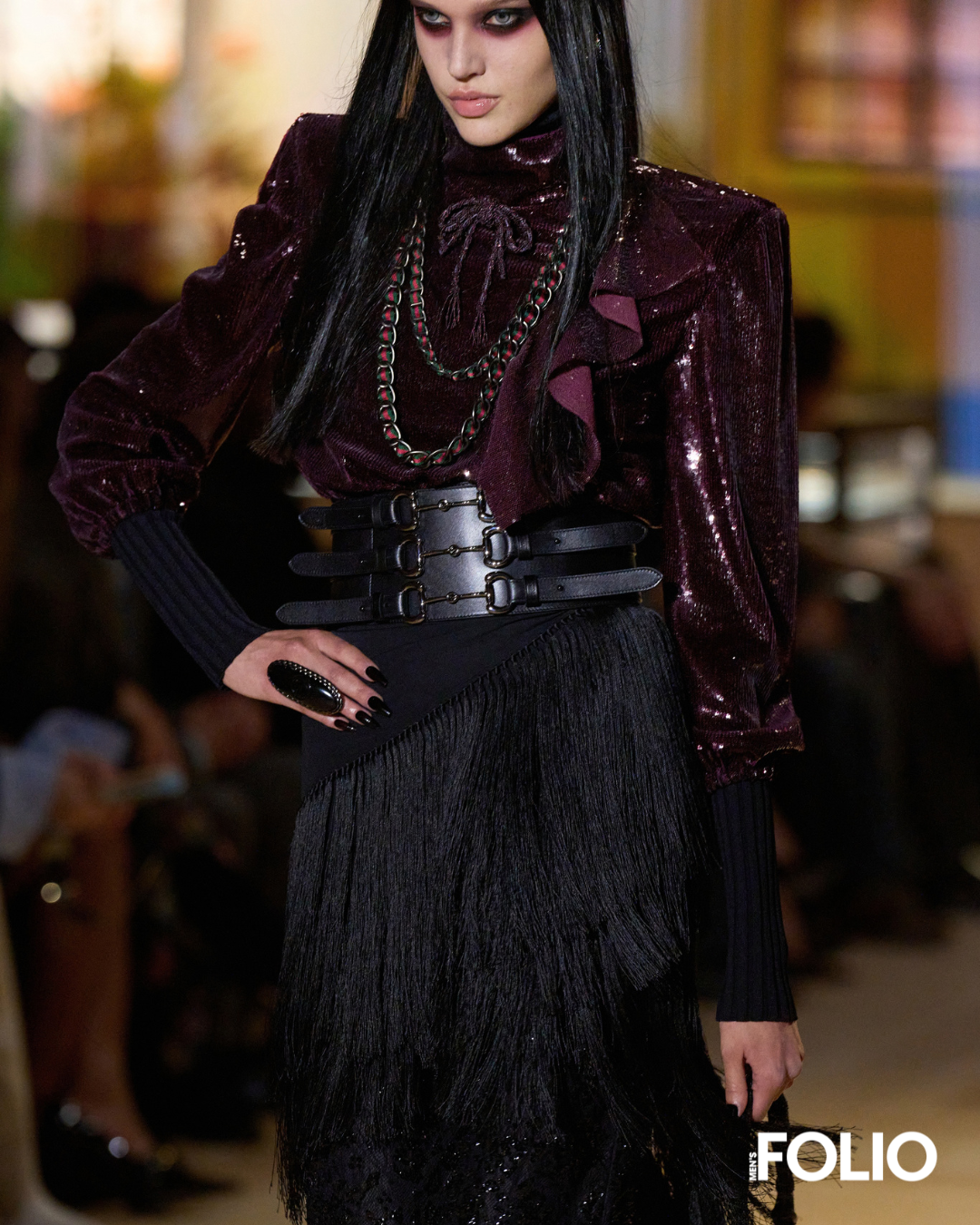
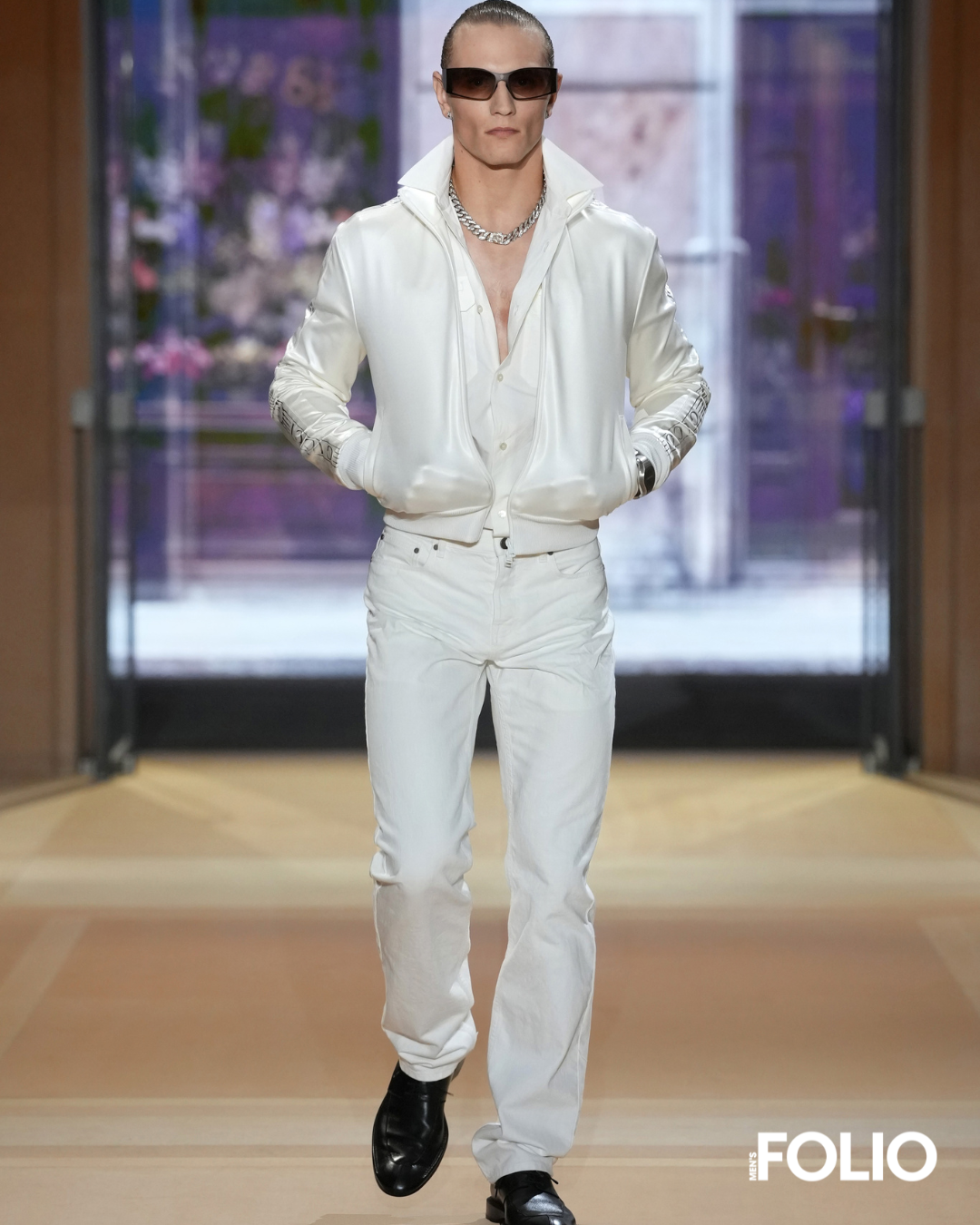
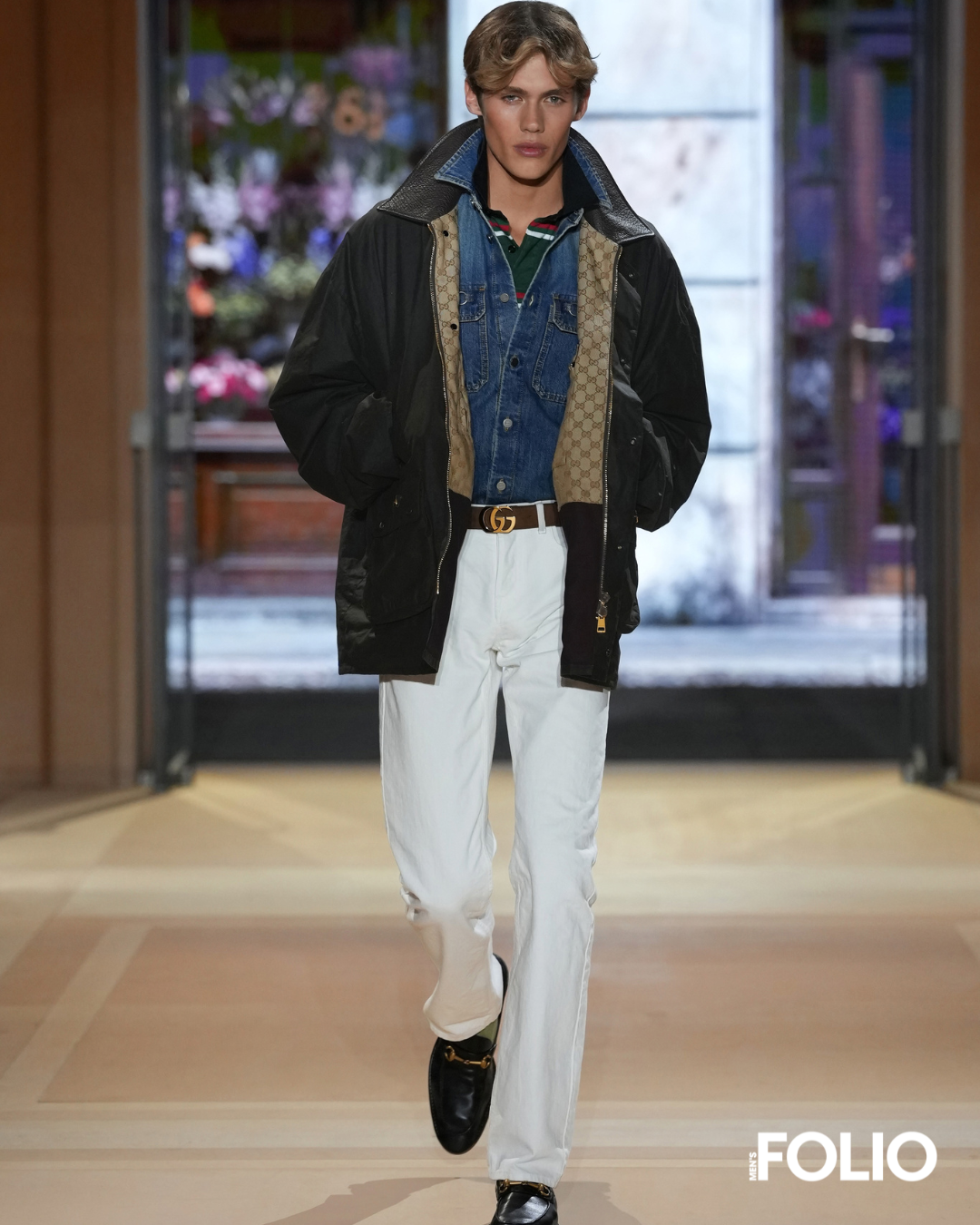
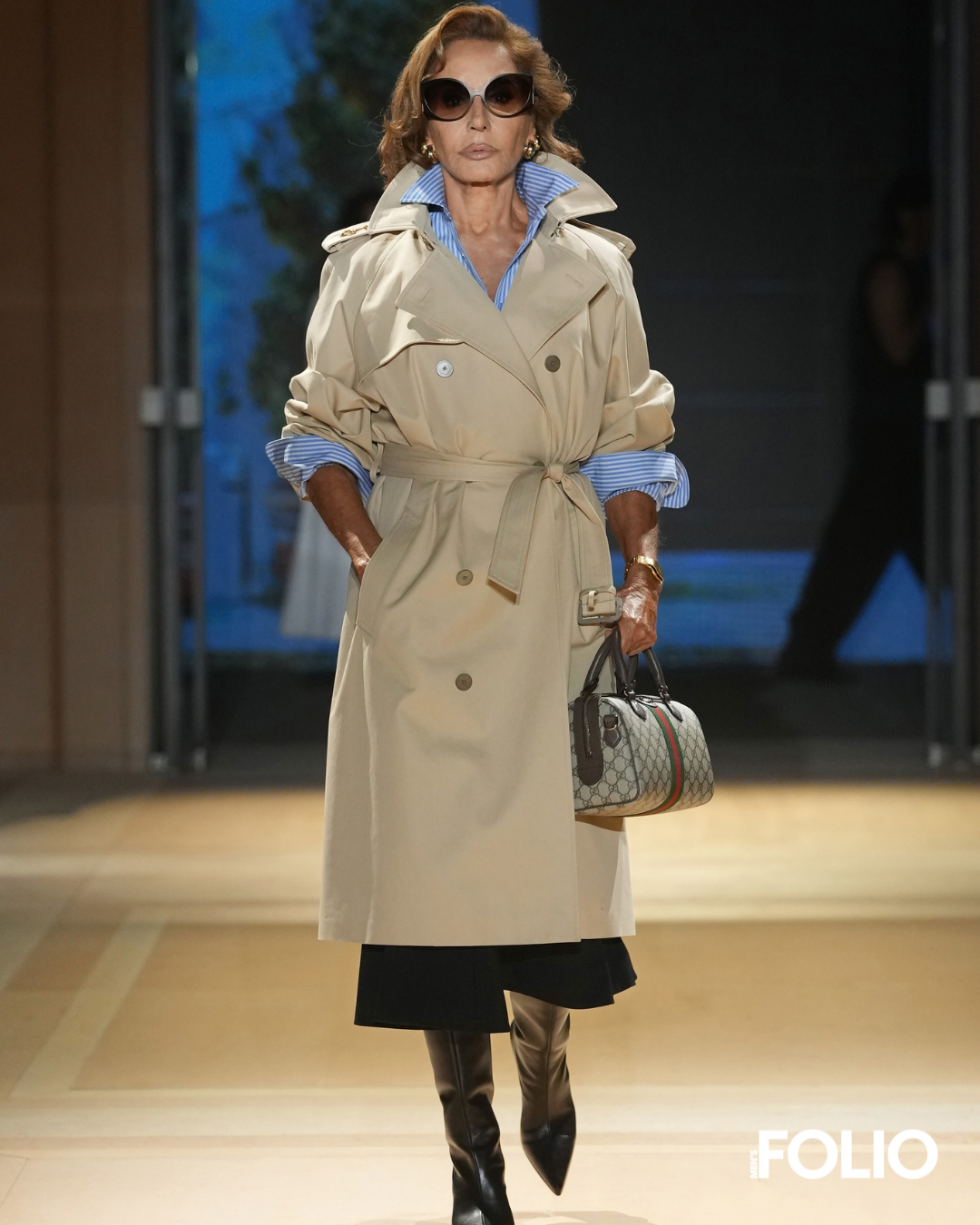
That is quite literally what the store becomes: a meeting point for different eras of Gucci and the different people who might want to inhabit them. The Horsebit is stretched, layered, widened, and paraphrased across the collection, while the styling session for VIP clients makes the customer part of the mythology rather than simply a consumer of it. Demna has always been good at creating characters you can buy into; here, the store turns those characters into actual clients. There is a practical logic to that, too. At a moment when Gucci is working to regain momentum, its enormous archive is less useful as nostalgia than as raw material. Demna’s authorship is in the editing. He is not trying to invent another Gucci so much as work out which versions of Gucci still have something to say.
Fendi
Maria Grazia Chiuri, by contrast, makes a case for restraint. Fendi has every excuse to indulge itself. Fur, glamour, craft, historical weight. The house has all the ingredients for a maximalist fever dream, should it want one. Instead, Chiuri seems more interested in what happens when Fendi behaves like an actual wardrobe. Silk boxers trimmed with lace, sheer slip dresses, plush fur stoles, and flowing shirts retain plenty of sensuality, but they are presented with a sense of lived-in plausibility. The clothes feel less interested in performing wealth than in being worn.


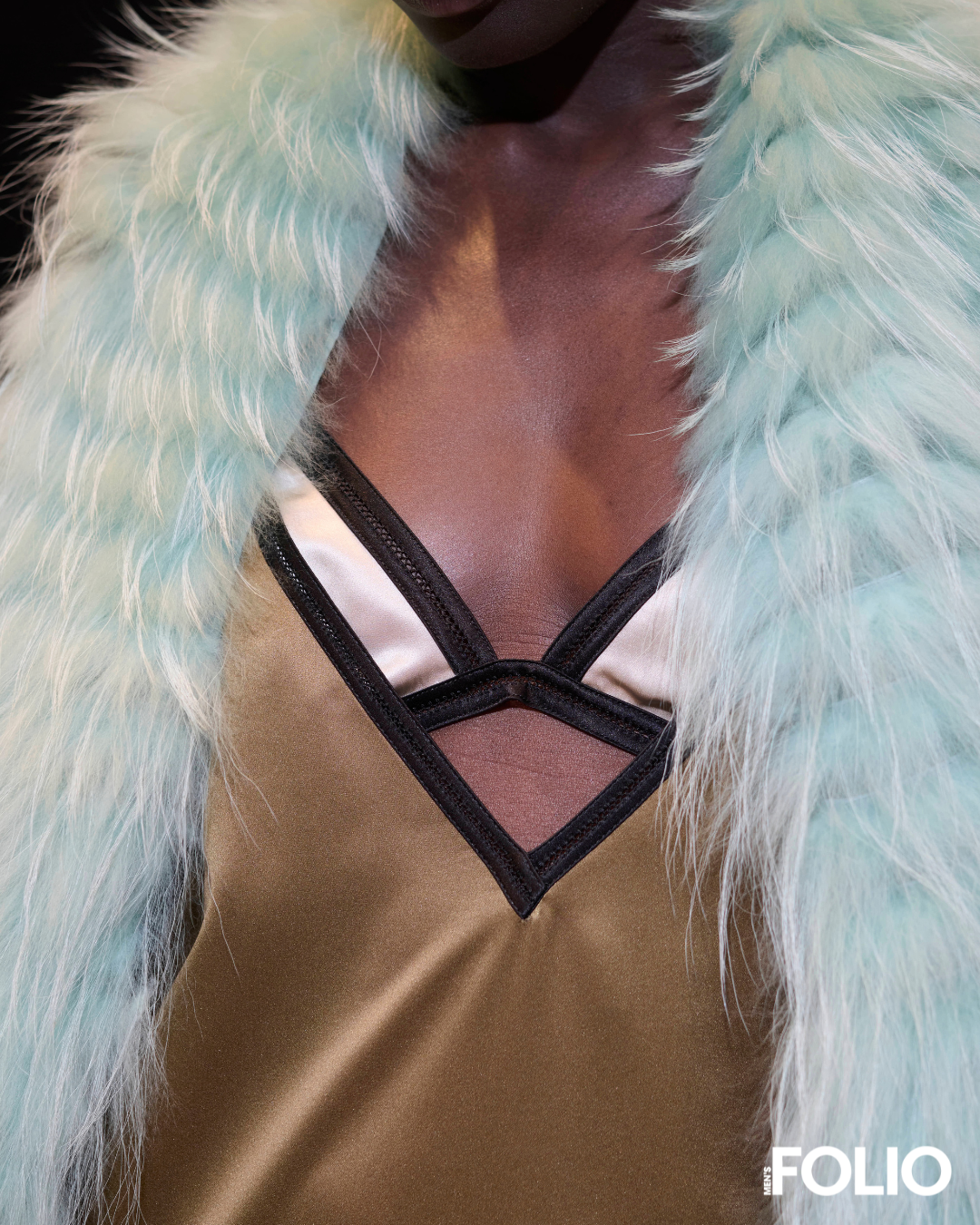

That choice becomes more interesting in an industry increasingly built around the instant image. Fashion is very good at producing something that photographs beautifully for seven seconds, then moving on to the next thing. There is a rigour to Fendi’s restraint. Its SS27 proposition is slower than that. The seduction comes from imagining the life around the clothes, rather than just the picture they make. In that sense, Fendi treats the body less as a runway canvas than a space for intimacy, giving the collection a quietness that spectacle alone cannot manufacture.
Onitsuka Tiger
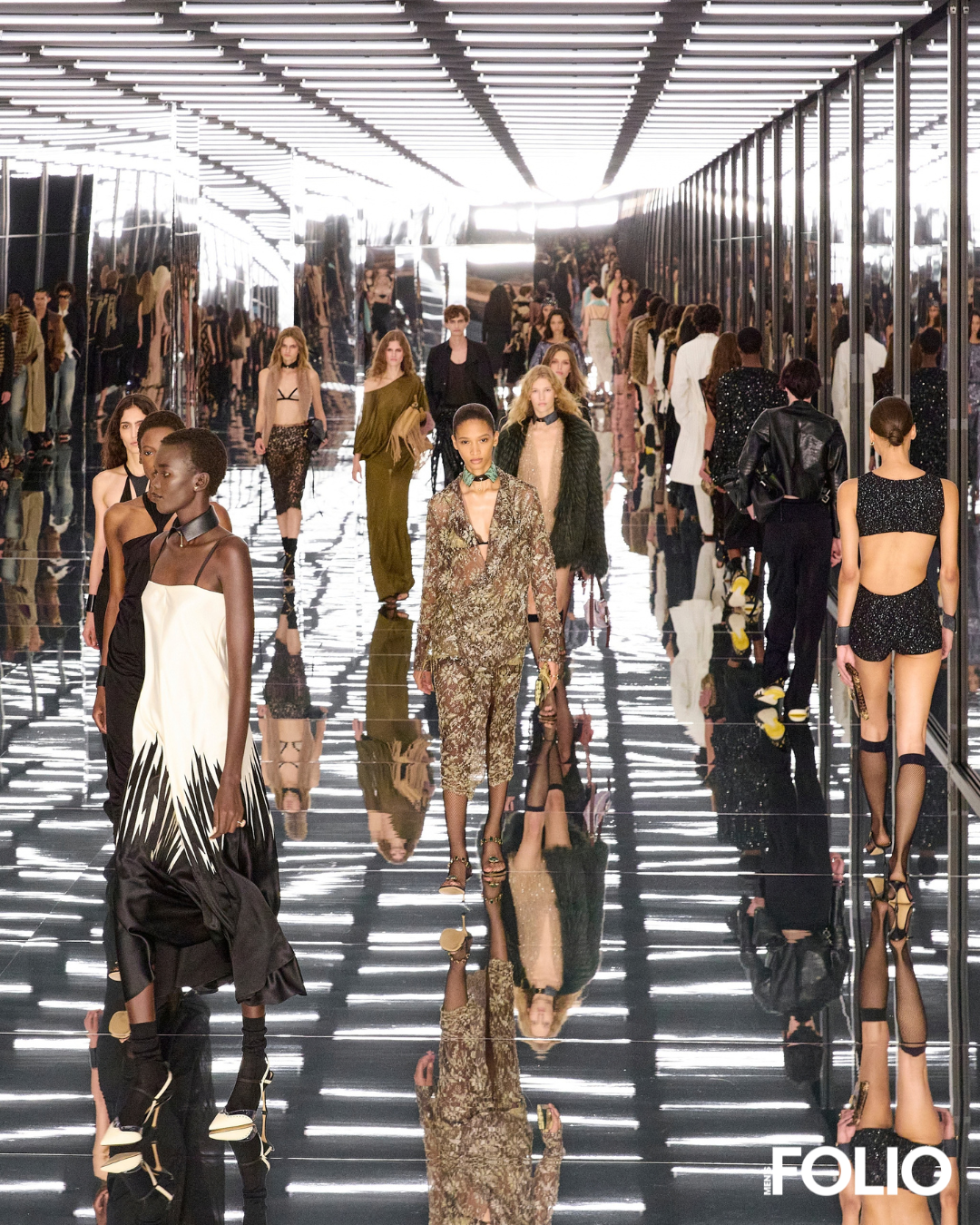
Then there is Onitsuka Tiger, which takes the most chaotic route of the three. Andrea Pompilio throws motorcycles, Western references, tailoring, sportswear, romance, kitsch, and a new footwear proposition into the same world, then asks whether they can coexist without collapsing into moodboarding with a fashion-week budget. The caveat is obvious: breadth is easy; the harder part is making all of it feel like a point of view.
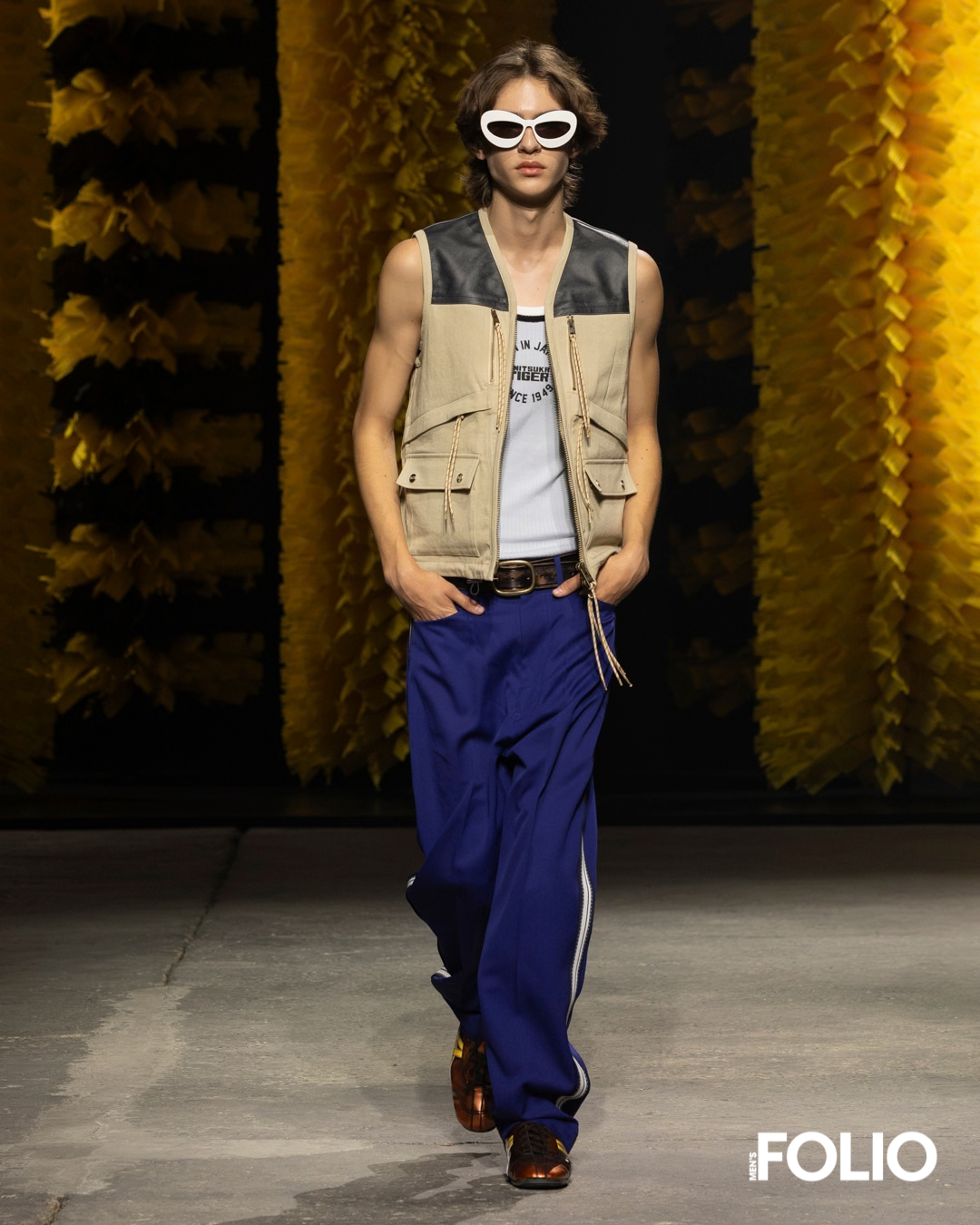
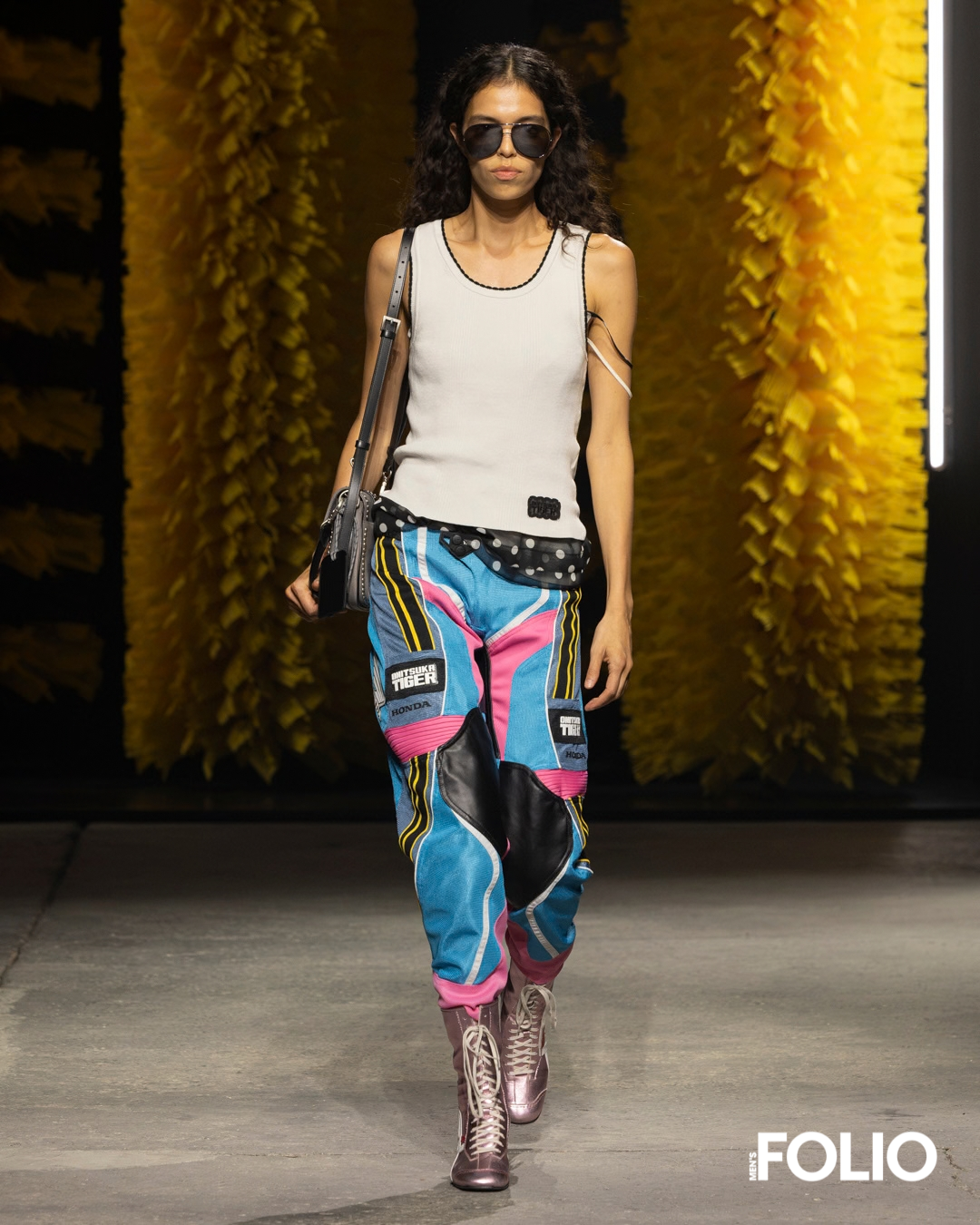
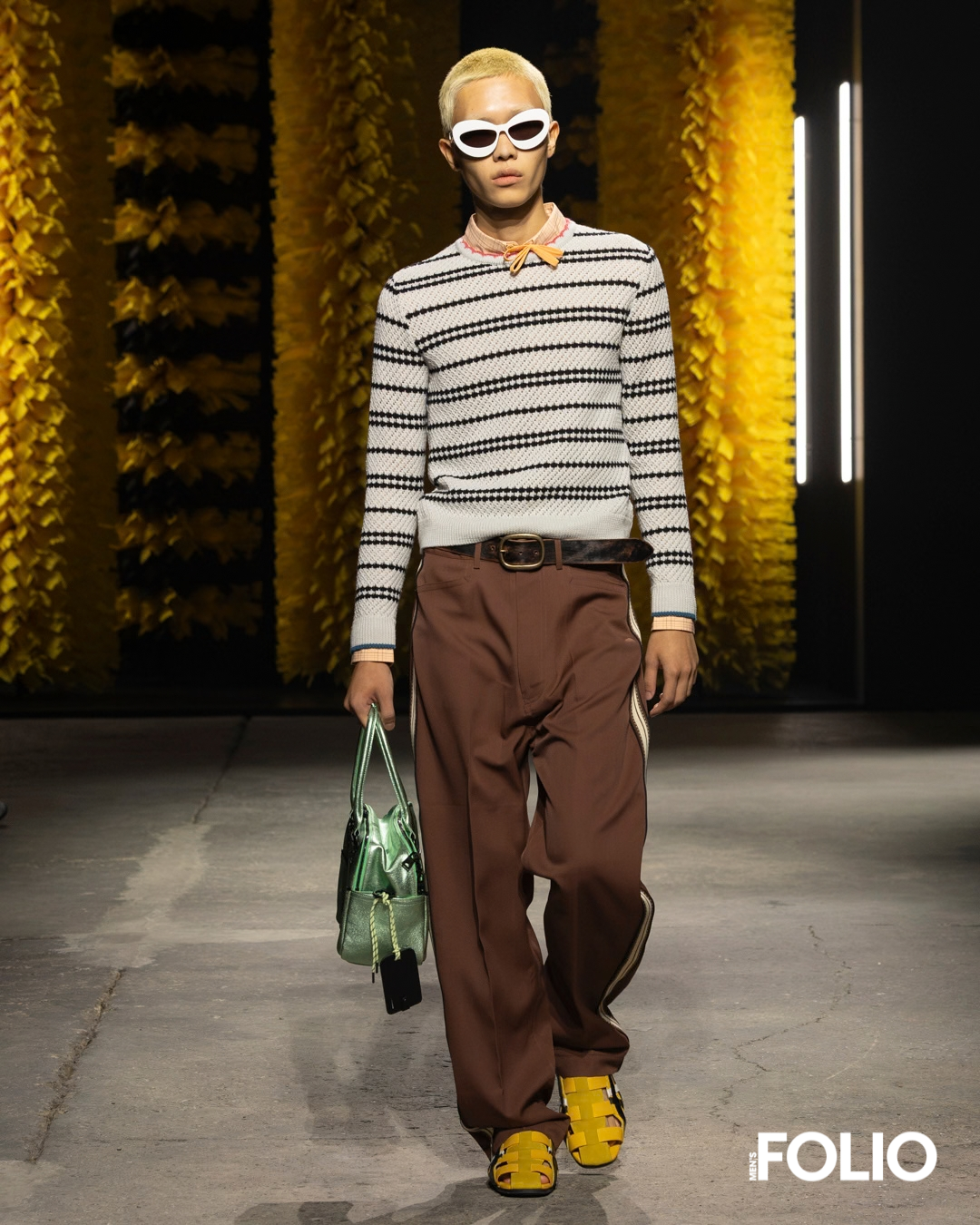
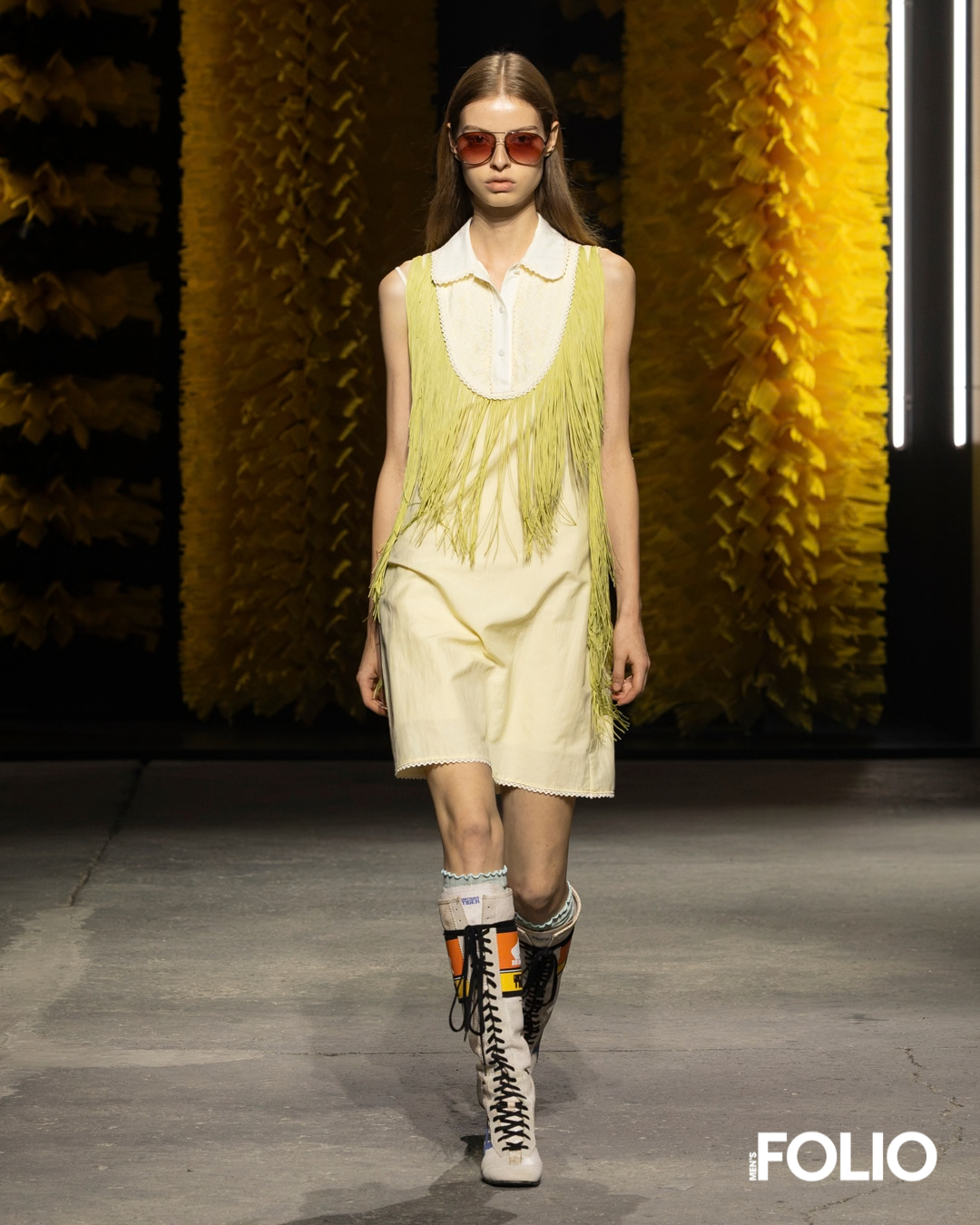
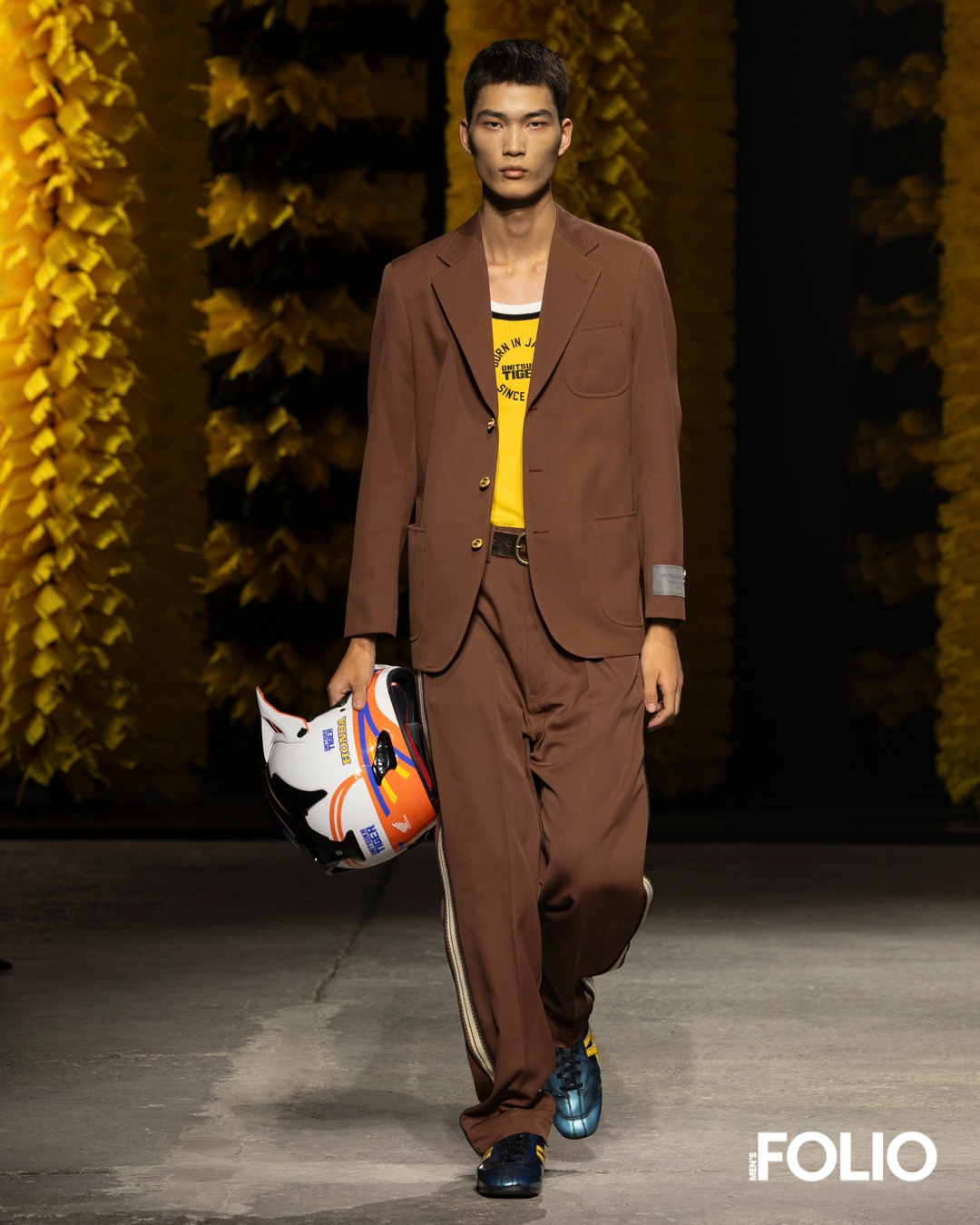
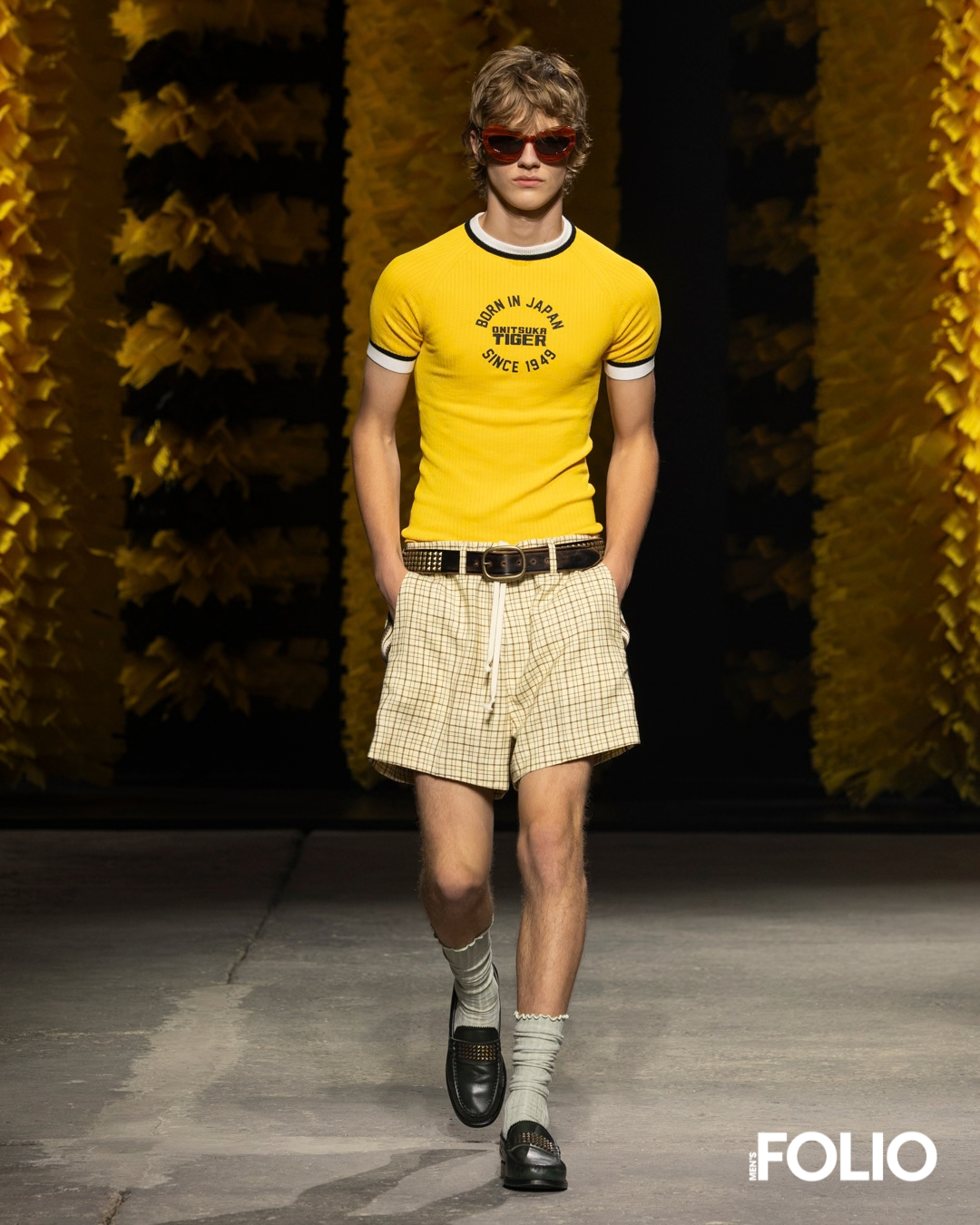
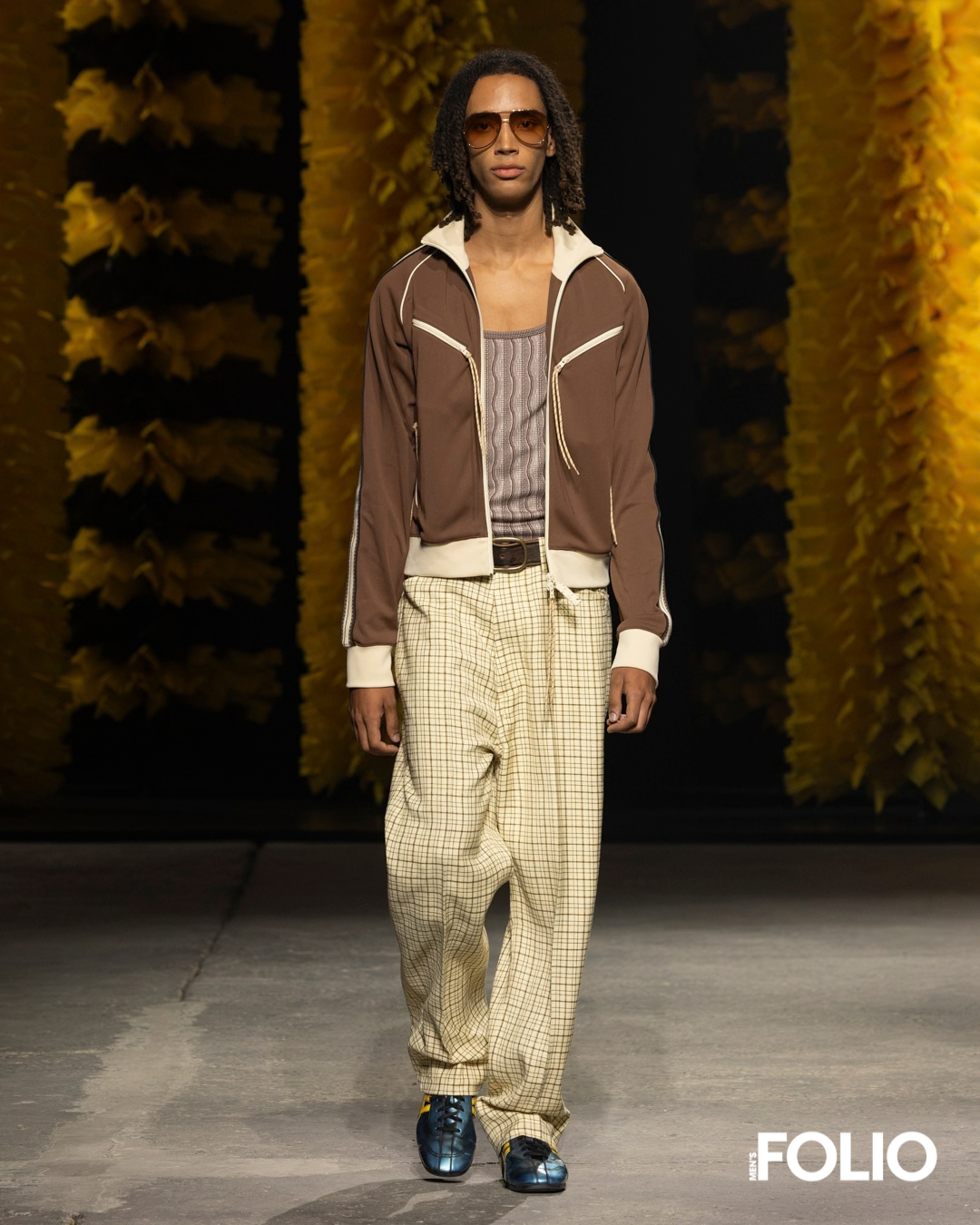
Yet the collection has more internal logic than its sprawl initially suggests. The Lynchian petrol station set, with its laundromat, supermarket, café, and flower shop, creates a world where all these references can collide, while Tiger Yellow, oversized eyewear, tall lace-up boots, and the reworked Onitsuka Tiger Stripe keep the collection tethered to the brand. Even Honda fits more naturally than it first appears. Decades before the Wing Mark showed up on the runway, the 1960 MAGIC RUNNER took its ventilation cue from air-cooled motorcycle engines. The historical connection makes the collaboration feel less like a convenient crossover and more like a piece of history being pulled back into view, reinforcing the idea that Onitsuka Tiger’s future may be found in its own archive.
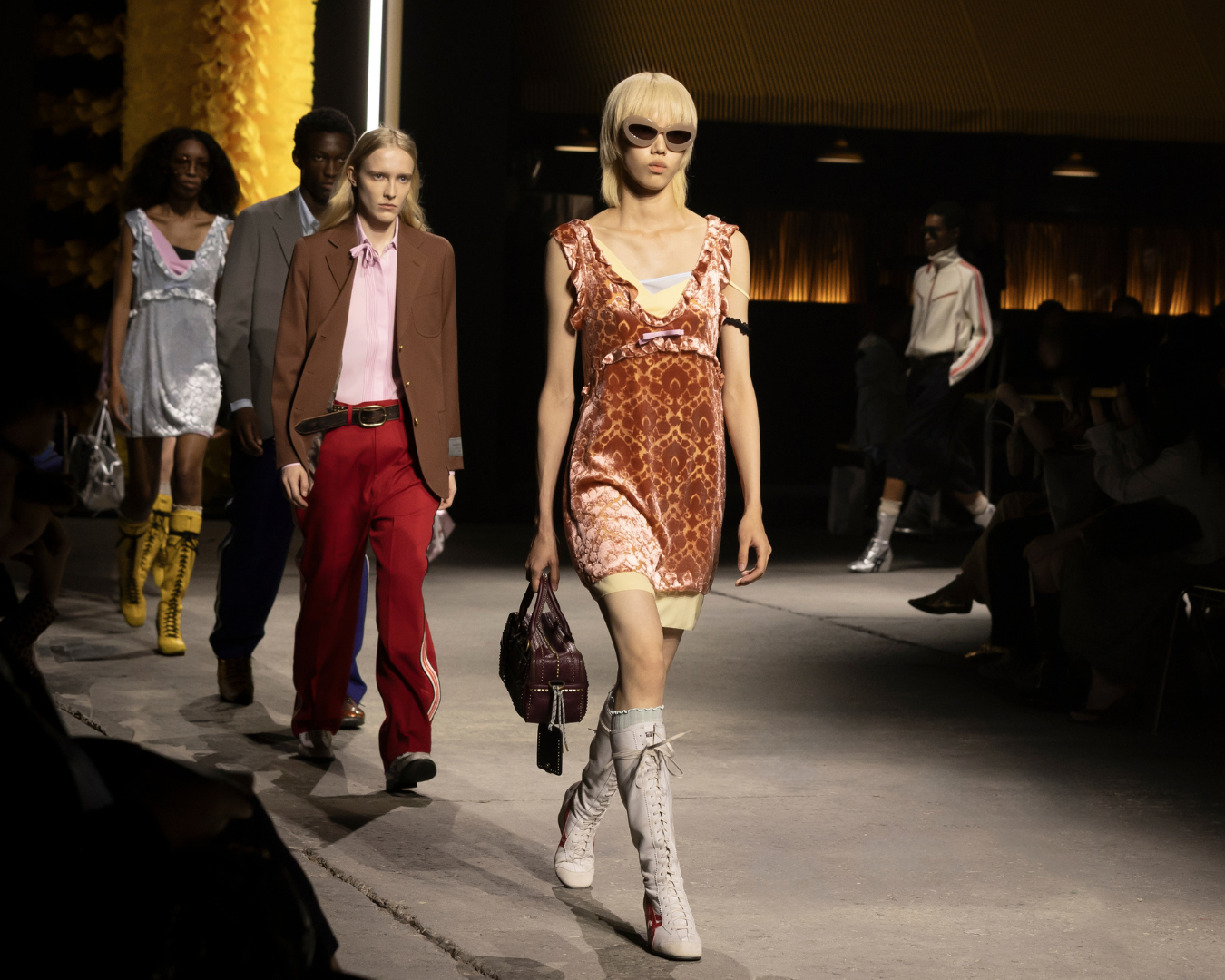
Perhaps that is what all three collections are really wrestling with. Gucci is editing its mythology, Fendi is stripping its spectacle back to the clothes themselves, and Onitsuka Tiger is stretching its vocabulary until it can contain more of what the brand wants to become. None of them are starting over, and maybe that is the point. For fashion houses with decades of history behind them, the challenge is no longer simply to reinvent themselves. It is to make everything they have accumulated feel useful again.
Once you are done with this story, click here to catch up with our latest issue.