Every generation of starlets and pop ingénues has its stage uniforms and IT girl wardrobe staples. Half a decade ago, you would not escape the crescent-moon-printed Marine Serre tops, Dion Lee’s corset vests, the MISBHV compression shirts, and most notably, Mugler bodysuits from Casey Cadwallader’s era. These pieces were seen on the likes of every major pop girl and scantily clad twinks who donned them for their Instagram fit pics. Some of these products came and went after reaching ubiquity; others became fondly remembered relics that now feel too specific for their time — passé, almost. Vietnamese label FANCì CLUB emerged beyond the confines of being just a hype brand with a hero product. Instead, it has positioned itself as a brand responsible for the regalia of pop baddies on- and off-stage with its high-octane, doll-like garments. It was not just one product, but a whole legion of ultra-feminine pieces. Does its success come down to having an acute sense of culture, or the ability to design with a consideration for layered references? Men’s Folio interviews Duy Tran, founder of FANCì CLUB, to discover the brand’s continuous rise in fashion.
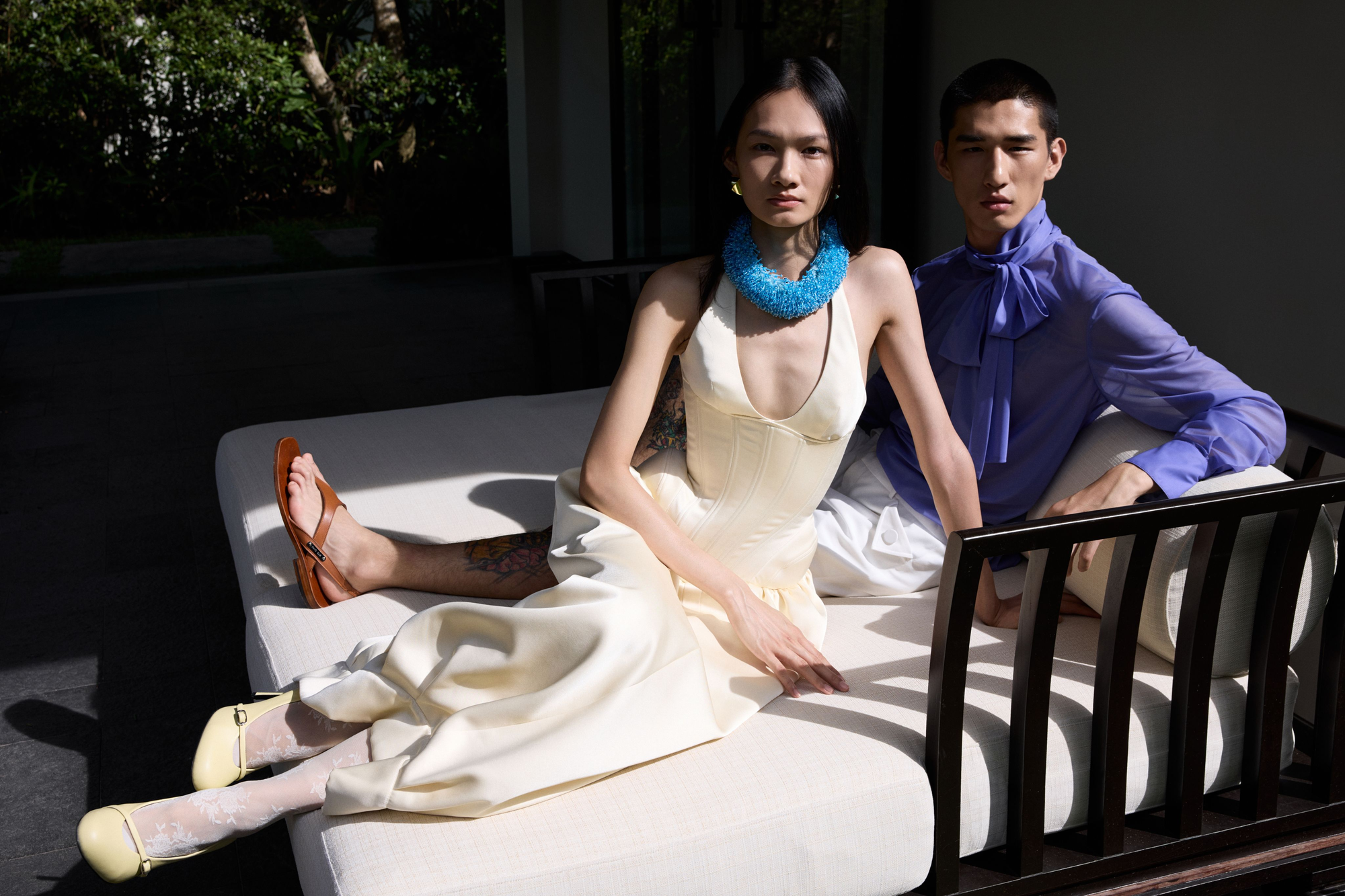
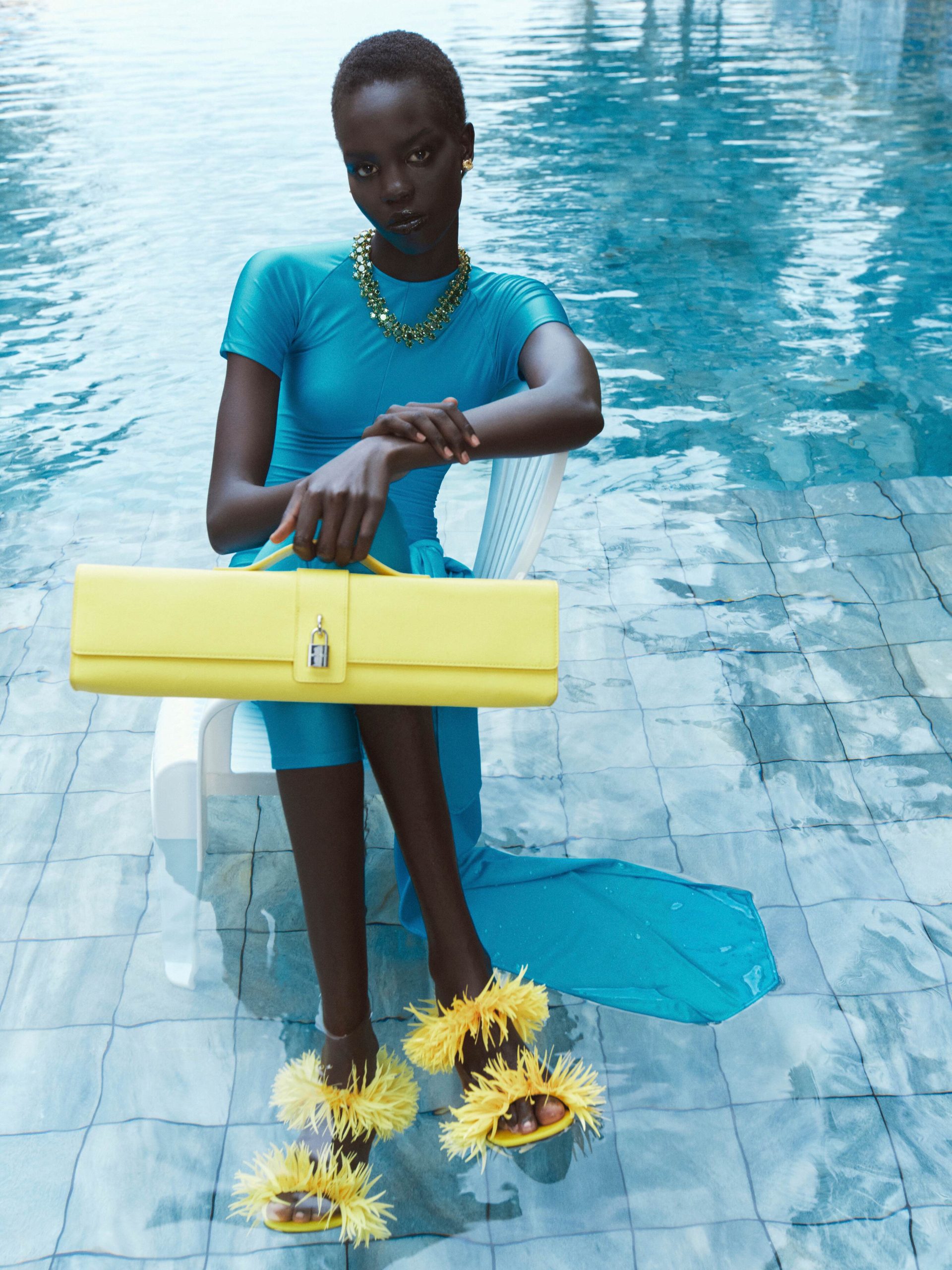
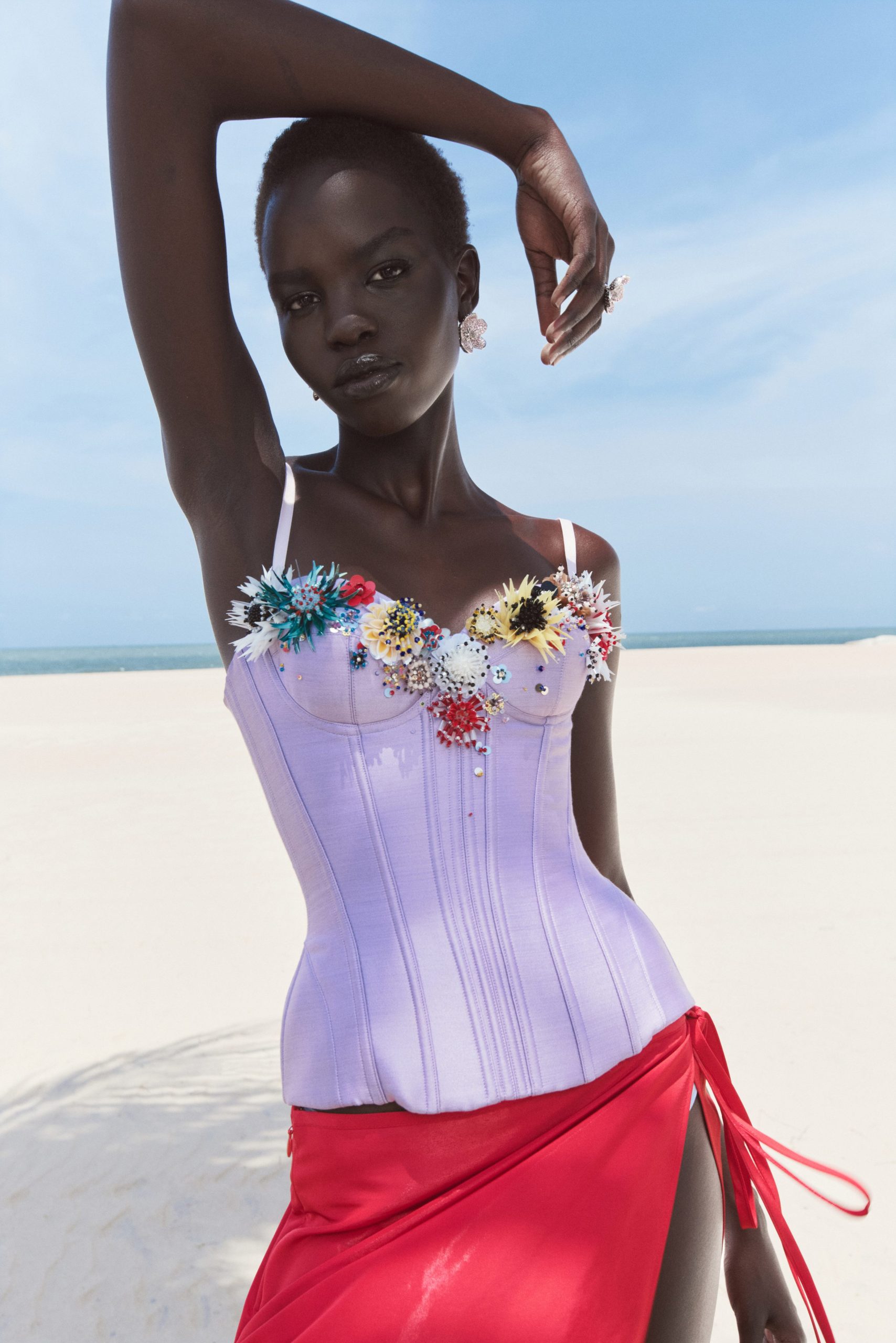
Seen on the likes of Doja Cat, LISA, Jennie, Dua Lipa, and more, FANCì CLUB’s cult presence owes much to its playful approach in women’s design. It is equal parts audacious and fun without sacrificing sex appeal — all the non-negotiables for a modern pop diva. You see these values trickle down into pieces displayed on e-commerce platforms, from a sheer ruched halter dress to a lace-up miniskirt. “We’ve never approached every design with the expectation it has to become a commercial product, as each piece plays a different role within the brand.” Tran believes some designs exist to express an idea, spark conversation, or push the creative language forward, while others distil the same spirit into something more accessible. “Rather than ‘toning down’ a concept, we prefer to reinterpret it by looking for ways to preserve the emotion and attitude of an idea, while refining the materials and wearability. This allows us to stay true to the brand identity without compromising on creativity.” The brand sees the more conceptual pieces as designs that define the brand, while the more wearable ones invite a wider audience into its world.
So many homegrown brands founded in Singapore and Malaysia market themselves to overseas markets, operating on the belief that local audiences have yet to develop certain aesthetics or possess sufficient spending power. While FANCì CLUB once shared this sentiment, attributing it to more mature markets abroad that have developed an affinity for niche aesthetics, it has recently observed a shift. “In recent years, we’ve been incredibly excited to observe the evolution of the fashion landscape across Vietnam and Southeast Asia. Consumers are becoming increasingly interested in supporting younger brands — especially those with a clear point of view — and we’re witnessing a much greater confidence in the regional fashion scene as a whole.” If anything, Tran considers the momentum gained by any Asian brand beneficial to local fashion brands back home.
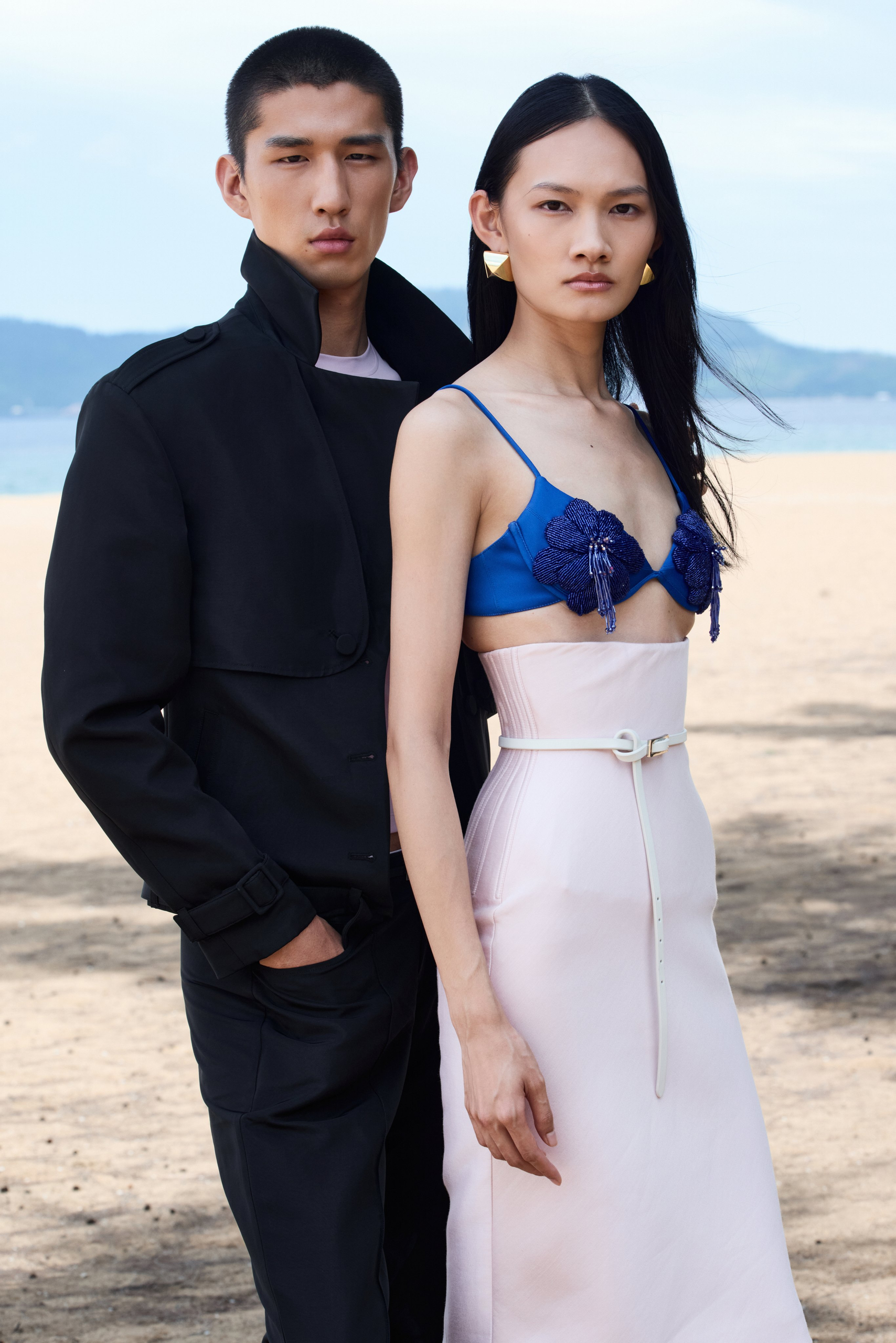
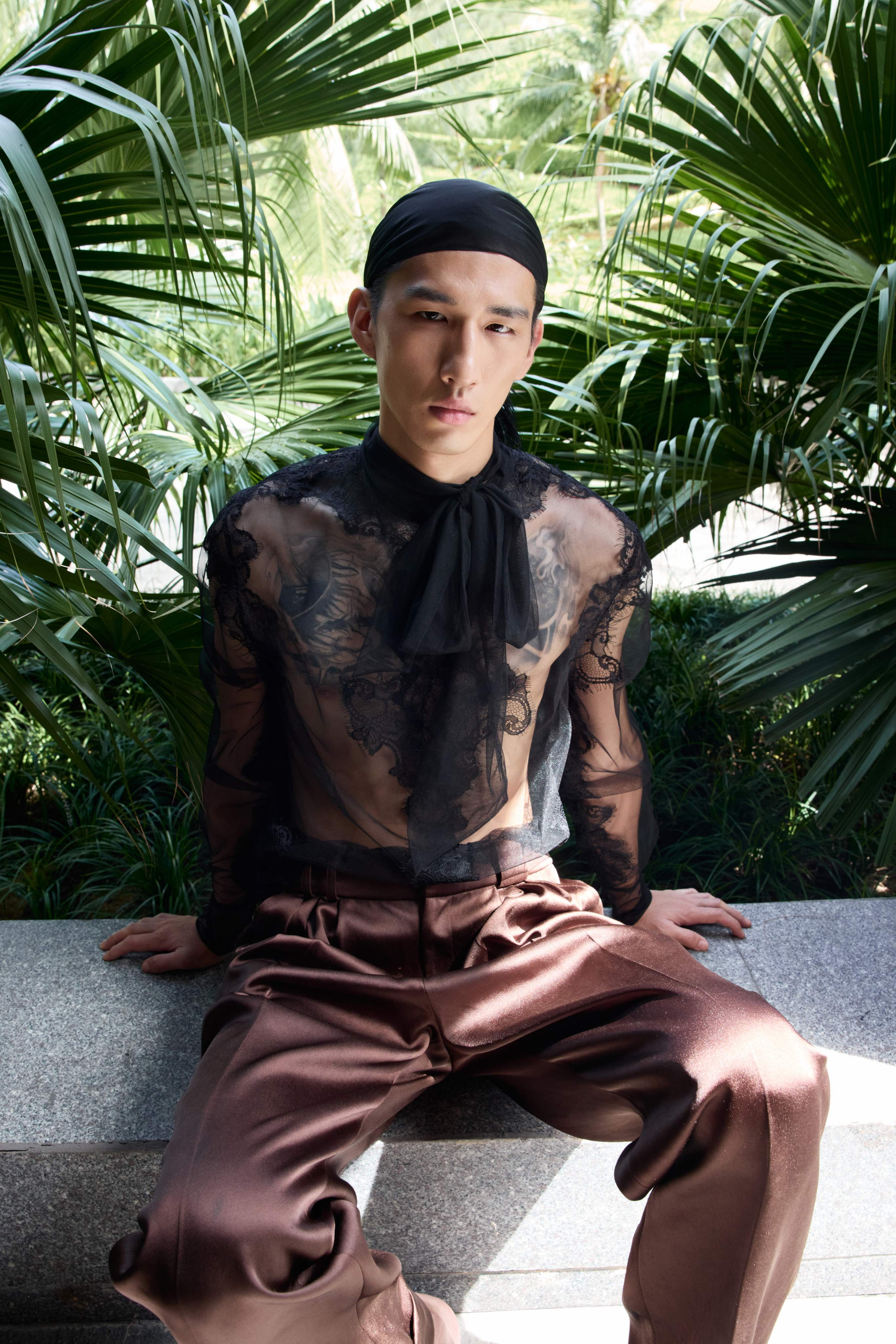
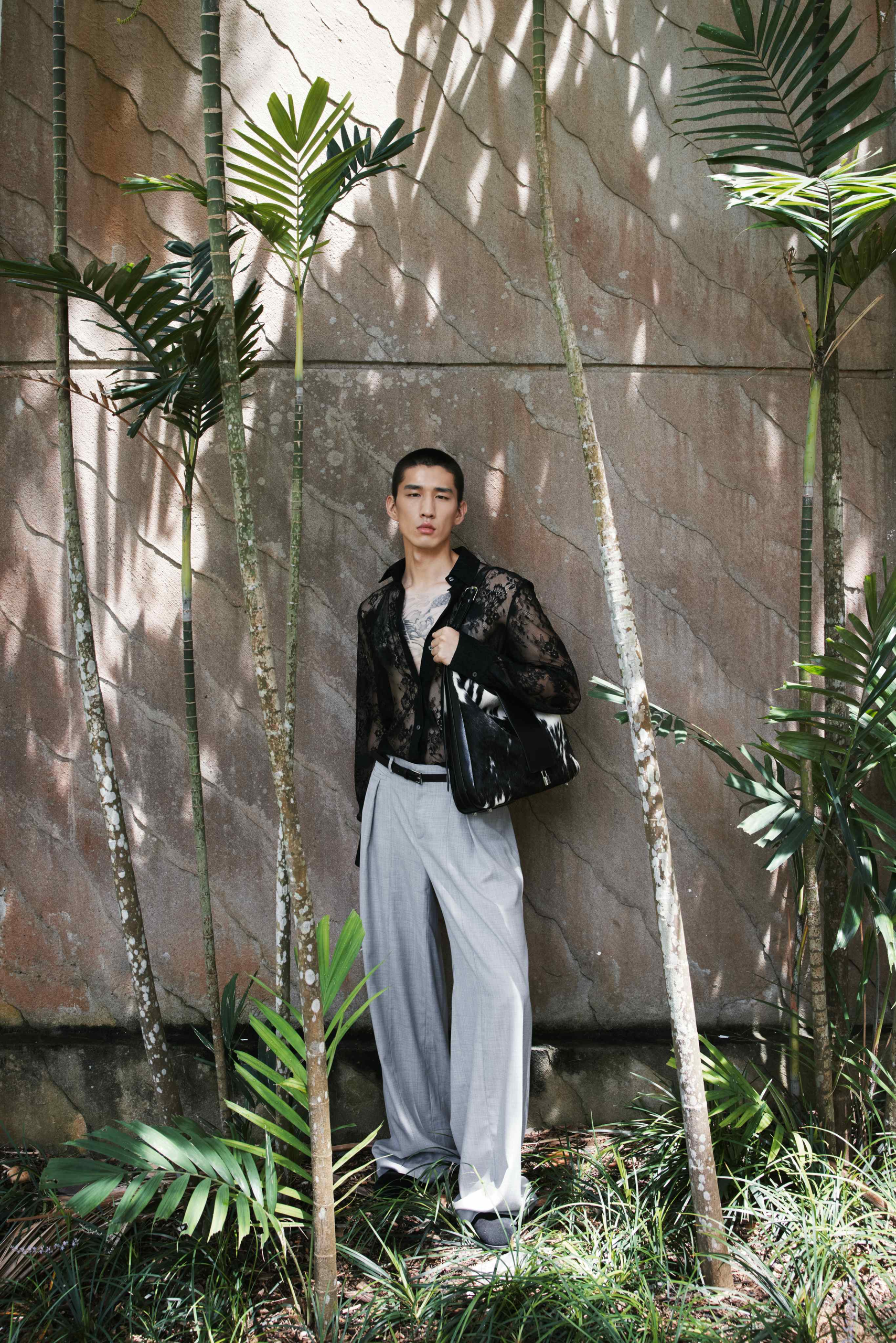
In an industry that pretends to be forward-looking yet is heavily oriented toward nostalgia, FANCì CLUB, surprisingly, does not burden itself with the need to design with timelessness in mind. “We’re more focused on making pieces that stay relevant to the wearer and less about being timeless or present. This happens by giving them enough character to feel special, but versatile enough to live beyond a single occasion or trend,” shares Tran. “A corset can be paired with denim for dinner with friends, layered underneath tailoring for daytime, or styled for an evening event. The same piece can take on a different character depending on how it is styled.” To FANCì CLUB, longevity is the result of versatility. If the garment continues to find a place in the wearer’s closet and can be discovered over time, it naturally becomes timeless through use rather than intention.
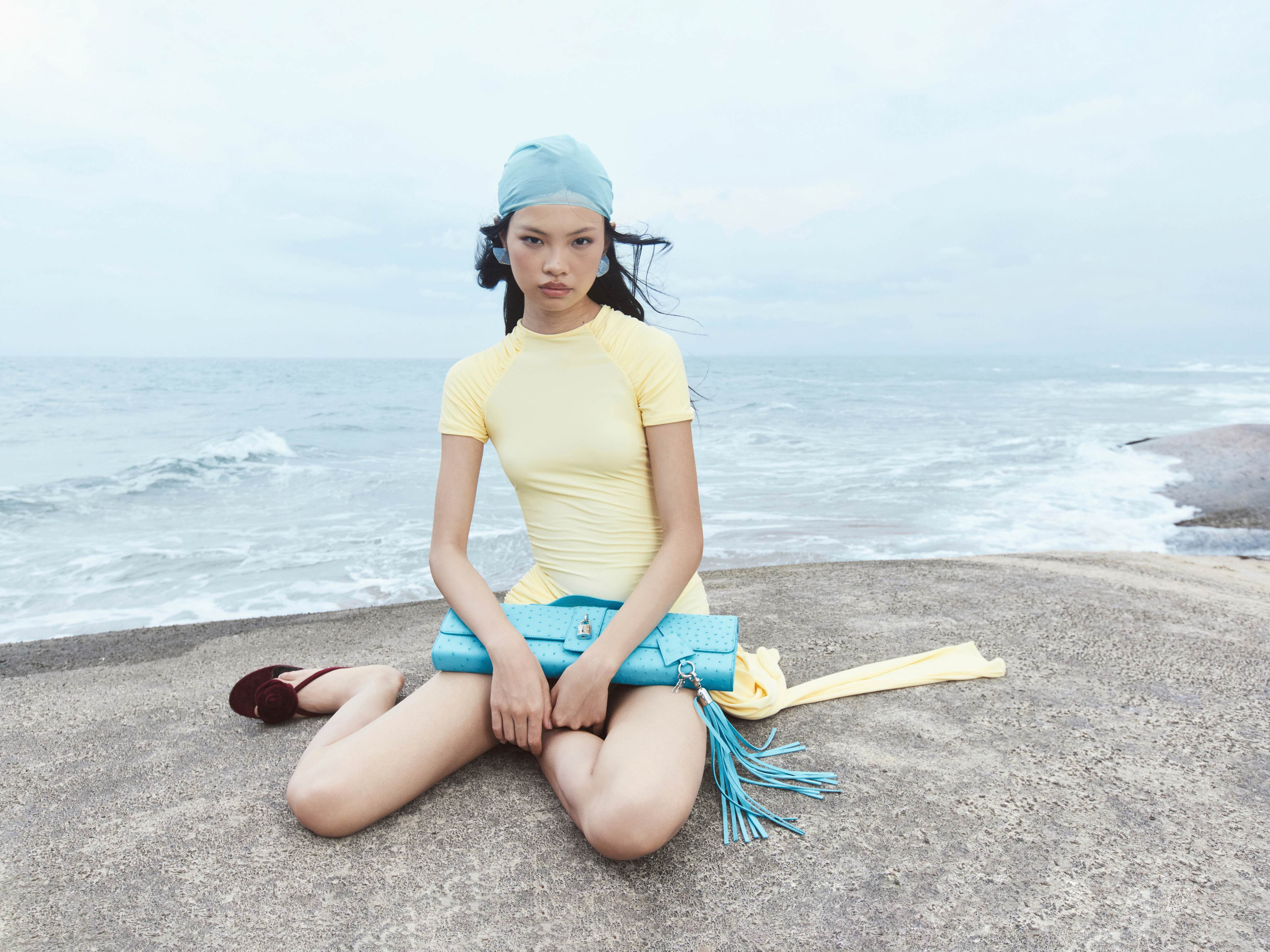
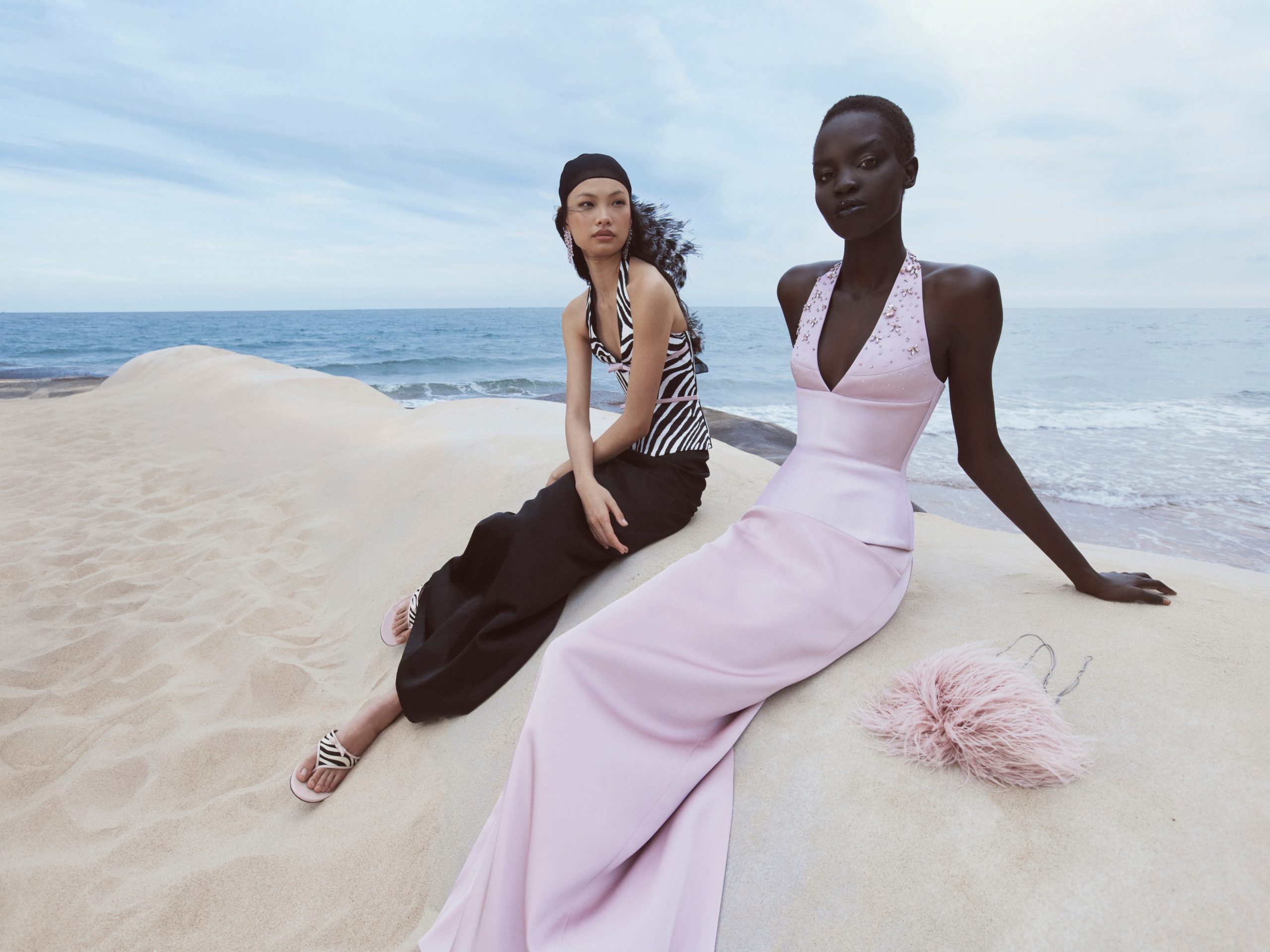
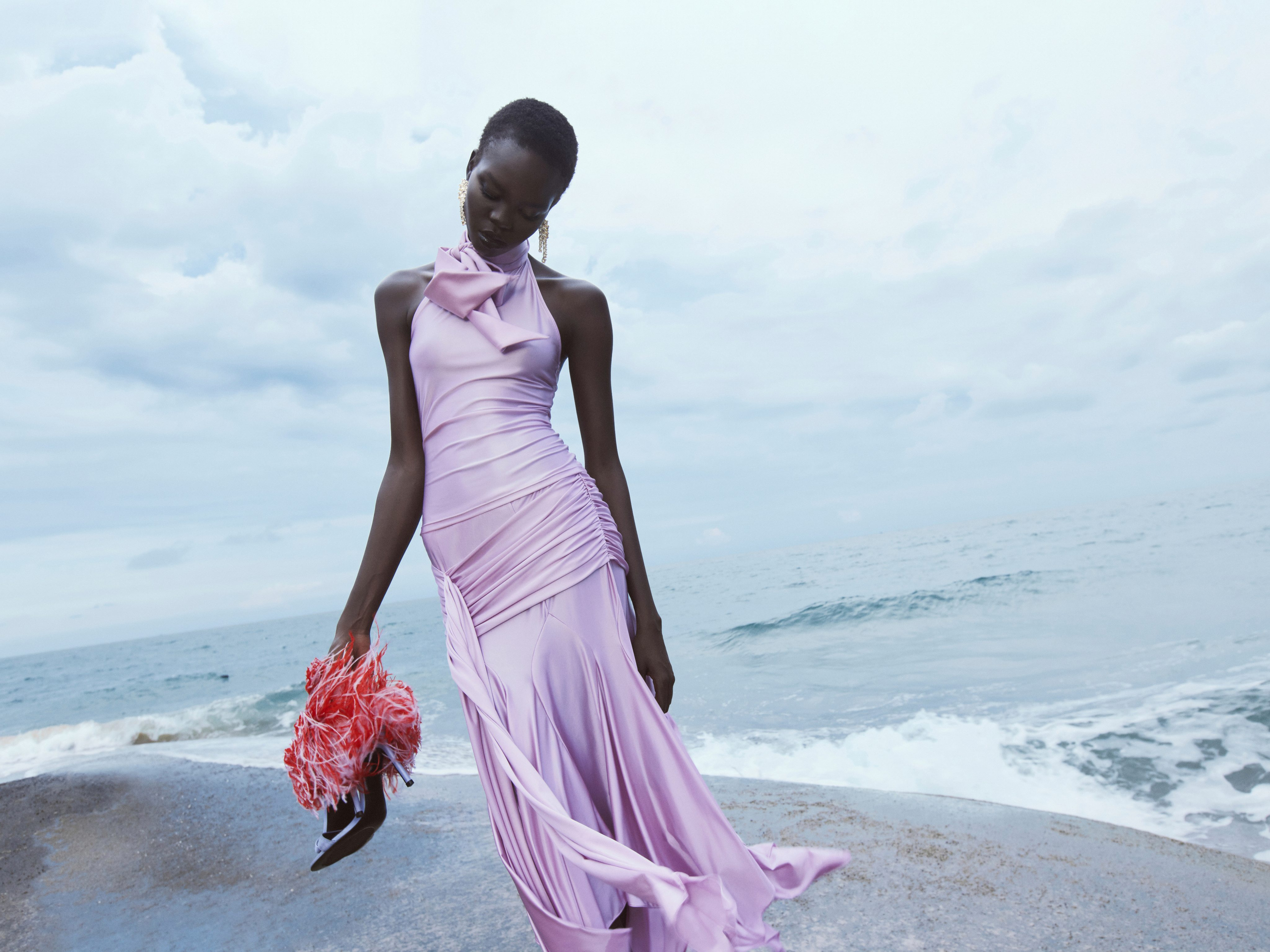
FANCì CLUB does not believe designs need to be imbued with significant references or layers of intellectualism, either. “Sometimes it does, but other times it begins with something much simpler, like an emotion or a memory,” says Tran. This is when intention comes into play, as the team considers how each piece is constructed and moves on the body. “Those can carry as much meaning as a conceptual narrative. Once a piece leaves our atelier, it becomes someone else’s story. That’s when meaning arrives.”
Since the brand’s inception in 2018, FANCì CLUB has reached several milestones, including opening its first flagship in Ho Chi Minh City in 2024 and staging its first runway show in Vietnam last year. “With our flagship store, we wanted to create a space where people could experience our world, understand the craftsmanship, and see the values that define the brand,” explains Tran. “Both the flagship store and runway show reflected our belief that meaningful growth starts at home. Since then, we’ve refined our production and operations to support our growing international presence and demand, while maintaining our handcrafted, made-to-order approach. At the same time, our work and global relationships with our stakeholders, like stylists, celebrities, editors and retailers, continued to grow.” For Tran, the biggest change he witnessed is the scale at which his brand has been sharing its artistry. “By investing in our home market first, we’ve built a stronger foundation that allows us to bring a Vietnamese fashion brand to a global audience, while staying true to where we started.”
When asked about brands that seem to have taken inspiration from FANCì CLUB, Tran considers it a form of flattery. “It’s always encouraging to witness aesthetics and ideas that resonate beyond your own collection. At the same time, we believe what gives a brand lasting meaning is its consistency over time.” The real challenge, however, took form in its Fall/Winter ’26 collection, “JOINED”. “It involved a significant amount of intricate embellishment and handwork, which made the production process more time-intensive than our previous collections. There was this fully hand-embellished piece that required every element to be placed and applied individually. The placement itself required a lot of consideration, as we had to map each detail carefully to create the right balance and proportion, while making sure the embellishments followed and enhanced the natural lines of the body.”
Given that FANCì CLUB’s prominence is attributed to its legion of starlets who have worn the brand, Tran shares that he enjoys the multitude of ways stylists and celebrities have collaborated with the brand. “Many of our clients and their teams are closely involved with shaping the creative vision, but what we’ve always appreciated is the trust they place in us to execute these ideas. Often, stylists come to us already familiar with our work and the level of craftsmanship that goes into every piece,” he shares. “Some come to us with a very clear vision, while others give us the freedom to interpret an idea in our own way. Although each approach challenges us differently, what stays consistent is the level of craftsmanship that goes into every piece.” Instead of defining a successful collaboration through specific looks, Tran values the relationships more, especially when the brand receives return enquiries for tours, performances and editorials requests.
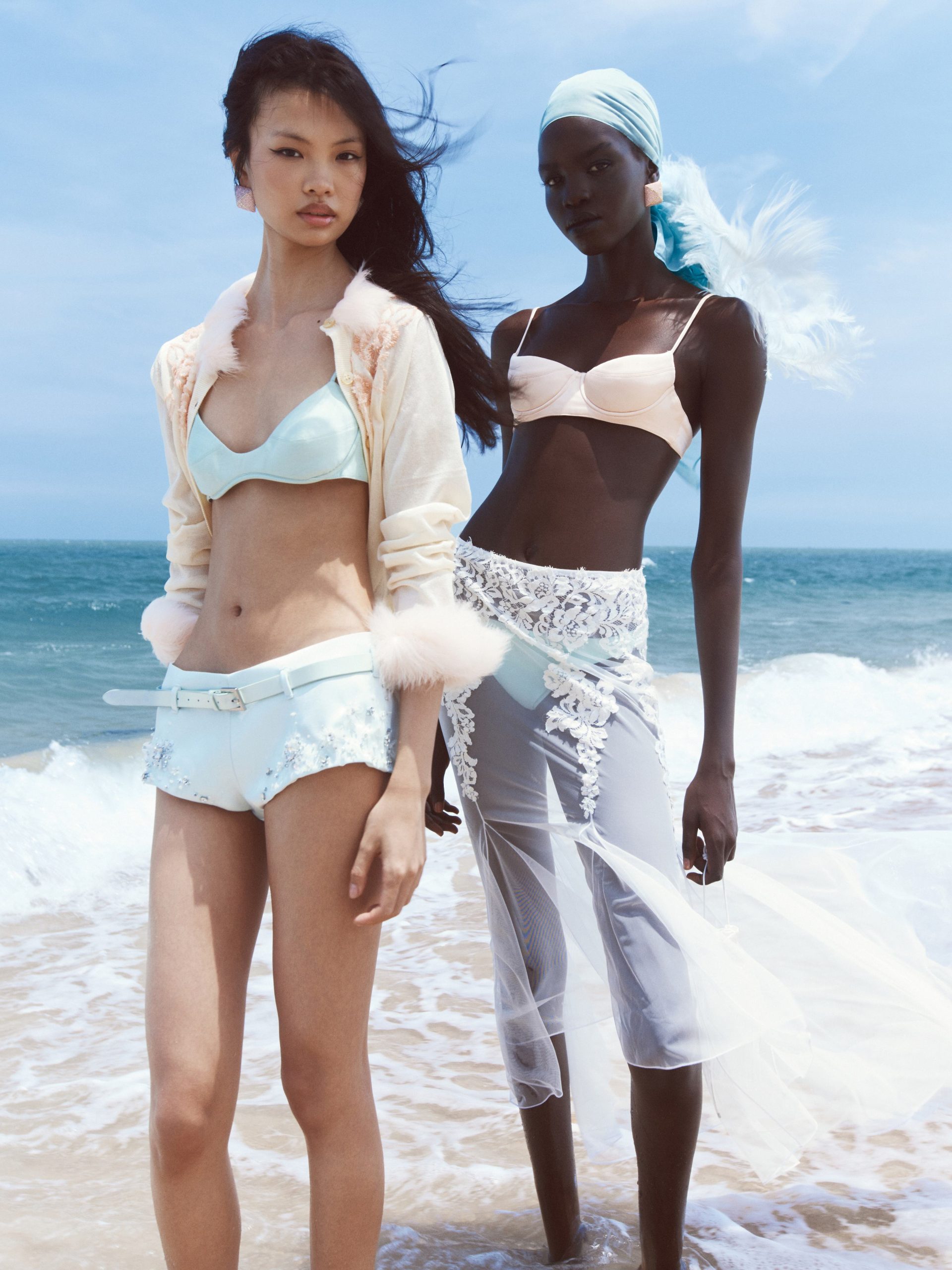
Fans of FANCì CLUB will also notice that the brand has been offering menswear since its Spring/Summer ’26 collection. When asked if the design approach differs between genders, Tran explains that the brand focuses more on translating the same sense of confidence, sensuality and self-expression into a new wardrobe.
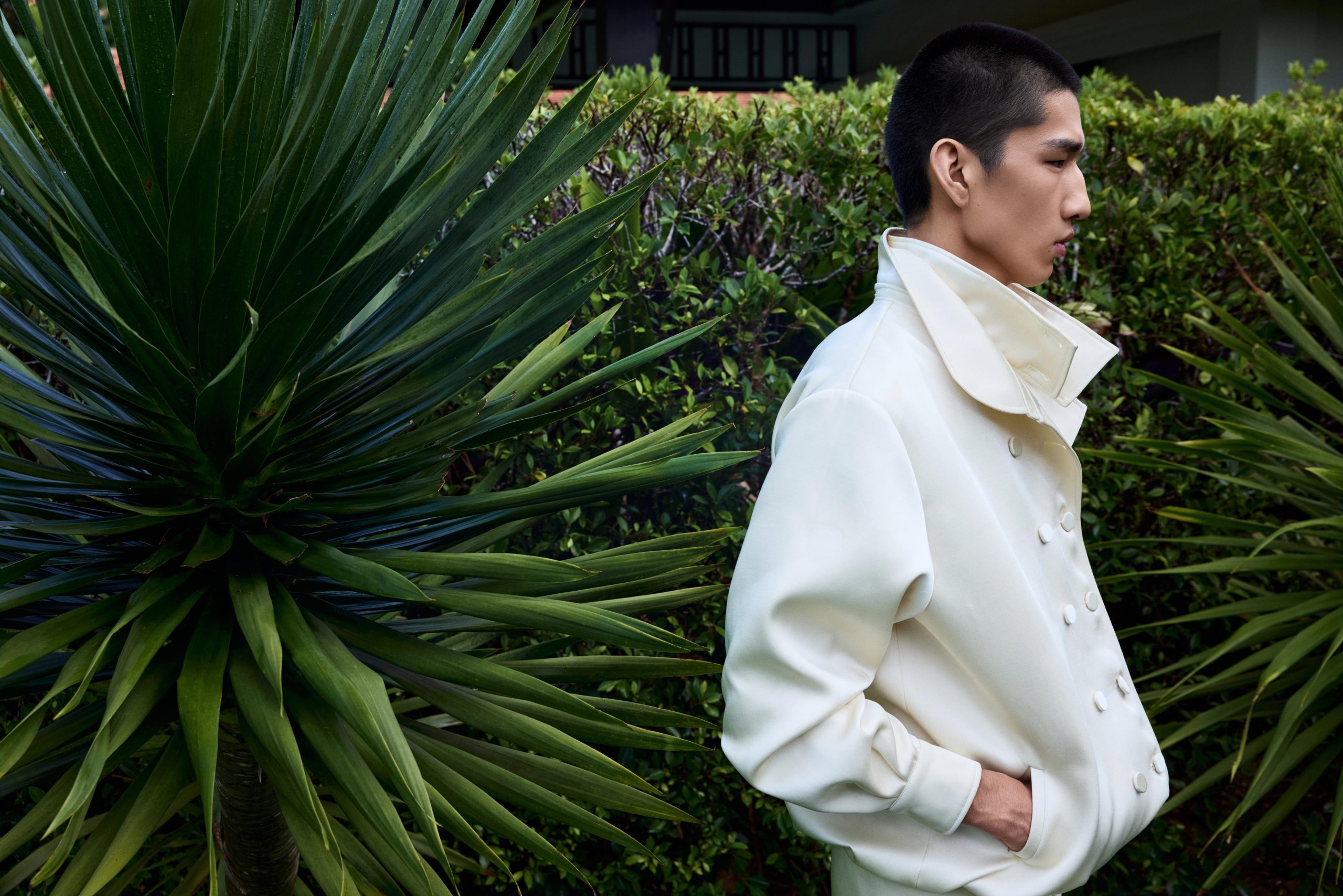
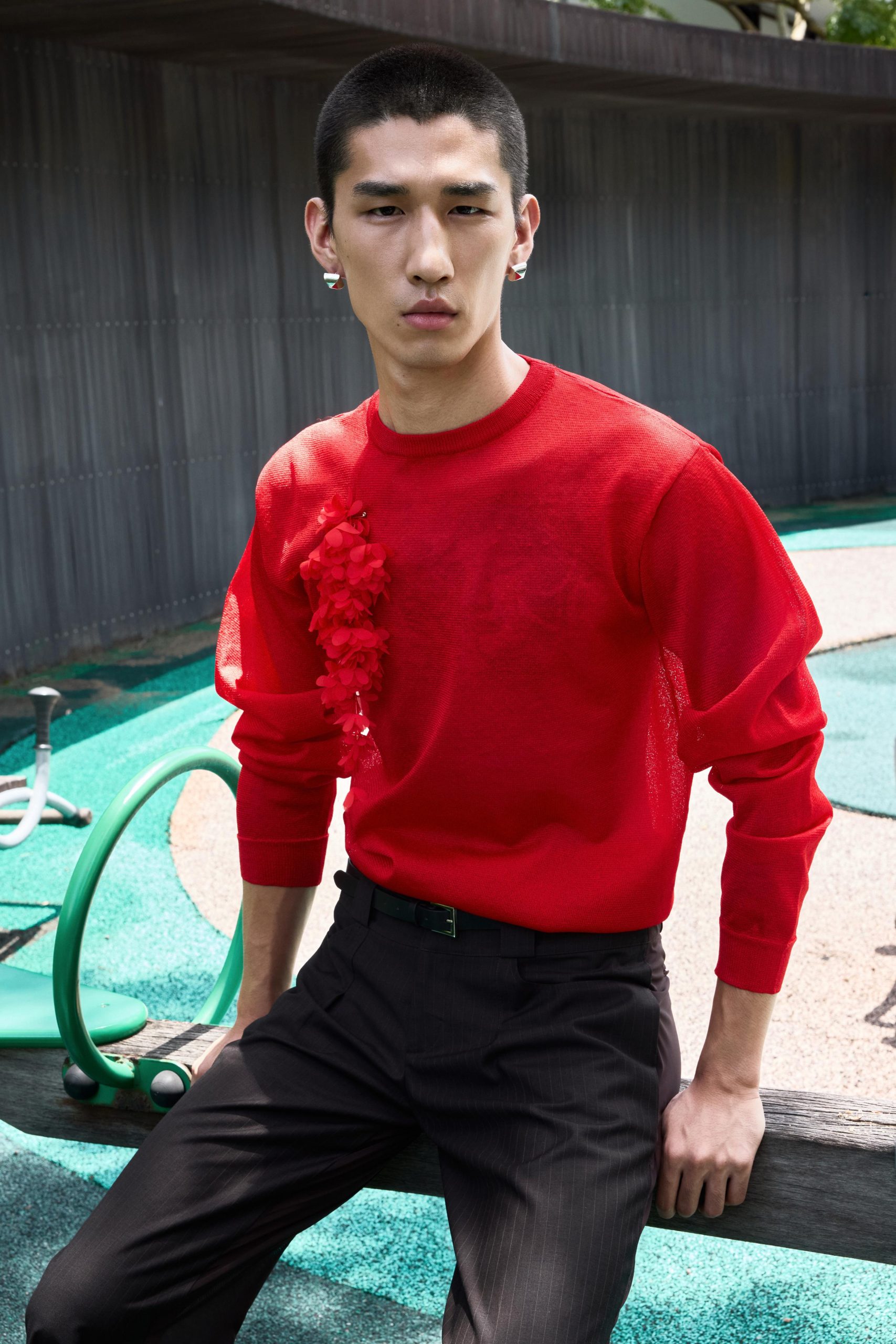
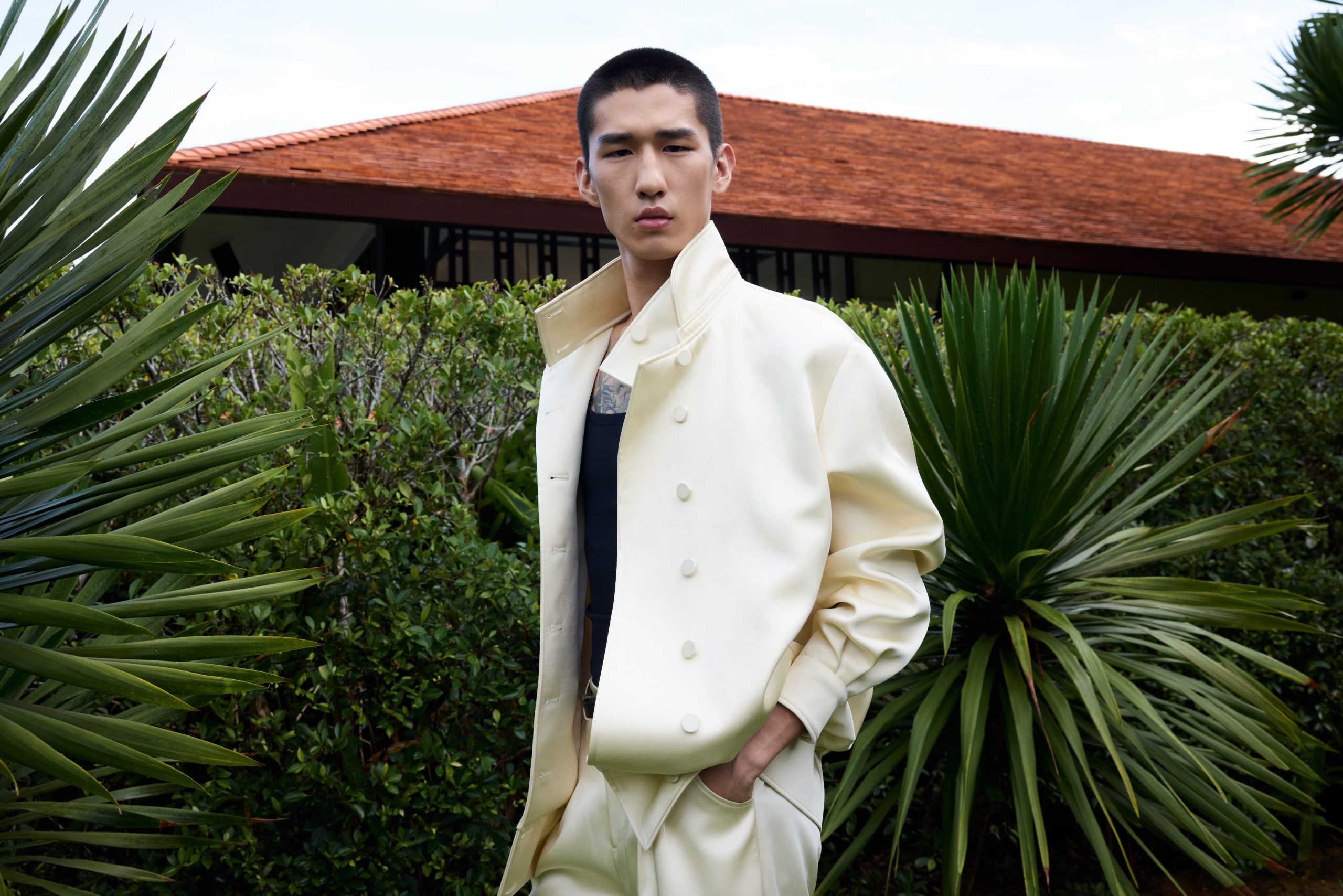
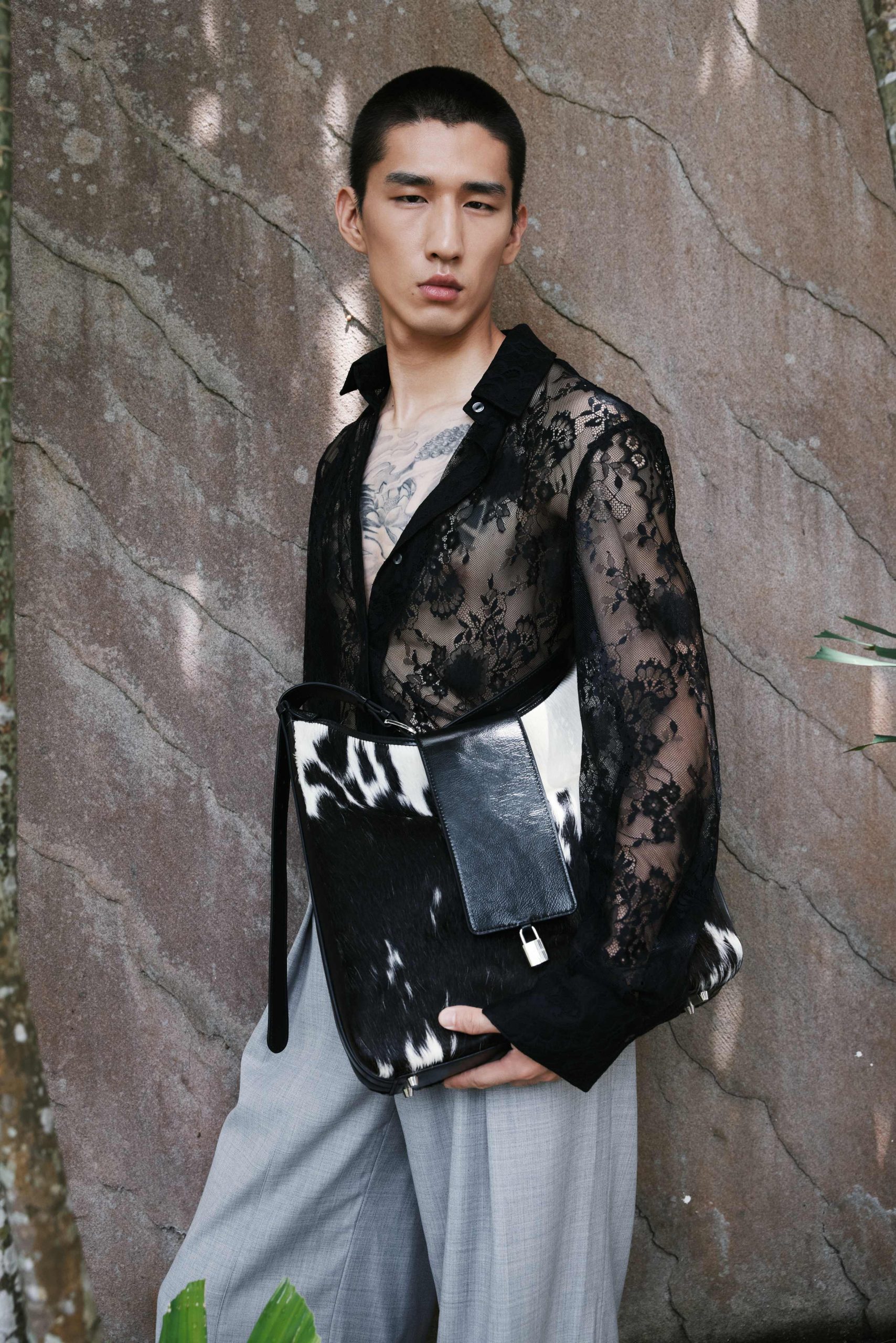
“The FANCì man isn’t defined by a traditional sense of masculinity, just as the FANCì woman isn’t defined solely by femininity. Both are individuals who are comfortable expressing themselves — they’re playful, curious and experimental.” Viewing the brand as a design language that can evolve through different silhouettes, proportions, and forms, its menswear became a natural progression to broaden that language, rather than redefine it. An obvious choice that FANCì CLUB hopes to dress is Troye Sivan. “What interests us is the softness and sensuality in his image that feels very natural, which is something we’ve always explored through our menswear. It’ll be exciting to see how our pieces could become part of his own visual language.”
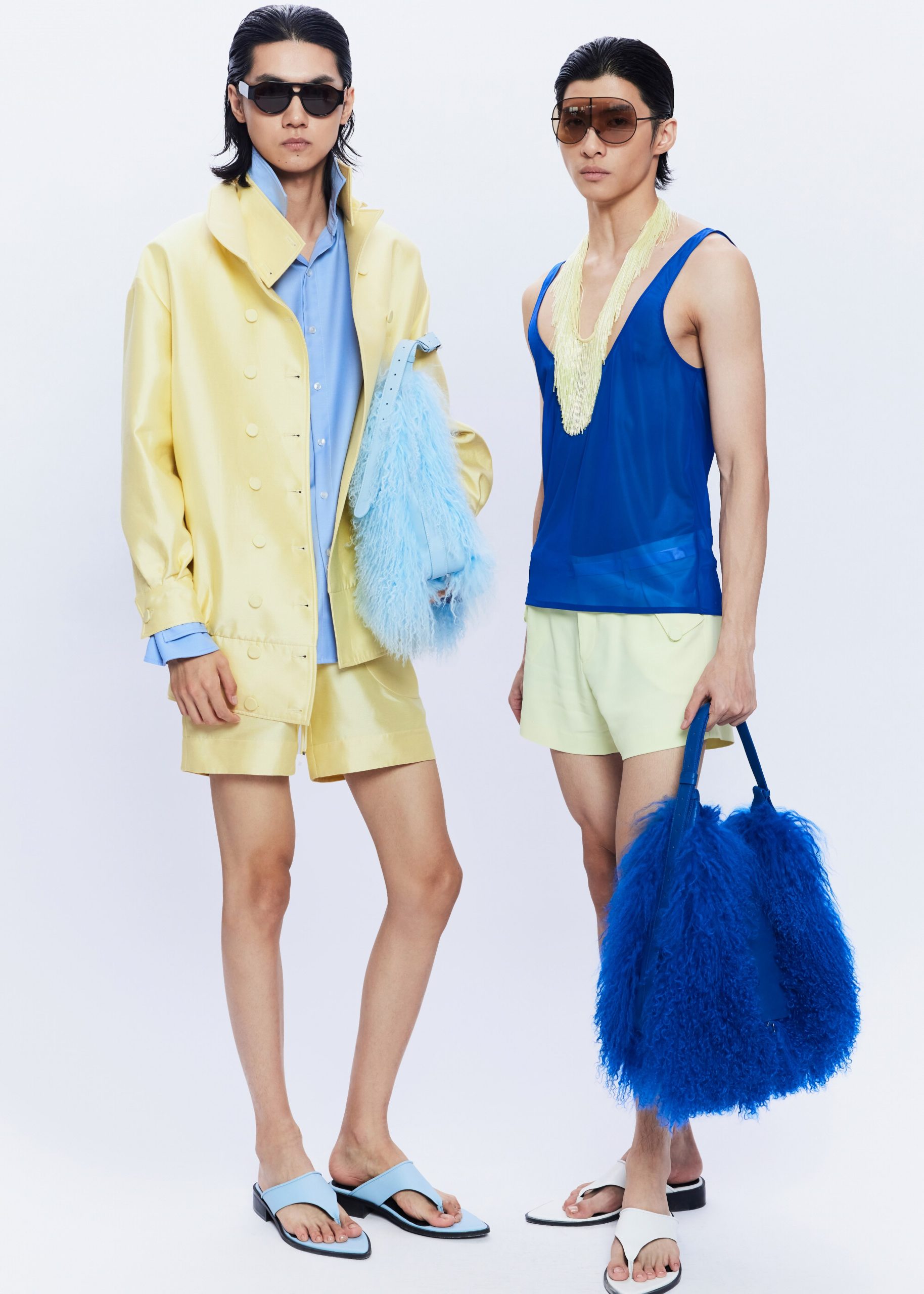
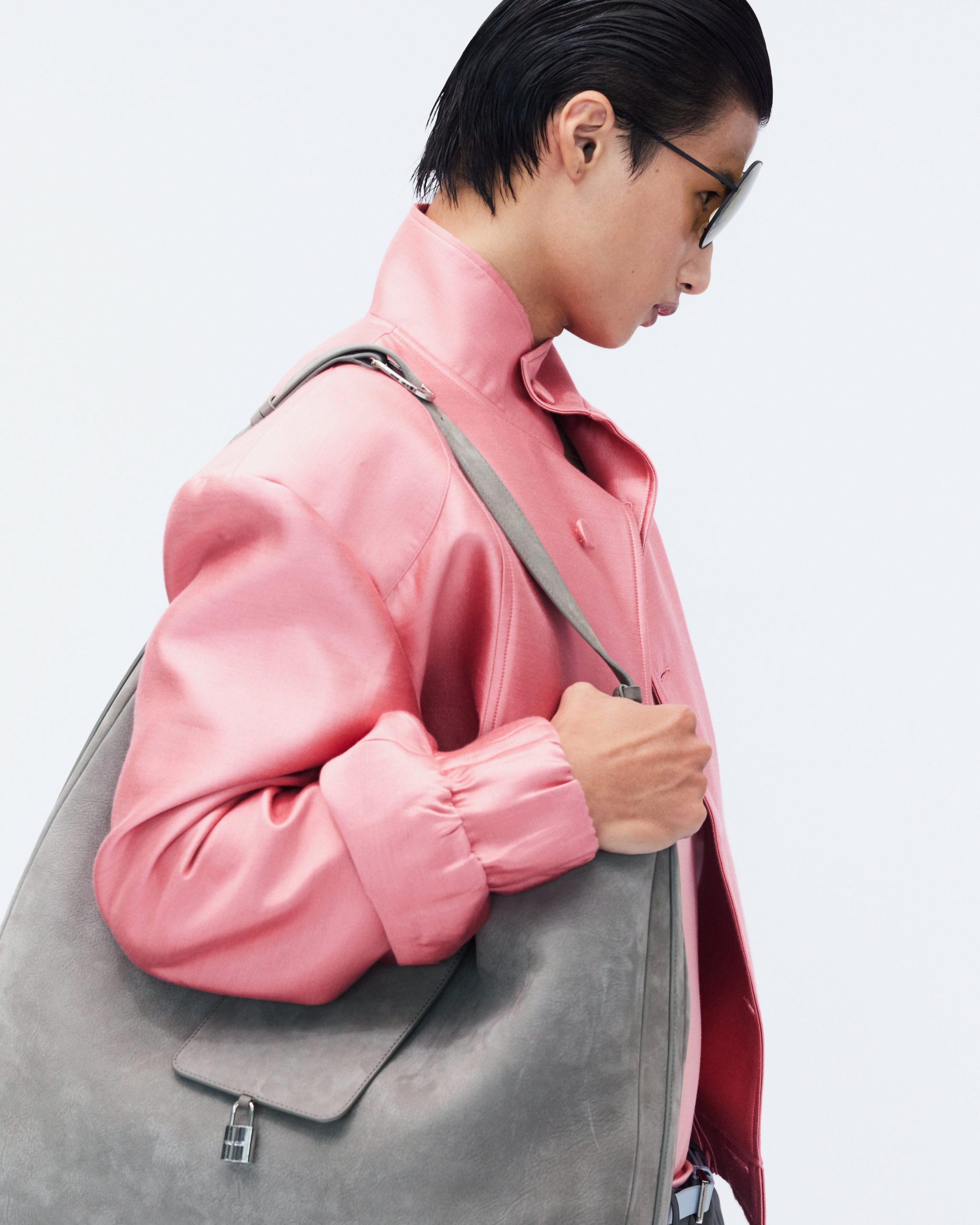
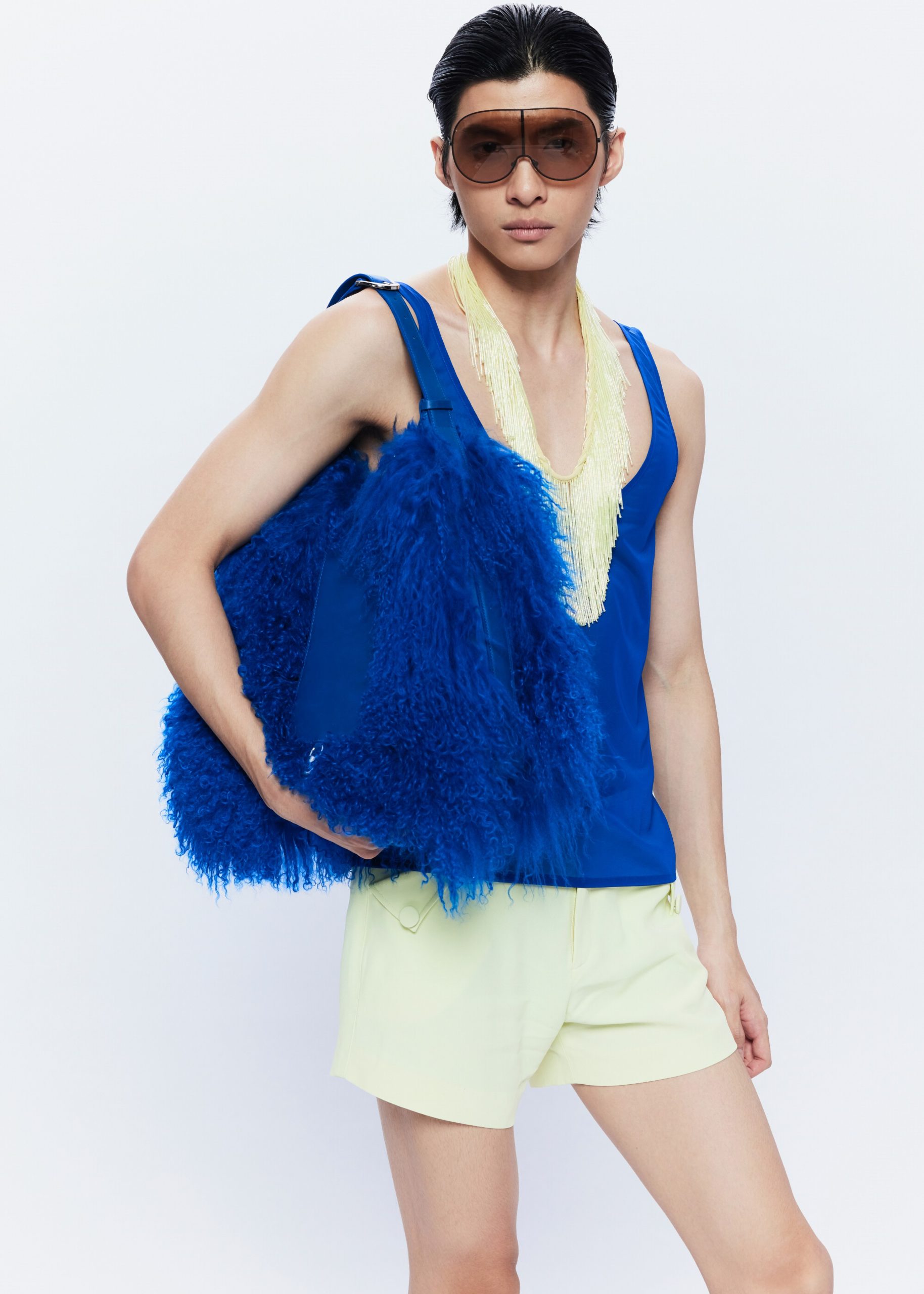
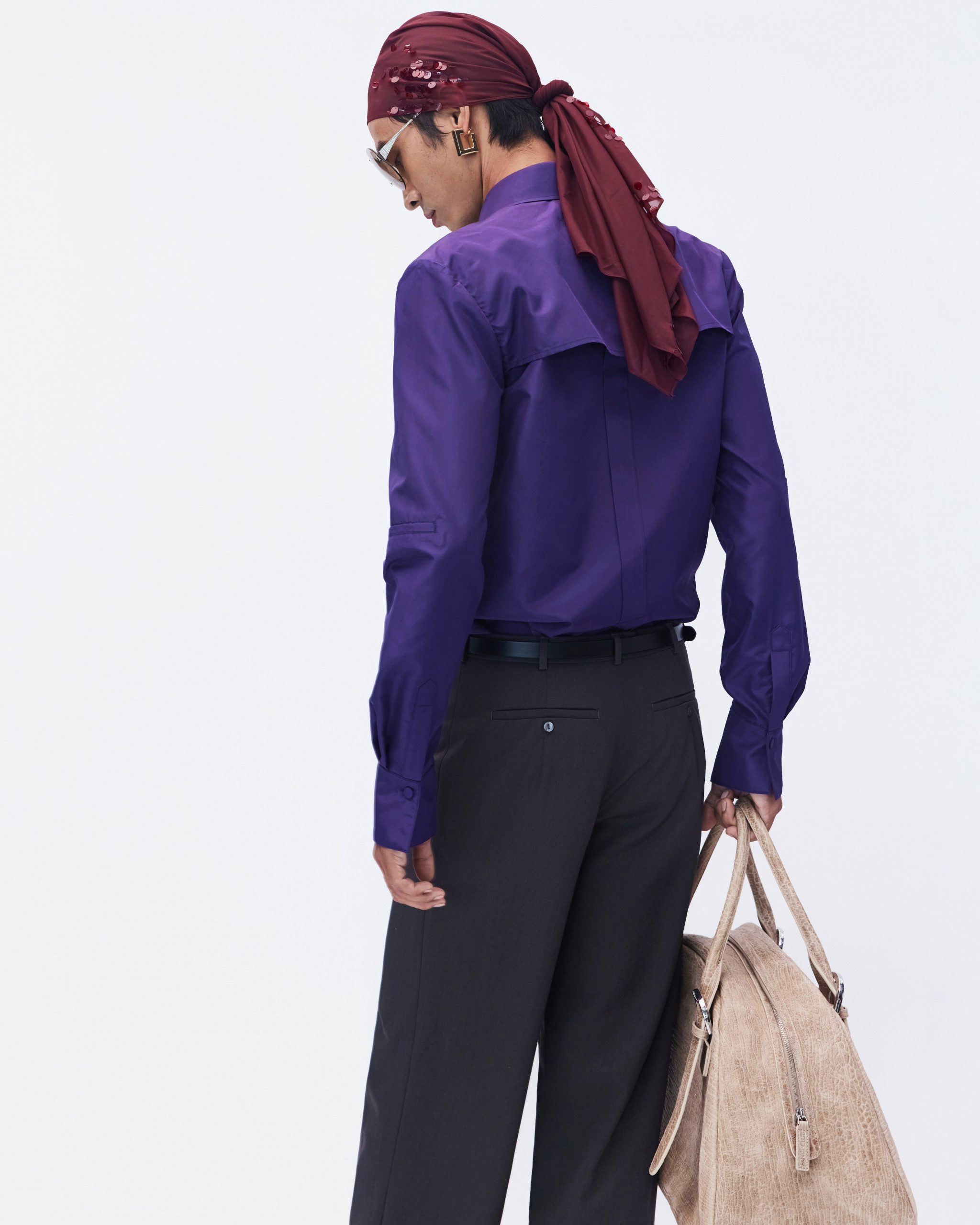
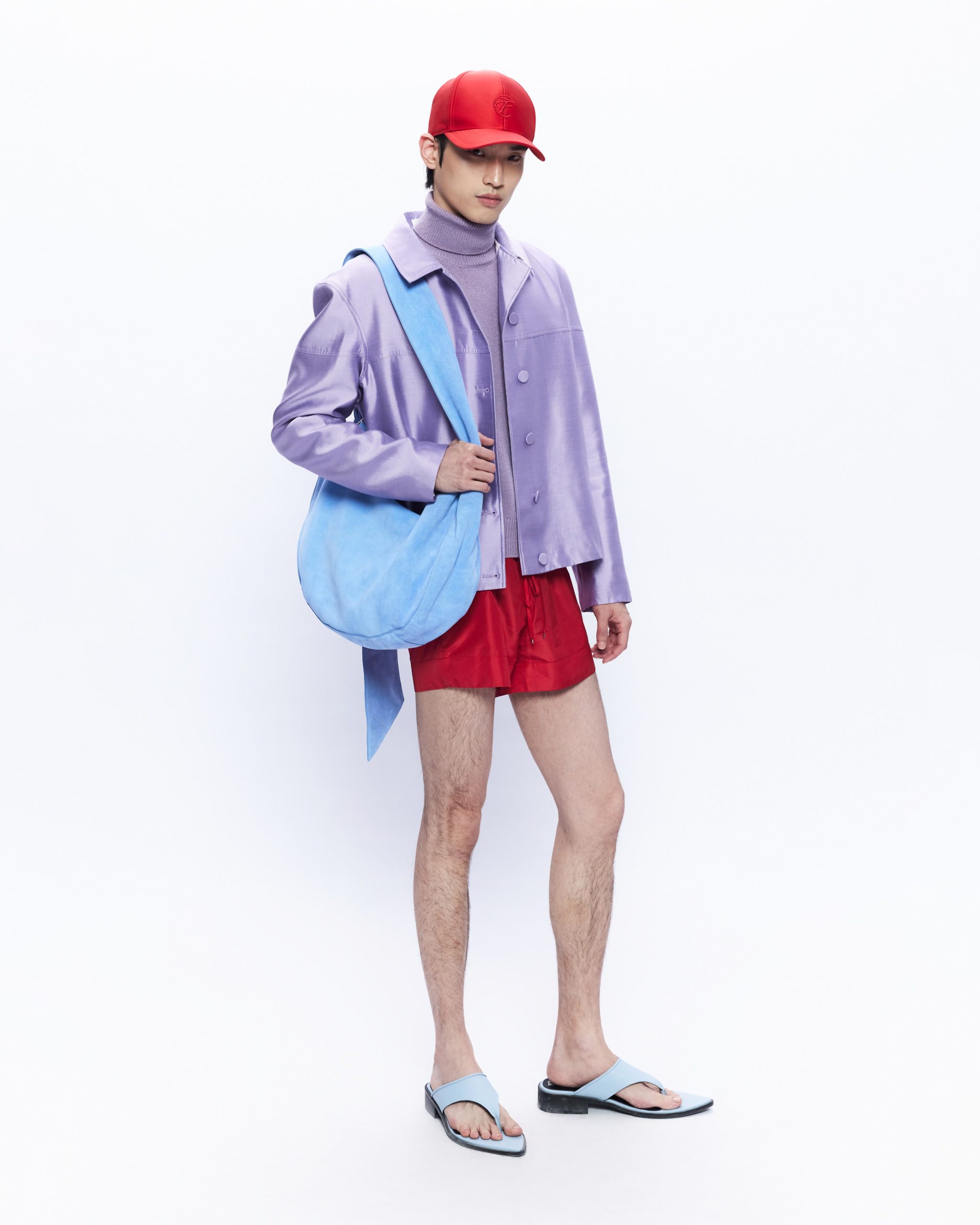
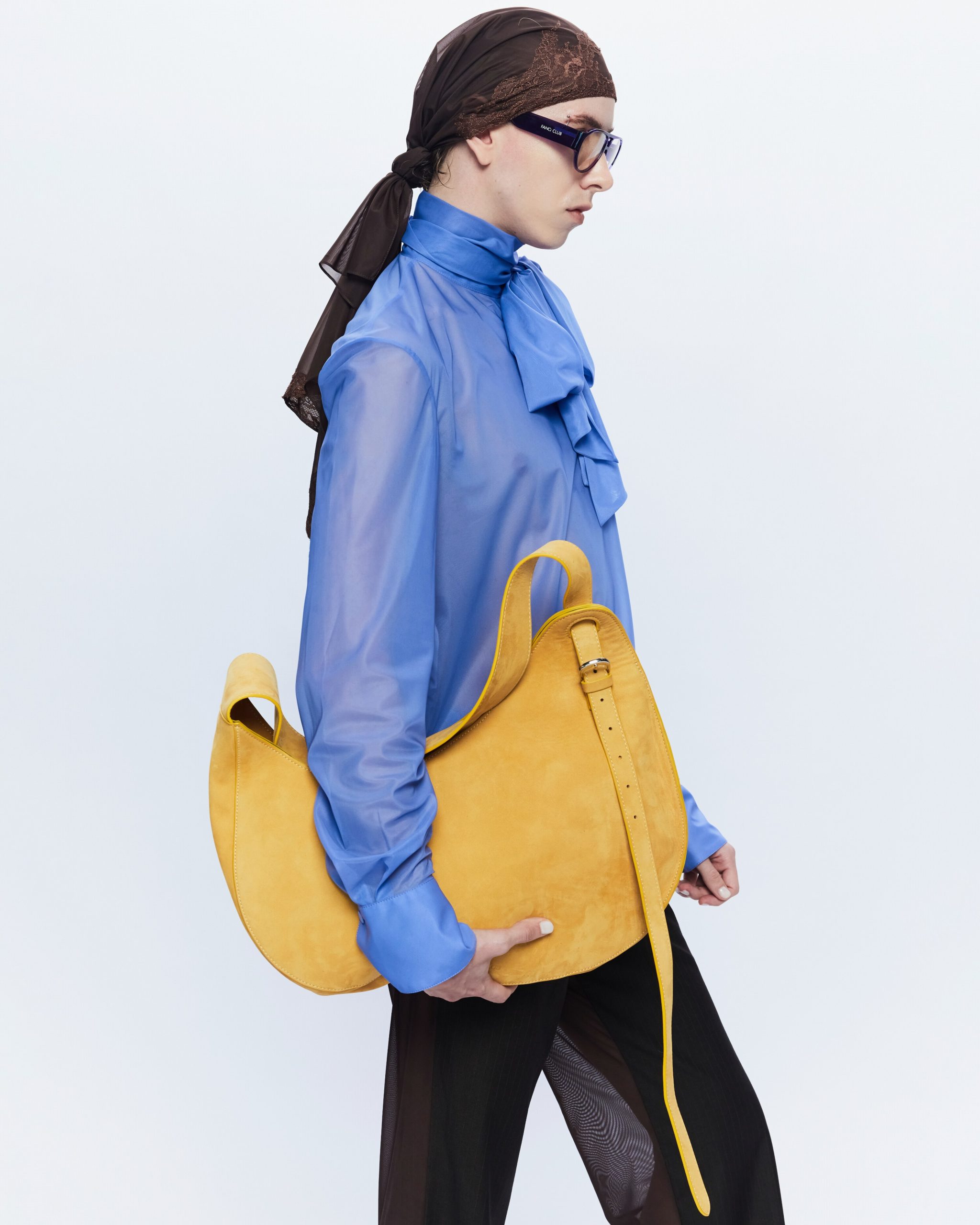
While the brand remains tight-lipped about what is happening next, it does not take much imagination to infer that its upcoming projects will continue to reflect its vision of playful sensuality. In a fashion landscape that pressures labels to constantly undergo identity refreshes and rebrands to the point of being unrecognisable, it is no surprise that FANCì CLUB’s clarity of vision and unabashed commitment to consistency allow it to cut through the noise. FANCì CLUB is anything but a one-trick pony.
Once you are done with this story, click here to catch up with our latest issue.