While doomscrolling TikTok in bed at 1:30 in the morning, I came across a clip from Kingsman: The Secret Service, fully prepared to click into the user’s page and watch the entire movie in an odd aspect ratio, in bed, like the responsible adult I am. It was only then (after watching 6 different parts of the film) where I started to notice a pattern of trends that had been invading my algorithm and personal taste: suits.
I had always admired the film, but I realised what I loved most was the costume design, how perfectly the suits were tailored to Colin Firth and Taron Egerton in their roles as Harry Hart and Eggsy — where the silhouettes and details complemented the suave, debonair yet elegant look of the main characters. Add that to the flood of GRWM videos about tailored suits already on my For You Page, it clicked for me that I had started to develop a real appreciation for tailoring.
That realisation sent me down a rabbit hole into world of tailoring, quickly allowing me to learn the differences between alterations, made-to-measure (MTM), and going full bespoke. While alterations are changes made to ready-made garments for a better fit, made-to-measure (MTM) adjusts a standard pre-existing pattern to your personal measurements; full bespoke, on the other hand, goes the whole nine yards, allowing tailors to create a completely unique pattern from scratch, made specially for your body. Eventually, I wanted more than research. I wanted to walk into a tailor and have my first suit made.
Why do Gen Zs now consider tailoring important?
I explored the idea of it because I realised that most of us are already wearing clothes that do not fit. Ready-to-wear sizing is built around averages, and almost nobody is average in every measurement at once. So we compensate: a belt here, a tuck there, an “it’s fine, I’ll work with it.” Tailoring closes that gap. It is not about excess or indulgence; it is about making clothing do its one job, which is to fit the body wearing it. Once you notice the difference, you’ll find it hard to ignore.
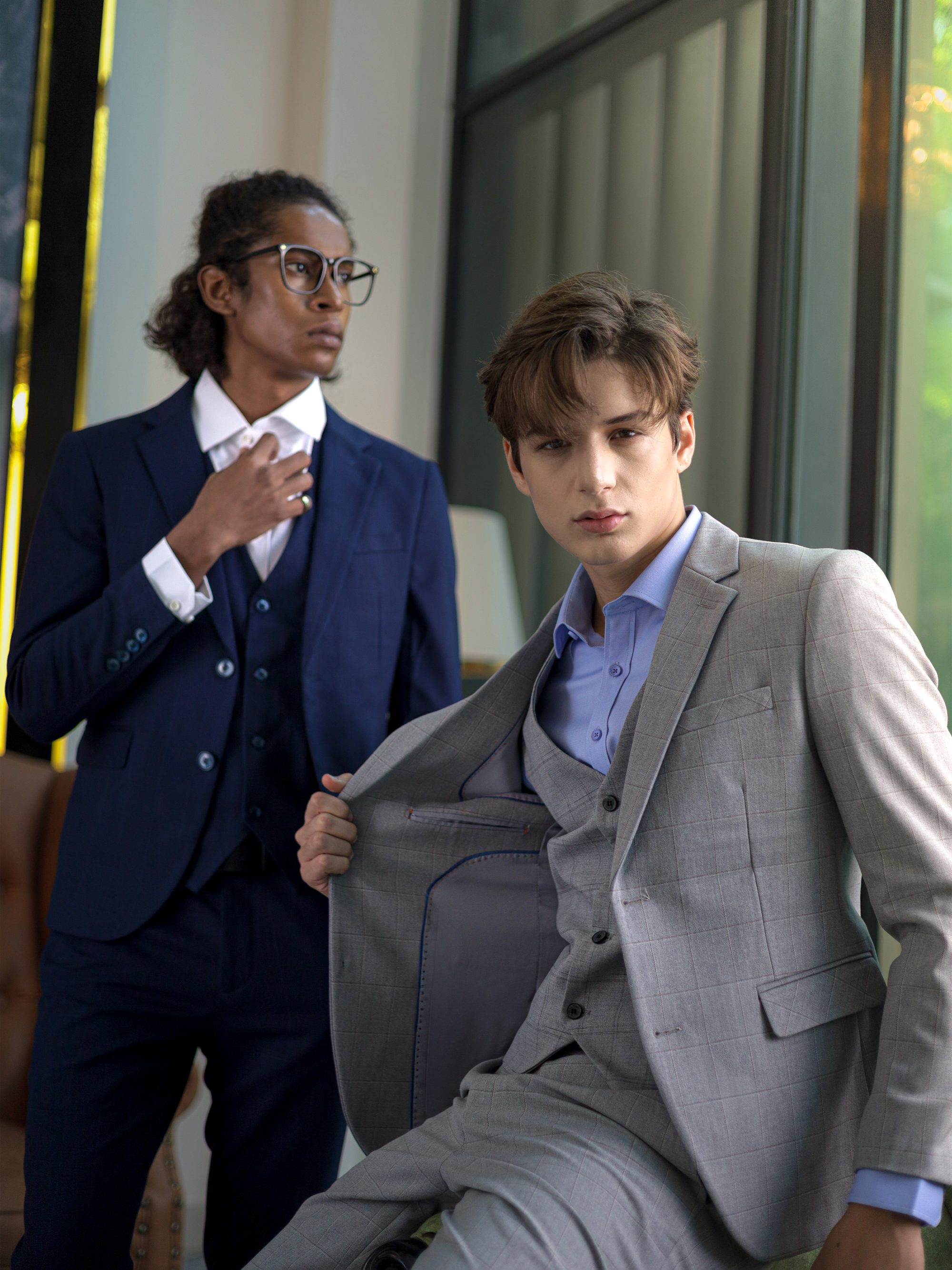
And for a lot of Gen Zs including myself, tailoring has always felt like a first step into adulthood. Getting your first suit made, instead of borrowing your dad’s oversized blazer or scrounging the thrift store for a mismatched suit, meant you were finally growing up with intention. On top of that, we have also built a style language where everything, even parts of a suit, can read as casual — a blazer over denim and sneakers, or dress pants with a long-sleeve linen shirt. As our tastes evolve, so has our collective take on suits, which are no longer reserved for weddings and black-tie events.
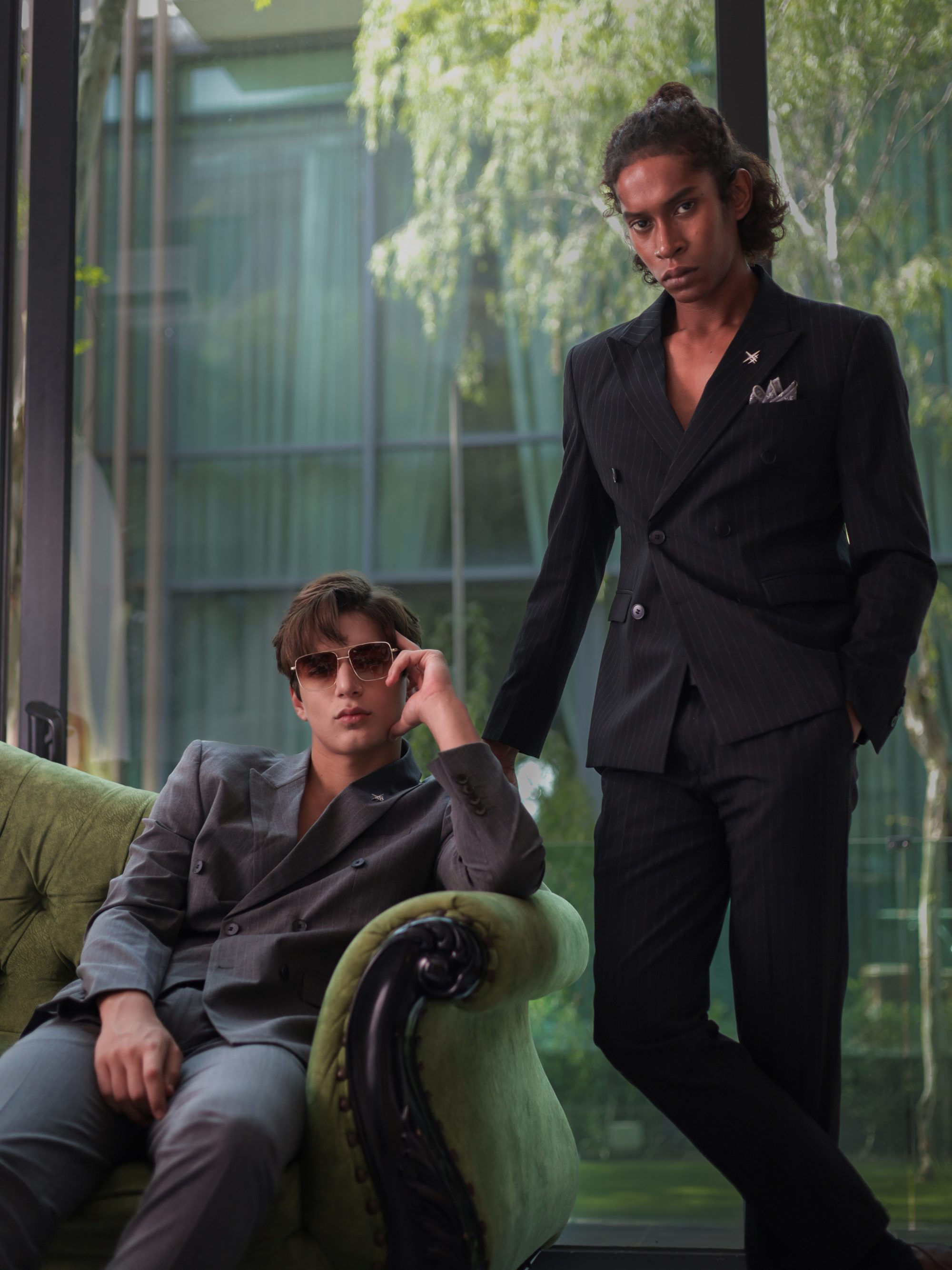
At its core, tailoring is about personalisation, and personalisation is the one thing this generation has never gotten tired of. We grew up customising avatars, curating feeds, building “aesthetics.” A tailored suit is just the physical-world version of the same instinct, a garment that is unmistakably yours.
My Experience with Smart Master
Granted, even though I was hyper-fixating over this newfound interest and imagining scenarios of me looking dapper in the suits, it still left me hesitant to consider even walking into a tailor shop. Partially due to the price it takes, but mainly due to the intimidating nature of having your own suit made — as if there was this lingering thought in my head that whispered that tailored suits were meant for adults, and that I am not a “big boy” yet.
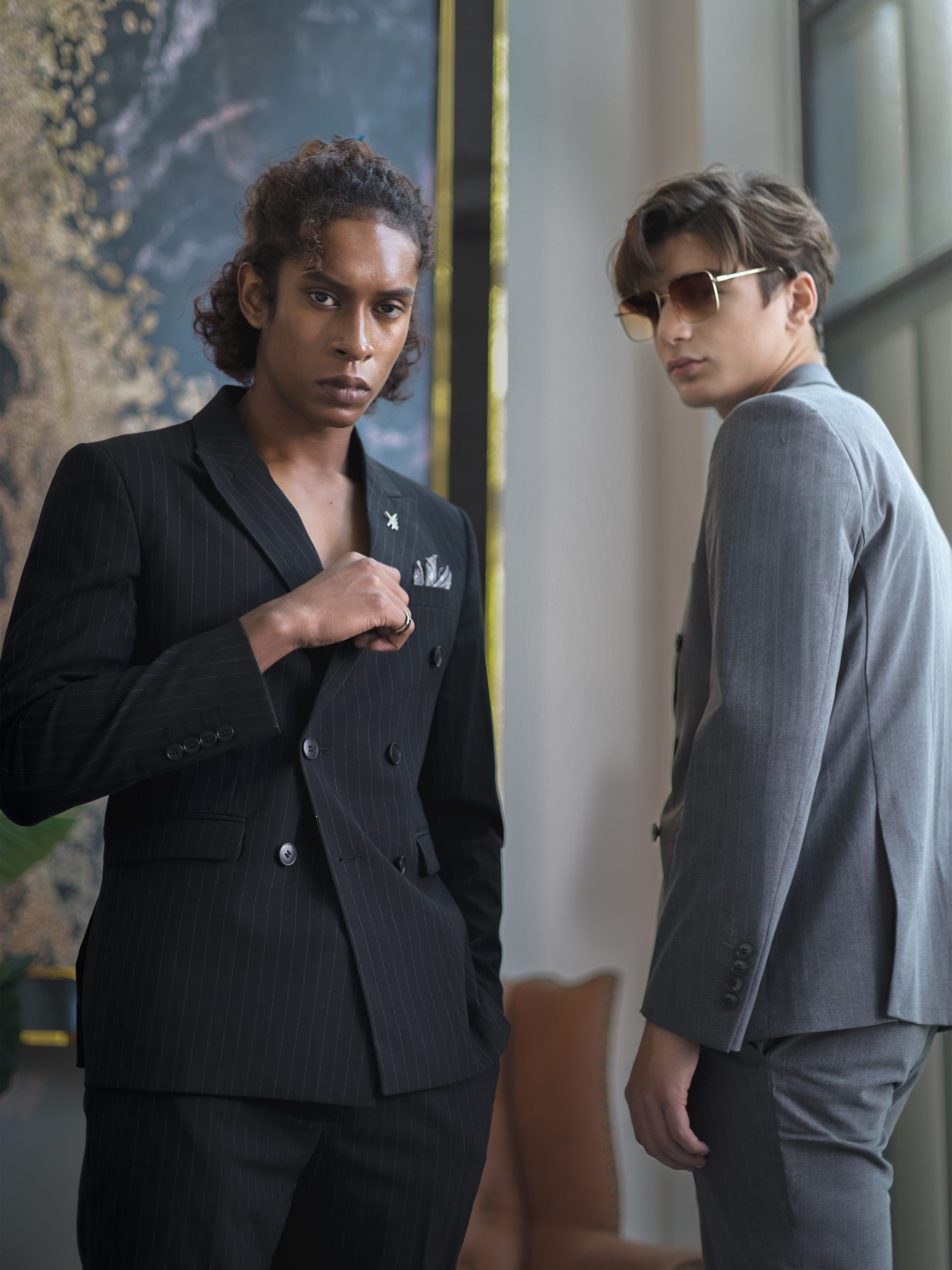
That changed when I got the opportunity to have a suit made at Smart Master’s new TRX Exchange 106 store. This was when I Was given a chance to actually witness the process of bringing my suit to life. Excitement won out over intimidation, and I made the trip. Walking into the store still clueless as to what to expect, I browsed their range of offerings, which includes ready-to-wear, batik, made-to-measure, and full bespoke suits. I quickly understood that Smart Master is not positioning itself as a traditional bespoke house. They played a role in tailored menswear as a bridge for younger generations — one that does not require you to know what “canvassing” means before you walk in.
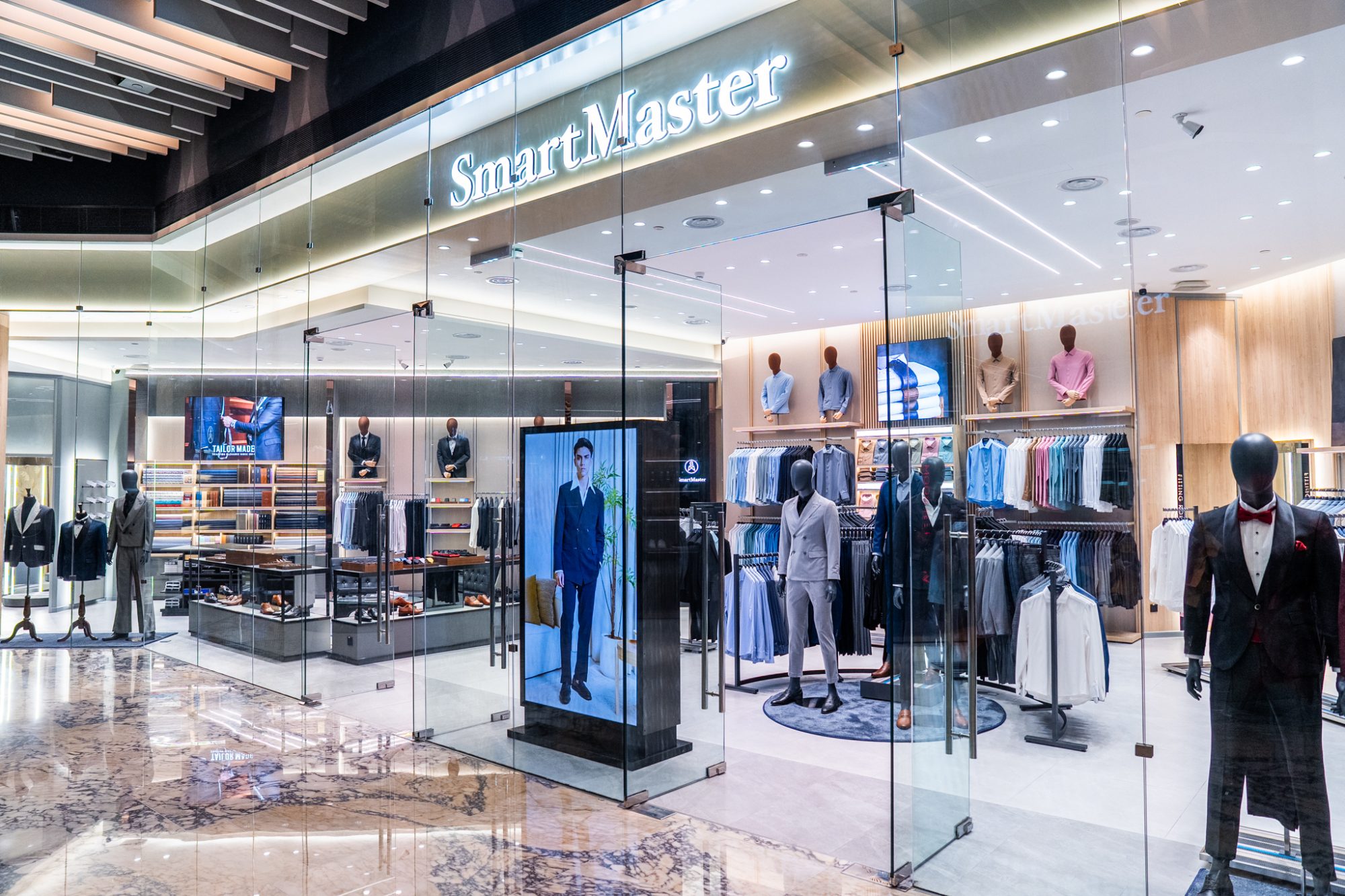
For my MTM suit, I was measured down to the last detail, while the tailors and I discussed silhouettes that would work with my, let us say, unconventional torso-to-leg ratio, along with ways to make the suit stand out without sacrificing fit — expressing their deep knowledge and craftsmanship to make the right suit for me.
Afterwards, I landed on a wool-viscose blend — a sturdy, but breathable enough fabric to survive the Malaysian heat. All in, my made-to-measure suit was worth RM2,400, and a full bespoke experience starts a little above that. While it’s not exactly pocket change for a first suit, it reframed the number for me as not just the cost of a suit, but the cost of clothes that were actually made to fit me.
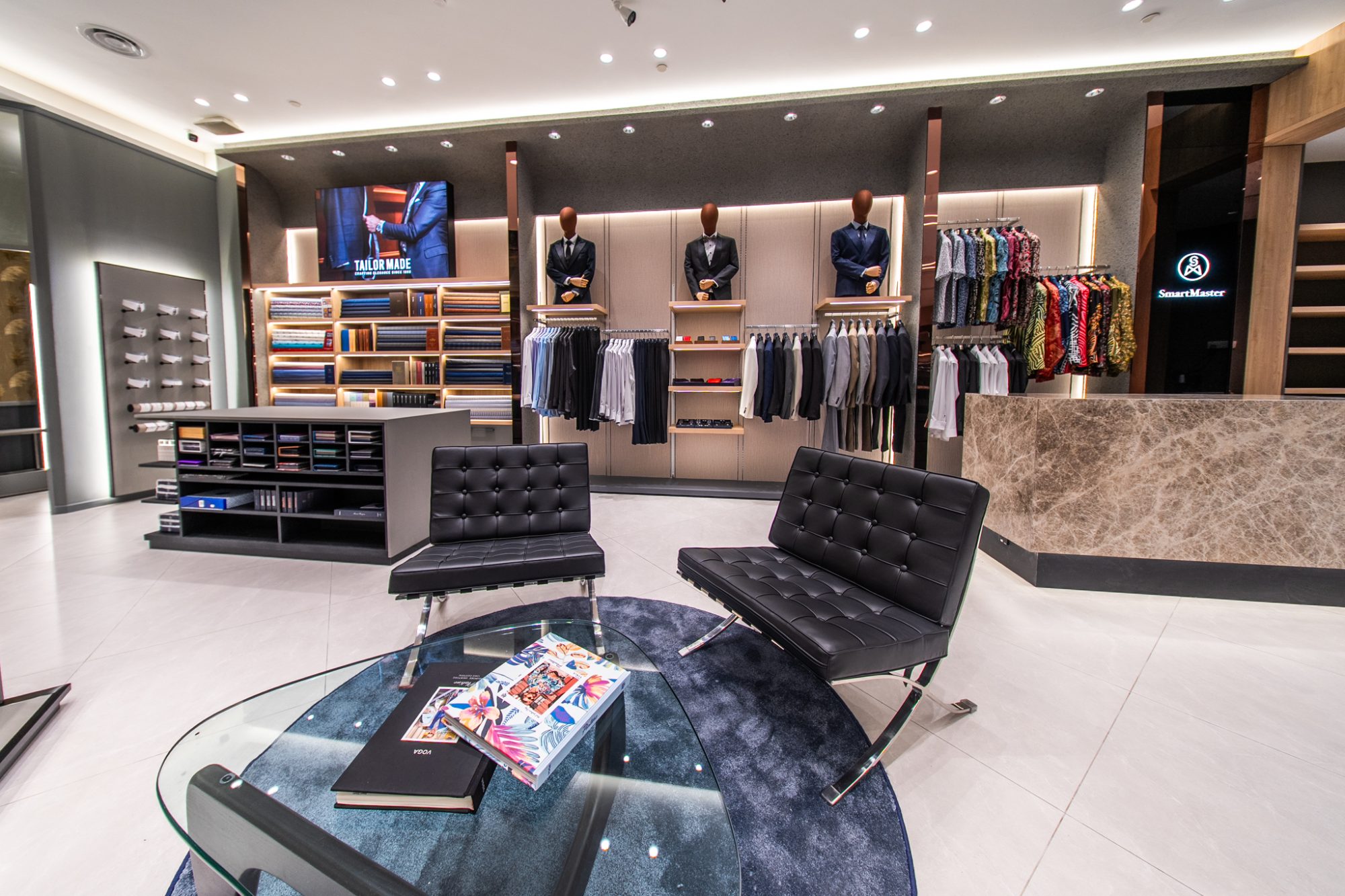
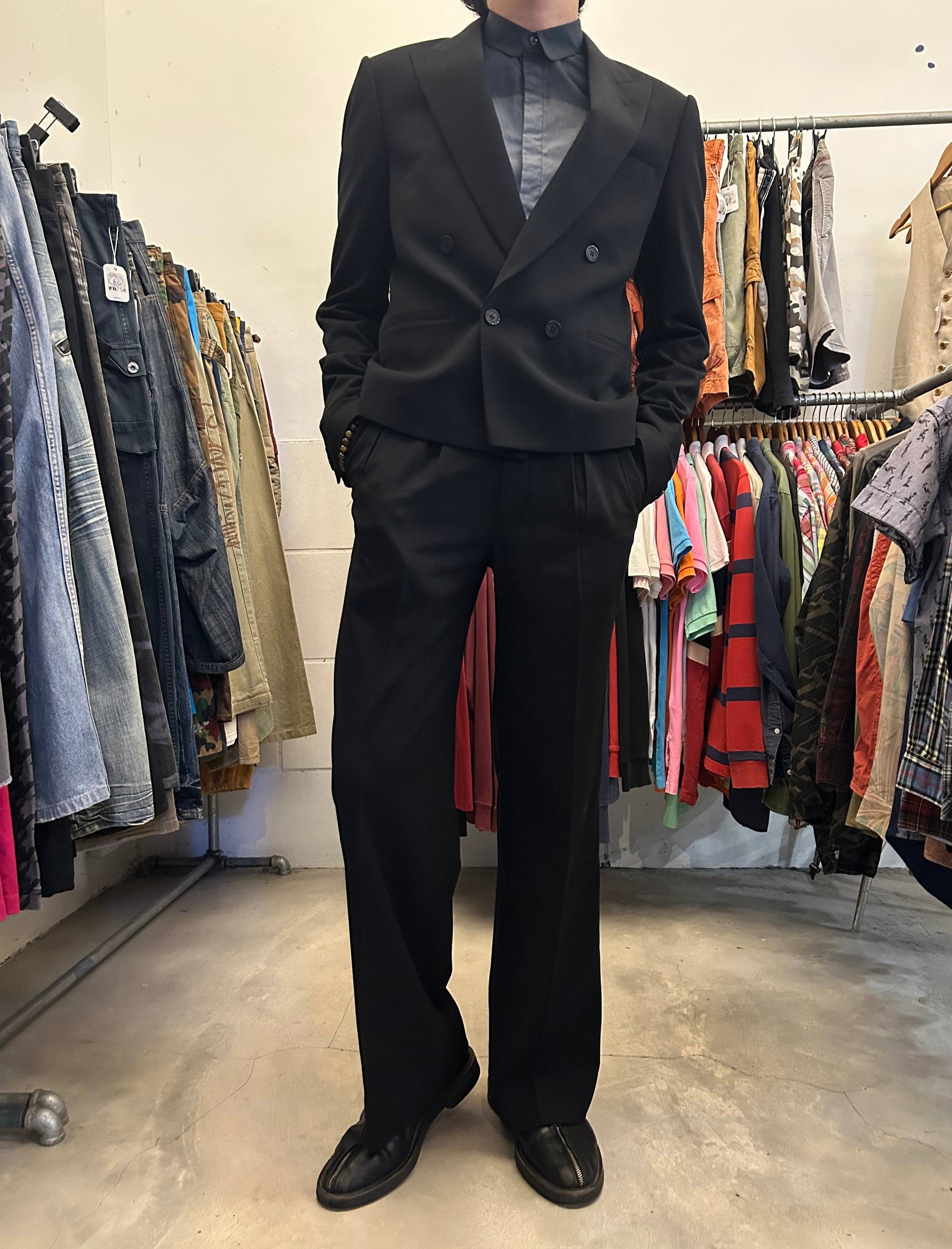
Two weeks later, I picked up the finished product: a cropped, slim-cut jacket paired with slightly flared trousers for a contemporary silhouette I could actually work into my existing wardrobe. If you go full bespoke instead of made-to-measure, expect the turnaround to run a little longer than my two weeks, since bespoke involves more fittings and hand construction along the way.
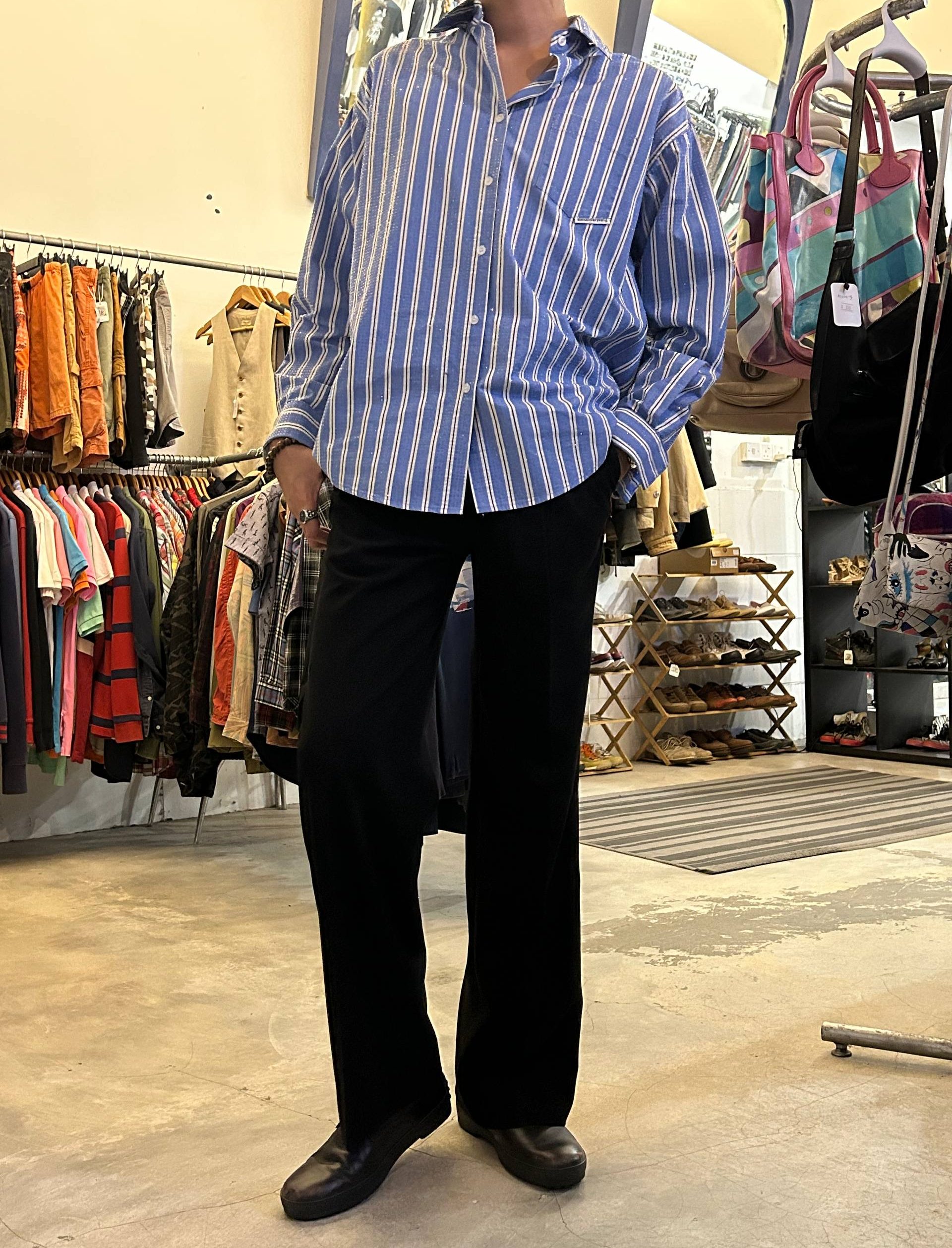
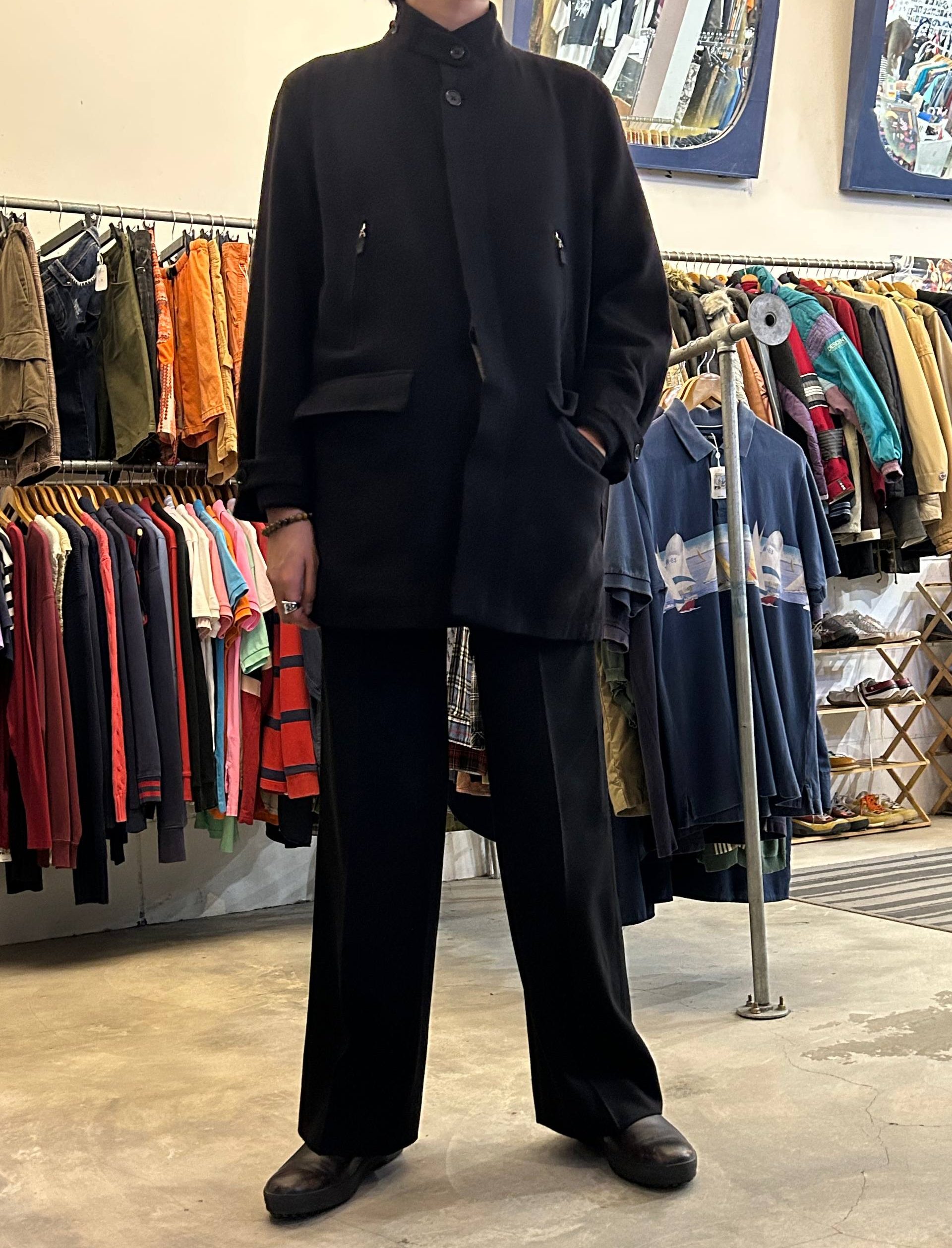
After wearing the pieces for everything from errands to special occasions — pairing a baggy shirt with tailored trousers and dress shoes, or the cropped jacket with barrel-leg pants and boots, proved to me that suits were never really about formality. They are about versatility, and when done right, they move between work, dinner, travel, and weekends without ever feeling locked into one dress code and without compromising fit.
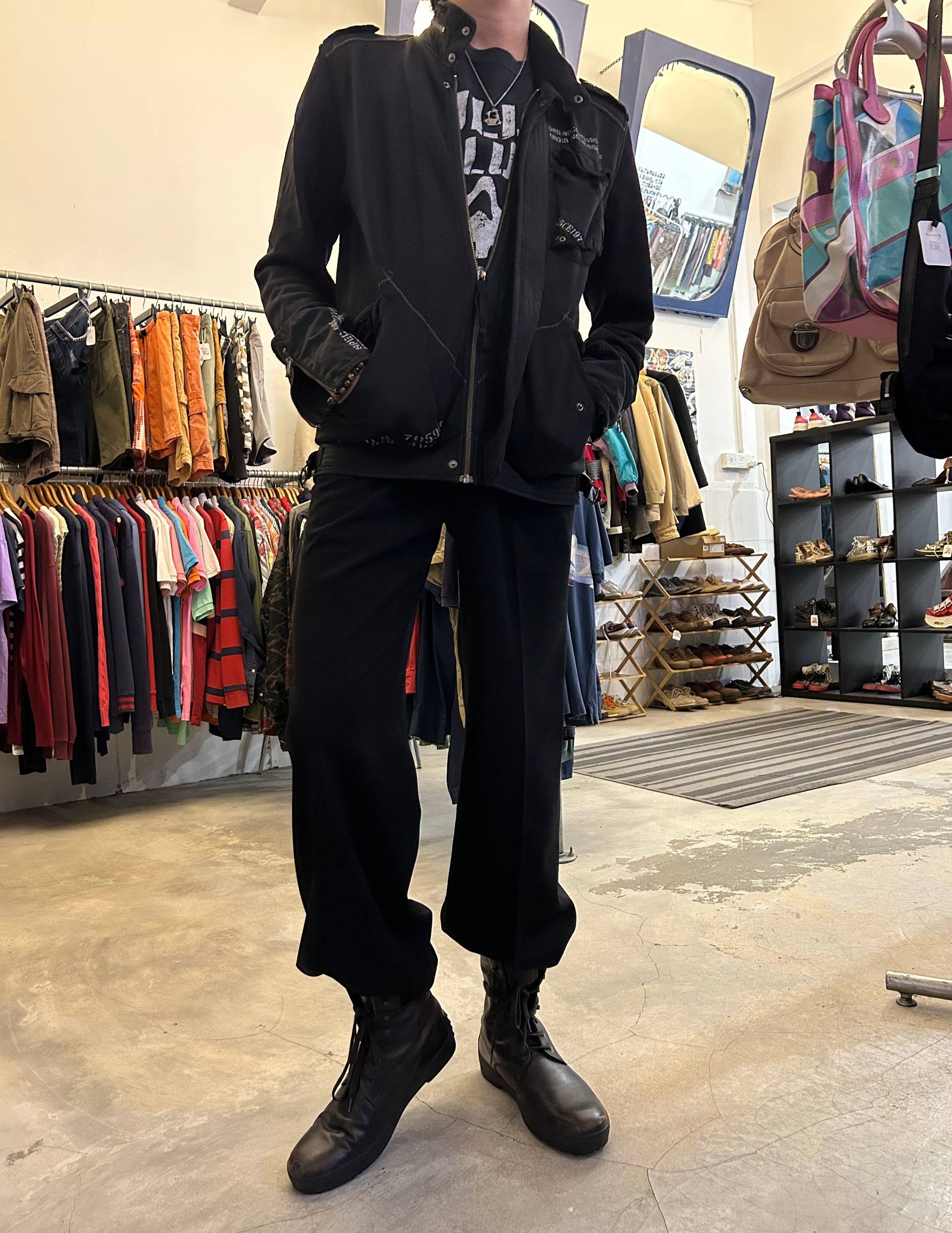
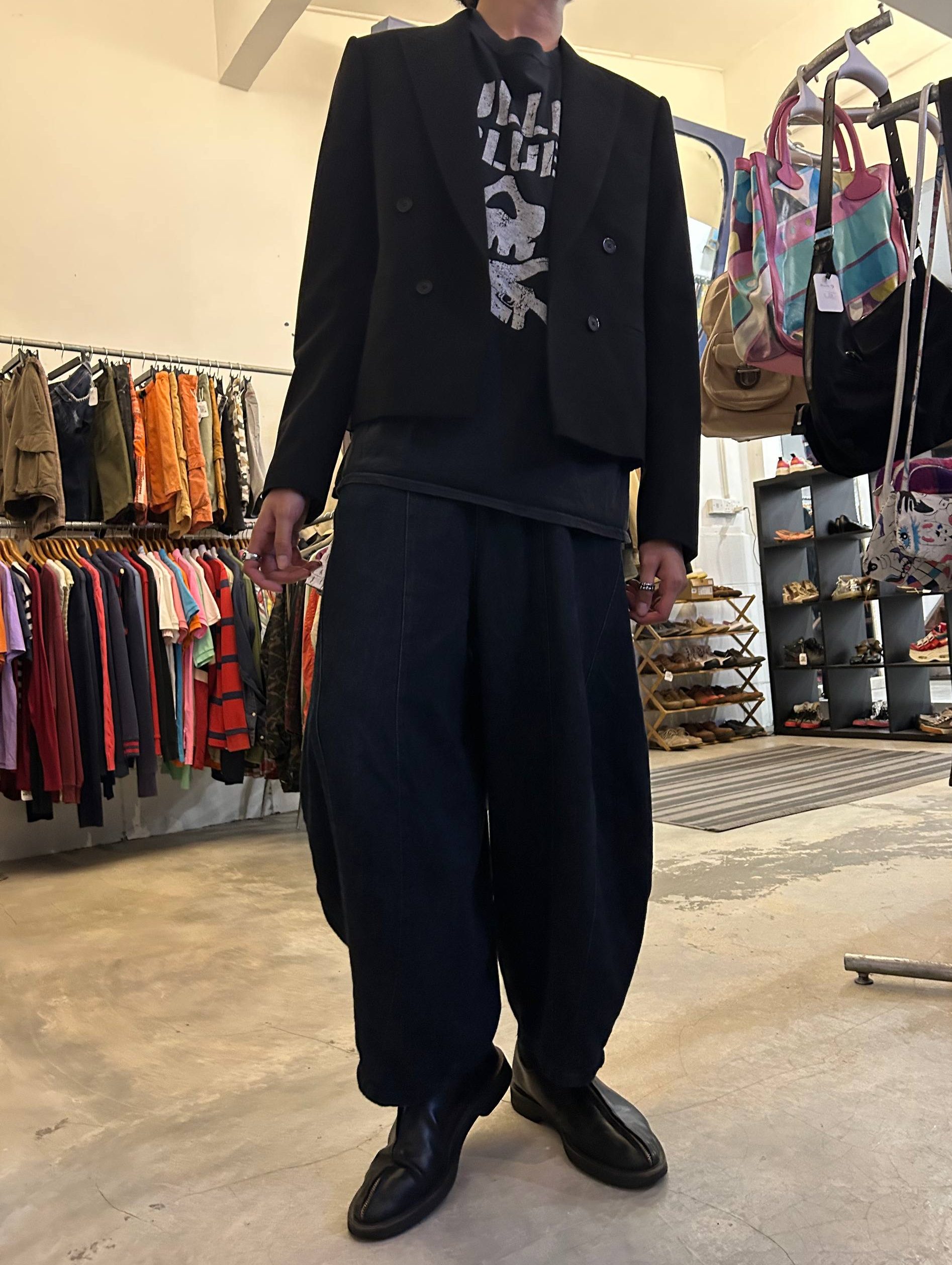
If you are curious about starting your own first-suit journey, Smart Master’s TRX Exchange 106 store is a good place to begin, or you can browse their offerings first here.
Once you are done with this story, click here to catch up with our latest issue.