At a time when after-sales service has become a matter of hindsight or afterthought, Patek Philippe approaches it as a point of origin. Questions of how a watch will be serviced generations from now are already being considered long before a watch is even fully assembled. “Service is involved and integrated in the very early stage of design and manufacturing,” says François Bauder, Patek Philippe International Service Centre Director. This golden nugget of information was shared during Bauder’s time in Singapore to officiate the reopening of the Singapore Patek Philippe Service Centre.
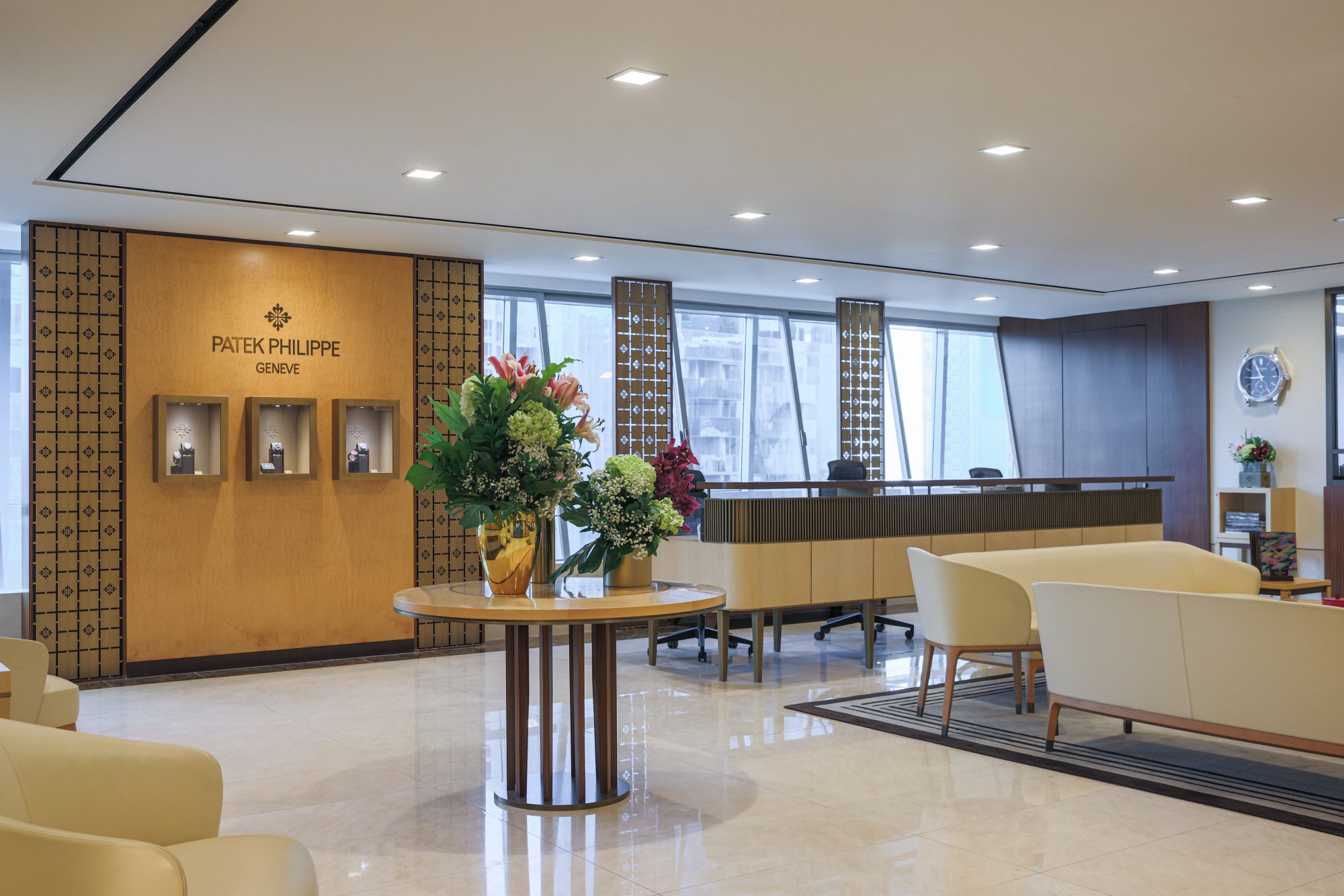
Bauder’s scope at Patek Philippe’s Geneva headquarters oversees the manufacture’s global service ecosystem. However, that responsibility extends far beyond routine maintenance. It encompasses the long-term stewardship of every Patek Philippe watch produced since 1839, including servicing, maintenance, restoration and training. With service being one of the 10 hallmarks under the Patek Philippe Seal introduced in March 2009, it underscores a mindset shaped by continuity rather than immediacy. The enduring promise surpasses logistical obligation, upheld by a moral compass that resonates deep within the family-owned Patek Philippe. Against the backdrop of the immediate Southeast Asian region and Singapore’s increasingly sophisticated horological landscape, Bauder’s visit offers a rare and insightful lens into how service, responsibility and design converge at the highest level of watchmaking.
AS ONE OF THE SELECT FEW PATEK PHILIPPE SERVICE CENTRES WORLDWIDE, THE SINGAPORE LOCATION SERVES COLLECTORS ACROSS SOUTHEAST ASIA. IN PRACTICAL TERMS, WHAT DOES HAVING THIS LEVEL OF EXPERTISE LOCALLY CHANGE FOR CLIENTS COMPARED TO SENDING WATCHES BACK TO GENEVA, SWITZERLAND?
Essentially, all these Patek Philippe Service Centres can provide the same level of service for modern timepieces produced less than 45 years ago. Since they are [situated] closer to customers, they can provide servicing much more quickly than sending the watch to Switzerland. For that to happen, we needed to invest extensively in equipment, installation, and watchmakers to achieve the exact quality and standards that a watch would have received in Switzerland, but with a better lead time.
WHAT IS THE RATIO OF LOCAL TO FOREIGN WATCHMAKERS (IN EACH PATEK PHILIPPE SERVICE CENTRE)?
It’s almost 100 per cent local. We have fully developed a local watchmaker in every one of those locations. It’s a Singaporean in Singapore, a Japanese in Japan and so on. It wasn’t the fastest way, and even though it’s easier to bring in someone from Switzerland with the knowledge or experience, it’s the best way in the long run.
WITH THIS EXPANDED PATEK PHILIPPE SERVICE CENTRE, WHAT ARE THE MOST SIGNIFICANT TECHNICAL AND CLIENT-EXPERIENCE ENHANCEMENTS BEING INTRODUCED?
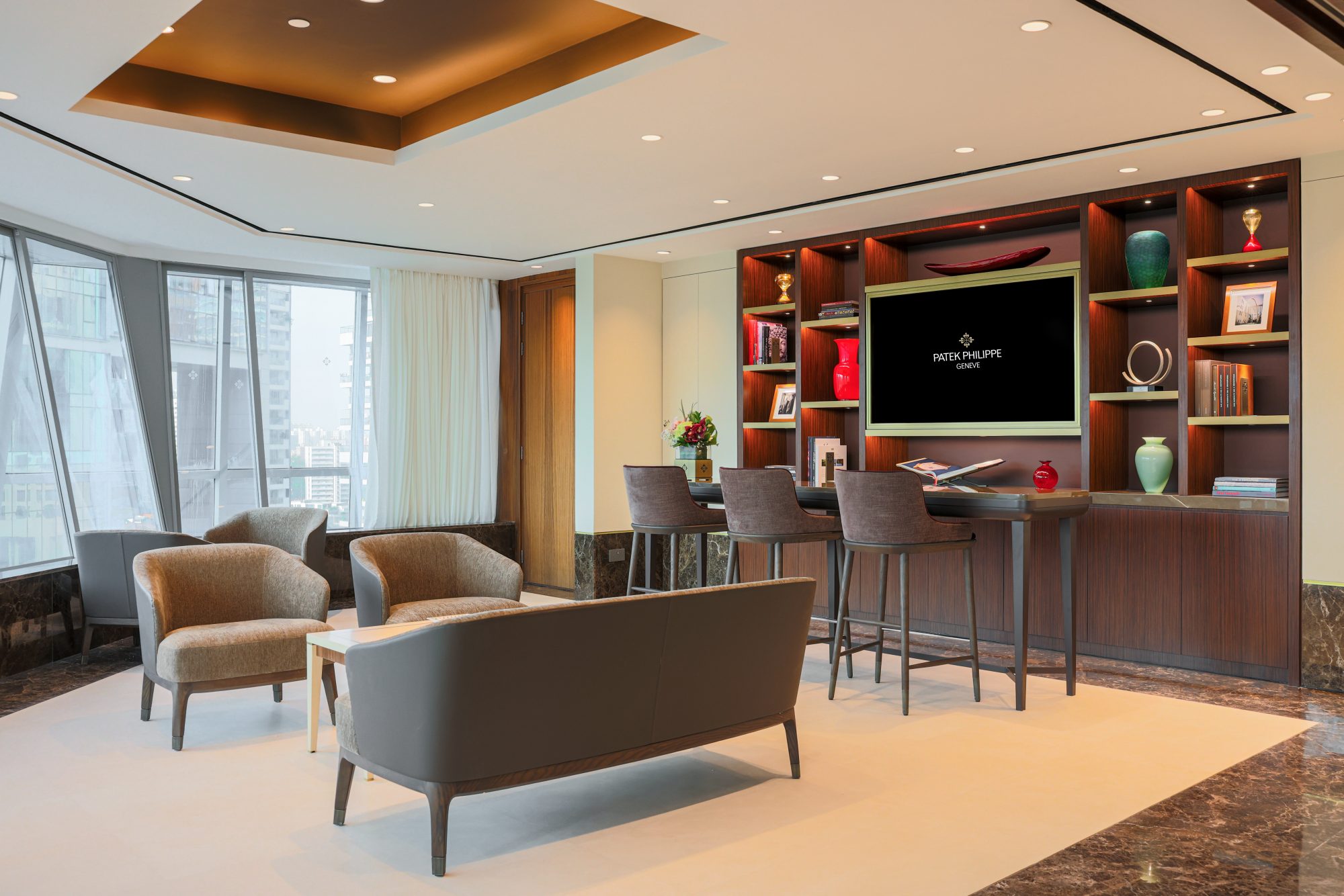
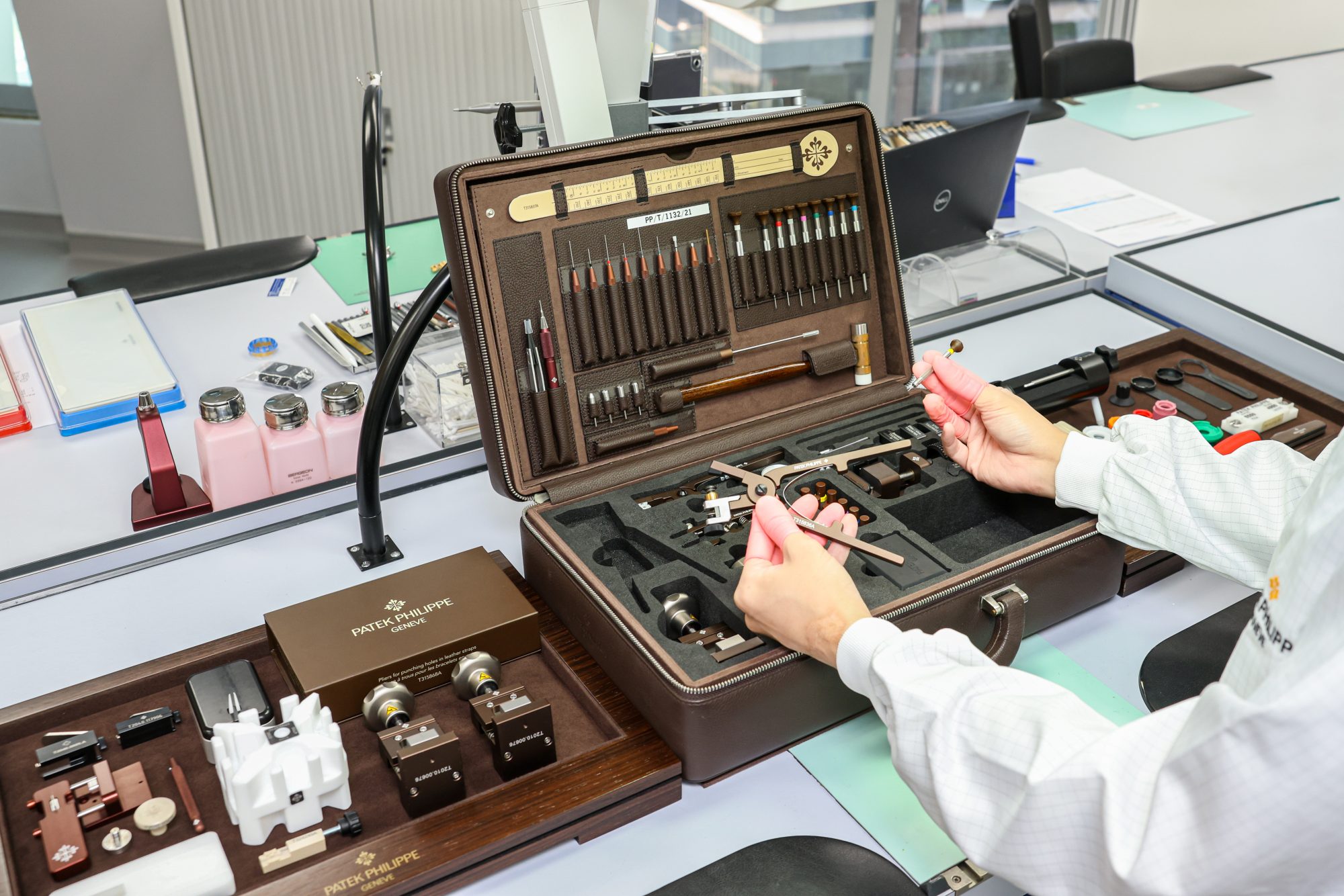
Thanks to the expansion, we have more space to increase the repair capacity. We also significantly expanded the polishing and workshop areas to cater to modern watches produced less than 45 years ago. We are now operating at full capacity at this location. The Patek Philippe Service Centres are equipped with exactly the same tools and offer the same training programme. We’re very proud that everyone repairing a Patek Philippe watch is a member of the Patek Philippe staff.
PATEK PHILIPPE PLACES SERVICING ON THE SAME LEVEL AS WATCHMAKING ITSELF. FROM YOUR PERSPECTIVE, HOW DOES THIS PHILOSOPHY SHAPE THE WAY THE MANUFACTURE THINKS ABOUT RESPONSIBILITY TO CLIENTS TODAY AND ALSO TO FUTURE GENERATIONS OF OWNERS?
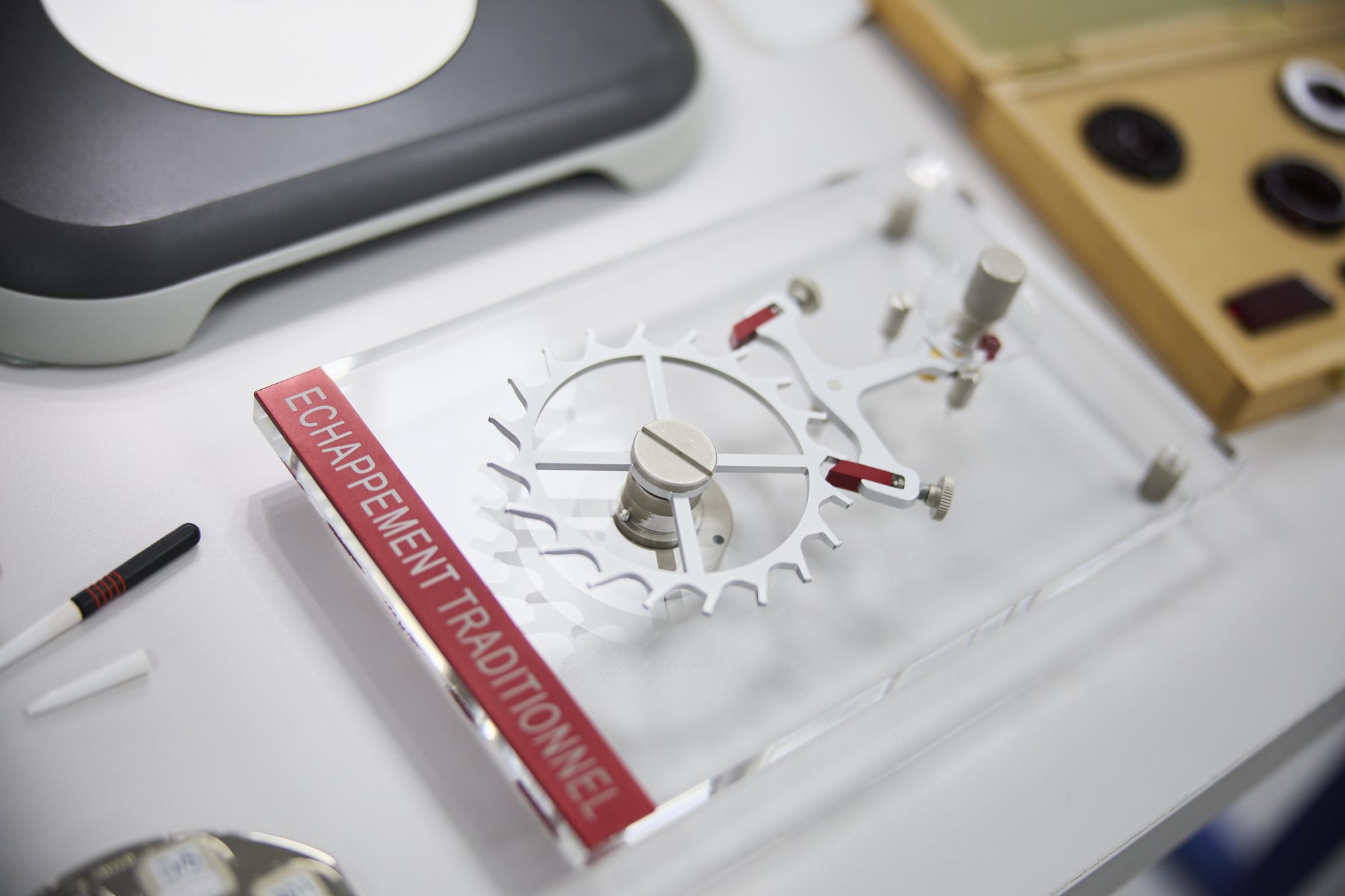
In Patek Philippe, service is involved and integrated in the very early stage of [watch] design and manufacturing. In fact, we want the best repairability for our product, so we consider serviceability in the design stage. The continuous improvement of our product over the years has had a significant impact on how often you need to service your watch. With a higher quality level, you are, in fact, extending the interval between every service. So thanks to this involvement in service in the early stage, we were able to, over the year, keep increasing and improving the quality of the watch. Since we’re a family-owned company, we’ve developed a sense of responsibility over time to service [our watches]. There are different ways to design and produce a watch, and some approaches make it easier to repair later. With repairability taken into account, we select designs that are easier to be repaired on the long term, which are usually the smartest designs. A watch is produced once, but it will be serviced multiple times across its lifetime; if it’s easy to service and the parts are accessible, it’s more reliable in the long run.
SO HOW DO THESE SERVICE RECORDS HELP THE MANUFACTURE BETTER UNDERSTAND ITS OWN CRAFT AND MOVEMENTS, AND, IN TURN, FUEL INNOVATION FOR FUTURE TIMEPIECES?
Yes, our service today is built on the experience that we have accumulated over 187 years. So we continue to learn, optimise, and to be better. We, in fact, apply the same production standards to service. Those Authorised Service Centres worldwide can operate as if they’re a small Swiss manufacture in different locations, because the workshops are built, set up and equipped exactly the same way as our Geneva headquarters.
FROM A CLIENT’S PERSPECTIVE, WHAT CHANGES WILL BE MOST NOTICEABLE IN THE “JOURNEY” OF A WATCH FROM RECEPTION AND DIAGNOSIS TO COMMUNICATION, TURNAROUND TIME, AND FINAL QUALITY CONTROL?
Well, of course, every customer has their expectations. In fact, the work watch should be working again, as it was once produced. If it’s a recent watch, the service will comply with current standards. However, older watches will require special attention, especially those produced in different eras with different techniques. For those restoration projects, we try to retain as many original components as possible.
“SERVICE” IS ONE OF PATEK PHILIPPE’S 10 CORE VALUES AND IS WRITTEN INTO THE PATEK PHILIPPE SEAL. HOW DO YOU PERSONALLY INTERPRET SERVICE AS A RESPONSIBILITY, AND HOW DOES IT GUIDE YOUR DECISIONS WHEN OVERSEEING THE GLOBAL SERVICE NETWORK?
We have the Patek Philippe Seal, which sets the standards for excellence in manufacturing and servicing. So, thanks to this Seal, we have set very high expectations for how we service the watches. That differentiates us and guides us in this servicing process.
ARE YOU ABLE TO SHARE ANY PARTICULARLY INTERESTING EXAMPLES OF HOW THIS LEVEL OF SERVICING HAS HELPED A TIMEPIECE GET PASSED DOWN FROM GENERATION TO GENERATION WITHIN A FAMILY?
Every watch is unique for the owner, and for us as well. And yes, some watches have been worn by royalty or celebrities, and each has its own provenance. We’re very honoured to have their watches in our hands, and we provide the same level of attention to those watches as we do to all watches. Patek Philippe is committed to servicing every watch, regardless of its age, and this commitment has also been passed down from generation to generation.
EACH WATCH REQUIRES RIGOROUS HOURS OF WORK ACROSS MANY STAGES. WHAT ASPECT OF THE SERVICING PROCESS DO OWNERS MOST OFTEN UNDERESTIMATE OR OVERLOOK?
It requires so much time because it involves many different watch techniques or specialities. In fact, all these materials are really specific and dedicated to each watch. Advanced knowledge and extensive experience are very important for watchmakers to carry out those restoration [works], and since some components are rare these days, they need to be reproduced in some instances. For these reasons, vintage watches must be returned to the respective Swiss workshop where they were originally produced.
IS IT ACCURATE THAT THE PATEK PHILIPPE SERVICE CENTRE OR SERVICING IN GENERAL IS NOT FOR PROFIT-MAKING?
It’s true that on the global level, service is not a profit centre. In fact, what is important is that our clientele have a full experience from the purchasing stage, and also throughout their lives. We prioritise to render the best levels of service.
Once you are done with this story, click here to catch up with our latest issue.