The idea of ceramic as a virtually indestructible material continues to defy the logic of many to this day. I missed a caveat: I meant high-tech ceramic, which, again, may sound completely foreign and alien to many. Everyday items such as Kinfolk-worthy wabi sabi vases, beautifully glazed chawan and cups, and religious artefacts most are familiar with can be categorised as traditional ceramic, which spans earthenware, stoneware, and porcelain. Picture a Venn diagram of these three properties: hardness, resistance and inertness. Ceramics sit comfortably in the middle of the three overlapping circles.
Despite the favourable properties traditional ceramics possess, they have their downfalls too. They are brittle and porous among their other limitations. As technology advanced, so too have ceramics, which now play an indispensable role in modern-day applications. Their trajectory moved in tandem with our ability to harness ceramics’ natural properties in increasingly sophisticated ways while addressing their shortcomings. This ultimately gave rise to what is known as high-tech ceramic, engineered for exceptional density, hardness, lightness, scratch-resistance, colour longevity and stability. As anticlimactic as its name may sound, its properties can feel alien, especially when its atomic structure has been manipulated through several different techniques.
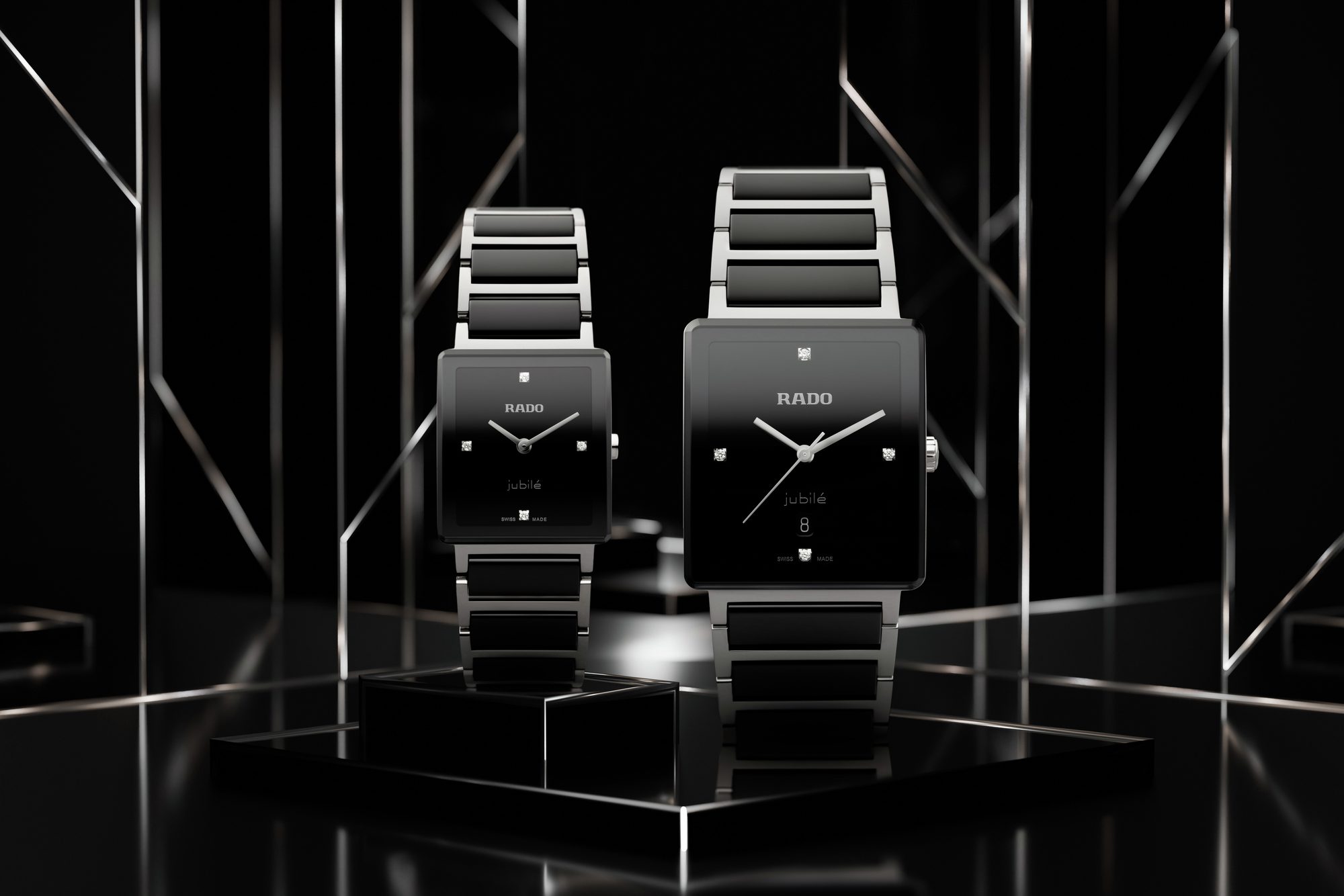
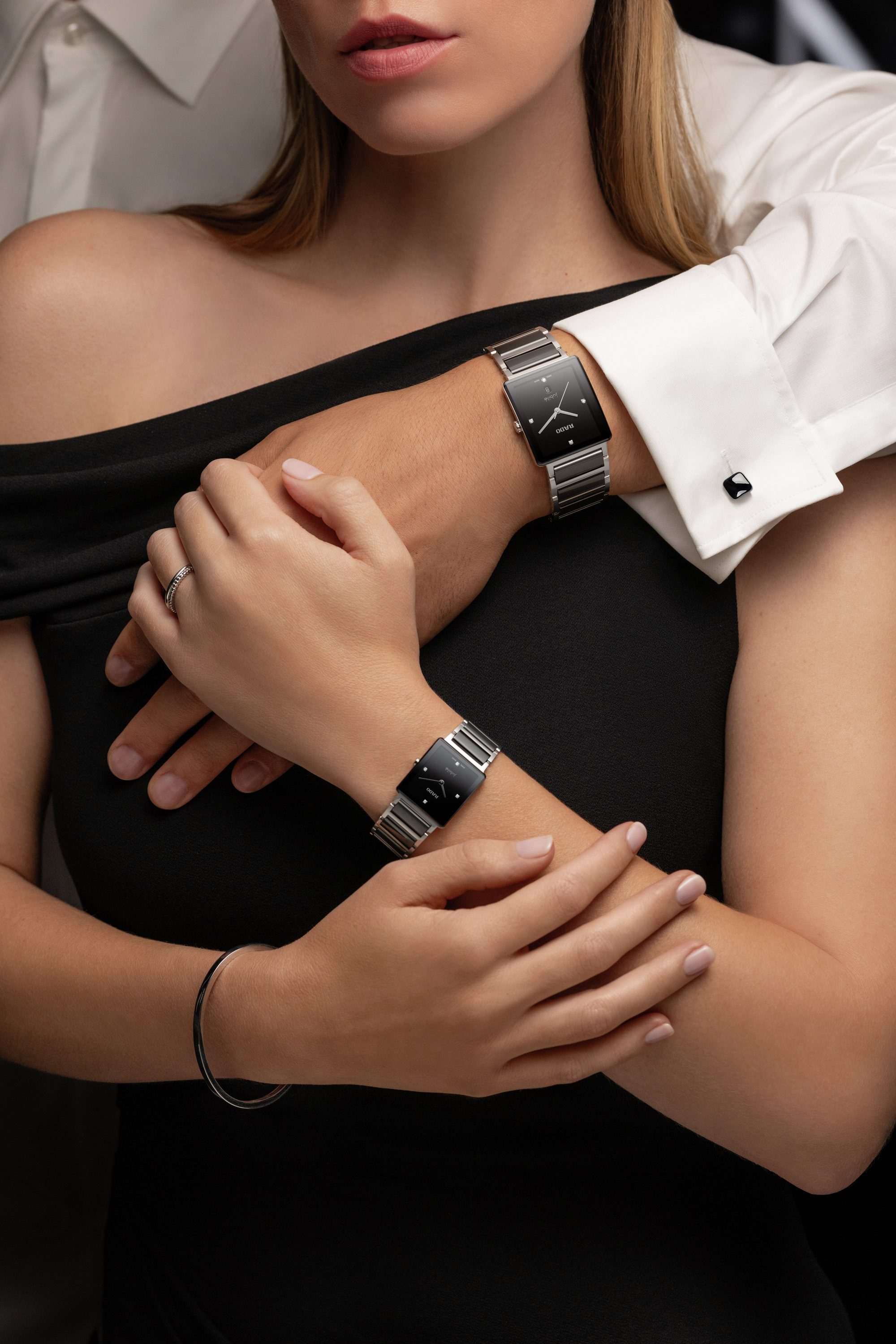
In watchmaking, it was not until 1986 that high-tech ceramics found purposeful, practical applications in serialised, industrial-level production. The distinction of being a pioneer in this breakthrough belongs to Rado, with the Rado Integral watch being the vanguard of this groundbreaking innovation. As part of the watch’s whisked away to the high-tech ceramic manufacturing facility, Comadur, situated in Boncourt (even most Swiss are unfamiliar with this area), right on the Swiss border with neighbouring France. As part of the Swatch Group ecosystem, specialised suppliers under the company’s umbrella supply various components to the different watchmakers. Comadur, whose name is an acronym for “Composants en Matériaux Durs” (meaning components Rado as well as Omega, Breguet and Blancpain.
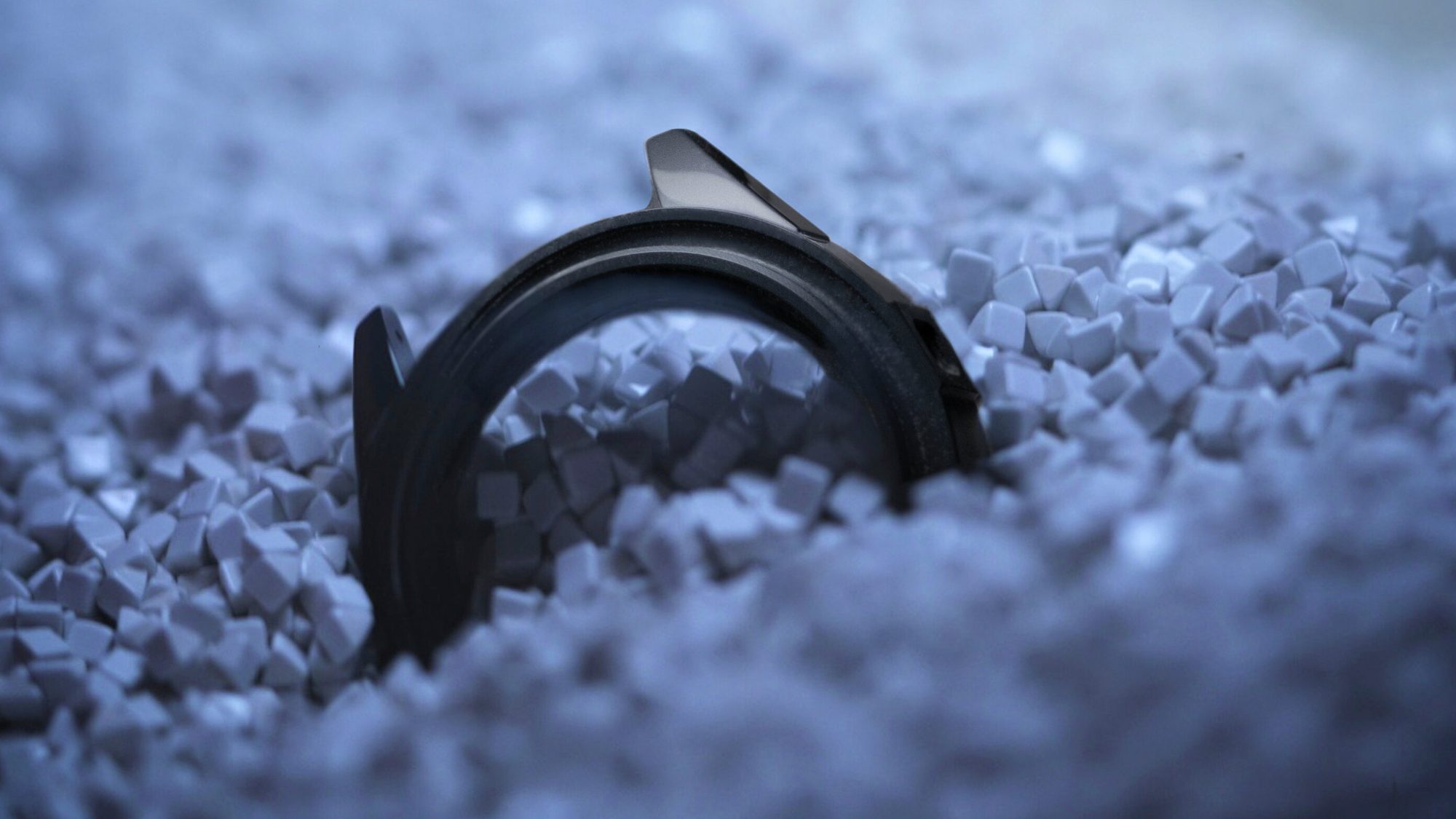
Our tour through the facility was an immersion into Comadur’s sophisticated, multi-stage manufacturing process. As with all high-tech ceramic production, each component begins life in a powder state. Rado works with pure zirconium oxide powder, mixed with colour oxides (pigments) if required and a polymer binding agent. A thorough mixing process ensures the mix is fully homogenised before it is extruded and chopped into tiny pellets ready for injection moulding.
Injection moulding is generally the preferred technique as it allows watchmakers to achieve complex shapes such as bezels, crowns, bracelet links, and even screw threads. The melted pellets are injected into dedicated moulds, each larger in volume to account for shrinkage during later production stages. Because this stage requires extreme pressure (1000 bar), the moulds are specially engineered to withstand the demanding conditions.
Sintering, one of the most important and widely discussed stages of high-tech ceramic production, is the critical stage that imparts high-tech ceramics with their characteristic properties. During this stage, components are placed in furnaces ranging from 1,400°C to 1,600°C.
A few crucial changes take place right after: the polymer binders burn off at these extreme temperatures. The zirconium oxide molecules start shrinking and fuse tightly, which imparts its hardness (9on the Mohs scale). During this phase, the high-tech ceramic components shrink by up to 25 per cent. Colour changes also occur during this phase. However, because some colours are more heat-sensitive than others, part of the challenge is controlling temperature and exposure time to ensure consistency across entire batches. On top of that, given the sensitivity of coloured oxides (pigments), Comadur has dedicated furnaces for the different colours in Rado’s palette to prevent contamination.
Afterwards, the freshly sintered components are further machined. Given high-tech ceramic’s hardness, specialised diamond-tipped tools are required, as diamond ranks 10 on the Mohs scale and is the only mineral harder than high-tech ceramic. This time-intensive process requires precision when working with complex shapes such as the Captain Cook’s concave bezel or small components such as watch crowns or bracelet links.
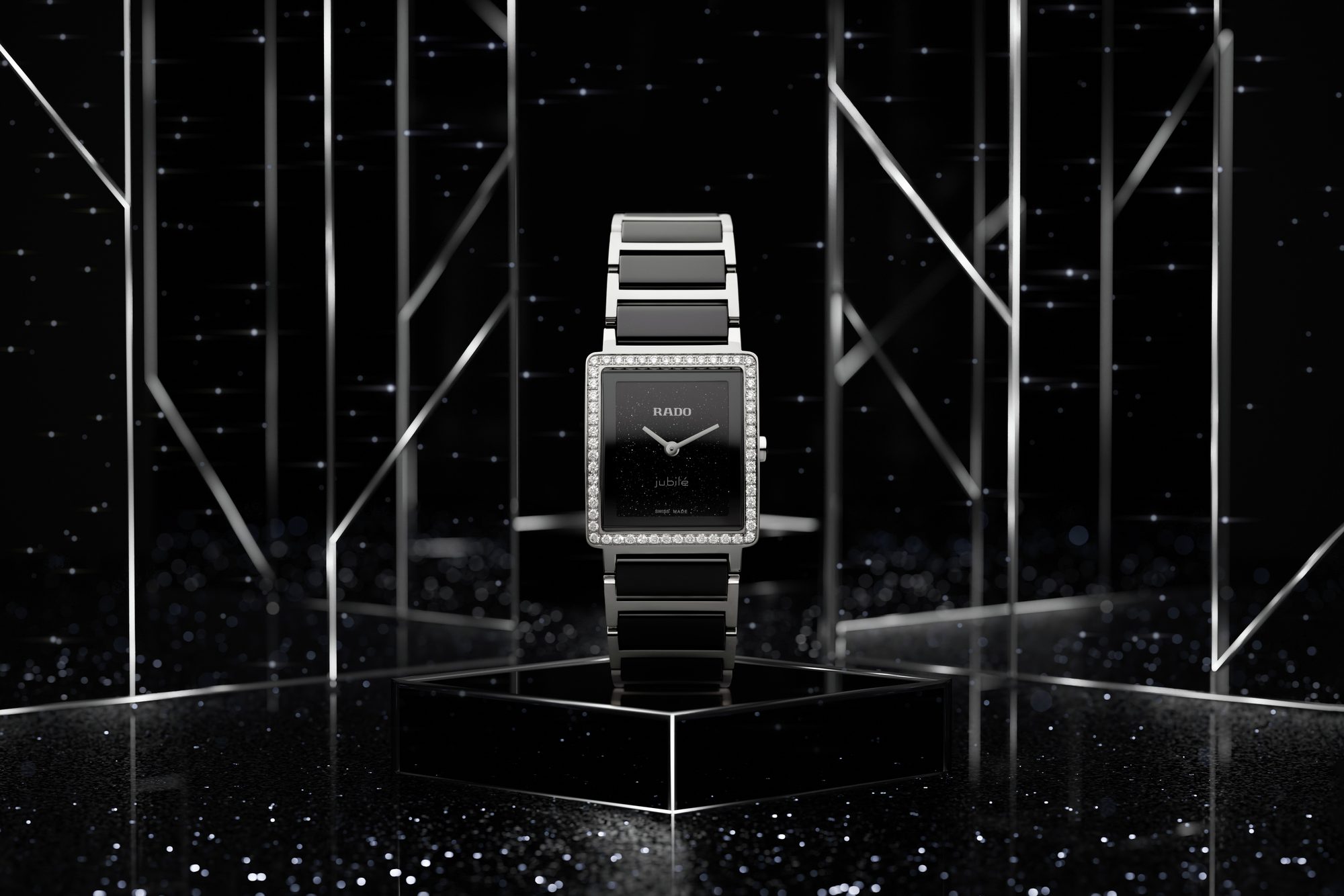
Surface treatments take place at the end to add aesthetic touches such as a high polish, matte, or satin finish. Watch cases, bracelets and more are placed in a vibrating chamber filled with tiny ceramic bits for up to a week to polish the surfaces. Matte or satin-finish components undergo additional sandblasting to achieve the desired finish. A laser engraving stage etches various production numbers and markings on the bezel, with absolutely perfect outlines and depths.
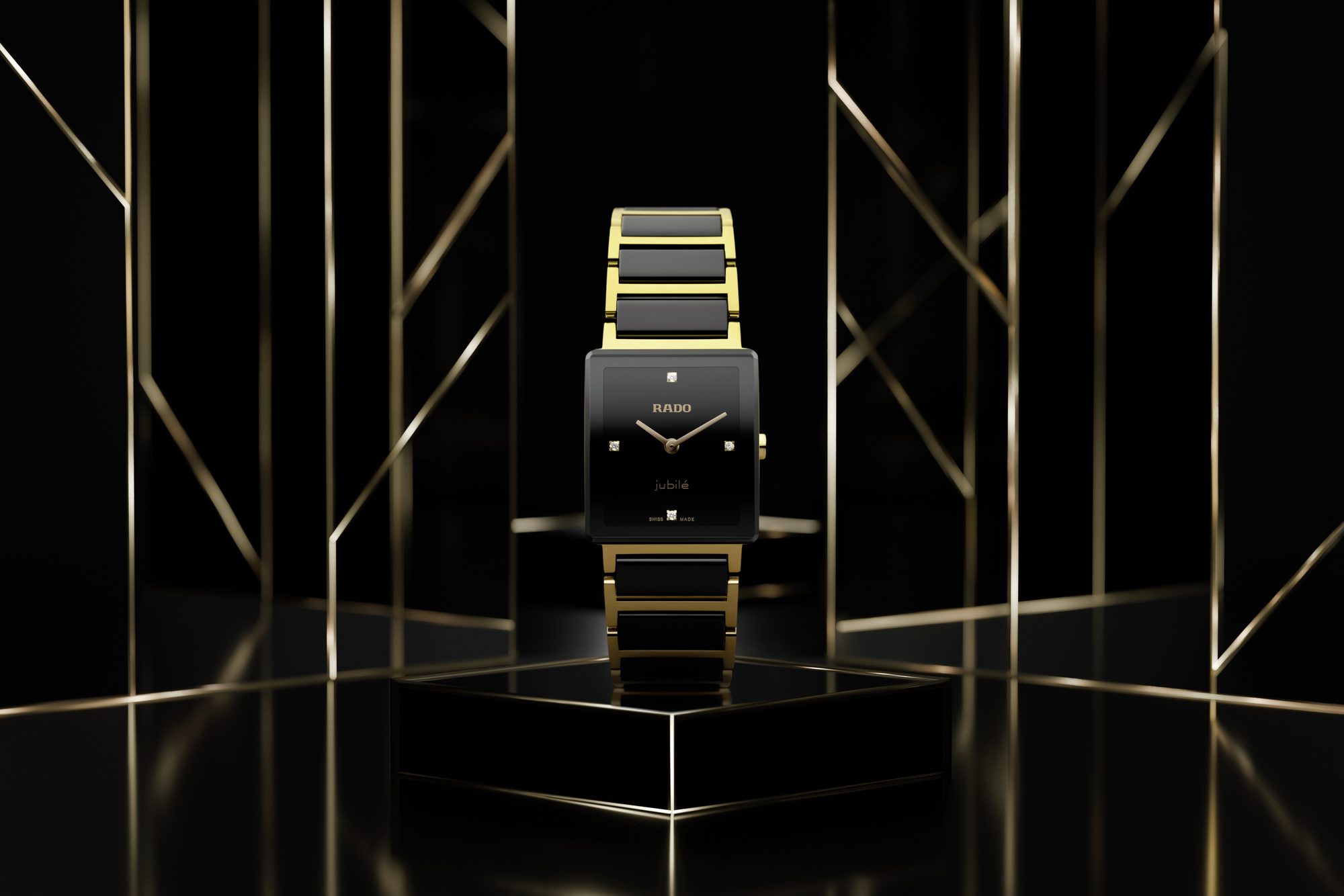
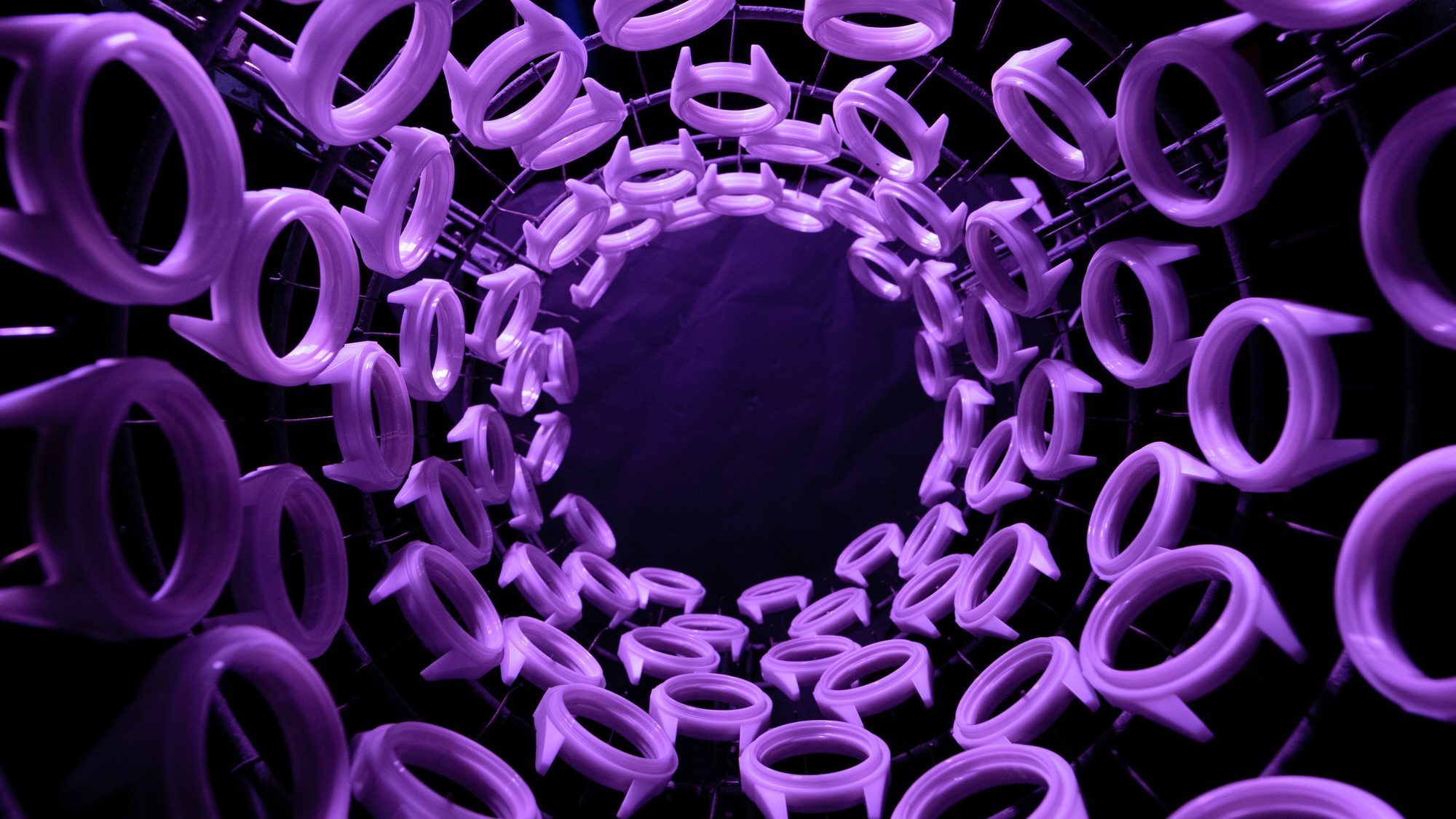
Another of Rado’s famed high-tech ceramic processes is plasma high-tech ceramic. A specialised plasma oven within the Boncourt facility ionises ambient gas. Temperatures soar to a peak of 20,000°C, while producing a distinct violet glow. The process alters the high-tech ceramic’s surface structure at the molecular level, producing a metallic sheen even without metallic components present during the early production stages. According to one Comadur executive, only three such plasma ovens exist in the world; only Comadur’s is functional on an industrial production scale, while the other two are used for research purposes in universities.
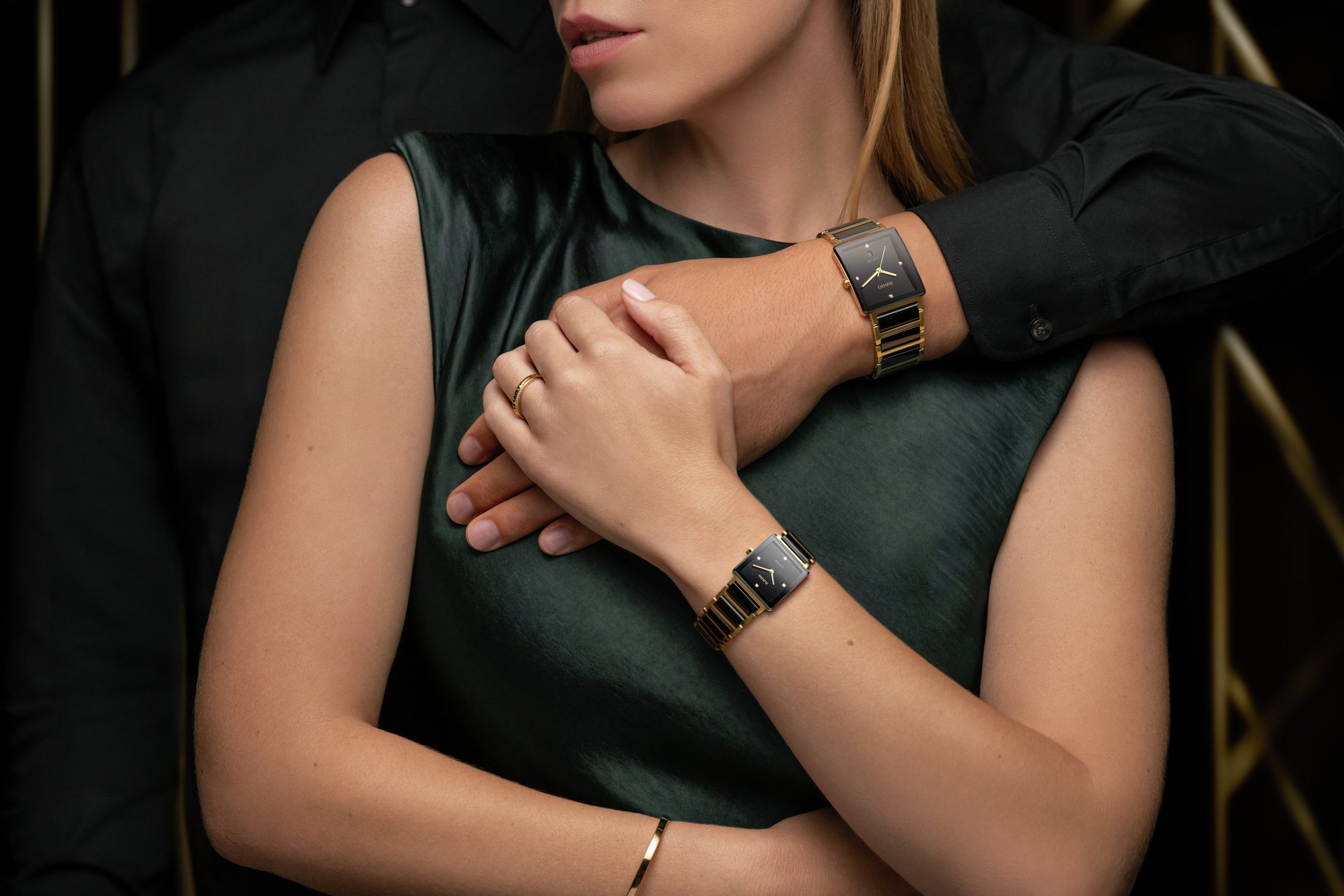
As I reflect on my experience at Comadur, it becomes clear why Rado has spent four decades championing high-tech ceramics. Much has been learnt, but many more lessons and innovations await the Rado-Comadur alliance. What appears outwardly simple is in reality the culmination of intense engineering, material science and manufacturing expertise. Even though the word “ceramic” still conjures notions of delicate, fragile objects, ceramic has since evolved into high-tech ceramic and is one of watchmaking’s most advanced materials. Even though that is the enduring irony of high-tech ceramic, Rado has worked tirelessly to dispel it for the past 40 years and will continue doing so for the next 40 years and beyond.
Once you are done with this story, click here to catch up with our latest issue.