Not every animal is destined for jewellery. A panther, certainly. A tiger, perhaps. A butterfly or swallow presents little difficulty either. A rhinoceros, however, is a more complicated proposition. So is a carp. Neither possesses the obvious glamour that high jewellery typically favours. Cartier, of course, has never been particularly concerned with such distinctions.
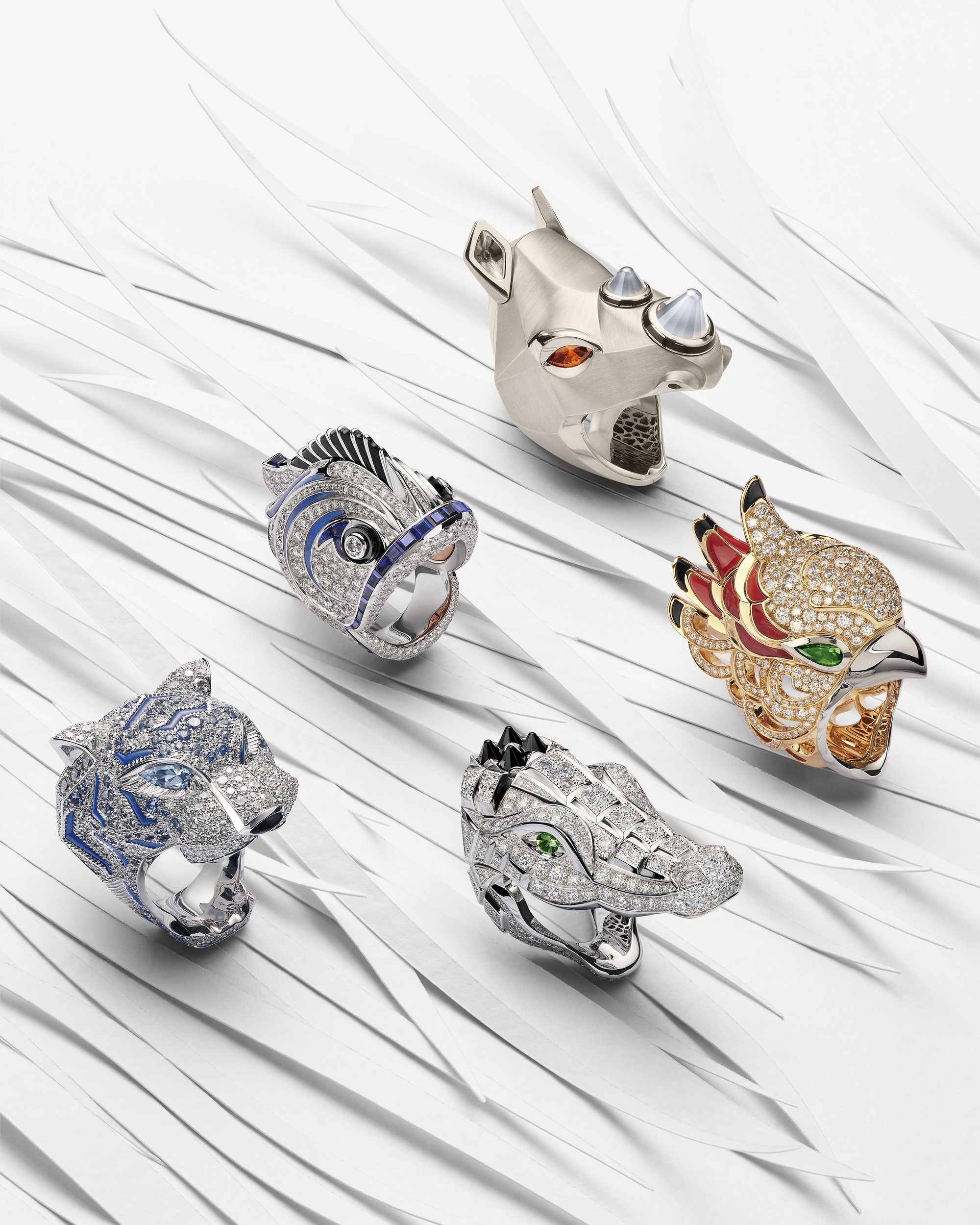
Arriving alongside Cartier’s Into the Wild campaign starring Tilda Swinton, Faune & Flore de Cartier introduces a tiger, parrot, carp, crocodile and rhinoceros to the maison’s ever-expanding animal kingdom. Yet what distinguishes Cartier’s fauna from the broader menagerie of high jewellery is not the choice of animal itself. Plenty of houses have looked to nature for inspiration. Cartier’s particular gift lies in transforming animals into characters.
The Panthère may command the most attention, but Cartier’s fascination with wildlife has always extended beyond its most famous feline. For more than a century, birds, reptiles and big cats have appeared in the maison’s jewellery, rendered with one foot in observation and the other in imagination. They are recognisable creatures, certainly, but rarely straightforward studies in naturalism. Each arrives with a distinct temperament, conveyed through proportion, colour and material as much as anatomy.
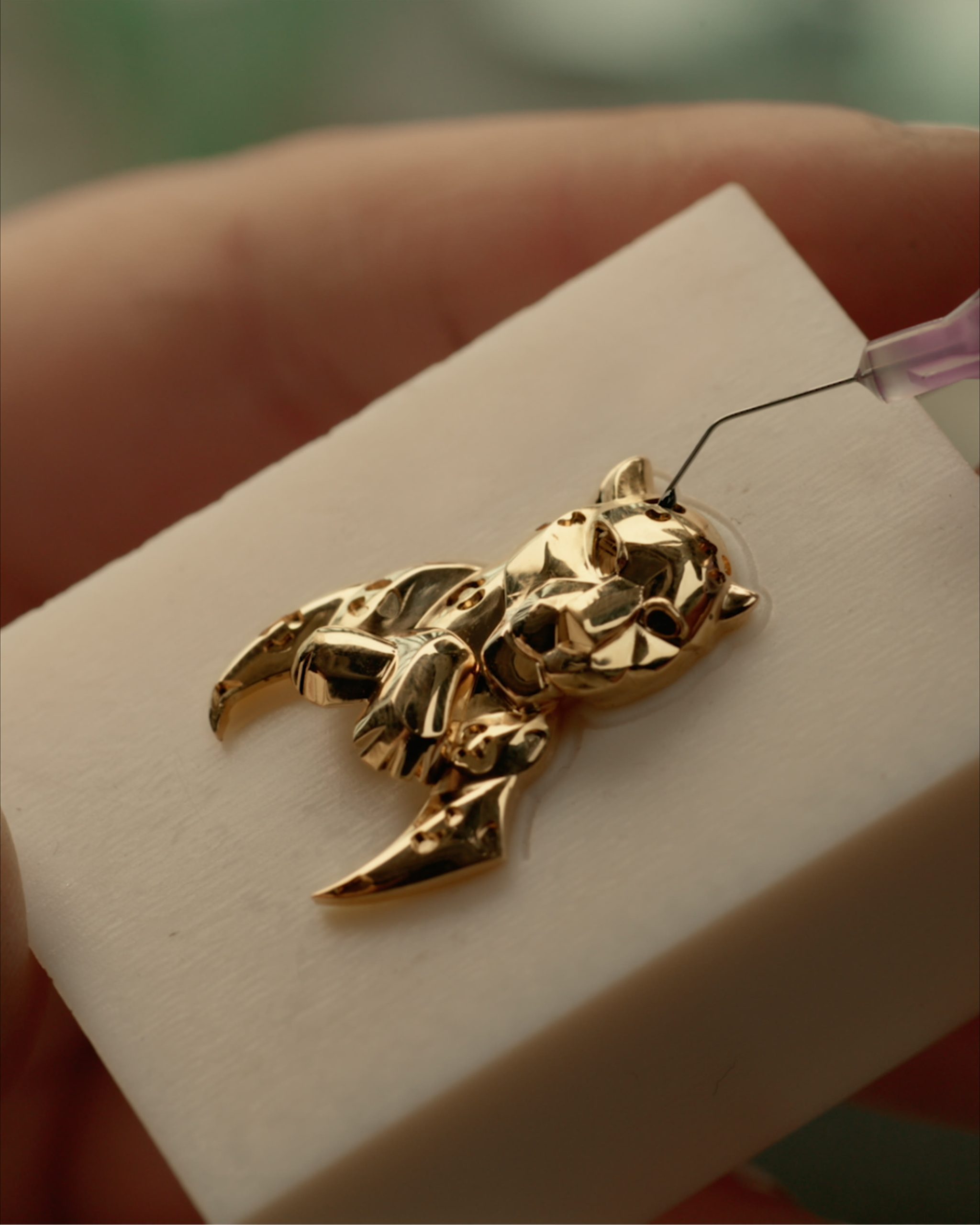
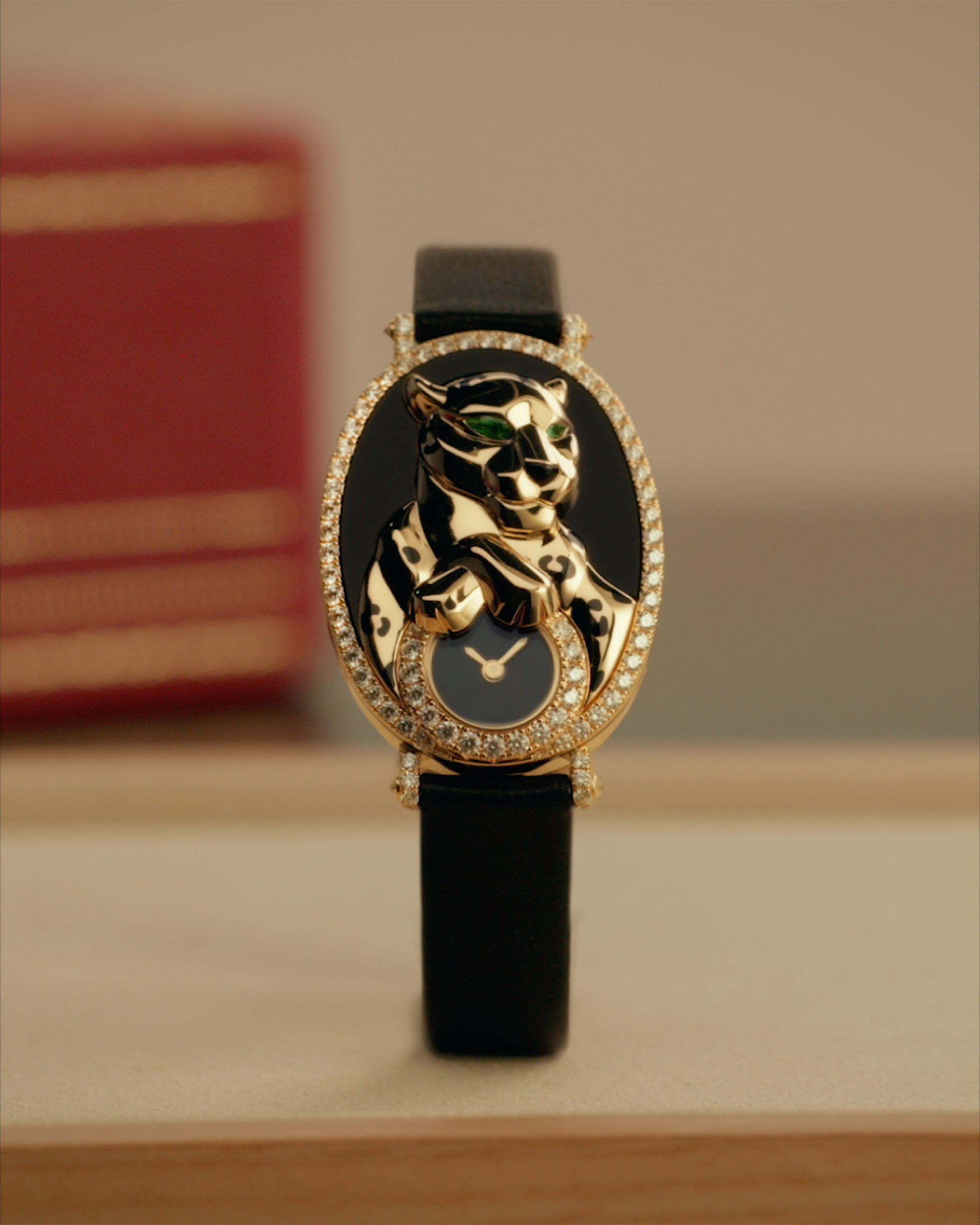
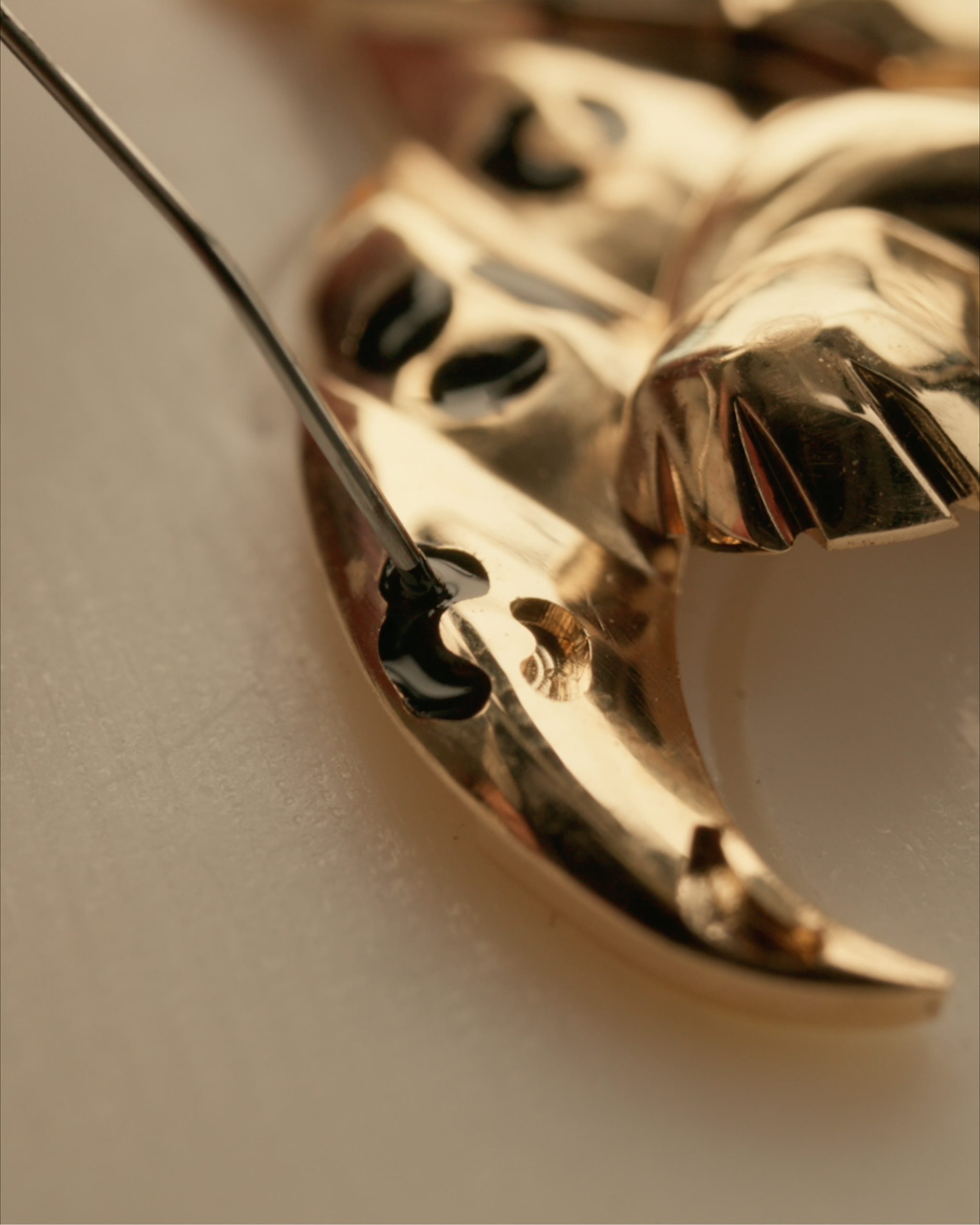
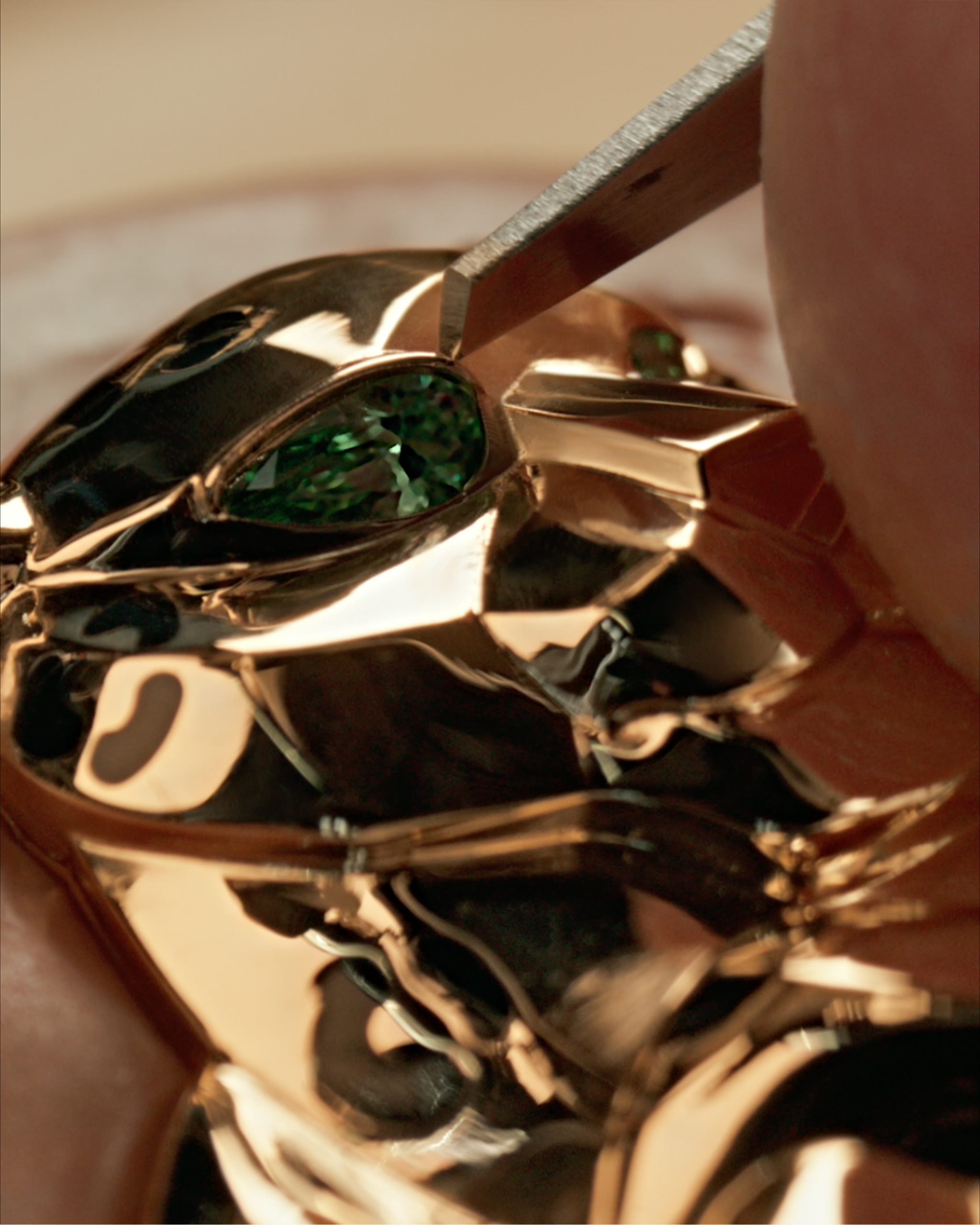
The rhinoceros illustrates the point best. Rather than soften its imposing silhouette into something conventionally elegant, Cartier leans into its peculiarities. Its horn is carved from smoky quartz and traced with black lacquer, preserving the animal’s rugged character rather than refining it away. The carp receives similar treatment. Its gills emerge from carved dumortierite quartz, while the parrot’s feathered crest is painstakingly adjusted by hand. The achievement is not merely technical. It is what allows these creatures to command space rather than simply occupy it.
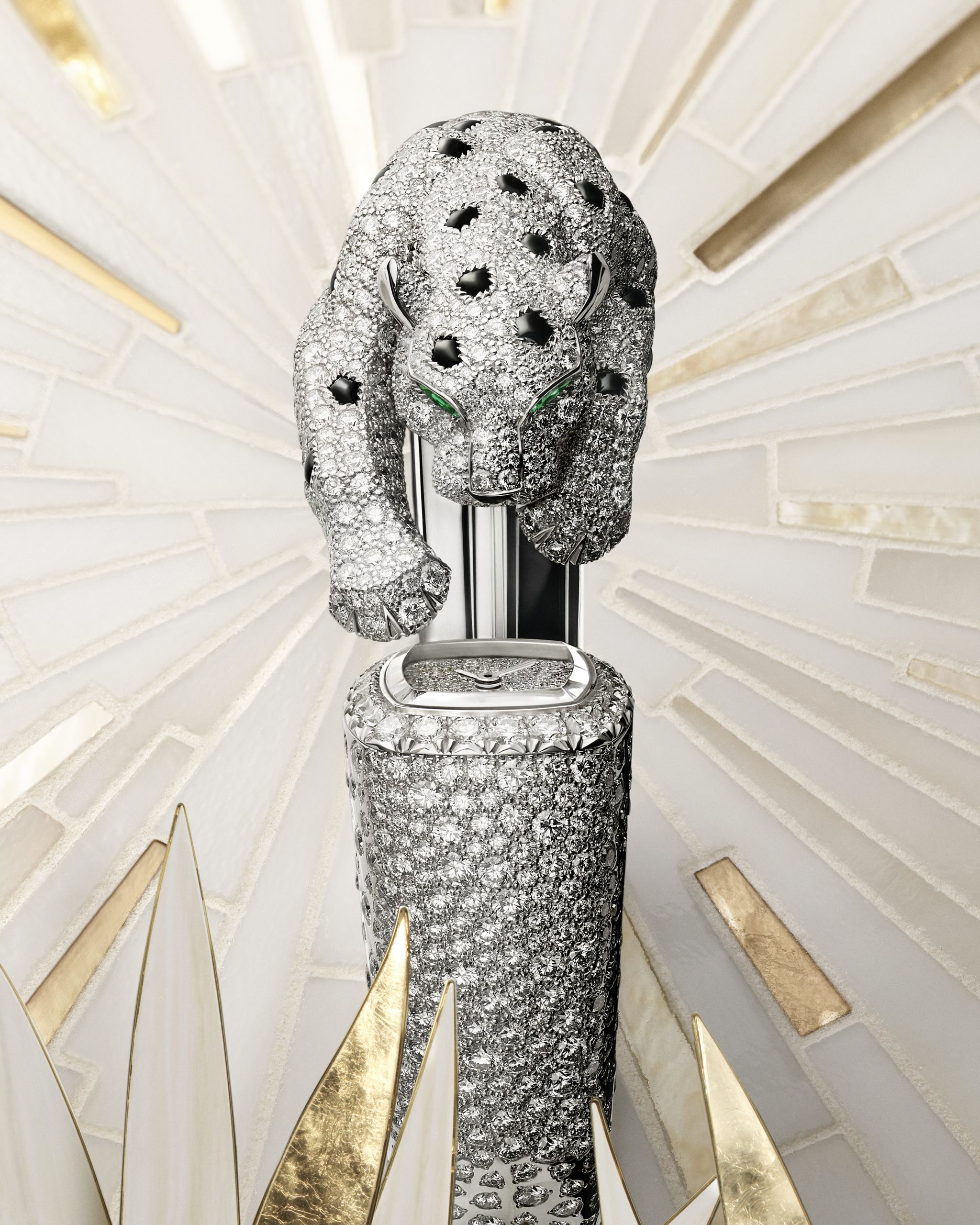
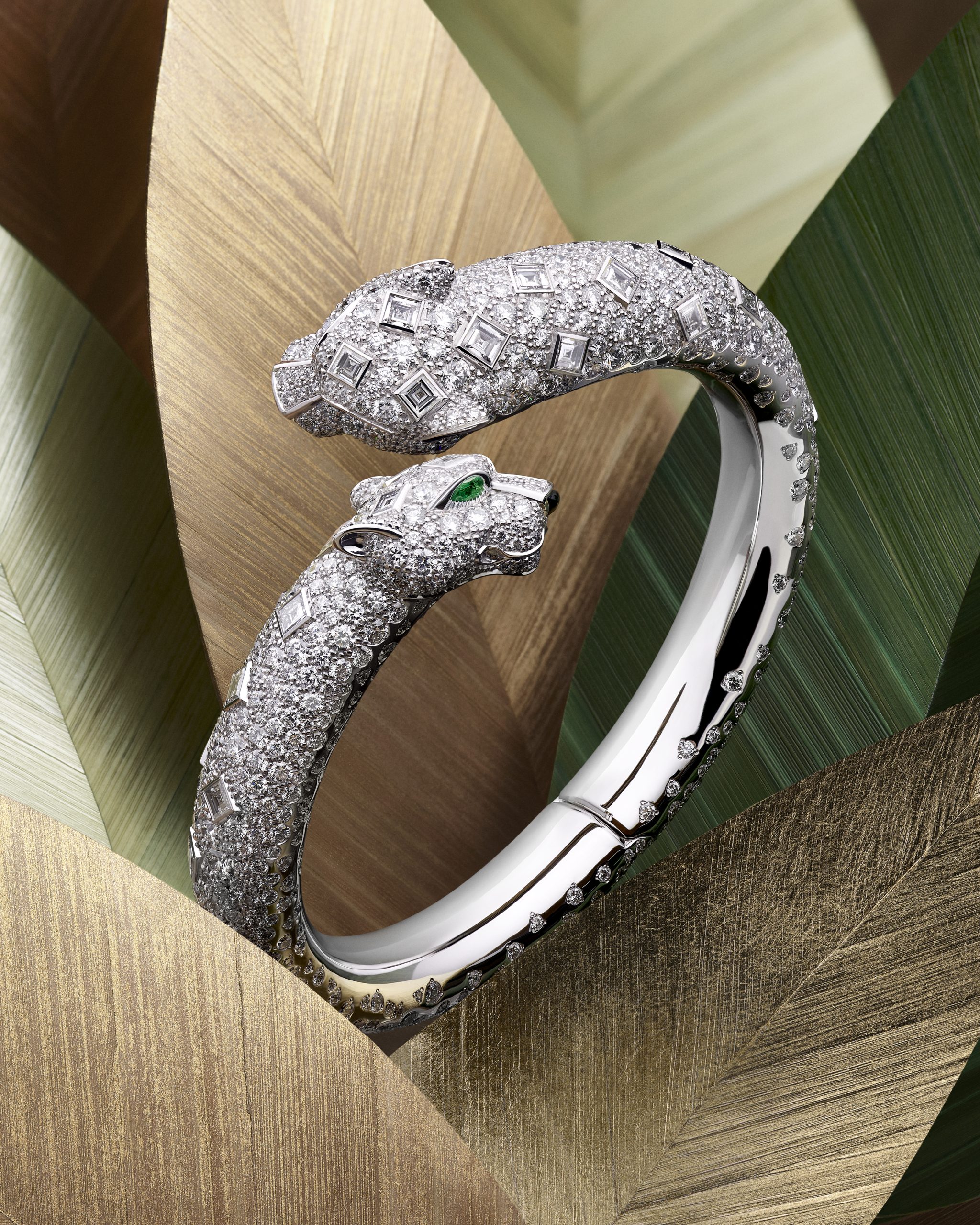
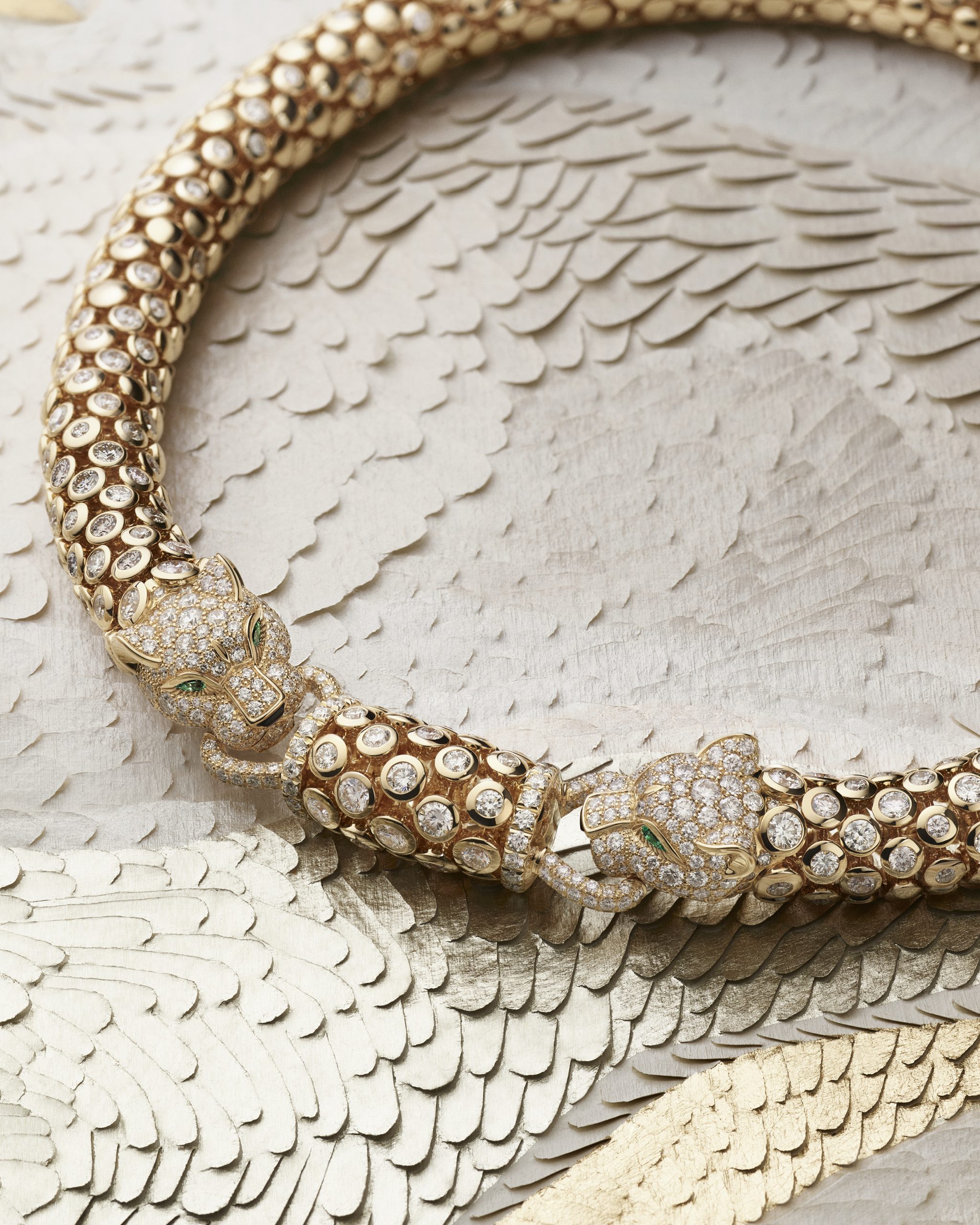
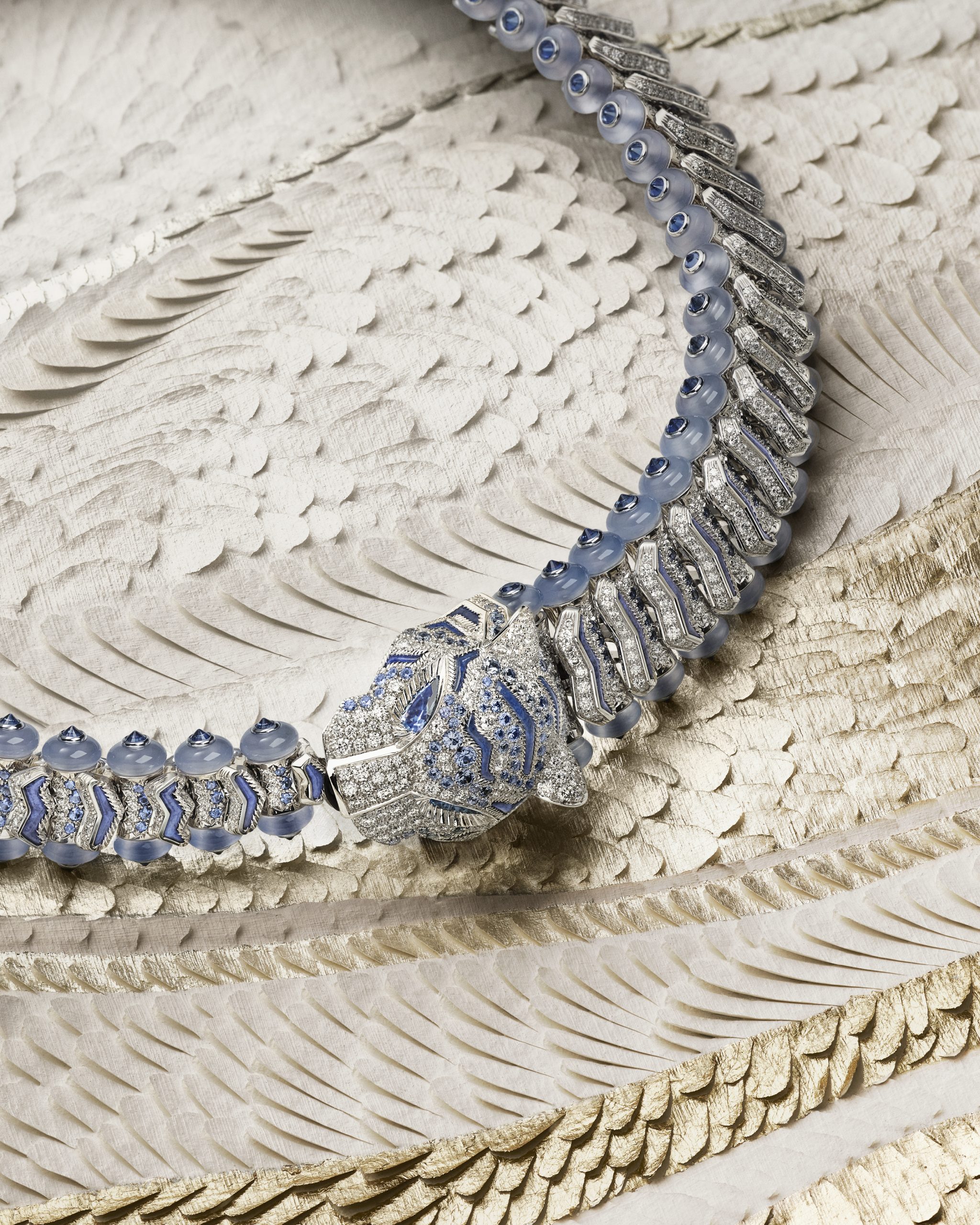
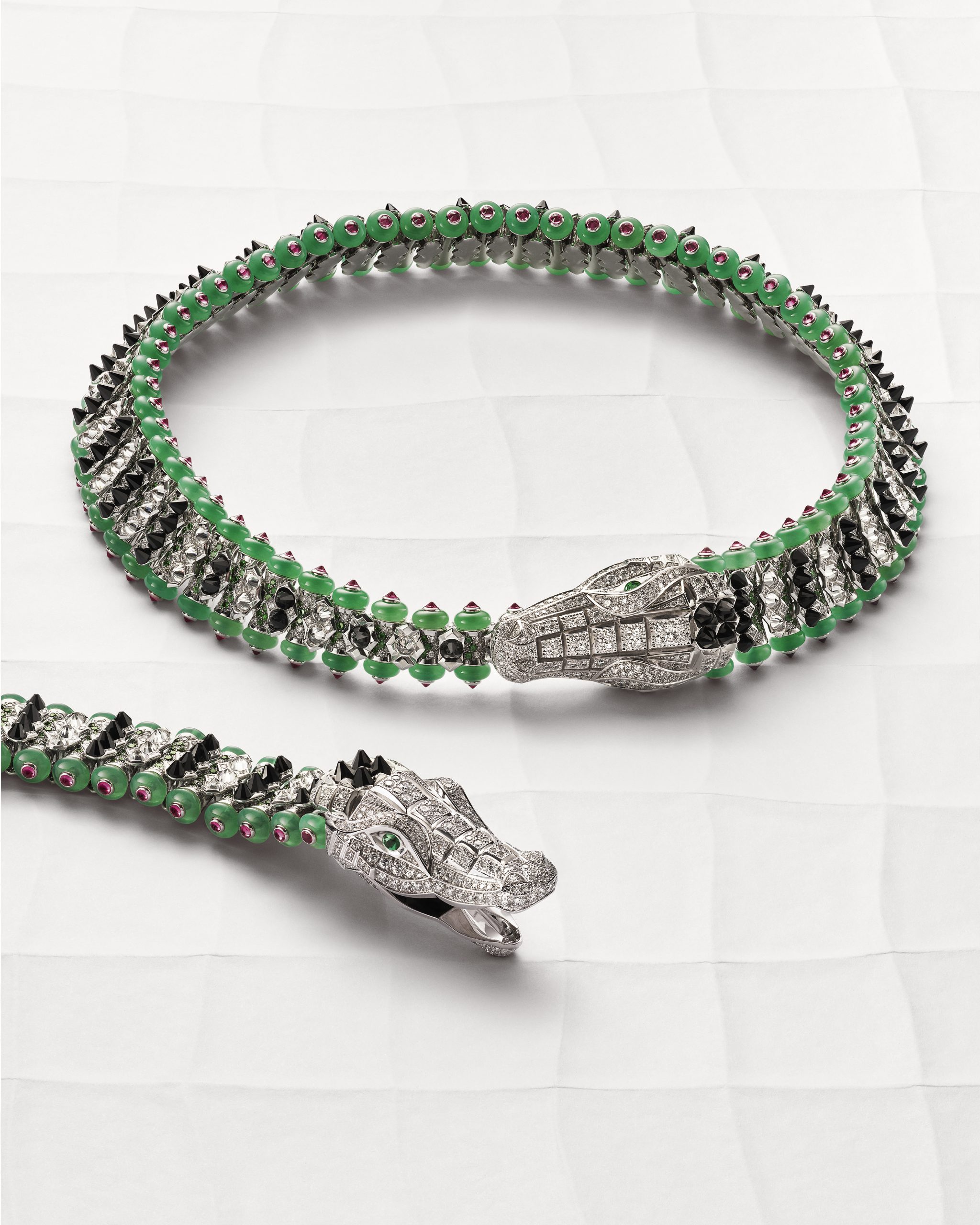
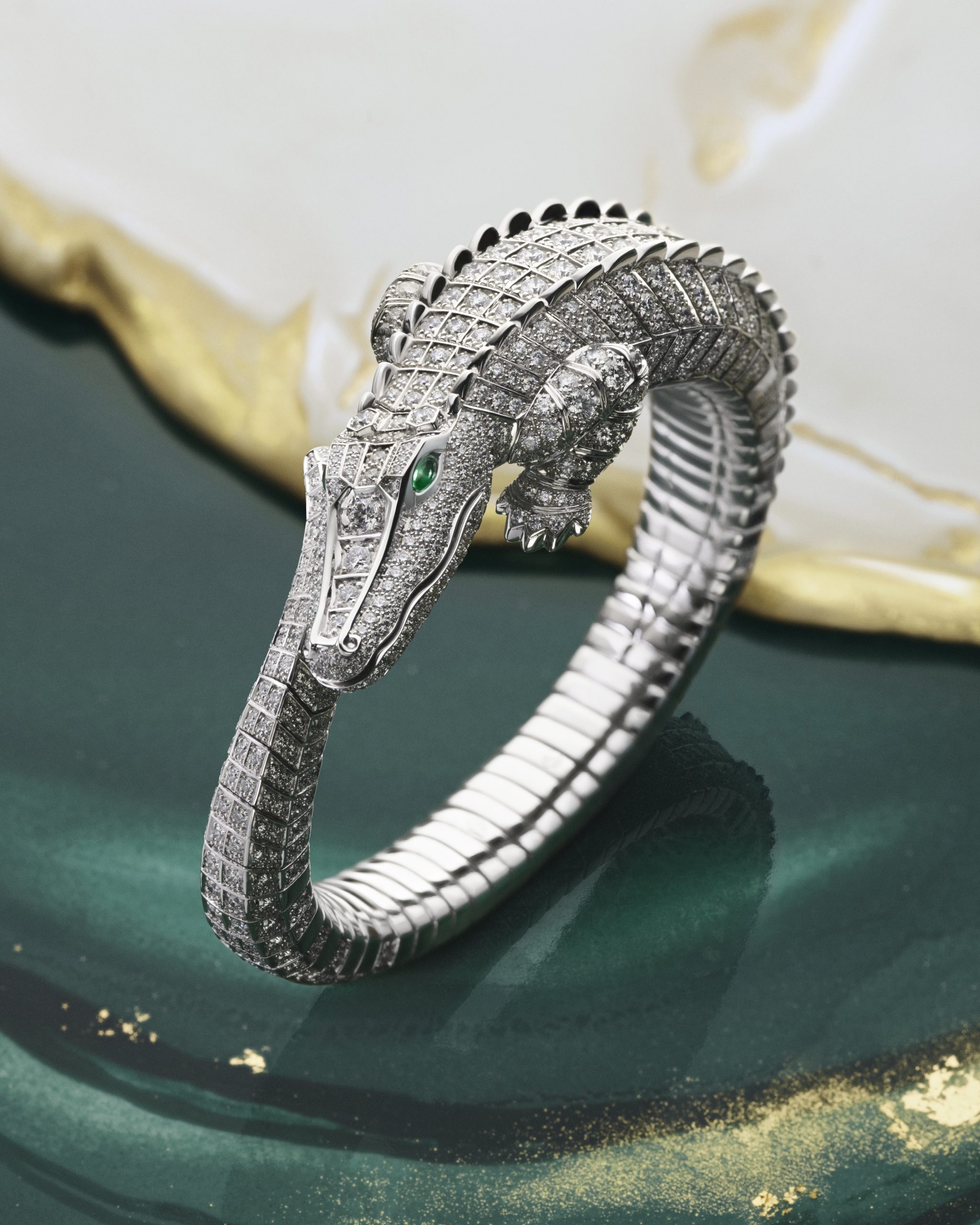
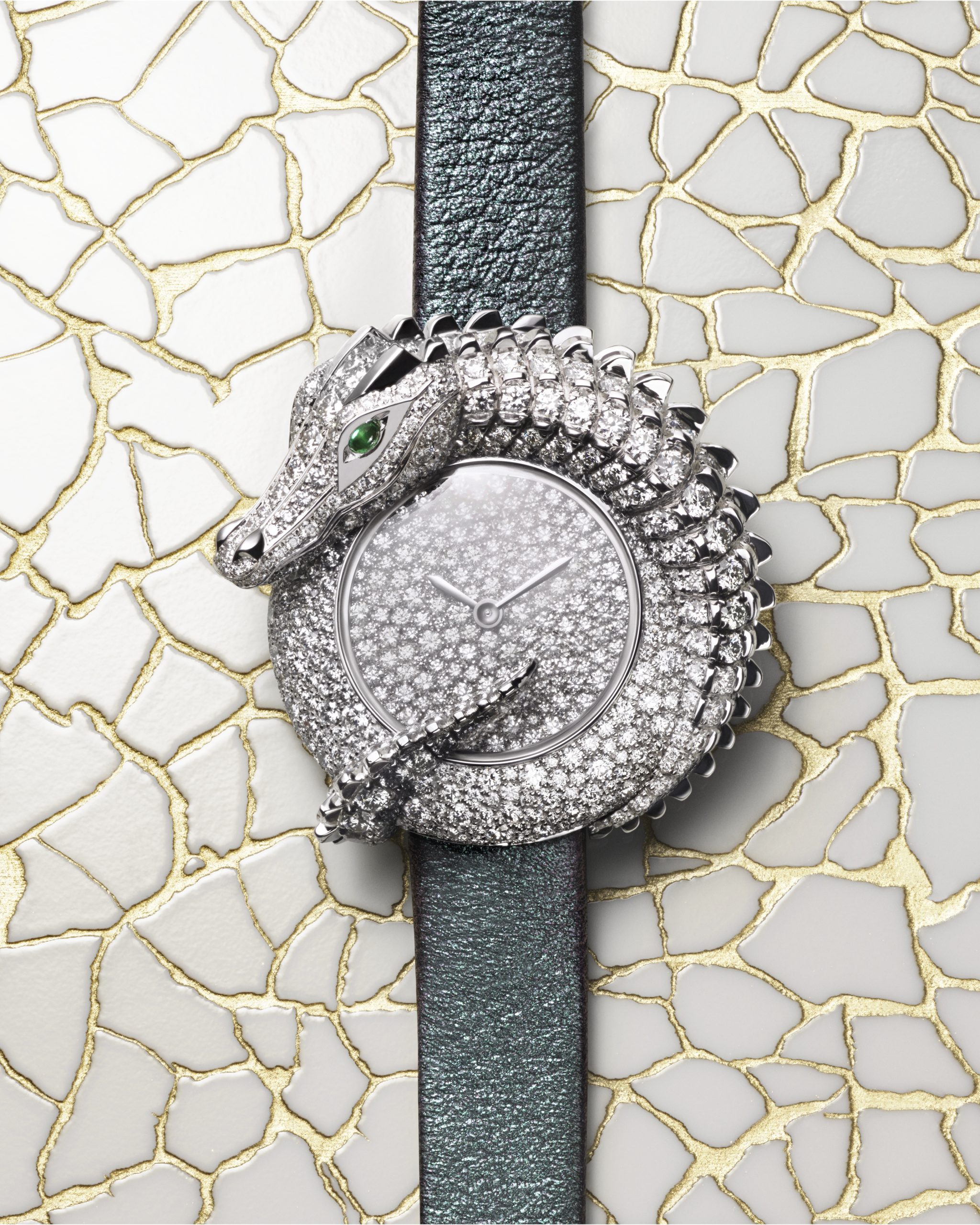
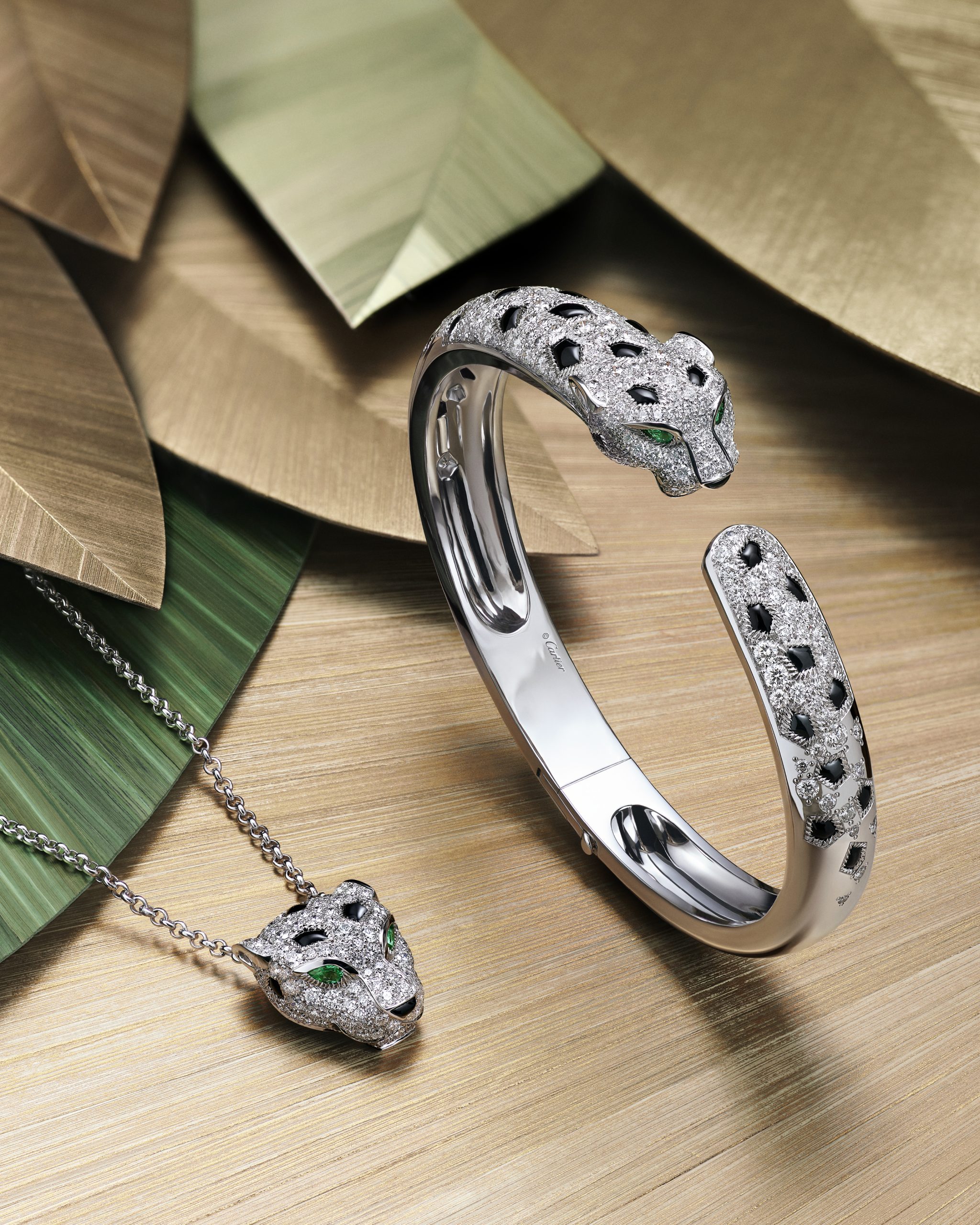
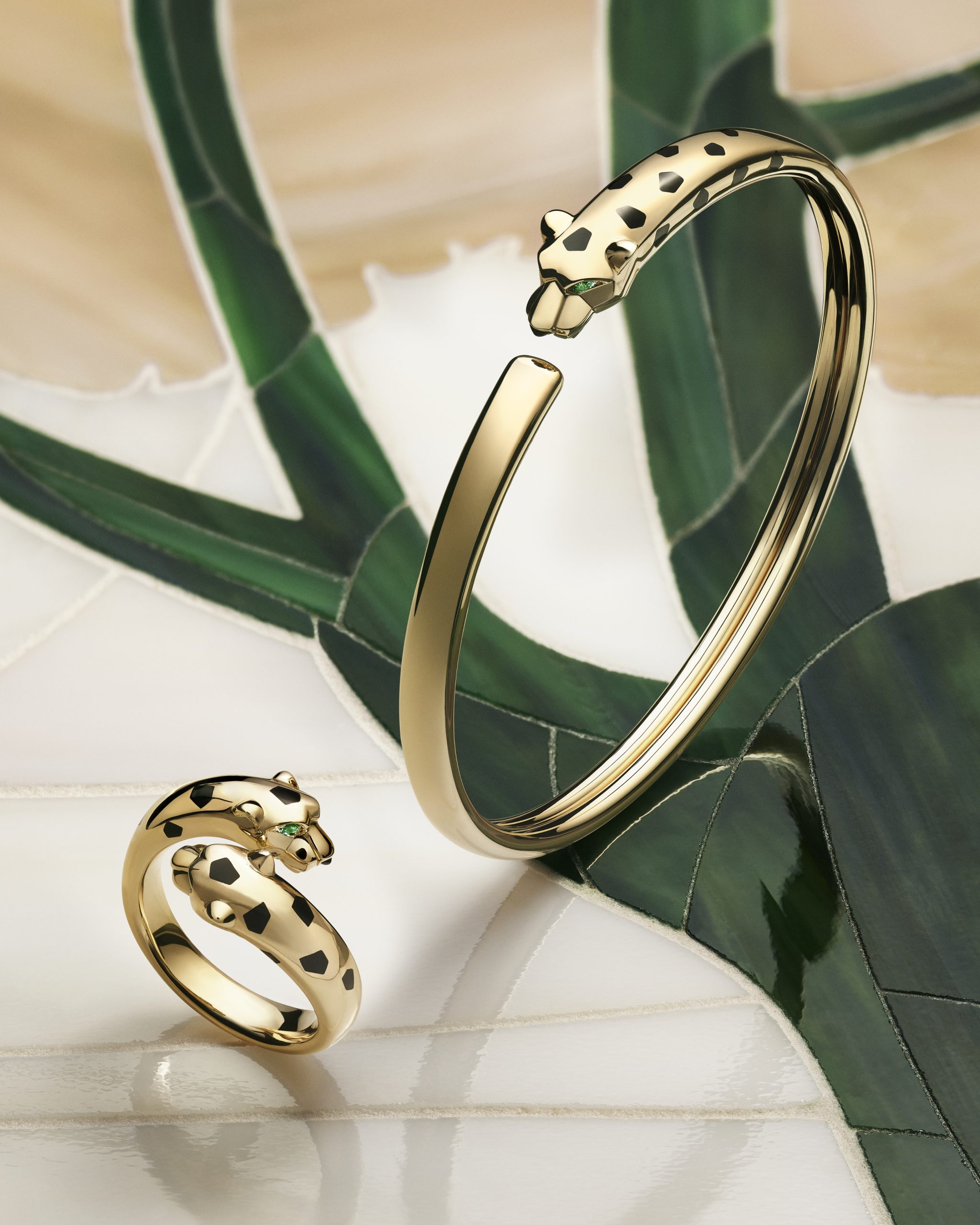
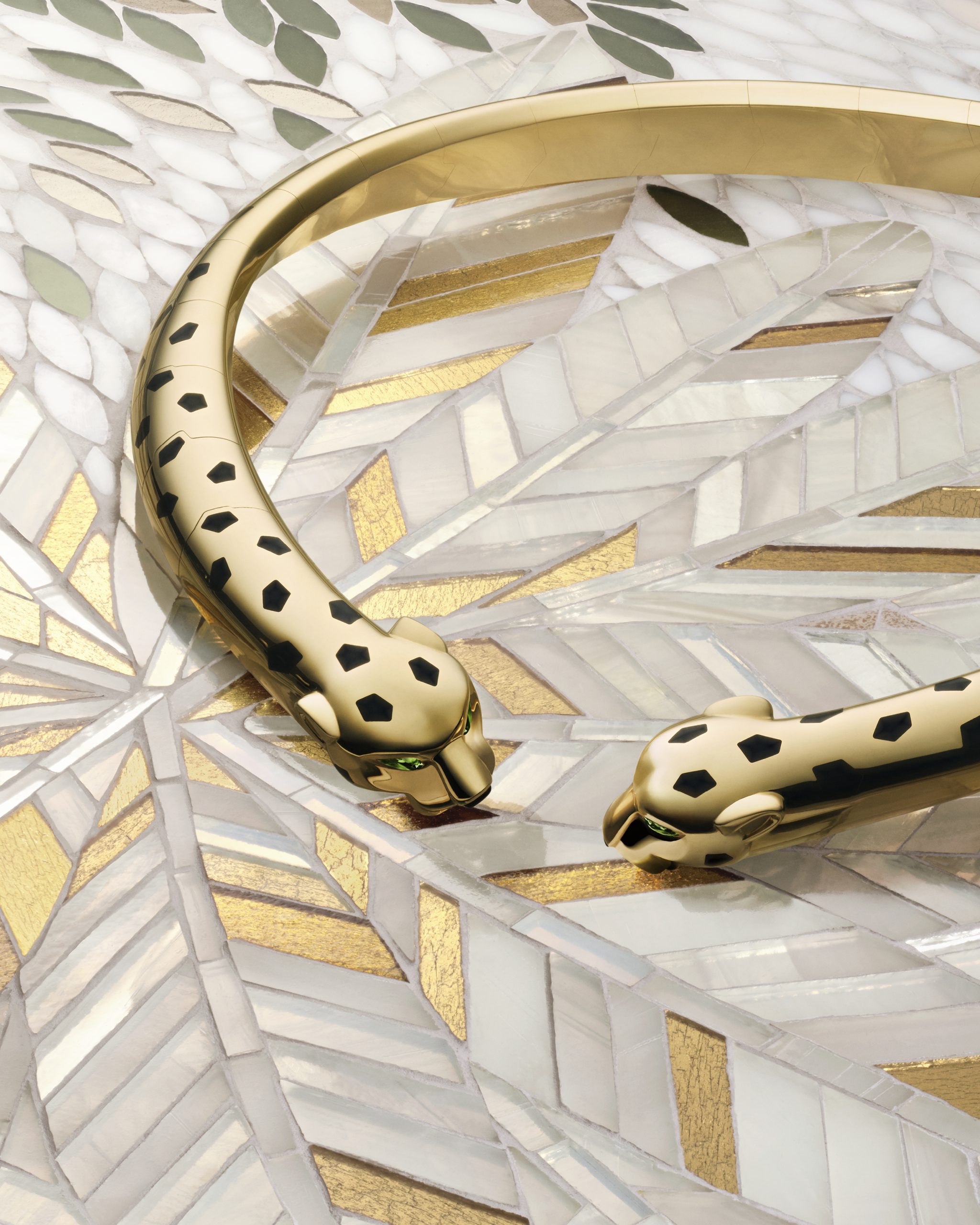
Colour, meanwhile, does much of the personality work. Cartier has long favoured bold chromatic contrasts, and here they are deployed with considerable confidence. Coral and tsavorite garnets lend the parrot an exuberance, while the crocodile derives its authority from the sharper interplay of diamonds, emeralds and onyx. The tiger takes an altogether cooler approach through sapphires, aquamarines and dumortierite quartz. The objective is not zoological accuracy so much as character.
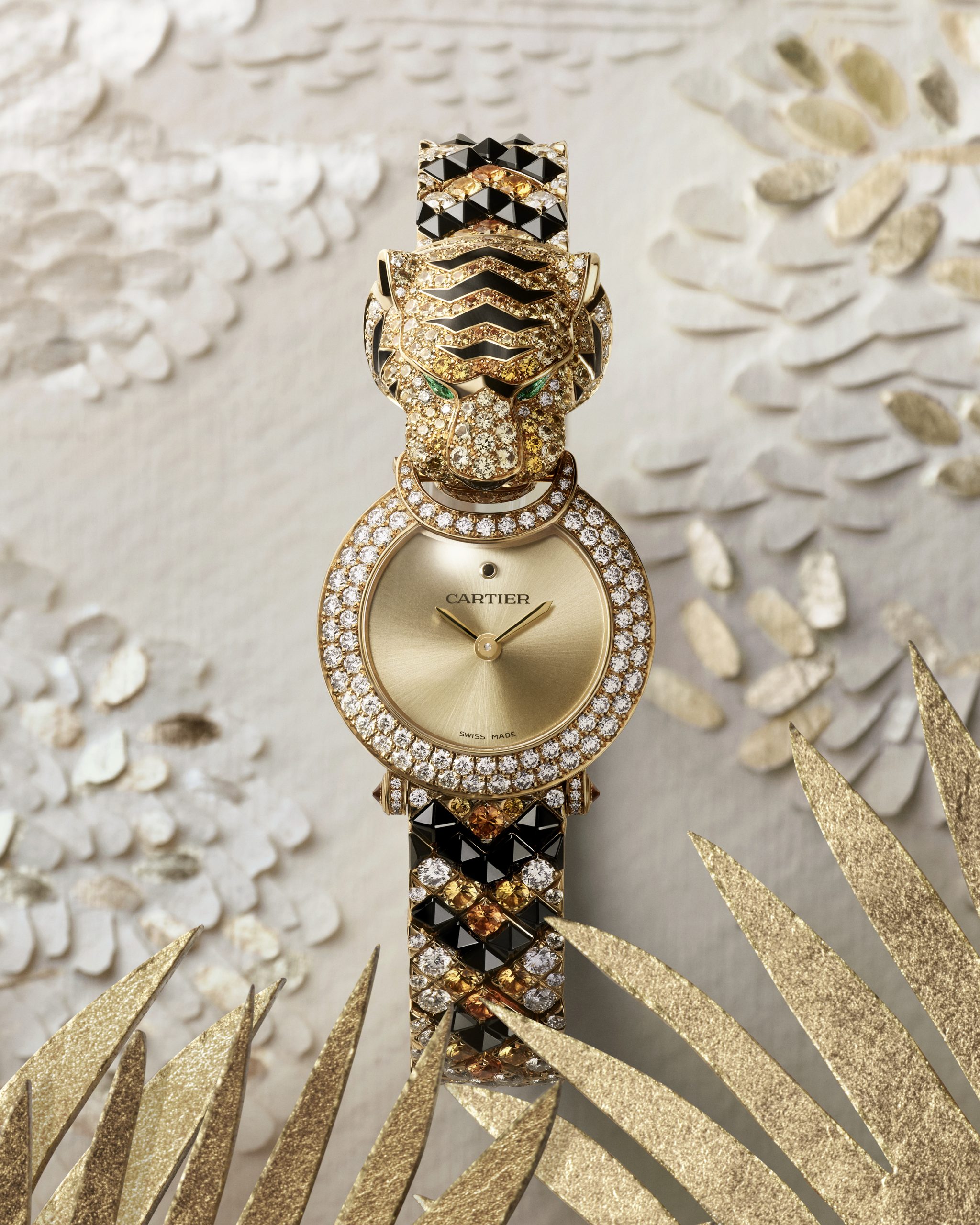
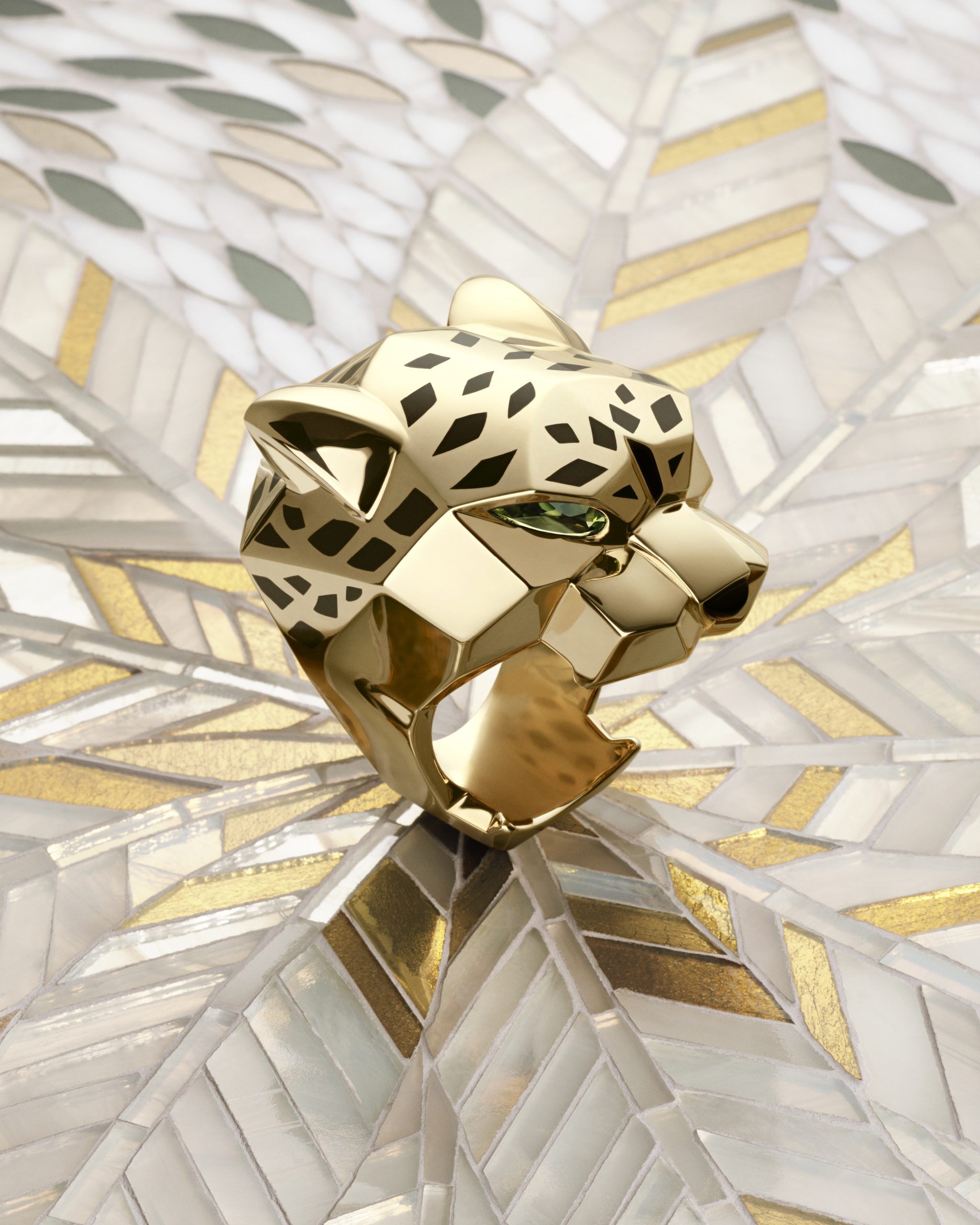
That balance between realism and interpretation becomes most apparent in the collection’s bracelets and necklaces. The tiger and crocodile retain sculptural heads that remain remarkably faithful to their anatomy, yet their bodies dissolve into articulated arrangements of gemstones and flexible links. Hidden clasps disappear into open jaws, pavé techniques evoke scales and fur, and every section is engineered to move fluidly against the skin. Realism yields to abstraction, though never completely. Cartier has long understood that suggestion can be more persuasive than imitation.
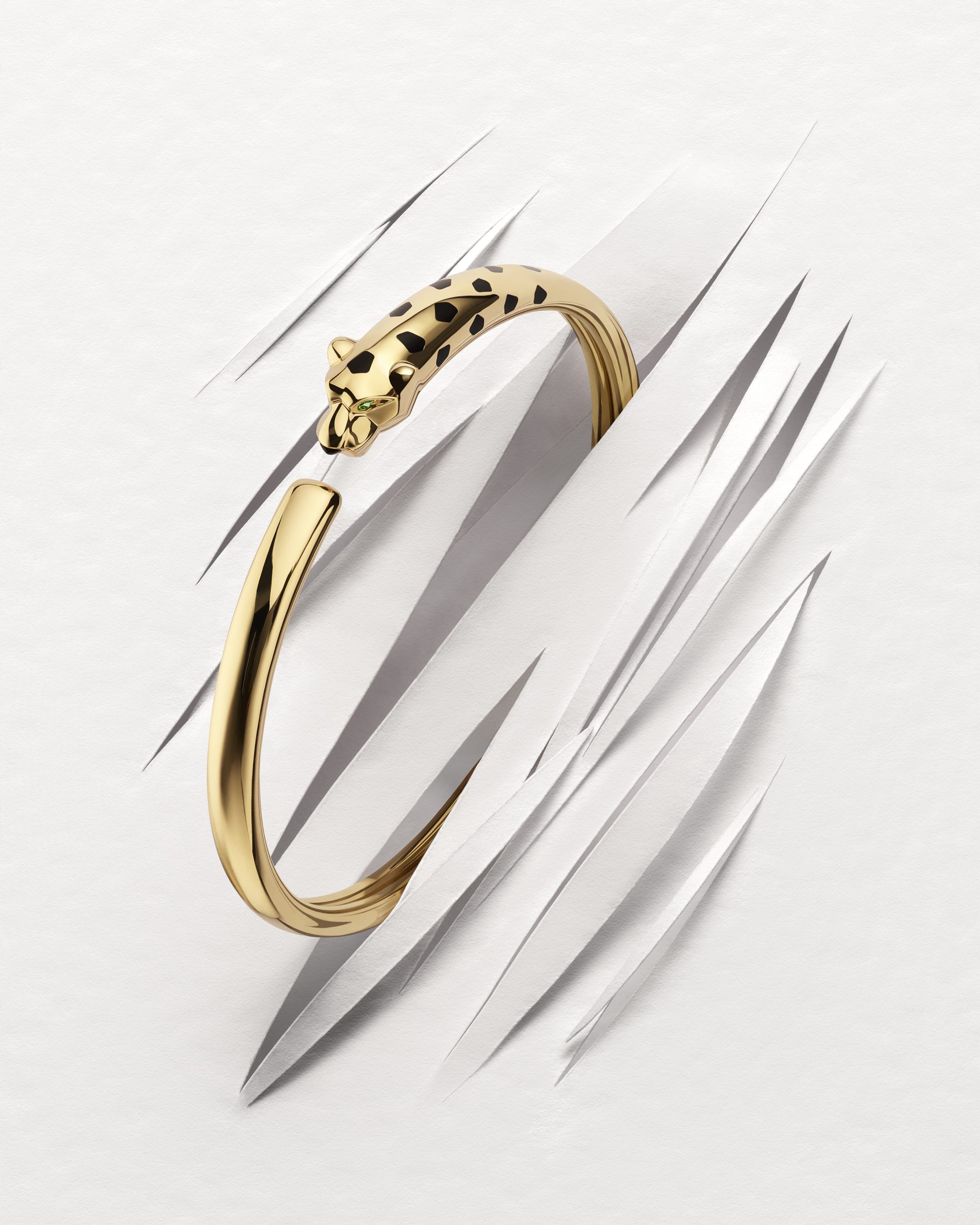
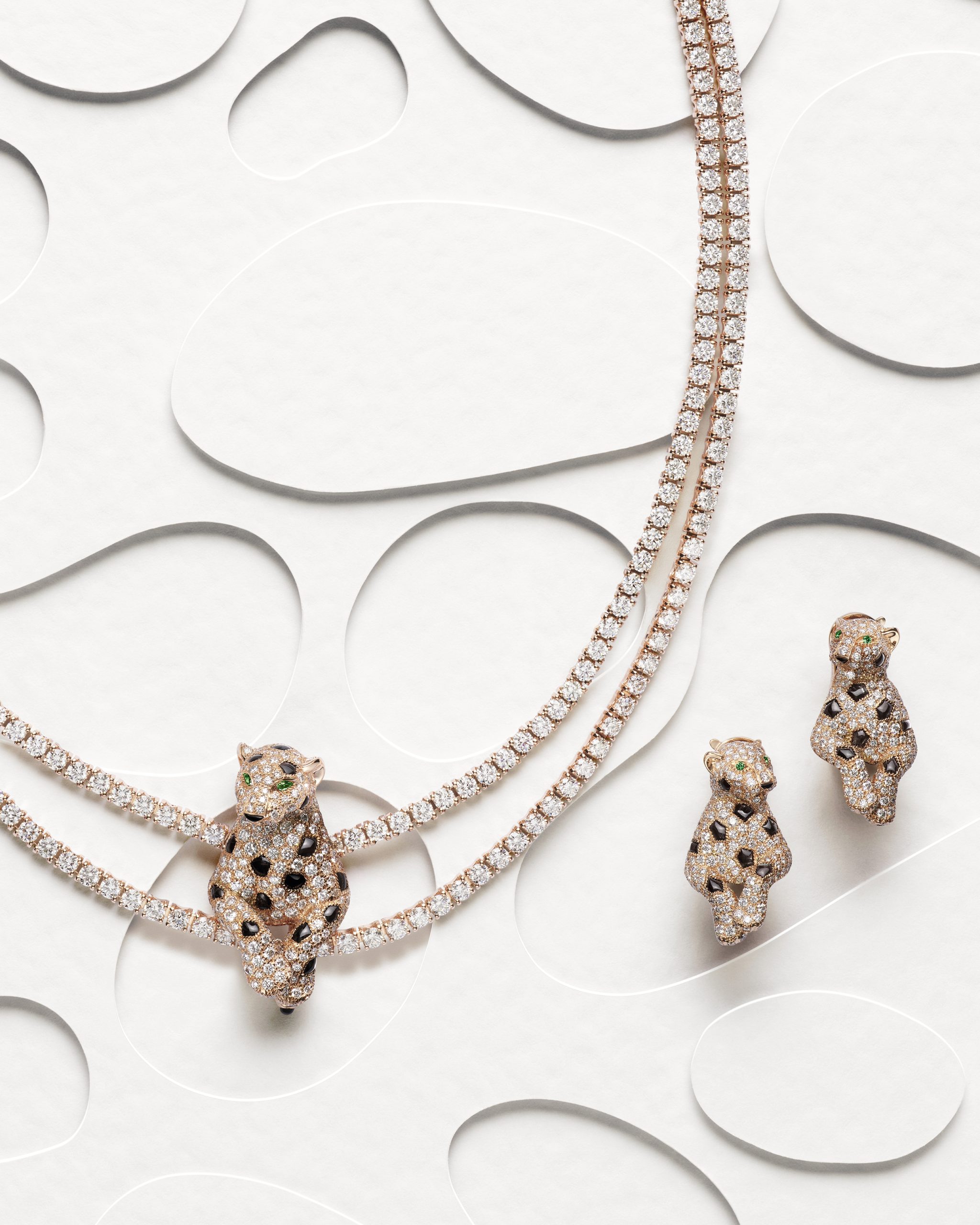
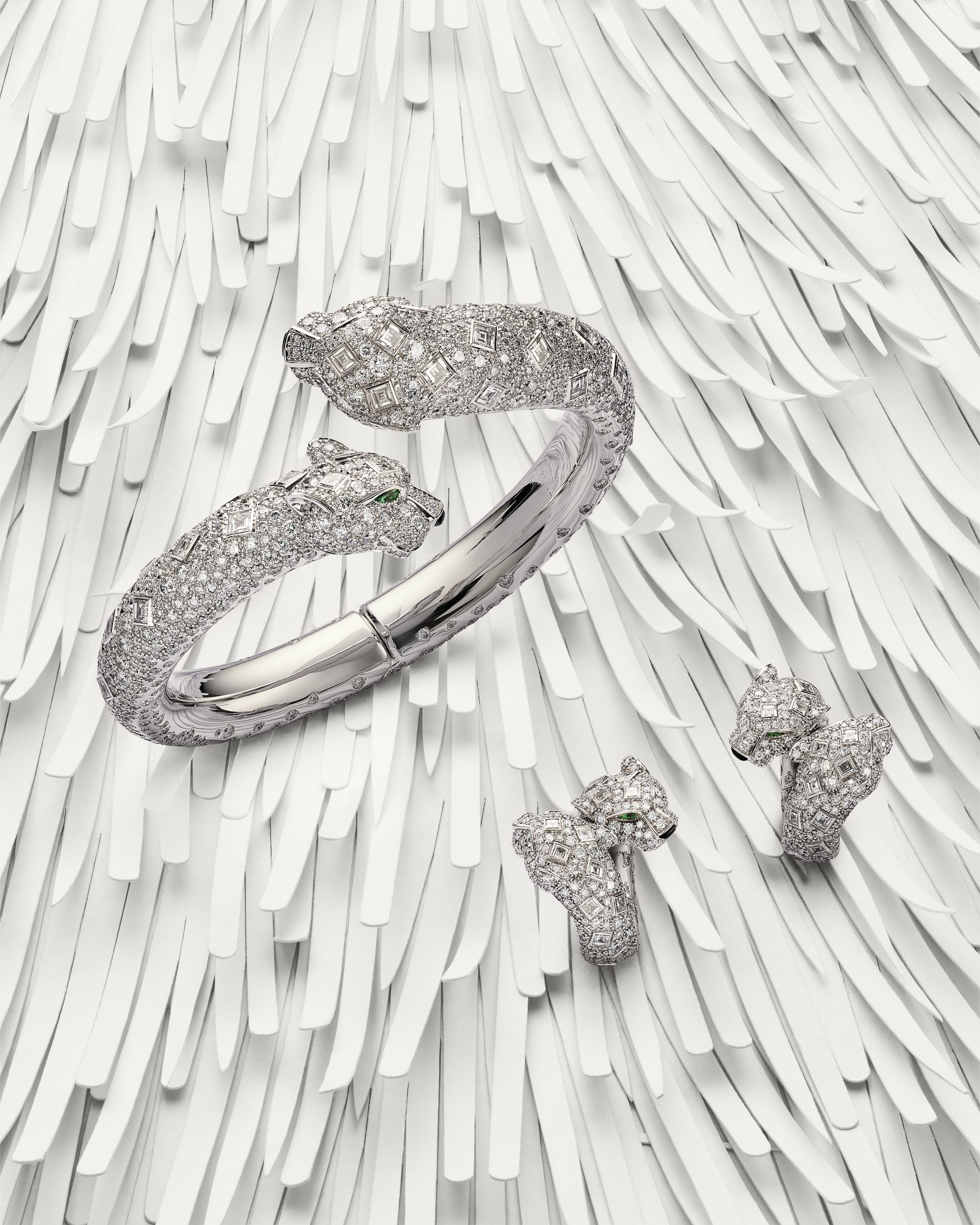
Pierre Rainero, Cartier’s Director of Image, Style and Heritage, has described the maison’s animals as reflections of attitudes, personalities, and states of mind. It is an observation that helps explain their enduring appeal. These creatures are not presented as decorative motifs or symbols of the natural world. They function more like portraits, each with its own disposition and point of view.
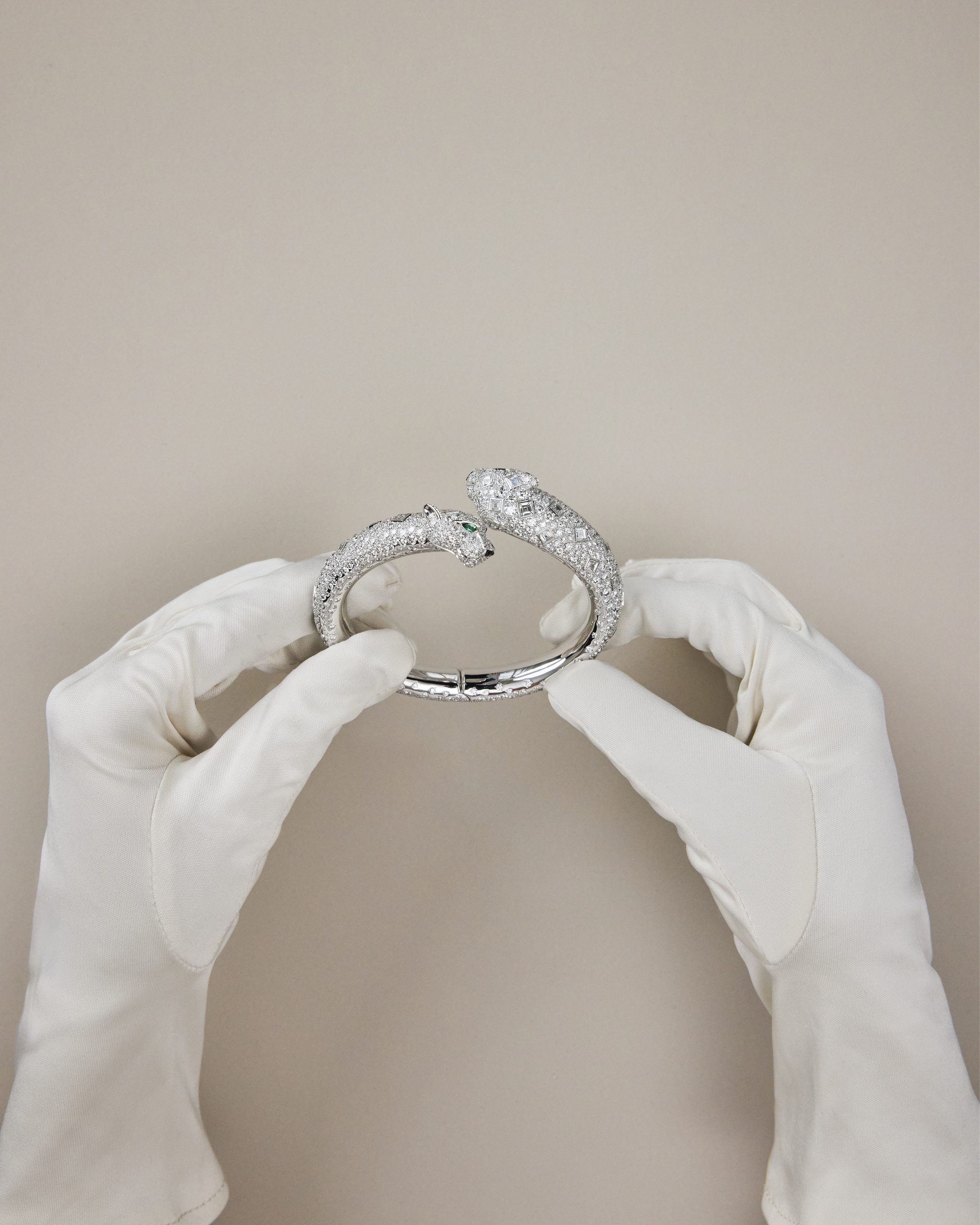
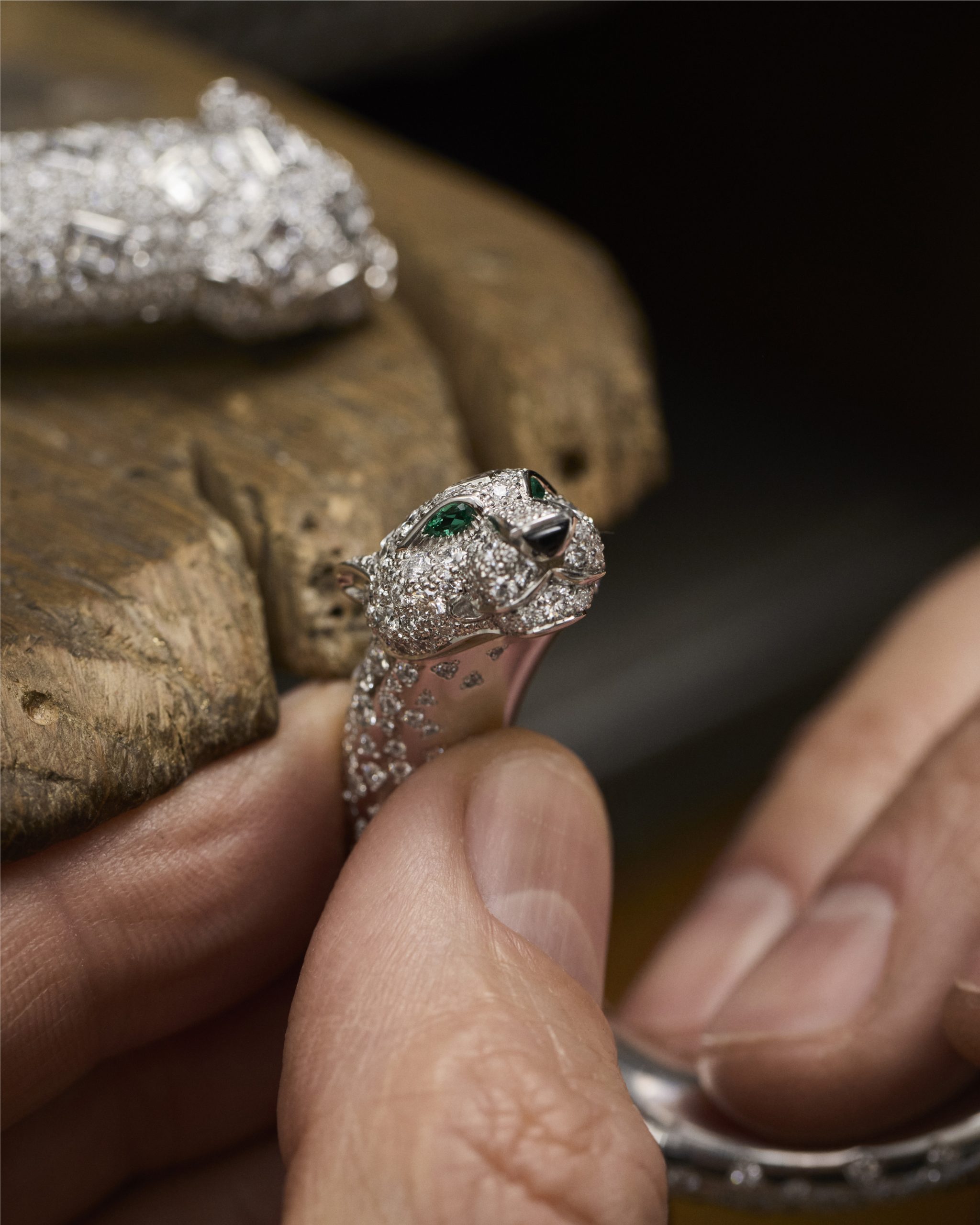
The Panthère may still command the spotlight, but Faune & Flore serves as a reminder that Cartier’s animal kingdom has always extended far beyond its most famous feline. After all, it takes a particular kind of confidence to put a rhinoceros in a high jewellery collection. It takes even more to make it desirable.
Once you are done with this story, click here to catch up with our latest issue.