In the world of horology, legacy is measured by the progression and innovation of its products in both design and functionality. The world’s most celebrated maisons are built upon decades, at times centuries, of knowledge passed from one custodian to the next. For independent watchmakers like Fateh Watches, the passing of the torch is through familial lineage. As one of Malaysia’s pioneering names in the industry, the brand stands at a pivotal moment where a founder’s vision, experience and life’s work are gradually being entrusted to the next generation.
Founded in 2016 by veteran watchmaker Tuan Haji Zainal after more than four decades in the global watch industry, Fateh Watches came about at a time when Malaysia’s watch market was unheard of. Its vision and mission since then have been to put Malaysia on the watchmaking map by incorporating high-end movements with timepieces rooted in Malaysian heritage. Now, a decade later, that vision is being carried forward by his son, Fitry Zainal, who has taken the reins of the company.
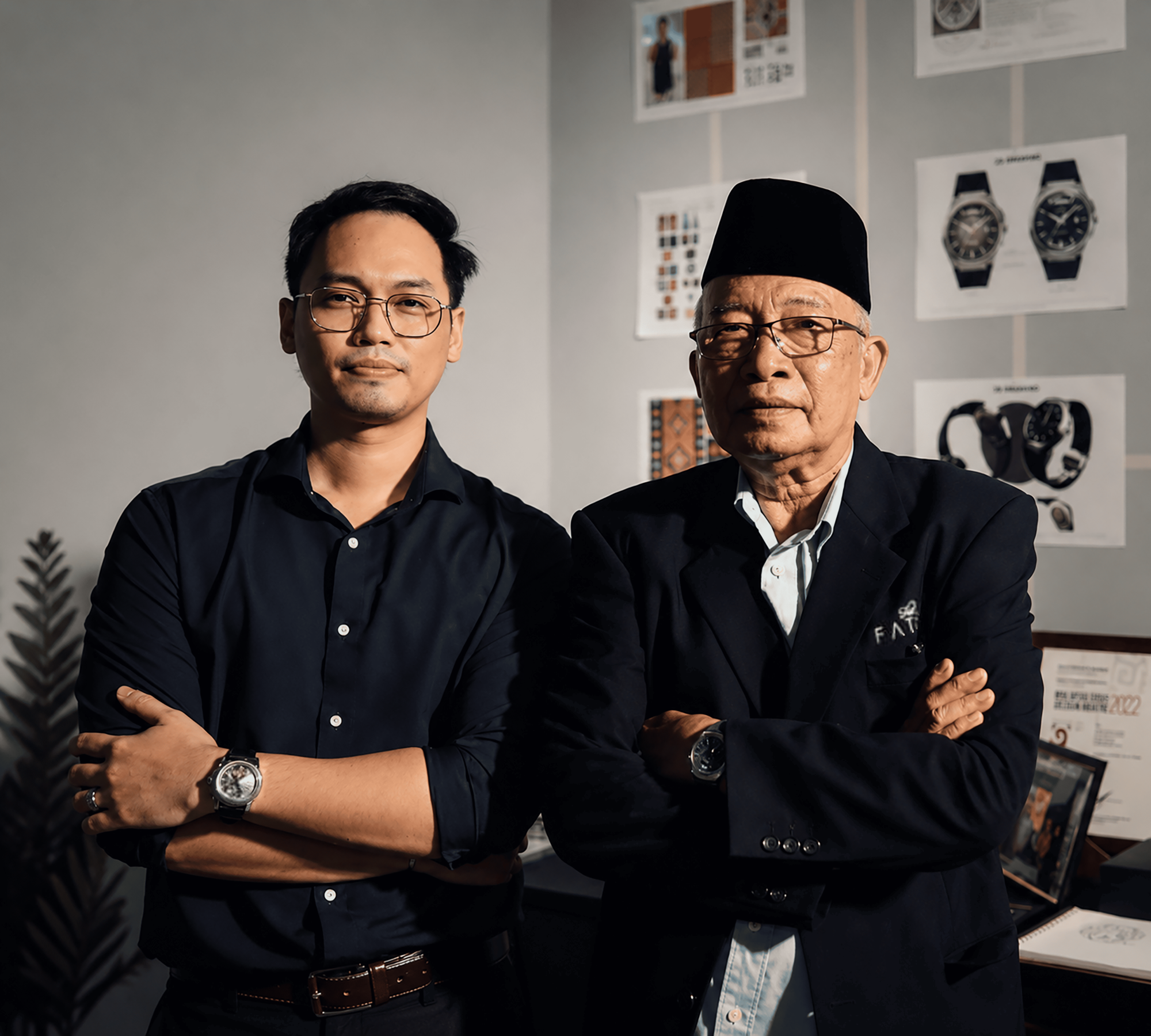
Together, the father and son duo stand at the intersection of heritage and progress. The former brings decades of manufacturing expertise, while the latter shapes the future of a homegrown brand inspired by Malaysian culture. As Fateh Watches continues its journey from a local independent watchmaker to an aspiring global name, Tuan Haji Zainal and Fitry Zainal reflect on the lessons, challenges and aspirations that have defined their shared pursuit of Malaysian horology.
TELL US THE STORY OF FATEH WATCHES.
TUAN HAJI ZAINAL (THZ): I was studying mechanical engineering at the time. After completing my studies, I received a phone call offering me an opportunity to go to Switzerland to learn micro-engineering in the watch industry. I was there from 1974 to 1976, when I was just 21 years old. To this day, I’m still unsure how I landed that opportunity, and I have forgotten who called me in the first place, but my family was supportive of me going through with it.
When I returned, I worked in Malaysia assembling high-end Swiss watches and Swiss movements before spending around 15 years in Taiwan, China, and Hong Kong, serving factories that manufactured for prestigious Swiss watch brands with a strong emphasis on precision and quality.
One of the biggest challenges when I first arrived in China was the language barrier. But over time, I adapted, learnt the language and gained valuable experience managing large-scale operations. By the time I retired in 2016, I had spent decades building my expertise in the watch industry.
Since my family has always been involved in watchmaking, I eventually asked myself: why keep supplying products for other brands when we could build one of our own? So in 2016, I founded Fateh Watches, named after Sultan Al-Fateh, as suggested by my daughter. It was not easy at the beginning, but we slowly gained momentum. When I turned 71, I felt like I needed a successor. That was when I handed the business over to my son so he could continue what I started.
DO YOUR WATCHES’ NAMES AND THEMES REFLECT THAT JOURNEY?
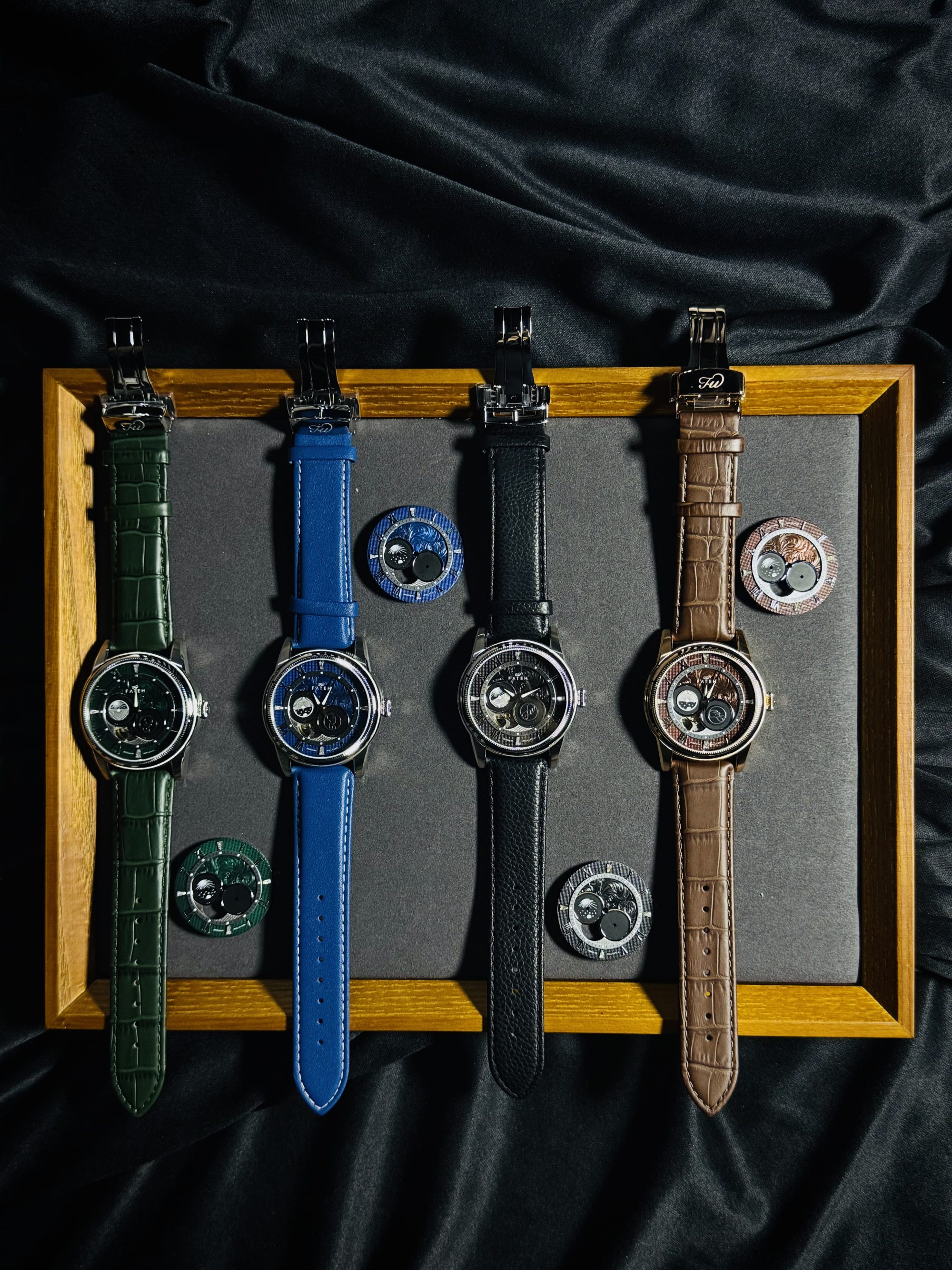
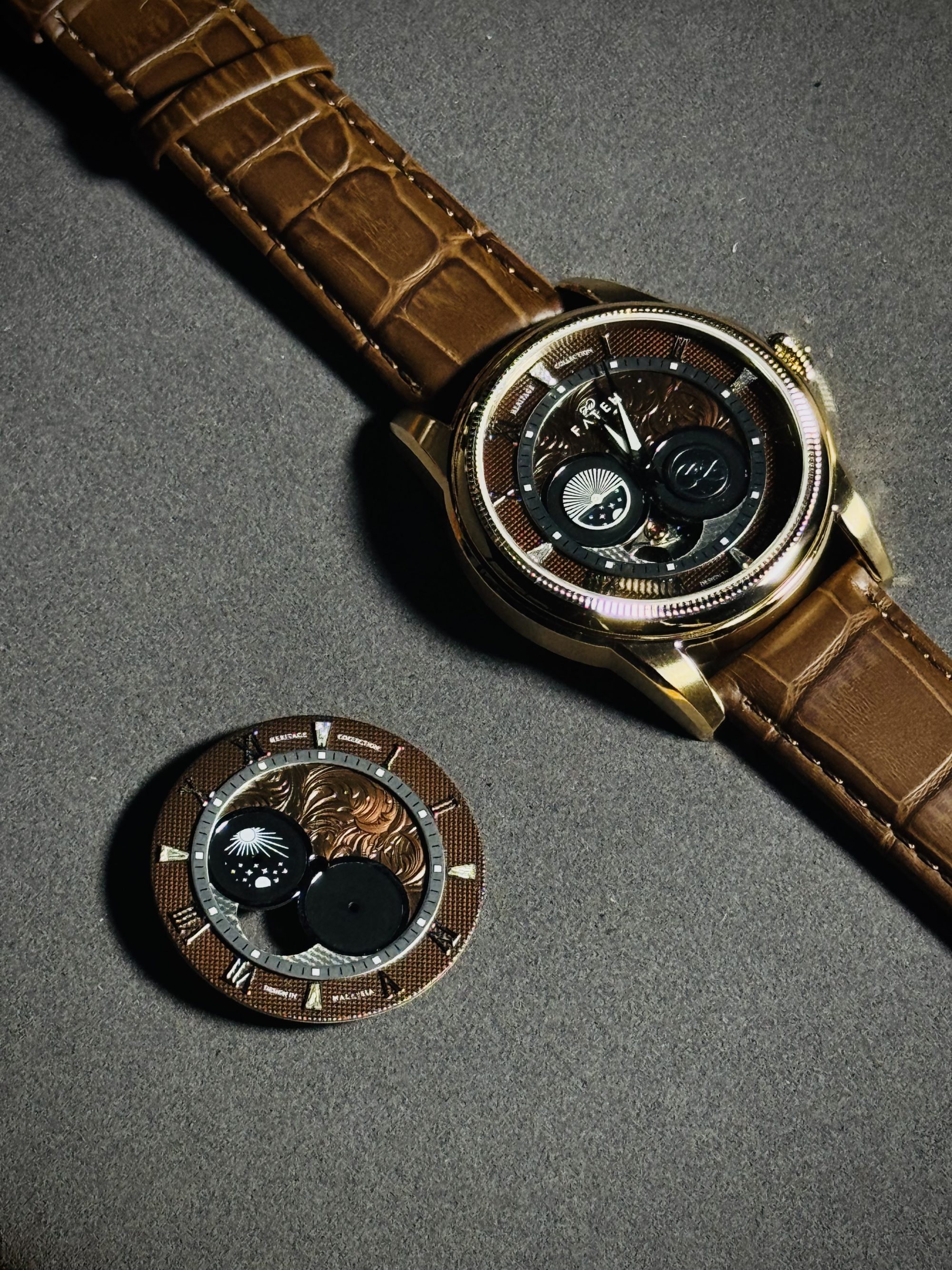
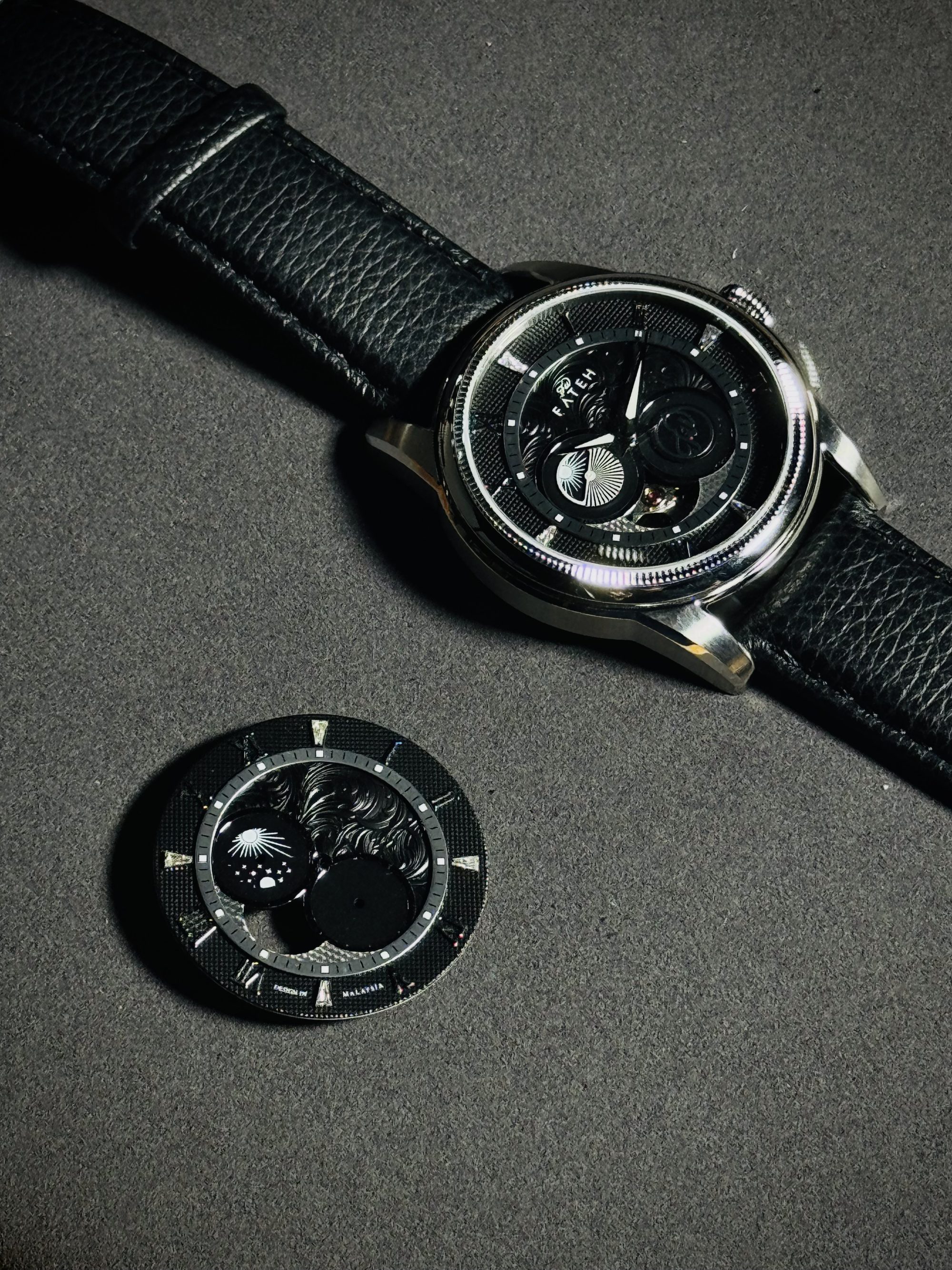
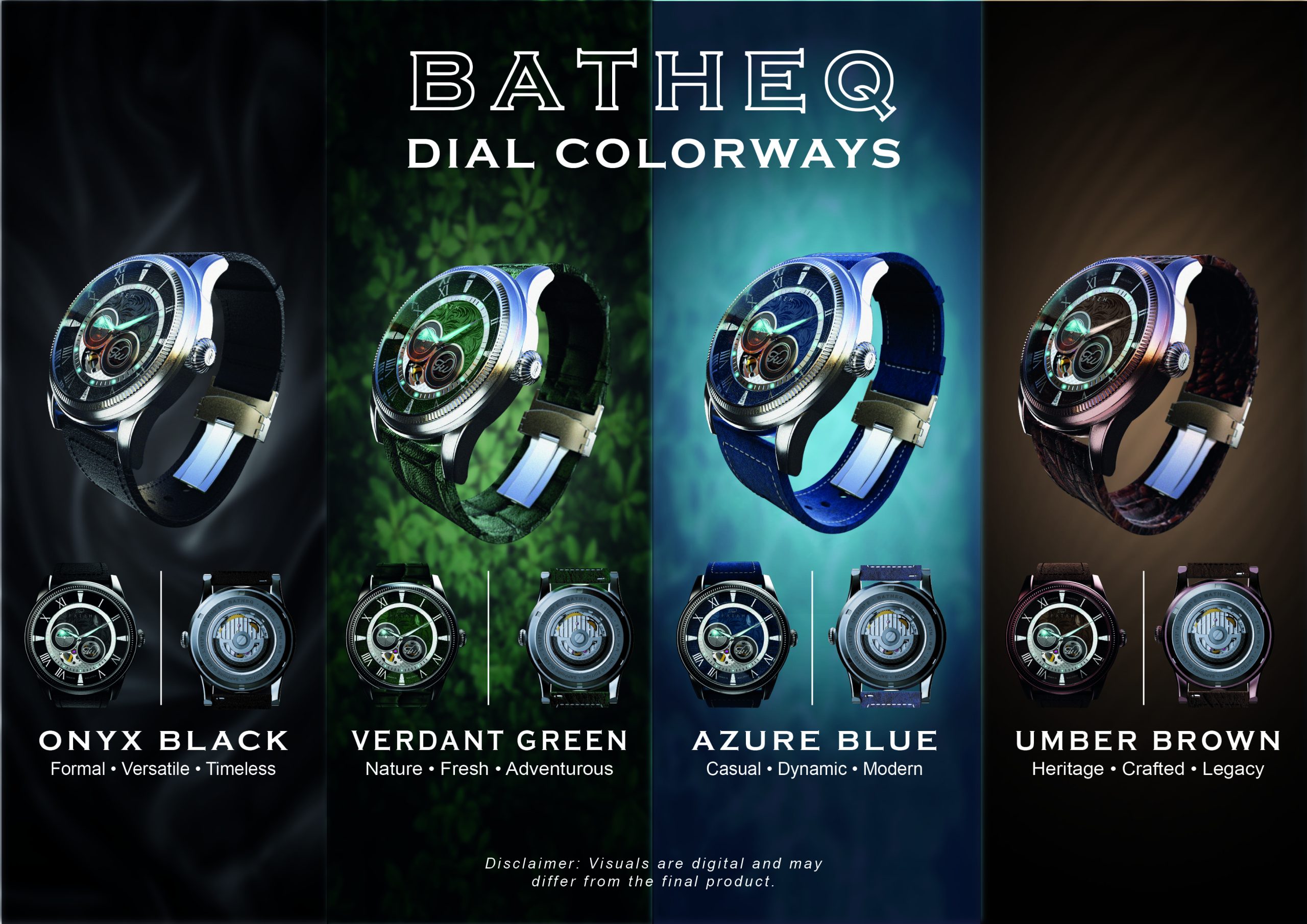
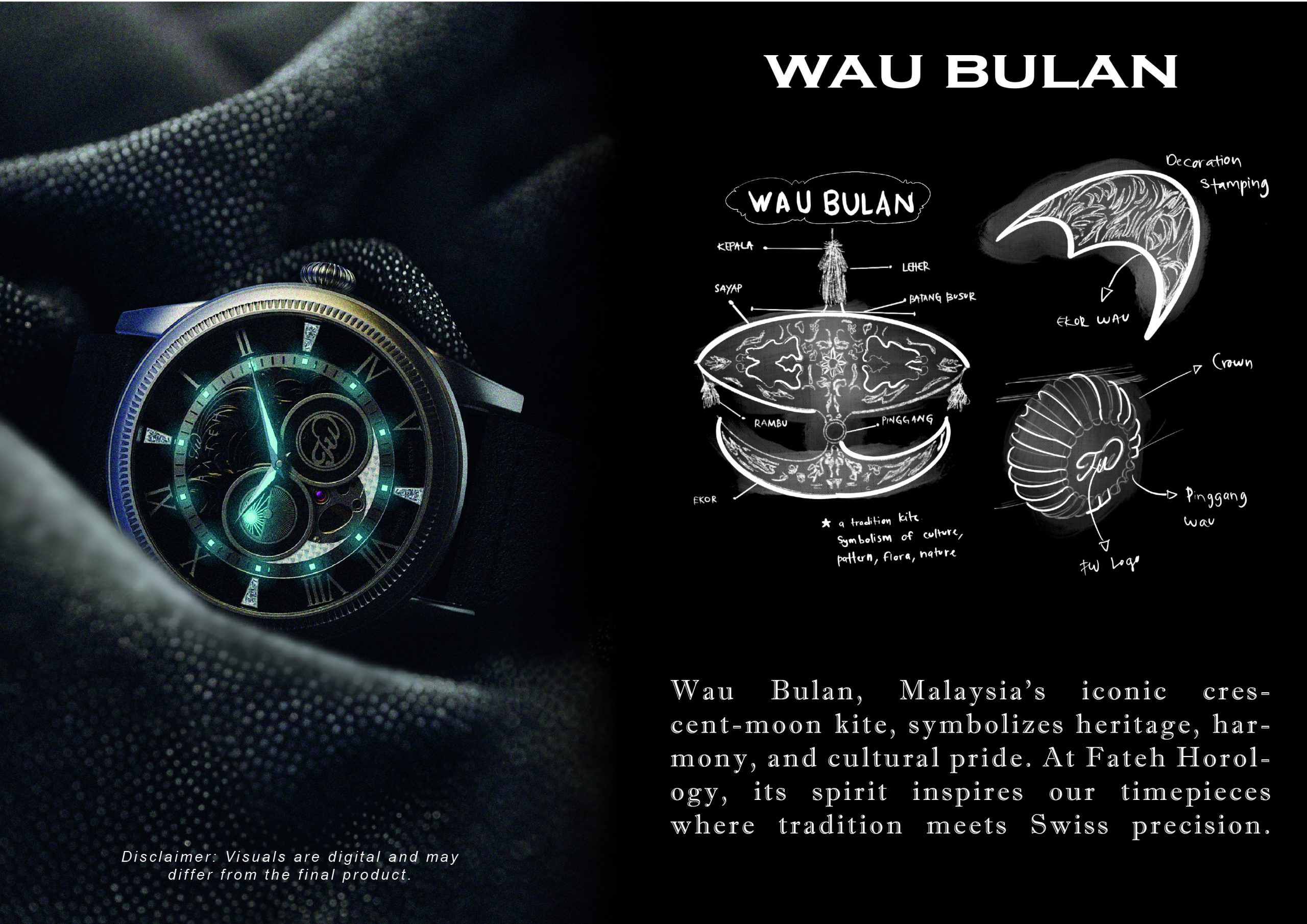
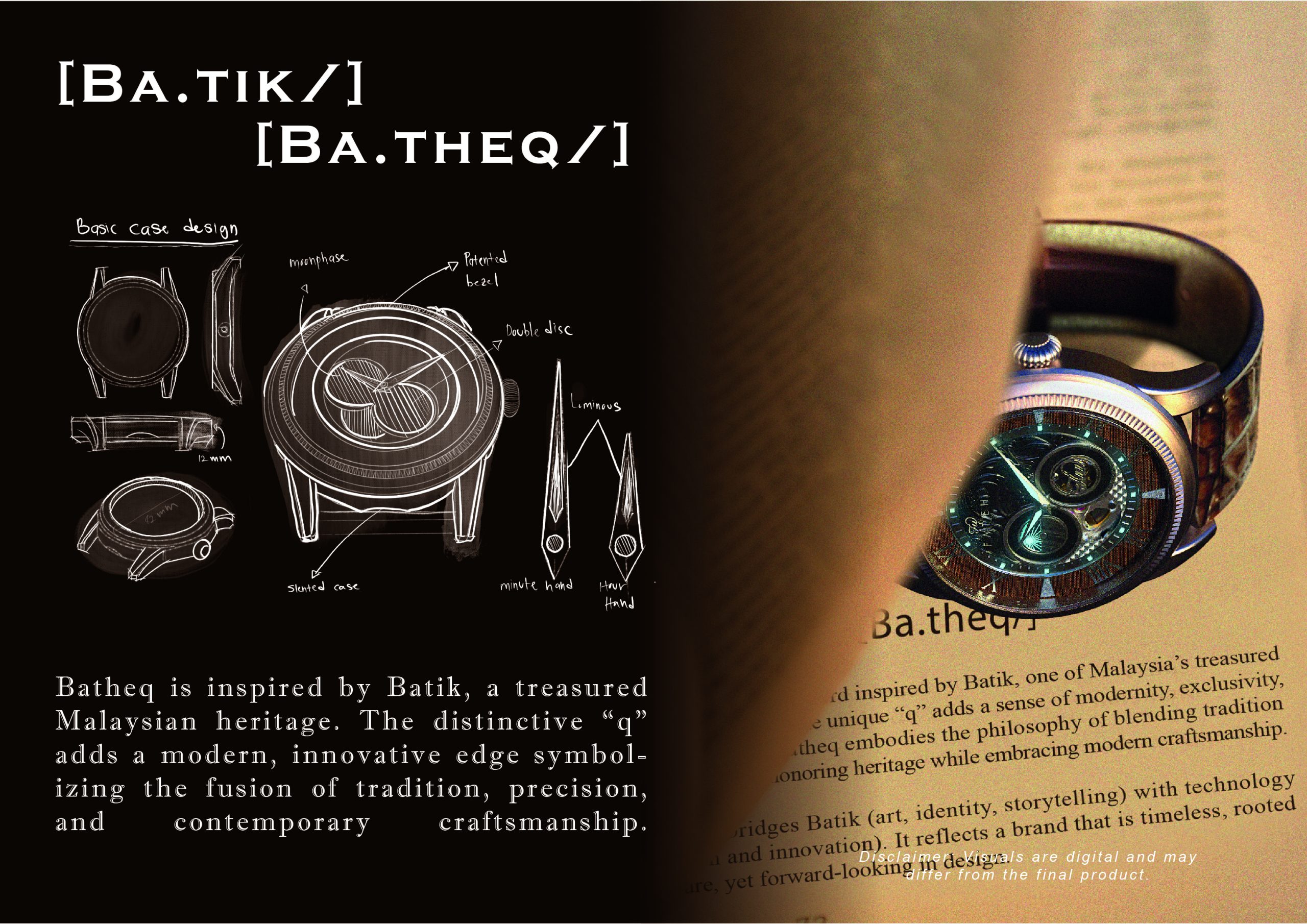
THZ: I would say so. In the early days, we had models like Discovery and Hagia, which were inspired by world history and exploration. As the brand grew, we realised we wanted to tell stories that were closer to home. That is when we started drawing inspiration from Malaysian heritage through elements such as Wau Bulan, Songket, Batik and Baba Nyonya culture.
Over the last few years, we have focused even more on Malay heritage, especially with our automatic collections. Every watch we create has a story behind it. We want people to wear something that not only tells time but also tells a story about our culture and identity.
AS SOMEONE NOW LEADING THE COMPANY, HOW DOES IT FEEL TO CARRY FORWARD YOUR FATHER’S LEGACY AND WERE THERE OBSTACLES ALONG THE WAY?
FITRY ZAINAL (FZ): Honestly, I always felt a responsibility as the only son to continue what my father started. I actually have a background in Industrial Design at Universiti Teknologi MARA (UiTM). I majored in Transportation Design and minored in Product Design, so while there are similarities, I didn’t know anything about watch design when I first joined the business. Even today, I’m still learning from my father. His experience in the industry is something you cannot get from a textbook.
At the same time, I realised that I also had to learn the business side of things. Nobody else in the family had experience running a company, so I took it upon myself to learn about operations, management, finance and business strategy.
We really started from the ground up. In the beginning, we were not thinking about company structures or expansion plans. We just wanted to make sales. Whatever my father did, I followed. I sold watches by the roadside, outside mosques, in office buildings, and even at car showrooms. I would carry huge bags full of watches and spend the entire day introducing them to people.
Today, I oversee almost every aspect of the company. I still contribute to watch design, but I also manage operations, marketing and business development. Thankfully, we now have a dedicated team supporting us. Having that support allows me to focus less on day-to-day tasks and more on long-term growth. We now have a clear roadmap outlining what we want to achieve over the next five to 10 years. We have structured plans in place for expansion, cash flow management, and overall business growth. That foundation gives us confidence about the future.
HOW DO YOU APPROACH MOVEMENT SELECTION ACROSS YOUR DIFFERENT COLLECTIONS?
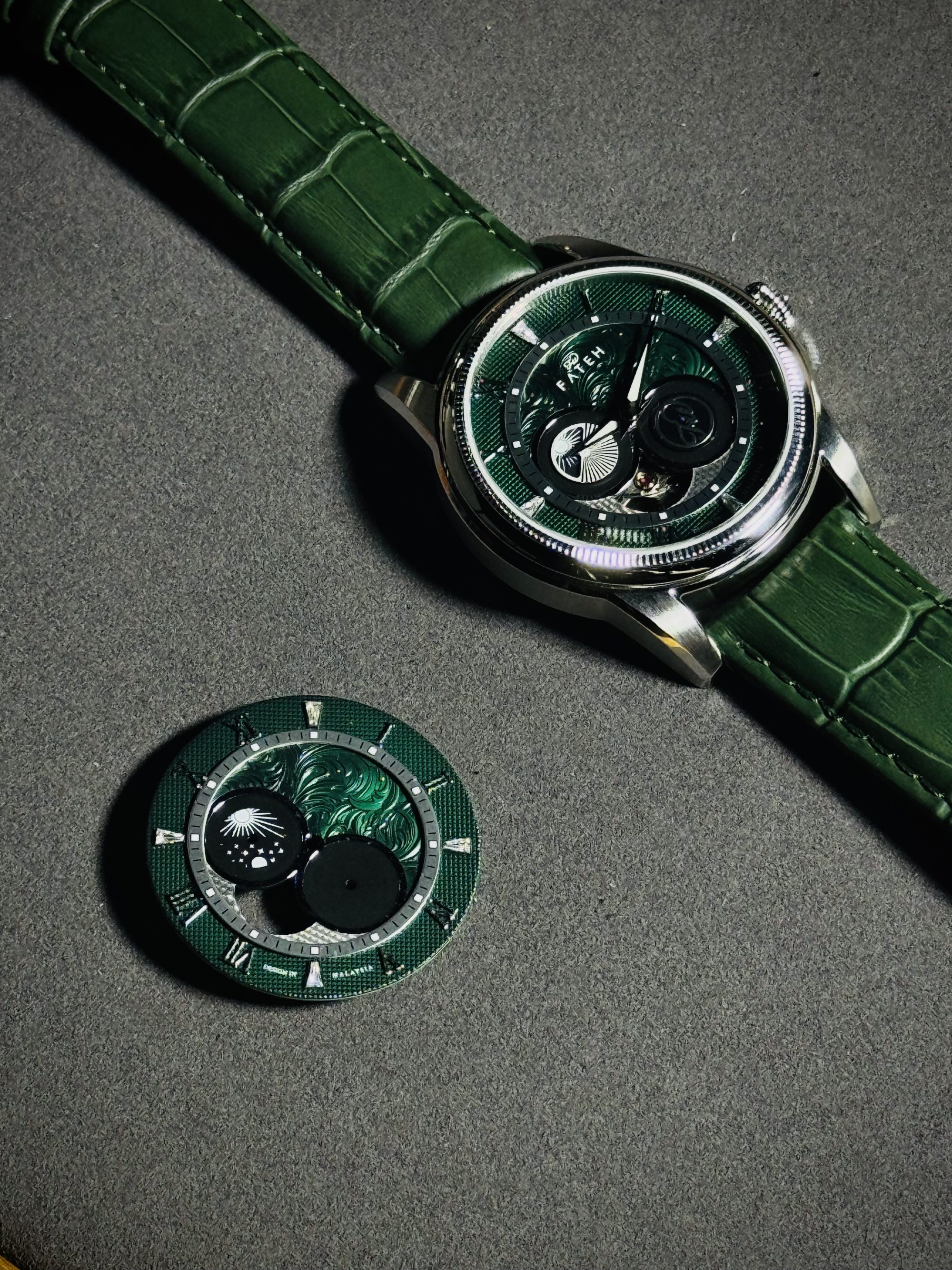
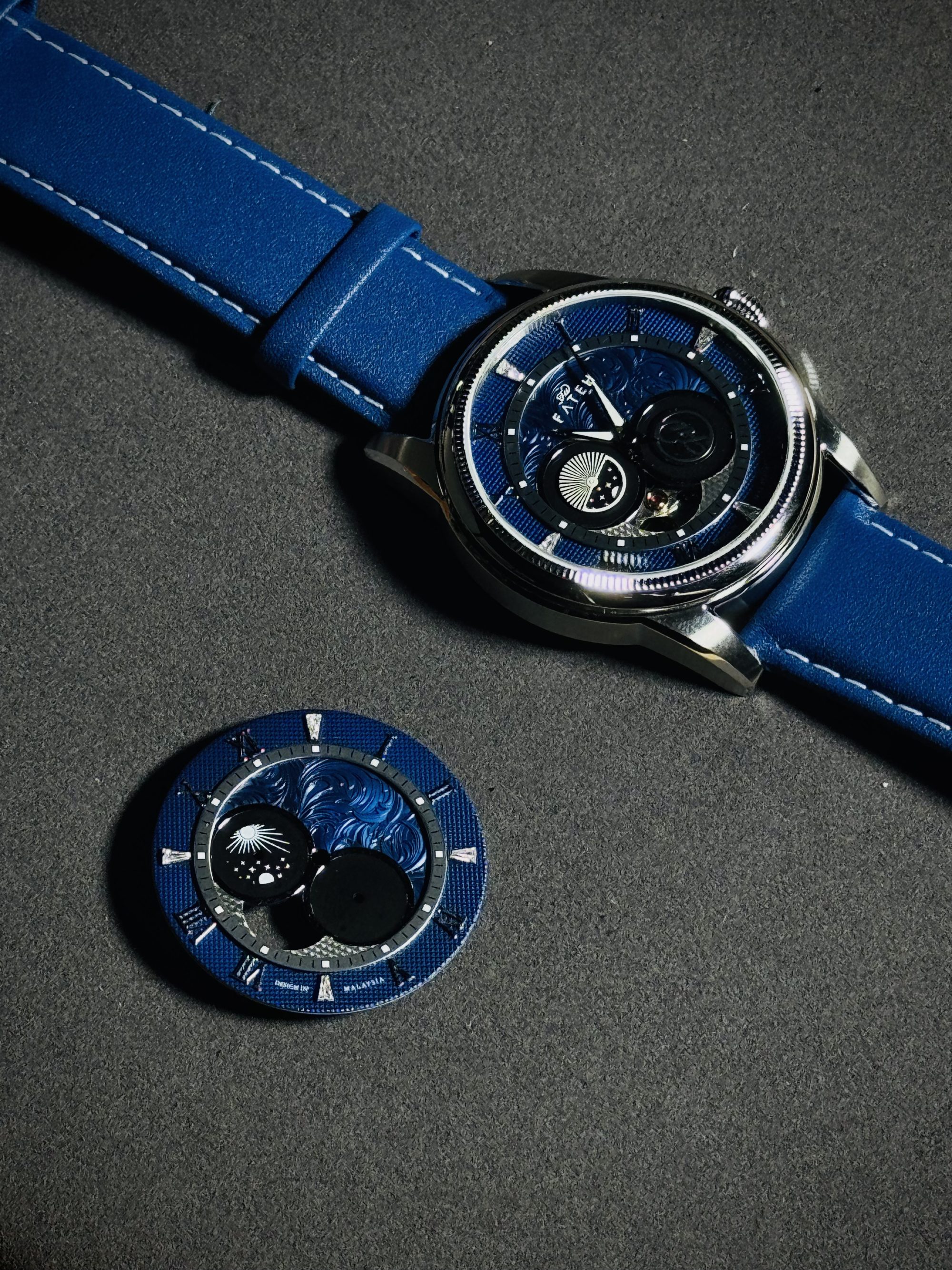
THZ: The Batik Series is a good example of how our thinking has evolved. Before the Batik Series, we introduced the Strata Edition One, which used the Swiss-made Sellita SW240 movement. That model helped establish our reputation and introduced many customers to the brand.
Later, we experimented with Miyota movements. Although we modified and refined them ourselves to meet high performance and reliability standards, customer perception was noticeably different. When we used Swiss movements, customers rarely questioned our choice. However, when we introduced a Japanese movement, many customers immediately asked why we had moved away from Swiss-made calibres.
This highlighted two important perspectives. From a technical standpoint, a well-modified Miyota movement can perform exceptionally well. However, from a branding perspective, Swiss movements still carry significant prestige. Because of that, we intend to continue offering Swiss-powered watches while also carefully exploring selected Japanese movements, particularly Miyota’s 8 Series. This approach allows us to maintain international credibility while providing customers with more options at different price points.
ARE THERE PLANS TO DEVELOP AN IN-HOUSE MOVEMENT?
THZ: Yes, that’s definitely part of our long-term vision. Many major Swiss companies manufacture their own movements. The Swatch Group has ETA, while other brands work with manufacturers such as Sellita. Among the world’s leading independent watchmakers, creating an in-house movement is often considered a significant milestone.
Developing our own movement will take time. It requires specialised machinery, tools, technology and expertise. Realistically, it may take another five years before we are ready to begin serious development. Once we produce and assemble our own movements, the value of our watches will increase significantly. Customers care about quality, craftsmanship and originality. Having a movement developed in Malaysia would be a major achievement not only for us but for the country’s watch industry as a whole.
Our next step is expanding our facilities so we have the space and resources needed for this level of production. What you see today is still very much our starting point. Creating an in-house movement is a long journey that can take decades, but it’s something we are committed to pursuing.
HOW ARE YOUR INTERNATIONAL EXPANSION PLANS PROGRESSING?
FZ: At the moment, we have not fully penetrated overseas markets. We run advertisements internationally and have received interest from customers abroad, but our primary focus remains on the Malaysian market.
For a brand like ours, success is not driven solely by advertising. Luxury and exclusive products often grow through trust and word of mouth. As a relatively young brand, we’re still building that trust among new customers. We’re continuing to climb the ladder, proving our capabilities and demonstrating our potential not only in Malaysia but also on the global stage.
Regarding products, we currently have several new designs in development. However, everything depends on projections and cash flow. We have plans for multiple new releases over the next year, but we’re committed to growing sustainably rather than expanding too quickly.
That’s one reason why we operate through a pre-order model. It reduces risk while allowing us to maintain quality. Customers often wait two to three months for their watches, and that level of patience reflects the trust they have placed in us. We don’t take that trust for granted.
WHAT’S THE ULTIMATE VISION FOR FATEH WATCHES?
FZ: Our goal is to position Fateh Watches alongside the world’s respected luxury watch brands. Of course, brands such as Rolex, Patek Philippe, and TAG Heuer have generations of history behind them. We understand that reaching that level takes time, but we want Fateh to stand confidently within that global conversation.
We also want to create opportunities for Malaysians to enter the watch industry. We want to establish educational programmes, foundations, and eventually an institute dedicated to watchmaking and design. Personally, I’ve already started contributing by serving as a jury member for final-year student competitions at several higher education institutions. We want to become pioneers in Malaysia’s watchmaking ecosystem.
Right now, Malaysia’s watchmaking industry is not fully developed, and public knowledge about it remains limited. We want to help change that. We’re also hopeful that, in the future, government grants and industry support will help accelerate the growth of local watchmaking. Many people believe starting a watch brand in Malaysia is too risky. While it certainly comes with challenges, we want to prove that success is possible and make the path easier for future entrepreneurs to follow.
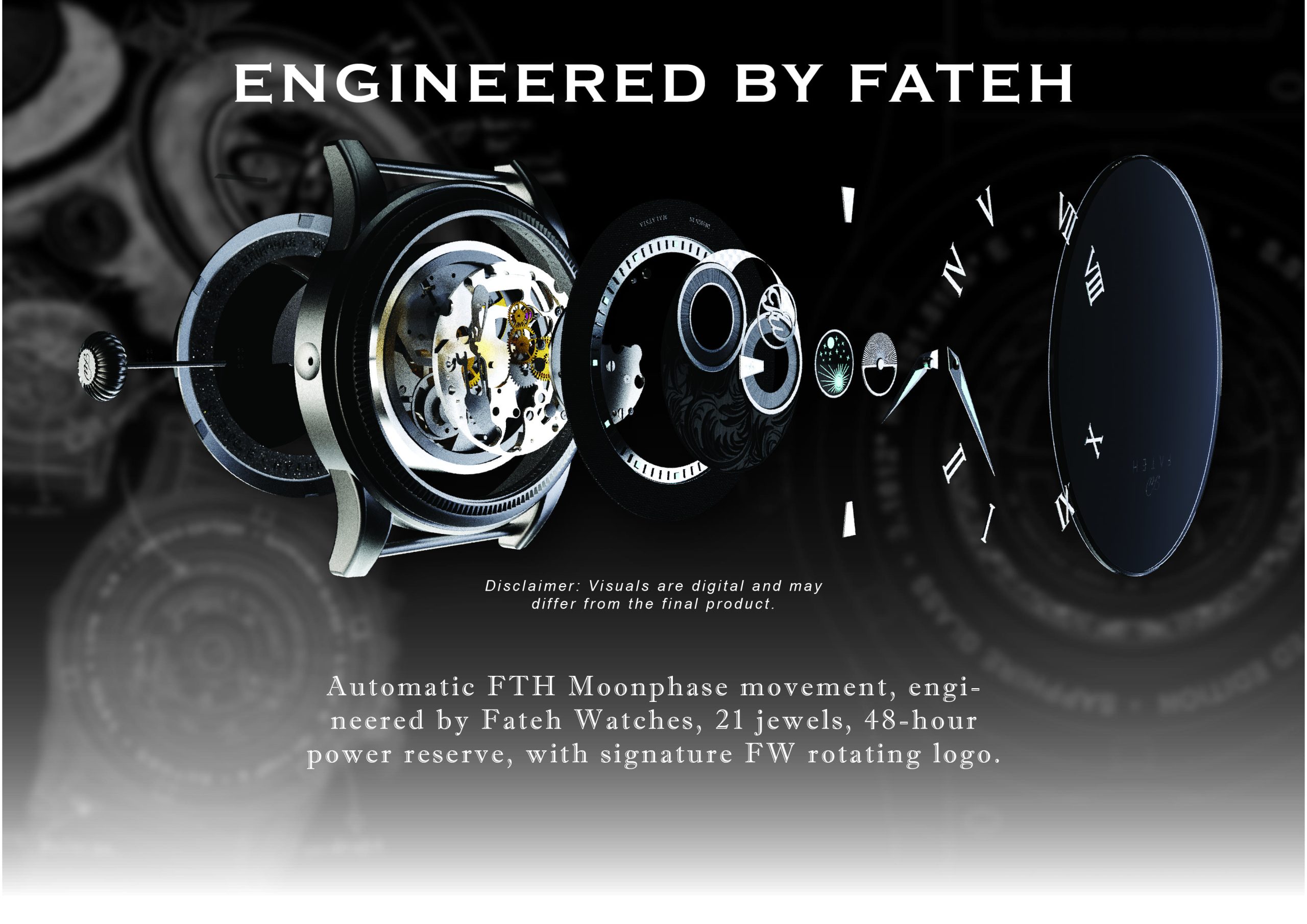
Watchmaking is inherently international. No single country produces everything. We collaborate with partners in Taiwan, Switzerland, Hong Kong and other regions, leveraging decades of relationships and expertise. Ultimately, we want Malaysia to become recognised as a serious player in the global watch industry.
There are many talented students and aspiring designers who want to enter this field, but opportunities remain limited. We hope to help create those opportunities, generate jobs, and build a stronger ecosystem for future generations. It’s about creating careers, sharing knowledge, and educating people about the value of watchmaking. This company is more than horology.
Many people can discuss specifications and technical features, but few understand the thought, culture and design philosophy behind a watch. Through our work, we hope to help people appreciate those deeper stories. Growing the brand remains our biggest challenge, and we are prepared to take that seriously.
Once you are done with this story, click here to catch up with our latest issue.