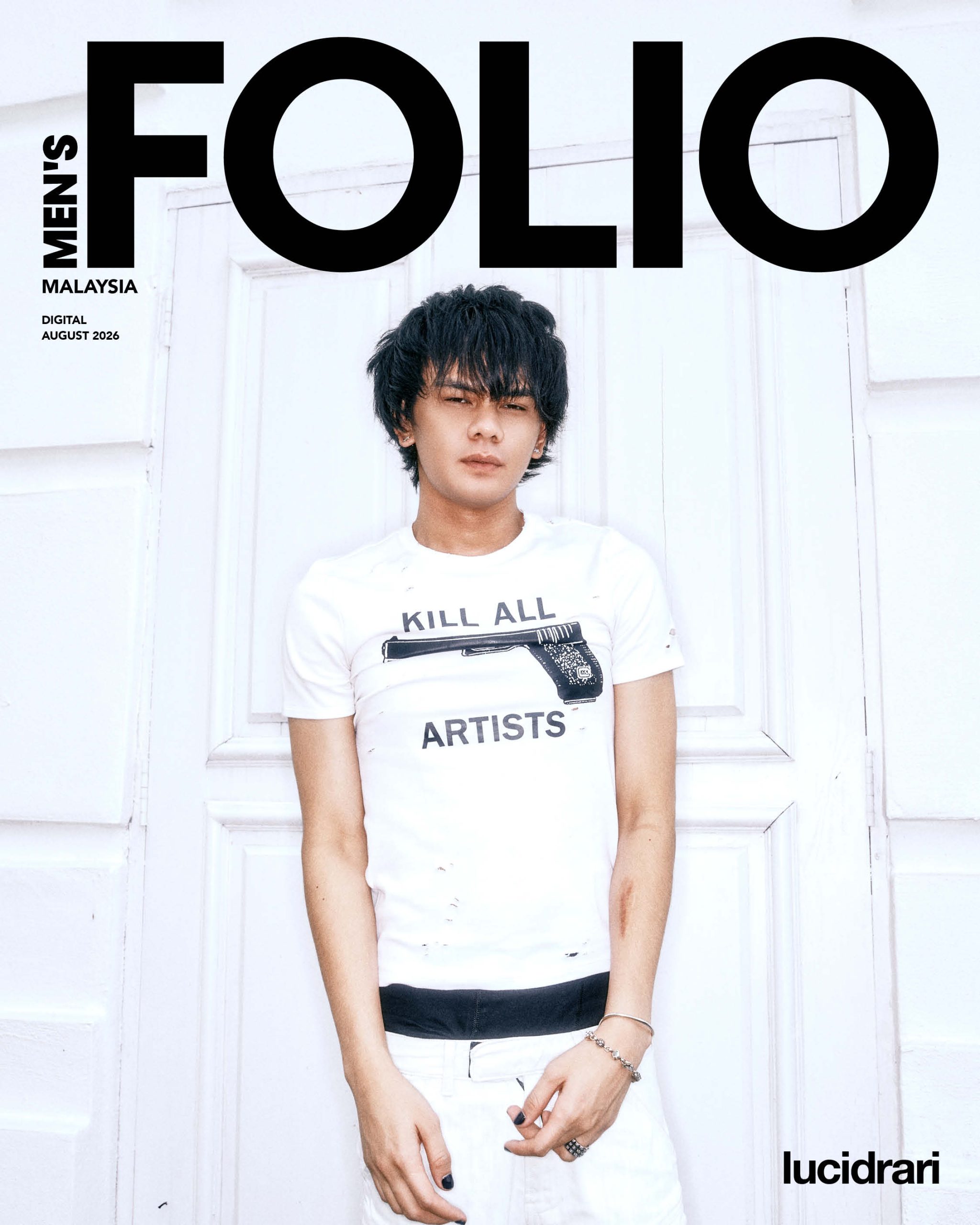
In his 20s, Putra Haika has already lived several lives. Theatre kid. Youth footballer for Selangor FC and PKNS FC’s under-19 teams. Eventually, a rapper. Everything clicked on what he calls the “lottery” — his 30th attempt at making a song with his neighbour-turned-producer, Amirul Fitto. The result was “LAMPU BIRU”, the track that introduced the name lucidrari to the world.
Five years, and more than 40 million streams later, alongside a growing audience in Indonesia and the 10-member collective Midlyfe behind him, the boy from Shah Alam is now operating on a scale that extends beyond himself. Recognition alone no longer feels like enough. He wants to stay relevant by making music. More specifically, he does not want to be forgotten.
It is an unusual ambition to hold as an artiste in 2026, when music moves with unforgiving speed. Songs peak within weeks before disappearing into an algorithm that is already chasing the next thing. The explosion of underground music online in 2025 proved as much. Less than a year ago, artistes like Nettspend, Che and Nine Vicious were being heralded as the future. Today, the conversation has already moved elsewhere, leaving yesterday’s breakthrough acts at risk of becoming yesterday’s news.
The same pattern runs through fashion, internet culture and art, where relevance is measured by immediacy and constant renewal. In that environment, longevity has become increasingly difficult to sustain. Being memorable is no longer determined by numbers alone, but by whether an artiste leaves behind something that outlives the cycle.lucidrari’s ambition, however, is not rooted in fantasy. He describes himself as realistic about his dreams. If he wants his work to outlive him, it has to contribute something beyond his own catalogue. He speaks often about wanting to leave the local music scene healthier than he found it, creating more opportunities for younger artiste and pushing the industry towards something more sustainable. Offstage, he introduces himself simply as Riri.
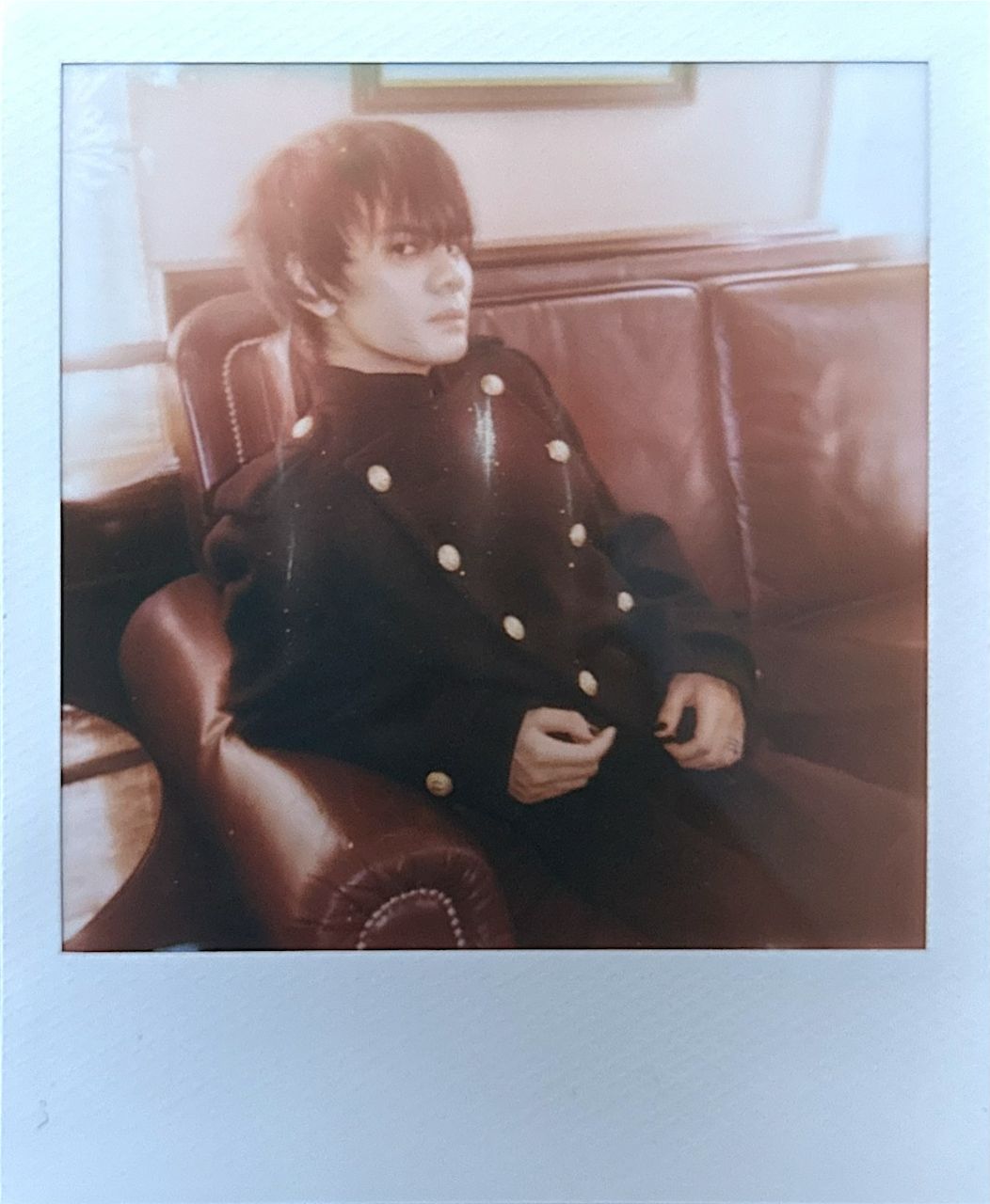
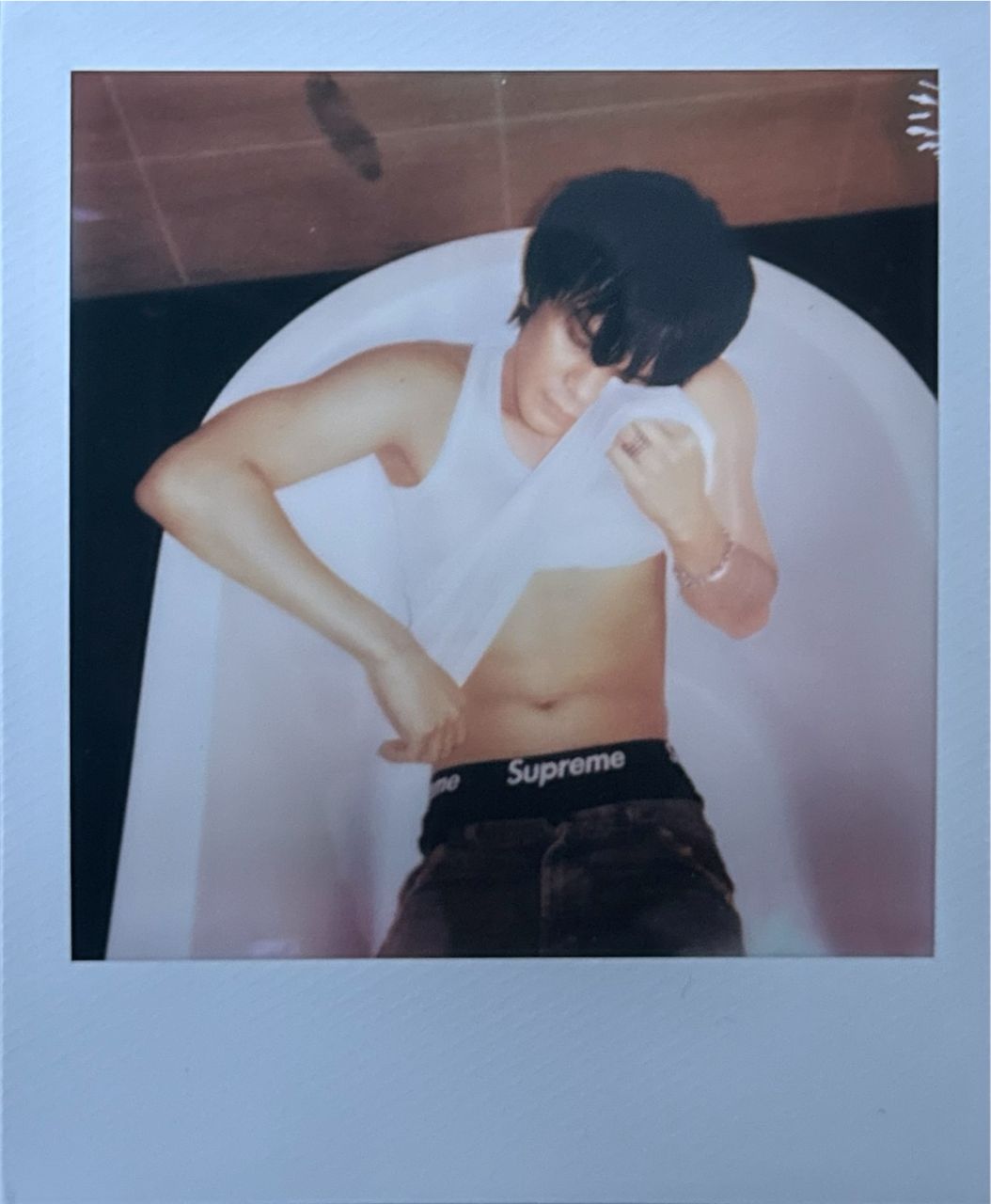
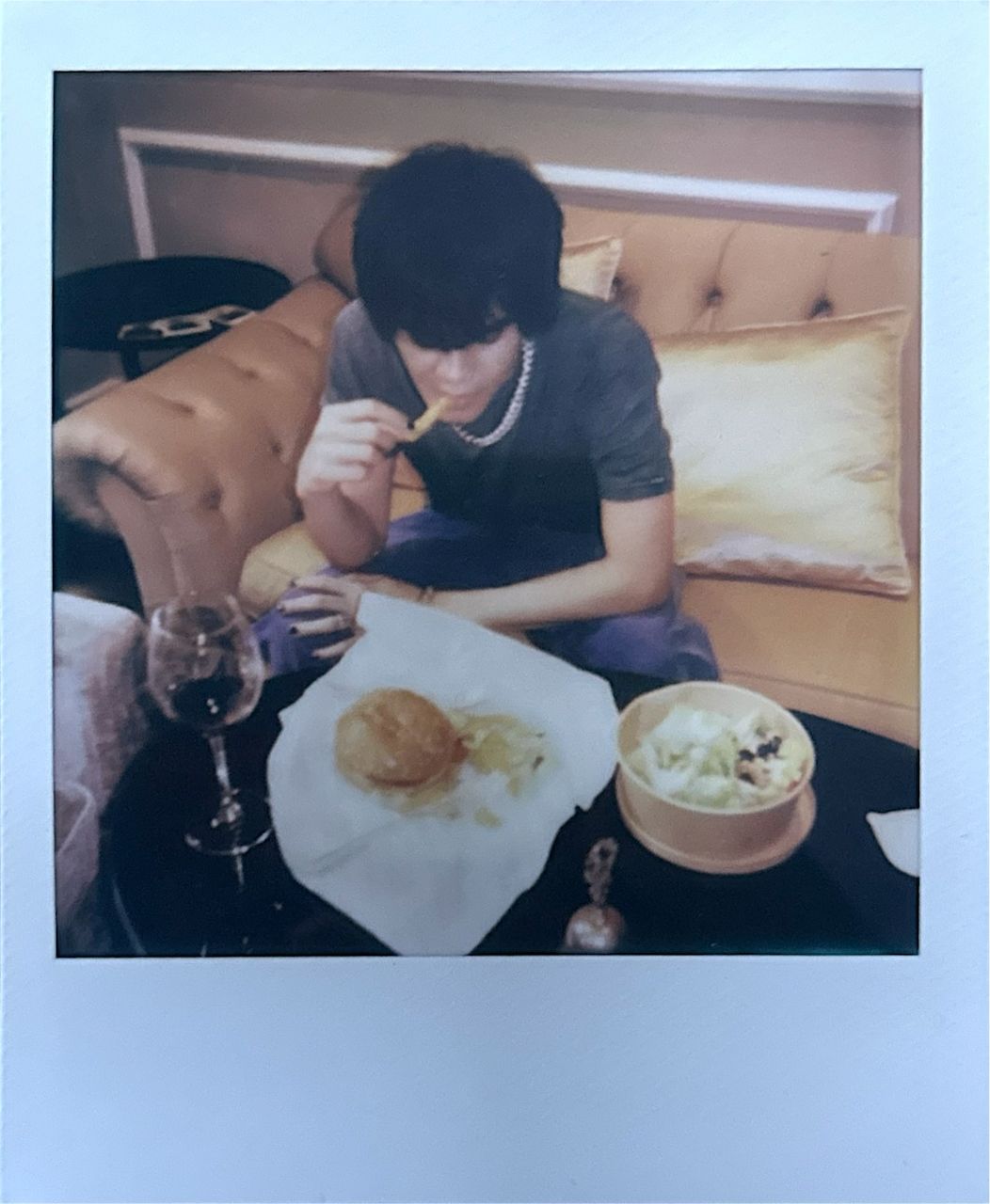
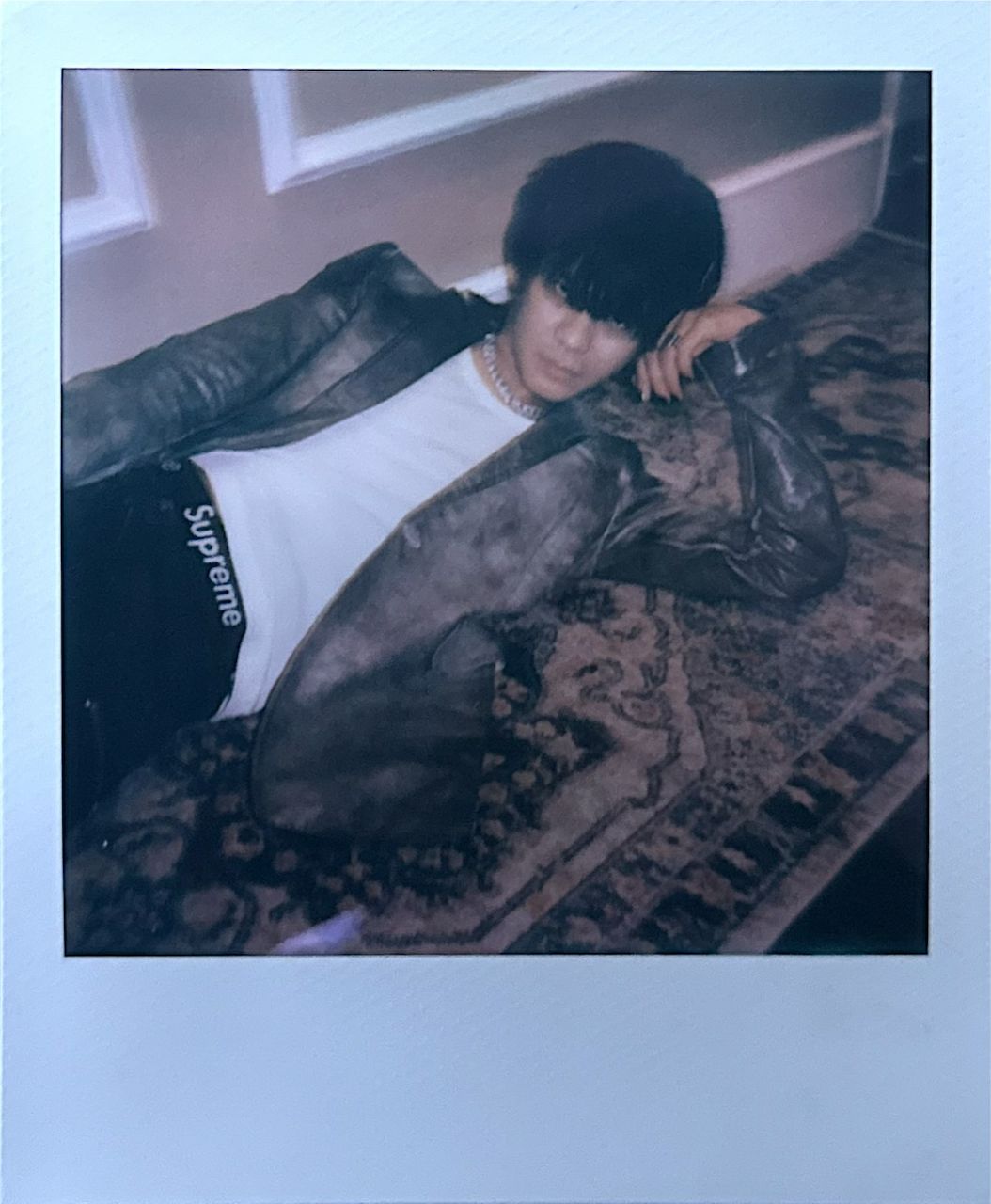
Malaysia has produced only a small handful of figures whose influence has endured long enough to be considered as legacies. When asked who he resonates with most, lucidrari names the late Datuk Haji Sudirman Arshad without hesitation. “He gathered 100,000 people at Chow Kit Road in 1986. And even today, more than 30 years after his passing, Malaysians still listen to his Raya songs every year,” he says.
Often described as the country’s “Elvis”, Sudirman remains one of Malaysia’s defining cultural figures. He became the first Asian artist to stage a solo concert at London’s Royal Albert Hall. Decades after his death, his music still resurfaces every festive season, his performances still circulate online, and his presence remains woven into the country’s collective memory. Sudirman, to lucidrari, represents the benchmark — a rare example of an artist whose work transcended generations and the level of impact he hopes to also achieve for himself.
Measured against that standard, conversations about this young rapper cannot begin and end with streams, followers or monthly listeners. Legacy is defined by what remains once the artiste steps away; by the extent to which their work reshapes the culture around them, and whether it leaves a mark strong enough to survive its own moment. To understand whether lucidrari can achieve that, one must look beyond his music. It requires getting to know Haika, too — expanding into his personal values, world views, and the environment that raised him.
THERE’S AN ONLINE PERCEPTION THAT YOU’RE A NEPO (NEPOTISM) BABY. WHERE DO YOU THINK THAT COMES FROM?
I don’t know, actually. My mum is a housewife from Shah Alam. My dad was a tailor. I think people see success, and they assume there must be some hidden person opening doors for you. There’s no one else doing it for me except for myself.
DID YOUR PARENTS EVEN UNDERSTAND WHAT YOU WERE TRYING TO DO WITH MUSIC?
Not at all. I understand why now. Imagine your son telling you he wants to become a rapper in Malaysia. It sounds ridiculous, but that didn’t stop me. I actually have a crazy story about that
GO ON.
My dad passed away from a heart attack a week after I released my first album, corrupted at 16. I was at an event when I got the news. The next morning after the burial, MK from K-Clique called me. He said he liked my song and wanted to meet to talk about a possible feature.
THAT’S TERRIBLE TIMING.
It was. My house was full of relatives for the tahlil. People were coming in and out, visiting us, reciting Dua, and checking in on the family. Everyone was grieving my dad.
In the middle of all that, I was asking my mum if I could go to a recording studio because a famous rapper wanted to meet me to talk about a feature.
HOW DID THAT GO DOWN?
Badly. My mum cried, and some of my cousins got angry. I remembered trying to convince her. I told her, “If you don’t trust me in that environment, let me bring my little brother.” Looking back, it’s crazy.
IN A MALAY-MUSLIM HOUSEHOLD, ESPECIALLY AFTER A DEATH, THAT’S ALMOST UNTHINKABLE. WHY DID YOU ASK ANYWAY?
I really thought it could change my life. I loved my dad, and I was grieving him. I guess I just can’t help that at that moment, I knew in my head how opportunities like that don’t come often. In your early 20s, when you’re chasing something, every opportunity feels like the opportunity. I was so desperate for it.
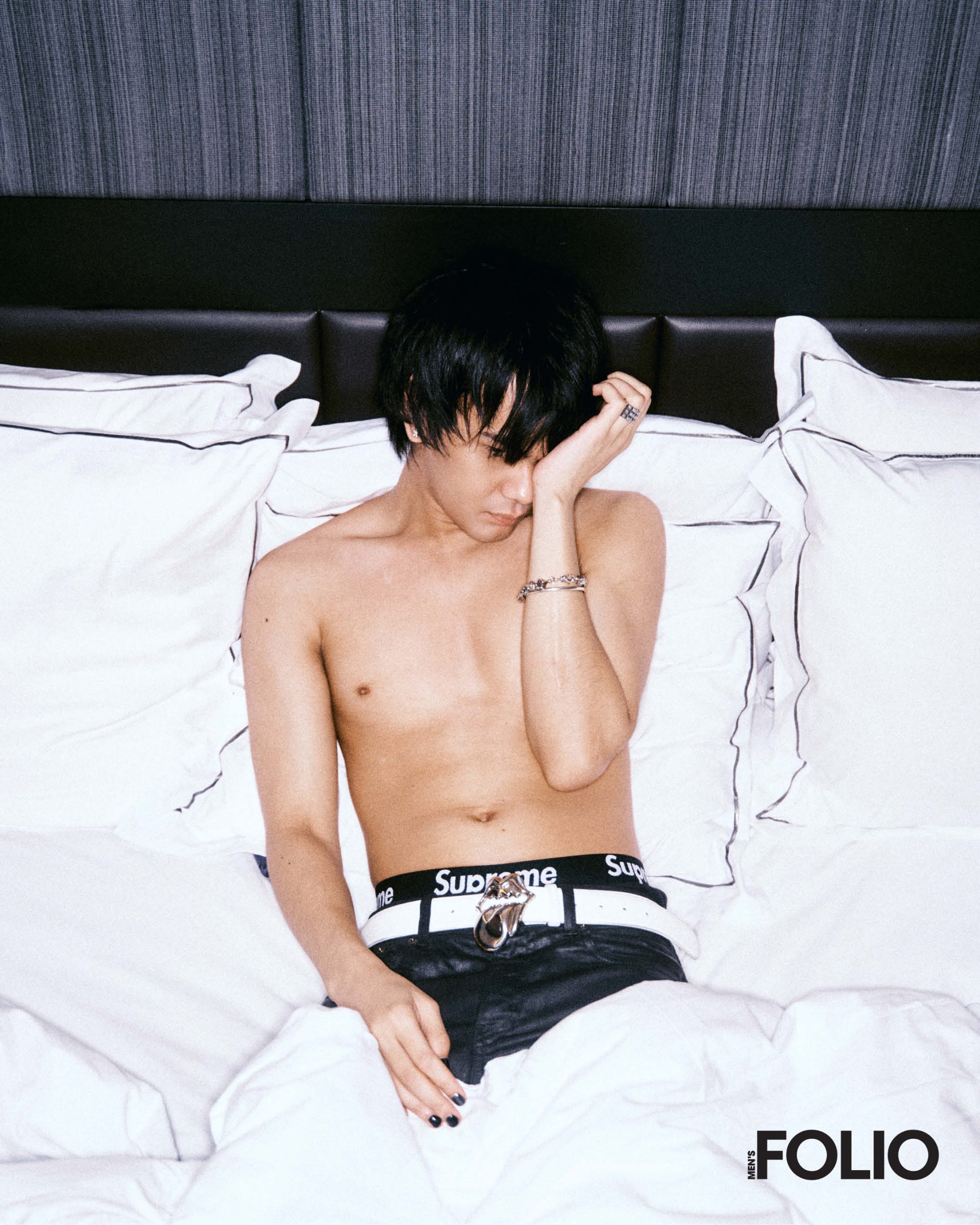
ring, all lucidrari’s own
WHAT HAPPENED AFTER THAT?
Meeting MK led to his feature on “LAMPU BIRU”, which became my first big success. The incident from that night also taught me something about myself: I can keep moving even when I’m at my lowest. I’m not sure if that’s a good thing or a bad thing. It’s just who I am.
WHERE DO YOU THINK THE MINDSET TO KEEP GOING COMES FROM?
I grew up in Shah Alam with a humble background. We weren’t rich, and I experienced moments where we had to make do with what we had. I once lived with a broken knee for three years because my family couldn’t afford the surgery. Those experiences taught me resilience.
My late father always told me: learn how to make money, learn how to survive. That was the mentality in my house.
YOU’RE NOW EXPANDING INTO INDONESIA. WHAT DREW YOU TO MOVE TO JAKARTA?
Jakarta has always been a creative hub. Being in an environment like that pushes you to grow. Forty-two million people are packed into one city, all trying to climb the ladder at the same time. The competition is insane. Jakarta never sleeps. If you sleep, you lose.
WHAT DOES THAT LOOK LIKE IN THE MUSIC SCENE THERE?
You’ll see aspiring rappers hanging around bakmi (Indonesian-Chinese-style noodles) stalls with chains, oversized jeans, and giant speakers — dressed like they’re already superstars. Everyone is blasting their own demos through their speakers, sharing what they’ve been working on and listening to each other’s music. It happens every day. There’s a raw energy there that I don’t really see in Malaysia.
HOW DOES BEING IN THAT ENVIRONMENT AFFECT YOU?
It pushes me. When everyone around me is actively trying to make it, I start questioning how badly I want it, too.
YOU’VE BEEN THE MOST-STREAMED RAPPER IN MALAYSIA ON SPOTIFY FOR THE PAST TWO YEARS. DOES THAT SUCCESS REMOVE THE PRESSURE FOR YOU?
I still feel far from where I want to be. Everyone in MidLyfe knows I’m always hungry for more. I’ve had a good run with CHRONOSPHERE, TELETEXT and MORELYFE, but spending more time in Indonesia really reset my perspective on that.
HOW SO?
I’ll see my friend like Tenxi doing over 20,000,000 monthly listeners. When I look at it from that perspective, what feels big in Malaysia doesn’t feel that big anymore. Being around artiste at that level keeps me grounded. Even though they’ve embraced me, being around them also reminds me that there is always another level to reach.
DO YOU THINK YOU’VE OUTGROWN MALAYSIA?
I wouldn’t put it like that, but I do think I’ve already surpassed the benchmark of what people would consider a successful rap career here. What many local rappers spend 10 years trying to reach, I managed in three. Still, that’s not the finish line for me. If anything, it just makes it clearer that I have to go further.
ARE YOU RELIGIOUS?
I hold on to my faith. I was raised in a religious Muslim household.
WHAT WAS THE LAST THING YOU PRAYED FOR?
Health. It’s easy for me to get sick, so I always pray to be healthy. And yet, I wouldn’t sleep for three days after praying [laughs]. I’d say I put my trust in God’s hands.
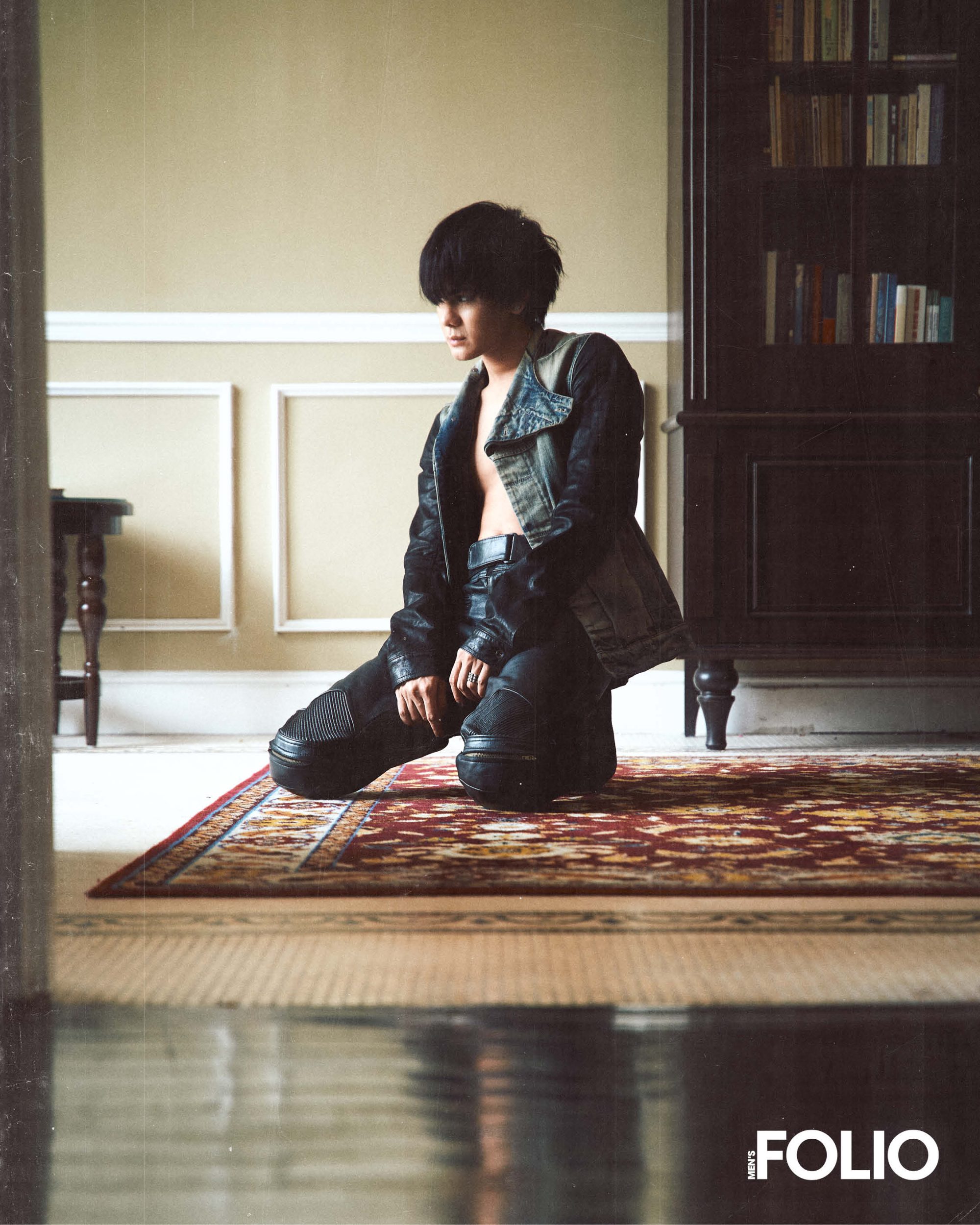
YOU PREVIOUSLY MENTIONED GATEKEEPING. WHAT DOES THAT LOOK LIKE IN THE LOCAL SCENE?
A lot of creative opportunities in Malaysia are still shaped by personal networks and industry relationships. Sometimes, the challenge for younger artists is not just creating good work, but finding spaces where that work can be seen and recognised.
What I can say is this: if they like you, doors open. If they don’t, things get difficult. Most of the time, it has less to do with the quality of your work and more to do with whether you’re willing to play along, smile, and say what people want to hear.
AND YOU DON’T THINK THAT’S HOW IT SHOULD WORK?
No.
THEN WHAT SHOULD GATEKEEPING LOOK LIKE INSTEAD?
Taste. If you’re going to be a gatekeeper, your job should be to recognise good art, not reward people for following your rules best or glazing [flattering] you the most. We’re in a creative industry. If taste isn’t the minimum standard for who gets opportunities, then where are we going? The system’s already broken in that sense.
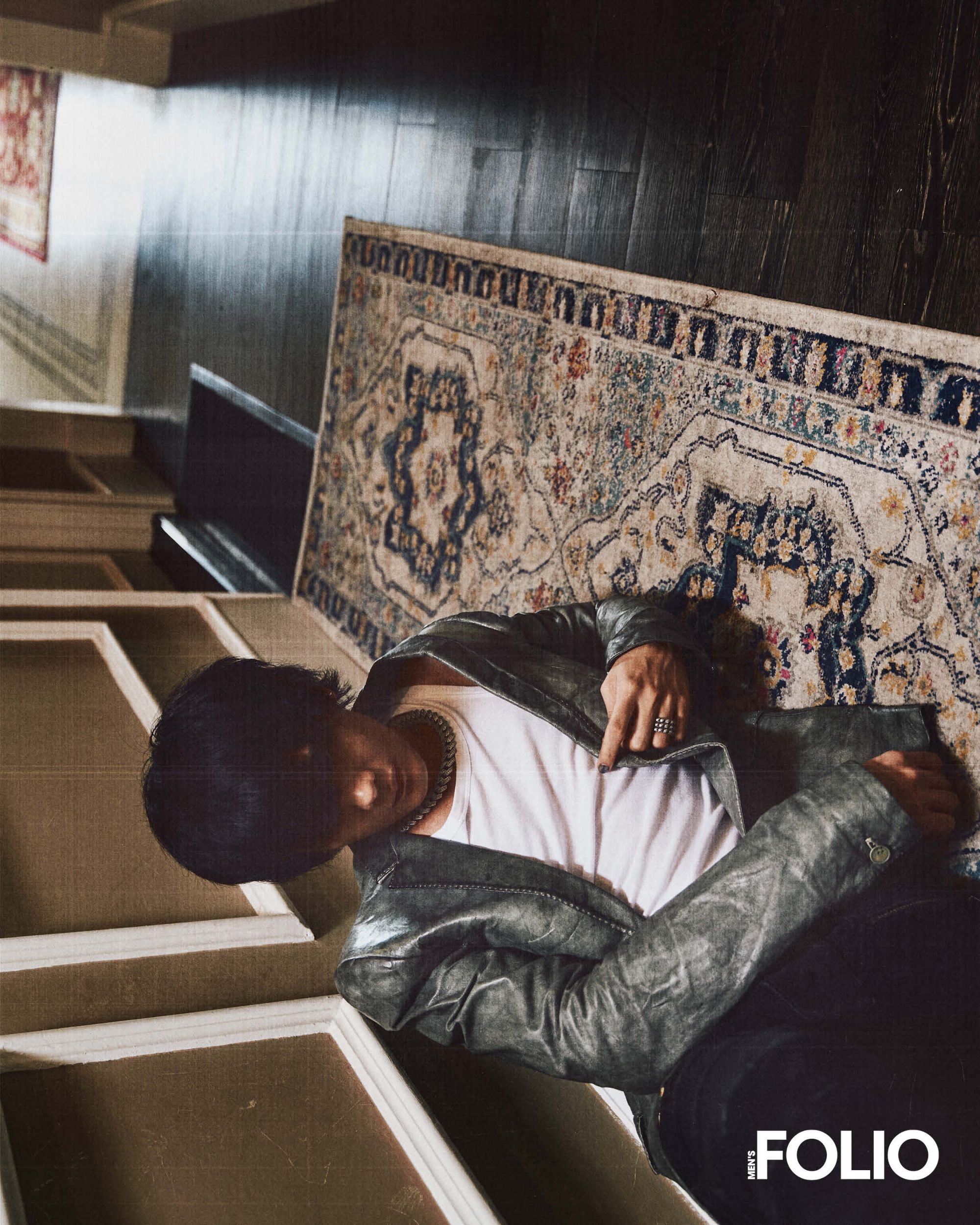
IS MIDLYFE A RESPONSE TO THAT “BROKEN SYSTEM”?
Yes. A lot of people think we’re a label, but we’re not. There are no artiste contracts here. It’s a collective of people building things together.Even with shows, releases, merch — we try to structure it so artistes and creatives are taken care of first. Most of what comes in goes back to the people actually making the work. That’s always been the idea.
DO YOU THINK WHAT YOU’RE DOING WITH MIDLYFE IS ACTUALLY RESHAPING THE INDUSTRY’S STRUCTURE AND CREATING AN ALTERNATIVE WITHIN IT?
I think Midlyfe represents a shift in how Malaysian rap can evolve. We wanted to create an alternative space where younger artists could experiment and grow without having to wait for approval from traditional gatekeepers. Sometimes, the people making decisions about culture are removed from the communities shaping it, which is why it’s important for artists themselves to have a voice in the direction of the scene.
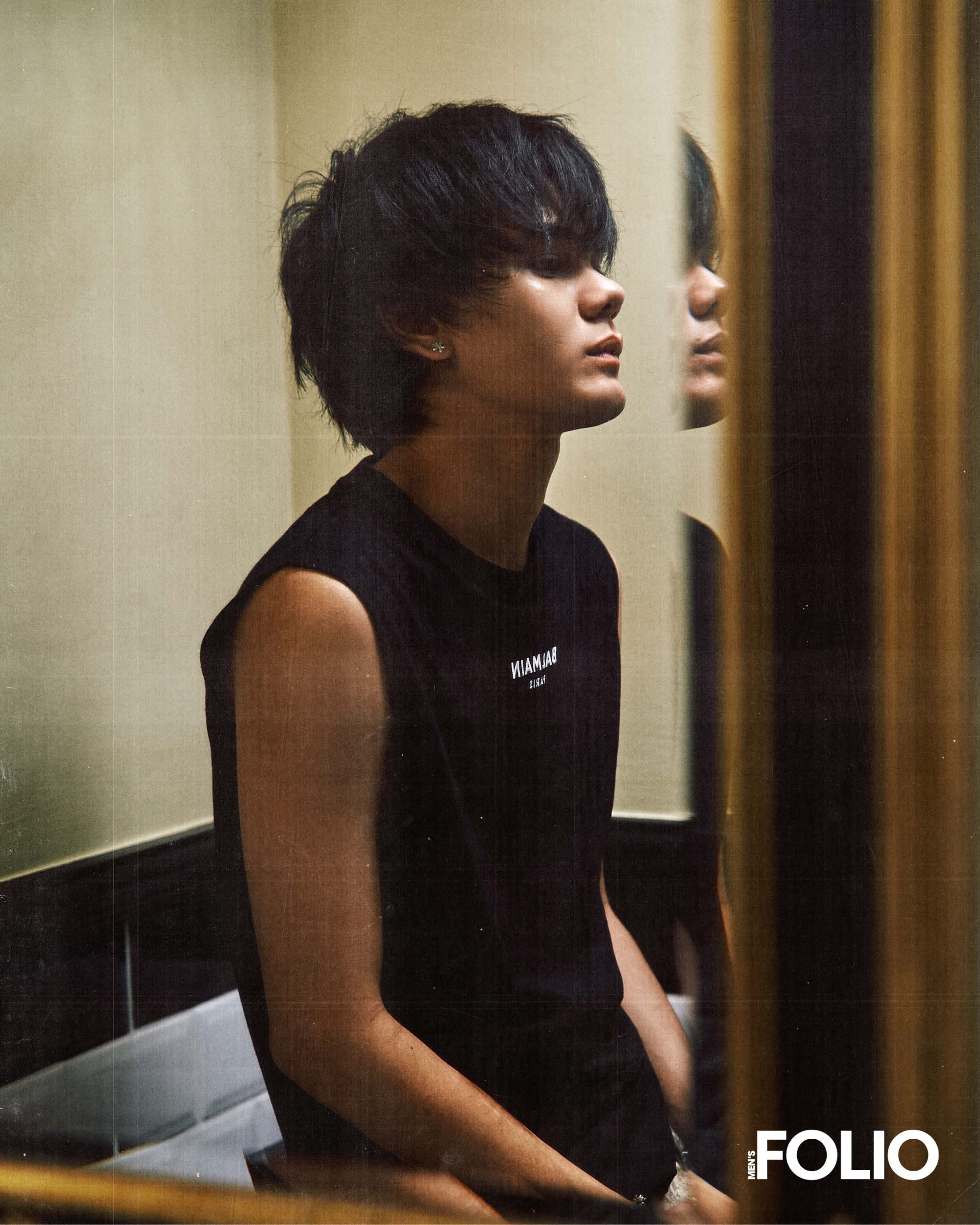
WHAT’S A TRAIT YOU HAVE THAT YOU THINK MOST OTHER LOCAL RAPPERS DON’T?
I’ve always had a competitive mindset from the time I spent as a footballer on the field. I bring the same spirit into music too, and it’s something I always tell the Midlyfe boys. No matter how far you’ve gone, you still have to compete.
Music is art, but it’s also a sport. The moment you stop pushing yourself, somebody else takes your place.
DO YOU THINK LUCIDRARI WILL BE REMEMBERED?
He will, but I’m not in a rush to get there. There’s a lot more I want to achieve before I can truly feel I’ve left a mark.
WHAT DO YOU WANT TO BE REMEMBERED FOR?
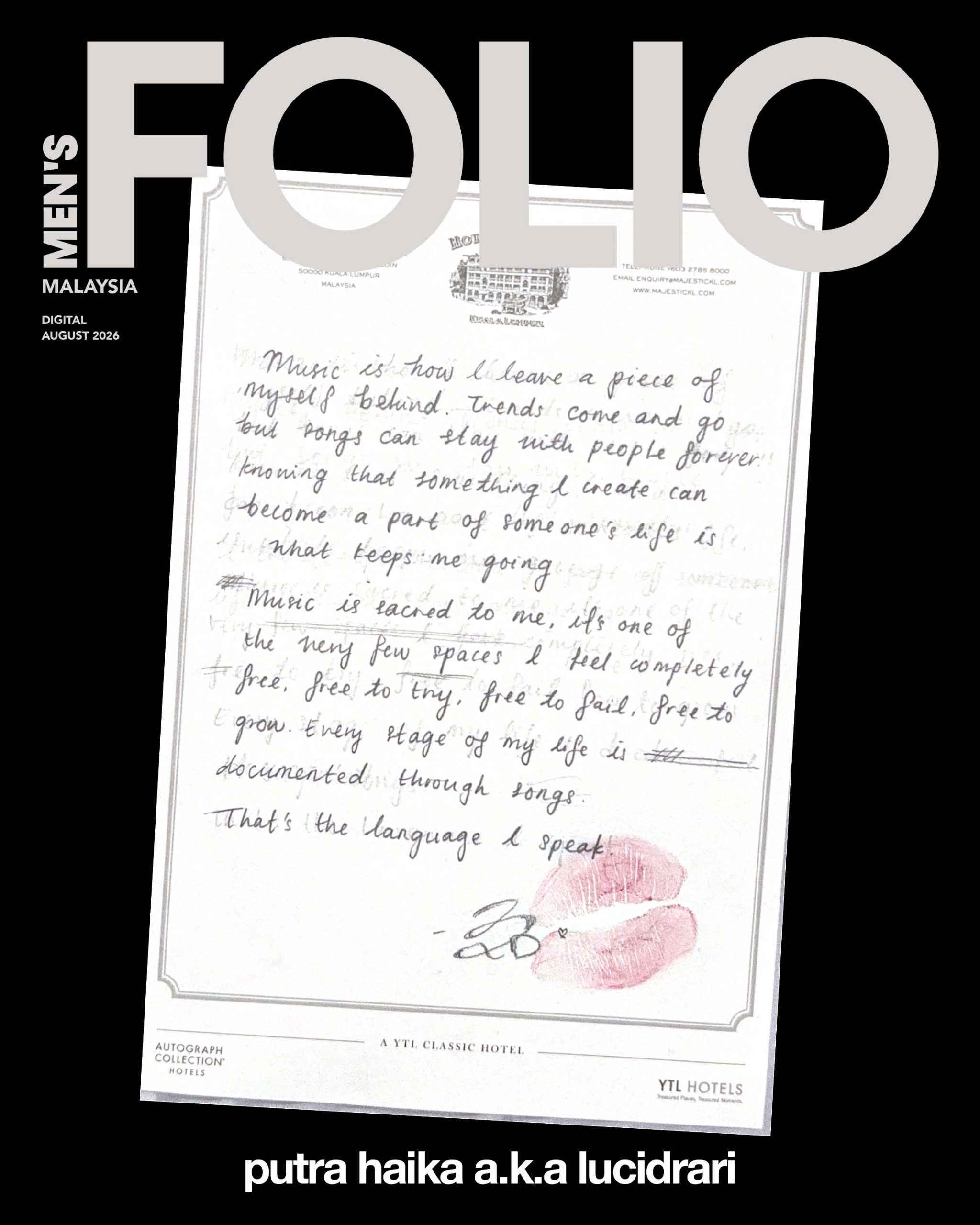
For introducing a new sound, pushing new talent, and shifting the conversation around what an artiste can be in this space. More than anything, I want to be remembered as someone who stood with artistes; not corporations or the gatekeepers, artistes.
Once you are done with this story, click here to catch up with our latest issue.