For many musicians, the commitment of being an artist comes with considerable sacrifice — financially, physically, and mentally. Covering the costs of studio time, venue space, and promotional material, alongside performing regularly and living outside of that world on a completely different schedule are all taxing parts of this path. And for those reasons, most aspiring artists stray further from fully fleshing out their music, leaving it unrealised. Instead, these ideas turn into distant daydreams that clouds their minds as a “What if?”
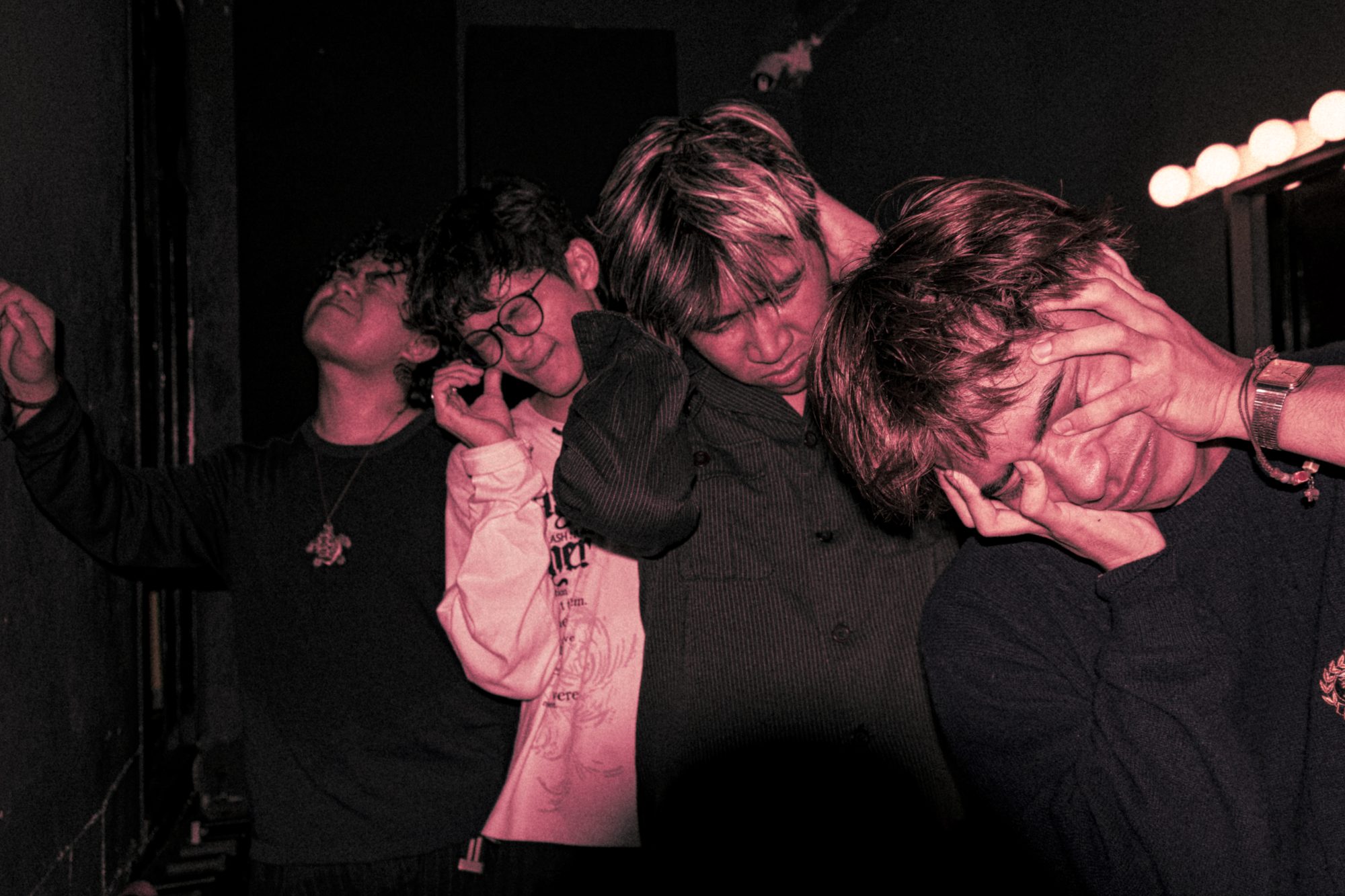
The members of fictions — Akmal Jarris, Ezriq Nazhif, Hafiy Rahman, and Arfan Shafey — are set on pushing back against the obstacles reality threw at them and making their dreams come true. From saving their allowances and breaking the bank just to fund recording sessions, to independently releasing visuals, graphics and merchandise, they see each step as a form of investment towards their artistry. “We’re trying our hardest to push the narrative of what a creative project can be in Malaysia — not just as a band you casually listen to, but as a work of art,” says Akmal.
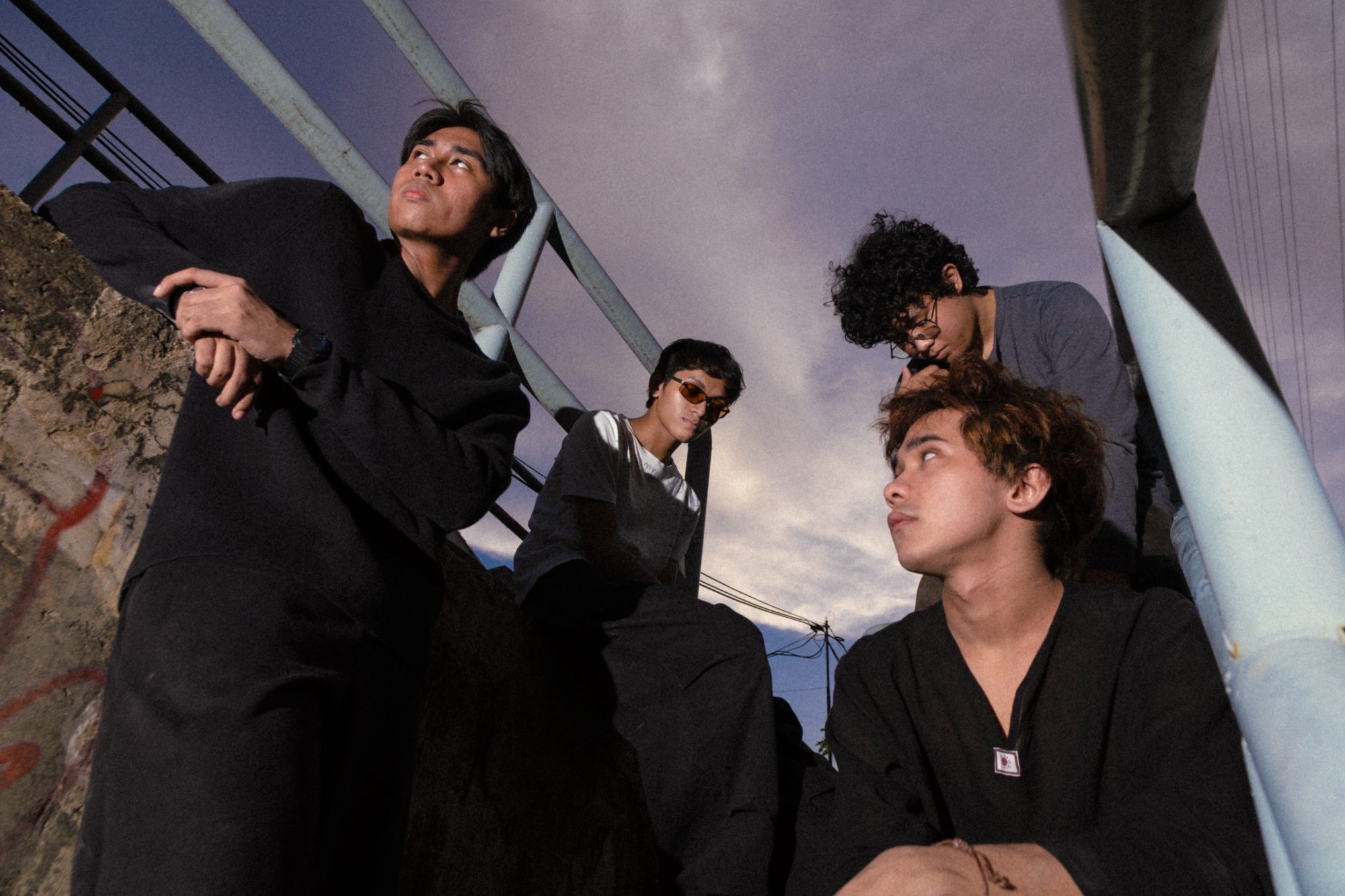
Formed in 2020 by guitarists and vocalists Akmal and Ezriq during high school, before drummer Arfan and bassist Hafiy joined in 2023, fictions released their two singles, “postcard” and “remember“, in 2024 — under a sound resembling math-rock and Midwest emo, recognised within the music scene much earlier through acts like Killer Calculateur and Playburst.
Their latest album, however, showed a hard pivot into a far more refreshing sound within the Malaysian scene. Influenced by the UK Windmill Scene with bands such as Black Midi and Black Country, New Road, their singles “THE SUN IN YOUR MOUTH” and “ameusable!“, used unconventional instrumentation and orchestral touches in contrast with their post-rock riffs and hints of electronic glitch and ambience — reflecting growth not only in their musicianship but also their personal taste as they move into adulthood.
Their music is raw and emotionally charged, drawn from their own experiences with cryptic lyrics regarding love, struggle, friendship, and the low hum of daily struggle. It is vulnerable and honest with its listeners, and in turn, is music that people can relate to no matter what phase of life or adulthood they are in.
Their debut album, It Goes In Circles, was built from years of overlapping life experiences, all defined by a sound that grew distinct through the passing of time — one that the members found themselves writing about independently, without ever having agreed to. It’s been three years since the two pairs converged, and the album that has come out the other side is as much a document of that time as it is a collection of songs.
I caught up with them at the listening party for the launch of their album, where each member played host as longtime supporters were greeted with snacks, karaoke ensued, and the album played in full before a Q&A session with the band. For Men’s Folio, in their own words, is fictions — introducing themselves, their sound, and the record they have spent years becoming.
Introduce fictions.
Akmal: We’re a four-man band based in Kuala Lumpur. We call ourselves post-rock, art-rock, post-punk — whatever fits honestly. We formed in 2020 when Ezriq and I were high school friends, but the full band only came together in 2023 when our bassist Hafiy and drummer Arfan joined permanently as a pair after disbanding from a previous project.
Why did it take until 2024 — four years after forming — to release your debut single?
Ezriq: We’ve had demos lying around and honestly, we would have done it sooner if we could, but money was a massive factor.
Akmal: We were seventeen, living off allowances. I even took out every cent from my childhood savings account my mum had built up over years — around RM600 — just to record one song.
Arfan: There was a time where Akmal and I ate a single packet of Maggi, stretched from before midnight to after, so that it technically “counted” for two days. That’s how broke we were.
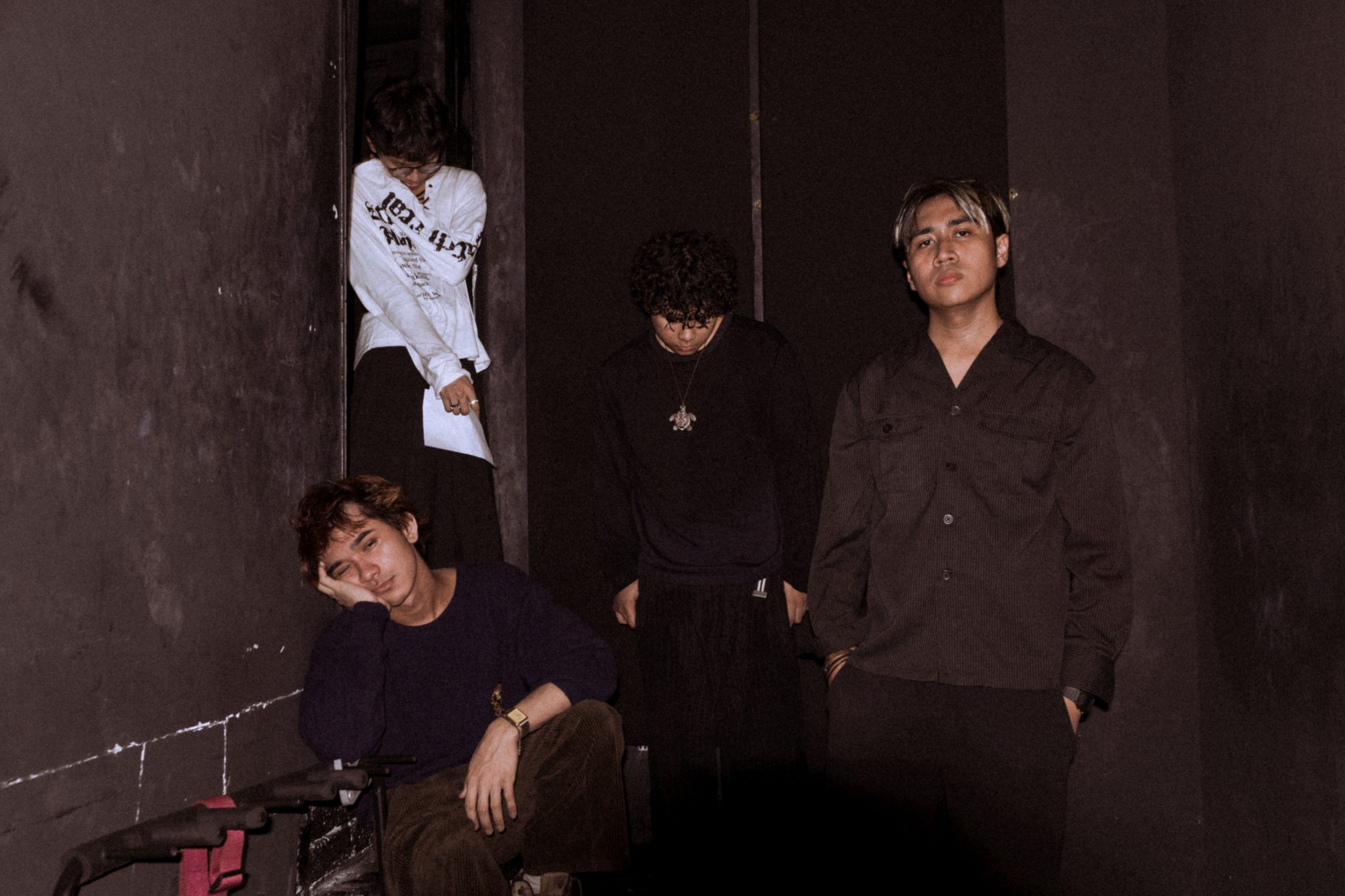
What influenced your early sound, and how did it evolve into what it is now?
All: Early on it was Marietta, American Football, TTNG, Pinegrove, Weatherday, Asian Glow — very quarantine-era Math-rock, Midwest emo and Fifth-Wave emo. I think we definitely branched away from that sound, which is why “postcard” and “remember” aren’t in the album. We’d been listening to the UK Windmill Scene bands like Black Midi since 2019 but when Black Country, New Road released their first album, we were inspired by their unconventional use of instrumentation and orchestral notes alongside standard rock riffs.
How do you make those influences feel like fictions?
Ezriq: Every artist on the planet tries to copy somebody else to some extent, whether they want to admit it or not. Even when you are trying to find your own style, you end up copying little things — a weird quirk a guitarist has, an odd singing style. You pick up elements from everywhere. I think it is just important to have a wide pool to draw from, so that the things you copy end up minor enough on their own that they add up into something bigger — something that becomes your own. No single piece of art exists in isolation, made by one person out of nothing. It is always referential to something. You always have your idols.
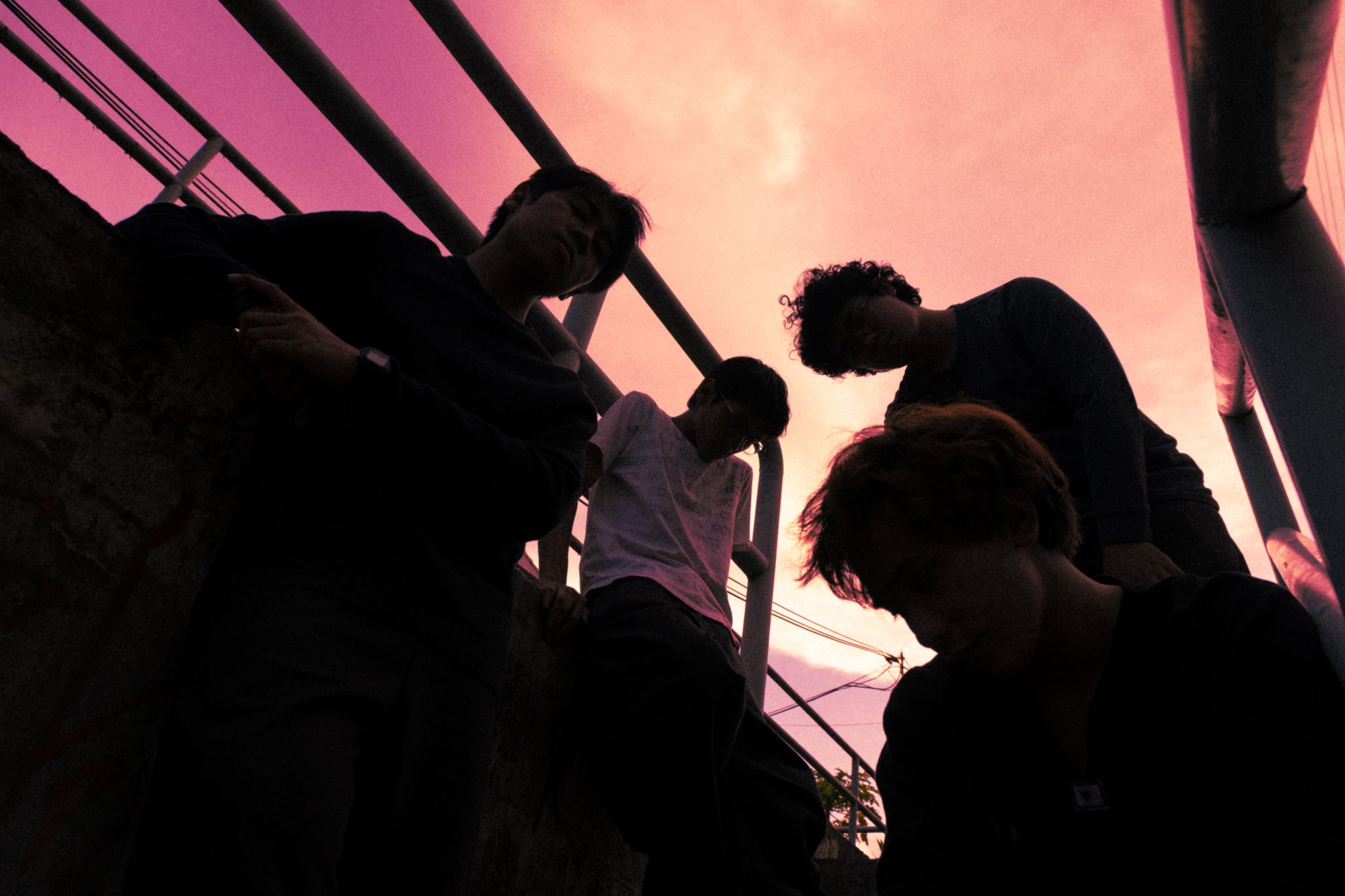
Did you expect this sound to find an audience in Malaysia?
Akmal: Postcard and Remember were definitely the more easy-on-the-palate songs we had at the time. We had other material in the works that felt properly odd for the Malaysian scene. Honestly, I don’t think we ever expected it to land the way it did. Speaking for myself, though — I am a little delusional, and completely confident that somehow, someday, we will find success.
Ezriq: We’re just confident in what we produce. On paper, if you compare the kind of music we make to what is popular in Malaysia right now, there is not much correlation. But I think the musicianship and artistry behind what we produce made it natural for it to find some kind of audience. To some extent, you have to be delusional — if you are not, you would never be willing to invest that much money.
Hafiy: personally, I’m delusional in the same sense. Like, I want the band to succeed. I want the band to have a lot of success. I want the band to be recognized. But I feel like if I think about it too much, then it won’t happen. So it’s the same principle as when you’re looking at the loading screen and you look away, so you hope that it loads faster.
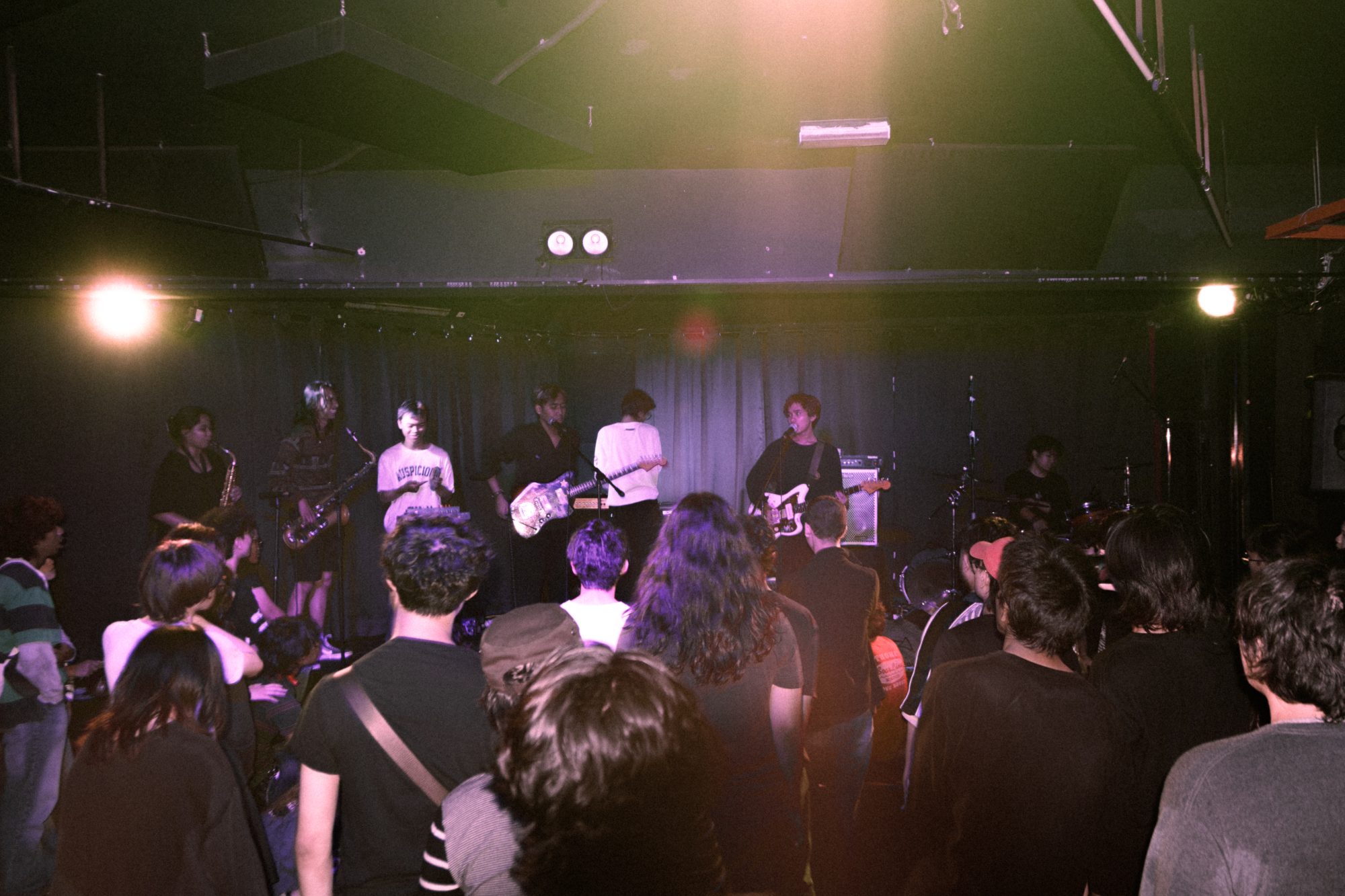
How has your individual taste changed over the years?
Hafiy: I started out on Black Midi and raw shoegaze like Dasawarsa, but I’ve drifted toward more avant-garde stuff since, even if the rest of the band isn’t as sold on where my taste has gone.
Akmal: Mine honestly hasn’t changed much since I was fourteen. I still mostly listen to electronic — Aphex Twin’s been my most-played artist forever, and lately a lot of Ear and Tiffany Day.
Ezriq: The Beatles, always. I think every band since the sixties owes something to them, whether they admit it or not. Outside of that I go through phases — French EDM, then back to Frank Ocean, Tyler, the Creator, Brockhampton.
Arfan: My taste hasn’t shifted so much as my perspective has. As a drummer I used to draw straight from Toe’s Takashi Kashikura and Bloc Party’s Matt Tong. Now I’m pulling more from slowcore bands like Duster — more minimal, more about the message than the chops.
How personal is this album to each of you?
Akmal: I sing and write the majority of the lyrics, so a lot of it comes straight from my life — notes scribbled at 3am, things I saw on the side of the road, words that just sounded right together. It’s basically a journal entry set to music.
Ezriq: This album cost us financially, emotionally, energy-wise but it brought us closer as friends. When we’re forty, we’ll be able to show people exactly what we were doing in our early twenties. It’s a legacy, in a small way.
Arfan: For me it’s less about the music and more about everything we went through to make it — the Maggi years, the self-organised shows, the ups and downs. We’re at the peak of our friendship right now, and that matters more to me than anything on the record.
Hafiy: Although I didn’t write any lyrics, the album is still an amalgamation of everything we’ve all lived since 2024 — the finances, the friendships, and the hardships. It’s an audio picture of being a young adult, still a little angsty, still working through things that might not matter as much when I’m older.
What themes shape this album?
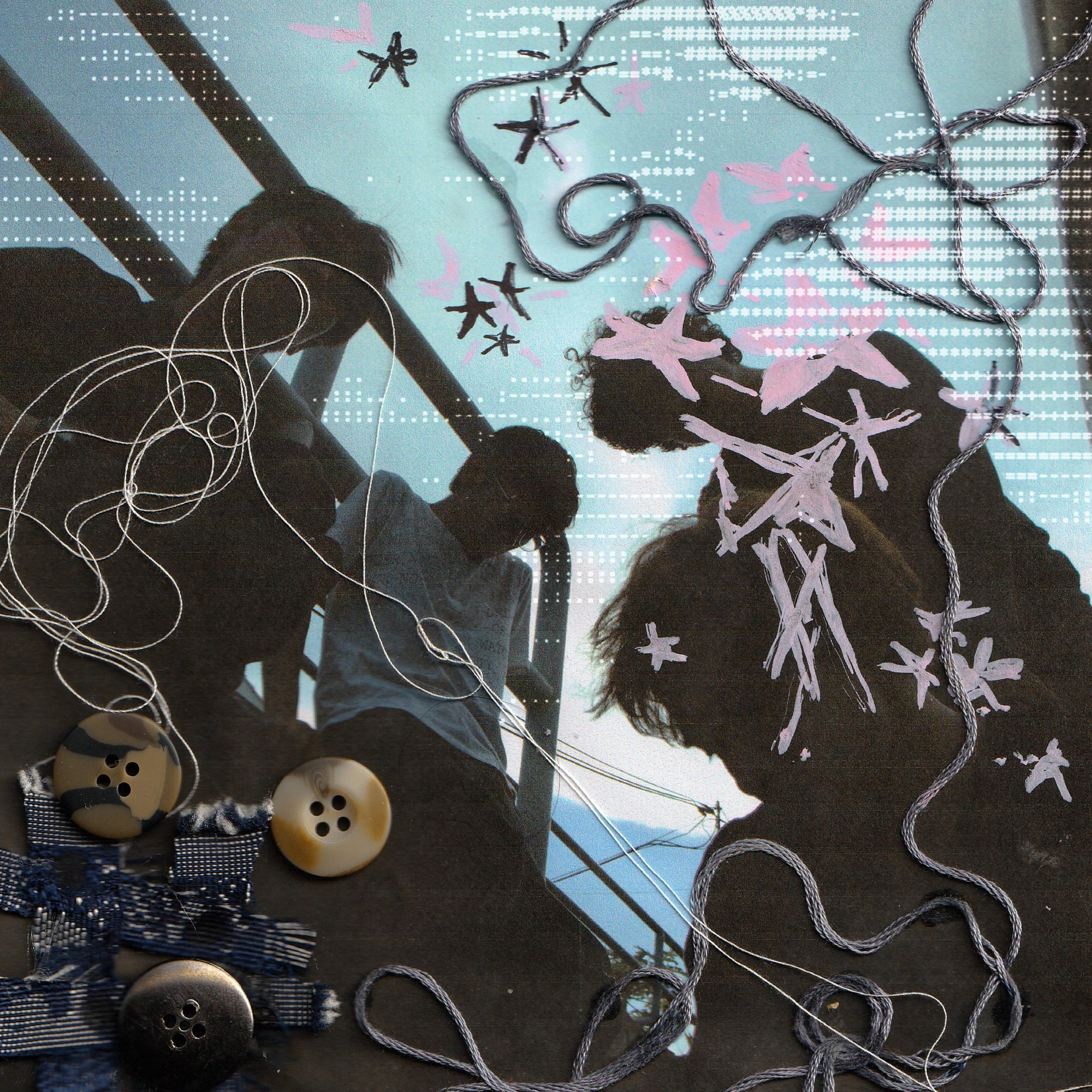
All: There was no single idea going in — we never actually sat down and discussed what it should be about. We just started throwing things at the wall and it stuck together naturally on its own. Love, growing up, friendship, the day-to-day struggle — it’s a big snapshot of moving into adulthood, and that happened naturally because that’s exactly where we are right now.
How did fictions build a community around the music, without a big push?
Akmal: Honestly, no idea. We didn’t have a huge crowd, but the same faces kept showing up to every show — people who knew every word to songs we hadn’t even released yet, and through them, it was all word of mouth.
Hafiy: I think it’s because we actually talk to people after our shows. That adds up over time — people start to feel like they know you, not just your music.
Any last words?
All: Expect the collective of the past three years — time, heart, soul, and money — packed into sixty-two minutes of your time.
Once you are done with this story, click here to catch up with our latest issue.