Unless you spent last week entirely off the grid (or somehow managed to escape Southeast Asia’s algorithm), Kuala Lumpur Fashion Week 2026’s Destination: Home Ground was difficult to miss. Somewhere between the hot takes and viral clapbacks, a week of gruelling craft was reduced to a digital circus, leaving hot-buttoned commentary to overshadow genuine creative vision.
There is a huge difference between genuinely challenging a collection and just tearing it apart for sport. Because when “critique” becomes purely dismissive, it erases the months of technical labour it took to put on the show and reduces it to a battlefield of comments. The digital landscape grants the public total access without requiring the needed context behind it. So, when #KLFW trends, as it annually does, high visibility often brings low nuance. Were the spurts of outrage genuine confusion, pure envy, or the internet just executing its favourite reflex? You know, how it often loves and praises something right up until it becomes famous enough to hate?
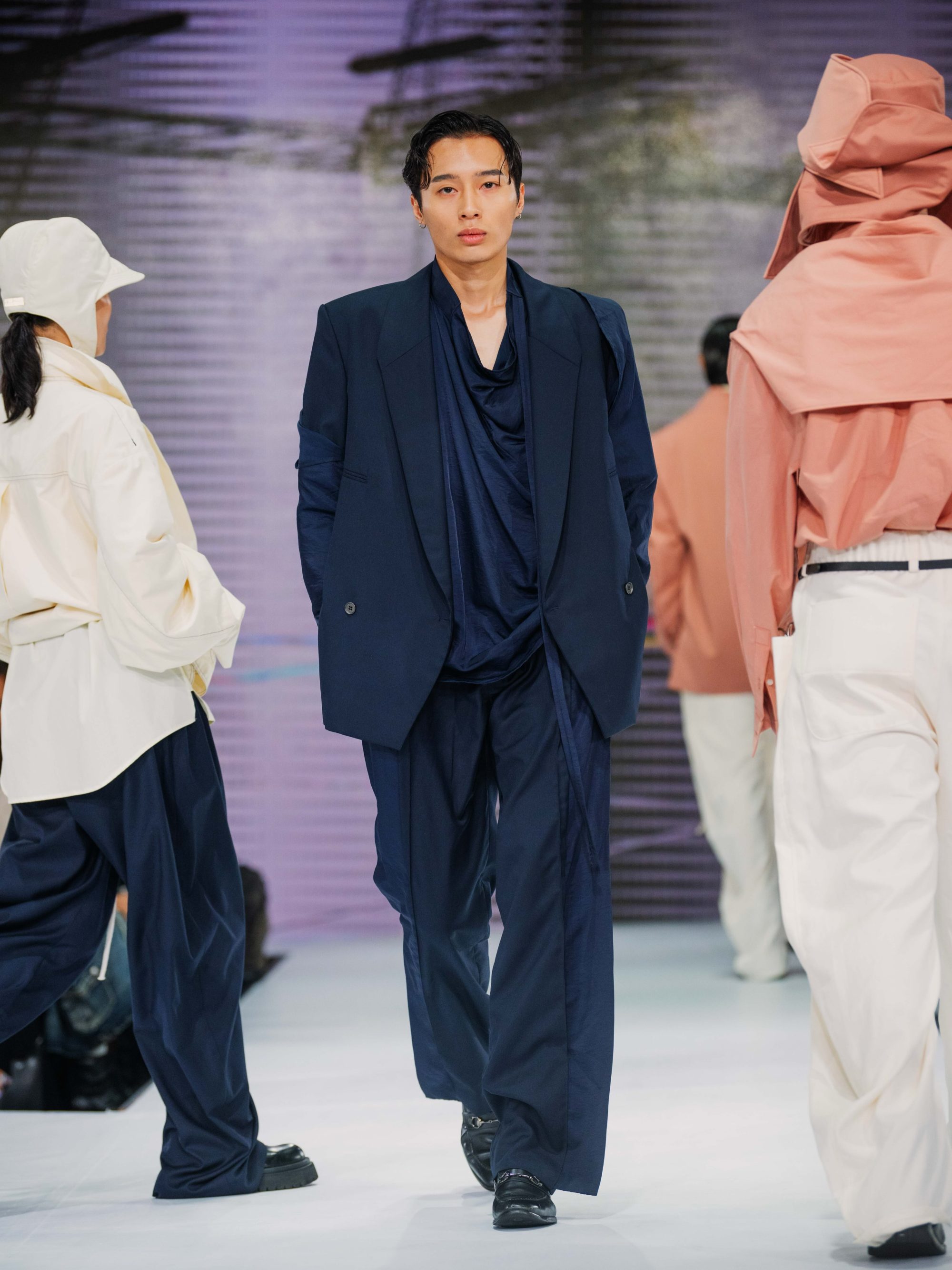
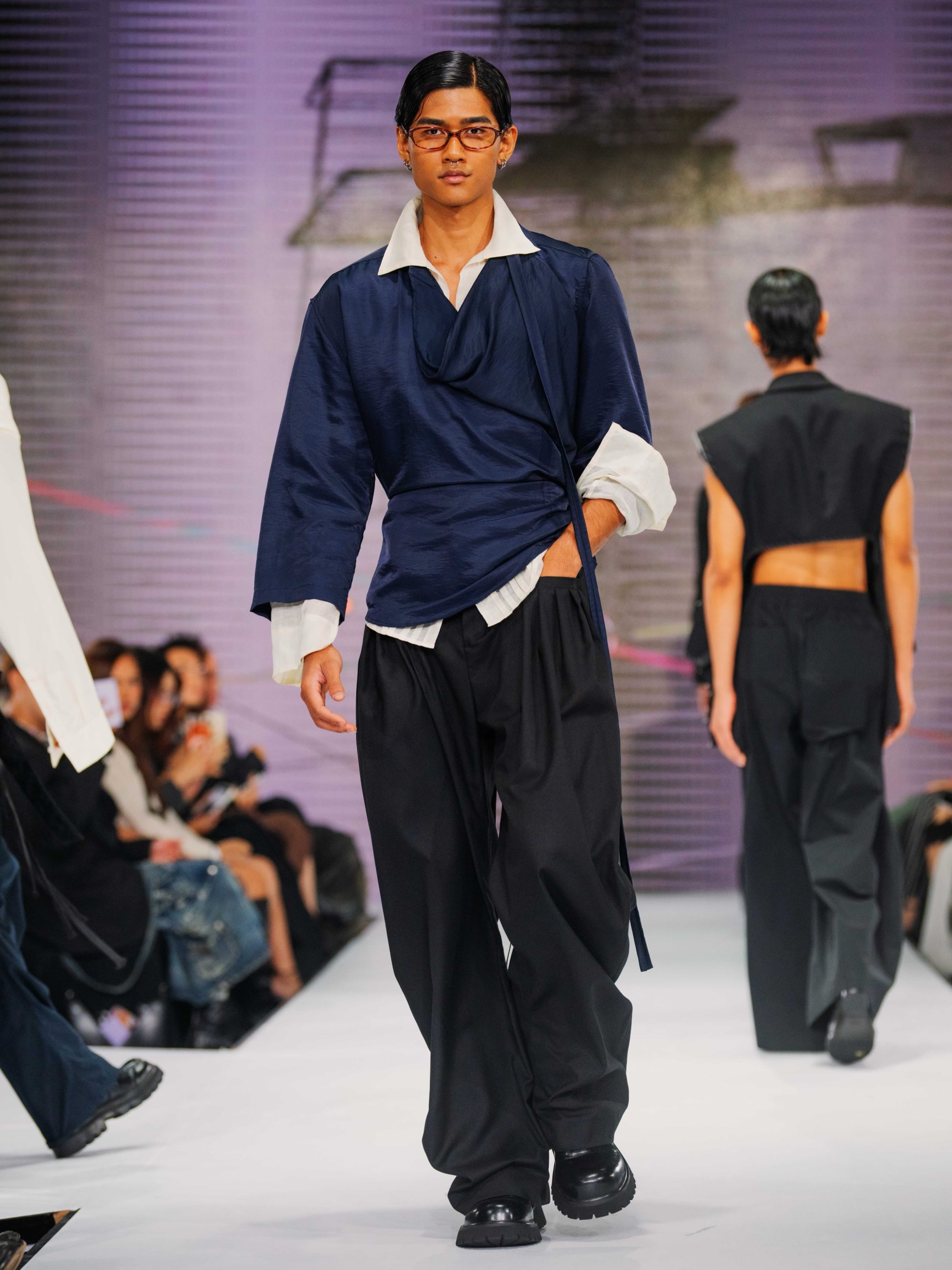
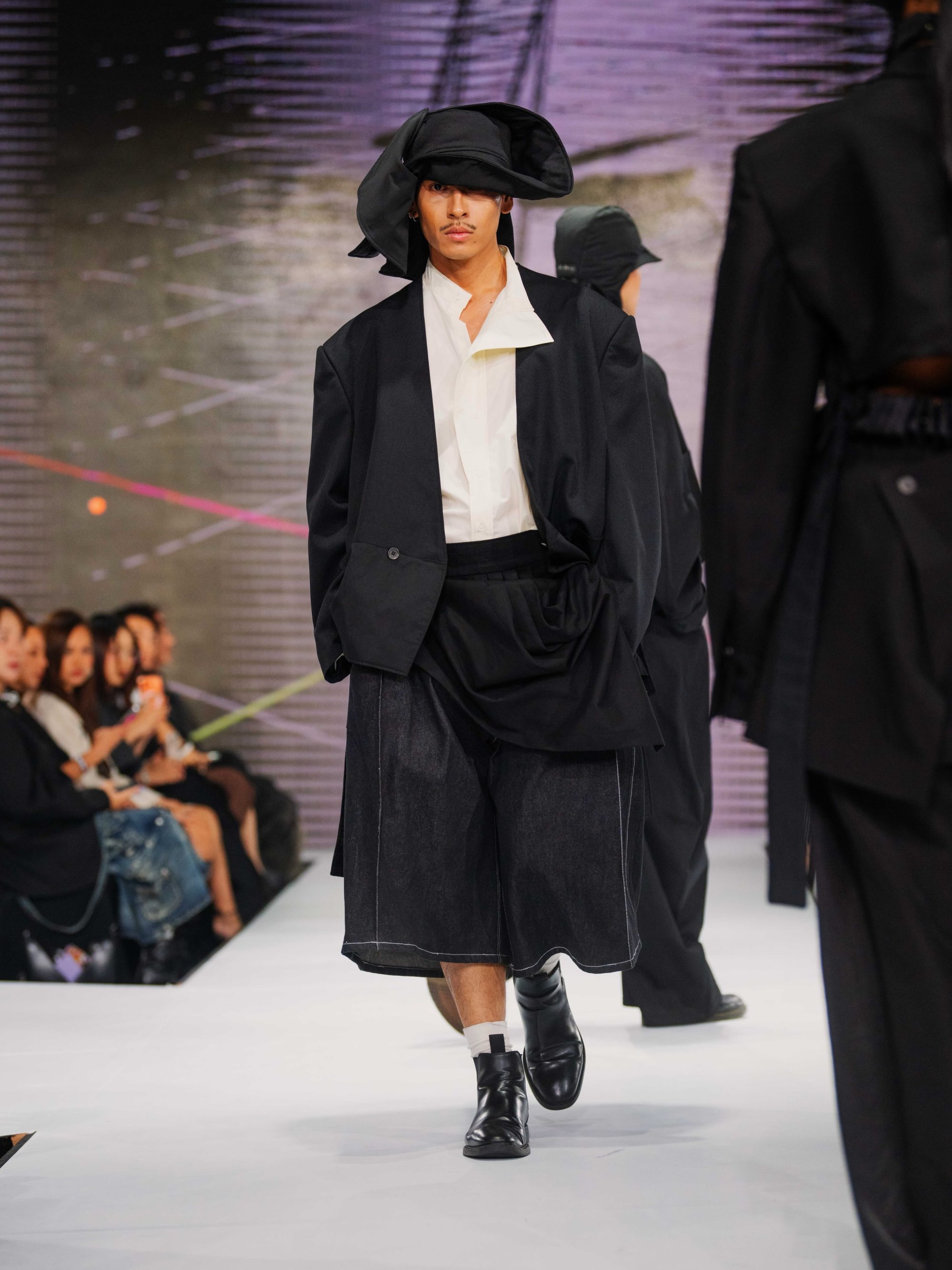
More than a decade later, KLFW is hardly a secret. Still, public perception still struggles to pin down what actually happens. You can almost forgive the confusion. Build a runway in the middle of the city, restrict its access to invite-only, and have it everywhere on your feed, but still out of reach. Assumption naturally fills the gap where context should be. At its core, KLFW is as Malaysian as they come — a collaborative vessel of creative expression where fashion designers, stylists, hairstylists, makeup artists, photographers, and production crews come together to elevate local fashion on a larger scale. It is not a playground for celebrity clout or an excuse to farm content, flexing their exclusive access.
Their runway has always been so much more than that. What began as a showcase for elevated local design has matured into a dedicated arena for craft, narrative depth, and immersive worldbuilding — proving that the runway now holds space for both the wearable and the avant-garde. Its momentum only increases each year, raising the creative stakes with every iteration of this seven-day soiree. However, it is worth noting that a system where every brand plays it safe to achieve unanimous approval eventually stops evolving. The visible risks taken this year proved that the fashion here is moving far beyond the familiar narrative of a local brand name to be something monumental enough to put this city on the global map. Yet expecting international relevance while rejecting non-commercial art makes no sense.
Brands need thick skin to handle real appraisal, but the public has a role to play, too. Let’s be clear, this does not mean everyone has to become a customer, a critic, or a designer. Maybe instead, start recognising that the industry does not flourish through the runway alone. It needs to be nurtured by the people who choose to pay attention, challenge, support, and keep the conversation going after the curtain falls.
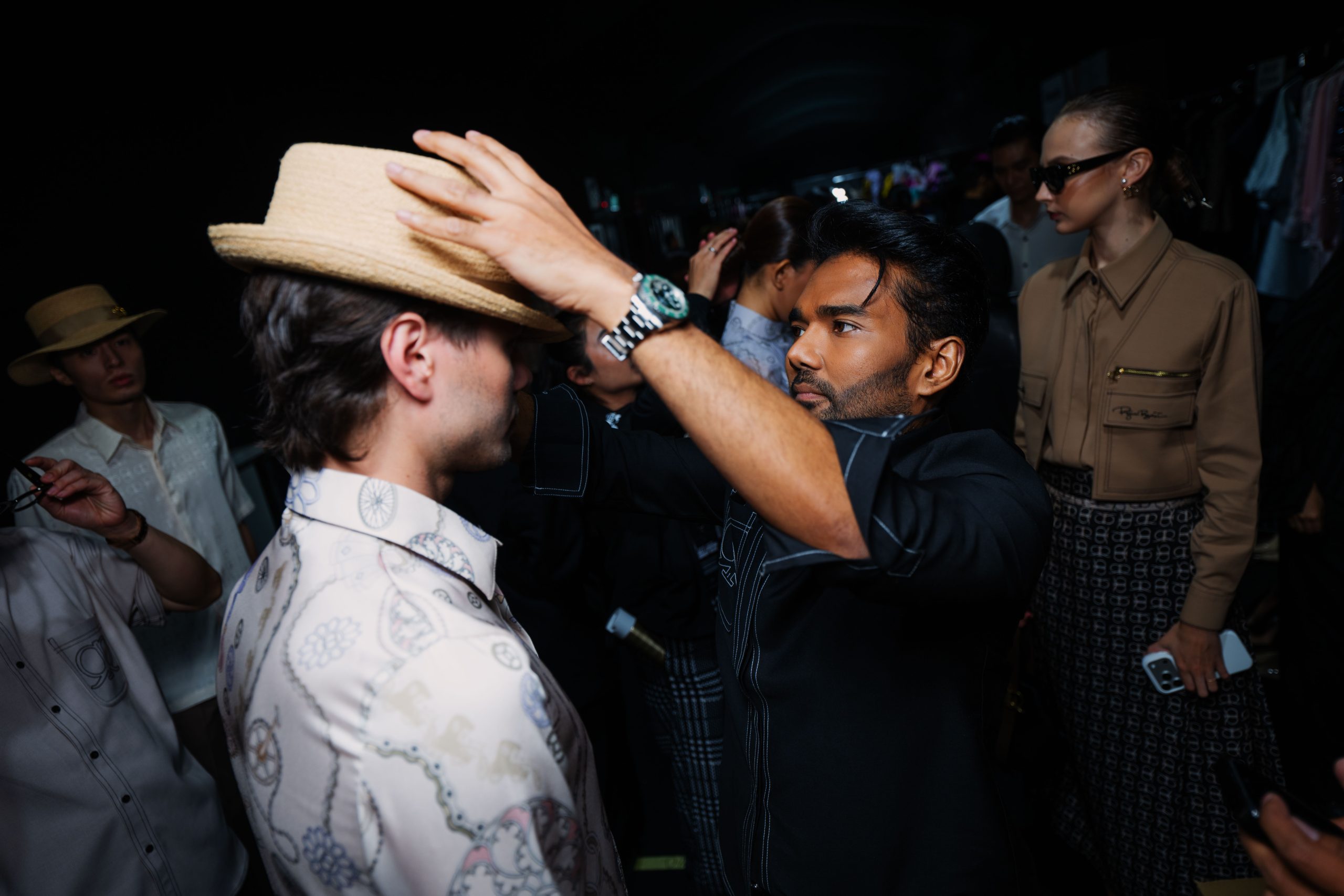
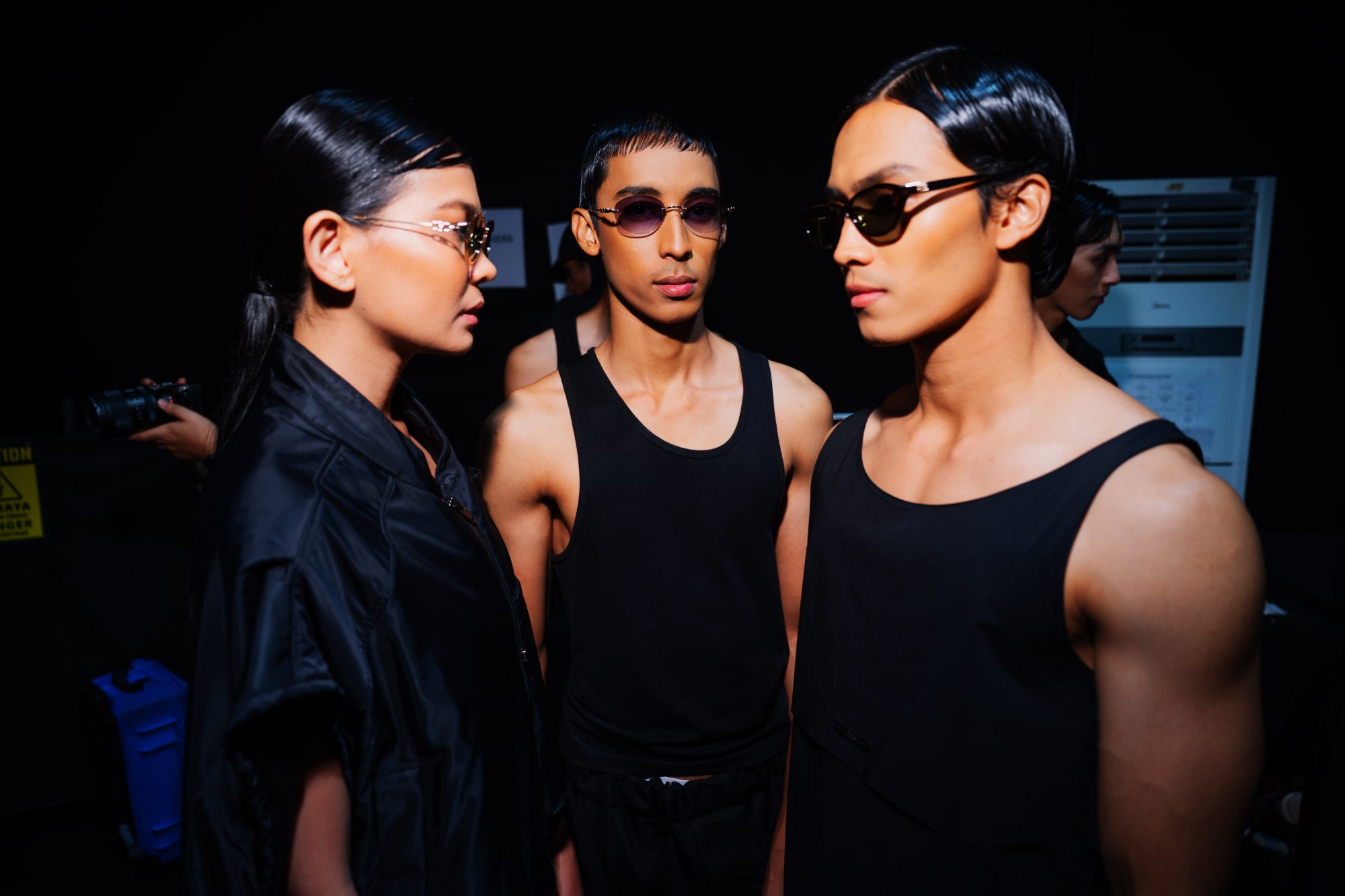
Because if you cut through the commentary and look past the flashiness, there were collections that stood on pure vision alone. These were the moments that proved Malaysian fashion has the depth and potential to reach further than before. When we actually stop talking and pay attention to the shows, several standout looks make a compelling case for where Malaysian fashion might be headed next.
Images courtesy of @klfashionweek
“Alpine & Alchemy” by Huntilanak
Huntilanak risked venturing into intense, dark tribalism that could have felt outdated. Instead, they executed heavy craftsmanship that transformed tradition into a forward-thinking display. Reminiscent of folklore, a complex mix of materials brought the collection to life. It easily became one of the most hauntingly unforgettable shows of the season.
“It’s Colourfully Bad!” by uglypretty
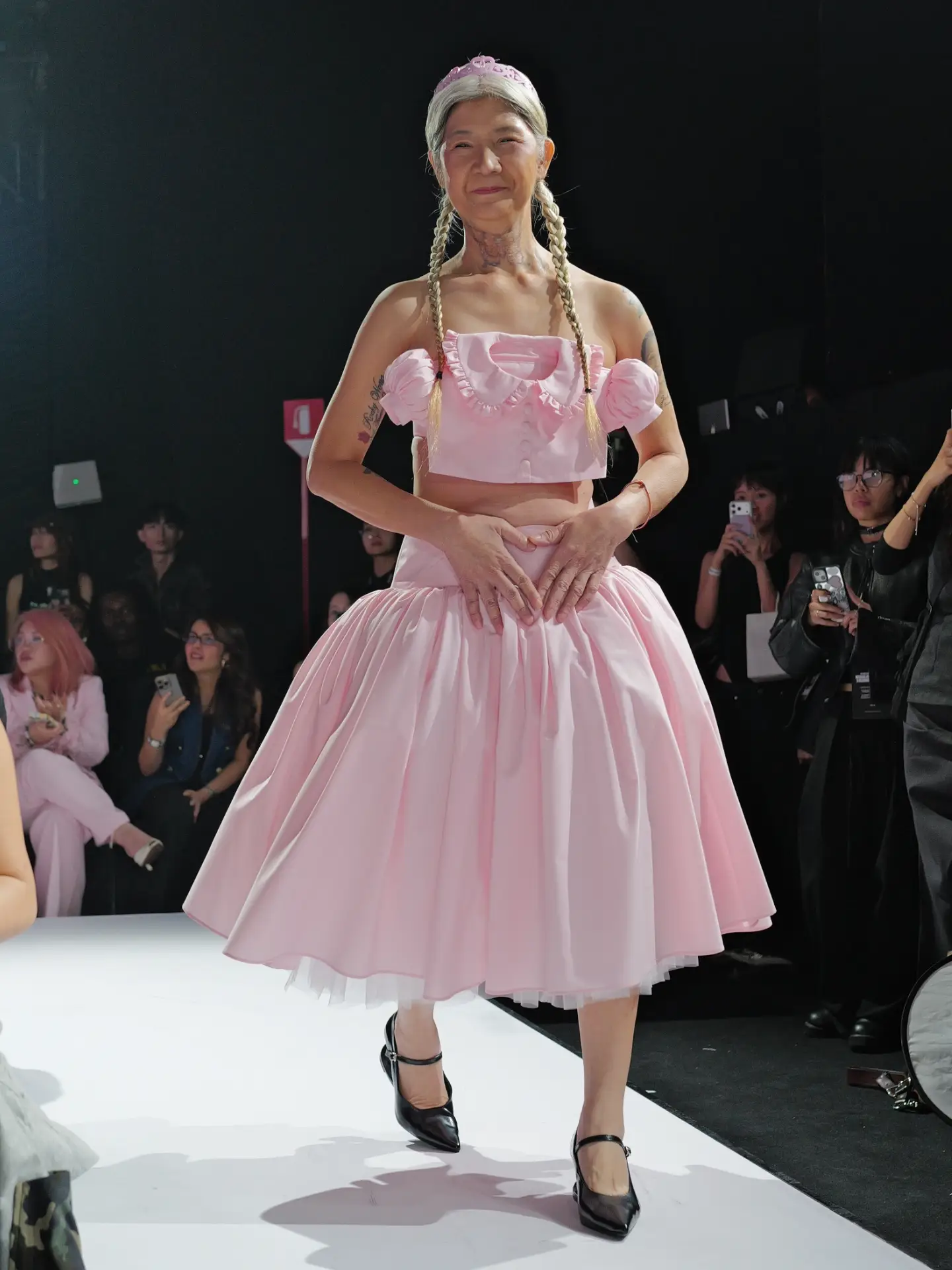
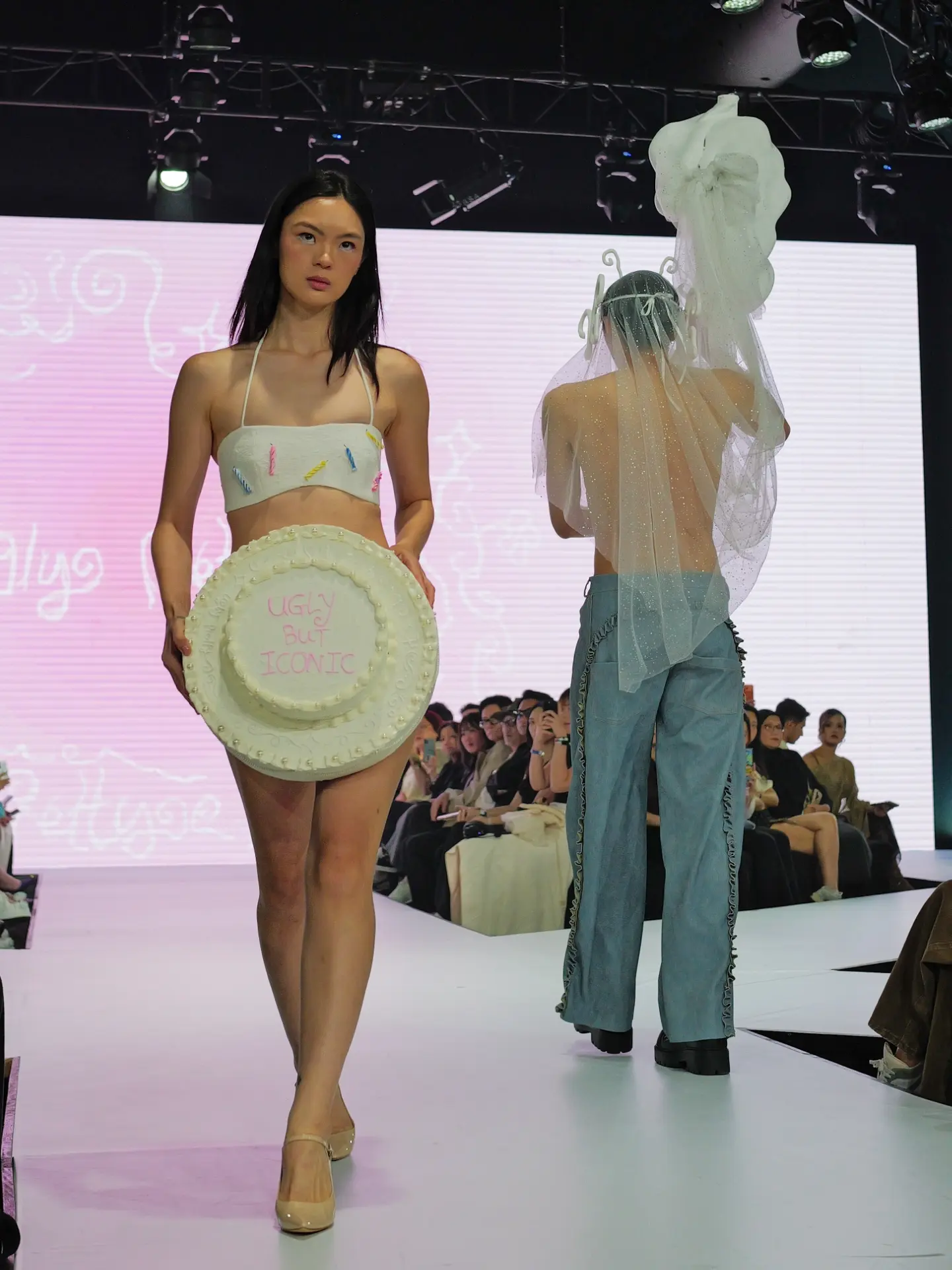
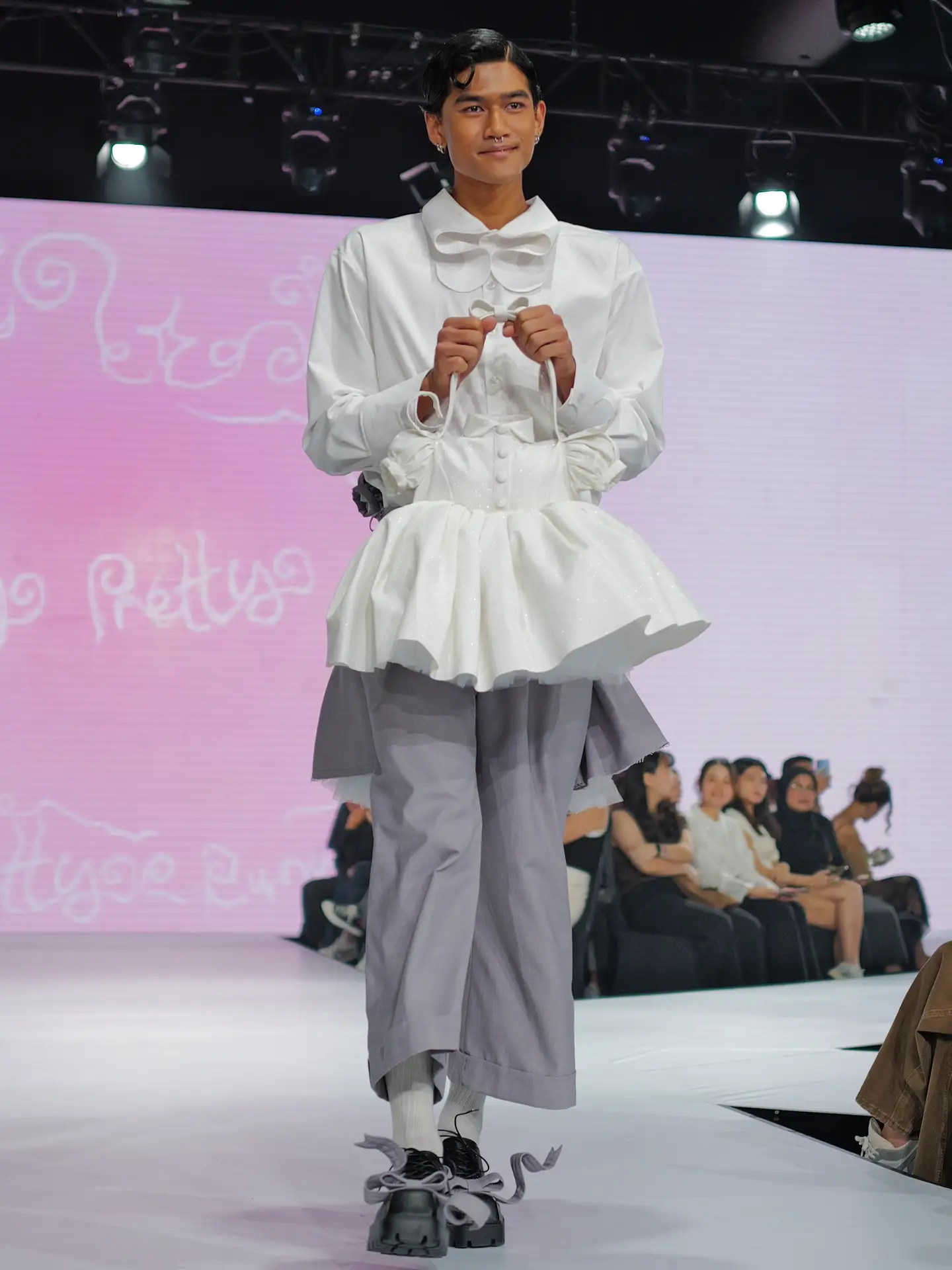
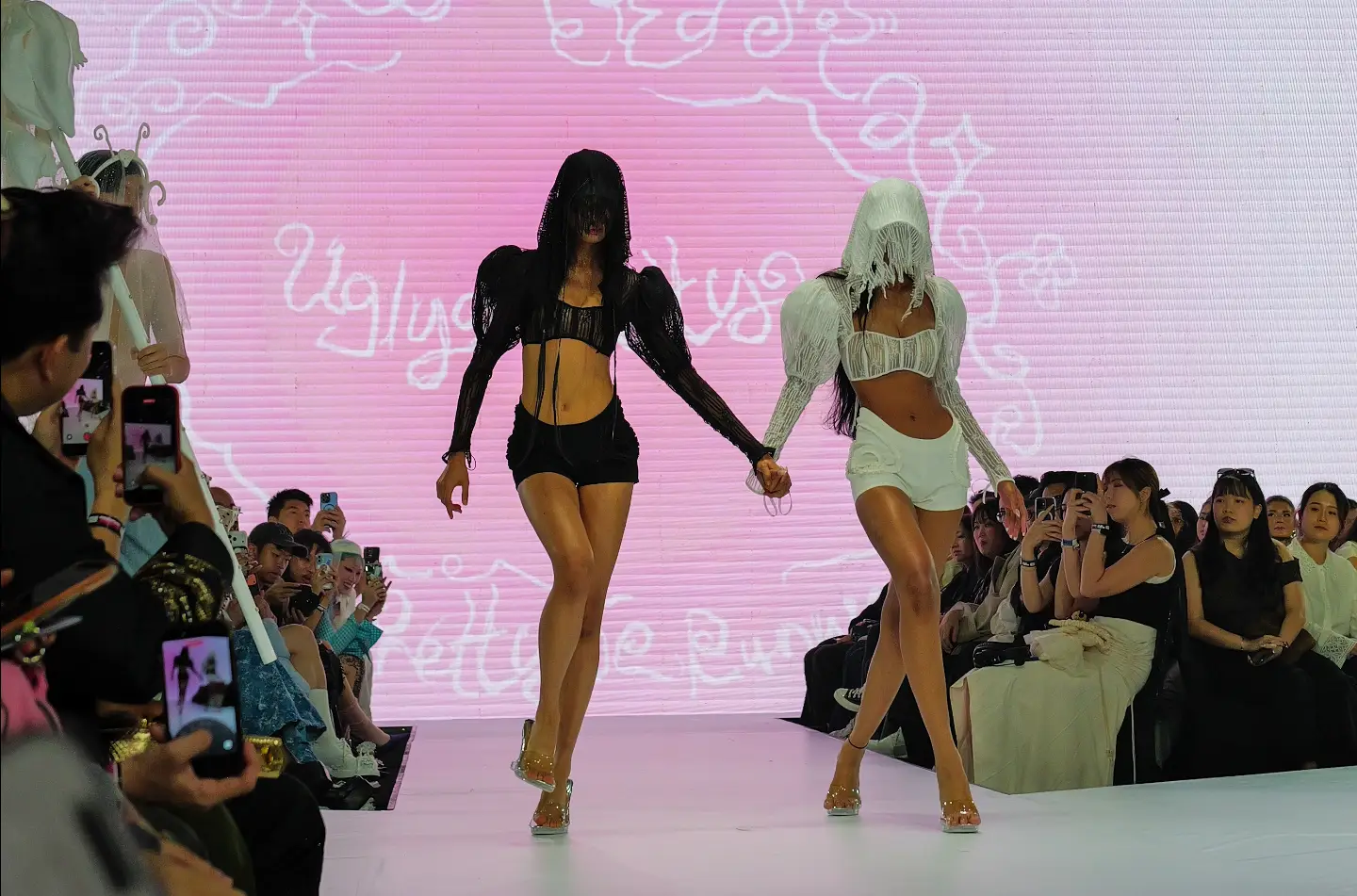
The label tethers between childlike whimsy and dramatic silhouettes without coming across as juvenile in both concept and execution. A bold presentation of vulnerability-as-strength, the designer creates an eloquent and unconventional narrative redefines conventional notions of wearability. It is as if the collection itself belonged to a world of its own.
Images by @just.arw.photo.thyn
“Suatu” by Raja Irfan
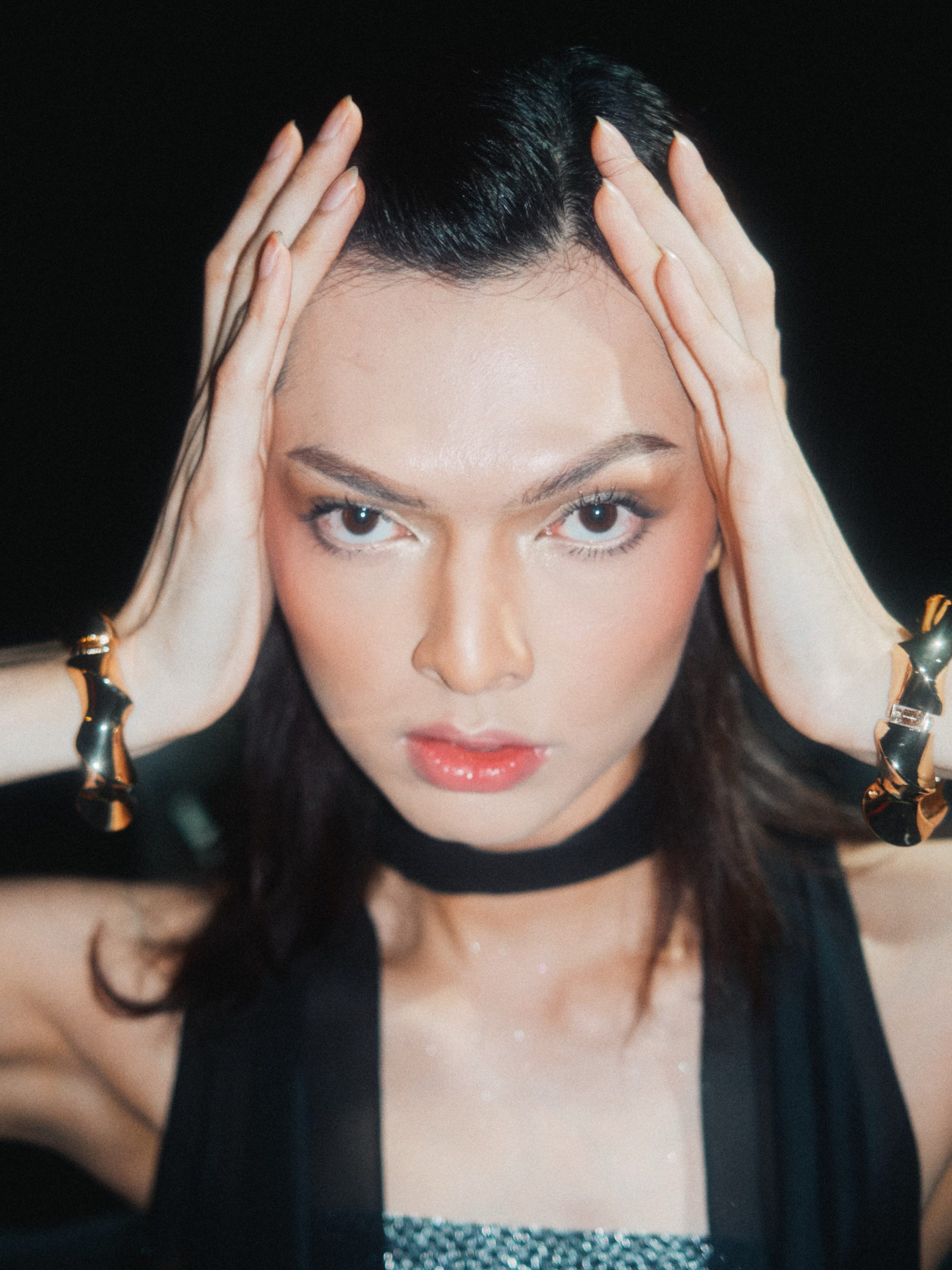
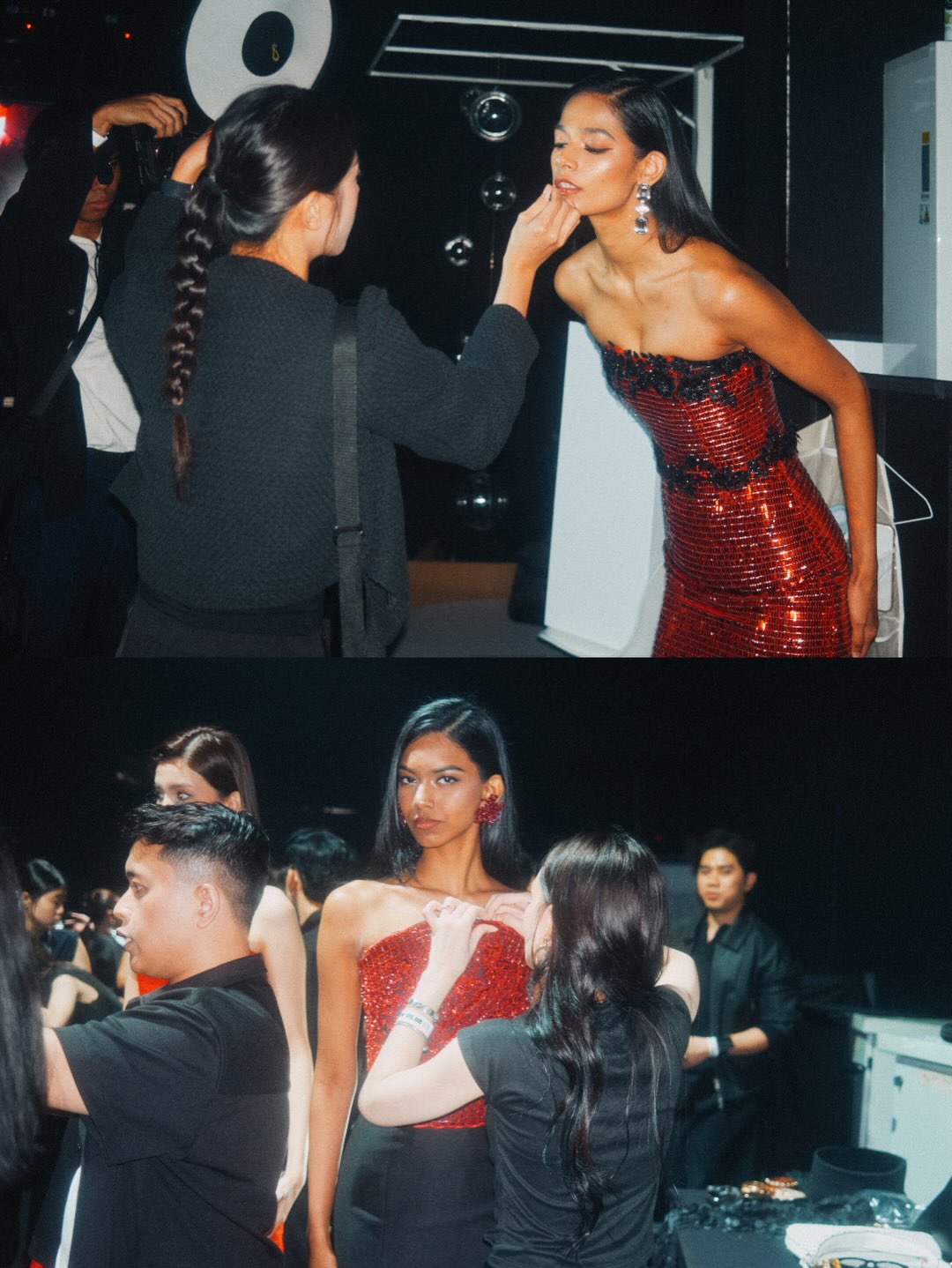
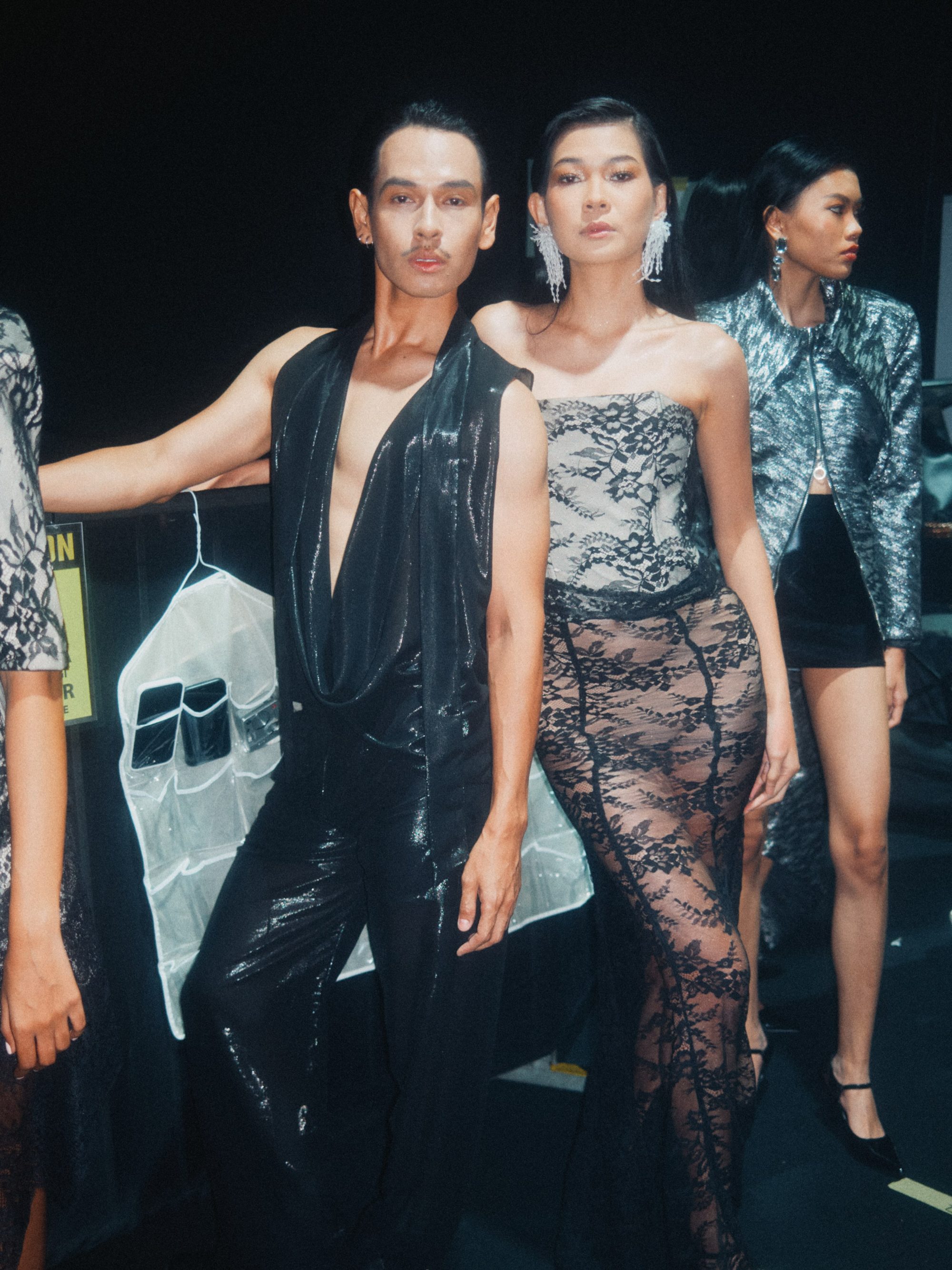
Raja Irfan’s reliance on pristine tailoring and understated luxury paid off, offering a powerful blueprint for the future of Malaysian high fashion. Demonstrating just how traditional glamour could be redone in all its glory in today’s modern landscape. And done right.
Photos by @syedabdullahalbar for @officialrajairfan
“TAIL EATING” by Phynstudio
As seen in the de- and reconstruction of pieces, from collars-turned-scarves to blazers-turned-cardigans, we discover how design can take on new lives through introspection. It suggests a philosophy where growth is not about relentless forward motion. Maybe it’s an earthy, deliberate re-excavation of one’s own foundations.
“Rebel’s Department” by MSYD
While the school kid trope is often overplayed, the collection injected fresh troublemaker energy. The designs that stand strong on their own, giving the tail end of fashion week a much-needed jolt. It served as a reminder that fashion is always at its best when it refuses to take itself too seriously.
With that said, people often focus on the wrong things when attempting to discuss what they believe is right — a clear testament that being loud and wrong serves no one. There is something deeply refreshing about watching Malaysian fashion step into its own space with such unapologetic ambition and scale. It is an industry daring to dream bigger than ever before. With that said, maybe “not getting it” is simply an invitation to lean in further. Are we all willing to stay in the room long enough to figure out why they do what they do? Or are we going to keep demanding a seat at the table, only to spit out what they serve us?
All videos courtesy of @klfashionweek
Once you are done with this story, click here to catch up with our latest issue.