The new moon marks the beginning of the lunar cycle. It is a moment of darkness that, across centuries of folklore and superstition, has become synonymous with rebirth, renewal, and the possibility of starting over. Tabber opens his new album, Modern Goth (2026) through that symbolism. Its pre-release single, “New Moon”, draws from this language of transformation while anchoring itself in a sonic palette shaped by the 1980s. Synth textures, layered vocals, and a muted sense of futurism converge into what he calls “music for 2026”.
To describe a record in those terms is a bold proposition, especially at a moment when Korean music itself is undergoing structural change. From the global expansion driven by the Hallyu wave between the early 2000s to late 2010s, led by acts like Girls’ Generation, Big Bang, BTS, and BLACKPINK, Korean music has moved far beyond its original pop framework. That global success opened space for hip-hop, R&B, indie, and alternative scenes to circulate internationally, while production itself became increasingly borderless, shaped by collaborators across continents.
Korean music is currently in a period of transition. The defining condition of this moment is an exploration across sound, emotion, and identity. Modern Goth is a perfect example of this phenomenon. The project was developed through a more experimental process than Tabber’s previous work, prioritising discovery and pushing beyond the contours of the world he has cultivated since his debut.
The title, Modern Goth, carries that logic forward into language. Goth, as a subculture and aesthetic vocabulary, emerged from Britain’s post-punk movement in the early 1980s, defined by melancholy, romanticism, and a fascination with darkness as form. In Tabber’s interpretation, however, it is not treated as historical reference so much as emotional register. The word becomes a way of naming a recurring tension in his work, translated through personal resonance rather than fixed meaning, and shaped into a self-imposed framework for mood and identity.
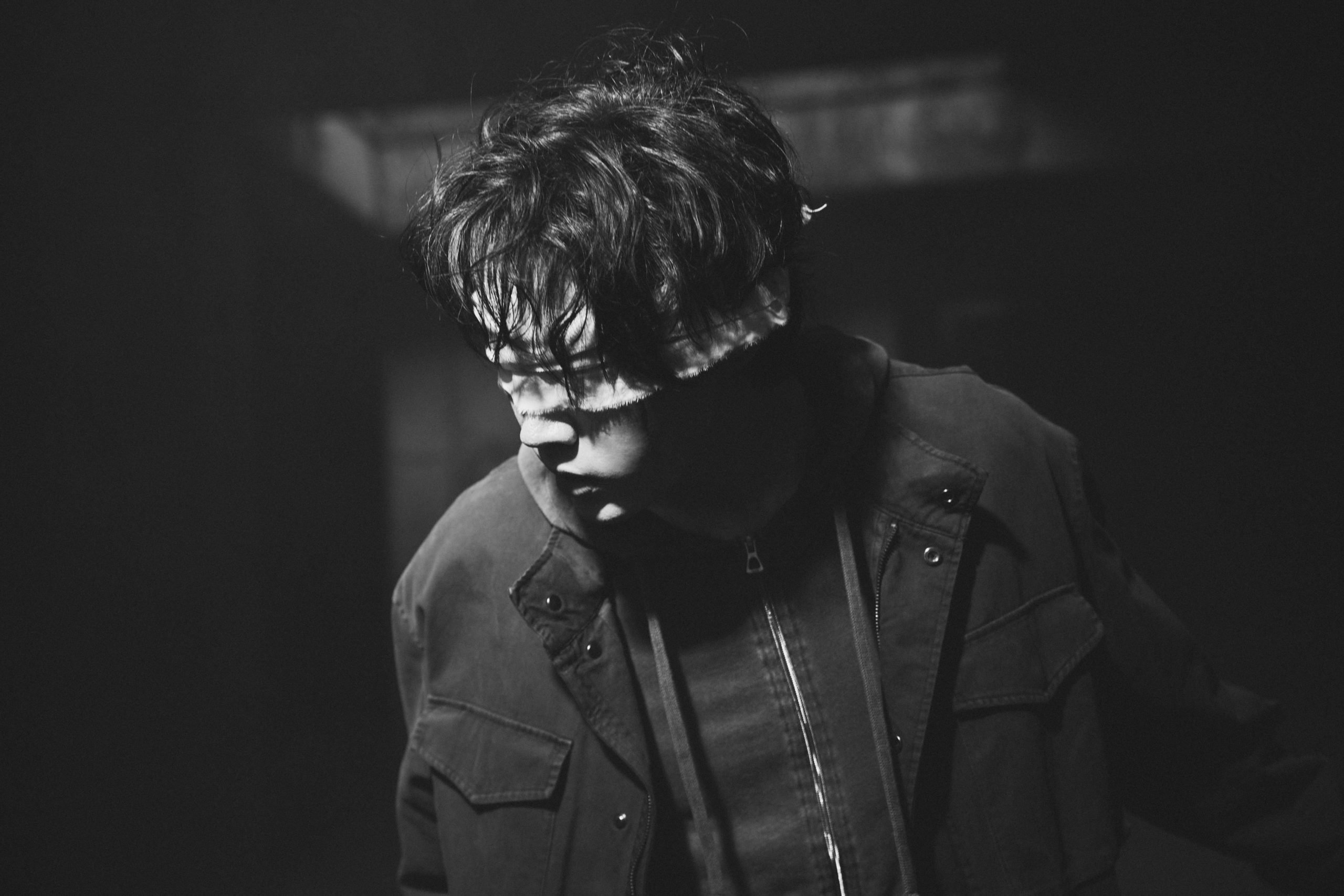
You performed at Seoul Jazz Festival in May and will soon be performing at Summer Sonic in August. How does performing live differ from making music in the studio for you?
In the studio, everything is internal. It is a private process where I am building something alone, almost like creating a world that only exists in my head. On stage, that world is opened up and shared with other people. It becomes something alive and reactive. The audience changes how the music feels in real time. So the studio is about creation, while the stage is about connection.
Why was “New Moon” chosen as a pre-release track to introduce Modern Goth?
Among the tracks, it is one of the more immediate and easy to listen to, but it still carries a certain nocturnal weight. It works both ways. You can play it in the background during the day, but it also changes when you hear it alone at night, especially when you are walking around after midnight. That contrast made it the clearest starting point for the project without explaining too much upfront.
View this post on Instagram
What does “goth” mean within the framework of Modern Goth?
I wasn’t really interested in “goth” as a fixed style or a visual reference. People usually associate the label with certain looks or subculture codes, but for me it’s more of a mood or a state of mind.
There are two reasons I chose the title. The first is personal. When I look at the emotions I naturally return to when I’m making music, there’s always this pull toward darkness and introspection. The second is more about the world around us. The general mood today feels more muted, both visually and emotionally. People seem a bit less expressive than before. Because of that, “goth” doesn’t feel like something specific anymore. It feels like it’s in the air. Modern Goth sits somewhere between those two things: personal emotion and the atmosphere of the time
What should listeners expect from Modern Goth beyond “New Moon”, sonically and visually?
This project pushes my sound further. I experimented more than I have in the past, so both the music and the visuals move away from what people might expect from me. It focuses on exploring textures and moods I have not fully gone into before, rather than reshaping everything at once. I think people will still recognise me in it, but in a different form, with a clearer sense of direction.
Once you are done with this story, click here to catch up with our latest issue.