Few television series have committed to a mystery quite like Silo. For two seasons, Apple TV’s dystopian drama, adapted from Hugh Howey’s bestselling trilogy, has drawn audiences into an underground civilisation where curiosity is punishable, history has been erased and truth itself is a dangerous commodity. Home to the last 10,000 people on Earth, the silo has always operated on one unshakable belief: stepping outside means certain death.
Standing at the centre of it all is Juliette Nichols (Rebecca Ferguson), an engineer whose relentless search for answers slowly chips away at everything the silo believes to be true. While Season 1 immersed audiences in the silo’s tightly controlled society, Season 2 widened the cracks through rebellion, betrayal and long-buried secrets. Now, with the arrival of Season 3, the series finally begins looking backwards, revealing the origins of the world that has kept viewers guessing from the very beginning.
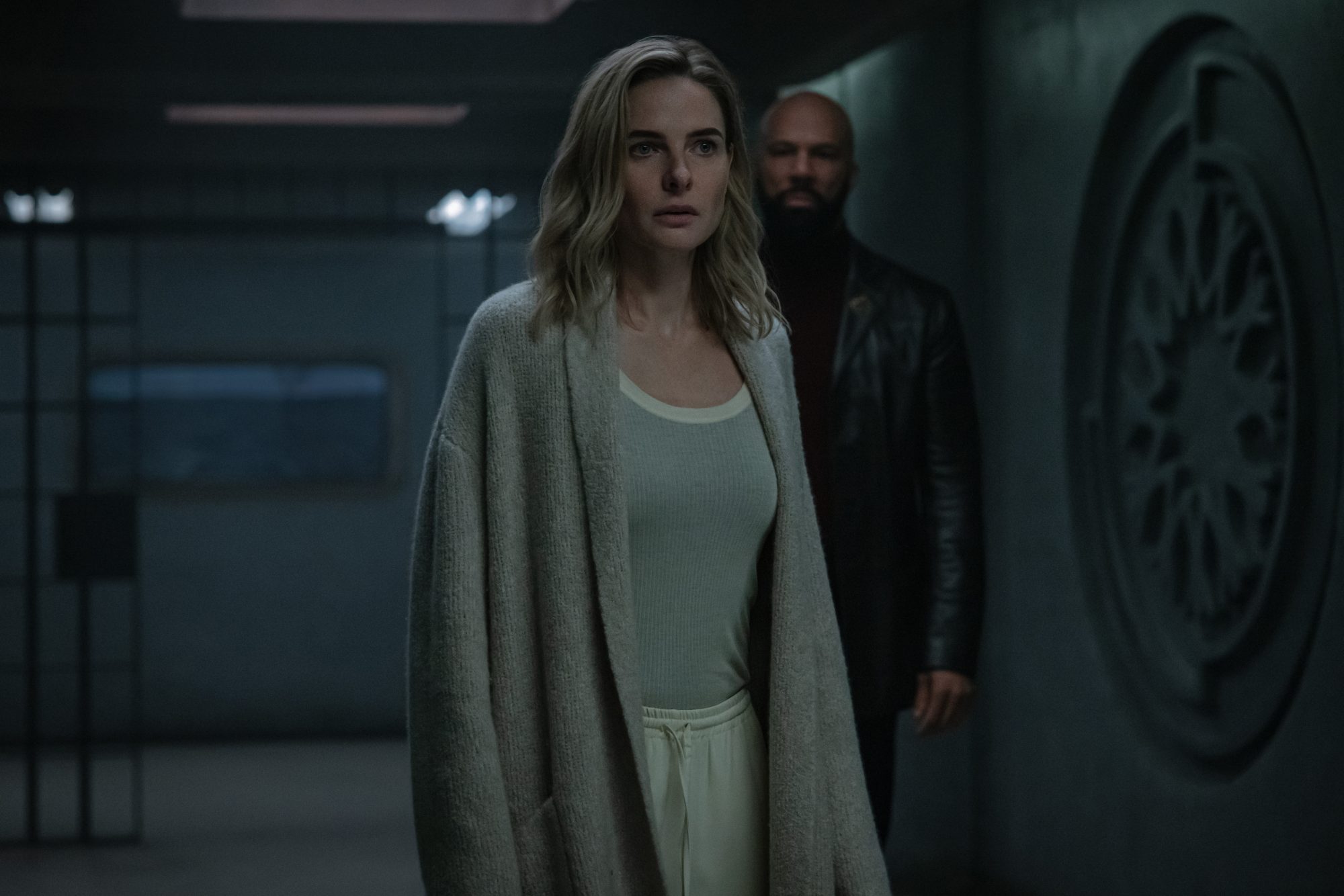
Alongside Juliette’s story in the aftermath of the rebellion, Season 3 introduces a second timeline set centuries before the events of the series, revealing how humanity came to live beneath the Earth’s surface. To discover what audiences can expect from this ambitious new chapter, Men’s Folio joined creator Graham Yost and star-executive producer Rebecca Ferguson during a global press roundtable.
For Yost, introducing an entirely new timeline was less about expanding the world than enriching it. While Hugh Howey’s second novel, Shift, largely unfolds as a prequel, the television adaptation reshapes that structure by allowing the past and present to exist side by side. “We felt that we were at the halfway point of the series,” Yost explains. “The audience needed answers.”
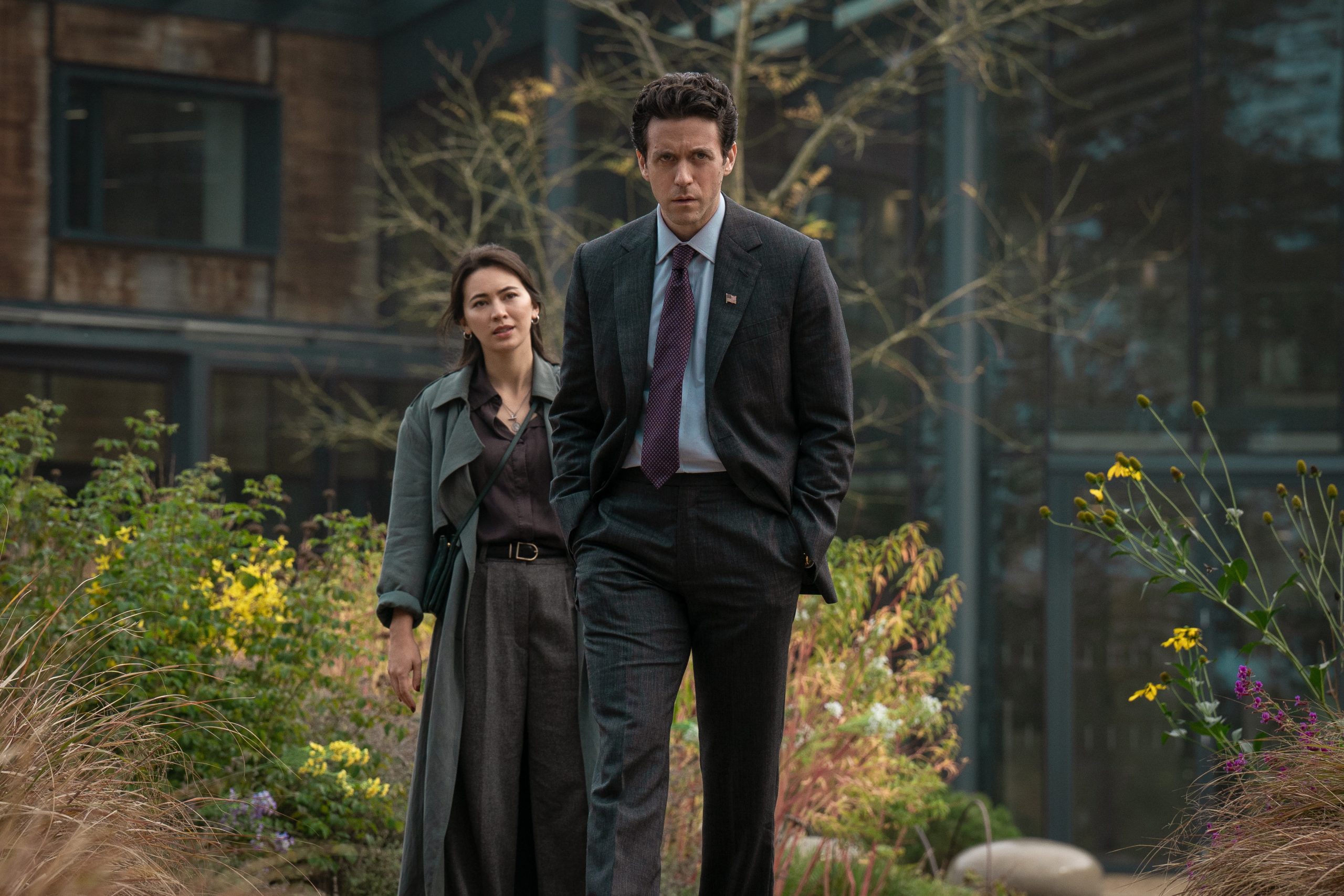
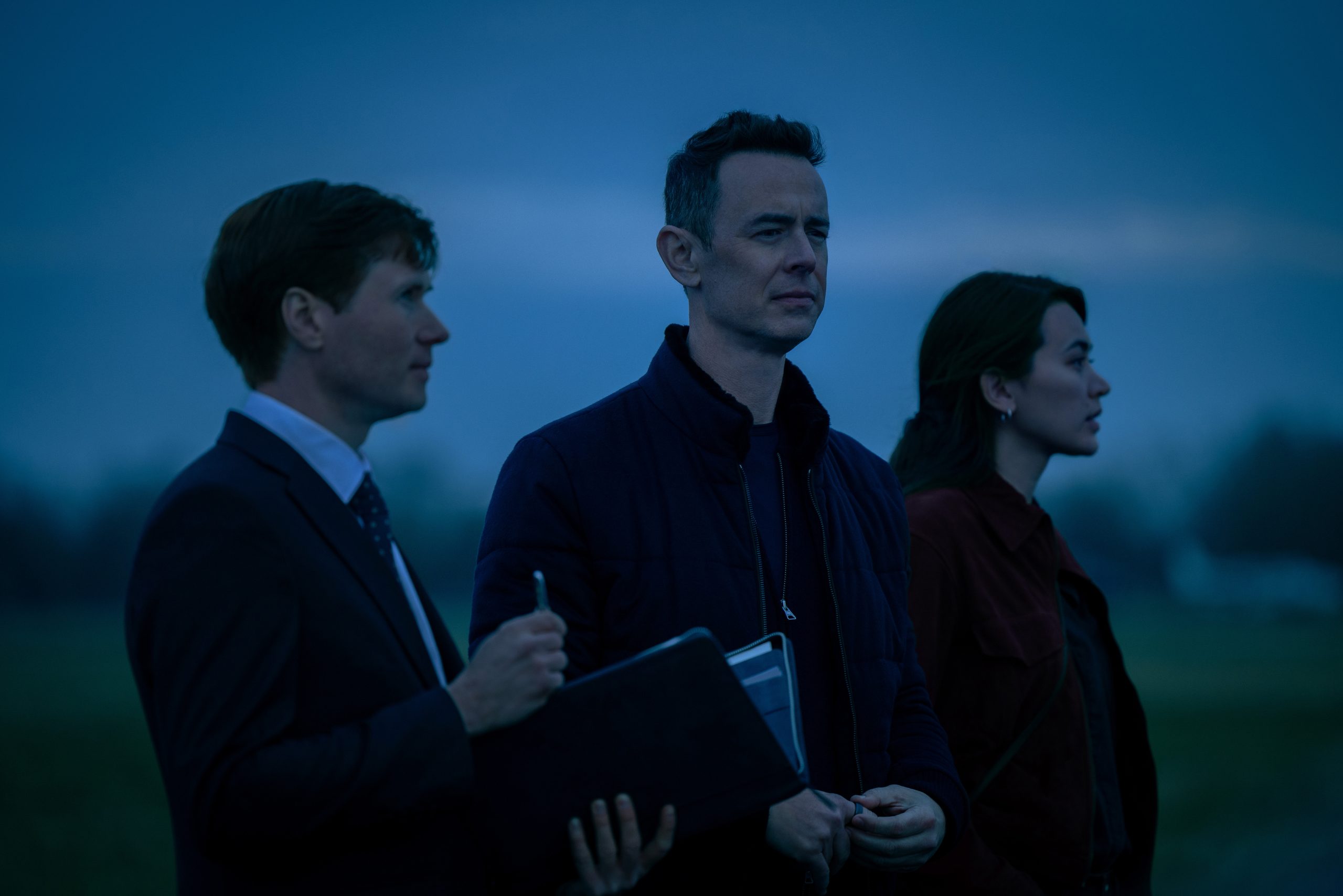
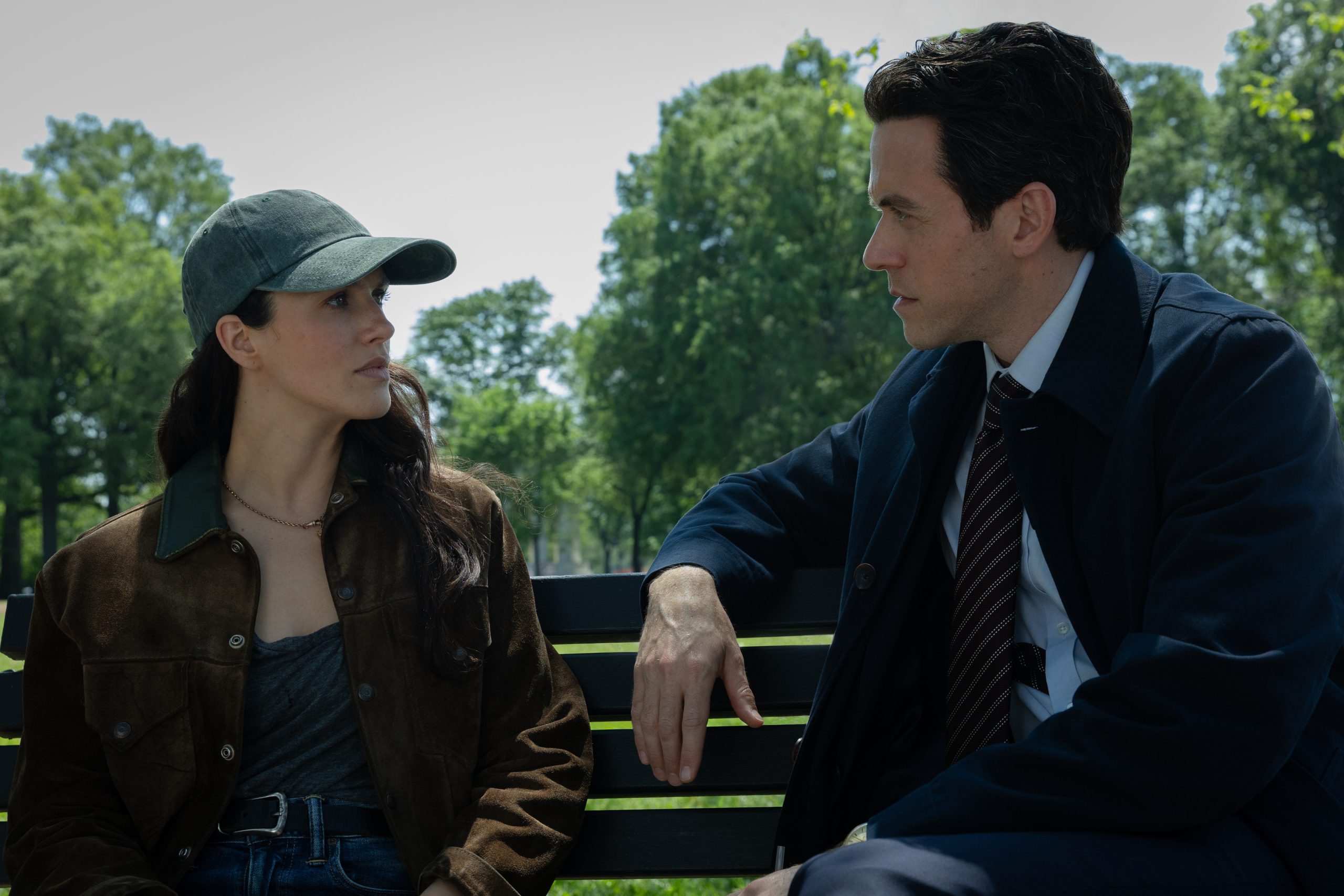
Rather than adapting the novel beat for beat, the writers reimagined its structure into something that plays equally as a political conspiracy thriller and an unexpectedly tender love story. The greater challenge, however, was ensuring both timelines strengthened one another instead of competing for attention. “We realised Juliette’s memory loss could be reflected in what Daniel’s sister, Charlotte, is going through,” Yost says. “That’s when we knew the stories were supporting each other.” If the silo’s biggest mystery has always been its origins, Season 3’s defining idea is memory. “Memory is really identity,” Yost reflects. “If someone can control your memories, they can control your sense of self.”
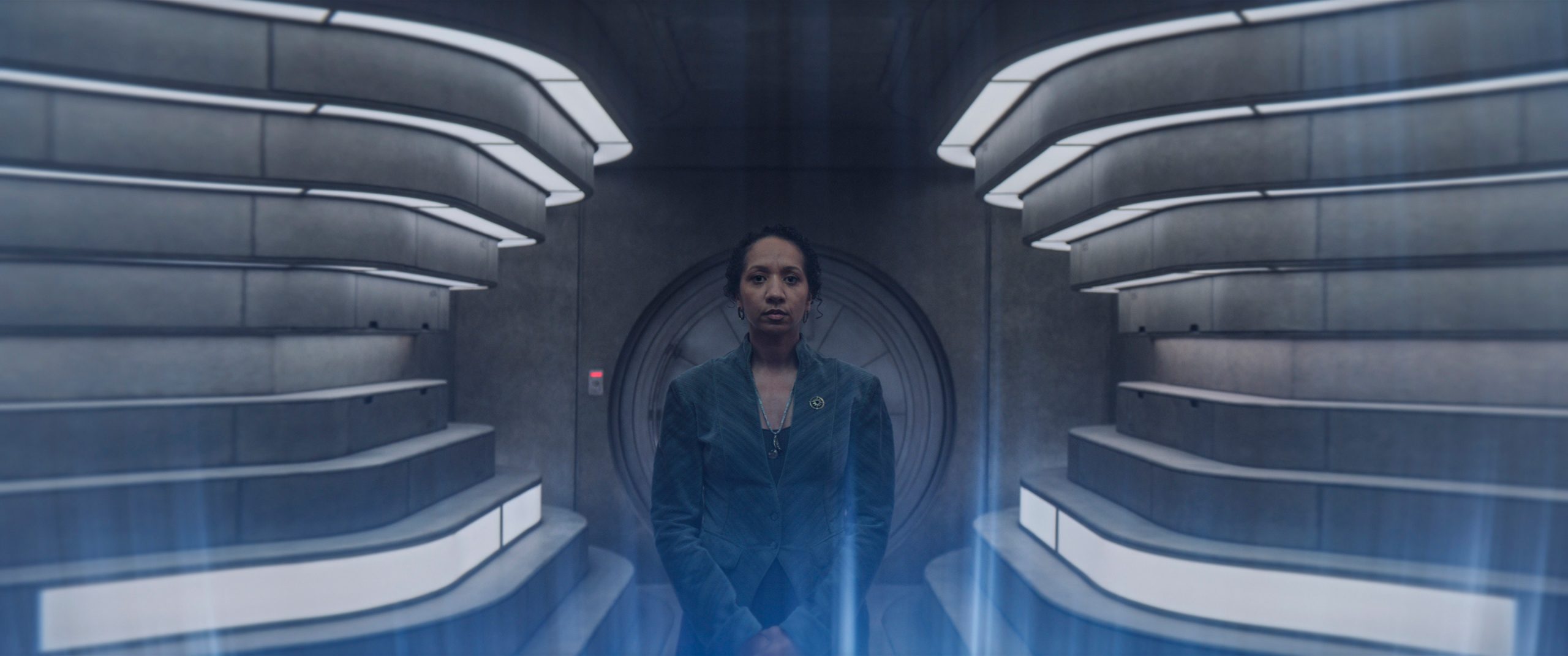
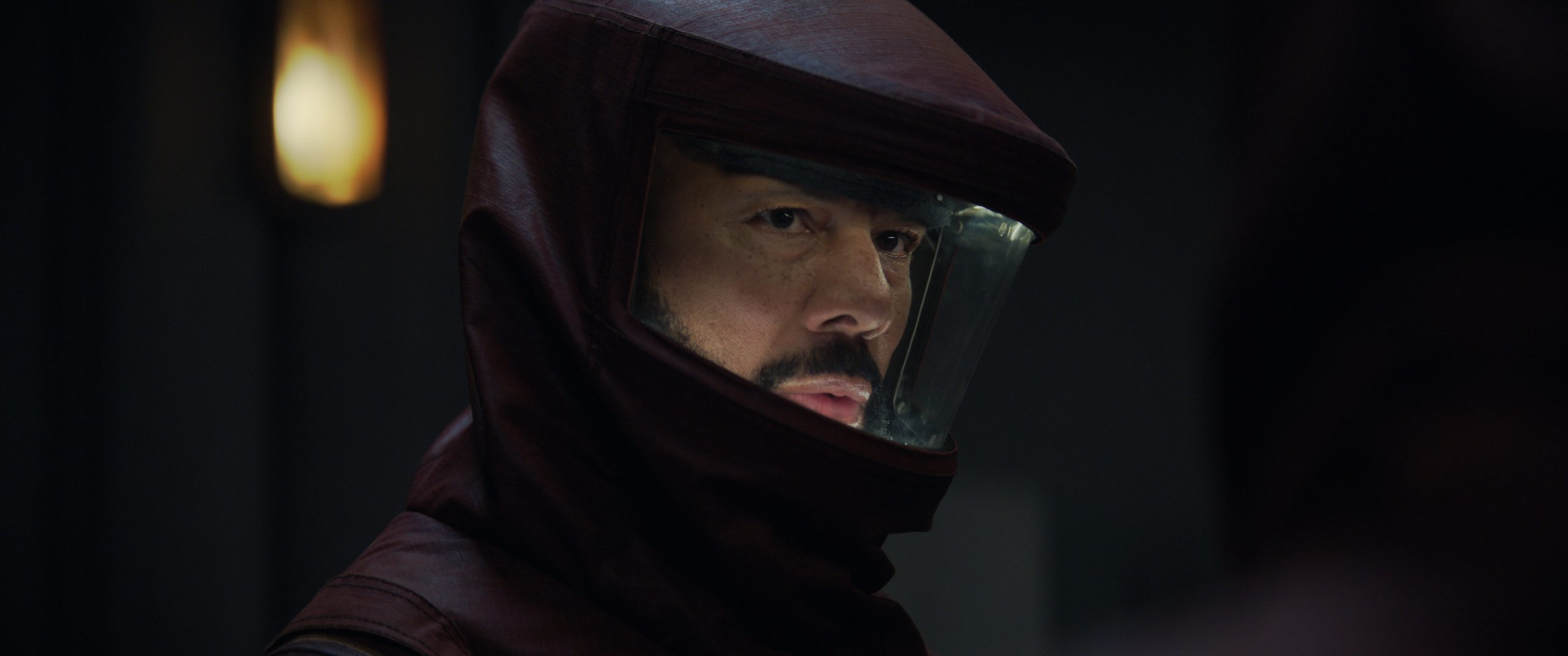
For Juliette, that idea becomes deeply personal. Having survived the events of Season 2, she returns to Silo 18 with little recollection of who she is, forcing her to rediscover not only the truth around her, but herself. For Ferguson, that meant approaching a character she has inhabited for years from an entirely different perspective. “She could fix things. Machinery, things that were broken,” Ferguson says. “But she was so broken herself. She just didn’t know how to fix herself.”
Juliette has always known how to repair machines. Repairing herself has proved far more difficult. Strip away her memories, and even that certainty disappears. For Ferguson, it meant rebuilding a familiar character from the ground up, discovering new emotional terrain without losing the essence that audiences have come to recognise.
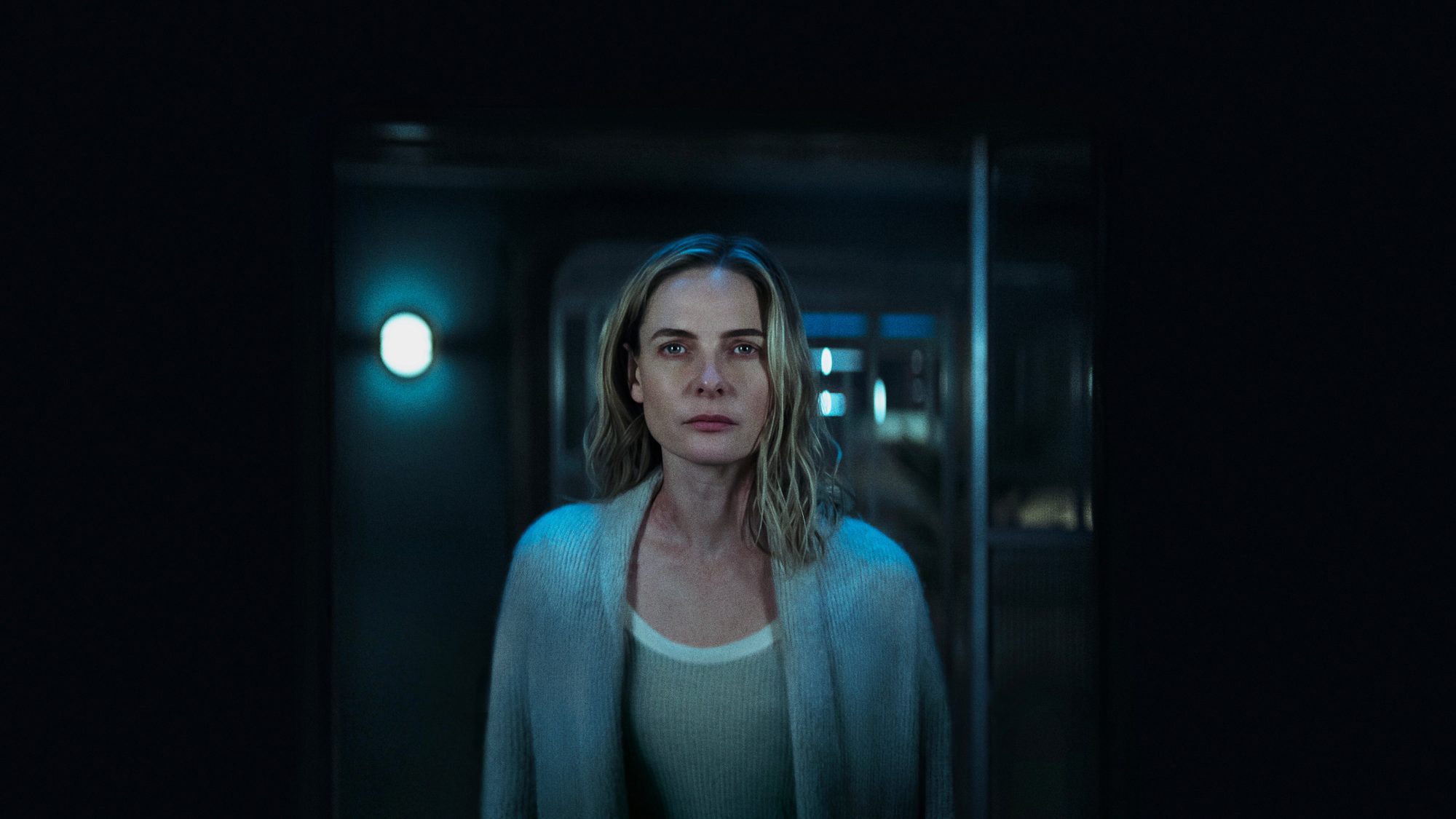
Ferguson’s contribution to Silo extends well beyond playing Juliette. Alongside starring in the series, she also serves as one of its executive producers, though she admits she initially had little idea what that actually entailed. “When Graham asked me to come on as executive producer, I had to Google what an executive producer on a TV show was,” she laughs.
What began as curiosity quickly became one of the role’s greatest rewards. Beyond performing, the position has opened the door to every corner of the production, from Apple’s creative discussions to the writers’ room itself. “It has given me access to the fundamental rooms and cogwheels that go into making a show like this,” she says. “I get to learn the workings around a big show like this, and that has been amazing.” That same collaborative spirit extended well beyond the writers’ room.
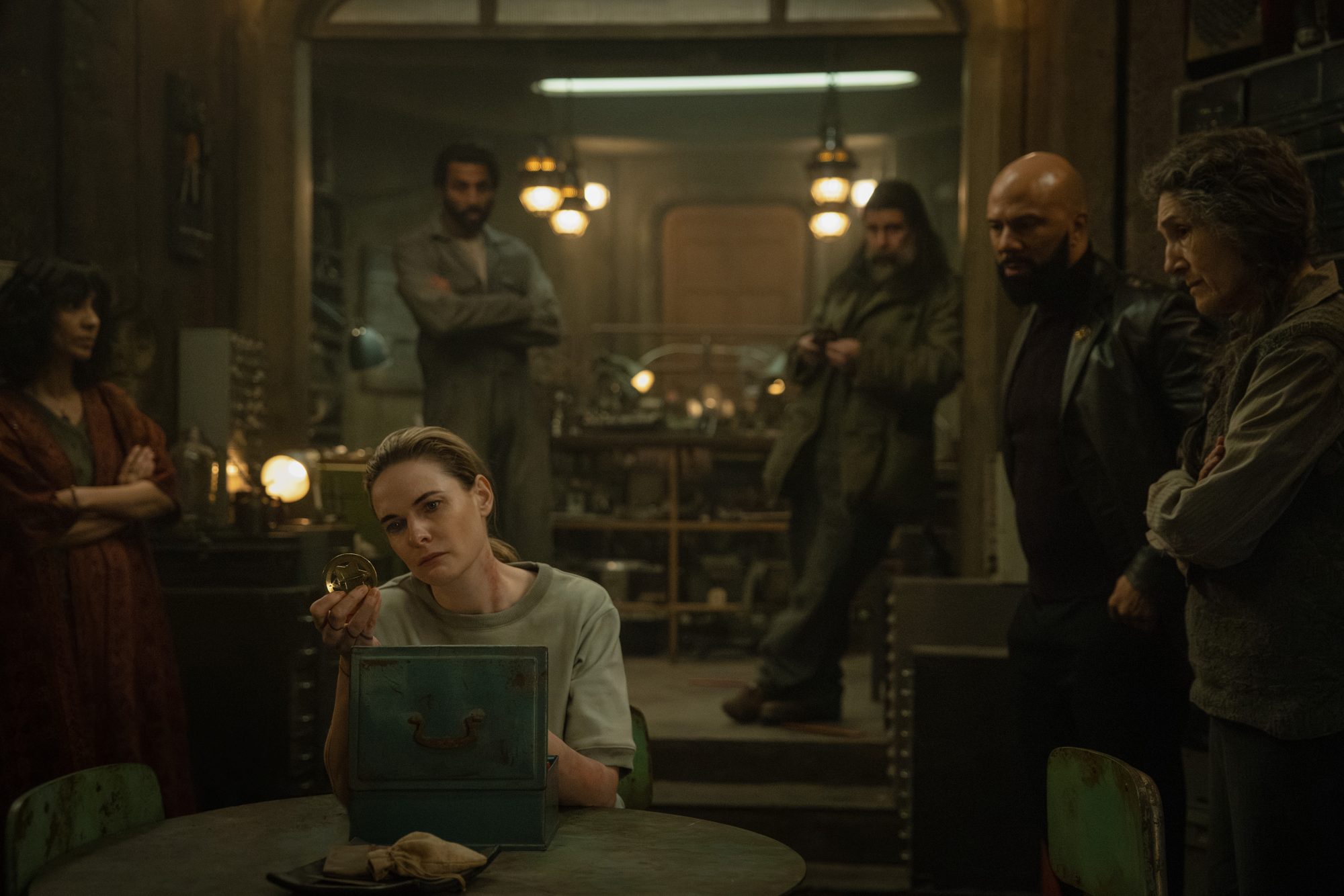
Forget the image of actors disappearing into luxury trailers between takes. Ferguson remembers Silo rather differently. Cast and crew gravitated towards a communal lunch area centred around shared tables, string lights and even an olive tree that became the heart of the set. “It sounds silly, but a lot of movie sets can be very isolating,” she says. “Silo wasn’t like that. We ate together, we shared feelings together, we cried together, we laughed together. This set was a family.”
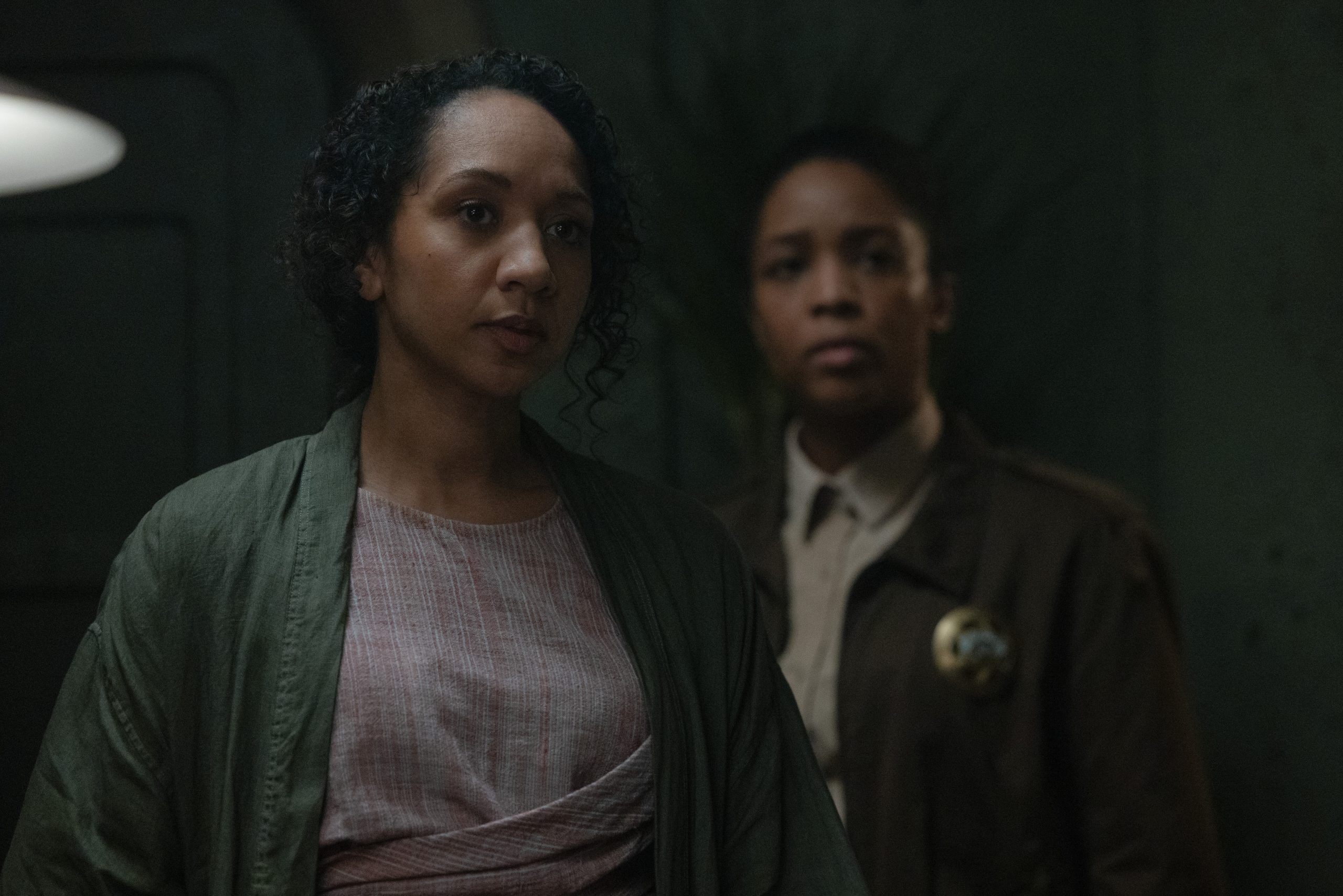
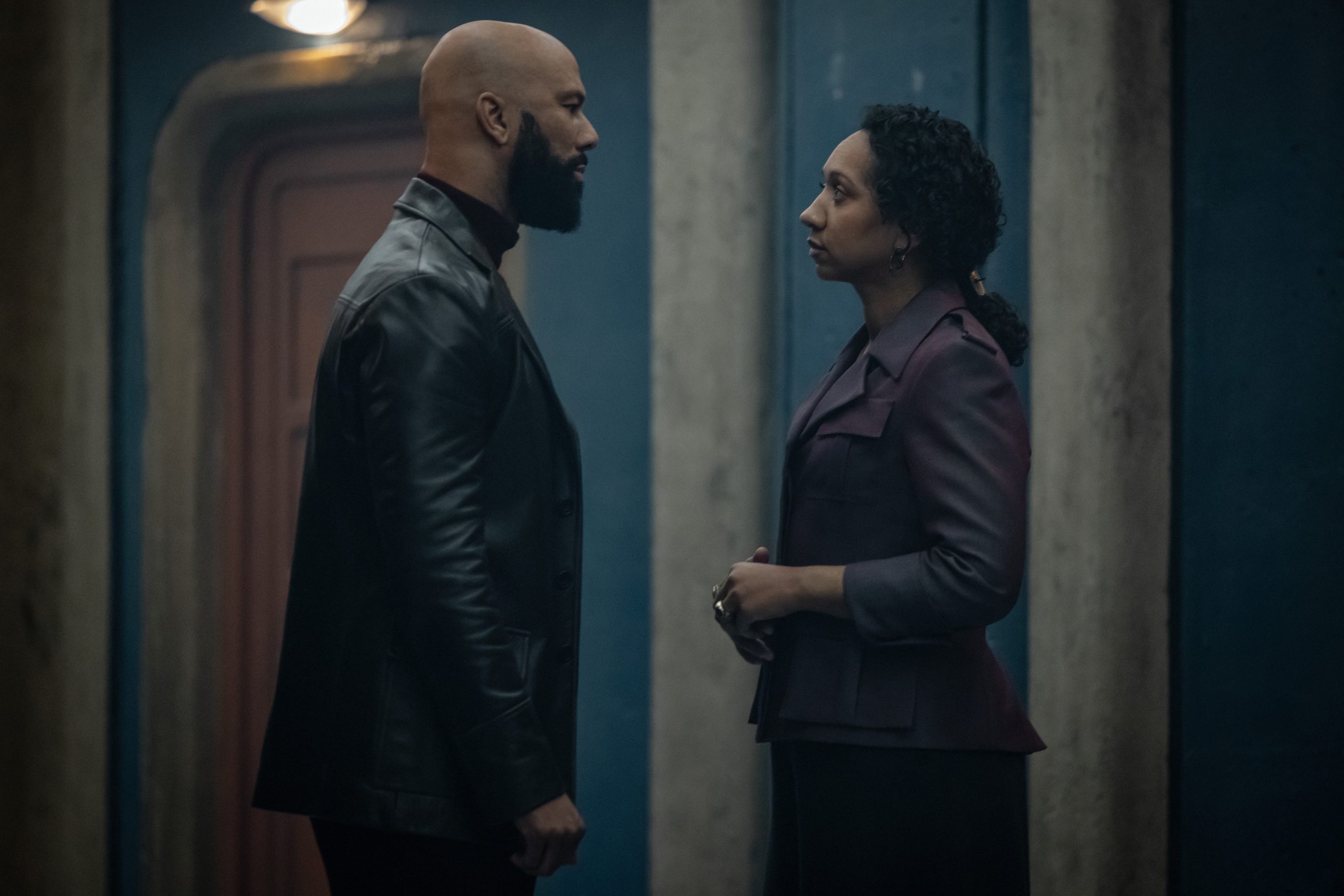
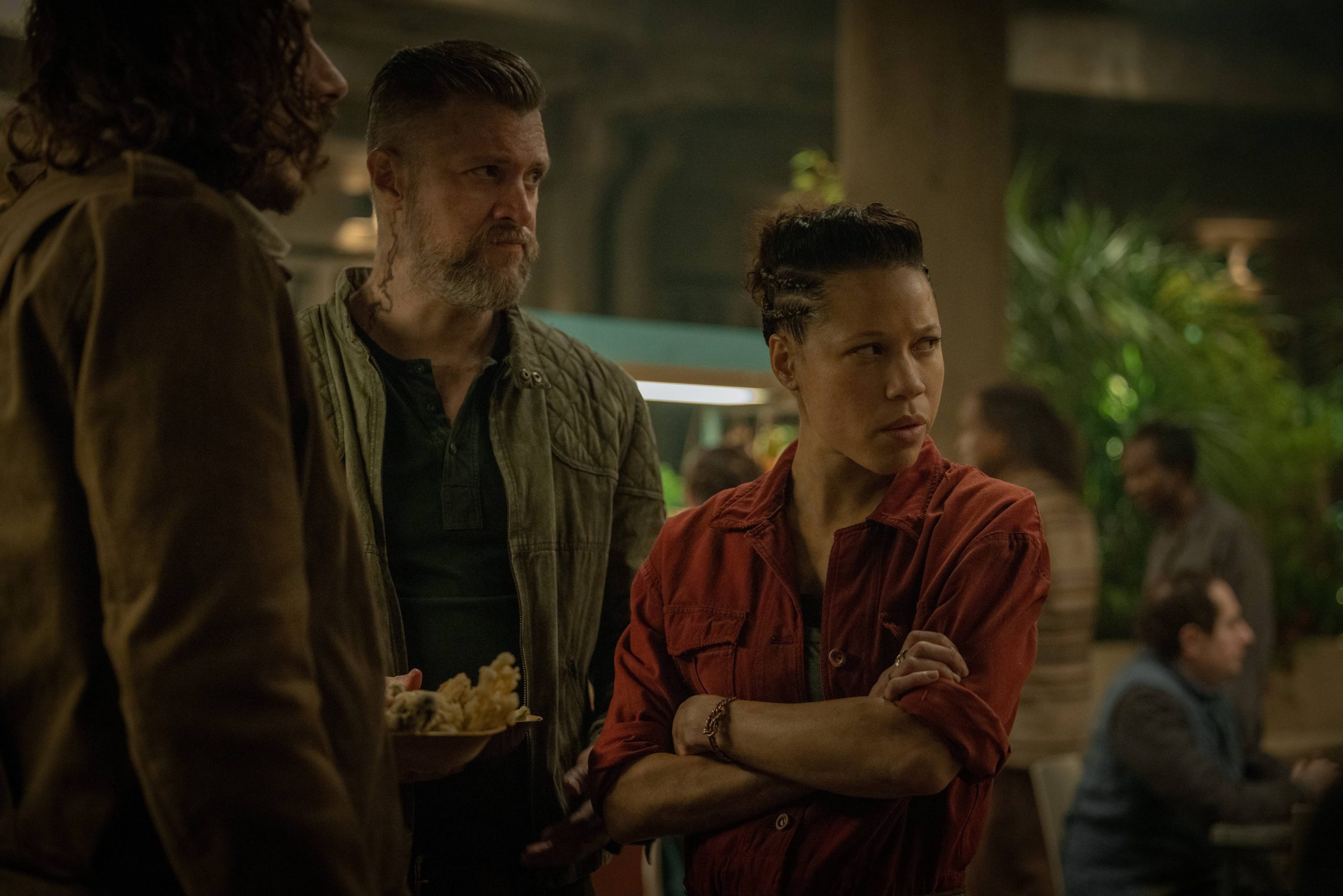
There is an irony to Silo. It is a series built on secrecy, surveillance and suspicion, yet the people behind it speak most fondly about openness, trust and collaboration. Perhaps that is why, even as Season 3 broadens its mythology and begins answering some of its biggest questions, it never loses sight of the people at its centre. Long before Silo became a story about what happened to the world, it was always a story about what people choose to hold on to when everything else is taken away.
The third season of Silo premieres on Apple TV on 3 July, with new episodes streaming every Friday through 4 September.
Once you are done with this story, click here to catch up with our latest issue.