There was a time when scrolling through Kuala Lumpur’s creative girls almost always meant seeing Ghostboy designs somewhere in the frame. Fold-over waist shorts from CS24 Devotion, hooded tanks from FW24 SINK, and strappy bikinis detailed with beads became defining pieces of the city’s rave scene and after-hours dressing.
As that scene matured, so did the brand. What began as clothing for nightlife has since expanded into a label that now considers how those same girls dress beyond the night and Kuala Lumpur itself.
Founded in 2020 by model Cyii Cheng and designer Han David, Ghostboy began as a way to address the gap they witnessed in the Malaysian fashion landscape: playful and visibly sexy clothes that were grounded in a local point of view, while still possessing a global edge.
From its first collection, the brand leaned into experimentation. Deconstructed silhouettes, bold prints, and irregular shapes formed its early language, and continue to define it today. Cyii Cheng, who often fronted the collections, helped develop a strong visual identity from the start. In the Spring/Summer 2021 debut, she appeared with blue-dyed wolf cut hair, setting a clear tone for a brand built on difference.
View this post on Instagram
Six years and going, Ghostboy has moved beyond its original scene. From a niche following among Kuala Lumpur’s party girls, it has since grown into a label that dresses different parts of their lives and carried by stockists across the world, including the United States, Australia, and the United Kingdom.
As Ghostboy enters its next chapter, Men’s Folio speaks to Cyii Cheng and Han David about the brand’s evolution and its international expansion.
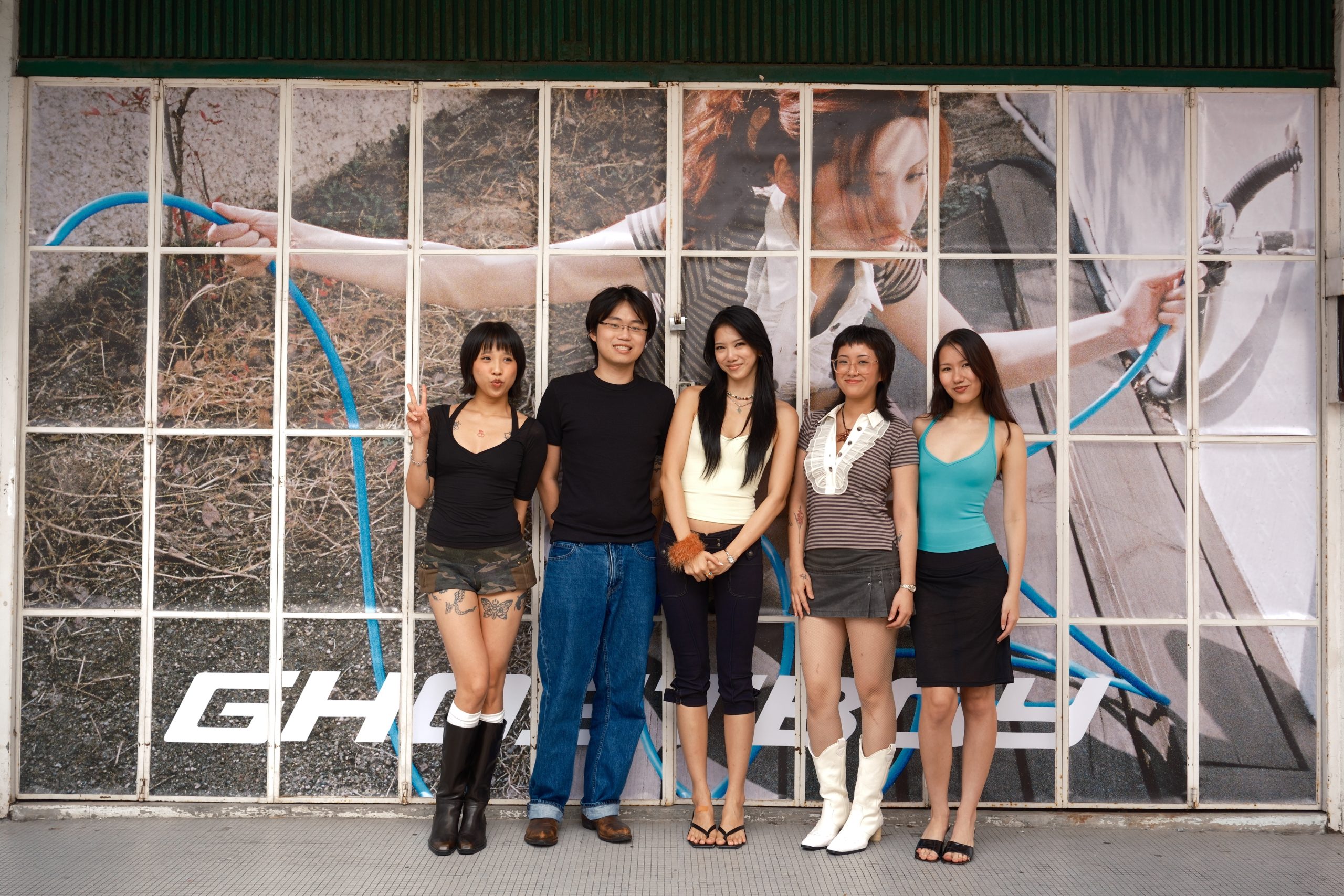
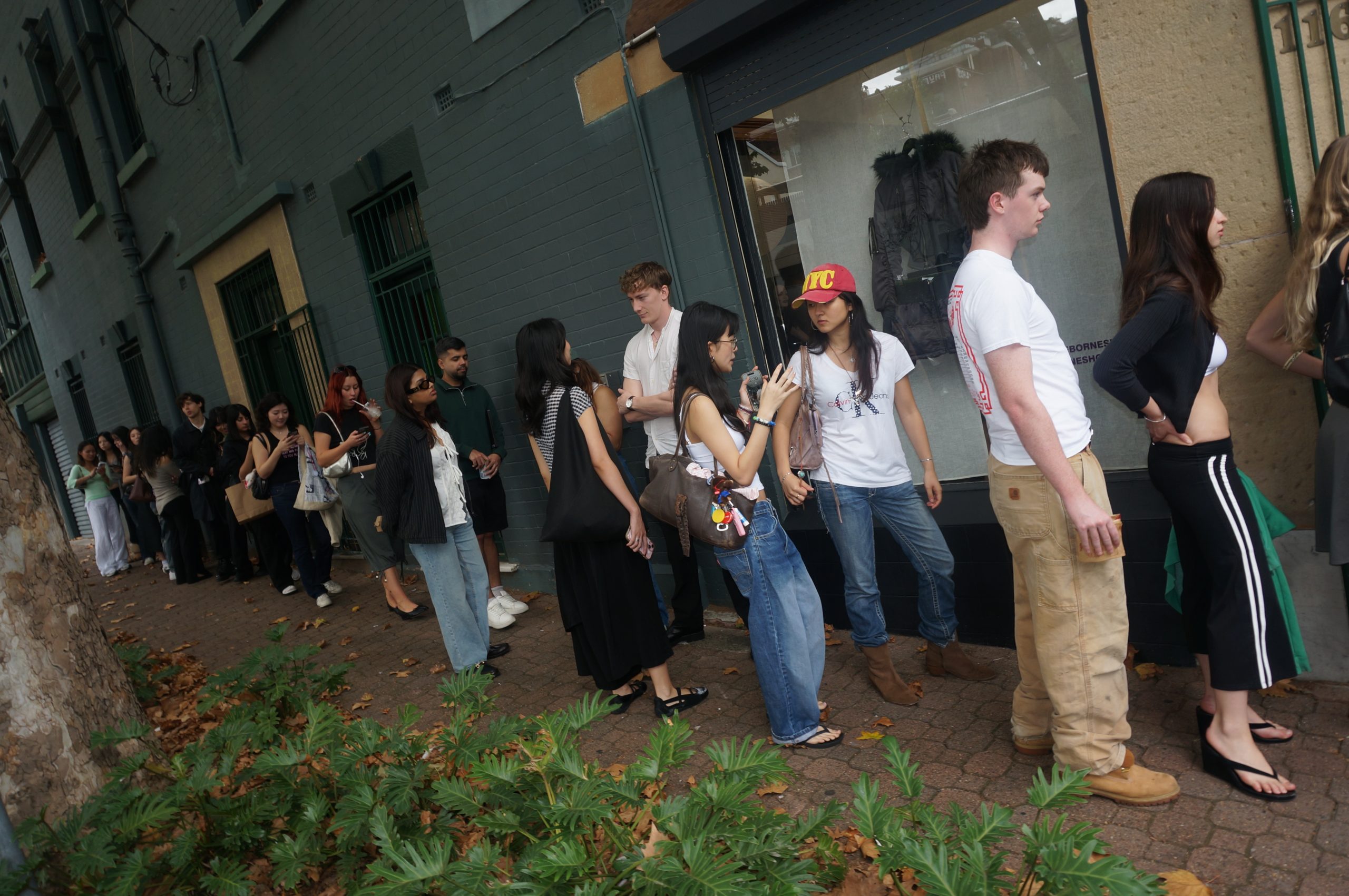
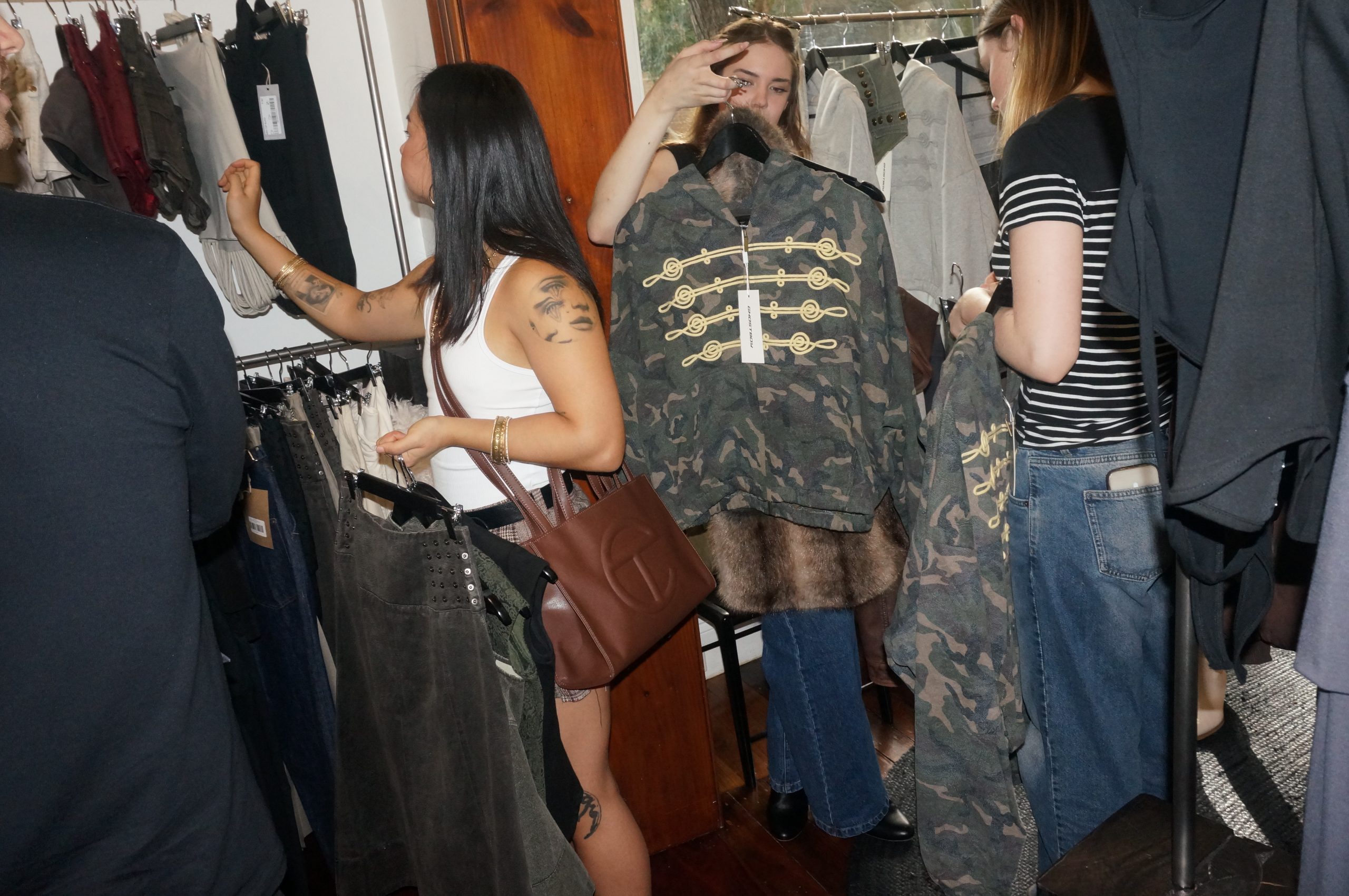
Ghostboy emerged from a very specific corner of Kuala Lumpur’s nightlife scene. In its early years, the brand became closely associated with rave gear and party dressing. Did you always see value in building from a subculture rather than pursuing broader commercial appeal from the beginning?
CYII CHENG: We’ve heard this a lot, from so many people. Someone even said it today — our electrician: “Your brand must be very niche in Malaysia.” And that’s true.
From the start, we were more interested in building a strong point of view than trying to appeal to everyone immediately. We could’ve softened the brand or made it more commercially digestible early on, but we would’ve lost the identity that made it exciting in the first place.
But we never saw it as a limitation. From the beginning, the priority was always having a strong point of view rather than trying to appeal to everyone at once. We could’ve made it more commercially safe early on, but that would’ve diluted what made it interesting for us.
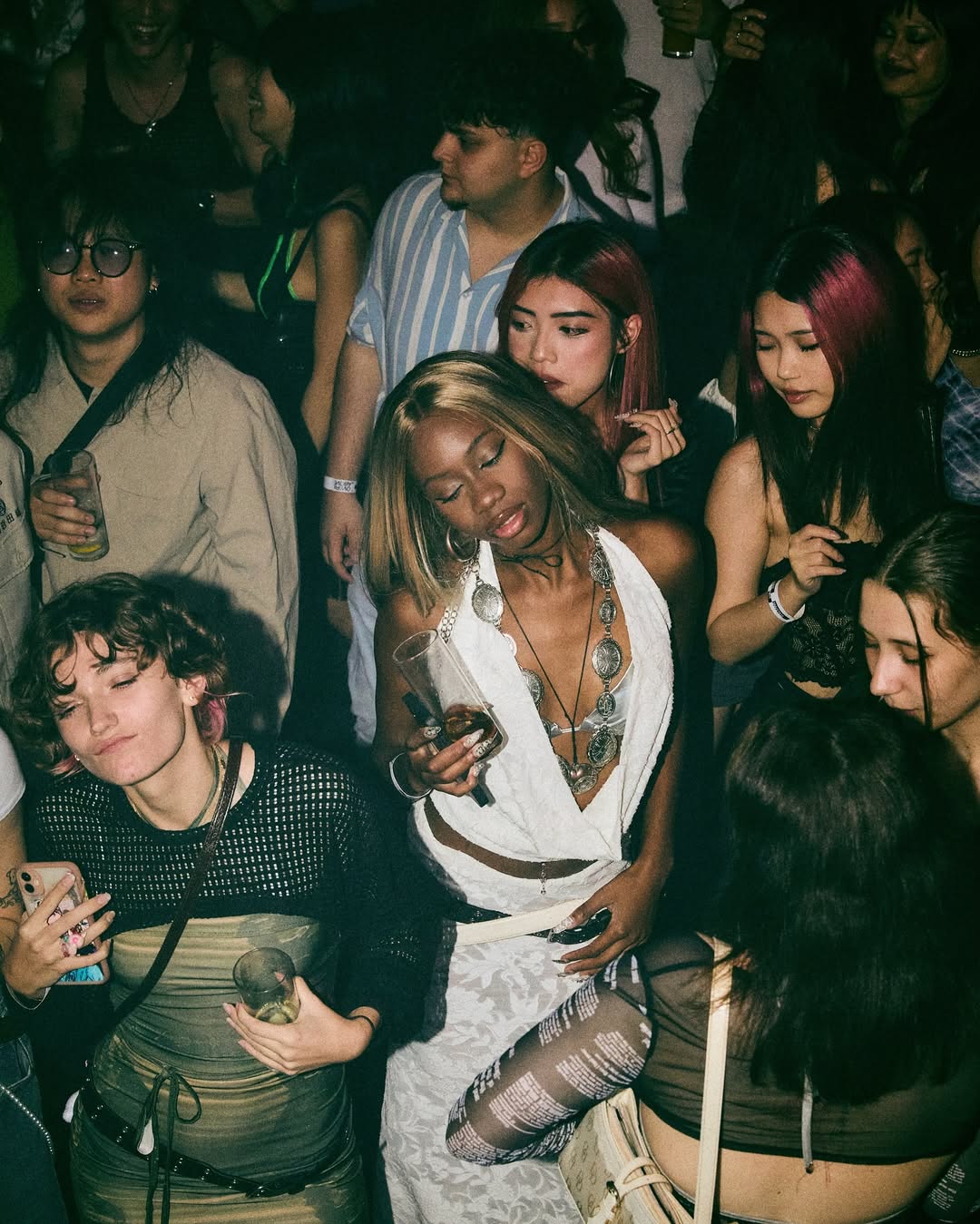
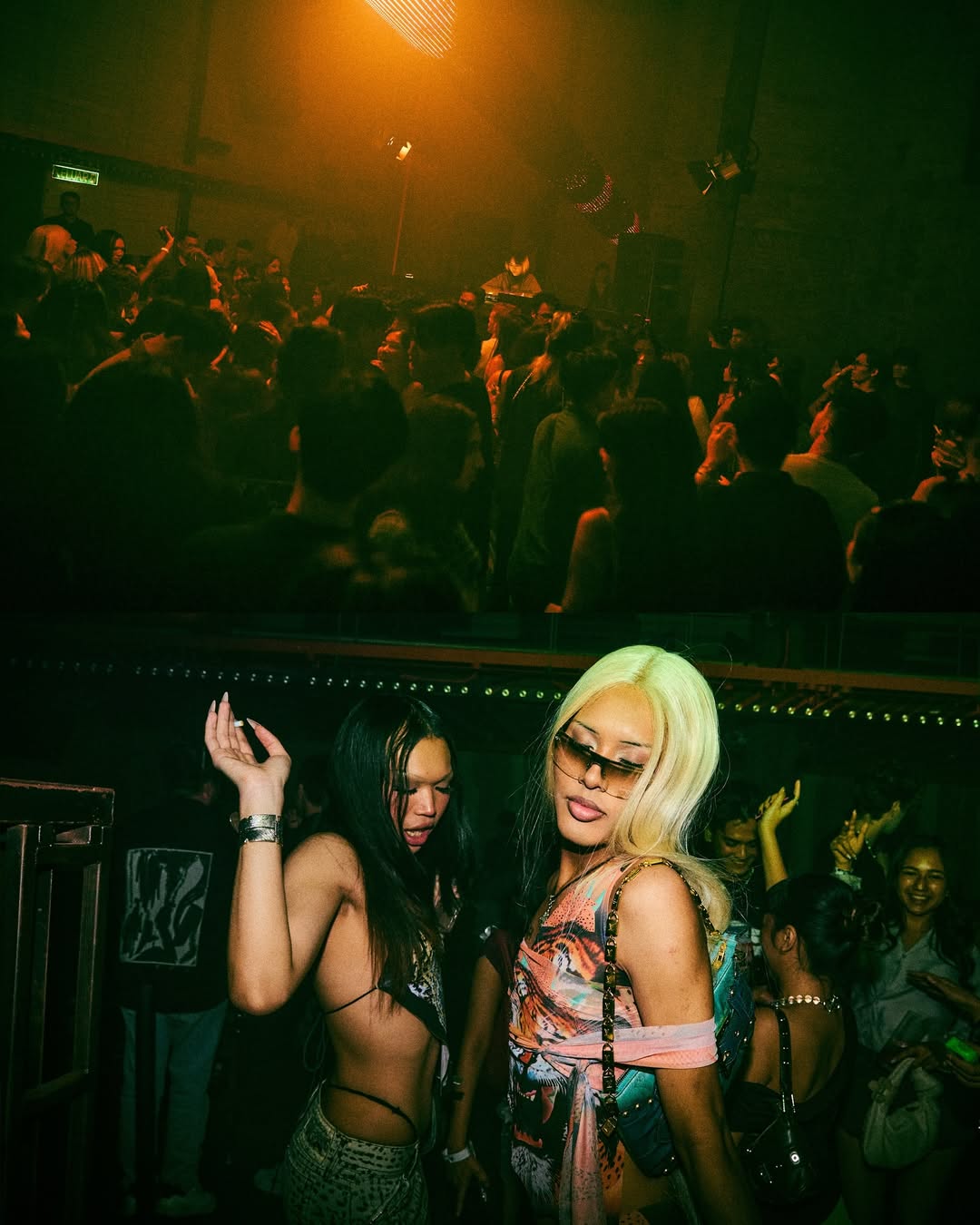
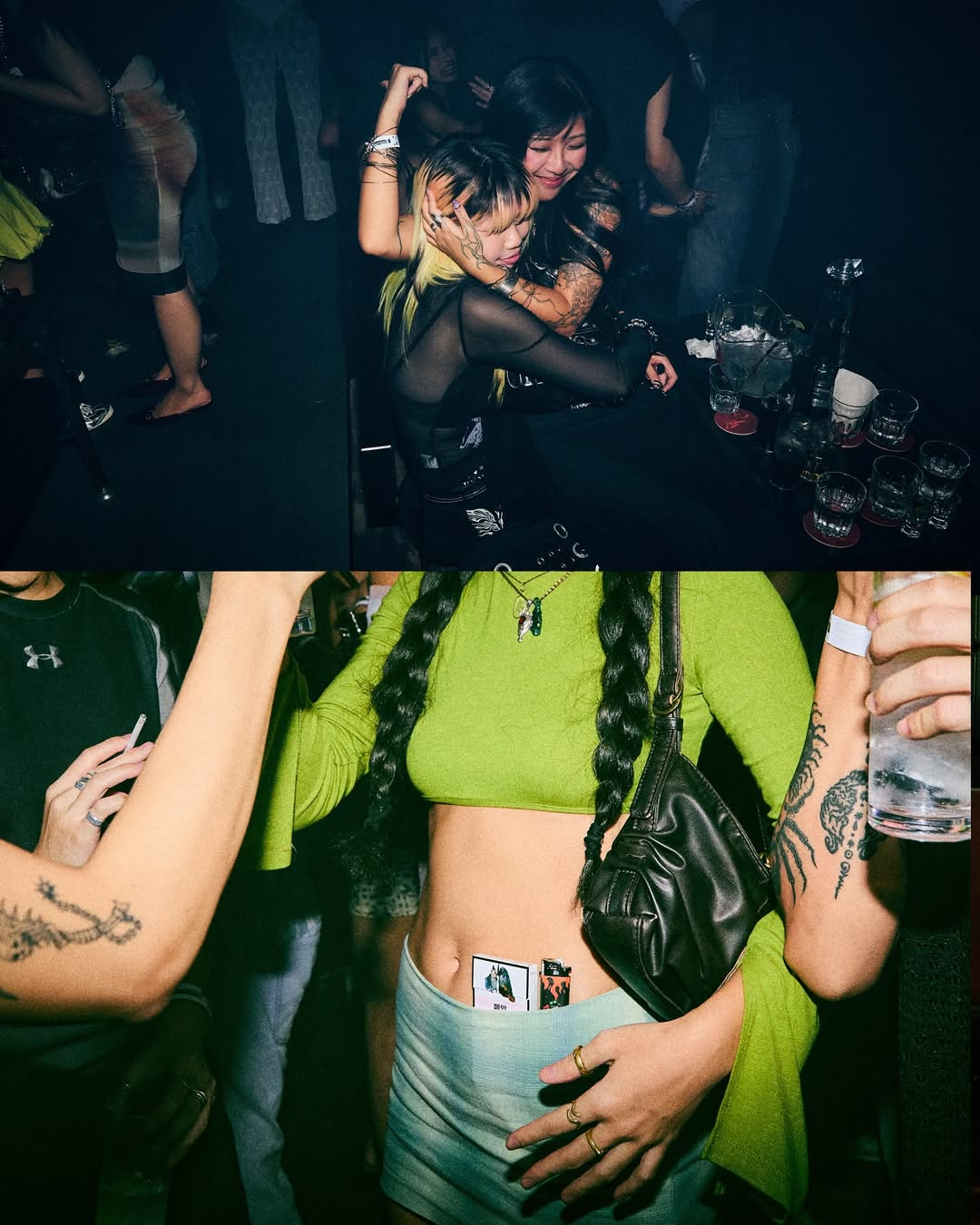
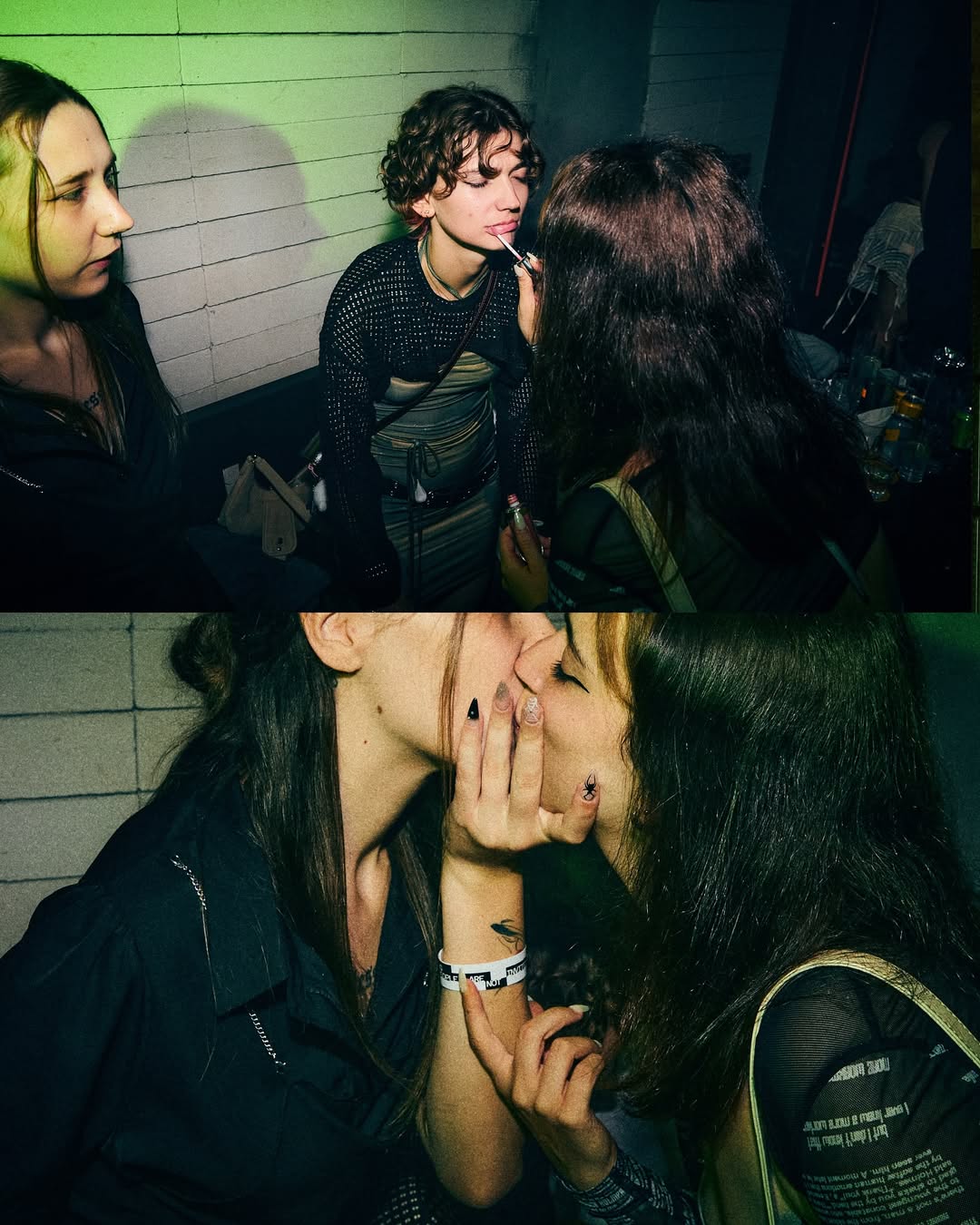
HAN DAVID: Even in the beginning, Cyii Cheng and I never really thought of Ghostboy as just “party clothes.” We were thinking more about how girls in Kuala Lumpur wanted to express themselves. What colours they wanted to wear. What silhouettes made them feel louder or softer. What kind of clothing would actually give people here something different to choose from.
So it was always self-expression first. Nightlife was just where it happened to show up.
The brand has clearly moved beyond that original scene. How has Ghostboy evolved with its audience?
HD: A good brand would naturally evolve with the people wearing it. At the beginning, we were designing directly from nightlife because that reflected our lives at the time.
But as the audience grew, we started asking a different question. What does the Ghostboy girl wear during the day? What pieces does she return to? How do these clothes move across different parts of her life?
CC: That shift pushed us toward longevity, designing pieces that last beyond a single context.
At what point did you think about scaling the business internationally?
HD: Quite early. In our upcycling days, a large portion of our customers were already from Singapore. Over time, we started seeing the US and Australia come in through Instagram.
The internet changed our understanding of what “niche” means. In Malaysia, maybe the audience felt small, but internationally there were already people who understood the language of the brand immediately.
In the bigger picture, the niche isn’t really that niche at all.
View this post on Instagram
Social media clearly accelerated that growth. What have you learned about building a fashion brand online?
CC: There was never a fixed strategy. It was more trial and error, putting things out and seeing what people respond to emotionally.
Over time, you’ll start noticing patterns in how people enter the brand. For us, tutorial content worked earlier than expected. Styling videos and multiple ways to wear a piece gave people a direct entry point. Campaigns, on the other hand, are more atmospheric. They are meant to create curiosity rather than explain everything.
Is there something audiences respond to more now, or reject quickly?
View this post on Instagram
CC: People can tell when something feels over-engineered. There is a strong sensitivity to brands trying too hard to appear authentic.
We try to keep things open. Showing fittings, sharing references, posting things that feel personal. That transparency builds trust.
Community is a major focus in fashion right now. How was that formed at Ghostboy?
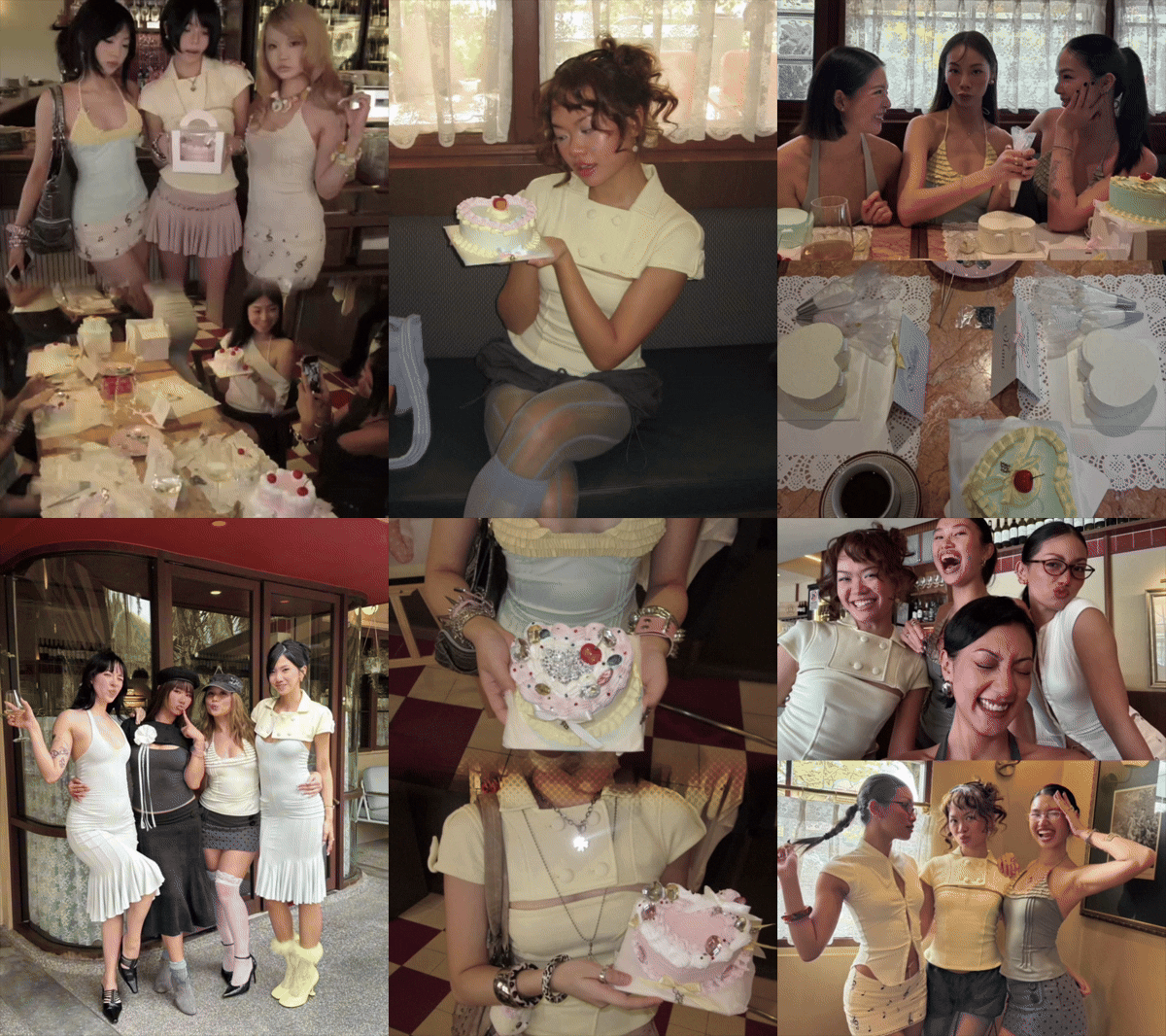
CC: In hindsight, it has been important, but it was never intentional for us in a strategic way. We never said, “We are building community.”
We threw parties because we wanted to dance. We worked with people because we liked what they were doing. It formed through shared interest.
HD: At the end of the day, we are still a clothing brand. The strongest communities form when people connect with the clothes first.
The “cool girl” archetype has shifted a lot over the last few years. Has that changed the way you approach silhouette or styling?
CC: The “cool girl” has always been unstable. It changes depending on the cultural moment and who is being projected onto it.
We try not to design around rigid archetypes because they become restrictive very quickly. We’re more interested in creating clothes that different personalities can project themselves onto.
Confidence is usually what makes someone a “cool girl”, not whether they fit neatly into one aesthetic category.
A lot of fashion brands today rely heavily on nostalgia, and ideas of originality feel increasingly blurred. How do you both approach fashion references now?
HD: I think we subconsciously reference historical fashion all the time. At this point, the idea of something being completely original feels very blurry anyway. Our recent Spring/Summer collection, for example, drew from post-war 1950s dressing.


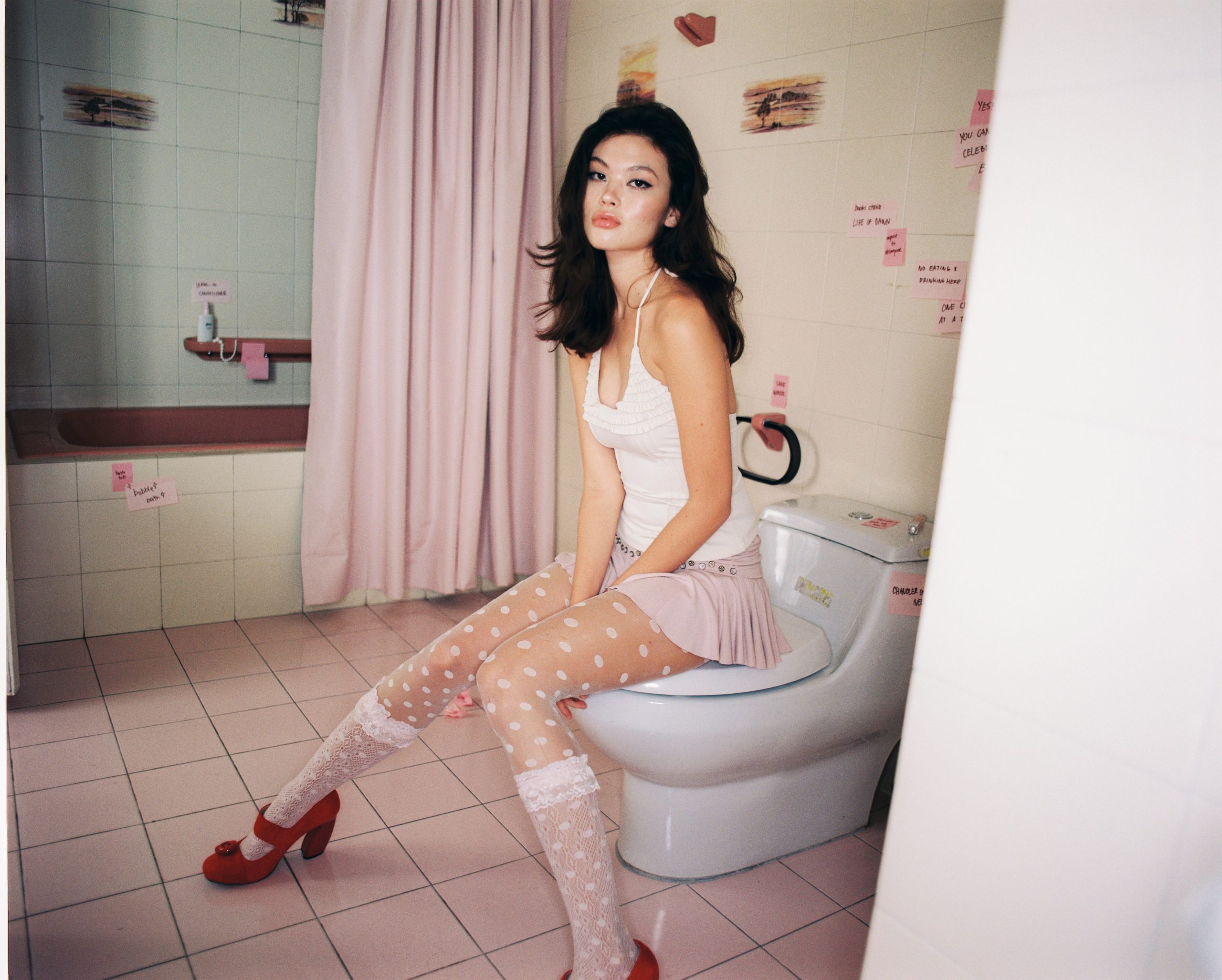
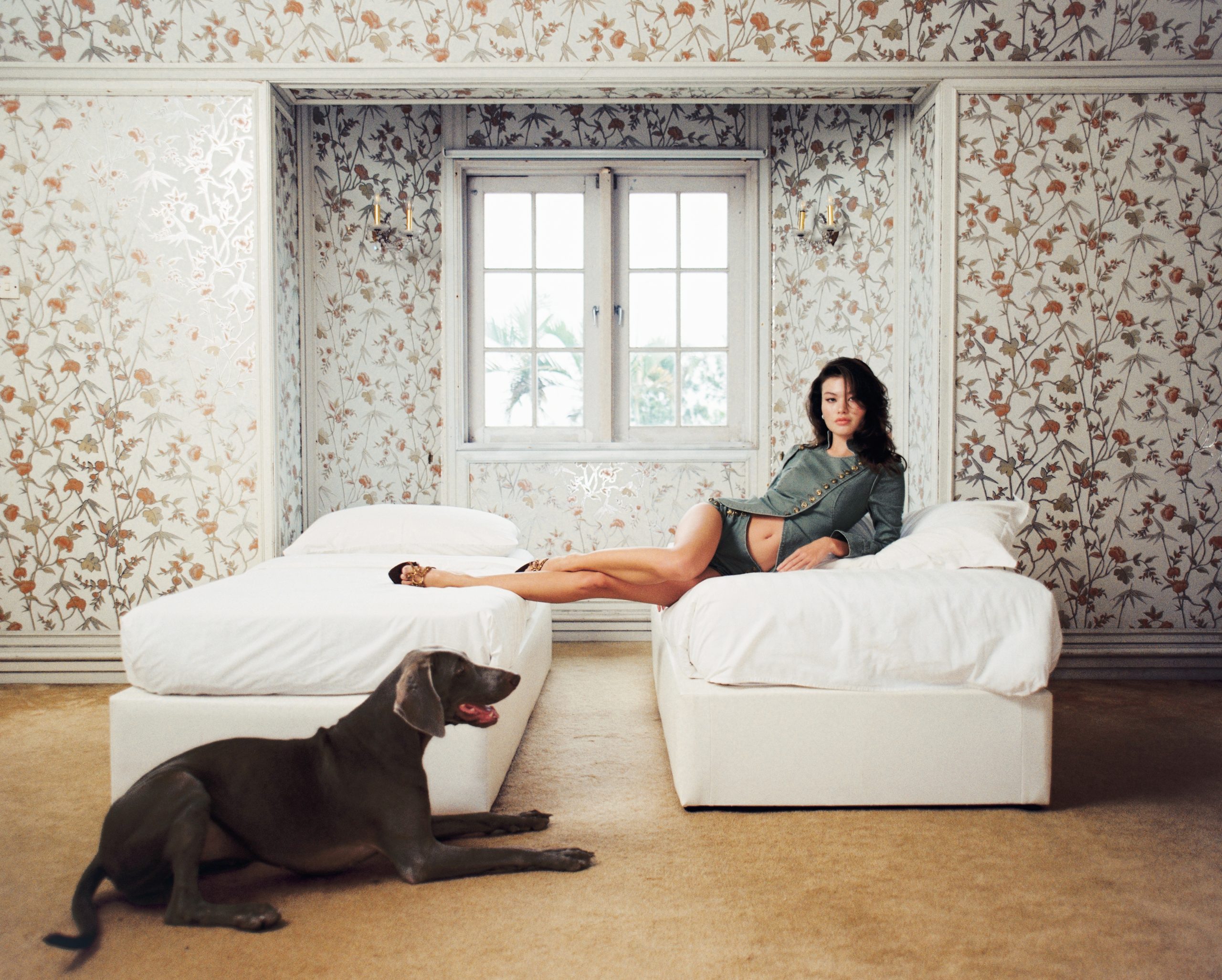
CC: Growing up online also changes your relationship to nostalgia. The internet compresses time completely. Someone can discover an archival runway image, a Tumblr post from 2014, and a paparazzi photo from 2003 all within the same scroll.
So instead of recreating a specific era literally, we’re more interested in taking emotional qualities from different references and making them feel contemporary again.
What excites you about the Malaysian fashion landscape right now?
CC: There’s a lot of creativity here right now. We’ve grown alongside many of our peers, including our friend Caro Chia, and it’s been rewarding watching everyone evolve at the same time. We’re also excited to see what younger designers like Uzair Shoid continue developing.
HD: I think Malaysian fashion becomes strongest when it leans into its own identity instead of trying to imitate larger fashion cities.
At the same time, what do you think the local industry still lacks structurally?
View this post on Instagram
HD: The creative talent absolutely exists here. What’s missing is stronger technical infrastructure.
There’s a shortage of skilled pattern cutters, sample machinists, and textile specialists — these are the roles that sustain a fashion industry long-term. Countries with stronger manufacturing ecosystems usually have a deeper relationship between design education and technical craftsmanship.
CC: Without that foundation, it becomes much harder for independent brands to scale sustainably while maintaining quality.
What defines this current chapter of Ghostboy creatively?
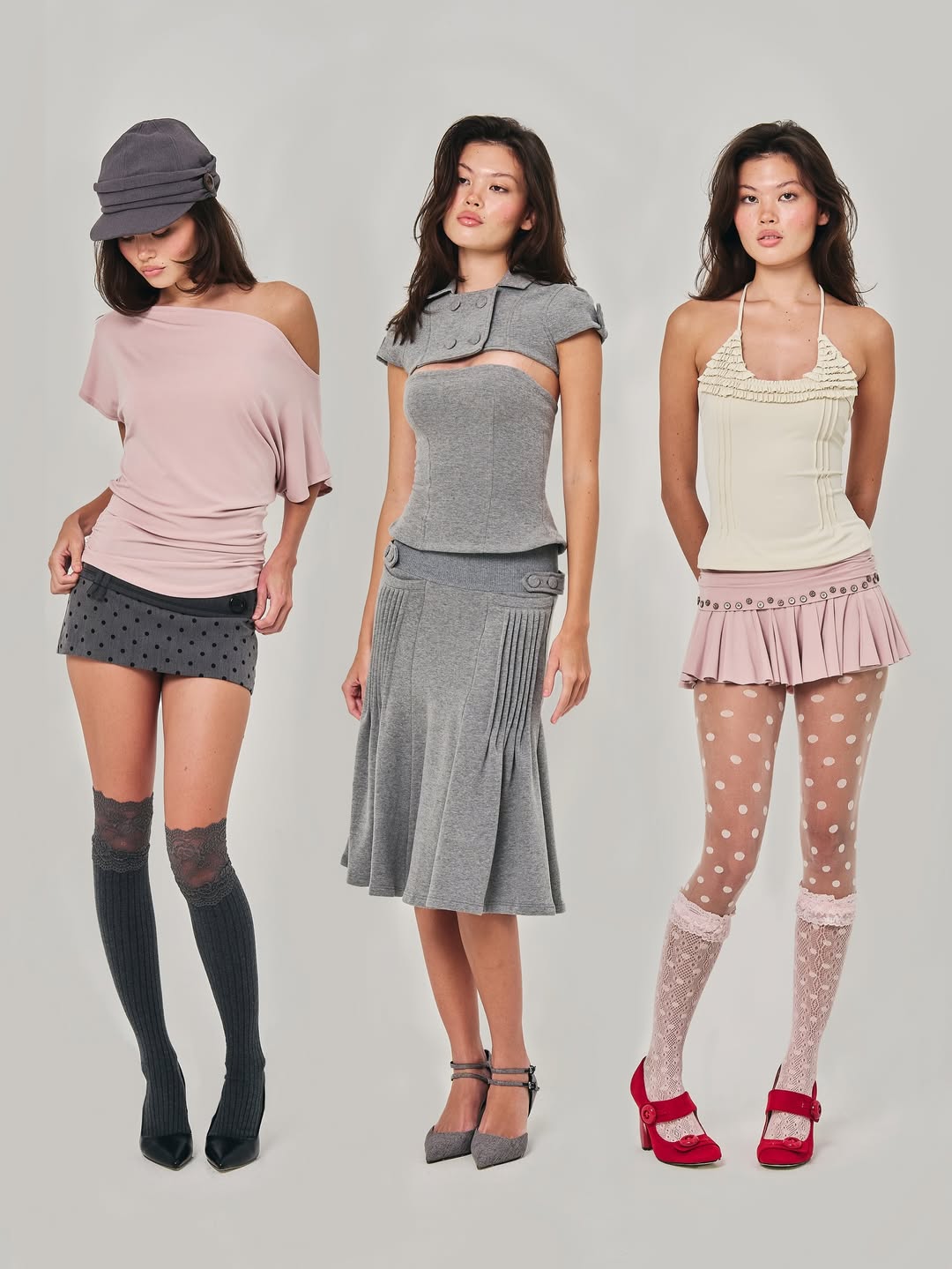
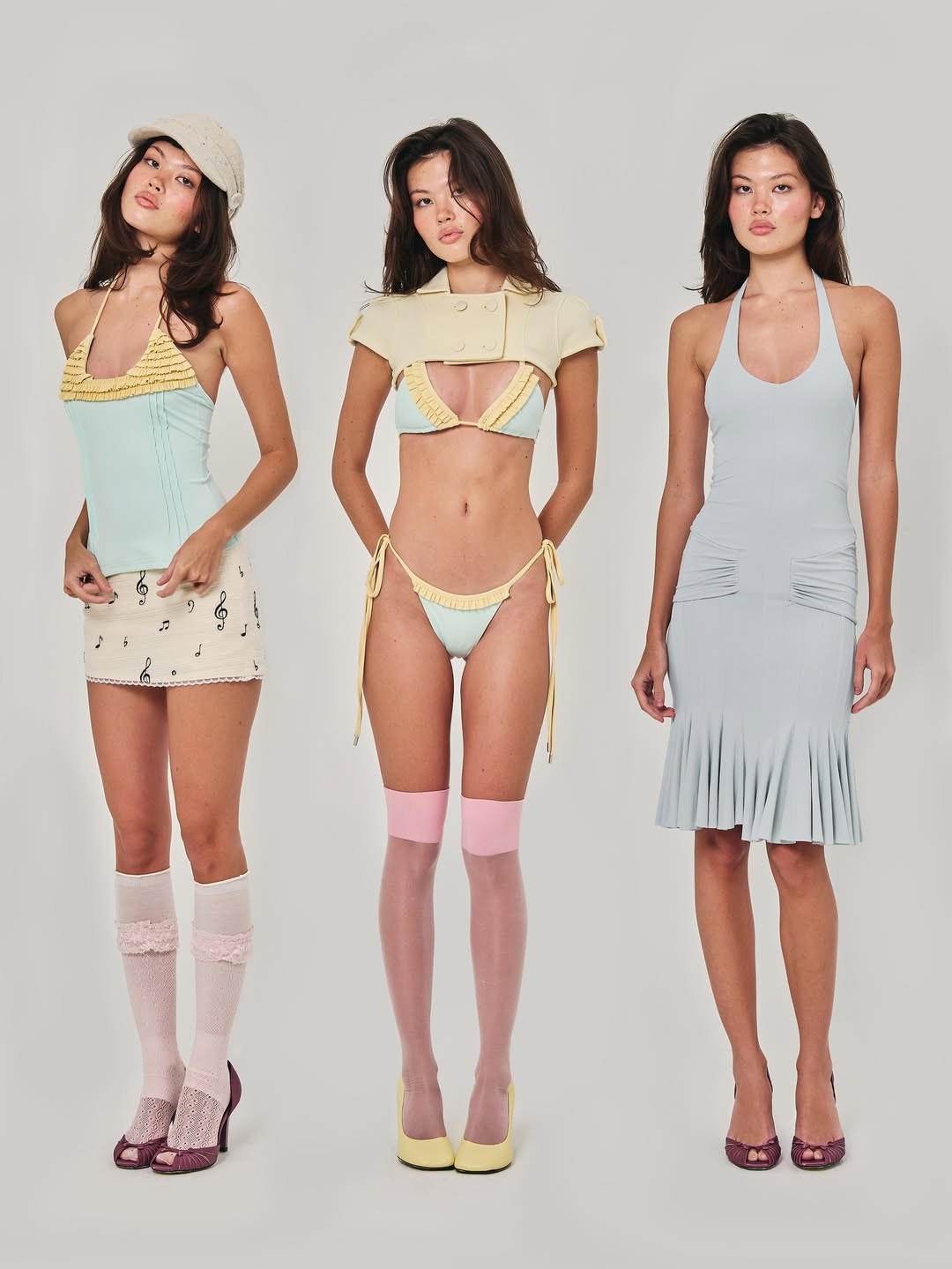
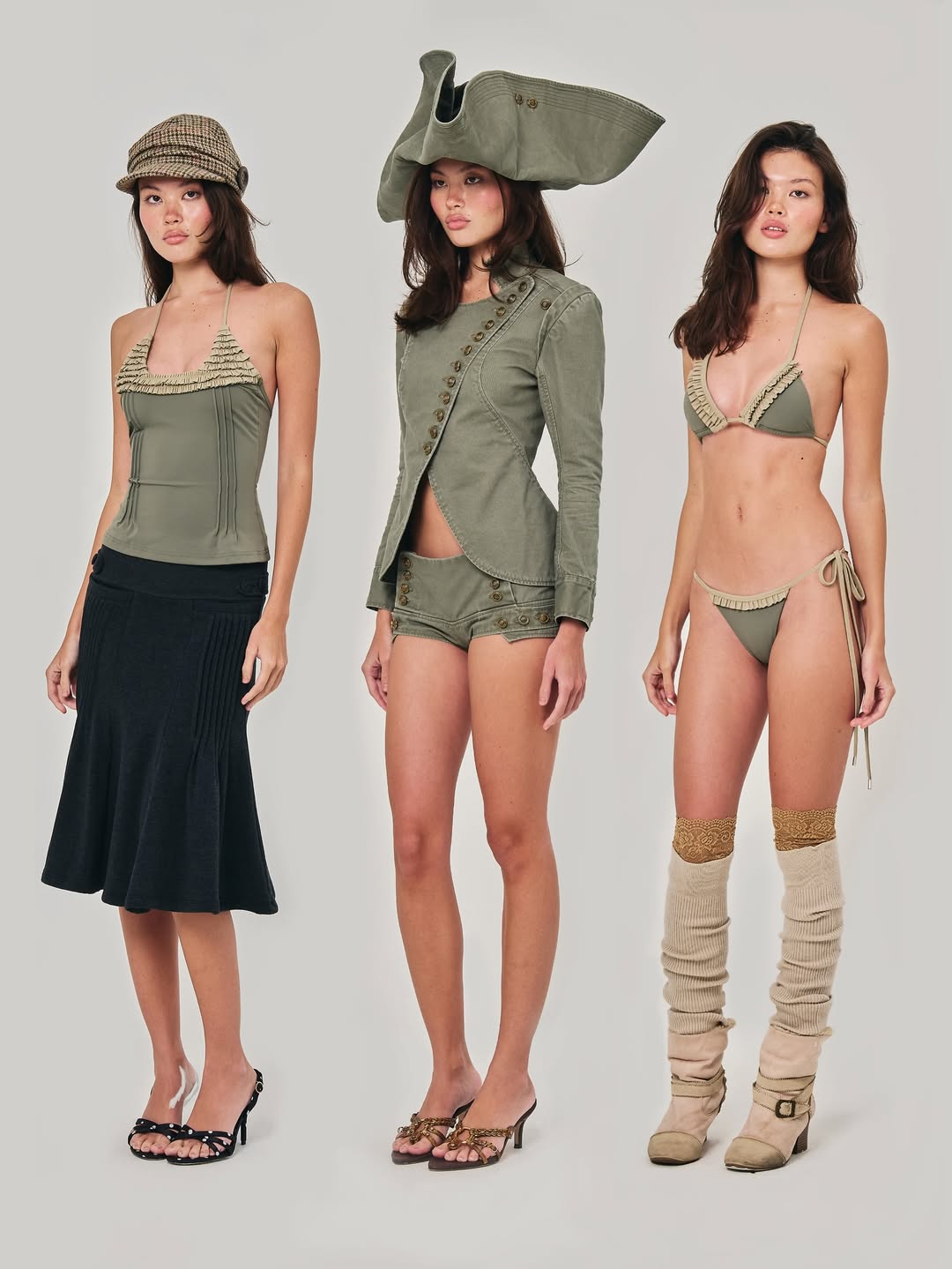
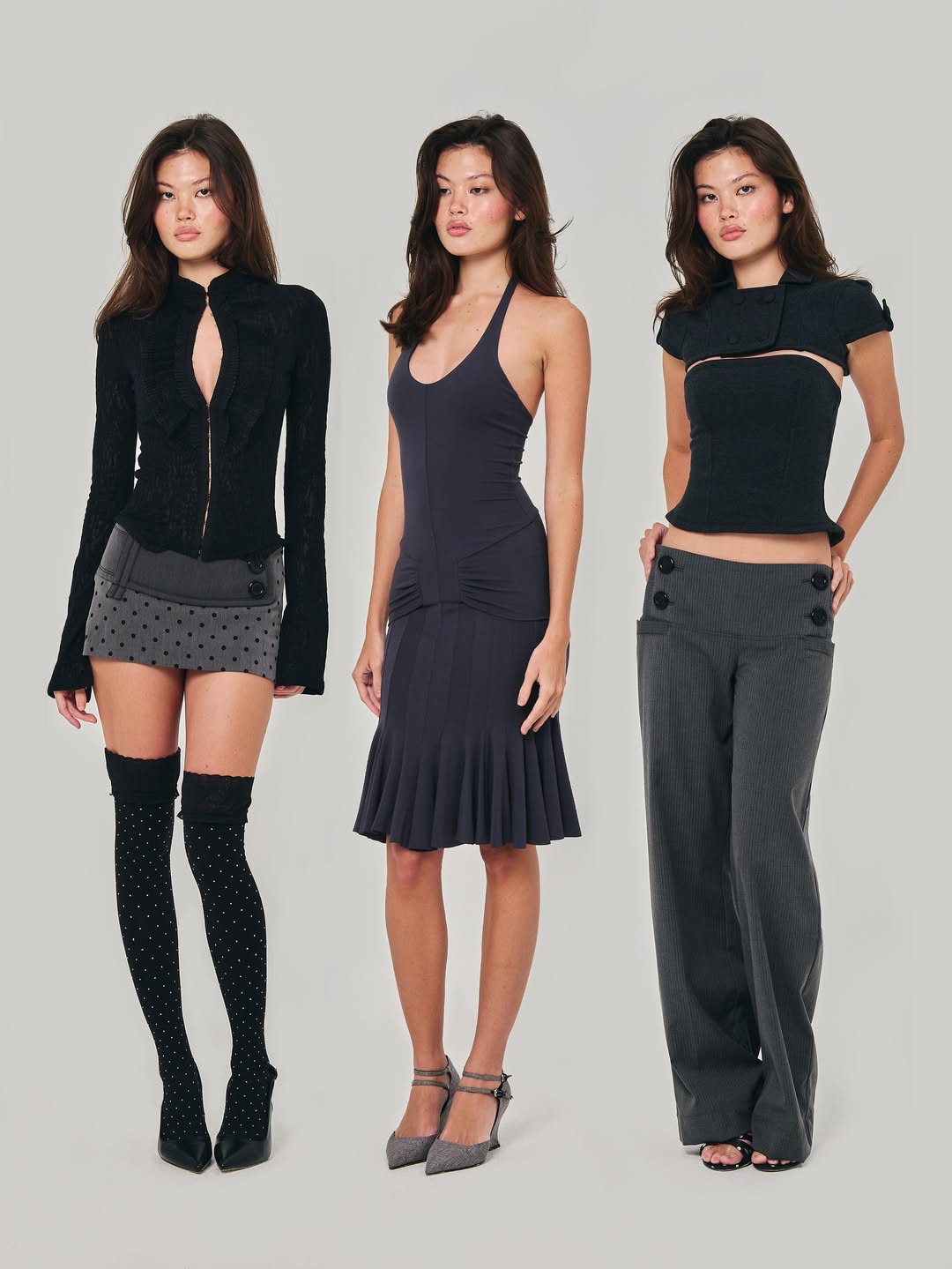
HD: There’s definitely a stronger emphasis on longevity now. Earlier on, we were probably more focused on immediacy and visual impact. Today, we think more carefully about how pieces continue living in someone’s wardrobe over time.
We’ve also shifted toward releasing smaller, more focused collections instead of large seasonal drops. It gives us more room to experiment without overwhelming people.
What interests us now is balance — creating clothes that still is expressive and exciting, while also becoming pieces people genuinely live in.
Once you are done with this story, click here to catch up with our latest issue.