Fashion loves the word “visionary”. It appears in show notes, campaign messaging and reviews whenever a designer introduces a new direction. The term suggests originality, a singular imagination pushing culture forward. Yet, vision in fashion rarely appears alone. More often, it arrives accompanied by someone else’s legacy.
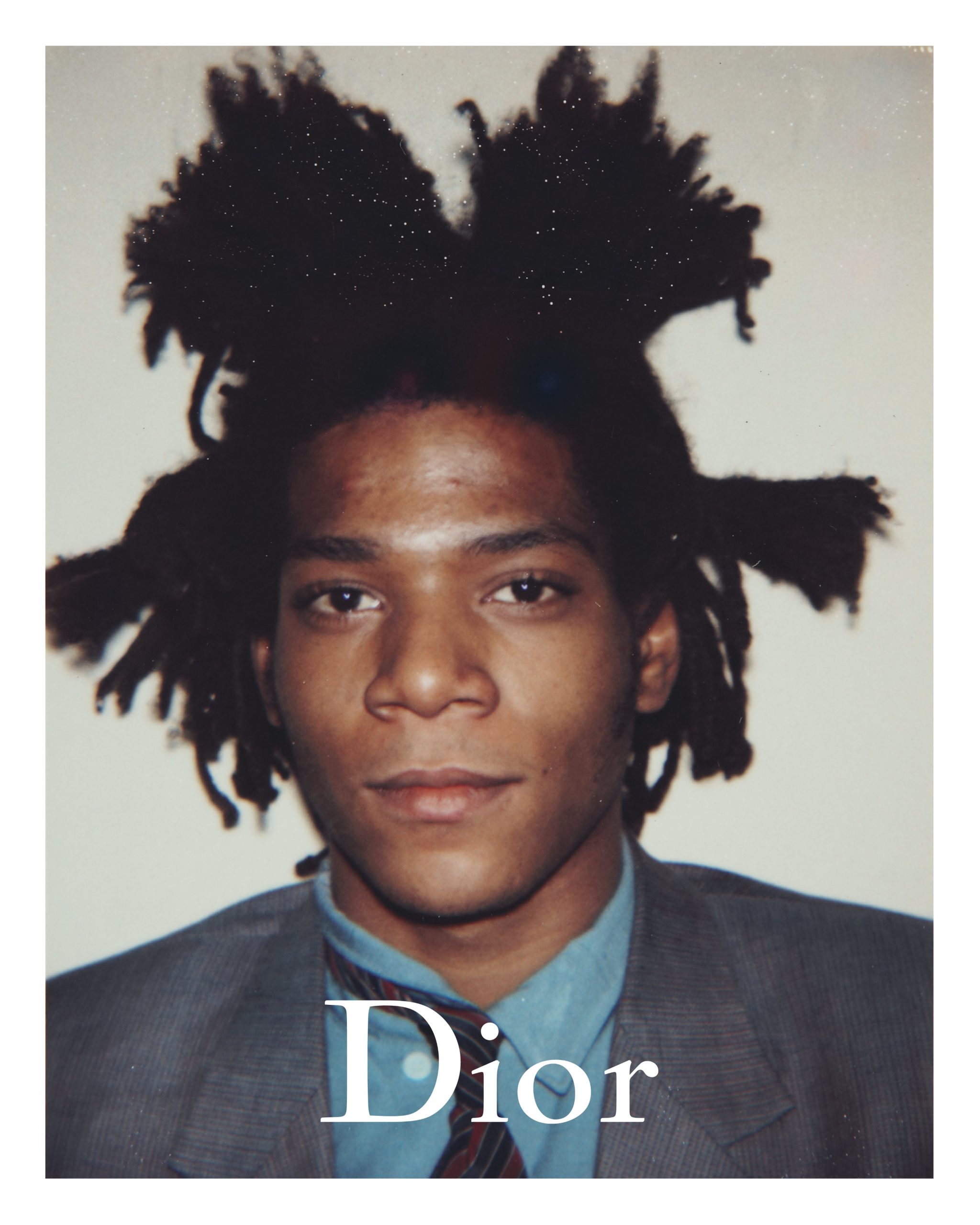
When Jonathan Anderson began shaping his vision for Dior, the conversation did not start from scratch. One collection drew on the restless visual language of Jean-Michel Basquiat. Another looked further back to Paul Poiret, the early 20th-century French designer who helped reshape modern dress. These gestures were simply aesthetic tributes, as they place Anderson’s work within a lineage of figures already recognised as pioneers.
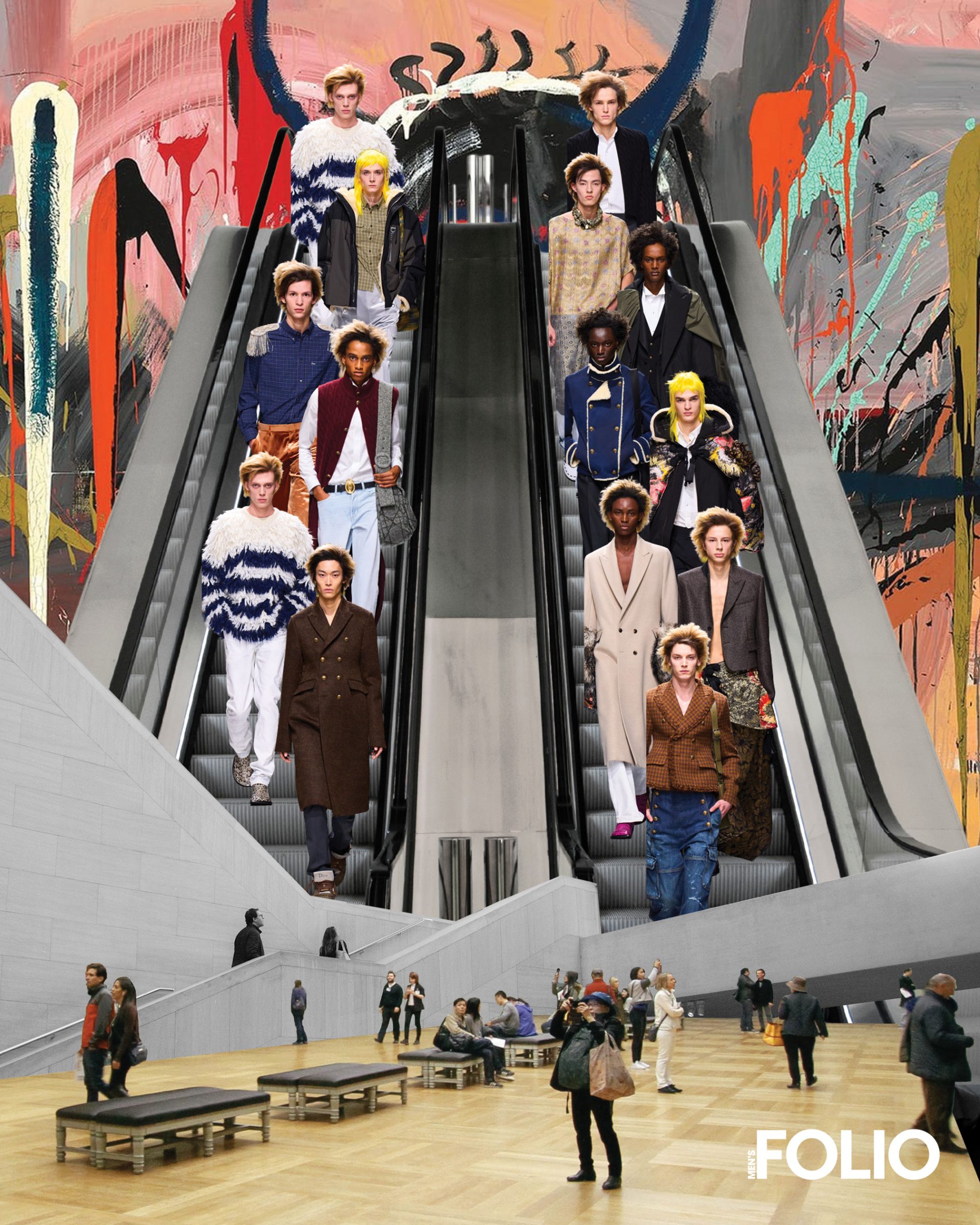
Basquiat’s presence carries its own contradiction. His paintings often criticised the art world’s appetite for commodifying culture, yet his imagery has become one of the most recognisable visual languages of contemporary art. When fashion references Basquiat today, it invokes not only his aesthetic but the mythology that surrounds him: the rebellious artist whose work circulates within the very systems he once questioned.
Fashion frequently turns to artists and historical figures when presenting something new. The reference may appear as a print, a silhouette, a show concept or a collaboration, but its function often extends beyond inspiration. Invoking an art hero signals seriousness. It places a collection within the borders of a wider cultural history and suggests that the work belongs to an established tradition of creativity rather than appearing out of nowhere.
This instinct runs the rest of fashion too. Raf Simons has long drawn on contemporary art, most notably through his collaboration with Sterling Ruby, where sculpture and fashion merged into a shared visual language. Miuccia Prada has repeatedly framed her collections through architecture, cinema and contemporary art, and positioning fashion as part of a wider intellectual conversation. Even Louis Vuitton’s long history of collaborations with artists reflects the same instinct, inviting figures from the art world to shape the brand’s visual identity.
Another designer who approached fashion through art-historical references was Alexander McQueen. The late couturier’s runway presentations frequently drew from painting, theatre and literature, transforming collections into immersive spectacles rather than simple displays of clothing. These references framed his work within a broader cultural vocabulary, allowing fashion to operate not merely as style but as narrative, performance, and emotion.
These gestures do more than enrich aesthetics. They align fashion with the cultural authority that art continues to carry. Museums, galleries and art history itself create a canon of individuals whose vision has already been validated by time. When fashion references those figures, it borrows some of that legitimacy. A reference to Basquiat evokes rebellion and artistic urgency. A nod to Poiret invokes early modern experimentation and historical depth. These associations shape how clothes are perceived, even before they are fully understood.
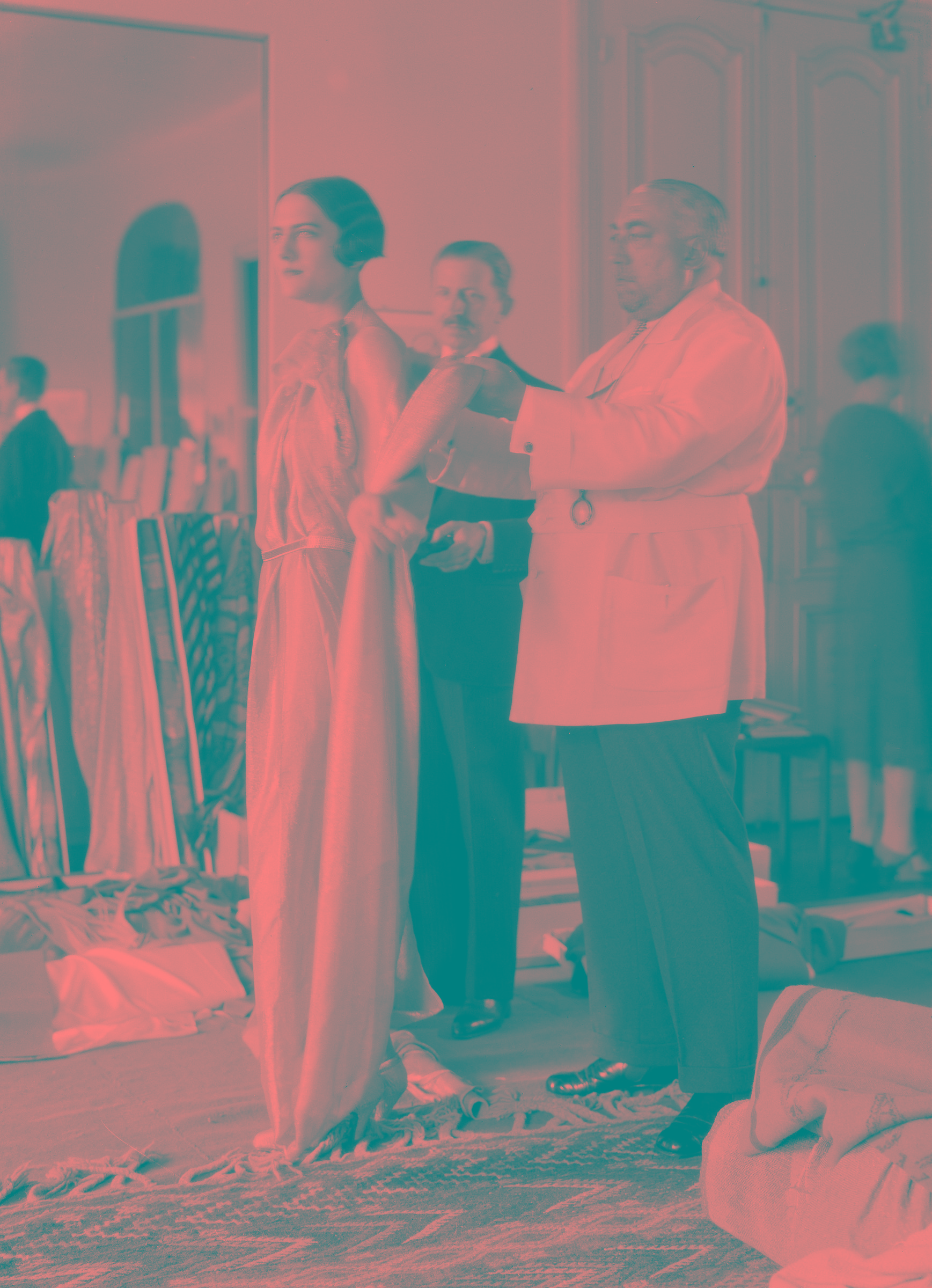
Poiret’s story makes this relationship particularly striking. In the early 20th century, he helped liberate fashion from rigid corsetry and introduced a freer silhouette that transformed how women dressed. Poiret approached fashion as a cultural environment rather than a craft. He collaborated with illustrators and artists, staged elaborate presentations and extended his vision into interiors, fragrance and lifestyle. In many ways, he helped establish the idea of the designer as a cultural figure whose influence extended beyond clothing.
What designer Poiret represented, one who treated fashion as part of a wider cultural world, is also the role many designers occupy today.
Poiret was among the first designers to understand the power of collaboration in shaping fashion’s public image. He worked with artists to produce illustrations and advertisements that presented his work not simply as garments but as part of an entire aesthetic world. Fashion, in Poiret’s hands, was not only about what people wore but about the culture surrounding it.
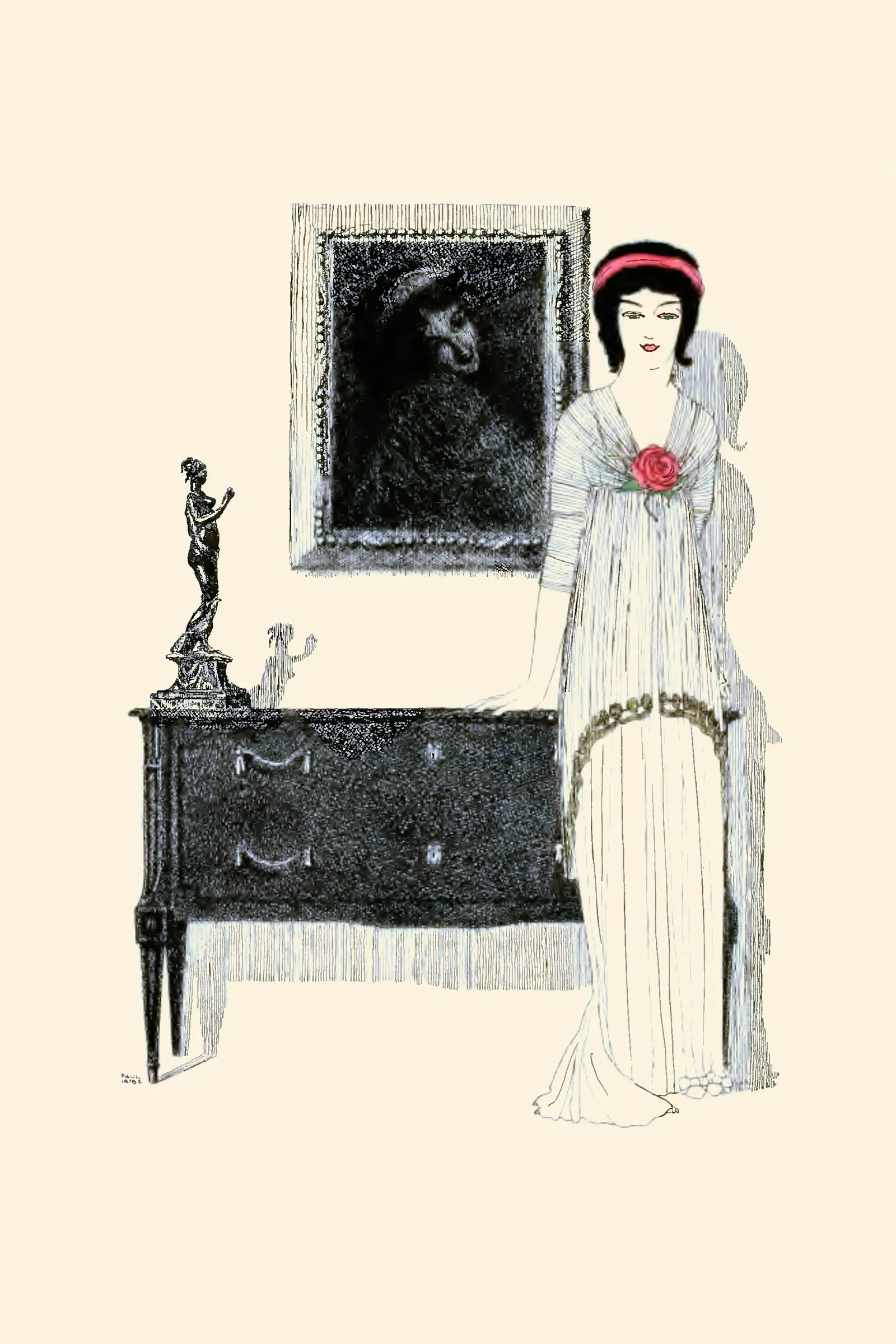
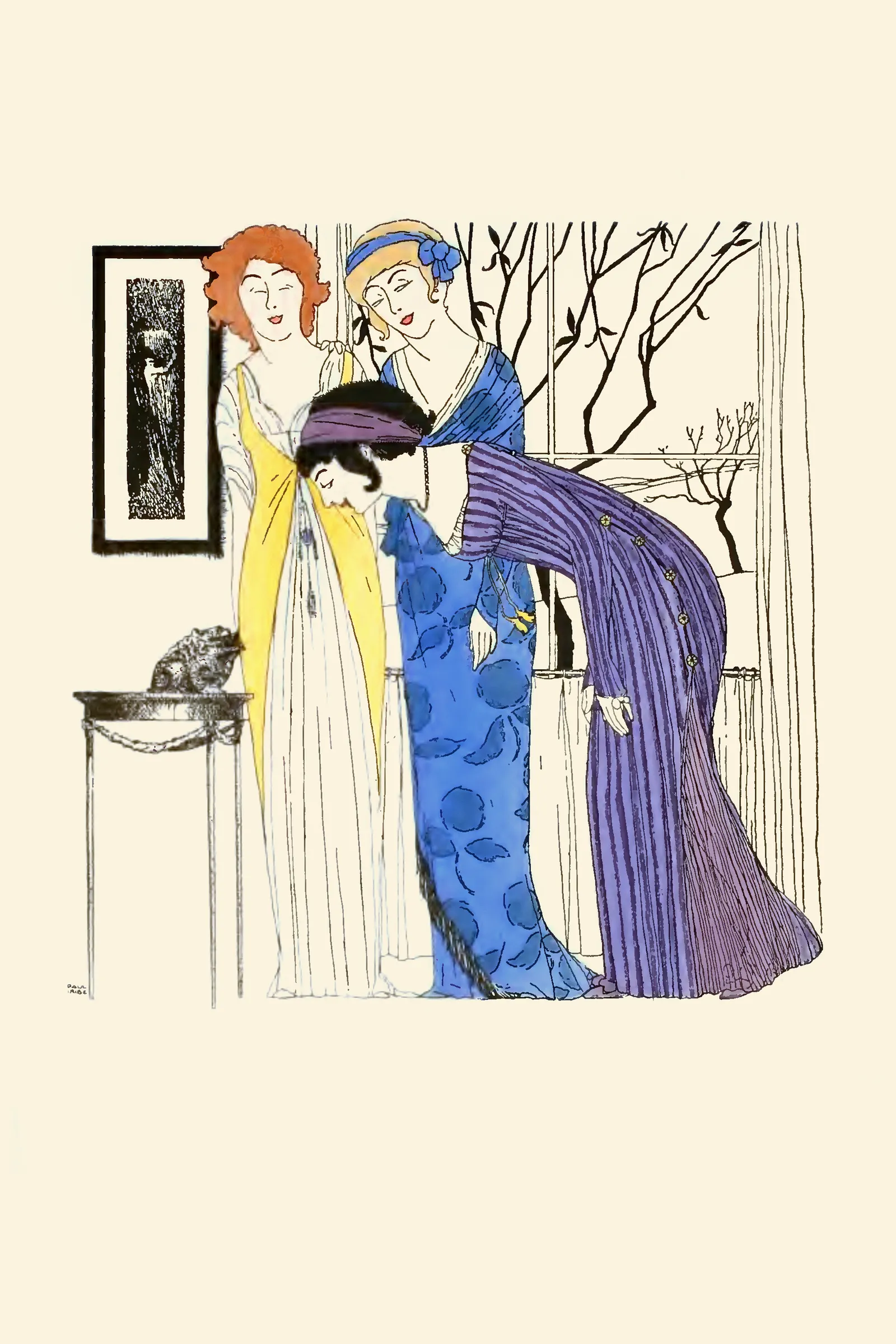
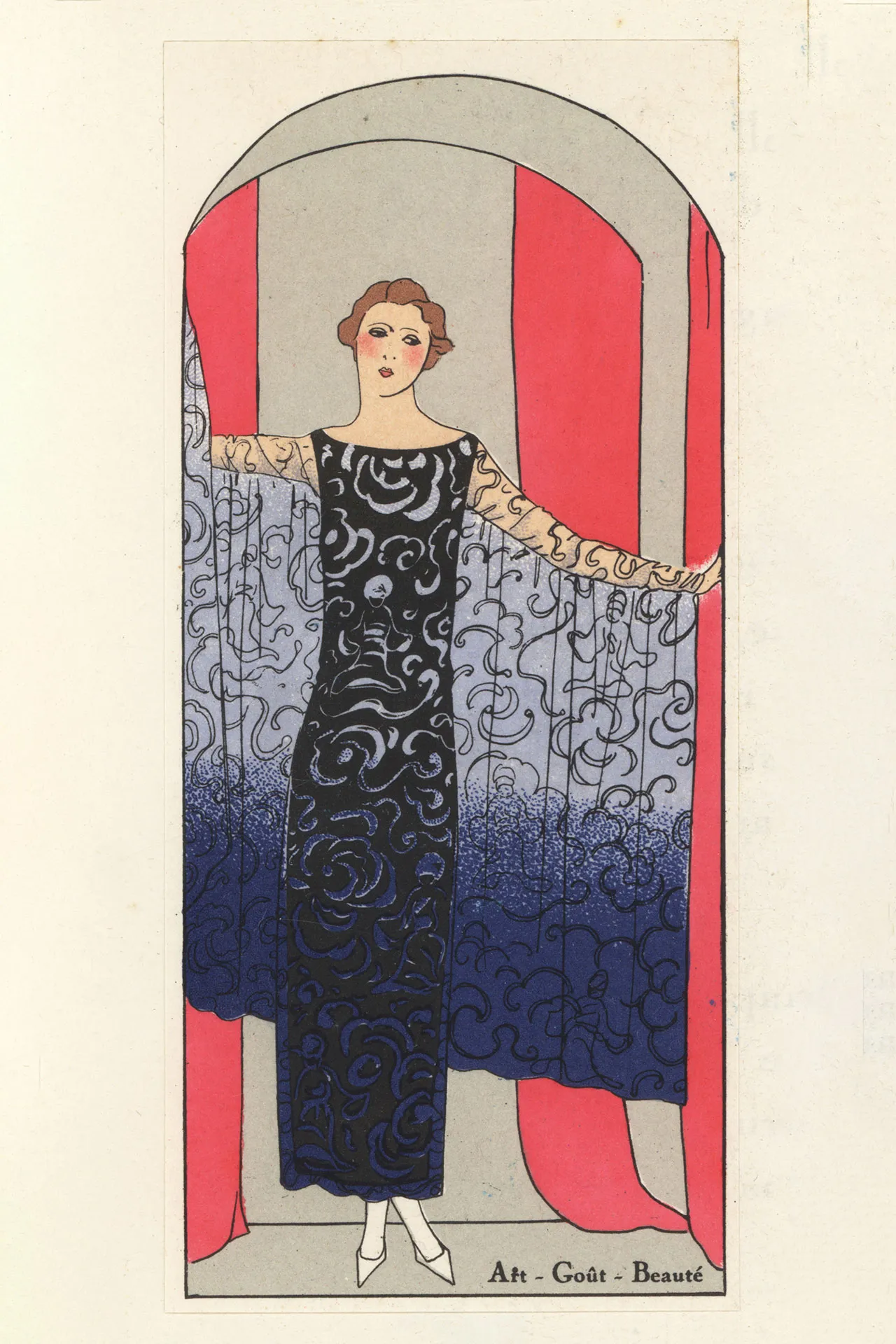
Yet Poiret’s career ended far from the influence he once commanded. As fashion moved toward modernism and simplicity, his theatrical approach struggled to adapt. Designers such as Gabrielle Chanel reshaped the industry with a different idea of modernity, one rooted in restraint rather than spectacle. By the end of his life, Poiret had lost his fortune and died in relative obscurity. His impact on fashion remained undeniable, but the system he helped shape had already moved on without him.
Today, his name returns through references. Designers revisit his legacy, reinterpret his ideas and place his work back into contemporary conversations. The reference does not exactly revive Poiret’s world, but it restores his presence in fashion’s cultural memory. His influence, once absorbed into the industry’s structure, becomes visible again when designers look back.
In that sense, Basquiat and Poiret share an unexpected parallel the only difference may simply be the medium. Both shaped the cultural language of their respective worlds, yet the systems that celebrate them today did not always reward them in their own time.
This pattern reveals something about how fashion treats its visionaries. The figures designers invoke are often those whose ideas have already been absorbed into cultural history. Their work becomes a foundation others can build upon.
When seen this way, referencing an art hero becomes more than a stylistic gesture. It is a way of narrating authority. Designers rarely claim vision in isolation. Instead, they position themselves within a lineage of figures whose creativity has already been recognised.
But what emerges from these examples is another pattern. Fashion rarely introduces the future without first acknowledging the past. Designers often frame new ideas through references that make them legible and comprehensible within an existing cultural narrative.

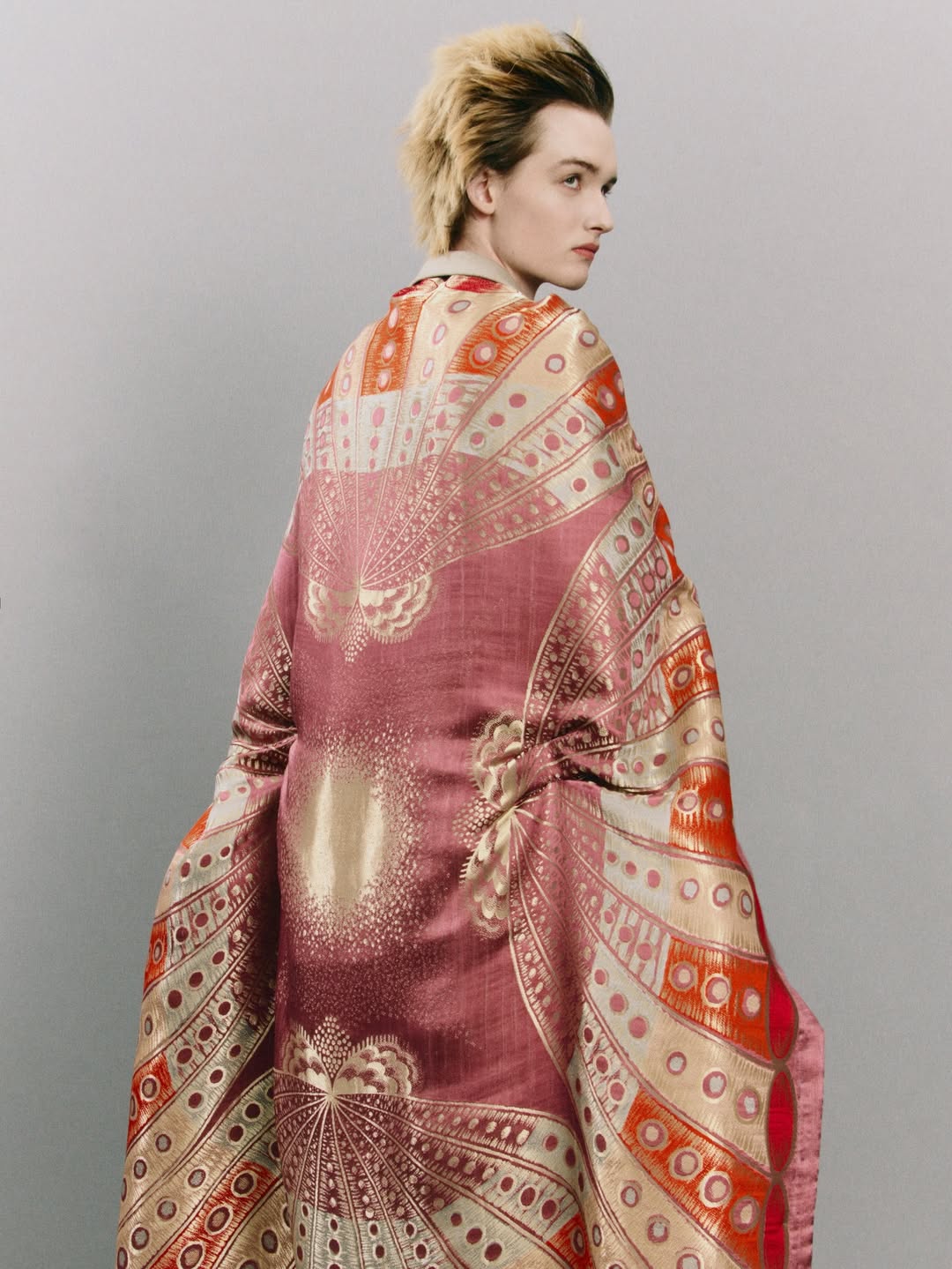


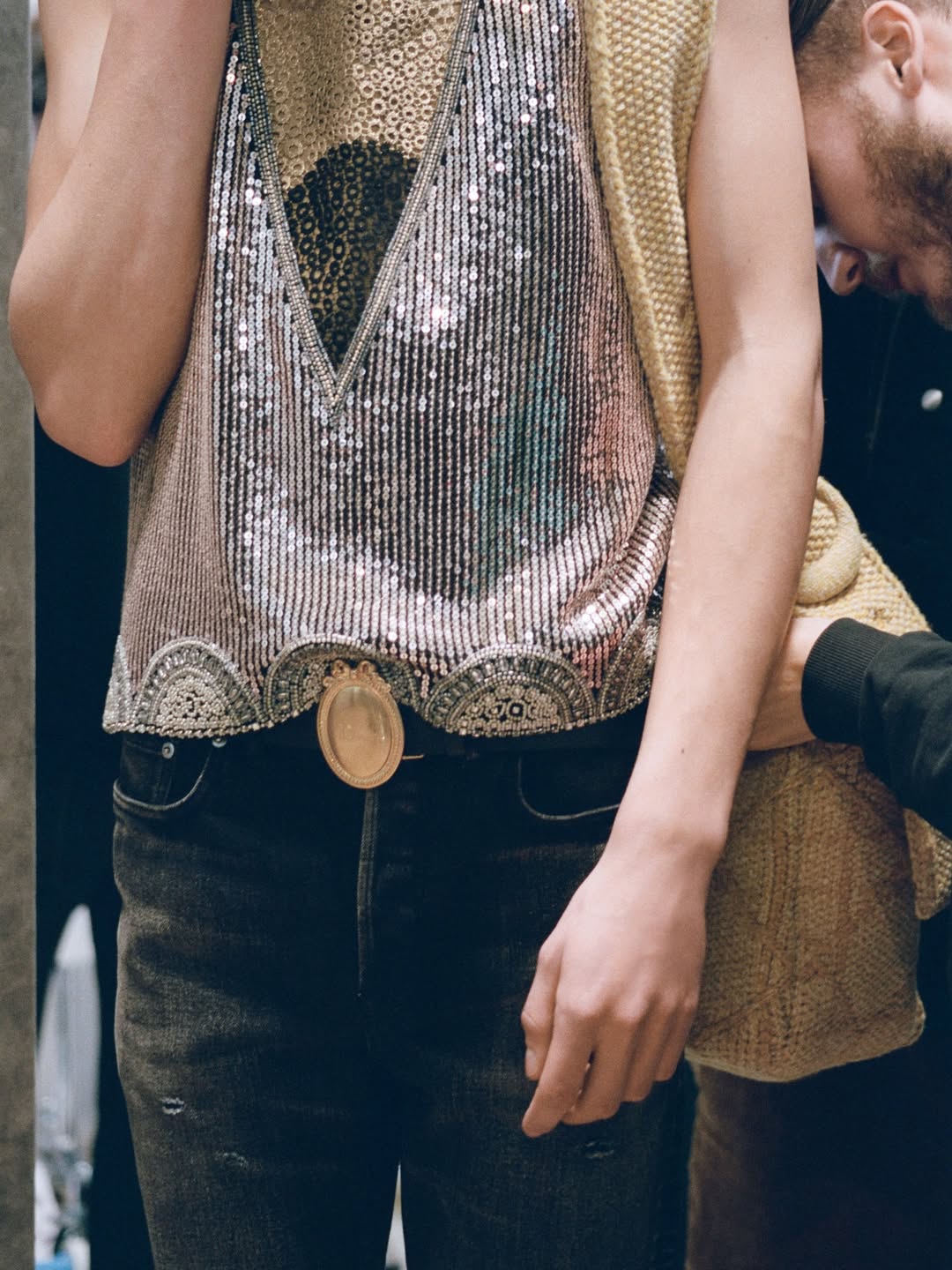
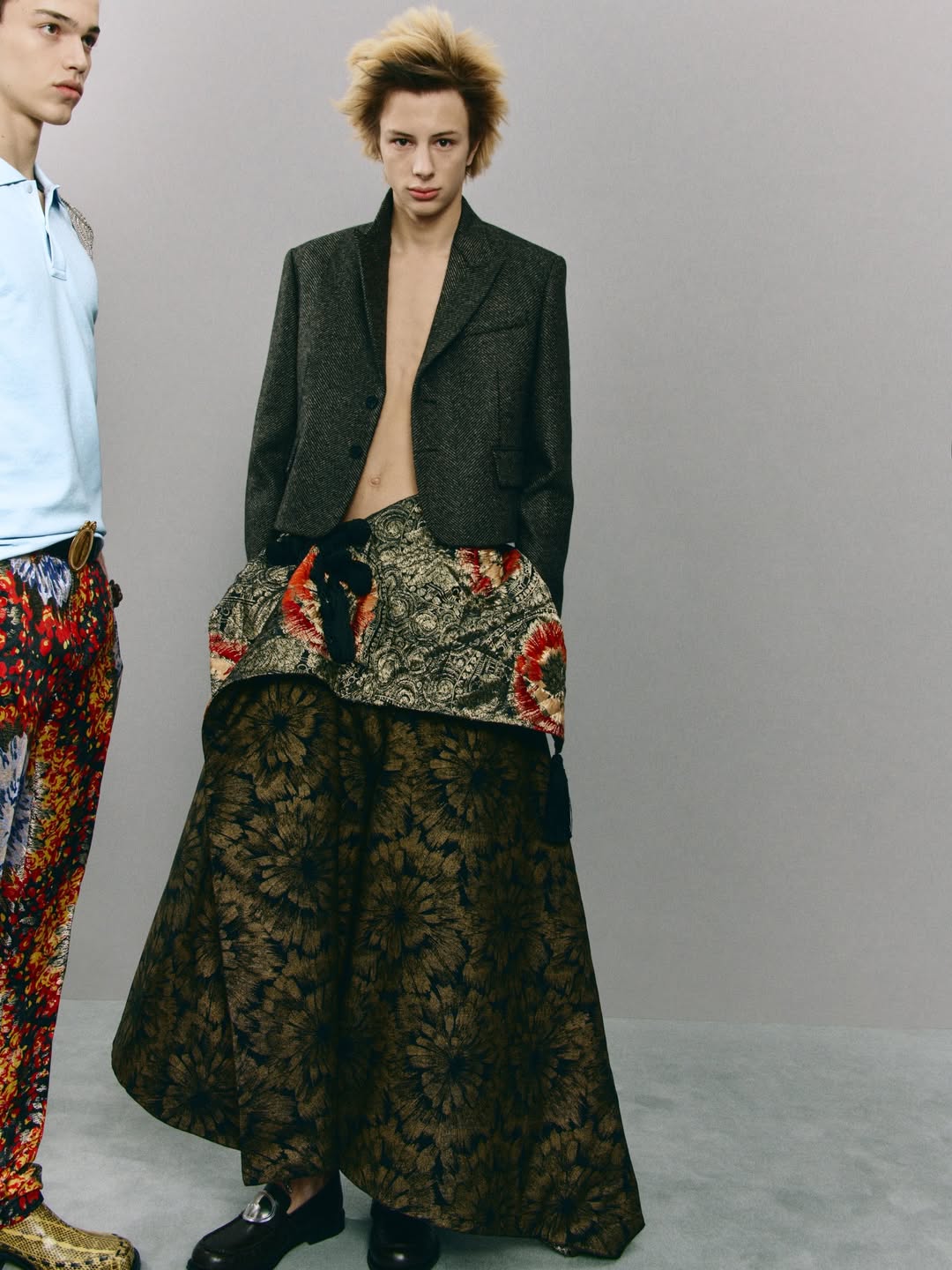
In an era saturated with images and constant production, this strategy makes sense. The pace of fashion cycles, the speed of online discourse and the sheer volume of visual culture make novelty harder to define. References provide orientation. They suggest that what we are seeing is not simply another collection, but part of a longer creative conversation.
The reference does not replace originality but frames it instead. By placing their work alongside recognised figures, designers guide how audiences interpret what they see.
Fashion has always existed within this tension between innovation and inheritance. Designers study archives, revisit silhouettes, and reinterpret ideas that have already shaped the industry. Referencing an art hero simply makes that process visible. It acknowledges that creativity rarely emerges from nothing. It develops through retrospective dialogues.
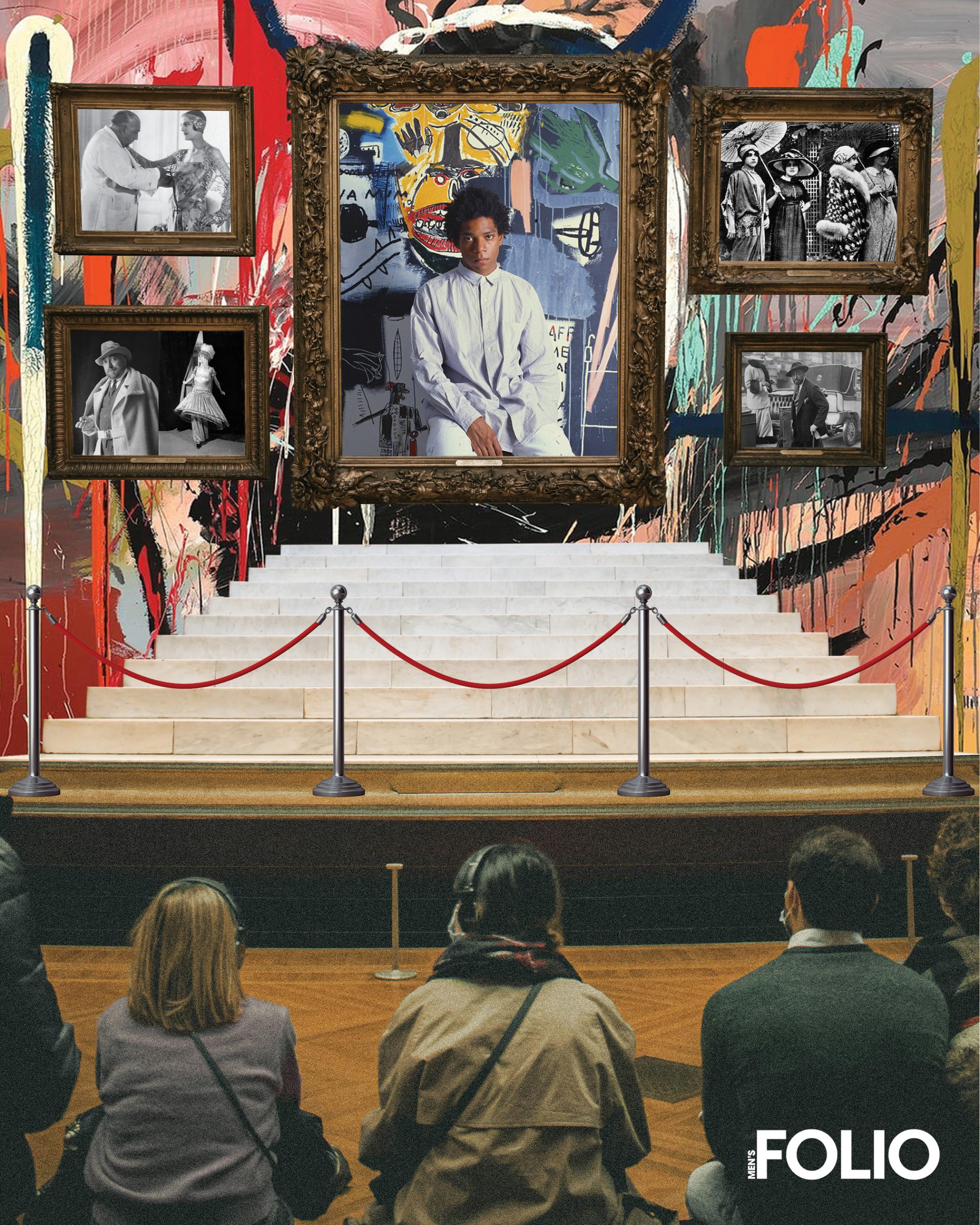
All that is said does not diminish the role of the designer. If anything, it clarifies it. Vision in fashion is rarely about inventing something entirely from scratch but about recognising which ideas deserve to be carried forward and finding new ways to interpret them. Fashion’s fascination with art heroes ultimately reveals how the industry understands creativity. The future is often introduced through the language of history. And perhaps that is the quiet truth behind the word visionary. Vision is not only about what comes next, but also knowing exactly what came before.
Once you are done with this story, click here to catch up with our latest issue.