Travellers know that the most important factor when considering a hotel is comfort. And while The World’s 50 Best rankings and TripAdvisor can be useful guides, one way to gauge whether a hotel will deliver on that promise is to look to newly opened or recently renovated properties.
After all, few things suggest comfort more convincingly than freshly scrubbed tiles in the bathroom, USB-C charging ports by the bed, swimming pools so new they gleam an almost artificial blue and intact furniture. These details matter more than people admit. So while heritage hotels are having their moment and luxury hotels have never been more in demand, there is a strong case for choosing a newly opened or reopened property that has undergone a proper renovation.
The trouble with new hotels, of course, is that newness cuts both ways. It may look good, but it has not always benefited from trial and error, complaints, adjustments, and the thousand small fixes that make a stay actually work. After all, nothing kills the romance of a new hotel faster than inexperience. So leave the risk-taking to us. These are the hotels that have either just opened, or reopened, or are due to open in Southeast Asia that deliver on the fresh-car-paint promise, without making you feel like a participant in its soft-opening experiment.
Waldorf Astoria Kuala Lumpur
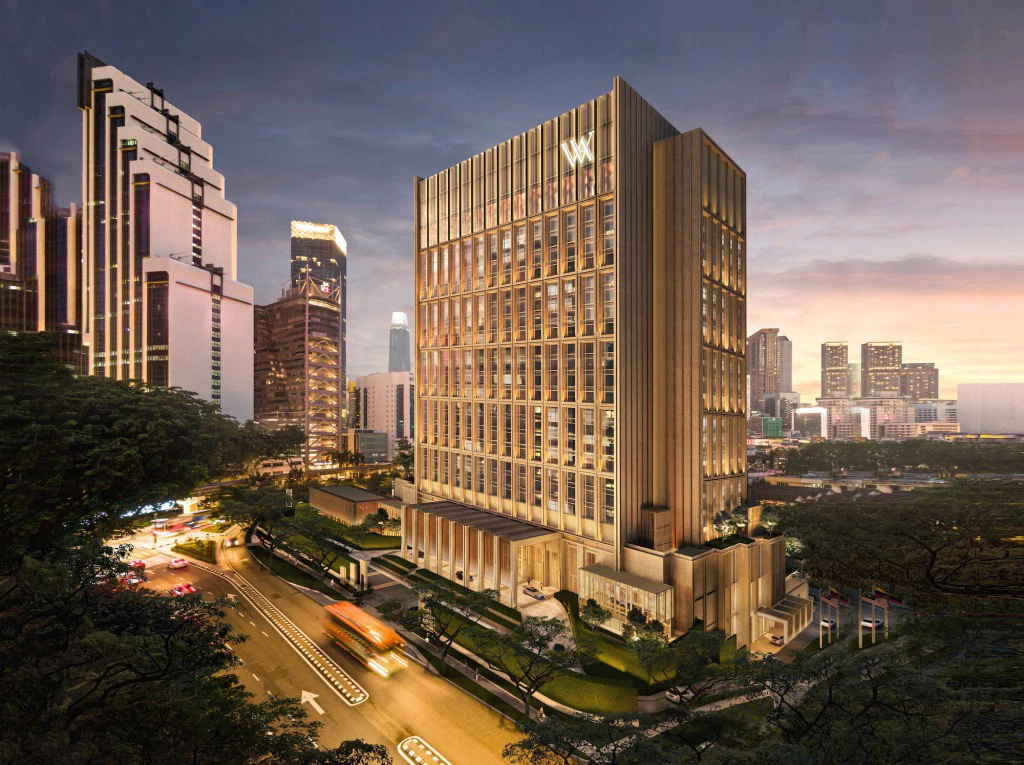
Hotel Istana Kuala Lumpur was an institution for Malaysia, the same way The Plaza is to New York, and the Burj Al Arab is to Dubai. Locals remember it as the meeting point. Historians consider it a significant site where the country witnessed some of its most important national moments. So when its doors shuttered in September 2021, after pandemic-era operational losses made business untenable, it spelt the end of an era.
But sentiment, as it turns out, only gets a building so far. Hilton’s flagship luxury brand has spent the last few years reworking the property. In its place comes Waldorf Astoria Kuala Lumpur — an all-suite hotel situated in the middle of the capital’s city centre. And it is an entry that Malaysia has been building toward, especially with the recent opening of the Park Hyatt Kuala Lumpur, which signals intentions for more luxury hotel openings.
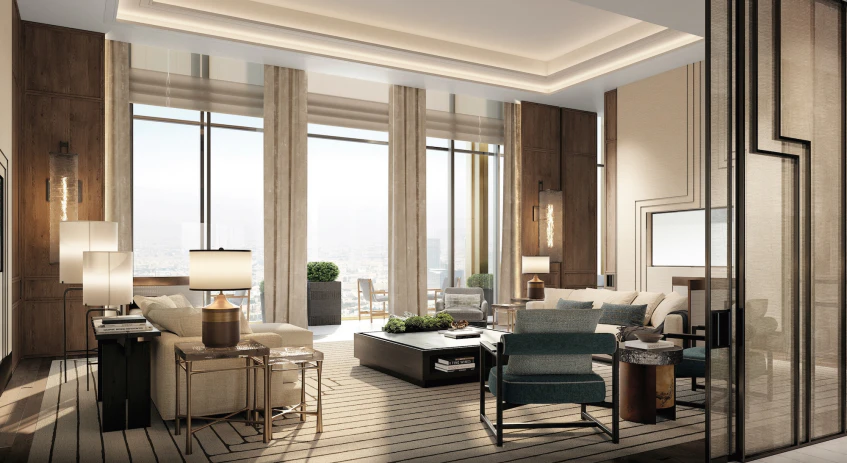
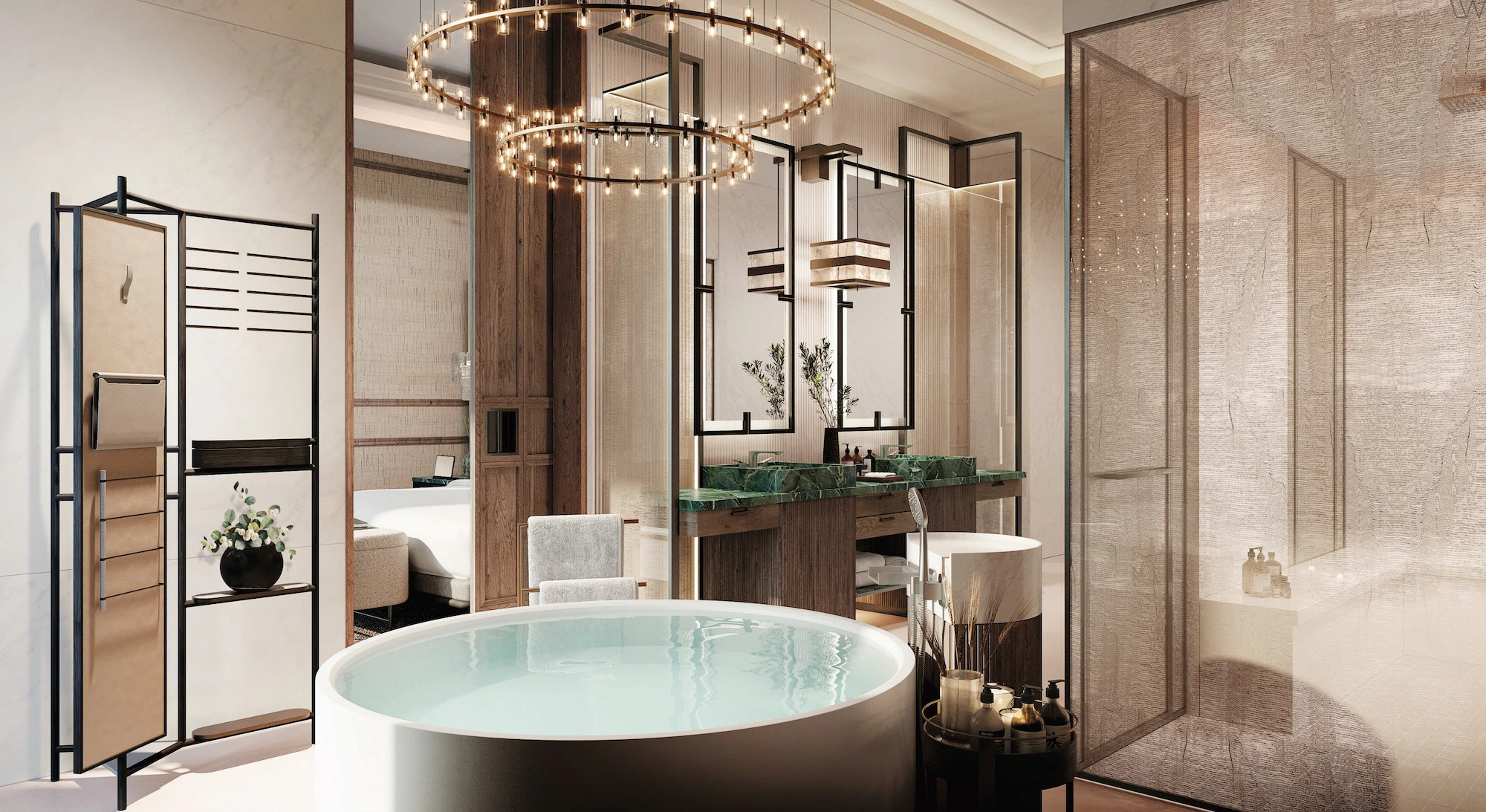
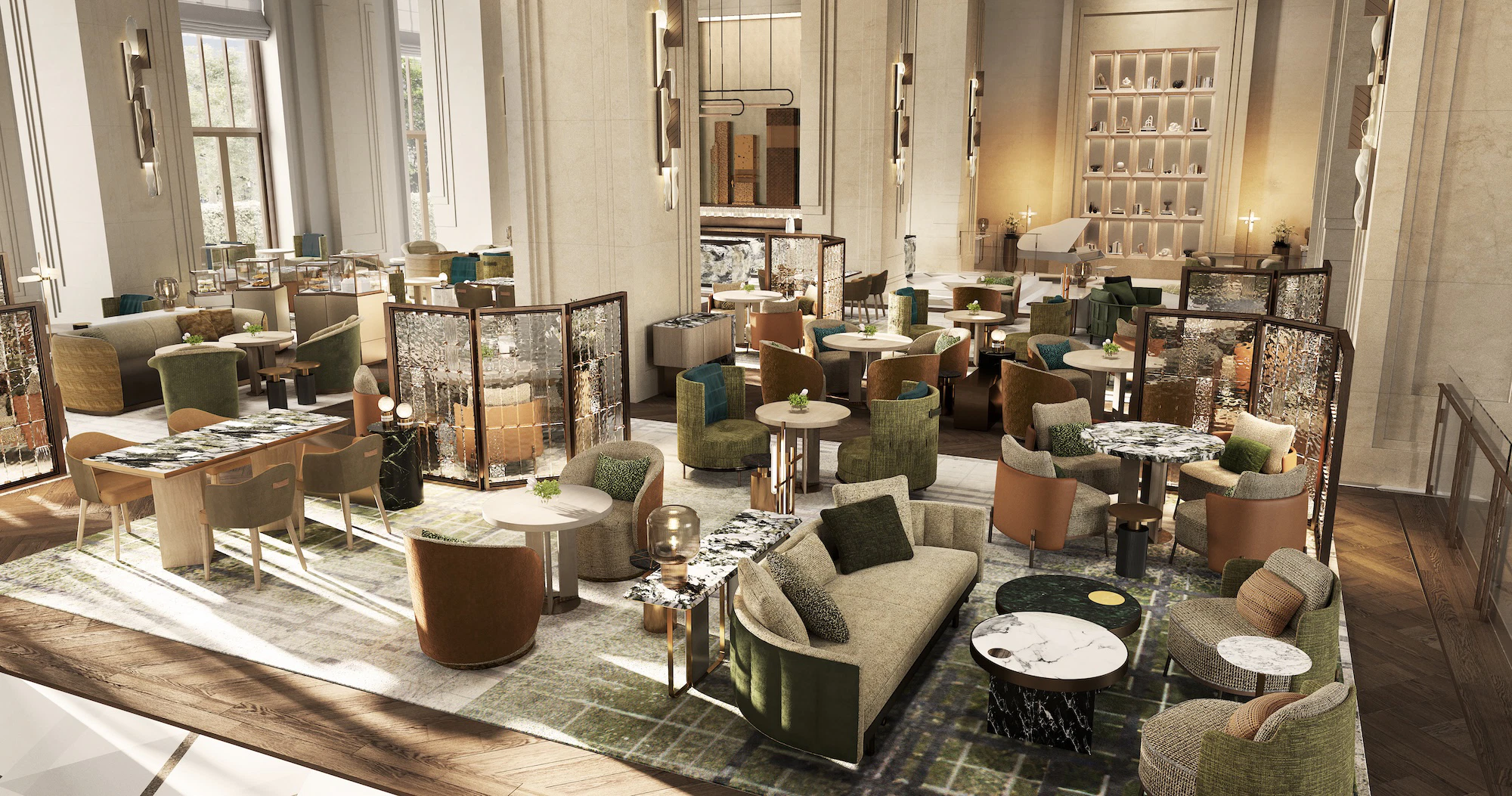
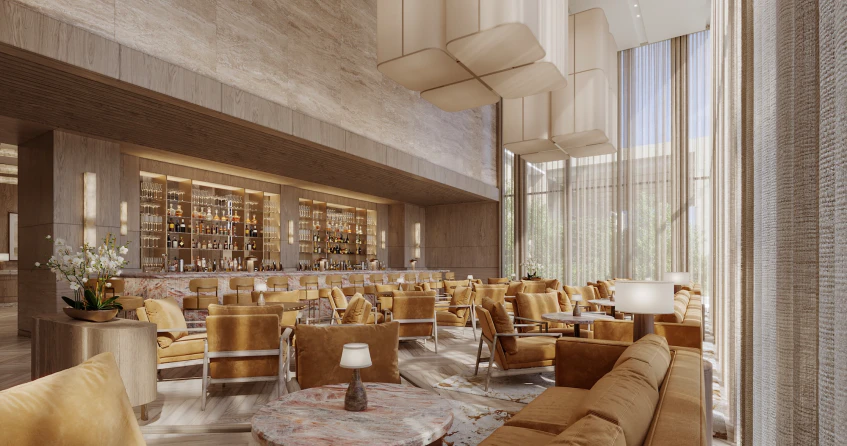
With 268 suites, the residential style takes cues from the famed Waldorf Astoria in New York. Suites come with living areas and double vanity sinks, and start from 80 square metres — a phenomenal standard not seen before in Malaysia. Waldorf Astoria’s entry into the country also means the arrival of another Peacock Alley, the brand’s legendary social promenade and lounge, long considered the gold standard of hotel meeting places, which a city such as Kuala Lumpur deserves.
The Kuala Lumpur outpost will also bring curated culinary programmes anchored by Michelin-starred chef Garima Arora and celebrated chef Jean-Georges Vongerichten. So even if it has not launched yet and any feature on it comes with a necessary asterisk, the idea of it is already enough of a reason to try once its doors open.
Mandarin Oriental, Desaru Coast
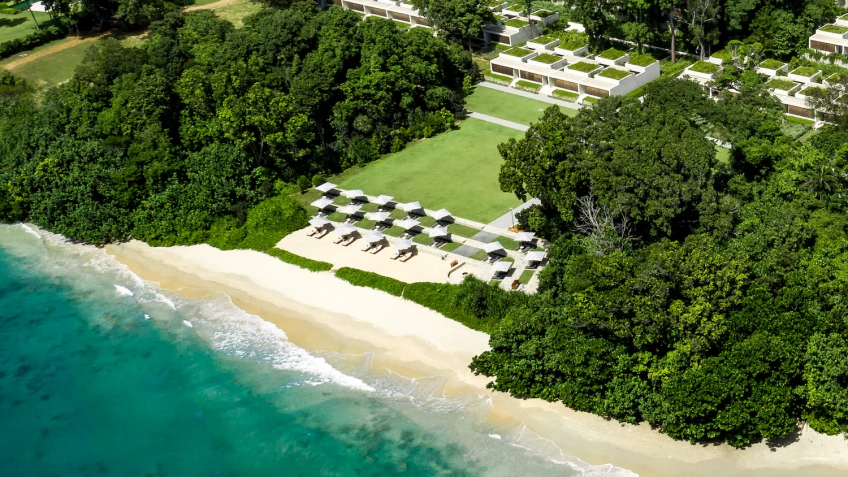
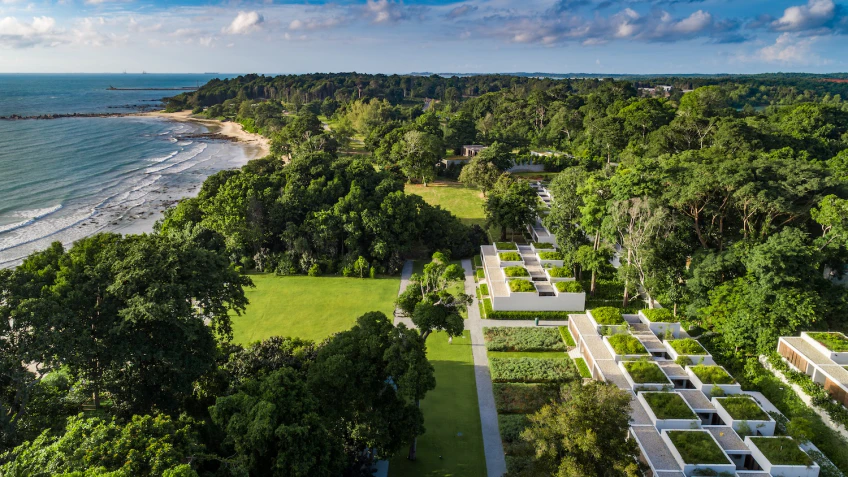
The Mandarin Oriental, Desaru Coast is not exactly new. The beachfront property once lived as the lone One&Only in Southeast Asia, before becoming The Sirēya and, eventually, a Mandarin Oriental. Even after several lives and a few name changes, the bones of the place remain — a Kerry Hill-designed resort, one of the final projects by the late architect behind some of the world’s most spectacular hotels, before his passing in 2018.
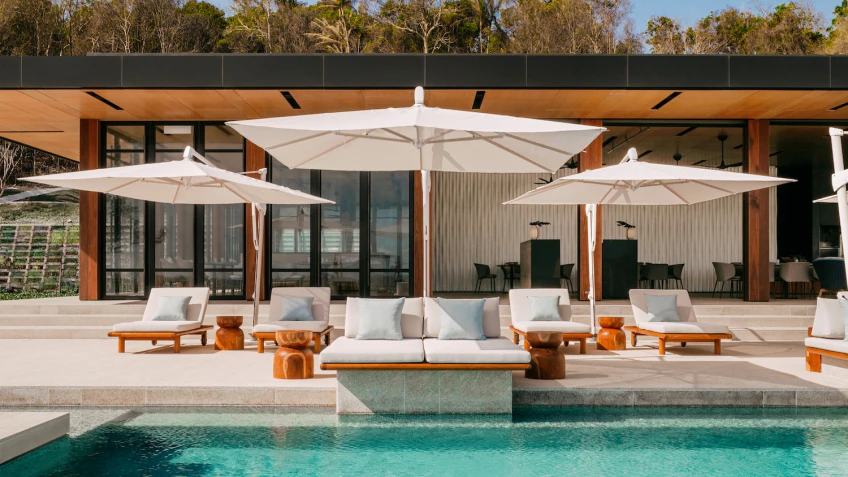
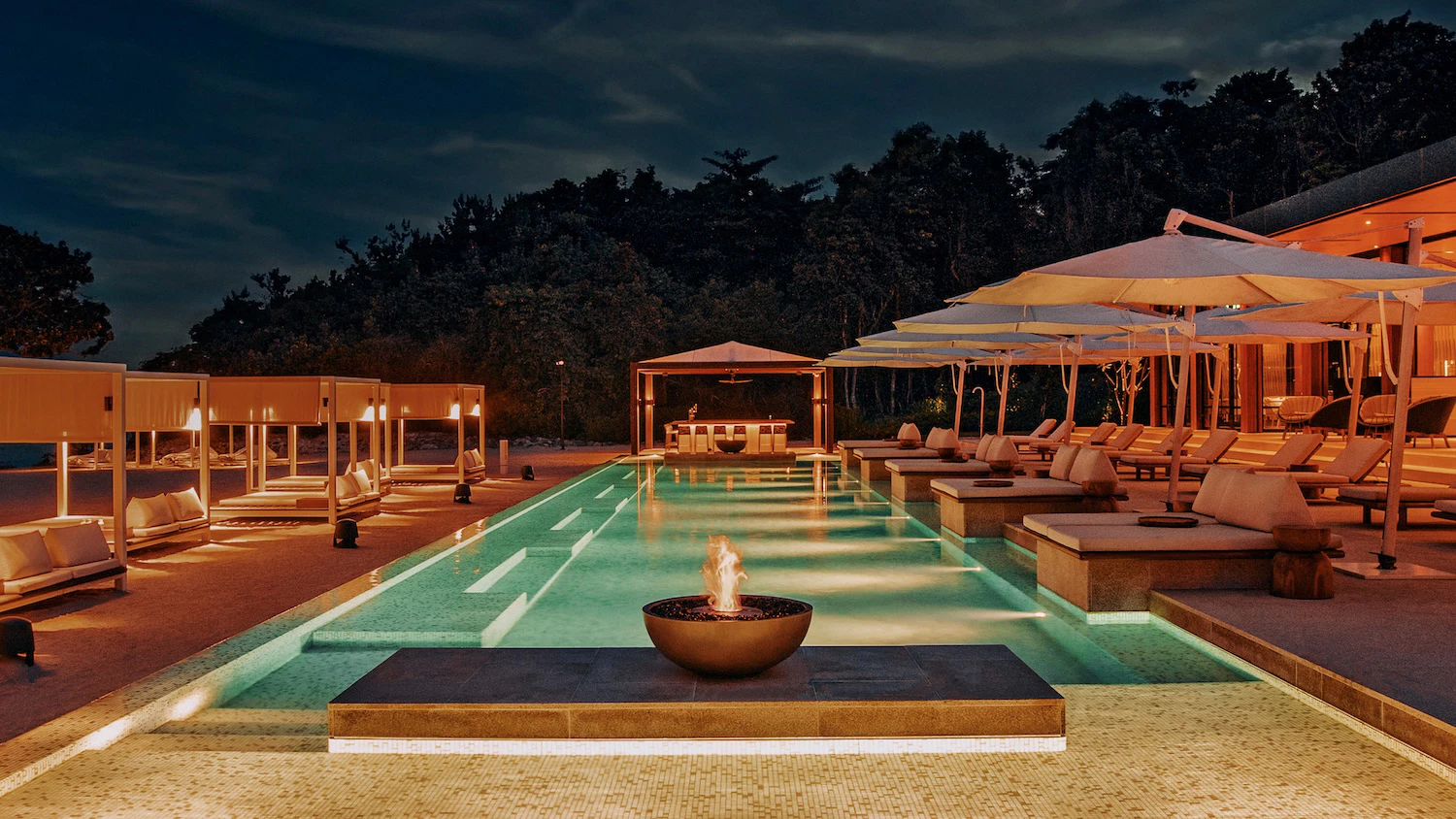
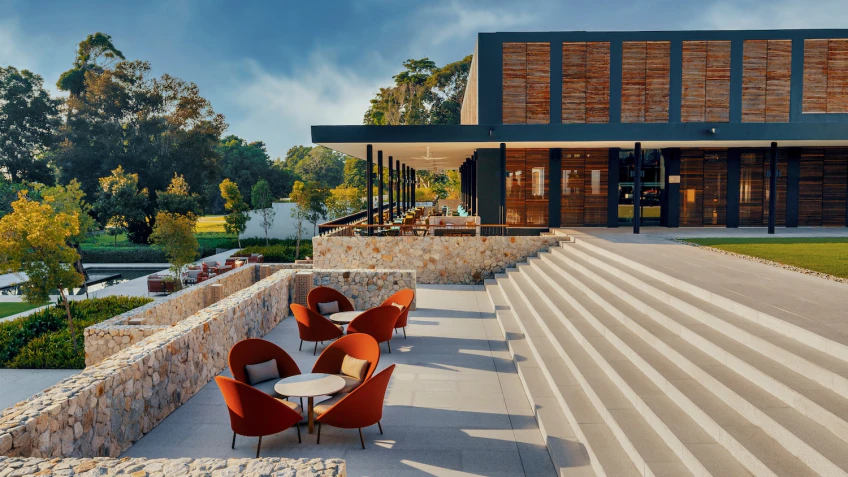
Not a great deal has changed, at least not in the ways that matter. The resort still sits within a sprawling 128-acre estate facing the South China Sea, just under an hour from Singapore and a four-hour drive from Kuala Lumpur. It is still anchored by 300-year-old banyan trees and opens directly onto a 1.5km stretch of unspoilt beach. What Mandarin Oriental has inherited is one of the region’s best-kept getaways, a hidden sanctuary that has barely aged since its opening.
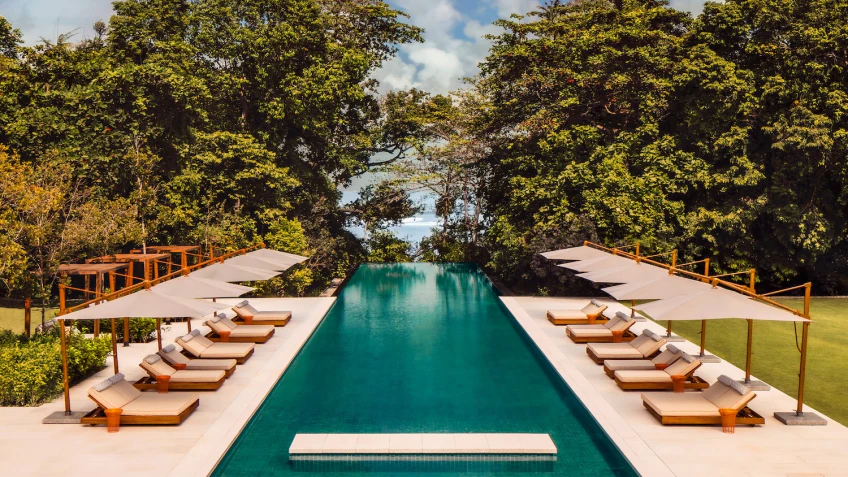
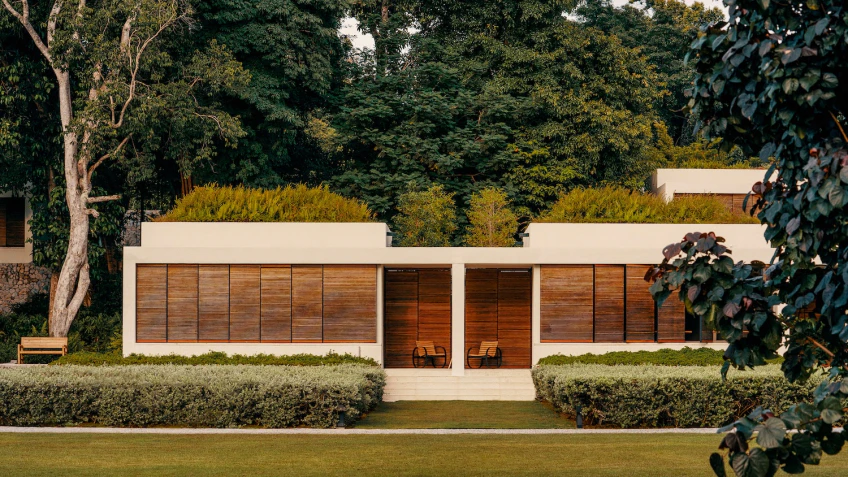
Now, it has begun its next journey. Despite its reopening this year, the hotel transformation is still ongoing, with updates planned across the lobby, suites, and arrival areas. But the resort remains intimate, with just 44 all-suite accommodations and a four-bedroom villa. With all that is said, the most significant addition is still to come: the region’s first Mandarin Oriental Residences. The limited collection of branded homes is available for those looking to turn this secluded escape into a permanent address.
COMO Metropolitan Bangkok
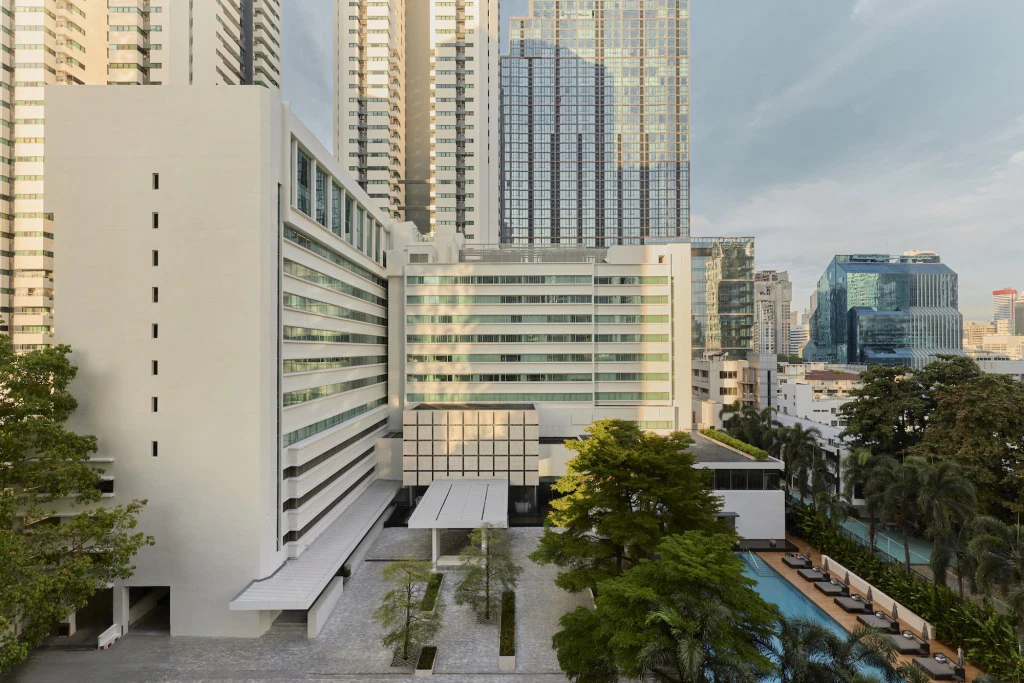
“Boutique hotel” has become an abused label. Often confused for compromise, the hospitality category has recently felt like a polite way of masking the fact that the room used to be a maid’s quarters, that room service disappears after dusk, and that the man at the front desk will make things difficult enough for someone on a travel blog to mistake it for “informal charm”.
But it is worth remembering why people fell for the idea in the first place. Boutique hotels were meant to be the escape route from the usual mega-chain options. They made you feel as if you had chosen wisely, rather than simply booking the cliché. A real boutique hotel is supposed to be a cut above: intimate, stylish, and deeply, unapologetically local. It was meant to be the alternative, not the only alternative option.
By definition, COMO Metropolitan Bangkok is a boutique hotel, not because it offers less. Singaporean fashion mogul Christina Ong’s first COMO-branded property in Thailand is “boutique” because it understands the label in its original sense and executes that idea with unusual confidence.
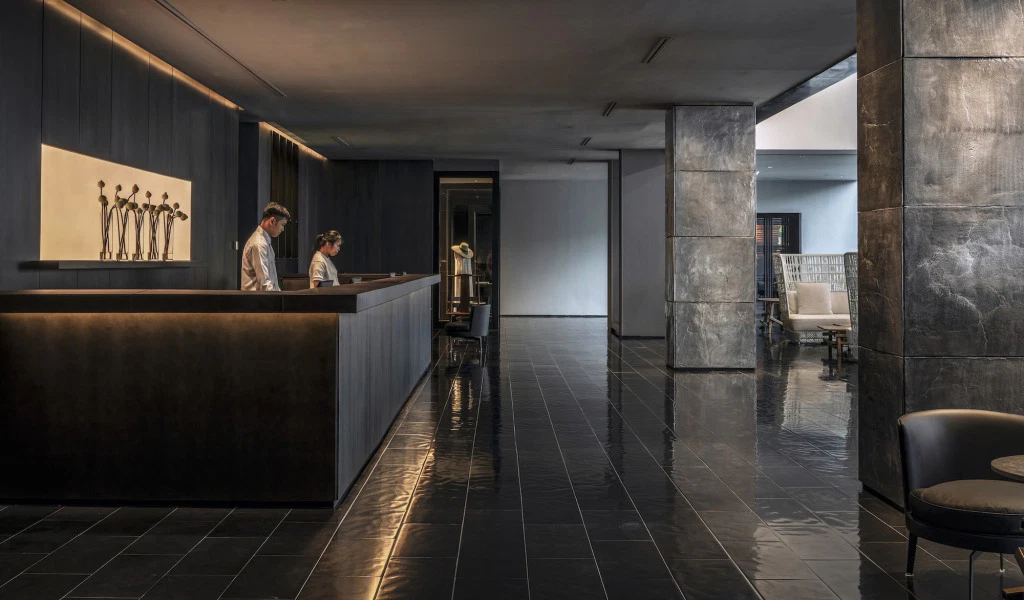
First introduced to Bangkok in October 2003, the design-forward concept has recently emerged from a transformative renovation by Italian designer Paola Navone, who also worked on COMO Point Yamu, located in Phuket. The updated property now presents a more assured interpretation of what a city hotel in Bangkok can be: minimalist Italian glamour meets Thai heritage without slipping into caricature.
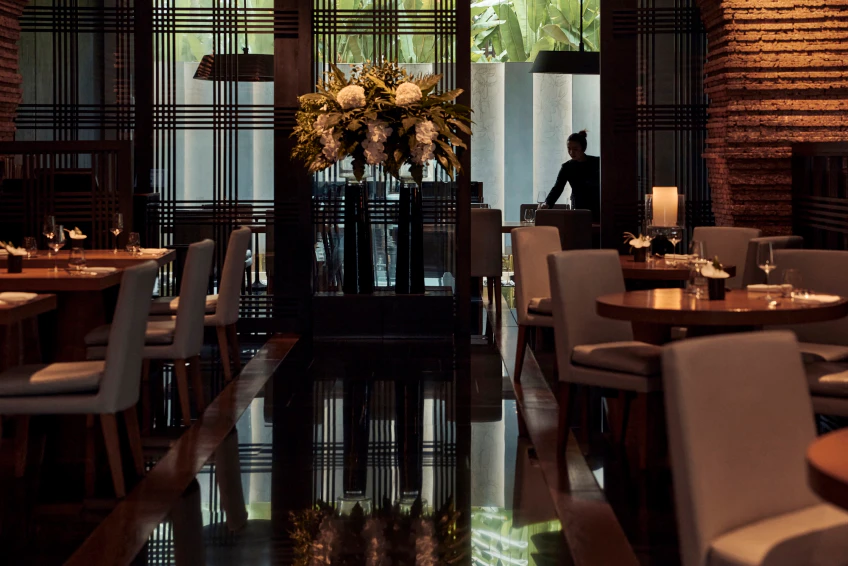
Located in central Sathorn just off Lumphini Park and surrounded by embassies, the intimately-sized 137-key hotel offers the kind of five-star stay that feels increasingly rare: an 82-foot palm-shaded pool that mirrors a resort’s, a world-class spa, a compact but genuinely usable gym, and nahm, the unstuffy Michelin-starred restaurant that has helped define Bangkok’s fine-dining scene for well over a decade.
The recent renovation has stripped away the hotel’s older dark woods and silk furnishings in favour of something brighter, and undoubtedly, stranger. New rooms, which start from a generous 43 square metres for the entry-level, are now almost entirely white, with interiors that feel subtly eccentric, dream-like, and a little off- centre. By hotel standards, it is avant-garde, but by no means hostile. The lamps lean, quite literally, to oddness.
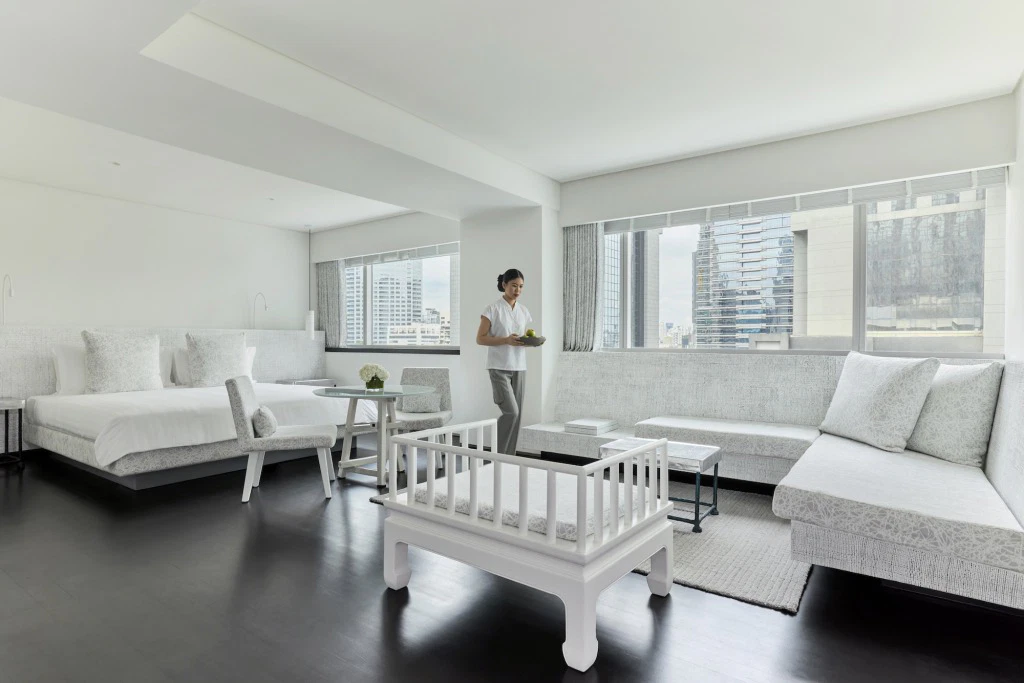
Hand-scrunched artisanal glassware and metallic tables that would not look out of place at Milan Design Week feature Thai references throughout. The suites, though in their original form, boast a duplex layout that can make you swoon if space is what you care about.
There are practical comforts, too. COMO Shambhala, the brand’s 30-year-old wellness and spa arm, is the real reason for any health and wellness enthusiast to stay. It translates from Sanskrit as “peace,” which appears not only in fragrant toiletries (the scent is unlike any other) but also in the hotel’s only other restaurant, COMO Cuisine, a dining institution most Singaporeans are familiar with. Fans of hotel spas will come face to face with the best value-to-luxury ratio at the hotel’s in-house spa, where the menu includes 60-minute massages aimed at fighting jet lag or travel stress through traditional techniques.
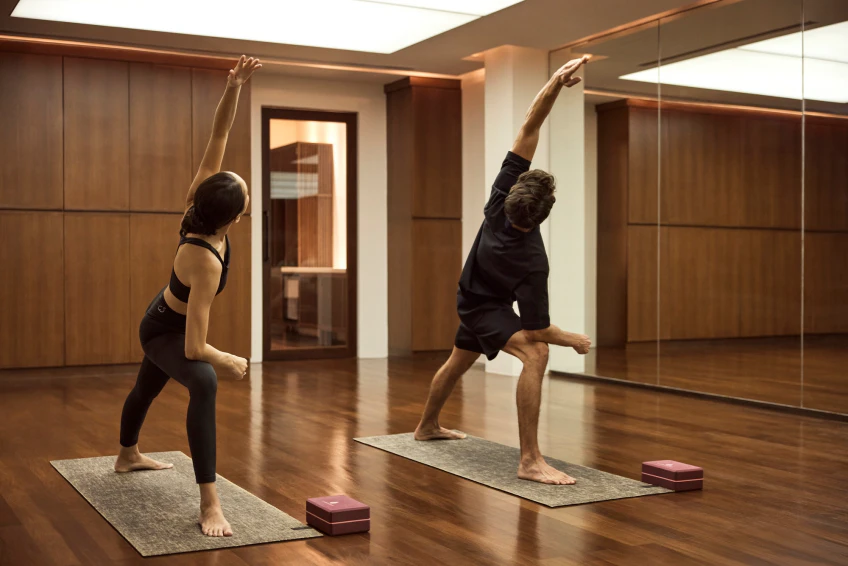
Even the hotel’s service is enough to make the stay truly special. The front desk remembers you by name, asks if you would like your room cleaned as you set off for the day, and sends you messages to check if there is anything they can do to make your trip better. This includes arranging breakfast to go if you are catching an early flight. In many hotel articles and reviews, you read about how people are taken care of. But at COMO, it feels like a promised amenity, not something to hope for. And that feels enough to convince anyone.
Across the globe — with a presence in Bali, Bhutan, Italy, France, Australia, the Maldives, Turks and Caicos, Singapore, and of course, Thailand — COMO’s sanctums embody a sumptuous yet highly curated, bordering-on-ultra-luxury type of hospitality that has been practised and clearly perfected over the last few decades. It is what to expect when Ong herself opened her first hotel, COMO The Halkin in London, after struggling to find somewhere genuinely comfortable in the city. So while you expect taste, the nice surprise is that the hotel does more than that. It feels perfect — a description rarely given by us. And with highly competitive rates, it might just be the most valued stay anyone could have in Bangkok, ever. That is what the “boutique” in boutique hotel means, after all.
Park Hyatt Phu Quoc
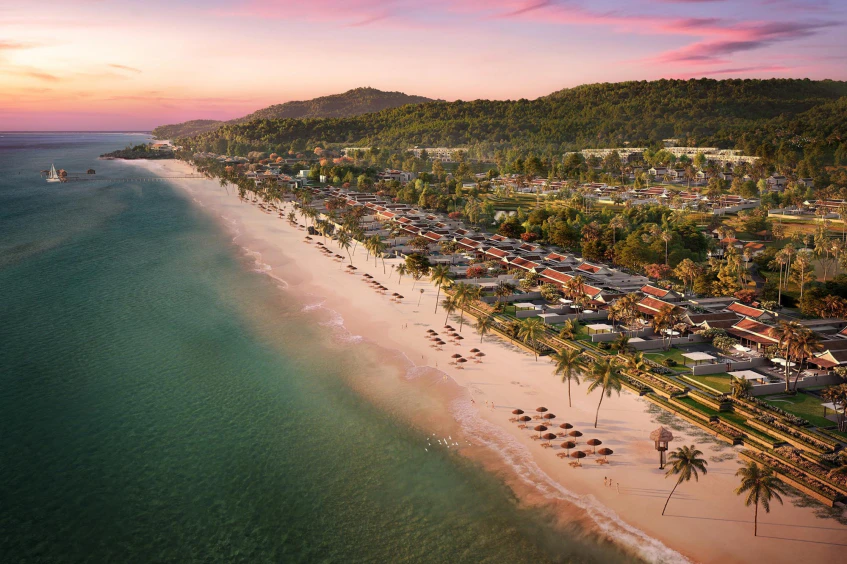
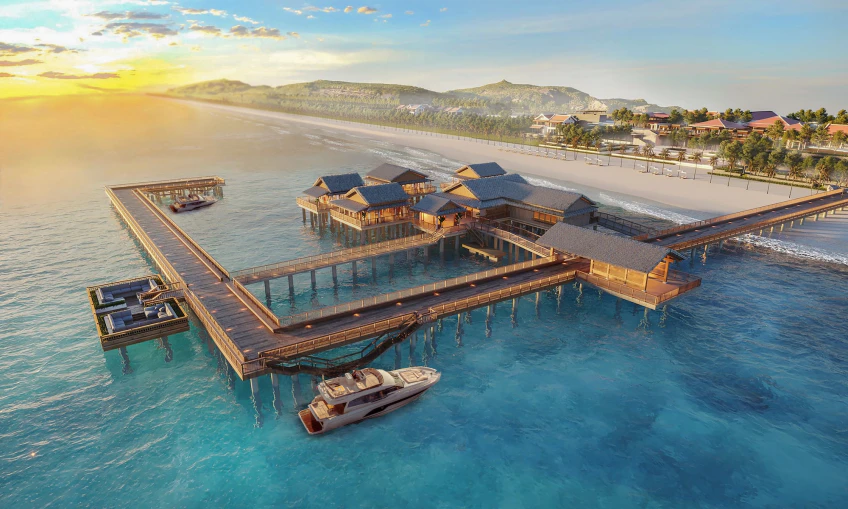
Resorts are great. You get easy access to the beach and have no noisy streets or taxis to contend with. Just buggies arriving when you call, ferrying you from breakfast to the pool, to some very soft version of real life. But what if there was another way to resort? What if, instead of the usual villa set-up, you traded familiar comfort for something quieter and stranger, like Vietnamese village-style houses, landscaped paths, terraced rice fields, and a natural spring running through the property?
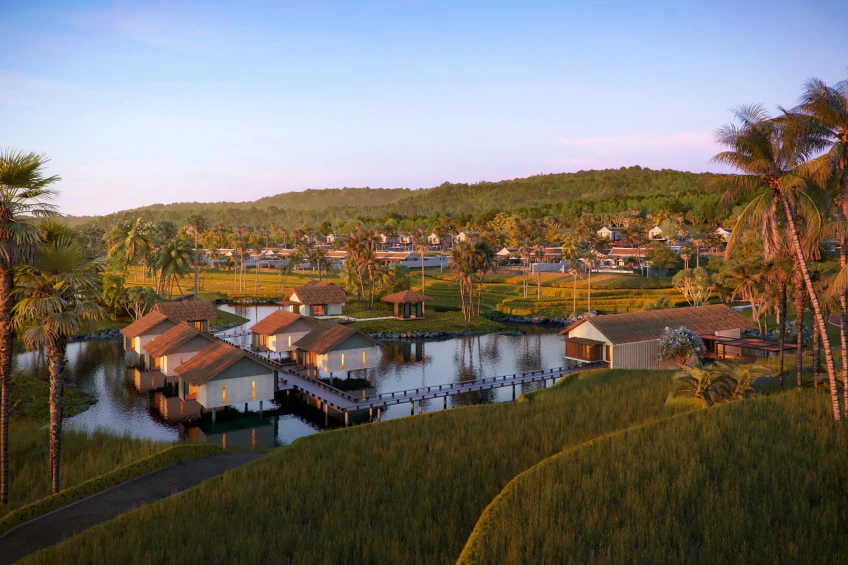
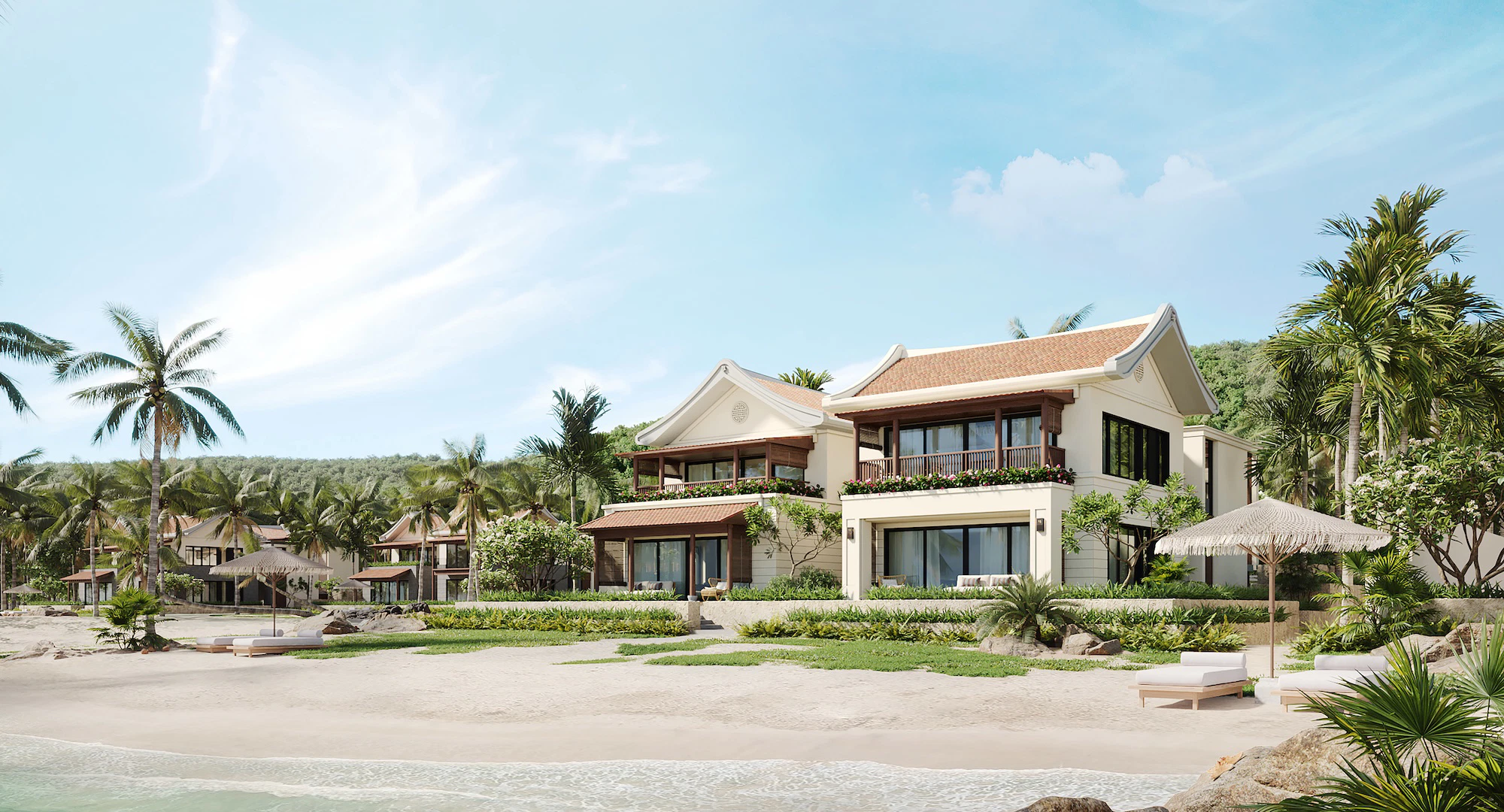
It is very much real even though it sounds like a fantasy. Set to open in late 2026, Park Hyatt Phu Quoc is the brand’s first resort in Vietnam, and it already seems like the sort of place so dreamlike it only makes sense that it ends up on our list. Situated on the island’s southwest tip, the resort sits against a 1.7km stretch of golden sand, backed by hills and cut through with a meandering stream. Though it is still gearing up for its opening, the appeal is in the scene-setting rather than the inventory, with nature first, rooms second. So if most resorts remove you from real life, Park Hyatt Phu Quoc seems designed to replace it with something better.
Regent Canggu Bali
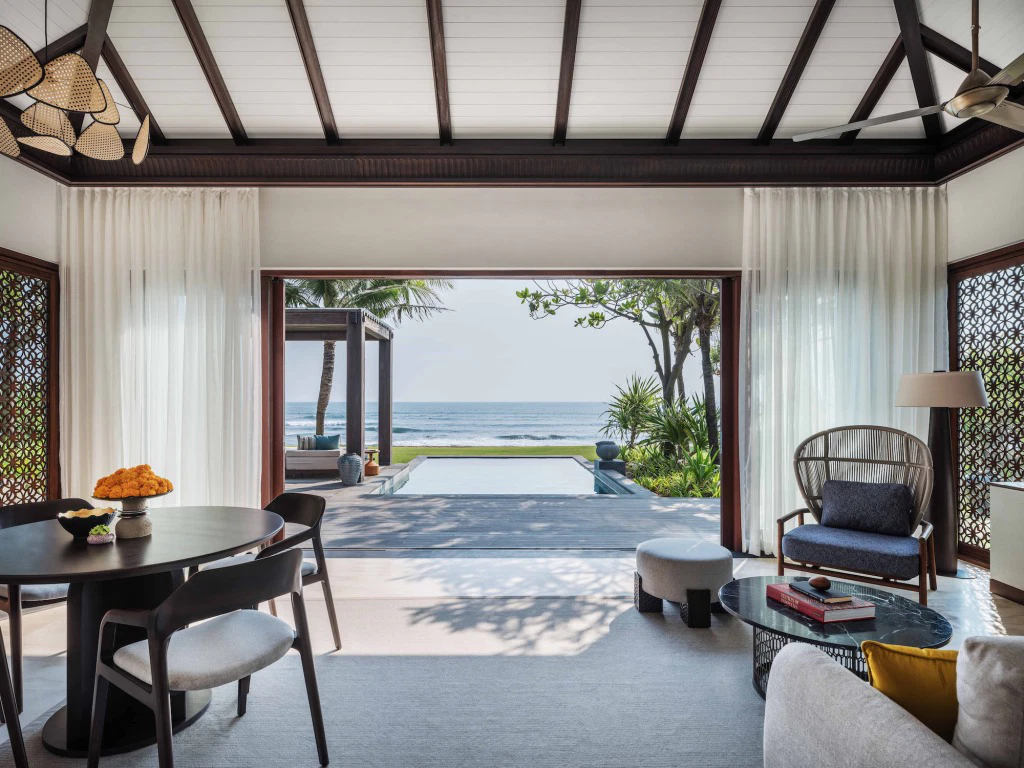
Regents are rare gems. They are not the kind of hotel brand you stumble upon in every city. With a lean portfolio of just 11 properties globally, eight of them in Asia, finding one in a city you are already planning to visit feels like a sign. Why? Because what makes Regent feel different from other luxury hotel brands is assurance. The brand is known for its particular craftsmanship of luxury: iconic architecture, spectacular locations, and a staff-to-guest ratio that makes service feel almost preemptive. The closest comparison is probably The Peninsula — the kind of hotel you book on instinct because the name already carries weight.
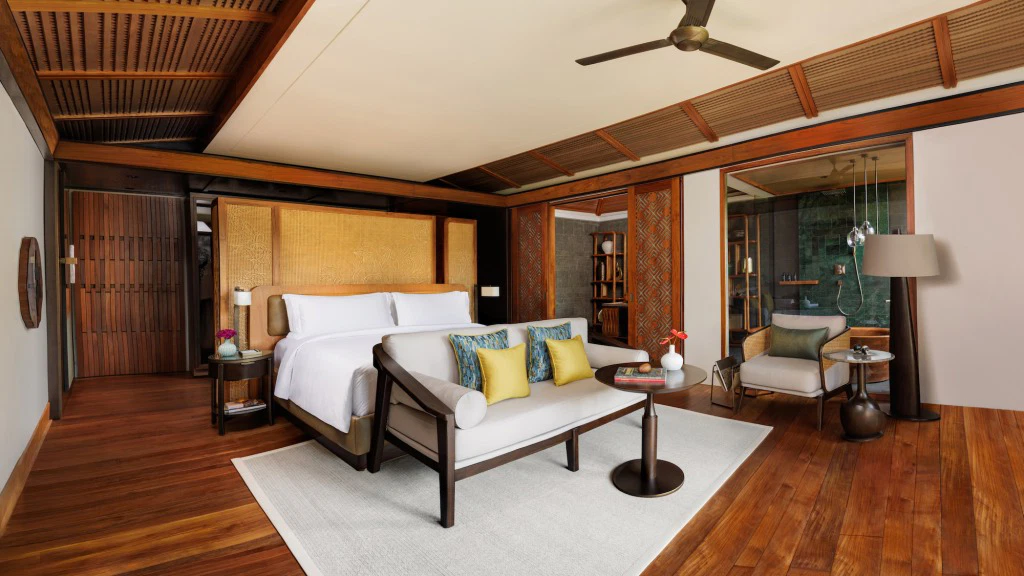
Regent Canggu Bali is exactly that hotel. Opened in December 2024, it is set in Bali’s most overexposed neighbourhood, and could have easily become another loud beach resort, another shrine to poolside DJs, and people who take the island’s calm for granted. But it stands its ground on luxury by being the island’s most composed option available.
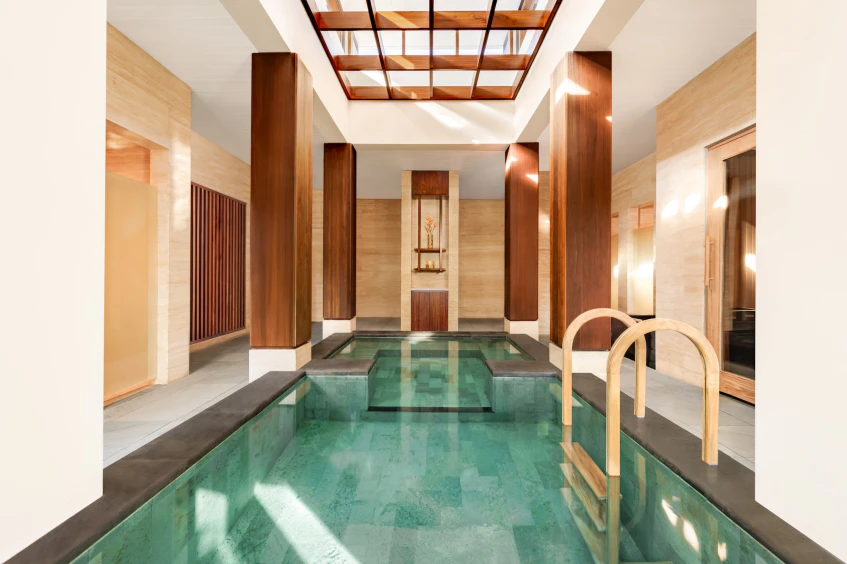
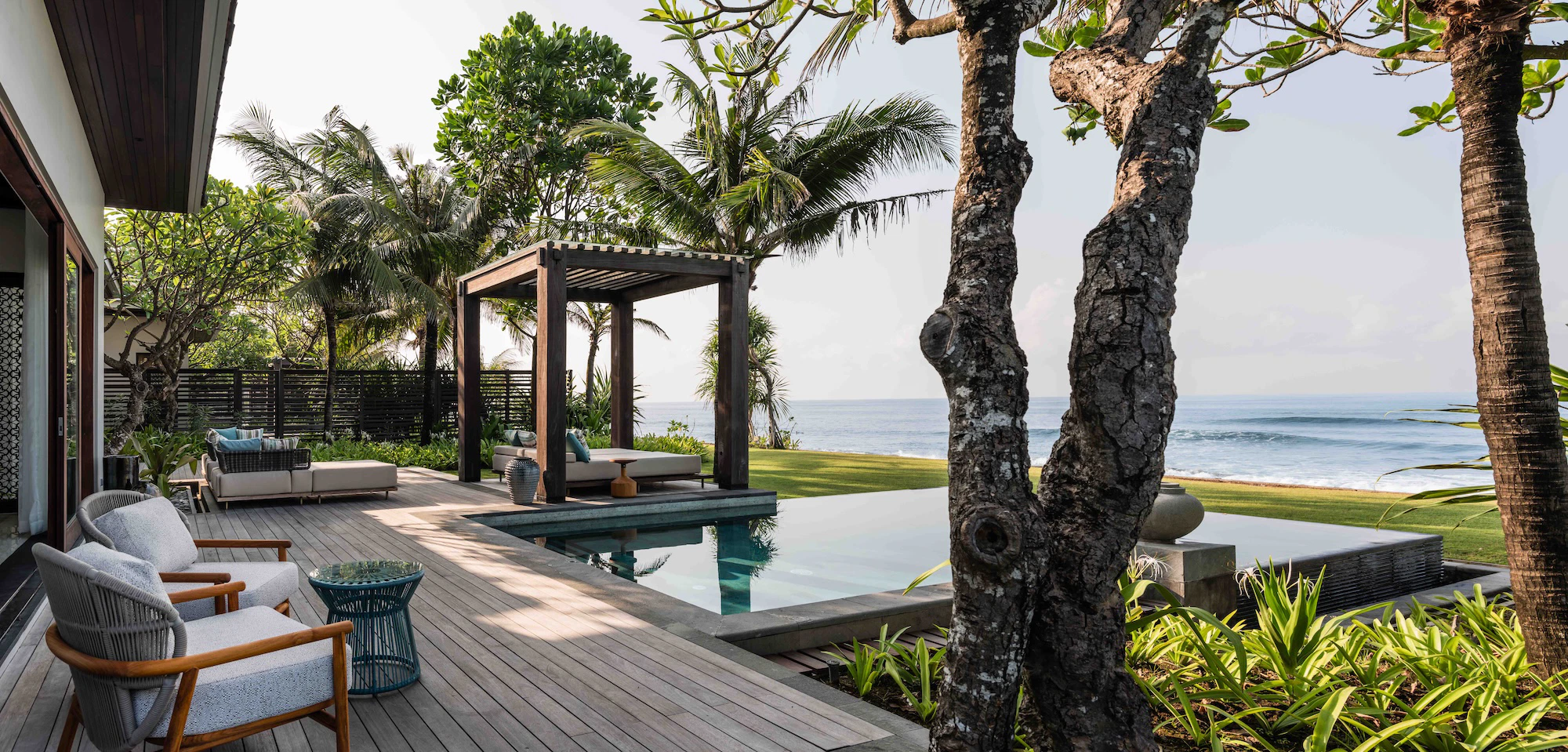
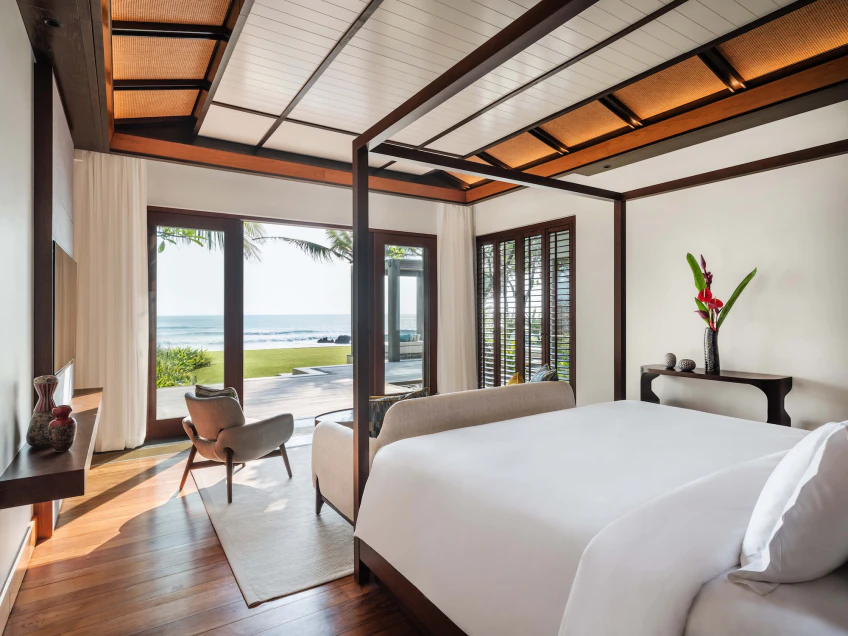
The resort sits on nearly 15 acres of space in Canggu, with 150 accommodations ranging from spacious suites to oceanfront villas, some so close to the beach that it becomes more than just a pretty view. There are nine pools, generous outdoor spaces, private cabanas, and service that represent the best of Indonesia. The Balinese references are there too, such as carved wood, warm stone, songket-inspired patterns, incense at turndown, and motifs drawn from local legend rather than lazy tropical cliché you see from the hotel’s neighbours.
Grand Hyatt Singapore
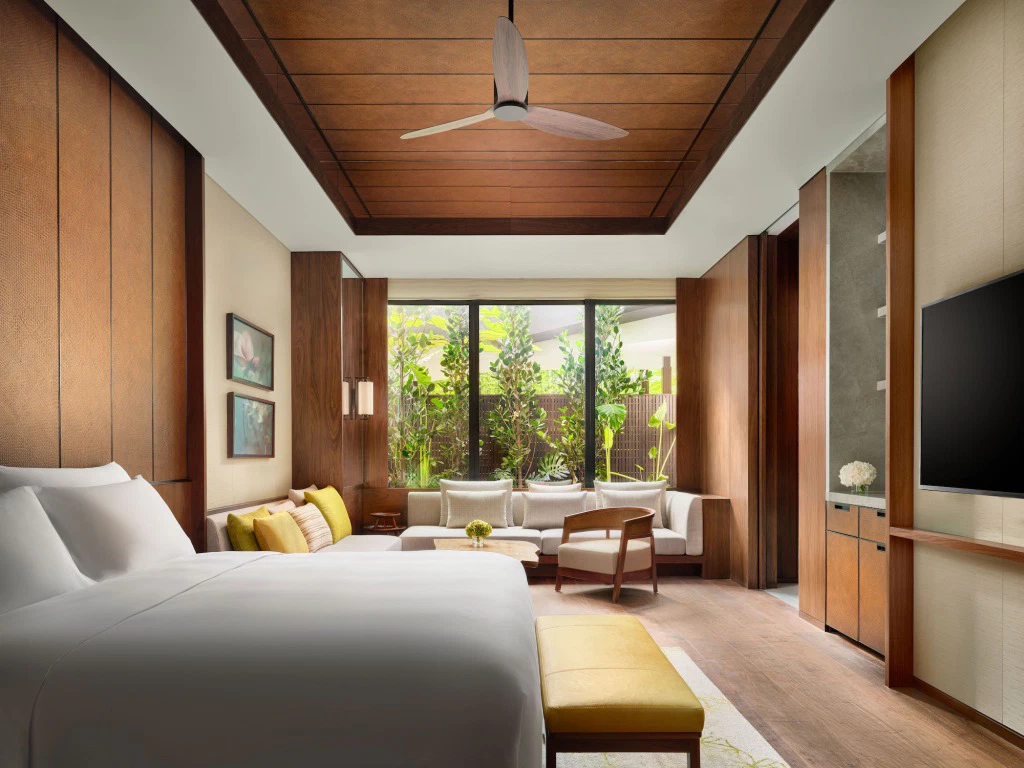
Singapore’s own Grand Hyatt, just off Orchard Road, was already a formidable hotel before it closed for renovations in 2022. The rooms had a Japanese-inspired minimalism, with clean lines and wood finishes that felt unusually restrained for their time. But age had started to catch up. The hotel’s last major upgrade was in 1998, after a long renovation period through the 1990s that saw the former Hyatt Regency Singapore become what many locals now regard as one of the city’s grand dames.
Then came one of the most significant hotel transformations Singapore has seen in the last decade. The property began its latest overhaul in 2021, fully closed in September 2022, and reopened in phases from July 2024, beginning with the Terrace Wing. Hyatt announced the completion of the multi-year transformation in August 2025.
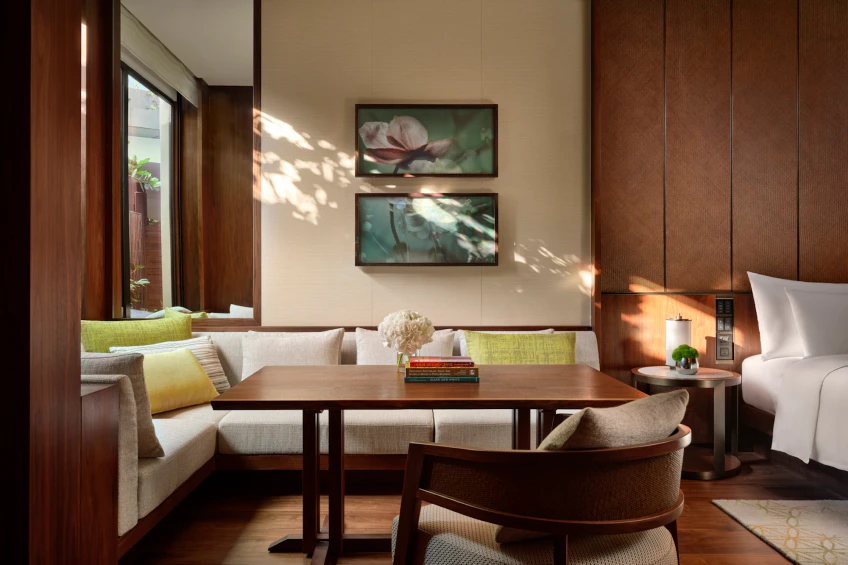
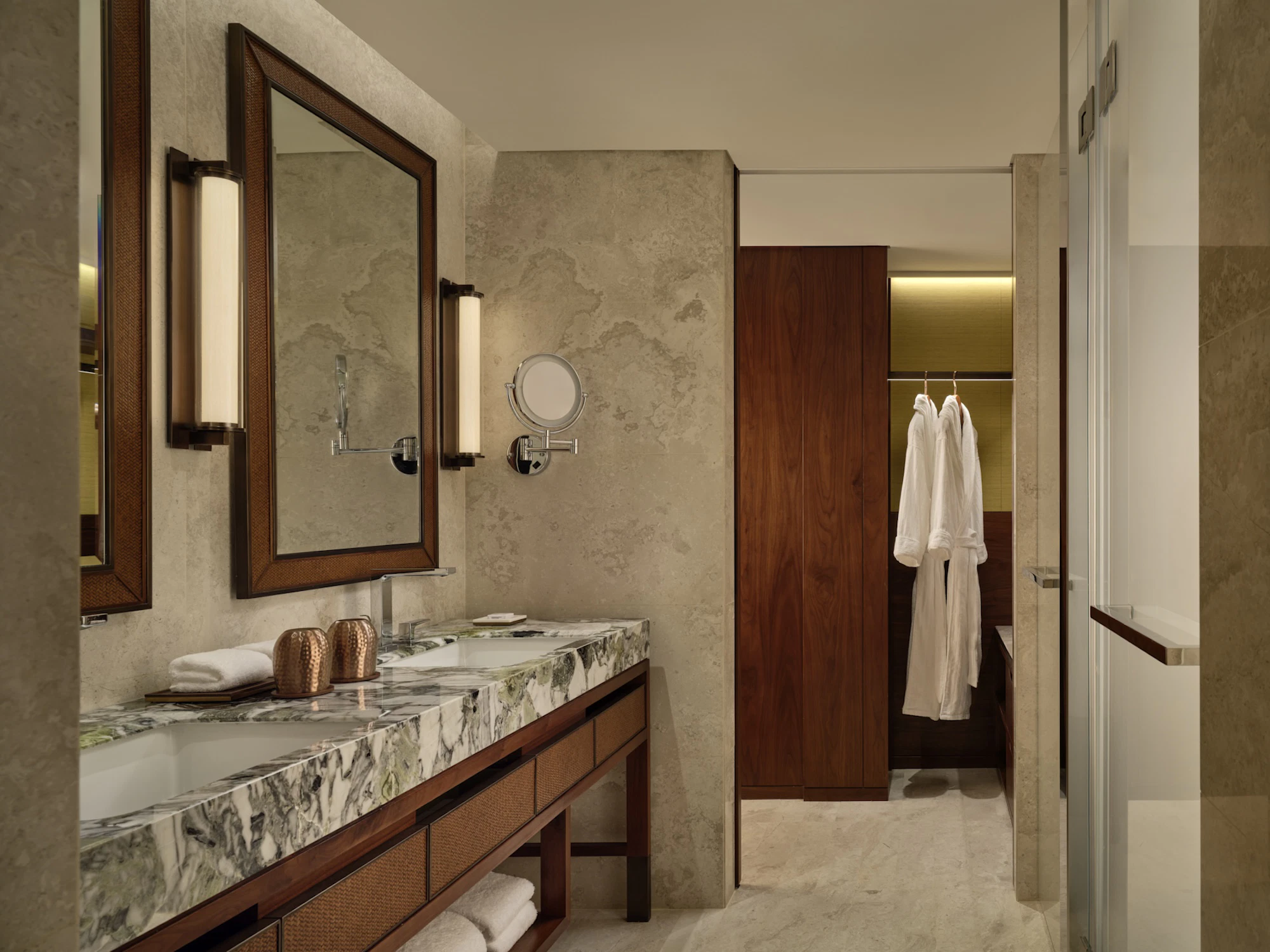
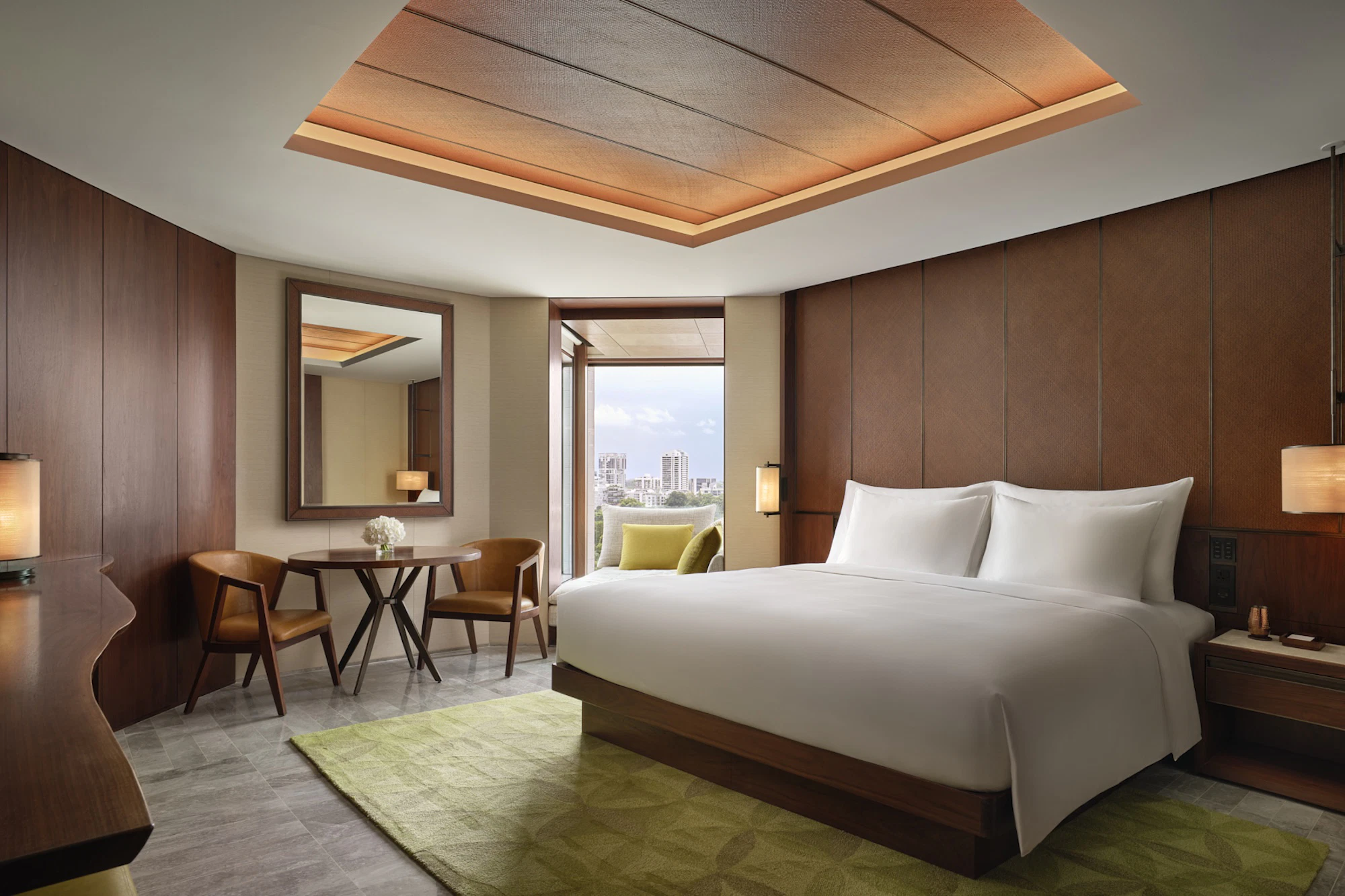
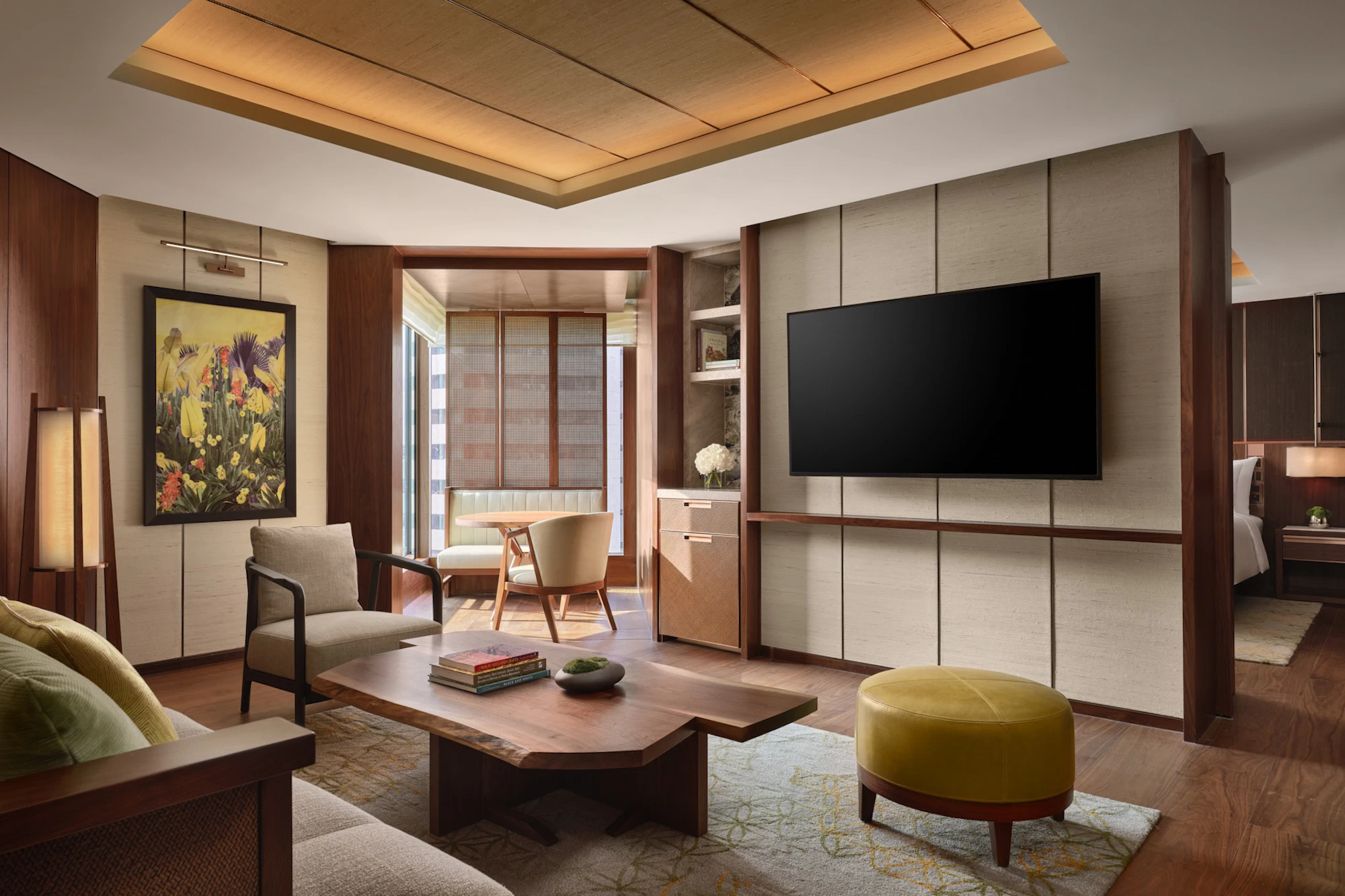
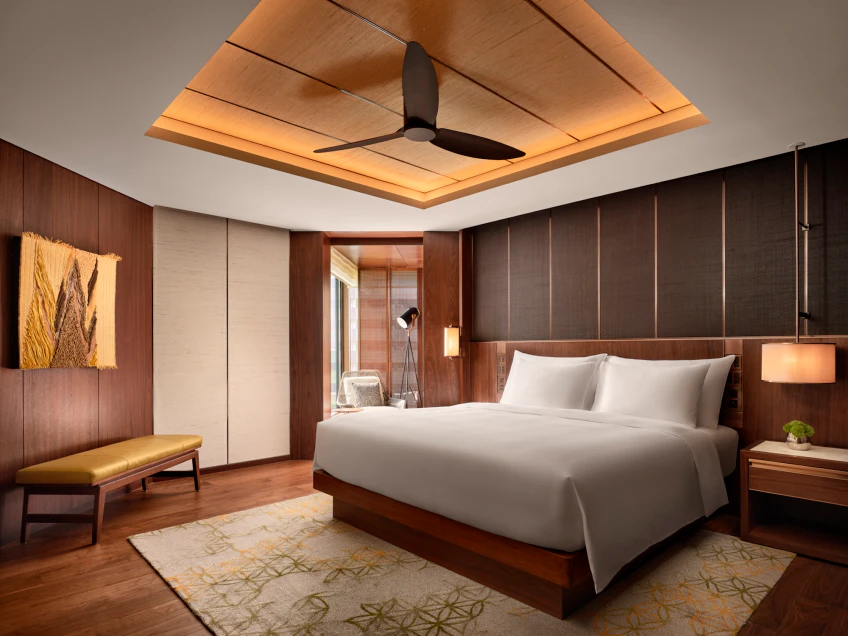
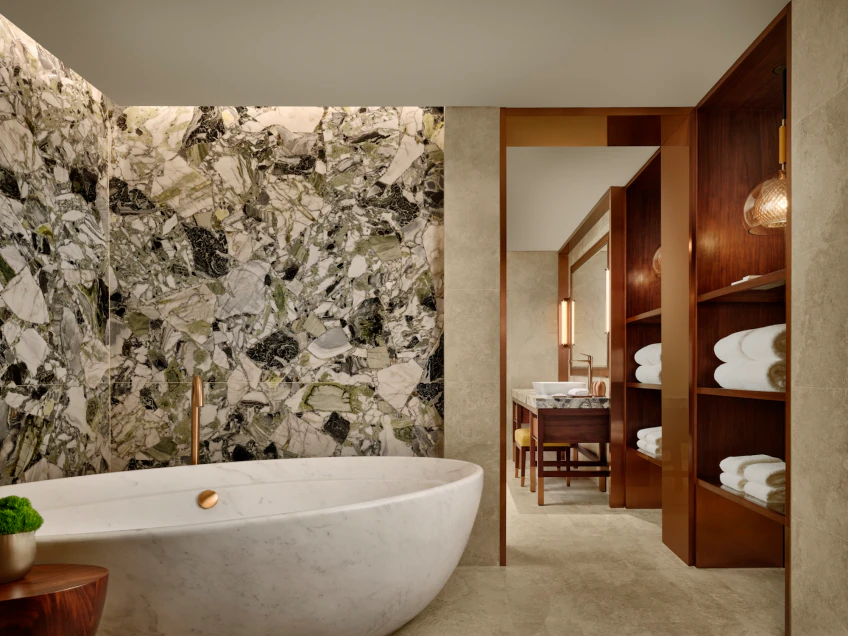
The renovation has resulted in a 699-room hotel, split into two distinct wings: the Grand Wing and the Terrace Wing. New rooms lean into a particular Singaporean restraint, made warmer and more residential than before. Push past the entryway and the space opens into clean-lined interiors, with warm wood, soft fabrics, and just enough pattern to remind you where you are.
On one hand, the Grand Wing takes on a more urban setting with open-concept layouts, plush sofa nooks that shift easily from workspace to living area, Patagonia stone bathrooms, and small Peranakan-inspired accents that nod to the city without turning the room into a theme park. The Terrace Wing sports a calmer, more resort-like feel. Some rooms have direct access to the gardens, while the 60-square-metre Garden Studio features higher ceilings and a walk-in wardrobe. Some larger balcony rooms also feature a private outdoor seating area, which feels too generous for a hotel this close to Orchard Road.
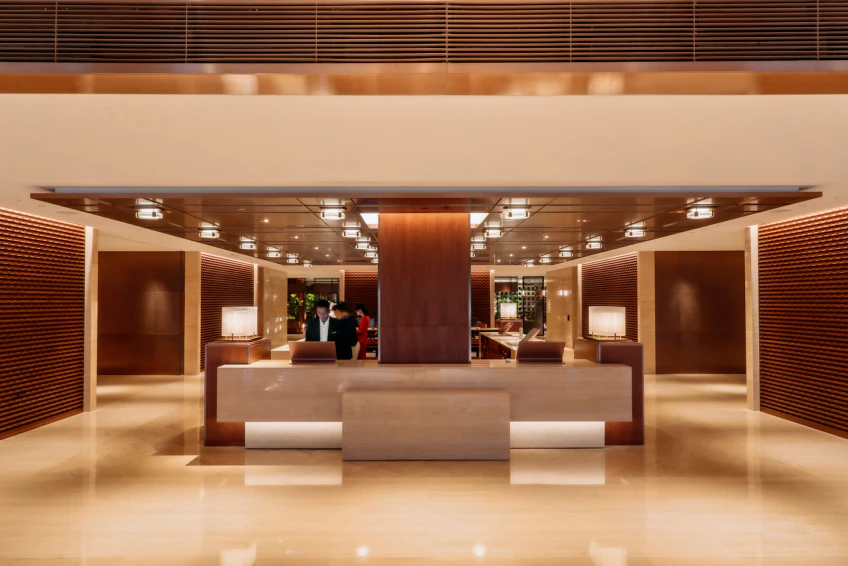
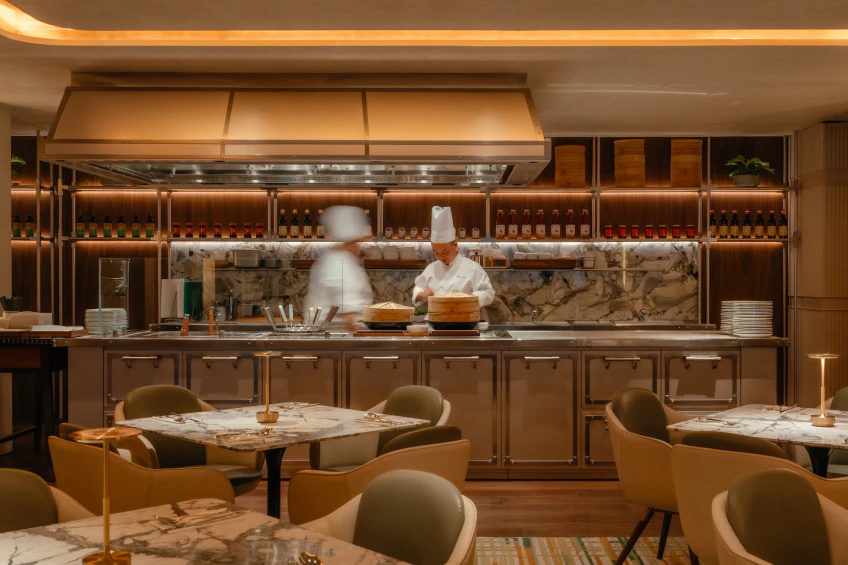
Best of all, the dining line-up has also been sharpened, led by Le Pristine Singapore, the Southeast Asian debut of Michelin-starred chef Sergio Herman, alongside familiar Grand Hyatt names such as StraitsKitchen, Pete’s Place, and 10|SCOTTS.
Once you are done with this story, click here to catch up with our latest issue.