There is a particular pleasure in opening a fashion book that gathers years of creative work into a single volume. Collections that once existed in separate seasons, fleeting runway moments, and photographs scattered across the Internet now sit alongside one another. Some looks are instantly recognisable; others prompt a second glance, or the realisation that you have somehow missed an entire collection. When removed from the pace of fashion week, the clothes can be considered at a different tempo. There is time to notice what might have been missed when the next show was already waiting.
Fashion has a curious relationship with memory. Philosopher Søren Kierkegaard believed that life can only be understood backwards but must be lived forwards. We spend months anticipating a collection, days dissecting it, and barely a season later, the conversation has moved on. Designers leave, houses enter new chapters, and yesterday’s defining moment becomes tomorrow’s reference point. Every so often, someone looks back and asks, “Remember when they were at Louis Vuitton?” An entire era is summoned in a sentence, yet the circumstances that made it significant are harder to recall. We recall the images, but remembering an image is not quite the same as understanding what it represented.
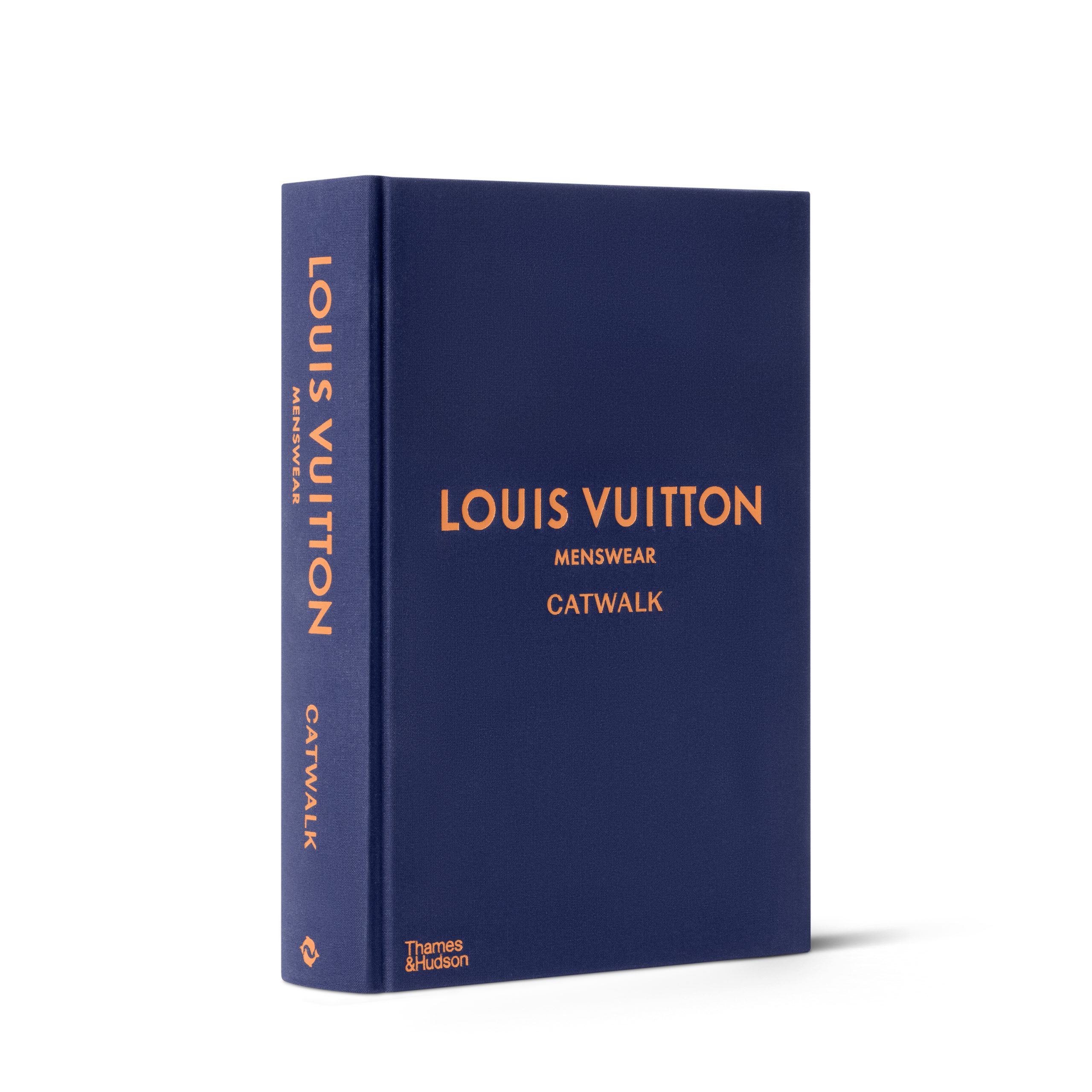
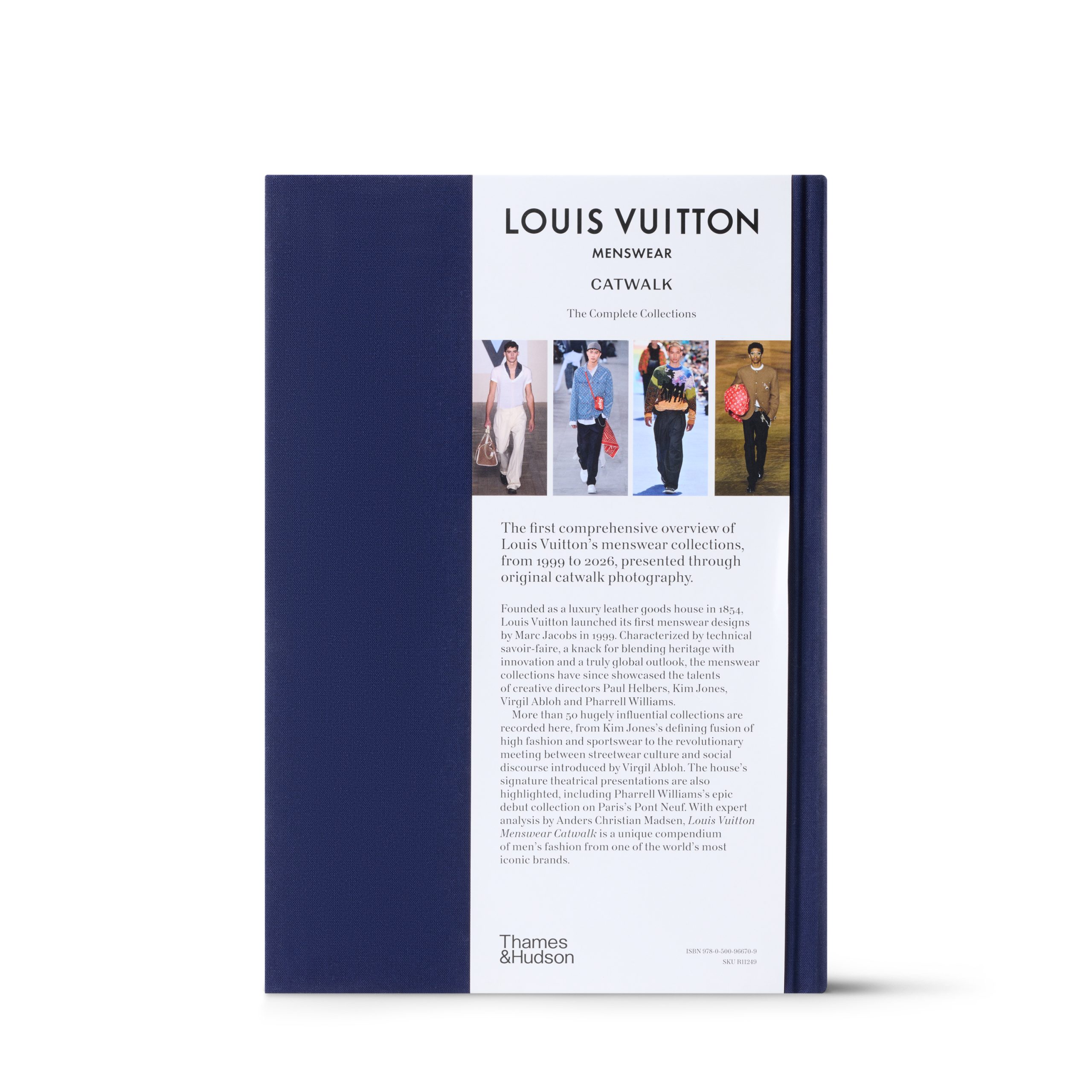
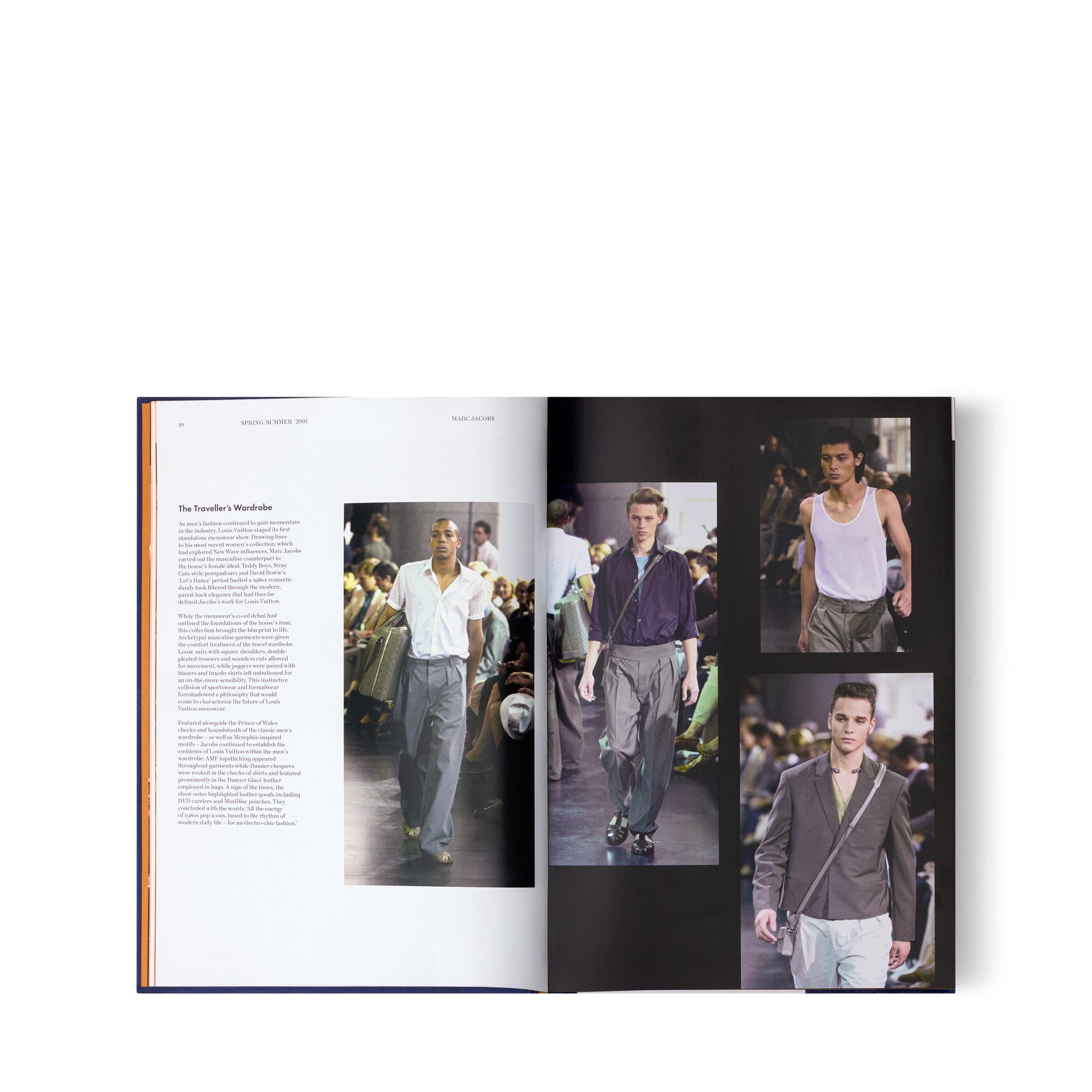
This is where Louis Vuitton Menswear CATWALK™ finds its purpose. With more than 1,200 runway images spanning 50 collections across 600 pages, the first menswear title in Thames & Hudson’s “Catwalk” series brings together nearly three decades of Louis Vuitton menswear. Encompassing the tenures of Marc Jacobs, Paul Helbers, Kim Jones, Virgil Abloh and Pharrell Williams, it offers so much more than a retrospective of past collections. The book provides an opportunity to see different creative visions in conversation alongside one another, and to consider how each has shaped the identity of a house that was never confined to a single moment.
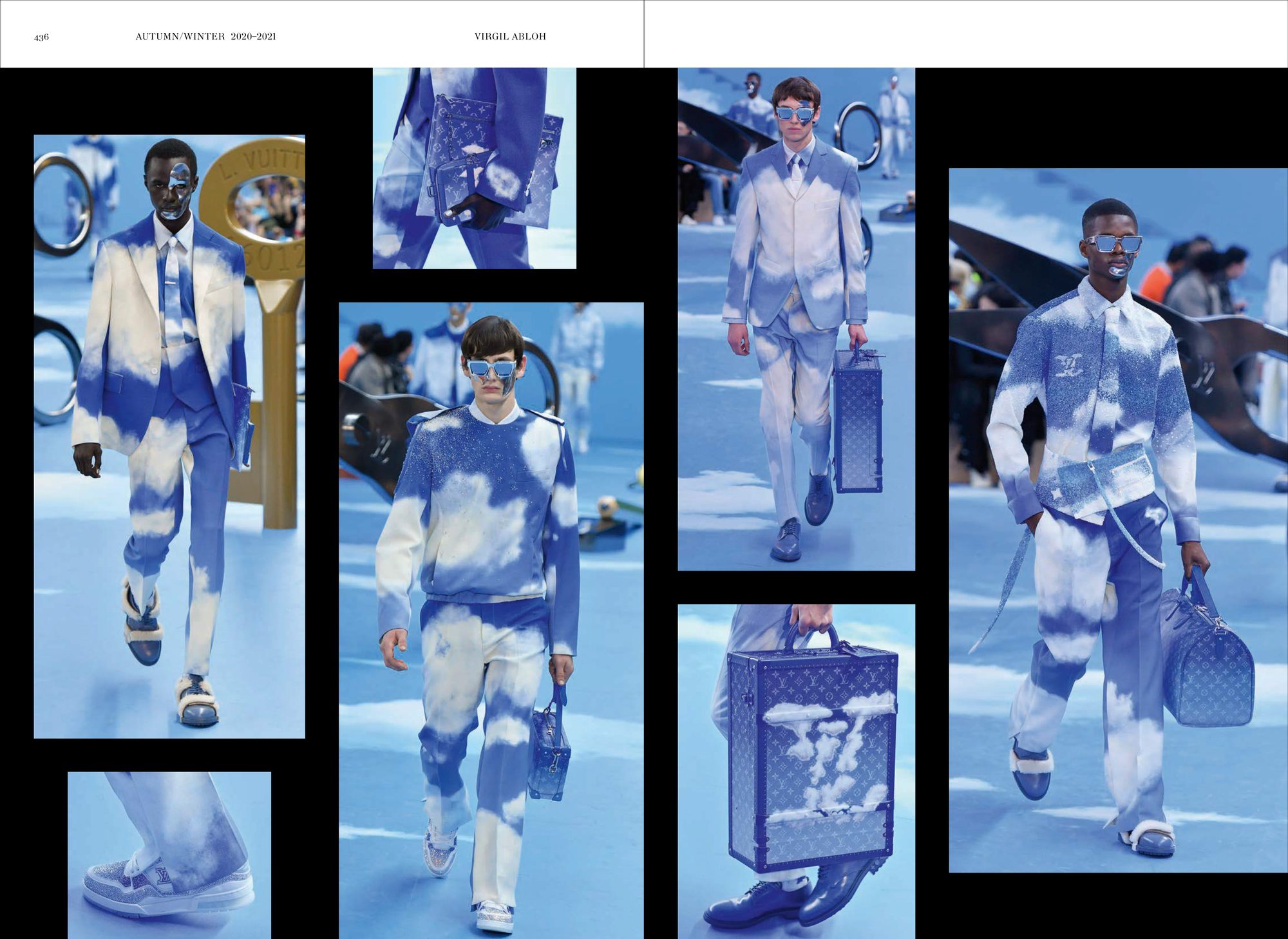
Looking at these collections together also makes the differences between their respective eras harder to ignore. Each creative director arrived with a distinct vision, responding to the house’s heritage while bringing his own interests, references, and understanding of the modern man into the picture. Marc Jacobs helped establish Louis Vuitton’s contemporary fashion identity; Paul Helbers helped develop its menswear language; Kim Jones brought a worldly sensibility to luxury menswear; Virgil Abloh challenged the boundaries between streetwear and high fashion; and Pharrell Williams continues to explore the relationship between fashion, culture and everyday dressing.
These chapters are not entirely separate. The house’s soul and ideas travel through them, sometimes visibly and sometimes abstract, in ways that only become apparent with distance. A silhouette, a proportion, or a styling approach may take on a different meaning when viewed against what came before or after it. Louis Vuitton Menswear CATWALK™ encourages us to look beyond a collection’s immediate impact and consider the longer conversation it belongs to.
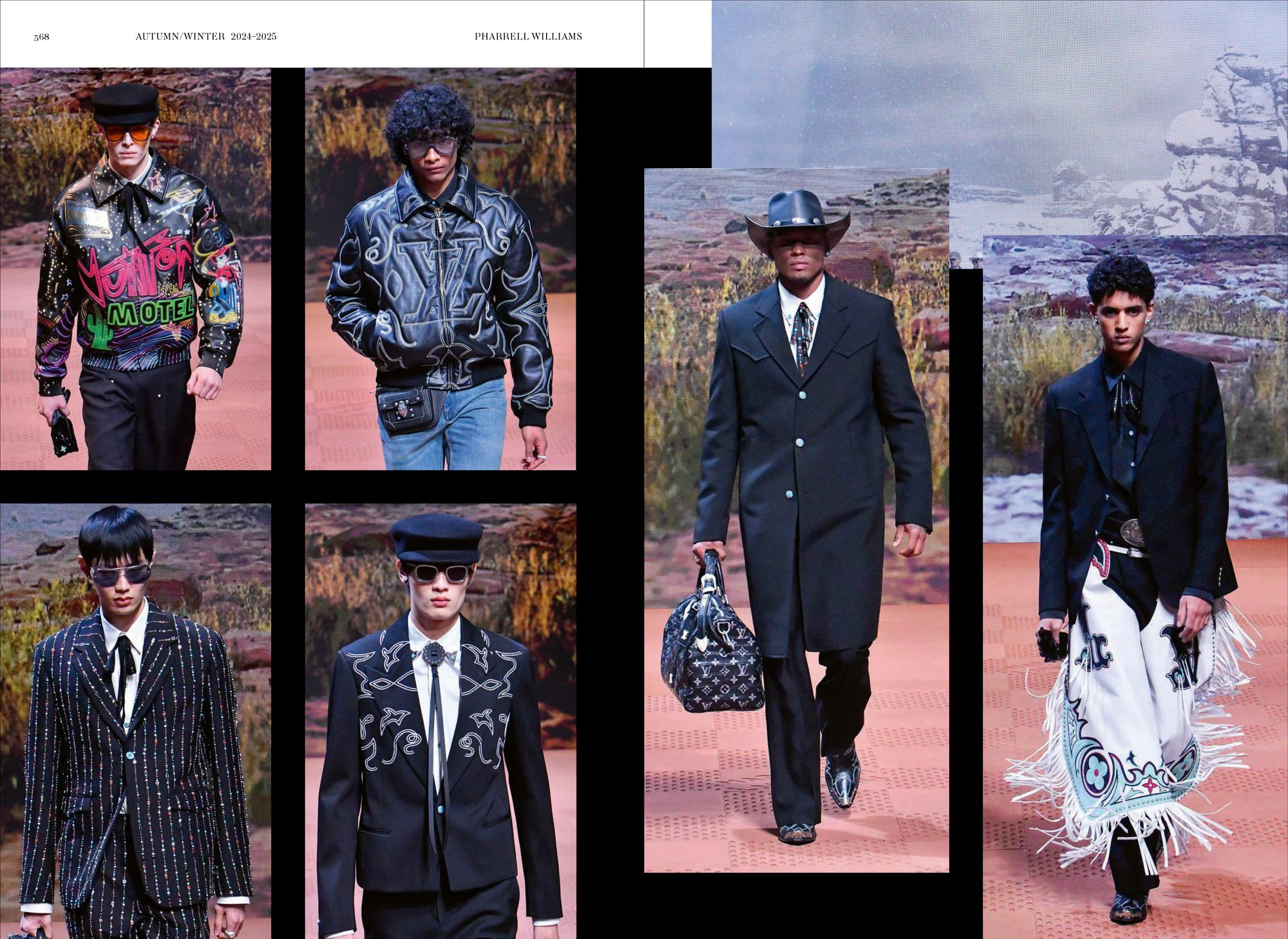
That conversation matters because menswear itself has changed considerably over these decades. The boundaries between formal and casual dressing, luxury and streetwear, and culture itself have become increasingly fluid. Louis Vuitton has been part of that evolution, but it has also had to negotiate a particular challenge: how does a maison with such an established identity continue to change without becoming unrecognisable? Looking across its creative history yields no single definitive answer. Instead, it reveals how the question has been approached differently, depending on who leads the conversation and the cultural moment in which it takes place.
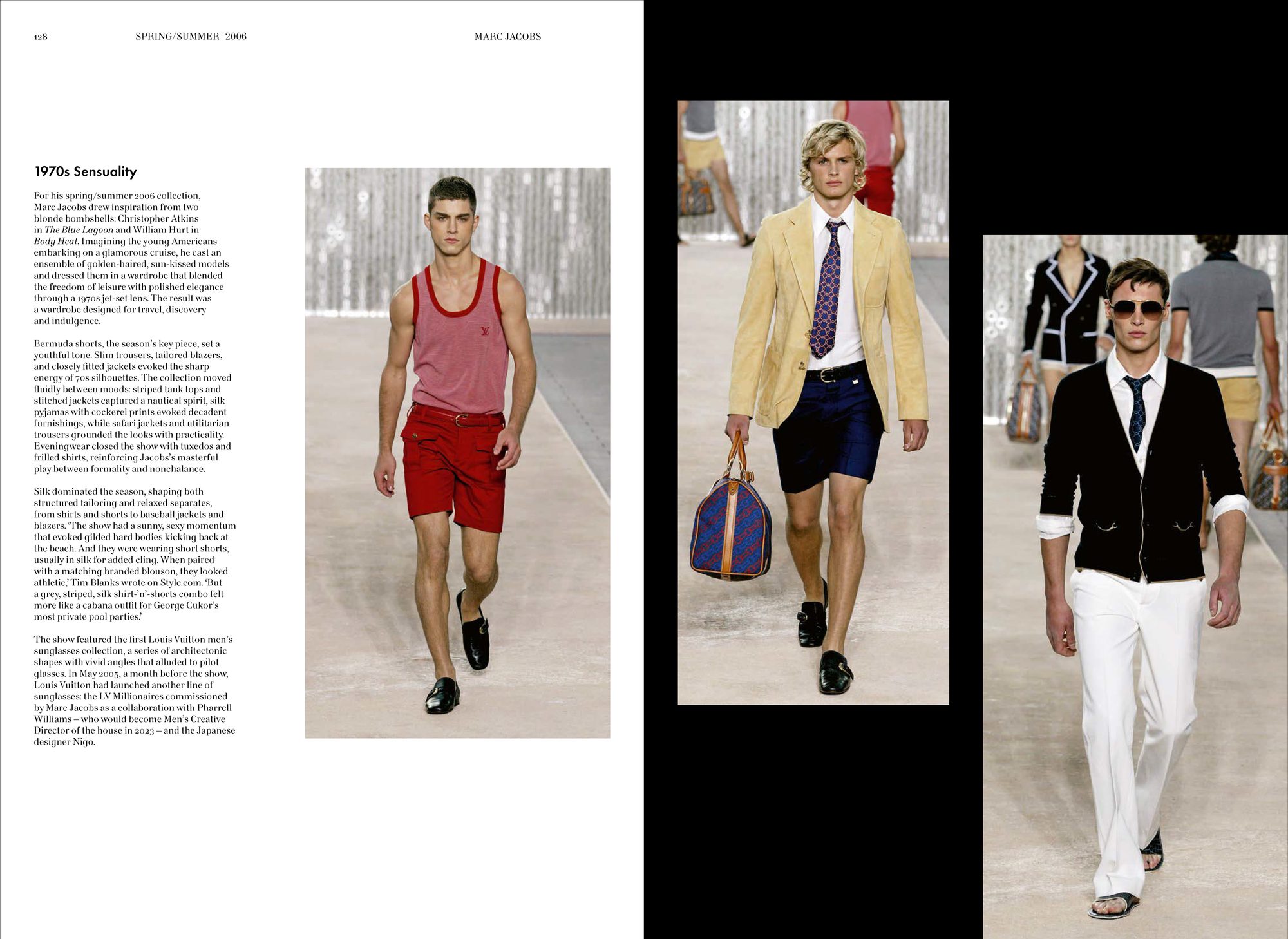
To understand that tension, it helps to return to the house’s beginnings. Founded in 1854 as a trunk-making business, Louis Vuitton was built around the practicalities of travel. Its original purpose was not simply to make an object desirable, but to make it useful, durable, and suited to a world evolving faster than we could keep up. That history has since expanded into a global luxury identity, but the relationship between movement and self-presentation remains an interesting thread through which to consider its menswear collection.
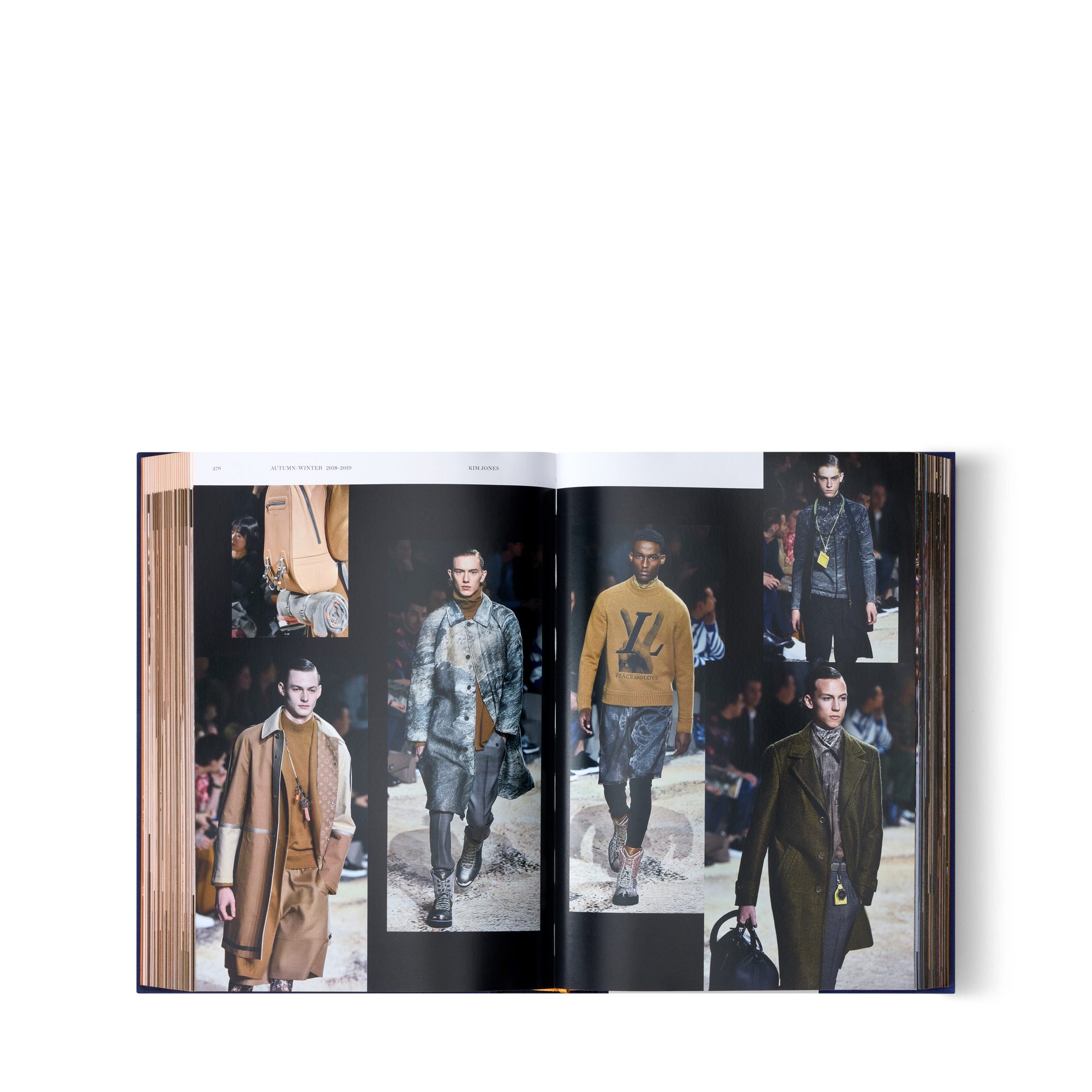
But travel, after all, is not only about getting from one place to another. It is also about the people, ideas and influences we encounter along the way. A wardrobe travels with its wearer, collecting associations and adapting to different circumstances. Anders Christian Madsen’s introduction offers another entry point into this idea of a global wardrobe, shaped by movement and exchange. Through this lens, Louis Vuitton’s history is not simply a succession of runway collections but a record of how luxury menswear has responded to an increasingly connected world.
Pharrell Williams offered a useful perspective on what that wardrobe might mean today. Speaking about his approach to design, Williams has described his aim as creating pieces that are “chic, wearable, and well-made”, adding that he designs for a standard. While fashion depends on change, a wardrobe cannot function on novelty alone. Clothes must exist beyond the runway, finding their place in the lives of the people who wear them. A seasonal collection may capture a particular mood, but its lasting value can depend on whether its ideas remain compelling once the immediate excitement has passed.
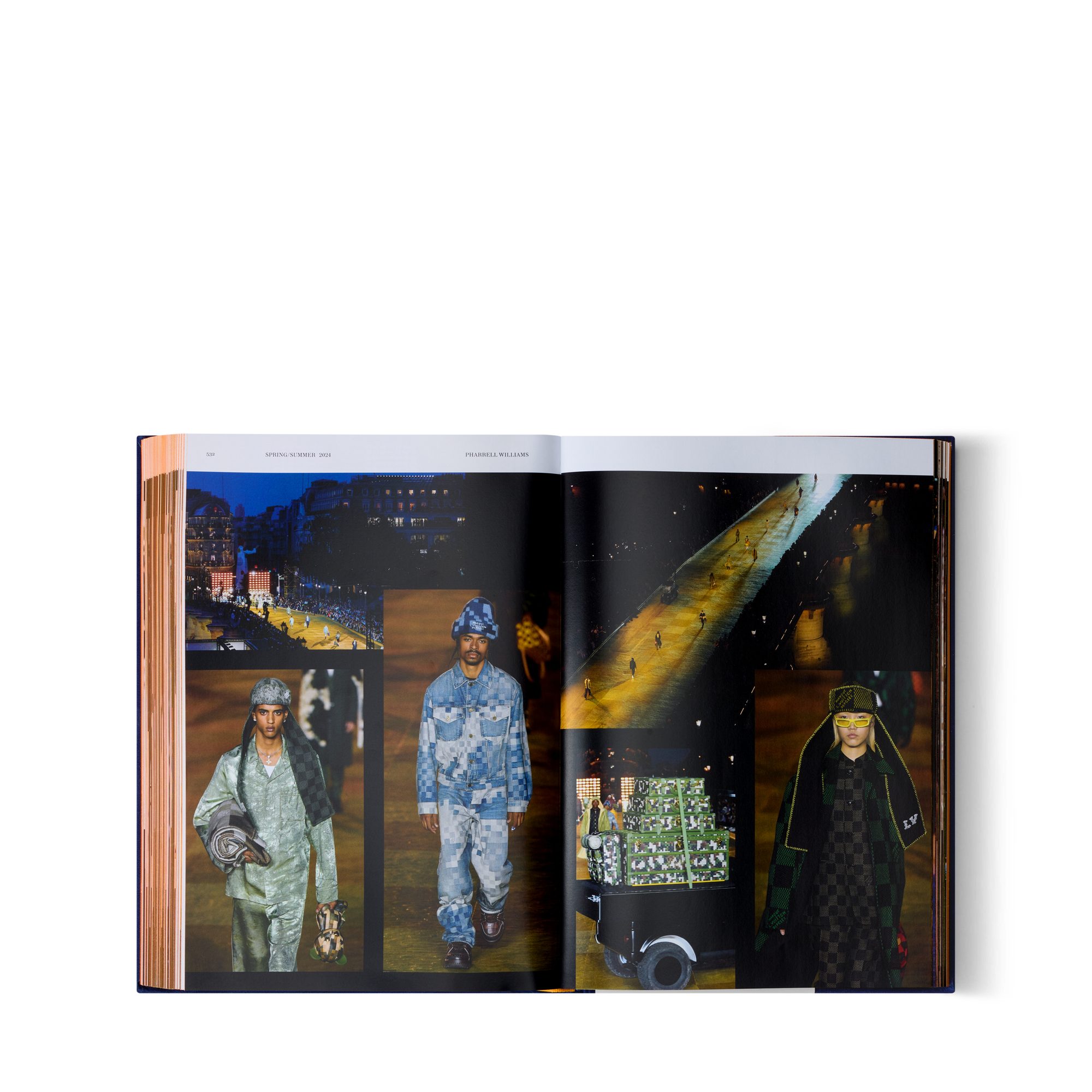
Of course, a book cannot tell us everything about a collection, let alone what was going on in the designer’s head. It cannot fully reproduce the experience of seeing a show unfold in person, nor can it capture every debate or reaction that followed. Context matters. So does knowing what a designer was responding to, what the industry looked like at the time, and how audiences understood the work when it first appeared.
Yet this is precisely why an archive like the CATWALK™ series is so valuable. As Adélia Sabatini, Commissioning Editor for Fashion at Thames & Hudson, explains, the series was conceived as a comprehensive reference library, offering access to the houses’ archives. Its value lies not only in gathering images, but in making material that might otherwise remain dispersed or difficult to revisit available for sustained study. A collection can be found online in seconds, but easy access does not always encourage a deeper look. A book asks something different. It requires the reader’s time, attention, and willingness to sit with what they are looking at a little longer.
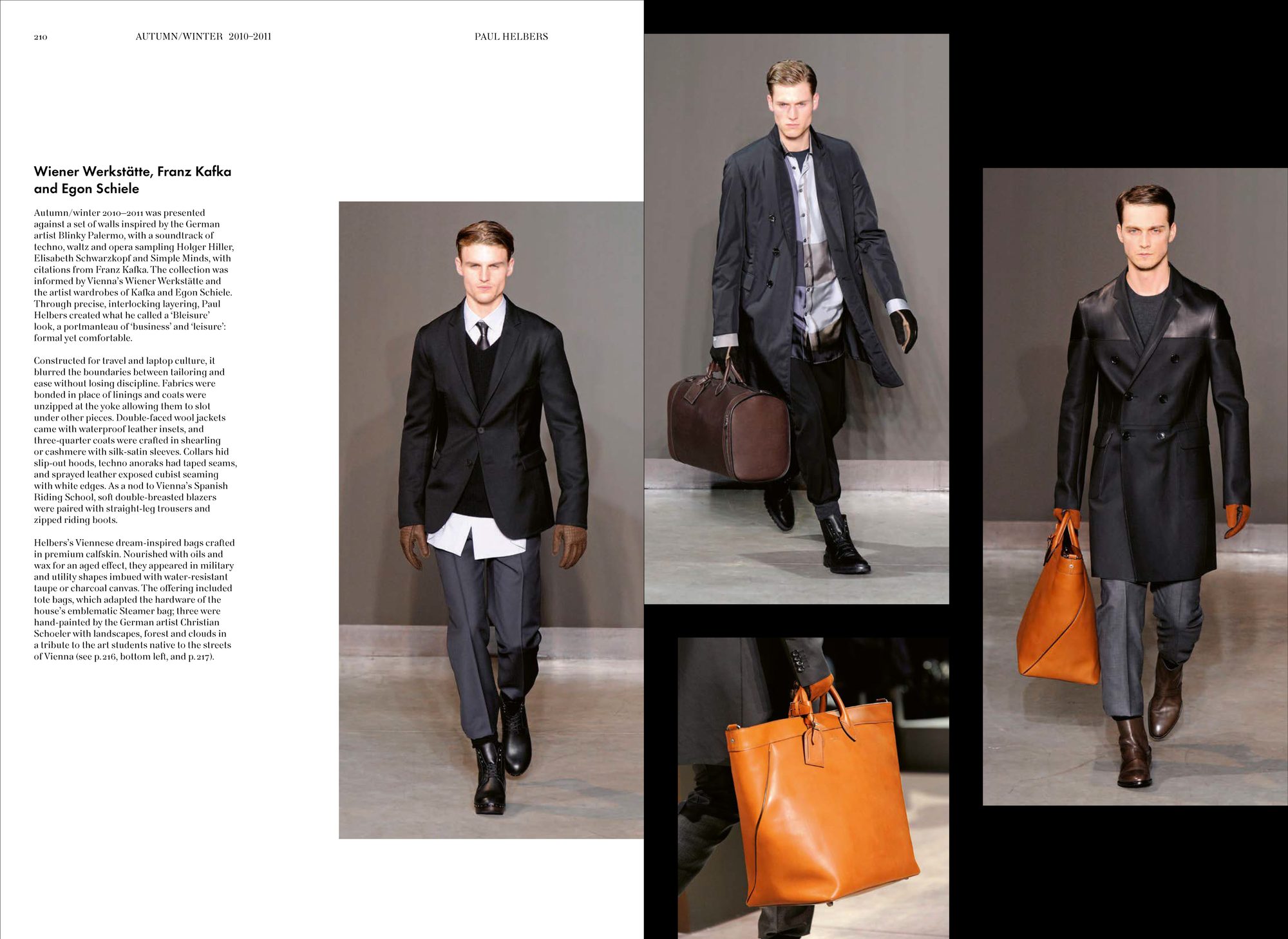
For students, aspiring designers, and anyone with a passing or longstanding interest in fashion, that opportunity is especially useful. Looking across collections can sharpen an understanding of silhouette, styling, proportion, and the gradual formation of taste. It can also prompt questions that a single runway image might not. Why does one idea feel contemporary in one decade and dated in another? What happens when a familiar house signature is reworked by a new creative director? And how much of what we call innovation is genuinely new, rather than an existing idea seen differently?
There is pleasure in recognising the familiar, but perhaps the greater pleasure lies in discovering what we missed the first time. A look that seemed unremarkable in the context of its season might take on new significance when placed beside a later collection. A design decision might reveal itself as part of a wider shift in menswear, rather than an isolated creative gesture. The archive does not dictate these interpretations. It gives us the material to form them for ourselves.
Looking back does not mean every collection deserves equal admiration, or that the past should be treated as an uninterrupted parade of triumphs. Retrospectives inevitably involve selection, and time’s distance can make certain moments seem more coherent than they felt when they first arrived. The point is not to settle on a favourite era or decide which creative director understood the house best. It is to recognise that fashion history is made through continuities, departures, and occasional contradictions, and that all have contributed to the identity we see today.
The next collection will arrive soon enough; new conversations will begin, and new moments will demand our attention. When a familiar silhouette returns or an old idea finds a new expression, it is worth pausing to consider what came before.
Once you are done with this story, click here to catch up with our latest issue.