Milan Design Week 2026 is essentially a combination of two parallel systems: Salon del Mobile, and Furiosalone. The Salone is the official, industy-facing fair held on the Rho exhibition grounds — focused on upcoming product launches across furniture and interior design. In contrast, Fuorisalone unfolds in a decentralised network of installations, exhibitions, gallery events across the entire city. Together, they form a dual format that blends in narrative, experimentation, that lead up to actual production.
But why does this matter for the fashion industry? In recent years, MDW has been slowly turned into a key platform for major players like Dior, Louis Vuitton, Prada and more to stage immersive installations and activations that extend their brand identity beyond just your usual seasonal collections. Fashion is building worlds. Cultural cachet doesn’t reflect in clothing anymore but rather a diverse system of engaging and tapping into other movements, like furniture and craft to communicate their values of heritage and lifestyle. Fashion is now broadening its definition of design practice. Scroll down below to see what we’ve been keeping up with so far.
Louis Vuitton Objets Nomades Collections
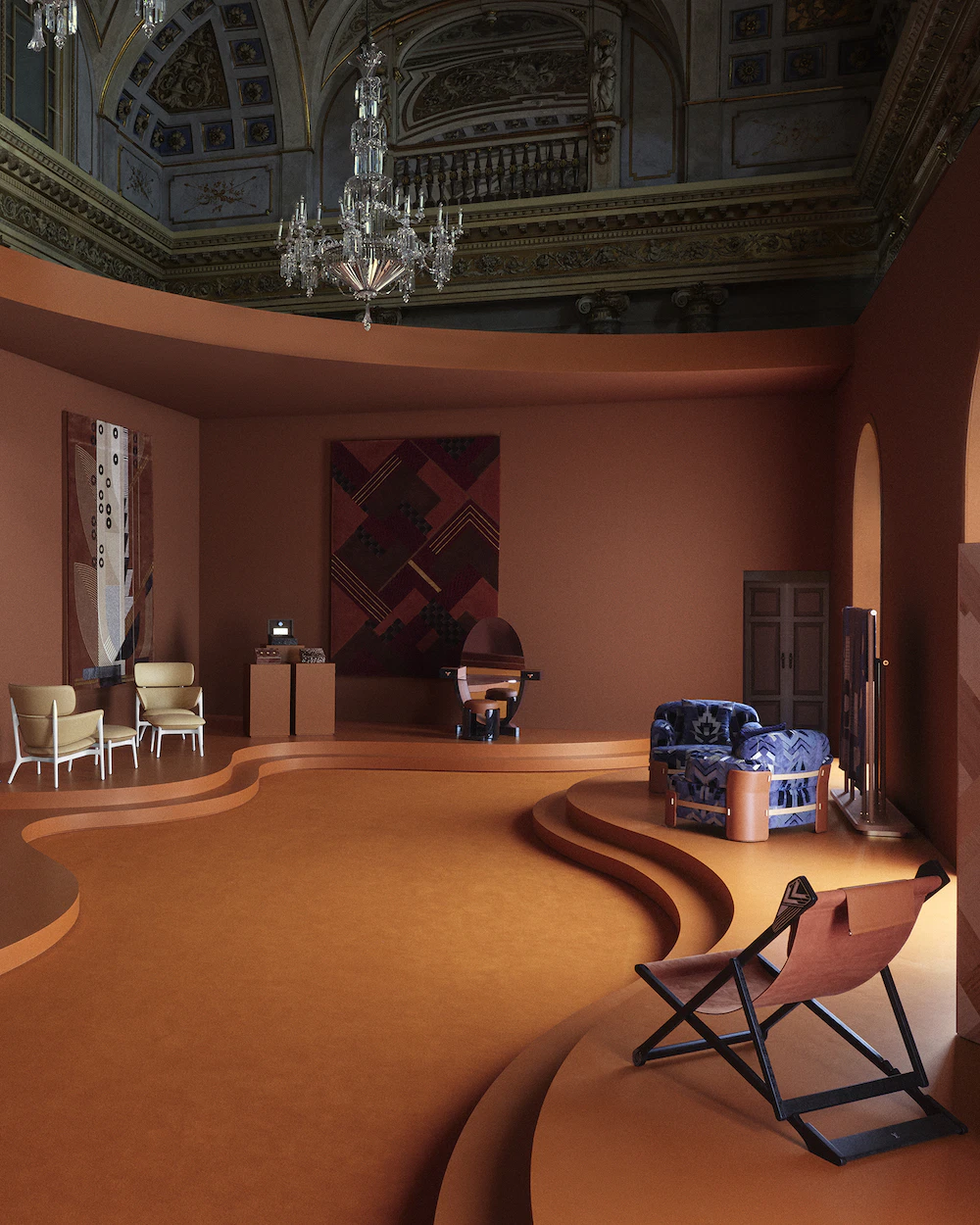
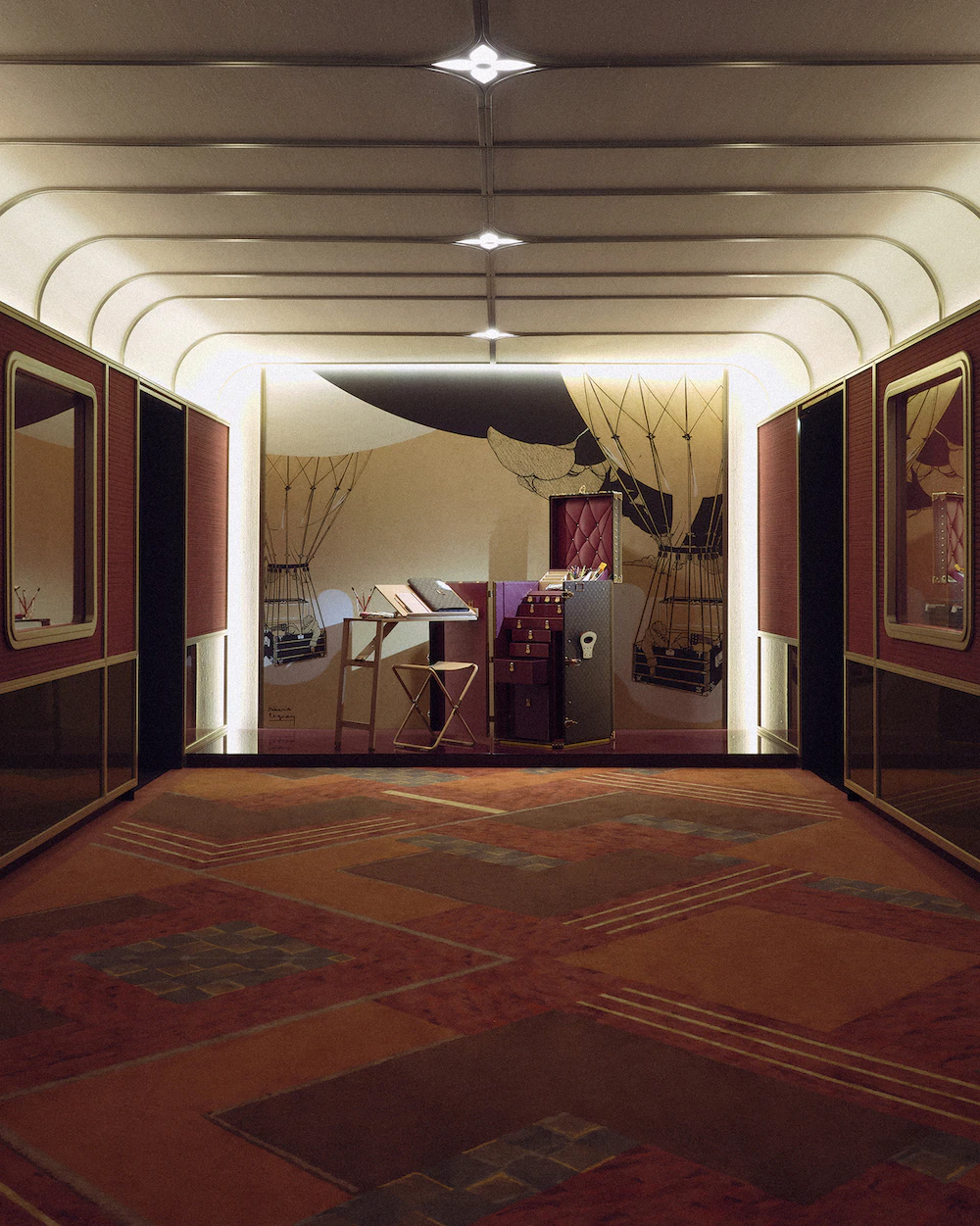
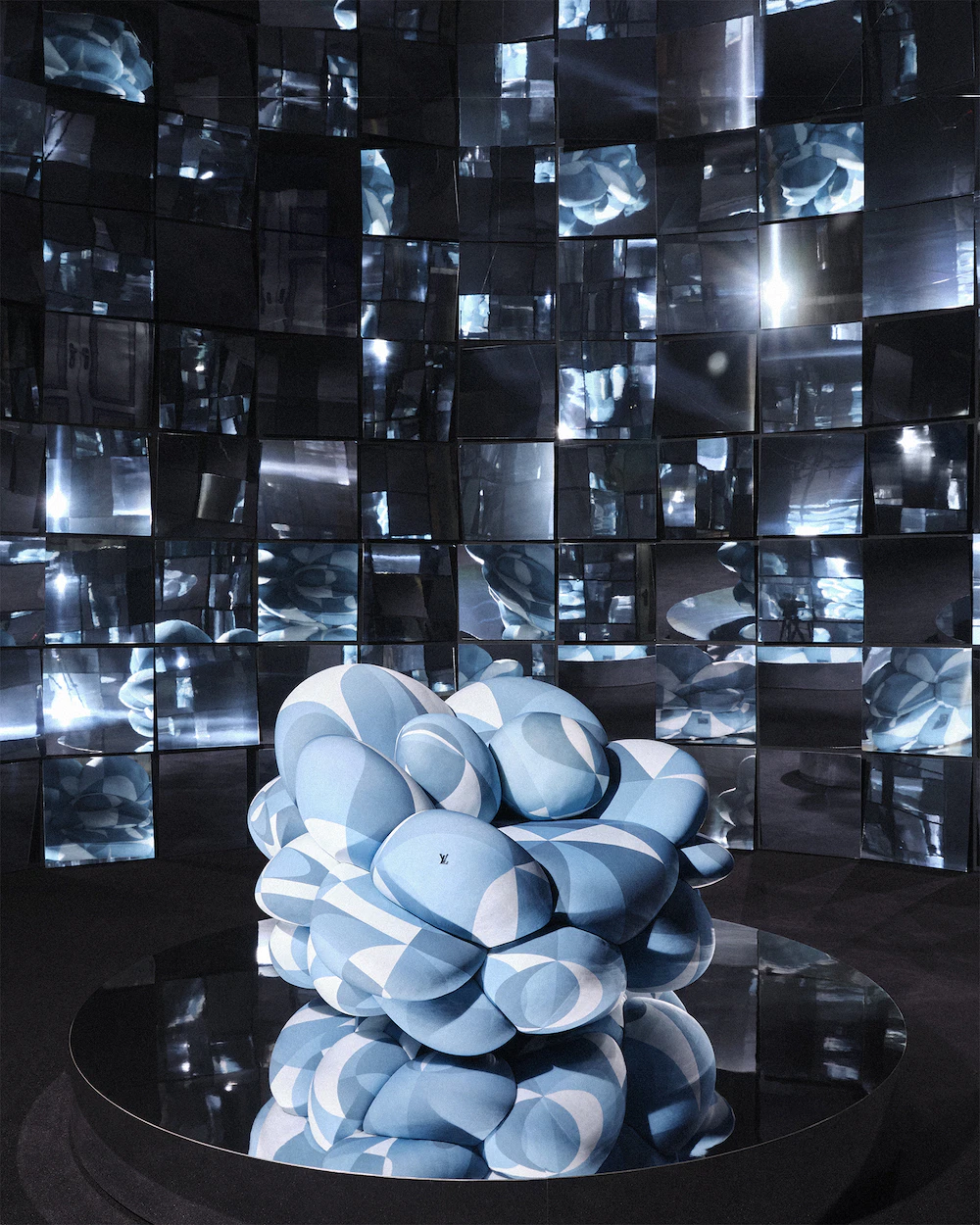
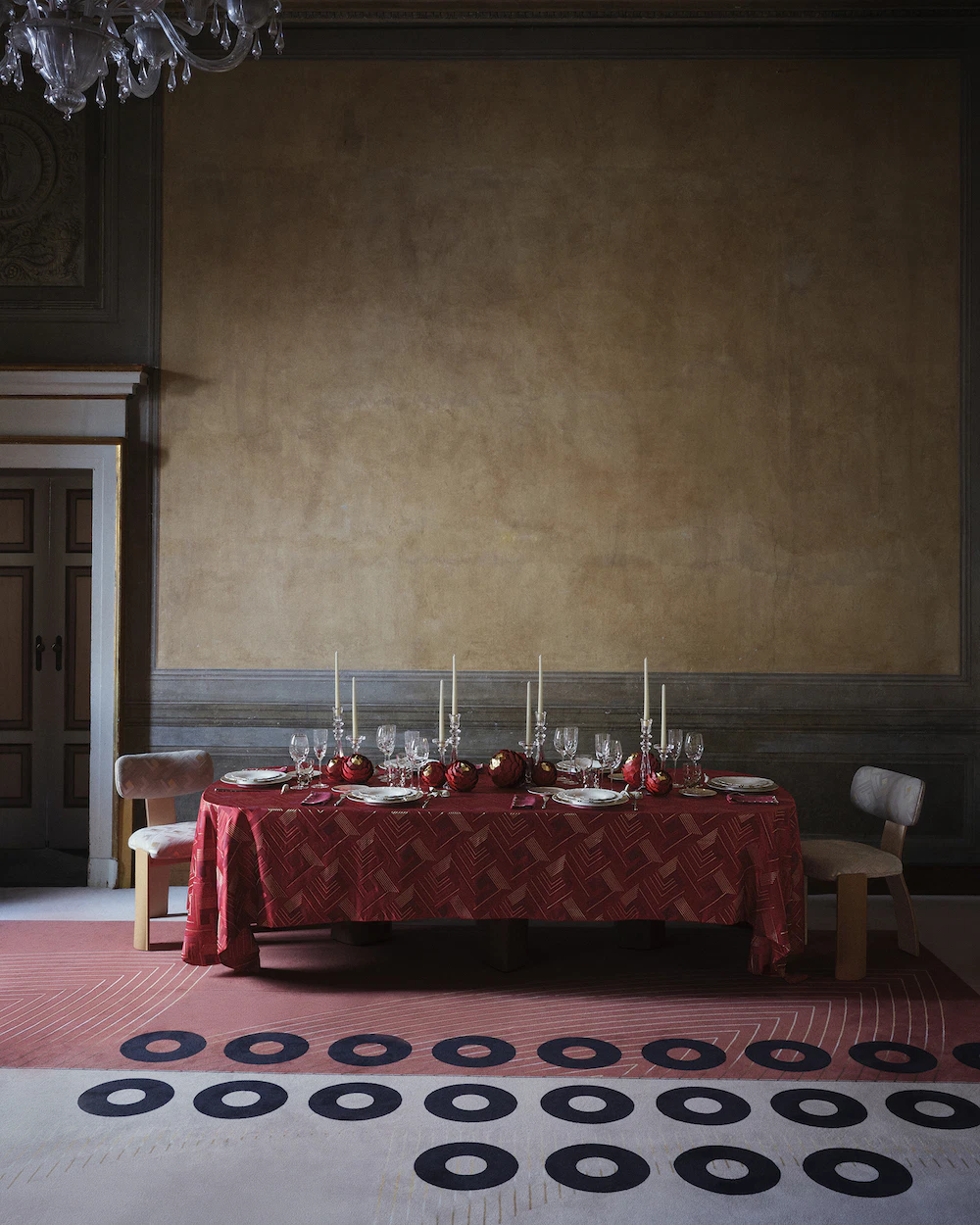
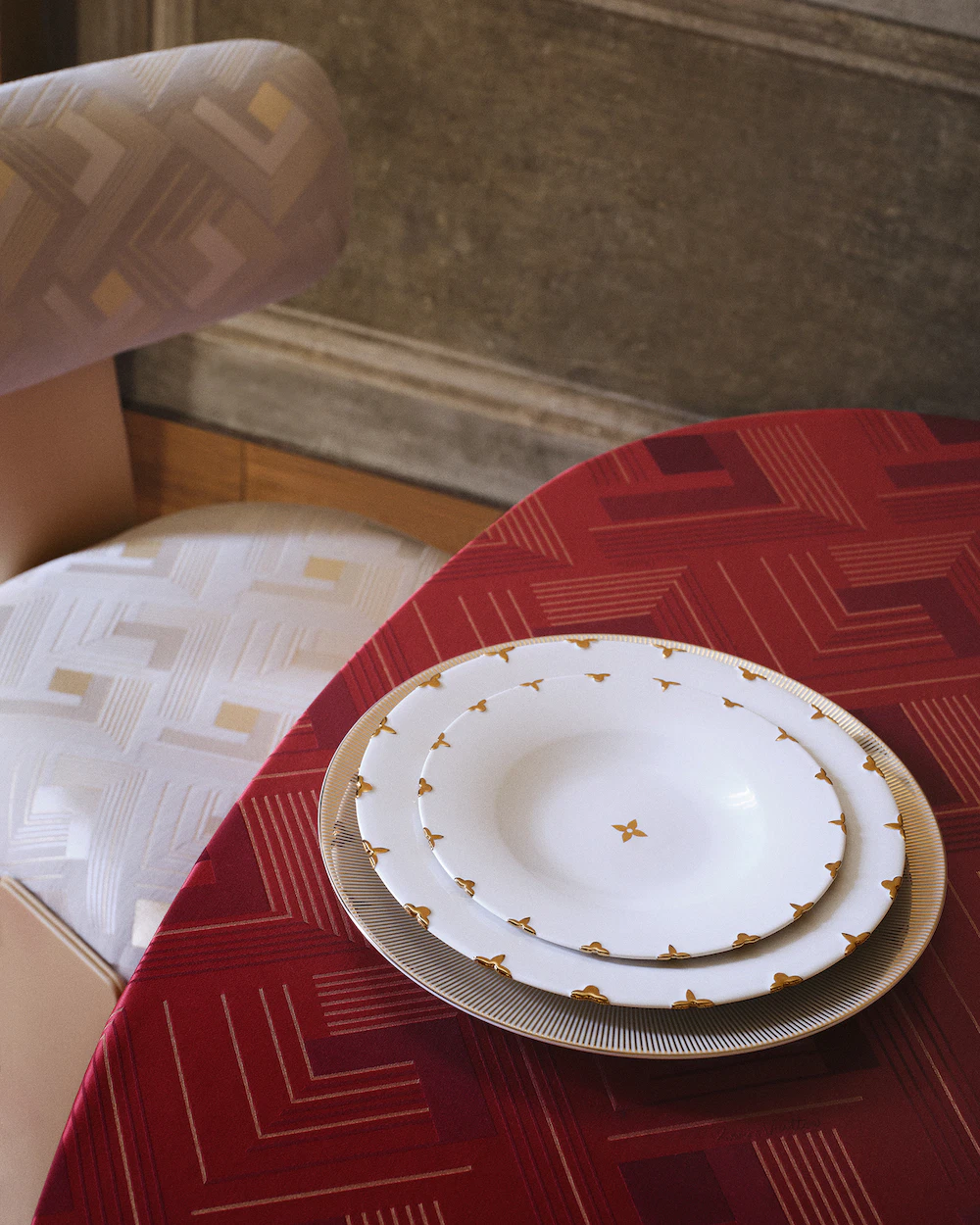
As part of Milan Design Week 2026, Louis Vuitton is unveiling the new Objets Nomades collections, alongside its iconic trunks in an exhibition celebrating Art Deco and contemporary design. This is an immersive exhibition that bridges Art Deco heritage and contemporary design through furniture, textiles, and archival pieces. Each room explores a distinct aesthetic universe—from deep reds and geometric motifs to aquatic greens and cosmic themes—featuring rugs, furniture, lighting, and decorative objects that collectively recreate fully immersive living spaces.
Beyond the presentation, Louis Vuitton extends the experience to its Milan presence with a pop-up bookstore and special trunk installations on Via Montenapoleone.
Prada Frames
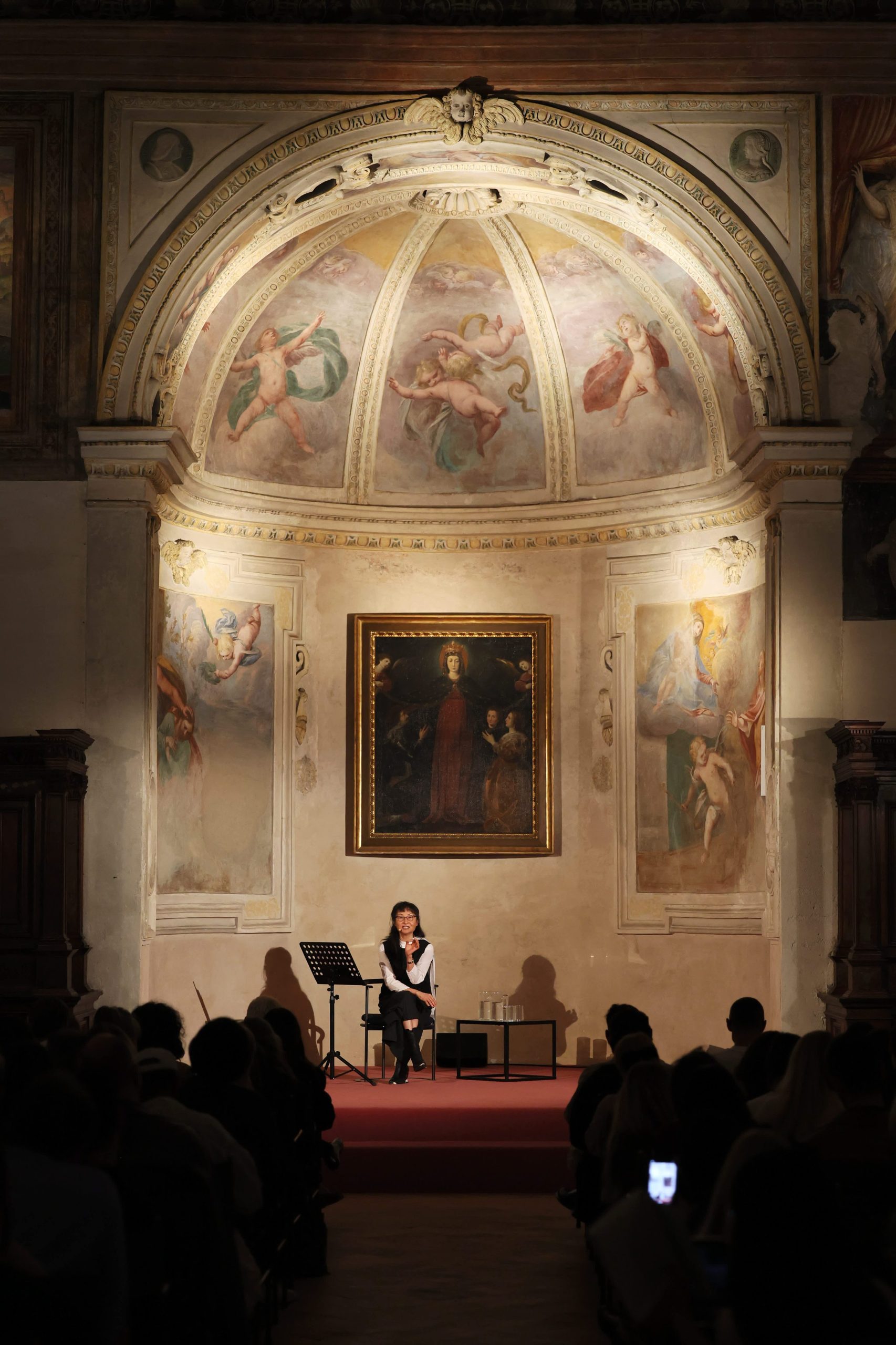
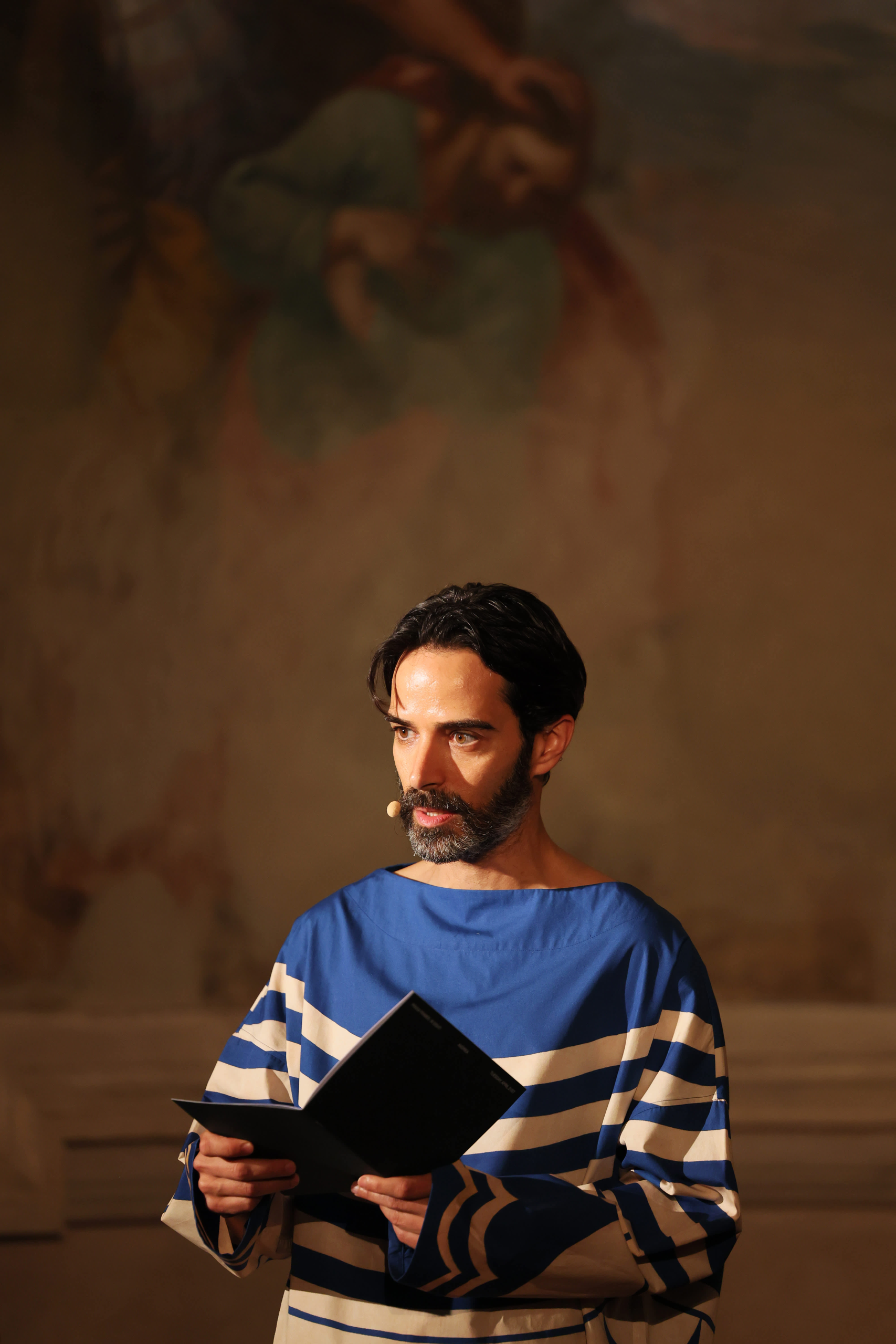
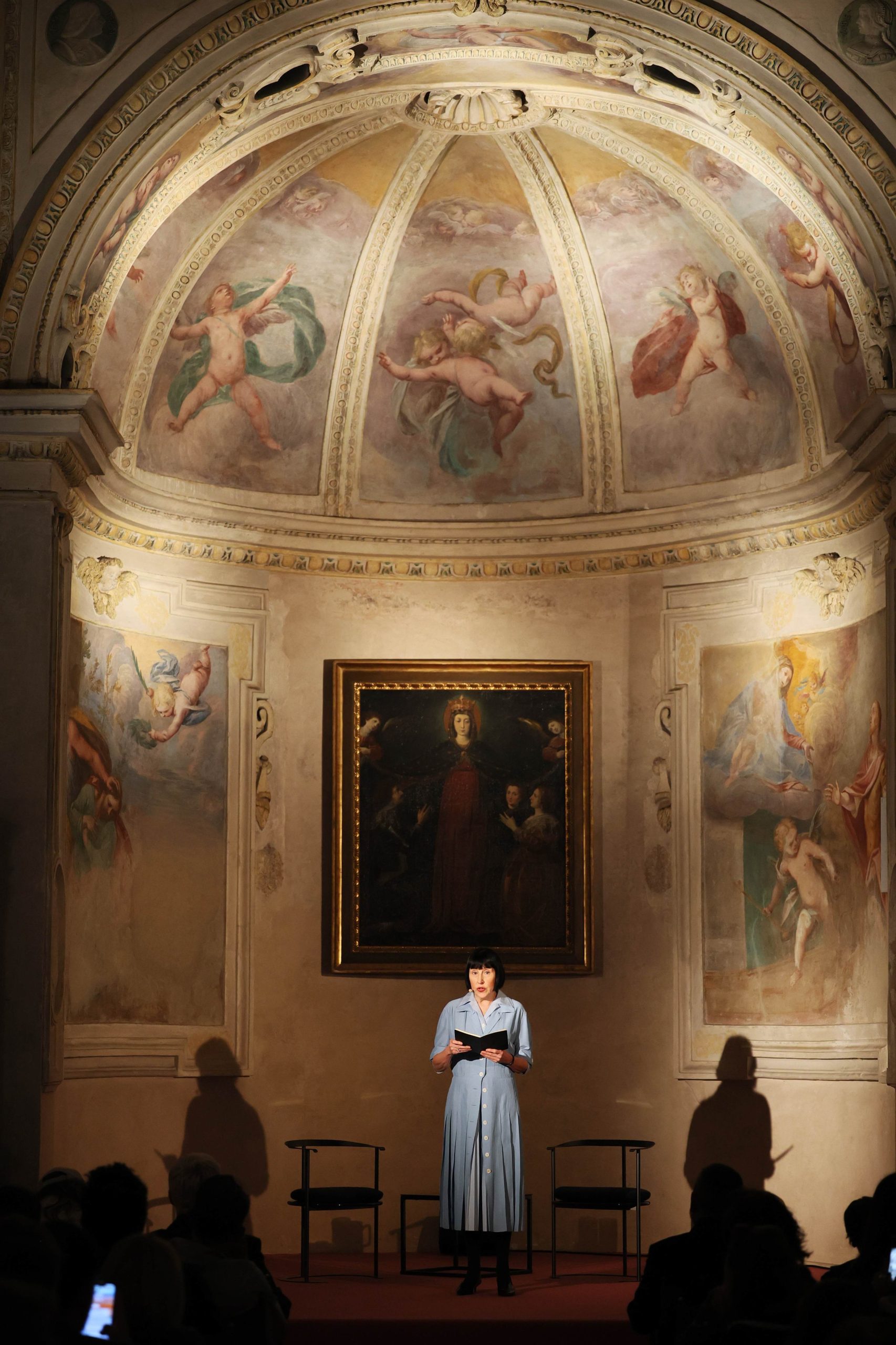
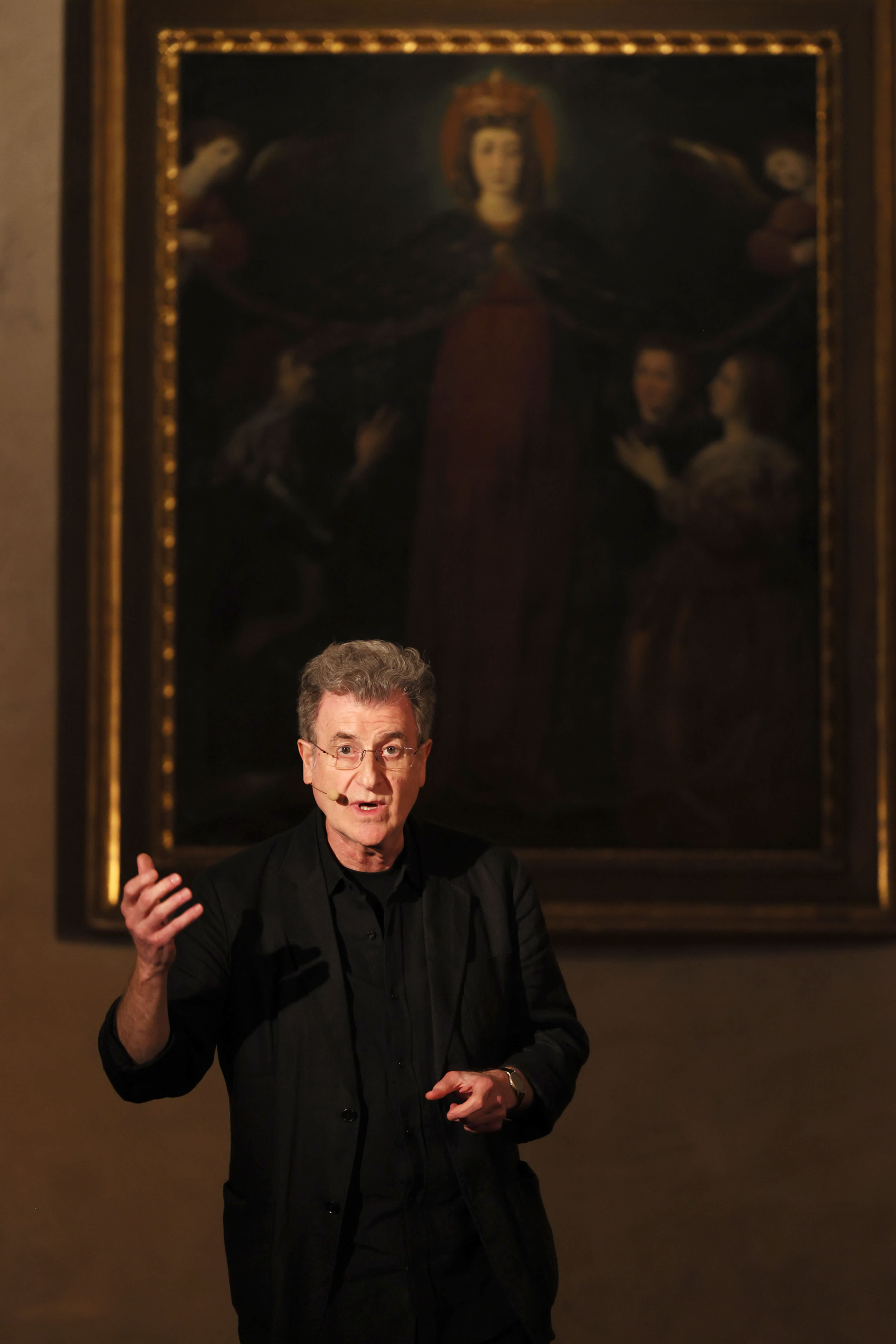
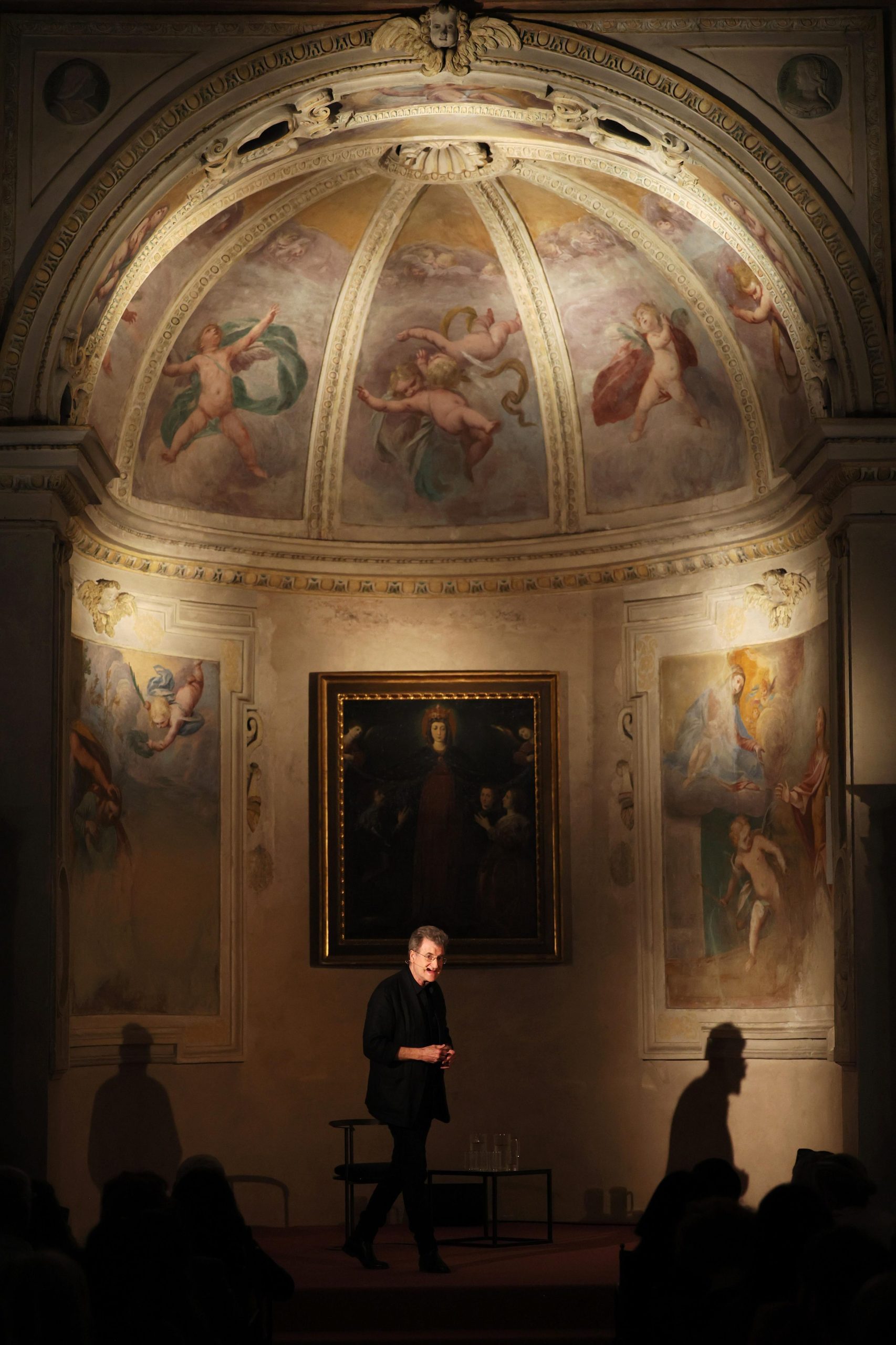
Prada Frames, held from 19 to 21 April 2026, is the annual symposium, curated by design and research studio Formafantasma, that runs parallel to Milan’s Salone del Mobile.
Following the belief that intellectual inquiry and cross-disciplinary dialogue can act as vessels of progress, and focusing on ideas rather than product, the initiative sits at the intersection of design, culture, and society. It explores contemporary issues through a multiplicity of perspectives to convey and enhance complexities rather than taming them. Critical reflection comes forward; definitive solutions are skewed.
Images, today, embed a net of entanglements, challenges, and contradictions. No longer a reliable depiction of truth, they embody a tension between the real and the represented, with distinctions between human-authored and machine-generated increasingly blurred. As a result, reference points crumble, complicating the ability to discern reliable information from fabrication. On top of this, the production of images, far from being immaterial, has a deep material impact. It relies on an infrastructure that encompasses the extraction of resources, energy consumption, data storage, and often invisible forms of labor.
By foregrounding these conditions, the symposium unfolds through a series of lectures and conversations on the historical frameworks shaping ways of seeing, the environmental and social costs of digital imagery, the political uses of images, and the economies of attention that govern their circulation. It creates space to reconsider how images influence views of the world, but also the way it is understood, negotiated, and inhabited.
Prada Frames In Sight was hosted within the complex of Santa Maria delle Grazie, a historical site located in the center of Milan. Lectures took place in the Sacrestia, a Renaissance space traditionally attributed to Bramante, featuring inlaid cabinets with early sixteenth-century biblical scenes by Domenico and Francesco Morone.
Fendi Baguette® 26424 Re-Edition
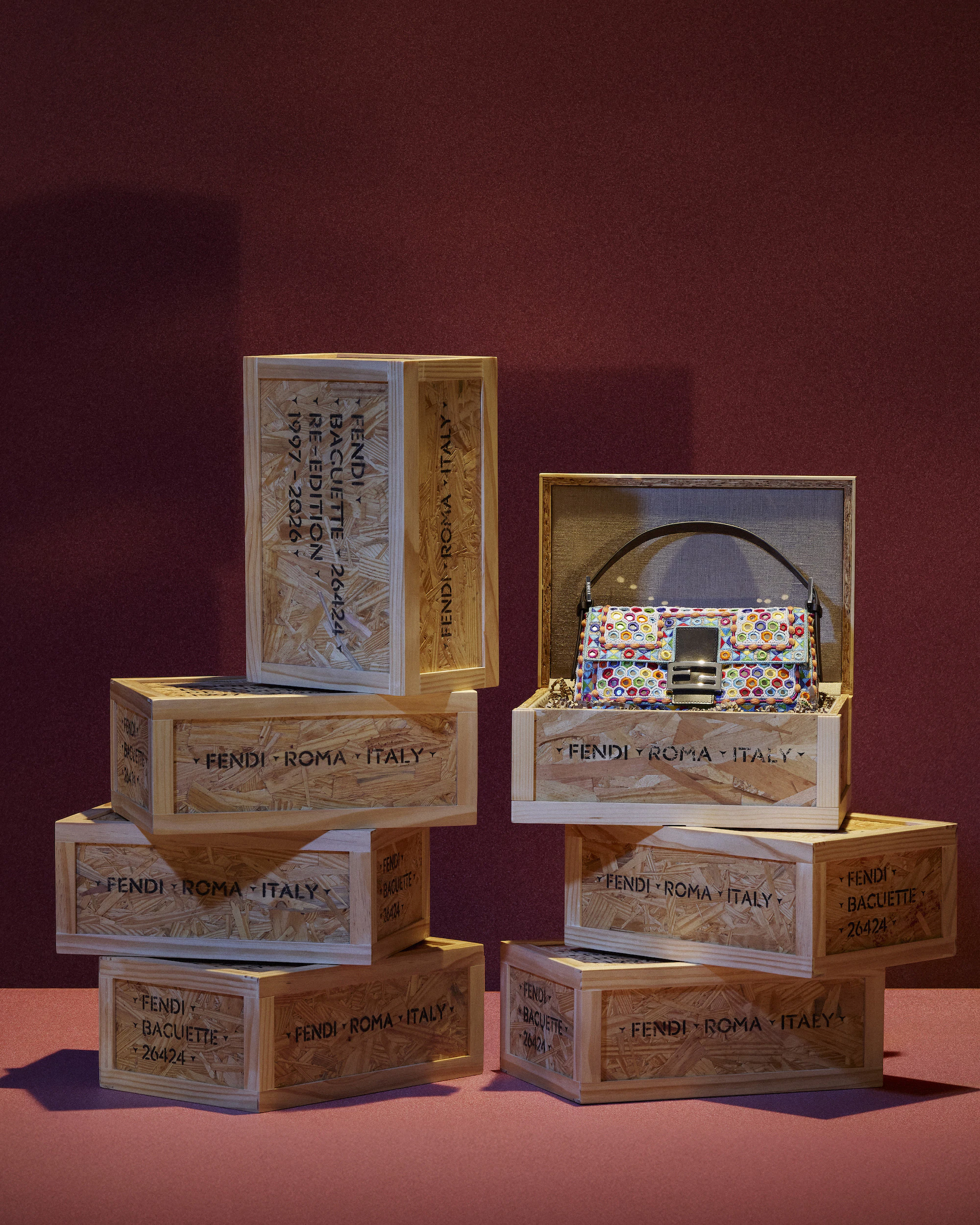
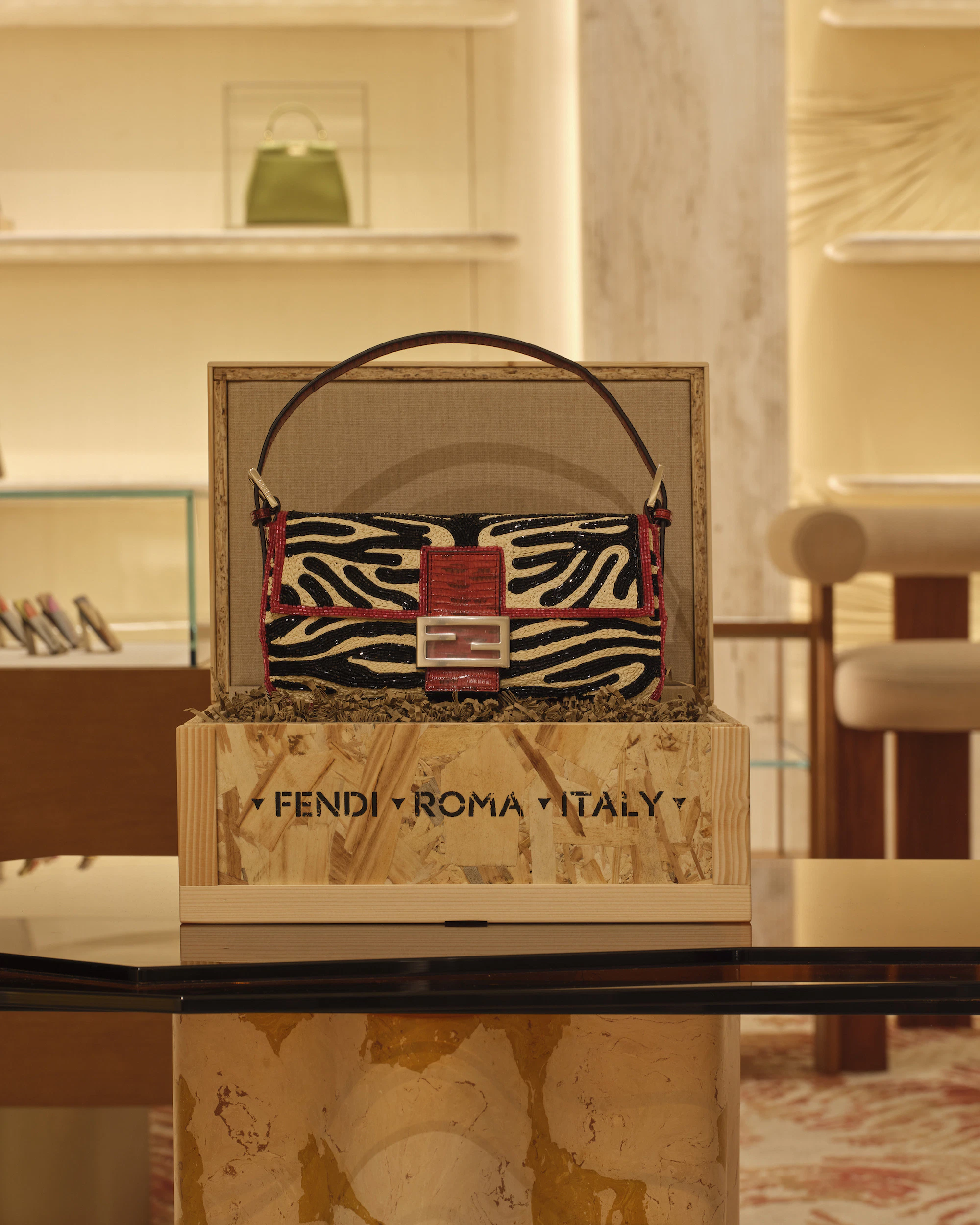
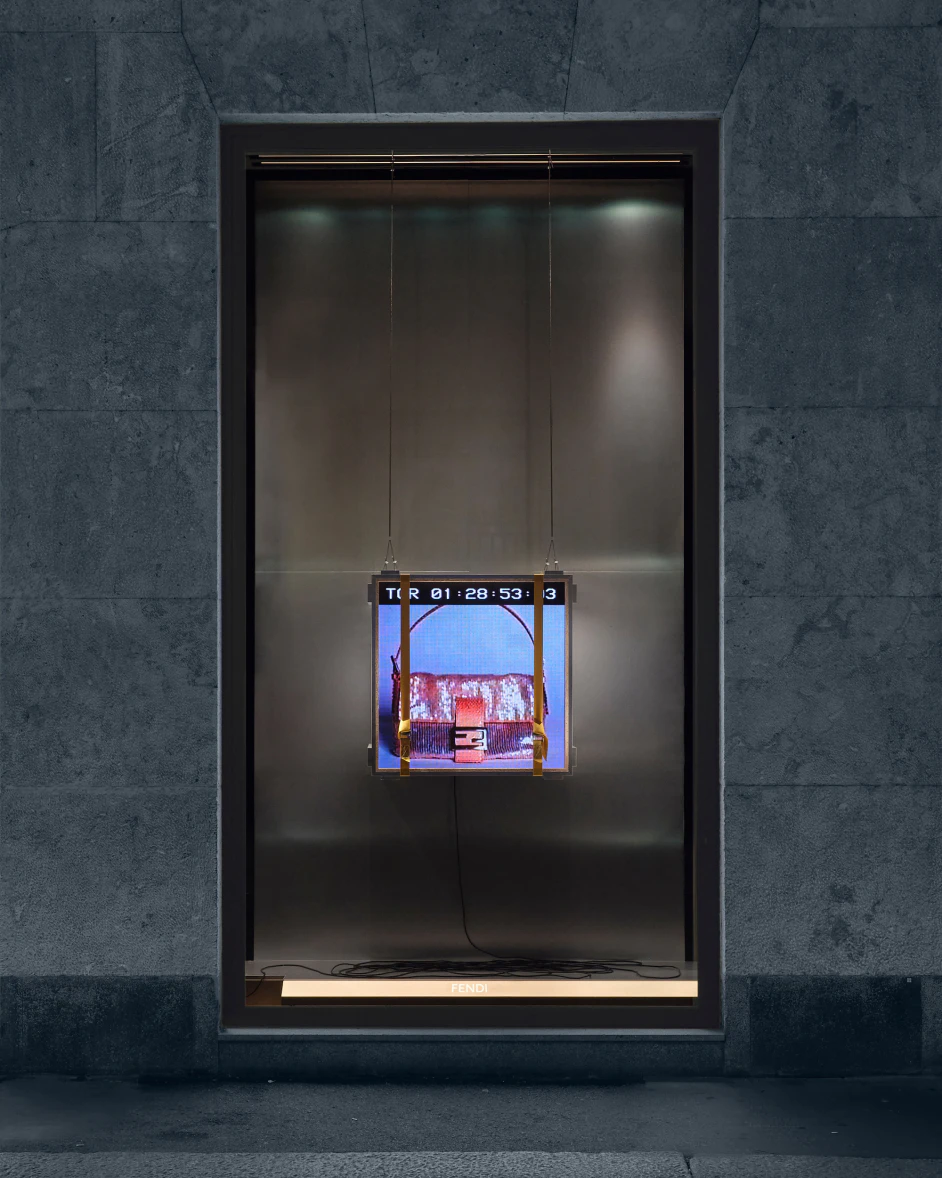
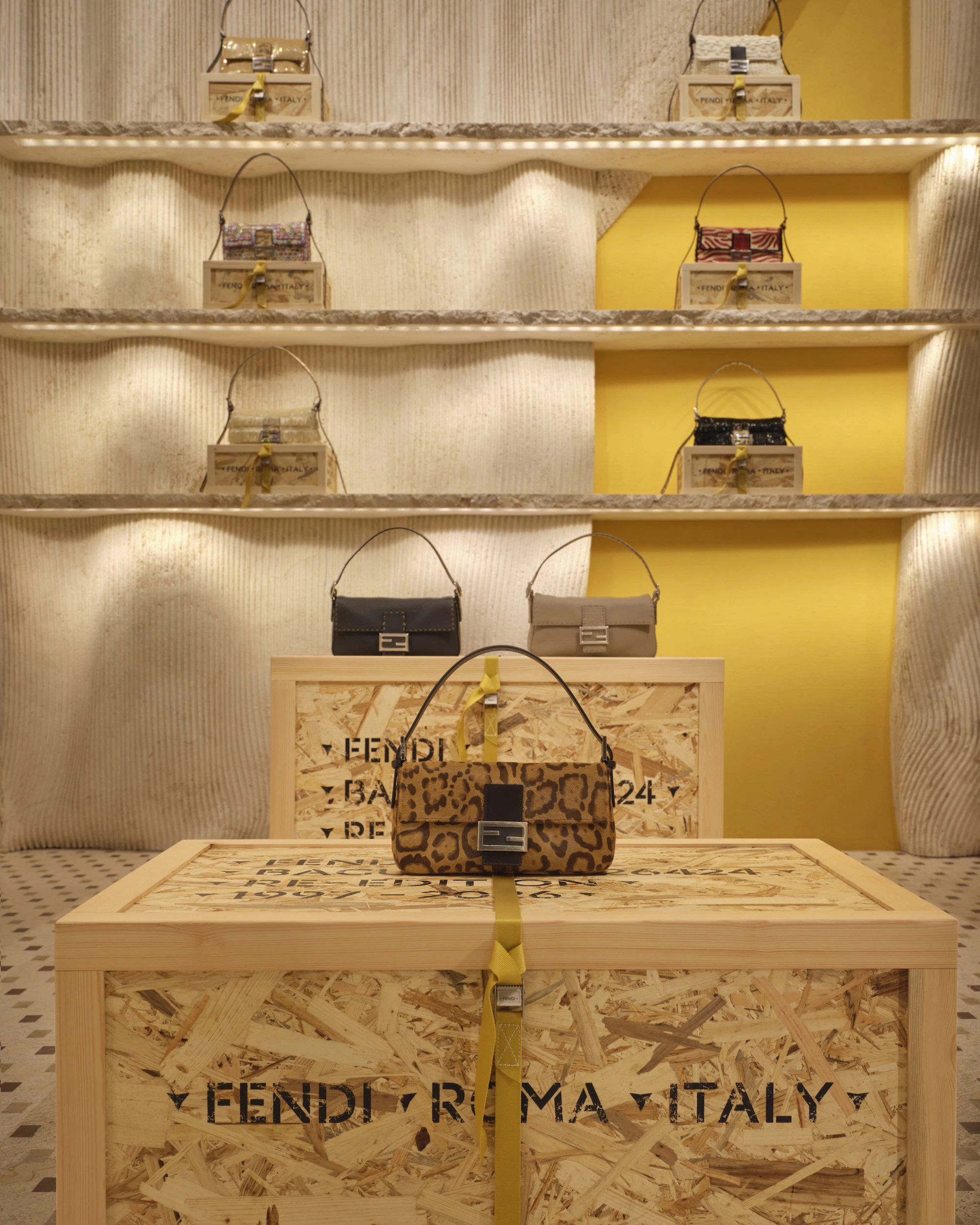
This collection, inspired by FENDI’s archives, revisits the Baguette’s original 1997 design with a softer construction + enhances the under-the-arm wearability. Twenty designs, including six Milan City exclusives, feature special Re-Edition metal tags and special wooden box packaging, reminiscent of art crates and customised with stencil prints, fastened with a yellow canvas belt and metal logo buckle.
This distinctive packaging will also form a captivating window display for Design Week, narrating the Baguette’s journey through suspended crates and video installations.
Following Milan, the bags will be available in New York 57 and Shanghai IFC with dedicated store pop-ins.
Bottega Veneta X Kwangho Lee
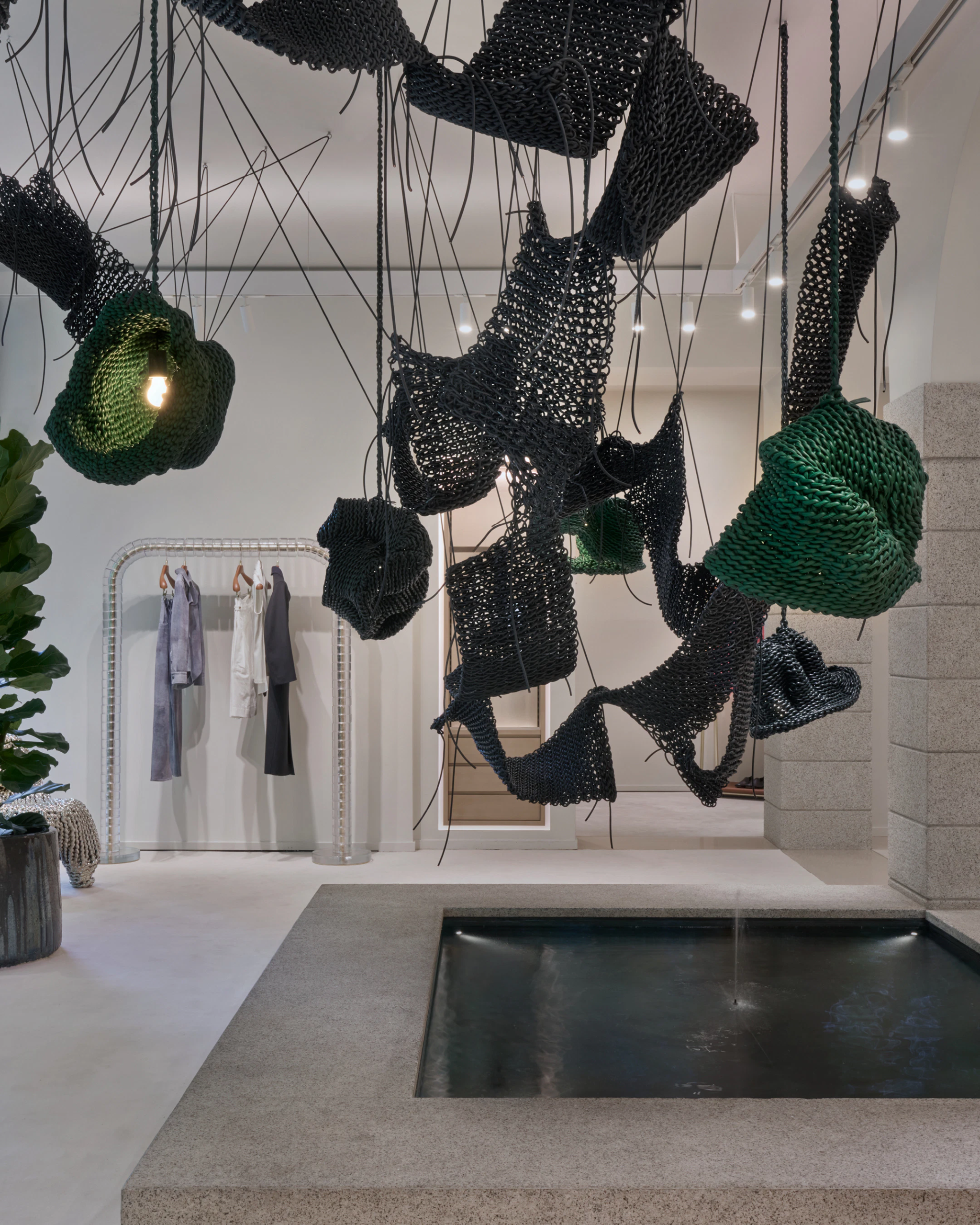
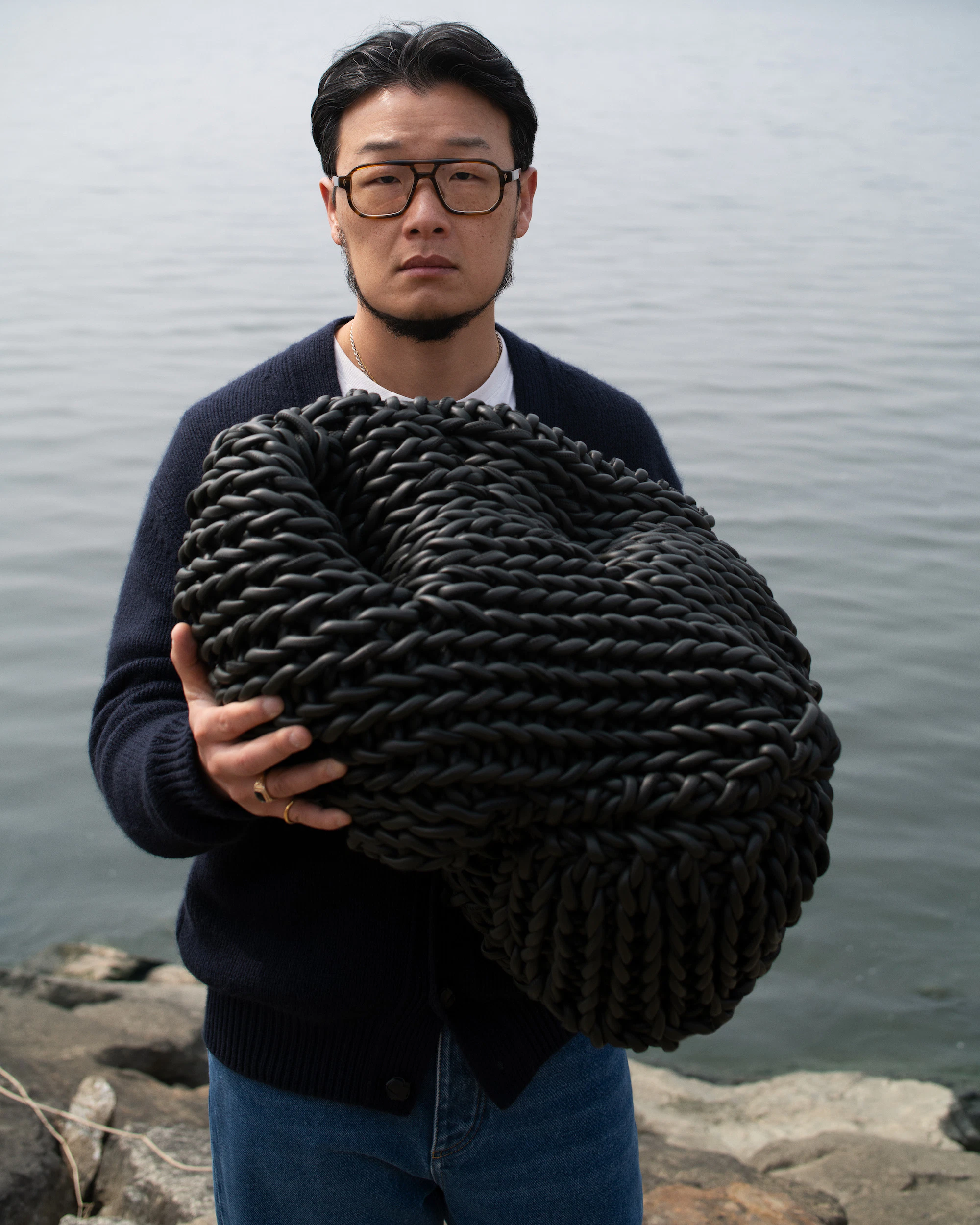
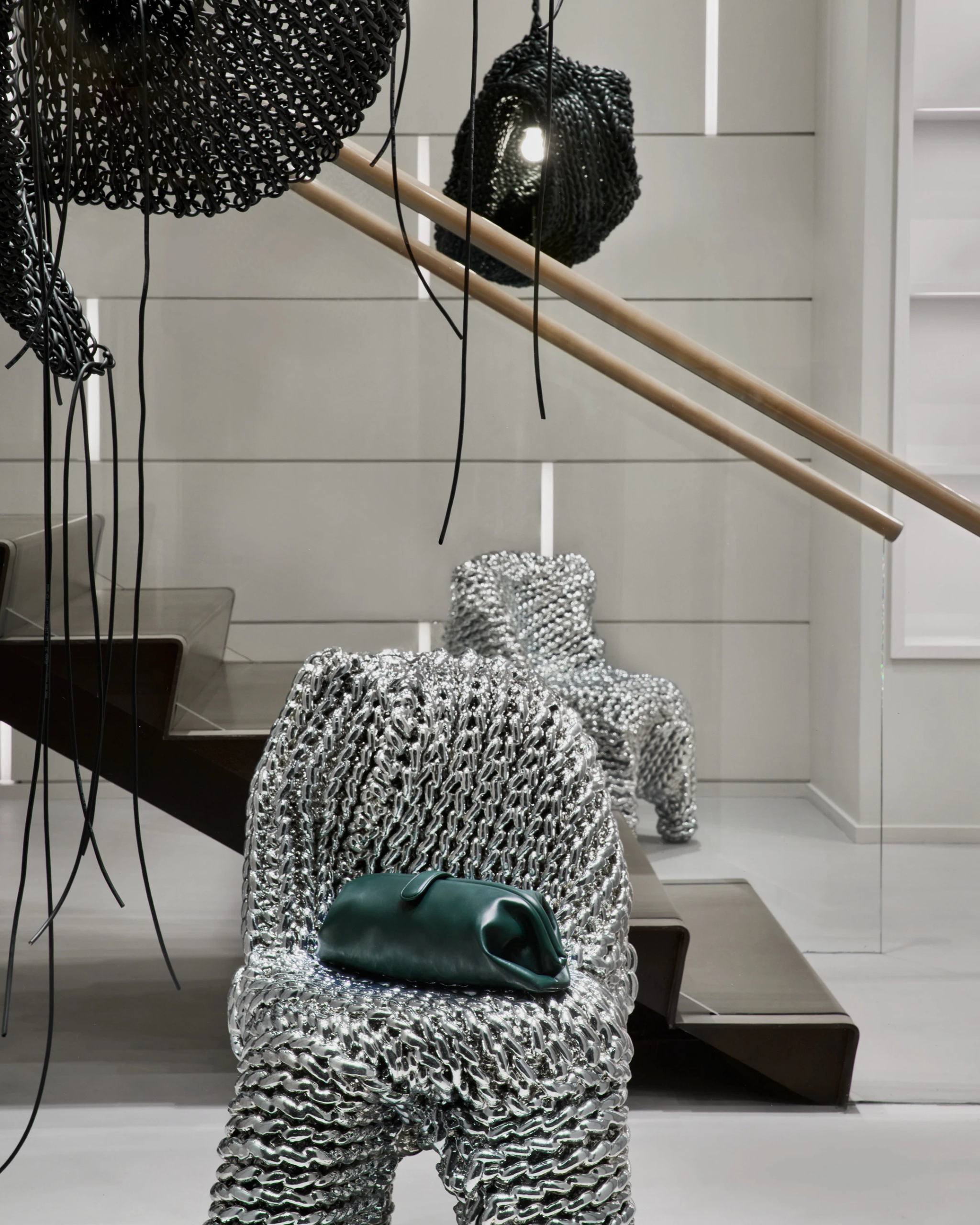
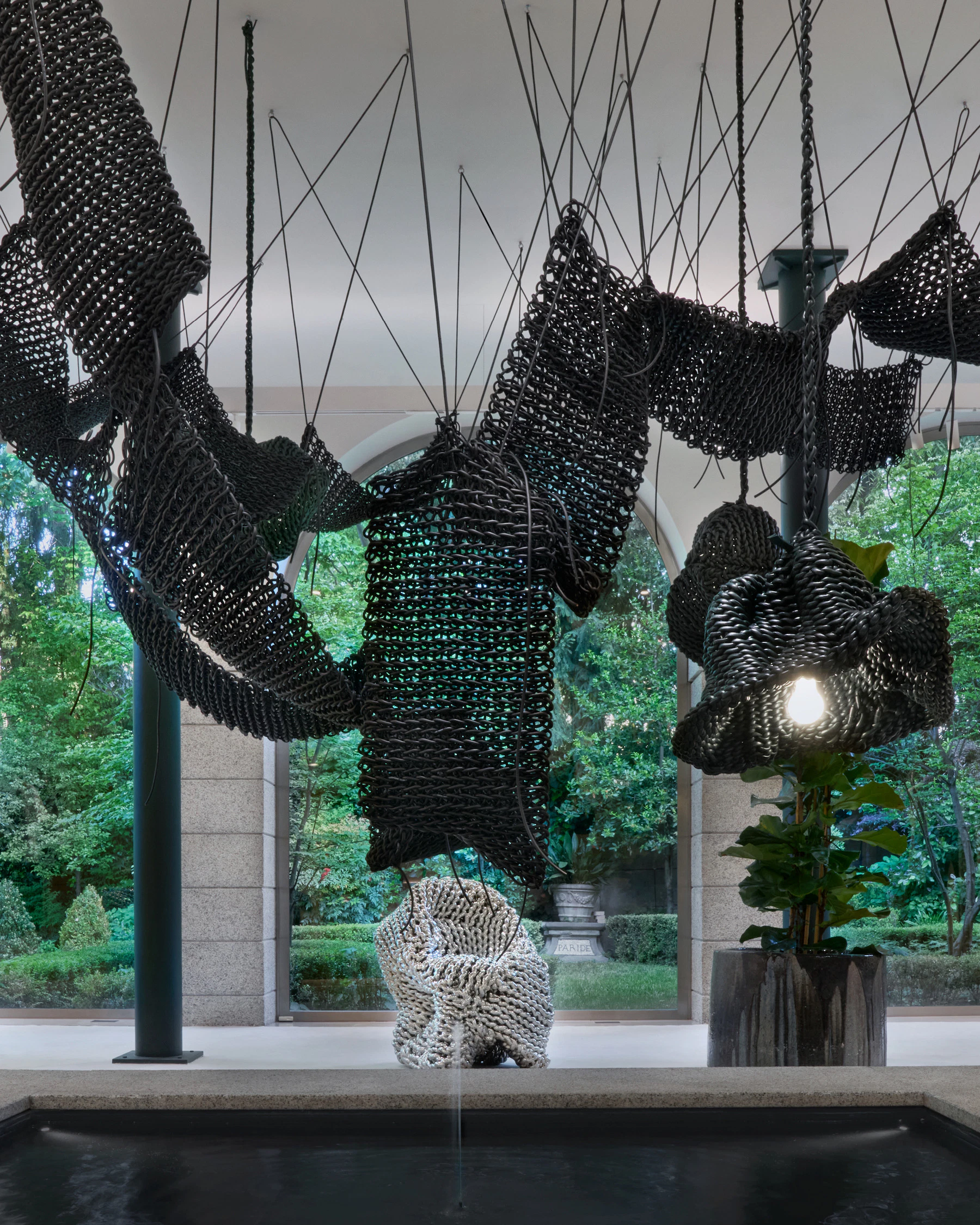
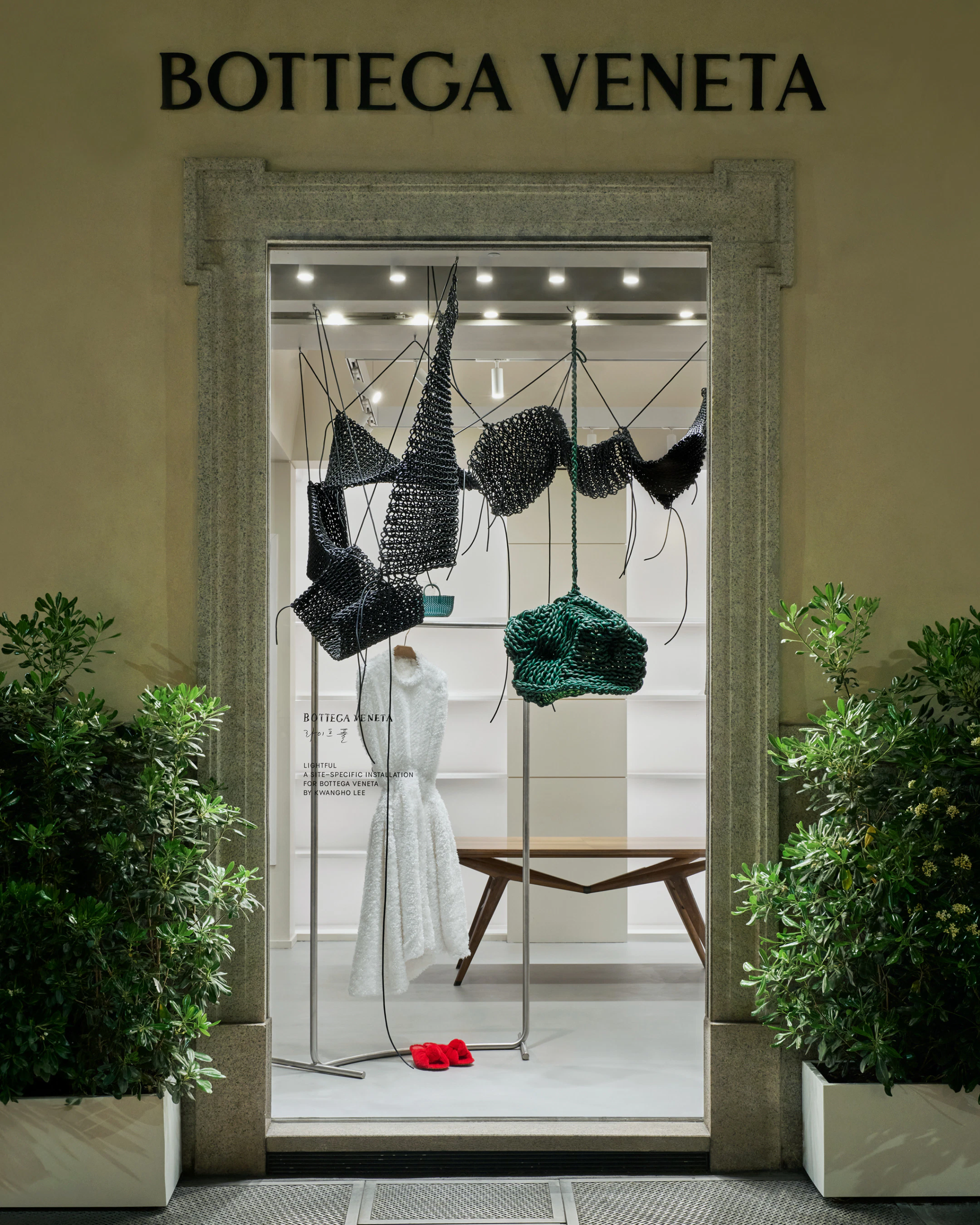
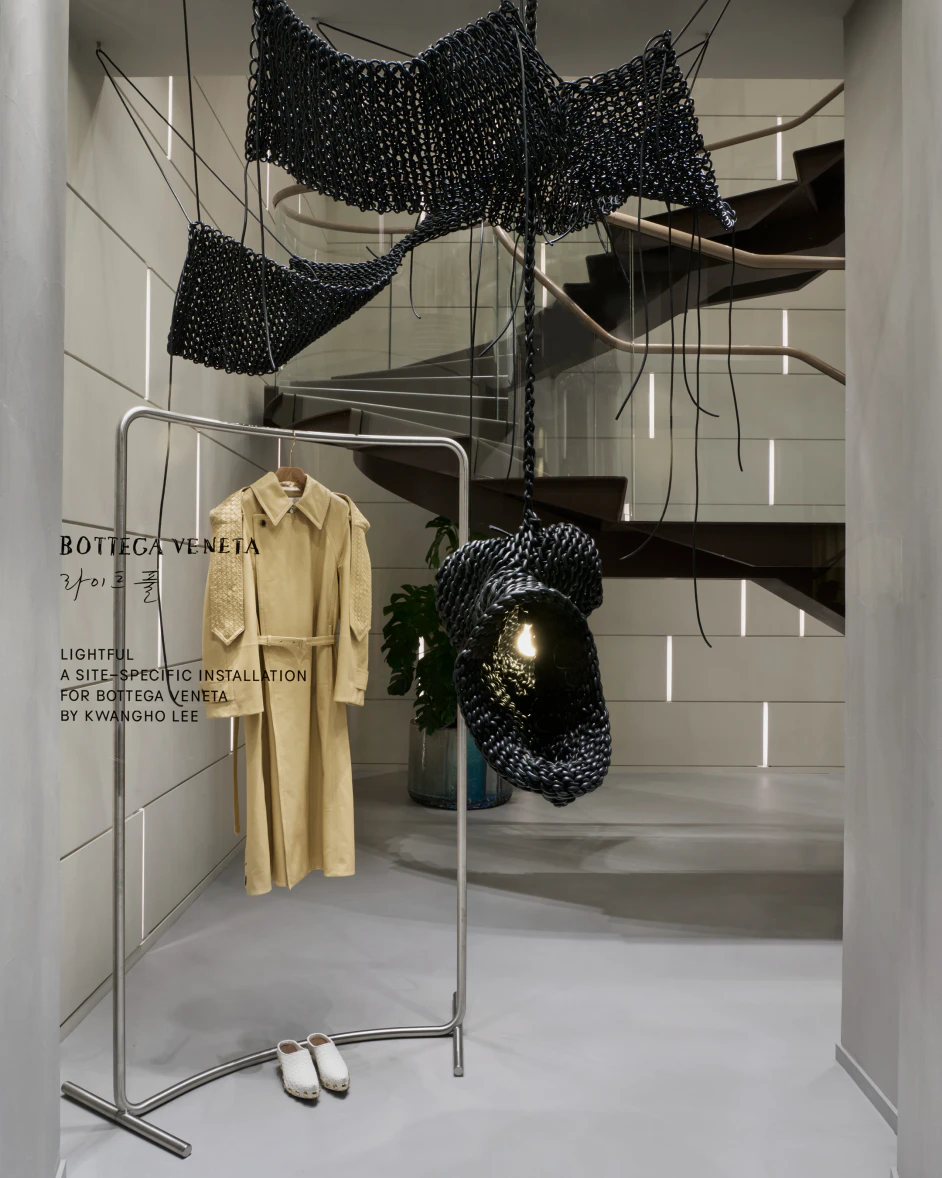
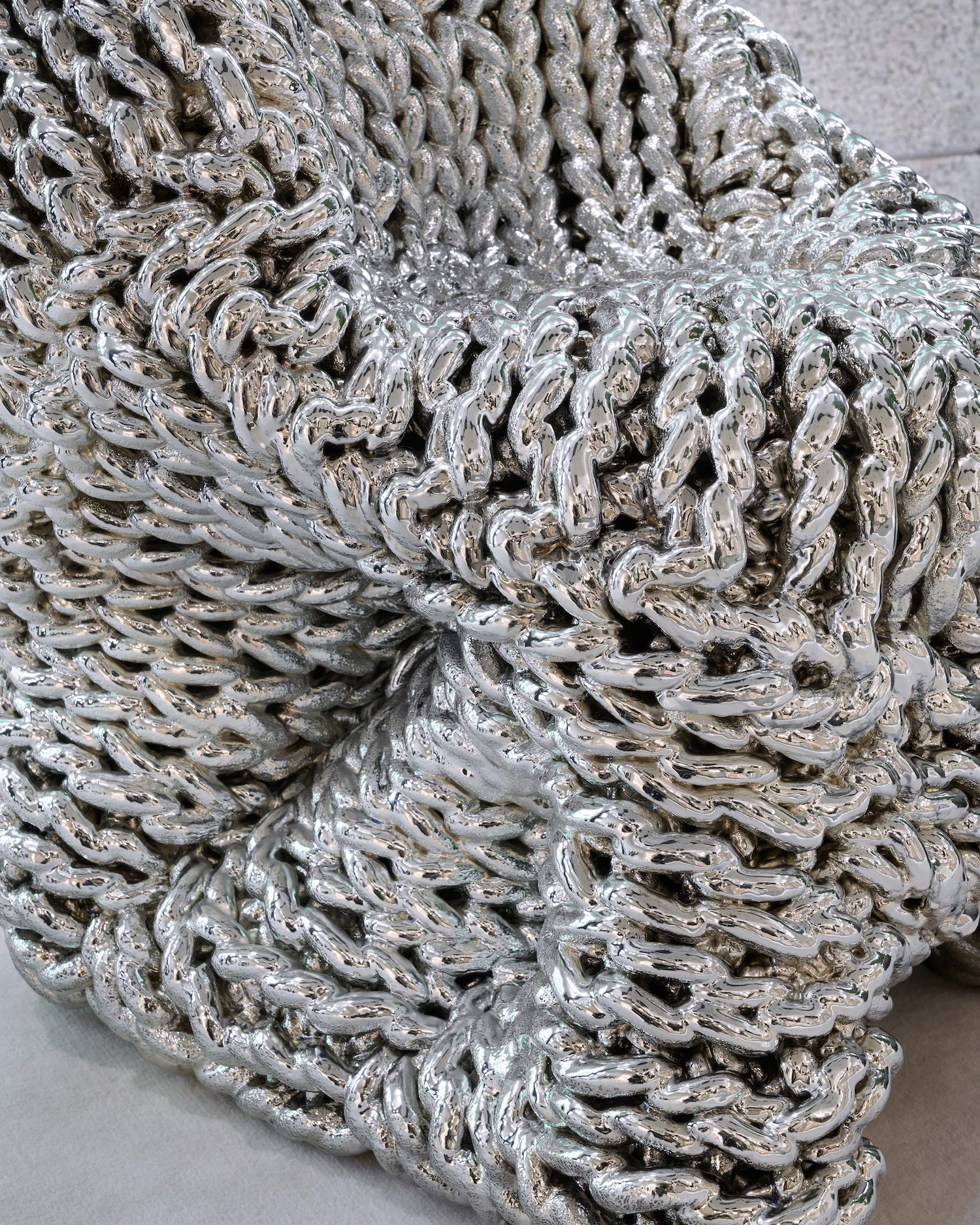
For Milan Design Week 2026, Bottega Veneta collaborates with Korean artist Kwangho Lee. The project will include a site-specific light installation in the house’s Via Sant’Andrea store, alongside activations around the city.
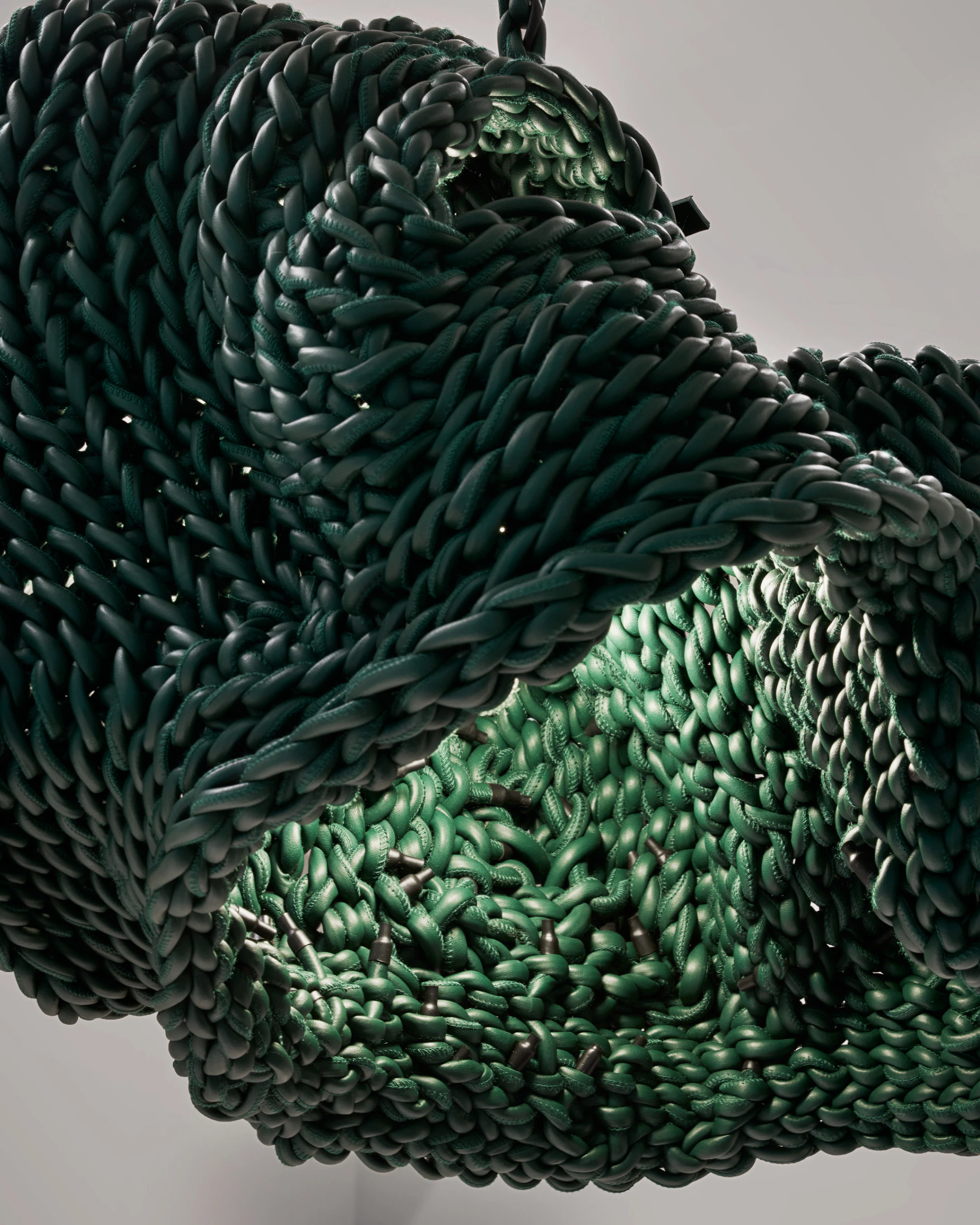
The installation, titled Lightful, combines a suspended woven form characteristic of Lee’s practice with new light sculptures woven from Bottega Veneta leather fettucce (strips). In bespoke shades of black and green chosen by Creative Director Louise Trotter, each of these light sculptures holds a unique, organic shape that evokes the possibilities of Lee’s craft processes. As the woven elements meet effects of light and shadow, Lightful develops the artist’s ongoing exploration of combined elements and materials with the addition of illumination.
Lightful is Bottega Veneta’s third collaboration with Kwangho Lee under Trotter’s Creative Direction. Previously, Lee’s artwork was featured in the Summer 2026 show space, and in the Bottega Veneta exhibition Weaving the World: The Language of Intrecciato, hosted in Seoul in June 2025. As part of the development of Lightful, Lee visited the Bottega Veneta atelier in Montebello Vicentino, where expert artisans safeguard the house’s savoir-faire.
Loro Piana Studies, Chapter I: On the Plaid
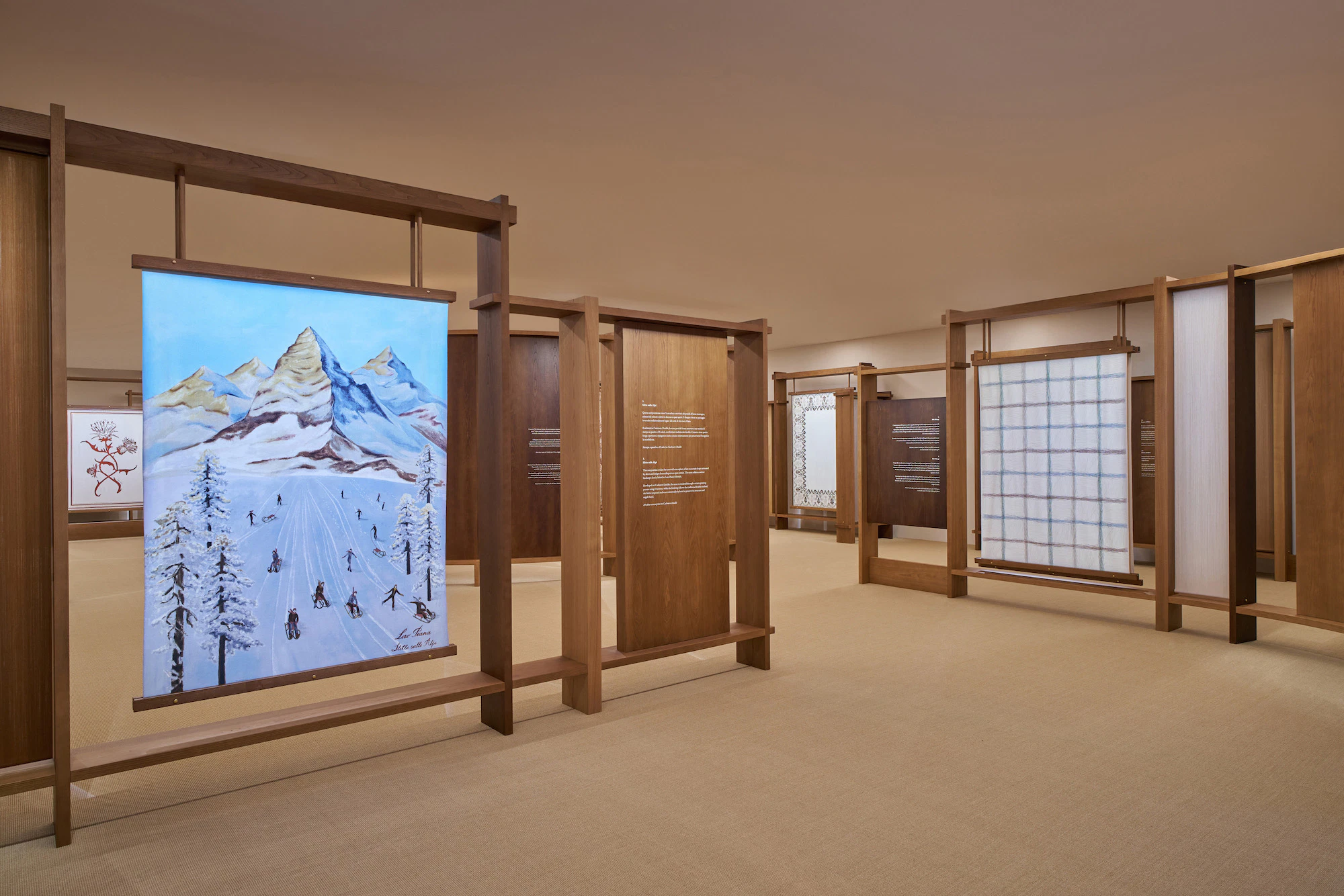
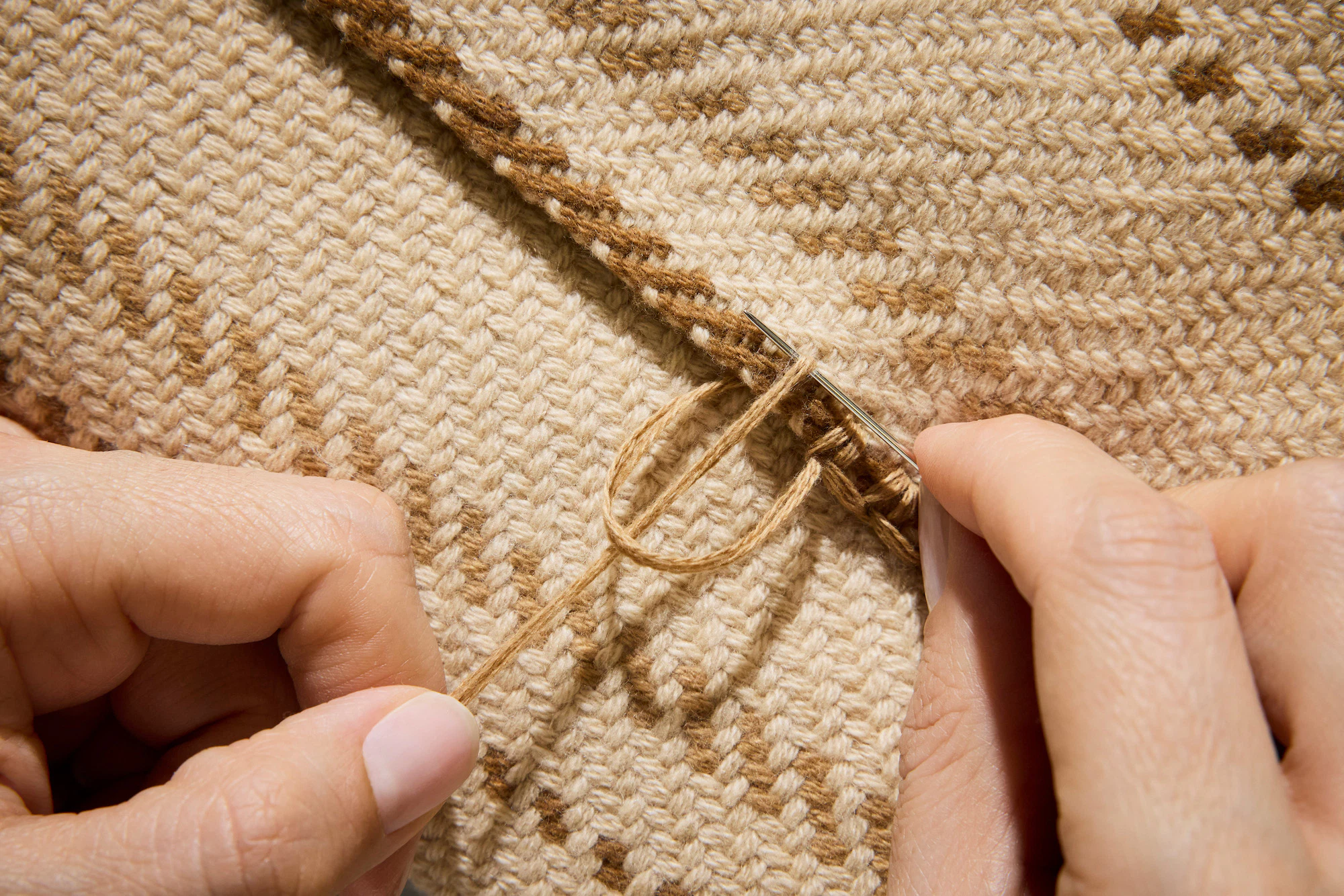
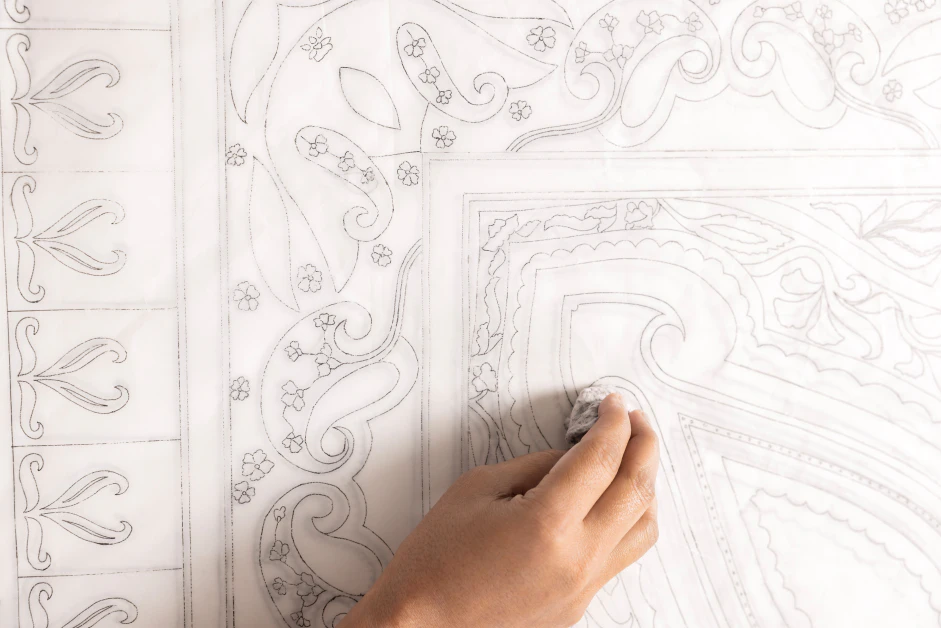
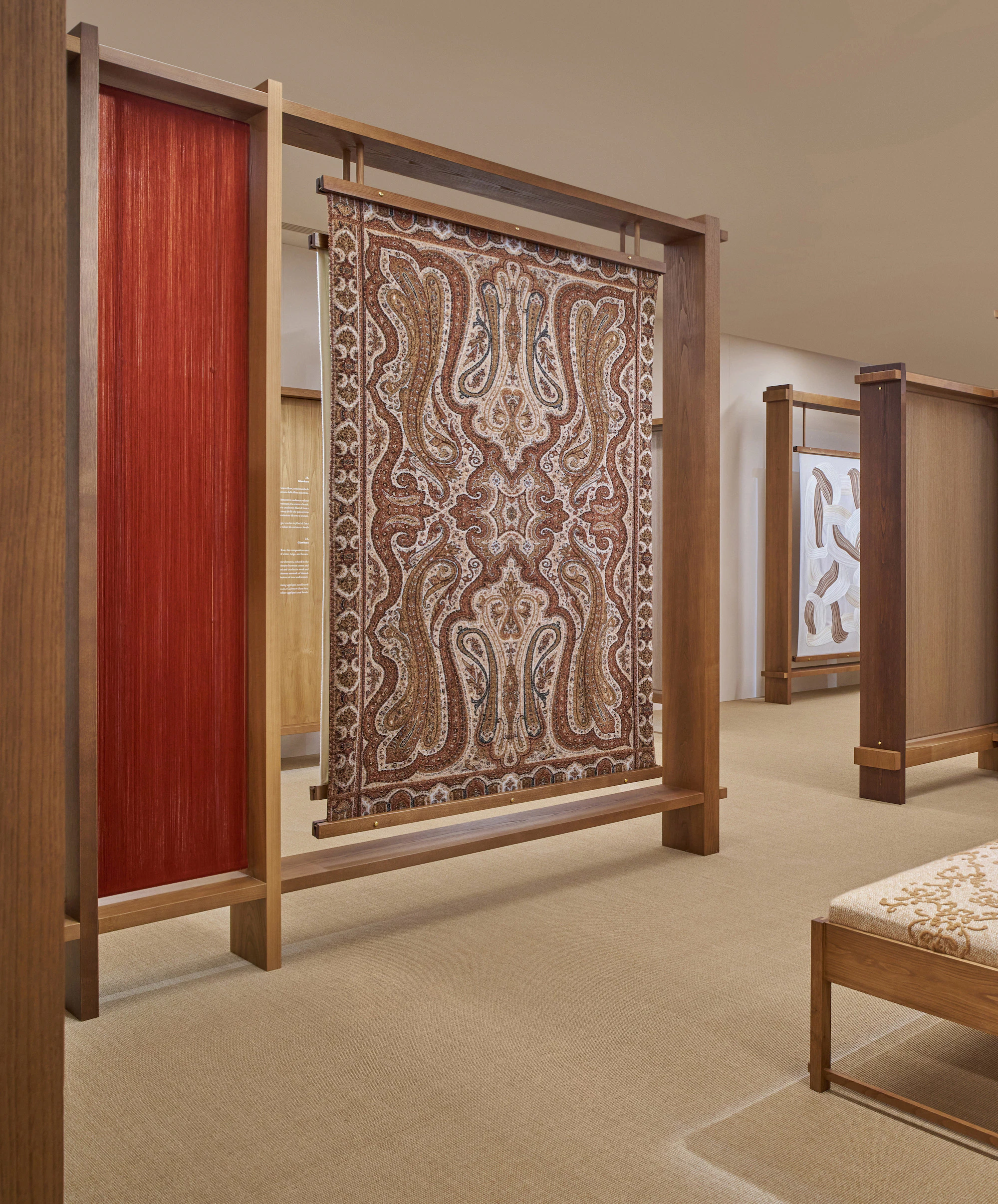
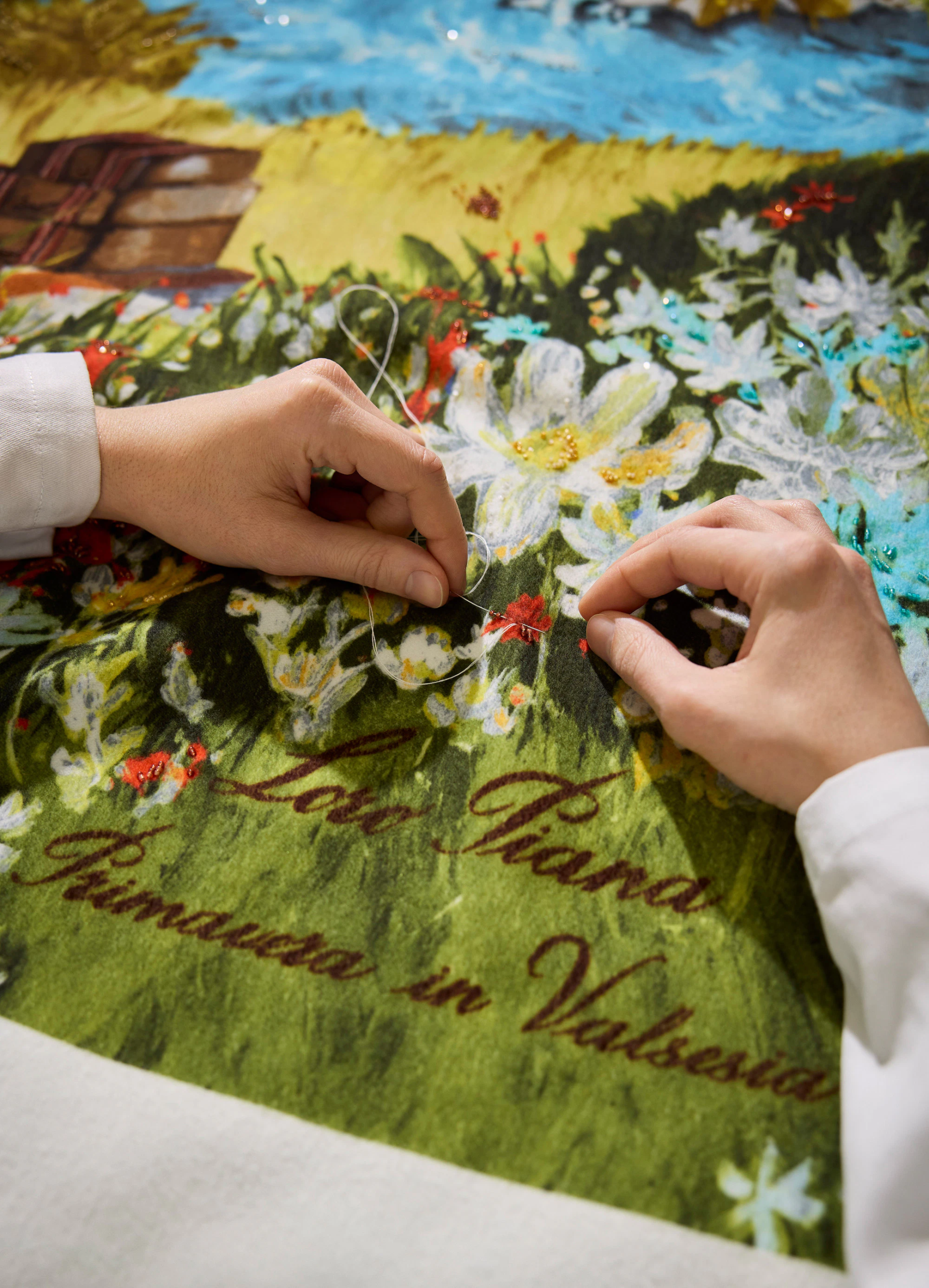
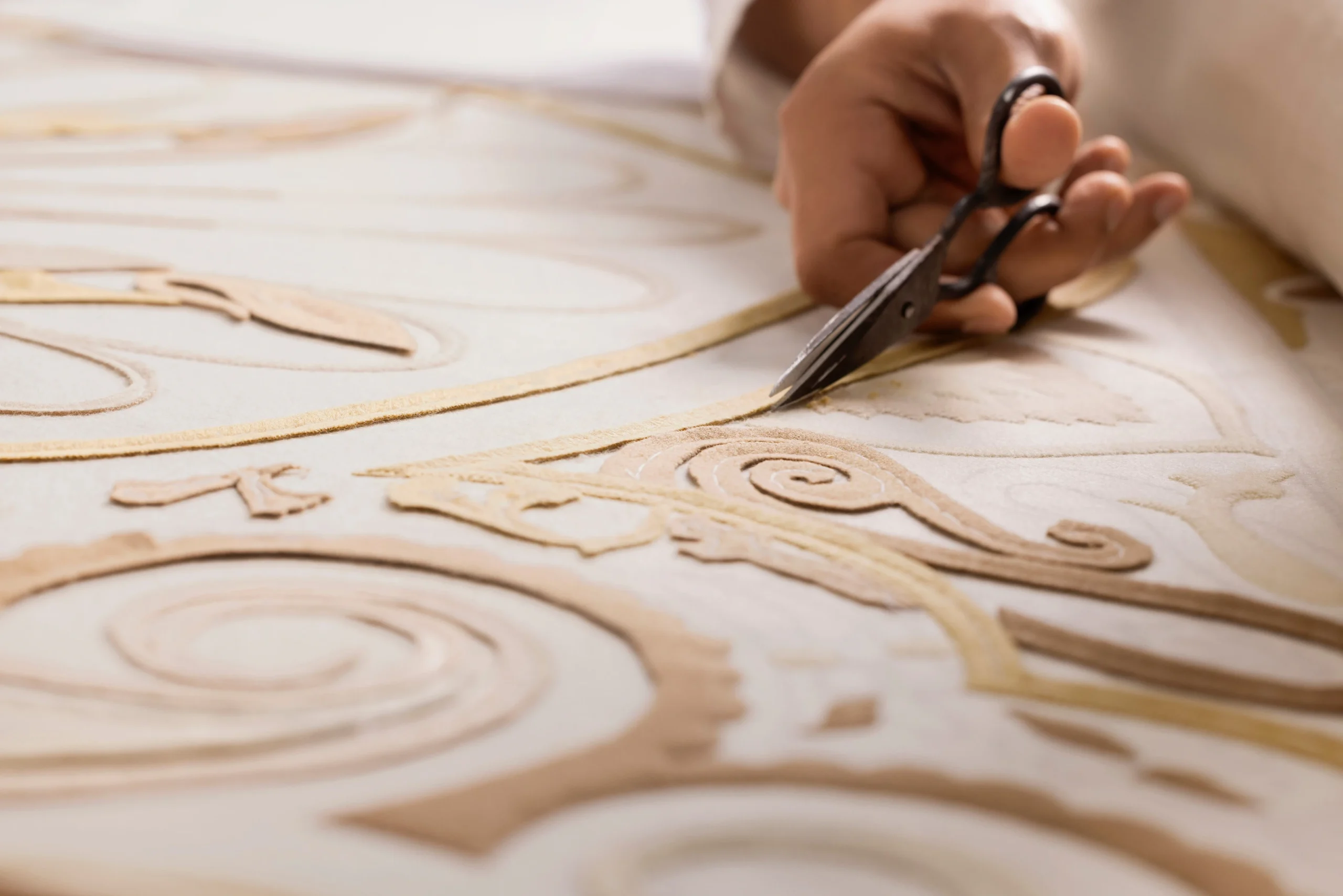
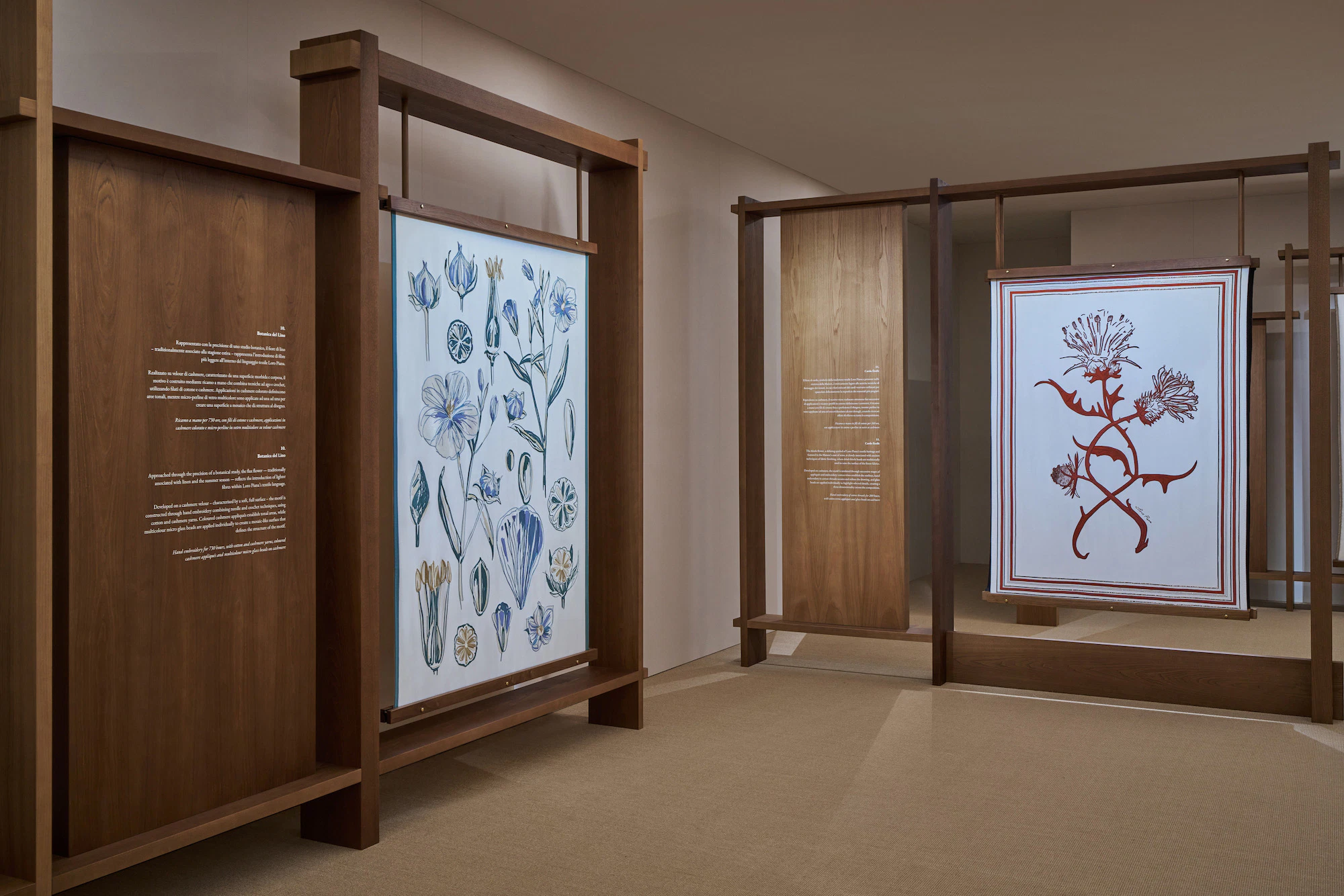
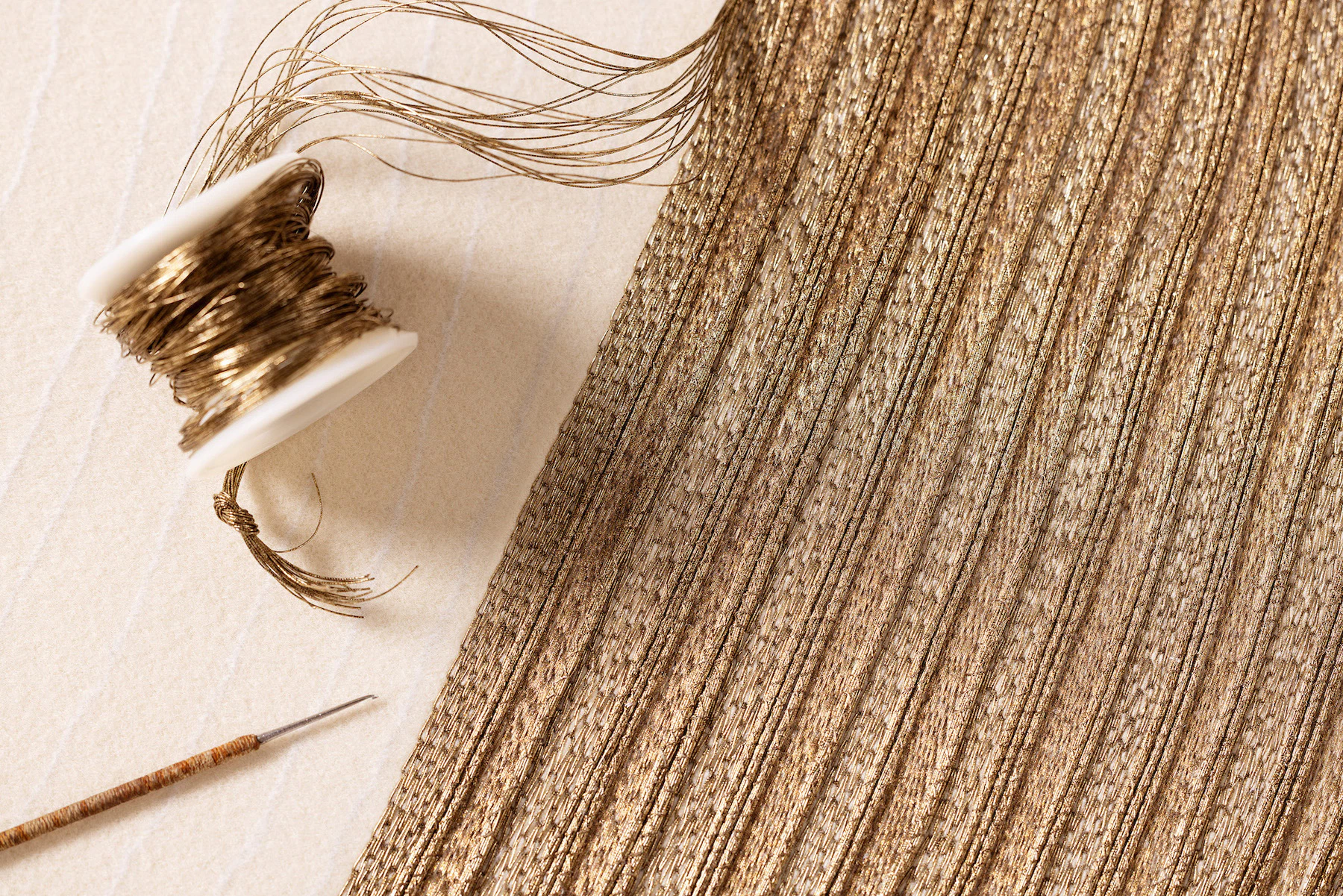
For this year’s installation, Loro Piana introduces Studies, Chapter I: On the Plaid, a project dedicated to Plaid as a central element of the interior vocabulary. Plaids and scarves have been part of the Maison’s story since the mid-1980s and were among its first finished products.
From the beginning, they have served as a space for experimentation, where materials and weaving techniques are explored with both creativity and precision. Studies approaches interior design through a series of focused case studies, each examining a specific object, function, or use. In doing so, it reflects the House’s values through its processes. Conceived as an evolving framework, Studies unfolds over time, introducing new chapters and fields of exploration.
The installation adopts a curated approach, highlighting finished pieces while also revealing the raw materials behind them, fibres and yarns. Central to Loro Piana’s identity, these elements are presented alongside the processes that transform them. Here, plaid is not only seen as a final product, but understood as the result of careful, exacting craftsmanship.
The plaids are crafted using the Maison’s finest materials, including Vicuna, Baby Cashmere, Cashmere, The Gift of Kings, and Loro Piana Royal Lightness, alongside linen and innovative fabrics such as Wish wool and Pecora Nera wool.
Dior Maison Corolle lamps by Noé Duchaufour-Lawrance
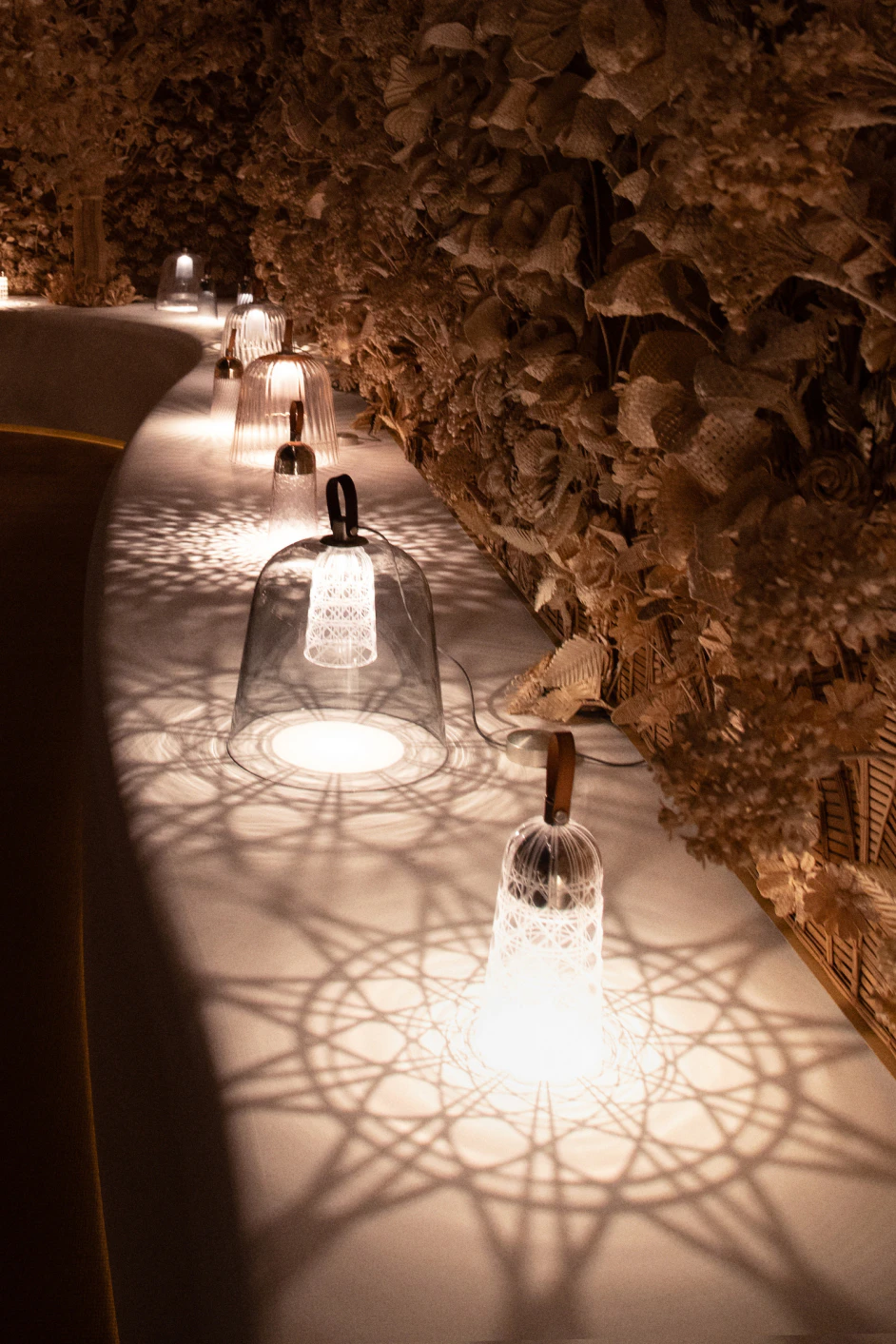
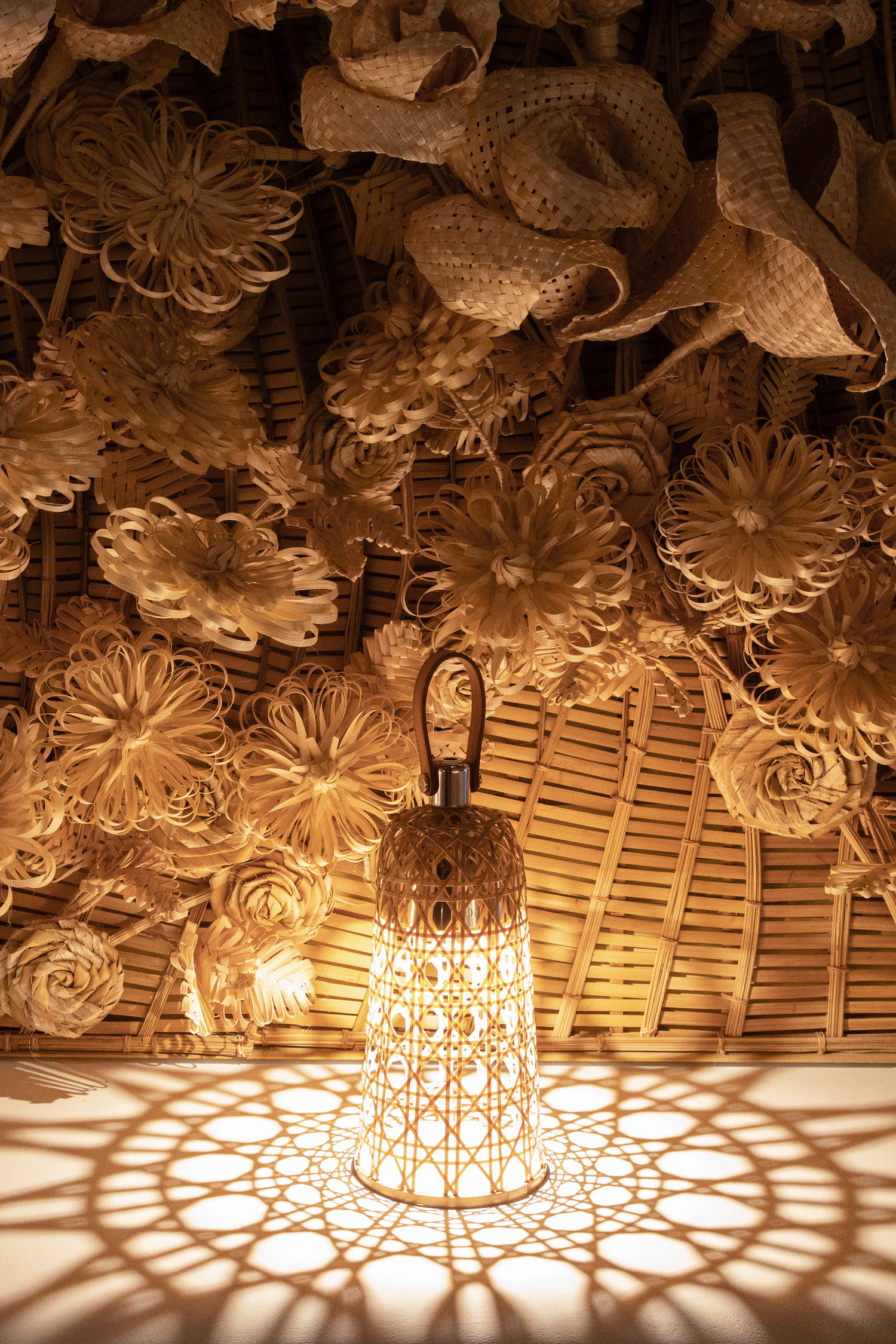
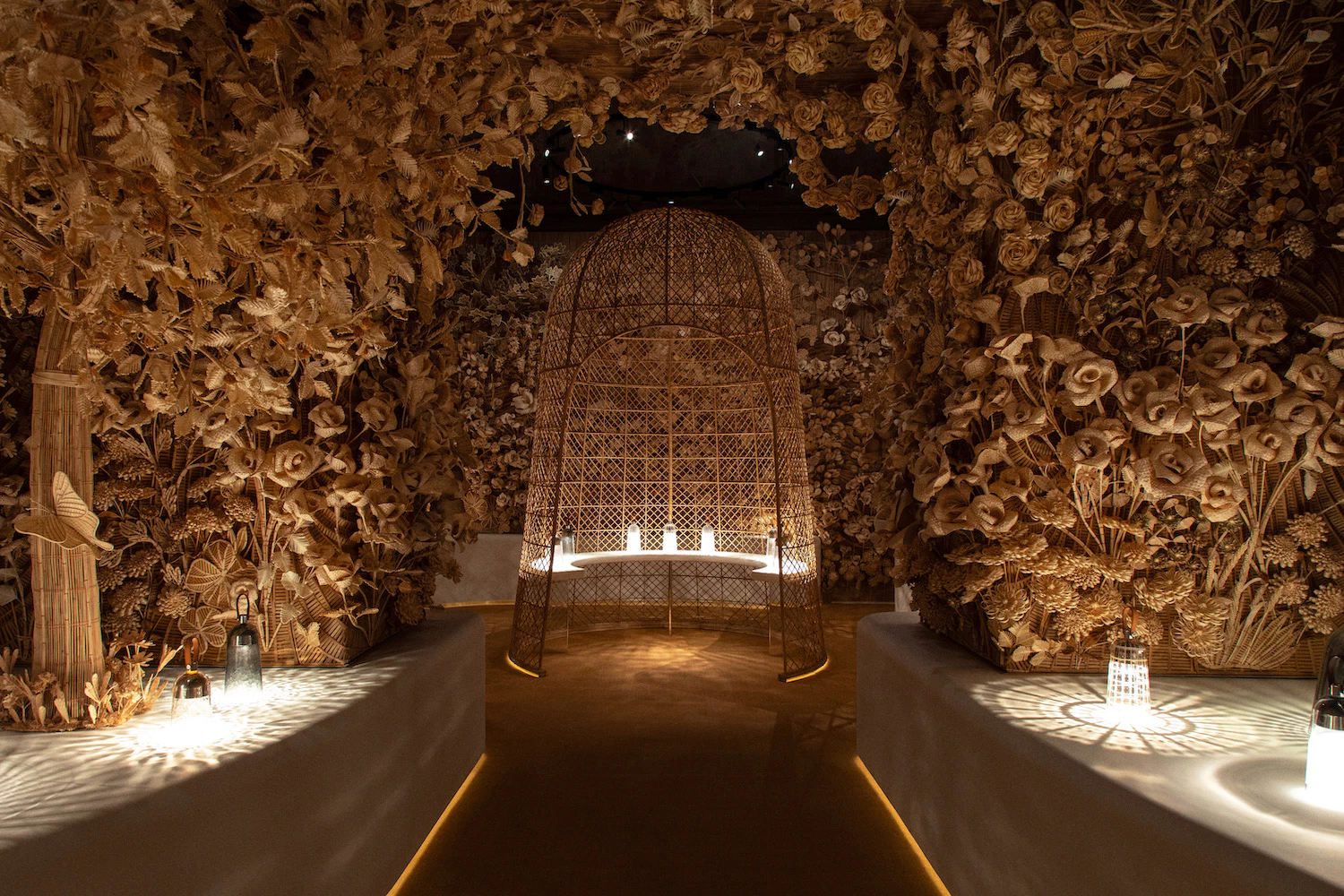
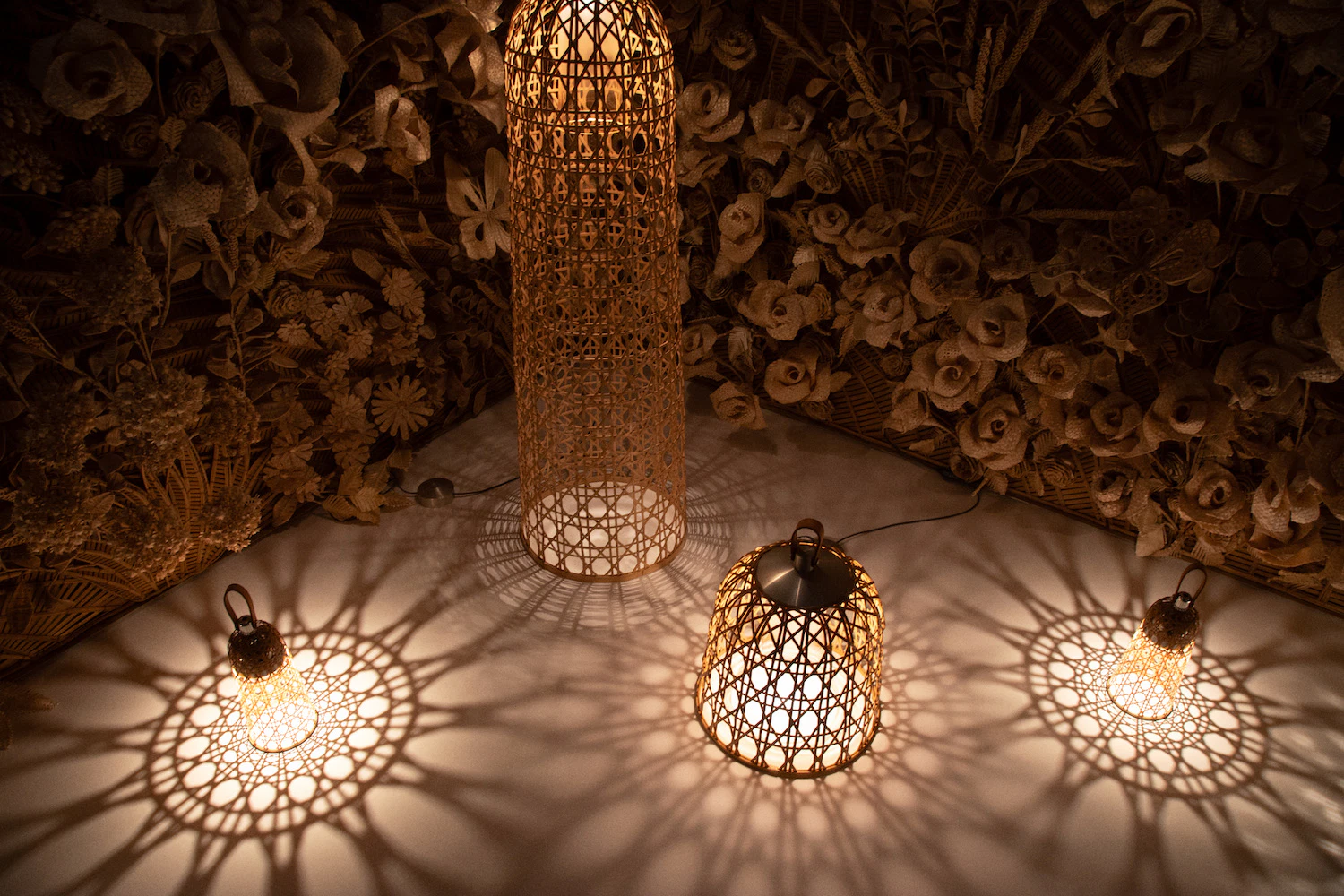
At the Salone del Mobile 2026, in Milan, Dior Maison unveils its new collection of nomadic Corolle lamps designed by Noé Duchaufour-Lawrance: a subtle tribute to one of the two emblematic lines of the revolutionary New Look, created by Monsieur Dior for his first triumphant show in 1947.
Displayed in the historic setting of Palazzo Landriani, in the heart of the Brera district, these artworks prolong this fascinating dialogue between heritage, innovation, and artisanship.
The decor of this exceptional space evokes the gardens of Villa Les Rhumbs in Granville, a place dear to Christian Dior, at once his home and childhood paradise. This eternal source of inspiration is reinterpreted in a spirit that is both graphic and organic by Thai artists Korakot Aromdee and Vasana Saima.
Aesop Lamp
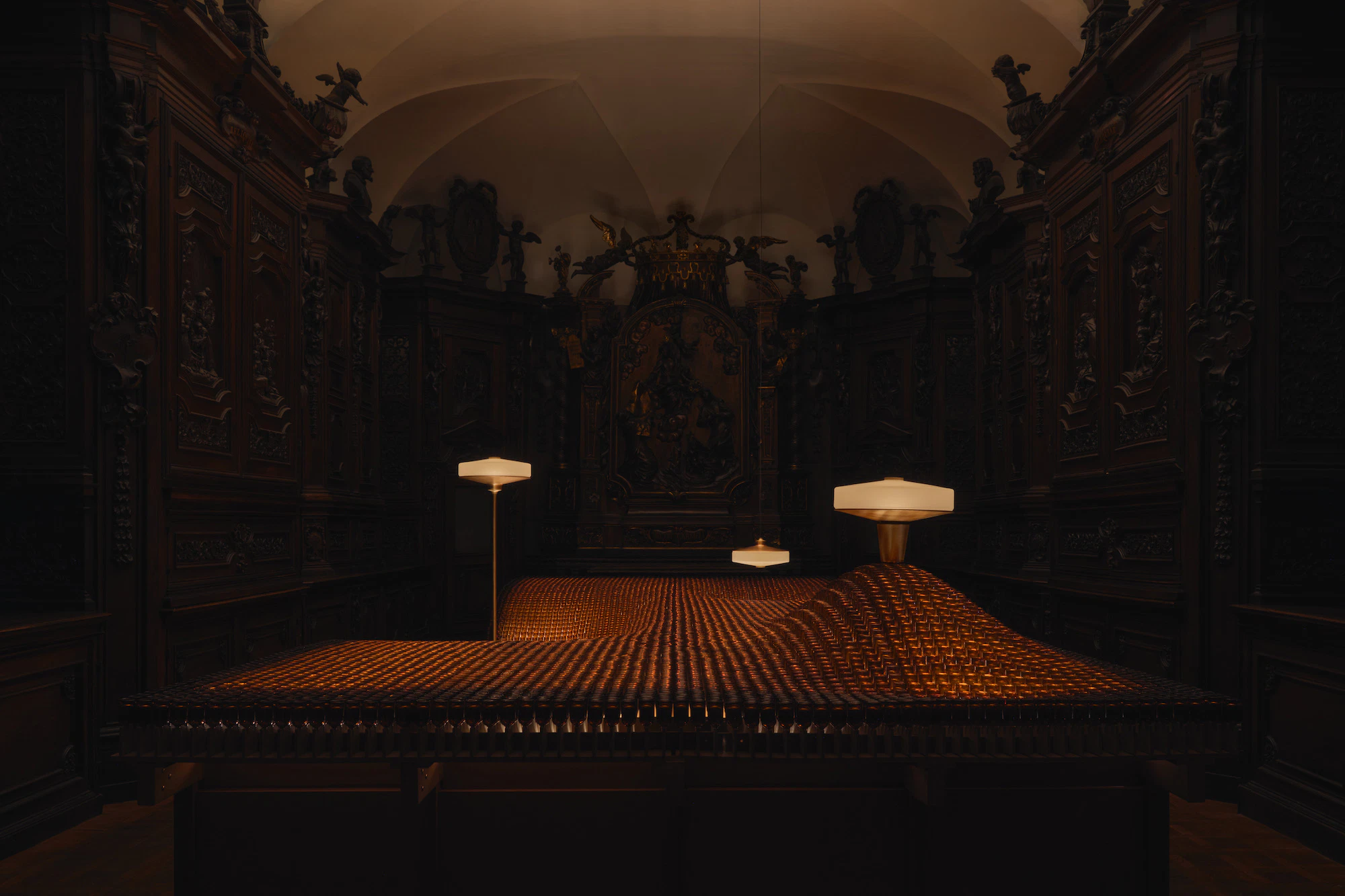
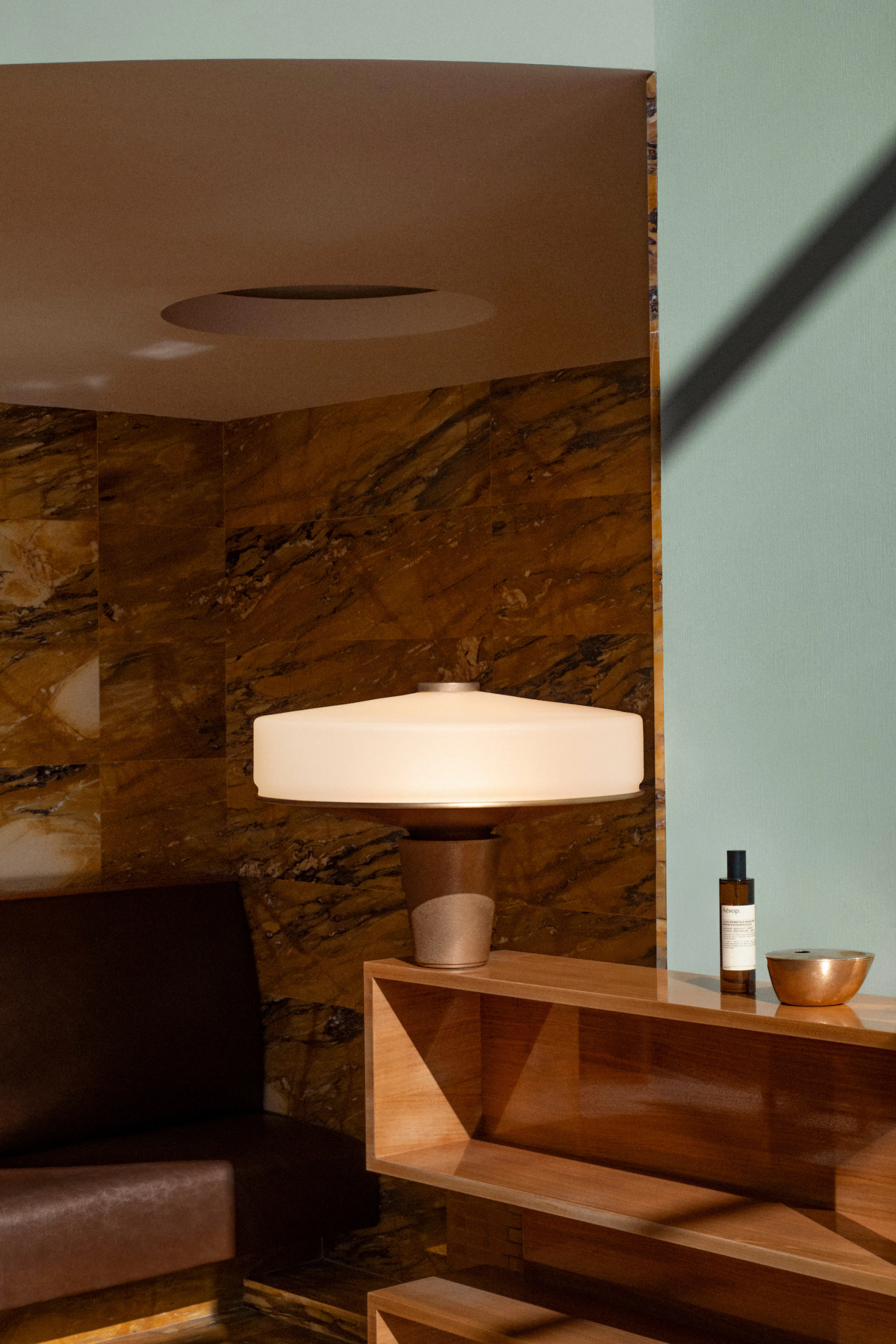
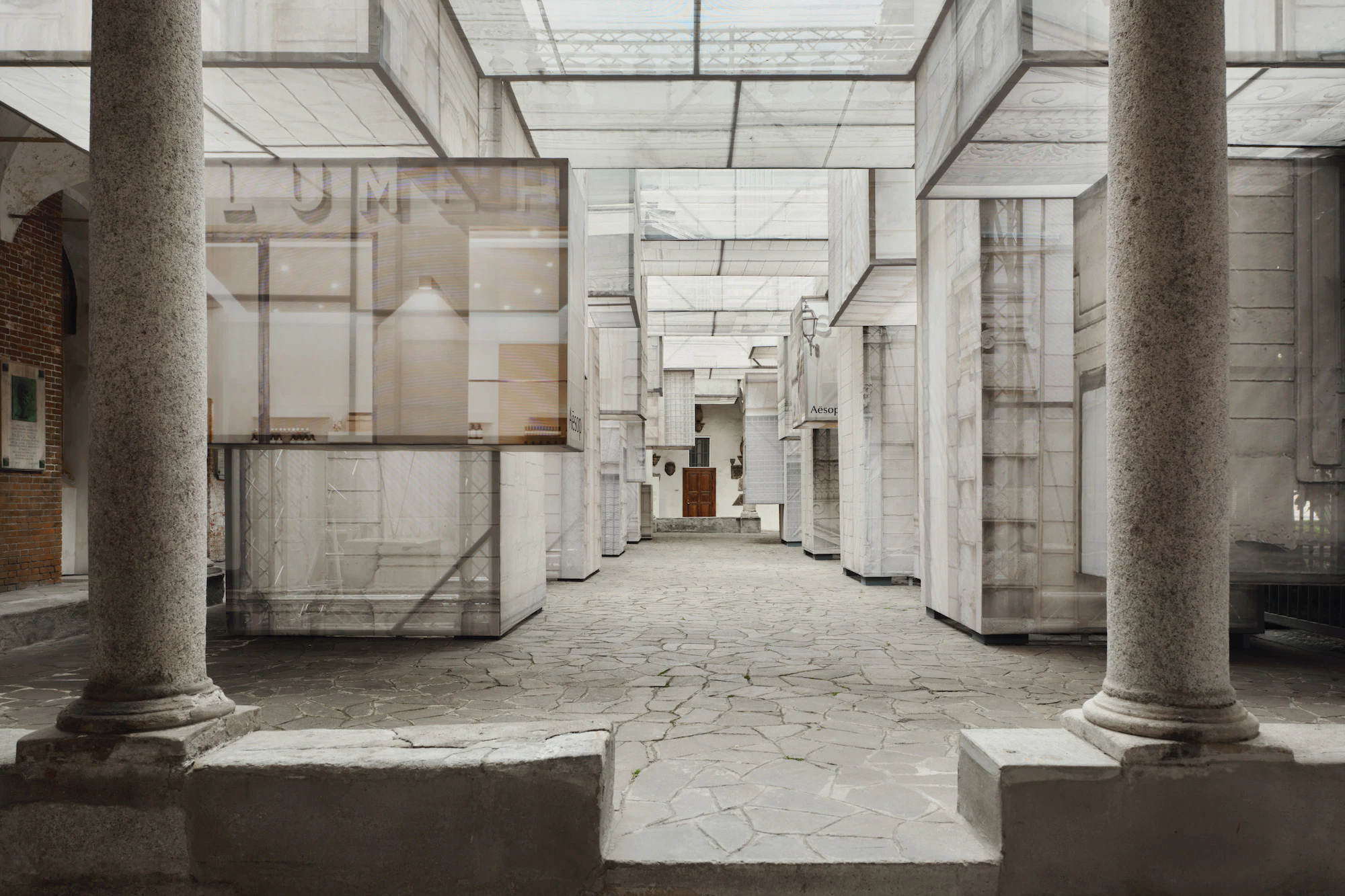
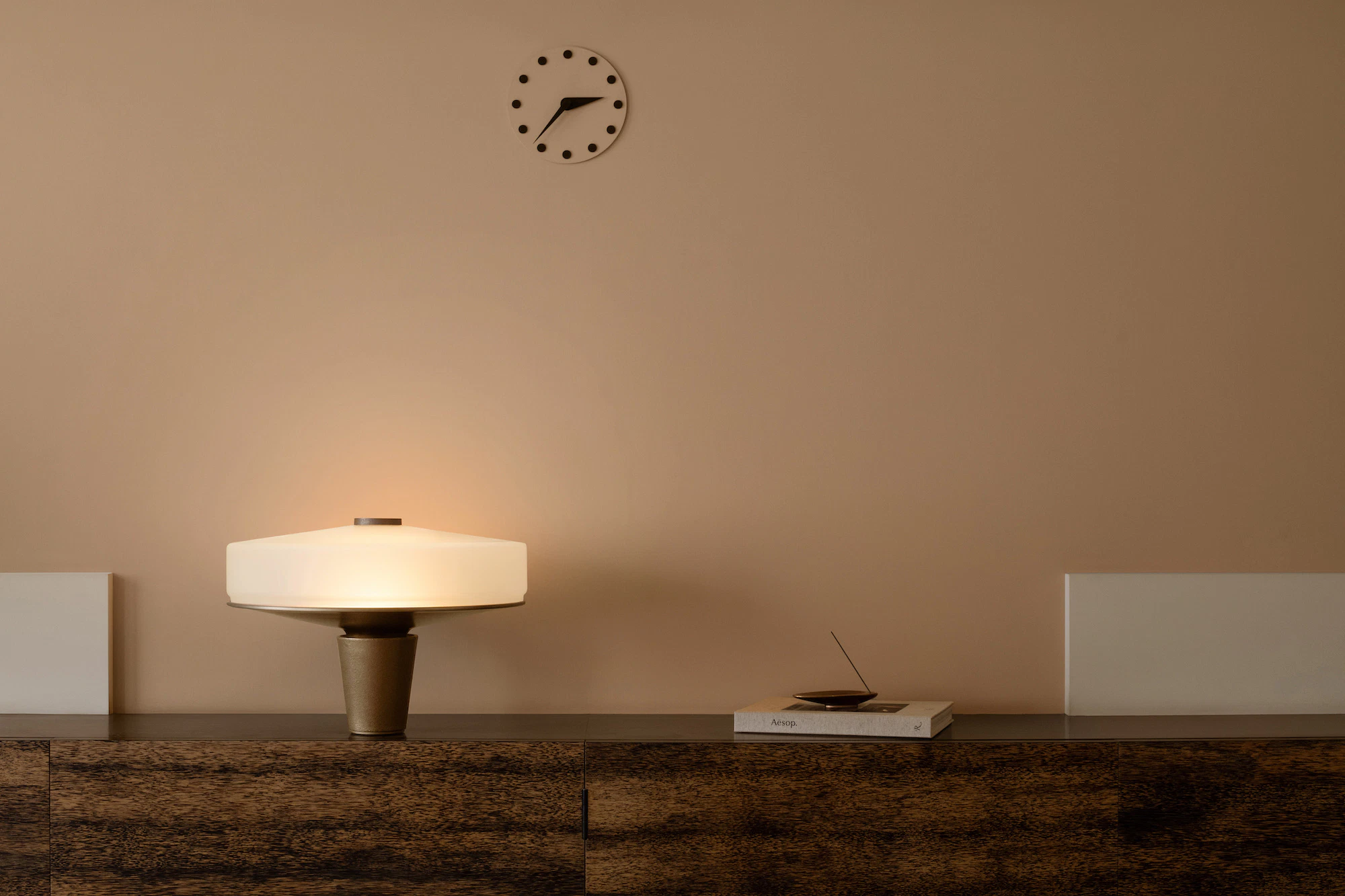
For the third consecutive year, Aesop is present at Salone del Mobile — this time with an installation that explores purposeful craft, the nature of light, and the hands that harness it. Titled The Factory of Light, the multi-sensorial experience mirrors how Aesop brings illumination and intrigue to every room in which it is placed, and every skin it touches.
For the third consecutive year, Aesop is present at Salone del Mobile — this time with an installation that explores purposeful craft, the nature of light, and the hands that harness it. Titled The Factory of Light, the multi-sensorial experience mirrors how Aesop brings illumination and intrigue to every room in which it is placed, and every skin it touches.
Ralph Lauren Home Fall 2026 Collection
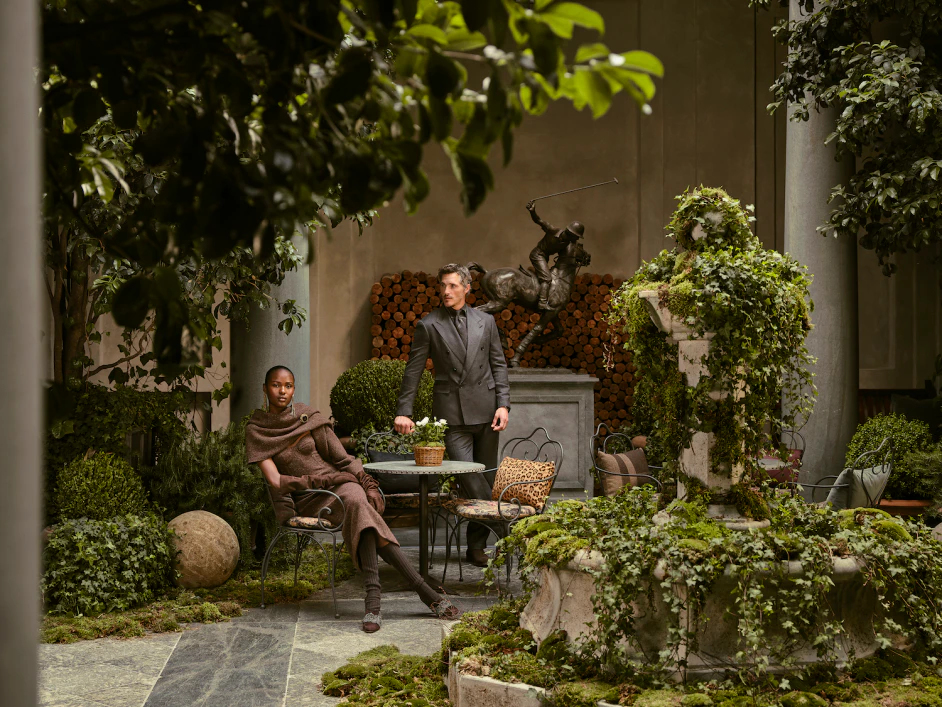
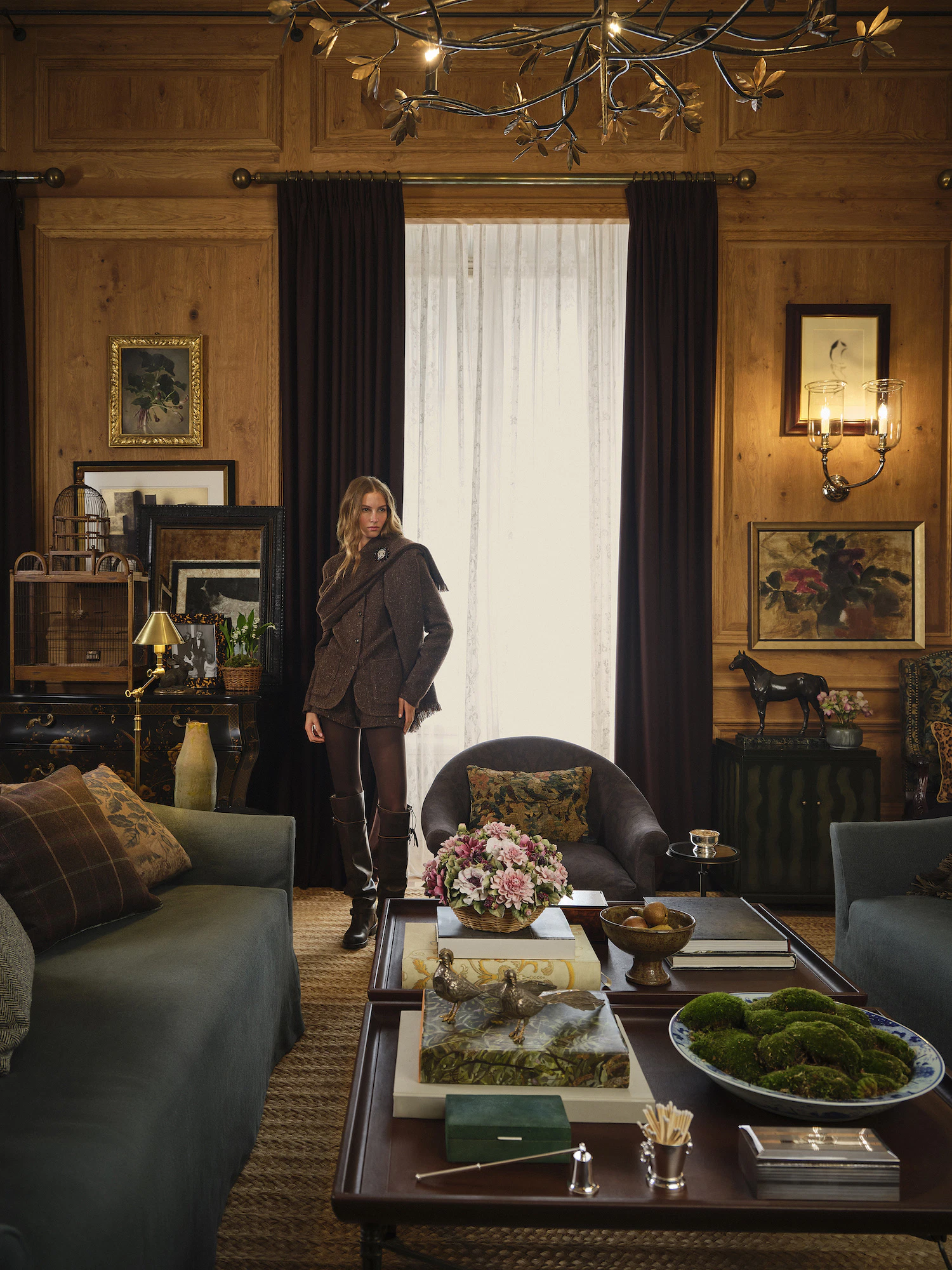
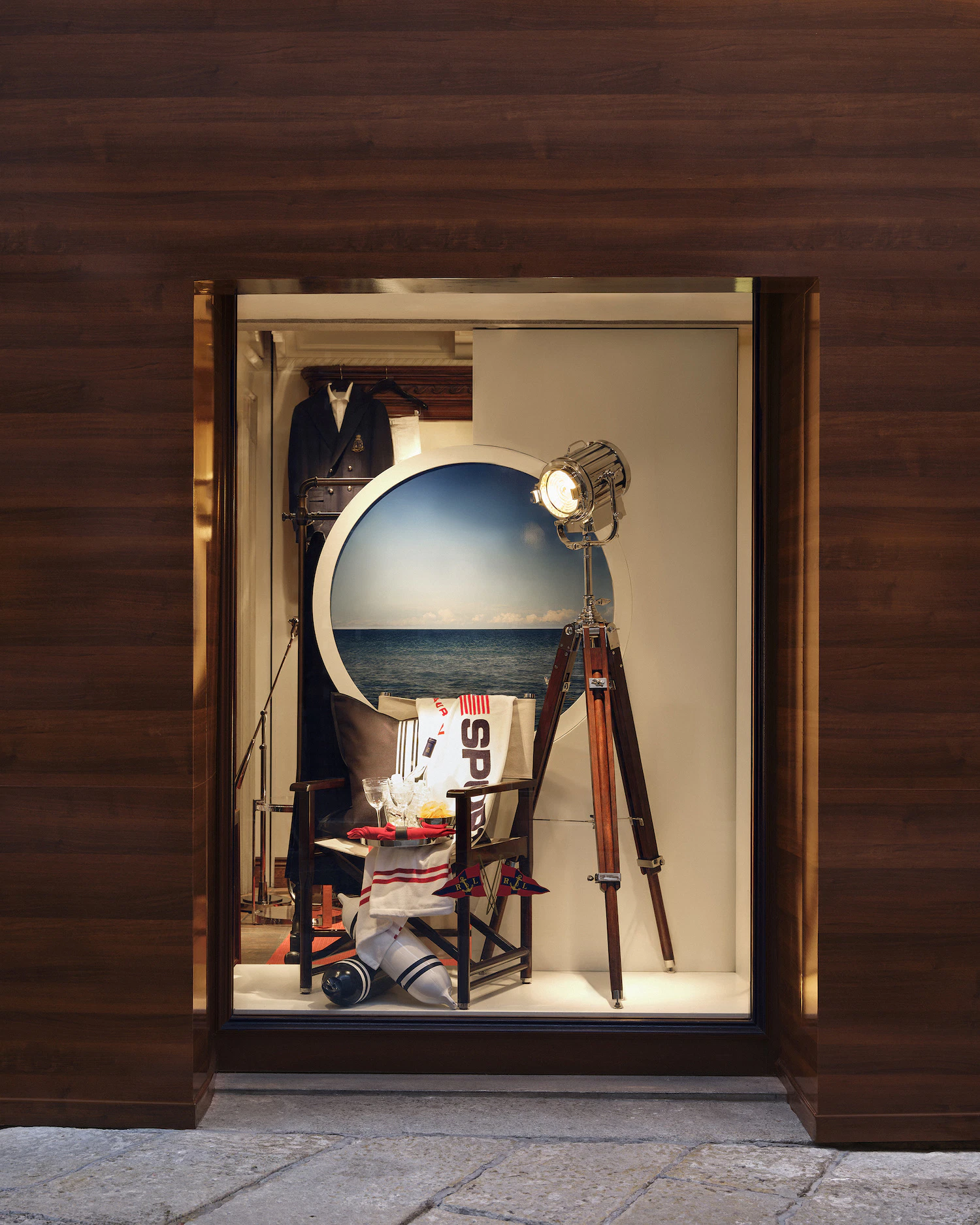
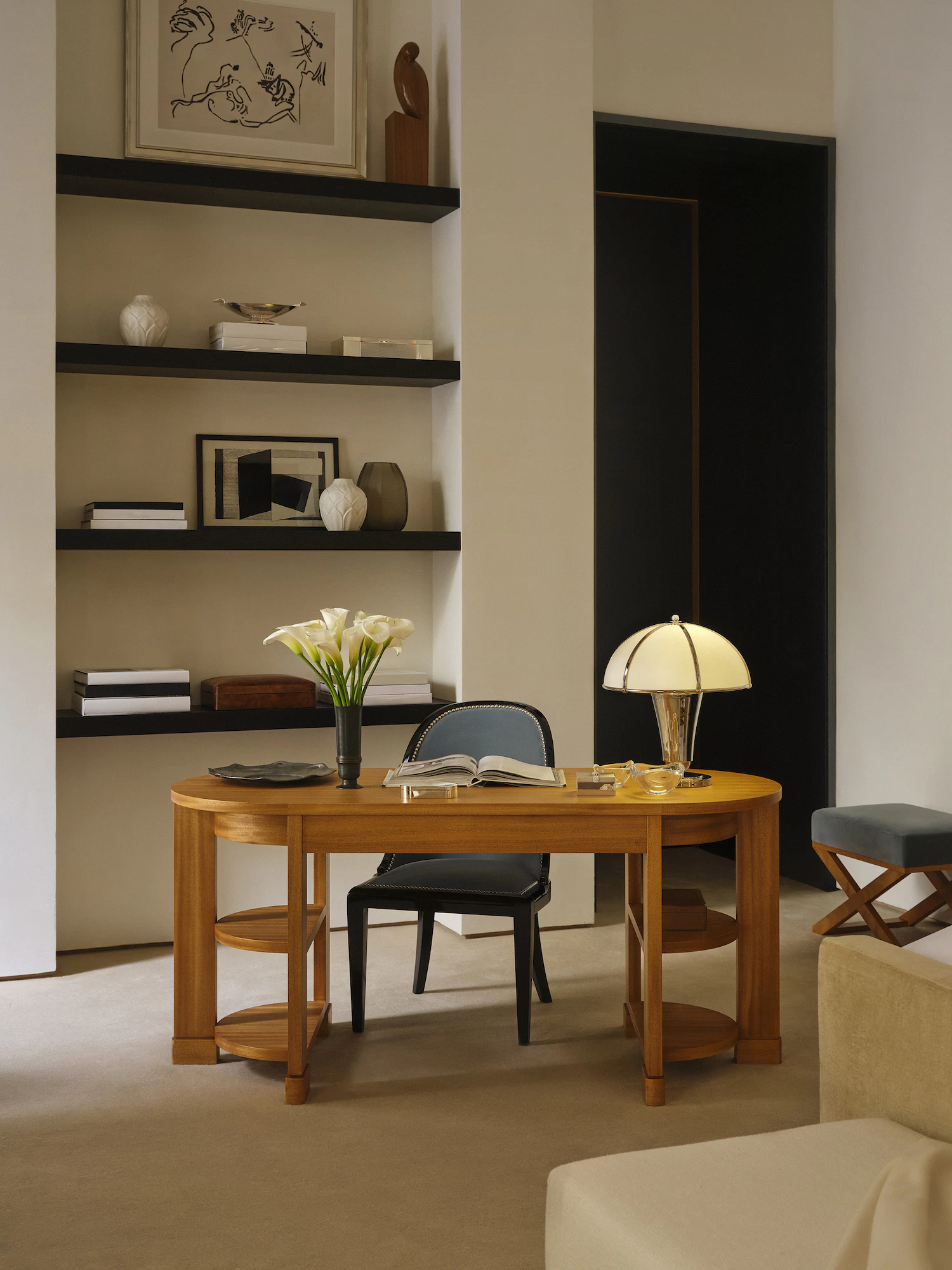
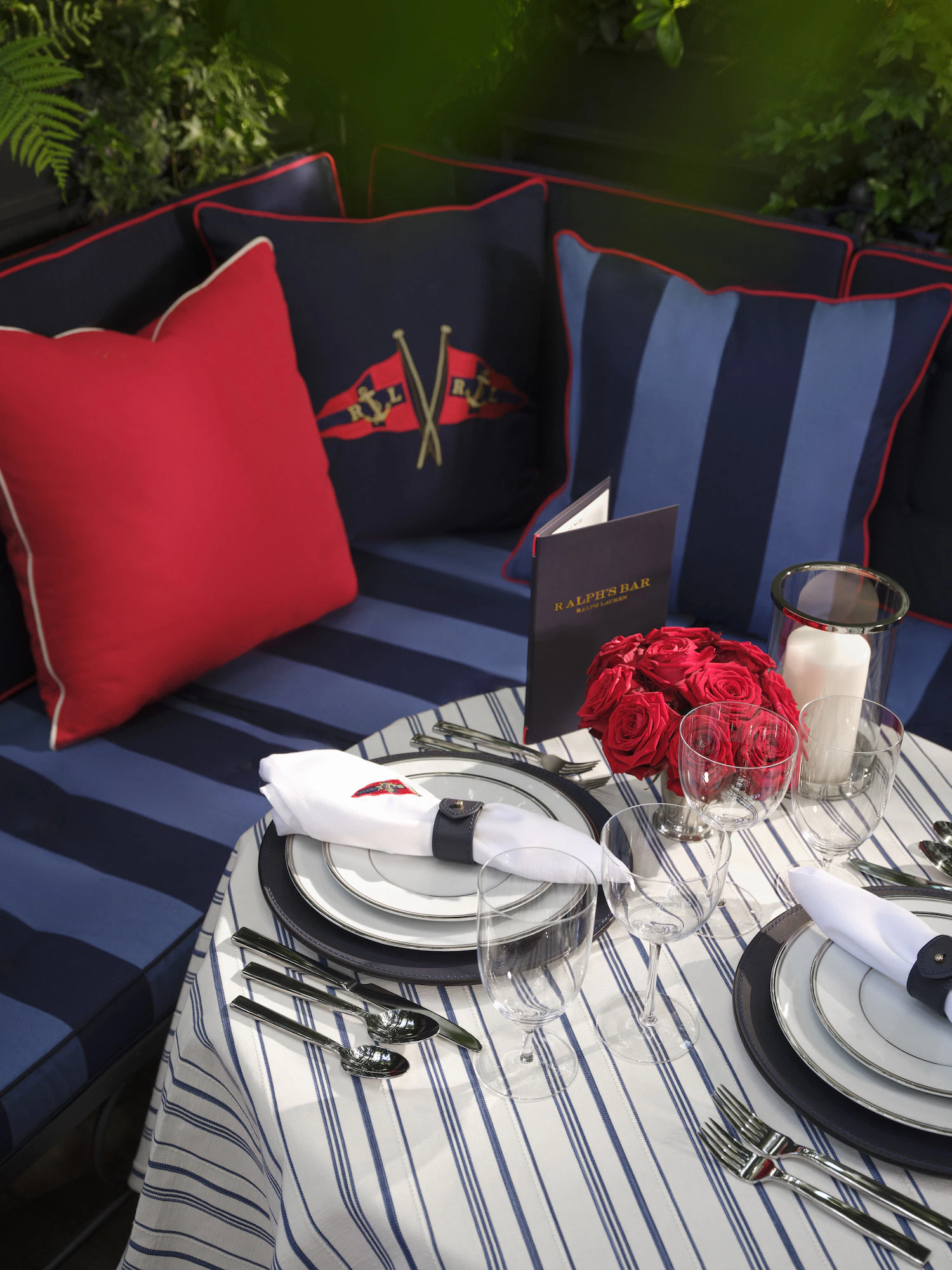
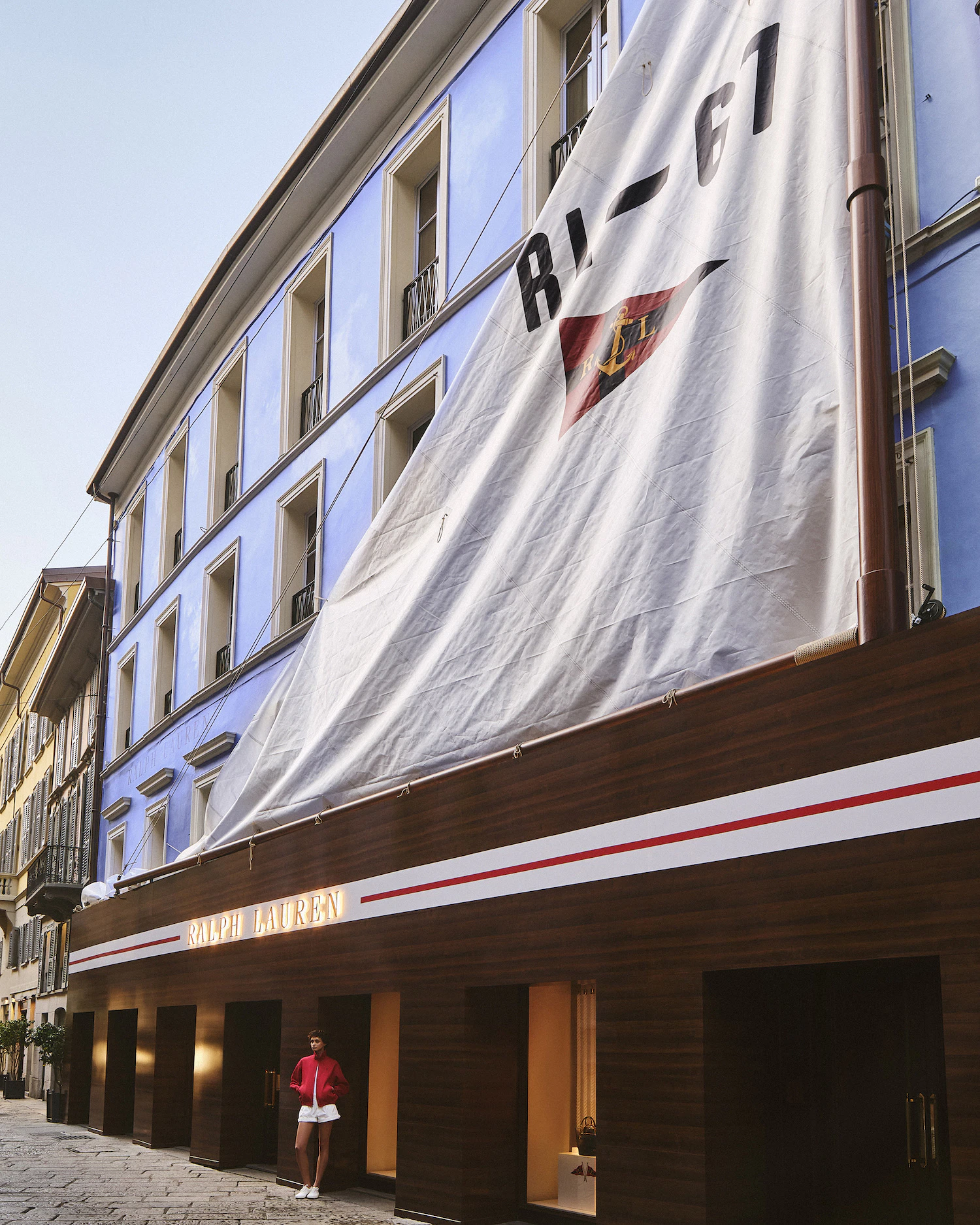
Celebrating Ralph Lauren’s distinctive vision for living, a special presentation during Milan Design Week transports guests to the cinematic world of the iconic designer. Ralph Lauren Home introduces Saddlebrook and Sterling Square, offering a glimpse into the breadth of Ralph Lauren’s signature lifestyles and hallmarks of design from his love for artisanal craftsmanship to the mastery of artful layering and pairing the unexpected. For the first time at Milan Design Week, models dressed in Women’s Collection and Men’s Purple Label move elegantly through the Palazzo, as fashion joins home and hospitality to bring the complete world of Ralph Lauren to life.
MCM Disco On Mars
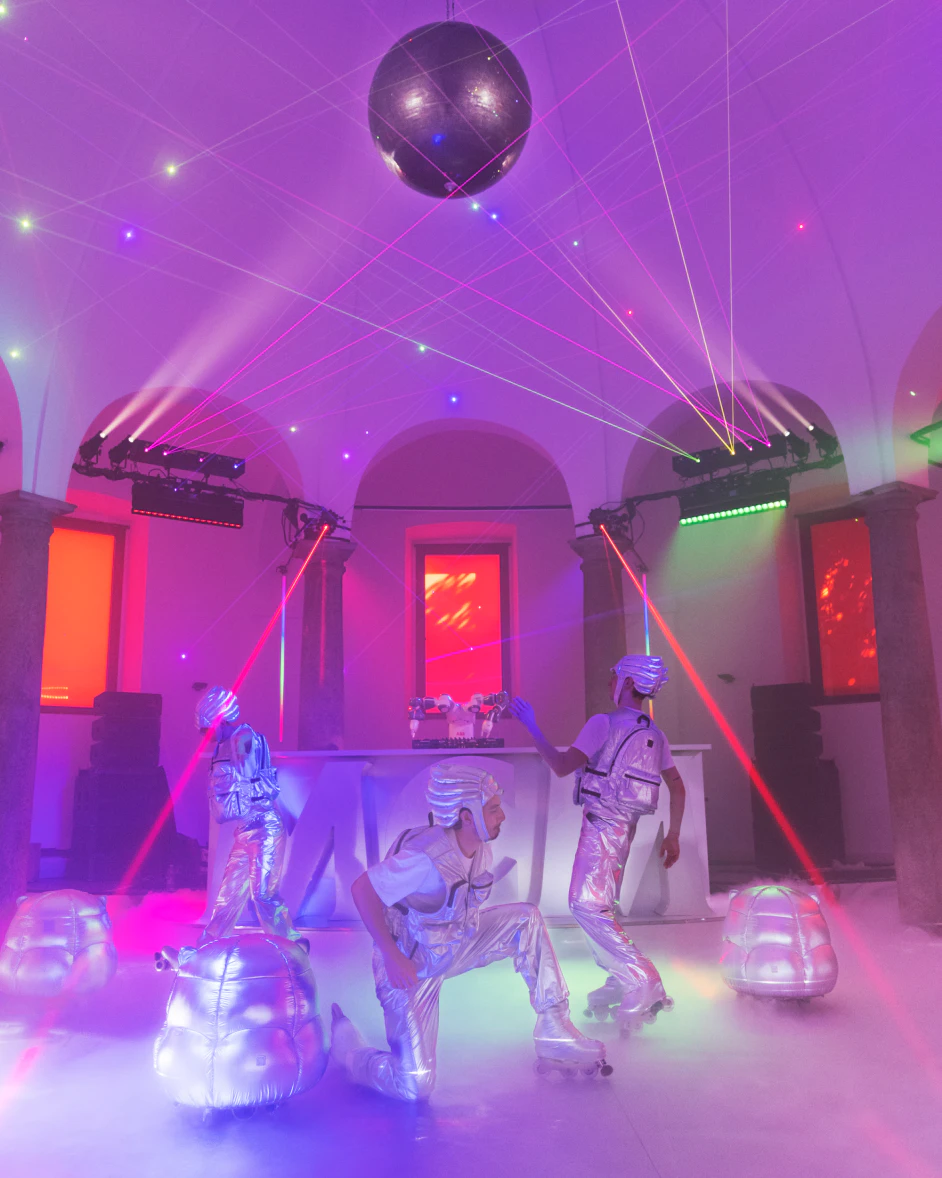
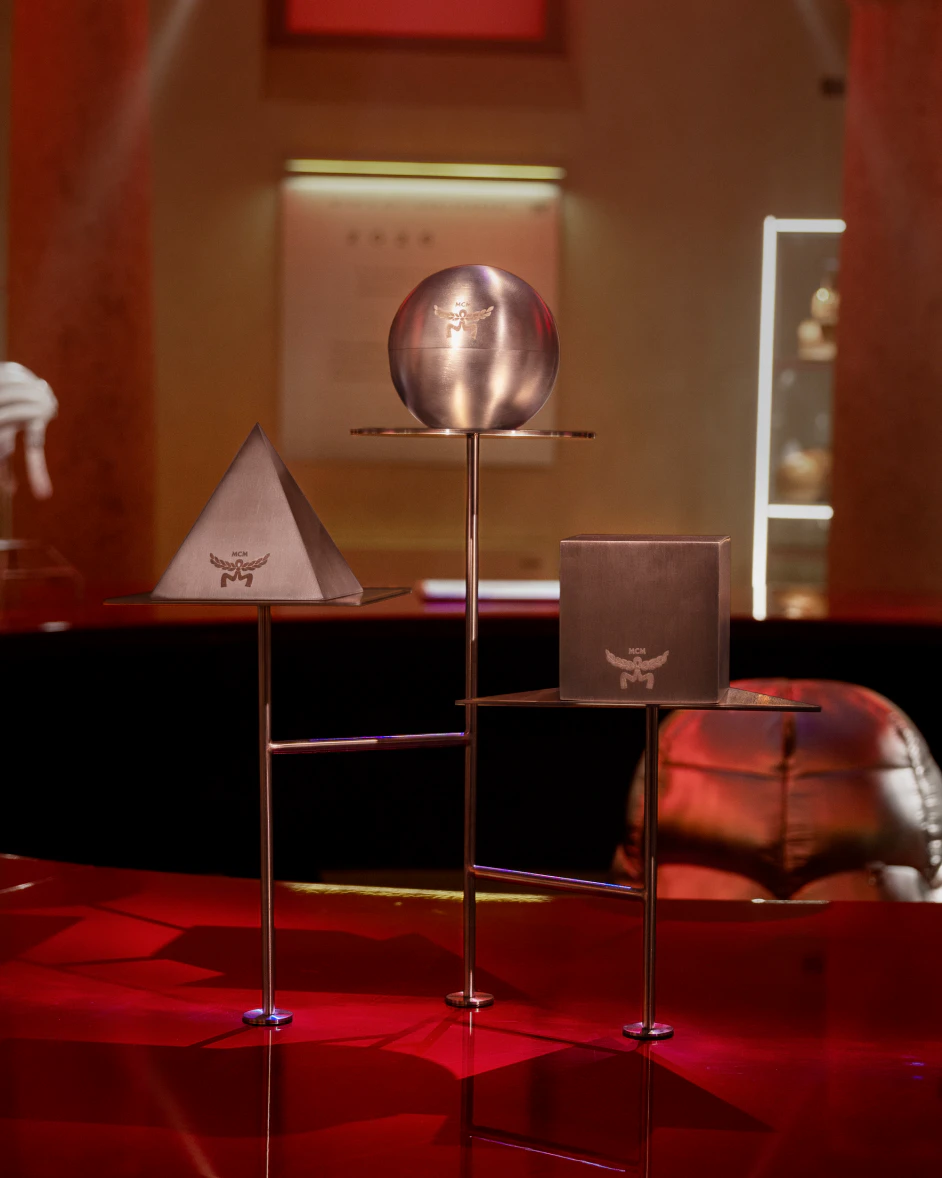
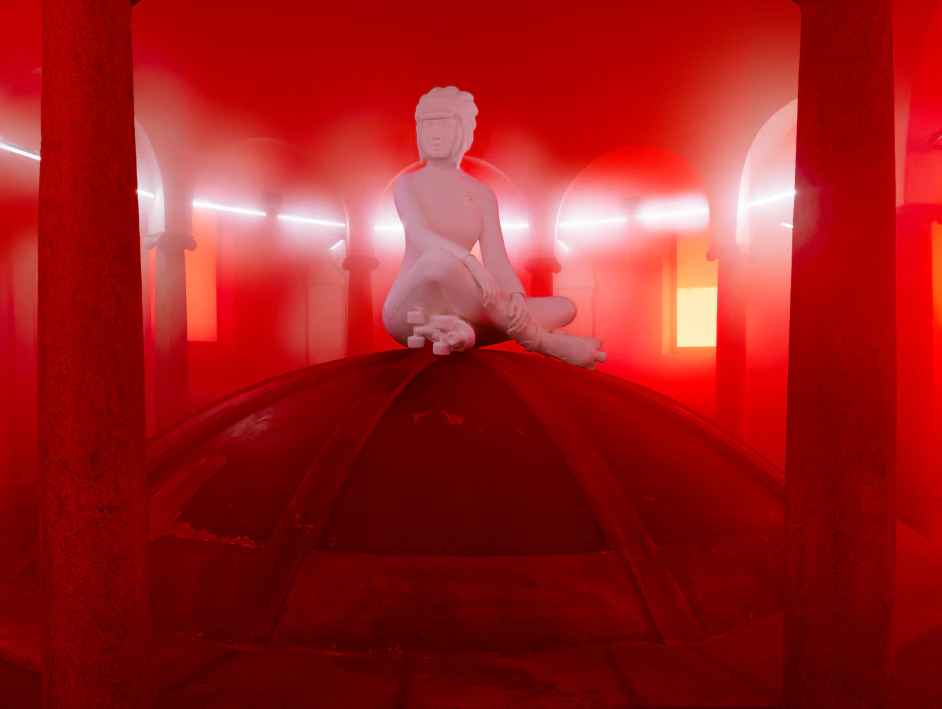
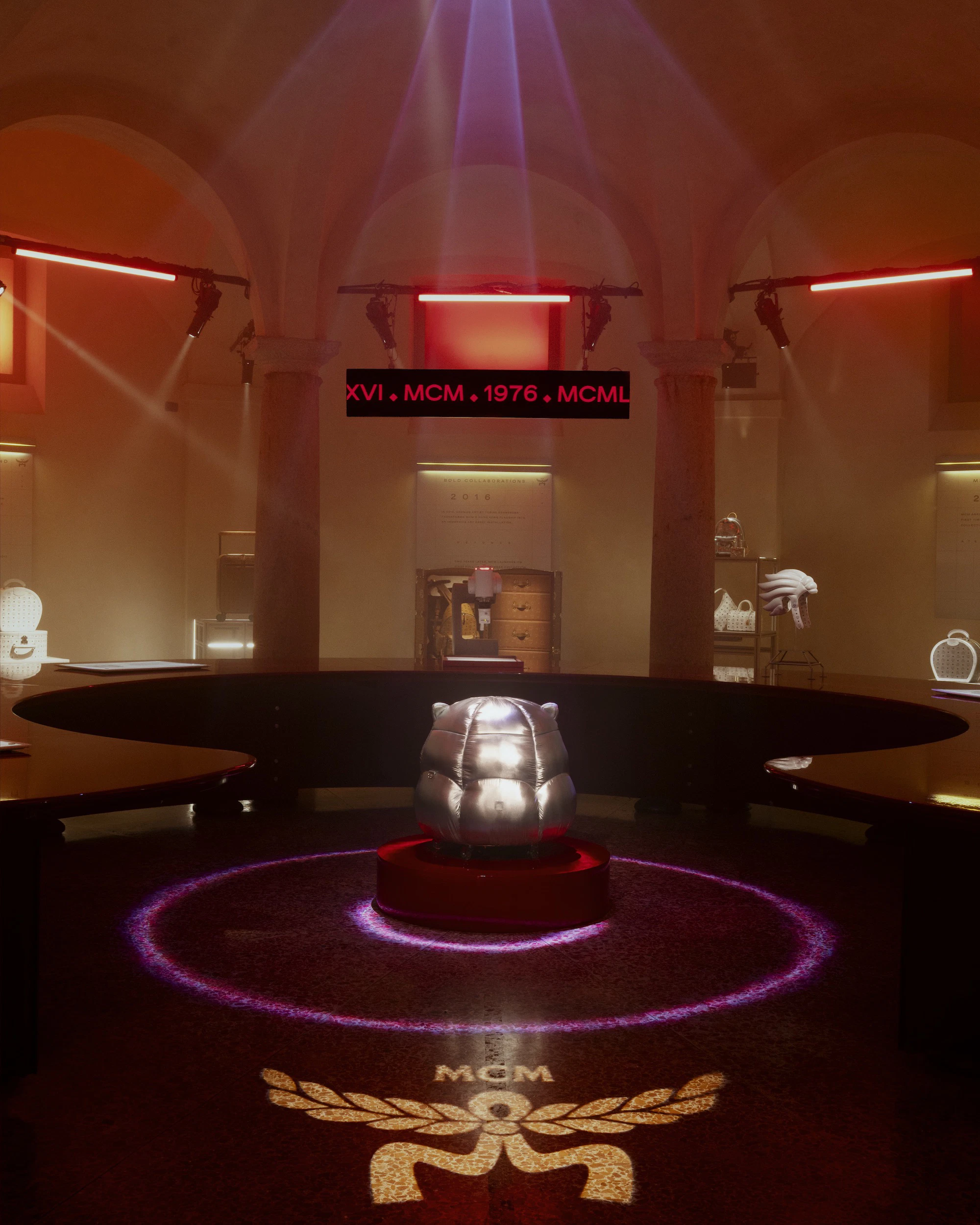
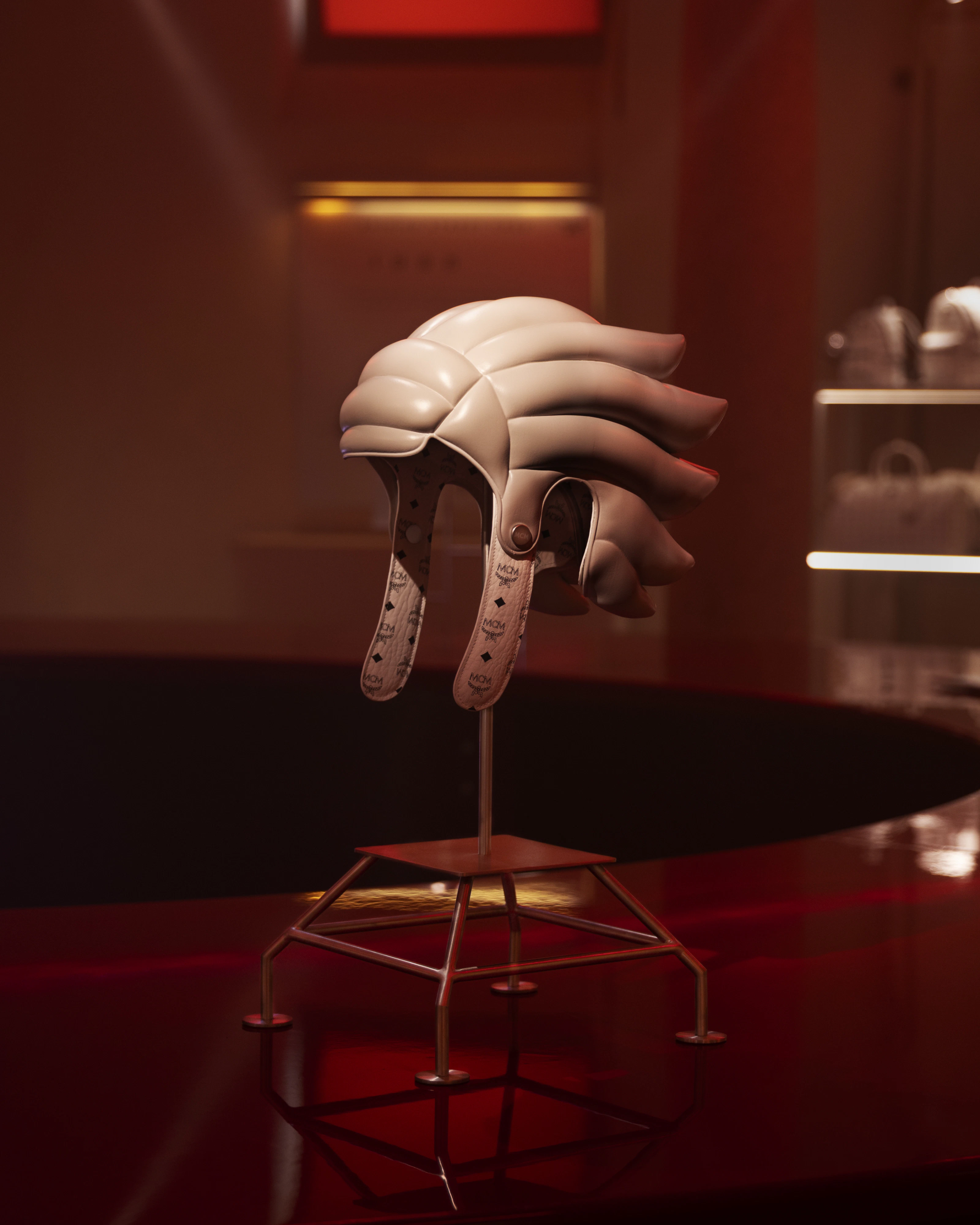
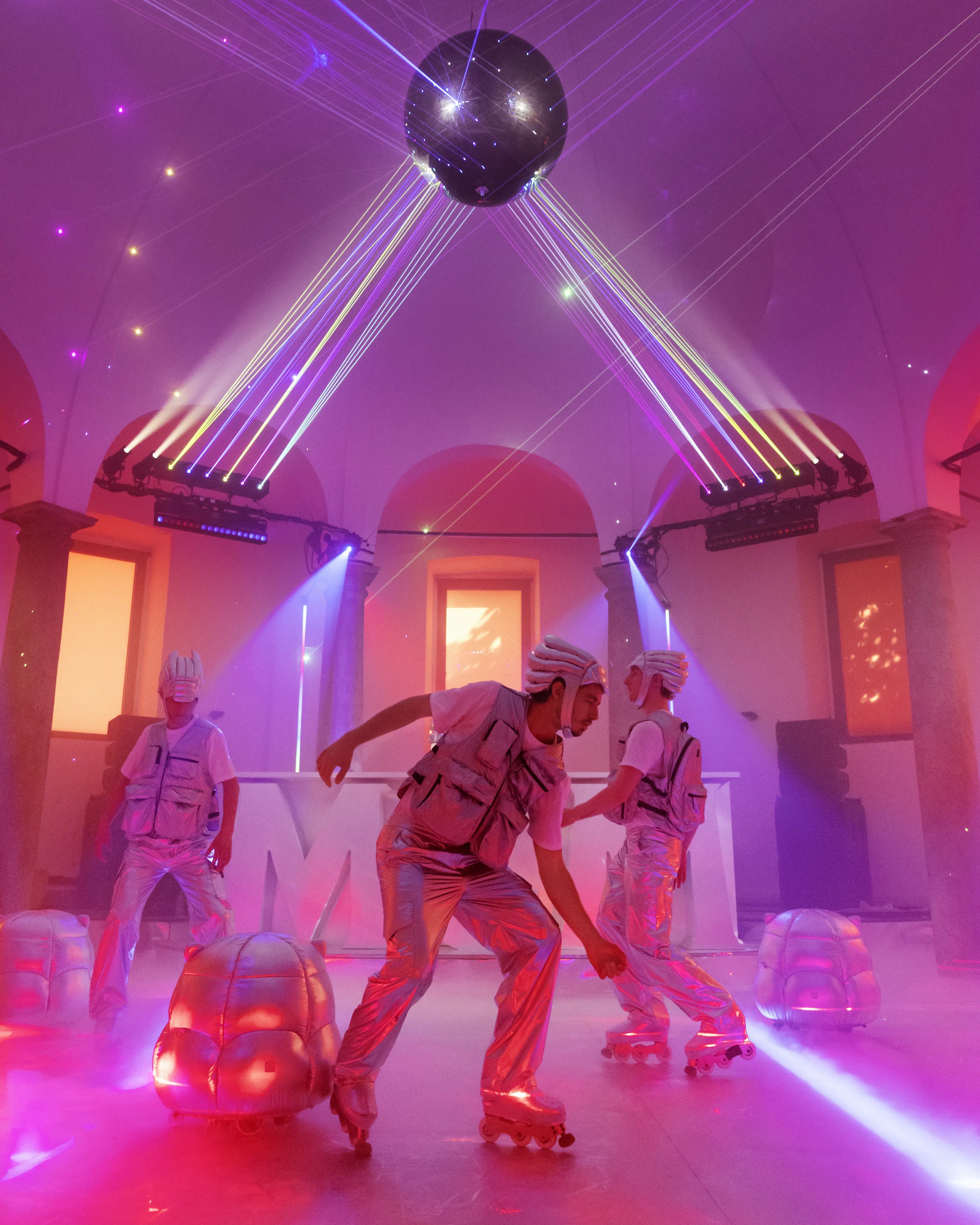
MCM’s 50th anniversary rockets forward with an interplanetary experience, created in collaboration with Atelier Biagetti for Milan Design Week 2026. This exhibition acts as the first major event of the Haus’ milestone year, Disco on Mars ties into MCM’s longstanding theme, “From Munich to Mars,” designed to bring the brand’s heritage to the future.
Taking center stage in the exhibition, Pieces designed by Atelier Biagetti and upcycled with MCM’s Visetos monogram, include Orbit, a robot-inspired pouf, Gravity a weightless hand-weight, Mach-1 a space-inspired helmet and Alphabet, a collection of candles.
Chloé x Poltronova Tomato Chair Re-edition
Chloé presents a renewed edition of the famous Tomato Chair, originally designed in 1970 by French designer Christian Adam produced with Italian manufacturer Poltronova, known for its vital role in the Radical Design movement in the late 1960s to 1970s. Under the creative direction of Chemena Kamala, the chair becomes recontextualised to align itself with the current house’s visual style and language.
A focus on softness, tactility and organic form pars up to the fashion house’s growing interest in an intersection between fashion and industrial design. The past becomes contemporary, as it becomes lensed in a 2026 perspective. The re-edition chair was presented at Chloé’s Milan boutique for the duration of MDW2026.
Marni x Cucchi
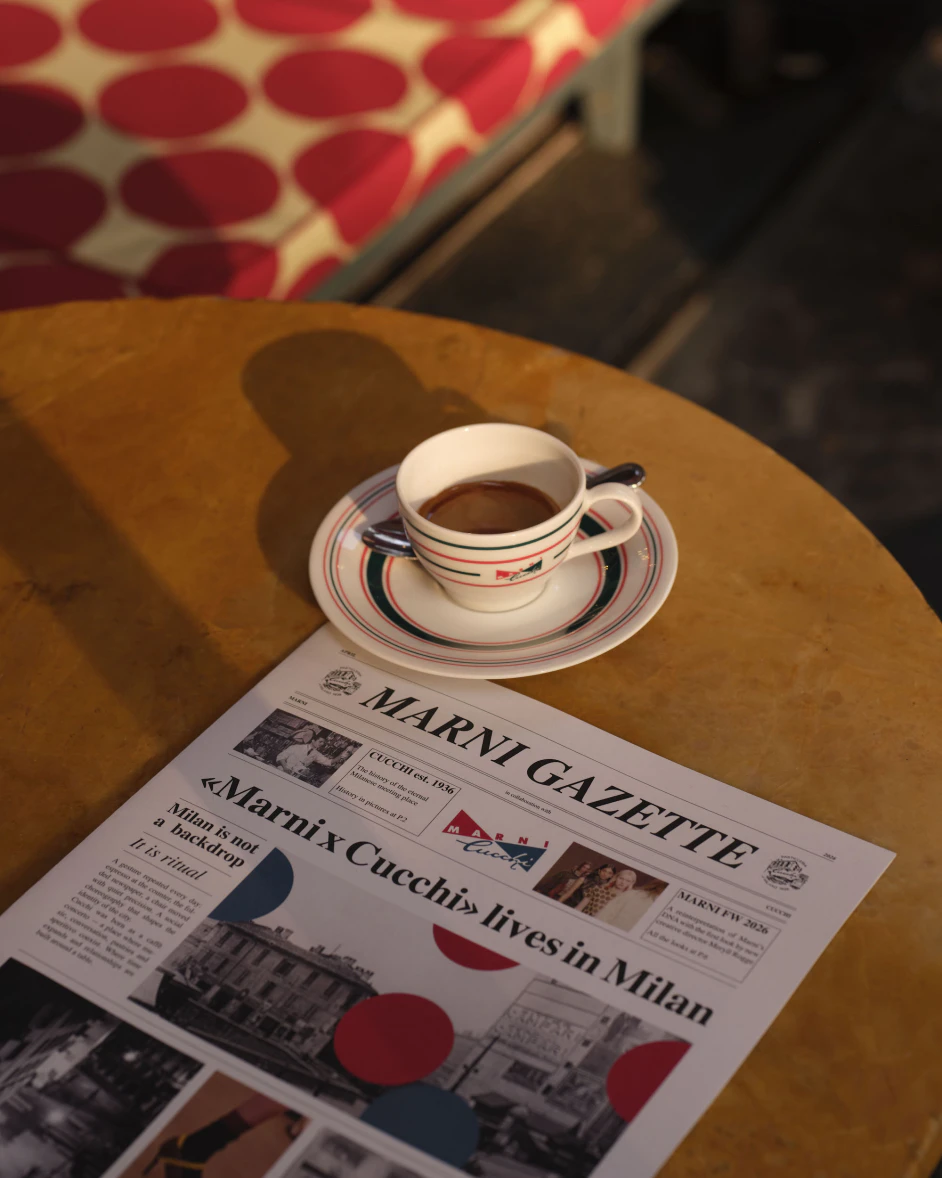
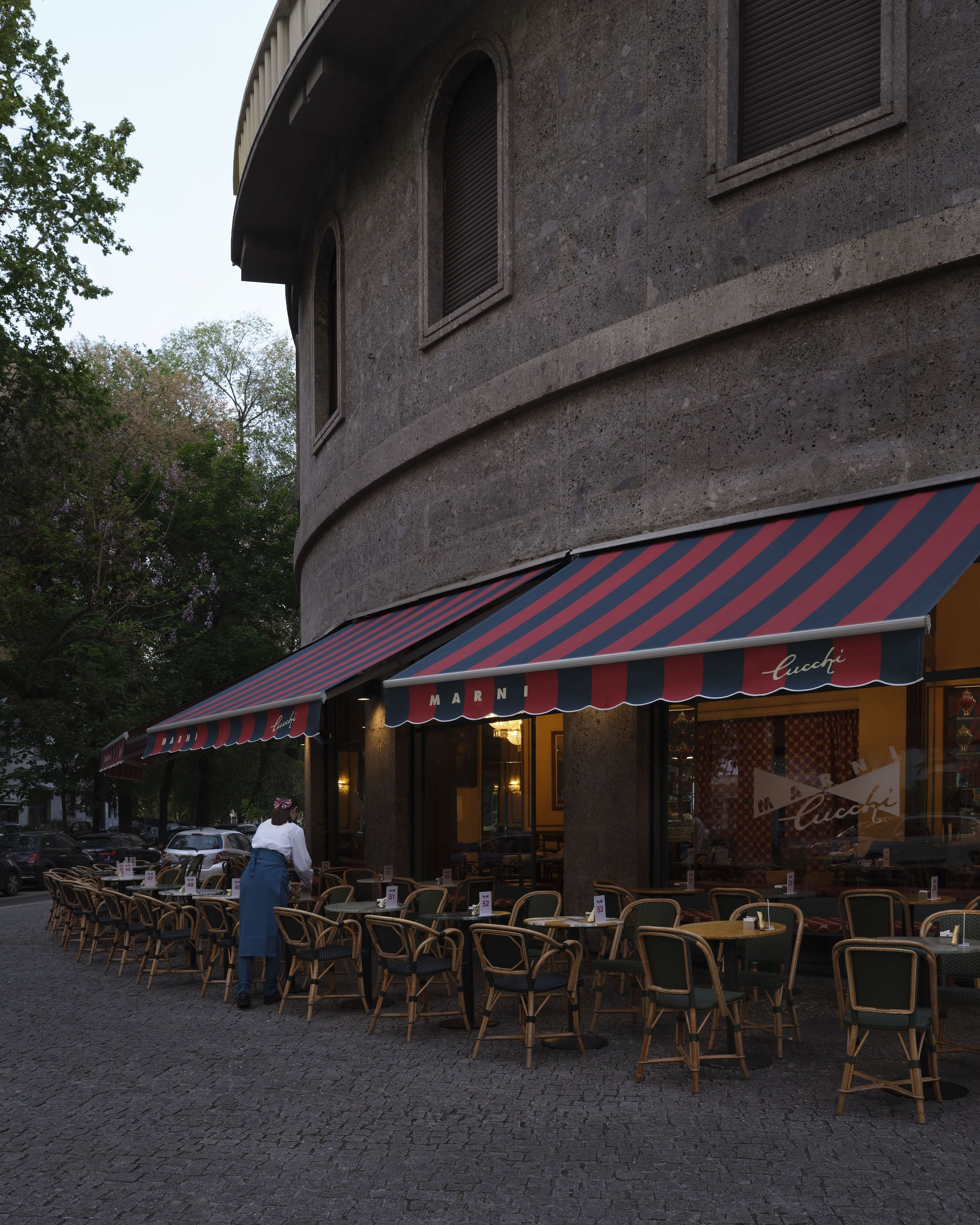
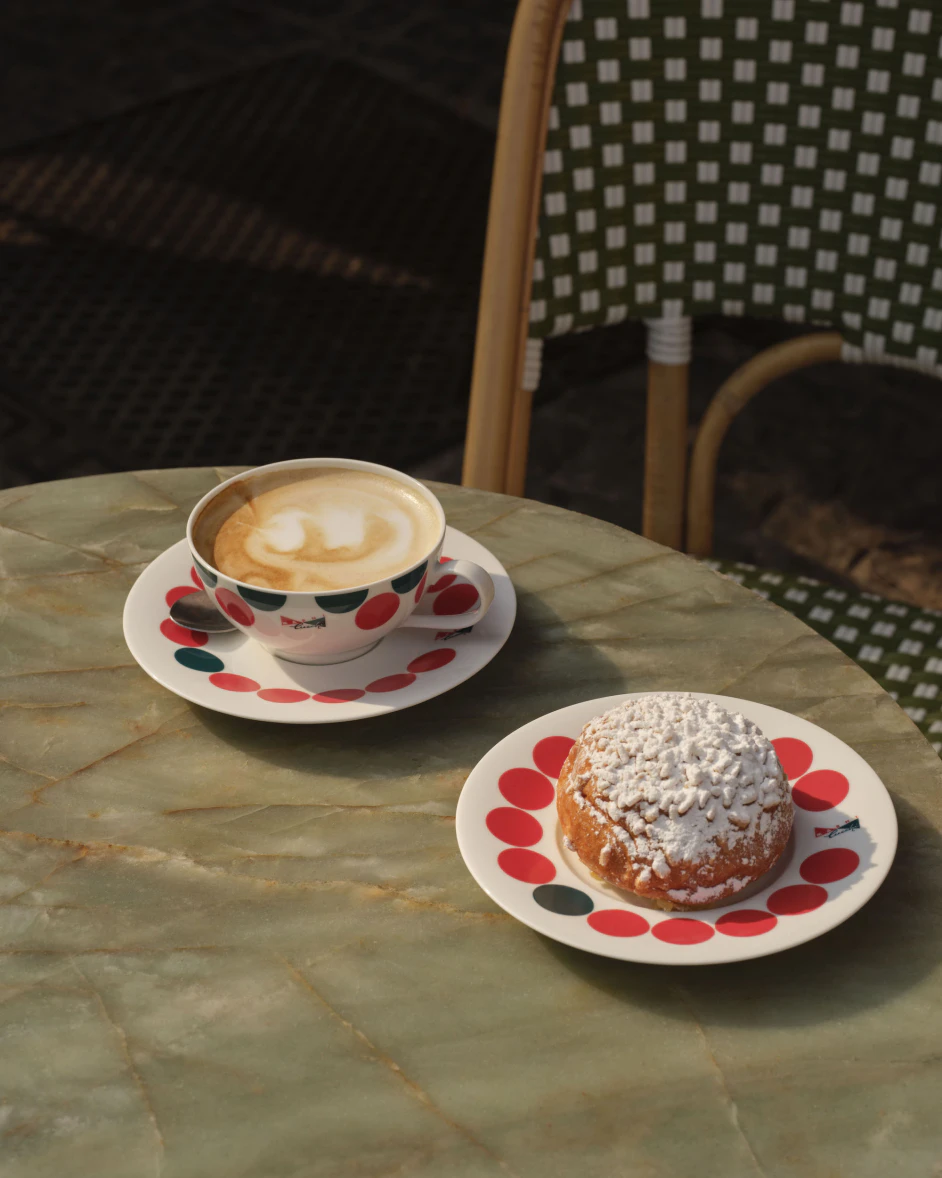
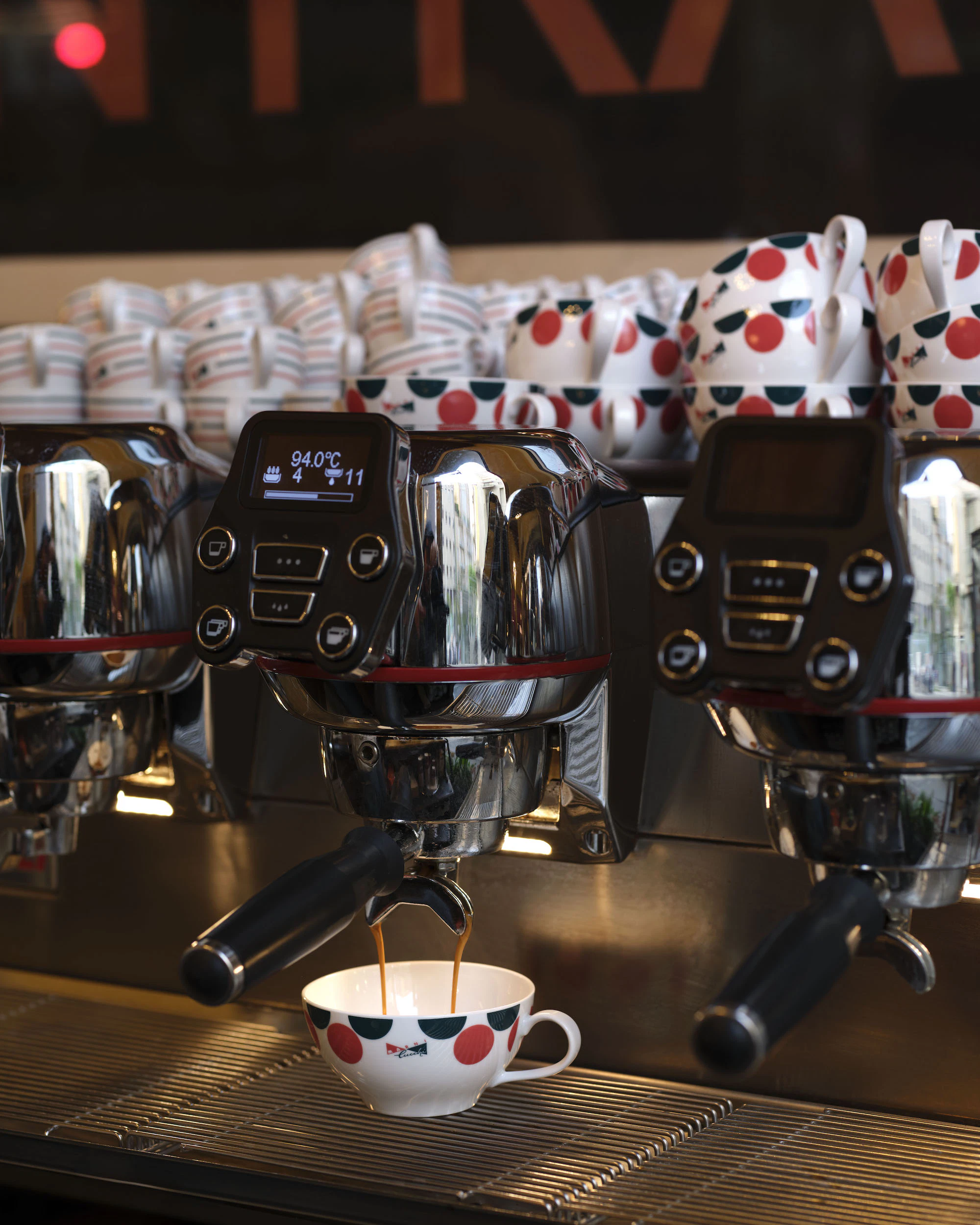
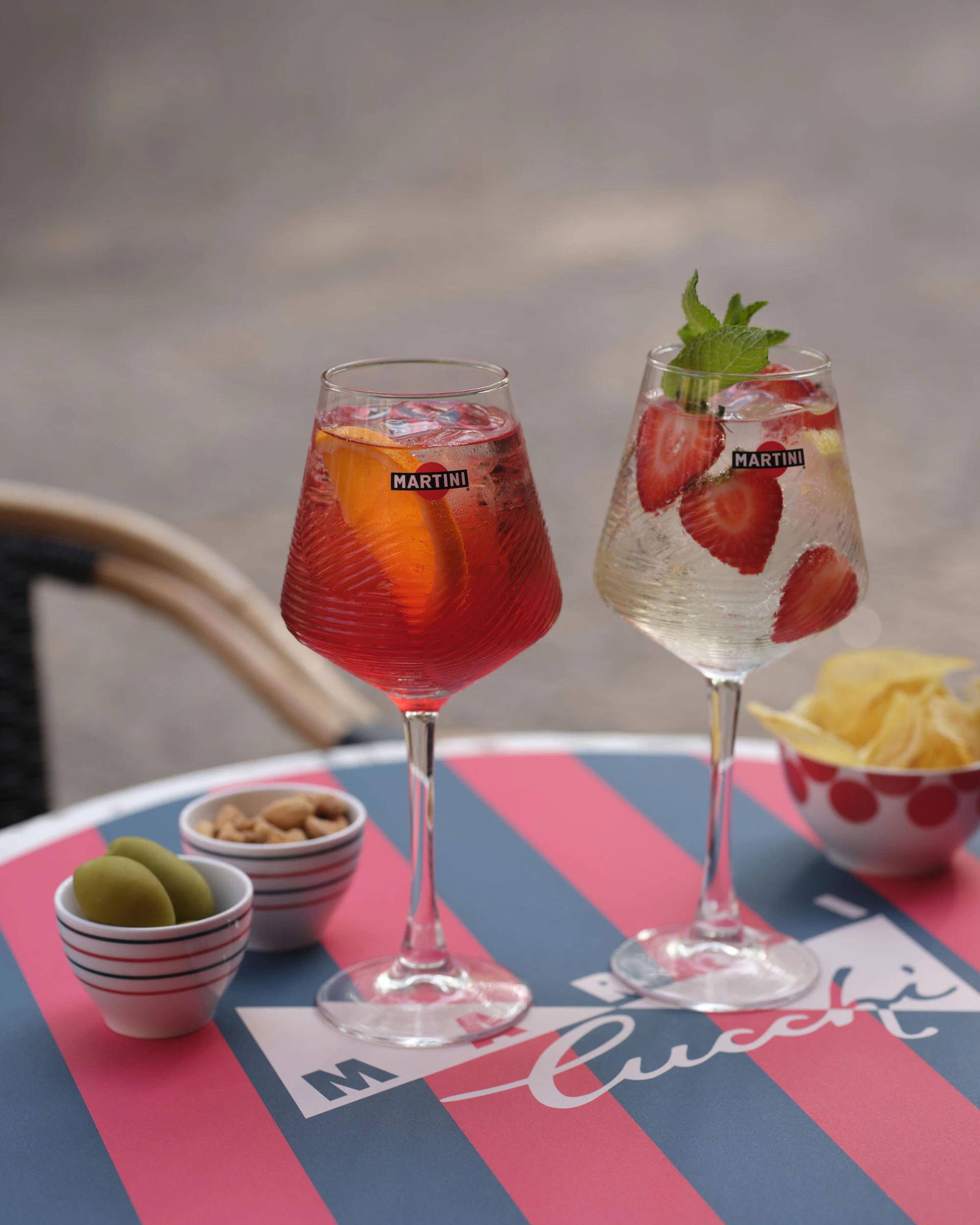
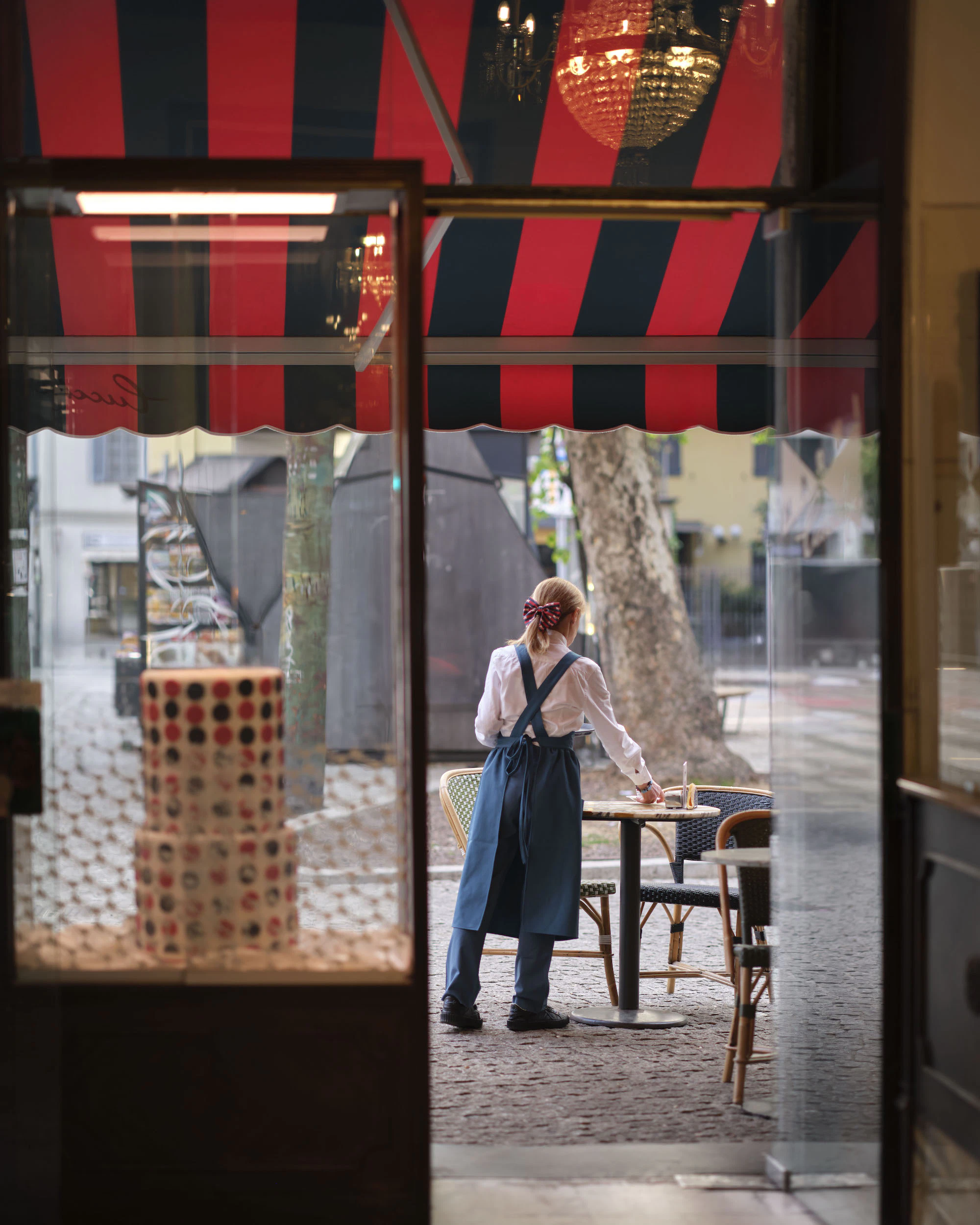
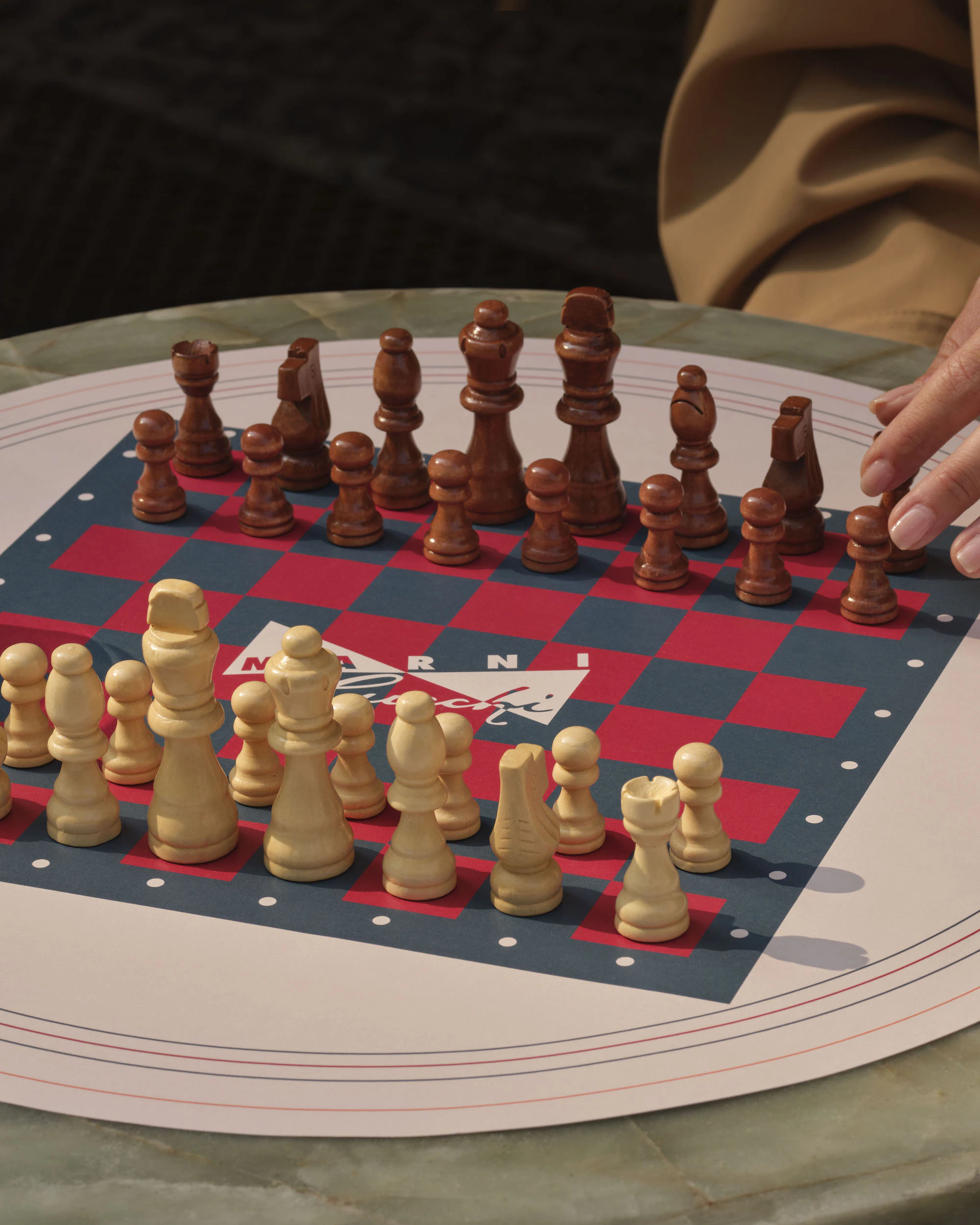
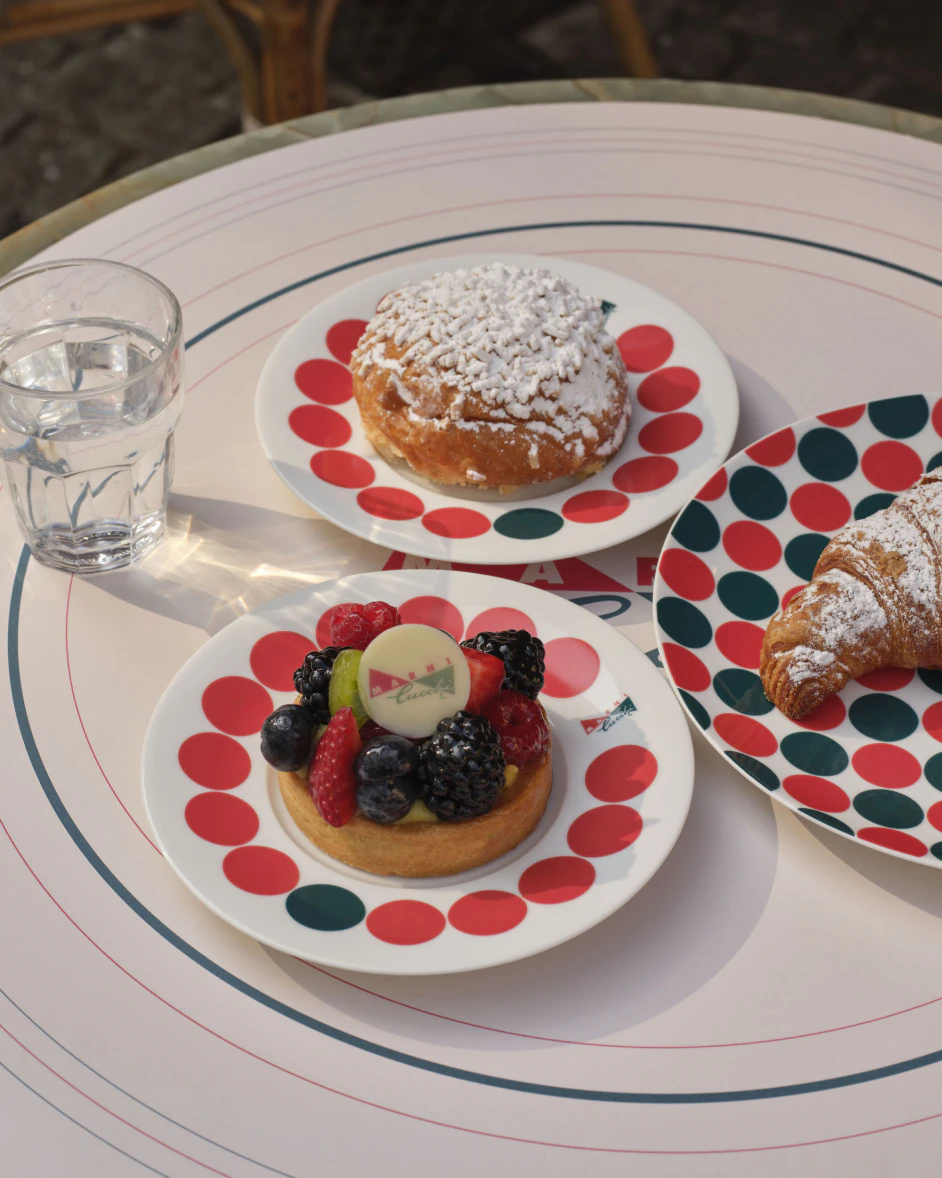
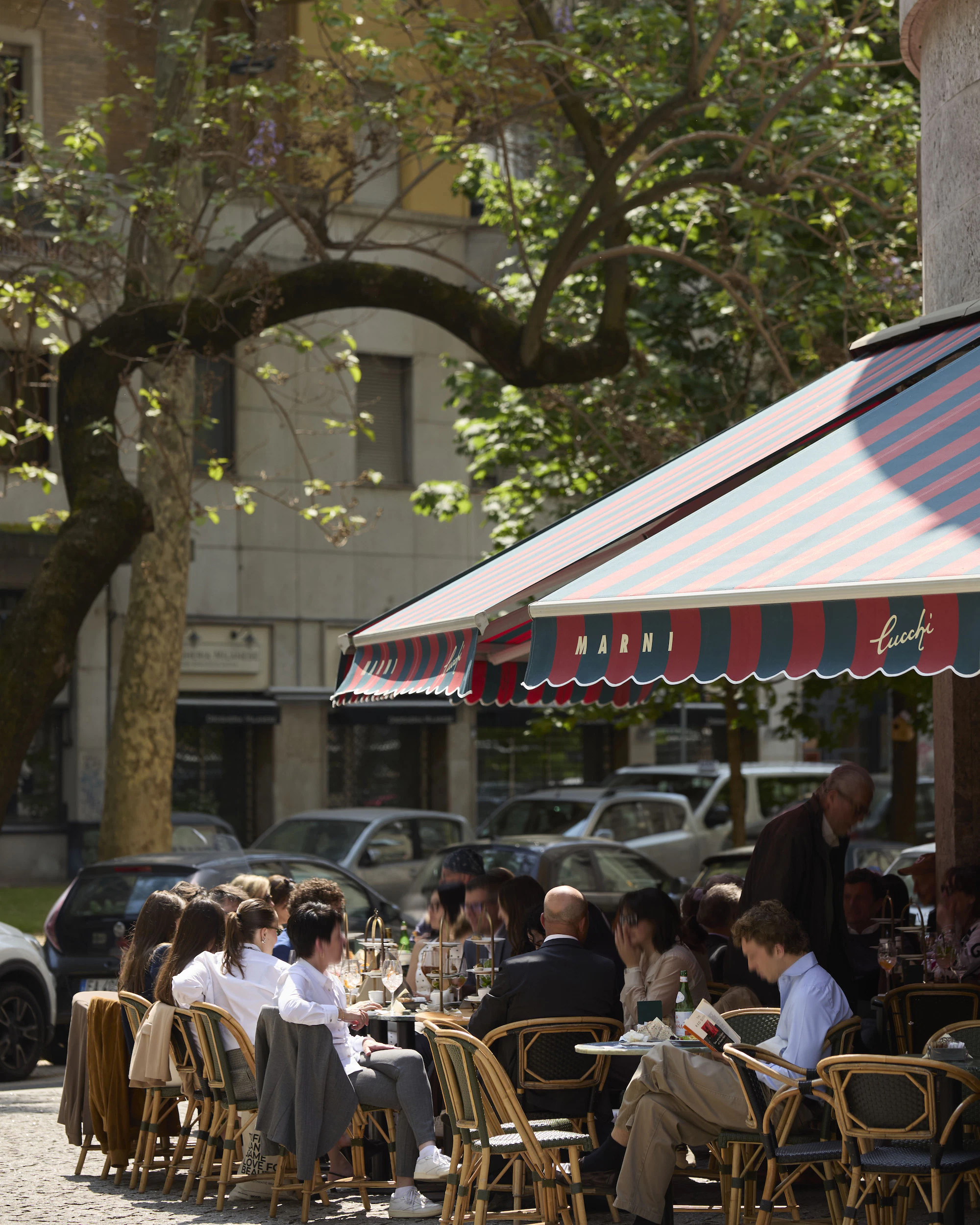
On the occasion of Design Week 2026, MARNI x CUCCHI opens in Milan as an experience celebrating quintessentially Milanese social rituals — from the morning cappuccino to an espresso at the counter, through to a spritz at aperitivo.
Lasting over three months, the project reimagines one of the city’s most iconic social locations, blending the DNA and codes of Marni and Pasticceria Cucchi into a distinctive aesthetic envisioned by RedDuo Studio.
Milanese cafés are stages for gestures and habits, everyday scenography made of details. MARNI x CUCCHI celebrates this tradition with particular attention to the heritage of the location. Through this collaboration, Italian identity becomes a design language: material, color, detail, proportion. A research that brings together design culture and artisanal sensibility, historical memory and contemporary vision.
Jil Sander x Apartamento
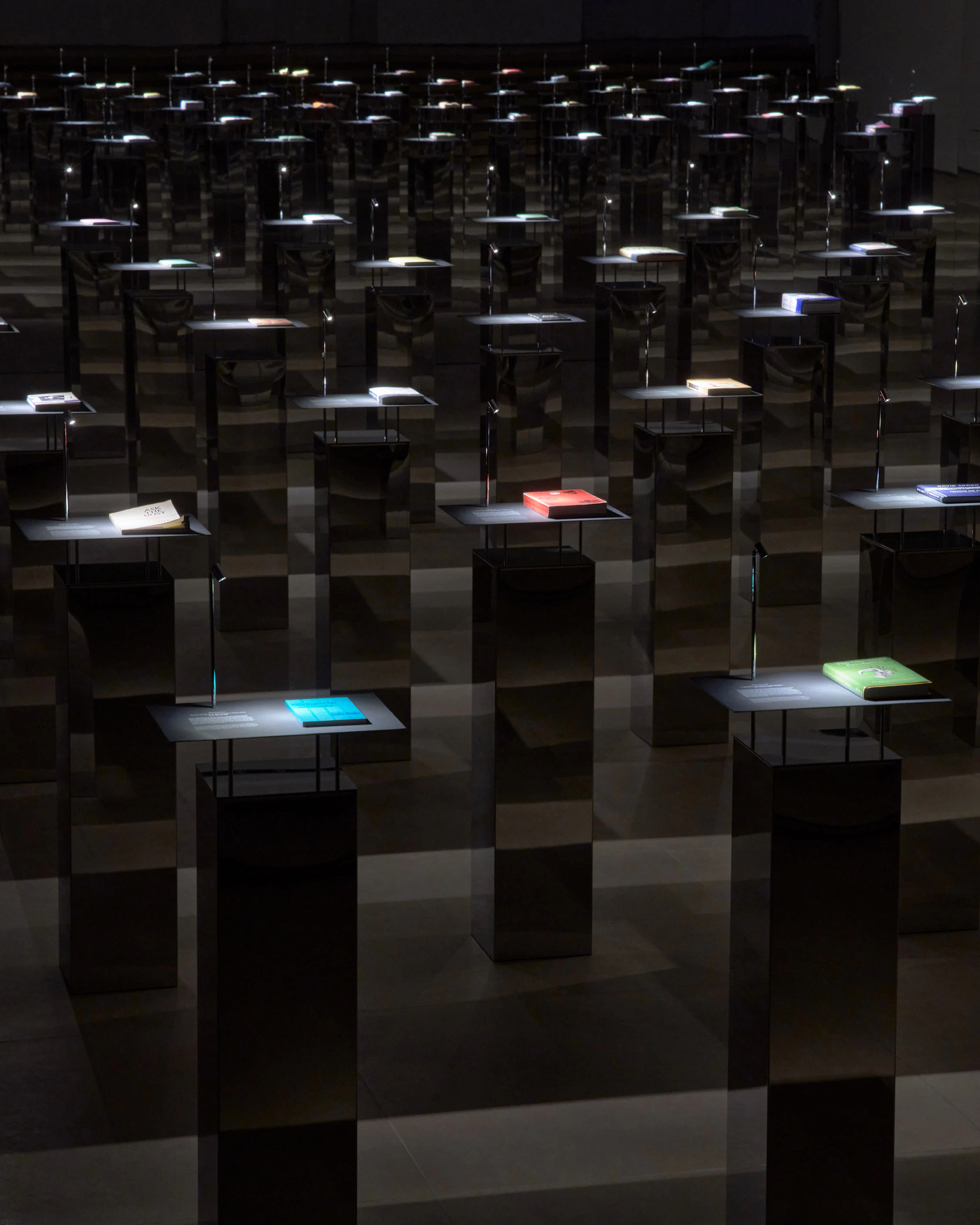
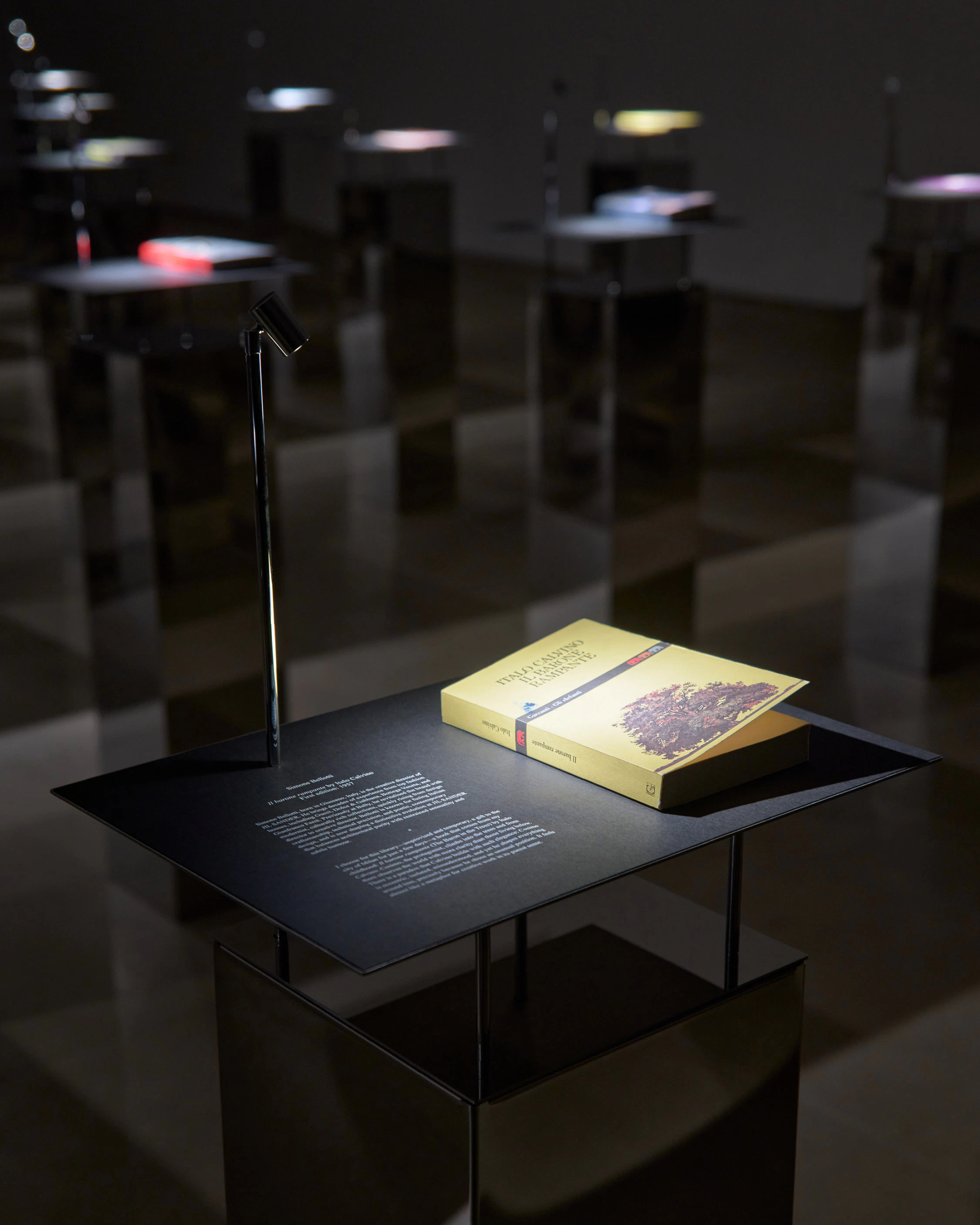
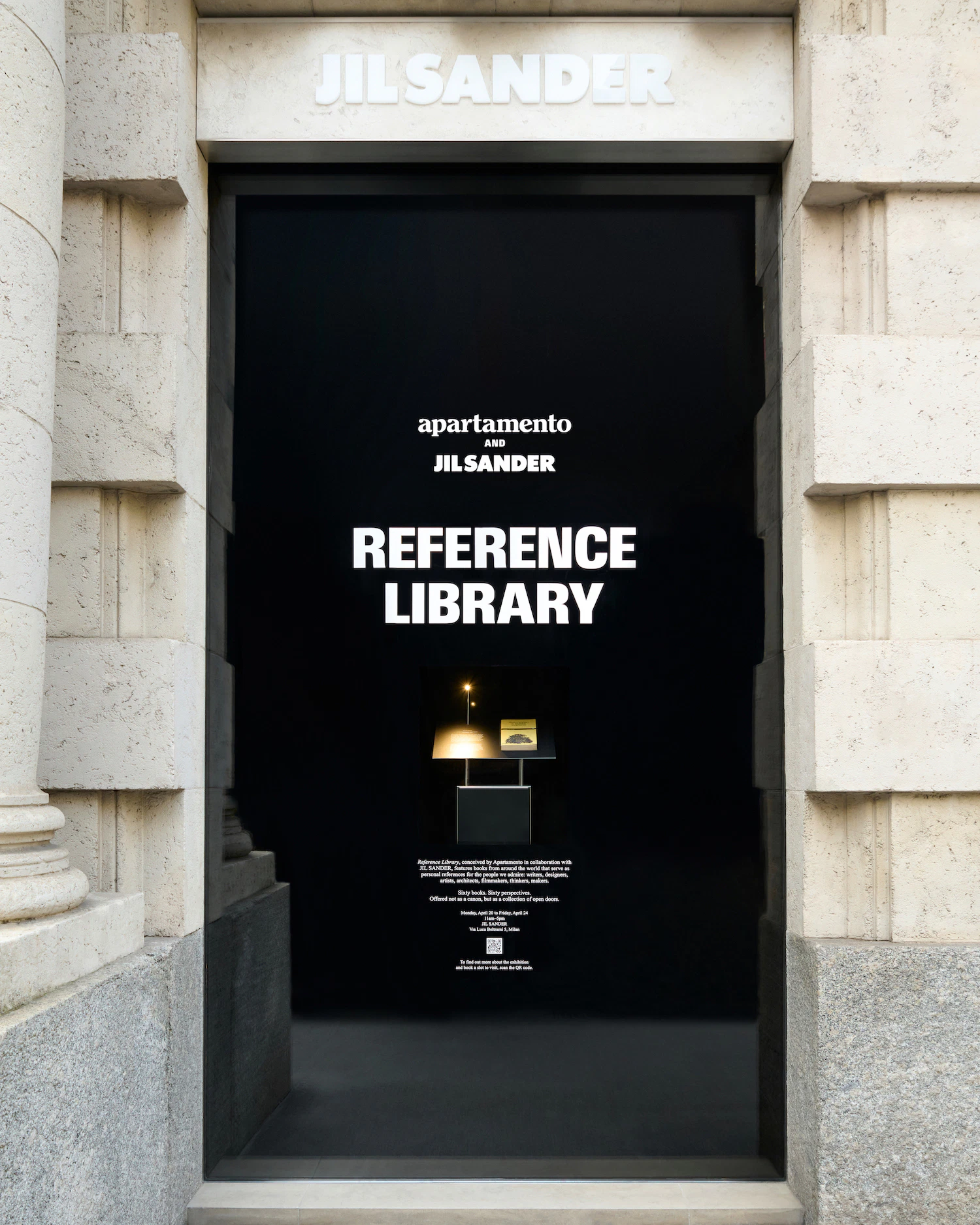
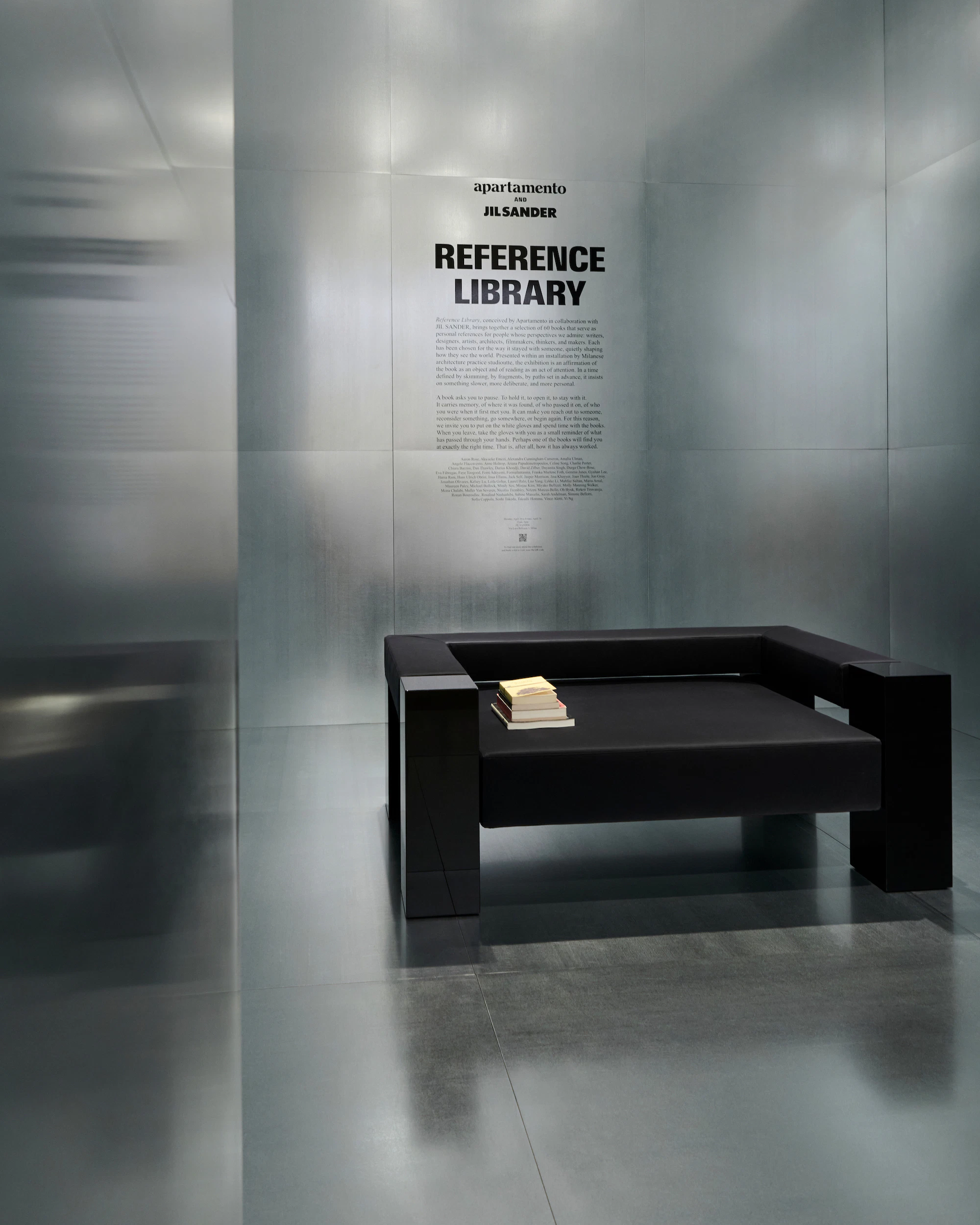
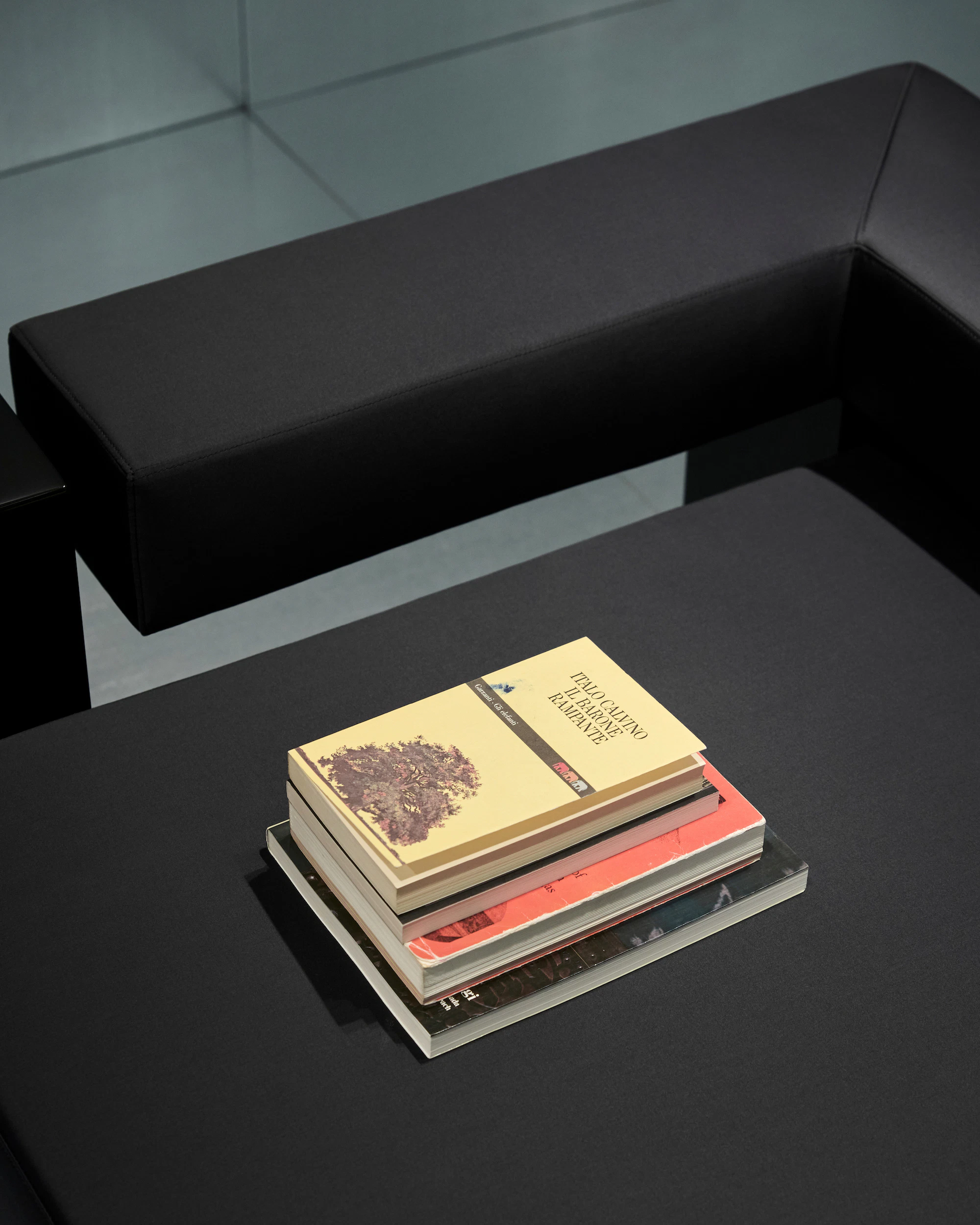
Reference Library is an exhibition conceived by Apartamento in collaboration with JIL SANDER. It brings together 60 books from around the world, each chosen by someone whose perspective is admirable: writers, designers, artists, architects, filmmakers, thinkers, makers. Together they form a collection of personal references, books that inspired, obsessed, and accompanied. Presented together, they become something larger than any individual title: a portrait of curiosity, of influence, of the invisible lines that connect a reader to an idea, and an idea to the world.
The exhibition, with an installation designed by Milanese architecture practice studioutte, takes place at the JIL SANDER showroom in the center of Milan from Monday, April 20 to Friday, April 24, 2026. Chrome lecterns stand in rows, each one pooled in a warm reading beam, their reflections carried back by a mirrored wall. It is a space designed for the pleasure of looking closely, of moving from one title to the next with nowhere else to be. Upon registration, with 60 slots available per hour, each visitor is invited into the library and given a pair of white gloves — a small ritual that changes how you handle something, how much care you bring to it. The books are there to be picked up, opened, and read. They stay in the exhibition, but the gloves are for each reader to keep: a quiet souvenir of time well spent.
‘I chose this library—improvised and temporary, a gift to the city of Milan for just a few days— a book that comes from my childhood: Il Barone Rampante (The Baron in the Trees) by Italo Calvino. Cosimo, the protagonist, climbs into the trees and from there observes the world with more clarity than those living below. There is a paradox that Calvino builds with such elegance: Cosimo is eccentric, isolated, misunderstood and yet he shapes everything around him, precisely because he chose an unusual position. It feels almost like a metaphor for creative work in its purest sense’. – Simone Bellotti, Creative Director, JIL SANDER
Once you are done with this story, click here to catch up with our latest issue.