In Jonathan Anderson’s world, the Dior man does more than just look the part, he becomes it. Continuing to shape his narrative at Dior, Anderson presents an eclectic Spring ’27 collection that aims to introduce another side of the Dior man — folding sportswear into Dior’s tailoring vocabulary, while combining previous elements that juxtaposed to its nature in a way that feels balanced.
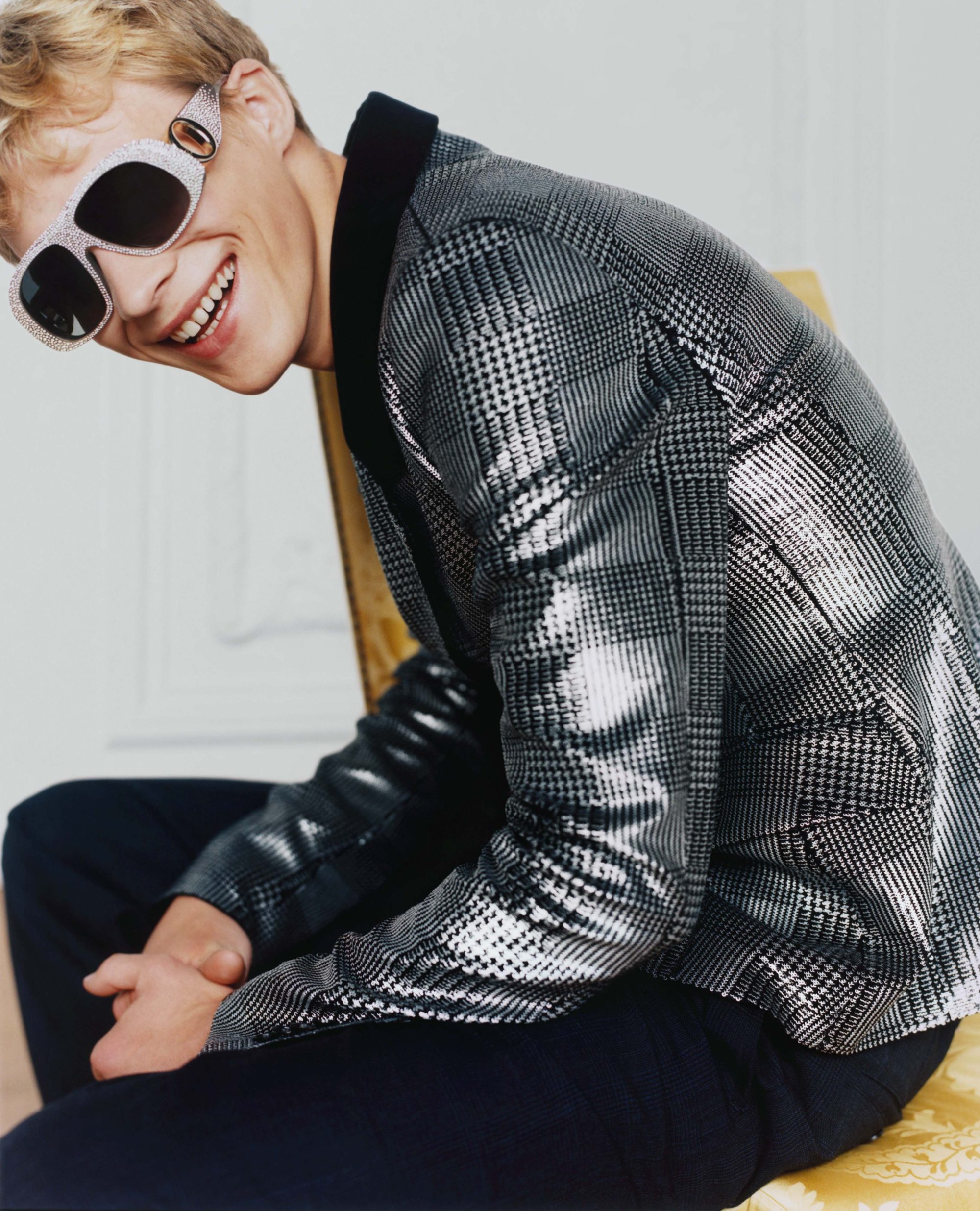
Blazers arrive with zip fastenings, cable-knit panels and hoods, blurring the line between a jacket and outerwear. Denim receives a similar treatment with patchwork effects on jeans, while an unexpected combination of a denim hoodie paired with leather trousers and oversized shorts captures the collection’s relaxed attitude and layered panache.
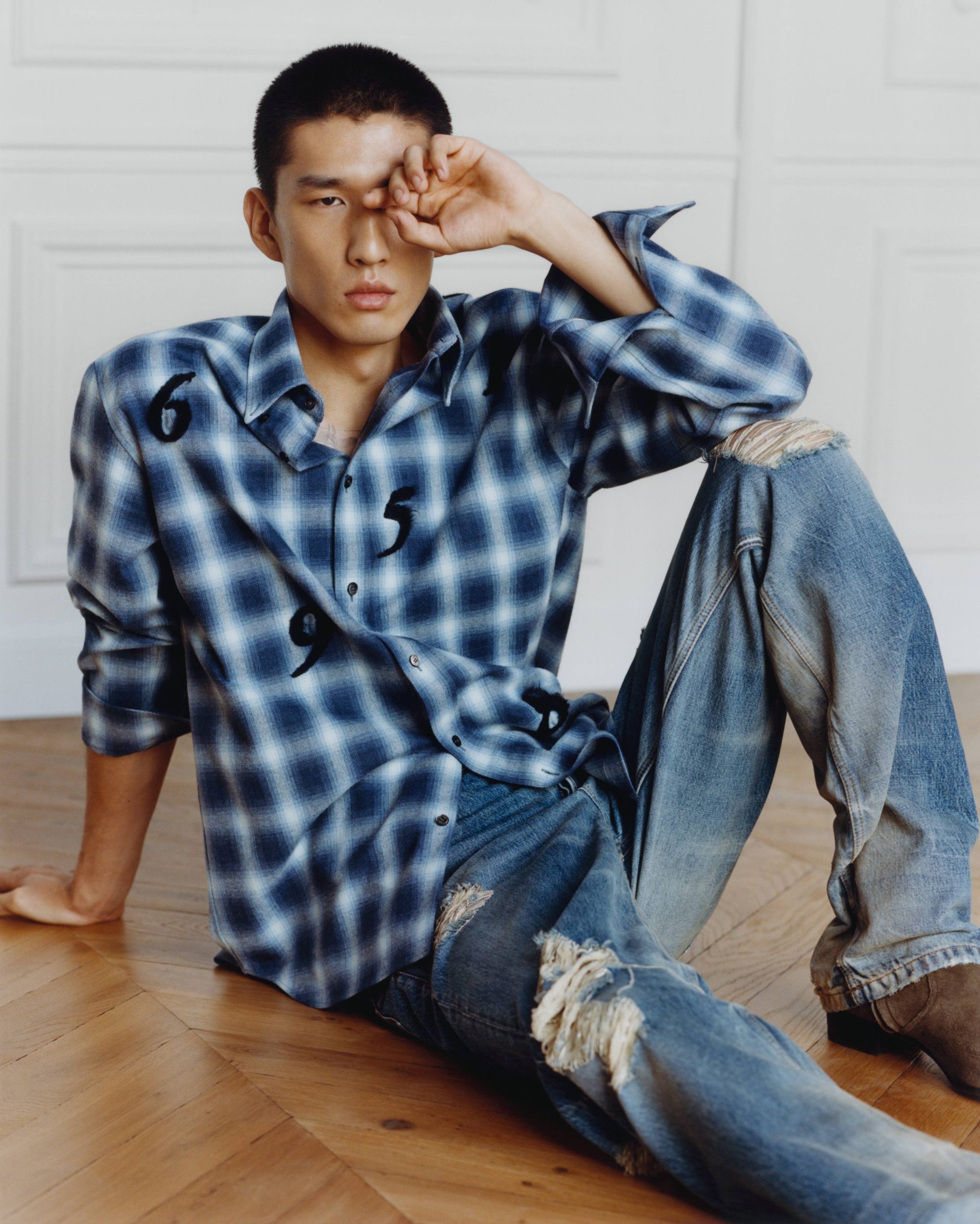
Elsewhere, historical reference balances the simple yet refined sportswear look. With motifs drawn from Versailles echoing the bas-relief mouldings found across the palace, while the Cannage, a house signature, resurfaces in fine materials. Other similar details can be seen through the Dior Oblique, decorated with a two-tone, sleeveless puffer jacket, along with scarves and a safari jacket, while belts fastened with Dior Médaillon buckles bring an 18th-century flourish to some looks.
Accessories extend the personality with the Dior Double-Up messenger bag reappearing in a softer, rounded shape, and the Dior Roadie gaining a new low-top version suited to the collection’s off-duty sensibility.
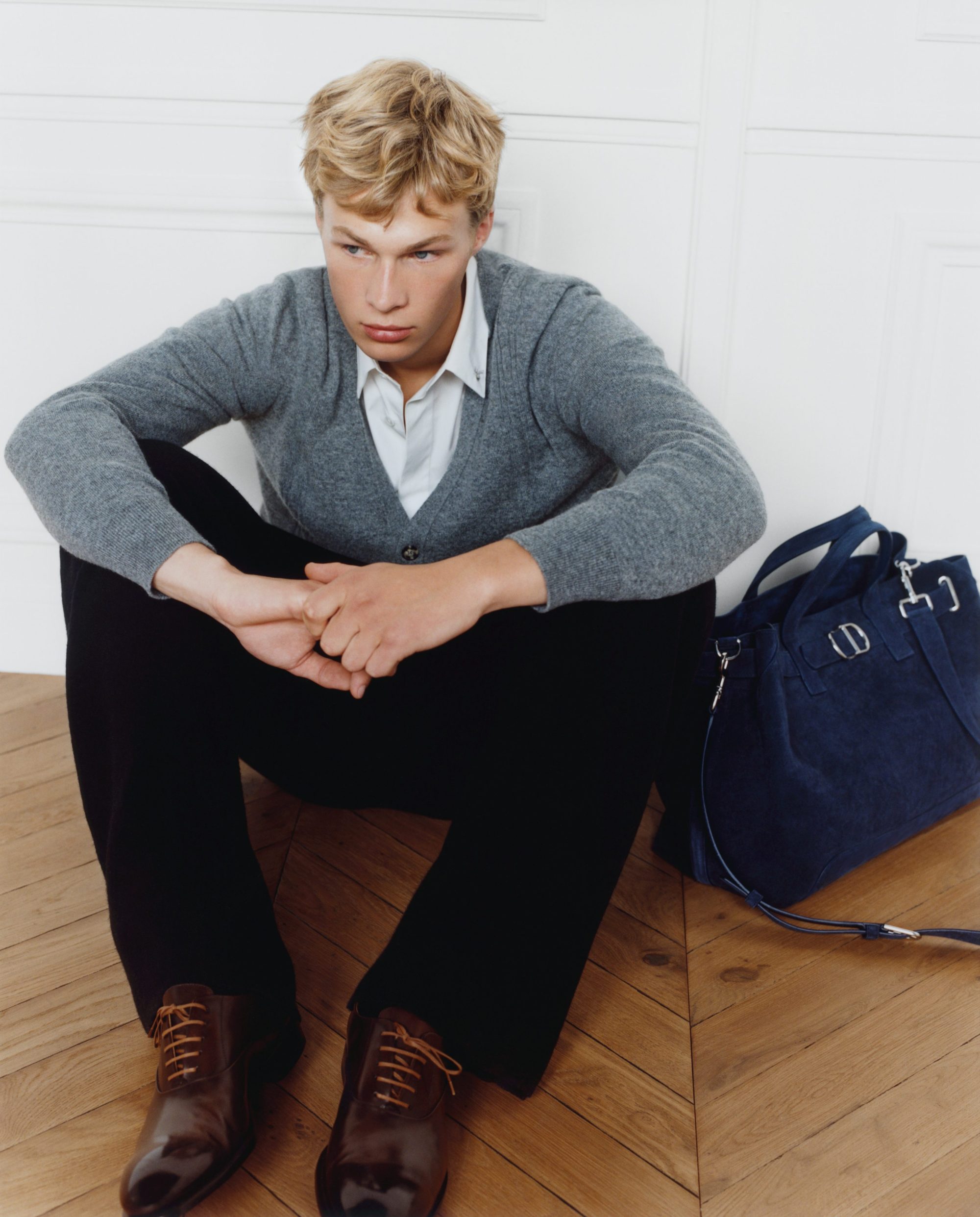
The collection also finds its most talked-about detail in an unlikely source: Bret Easton Ellis’s American Psycho. The choice sits within Dior’s ongoing Book Covers series, where the novel’s cover is embroidered onto a new Dior Book Tote, while also appearing on a T-shirt and across the back of a jacket, rendered alongside red Dior logos, pairing the book’s dark literary satire with the polish of the house’s own codes.
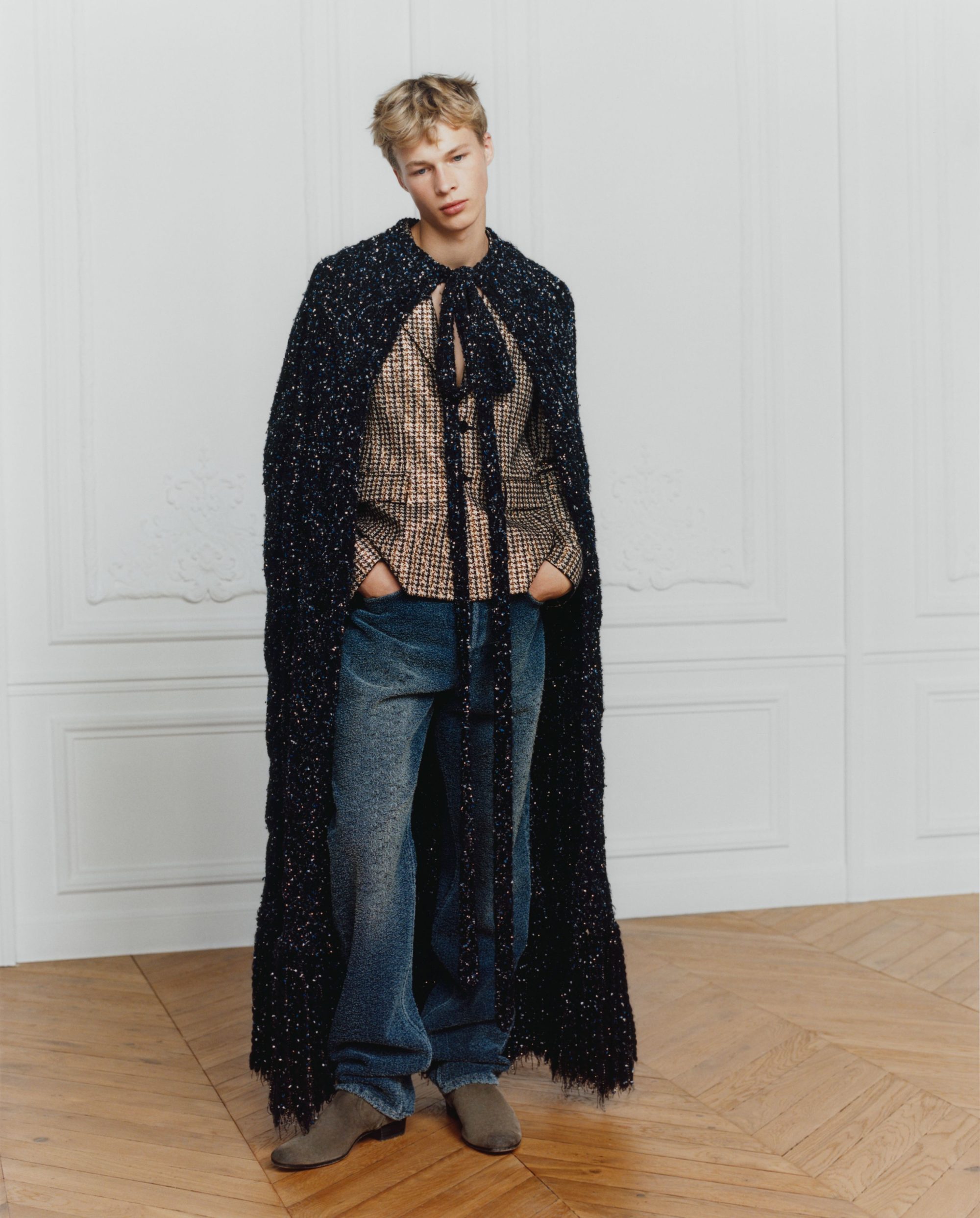
The overall effect is one of contrast rather than compromise. Suede and corduroy sit against denim and leather, and formal tailoring is set alongside informal pieces, producing silhouettes that are fluid rather than fixed — it throws you off the course of convention but still manages to feel balanced. Anderson appears less interested in resolving these tensions than in letting them coexist within the same look, a stance that has defined his approach to the house since his arrival.
Once you are done with this story, click here to catch up with our latest issue.