There is an app for almost everything these days — food delivery, workout plans, digital journals, even someone to build your IKEA furniture. But the strangest development is the rise of apps for something we once did naturally.
Needing an app to make friends might seem amusing at first. But in reality, looking for connection through apps is incredibly common, and nothing to be ashamed of. Many people use these platforms because life circumstances have changed. Maybe they have moved to a new city, started working from home, drifted from old friends, or simply have fewer people to call on weekends. The reasons vary, but the desire for connection is universal.
Loneliness is not necessarily the absence of people. It is the feeling that the connections around you are not necessarily the connections you need. And increasingly, it is a feeling experienced by younger generations in particular. According to the World Health Organisation’s 2025 report, around one in six people worldwide experience loneliness, rising to 17–21% among those aged 13 to 29. That is a lot of people feeling alone in a world of 8.32 billion, especially when the internet claims to have made connecting easier than ever. And if our digital lives keep expanding, you have to wonder how high that number could climb.

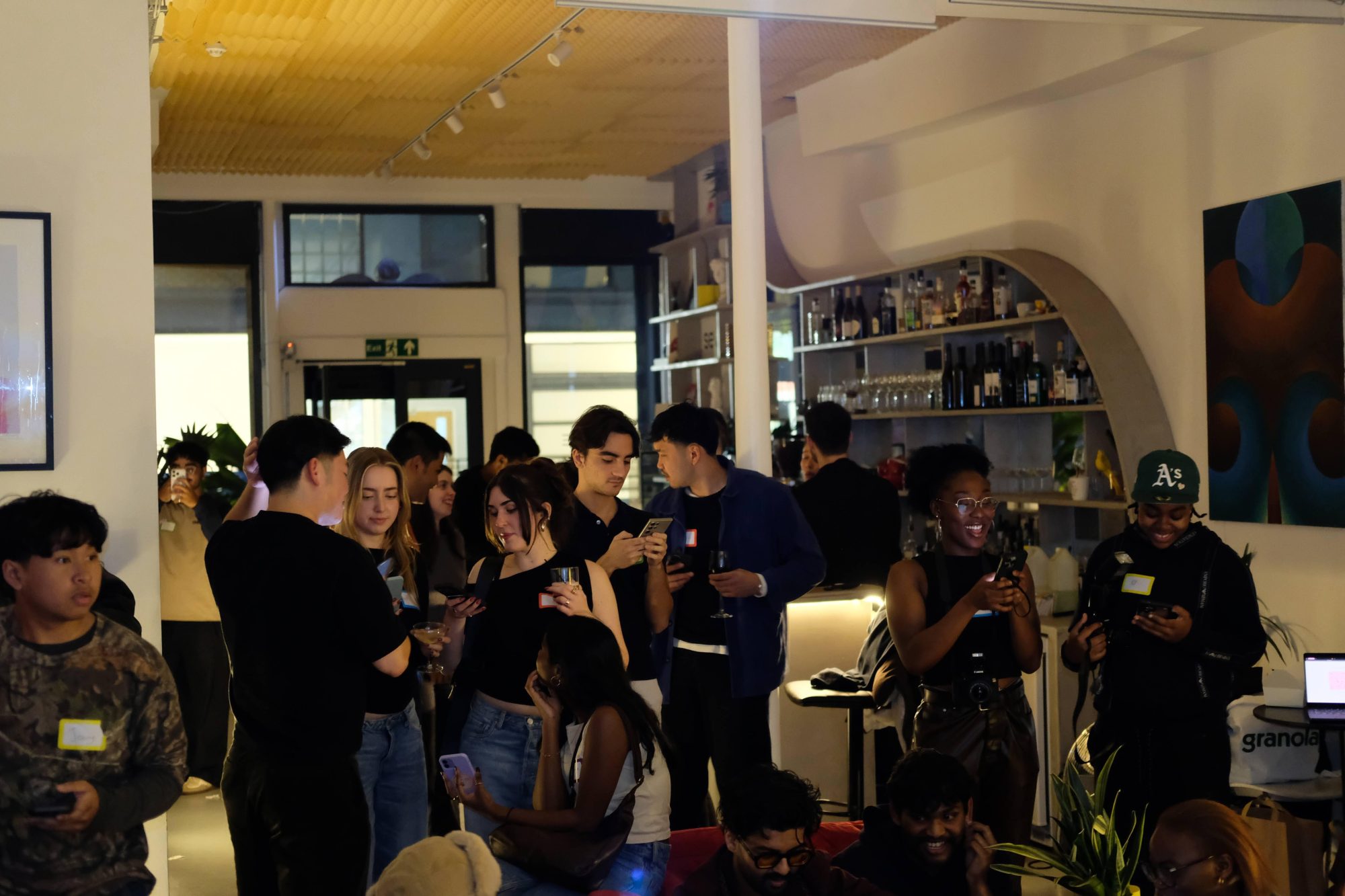
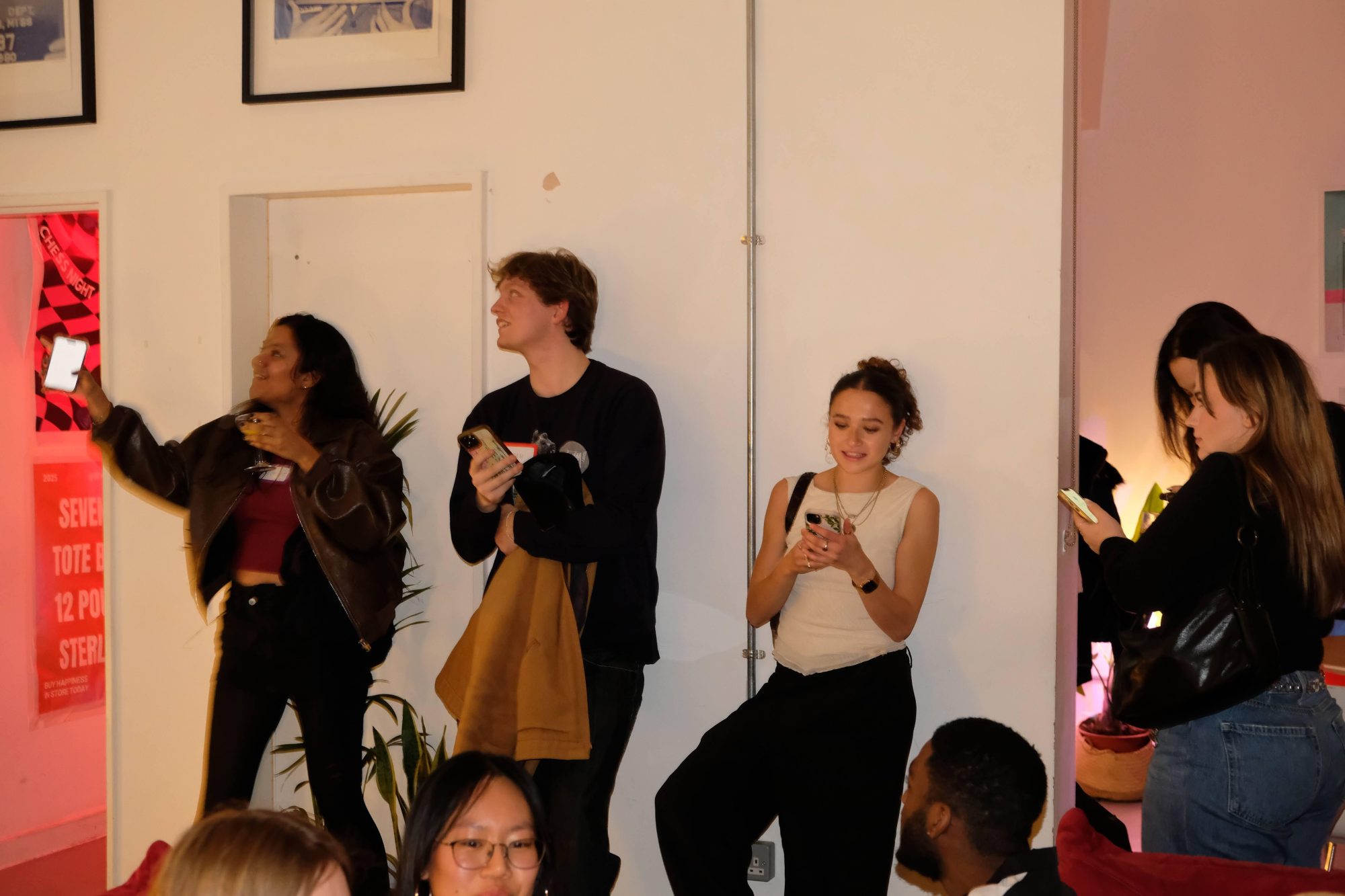
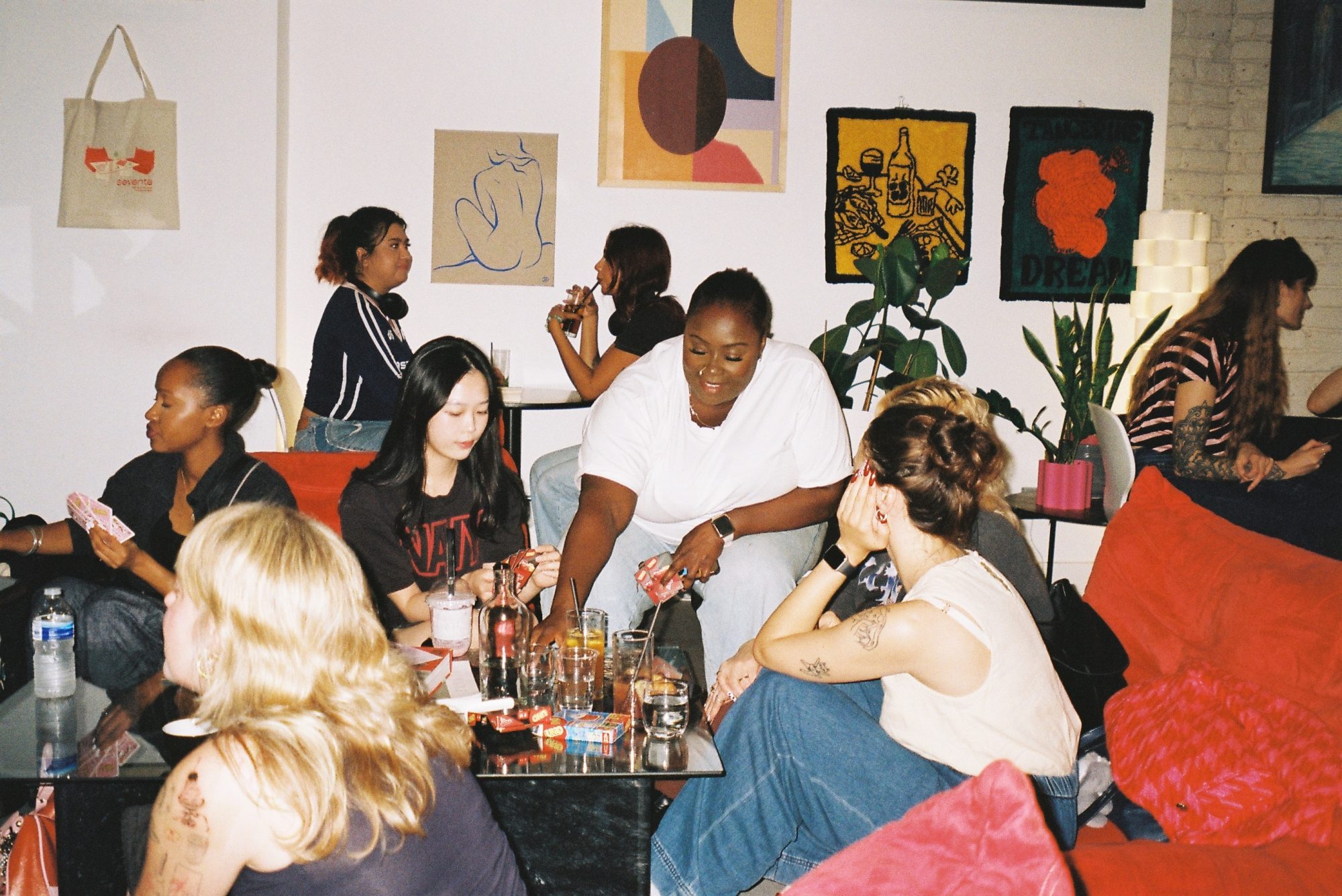
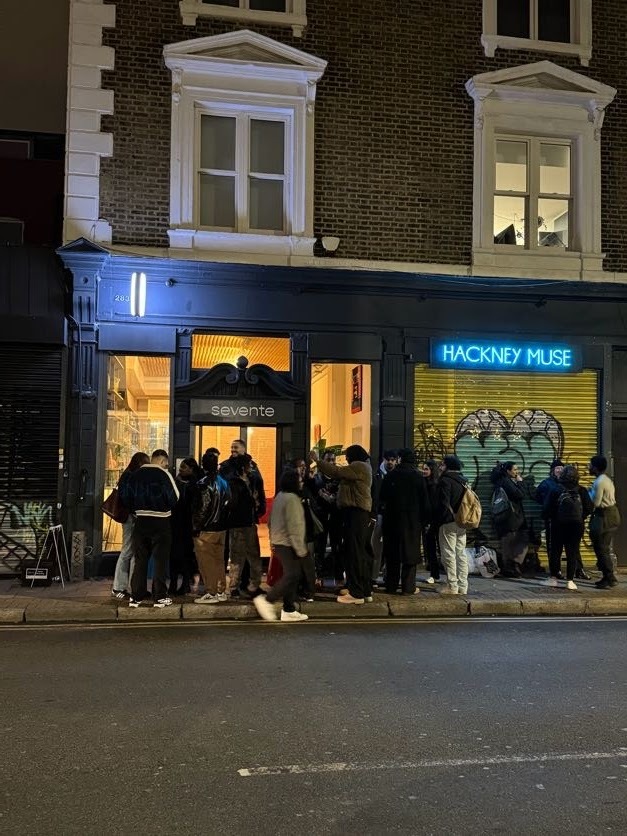
For our generation, loneliness can be that gut-wrenching feeling when the weekend begins. Your phone has not buzzed once, and Instagram seems determined to show you everyone else painting the town with their friends. Sometimes, it spirals into the belief that nobody actually wants you around, so you stop reaching out, sharing or making the effort to connect. Other times, it is more contradictory. You can spend all day surrounded by people, exchanging messages and attending events, yet still feel as though nobody really knows you. The problem, then, is not necessarily having no one around, but having no one you feel comfortable being entirely yourself with.
We live in a culture where connection has never been more accessible. We can speak to someone across the world in seconds, find communities built around the most specific interests and keep up with people we have not seen in years. Yet being good at staying in touch online does not equal being good at staying involved in one another’s lives. Social media lets us observe where people went on holiday, what they had for brunch and who makes up their inner circle. But knowing the details of someone’s life is not the same as knowing the person living it.
There is something disorienting about feeling this way in your twenties, when we are often sold the idea that these are supposed to be our most chaotic, romantic and relentlessly social years. When reality looks quieter than what we see online, it can feel as though we have somehow missed the memo. While the internet feeds into it, it is not entirely responsible either. Adulthood naturally changes the conditions under which friendships develop. School and university once placed us alongside the same people every day. Meanwhile, work or relocation removes that built-in structure, leaving us to create opportunities for friendship ourselves.
So, if we have more ways to find one another than ever, why does making an actual friend and keeping it feel so difficult?
The emergence of friendship-focused platforms such as Bumble BFF reflects a growing willingness to approach friendship with the same intentionality we have long applied to dating. Rather than waiting for connections to happen by chance, users can actively look for people who share their interests, circumstances or desire for companionship. So, hot take: nothing is embarrassing about using them. If finding a romantic partner requires effort, strategy and vulnerability, why should platonic relationships be an exception to modern solutions?
There is, however, a catch in the mechanics of relationship-focused apps. Profiles, preferences and compatibility can turn meeting people into a process of selection. Suddenly, we are asking ourselves, “Is this person interesting enough?” “Do we have enough in common?” “Would I get along with them?” These are not inherently wrong questions, but friendship is not always built on immediate compatibility. Some of the people who become important to us are those we grow to know gradually, often before we have any idea how much they will eventually matter.
For Sonder, an independent social start-up from London, that means moving beyond the conventional profile-and-match formula. Its blank-canvas profiles let users express themselves through images, personal details and music. Their in-person events also create opportunities to encourage connections beyond the screen. Rather than simply giving users another feed to scroll through, the idea is to make the act of getting to know someone more deliberate. This can be a great way to humanise the digitalisation of it all.
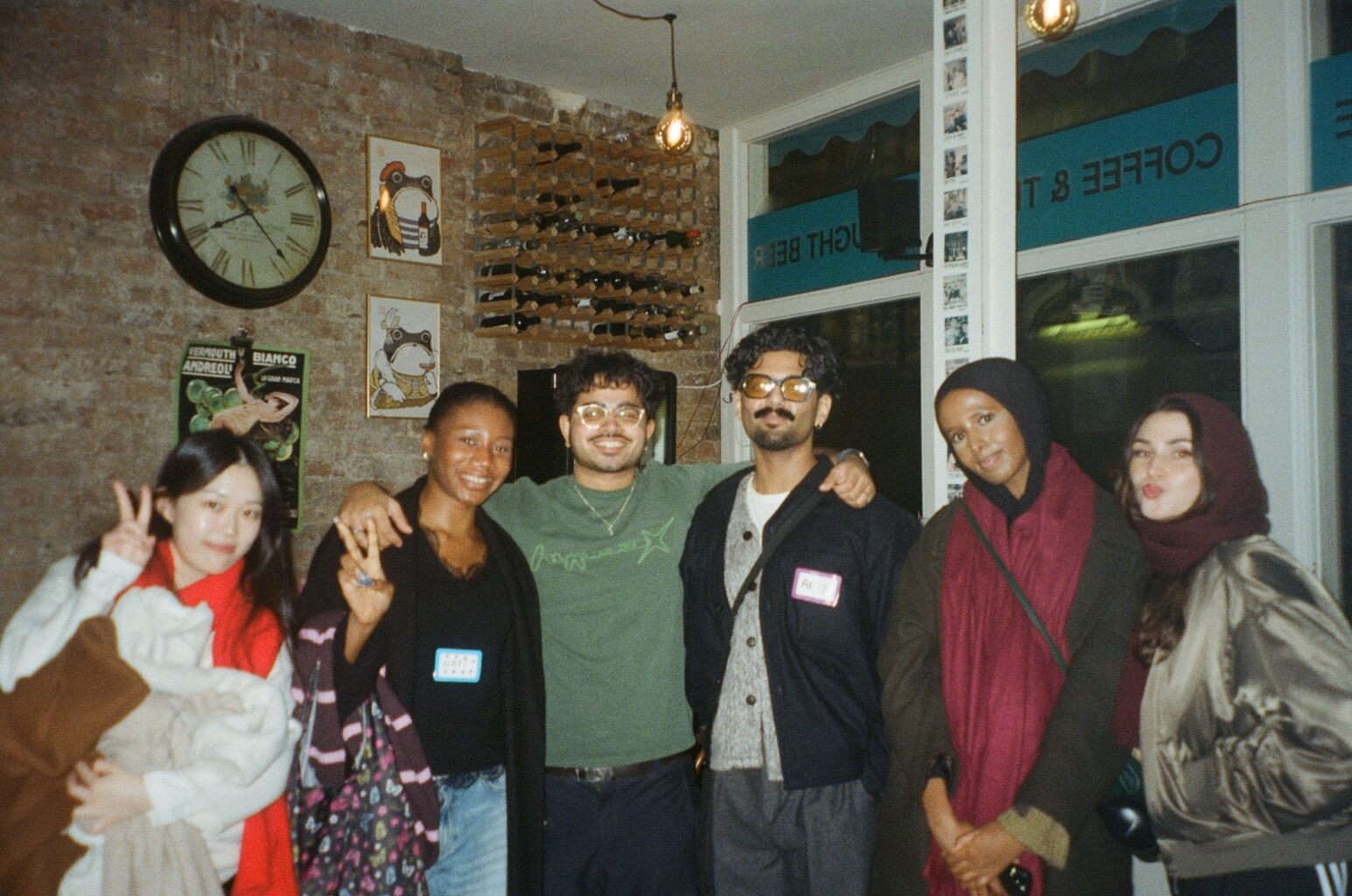
“I think we wanted people to be more intentional,” explains Mehedi Hassan, Sonder’s co-founder and developer. “To actually think about who they want to connect with.”
It is an interesting distinction that we already have endless ways of keeping tabs on people, but far fewer that encourage us to actually make space for them. You can know what someone ate for lunch, where they went on holiday and what song they have had on repeat without ever having a proper conversation with them. Sonder’s premise, then, is less about finding more people to know and more about creating the conditions for actually getting to know them.
That matters because sometimes the hardest part of making a friend is simply finding the opportunity to meet one. For someone working from home, moving to a new city or lacking the chance to meet people organically, an app can create an opening that might otherwise never arrive. But an opening is all it can really offer because friendship is full of things an app cannot optimise.
You need to ask the follow-up question, suggest the second coffee, remember that they mentioned their cat was sick three weeks ago and, occasionally, endure a painfully awkward silence while you both figure out whether you actually click. There is no algorithm for that. Thank God.
“If you live in the city on your own especially, it’s important to befriend people your age and find things to do with them,” Mehedi says. “It’s very important to socialise yourself. That’s your responsibility.”
For all the talk about finding connection, maybe we have become better at initiating it than maintaining it. We know how to find people, match with them and start a conversation. What we cannot outsource is deciding to show up again, make time, be curious and let someone gradually become part of our lives.
Potentially, that could be where the distinction between being connected and being close finally lies, and perhaps that is not a flaw in the technology at all. Maybe it is simply a reminder that friendship was never something we could completely automate in the first place.
A platform can introduce two people. It can make the first move easier, but it cannot make us care about one another. That part is still inconveniently up to us, and perhaps that is what makes it so gloriously human.
Images courtesy of @find_sonder
Once you are done with this story, click here to catch up with our latest issue.