As Louis Vuitton continues the story of the dandy traveller, it has found, in the workshops of Singer Vehicle Design, a collaboration in a different dialect of the same language: craftsmanship measured not in seasons but in decades of patient restoration. Guided by its Art of Travel philosophy, the House joined the Californian atelier renowned for its highly personalised restorations of classic Porsche 911s to produce two cars that behave less like commissions and more like chapters in a single, unfolding narrative.
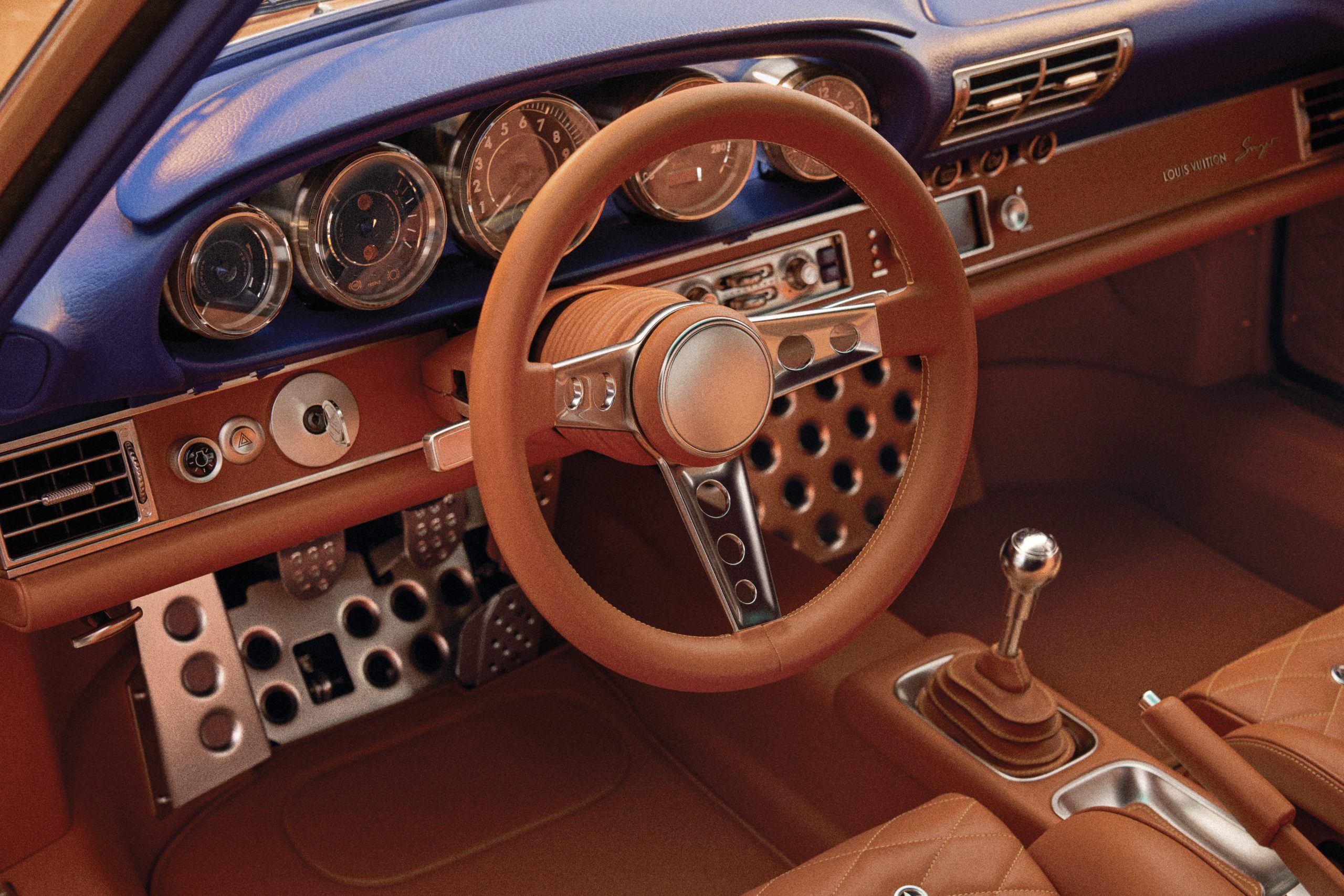
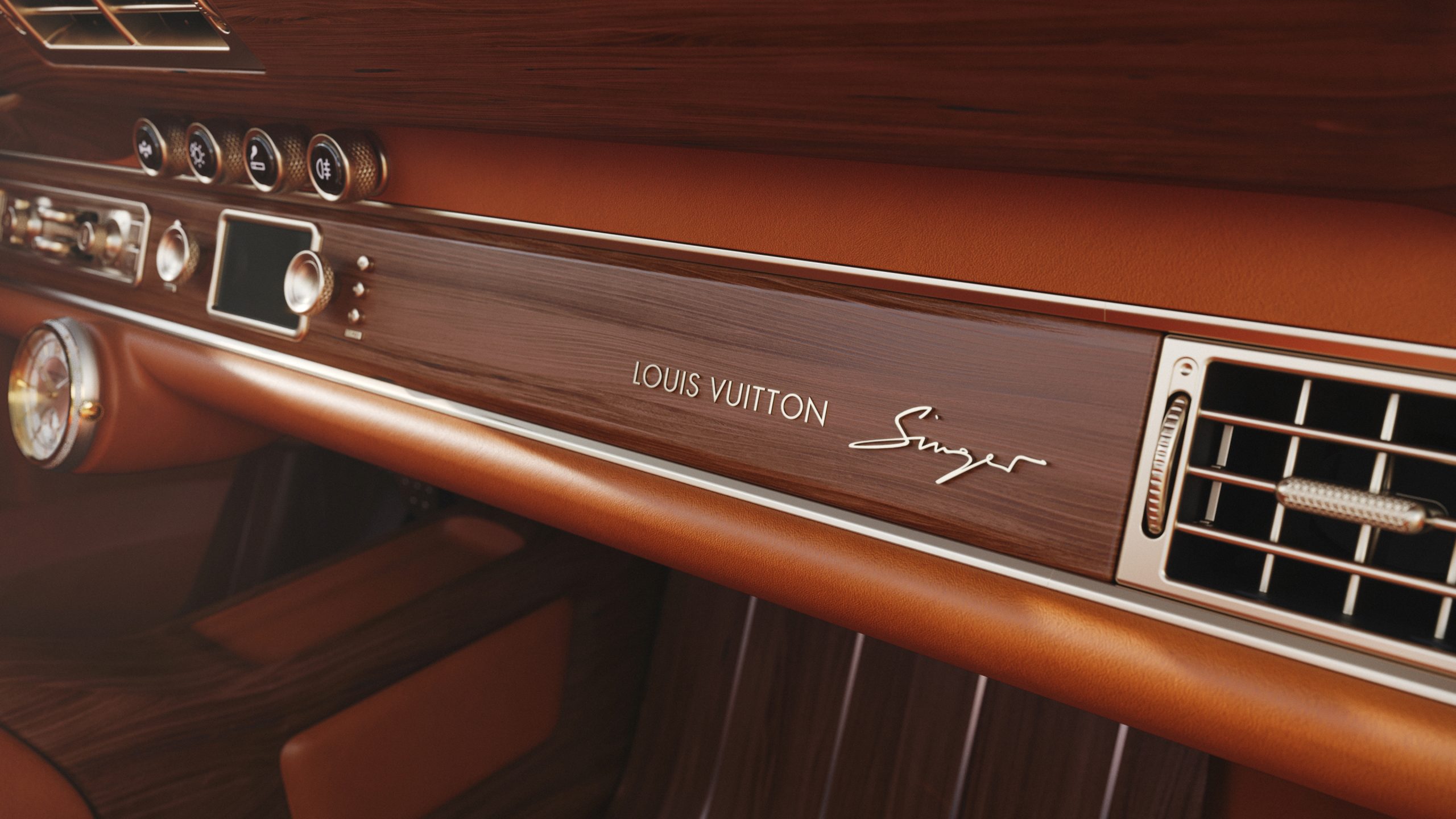
The entire adventure began modestly, with a request for a dashboard clock. Jean Arnault, Louis Vuitton’s Watch Director, recalled that once the timepiece had been designed and produced by La Fabrique du Temps Louis Vuitton workshops in Switzerland, it became clear the collaboration could extend to every functional element of the vehicle. What followed was an entire year of relentless work: the House’s designers redrew the speed-o-meter, rev counter and every gauge to adopt the graphic codes of the Tambour watch line, down to the shape of the hands and the terminations on each index.
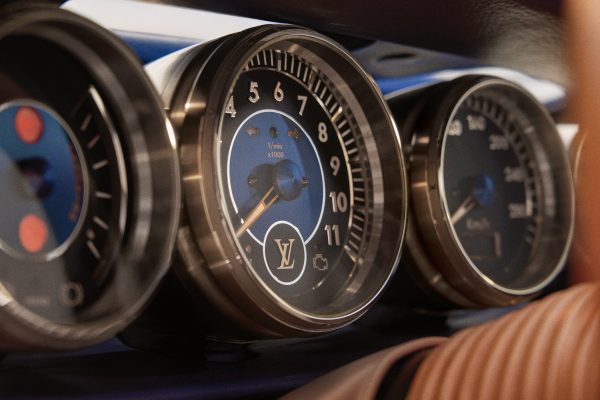
The chosen palette, a vivid cobalt blue accented with bursts of bright orange lettering, reflects the creative innovation between horology and automotive design. Rob Dickinson, Singer’s Founder and Executive Chairman, described the specifications Louis Vuitton brought to the table as exposing his teams to techniques developed over decades, calling the exchange nothing short of a joy.
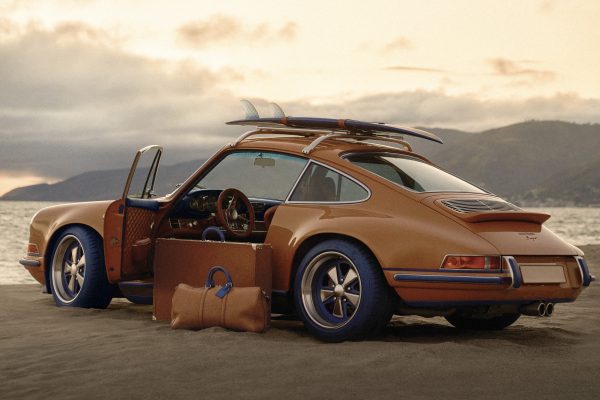
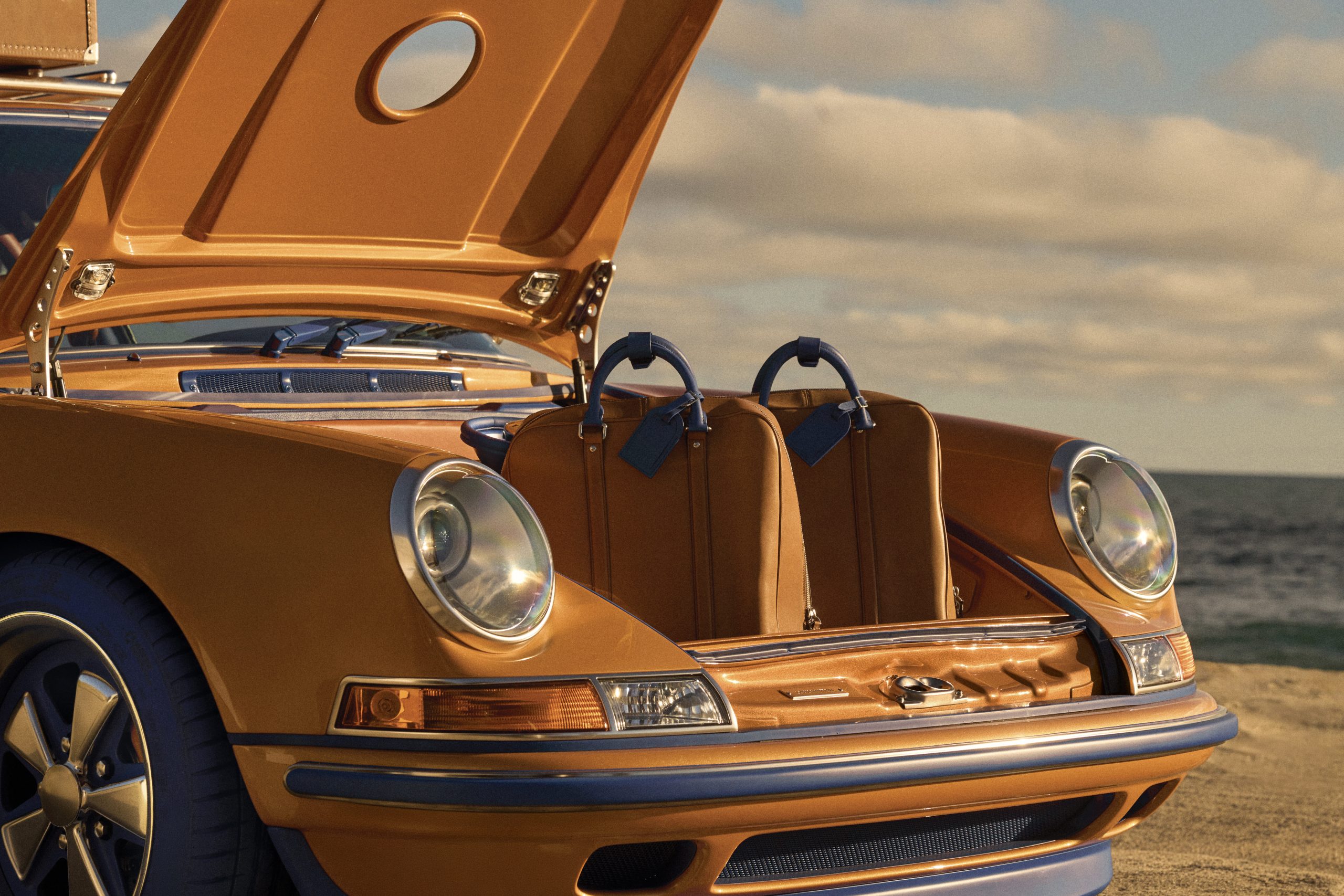
The first car, built on a Type 964 chassis, wears its saffron and cobalt blue livery with intent. The shade of saffron has sat in the House’s archives for over a century and a half, used across its packaging for more than twenty years, and here it resonates with Bahama Yellow, a hue closely associated with Singer’s earliest commissions. The two-tone combination pays a knowing homage to the travel trunks Louis Vuitton designed for Citroën in 1924, which themselves featured cobalt blue interior reinforcements. Cobalt blue demonstration tyres nod to the ribbons of the House’s packaging, and the rear engine air intake grille discreetly conceals a geometric motif formed from the initials LV.
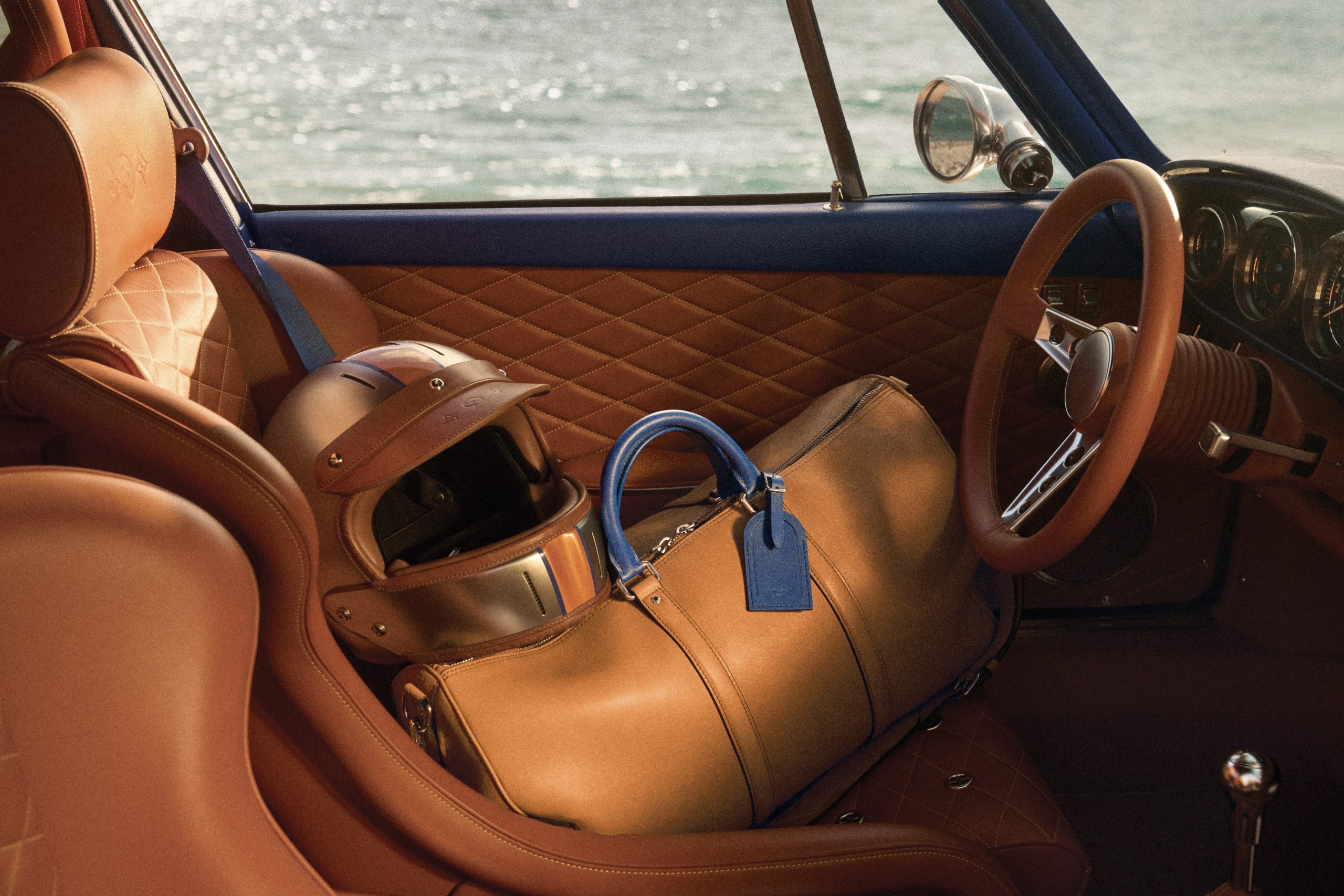
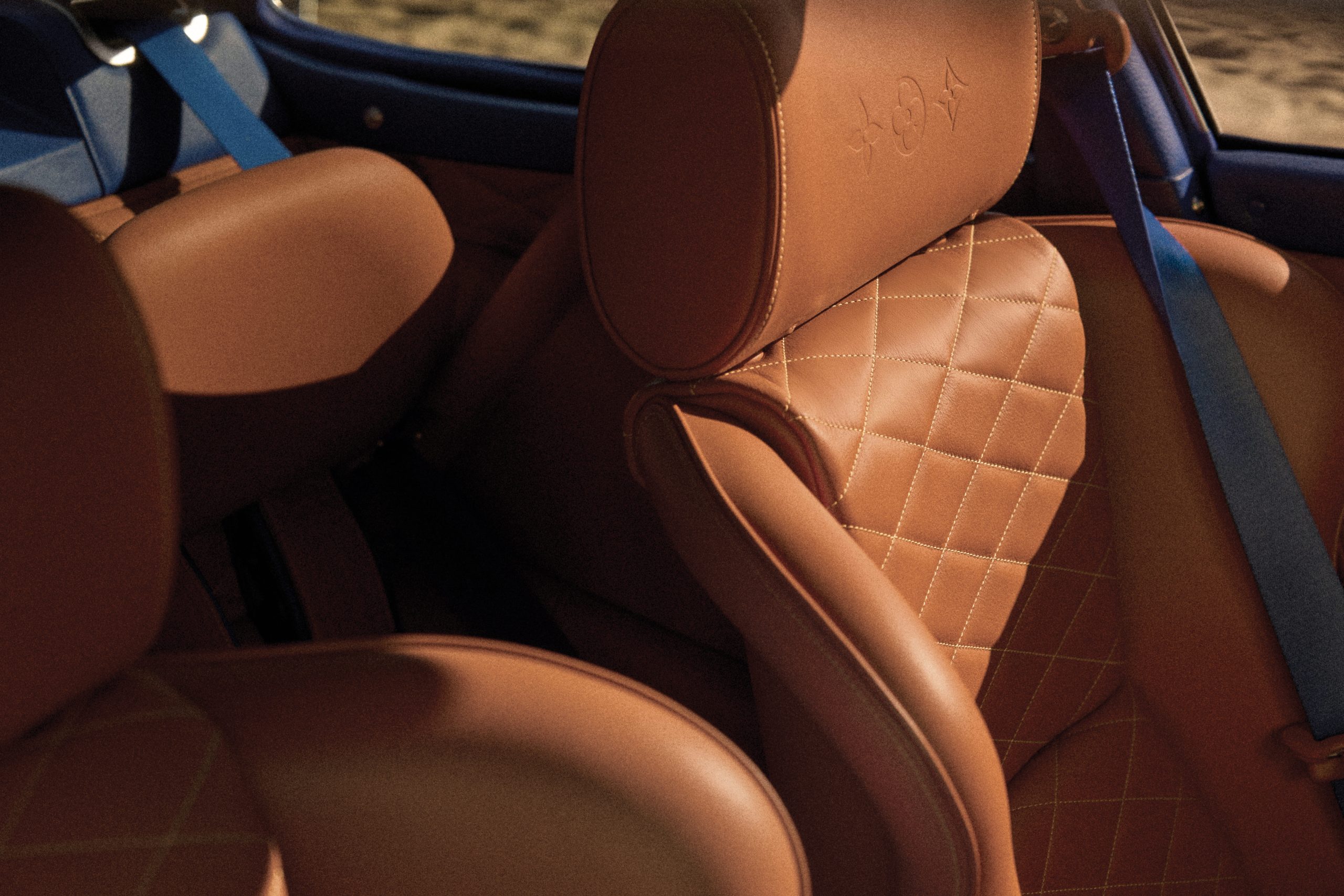
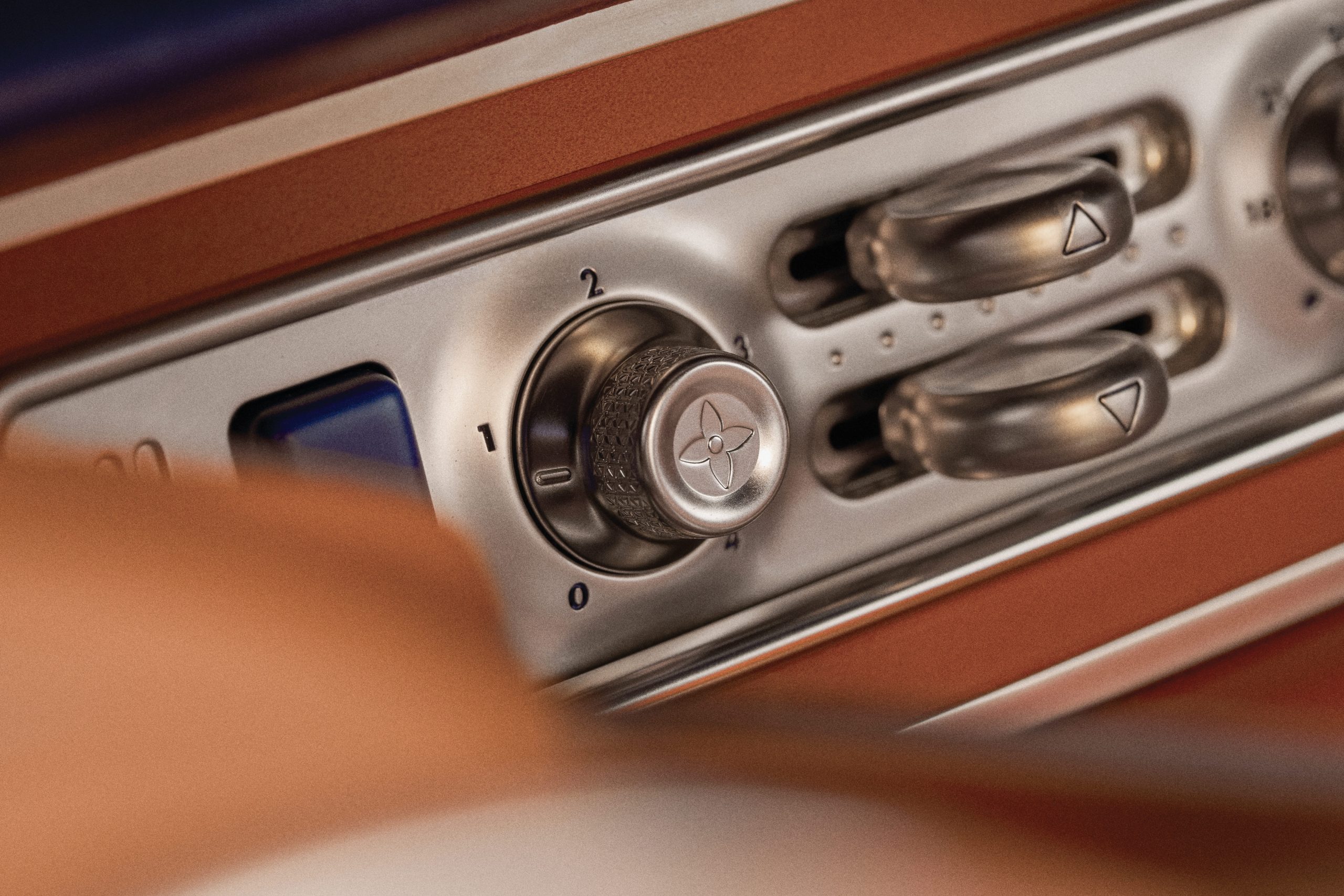
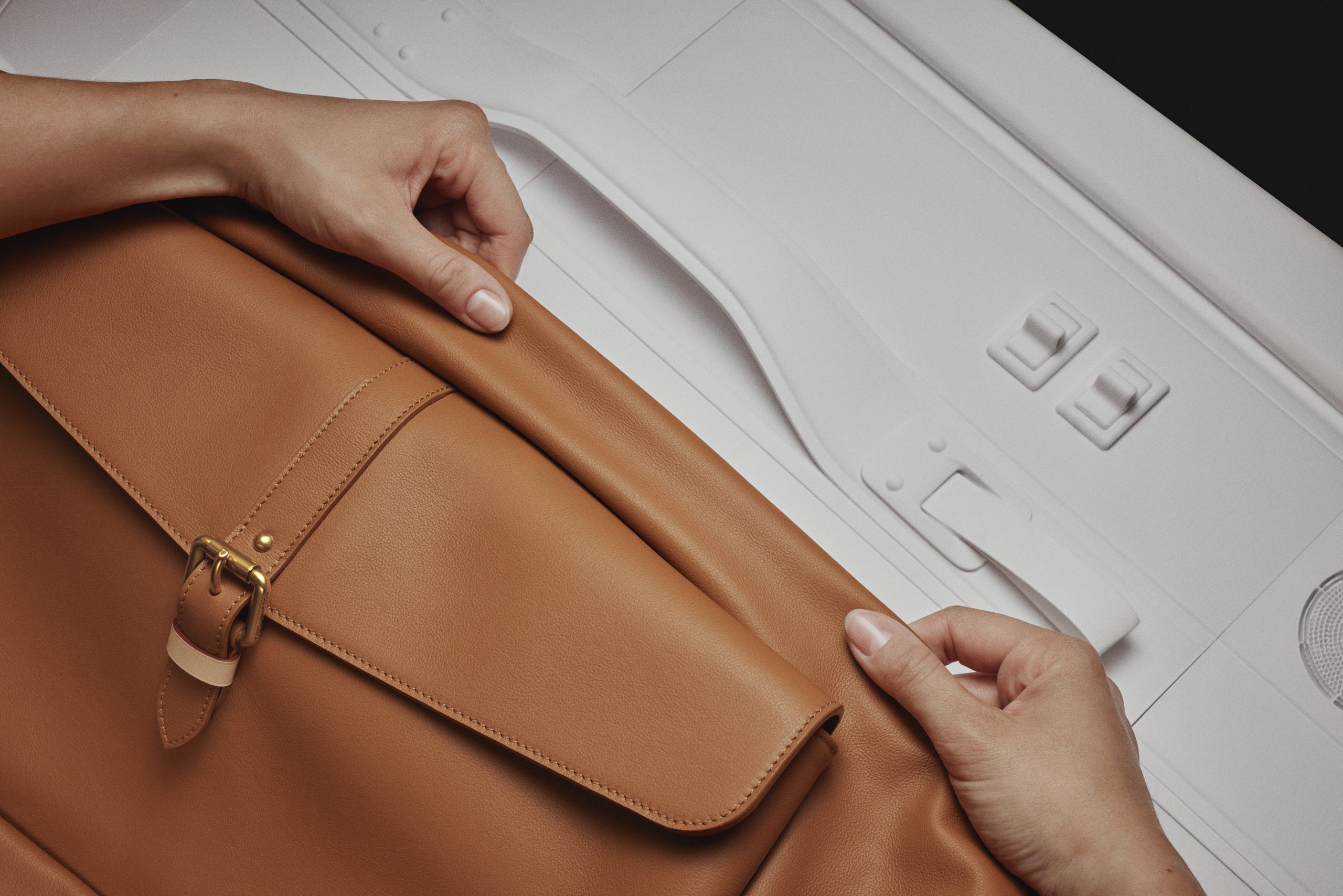
The cabin is upholstered entirely in a leather with a natural hue inspired by VVT, one of the House’s most utilised hides, ordinarily reserved for handles, shoulder straps and edging on its luggage. The diamond-patterned malletage embossing on the seats and boot trim mirrors the inside of a Louis Vuitton trunk, while ventilation eyelets on each seat have been hand-finished into the shape of the Monogram flower. Every plastic fitting typically found in a car interior has been replaced by hand-crafted, rhodium-plated metal components, polished and satin-finished using techniques borrowed directly from watchmaking. Even the fuel and oil caps carry the distinctive typography used on Louis Vuitton watch components. Octave Chany, Singer’s Project Lead Designer, describes the aim as a true synthesis between Singer’s architectural language and a House culture built on refined materials, travel and expression of style.
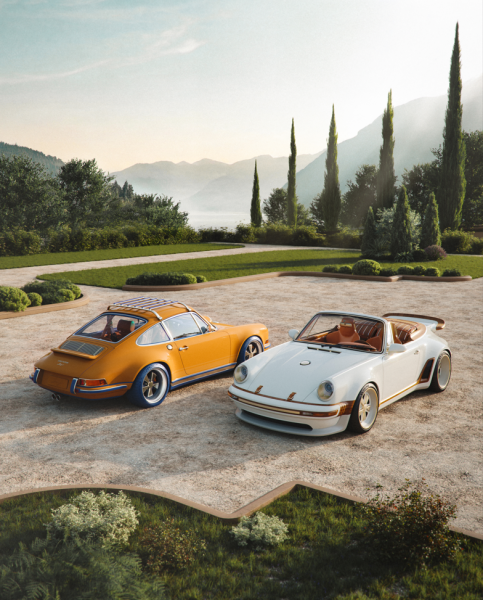
The second car, conceived under the direction of Nicolas Ghesquière — Louis Vuitton’s Artistic Director of Women’s Collections — answers in a different register entirely. This turbocharged cabriolet wears Calcaire Lutétien white, a shade drawn from the limestone that shaped the Parisian landscape, including the House’s historic headquarters at Pont Neuf. Ghesquière has spoken of automotive design as a passion that has always lived within him, and the choice of an open cabriolet was, in his words, an obvious embodiment of a spirit both sensuous and powerful.
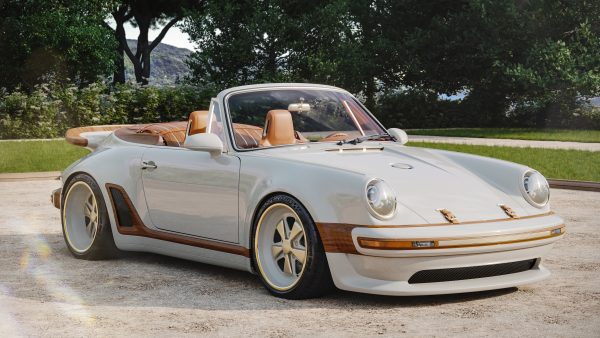
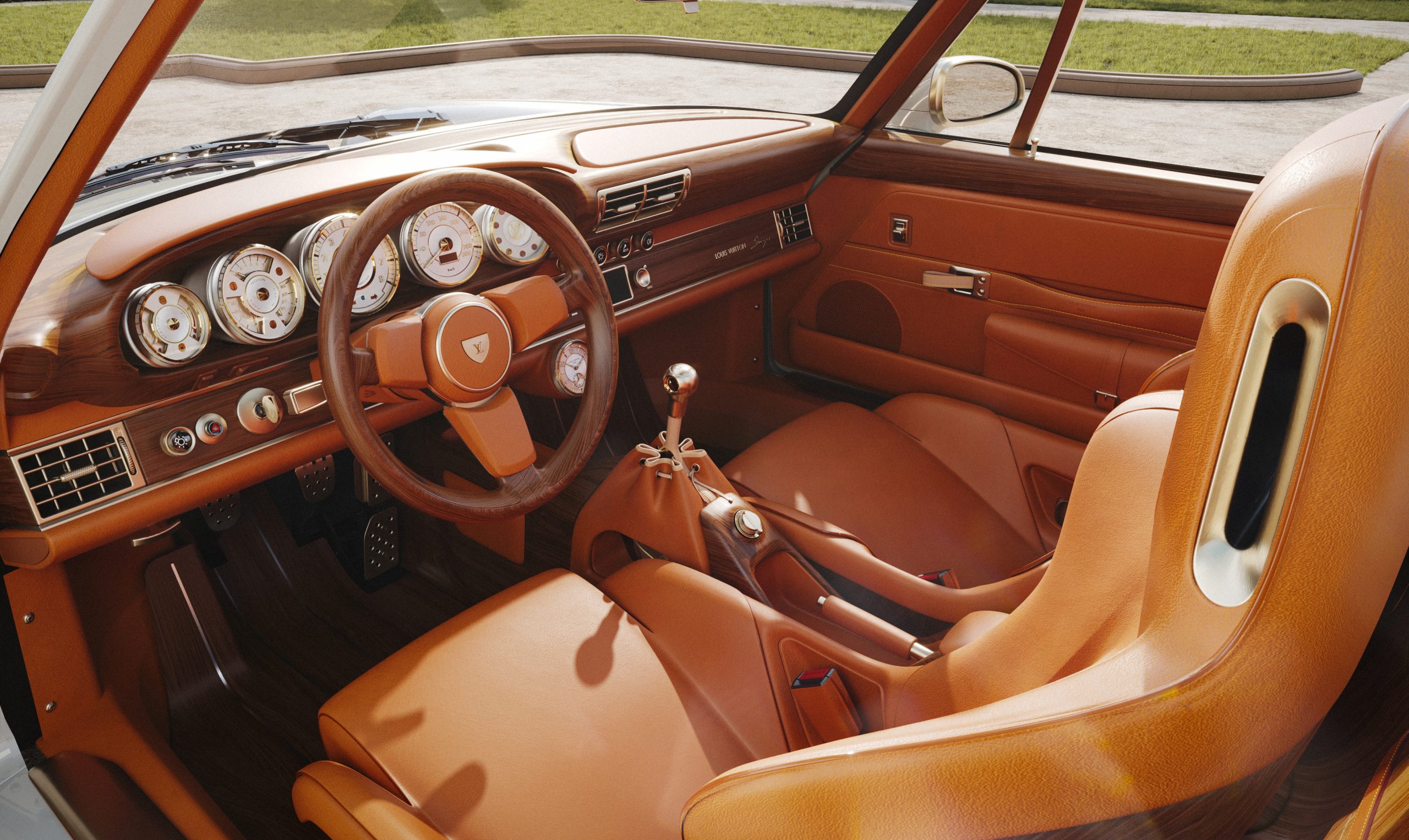
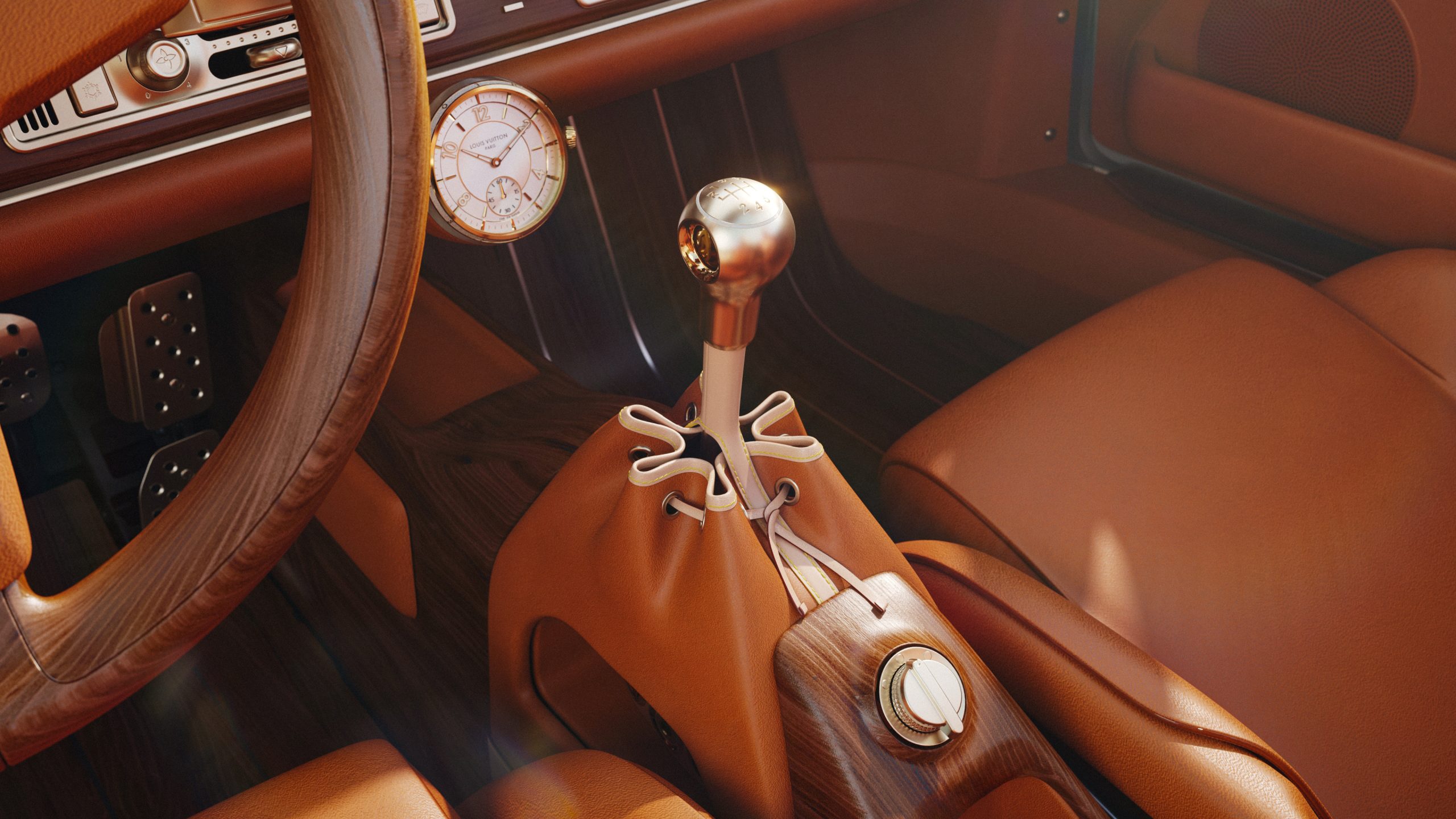
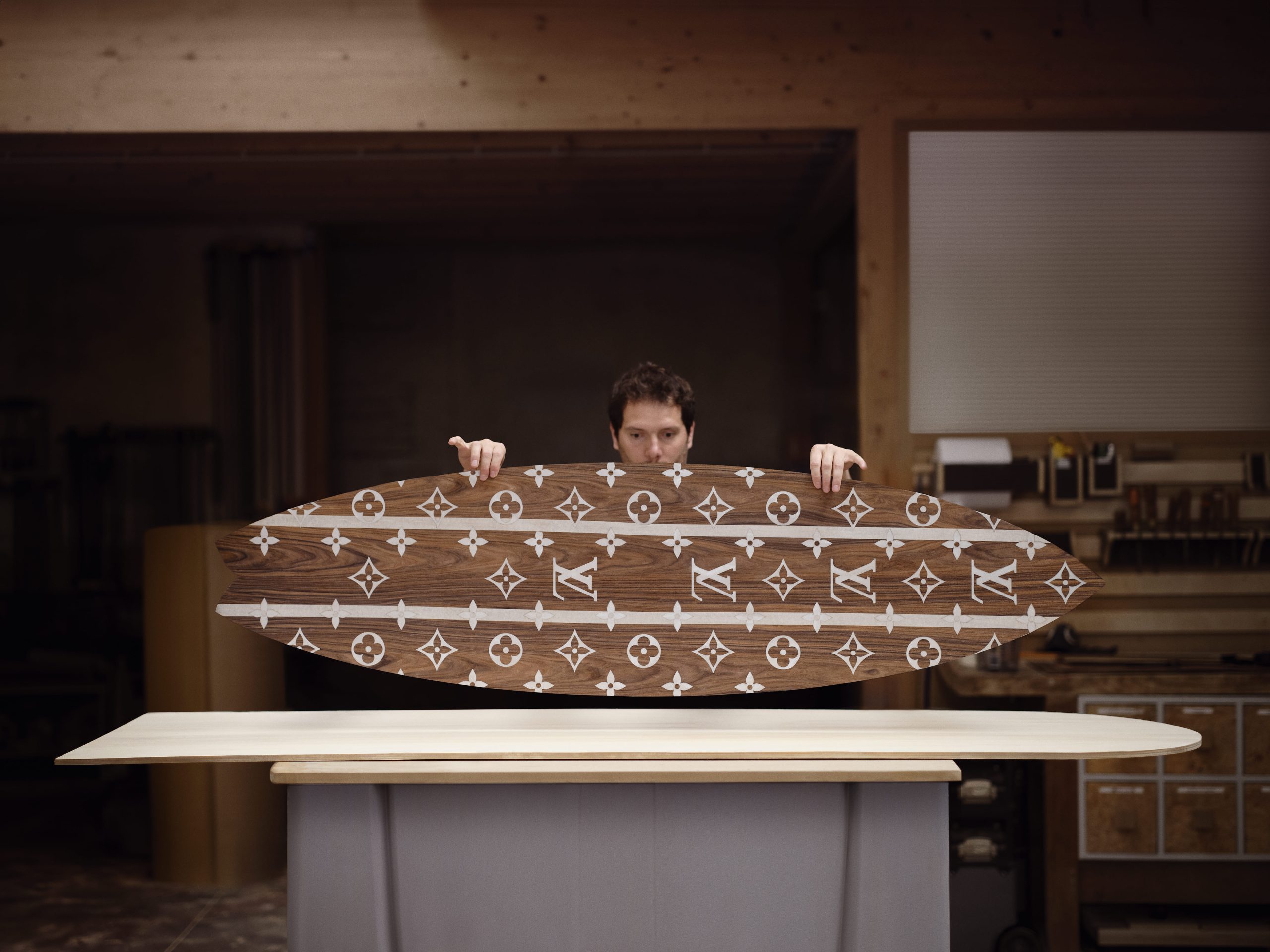
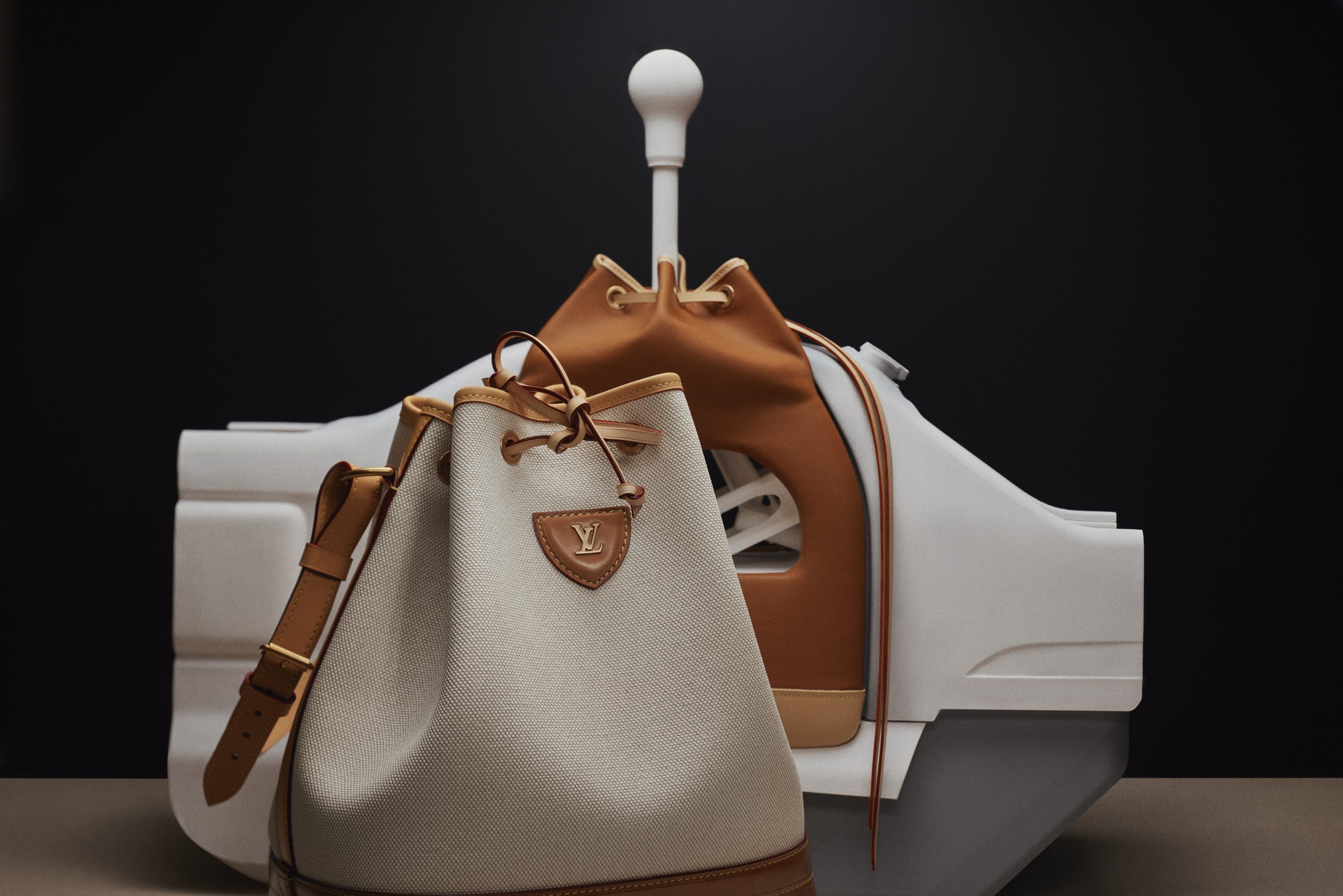
Where the coupé speaks in leather, the cabriolet speaks in wood. American walnut lines the rear deck in strip-laid panels reminiscent of a runabout motorboat’s teak, extending into a rear-opening luggage compartment that reveals itself as a genuine feat of engineering. Gold accents, rather than silver rhodium, adorn the car like jewellery: gold-plated Tambour bezels surround the gauges, a golden ignition key matches the exterior paintwork, and the gearshift trim borrows its silhouette and natural leather drawstring from the Noé bag. The dashboard clock here sits at the centre of the console rather than beside the instrument cluster, upholstered in leather so that interior and exterior seem to converse directly with one another.
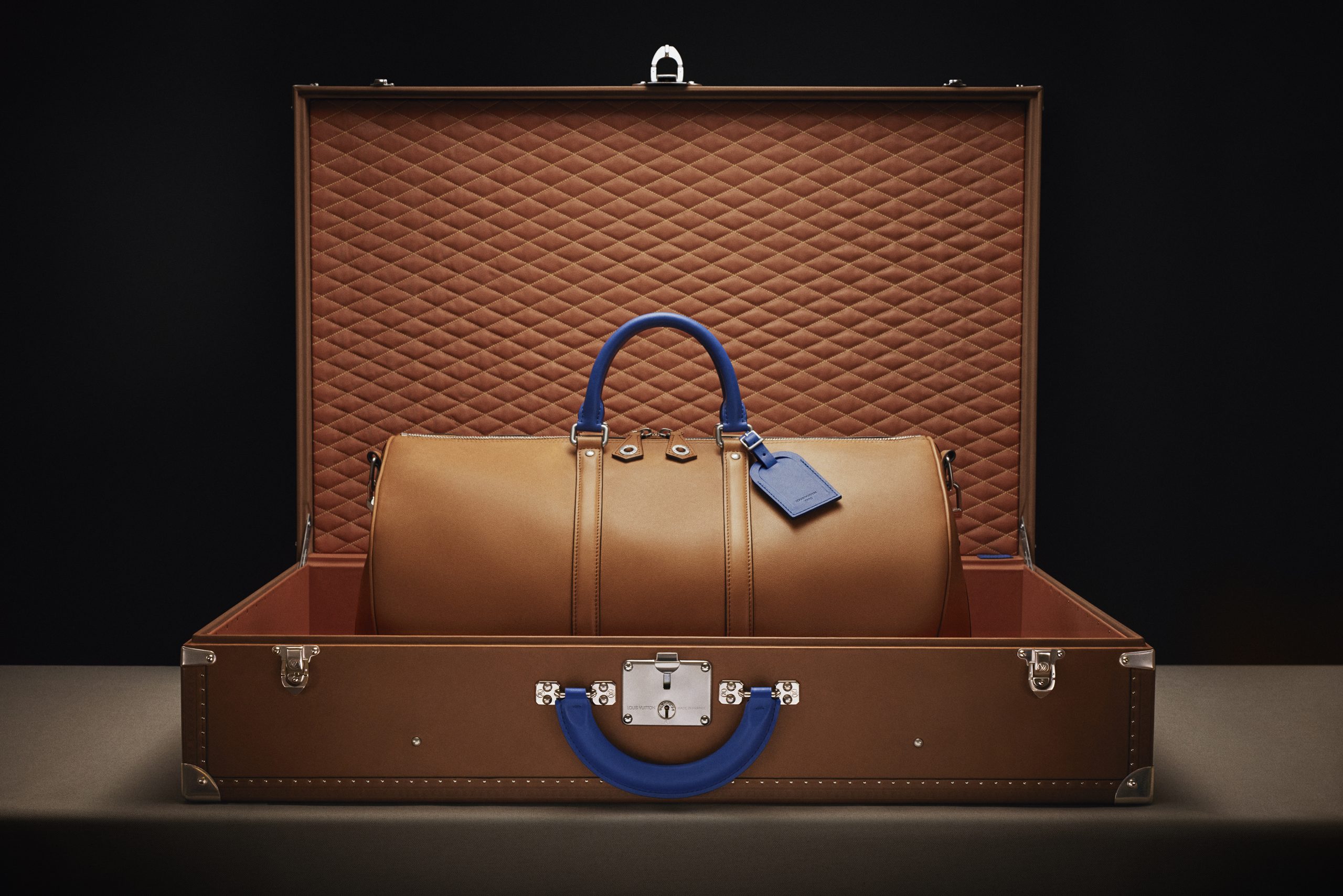
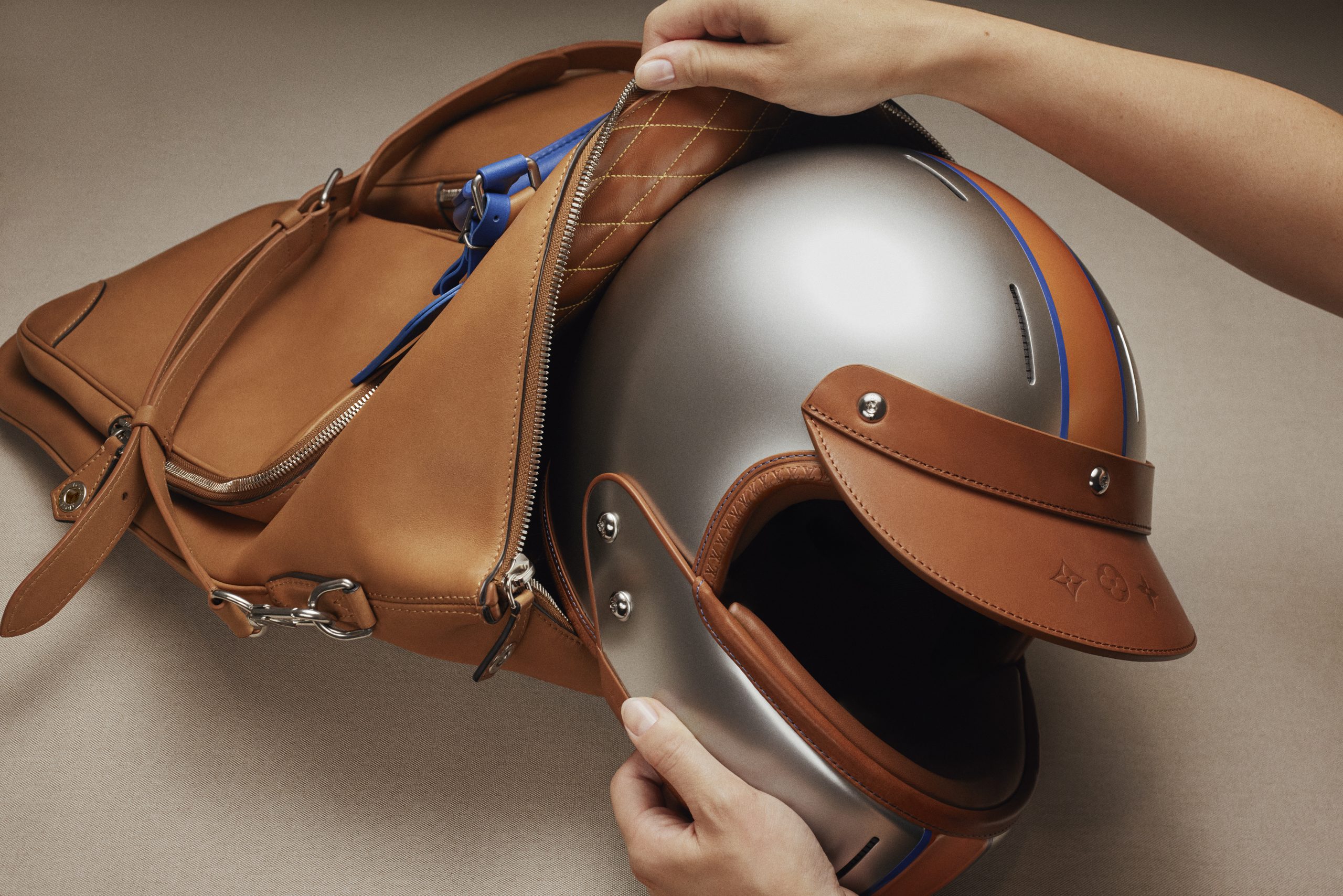
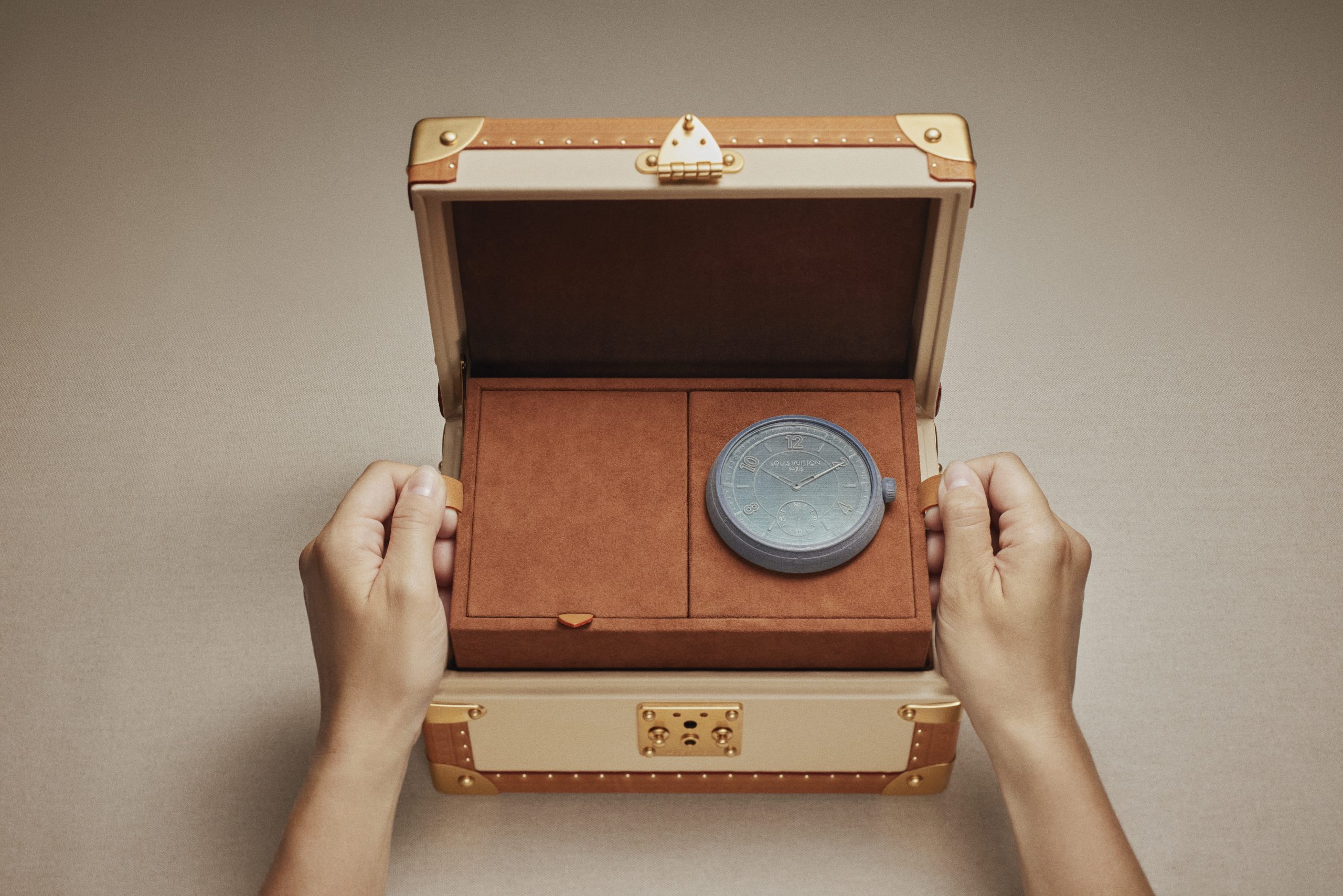
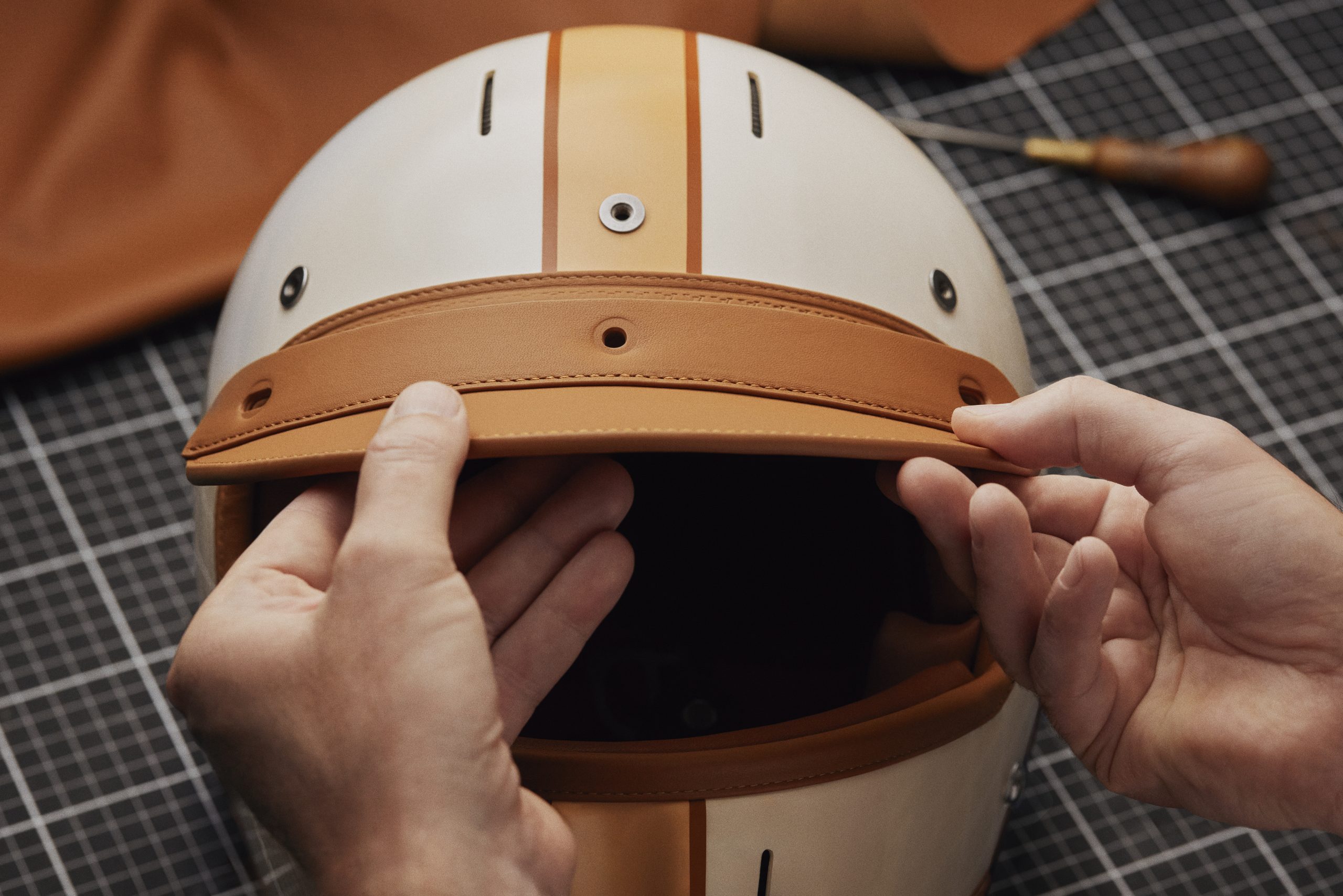
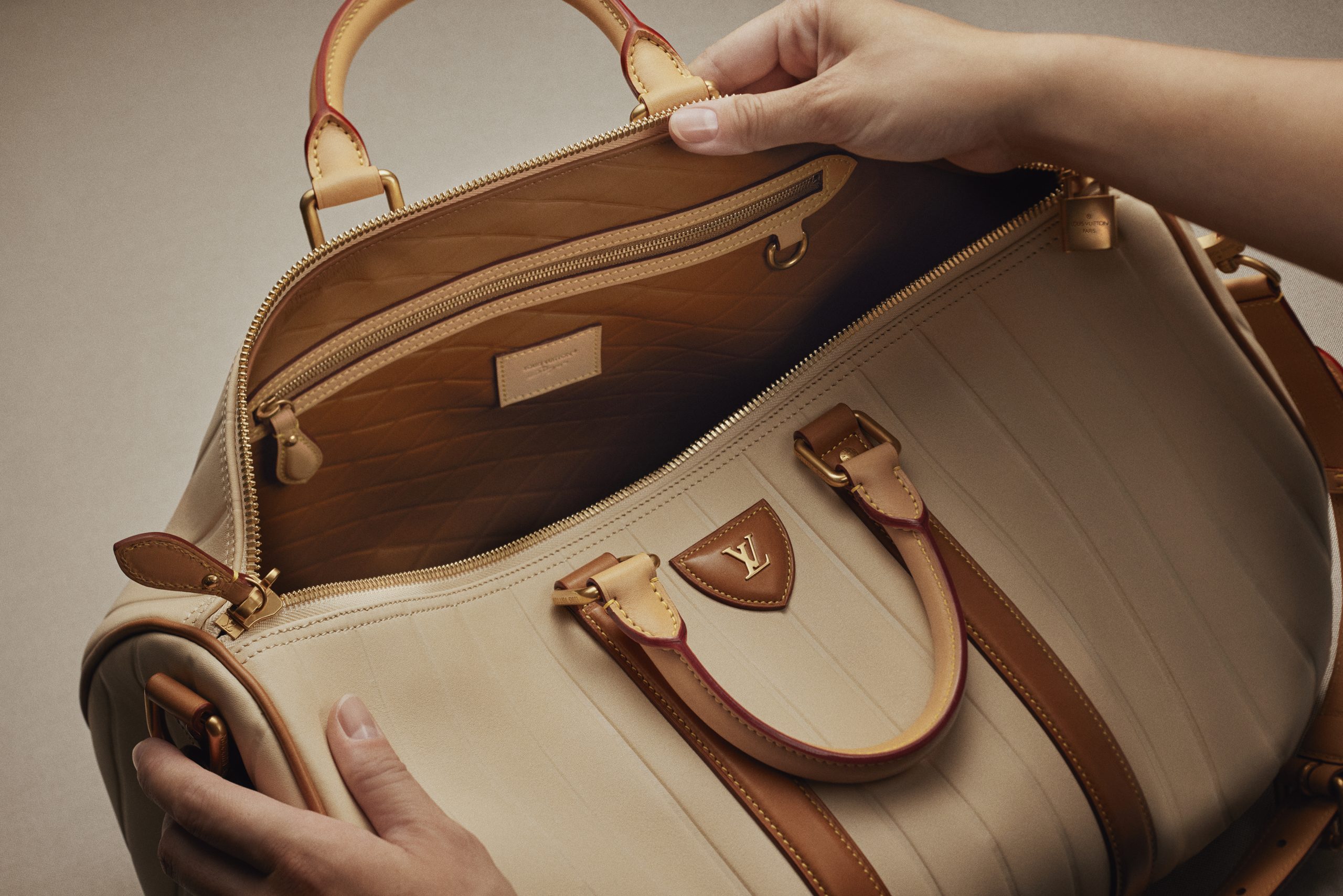
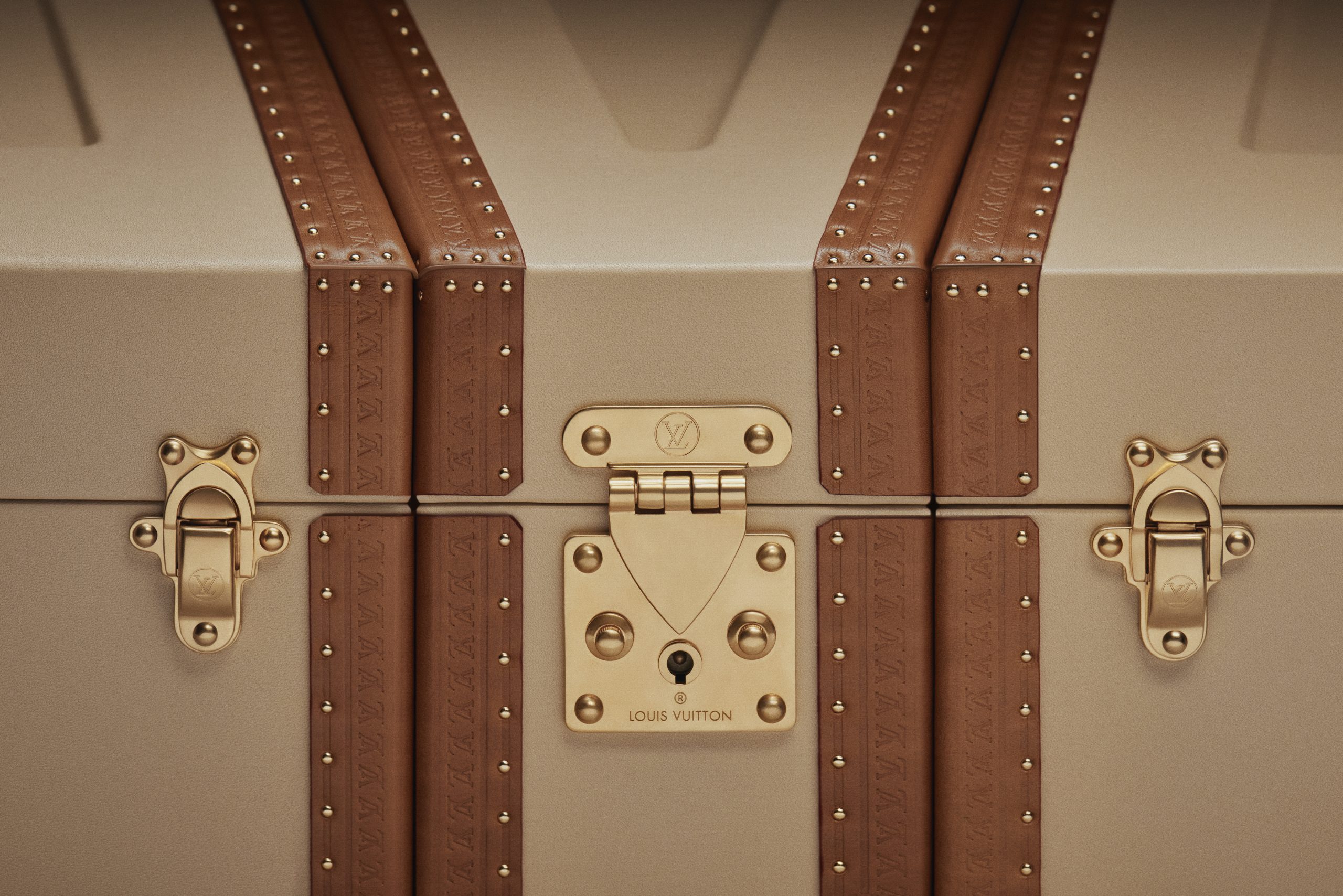
And in Louis Vuitton fashion, a matching capsule was built for each car. For the Classic: a grained-calfskin jacket with Monogram flower vents, denim with an LV x Singer tab, LV Rally and Remix Derby shoes, driving gloves, a carbon and glass helmet, and luggage shaped to fit the car, including front-trunk bags and a Keepall lined in the same lambskin as Singer’s interiors. For the Classic Turbo: a silk suit with LV’s second initial stitched into raised seams, a ceramic and gold Tambour watch paired with the dashboard clock in cases first made by Georges Vuitton in 1896, and bags (Alma, Noé, Express, Petite Malle) each styled to match the car, down to the lining and wood tone.
Together, the two cars trace the outer edges of what this partnership set out to explore — one grounded in heritage leather and cobalt precision, the other in open-air lightness and gilded warmth, yet both built from the same conviction that a designer’s discipline and a coachbuilder’s craft speak a shared language. What began with a single dashboard clock has become something closer to a philosophy made mechanical: travel not as distance covered, but as detail considered. In that sense, these two Porsches are less a departure for Louis Vuitton than a natural extension of a story it has been telling for over a century, just told this time at speed.
Once you are done with this story, click here to catch up with our latest issue.