Fashion has a habit of treating history like a relic. The older the reference, the greater the reverence, until heritage risks becoming little more than museum etiquette. Jonathan Anderson proposes something altogether less obedient. Dior Winter 2026 approaches the House’s legacy with curiosity rather than caution, allowing decades of dress to collide, contradict and occasionally unravel into something unexpectedly contemporary.
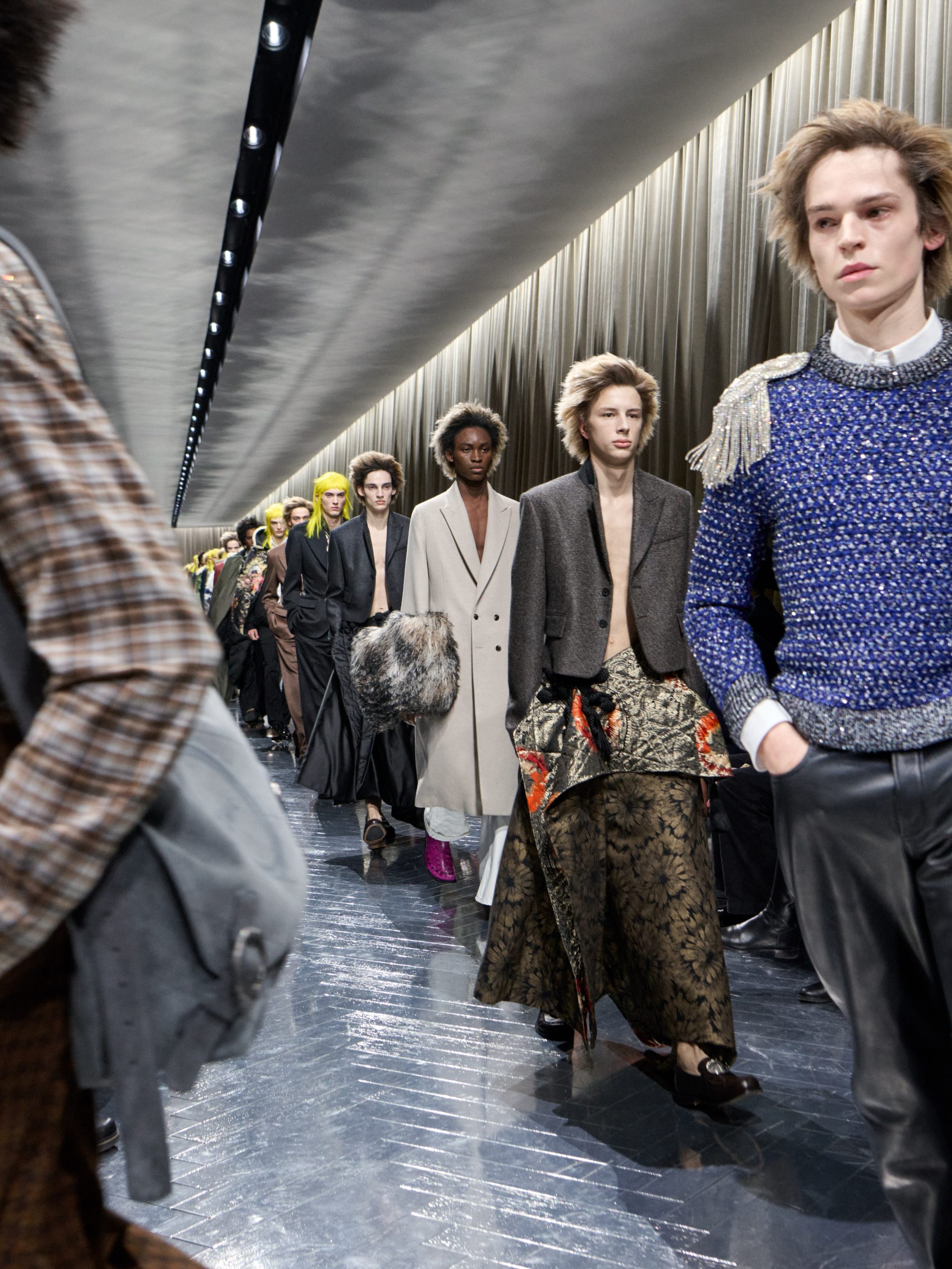
The collection begins with a fiction worthy of Paris itself. A group of itinerant young flâneurs wander through Avenue Montaigne before stumbling upon the plaque marking Paul Poiret‘s former boutique. It is an encounter that redirects their gaze. What follows is neither homage nor historical reconstruction, but an instinctive chain of associations where Poiret’s liberated silhouettes brush against Dior’s ceremonial codes without overwhelming each other.


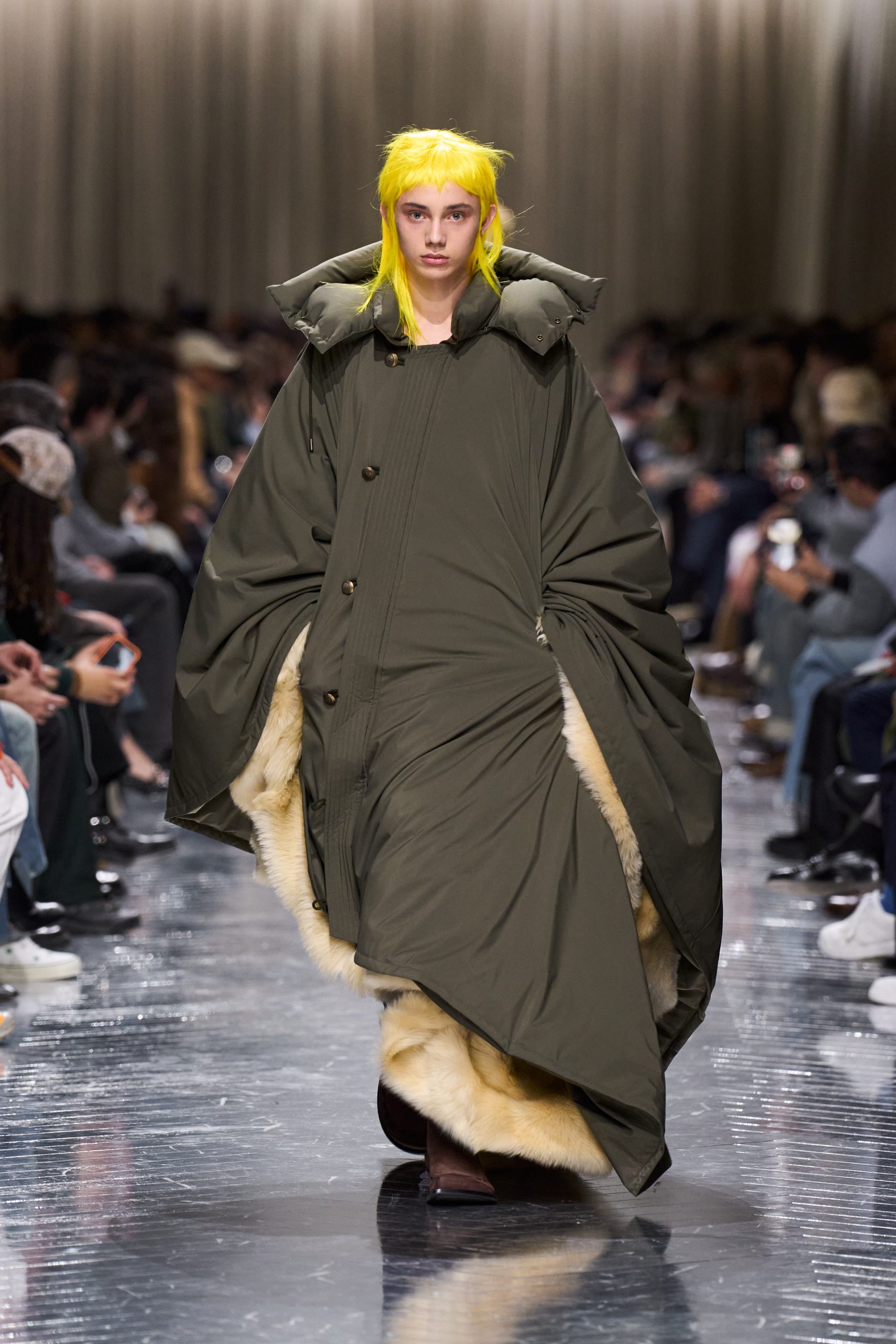
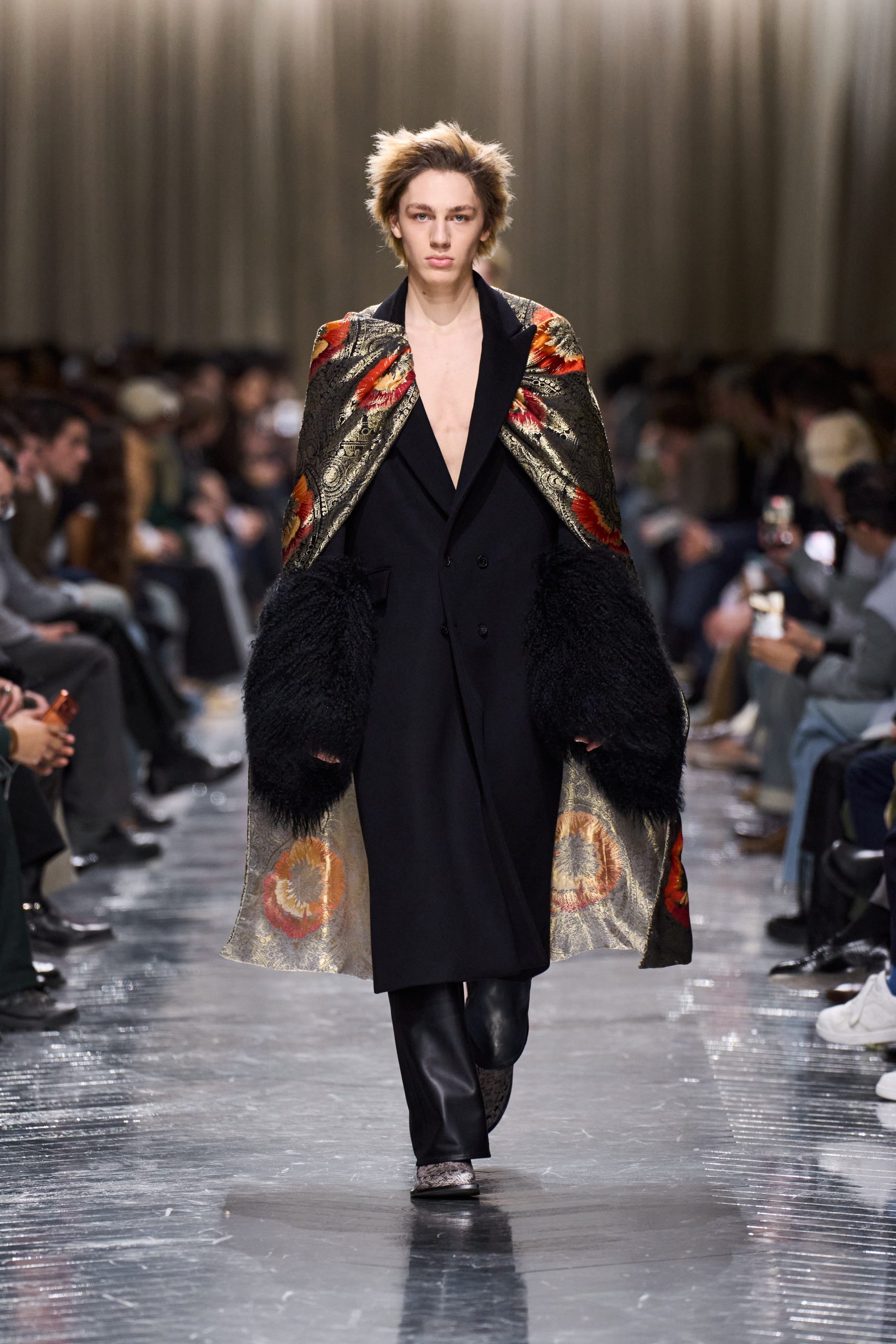
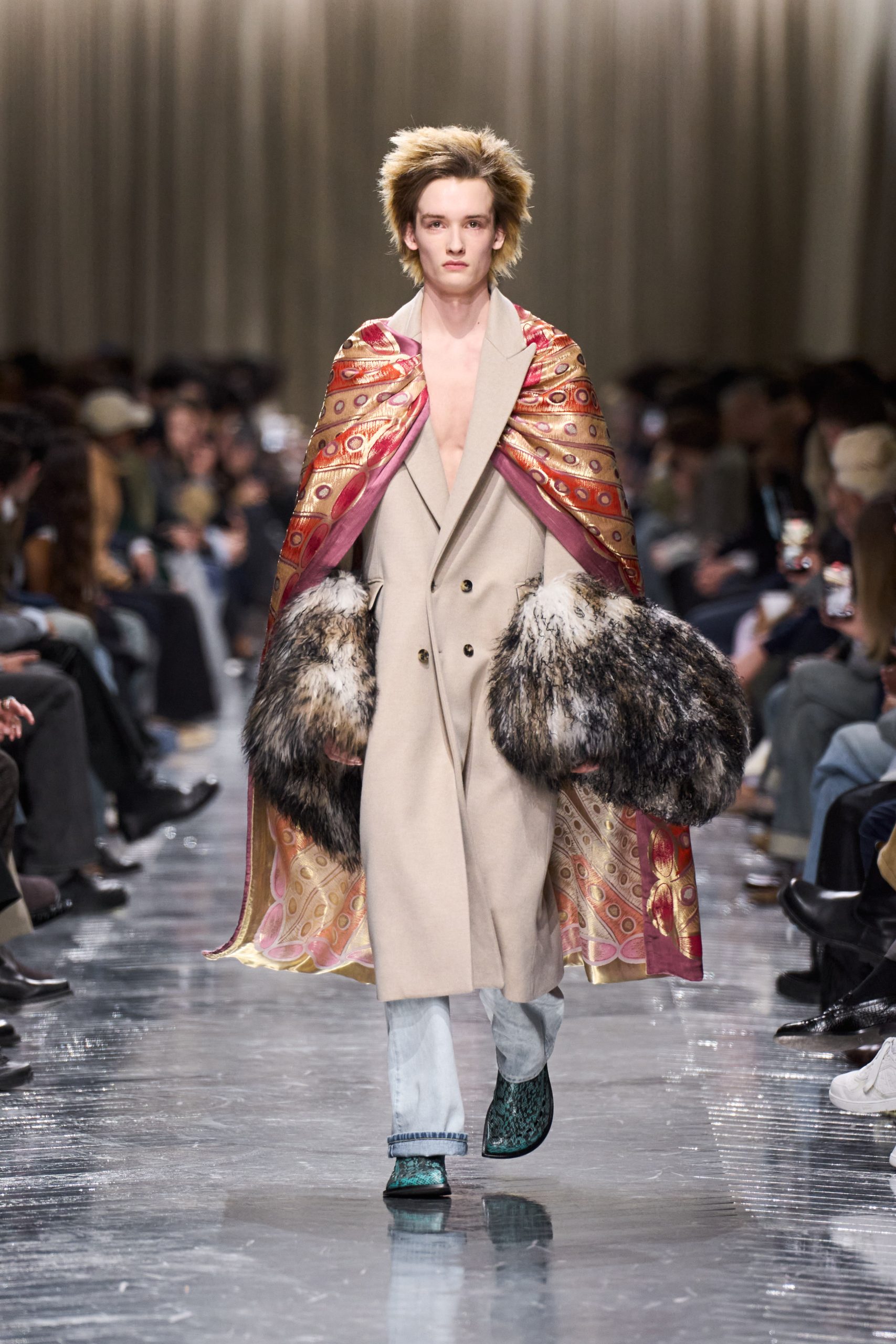
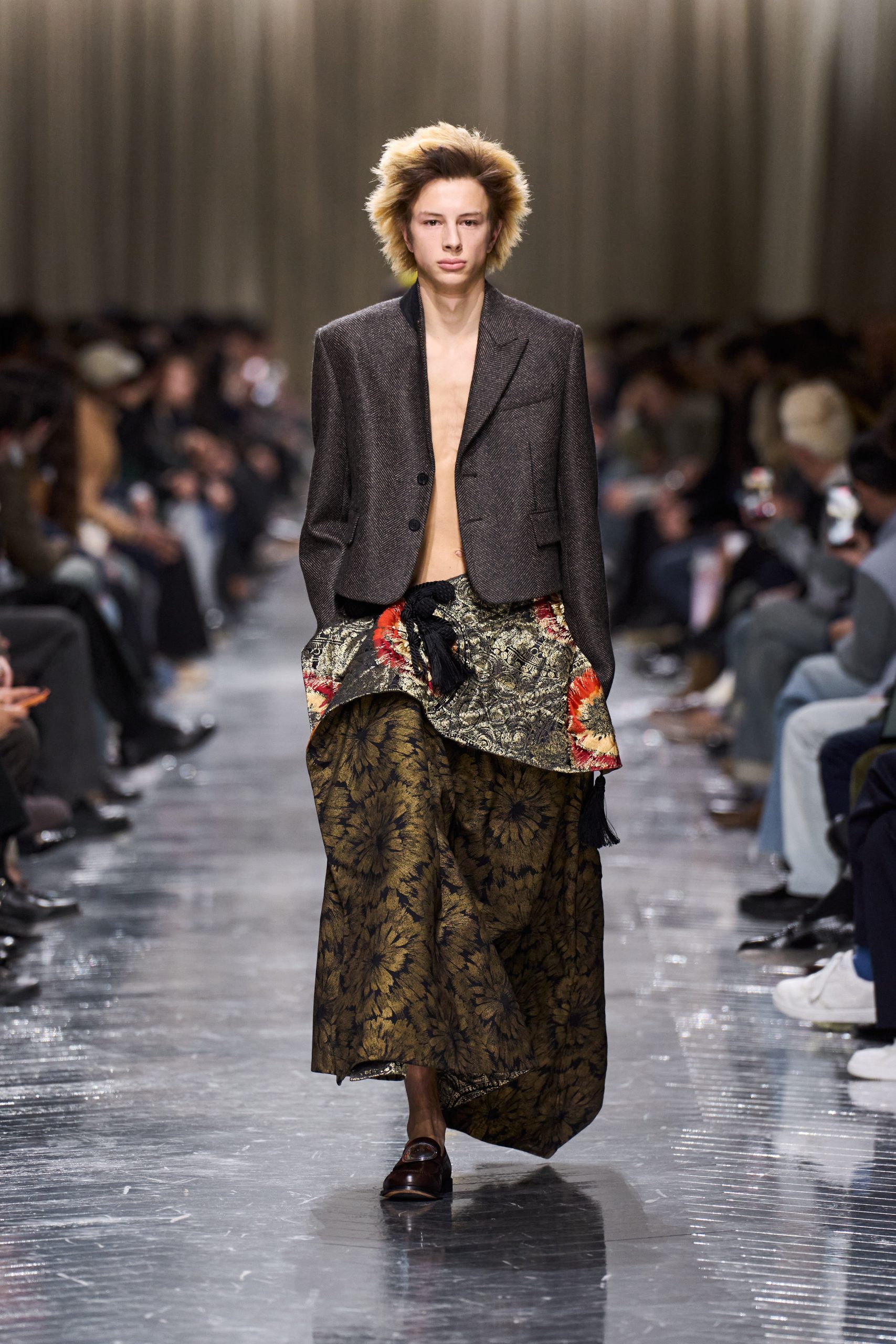
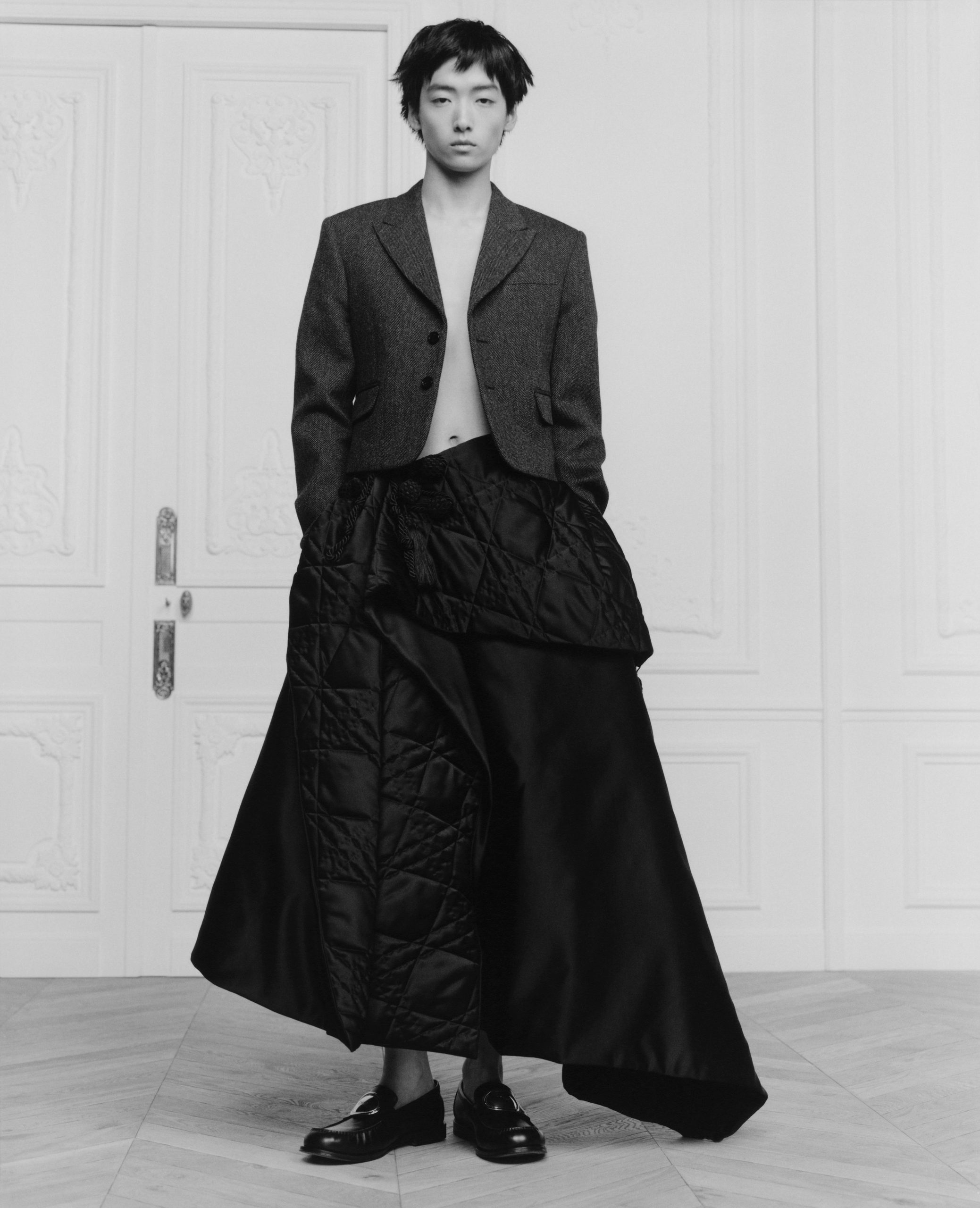
That spirit lends the collection its peculiar electricity. Tailoring retains its rigour, yet refuses stiffness. Jackets stretch long before abruptly shrinking into cropped proportions. Tailcoats, abbreviated Bar jackets and razor-cut trousers appear alongside balloon-backed field jackets and bombers that dissolve into decadent brocade capes. There is something delightfully raffish about it all, as though an aristocratic wardrobe had been inherited, worn through a succession of spirited nights, then assembled again without much concern for convention.
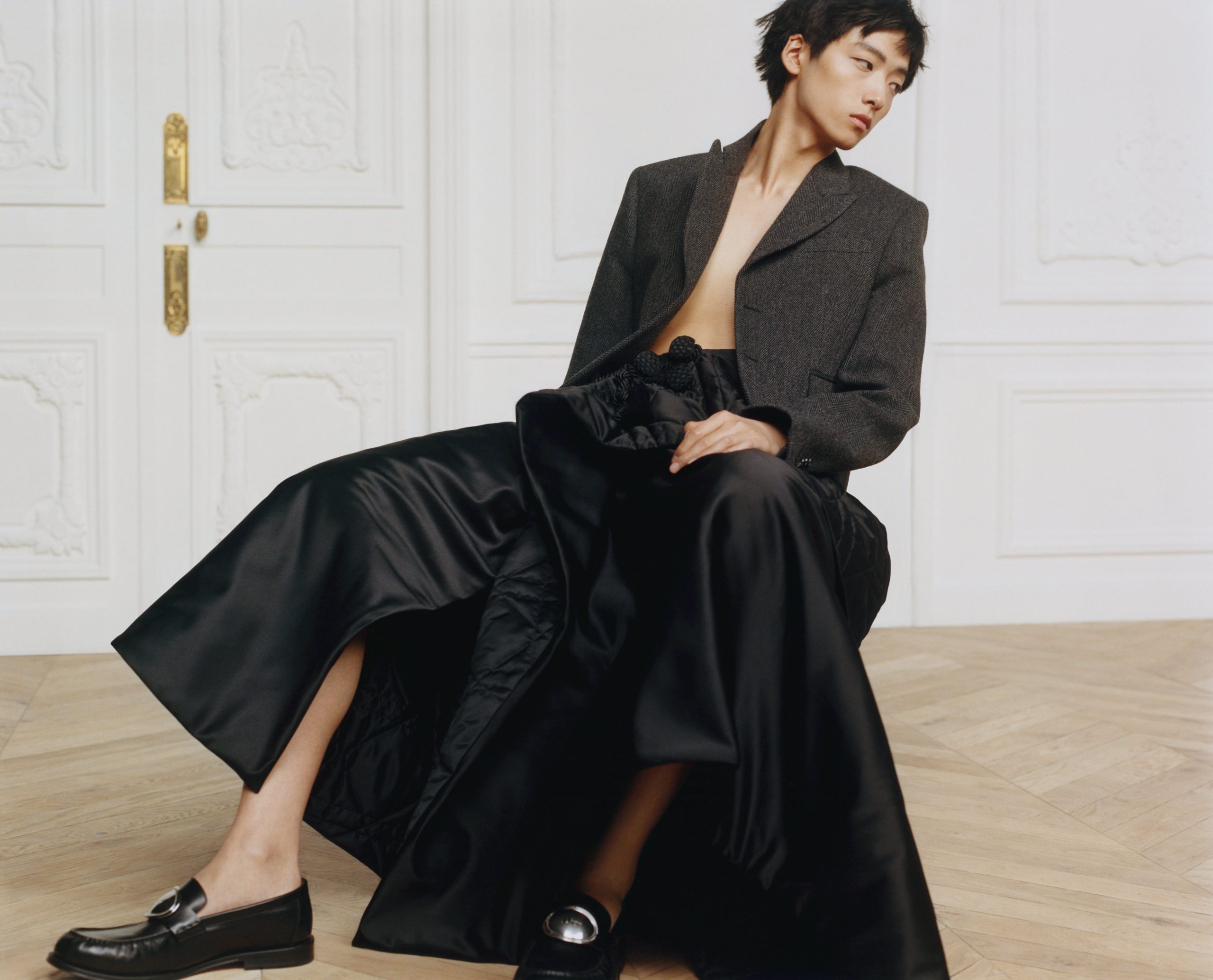
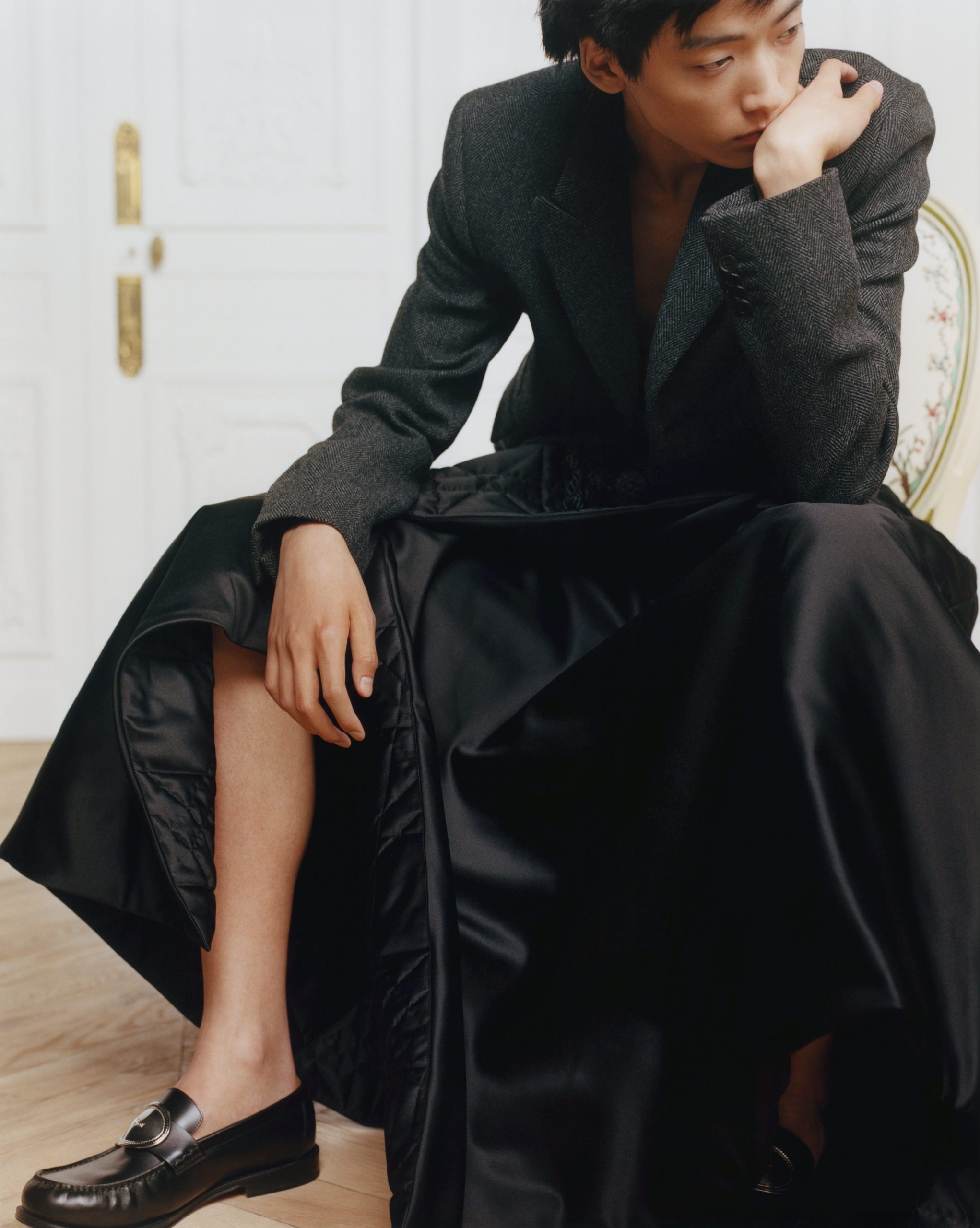
Elsewhere, lavallière shirts, waistcoats and long johns replace predictable evening formulas. Masculine and feminine distinctions dissolve almost incidentally, never announced as a statement but accepted as part of the collection’s own internal logic. Dressing, here, becomes less an exercise in correctness than one of temperament.
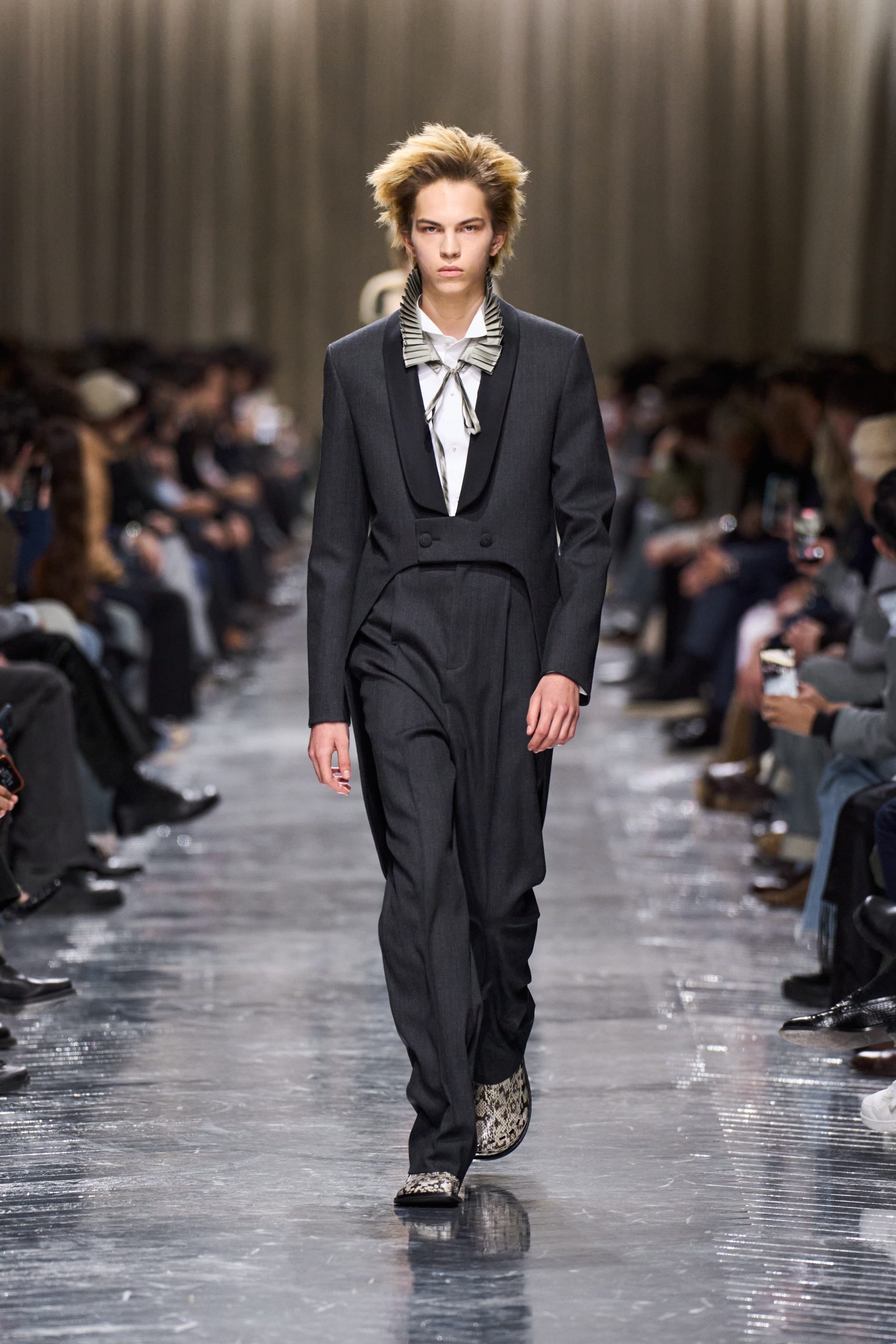
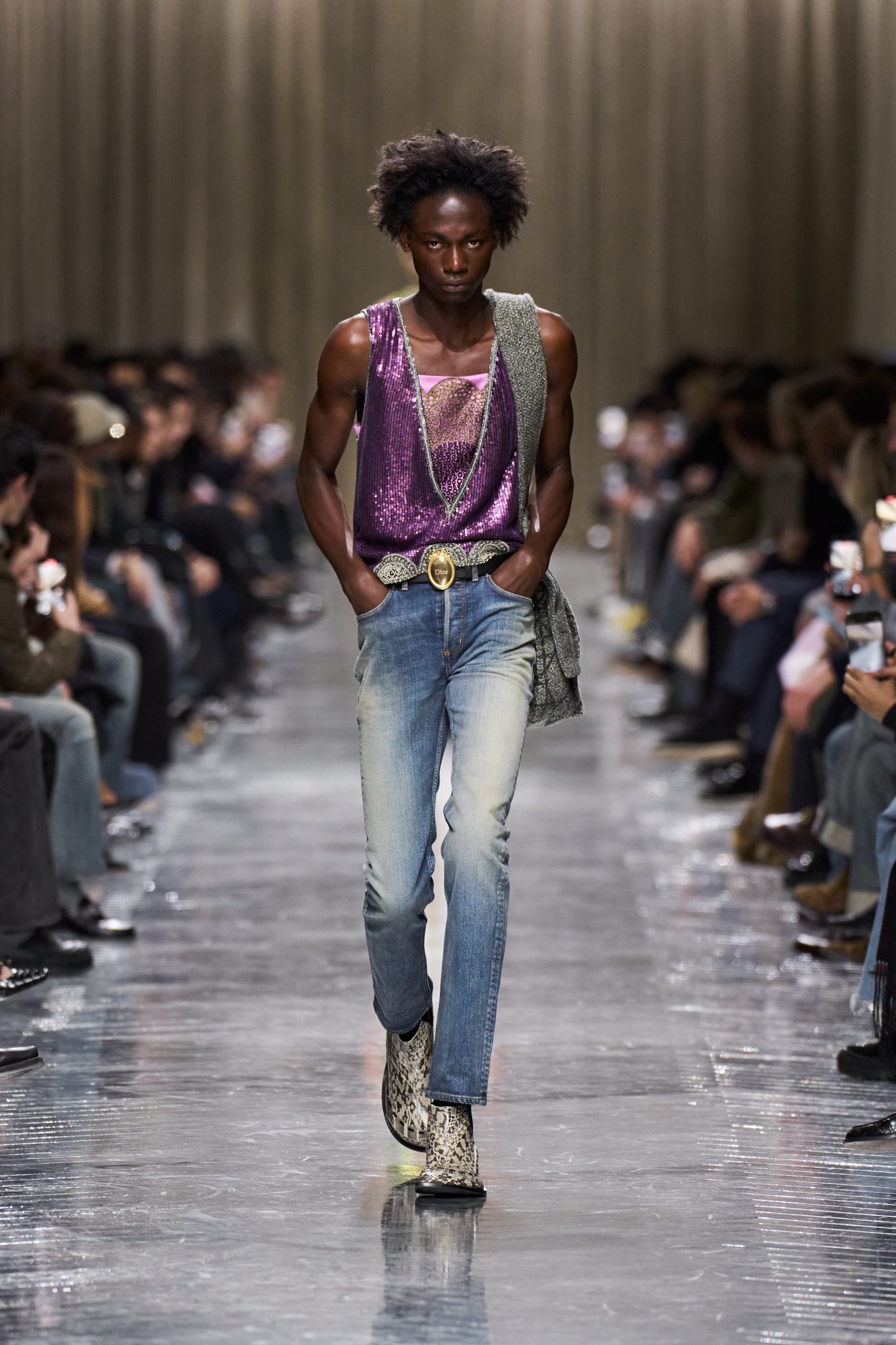
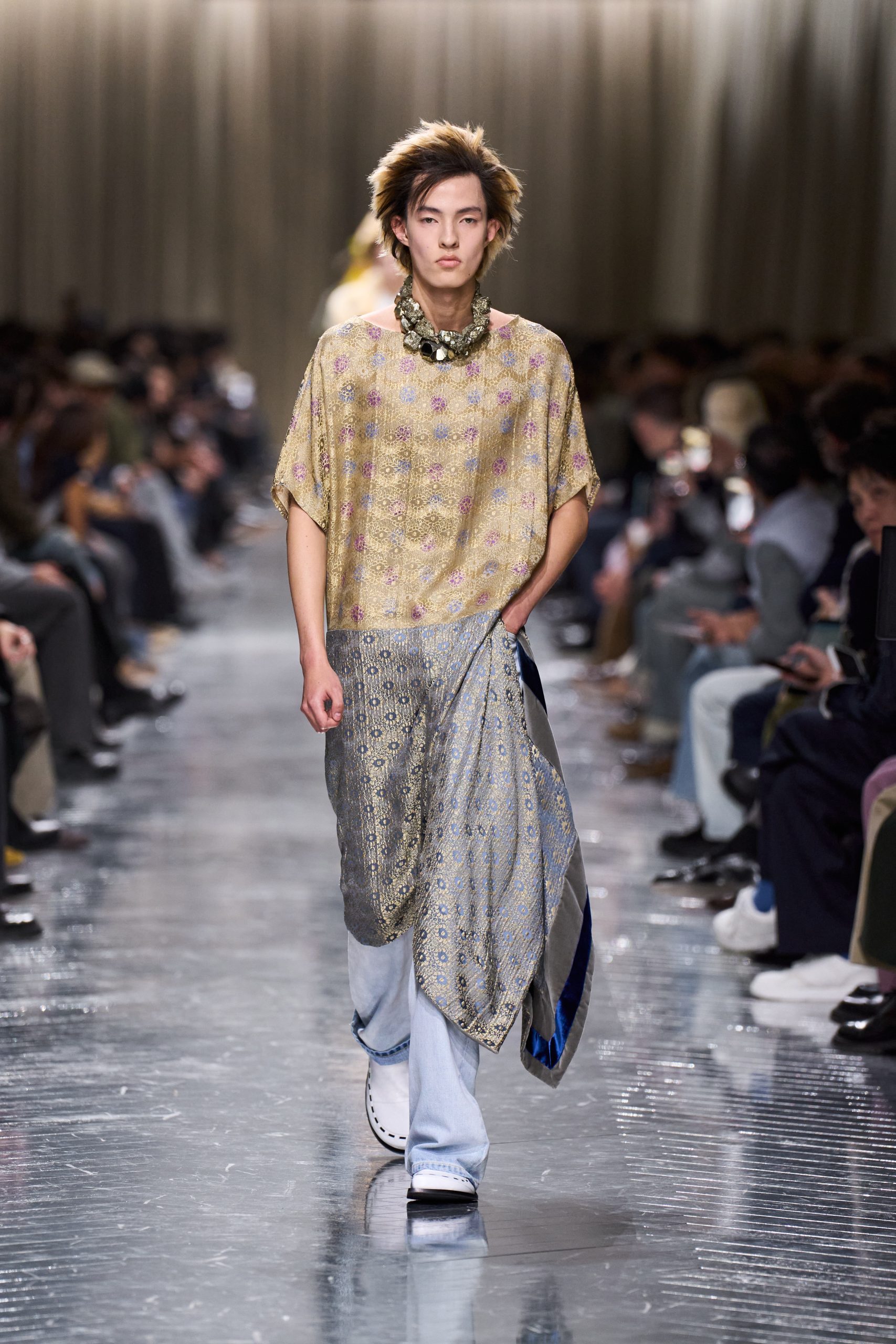
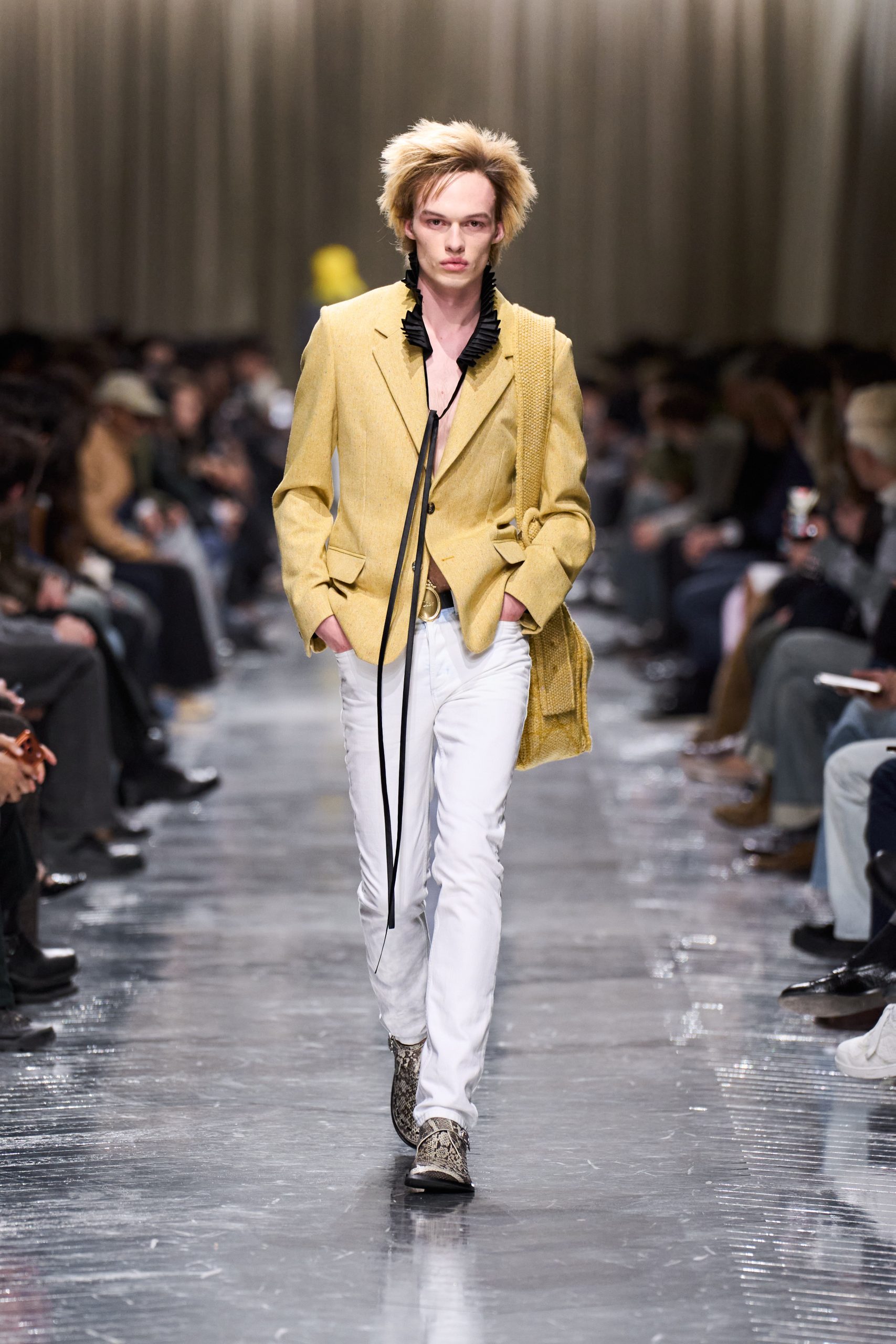
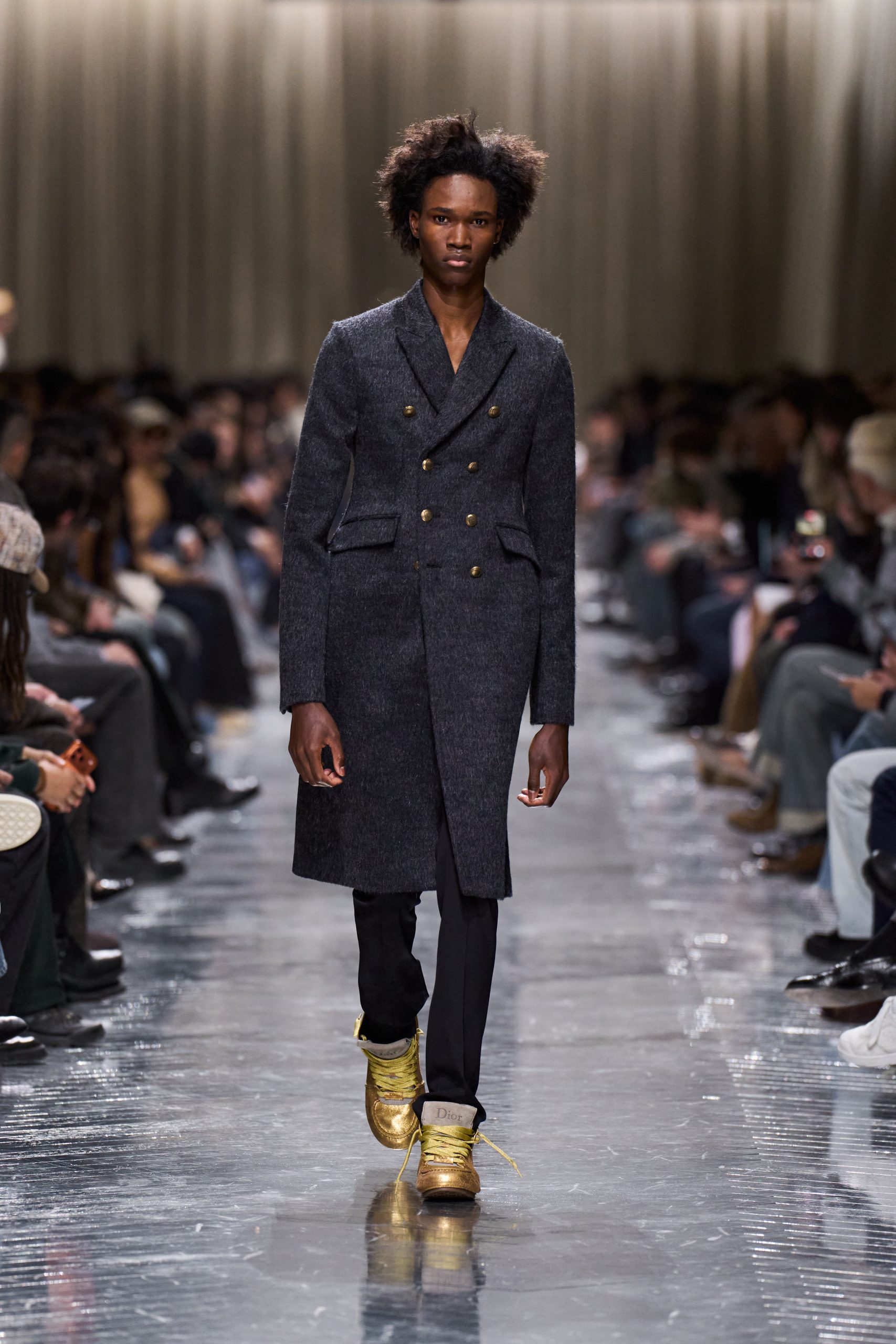
Fabric does much of the storytelling. Donegal tweeds arrive with a pleasing roughness, lustrous velvets catch the light like faded interiors, while luminous jacquards, dense passementerie and elaborate embroidery build a wardrobe that feels patinated rather than pristine. Even beneath the collection’s restrained palette, there is an unmistakable sense of abundance. Nothing clamours for attention, yet every surface rewards a closer look.
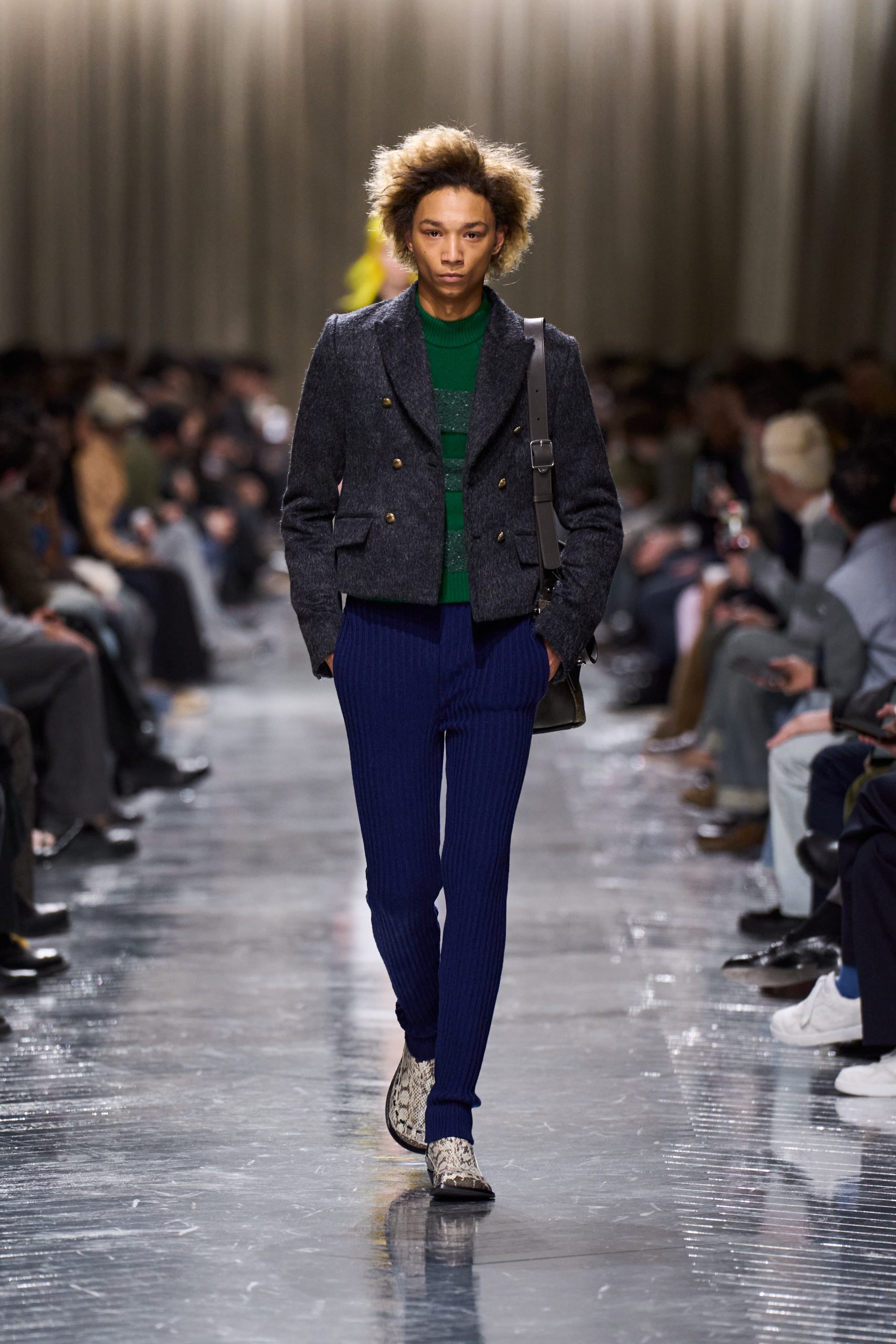
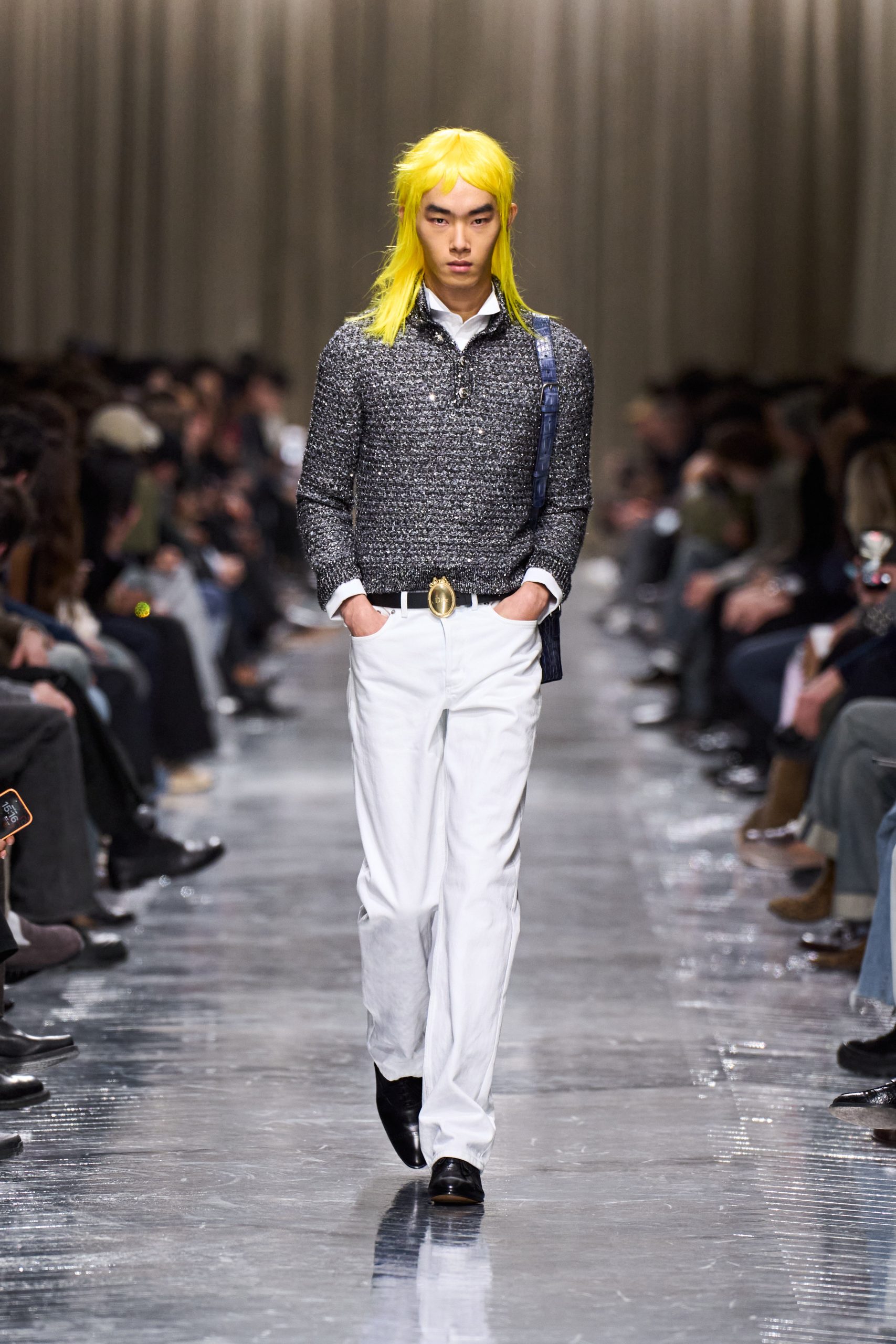
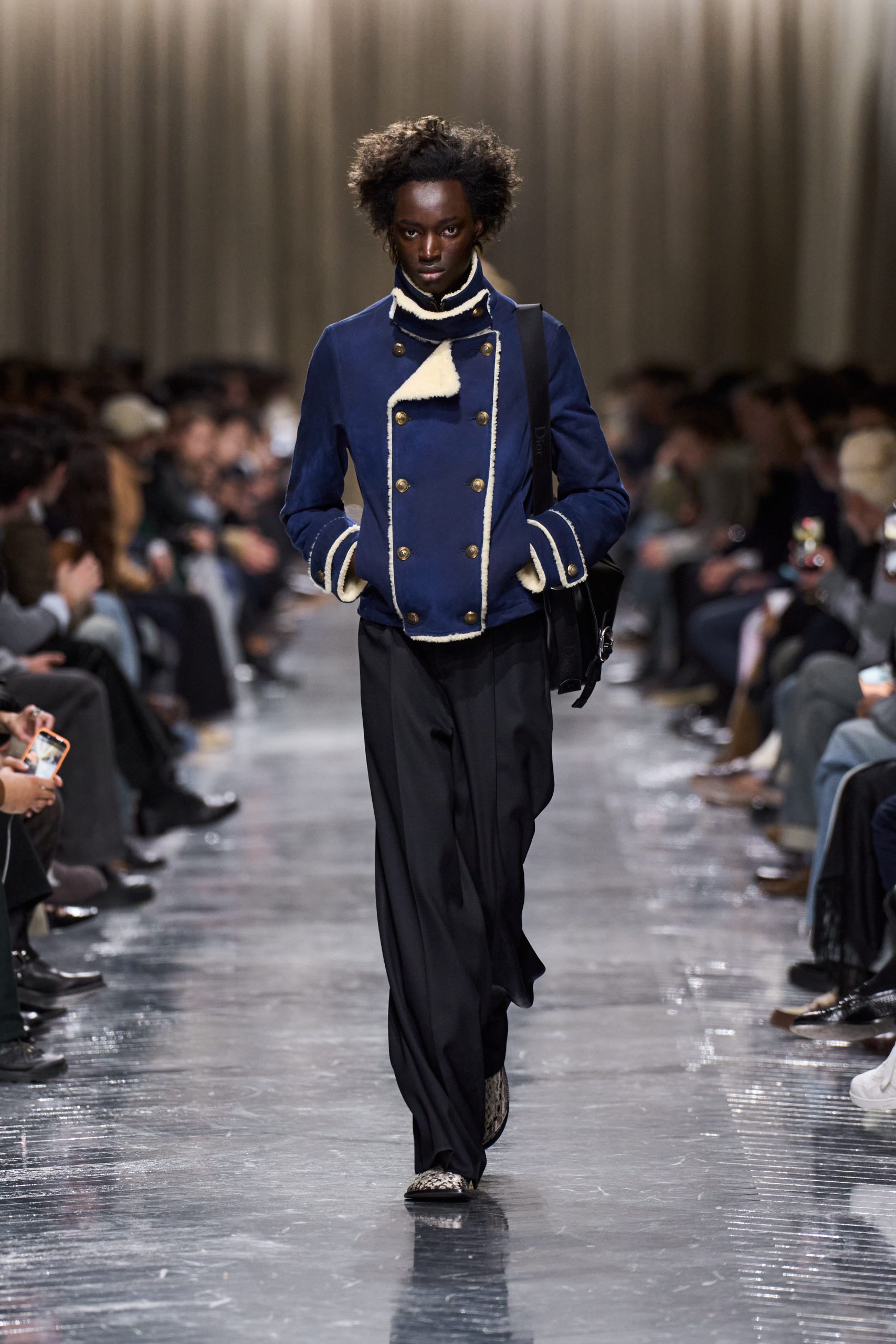
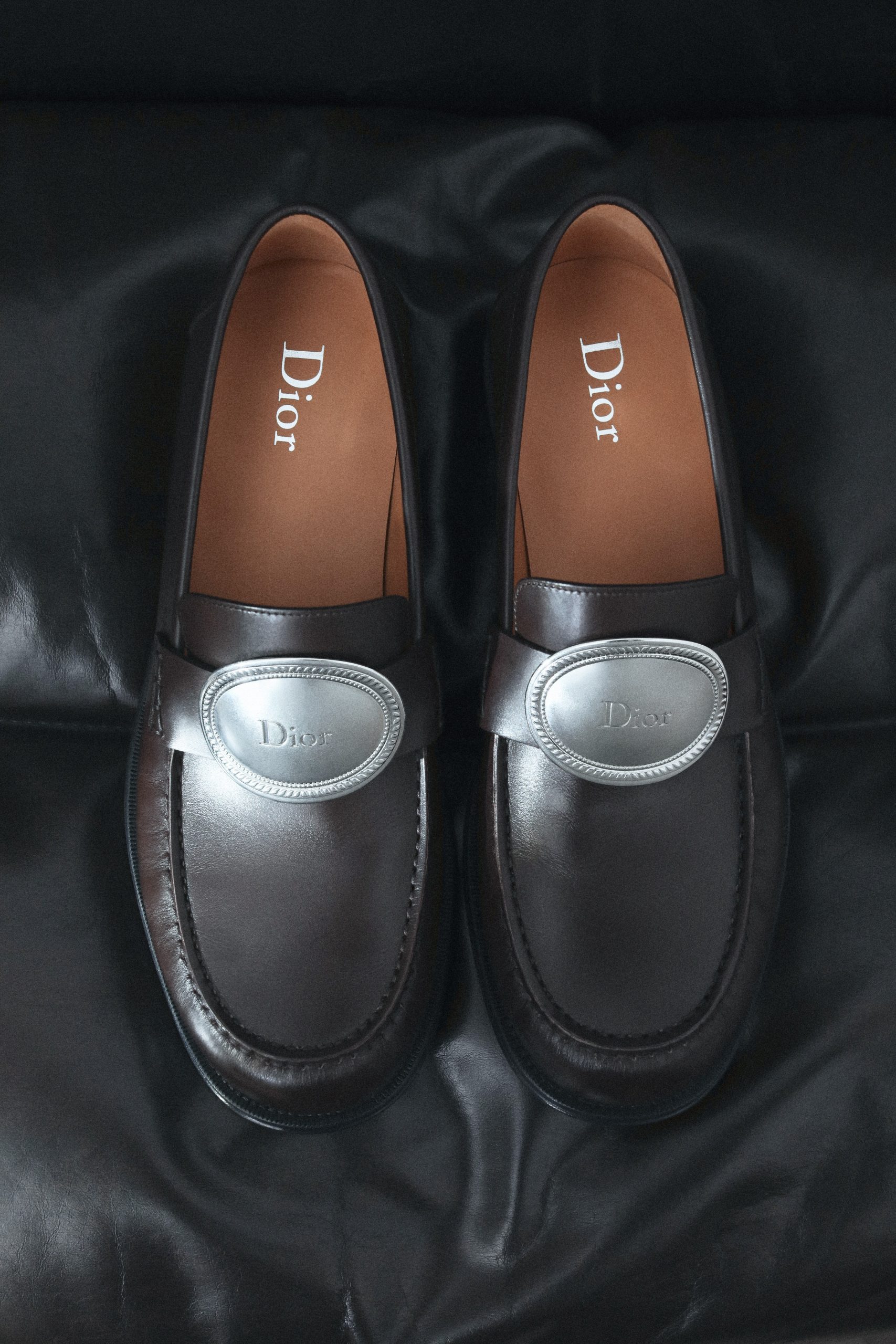
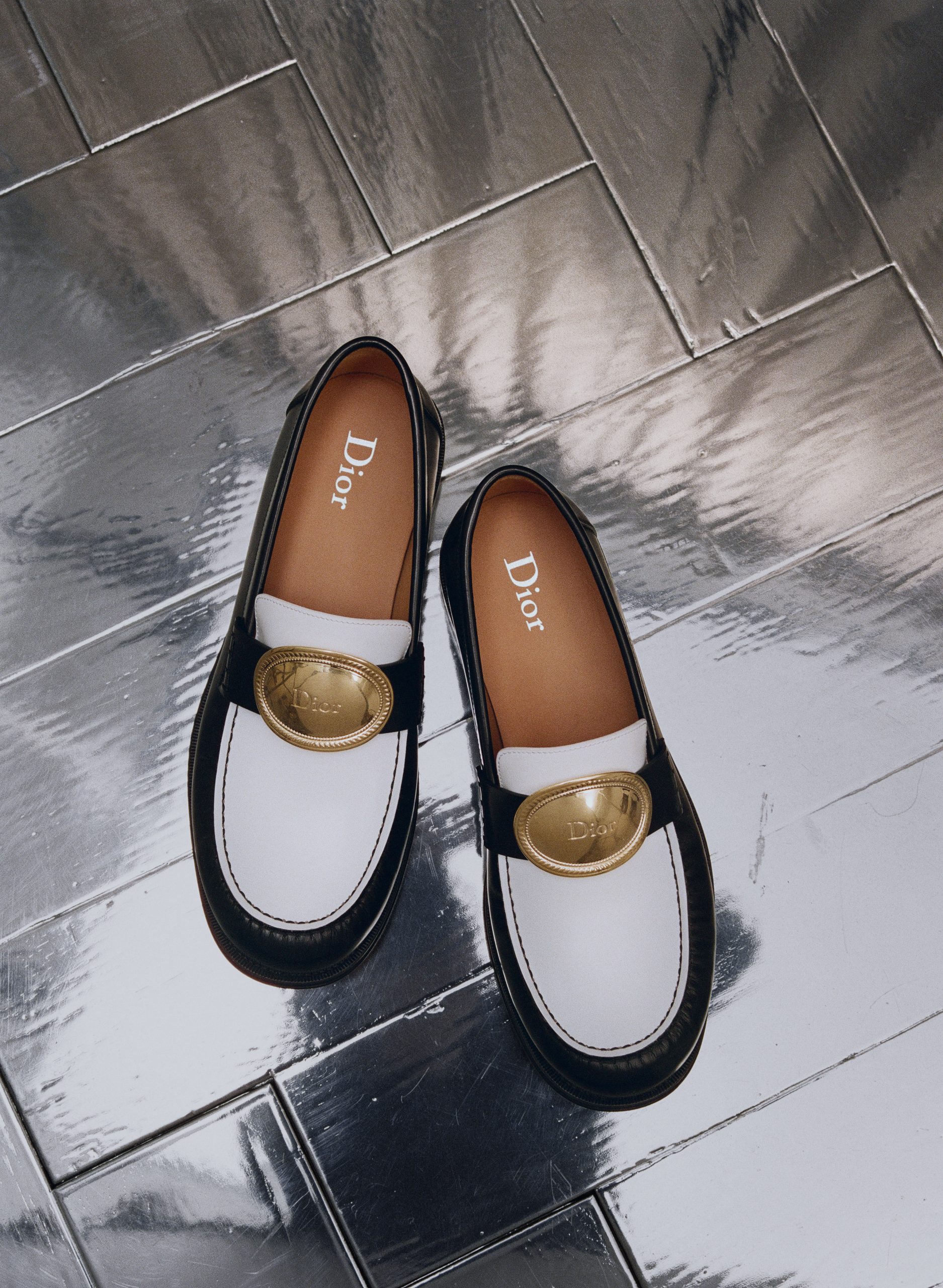
The accessories share that measured confidence. The new Dior Médaillon loafers carry one of the House’s longest-standing emblems, the Medallion. First introduced in 1947, it now sits on the vamp as a piece of hardware. Built with supple leather soles and balanced proportions, they embody Anderson’s preference for objects that reveal themselves gradually. Alongside softly structured messenger bags and modestly heeled lace-ups, they complete a wardrobe that favours personality over polish.
Jonathan Anderson’s Winter 2026 collection argues that Dior’s history matters most when it is inhabited rather than admired from afar. Now that the collection has arrived in boutiques, its appeal lies not in faithfully preserving the House’s past, but in allowing it to acquire fresh creases, fresh contradictions and, perhaps most importantly, a little glorious disarray.

Once you are done with this story, click here to catch up with our latest issue.