It is late in the evening and you’re about to wind down from a long day — sitting on the couch and picking up the remote controller to explore tonight’s viewing options. As you shift between the “What’s New” and “Trending Now” sections, you cannot seem to escape the endless stream of reality shows like Love Island, The Bachelorette, and Love Is Blind, shows that have slowly become the focus of mainstream culture as they are renewed season after season.
This craze for absurdly entertaining reality TV is not a new concept. Given the success of shows like Keeping Up With the Kardashians, Jersey Shore, and Real Housewives of New York that have accompanied the youth of millennials and Gen Zs, the revival of these unserious, meme-able forms of entertainment could just be another way of feeding into the seemingly endless trend of nostalgia.
The difference this time, however, is that these new reality shows fall under the pretense of “looking for love.” Instead of an obvious hyper-dramatisation of celebrities and popular internet personalities like before, these shows profit off its modern-day relatability. As a result, young people are turning the pursuit of love into a performative checklist to fit into society rather than seeking for real, genuine connection.
A GAME OF GUESSING
Give hints but never chase; desire but never declare; and never text them back too quickly — since that just screams desperate. Gen Zs have mastered emotional unaccountability, and this portrayal of romantic endeavours by cherry-picked contestants has only normalised this further. The show’s public coupling, re-couplings, and constant tests of loyalty mixed with the exaggerated responses are entertaining for sure, but anyone who has a foot in reality would tell you that is far from how actual chemistry works.
With dating terms like “situationship,” “roster,” and “cuffing season” floating around, amplified by the need to perform on social media, Gen Zs (and millennials for that matter) have reduced romance into a mere aesthetic. Now, being lowkey takes precedence, where charm is replaced by “rizz” and nonchalance is seen as desirable. In a scene that promotes downloading a dating app the moment boredom sets in and joining a run club as a pretext to meet potential romantic candidates, what does our behaviour inform about our values when it comes to romance?
THERE HAS TO BE MORE
Caught in the mess of modern dating, the same generation longs to experience genuine romance beyond online flirting and love-bombing after the first date. This desire to feel, or simply escape, is reflected in the recent romantic shift in cinema — with slow-burn series like Bridgerton rising in popularity among younger audiences who crave poignant yearning. Sure, you could argue that love stories always existed in the mainstream media, but they were often confined to a shallow, stereotypical genre with overused boy-meets-girl formulas that, while light-hearted and entertaining, barely hold any real-life substance as to what love is.
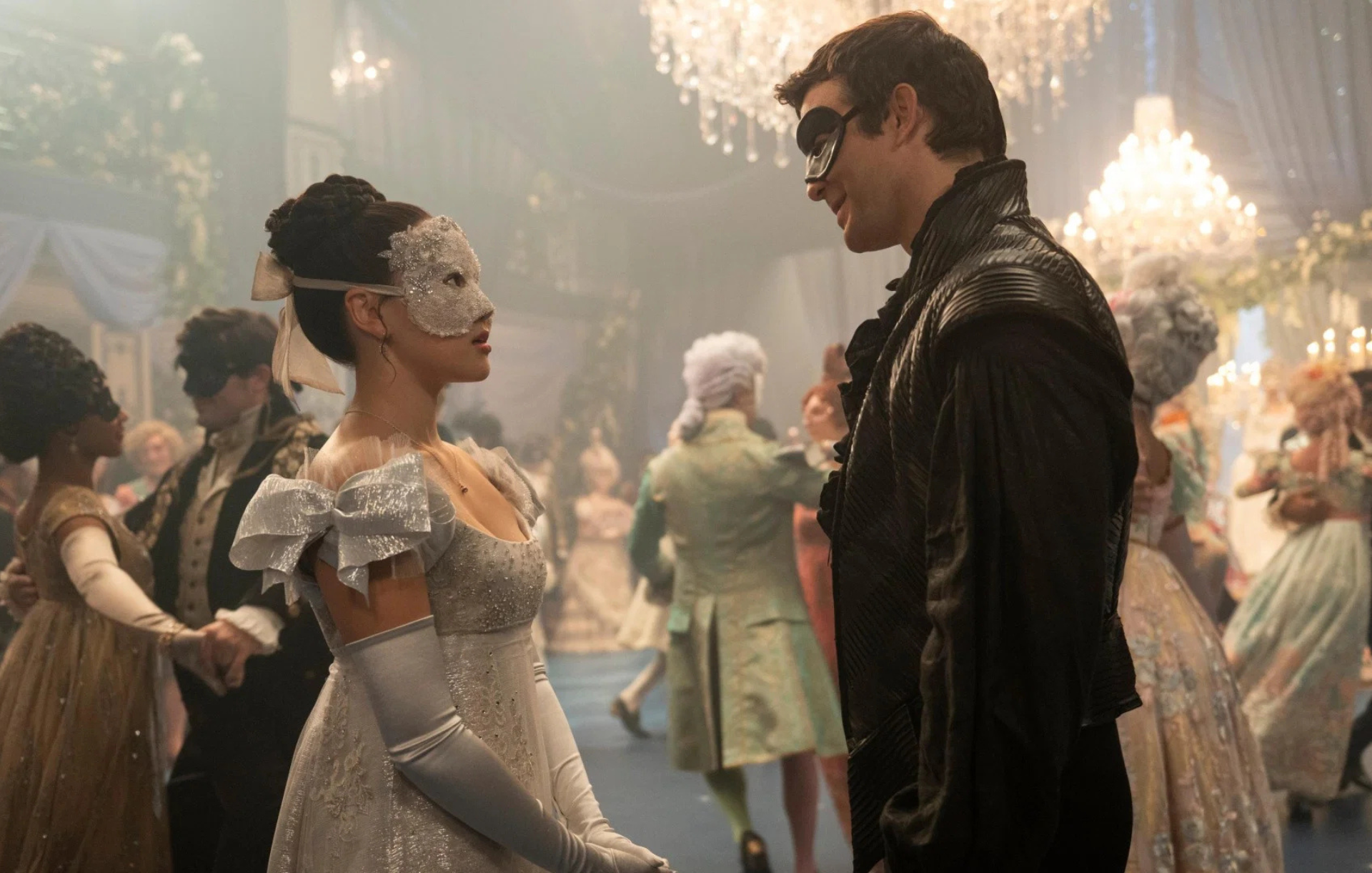
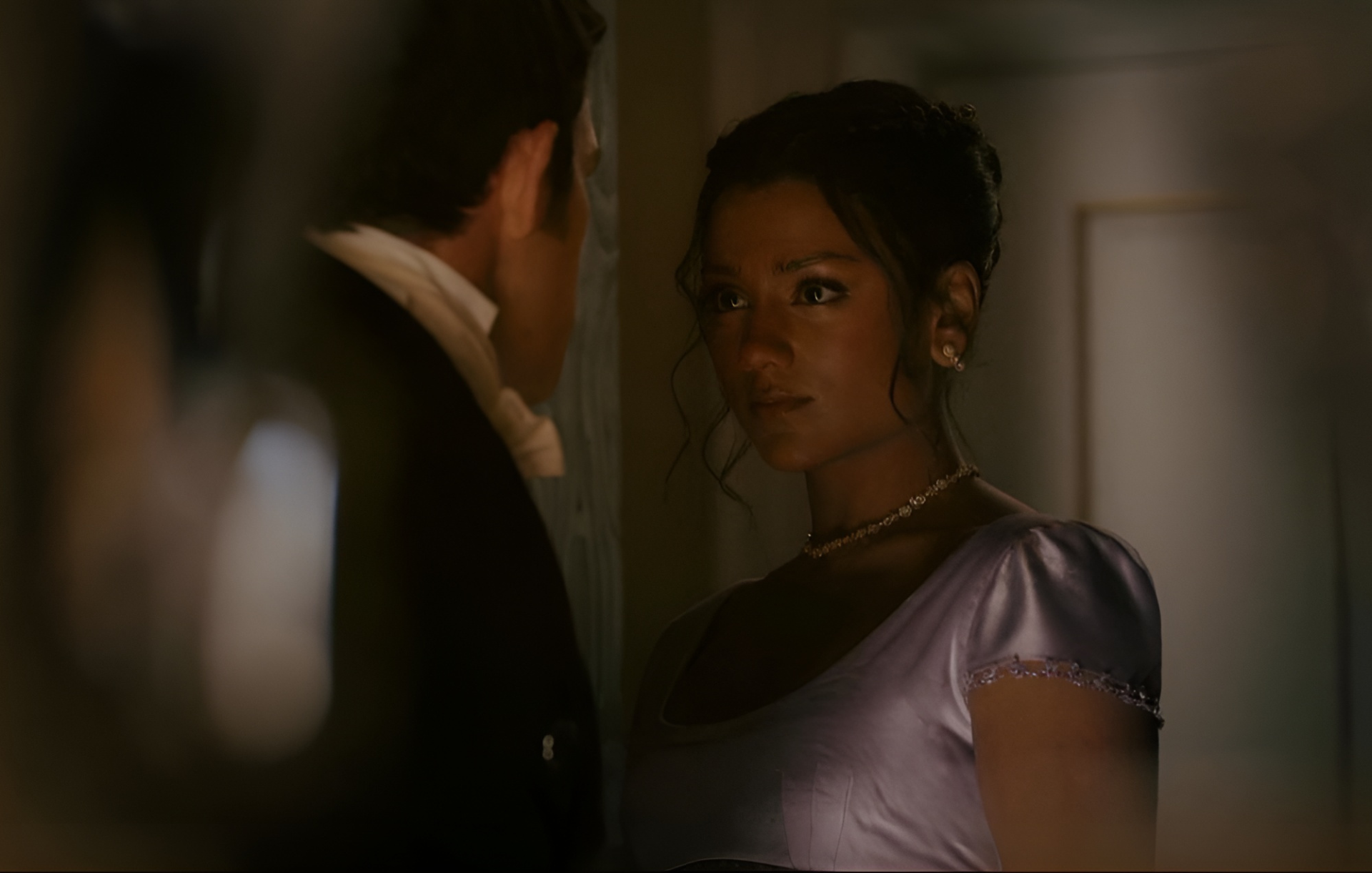
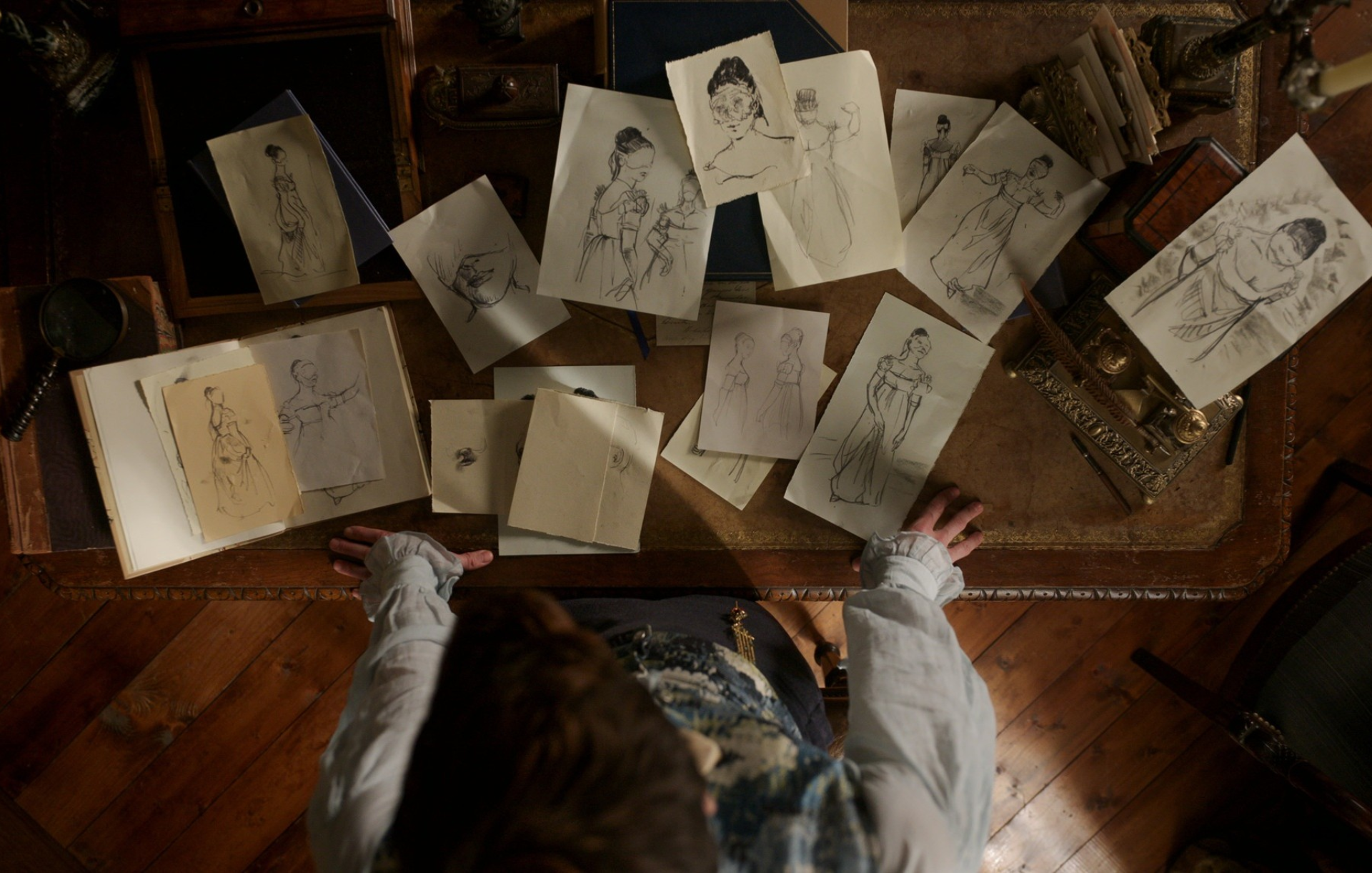
Films that subvert conventional genre-based expectations present a form of romanticism that feels more self-aware — not the fourth-wall-breaking, poking-fun-at-the-character kind, but the sort that seeps out from the screen and into our subconscious, catching us off guard with a raw vulnerability we so often disguise beneath an armour of emotional detachment. Yet, we feel somehow drawn to this vulnerability, constantly reaching for the rewind button and indulging in the small moments of meaning as we question why it is so hard to express ourselves this way without cringing.
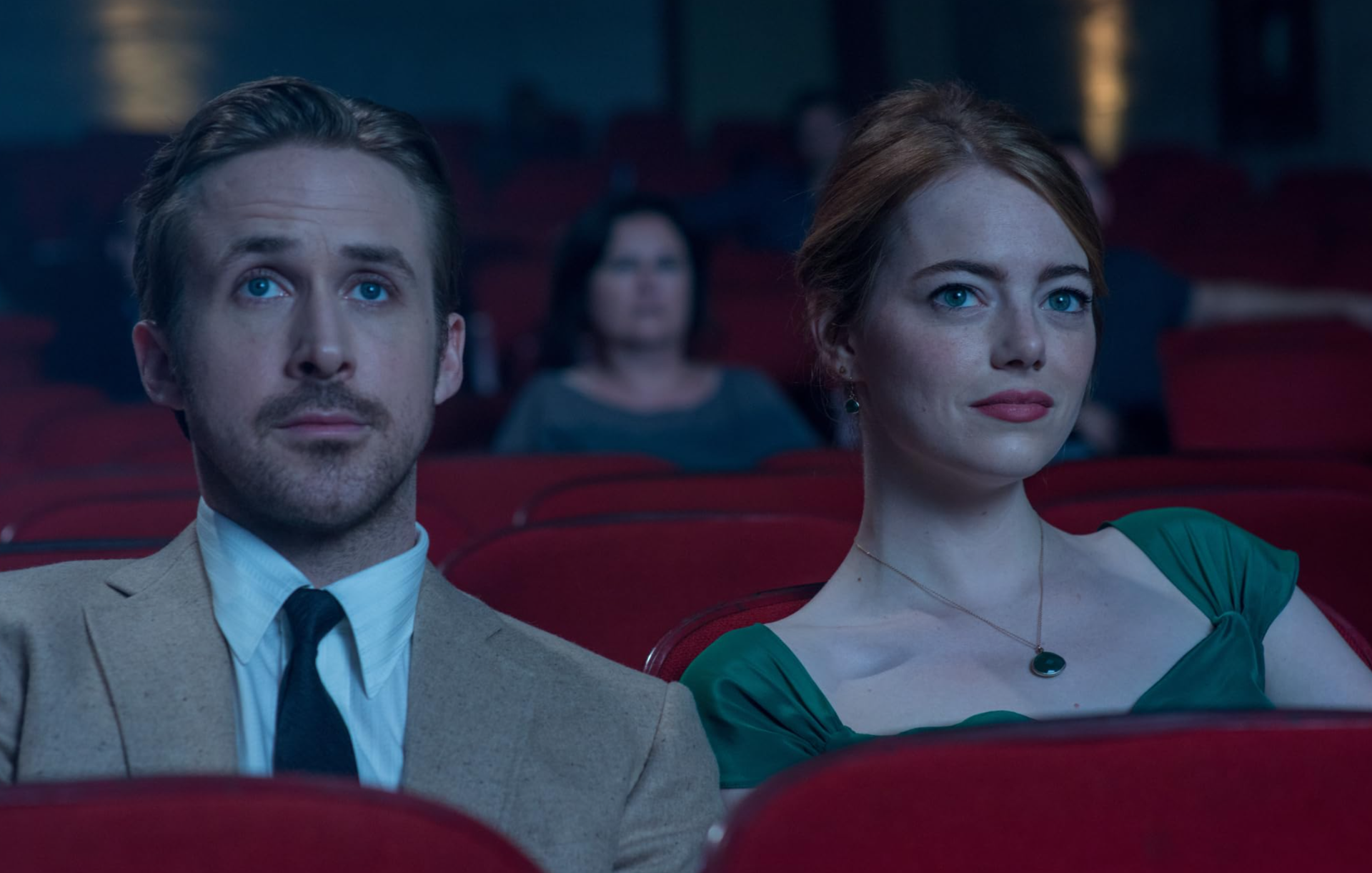
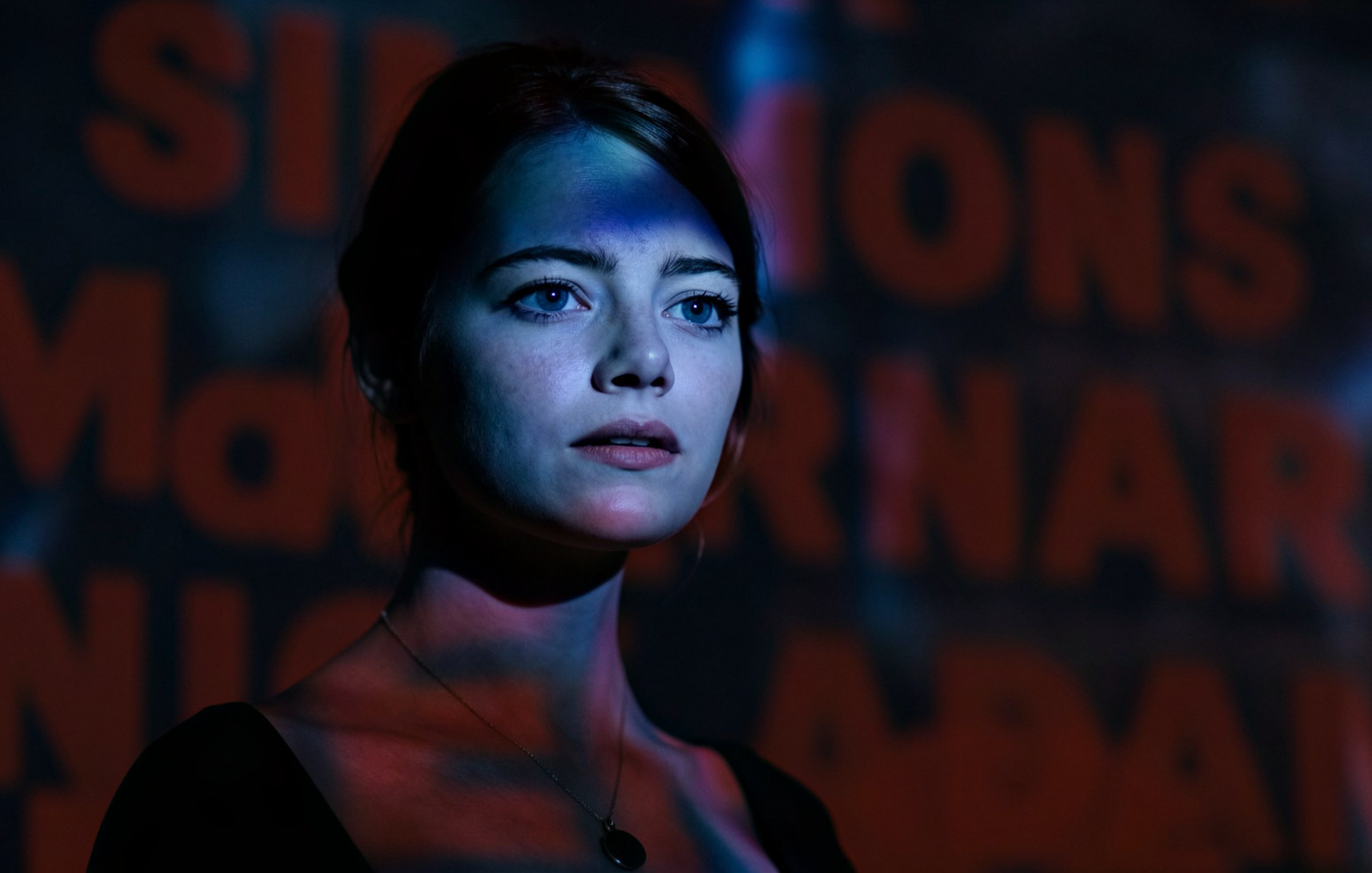
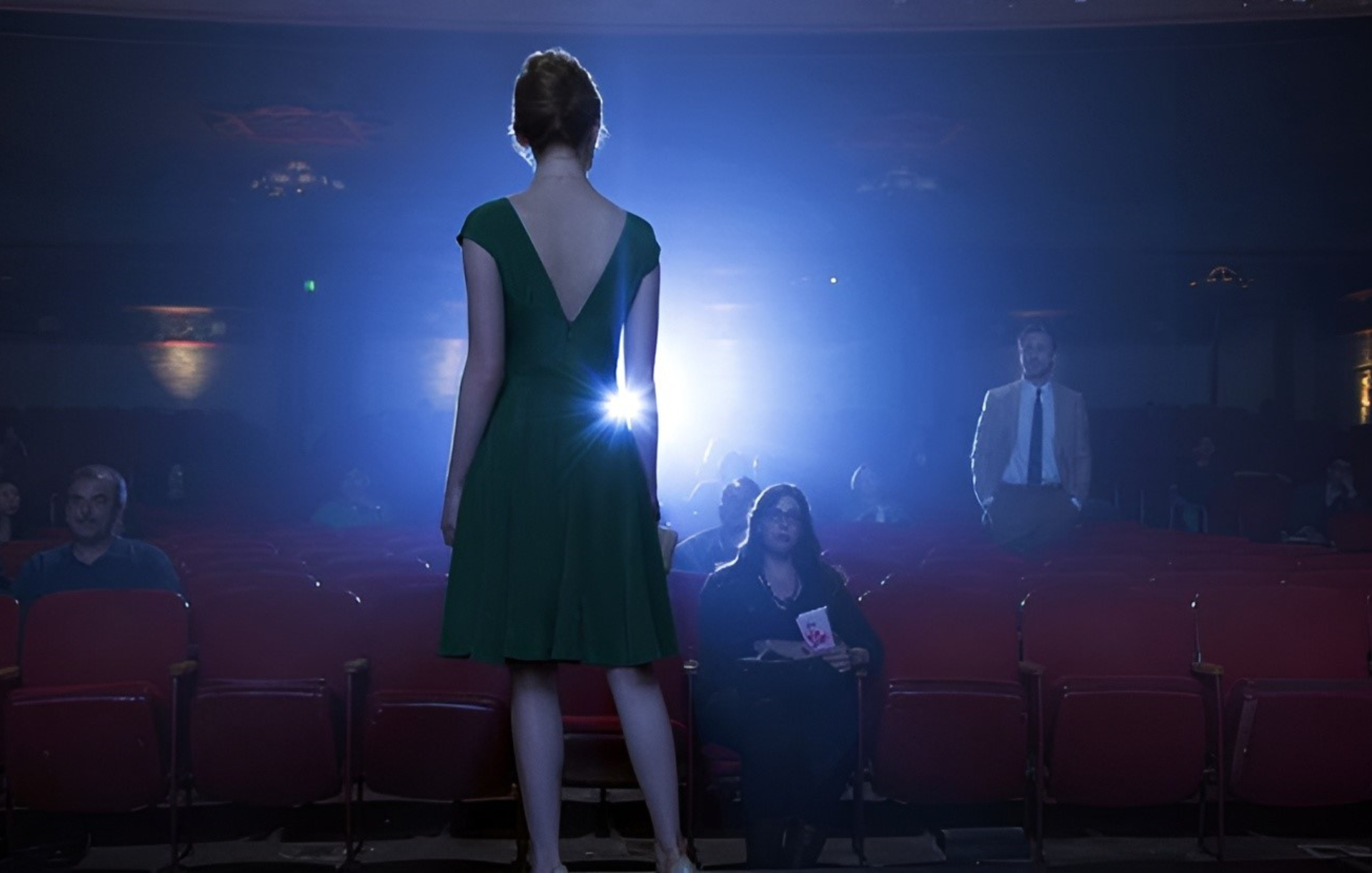
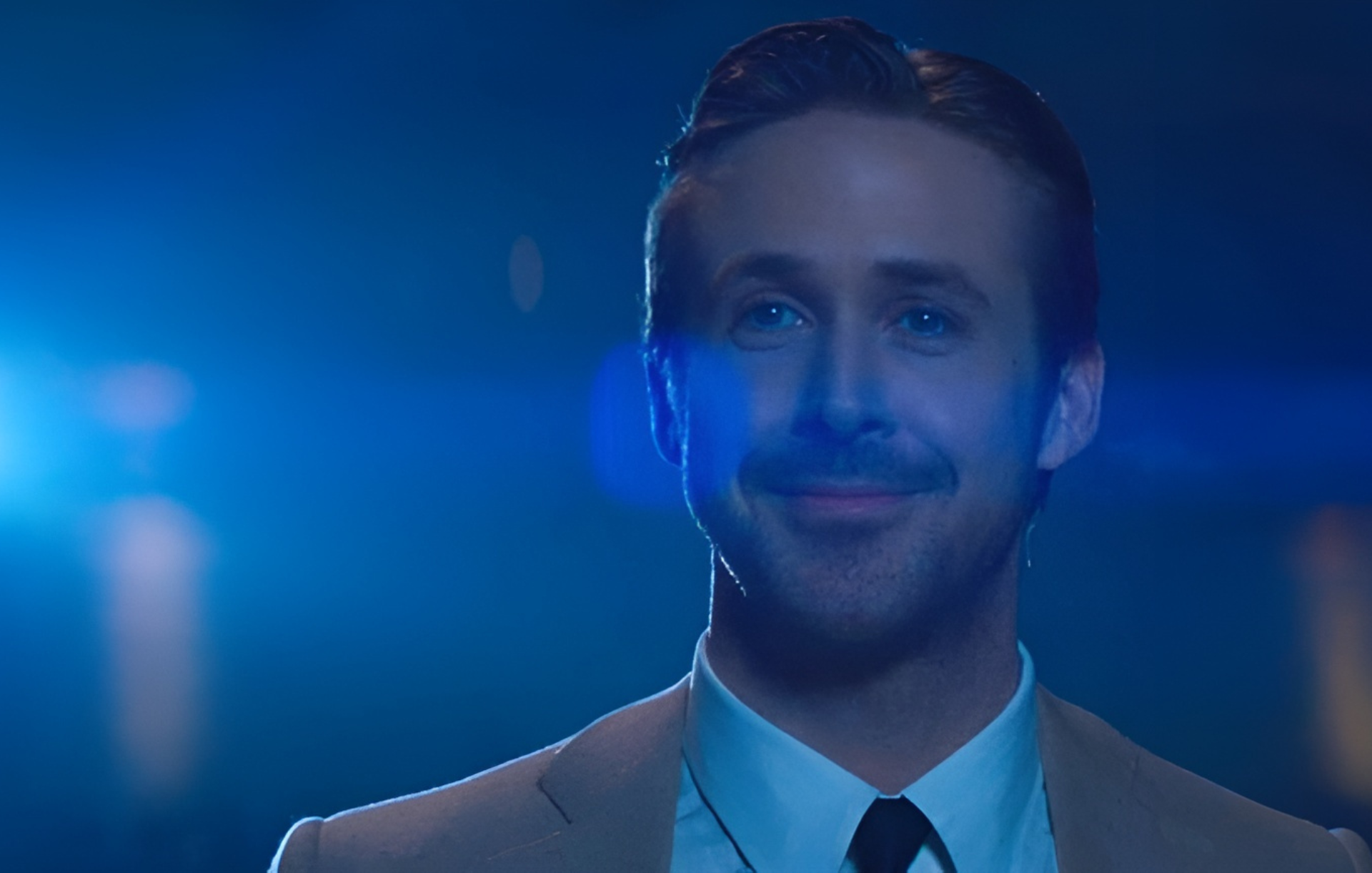
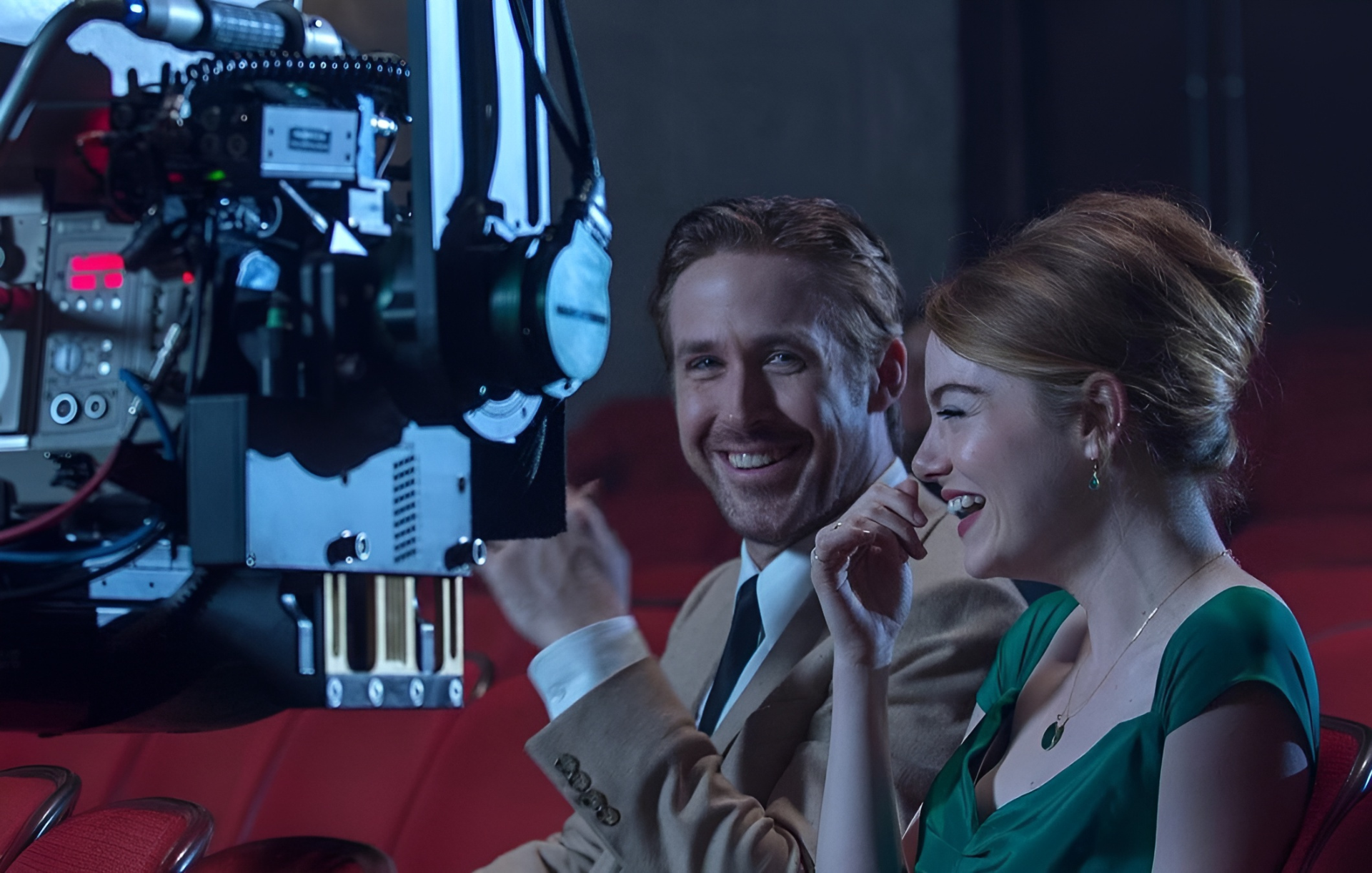
With the current state of the world that is increasingly shaped by the sterile logic of Artificial Intelligence and the constant pursuit of perfection, it is hard to not connect the resurgence of romanticism to this generation’s renewed appetite for something deeper, more real, or at the very least more substantial than just waiting for a reply from someone half-invested.
EVERYTHING IS ROMANTIC
Before it was all about roses, chocolates and candle-lit dinners, romance began as a movement, a sort of worldview spread through the works of artists, poets and philosophers. It was their way of protesting against pure reason, rationality and intellect. Instead, they proposed navigating through life with intuition, feeling, and an idealism that felt innate rather than taught. Now, it is scriptwriters, directors and actors who are carrying this distinct outlook into contemporary storytelling, translating it into their own authentic portrayals of romance.
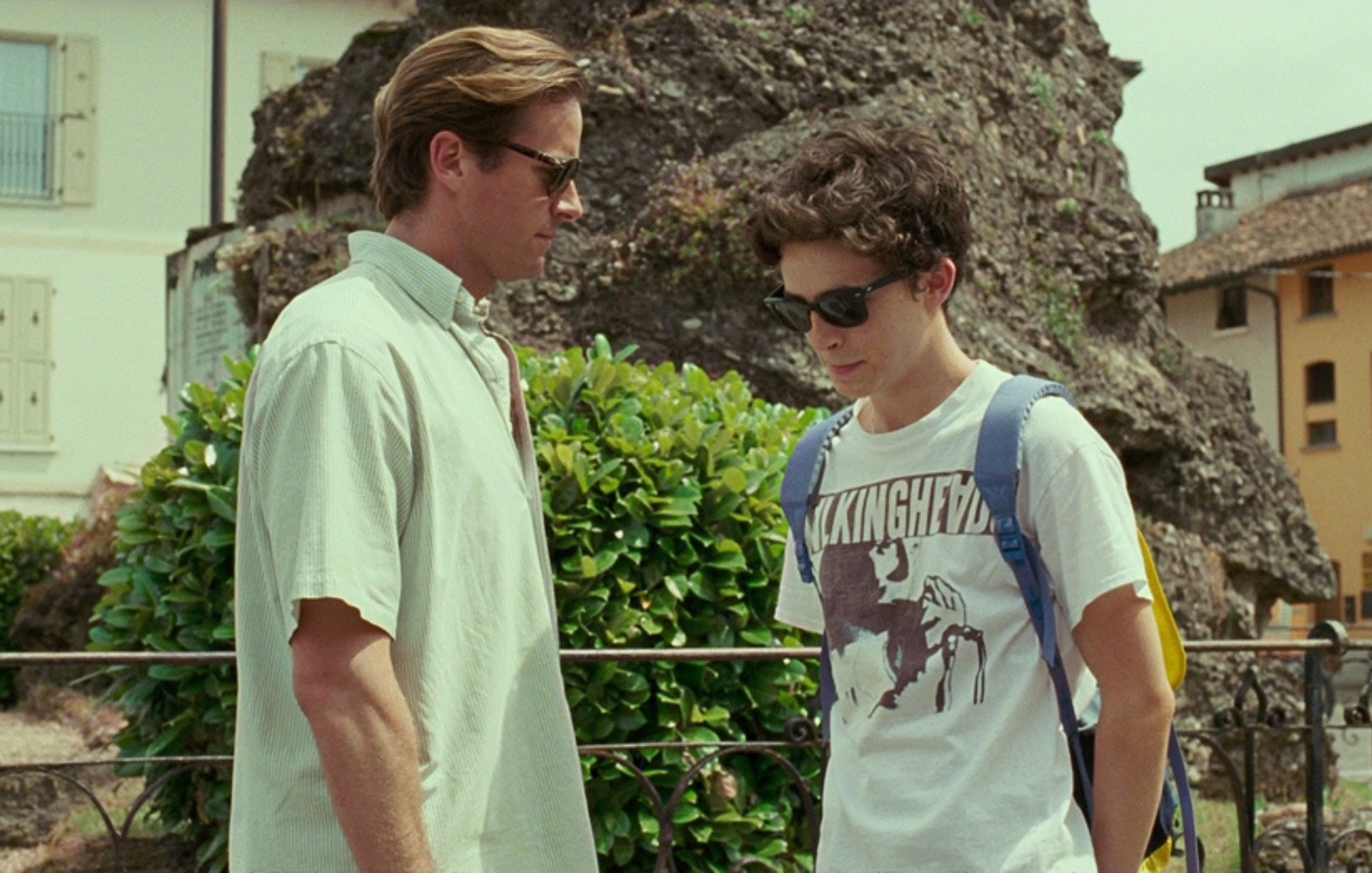
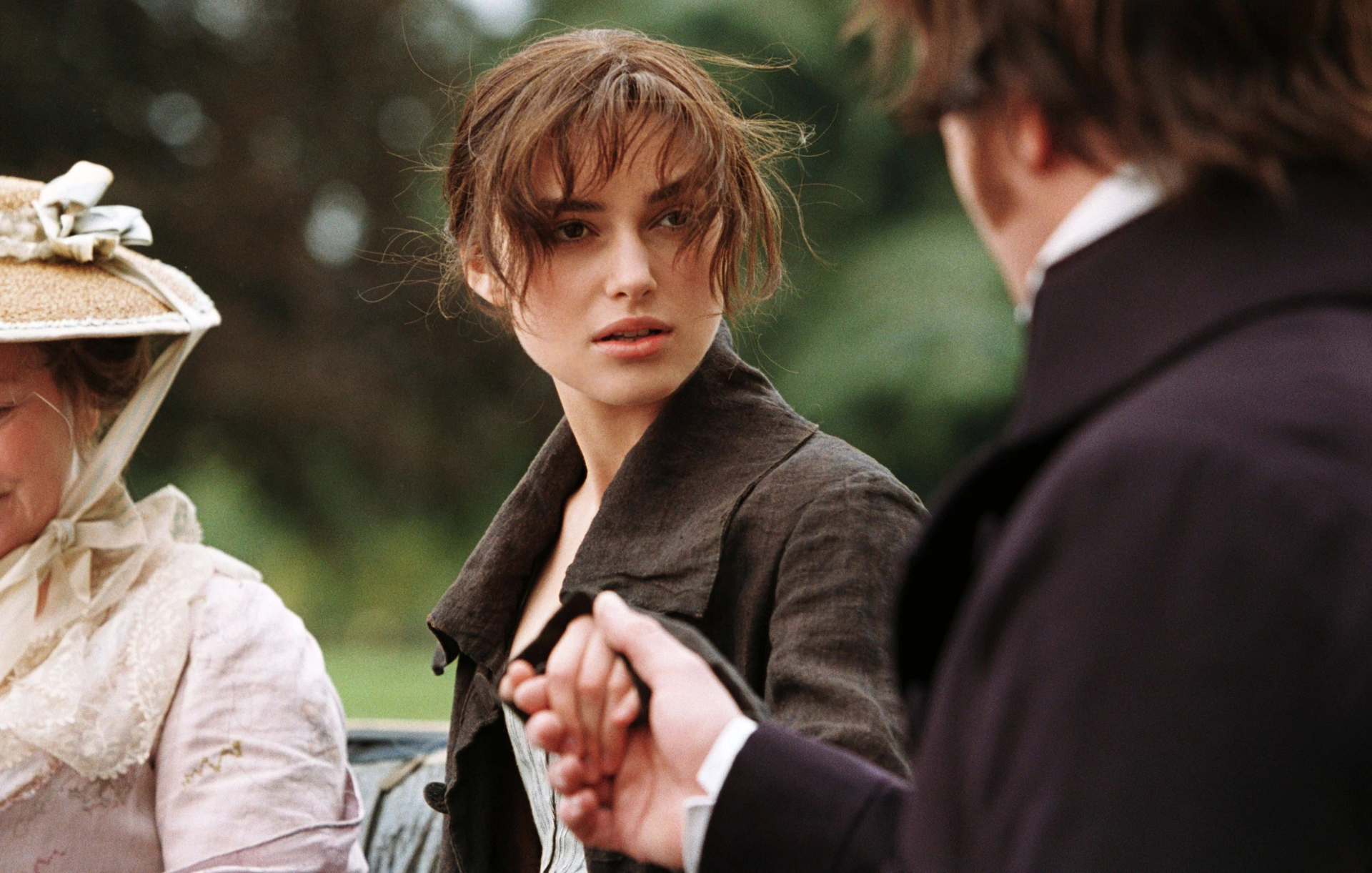
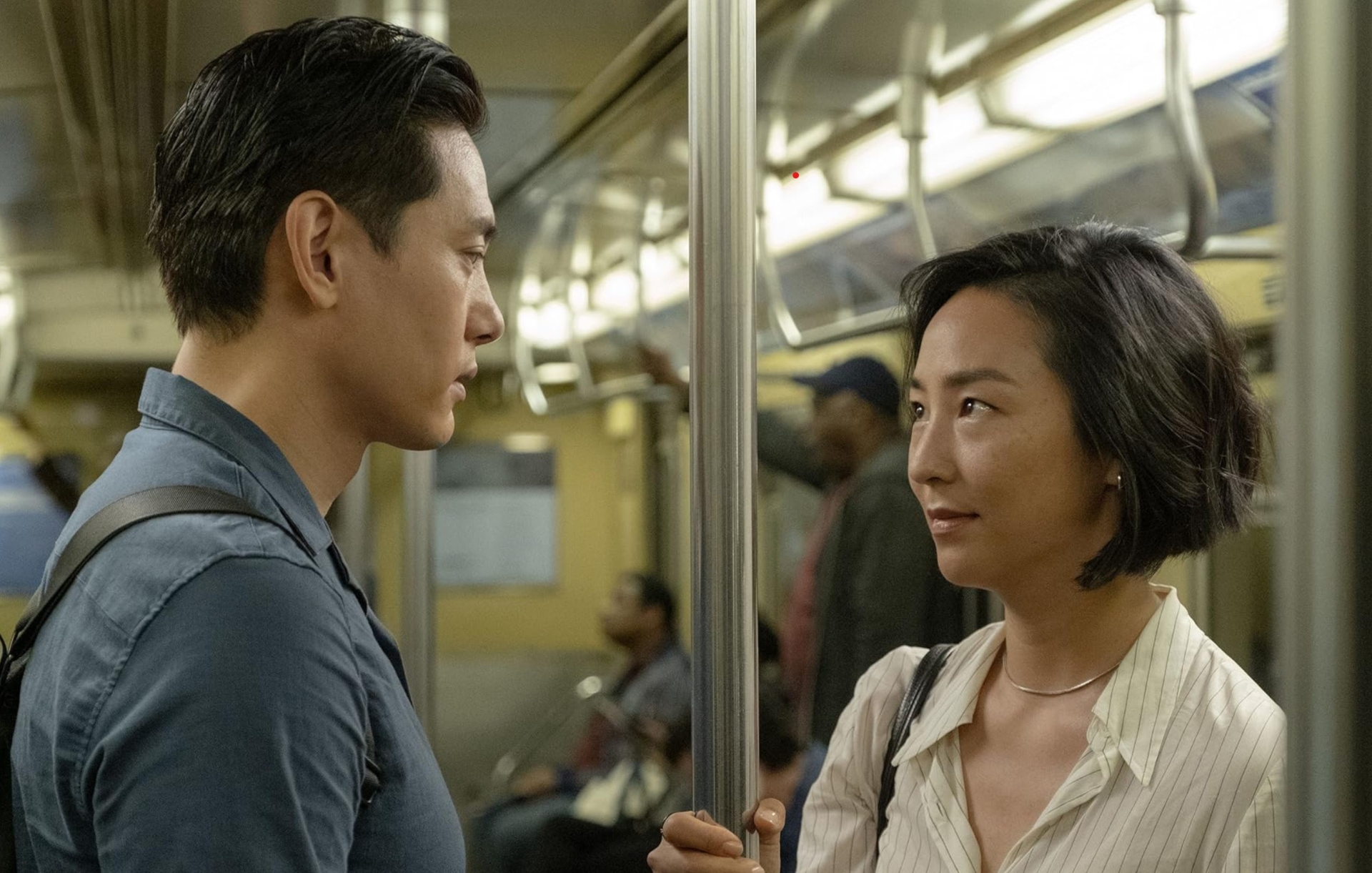
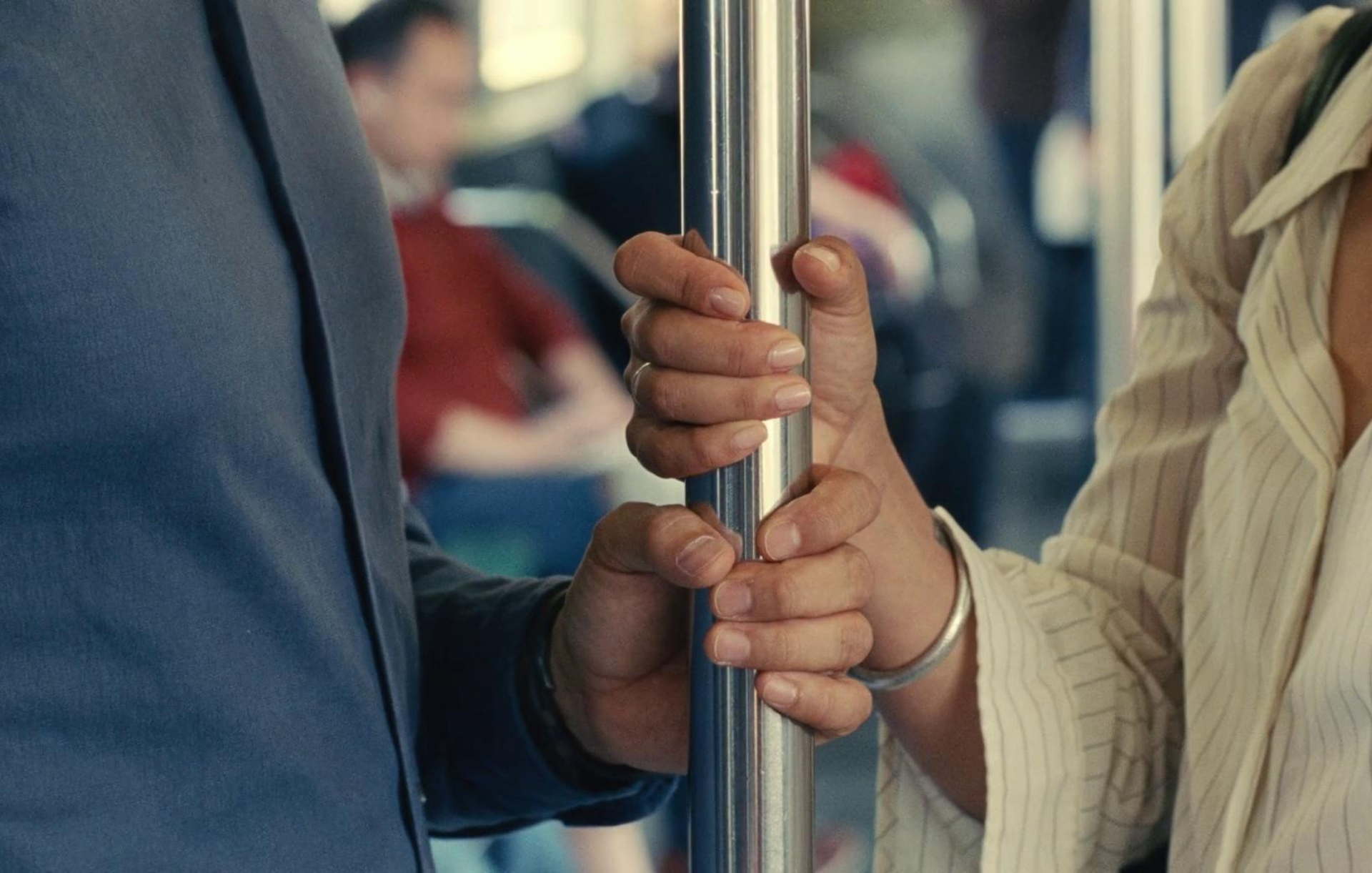
The tone of a sentence, the timing of a gesture, or the framing of a scene can each paint different meanings, but it is the sensibility in these filmmaking choices that really sit with us. It is how the ambiguities of love are highlighted, like the way Elio repeats a phrase to both express and convince himself in Call Me By Your Name (2017), Mr Darcy’s involuntary gesture in Pride and Prejudice (2005), or the lingering, bittersweet moments between childhood friends Nora and Hae Sung in Past Lives (2023). Scenes that seem faint, but unmissable in the eyes of those who understand.
Emotions held beneath the surface, waiting to be recognised, hopefully even reciprocated. As a universal experience, this reflection of a quiet, wistful intimacy makes it all the more resonating. Romance isn’t a neatly packaged fantasy: it’s intense, intricate and complex; as the Priest from Fleabag (2016) puts it, “Love is awful. It’s awful. It’s painful. It’s frightening. It’s all any of us want, and it’s hell when we get there. So no wonder it’s something we don’t want to do on our own.” However, the real tragedy is when we make ourselves feel nothing just to avoid emotional ache.
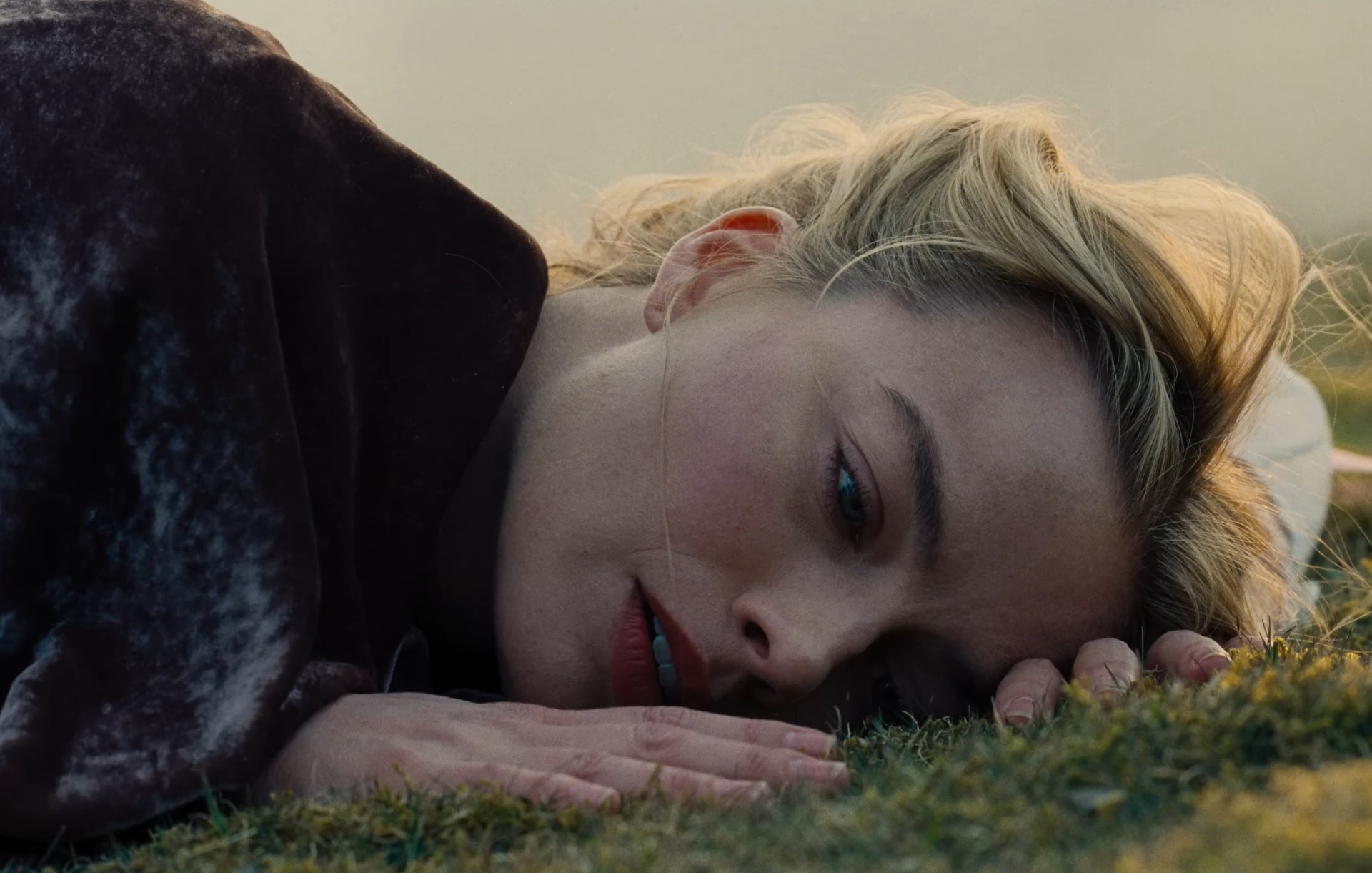
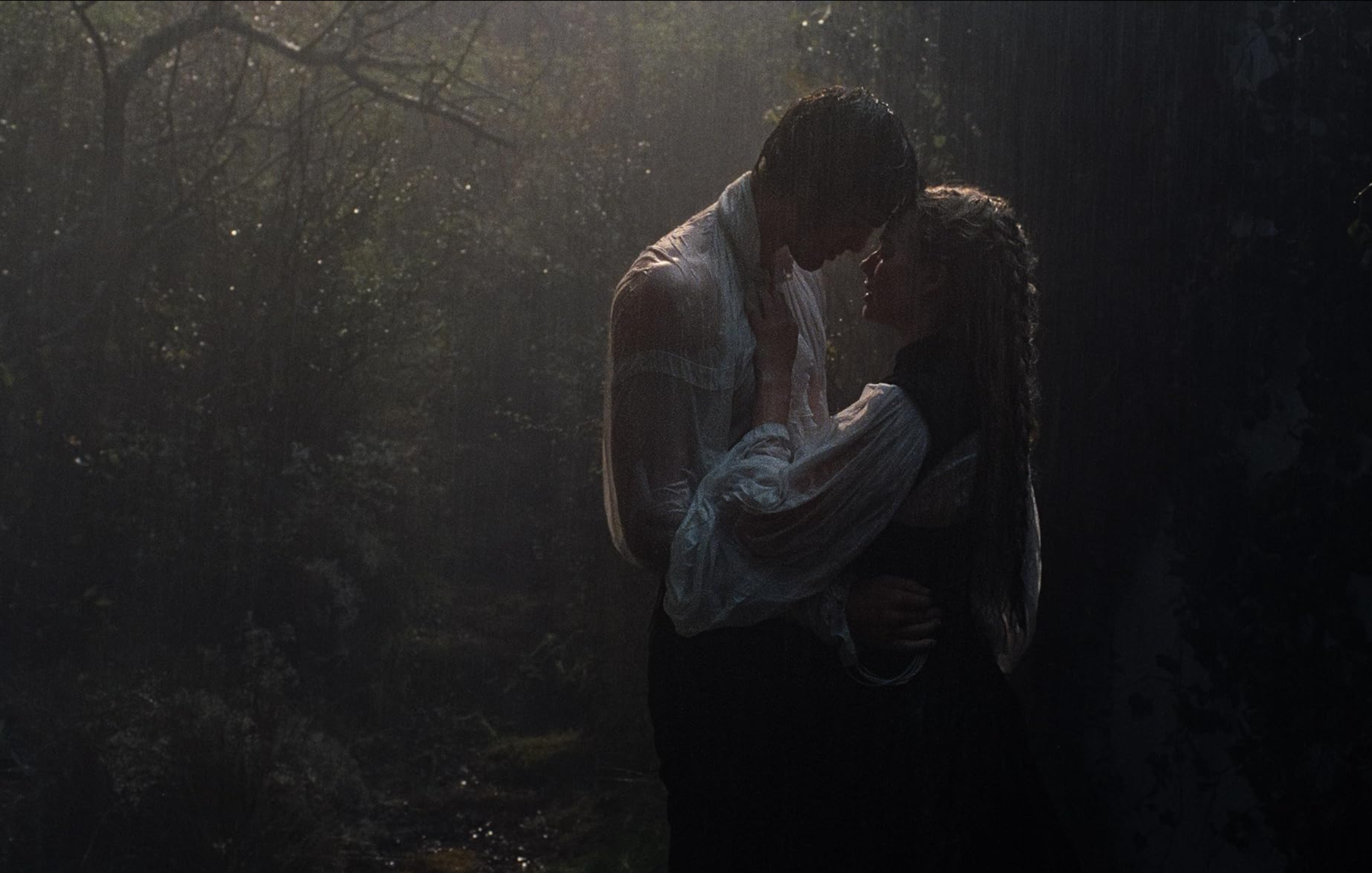
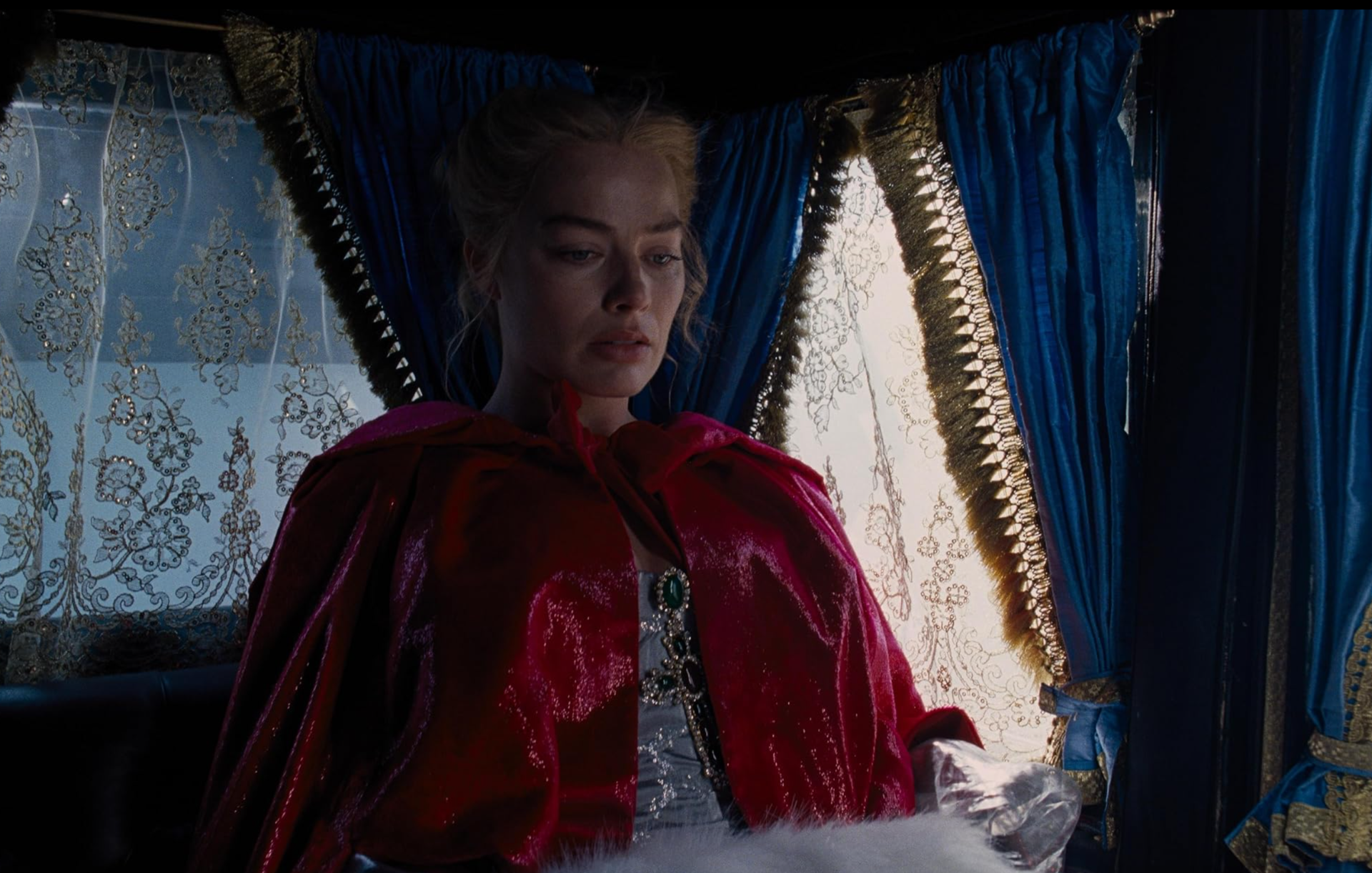
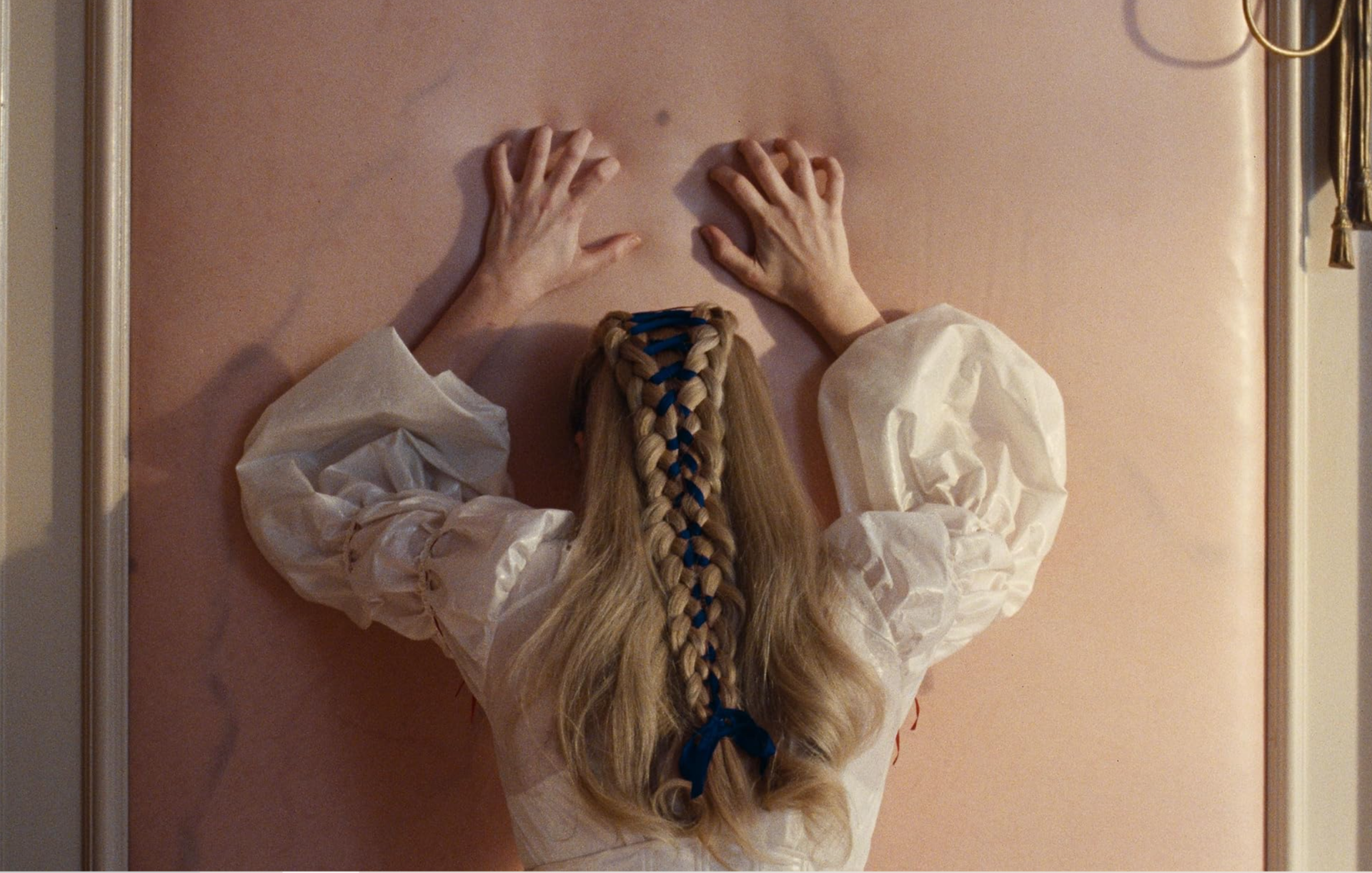
As corny as it seems, it really is that deep. There is something so human about longing to be loved and wanting to give love in return — a primal desire for intimacy that feels intentional, natural, and emotionally sincere. Although it cannot always be like the movies, there is no harm in letting that vulnerability slip past even our most carefully built walls of principle, pushing us to let go of the aspirational detached facade and embrace the incurable passion that was most likely, always there.
Once you are done with this story, click here to catch up with our latest issue.