The narrative of watchmaking has been penned by the many maisons whose names have long been shorthand for heritage, tradition, and mechanical mastery. There is no doubt their output is consistent, and their icons are instantly recognisable. More crucially, their influence in mainstream watchmaking is unshakeable. However, in recent years, a quieter revolution has taken root as a new generation of independent watchmakers is rewriting the script. In this feature story, we speak to J.N. Shapiro, Horologer MING, Atelier Wen, and Trilobe, brands that are renewing watchmaking’s creative soul rather than settling for the uninspired.
Even though independent brands operate on a smaller scale in terms of production capacity and budgets, they are driven by the singular passions of their founders. “I think we’re still in a golden age of watchmaking and in a golden age of independence right now. Since we’re not mega corporations, we have the flexibility to be more creative and push boundaries. As such, I feel we’re the soul of the watchmaking industry and what’s pushing it forward,” Joshua Shapiro of J.N. Shapiro puts it, unburdened by boards or vast corporate structures. It is a sentiment that Robin Tallendier, founder of Atelier Wen, echoes: “Independent watchmaking today is at a pivotal moment, marked by incredible creativity, authenticity, and diversity. From Atelier Wen’s perspective, there’s an exciting shift away from brand status alone towards meaningful narratives, craftsmanship, and genuine innovation.”
In the current market landscape, where recognisable brand names are often viewed as a safe harbour for consumers, novelty and creativity have unfortunately been relegated to altering case dimensions, changing dial colours, or changing case materials. The writing has been on the wall for several years now, and the narrative looks bleak as year after year, consumers bemoan the lack of creativity in the comments section, come the annual Watches & Wonders premiere. These days, vision means refinement rather than revolution, with an incremental approach that is rarely disruptive. From a branding perspective, pursuing something radical does not tilt the risk-versus-reward scale in favour of established names in the maturity phase of the brand life cycle. Instead, the strategy of releasing product extensions by various means extends the maturity phase.
Established names might argue that there are not many needs left in this decade to innovate and find solutions for: a valid point, given that the majority of time-telling problems were solved in the previous millennia. Need an automatic watch, check. Scratchproof crystals, check. A watch that displays multiple time zones, check. The list goes on. Perhaps the way forward from here is to understand the customer’s changing needs, as Steve Jobs rightly puts it, “It isn’t the customer’s job to know what they want.” Understanding a customer’s problems dramatically improves the odds of innovation, and in the age of information teetering on an artificial intelligence boom, we feed rapidly on novelty, newness and differentiation.
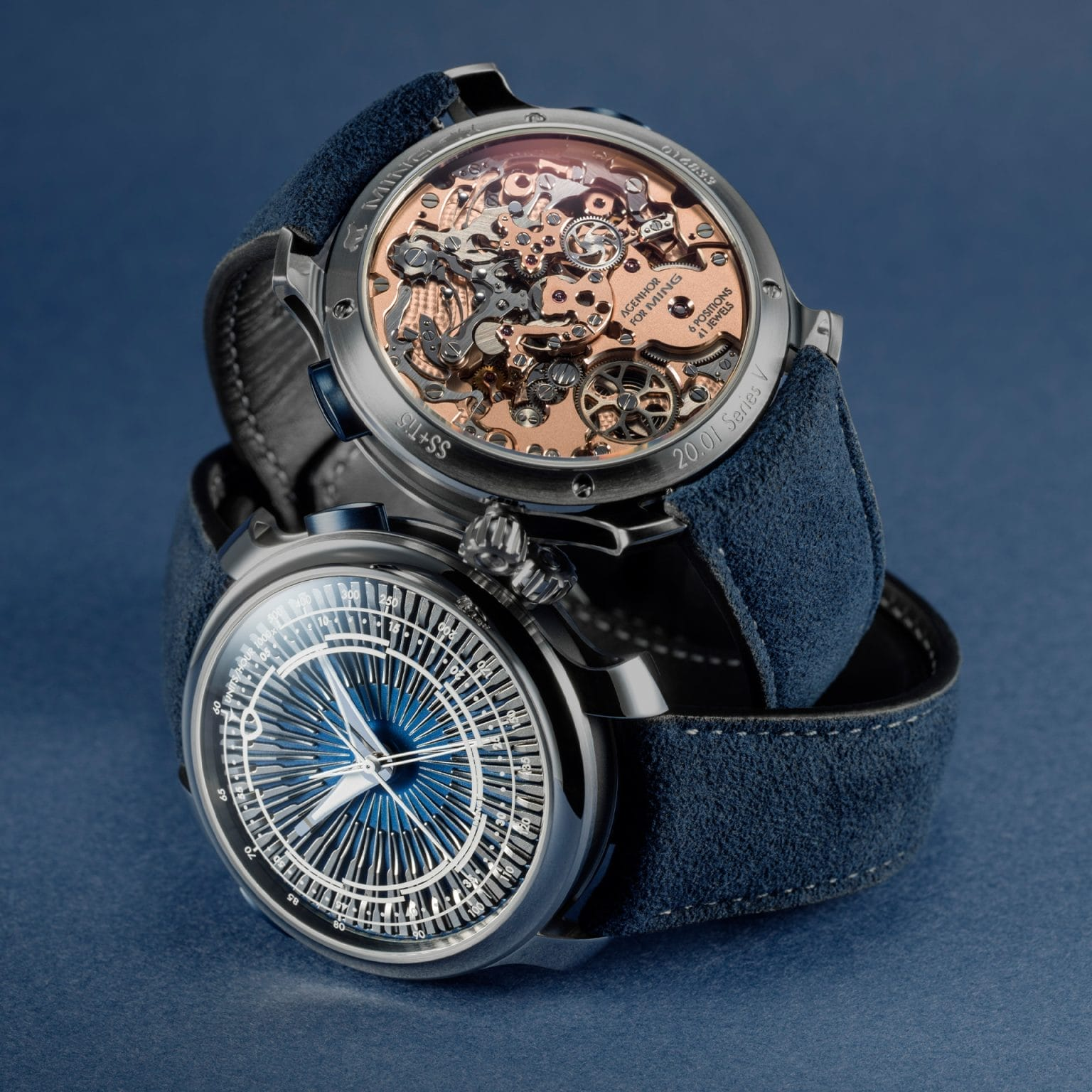
Here, independent brands fill the gap with bold, at times unorthodox, design, artisanal craft, and personal storytelling. Instead of emerging from balance sheets and boardroom meetings, independent brands emerge from the minds of their founders through passion, mechanical art, or cultural expression. This divergence in approach creates a visible split in design philosophy — from country of origin to unconventional material expressions — the creative risks at play would perhaps be too hot to handle in a corporate boardroom. Horologer MING’s Special Projects Cave is a great example of incubating concepts into reality through an experimental spirit. “The Special Projects Cave started in 2019 to fund R&D processes that we wanted to bring to the mainstream eventually,” shares Ming Thein, co-founder of Horologer MING. “The watch’s outcome would be experimental and expensive to produce, but [creatively], the tradeoff is limitless. Some of our customers love it because it’s a way for them to support us in developing the next generation of technology, and in the process, getting something unique in return.”
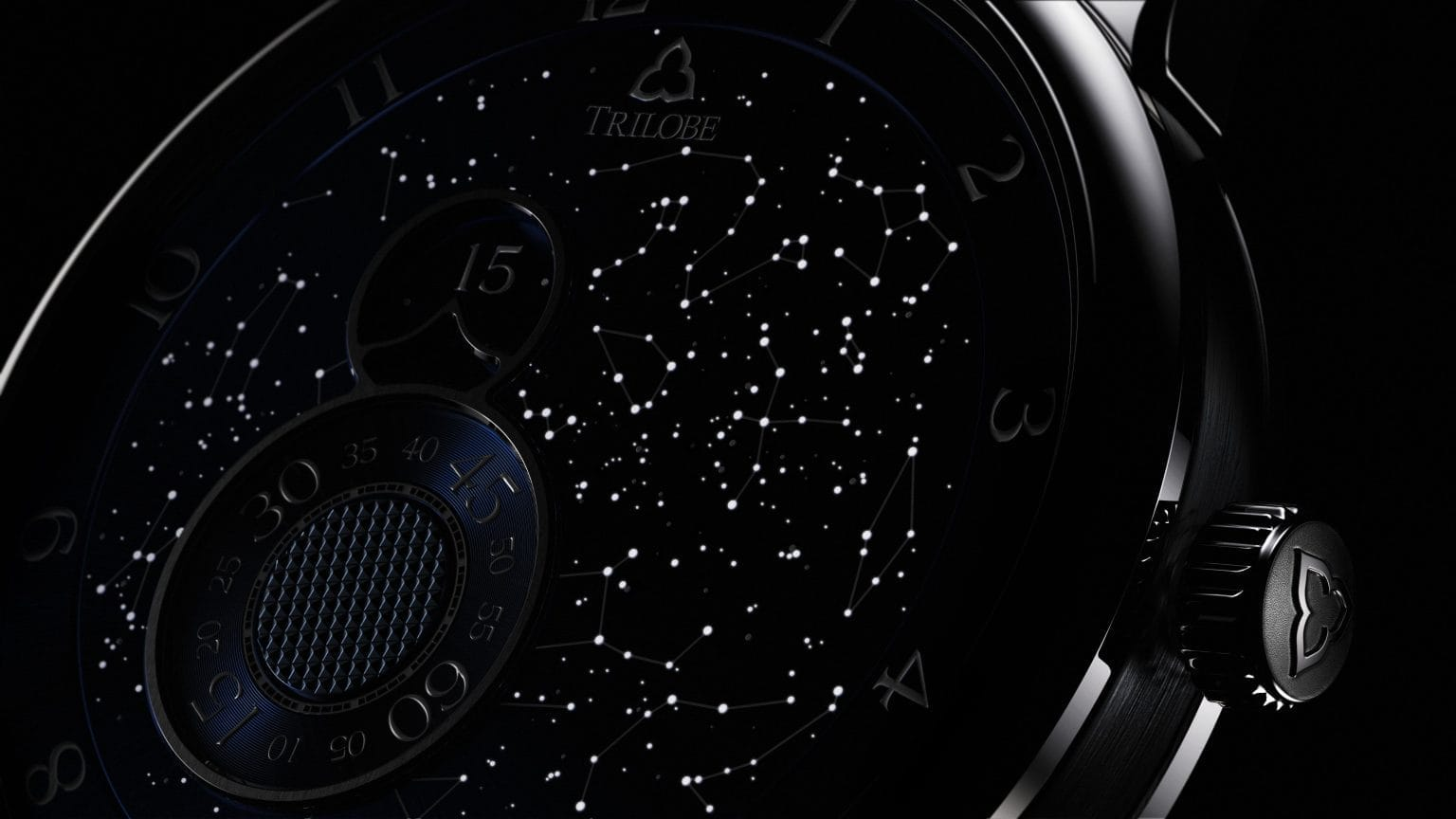
In Trilobe’s Parisian studio, behind the guise of a traditional watch atelier, designers, engineers, and watchmakers work side by side to bring founder Gautier Massonneau’s radical reinterpretation of time to life. “We’re driven by a simple yet radical question at Trilobe, ‘what if we did things differently?’ Our concept was born from the desire to challenge the obvious. Rather than following established rules, we chose to reinvent them, starting with the very foundation of time telling.”
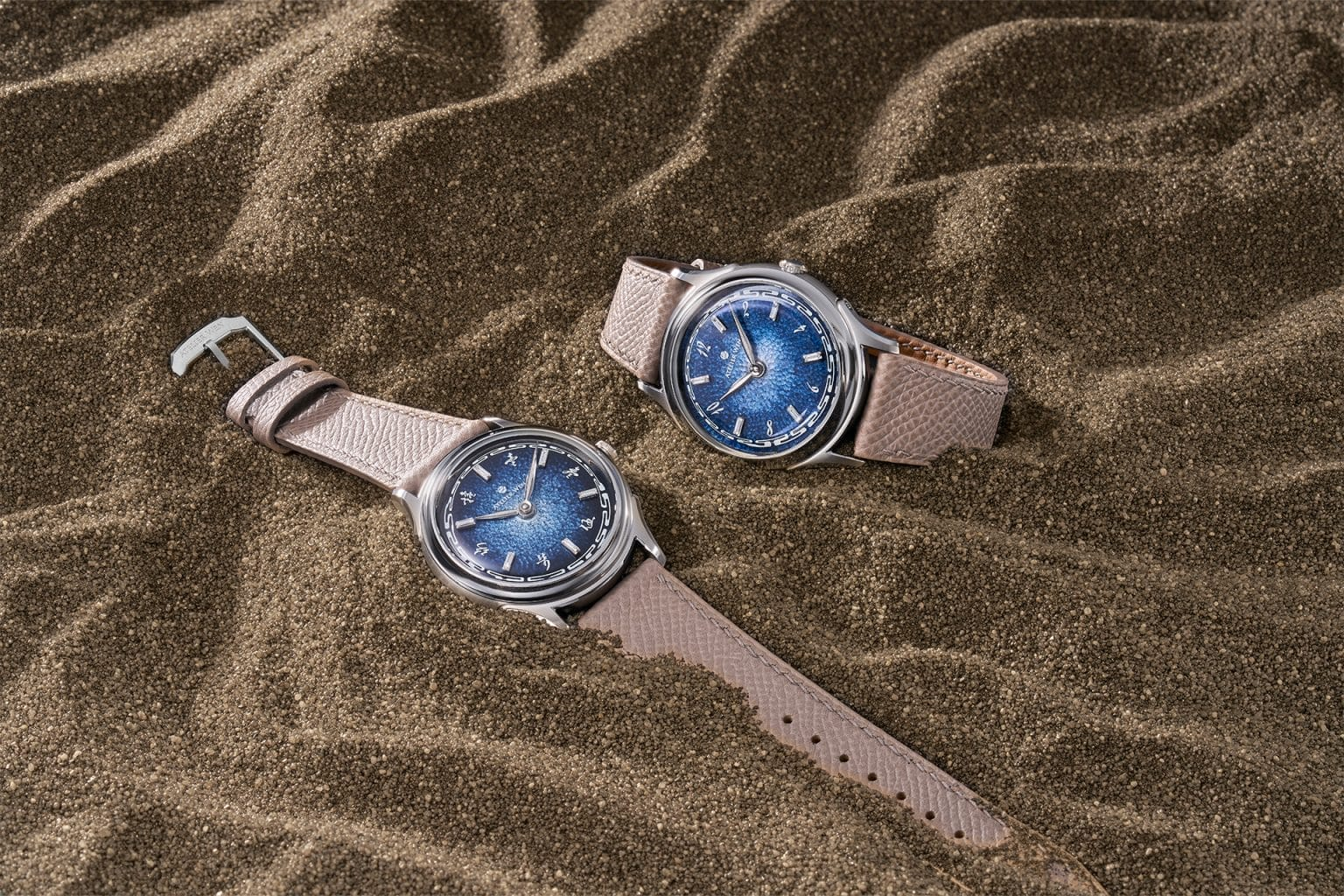
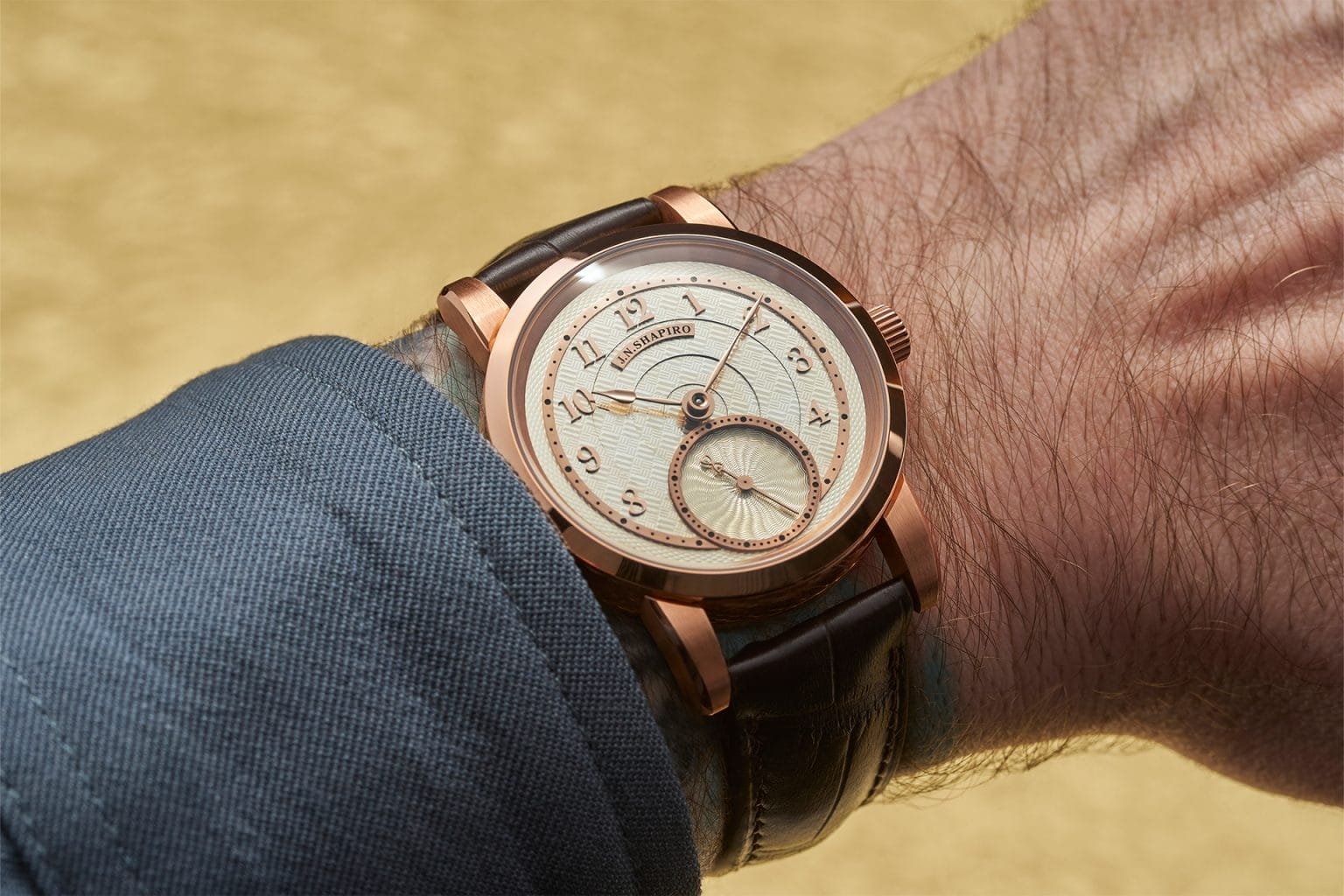
For Atelier Wen and J.N. Shapiro, creativity extends beyond their visual creations. Part of the former’s origin story stemmed from a desire to challenge the stigma associated with items bearing the “Made in China” label. The quest has since involved elements of Chinese culture, craft and artistry into Atelier Wen’s pieces that celebrate authenticity and identity. Shapiro, inspired by the late George Daniels, is committed to reviving American watchmaking. “British watchmaking was pretty much dead until George Daniels brought it back [to life],” remarked Shapiro. “We [America] made incredibly beautiful watches, but the American watchmaking industry was ‘destroyed’ by the Swiss. I love a good challenge, and, all things considered, I wanted to make a watch entirely under one roof. I think only Roger Smith and a handful of others in the world currently do so.” The resulting creative exponent features an artisanal ethos, with hand-guilloché work and new experimental patterns.
In an ever-changing macro environment shaped by singular tweets or press statements, all players in the industry face shifting realities of demand, rising costs and fluctuating tariffs. Without the inertia of an established brand, agility is one of independent brands’ greatest strengths. Yet the implications of the three factors, especially the lattermost, remain stark and real; that is a story for another day. In the current era where the lines of originality are blurred, the works of these four brands, along with many other independent brands, represent renewal in its truest sense. Across three continents and four distinct philosophies, J.N. Shapiro, Horologer MING, Atelier Wen, and Trilobe share a unifying thread: flying the flag of independent brands high by having the courage to take risks, the discipline to honour craft, and the conviction that a watch can tell a story as vividly as it tells time.
Atelier Wen
Atelier Wen stands proudly behind the “Made in China” label. How has that mission evolved since the brand’s founding, and what does it mean to you today?
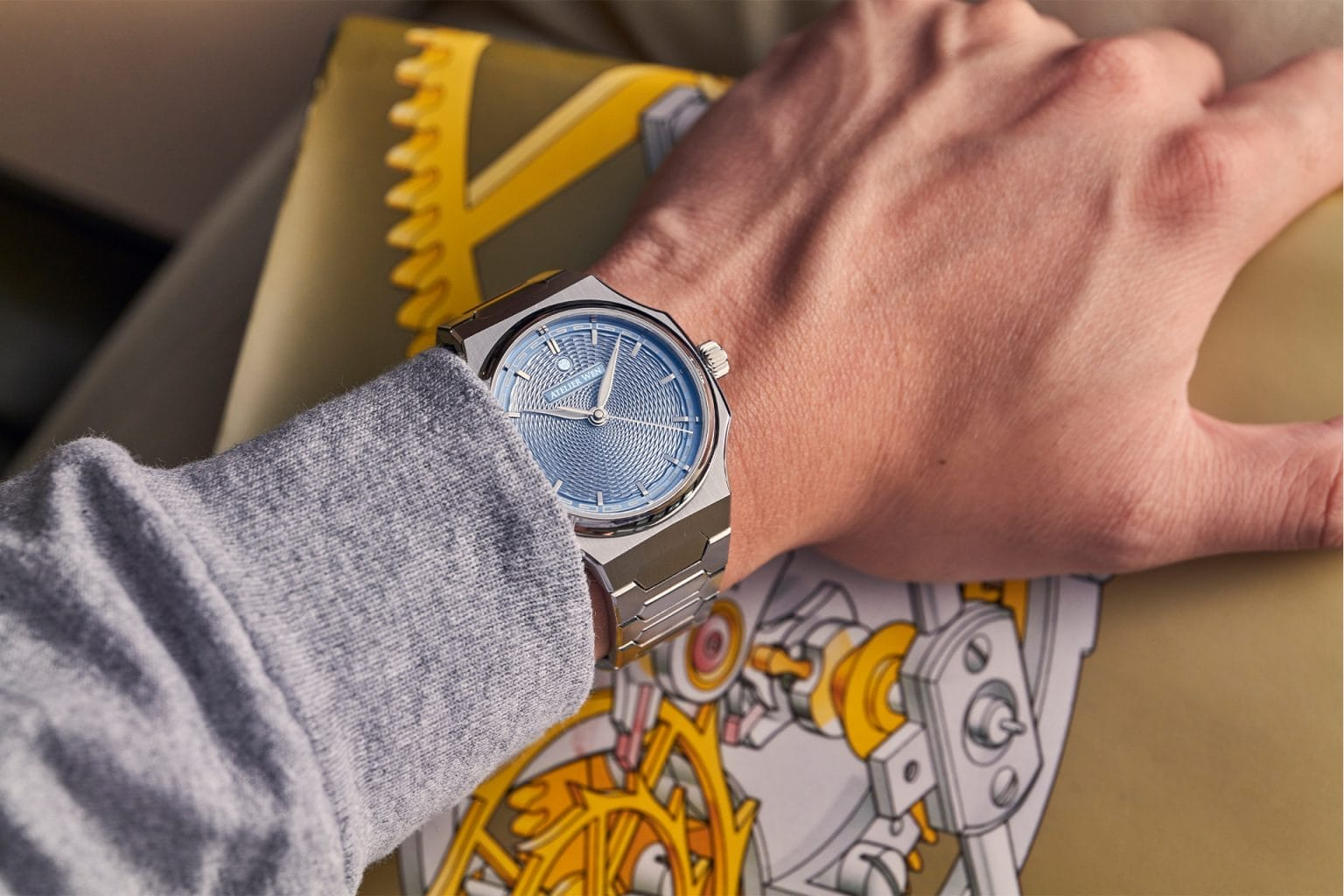
When we started Atelier Wen, the mission was straightforward: to challenge global perceptions of what “Made in China” meant in watchmaking. Initially, our focus was primarily on demonstrating that outstanding quality and authentic watchmaking could originate entirely from China. Today, that mission has evolved into a deeper exploration and celebration of the nuances of Chinese culture, craft, and identity. It’s no longer just about showcasing capability but also about redefining cultural pride and celebrating the rich traditions that underpin our creations. For me personally, this mission has grown increasingly meaningful; it embodies a deeper sense of purpose, authenticity, and cultural dialogue that enriches our identity as a brand and our connection with our community.
Do you see Atelier Wen as part of a larger cultural revival within Chinese luxury watchmaking?
Absolutely, though I think it’s important to remain humble about our role. Atelier Wen is part of a broader narrative where Chinese watchmaking and craftsmanship are increasingly celebrated and respected on the global stage. Our role is that of a catalyst and ambassador: we seek to showcase China’s deep artistic traditions and contemporary creative potential, contributing to a wider shift toward greater global recognition of China’s immense craft heritage. Rather than viewing ourselves as central figures, we feel honoured and excited to be part of a growing movement that emphasises authenticity, creativity, and cultural pride within Chinese luxury watchmaking.

What’s your perspective on the current state of watchmaking from the vantage point of an independent brand, and how do you feel the industry is evolving in terms of creativity, relevance, and connection with today’s collectors?
Independent watchmaking today is at a pivotal moment, marked by incredible creativity, authenticity, and diversity. From Atelier Wen’s perspective, there’s an exciting shift away from brand status alone towards meaningful narratives, craftsmanship, and genuine innovation. Today’s collectors are incredibly knowledgeable and discerning; they seek watches that offer deeper emotional, cultural, and intellectual connections rather than just a prestigious label. I believe the industry is evolving positively toward embracing greater transparency, deeper storytelling, and authentic craftsmanship. As independents, we have the agility to respond to these demands genuinely and thoughtfully, helping shape a more dynamic, meaningful, and vibrant watchmaking culture for the future. In a nutshell, the future is exciting!
J.N. Shapiro
Joshua, you give us a little background about J.N. Shapiro and its origins.
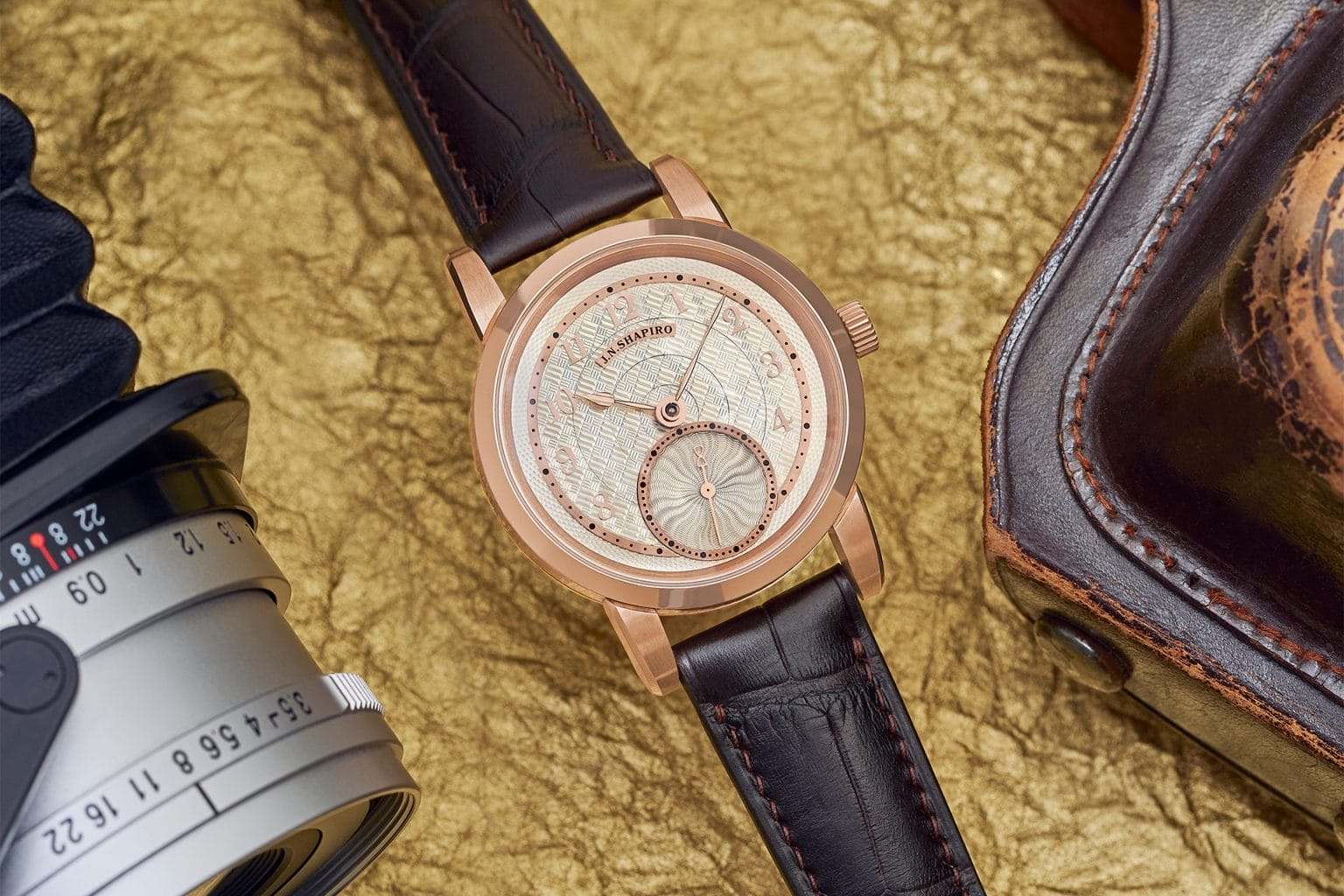
I was a high school principal and teacher, and watchmaking was my hobby. My family are machinists and craftsmen, so I grew up with that background. Later, I went into history research and education. After getting married, I got interested in watches and my fascination with watches deepened as I learned more about it. I discovered guilloché and started making dials professionally for others on the side. I took distance learning in watchmaking, learned machining and gear shaping. In 2018, I launched my Infinity series, which turned out very successful. Eventually, I left my principal job to focus just on watchmaking. It all started from my house with two employees, and now we have 14 employees, a 650-square-meter workshop, and millions of dollars of equipment. Somehow, we’re now making the nicest watches in the country.
That’s wonderful to hear. Is the Resurgence collection fully American-made?
Almost everything, except for the hairspring, mainspring, crystals, and gaskets. Everything else is made in our workshop. The jewels are American made as well, though not by us directly.
Why did you set out to revive American watchmaking? Was it a deliberate effort or did it just evolve that way?
It was a mix of things. I was inspired by George Daniels reviving British watchmaking. I’ve studied American watchmaking and think it’s tragic that the Swiss “destroyed” our industry. I also love challenges. We wanted to make a watch completely under one roof — a feat only a few, such as Roger Smith, in the world attempt at present. With the right people and a great team, we made it happen.
Your family background is in machining. Why did you choose guilloché as your specialty instead of enameling or hand engraving?
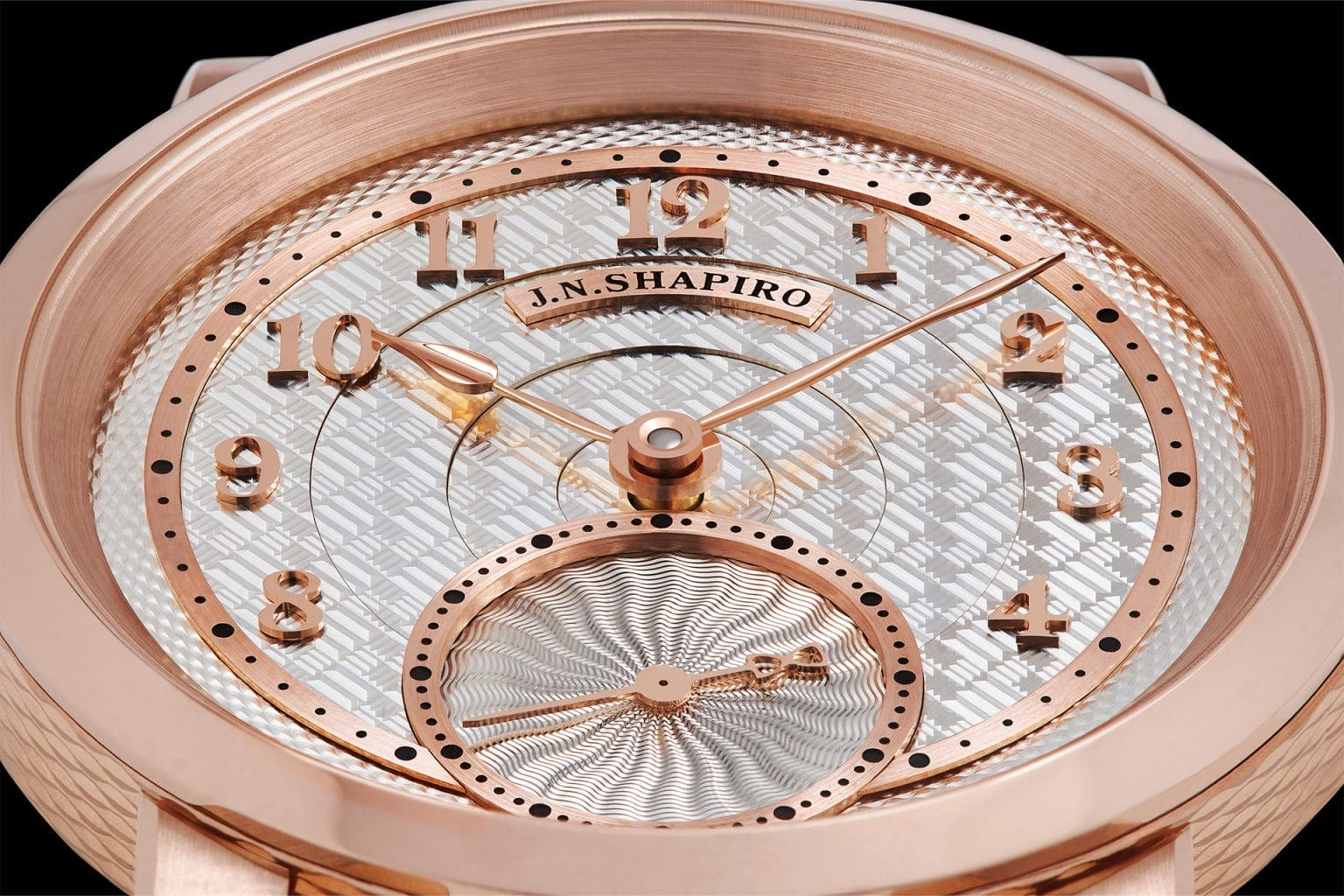
Guilloché is a mix of hand engraving and machining, which drew me to it. The machines are beautiful, and rare to come by; I love the journey of finding and restoring them. There’s a rich history to each of these machines and as a lover of history myself, I love the history of these machines. On the other hand, there’s the challenge of coming up with new patterns and new ways of doing things and trying to push the boundaries of what’s done before in the world of guilloché. I spend about half my time running the business and half at the machines. I do 90% of the engraving myself, and I want to keep it that way.
What’s your perspective on the current state of watchmaking from the vantage point of an independent brand, and how do you feel the industry is evolving in terms of creativity, relevance, and connection with today’s collectors?
I think we’re still in the golden age of watchmaking and the golden age of independence right now. Unlike mega corporations with a board and thousands of mouths to feed, we have the flexibility to be more creative and push boundaries. I feel we’re still the soul of the watchmaking industry and what’s pushing it forward. With that said, we’re exiting the COVID-era of watchmaking, where it was really easy as an independent to sell watches. It’s moving back toward retail, which is hard with small teams and budgets. There might be fewer new independent brands, and some might even disappear. On top of that is whatever happens with tariffs. If Trump’s tariffs on Swiss watches remain at 39% throughout his presidency, there will be a global decline in Swiss watches, but it could benefit us.
Horologer MING
Your watches are instantly recognisable, often described as minimalist but deeply architectural. Where do you begin when imagining a new design?
It’s impossible to say, because there’s no single point of inspiration for any design — otherwise it would be one dimensional and boring. I prefer to stay open to all ideas and influences; then something happens at the back of your subconscious, and before you know it, you’ve got an overall concept to start fleshing out. At this point, we decide where it’s going to sit pricewise (unless it only works with one movement or configuration that’s cost-restricted for whatever reason, for example, needing a particular movement) — and that determines which elements I can use in design and construction. You can’t put sapphire hands with a ceramic luminous inlay into an entry-level watch — the cost of a single set alone is about half the retail price.

The “Special Projects Cave” has produced some of your most experimental ideas. What does this space allow you to explore creatively that your core range doesn’t?
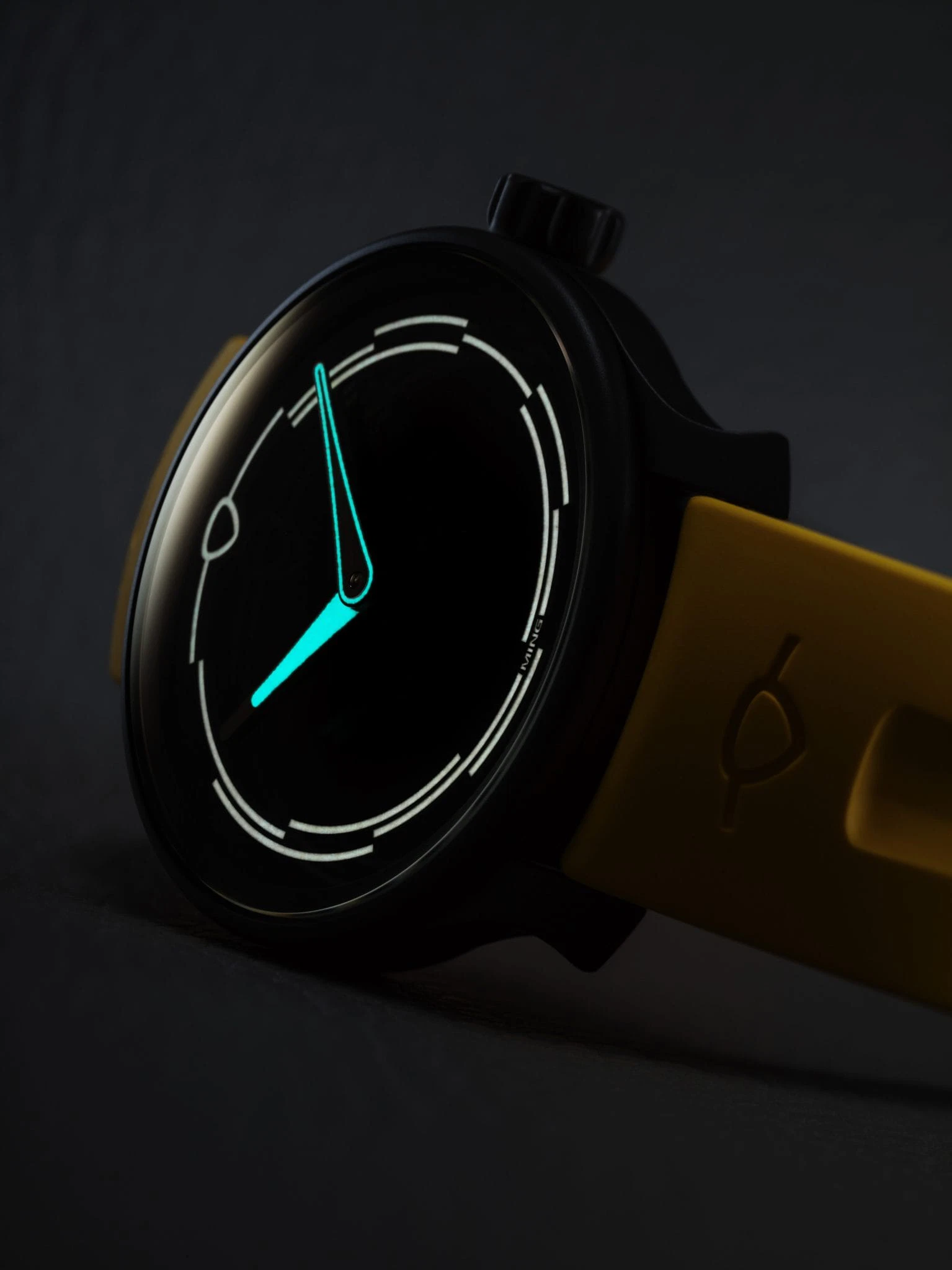
The Special Projects Cave was started in 2019 as a way for us to fund R&D for processes we eventually wanted to bring to the mainstream, but that would require a long development path — such as ceramic luminous materials, reengineering old movements into new cases, sapphire mosaics, fused borosilicate, etc. Such watches would necessarily be experimental in their outcomes and expensive to produce; this, in turn, restricts the volume we can produce. But the tradeoff is basically the sky is the limit — and some of our customers love it because it’s a way for them to both support us in developing the next generation of technology and get something unique in return. There’s also less expectation that such watches follow our existing design codes as closely; this gives us further flexibility to experiment with physical form that might be too risky for a volume product.
Trilobe
Trilobe takes a bold departure from traditional watchmaking by abandoning hands altogether. What inspired this radical reinterpretation of how we perceive and tell time?
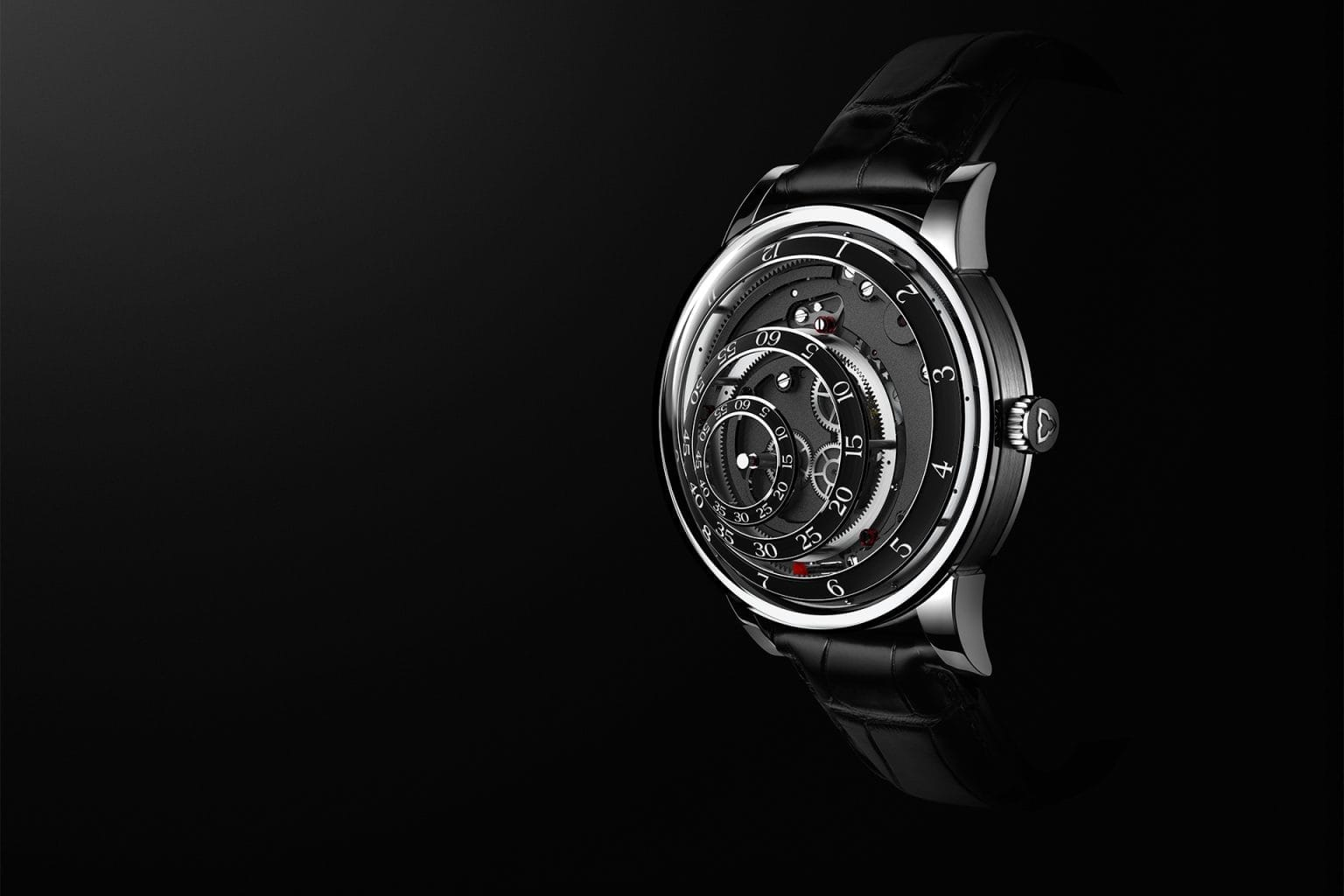
There are no absolutes! For over seven centuries, we have been told that time must be read with watch hands. Of course, it’s one way to do so, but not the only one. At Trilobe, we’re driven by a simple yet radical question: what if we did things differently? Our concept was born from the desire to challenge the obvious. Rather than follow established rules, we chose to reinvent them, starting with the very foundation of time telling. And this is precisely why, on a Trilobe watch, it’s not the hands that move but time itself: hours, minutes, seconds, carried on rotating discs.
How do architecture and poetry influence your approach to watch design, and what do you hope the wearer experiences when reading time in trilobe’s unconventional way?
I grew up in a world of design and architecture, and that heritage lives in every detail of our timepieces — from the eccentric dial layout to the Trilobe motif, which echoes the three pillars of time. As for poetry, rooted in French culture, it shapes our philosophy. With Trilobe, we aim to offer a more poetic and serene relationship to time. By removing the hands, we reject the race against the clock and invite the wearer to experience time differently: not as a constraint but as a freedom to feel, to reflect, and to live more fully.
As an outsider to traditional horology, how has that vantage point helped you push creative boundaries that others may hesitate to cross?
Coming from outside traditional watchmaking has been a strength; it gave me the freedom to question everything. I wasn’t bound by the weight of convention or the pressure to replicate what’s already been done. Instead, I approached horology as a language to be reinvented. That’s how Trilobe was born: by removing the hands, by decentralising the display, by challenging the obvious. Yes, although it’s a disruptive approach, it’s rooted in purpose.
What’s your perspective on the current state of watchmaking from the vantage point of an independent brand, and how do you feel the industry is evolving in terms of creativity, relevance, and connection with today’s collectors?
We are living a fascinating moment in watchmaking. Independent brands are gaining greater visibility and influence, opening the door to greater creativity and freedom. There’s a growing appetite among collectors for meaning, for pieces that tell a story, challenge convention, and reflect personal values. It’s no longer just about heritage or prestige; it’s about emotional connection and originality. As an independent brand, we see this as an opportunity to stay bold, to create without compromise, and to build a more intimate relationship with those who choose to experience time through our lens.