The terms renewal or rebirth can take on many meanings. There is the discovery of one’s true self, getting a second chance in life, or simply turning over a new leaf.
In the world of horology, it could mean restoring a vintage watch or buying a reissued model. It could also mean coming back to Earth during a dangerous space mission, with astronauts getting a second lease on life thanks to a reliable timepiece.
There are other interesting stories in the world of watches — maybe not as high-profile as the Apollo 13 mission, but equally as intriguing. Here are some of the more interesting interviews from 2025 that explore this month’s theme of being reborn, all through the lens of timekeeping.
Finding Life

Panerai has collaborated with the Italian Navy since the early 1900s, offering equipment such as naval sights before moving onto timepieces. Throughout the century, Panerai has stood alongside many of the world’s pioneers in their respective fields. One such person is Mike Horn, an extreme adventurer and ambassador of the brand.
Where one’s idea of challenging themself could be participating in a half-marathon, Horn’s version would be skiing to the North Pole unsupported. He has embarked on similar adventures across all terrains and climates, like when he cruised down the Amazon River, or circumnavigated the globe without motorised assistance. On his adventures, life-or-death consequences loom over his every decision. And, get this, he even saved his own life with a watch once.
Horn returns from each trip enriched with a new set of answers that he sought after. What answers is he looking for? We chat with him to find out.
Let us start with the most pressing question. You used a watch to save your life?
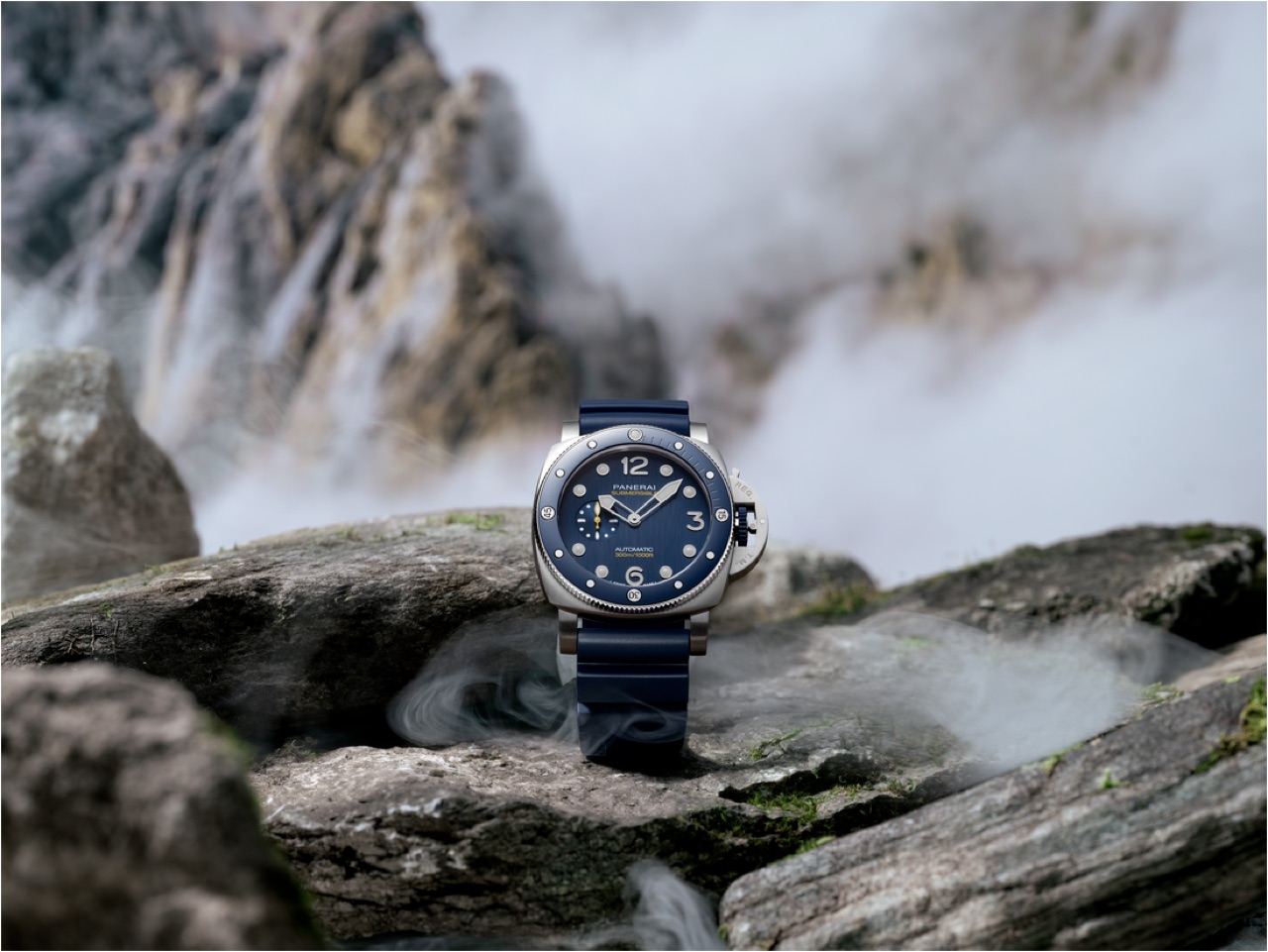
I was climbing in the mountains, and I did not pack enough pitons (steel pegs that anchor climbers to the rock face). So I took off my watch, crammed it into a crack, and put the rope around it. Through this, I was able to abseil down the rock face. I did return to the same place sometime later to retrieve the watch, but I could not find it. That was the Luminor North Pole GMT watch that Panerai made specifically for me.
Speaking of custom watches, what exactly are your requirements for an expedition watch?
Those differ from time to time. I will take the North Pole expedition as an example. In such cold weather, metal contracts, and they do so at a varying rate. So firstly, the watch components have to be unified. Next, the lubrication within the movement needs to withstand these temperatures. Because without it, the components will stop moving. It is not like I can wear those fancy GPS watches either, because the liquid in the crystal displays will freeze in that cold. I also need a bigger dial as well as Luminor to increase legibility during the winter months when there is no light.
Your adventures are rather extreme. What answers are you seeking on these trips, exactly?
It is to see if I will fully engage. In these conditions, one mistake could cost me my life. That brings me to a different level of engagement, of being fully present. Every time I head out for an expedition, I never truly know all the answers, like whether I will make it back. But it is on these trips that they will occur to me.
Can normal people — non-adventurers, for instance — find the answers to their lives without going on dangerous expeditions?
Yes, as long as you are doing what you choose to. If you do things that stray from your purpose, you will not find your answers. And despite your pursuit, even the ones you enjoy, you will eventually come across tasks you hate doing. If you operate from purpose, and you have the discipline to follow through, you will find your answers, no matter what you choose to do.
You have inspired countless people, so do you have advice for those wishing to be the inspirer instead of the inspired?
We imprison ourselves wanting to be like others, instead of being ourselves and being free. You are who you are, and what you can do might be different from what I can do, but we all have value to add.
Rising Again

Zenith’s role in horological history is nothing short of interesting, with the brand going through extreme ups and downs throughout its lifetime. Some of its better-known lore revolves around the quartz crisis, where the brand almost lost part of its illustrious watch history due to management’s decision to pursue quartz production instead.
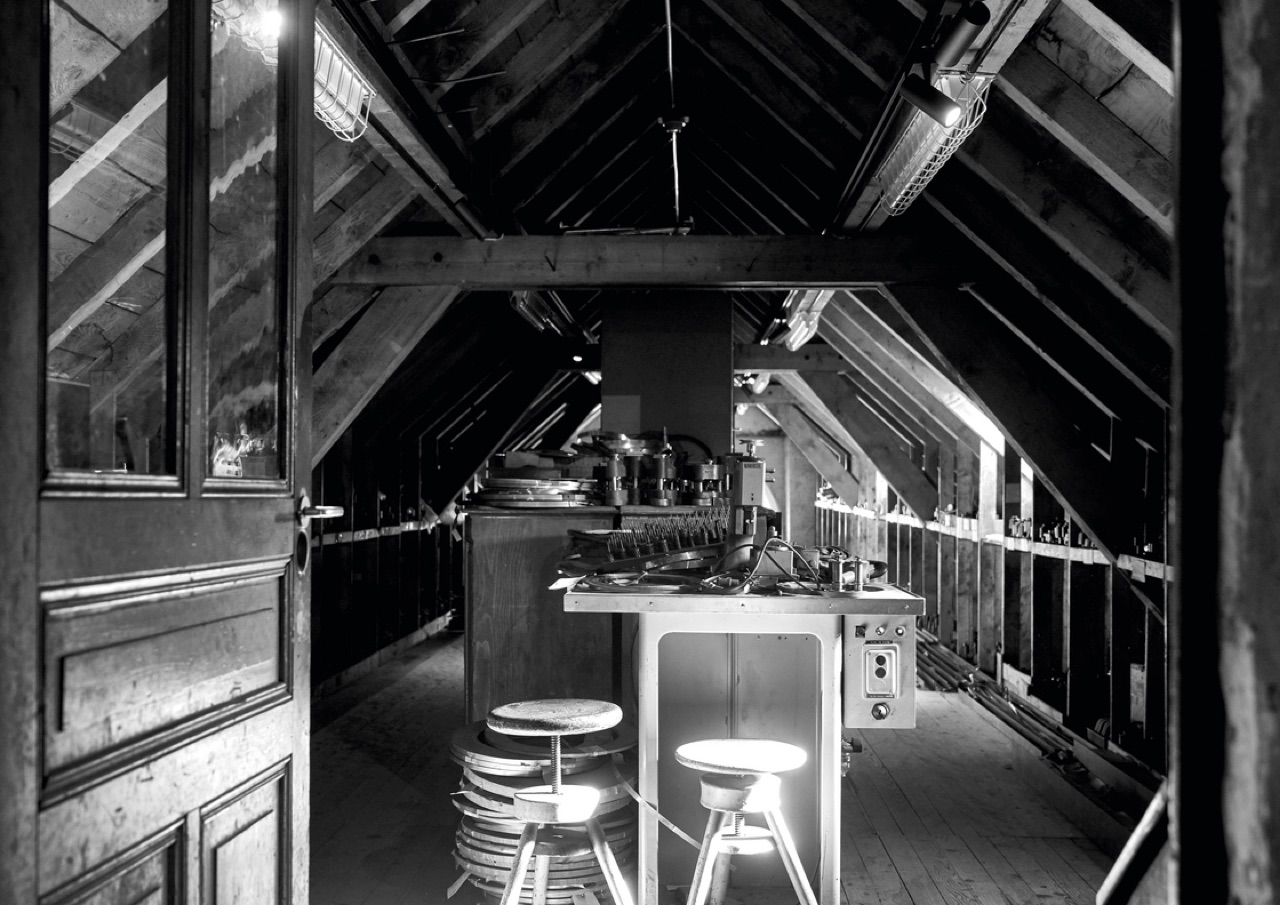
If not for Charles Vermot, an employee who defiantly hid watch blueprints and equipment in the company’s attic, that would very well have been the case.
Thankfully, the history we are left with is one of resurgence, with Zenith being able to make a comeback thanks to said hidden blueprints and equipment.
The brand has so much more history waiting to be unearthed. Pretty understandable, seeing how it has 160 years’ worth of history behind it. That is what Laurence Bodenmann, Zenith’s head of heritage, is doing today. She has many skill sets to tap from — anthropologist, historian, lecturer — and she shares how the best sources of history may not be in the books, but right before our noses.
What do you do as the head of heritage for Zenith?
The scope is broad, but the anthropologist and historian in me always wants to understand how people interact, what they are doing and why they do it. The best way to do that is to go on the field, and the field in this case is the company. The archives alone are vast — the building that houses them spans more than one kilometre across — but there are so many other places to investigate to truly uncover the company’s long history.
Do you do this specifically for branding?
Not really, because heritage is not part of marketing. I wanted it to be research-led from the beginning, to provide information to empower anybody who is interested. It is not just for the enthusiasts who want to know why the brand is so special, but also for the different company departments who want to see the bigger picture. This can range from the legal department wanting to know about our trademarks, to the production team wanting to know why some movements are built a certain way.
Surely the old records must exist in paper form. But moving forward, how are you archiving everything?
We now record digitally, but ideally, we will also print them for redundancy. Thing is, archives alone are not enough. And a proper record goes beyond the black-and-white. Another key part consists of the actual items themselves. Currently, we have over 5,000 timepieces on hand, which helps a lot with my work. Because reading a description is one thing, studying the actual timepiece is another. Then you have the people who fill in any other gaps left in the records, and who are able to retain and impart knowledge. To recap, we have the archives, the objects, the people, and buildings.
Buildings?
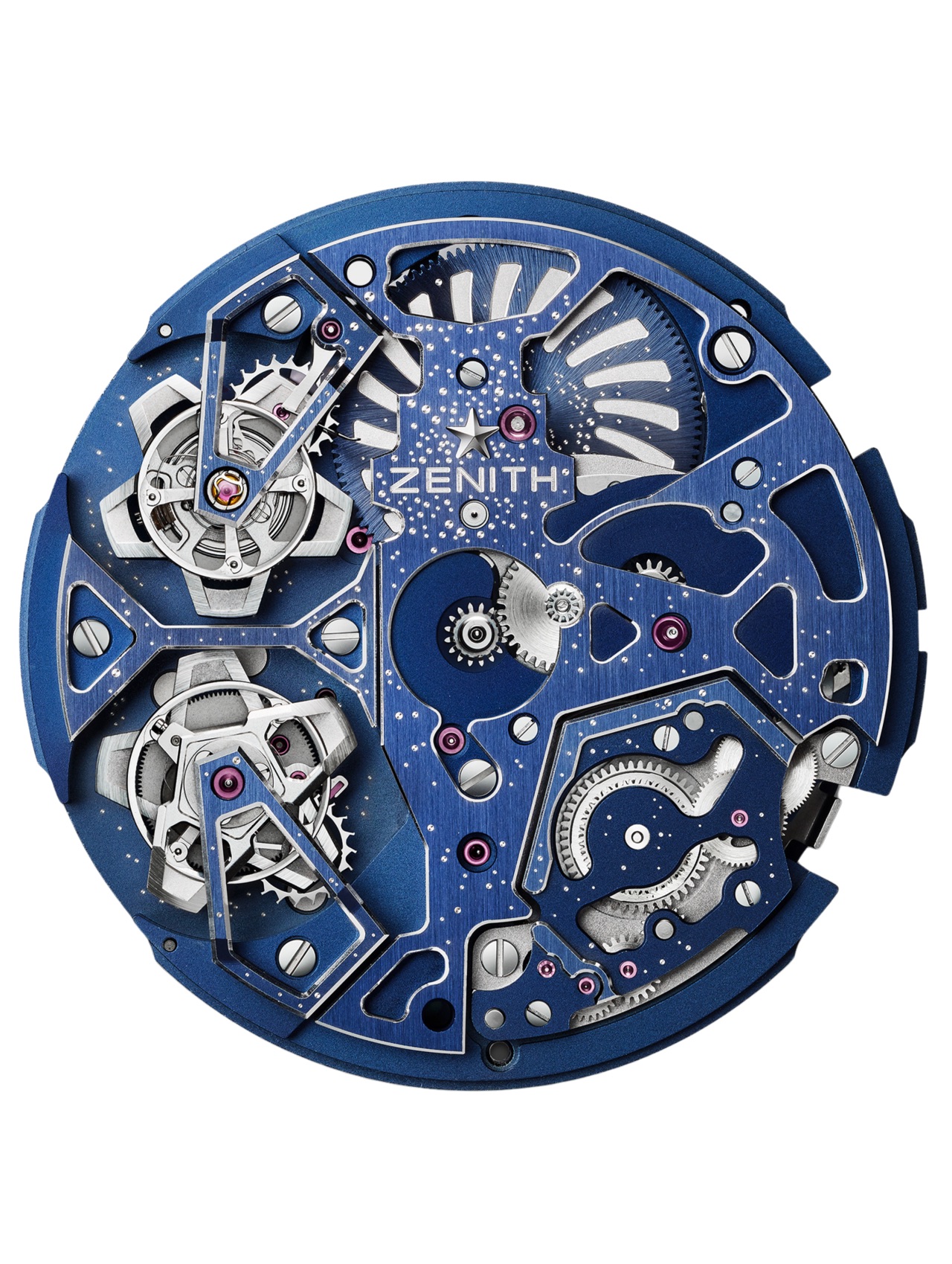
Buildings actually allow you to travel back in time. The way they are built can show you the workflow of that era, like how closely each department was located to another. You can see how the light penetrated the building and deduce where certain specialists were seated. Even the ventilation and heating tell a story. Our 160-year-old buildings have answered many of my questions, and they will continue doing so for the generations of historians to come.
That is interesting, just like your career. Any advice for anyone wanting to follow in your footsteps?
Regardless of their field, I would encourage them to take time to understand the subject from all angles. For instance, my background in horology has helped immensely during my time here, even in a historian’s capacity. So, for example, if a young hopeful is interested in clothes, they would do well to create a piece of their own, to understand different fabrics, to learn the physical boundaries of sewing techniques. It is much easier to do what I do with mechanical knowledge, because knowing the mechanical side will help you better appreciate the human side of what was done.
A New Direction
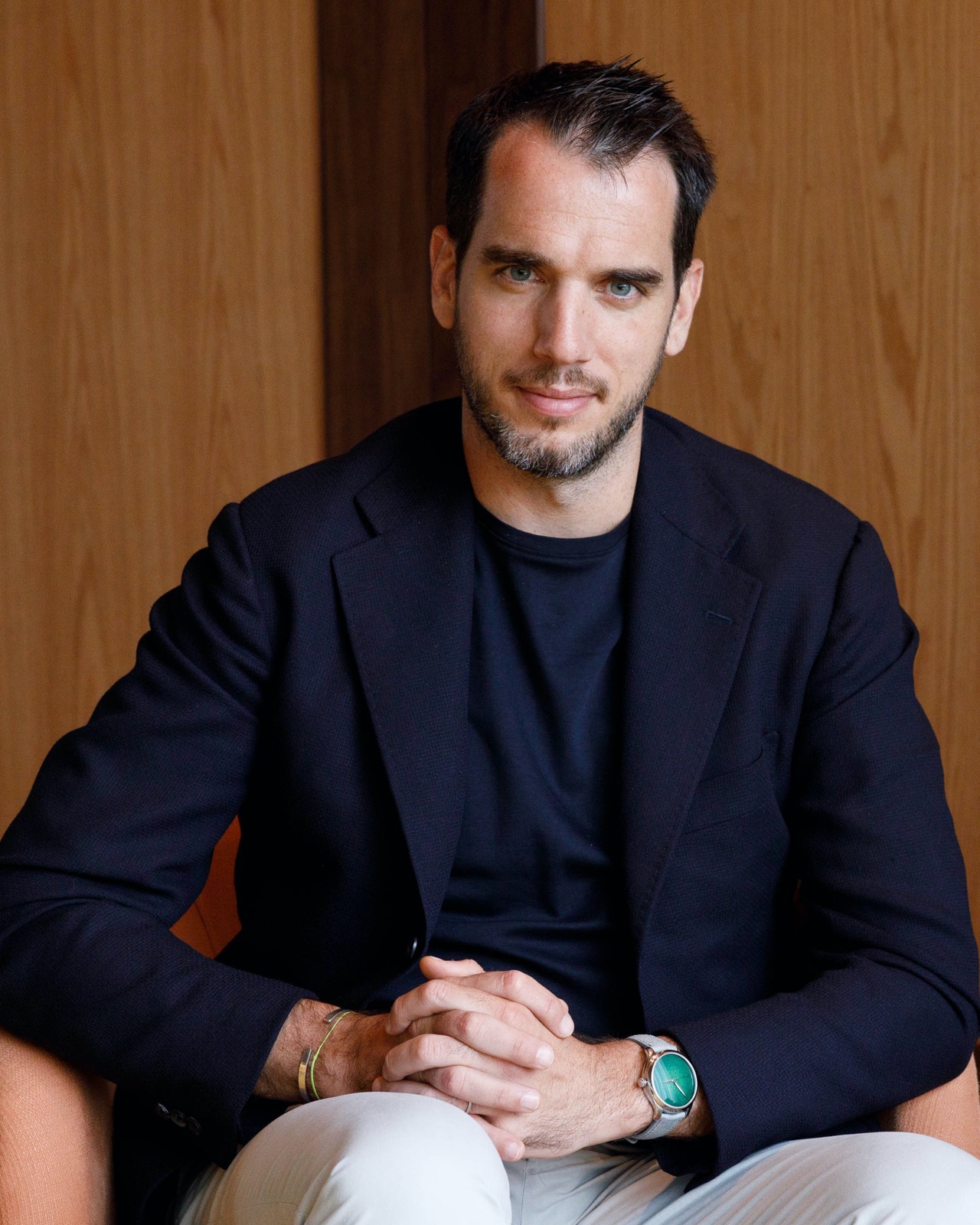
H. Moser & Cie. stands on a confluence between heritage and innovation. It is an interesting place to be, seeing how watch brands tend to be either heritage-based or extremely daring. Very rarely do they embody both sides of the spectrum. H. Moser does, and as a result, the world gets to enjoy some of the most interesting watches to ever bear the term ‘Swiss Made’.
Under the new stewardship of the Meylan family, however, the brand has pushed the envelope even further. One example includes removing all mention of ‘Swiss Made’ on its watches, deciding instead to showcase its savoir-faire through its craftsmanship instead of the two words printed on a dial. Bertrand Meylan, the co-owner of the company, speaks to Men’s Folio Malaysia on what it takes to be daring in such a traditional industry, and why sometimes it is not enough to just be liked.
H. Moser & Cie. is a very old brand, yet it has this young outlook compared to other brands of similar age. Where do you think the younger audience stands in relation to your brand?
The younger crowd is our crowd! When we started, a lot of our audience was similar to us: younger. Those clients have grown with us, but we still have the same spirit as before, which may draw in the younger generation of today. It is not done on purpose, however. Because in the end, we just want to make watches that we like, regardless of our target demographic.
Tell us what ‘renewal’ means to you, especially after embarking on a journey of renewing a 200-year-old company.
We need to constantly renew ourselves. We cannot sit on our successes from the past, because that is the quickest way to fail. People may say, “That is not how H. Moser & Cie. would have done it in the 19th century,” but that is the wrong way to think. We cannot do exactly what we were doing 200 years ago, or else we would still be using the same pocket watches and not revolutionise anything.
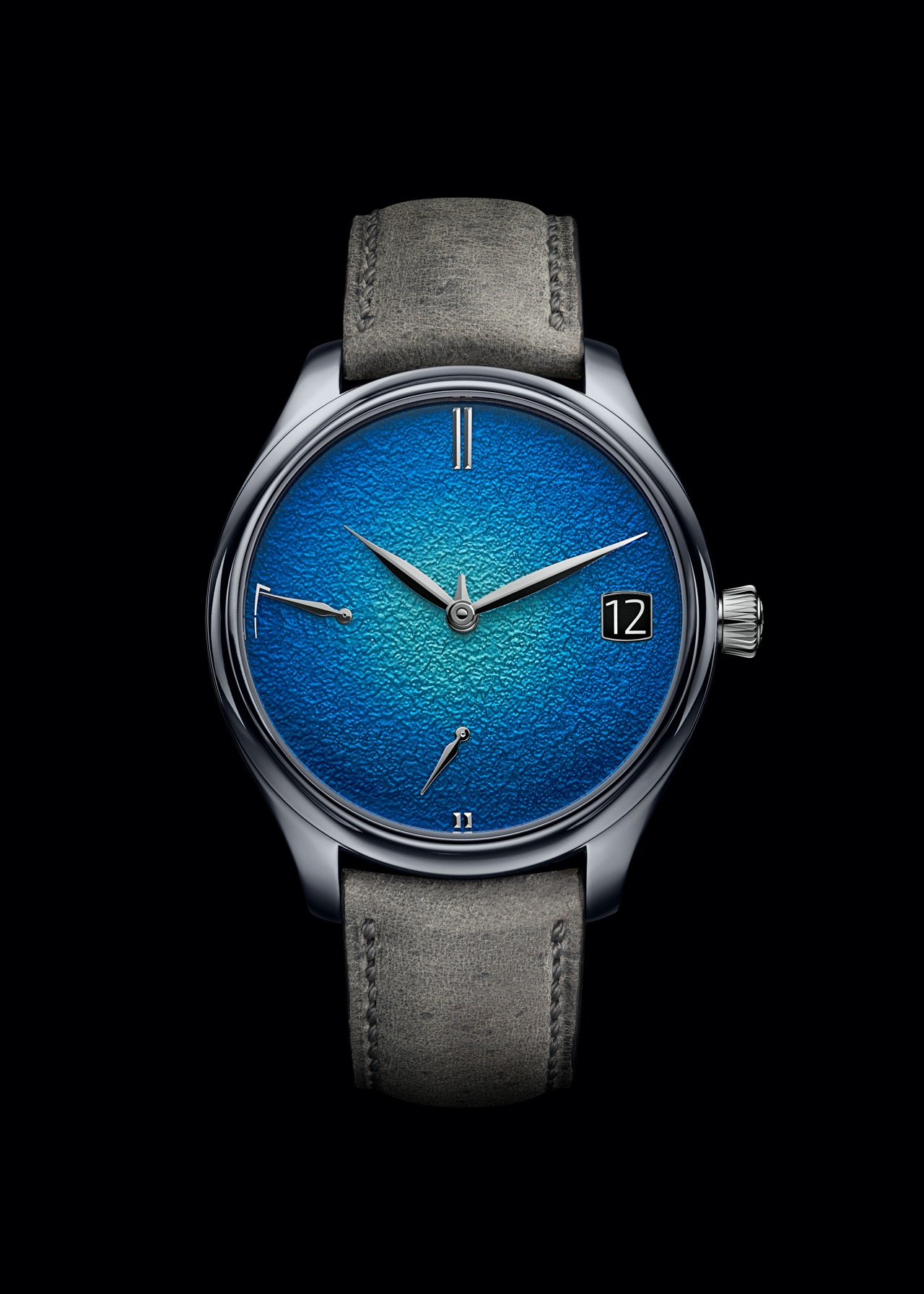
Your watches seem to be polarising, which also happens to be the stance you are taking. But why not choose the middle ground and be liked by more people?
We like to polarise. Even serious watch collectors appreciate what we do, despite not resonating with some of our products. I dislike it when a vast majority of customers say they like our watches, because merely liking them does not necessarily mean they will be motivated enough to own one. I prefer creating a product that moves people, one that generates strong emotions. But with that also comes the possibility of being disliked.
How do you find the balance between being polarising and marketable?
You never know. That is what happens when you take a risk. When we launched our connected watch, we were not sure if it would be criticised or accepted. Where exactly do we draw the line? Maybe we have already crossed it. But as long as an action is relevant to the brand, we will move ahead and reiterate along the way. We are not scared to make mistakes.
We have noticed that as much as you innovate, you also strongly uphold the traditions of the term ‘Swiss Made’.
Yes, and if no one upholds stringent standards, the term will start to lose its significance. It almost feels like we were fated to champion this cause — we were born in the heart of Swiss watchmaking, all our friends and families belong in the industry, and we love everything about it. So it is the role of H. Moser & Cie. to ensure that we preserve this rich heritage and savoir-faire.
It must not have been easy taking over such an established company and steering it towards a whole new direction. How did you nurture your self-belief?
I was always a positive person. As an entrepreneur, you need a certain belief that others do not have, to reach for a goal no one else can see. I used to stress out over all my problems, but over time, I learned that we would always overcome any obstacle thrown our way. And if we found the solution once, there is no reason why we cannot find a solution again. Stressing about problems does not solve anything. Working on them does.
Once you are done with this story, click here to catch up with our latest issue.