“Babe, I’m saving up for a trip to Europe instead. The Bell & Ross [watch] has to wait,” read a recent text message from a friend. Are you still shopping as much as you once did a few years ago? Findings from Bain-Altagamma’s Luxury Goods Worldwide Market Study seem to suggest otherwise, as it reported an overall slowdown across every luxury category except jewellery, eyewear and beauty. Since 2024, the luxury market has shrunk, returning to its global active client base of 2013 with 330 million customers, compared to the 400 million figure it once had in 2022. On a larger scale, it should not come as a surprise that shoppers have become more conservative with their spending amid tumultuous economic conditions. However, even if spending power remains for some, the perception of luxury has long evolved past its former façade. If shoes, clothes and leather goods no longer define luxury at this moment in time, then what does?
View this post on Instagram
“I don’t want to be regular rich. I want to be ‘stuffed-Birkin-as-a-gym-bag-on-the- floor-of-the-Aman’ rich,” was the copy plastered on an Instagram reel that has amassed at least 52,500 likes in less than a week. There are layers to this. Point one: The Birkin, having been the penultimate signifier of luxury, was further contextualised in this clip. Stuffed to the brim with what appears to be outerwear, the bag is squished on one side, while its front and back bulge like a pot belly, sitting on a hardwood floor next to a legging-clad woman on a Technogym treadmill. In the Birkin’s slouchy presentation, the insinuation was that the bag was plopped rather than carefully placed on the floor — a visual enough to horrify those used to the impeccably packed, pristine form it usually assumes in luxury consignment stores. It was not the bag itself that sought envy; it was the sheer nonchalance instead. Point two: wellness, in all the ways we have been pressured to look like our leanest, meanest selves, in a capitalist society, even as we succumb to the horrors of overwork, underpay and underrest, is presented as a form of luxury. Point three: anyone can book a flight to Kyoto and visit the lush bamboo groves of Arashimaya, but not everyone can access Aman Kyoto’s onsen spa during their stay. Experiences, in all of their ephemerality, have become the ultimate form of luxury now.
View this post on Instagram
Ubiquity has always been the poison that taints the perception of luxury. It was fun to buy a design when Jennie first wore it, but it becomes less intriguing to buy it when everyone else owns it because of Jennie. In the same breath that some creators have taken to introduce their “favourites of the month”, they have also endangered said pieces to a fate of overexposure. Sharing, albeit an act of affirmation, does not diminish the allure; however, at a certain level of saturation, the perception of it being overly accessible can tarnish the shine of said possessions. This phenomenon, coupled with the fact that some brands aggressively hiked prices by as much as 59 per cent (compared to an industry average of 36 per cent) between 2020 and 2023, according to Business of Fashion, has gatekept a legion of aspirational shoppers. Whether or not the perception of overexposure is a sour grapes mentality adopted to cope, the lack of conversion is concrete. This fatigue, perhaps, has also led to revelations that challenged the importance and weight of materiality versus experiences.
With so much of what we desire about our favourite possessions being tied to their association with a desired lifestyle or version of ourselves we envision to represent upon acquisition, perhaps the deprioritisation reflects the mismatch in expectations and reality — and alternatively, positions experiences as a much more direct, effacious method to chase that high. Arguably, a more worldly you emerges after a trip to a foreign destination; a more refreshed, less tense version of you after that spa session; you sometimes even leave the movie theatre feeling renewed in your perspectives.
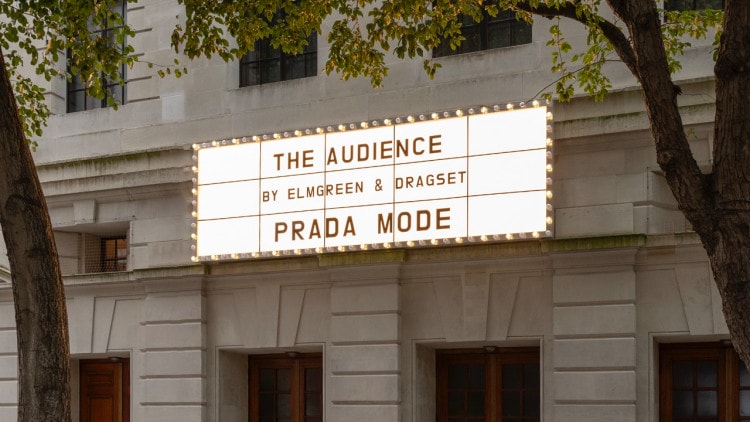
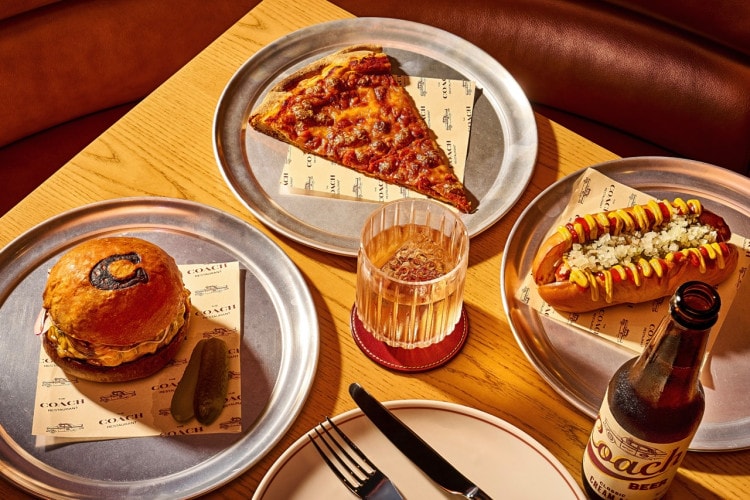
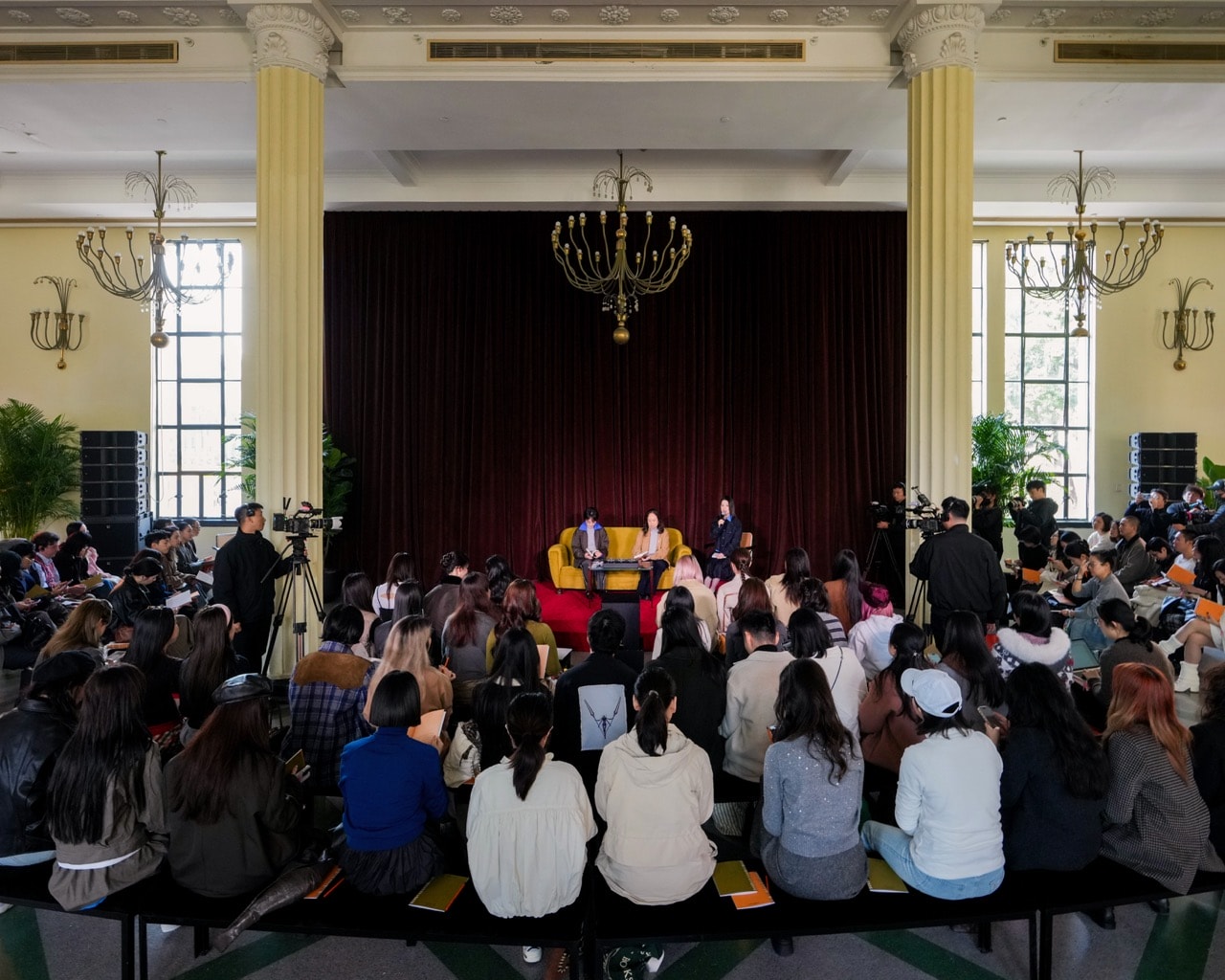
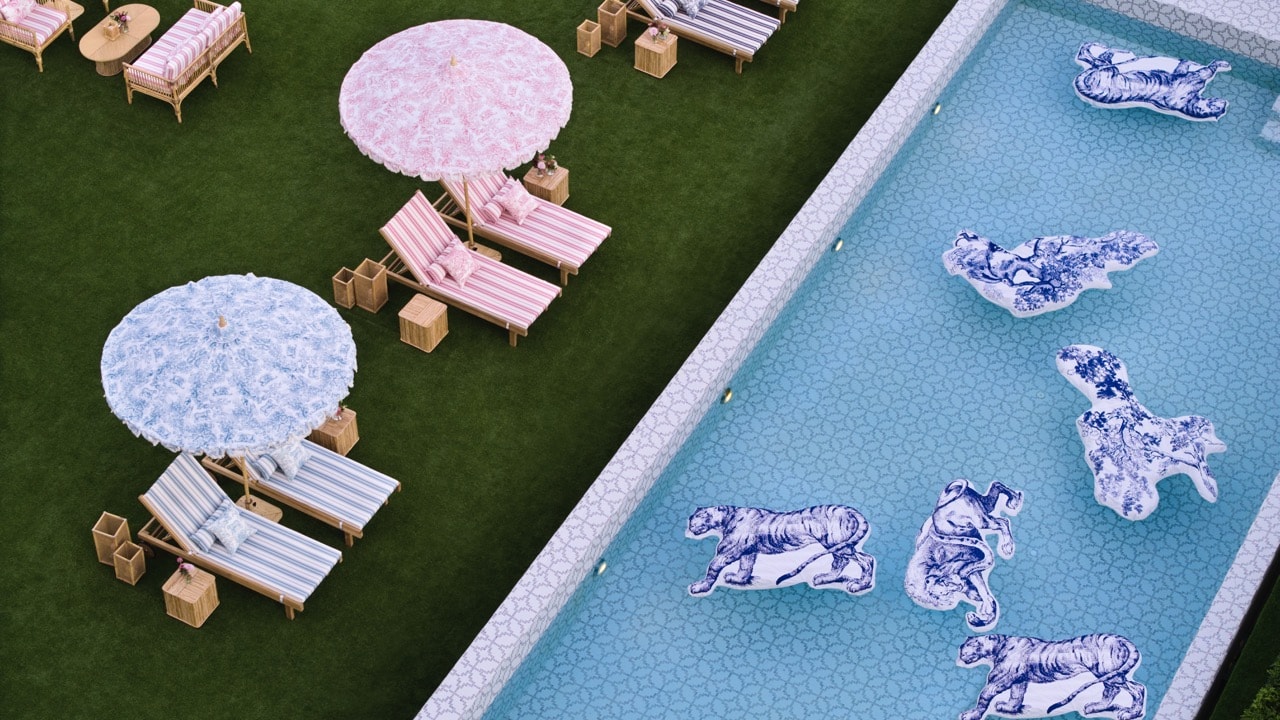
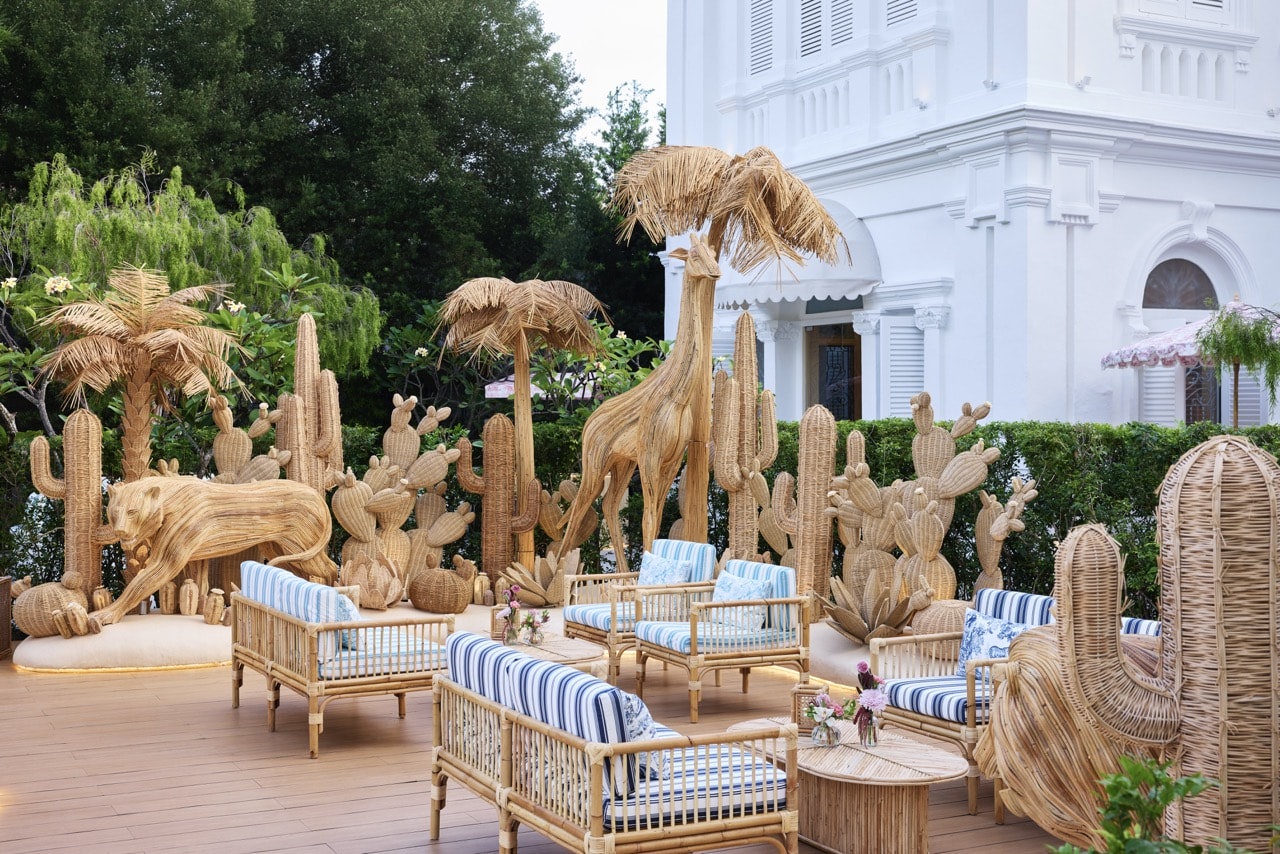
Brands, too, have found ways to respond to the ephemerality that luxury now takes on. The most overt of strategies has taken the form of hospitality. Both a push-and-pull response to create more accessible touchpoints for consumers to engage, and the emergence of fashion-backed institutions like Ralph’s Coffee and The Coach Restaurant, which are extensions of the brand’s ethos, invite experience without cheapening their existing merchandise. Dior’s takeover of Penang’s Macalister Mansion for the Dioriviera pop-up was another way to weave experience into its physical offerings, with its larger- than-life setups designed to materialise the idea of escapism and offer a heightened retail experience. With merchandising relegated to the background of the conversation, initiatives like the Miu Miu Literary Club and Prada Mode that have consistently championed artistry through the dialogues, readings, screenings and performances hosted, Miuccia Prada’s reputation of weaving intellect into her garments was not conjured through her designs alone, but perhaps an amalgamation of their consistent efforts to enrich what these brands stand for.
As we imbue our objects with meaning and emotions, and see them as physical manifestations of our aspirations, we return to the simple fact that it is within our human nature to anthropomorphise everything non-human. It may be a way to reclaim control and navigate a world that makes very little sense at times. In the same vein, our fickleness, which has now swung from a dejection with objects to an embrace of experiences, also demonstrates a very human behaviour: surviving hardships through trial and error. Right now, luxury looks a lot like freedom, rather than being bogged down by things that, however nice, can only bring us so close to these ephemeral, ever-changing dreams. However, play the game long enough, and you will realise: it is only a matter of time until the pendulum swings back the other way.
Once you are done with this story, click here to catch up with our latest issue.