Have we recently gotten the “ick” with fashion? When you’re out with friends, conversations often drift to the recession — if it’s still happening. Political unrest, rising unemployment, and repeated downturns have left many exhausted, and in that fatigue, clothes can feel like the least urgent concern.
Yet when fashion does surface, it carries new weight. People want more than another micro-trend, haul video, or GRWM clip destined to vanish after a week. Instead, they seek thoughtful commentary: video essays, cultural reflections, analyses that connect clothes to how we live, think, and navigate this moment.
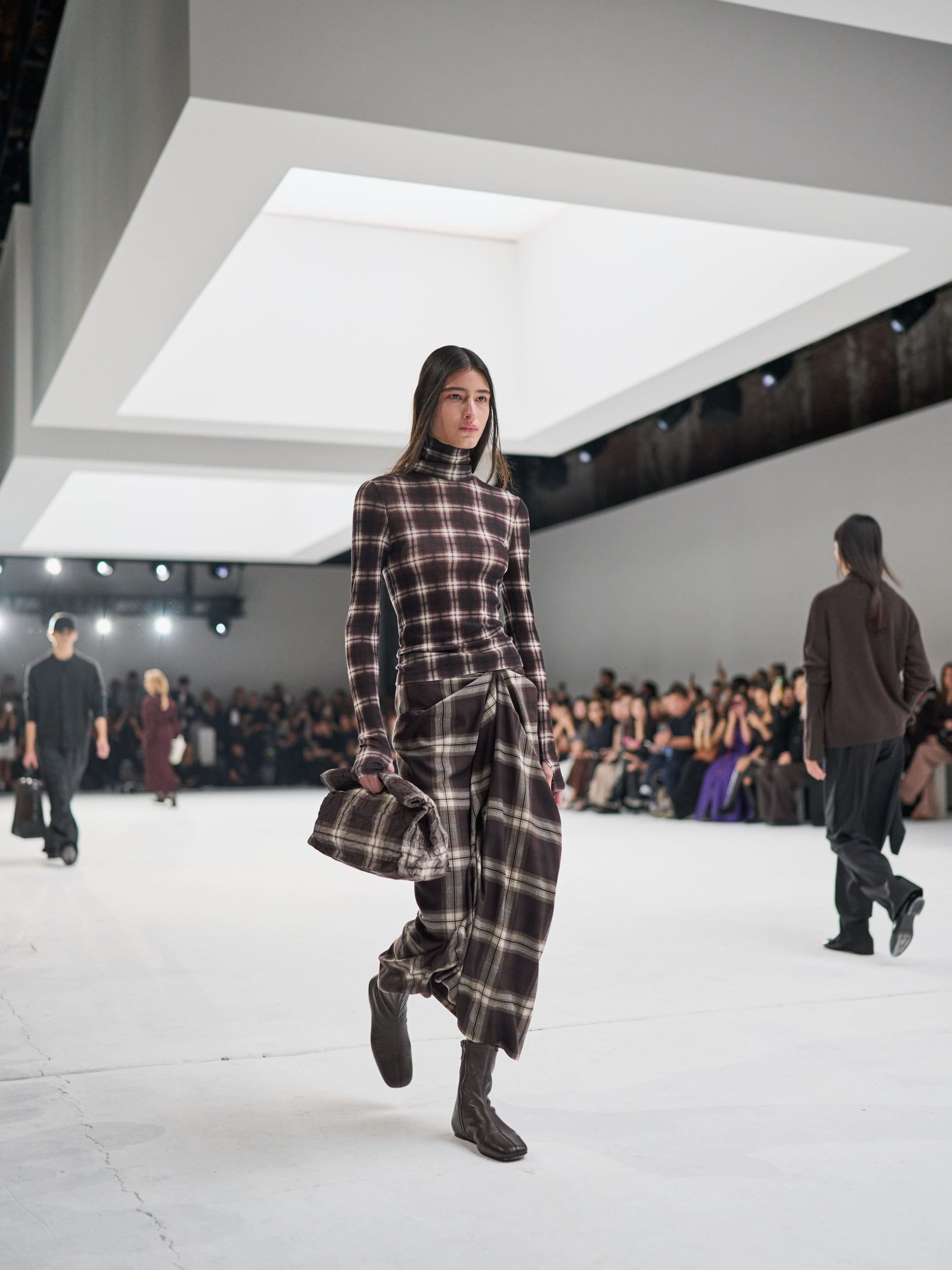
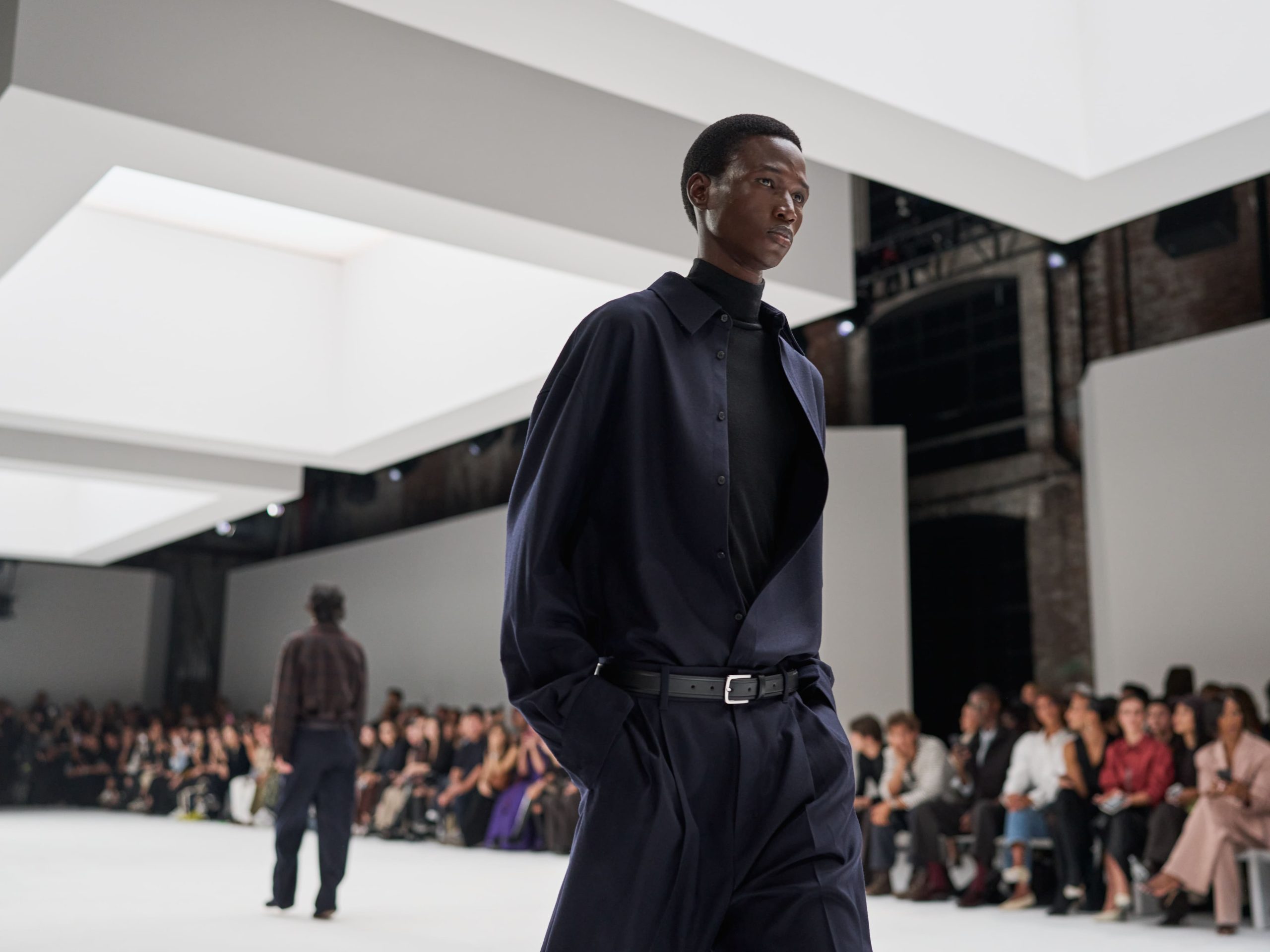
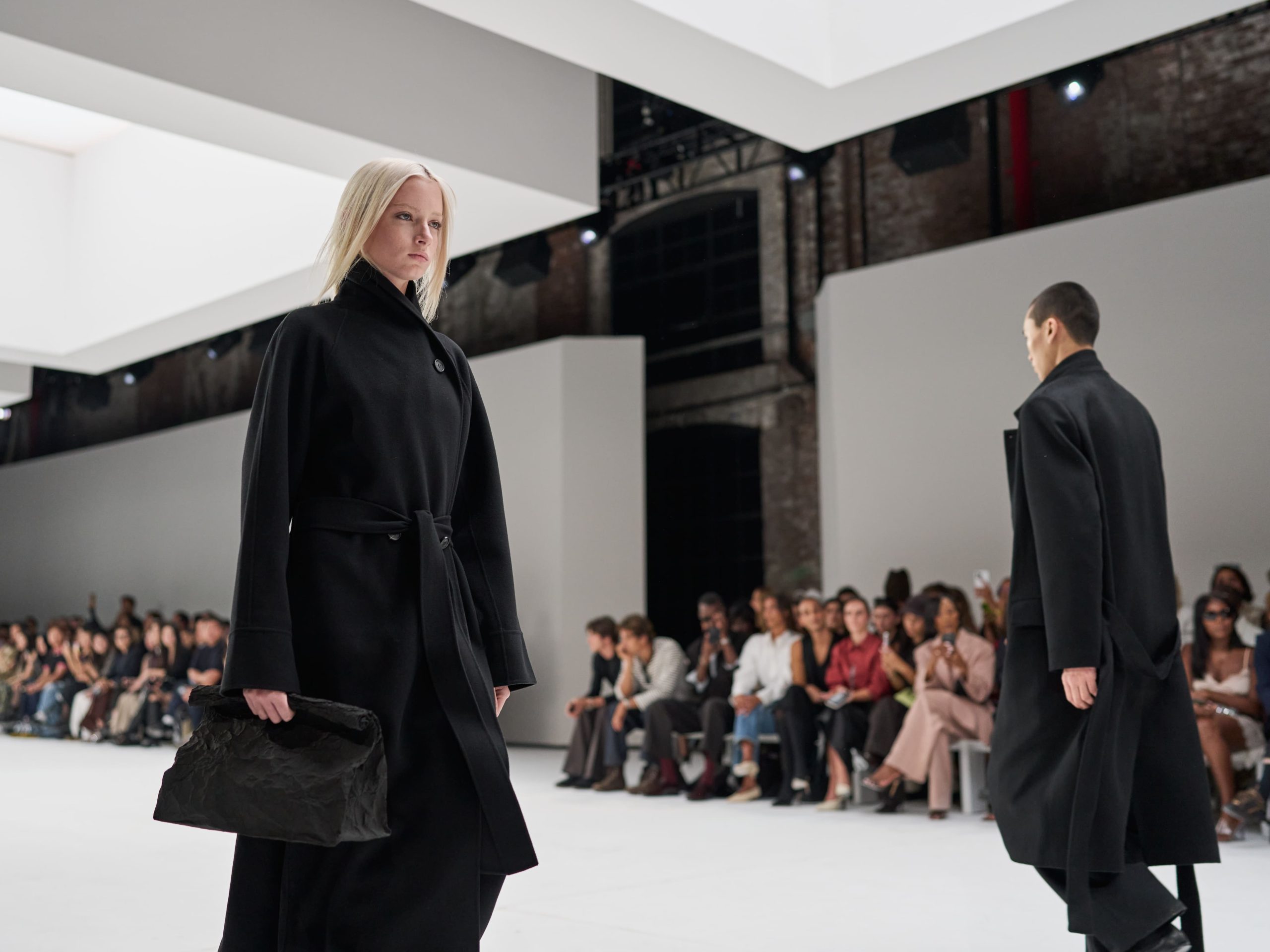
That is why COS’s resurgence on the New York Fashion Week calendar makes sense. Buying clothes has become a conscious act, and COS is well-positioned for this shift. Ironically, its revival has been fueled by the very demographic that once dismissed it: Gen Z’s online communities. Only a few years ago, many of these consumers were entrenched in Shein, Taobao, and PrettyLittleThing — brands built on speed and trend-chasing.
But fatigue catches up. There’s only so long one can order a new bundle of clothes every few weeks before the cycle feels hollow. With sustainability discourse now woven into everyday digital life, this generation has embraced a different ethic: underconsumption. Buy less, buy better, invest in garments designed to endure across seasons and years.
Few brands were better prepared for this pivot than COS. Since its founding, it has carved out a rare space by offering pared-back designs and premium fabrics, all wrapped in a sense of luxury stripped of high fashion’s prohibitive price tag. What once looked minimal to the point of anonymity now feels prescient.
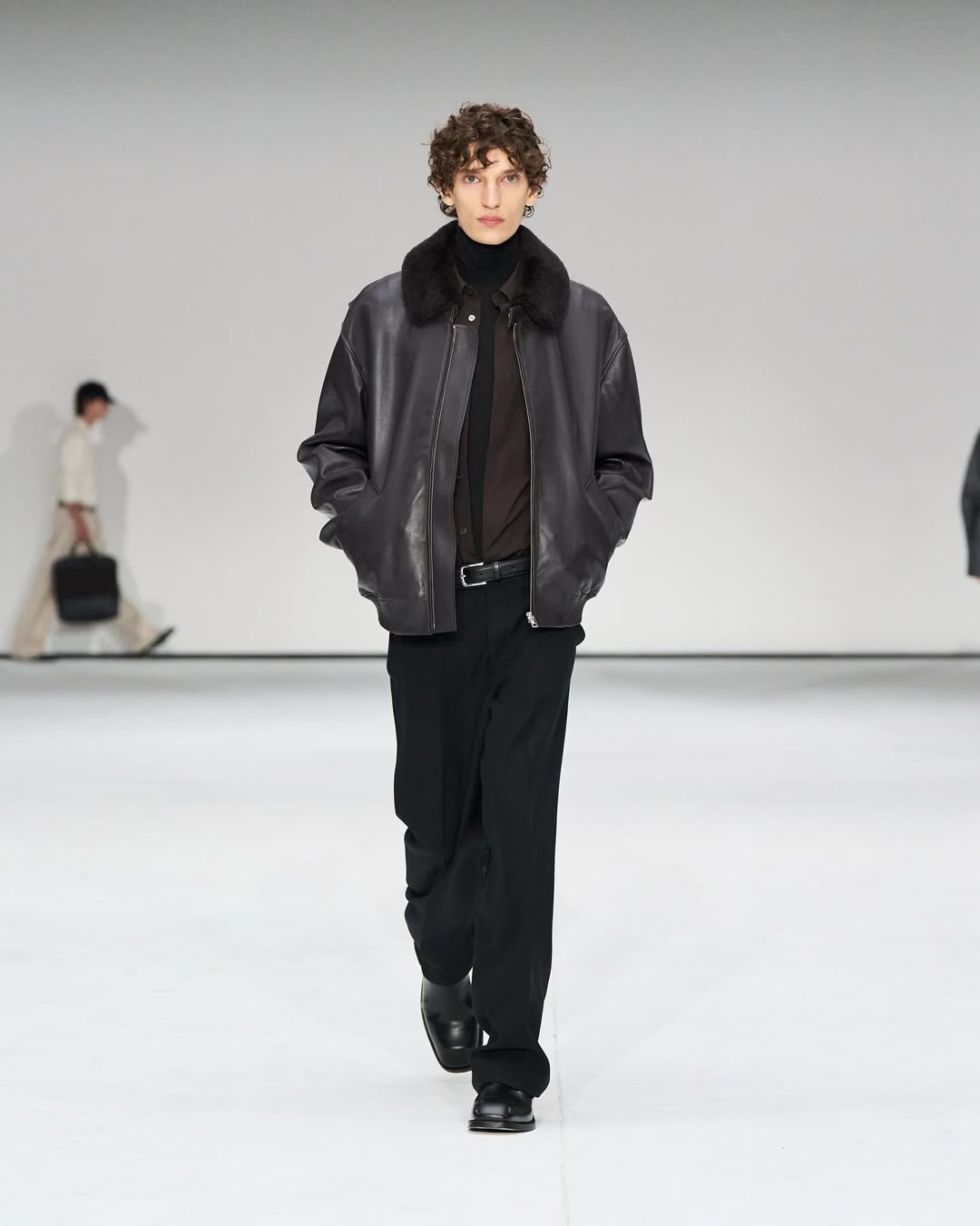
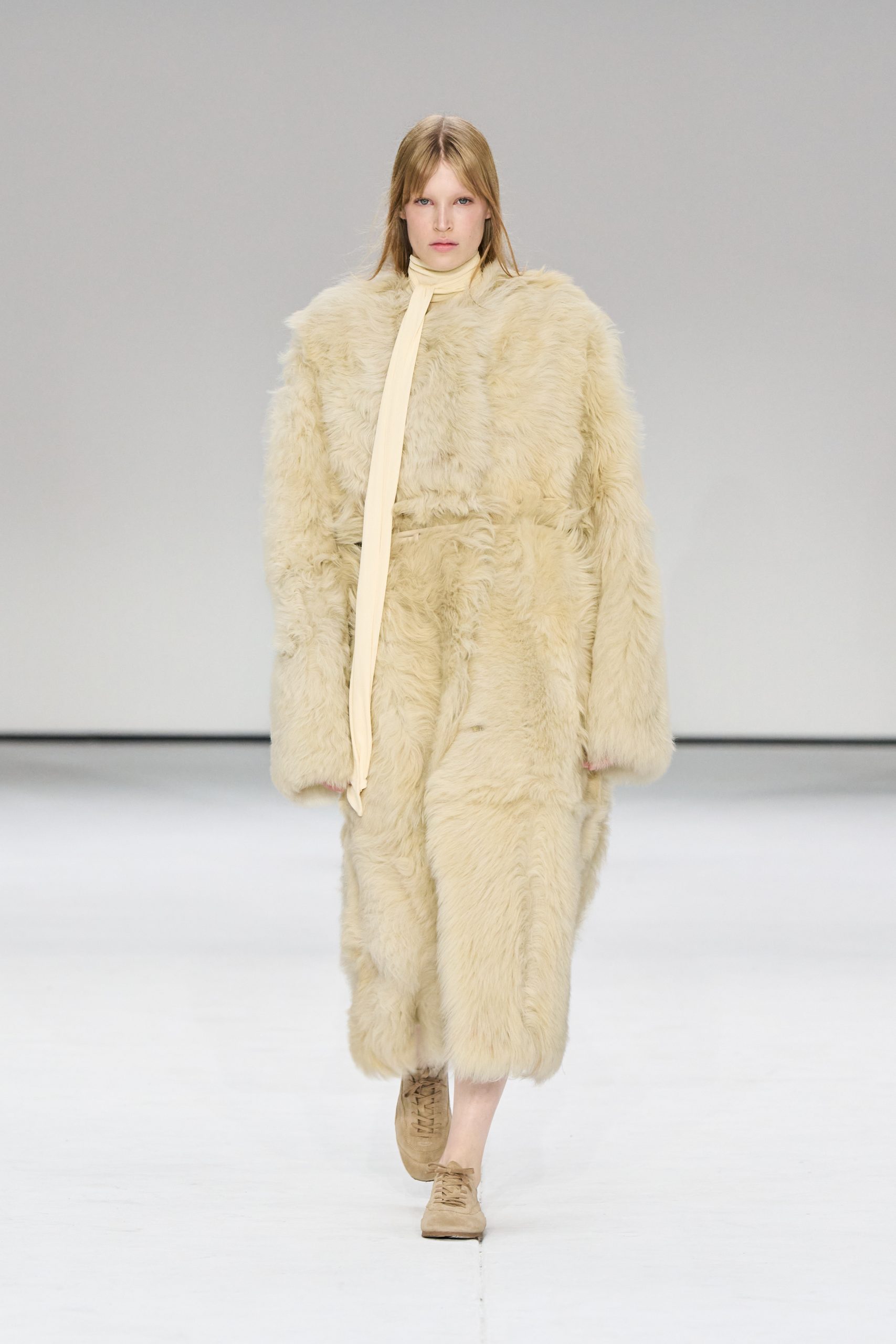
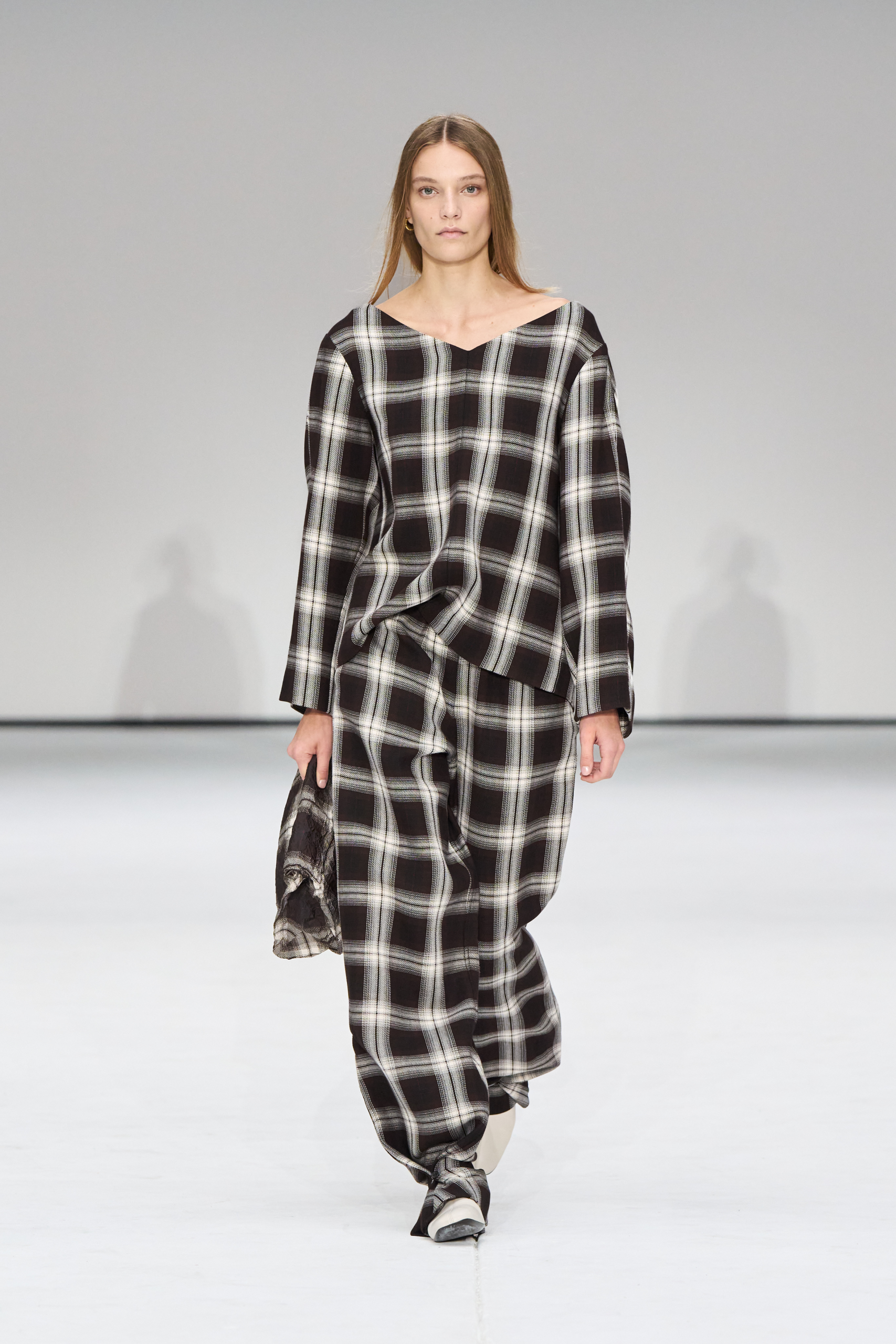
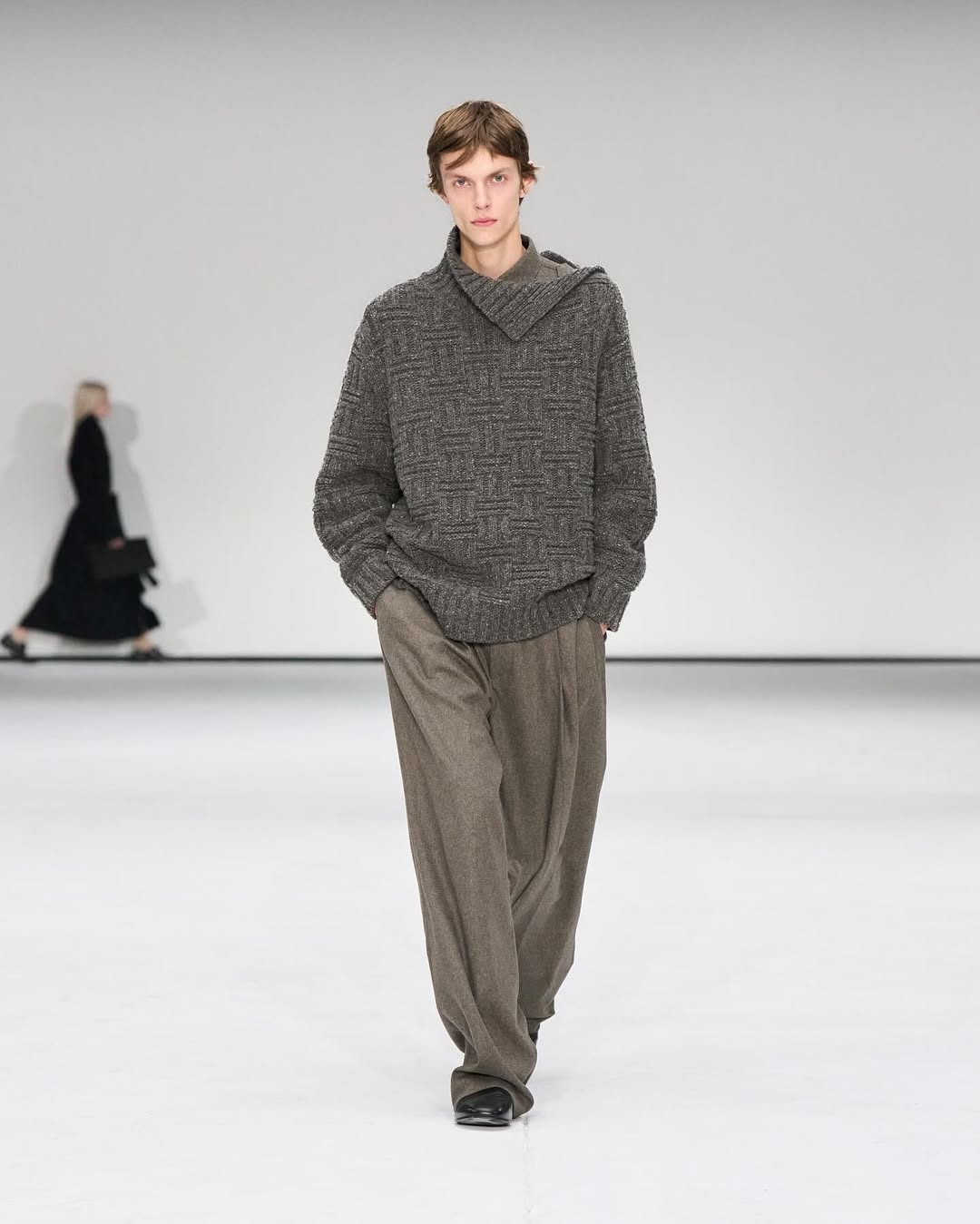
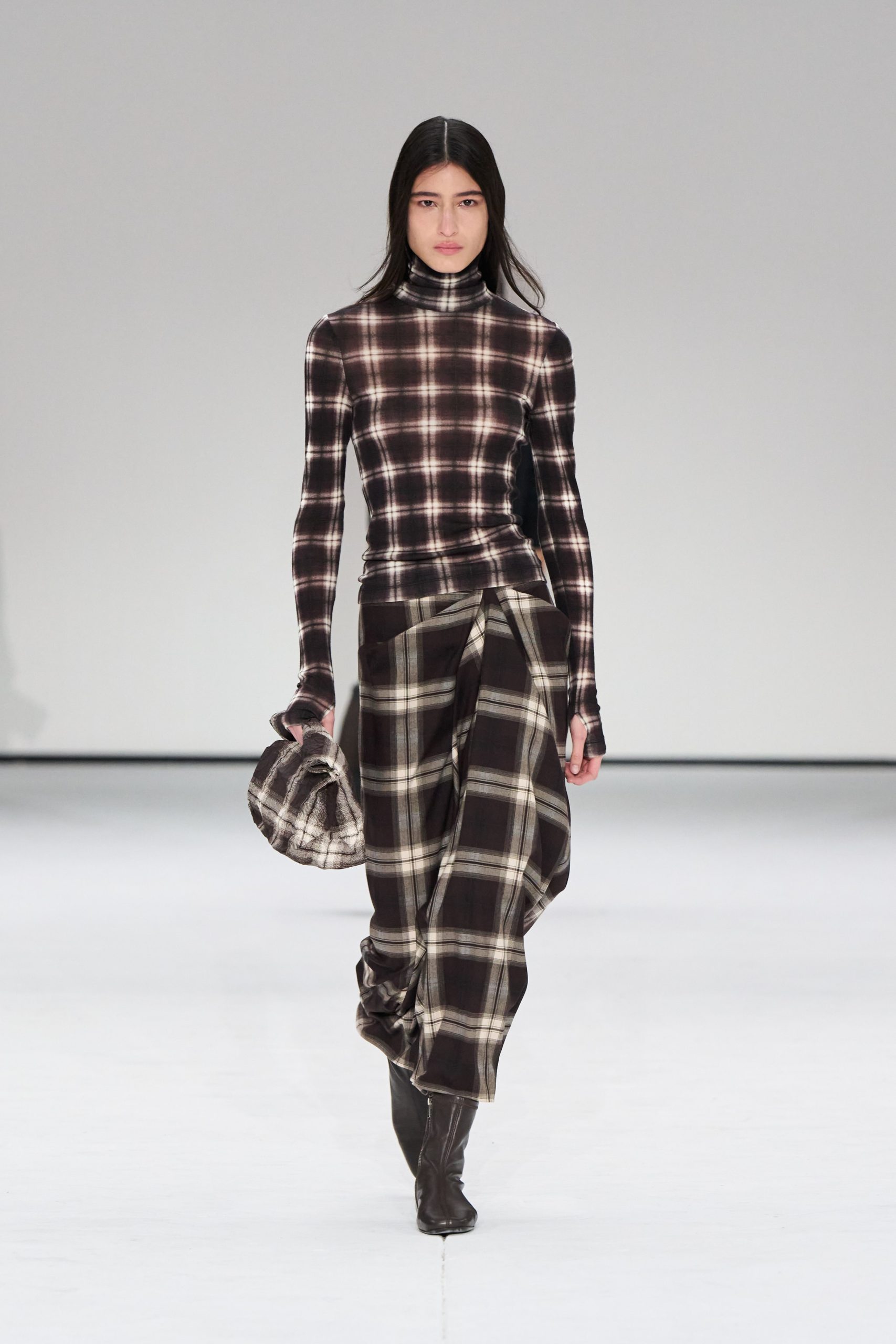
Its AW2025 collection distilled that philosophy even further, offering clothing that is functional, material-driven, and stripped of theatrics that inflate image while hollowing out purpose. The runway was stark white, with forty-seven looks presented in minimal styling so the garments could speak for themselves.
The collection delivered a Winter wardrobe of trench coats, knit jumpers, and tailored outerwear reduced to their essential forms. Prints appeared rarely, leaning on tradition through clean plaids. The effect was not spectacle but insistence: these are clothes built to last.
So, are people tired of fashion? No. They are tired of excess. Fashion endures because, as long as people exist, clothing carries meaning—practical, emotional, and cultural.
What has shifted is the role it plays in everyday life. People care less about spectacle or virality and more about longevity, intention, and meaning. They now ask sharper questions: Will this piece last? Does it deserve to be bought at all?
In this recalibrated landscape, choosing something plain but well-made feels far more worthwhile than chasing the fleeting. For COS, this moment confirms its relevance. By staying consistent in its commitment to materials and essentials, the brand proves that restraint can outlast spectacle. In an industry still addicted to speed and noise, that quiet durability may be the quality that sustains it for years to come.