There is always that moment of cathartic release the second the music begins to play and the crowd moshes in chaos. Cramped venues, flashing lights, loud speakers and a community built to last — the heart of the music scene lies within the people who keep their favourite local bands afloat. With the decline and closing down of small indie venues over the past few years in Kuala Lumpur, these tight-knit communities have arguably changed the way we come across new and underrated artists and even celebrate them by coming together, week after week — ensuring the sound never fades.
For most local acts here, there is no easy access to being in big festival lineups or radio plays. With record labels favouring polished, commercialised acts, there seems to be no room for smaller artists to spread their sound to the masses besides being on social media. Understanding the lack of opportunity to be in the spotlight, many local fans have made it a subconscious goal to make room for them by showing up and supporting the music. With no outside funding or sponsors, it has been the bands and the community — friends, fans, strangers turned siblings — who keep the lights on and the doors open — turning personal savings into collective stages.
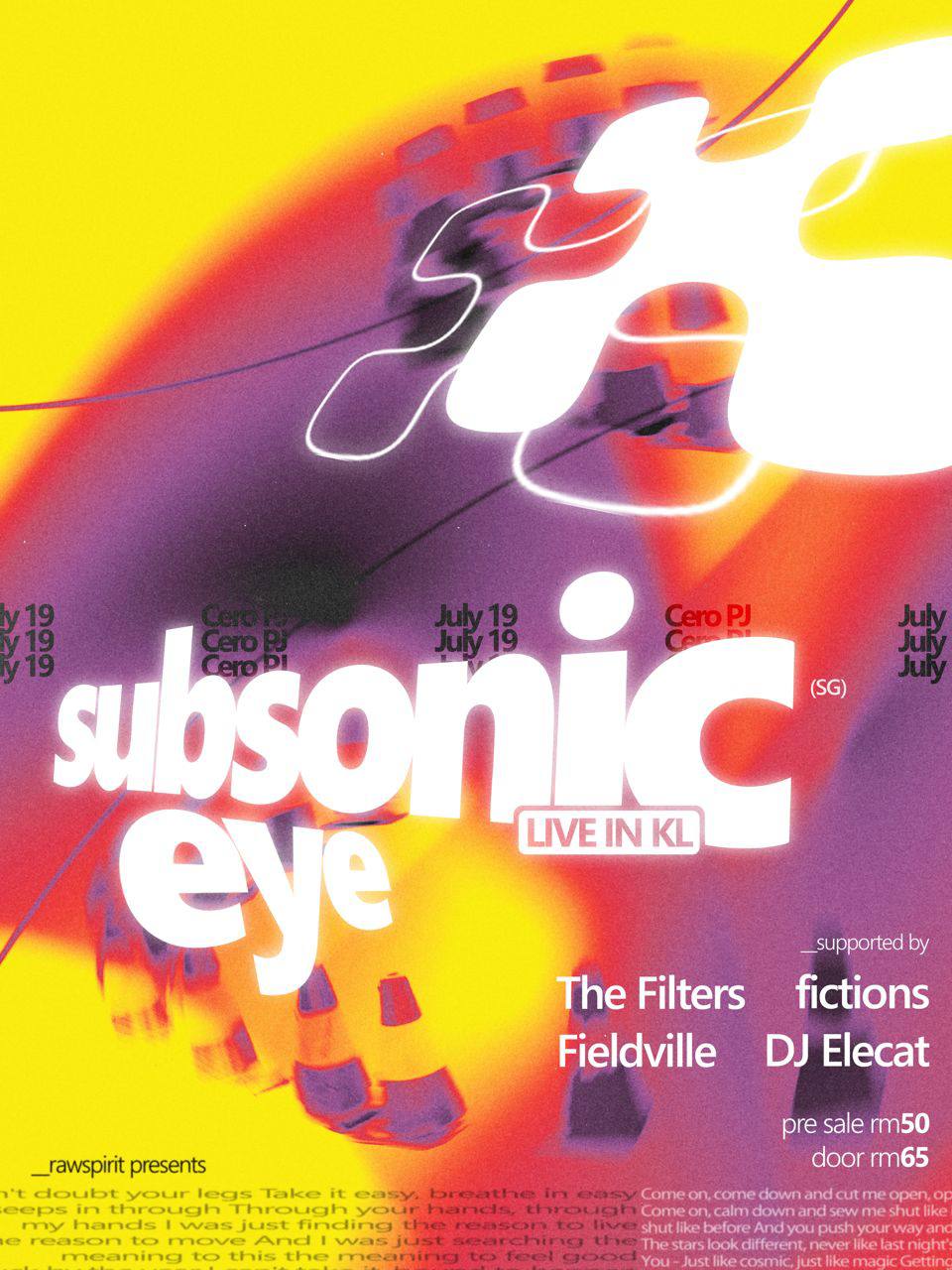
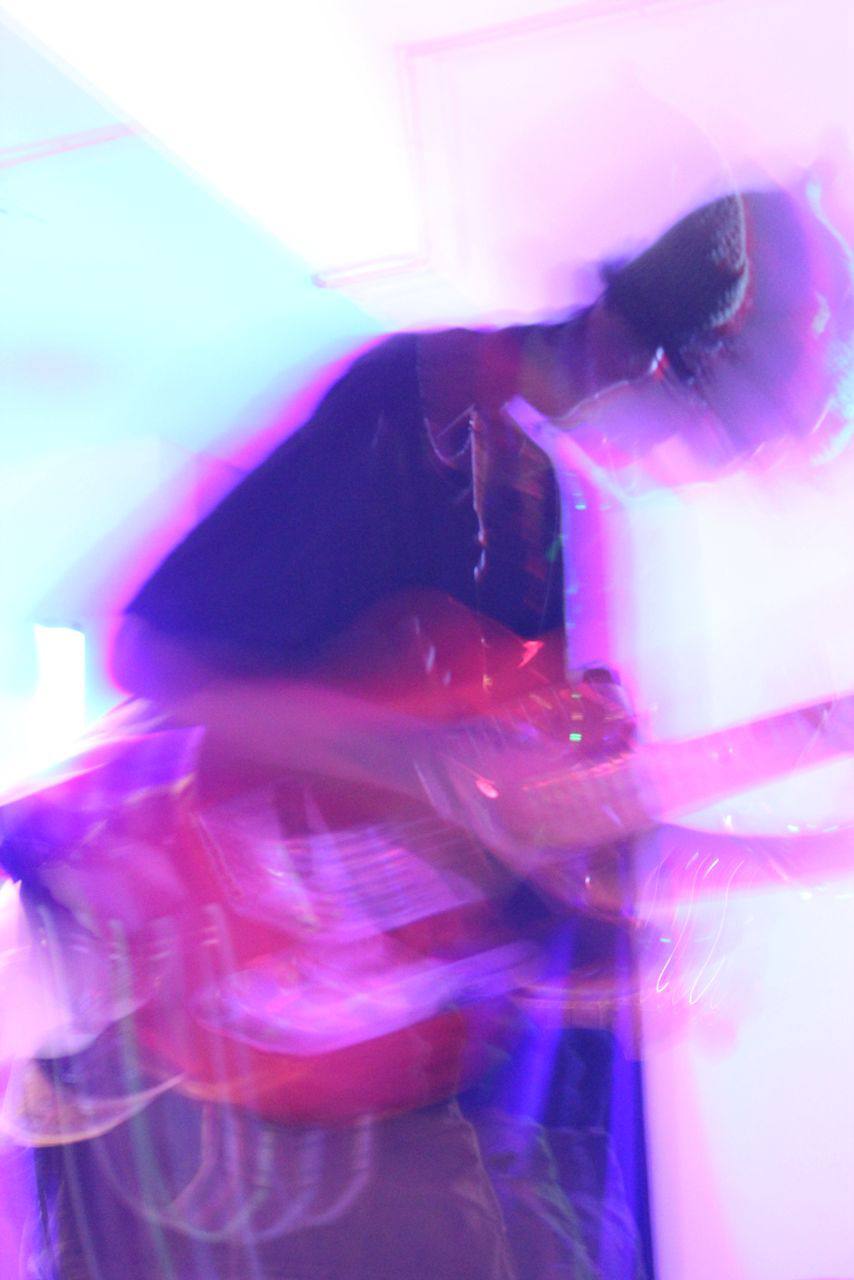
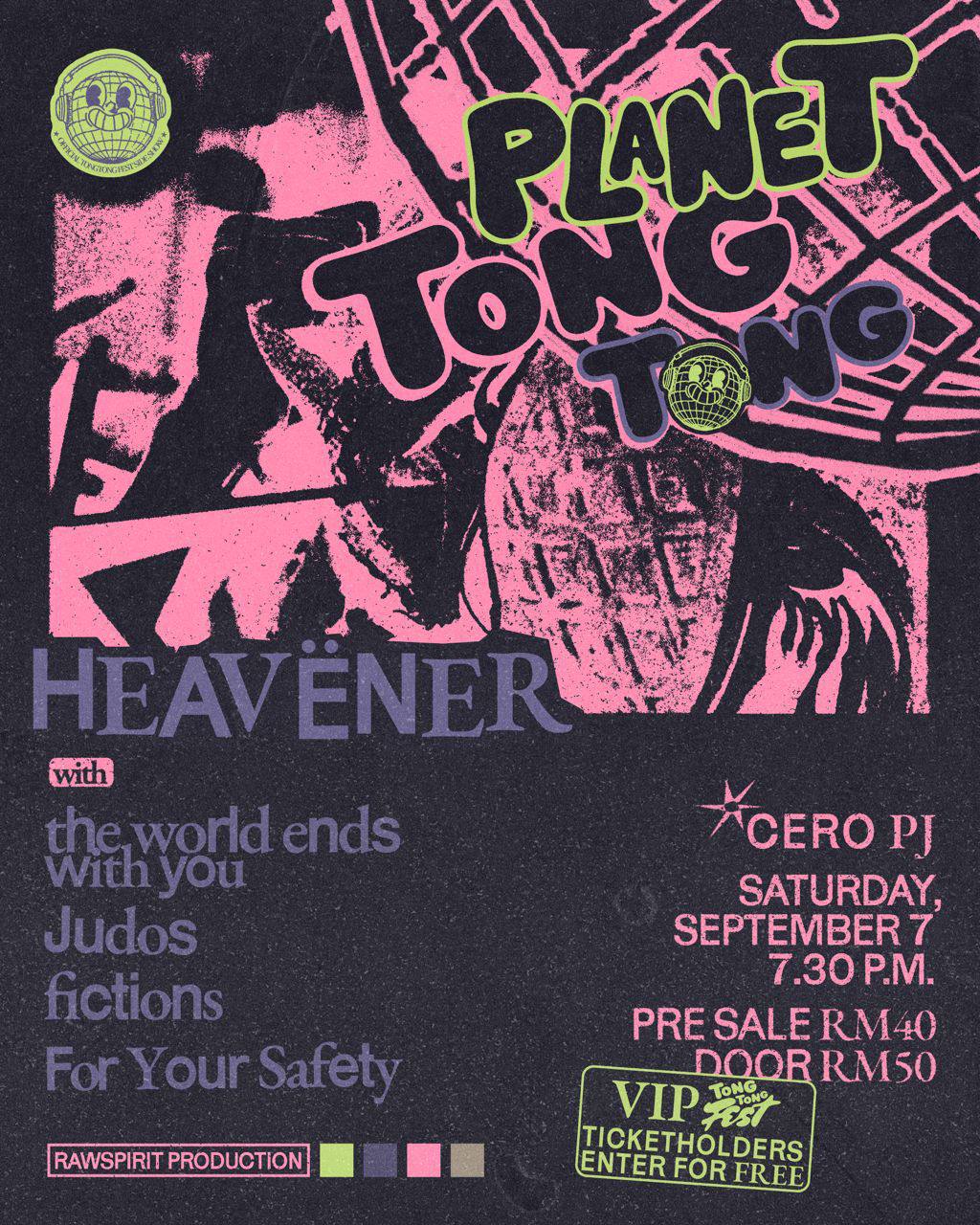
What emerged was not just a workaround — it became the foundation of a movement. With no corporate oversight, KL’s independent music community decided to build everything themselves. The bands design flyers, merchandise, edit and promote their events or performances online straight out of their pockets. Paying half deposits for venues while relying on the community to pay for the second half through attendance. The shows can be about anything and can be hosted anywhere. From house parties to tiny studio spaces and even cafés, artists saw freedom to form functions that appealed towards the community and set one true rule — to bring people together.
These events portray unity within the community and become much more than just listening to the music. Someone is always ready to lend a ride, run the door, or hold the camera. Someone always knew a guy who had extra cables while someone else knew where to borrow a drum kit. The line between the stage and the floor is blurry on purpose. It is understood that this thing survives because people care enough to make it real. From stage lights to sound checks, every detail was touched by someone who simply wanted the night to happen. And maybe, that is what makes it so powerful. The community is not held together by contracts or capital. It is built on generosity, trust, and an unspoken agreement that everyone involved is here to protect something precious. It is rarely profitable — but it is deeply fulfilling. Because when you help build something from the ground up, you do not just support it. You belong to it.
And in that spirit, the local acts joined forces. There was no such thing as competition amongst artists. Instead of fighting for attention or resources, the different corners of KL’s music scene have leaned into each other. They do not segregate based on genres — instead, they combine to appeal to the masses. On several occasions, the lineups for these self-funded gigs comprise a multitude of bands scattered in different genres, ranging from well-known indie rock from the likes of AVA and Dimes to rising-in-the-scene genres such as shoegaze and post-rock from bands such as FUAD and fictions, and even lesser-known genres like skramz performed by Piri Reis. That blend of sounds and communities is what makes the scene so unique. At any given show, you might find punks moshing beside ambient fans, or rappers cheering for dream-pop sets. The crowd is not divided by genre — they are united by the belief that every kind of sound deserves to be heard. The mix of genres within every vast majority of the lineup creates a shared energy, one rooted in presence and participation rather than taste or trend.
That ethos of building something from scratch is something Vasily and Jo of Rawspirit understand deeply. “In blatant terms, Rawspirit is a gig organiser, but it is also a state of mind,” they laugh. What began as a way to get their own bands — and their friends’ — on stage has since evolved into a symbol of how far passion and participation can go when institutional support is absent. “We wanted our friends’ bands and the bands we were in who were not getting booked to play shows together, and the quickest way to do that was to do it ourselves.” For them, starting did not require much — just trust in each other and the willingness to do the work.
They describe early shows as running on “almost nothing,” relying on profit-sharing with venues and presale ticketing to raise enough for deposits. That model did not just keep things afloat — it kept things accessible. “The community here is really accepting of new bands,” they add. “Support comes in small but meaningful ways: booking them for paid gigs, buying their merch, purchasing their music on Bandcamp, or just sharing it with friends online.” It is that spirit of generosity — quiet, unglamorous, but deeply felt — that keeps the scene turning. It is a reminder that the greatest resource in KL’s music scene is not money or industry ties but the people willing to show up and share what they love.
In many ways, that sense of belonging is what draws people in. You do not need to know the band names or the subgenres. You do not have to dress a certain way or speak a certain lingo. You just have to be willing to show up and care. This scene does not ask for credentials — it offers a seat at the table. Whether you are here to listen, dance, document, or just feel something — it welcomes you. In a city that is often moving too fast, too filtered, too brand-driven, KL’s DIY music community is a reminder of what is possible when people build for each other, not just for applause. It is imperfect, unpredictable, and sometimes rough around the edges — but that is the point. It does not want to be anything other than what it is: a safe space made with love, by the people who need it most.
Thus, what is unfolding here is not just a series of gigs — it is a culture of care — the instinct to lift each other up without asking for anything in return. Over time, what starts as a gathering of music lovers becomes a loose but resilient web of trust, built across basements, rooftops, and tiny event spaces. There is no fixed formula, no central figurehead — just a shared belief that this is something worth nurturing. In a city where so much can feel transactional, KL’s independent scene offers something real, raw, and rooted. It reminds us that when we build for each other, not just ourselves, the result is more than music. It is home.
And the best part? It is still growing. Every new show is a chance to meet someone new, to hear a sound you have never heard, to contribute something small that keeps the whole thing going. You do not need a big name or a label deal to make an impact here. You just need to believe that music should belong to everyone. The stage might be small, but the circle is wide. And in KL, that is more than enough to keep the music alive.
Once you are done with this story, click here to catch up with our latest issue.