There seems to be endless talk about where fashion in the year 2025 is heading. With the barrage of trends popping up every few months, it is no wonder that an average person’s personal style shifts every so often. But what happens when things move too fast and their hyperfixations on the latest trend cannot keep up? Well, we are more likely to lose our sense of personality — an identity crisis of sorts that grinds our gears as we figure out what our personal style even is.
Beyond that, there is also a subtle critique of how trends create sameness, how the desire to be different paradoxically results in everyone dressing alike. The silhouettes and styling do not beg for the spotlight but instead resist the urgency of fleetingness. Watching the clothes move, you are reminded that chasing trends often leaves you with nothing enduring. It is a necessary reminder for an audience that has grown accustomed to acceleration. The faster fashion runs, the less it stays with us.
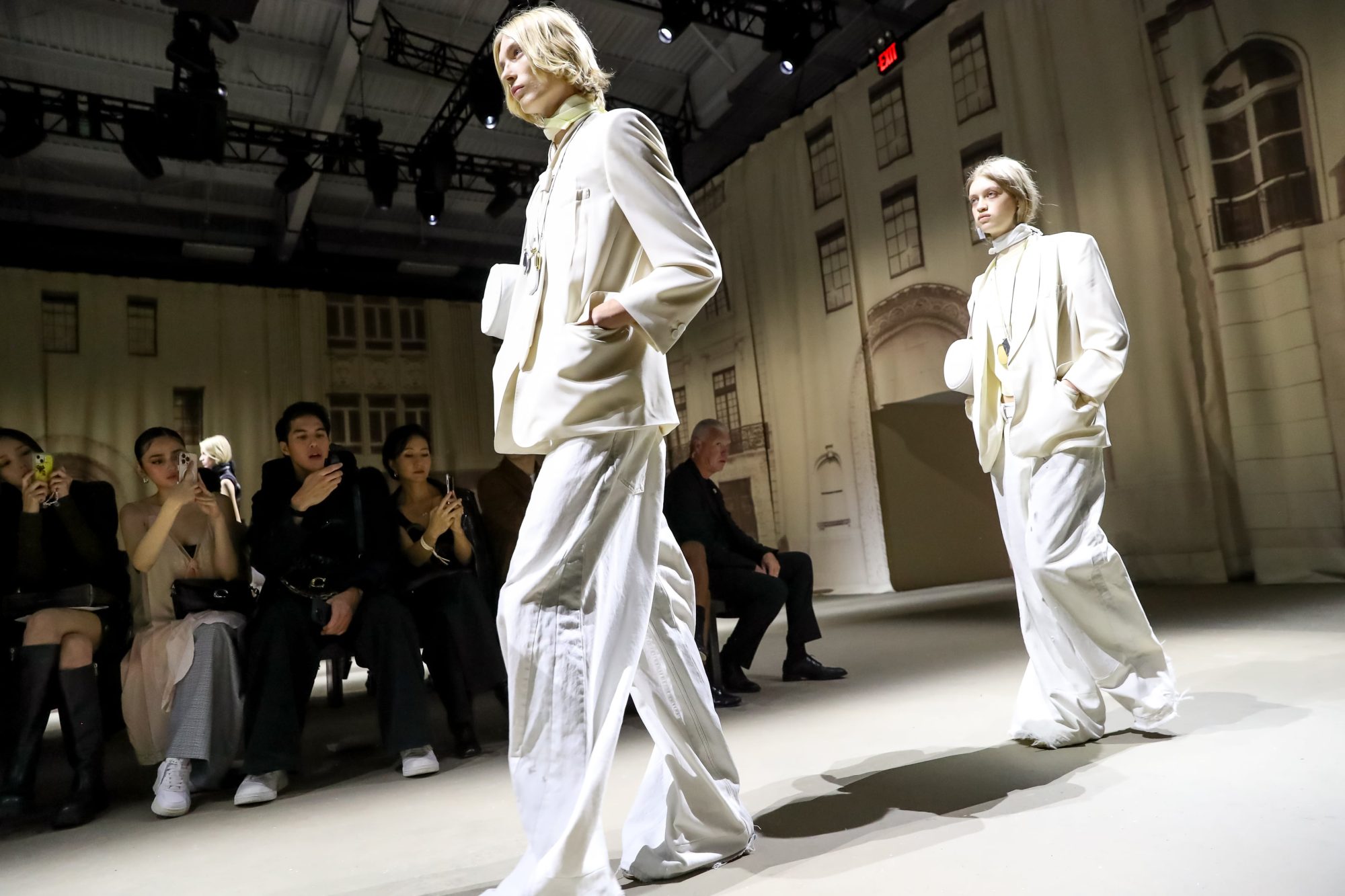
Realising the severity of what it could mean to lose that intimate aspect of one’s personality, Stuart Vevers dials it back to New York for the Coach Spring 26 collection to address this paradox directly through the lens of everyday New Yorkers. Capitalising on thrifting culture to promote their vision, the pieces feel familiar, wearable, even intimate — like clothes already hanging in your wardrobe — but styled in a way that makes them feel new.
Instead of reinventing the wheel, Coach reframes the everyday: jackets that feel both structured and relaxed, denim that is not distressed for effect but softened to suggest it has been lived in, and flowing dresses that could be worn with trainers on a weekday or heels on a night out.
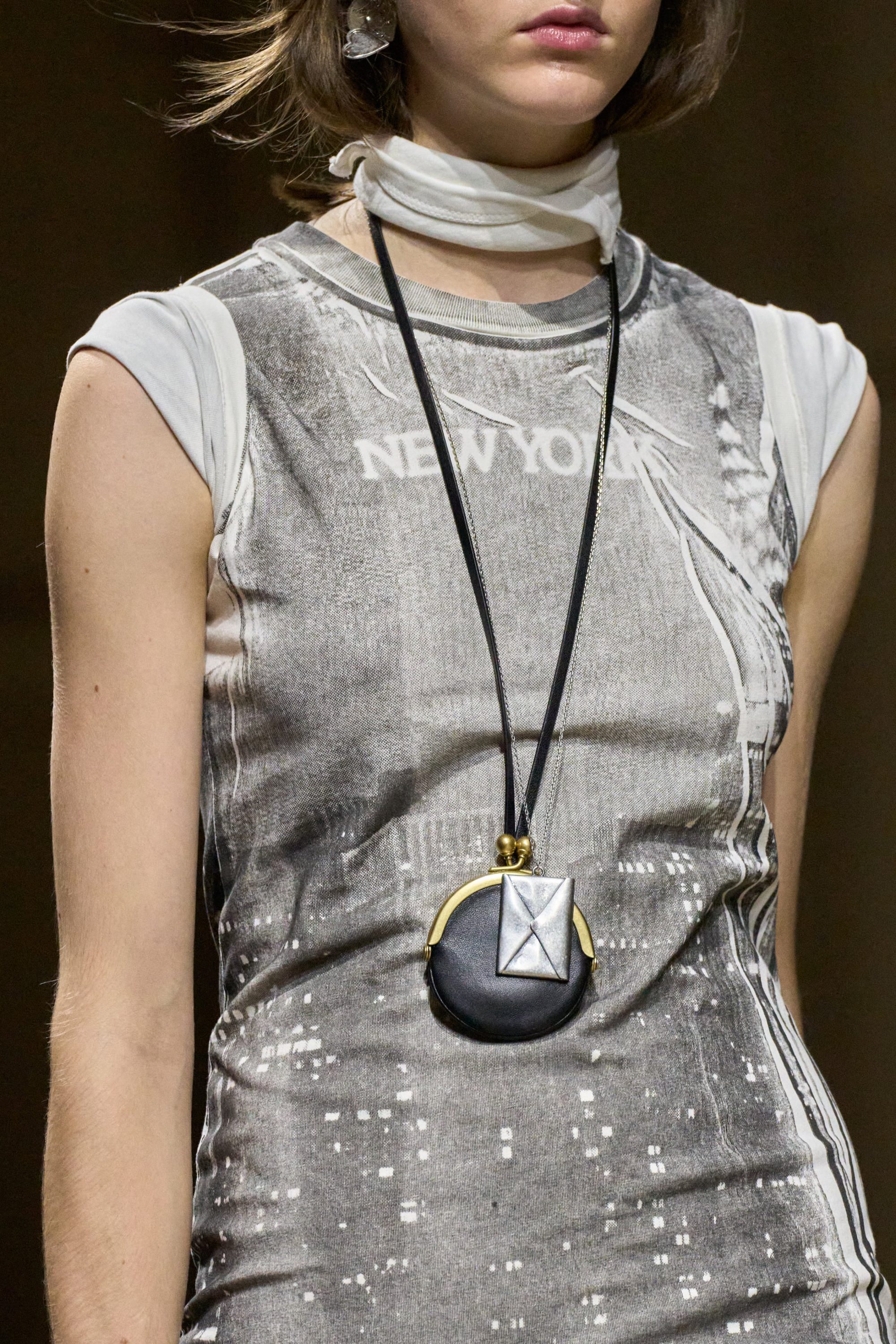
It is a solution to the exhaustion of perpetual novelty. Instead of forcing you to buy into a trend that will expire in six months, the clothes here invite you to build upon your existing wardrobe. The leather jacket feels like one you could inherit and still wear for years. The ripped knit sweaters feel broken in, textured, touched. Even the accessories — bags, belts, shoes — seem designed not as seasonal novelties but as long-term companions.
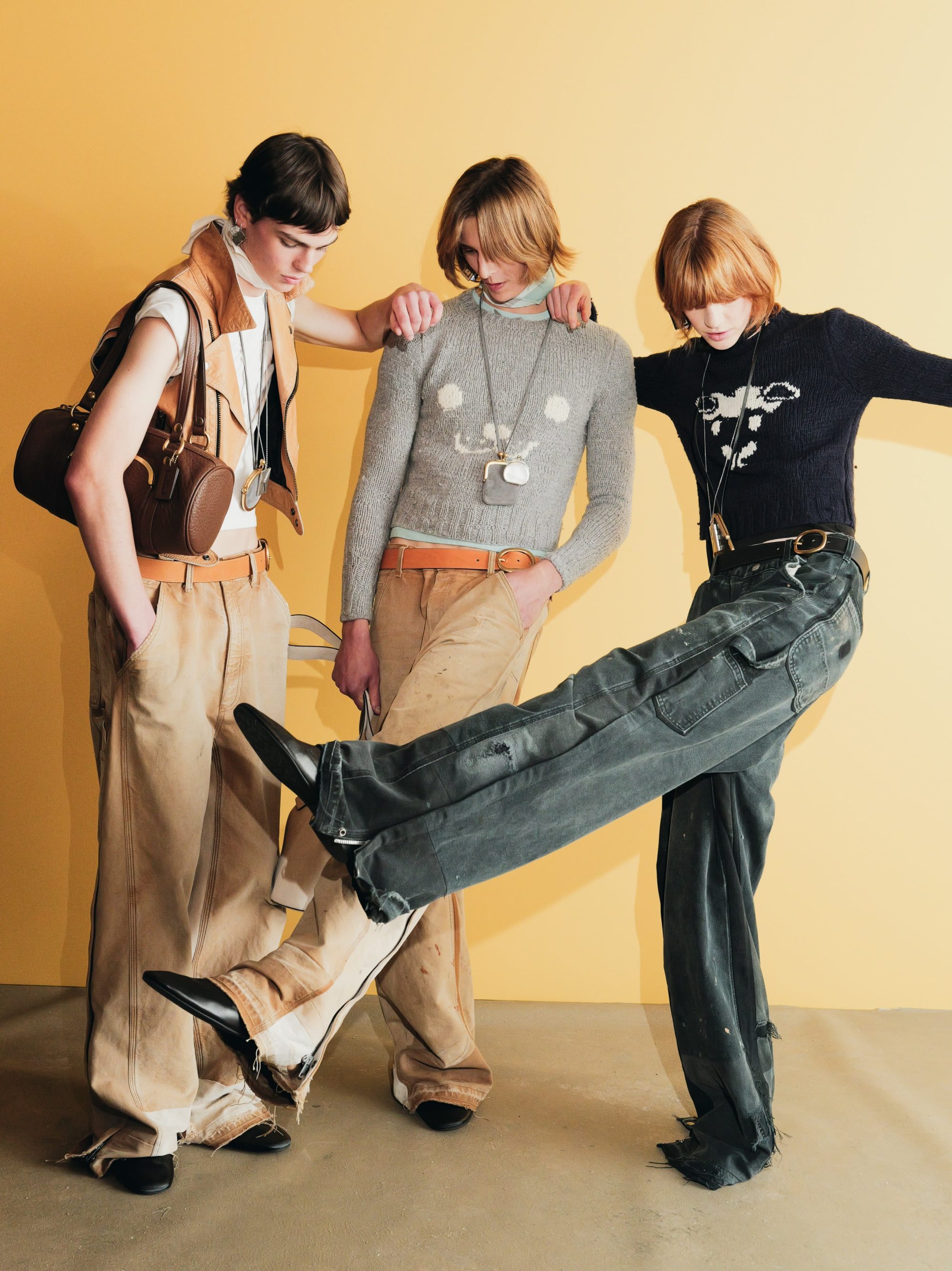
That philosophy is what Coach wants to instill in Gen-Zs today, because unlike trend chasing, New Yorkers thrive on pragmatism and personal flair. The city’s residents dress for pace, weather, and movement, layering and mixing pieces with instinctive ease. You can imagine these clothes on a crowded morning train, in a late-night bar, or under the shifting seasons of the city. They are not meant for display cases; they are meant to move, to live, to adapt.
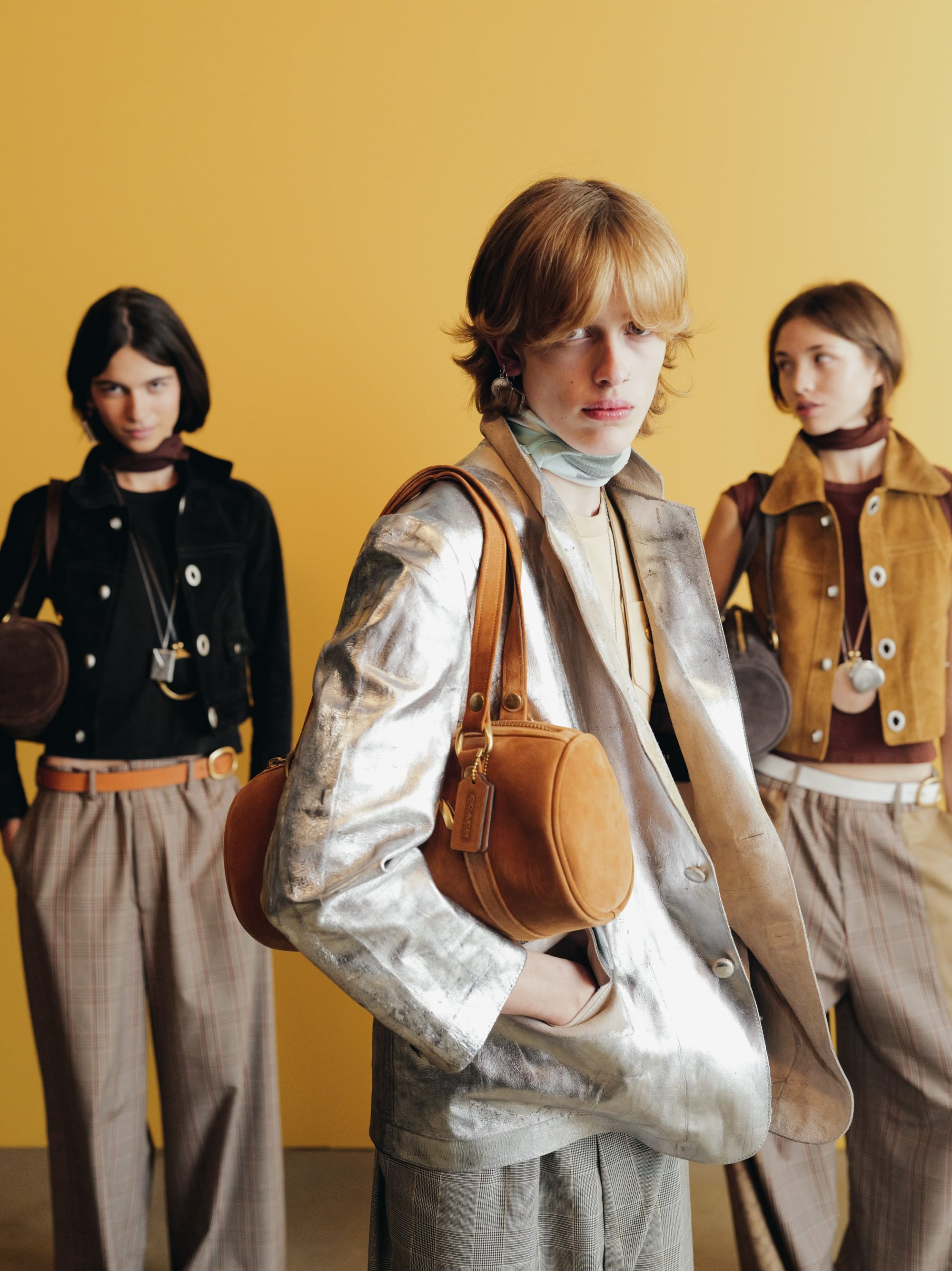
What ties everything together is the show’s emphasis on taste over trends. Coach Spring 2026 suggests that individuality is not about rejecting fashion altogether but about developing an inner compass for style. The collection acts as a toolkit for building that compass: versatile staples, textures that age well, silhouettes that remain. The message resonates particularly in a moment when many are questioning fashion’s sustainability, not only environmentally but emotionally. If trends leave us empty, personal taste grounds us. If trends fade, taste endures.
Perhaps style is not about being ahead of the curve, but about knowing which curves to follow and which to ignore. Perhaps it is less about chasing, more about choosing. And perhaps the most radical act in fashion today is not to be different, but simply to be yourself.