Veronica Leoni’s sophomore collection for Calvin Klein isn’t polarizing, but its provocative in a way that you wouldn’t expect. Expectations for this collection were high, after a seemingly well received debut earlier in February. Like her previous predecessor, Raf Simons, Spring 2026 felt like the continued reworkings and frameworks to build up the wardrobe of the new Calvin Klein customer, now equipped for all seasons of the year.
For Raf, his time at Calvin Klein was a merging of the brand’s status as a cultural icon in fashion; mixing pop culture from past and present and embedding luxury sensibility into it. But for Leoni, it’s much like the separation of Church and State like it was in the 90s. In 1992, Mark Wahlberg fronted Calvin Klein’s now-iconic CK campaign, clutching a young Kate Moss at his side — a pairing that catapulted both him and the brand into pop culture history. What was happening simultaneously; among the sex-charged advertising and provocative imagery, was the Calvin Klein Collection being sought after by the affluent and elite; seemingly treating the phenomena separate from what they were purchasing.
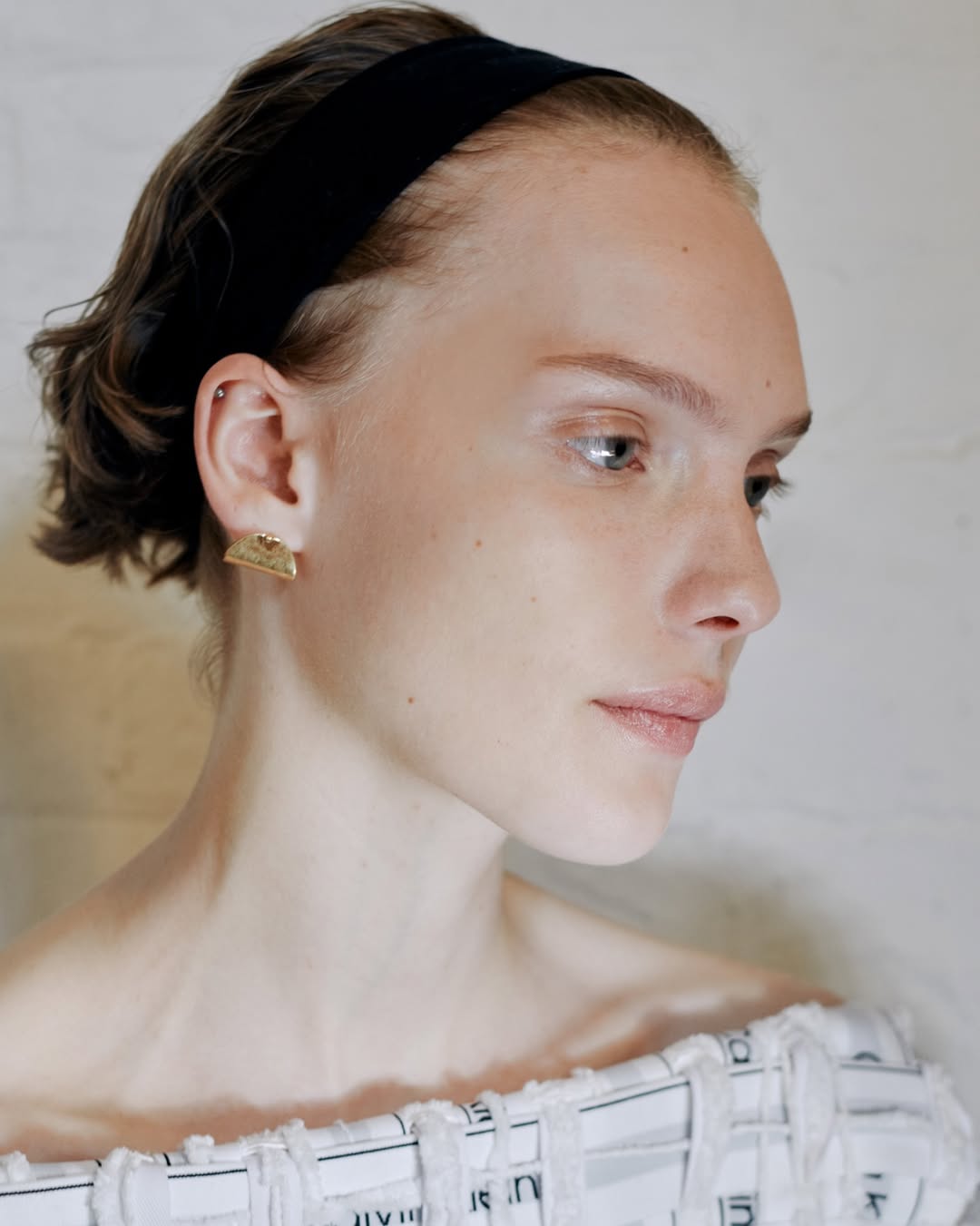
In a way, this phenomenon is being brought back by Leoni. In a similar vein, Rosalía’s sensual CK underwear campaign dropped just two days before the show, and she then sat front row afterward. Sexiness and sensuality are questions with two acceptable answers on the exam sheet for the new Calvin Klein. For Underwear, it’s stripped-back, alluring, with a touch of fantasy. But for Collection, it’s far more subtle.
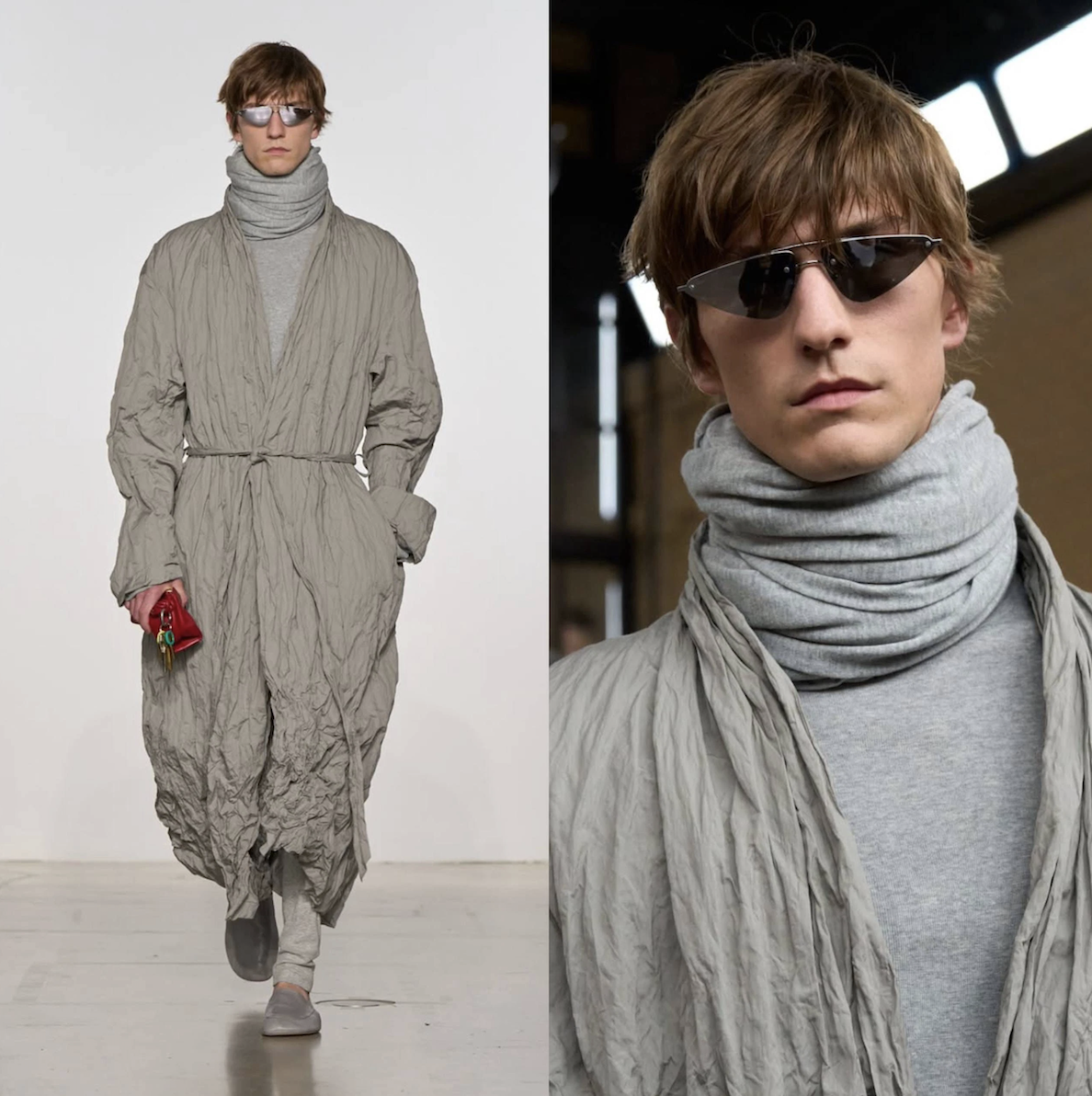
Calvin Klein Collection SS26 felt much more playful than the last collection. The show opened with a backless white pinafore apron dress, with other standouts included scoop-neck jackets that revealed just about a centimeter of the model’s bras. Pops of bright greens and reds, fringe, Americana details (jersey fabric used as two piece sets and a dress) and pom-pom details (perhaps, in reference to Raf). Men wore oversized pants paired with sandals, the interaction between pant and feet giving optimum toe cleavage, and with quite a few references to the iconic white CK briefs being repurposed into leggings, pinstripe shorts, and even an entire dress made with the aforementioned waistbands.
Veronica Leoni plays with this tension really well. It’s all left to imagination, yet it can be imagined as sexy as ever. She offers to us now a slider scale with this new push to minimalism as part of her creative ethos for the brand. But more importantly, where does Calvin Klein stand in a sea of individualism and other competitors vying for market share, and why are they pouring millions of dollars for it to work?
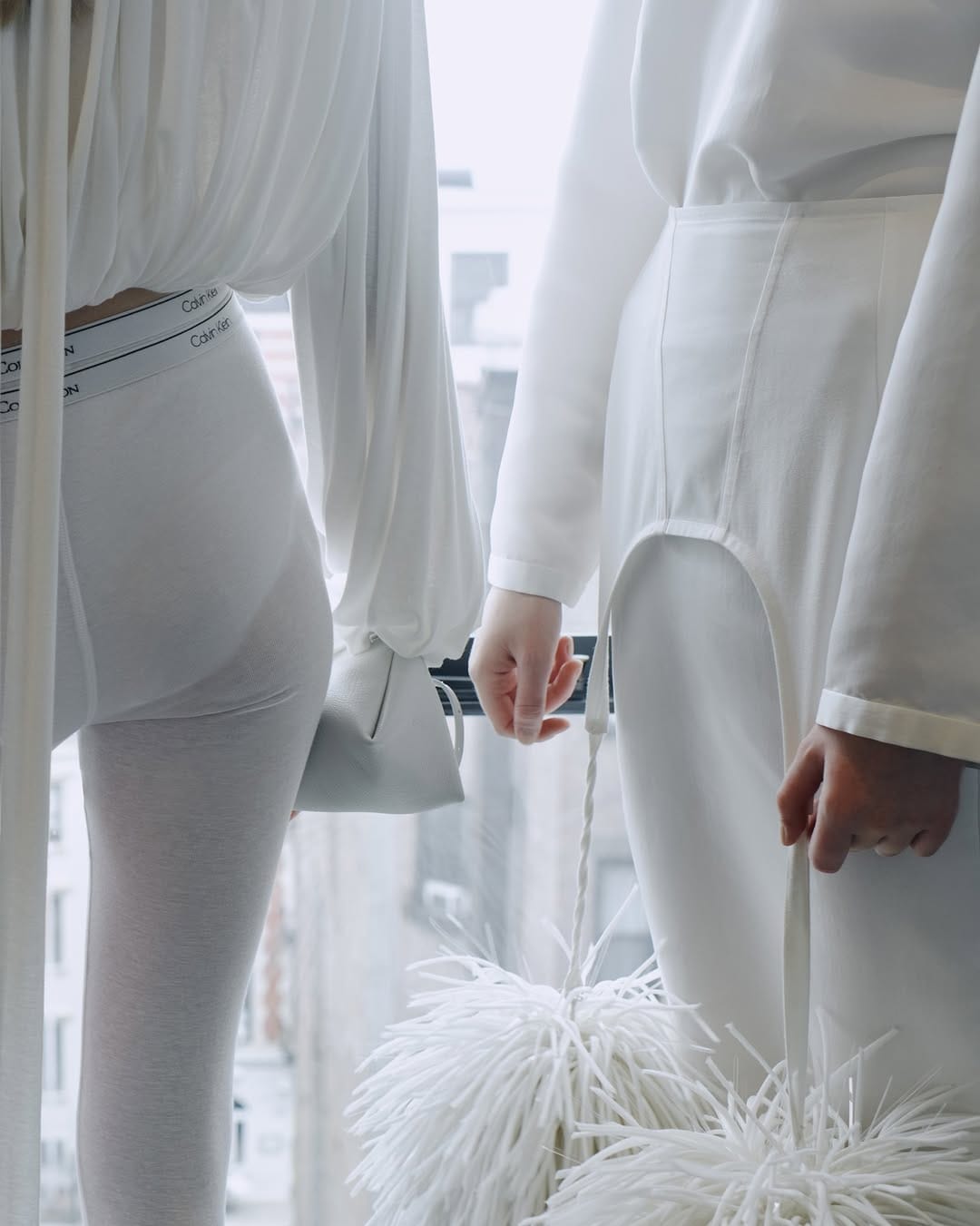
Cultural relevancy. For Leoni, it’s the story of working with the brand that laid the foundation for modern American culture in the 20th century, and reclaiming that cultural power for Calvin Klein today. The Church and State rhetoric is symbiotic; provocation keeps the masses tuned in and the affluent interested enough to buy into it. And unlike other newer brands who equip themselves with focusing on design and minimalism for the modern consumer, CK affords to lean into history. Perhaps, with Veronica Leoni’s vision, in a few seasons, when someone asks you, “What are you wearing?” and you reply, “Calvin Klein,” it’s in reference to more than your undergarments, and will carry an aura of aspiration and desire moving forward.