Step into a store, pick out a nice piece from the rack, and try it on. You may like it or you may not, but what ultimately stops you from making the purchase is the price. Because, for the fashion-obsessed, considerations like cost-per-use and whether the piece resembles five others you already own don’t matter much if the price aligns with how you perceive its value. Buying out of necessity faded 50 shirts ago, honestly. Shopping has become hedonism, a pursuit of pleasure.
And now that we’re talking about price tags, would it be fair to compare a Miu Miu fleece sweatshirt that costs €1,700 with, say, a Uniqlo option some 62 times cheaper? Should the former be deemed superior solely on its price? While monetary value is important for comparison, should it be the only point of reference to ascertain intrinsic value? In marketing school, value also takes into account the benefits and costs of goods and services. When benefits outweigh costs, it is perceived as “good value”; and vice versa. Then there is this amorphous thing called “desire” and the reality called “limited resources” that shape one’s consumption decisions (this stands amid Maslow’s Hierarchy of Needs, but let’s stick to fashion), and how we ascribe value.
It helps to understand the costs involved in fashion, and how brands communicate benefits, and hence perceived value, to persuade us to buy. Men’s Folio explores these questions with Kuala Lumpur-based brand Caro Chia and China’s contemporary label Pronounce.
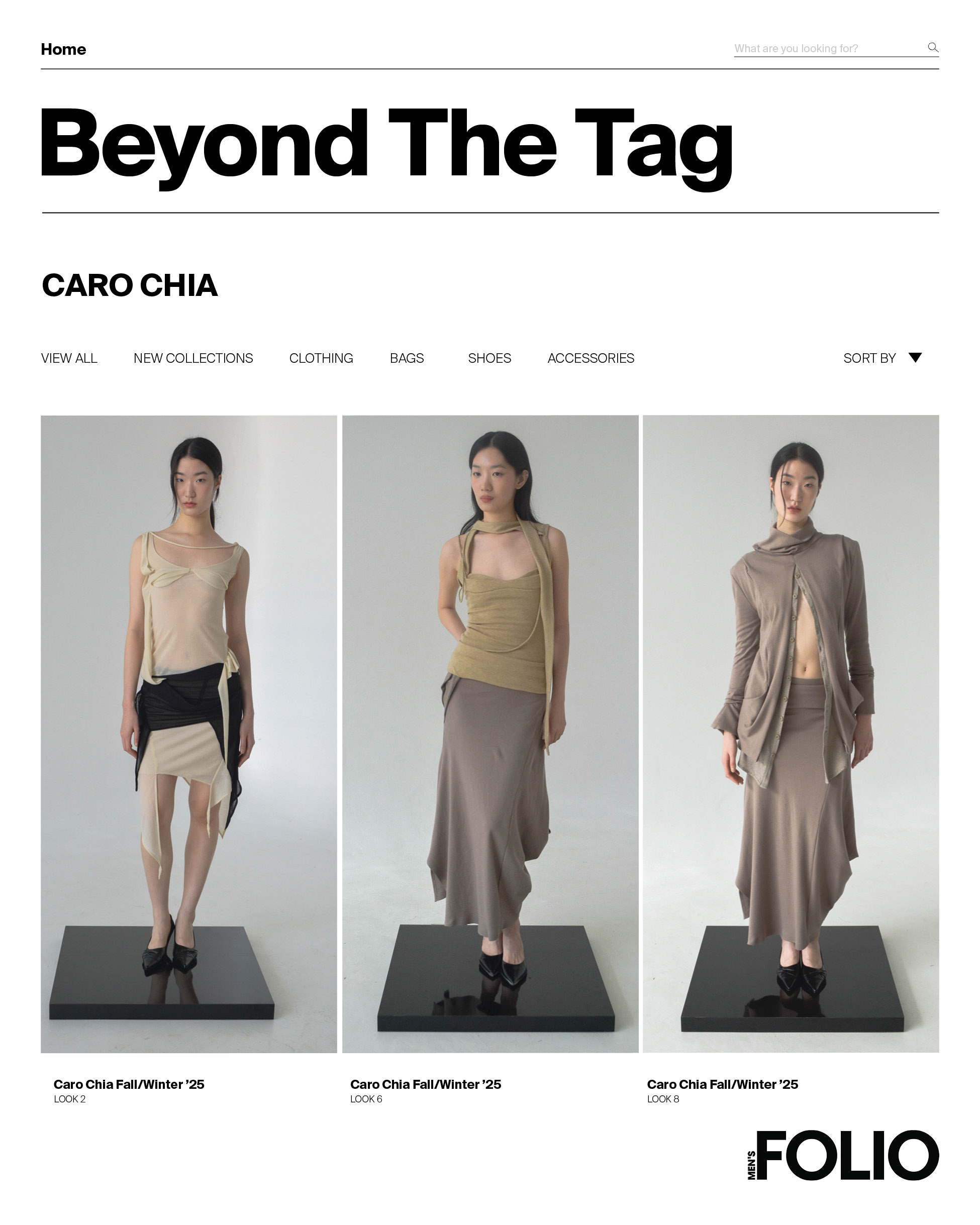
For designer Caro Chia, the logistical costs of materials are a major factor in the pricing of her merchandise. “As many of our fabrics are sourced from Japan, import taxes and shipping costs apply. These materials are chosen for their quality, texture and longevity, and bringing them here comes at such logistical costs,” she shares. Time and effort are the more obvious factors, as the design process involves draping, patternmaking and fittings before a product is fully realised. For Chia’s soft, languid silhouettes that embrace the feminine form, perfecting designs means multiple rounds of sampling and refinement before the item feels finished. “Our pricing strategy is built on the true cost of bringing a piece from concept to finished product, rather than simply marking up materials.”
As a brand, Pronounce reimagines Chinese culture for an international audience, immersing Chinese aesthetics and Eastern soul into its designs. “China’s cultural heritage and artistry have a long, profound history, and through our own understanding of it, we aim to pass on this cultural depth. Our production process follows the same philosophy,” shares co-founder Yushan Li. For Pronounce, pricing aligns with the values the brand seeks to communicate. In previous collections inspired by terracotta warriors and Chinese knots, it sought to imbue the uniqueness and rarity of these cultural elements, which are then translated onto wearable garments through craftsmanship. All of this is reflected in the price.
View this post on Instagram
At the other end of the fashion experience, the average consumer often assumes a price tag merely reflects the materials and craftsmanship of the item. Peep the oversimplified “polyester is bad, cotton is good” discourse on TikTok. What they may overlook is the research and development involved. “This includes the repeated sampling, fabric testing, pattern adjustments, or worse, discarded ideas that didn’t meet our standards,” Chia explains. To bring a specific point of view to the market also involves the cost of maintaining an authentic design process. “We’re an independent label that designs intentionally without rushing our pieces to market. These elements are essential to sustain the brand, even if they aren’t always visible in the final product.” Li expounds further by urging the consumer to consider the role clothing plays beyond functional benefits. “On a basic level, clothes are a combination of fabric and craftsmanship. But once purchased, they become a part of your life, your social circle, and influences your personal trajectory and train of thought,” he says. There is more than meets the eye. Pronounce is not only concerned with bringing a product to life but also with how designs reflect one’s identity. “We invest significant effort into cultural research and maintaining consistency in our overall production.”
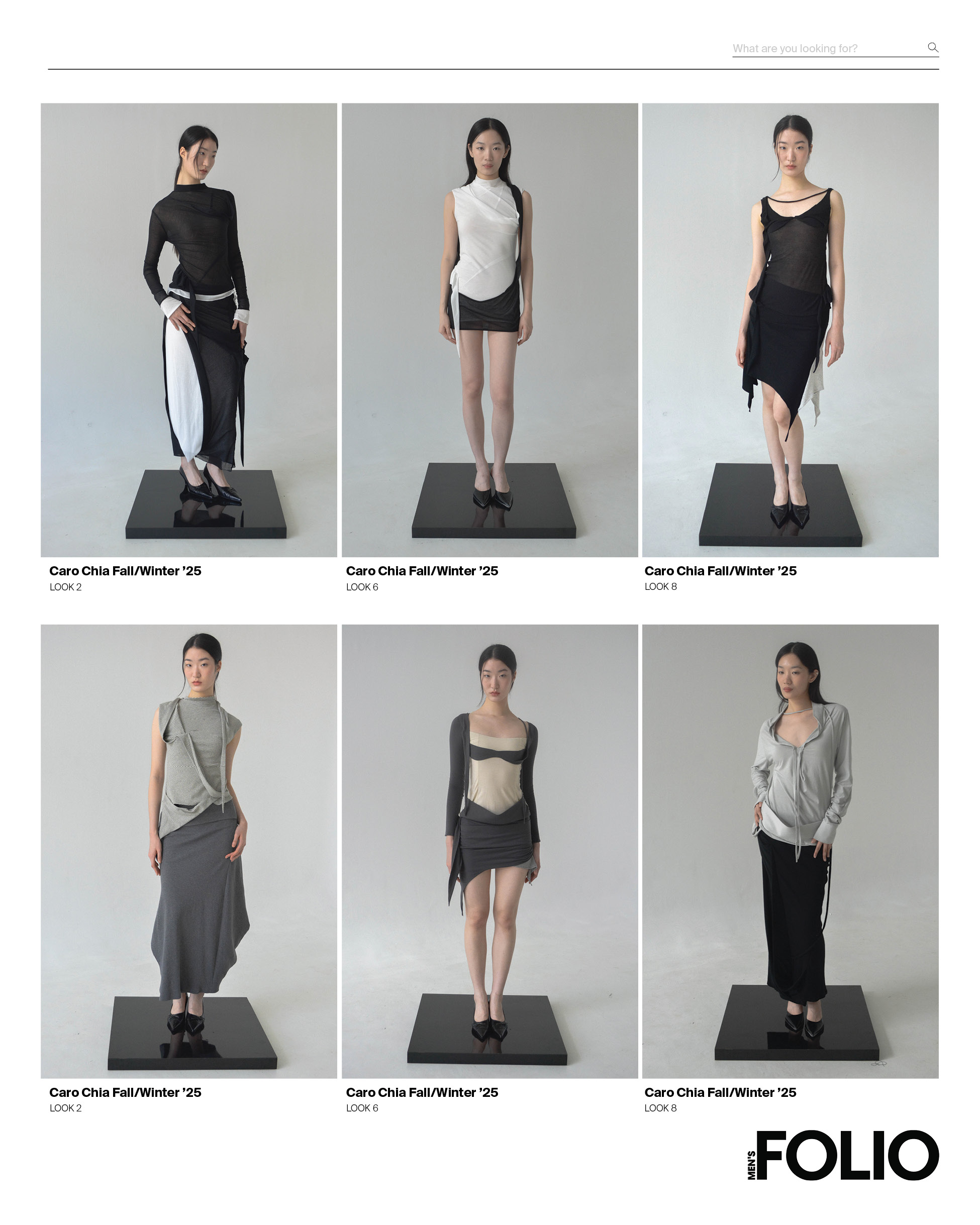
From an economic standpoint, the reason fast fashion brands can offer shockingly low prices boils down to production scale. Economies of scale allow large orders to be produced quickly and cheaply, something small indy brands don’t enjoy. Pronounce operates on an 80 per cent ready-to-wear and 20 per cent made-to-order model. “Pricing is generally determined by different product lines, materials, craftsmanship and the design’s intended context. While these two models adopt different pricing strategies, they both serve as important reference points for our consumers to experience the brand and represent key benchmarks within our brand structure,” Li shares. Rather than adopting a high-volume approach, Caro Chia primarily operates on a ready-to- wear model that still allows for small-batch production. This means quality control and consistency, albeit at higher upfront costs incurred by sampling, production, and the presentation. “As we don’t produce on a mass scale, each piece carries a more considered cost. This model is relevant to our consumers since it balances accessibility with intention, as they get to receive a finished, wearable piece without compromising on design integrity or material quality.”
View this post on Instagram
For consumers who have developed the behaviour of shopping from stockists and retailers for the competitive prices and accessibility, how does having a middle party between the brand and themselves affect pricing? “Stockists play an important role because pricing needs to be sustainable for both the brand and retailer. Ultimately, wholesale pricing must account for production costs, margins, and the realities of retail operations,” says Chia. For both labels, stockists are a relevant part of their business landscape. A relevant platform that understands the brand’s positioning will reflect its values and provide market insights. Li compares retailers to the quality control department of a complex electronic device, which helps them identify issues with the product and in real-world usage. “They help us quickly understand our performance and audience. By collecting feedback and data, we’re able to identify our strengths and weaknesses.”
Playing devil’s advocate, I wondered whether companies lean into brand building as a pricing strategy, given how some consumers associate premiumness with higher prices. At Caro Chia, brand building plays an undeniable role, but not for the sake of creating a luxury image. “It’s about creating consistency and clarity. We make sure every collection, visual and presentation aligns with our core values,” she explains. Rather than selling a lifestyle in an overt manner, they allow the work to speak through repetition, restraint and long-term coherence — all cues perceptible through styling, and merchandising. Li, however, views the association between luxury goods and their high prices as a mere surface-level commercial phenomenon. “Not everything high-end must be expensive. However, it’s worth noting that higher-priced items represent aspiration and a sign of progress. Without desire and the creation of value, society would not move forward.”
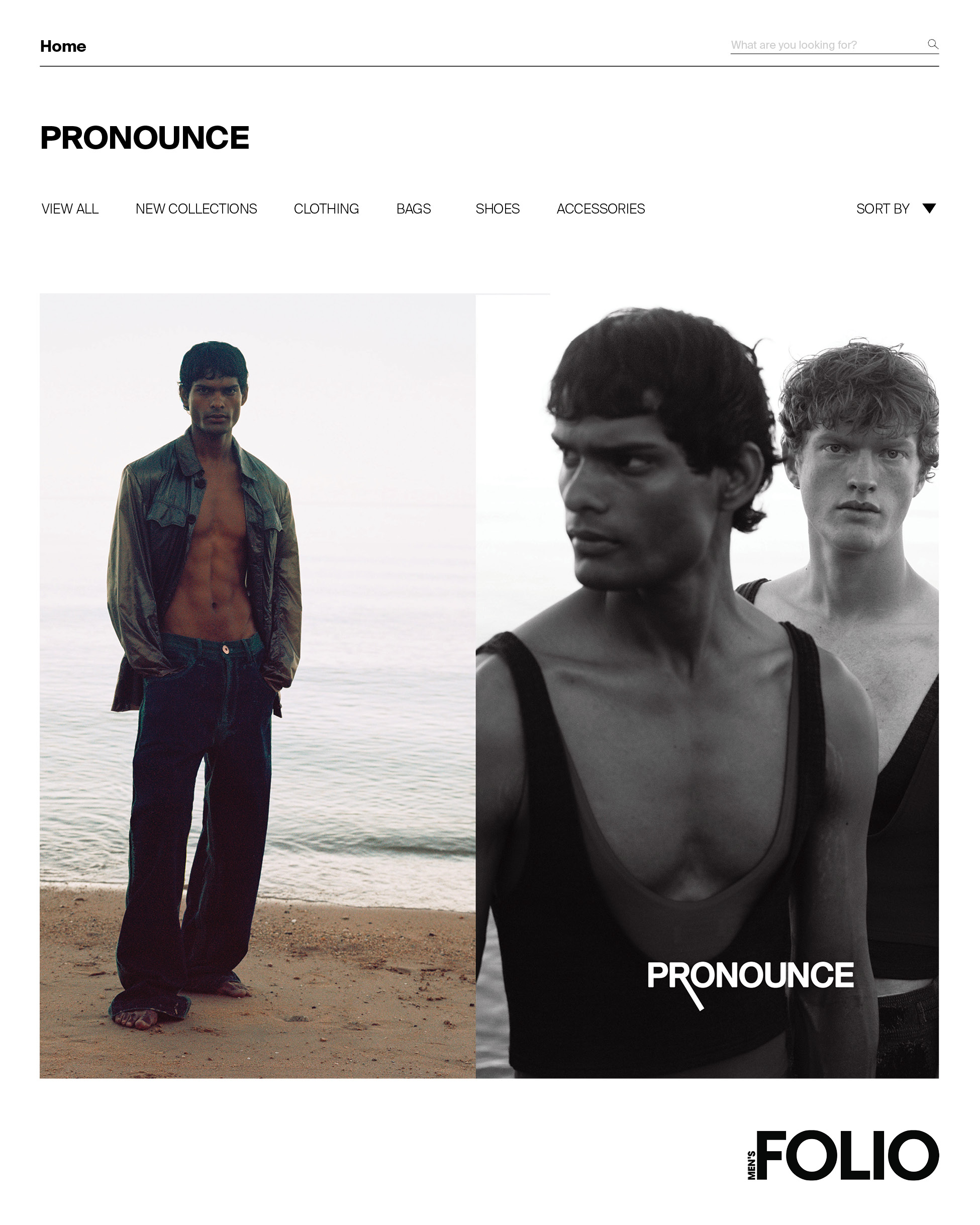
Premiumness, for Pronounce, encompasses the brand’s aesthetic pursuit and the efforts it involves. “Our creative team draws inspiration from travels and everyday observations, constantly discovering new ideas and refining them. By paying close attention to these experiences and emotional responses, we get to translate them into our offerings.” Through thoughtful collections like the Labubu collaboration, which went beyond the mere application of licensed imagery, it is clear premiumness — and the price the brand deems worthy — takes into account the work of transmuting ephemeral emotions and desires into the tangible.
The rich, vivid references and intricacies involved consequently evaporate during communication, given that most of the audience will first be exposed to collections and designs on phone screens. How will brands navigate this phenomenon and move forward with demonstrating value? At Pronounce, Li sees this behaviour as the starting point of the consumer journey. “Fashion can indeed function through visual engagement, allowing audiences to refine their aesthetic sensibilities. If more people can elevate their taste this way, we all benefit as an industry, as it suggests that people have the means to choose beautiful things, going beyond their basic needs.” Given that a brand’s philosophy is closely tied to product quality, the goal is to guide audiences to see the brand and immerse themselves in the universe it creates, leading them to touch, feel, try and (hopefully) purchase. While it may not communicate all the intricacies of the design, visual storytelling can serve as an effective touchpoint to showcase different facets of the story. Caro Chia’s approach is about playing the long game. “Most of our customers purchase because they have been following this brand for a while, and when a piece catches their attention and fits their style,” shares Chia. Long-term collaborations with retailers have also enabled them to create intentional, meaningful relationships, as they provide foreign customers with the opportunity to experience the quality through touch.
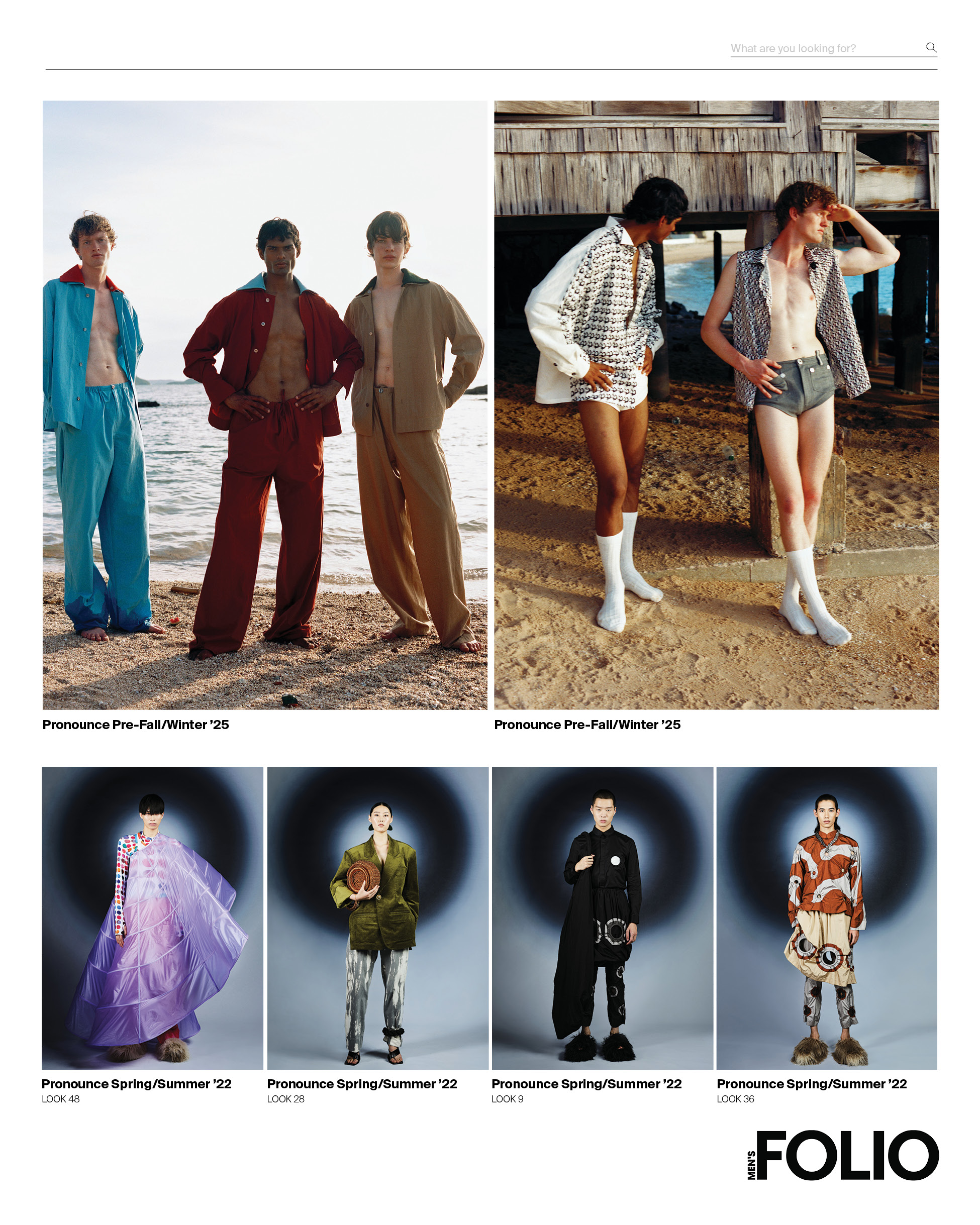
While storytelling and aspirational qualities are all the rage for some of the most buzzworthy brands (e.g., Jacquemus and The Row), where does product quality sit within their philosophies? “Our primary focus is still on product development and material quality first. Storytelling should come from the object itself — how it feels on the body, how it wears over time and how it integrates into someone’s wardrobe,” Chia explains. Li, however, views durability as a long-term, mass-oriented standard; whereas deeper cultural narratives, aspiration and refined craftsmanship are directed towards a smaller community with more individualised needs. “These two perspectives are not in conflict; they coexist and are equally valid,” he says.
Ultimately, brands communicate that authenticity, craftsmanship and material integrity come at a cost. “When buying Caro Chia, they are supporting a slower, more deliberate design process — one that values intention over volume, and longevity over immediacy. It is pieces that are thoughtfully made, and not just visually compelling.” While hesitant to answer on behalf of his consumers, Li hopes his audience brings home products that are crafted with sincerity and careful refinement that moves them. The thing about value is that it was never going to be a standard applied equally to all. As socioeconomic status, purchasing power, and personal priorities impact us differently, the point is not to answer what makes a design good value or not for anyone else. We can always agree if something is overpriced, but instead of dismissing high prices as “rip-offs”, perhaps there is merit in reconciling with ourselves that we do not see the value a designer offers us?
Once you are done with this story, click here to catch up with our latest issue.