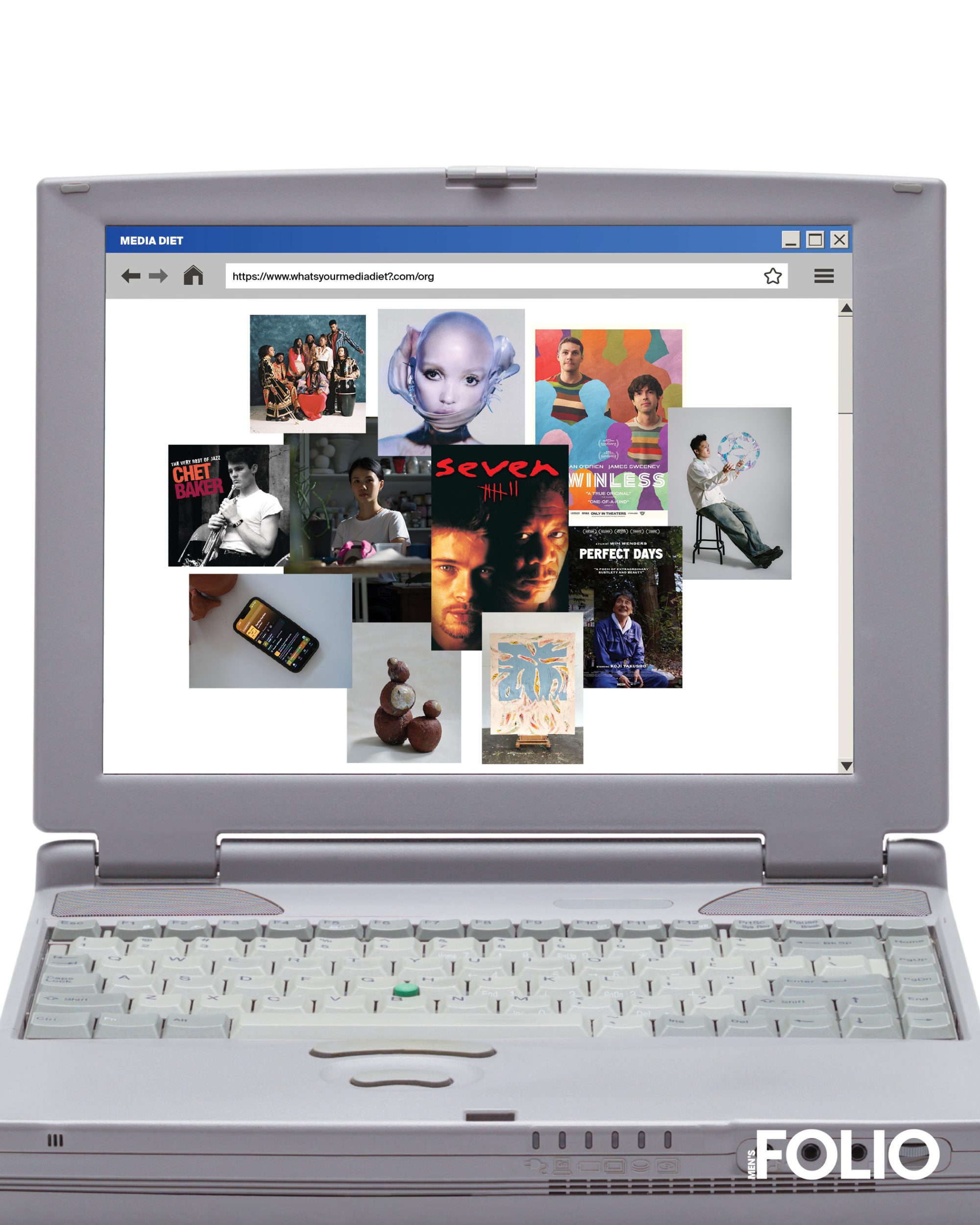
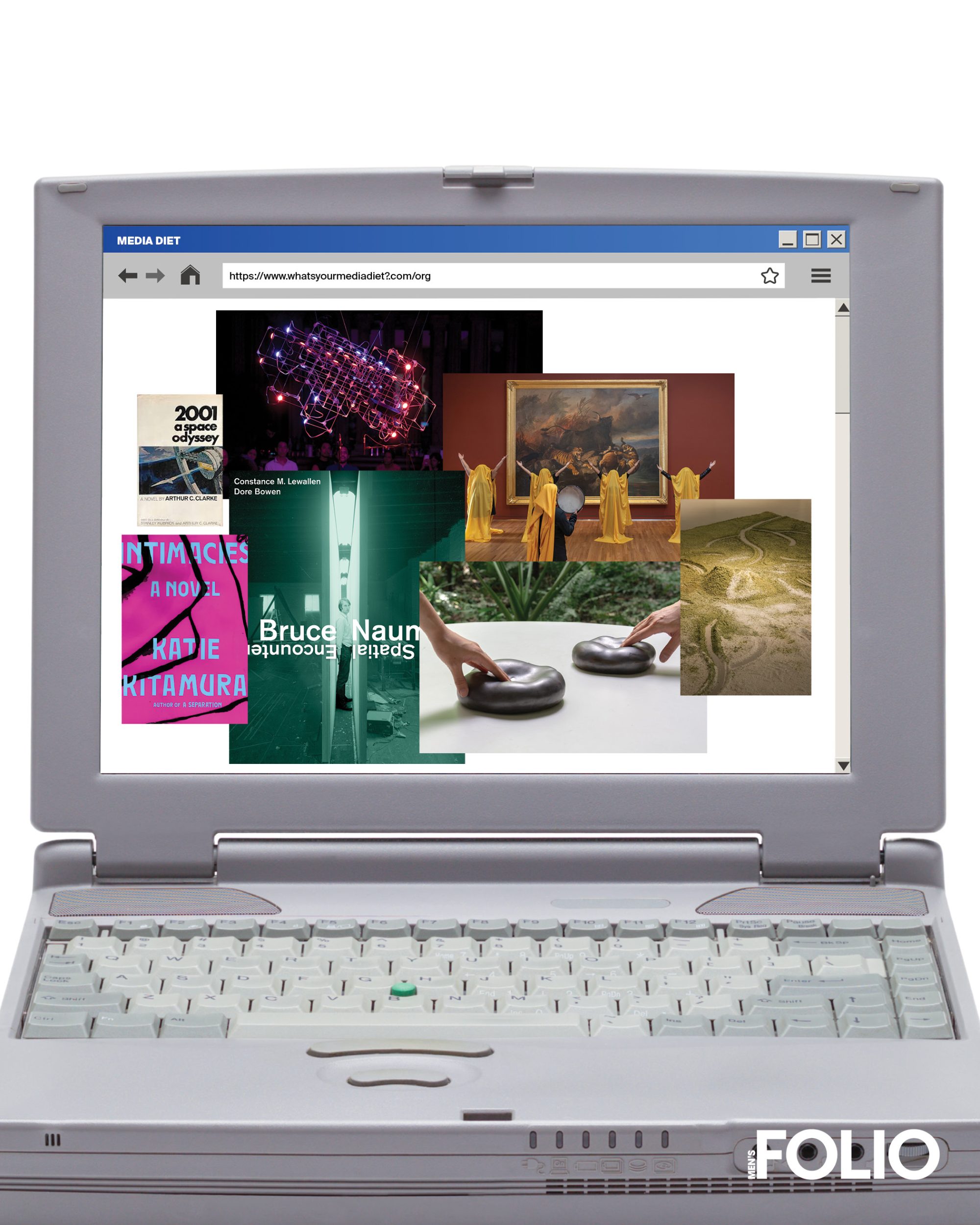
Both Lisa Rinna and Ocean Vuong have inspired me to be candid about the way I write and carry myself. One is a loudmouthed — “sh*t-stirring”, as fellow castmates have described — Real Housewife who has not been afraid of confrontation, or to “own it” by expressing herself as is. The other is an award-winning, critically acclaimed poet who has tugged at my heartstrings for being able to write about his grandmother and coitus within proximity in his book. Just as I have taken cues from Charli XCX’s brash approach to introspection, as reflected in the painfully relatable lyrics in Brat and have seen myself in the ugliest, most stubborn visage of Carrie Bradshaw as she navigates a messy adulthood, complete with unrequited love, some of these feelings linger after an episode wraps, and when the playlist finishes. Just as the bland, cardboard-like texture of the Weetbix has nourished me with enough carbs until lunch time rolls around, the voices of video essayists and podcasters have made hour-long commutes in slow-moving traffic feel a lot more bearable. Our media diet, which encompasses a diverse range of media across social media, television, books and beyond, plays an undeniable role in the way we live, and therefore, the way we craft. Men’s Folio engages a line-up of Singapore- and Malaysia-based artists to explore the influence of their media diet on their lives and work. The common denominator in these artists’ media diets is music. While painter and educator Adli (@senimenjadiadli) uses music from Cleo Sol, Chet Baker, and Korokoro to set the mood, trained architect and artist Jun Ong (@junihaoni), who works with light and large-scale spatial installations, leans into music to ground himself. “I listen to minimalist and experimental composers like Philip Glass, Max Richter and Alva Noto, as their music possesses a hypnotic repetition that I really enjoy. Sound baths and meditation have recently helped me enter a state of emptiness that allows me to refocus,” Ong shares. Multidisciplinary artist, nor (@homesick.docx), who predominantly works with lens- based media, performance, and text, has enjoyed FKA Twigs’ EUSEXUA Afterglow, for its multifaceted sound. “EUSEXUA is epic and meditative, referencing William Orbit’s production in Madonna’s Ray of Light. EUSEXUA Afterglow, being its follow-up project, doesn’t aim to imitate or emulate, and is more true to our times. Sushi is a good thesis track that summarises the different sounds she has been influenced by into one fab track!” they share.
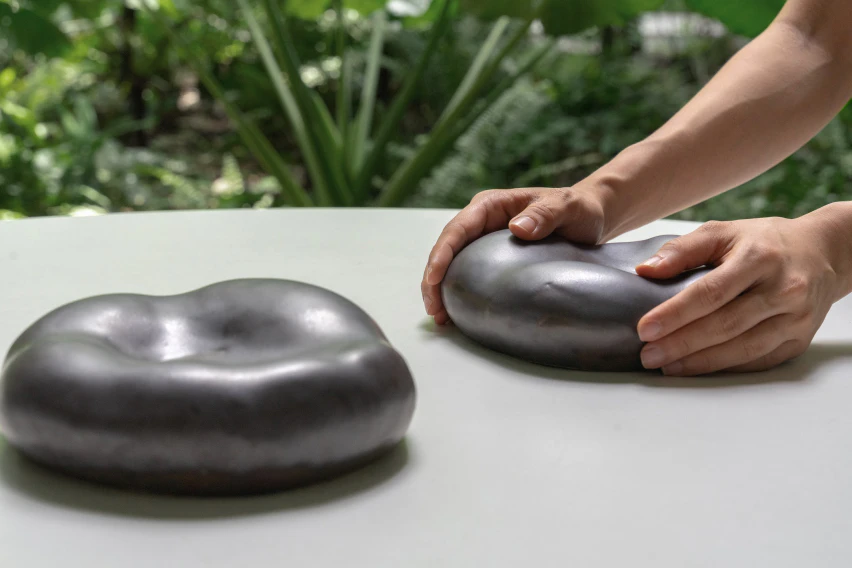
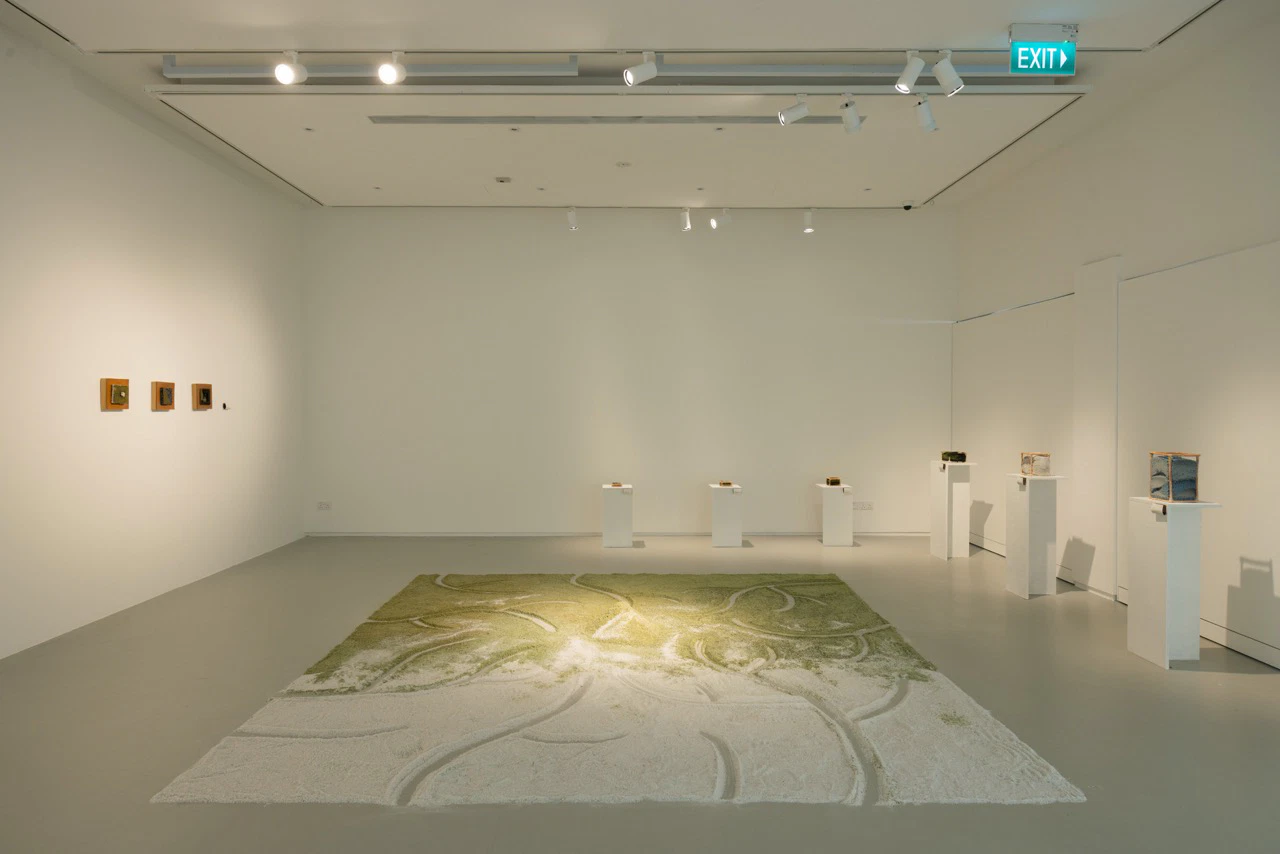
Describing her media diet as fairly quiet and reflective, clay- based artist Genevieve Ang (@gellyvieve) lists podcasts as a significant part of her rotation. She finds listening to the Buddhist podcast The Way Out Is In grounding, as the conversations often explore how mindfulness can be applied to contemporary life. “The world can feel chaotic, and many things are beyond our control. The idea that we can work on our own mind and awareness in the midst of that chaos feels like a small light in the darkness,” she reflects. Other podcasts like Poetry Unbound and Search Engine have allowed her to delve into other curiosities, such as literature, internet culture, and technology, at her own pace, rather than relying on the often- stressful nature of watching the news as the only way to engage with the world. Adli, too, turns to podcasts like Apa Cerita and YouTube channel Let’s Talk Religion as entertainment during his commute to work.
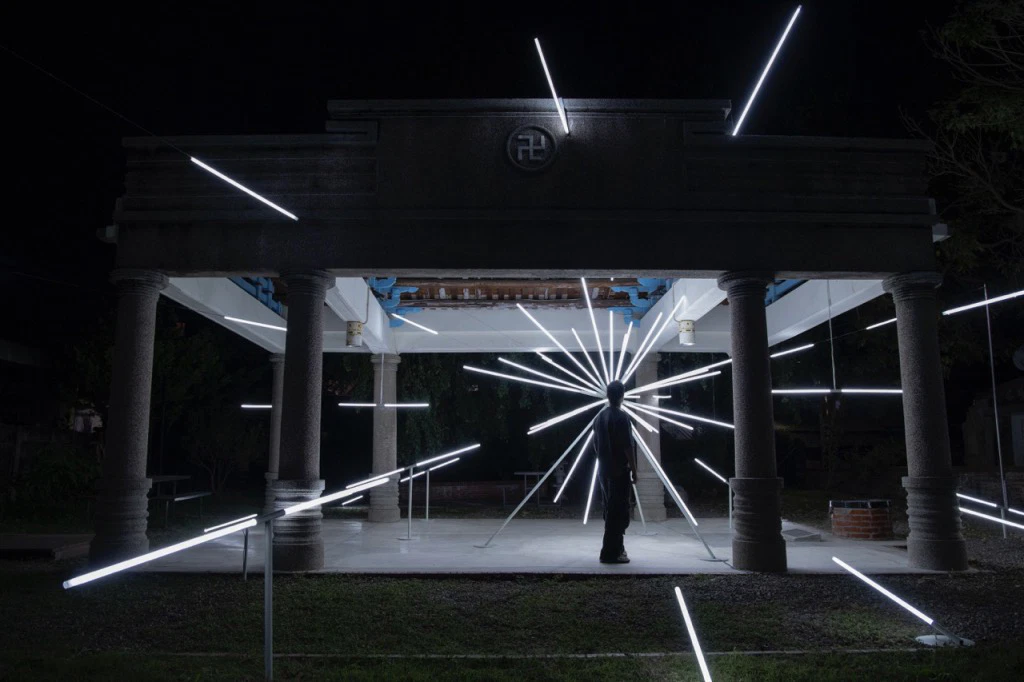
“HALO” (TAINAN, TAIWAN), Jun Ong, photography by Yue Jin Art Musuem
Films mentioned by the artists range from blockbusters to cult favourites. Given Ong’s artistic themes, it comes as no surprise that favourites include Interstellar (2014), 2001: A Space Odyssey (1968), and the whole Alien franchise. “I love films that operate on a cosmic scale. Just as I loved Sean Baker’s Anora (2024) for its raw, messy, human quality, I also love post-apocalyptic movies such as 28 Days Later (2002) and Deep Impact (1998) — perhaps I’m drawn to worlds that feel like they’re on the brink of collapse,” Ong laughs. Describing James Sweeney’s Twinless (2025) as both hilarious and demented, nor’s recent watch has them pondering: How far will one go for a little bit of company, as loneliness has become an epidemic in the postmodern condition?
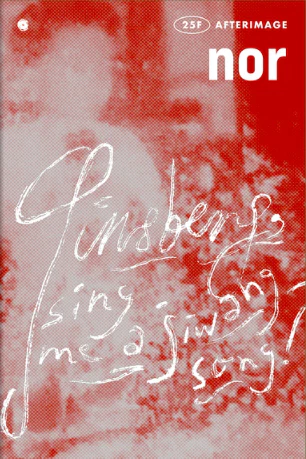
Ginsberg, sing me a jiwang song by nor (Afterimage Press)
What we consume will inevitably seep into our craft. Ong envisions his installations like scenes from a movie that capture moments of tension or a specific mood. “Cinema probably shapes how I think about lighting the most. Alternatively, music influences how I consider rhythm. When I’m programming light sequences, I often think about tempo, repetition and gradual change — similar to how minimalist composers structure music.” Similarly, nor considers musicality to be a strong component of their poetry. “I love the imagery present in 1990s Malay jiwang rock, and I’m attempting to conjure the cinematic textures of indie films of the past, such as (500) Days of Summer (2009) and Juno (2007) in my work. I have a poem titled ‘coming-of-age’ from my poetry chapbook Ginsberg, sing me a jiwang song, that infuses both indie film and irreverent pop music references.”
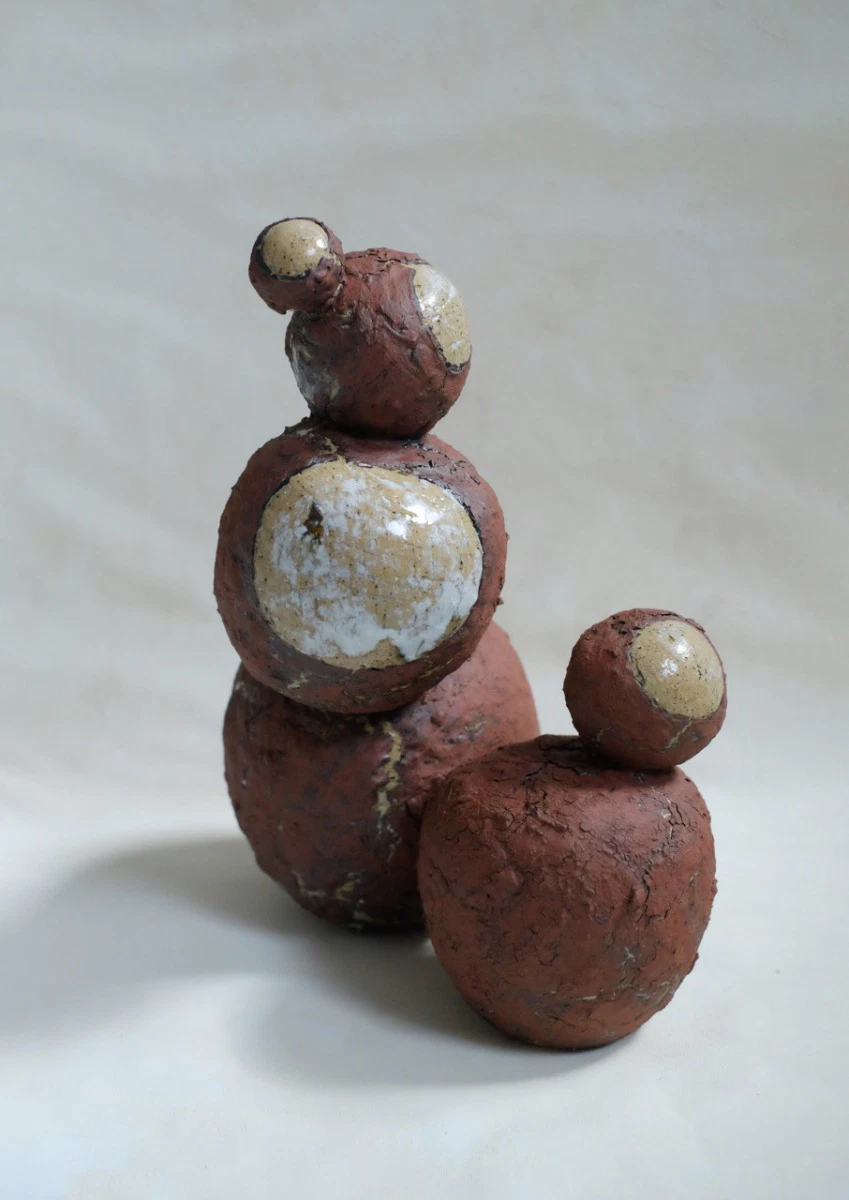
“Matter” (2024), Genevieve Ang
Given the specificity of some of these artists’ works, I wondered if there are one-off references they consume just for work. “Perfect Days (2023) by Wim Wenders and Drive My Car (2021) by Ryusuke Hamaguchi are quiet films that create a strong atmosphere through small gestures, pauses and everyday moments. While these are films that I don’t consider to be part of my everyday media diet, nor would I consider to be direct references in my practice, they influence the sensibility of how I consider time, attention and observation,” explains Ang. Certain banned books, avant-garde art performances, and university lectures — especially ones on philosophy become part of Adli’s media consumption when it comes to work. “Books hold intricate ideas that movies and songs can’t encapsulate. They aren’t bound by time to tell their stories; you get to take your time with it. As they say, ‘Death of the author is the birth of the reader.’”
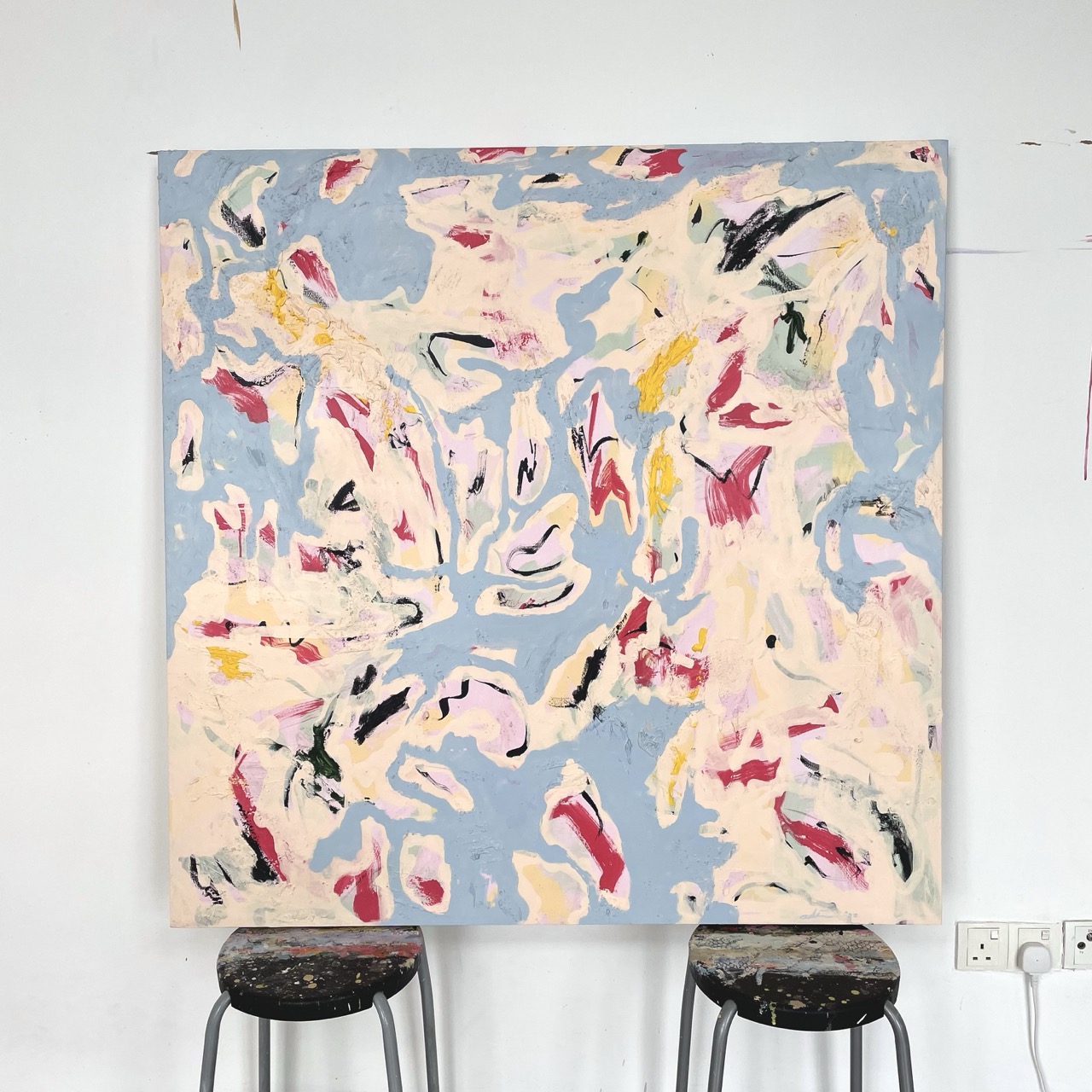
Beyond melodies, lyricism and rhythm, what moves Adli as an artist is the emotional quality of music, which he considers a driving force of his artistry. “I listen to music while I paint, because I see how it affects me and my decision-making.” Given the nature of Ang’s medium of clay, glass and glazes, she considers her media diet to be more conceptual than visual influences. “I’m especially drawn to poetry and reflective conversations because they cultivate a careful and intentional way of observing the world. Poetry, in particular, trains you to pay attention to small gestures, quiet shifts, and everyday moments that might otherwise go unnoticed.” As working with her materials requires patience and attentiveness, she focuses on her craft with a sense of curiosity and receptiveness to what the material does, rather than imposing a fixed outcome.
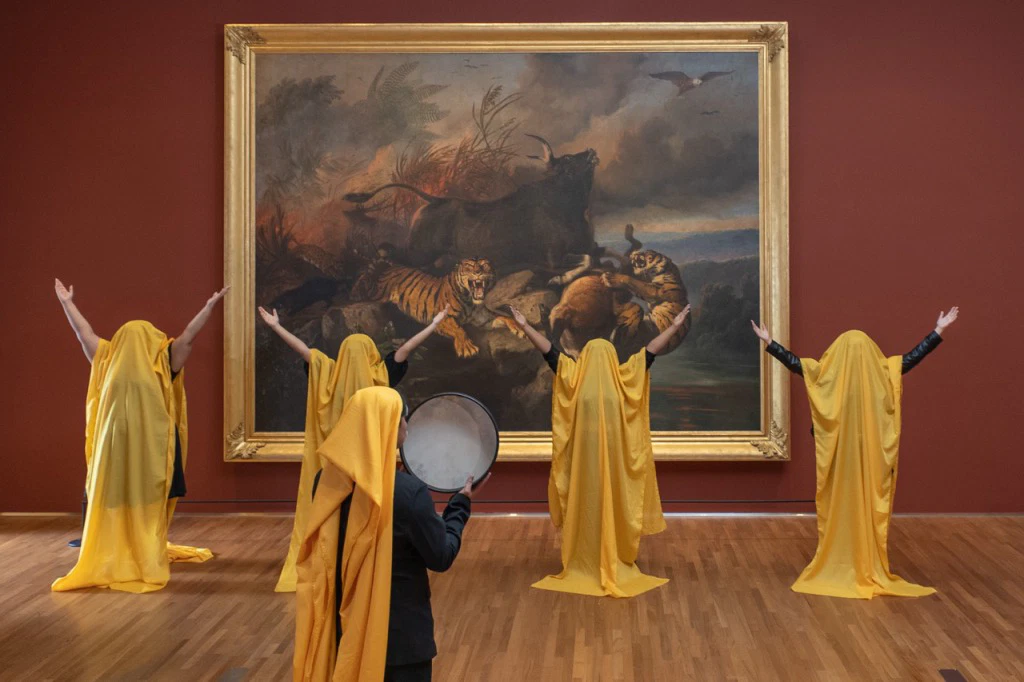
Still from “Sekali Lagi!” (2020), nor
Compared to the usual content he watches or listens casually, Ong finds himself delving into specific research-driven rabbit holes — geology, astrophysics, mathematics, down to fashion, musical instruments and wellness — for more conceptual and science-based references, he occasionally spots an overlap. “My first collection of lamps will debut in my new showroom-slash- studio space in Taman Desa this year. I’m curious to see how these inspirations used on a larger scale will be distilled into a more human-level scale as objects at home.” Overlaps, however, are a default for nor’s body of work. “I read books in the morning on the way to work, watch TikToks on my way home, and consume artworks and films when I’m freer. In Sekali Lagi (2020), my references range from paintings available in the National Gallery Singapore, such as National Language Class (1959) by Chua Mia Tee and Boschbrand (Forest Fire) (1849) by Raden Saleh, quotes by Frank Sweetenham and Lee Kuan Yew. Cinematography, however, was inspired by music videos from Cardi B, Megan Thee Stallion, Princess Nokia, Yuna and joget inang-inspired choreography,” nor shares.
Does the distinction between high- and low-quality media exist? Rather than a binary label, Ang thinks that different kinds of media are meant to cultivate different inner states. “I wouldn’t necessarily categorise them as high or low quality, but rather how they make me feel after consuming them. Some can leave me feeling a bit empty or overstimulated, but they can also be exactly what is needed after a long day,” she explains. As a fan of chick flicks while growing up, she considers them to be a big part of her coming of age. “Mean Girls (2004) has a surprisingly strong influence on pop culture and how we talk about social dynamics today. More recently, shows like Bridgerton can feel indulgent and easy to binge on, but still offer interesting reflections on gender norms, relationships, and material wealth.” Sharing similar sentiments, nor does not see a distinction, but rather see them as what is needed for the present. “Even in the realms of what we deem as fine art, the artworks are sometimes still created for the consumer in mind and what sells — that realisation has led me to put off such distinction. I find that media forms are often brushed off as entertainment, but there is a craft that is both sincere and clever. Some of the smartest works I’ve ever encountered are TikToks.”
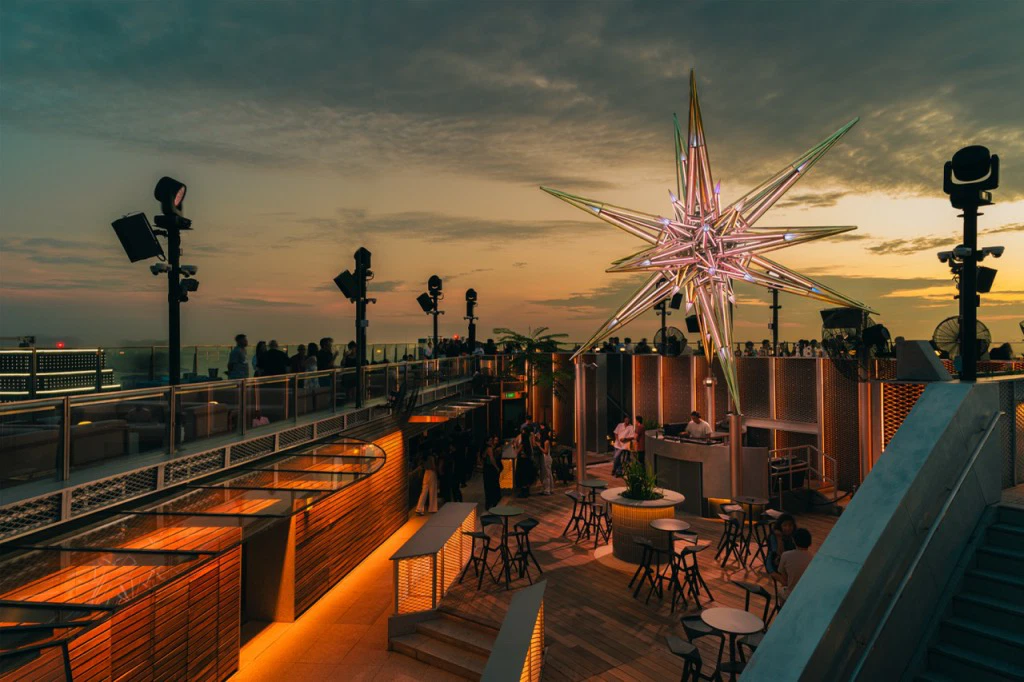
“ASTRA”(SINGAPORE), Jun Ong, photography by Ben Wee
While Ong feels that some media pieces are more thoughtful or crafted with a stronger vision, he does not feel strongly about the hierarchy between high and low culture. He believes that not everything has to be turned into an inspiration. “Some things that are considered ‘low brow’ can still be visually interesting or culturally important. Sometimes people feel like everything they consume has to be intellectually stimulating, but that’s exhausting. I feed on reality shows too, an unhealthy amount of it.” Adli, too, believes that some forms of media exist purely for entertainment as ways to help him unwind. “You know those kinds of movies where it’s mostly things blowing up and characters jumping off roofs? I call them ‘rollercoaster movies’ that you pay to get thrilled, and then get off the ride. It’s not that deep.”
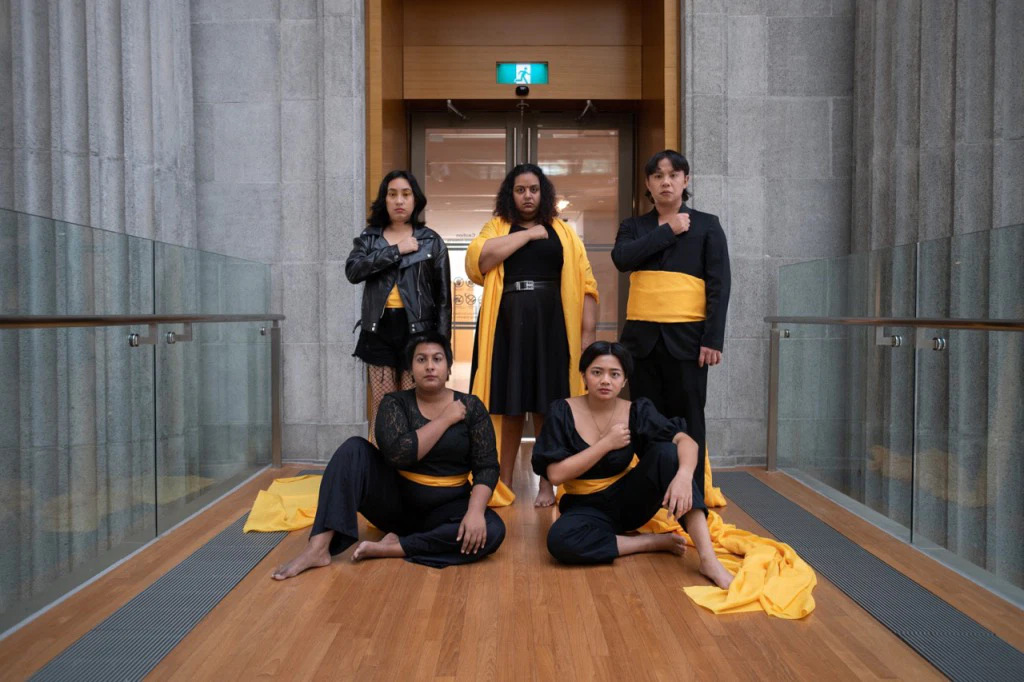
Still from “Sekali Lagi!” (2020), nor
As our internet-centric media diet is mostly dictated by algorithms, was there a phenomenon of overlapping ideas among artists simply because they consumed similar media? Most of the artists seem to agree. Ang confesses to having almost entirely avoided television for an extended period because she was aware of how deeply some stories can occupy her mind. “When many people consume the same cultural references, similar sensibilities can naturally emerge. However, what ultimately differentiates a practice is how each person processes these influences through their own experiences, materials, and ways of thinking,” she expresses. “Because media can shape the way we see and interpret the world, what we consume matters — but how we metabolise it creatively matters even more.” Referencing Miranda Priestly’s cerulean monologue, nor acknowledges that there will always be tastemakers who push trends and should be topics of discussion, leading to the idea that our creative diets are never truly ours. “For a period of time, right before the pandemic, art institutions were curating plenty of exhibitions surrounding the Anthropocene. In the early 2020s, the Decolonial became a major theme before people delved into cyberfeminism, right before the AI boom. What’s worse now is that our algorithms have become hyperspecific. Chances are, if we have multiple mutual friends, we’re probably getting served the same sort of thing.”
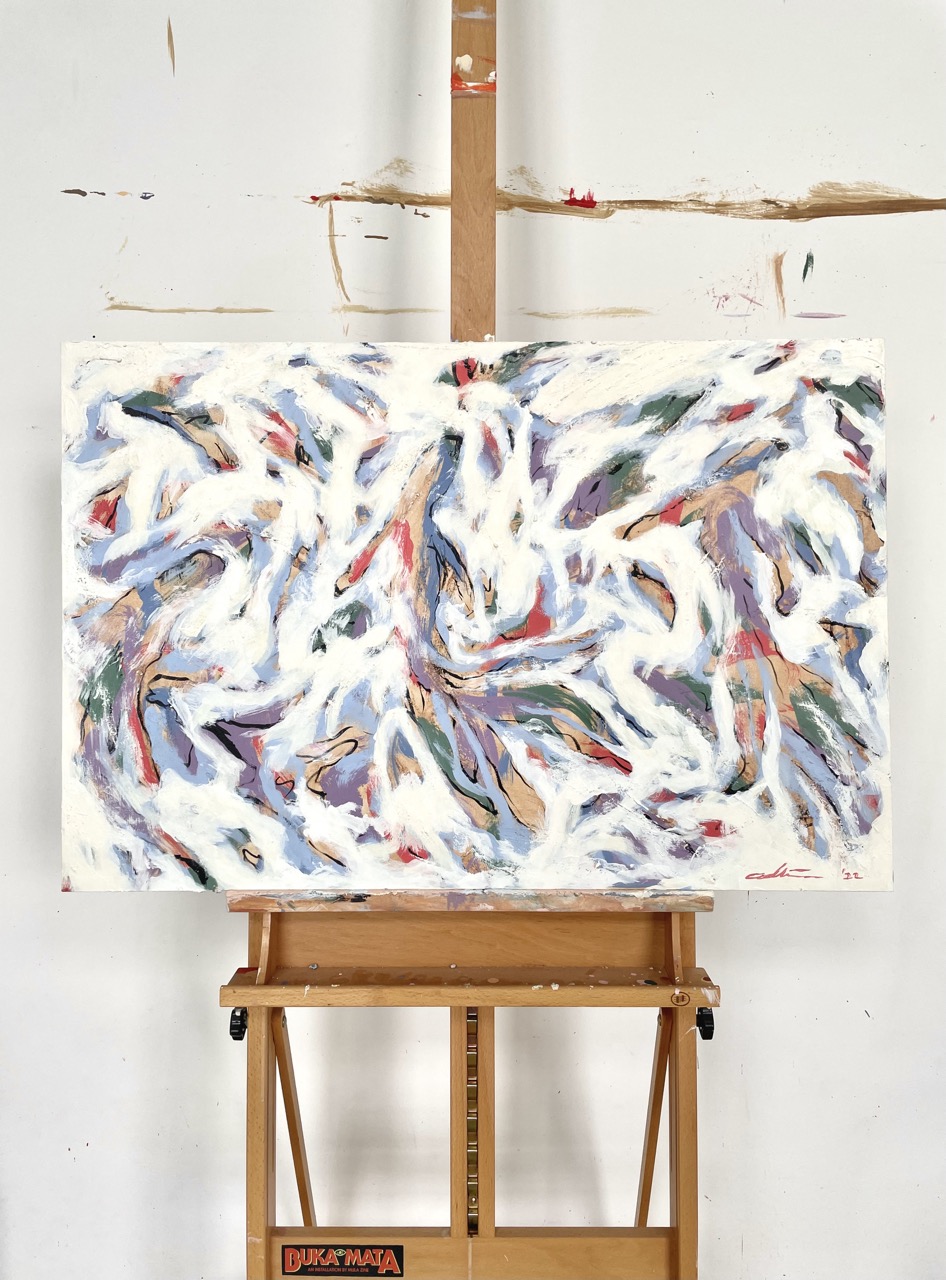
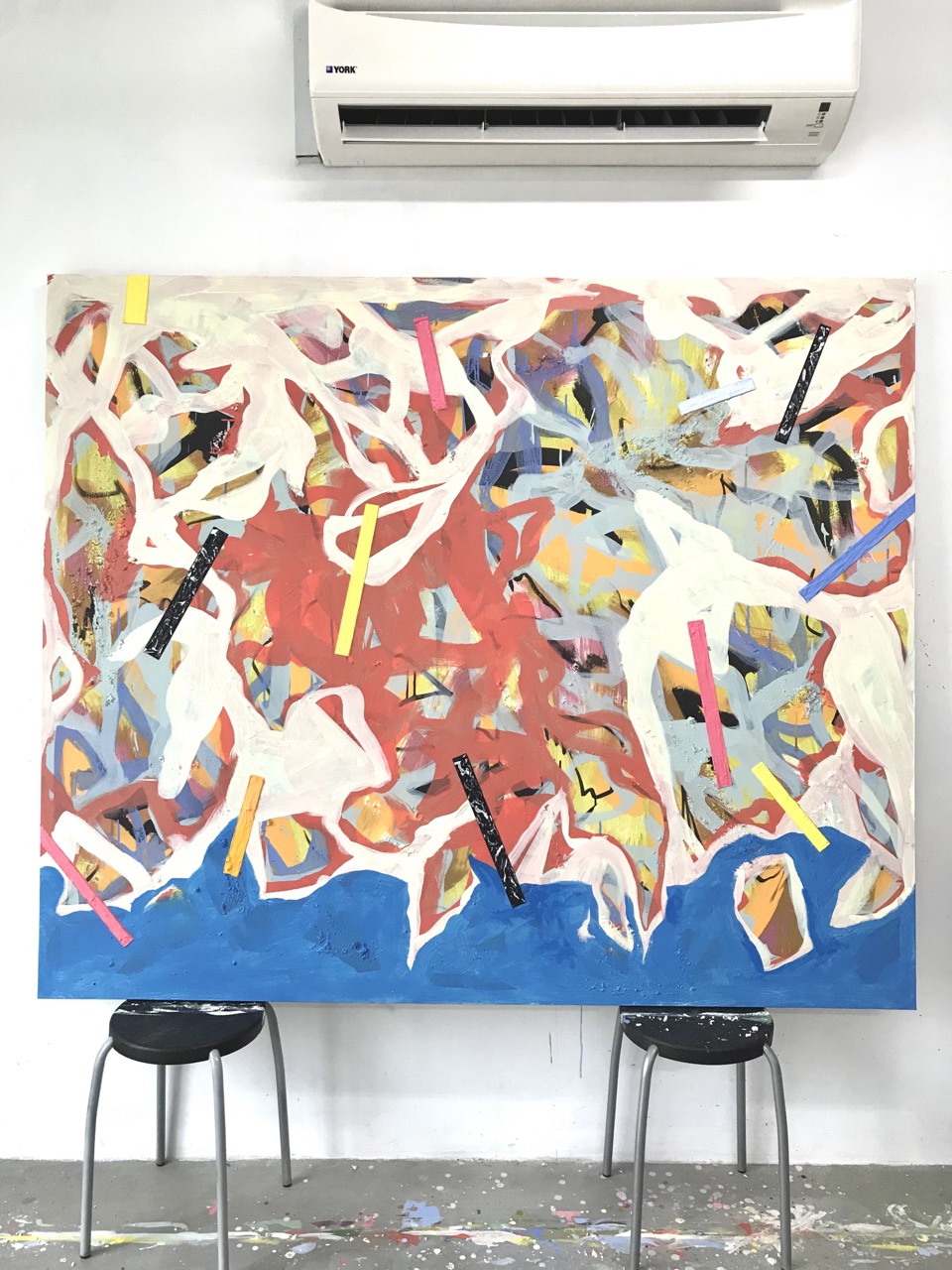
When asked about ways to diversify and consume outside our usual diet, Ong recommends stepping away from media altogether. “Some ideas come from the physical world — the light in the sky, water ripples, people’s movements, et cetera. Travel helps, too, because new environments shift the way you see things.” Rather than by force, inspiration has to take place more organically — through conversations, books or articles, as Ang sees it. “I’ll probably be looking through this article to see what the other creatives are watching or listening to.” nor, however, suggests paying attention to local arts programming rather than waiting for the algorithm to recommend. “I watched Syafiq Halid’s Tune Your Drums and thought it was life-changing work! I was amazed at the marketing efforts when I got to his Instagram, but somehow none of the content bled onto my feed despite having so many mutual friends!” they shared. As a tertiary educator, Adli finds it important to shed light on new possibilities, rather than to force new ideas. “If the person is curious enough, they will look for these alternative media and thoughts. Plato’s Allegory of the Cave is a good example: once you’re brave enough to venture out of the cave, you then become deserving of the beauty of the sun.”
Once you are done with this story, click here to catch up with our latest issue.