“Music and film are inseparable. They always have been and always will be,” Martin Scorsese once said in a renowned magazine interview. The relationship between music and cinema is indeed deeply intertwined.
When we think of a movie, it calls to mind a specific soundtrack that lives rent-free in our heads. For instance, Titanic and its viral soundtrack. The heart-wrenching “My Heart Will Go On” from the 1997 movie is etched so deeply in our collective memory that the moment it plays, the iconic scenes immediately resurface in our mind.
This tight-knit relationship between music and cinemas mirrors the growing connection between food and fashion. In recent years, fashion brand cafes have been popping up across the globe, dotting the world map like pins on a jam-packed travel itinerary, a surge as frenzied as the Labubu fever.
The rise of designer cafes
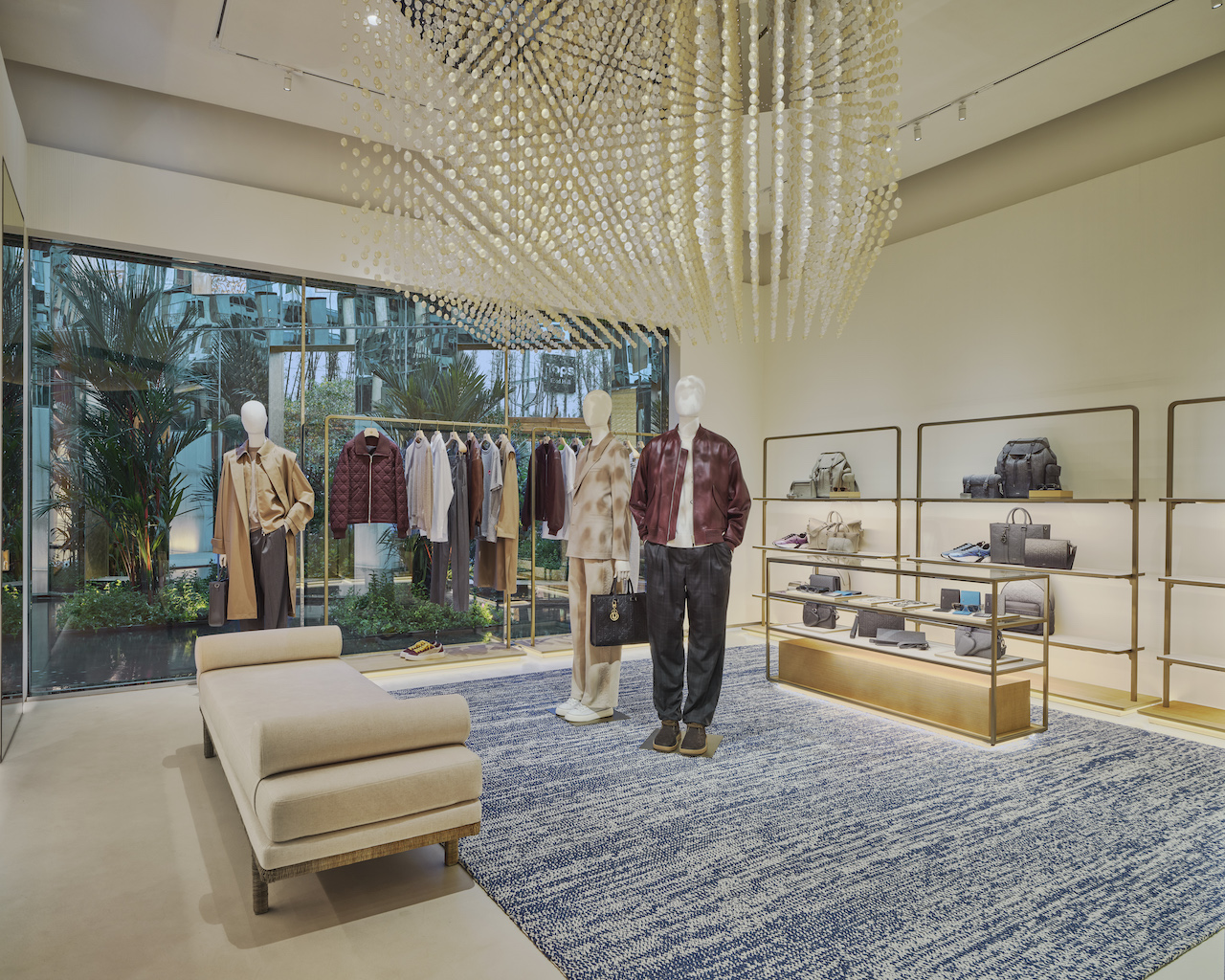
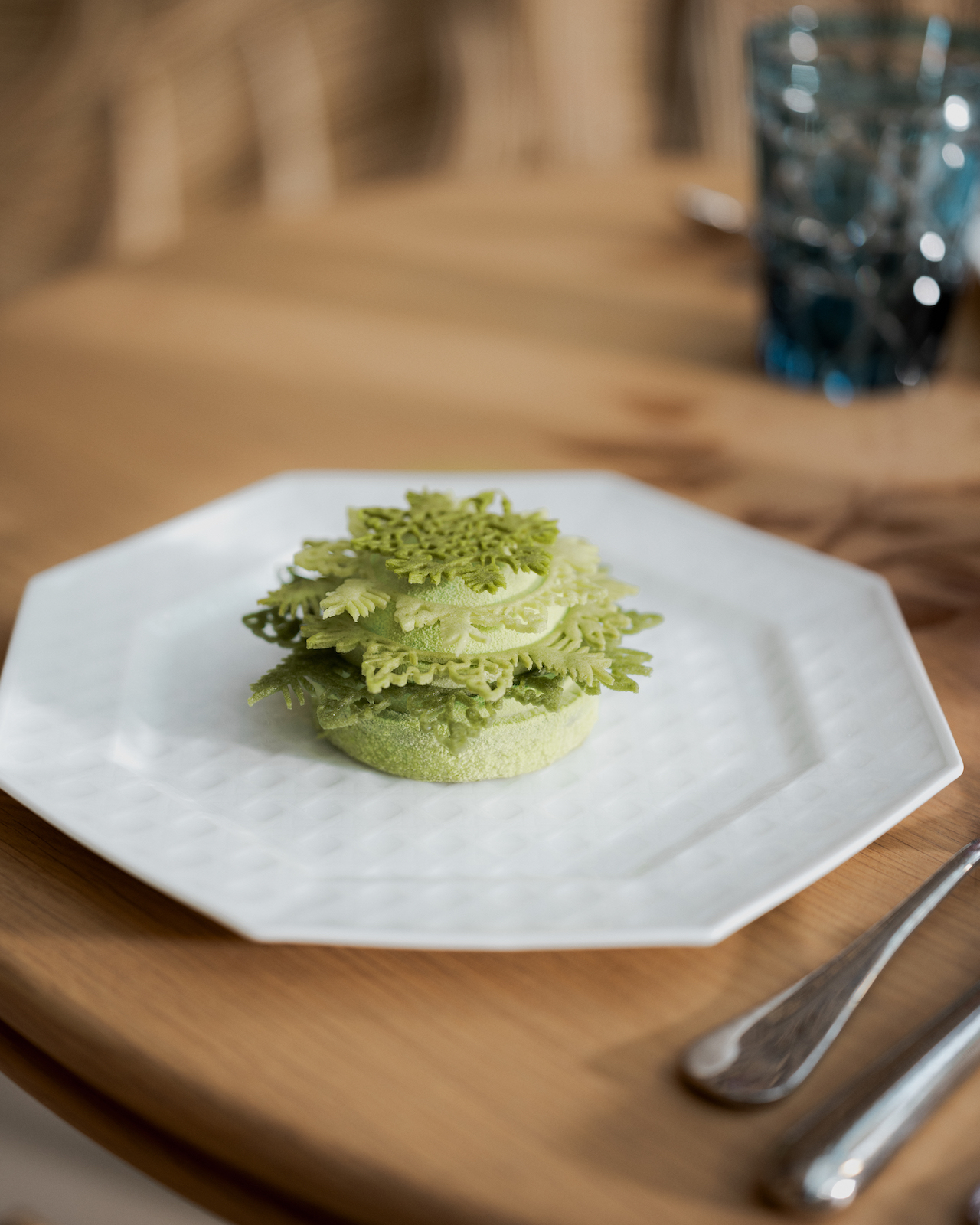
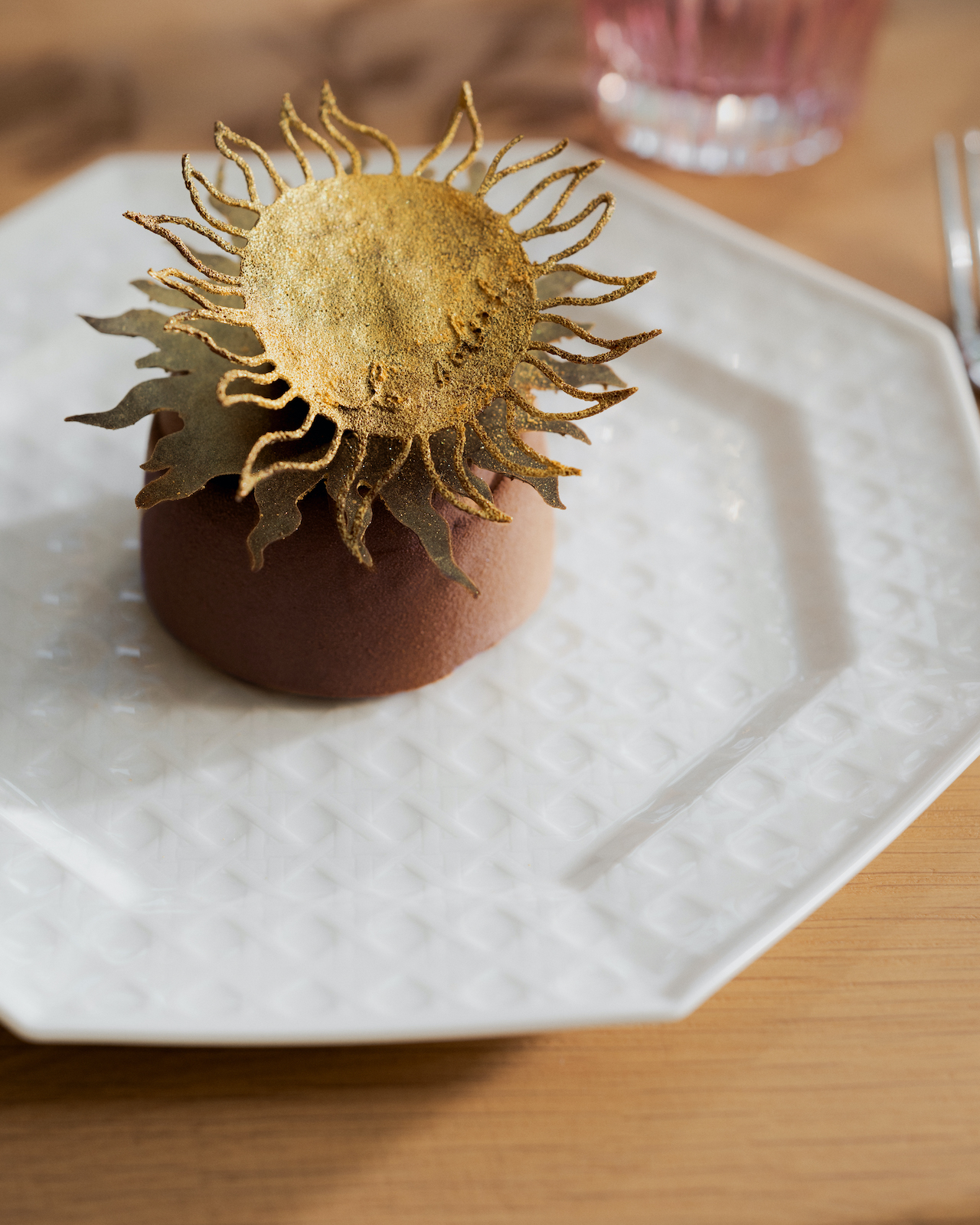
In December last year, Dior elevated the gastronomic experience with the launch of Dior Gold House, an all-encompassing retail space that resembles a castle straight out of a fairytale. The splendid store not only houses the Maison’s diverse offerings, but also Cafe Dior, helmed by Argentine chef Mauro Colagreco of three-Michelin-starred restaurant Mirazur.
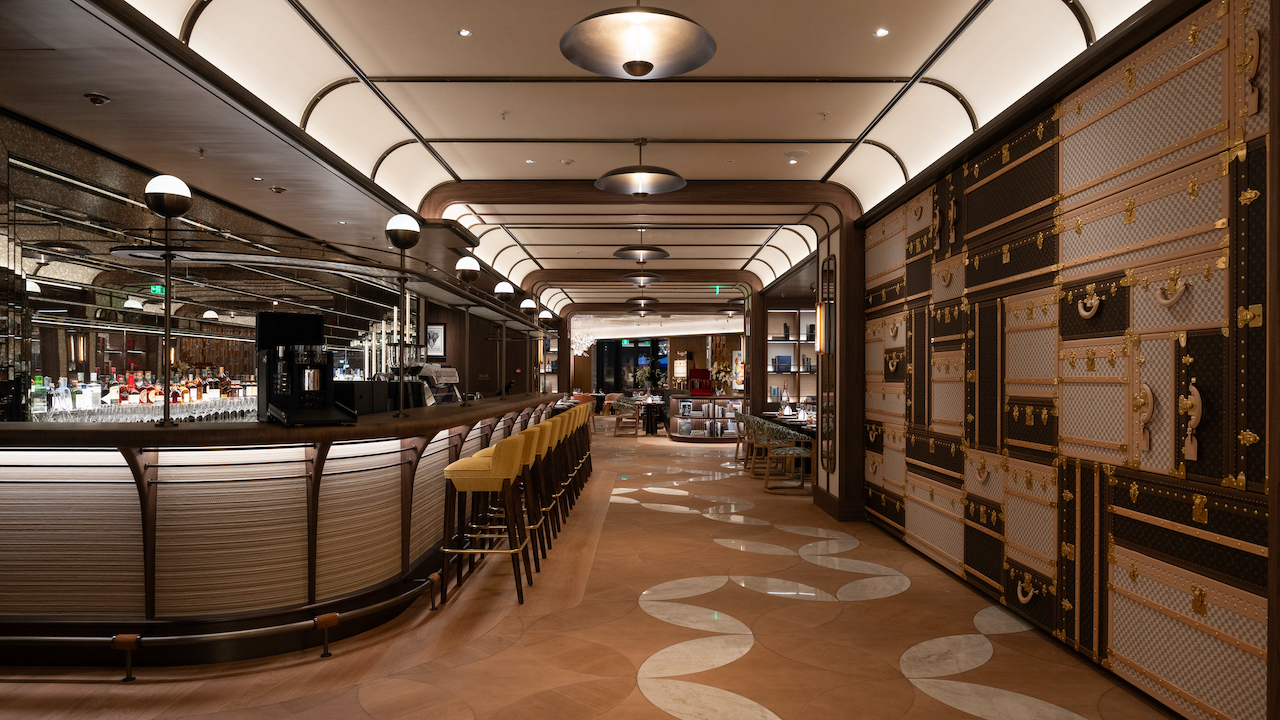
Louis Vuitton, on the other hand, redefined retail with a cruise-ship like store in Shanghai. With interiors designed to evoke Louis Vuitton’s historical trunks, the concept offers a refreshing retailtainment, featuring an exhibition, a cafe and a gift shop all in one destination.
In Malaysia, Coach has expanded its presence beyond the traditional brick-and-mortar store. Its Coach Play and Coach Airways concepts — launched in APW, Ipoh, and Melaka — merge retail, dining and interactive experiences.
It’s easy to understand why fashion brands are heavily invested in immersive retail experiences. In the digital age, where social media is a modern-day essential, even food can signal social status. “Food has become a status symbol,” Michael Scanlon, chief creative officer of creative agency Chandelier, told Business of Fashion (BoF). “The shoe next to the jello mold signals the thing we are all craving, which is luxury, experience, taste and delicacy, good times coming together.”
Just as one might invest in a Bottega Veneta Andiamo bag or a Cartier Tank watch, visiting a trendy cafe or dining at a luxury restaurant has become a marker of social currency. As capturing and sharing our daily lives becomes the norm, everything luxurious we enjoy is bound to be seen.
Fuelled by FOMO, the urge to flaunt what we do and consume on social media has never been greater.
The culinary foray
Cafes are not fashion brands’ only venture into the F&B realm. Along with the rise of cafe culture, fashion labels have increasingly embraced high-end culinary establishments.
In 2017, Bvlgari Hotels & Resorts collaborated with Niko Romito, known for his three-Michelin-starred Italian restaurant Reale, to open its first Il Ristorante – Niko Romito at Bvlgari Hotel Beijing. Since then, the restaurant has been awarded one Michelin star by The Michelin Guide Beijing for six consecutive years.
Another fashion brand that has followed a similar path is Gucci. The Italian fashion house has established Gucci Osteria locations in Florence, Beverly Hills, Tokyo and Seoul, in collaboration with Massimo Bottura, the owner of three-Michelin-starred Osteria Francescana.
Over the years, Louis Vuitton has also introduced both permanent and pop-up gastronomic offerings, including Sugalabo V, Gaggan at Louis Vuitton, and Arnaud Donckele & Maxime Frédéric at Louis Vuitton restaurant.
While this may seem like a recent trend, it can actually be traced back to 1998, when Giorgio Armani opened its first cafe in Paris. At the time, it was a novel move for fashion brands, offering its customers a break from a shopping spree or a place to fix their hunger pangs. The well-received venture paved the way for other brands to follow suit.
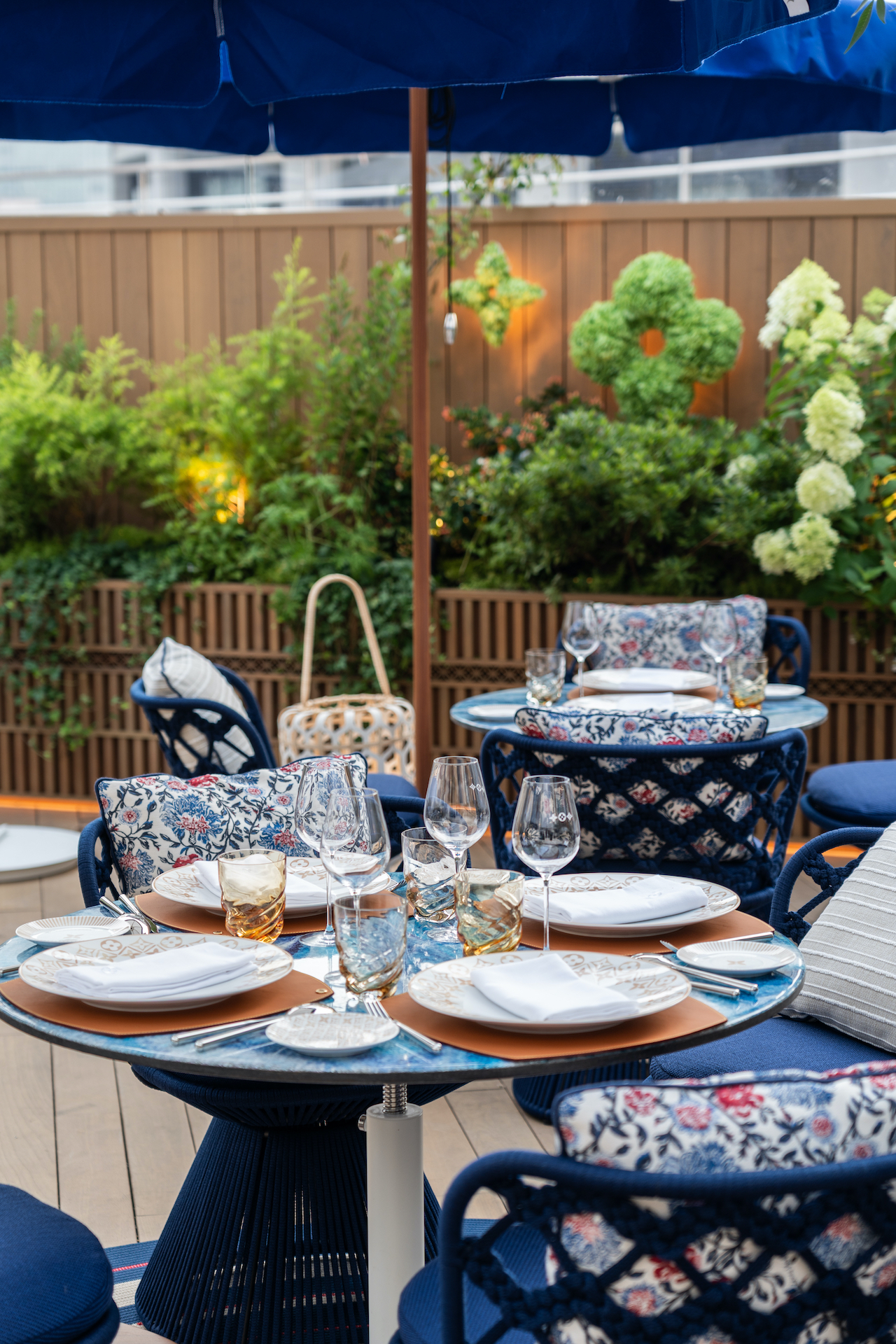
Today, the approach has become a mainstream tactic to engage clients beyond simply selling designer items. Fashion behemoths are increasingly incorporating eateries into their flagship stores to create a holistic experience, one that runs the gamut from lavish shopping environments, to luxury experiences that pamper customers like VIPs, or culinary offerings that give us a taste of the brand identity.
“I always wanted the Armani brand to become an expression of style as a lifestyle, of sophisticated simplicity as a sign of elegance in every field. Food, which is one of the most important elements of everyday life, could not be missing,” Giorgio Armani told Forbes back in 2018.
The strategy is used to build brand awareness, whether through personal experiences or widely shared social media content, to generate in-store traffic and drive future purchases.
The socially-driven experience strikes a chord amid a luxury slowdown in fashion industry. According to a recent BoF report, LVMH’s fashion and leather goods sales fell nine percent in the second quarter, following a five percent drop in the first quarter. The expansion of culinary divisions is viewed as a remedy to the deepening downturn, with cafe ventures offering high profit margins.
“Brands would continue to explore this model, given high margins on fancy coffee drinks and low operating costs for cafes relative to other strategies for attracting consumers, such as celebrity endorsements,” said Celia Chen, research director for JLL North China, in a South China Morning Post article about fashion’s foray into the F&B industry.
Food in Advertising
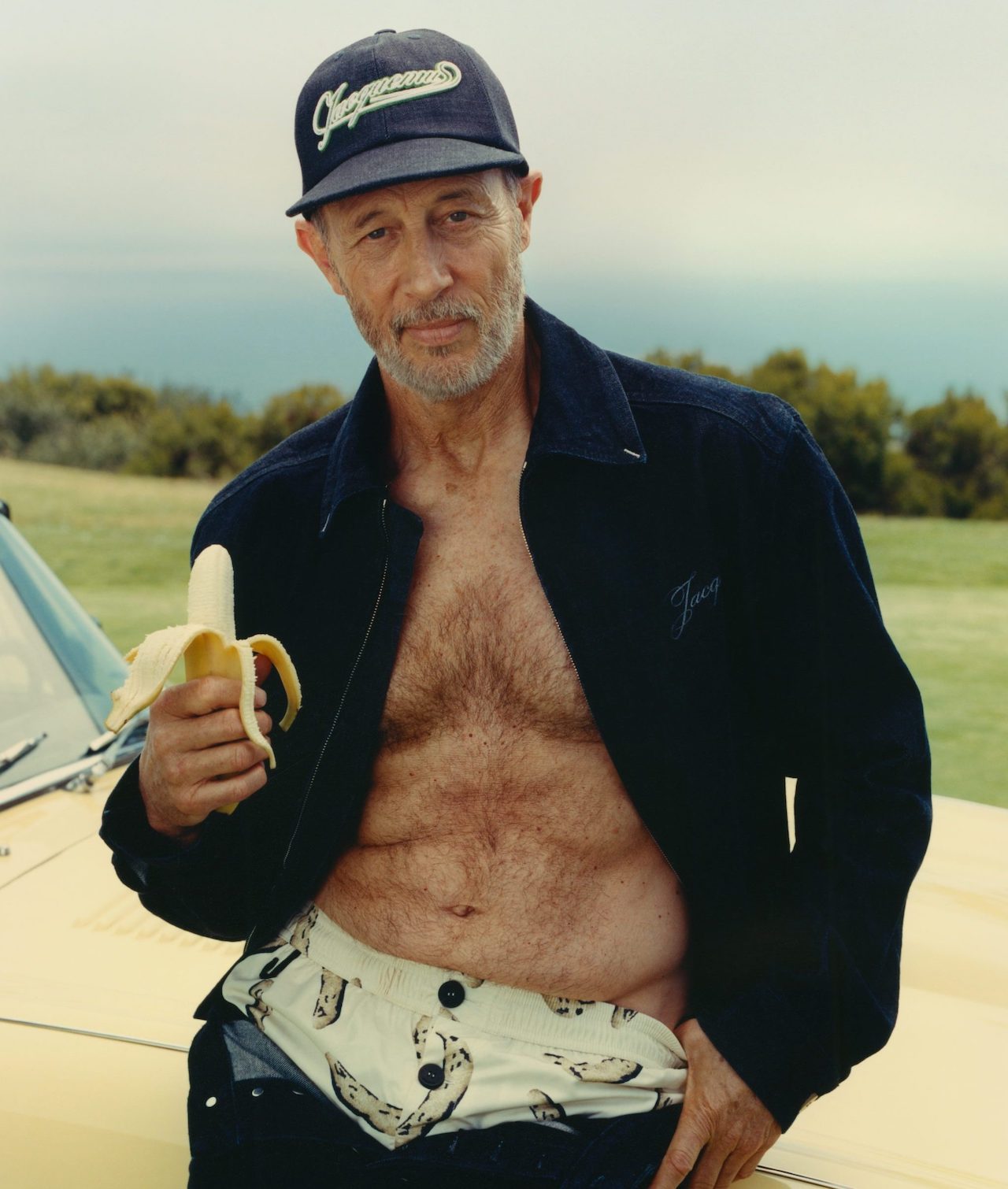
Remember the Jacquemus campaign featuring Jon Gries that broke the internet a few months ago? Back in April, the French fashion brand released a series of sun-drenched, “scorching hot” images, fronted by The White Lotus star.
The visuals, showing the 68-year-old half-naked with his banana-printed briefs exposed, while holding a banana, and posing alongside a banana-yellow muscle car, sent the internet into a frenzy. Comments like “Boyfriend boyfriending”, “He’s truly so hot”, and “Greg with Tanya’s money” flooded social media.
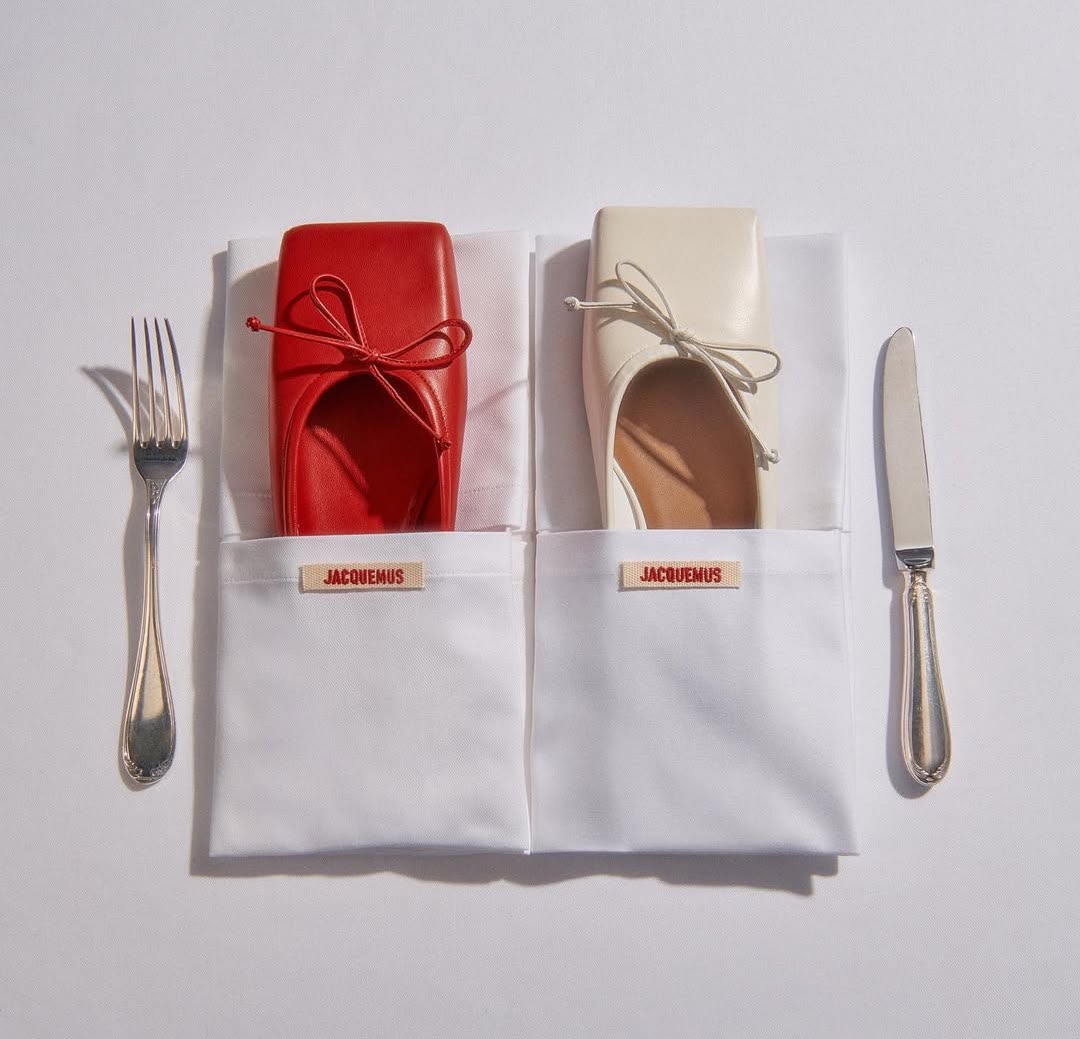
Beyond its comical ideas and pastel colour palette, food has long been a recurring theme for Simon Porte Jacquemus’ namesake label. The brand has featured a pair of gilded croissant earrings next to a stack of butters, the Chiquitos bag atop a pile of plates, and the ballet flats styled as cutlery — all under the campaign titled “A Table!”.
When it comes to the masters of food-meets-fashion marketing, it would be a crime not to mention Loewe. Food has been a consistent throughline in the universe of Loewe, capturing the brand’s playful yet elegant aesthetic. In its Spring/Summer 2018 campaign shot by Steven Meisel, supermodel Vittoria Ceretti is captured with various fruits in her mouth while sporting dramatic, theatrical makeup.
The interplay of food and fashion is also central to Loewe’s Home Scents line. Natural crops have inspired not only the fragrance notes but also the moodboards, packaging, and visuals, all reminding us of stepping into a lush backyard full of organic greens.
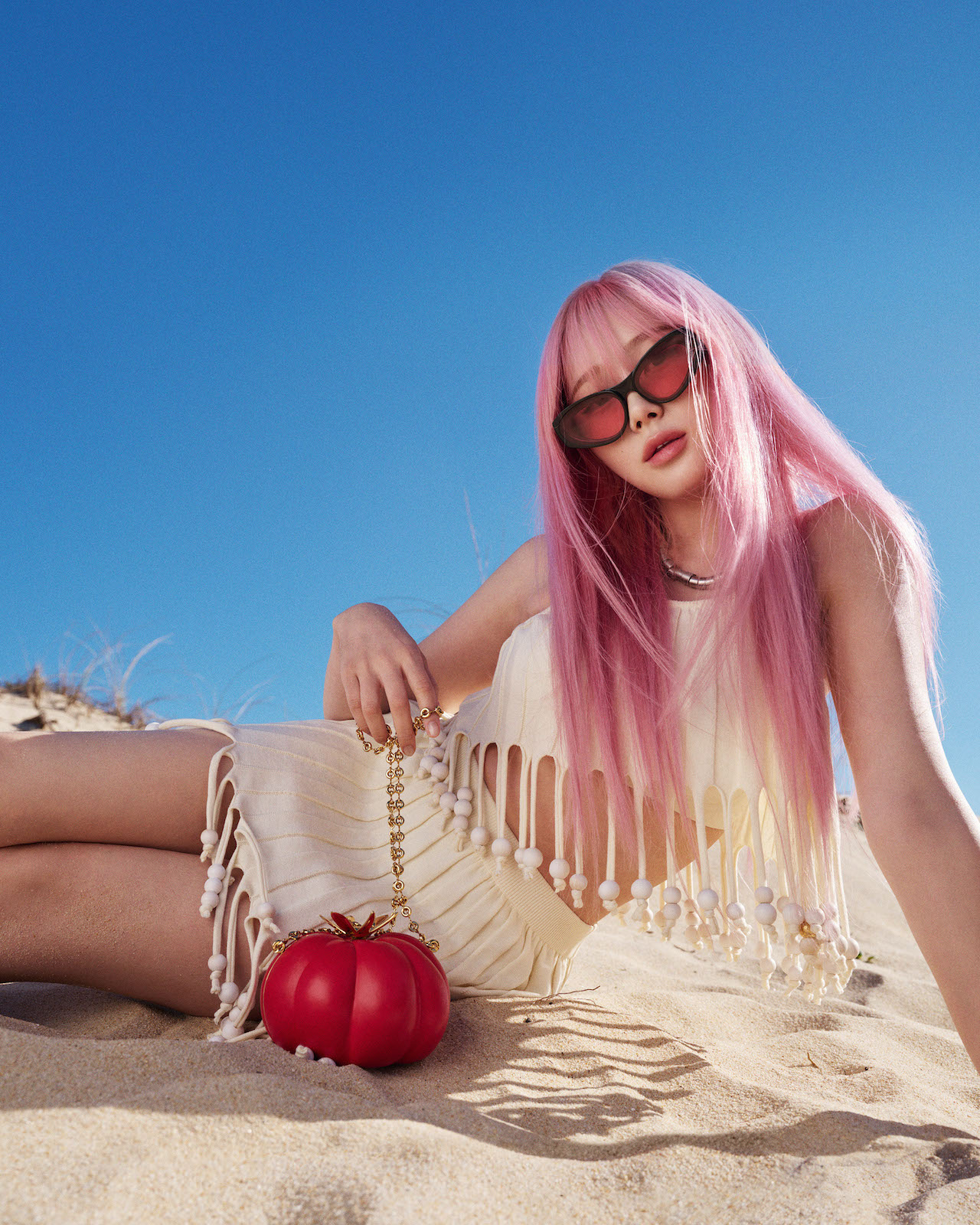
And of course, there is no Loewe without tomatoes. The unofficial Loewe “mascot” has made countless appearances in the Loewe cosmos: in a meme-turned-reality tomato clutch video shot by Jonathan Anderson himself, in a tomato-shaped hot air balloon to celebrate the launch of the Tomato bag, and in campaign imagery featuring a pierced, shimmering tomato perched atop a dark orange soap. The crimson-red botanical fruit is now deeply woven into the DNA of Loewe.
On TikTok, Loewe swapped conventional marketing for a kitchen skit, in which a waiter urges a chef to plate… a Puzzle bag. Marc Jacobs took a similarly playful approach with a viral clip of model Nara Smith “baking” a tote bag from scratch, amassing more than ten million views in just one year.
Why the Obsession?
Why are fashion brands so obsessed with food lore? It might boil down to the familiarity we have with food. As many know, food is one of the basic survival necessities in Maslow’s Hierarchy of Needs. Along with breathing, water, shelter, clothing and sleep, we need to consume food everyday to stay alive.
With the rise of artificial intelligence, which blurs the boundaries between what’s real and what’s not through hyper-realistic imagery, food offers a sense of much-needed genuineness in the midst of all things synthetic and exaggerated.
In today’s world, where inflation seeps into every nook and cranny of our lives, food itself has become a luxury. Organic vegetables, for example, are no longer simply a healthy option, but a premium indulgence that many feel they have to splurge on. So placing fashion items besides a luscious heirloom tomato or a plump, ruby red cherry can evoke the same sense of indulgence and desirability.
This brings us back to the question of why food is increasingly popular in the fashion realm. In an era marked by escalating inflation, the impact of artificial intelligence, Gen Z’s fascination with sensory-based experiences and “brain-rot” content, food becomes a common thread in the fashion world. It bridges the gap between unattainable luxury and everyday lives, whetting our appetite for designer items through the lens of the familiar.
“Food and fashion collaborations thrive on multi-sensory storytelling that merges taste, touch and visual appeal. This convergence allows brands to deepen emotional engagement by creating memorable and novel experiences,” says Riani Kenyon, anthropologist and behavioural analyst at consumer insights agency Canvas8.
Once you are done with this story, click here to catch up with our latest issue.