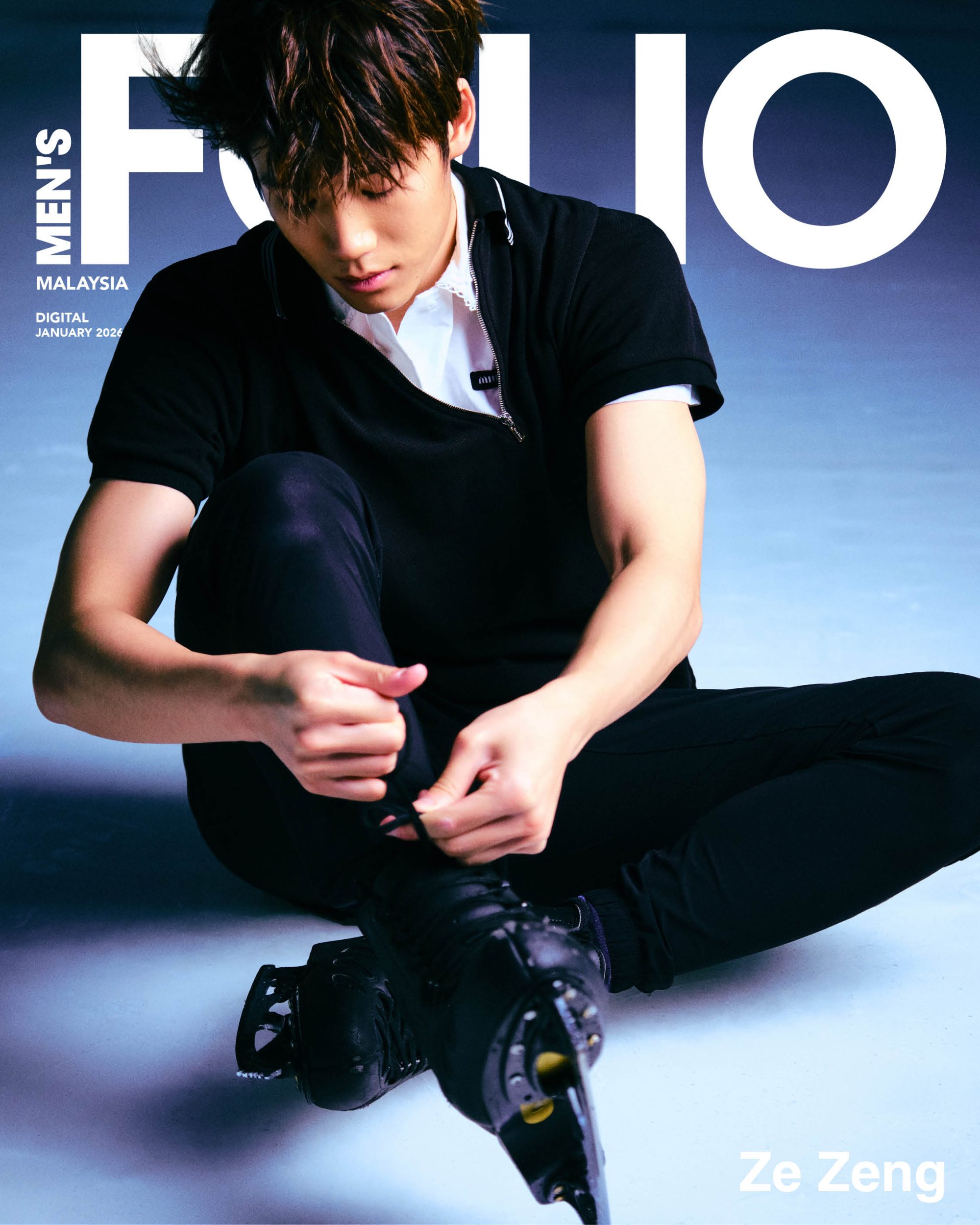
Polo shirt, shirt, Miu Miu; Pants, ice skates, Ze Zeng’s own
Chances are, every person is bound to be on their best behaviour when they are being interviewed. Polish and poise are to be expected, with quotes that one could easily pull into an Instagram carousel post. What makes 21-year-old figure skater Fang Ze Zeng — who recently brought Malaysia its 11th gold medal during last year’s SEA Games in Thailand — different is having a reputation that holds up even among those who have witnessed him at his most tense. Given how little I was familiar with the sport, I had reached out to a friend who coaches figure skaters for some insights on Fang and the sport itself, only to be pleasantly surprised that not only does she coach him occasionally, but also acknowledges his tenacity and work ethic. “It’s not every day we get to train a kid like Ze Zeng. His spirit and hard work are quite rare — I wonder what drives him, and how he acquired the discipline and focus at such a young age?” Coach Sheperdson asked.
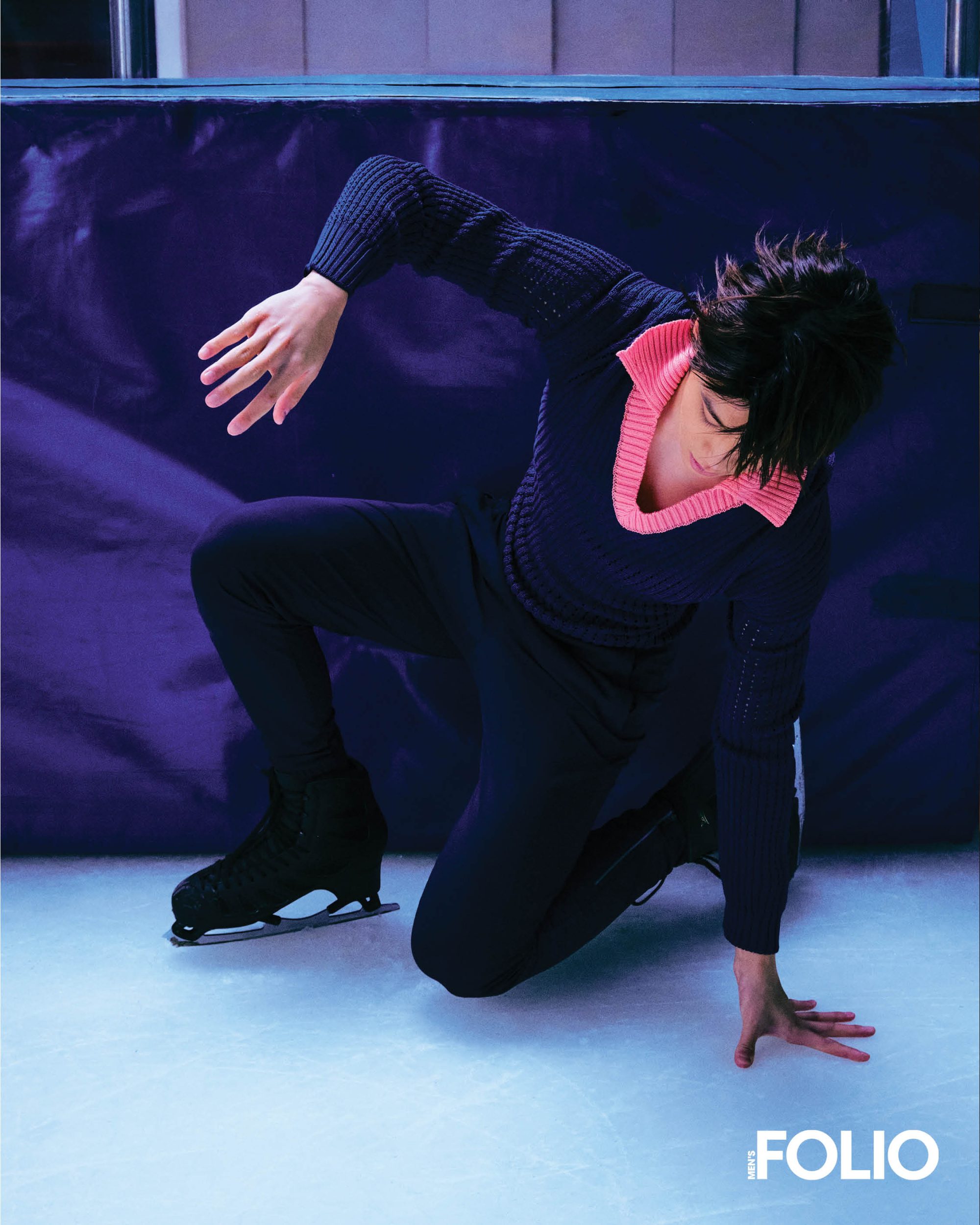
Sweater, Fendi; Pants, ice skates, Ze Zeng’s own
Fang’s driving factor is the desire for constant growth. Describing his experience of winning gold at the SEA Games as surreal, he recognises the turbulent journey it took to win. “At the start, there were injuries and days when motivation was hard to find, but every setback taught me something. Standing on the podium wasn’t just about that one performance; it represents years of discipline, sacrifices and self-belief, even when results didn’t immediately reflect them,” he confesses. To him, growth was about cultivating a hobby, progressing stage by stage until he could compete at an elite level. “I was first introduced to the sport at eight years old, when my mum brought my sister and me to the rink for lessons during a school break. I fell in love with the sport from the moment I stepped onto the ice,” he recalls. Drawn to the expressiveness of the sport that seamlessly blends athleticism with artistry — allowing him to skate, jump and spin without restrictions — he saw skating as a way to communicate emotions without words.
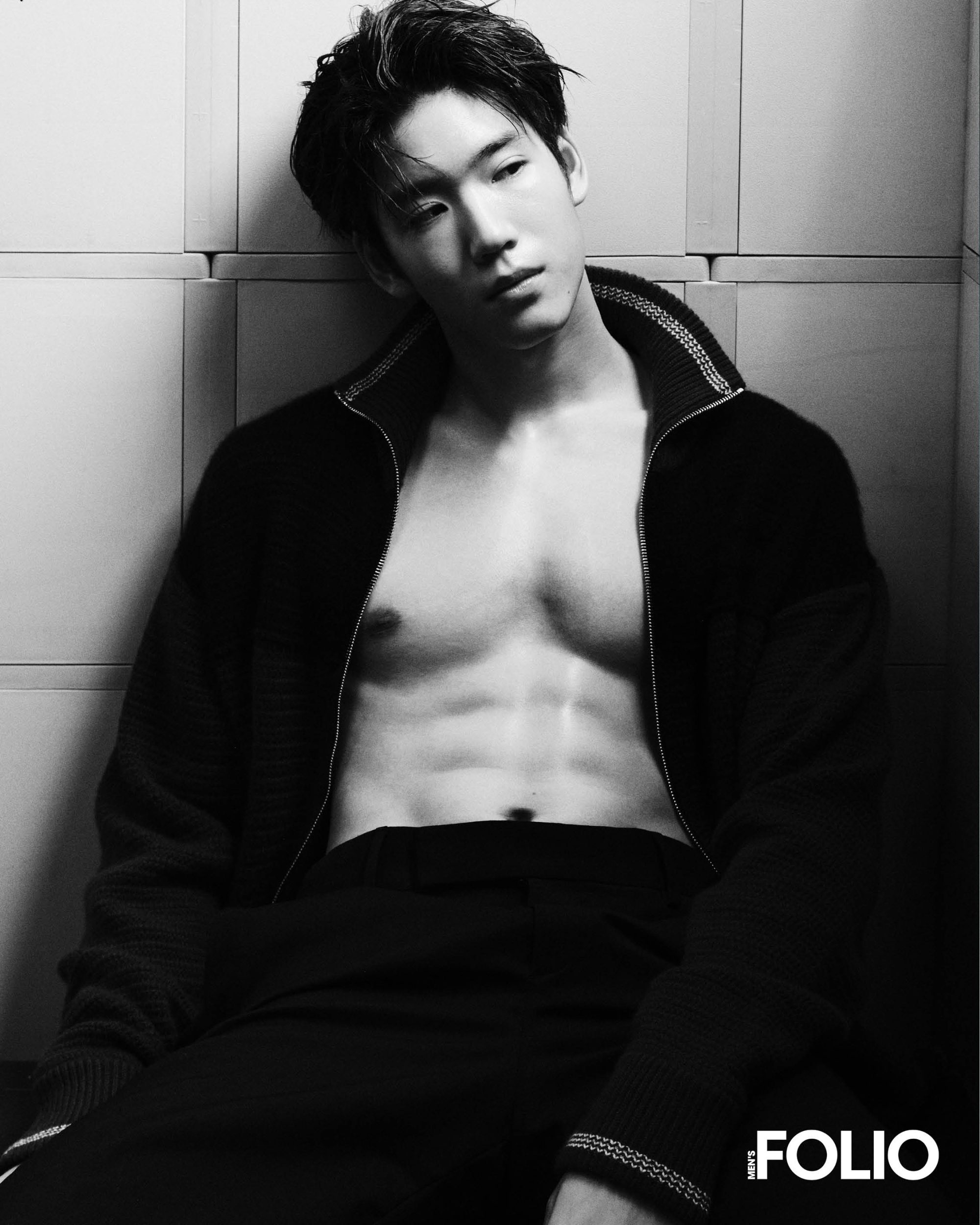
Jacket, Miu Miu; Pants, Stylist’s own
When Fang was fifteen, he set his long-term goals to qualify for the World Championships and Olympic Games. “I began by competing in the Junior Grand Prix, then worked towards qualifying for the World Junior Championships and the Four Continents Championships,” he shares. Upon participating in numerous competitions to fulfil the minimum technical scores required, he was able to qualify for both major events in the same year, two years after the pandemic. “I remain fully focused on continuing my journey towards the World Championships and one day, the Olympics.” Recognising that attitude is a choice, he sees discipline as something cultivated from consistency and shaped by every coach. “I try not to take myself too seriously, but staying positive keeps me grounded, even when training gets tough.”
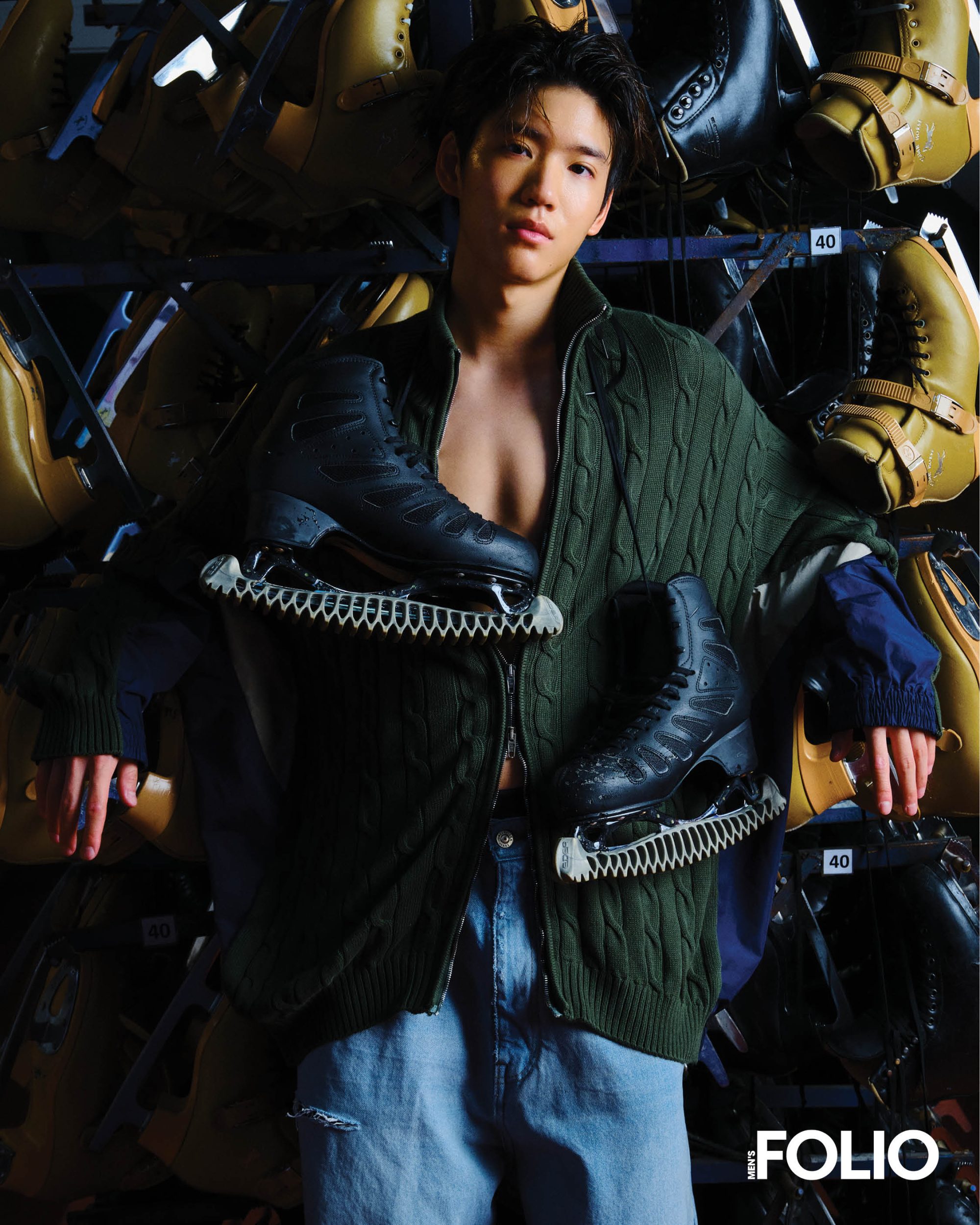
Jacket, jeans, all Balenciaga
As figure skating is perceived as precise, yet effortless, I wanted to know his philosophy when it comes to performing. “Precision comes from repetition, while effortlessness comes from letting go. When I’m on the ice, I try to skate through the music rather than controlling the details — the goal is to help the audience understand what you want to express to them,” he shares. Stating that the sport is a mix of preparation and execution, he explains that most of the work happens before the competition. “Skaters train off-ice for jumps, stamina and strength; on-ice for artistry, jumps and spins. When everything comes together, we rely heavily on muscle memory and trust the training we’ve done to deliver the final performance. During the competition, we stay focused by keeping in time with the music, executing jump entries and elements cleanly, along with recovering quickly if something goes wrong.” While recognising that each skater prepares differently, he opts to stay calm as it helps him perform better. “We can easily overtrain. Repeating jumps places significant stress on the body, and too much training without proper rest can lead to injuries or mental burnout. Effective training balances both hard work and adequate recovery to keep us sharp mentally and physically.”
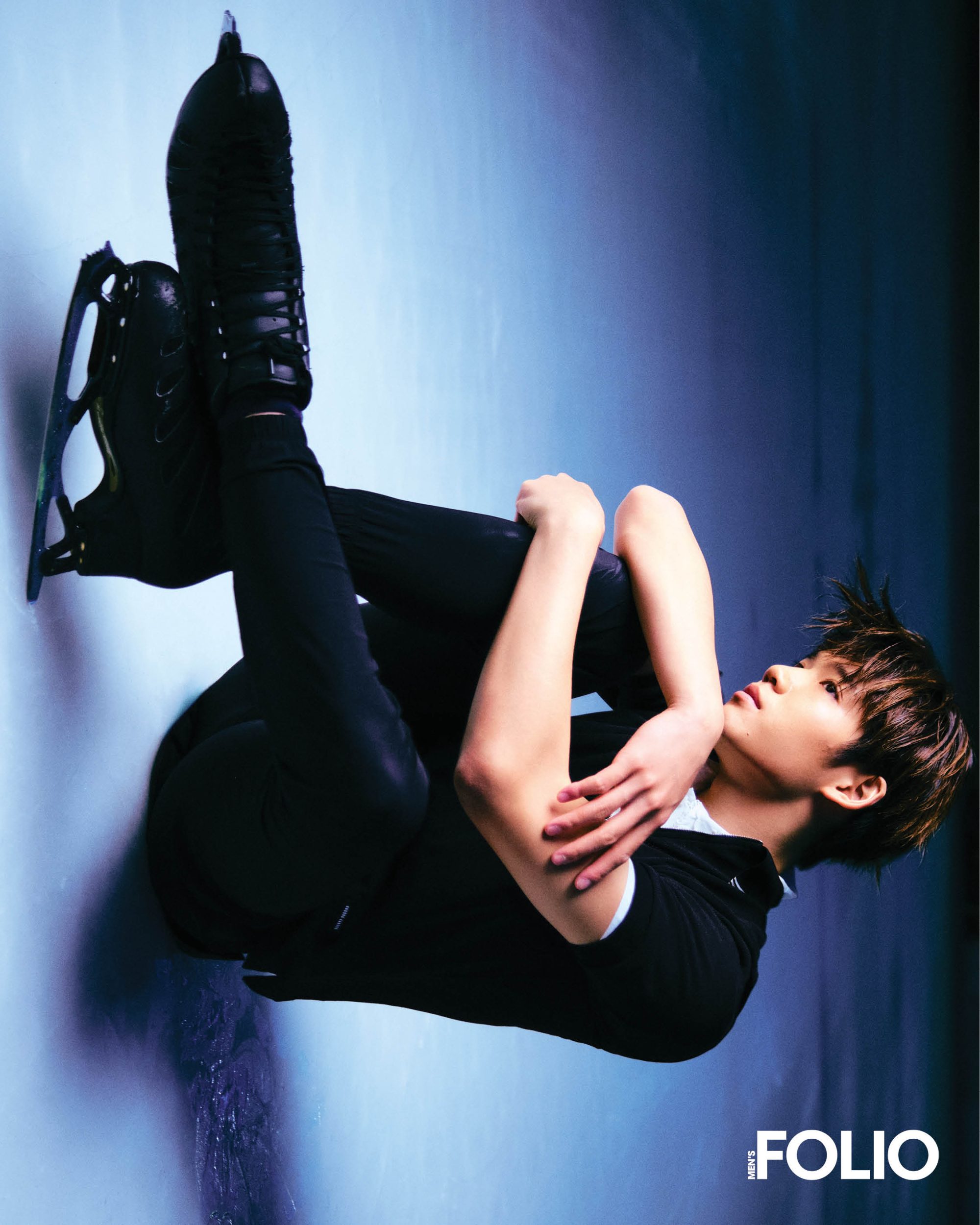
Polo shirt, shirt, Miu Miu; Pants, ice skates, Ze Zeng’s own
Having skated throughout his teens, I asked if there was a phase of rebellion that challenged him to quit, given all the work required to succeed? “Absolutely. My teenage years also coincided with the pandemic, so there were moments I constantly questioned myself and wondered why I didn’t feel good enough, especially when I compared myself to skaters from other countries,” he confesses. Fang felt left behind as he observed foreign peers who had access to better training facilities and stronger internal competitions for bigger stages. Admitting that the rebellion felt natural, he adopted a shift in mindset. “Rather than seeing skating as something that confined me, I began to see it as something that empowered me. Once I understood why I did it, the pressure eased, and the joy slowly found its way back.”
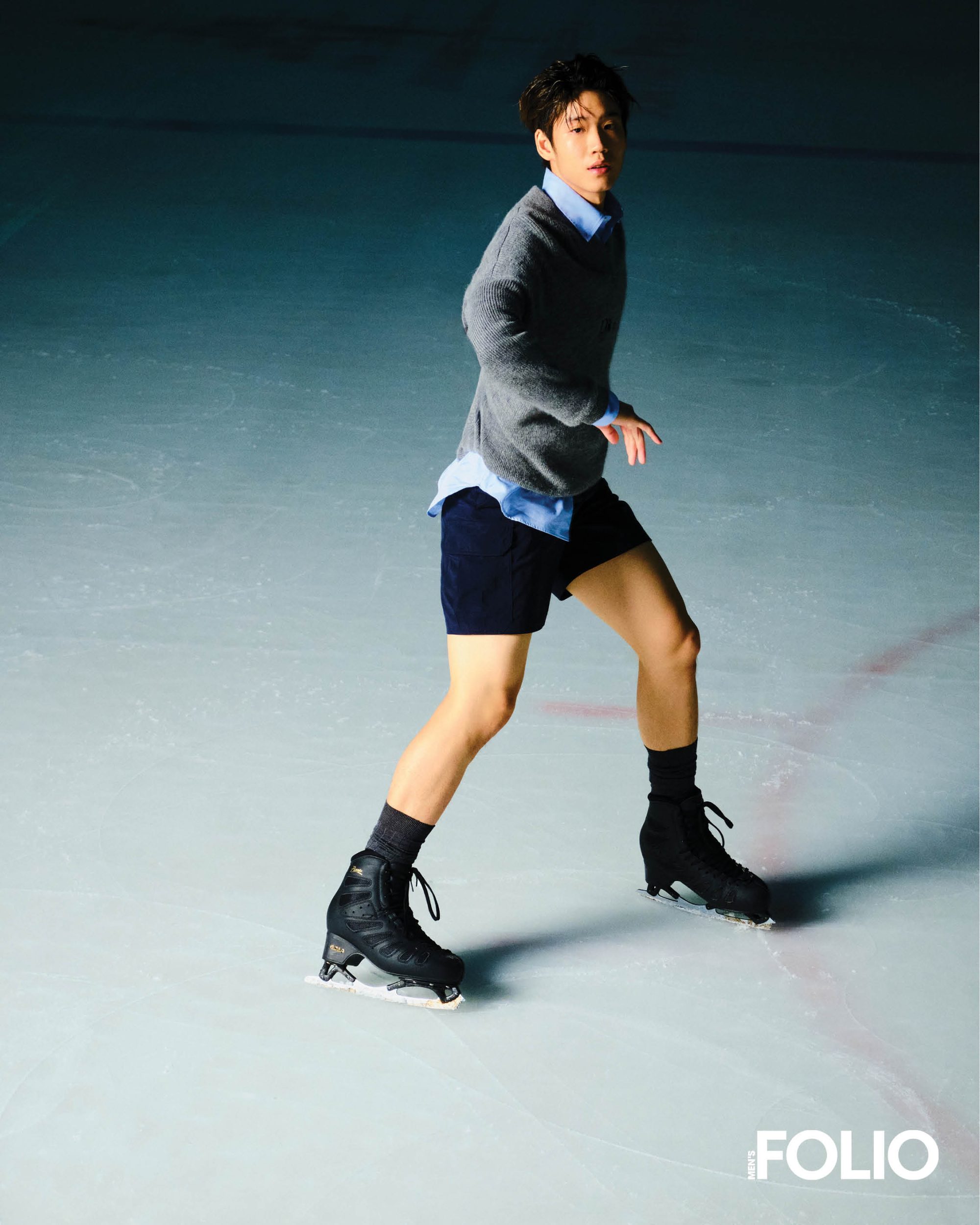
Sweater, shirt, shorts, Dior; Socks, ice skates, Ze Zeng’s own
On the rink, Fang prefers performing to a groove-heavy track as the fun elements hype him up. “Bruno Mars inspires me a lot because his music carries both energy and feeling, featuring strong rhythm, musicality and natural progression. I enjoy tracks that give me space to play with timing, accents and character, be in smooth and controlled or dynamic and expressive,” he shares. Even when certain tracks do not make it into competition programs, they strongly influence how he imagines his movement, timing and emotional pacing on the ice, allowing him to channel a wider range of versatility in performance and depth. His costumes on stage reflect his style off the rink, with an affinity for clean, elegant and purposeful designs — “nothing too distracting,” as he describes. Describing his own style as minimal, practical with a slight edge, he looks to subtle details that enhance, rather than overpower his performance.
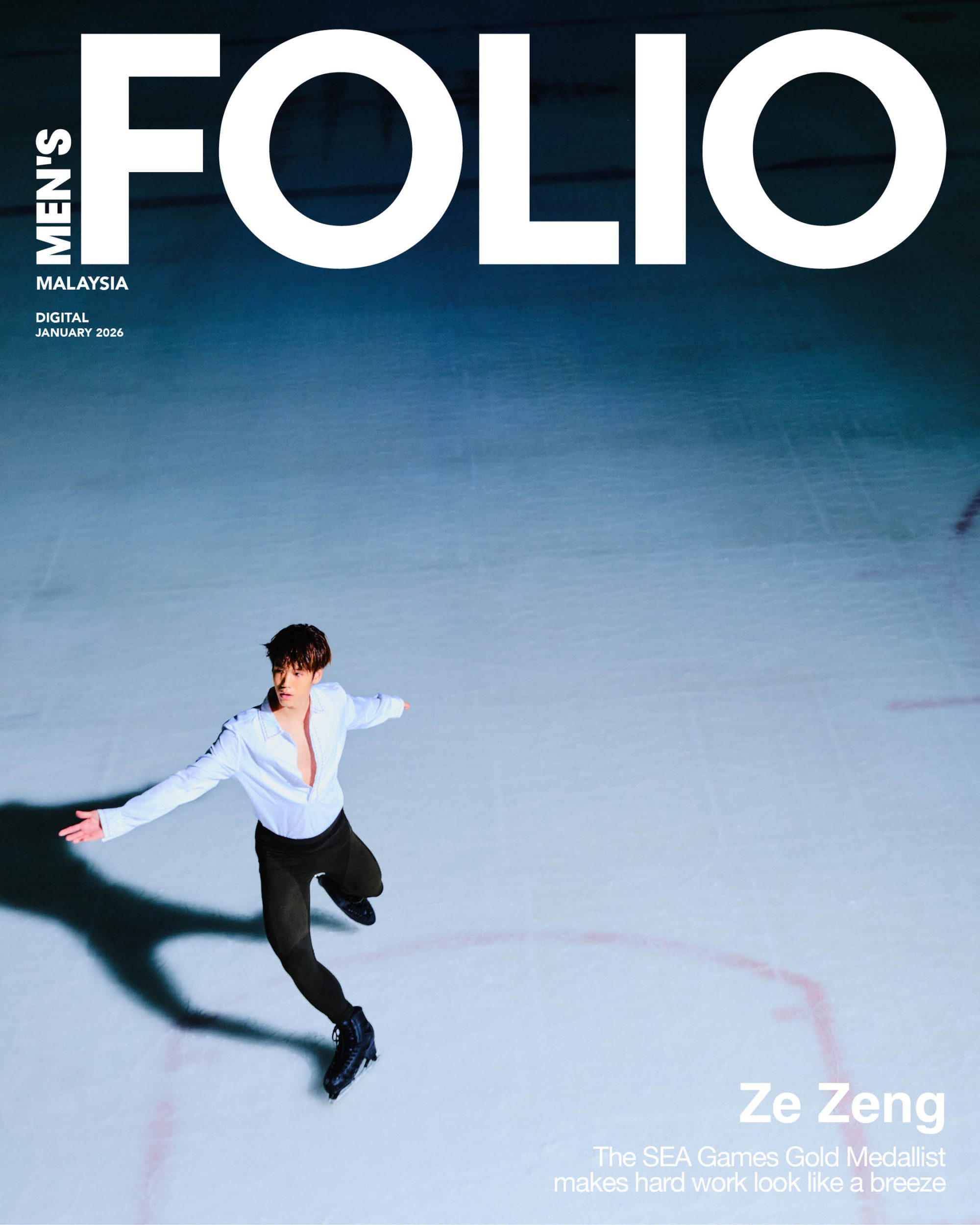
Shirt, Prada; Pants, ice skates, Ze Zeng’s own
What Fang takes home with him when he leaves the rink is a sense of resilience. “Skating teaches you how to fall and get back up with grace. It’s also taught me patience, accountability, and how to stay calm under pressure — these are traits that translate into every aspect of life,” he shares. Beyond competitions, what he aspires to as he moves through his twenties are opportunities in performing, mentoring younger skaters and creative projects that allow him to express other facets of his artistry. “Skating will always be a part of me, but I’m excited to see how it can evolve alongside me.”
Photography Chee Wei
Creative Direction & Styling Izwan Abdullah
Grooming ChuFan Gan
Hair Keith Ong
Fashion Coordination Liew Hui Ying
Photography Assistant Max Ong
Styling Assistants Asha Farisha, Alexander Cassius
Once you are done with this story, click here to catch up with our latest issue.