It has been a long time coming, but Louis Vuitton’s interior design furnishing line is finally here after the maison presented its Signature Home Collection at Milan Design Week 2025 earlier this April. The facets of contemporary elegance and artisanal craftsmanship naturally take centre stage across the inaugural collection, which saw Louis Vuitton collaborating with illustrious names in the design scene. Jaime Hayon, Patrick Jounin and Cristián Mohaded are the trio who have lent their talents and keen eye for detail to the Signature Home Collection. For a maison such as Louis Vuitton, which embodies the art of travel, the furniture, whether purchased as a collective or individually, invites owners into a cultural melting pot.
During Louis Vuitton’s Savoir Rêver showcase stopover in Singapore in October, we had the privilege to meet Argentine artist and designer Cristián Mohaded. Born in the countryside of Catamarca, Argentina, Mohaded has always worked closely with artisans from his home country, exploring local culture, traditions and crafts that blur the lines between design and art. He also works internationally as an independent designer in the fields of furniture, lighting, objects, spaces and installation. From private commissions to industrial companies, he is dedicated to developing and designing products with a strong focus on materials, artisanal techniques and production processes. Some of his latest collaborations include collections for Loro Piana, Roche Bobois, CC-Tapis, Moooi, Gebrüder Thonet Vienna, among others. We spoke with Mohaded at length about collaborating with Louis Vuitton, showcasing his Argentine roots in his works, and more.
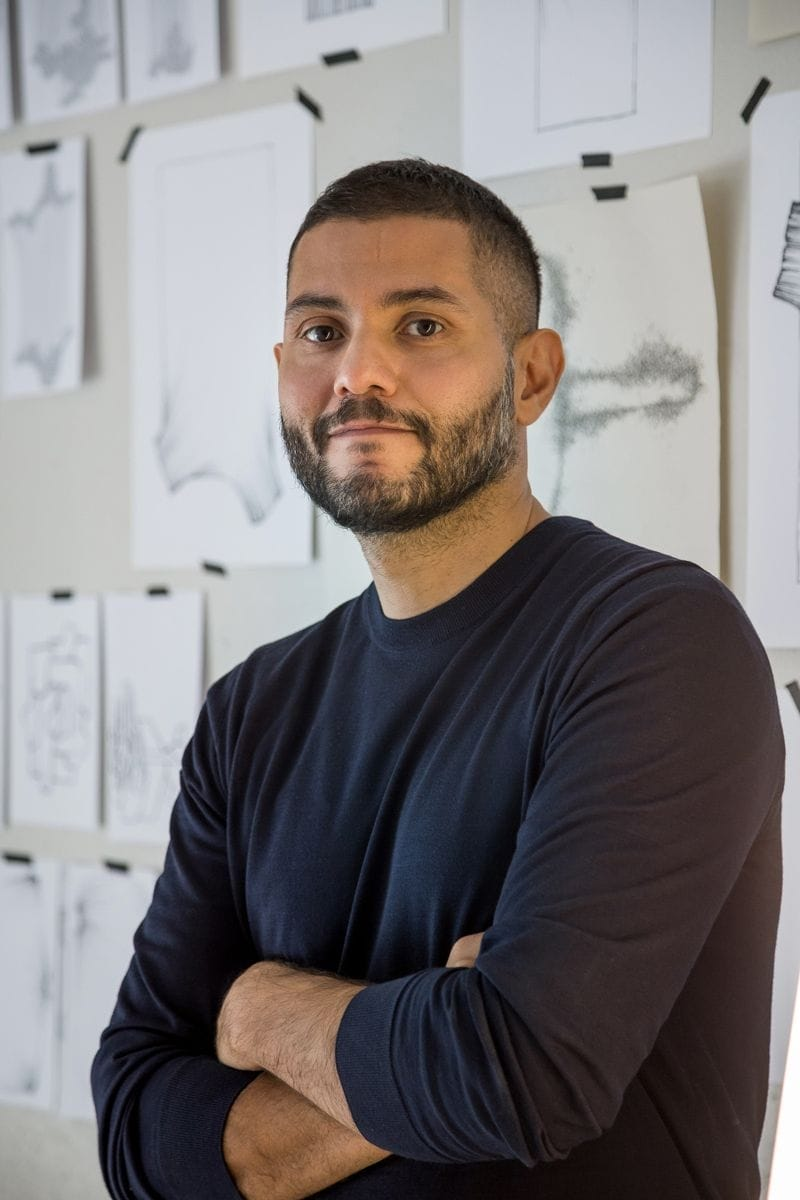
Cristián Mohaded
Welcome to Singapore, Cristián. You mentioned this is your first time here. Before arriving, did you research anything you wanted to see or experience as a designer?
Yes, a little. I also spoke with someone today who shared interesting suggestions, especially about art and museum spaces. I enjoy discovering these aspects — the culture and rhythm of a city.
Which city do you currently spend most of your time in?
I spend most of my time in Buenos Aires, Argentina, where my studio is. I’m originally from Catamarca, in the north of Argentina, but I moved to Buenos Aires years ago.
What’s one thing from Catamarca — or Argentina in general — that you feel you can’t live without?
The weather, definitely, And the landscapes; they’re extraordinary.
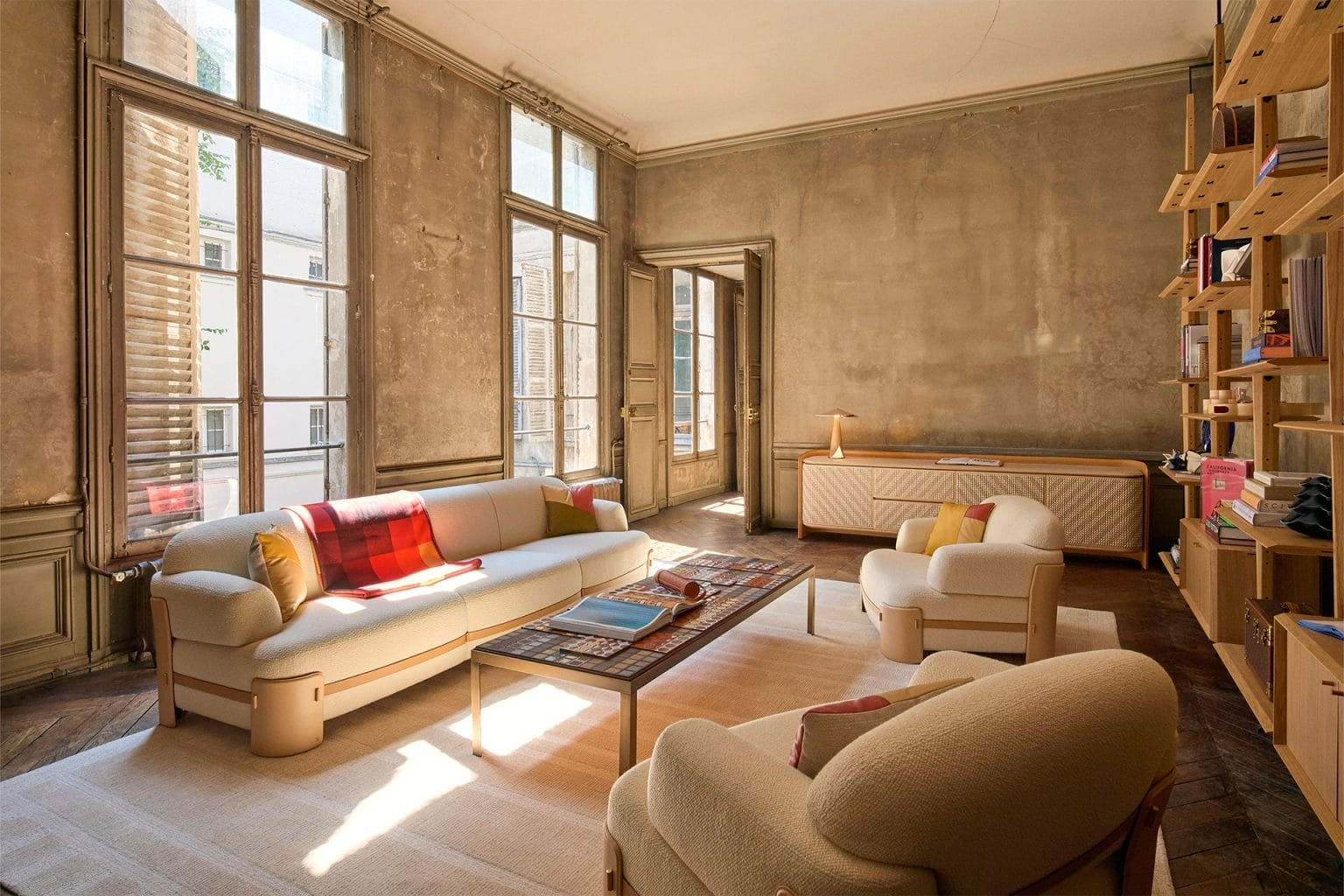
Aventura sofa and armchairs by Cristián Mohaded
Now that you’re based in Buenos Aires after previously working in Europe, how has being closer to home shaped your perspective or approach to work?
I began studying design in Córdoba, Argentina’s second-largest city, before moving to Buenos Aires, where I opened my studio. At a certain point, due to personal circumstances and also professional ambition, I decided to move to Milan. I wanted to step out of my comfort zone and be closer to the design world. Milan is design; they’re inseparable. Living there for several years taught me a great deal. Previously, I only visited for a week during Salone del Mobile, but living there was very different. It allowed me to travel extensively in Europe and understand the industry from within.
It wasn’t always easy. I wasn’t a European designer, and at first I felt pressure to “fit in”. But over time, I realised the opposite was true, my difference was my strength. My education, my cultural background, and my way of seeing the world became my advantages. Instead of pretending to be a European designer, I learnt to be honest with myself and show my own perspective.
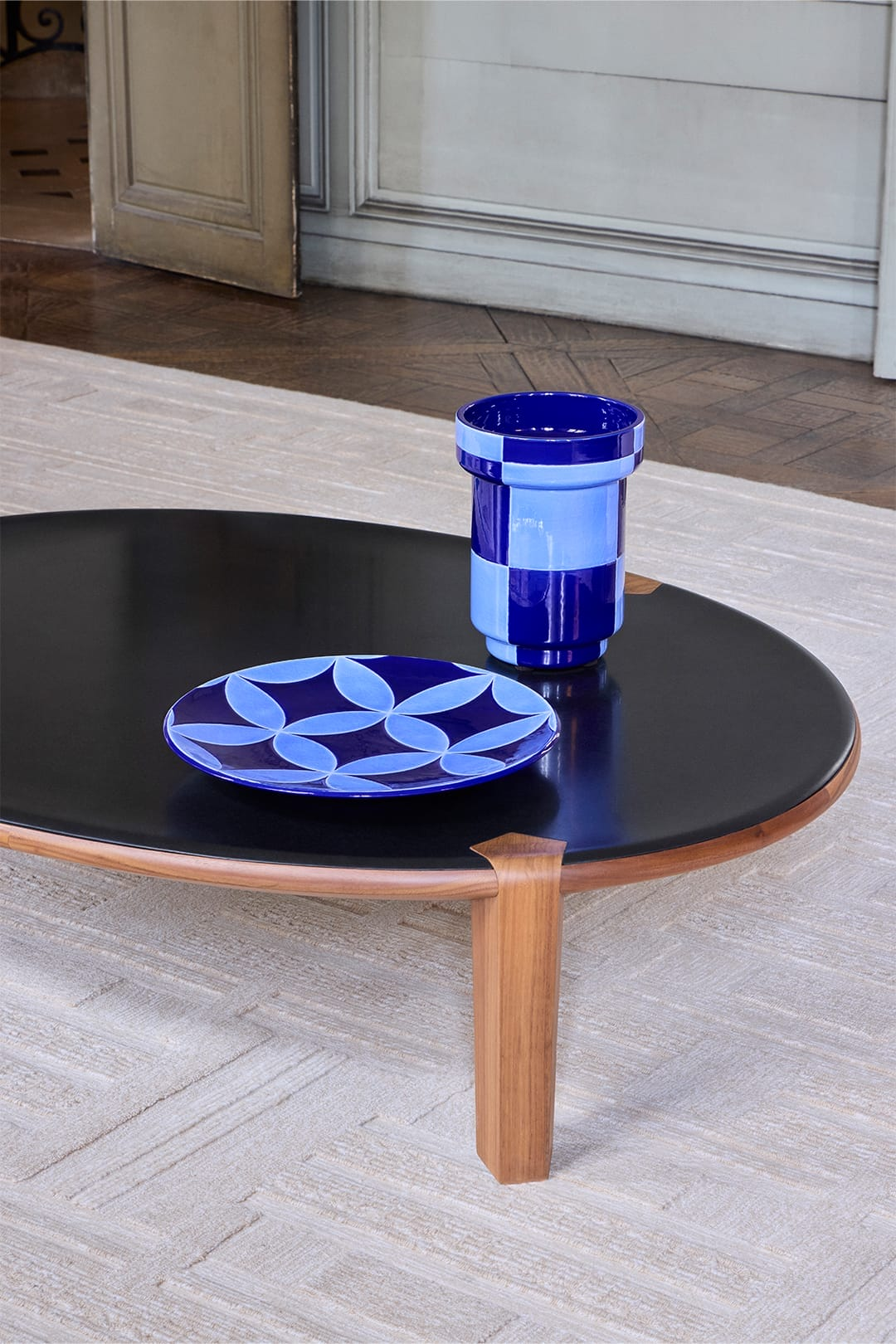
The lnti vase and dish design revisits the Louis Vuitton Damier pattern in a minimalist composition that hugs its vertical shape. The Louis Vuitton Monogram flower is multiplied and celebrated in the medallion of the lnti dish. The two chosen hues of light blue and midnight blue bring depth to these exquisitely crafted decorative pieces.
How do you ensure your Argentine roots are visible while still maintaining an international design language?
Let me use Loro Piana as an example. When they discovered my work and invited me to create a collection, my proposal was based entirely on my culture — the materials, the mysticism, and the spirit of my country. The collection was called Apacheta. In the first meeting, I didn’t show sketches. I presented only concepts — stories, references, the essence of what I wanted to express, and they loved it. The sketches came later. That project was transformative because Loro Piana allowed me to bring 100 per cent of myself into the installation, collection and narrative. It showed me that authenticity resonates.
And when Louis Vuitton approached you?
They had seen the Loro Piana exhibition and contacted me after our first meeting in Barcelona in April 2023. The following month, we began discussions about creating a home collection. They shared extensive materials with me, such as books, archives, architectural references, and the maison’s history. I visited the Louis Vuitton museum in Paris, the workshops, and the trunk-making ateliers and immersed myself completely in their world.
From there, the work became about balance — blending my voice with Louis Vuitton’s heritage. The challenge was to be recognisable without being literal, subtle yet unmistakably Louis Vuitton. We explored materials, colours, textures and functionality intensely. Since this is the maison’s first home collection, it was important to understand what kind of objects they wanted to offer to interior designers and collectors, and what identity this new category should hold.
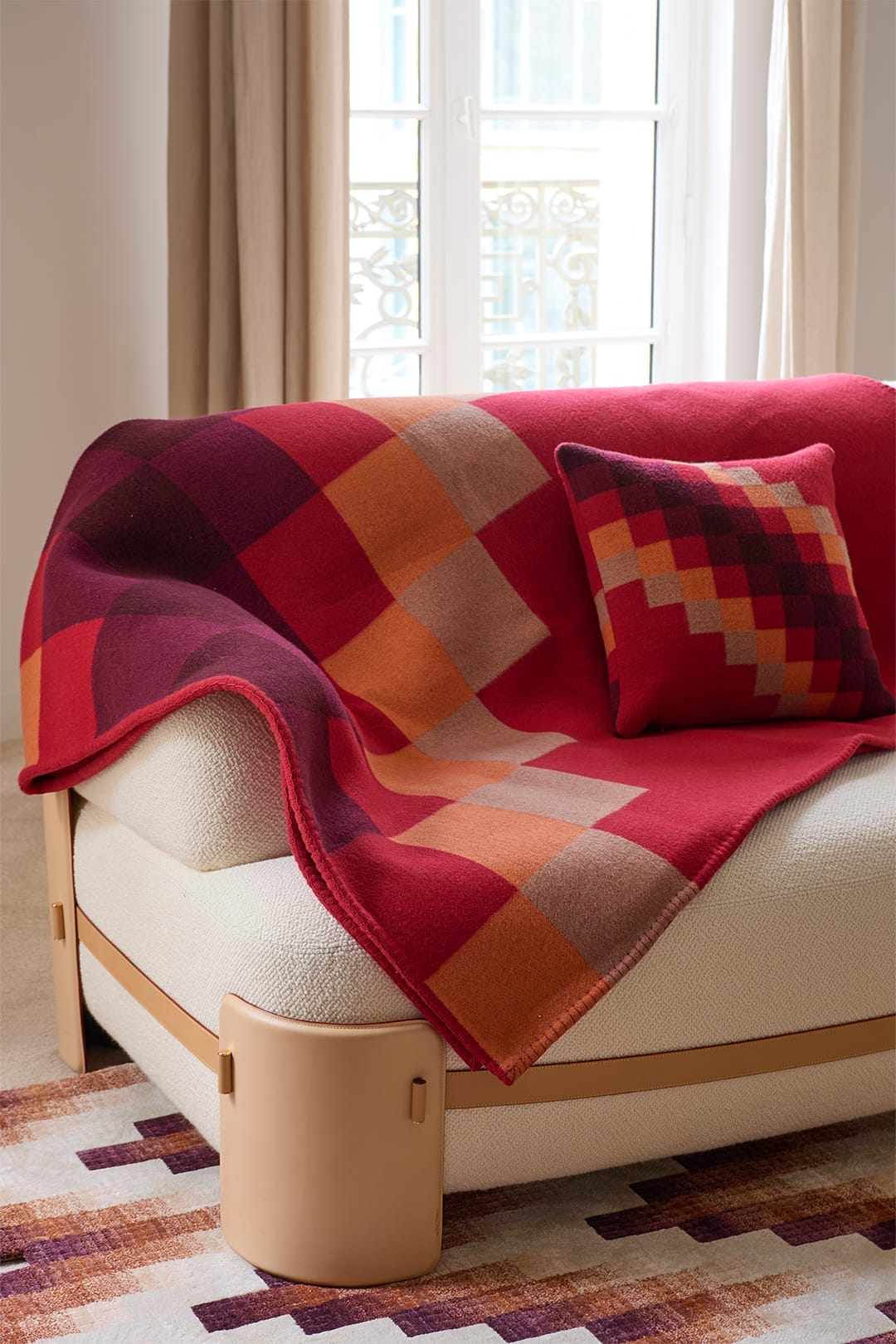
Aventura sofa, Sunset wool and cashmere throw and cushion and Chakana wool rug. The Sunset collection of wool and cashmere throws and cushions interweaves Louis Vuitton’s graphic signature in a palette of warm and intense hues, echoing the colours of sunsets. Its textile patterns are inspired by the Louis Vuitton Damier, while their colours recall the clay mountains of Patagonia.
Seeing the pieces in person, such as the Aventura sofa, Chakana rug, and Noé table lamp, gives a sense that they are alive. the Chakana rug for instance has such a distinct presence.
Yes, Chakana is named after a mountain symbol from northern Argentina. There’s a mountain there called Cerro de los Siete Colores — the Hill of Seven Colours. Its layered colours inspired the gradient of the carpet. I imagined a valley: you walk through the carpet as though between mountains, a landscape inside the home. The details, such as the Damier-inspired structures, the cut edges, and the colours, all matter. At first, I thought the maison might not accept such a bold idea, but they embraced it. Carpets are like ground landscapes in interiors — you walk on them, you build upon them. They set the atmosphere.
And what inspired the Noé table lamp, which I found incredibly charming.
The Noé table lamp and Pegase chair both emerged from studying the gestures of Louis Vuitton bags. When you pinch the leather of a bag, you get a very simple, recognisable shape. The lamp captures that gesture — almost like a tiny bag transformed into a light. We worked intensely on the details: the straps, the edges, the silhouette.
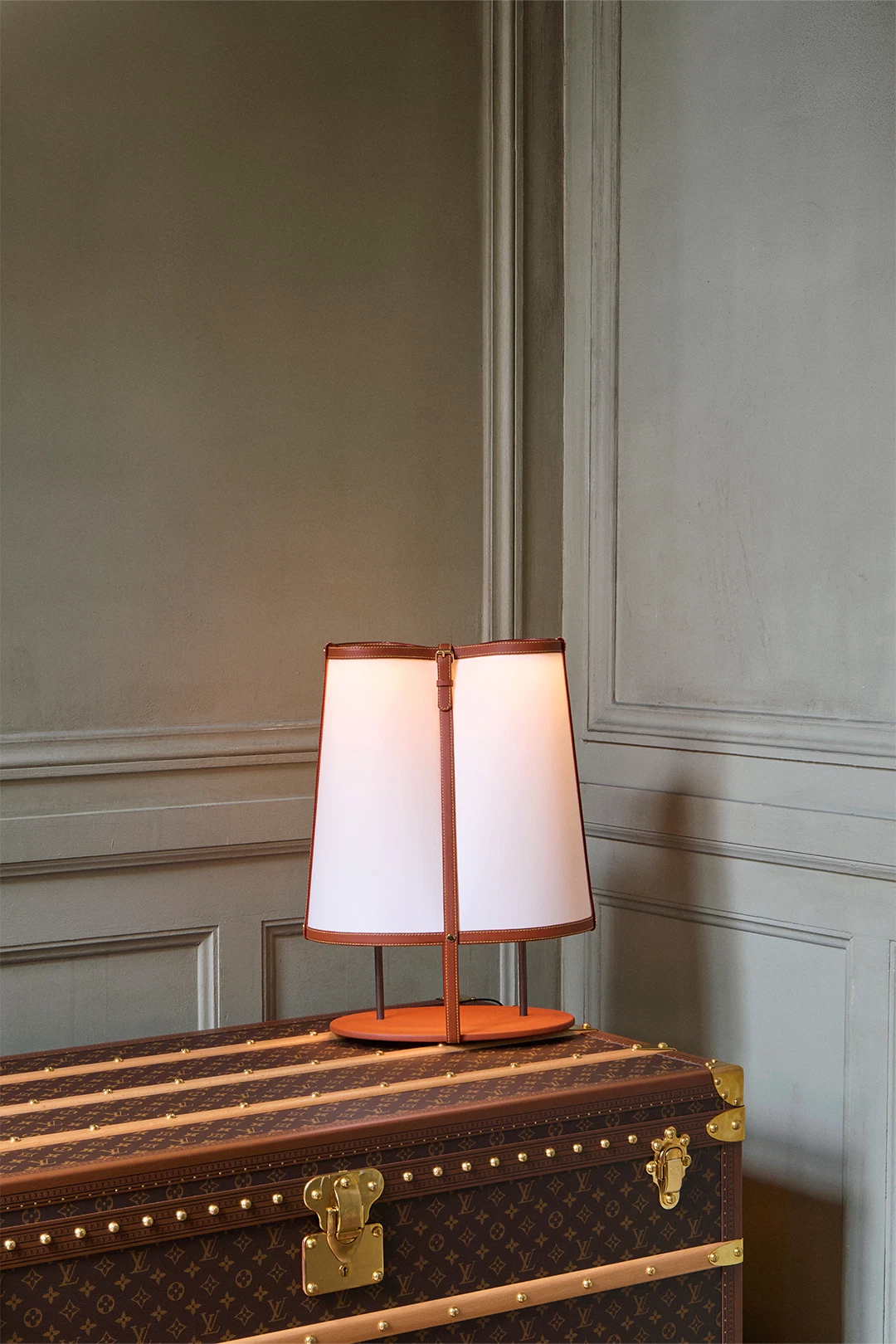
The Noé table lamp’s voluminous form is inspired by the famous Steamer bag, one of Louis Vuitton’s iconic pieces. Trimmed in leather and cinched with a belt loop, its lampshade gives the lamp its structure and elegance. The Noé lamp welcomes itself into interiors as an object that is both aesthetically pleasing and functional, embodying the identity and craftsmanship of Louis Vuitton.
The connection between fashion and furniture was important. In the Pegaso chair, for example, the backrest feels like a belt — soft, dynamic, and not static. When you place chairs around a table, the backs are what you first see, so they need to speak. The reference is subtle — if I don’t tell you, you may not realise it’s a belt, but you feel the softness and movement.
Louis Vuitton has long embraced the philosophy of travel. Your pieces feel like they bring people into Argentina. How do the materials and stories come together in your work?
Leather craftsmanship is, of course, central; it’s the heart of Louis Vuitton’s savoir-faire. I also wanted to introduce other materials: onyx for the side tables, wood for the chair structures, and ceramics for the vessels. I aimed to blend Argentinian cultural symbols with Louis Vuitton’s icons to create a new shared language. We even developed several original patterns for ceramics and textiles. Colour was another important element — vibrant, expressive, emotional.
Let’s talk about your creative process. I read that you didn’t pursue design when you were young.
I’ve always drawn; that’s in my blood. It’s a very introspective act for me. But design happened almost by accident. I began studying chemical engineering and architecture before shifting into design, without being entirely sure it was my path.
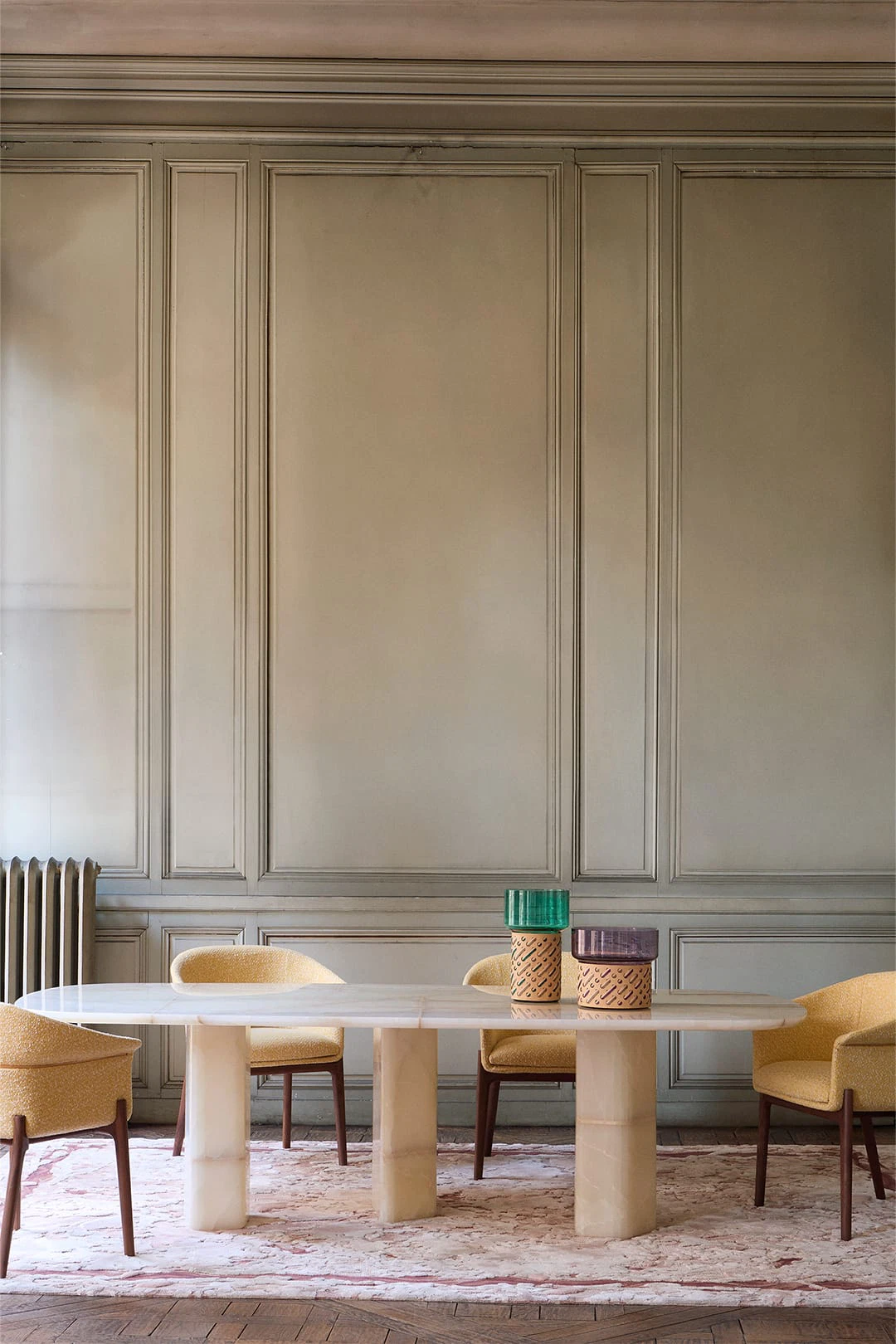
Atlas table
Design is incredibly vast; you can create a car, a chair, a house, or a lamp. It’s not limited. I’ve always been connected to art, which still influences my approach. Today, the boundaries between art and design are far more fluid than before. Many designers cross disciplines; many artists work with functional objects. It feels natural.
Is design a conversation between the maker, the material, and the culture?
Yes, absolutely. I also believe design is observation and dialogue — a phrase by Achille Castiglioni that I often quote. When working with artisans or industries, you must first listen. You observe the process, understand the material, and learn its possibilities. You can’t simply dictate an idea — you need dialogue. I always begin a project with a few “ingredients”: the material, the process, and the culture. It’s like cooking — sometimes you need only three ingredients, other times, four. Materials and processes are always foundational in my works.
I renovated my home recently, and I became very sensitive to design, proportion, colour, and materials. When did you develop this sensitivity in your own life?
Probably gradually. I recently moved into my first home, and like you, I approached it intentionally. At first, the apartment was empty — just an armchair and a table. Over time, I added pieces only when I felt the space needed them. People think simplicity is effortless, but it’s the opposite.
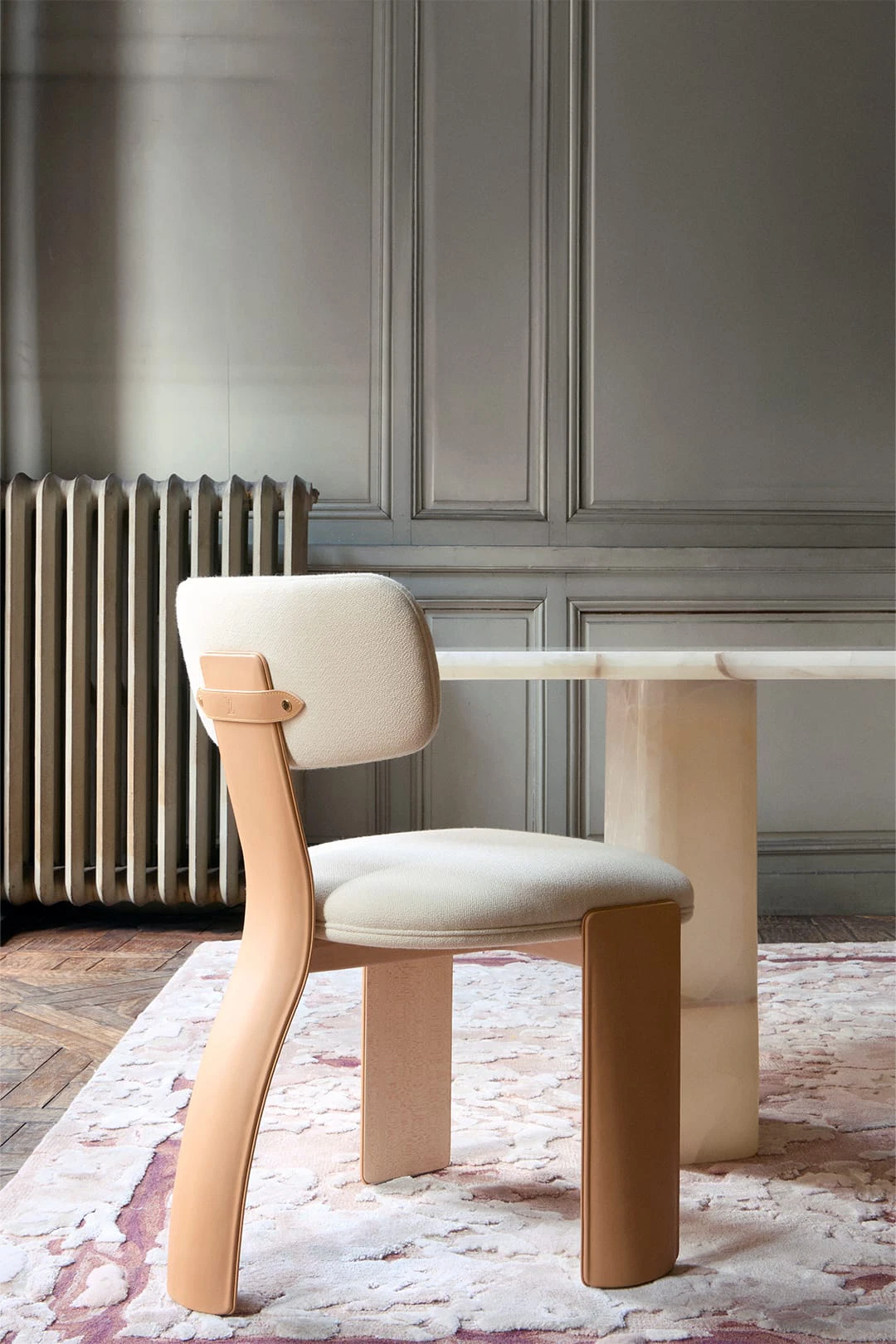
The Pegaso chair is named Pegaso in honour of the winged horse, a symbol of reaching lofty heights through art and beauty. It is crafted of leather and natural wood, bringing grace and lightness to interiors.
Achieving true simplicity is extremely complex — it’s about placing the right object in the right spot with the right intention. It’s refinement. In my professional work, the process is similar, even if the context is different. I plan my projects, but I also trust my intuition deeply. When something feels right, I follow that instinct.
To close the interview, what do you hope people feel when they bring your Louis Vuitton pieces into their homes?
I hope they feel the details. A sofa should not just be a sofa — it should be a landscape. A chair is a map. A table is a story. My intention is always to create symbols, not just objects. The pieces from this collection, like my earlier work for Loro Piana, are meant to carry the spirit of my country — fragments of its landscapes, colours and culture — into people’s homes. I want people to discover the pieces slowly, the way one explores a new place when travelling. Every detail should reveal something — a gesture, a texture, a memory. That is what I hope they feel.
Once you are done with this story, click here to catch up with our latest issue.