For years, the question hovering around certain brands was whether they belonged. Now it feels almost quaint to ask. The velvet rope has long since been flattened, with the idea of fashion week as a closed religion reserved for the French or the pedigreed quietly retired. Legitimacy, in 2026, is less about lineage than stamina. If you have the capital, the infrastructure, and the nerve to occupy the space, it guarantees that you’re in.
Onitsuka Tiger understands this better than most. Like Ferrari and the growing class of athleisure names angling for something grander, the task has never been about seeking approval. After all, to dismiss it as “just a sneaker brand” requires a selective memory about how this industry was built. The houses we revere began as trunk-makers and saddlers, servicing practical needs long before anyone spoke of a “look.” If a leather workshop could evolve into a luxury empire, it’s hard to argue that a Japanese footwear giant can’t muscle its way into the same conversation.
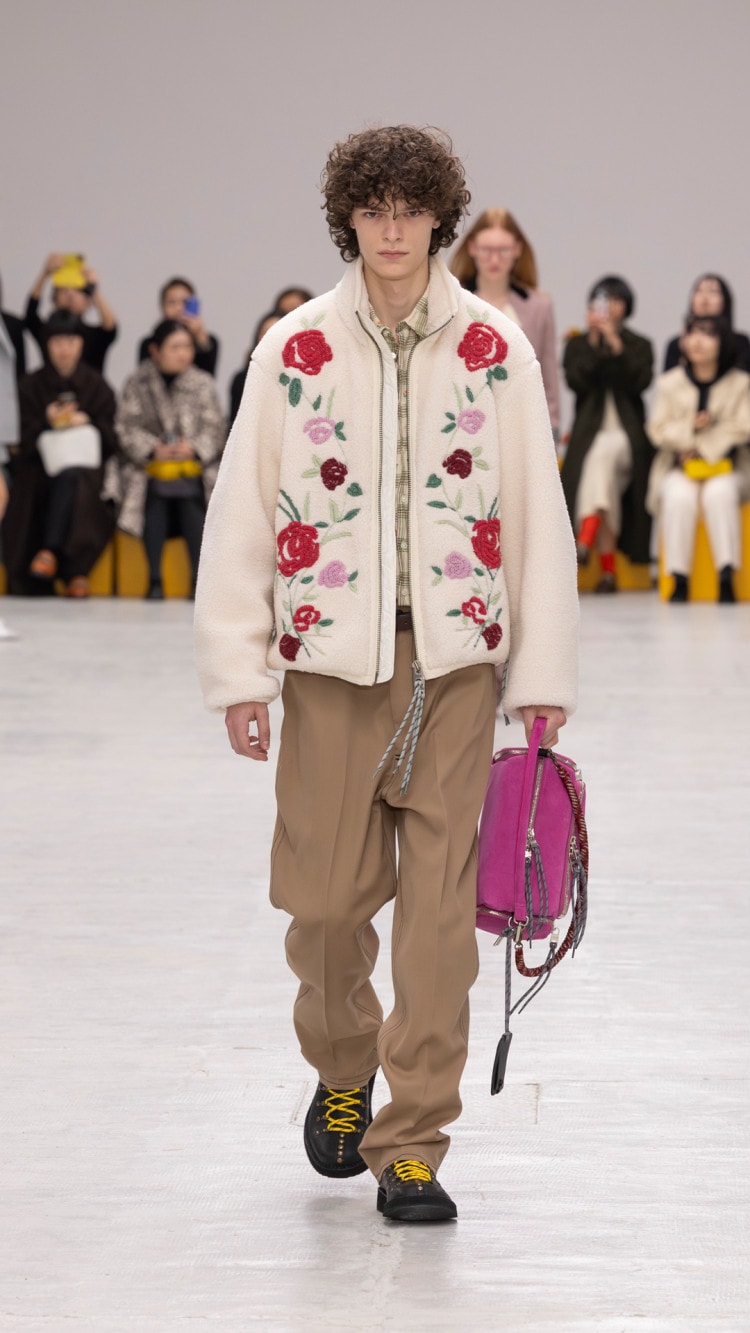
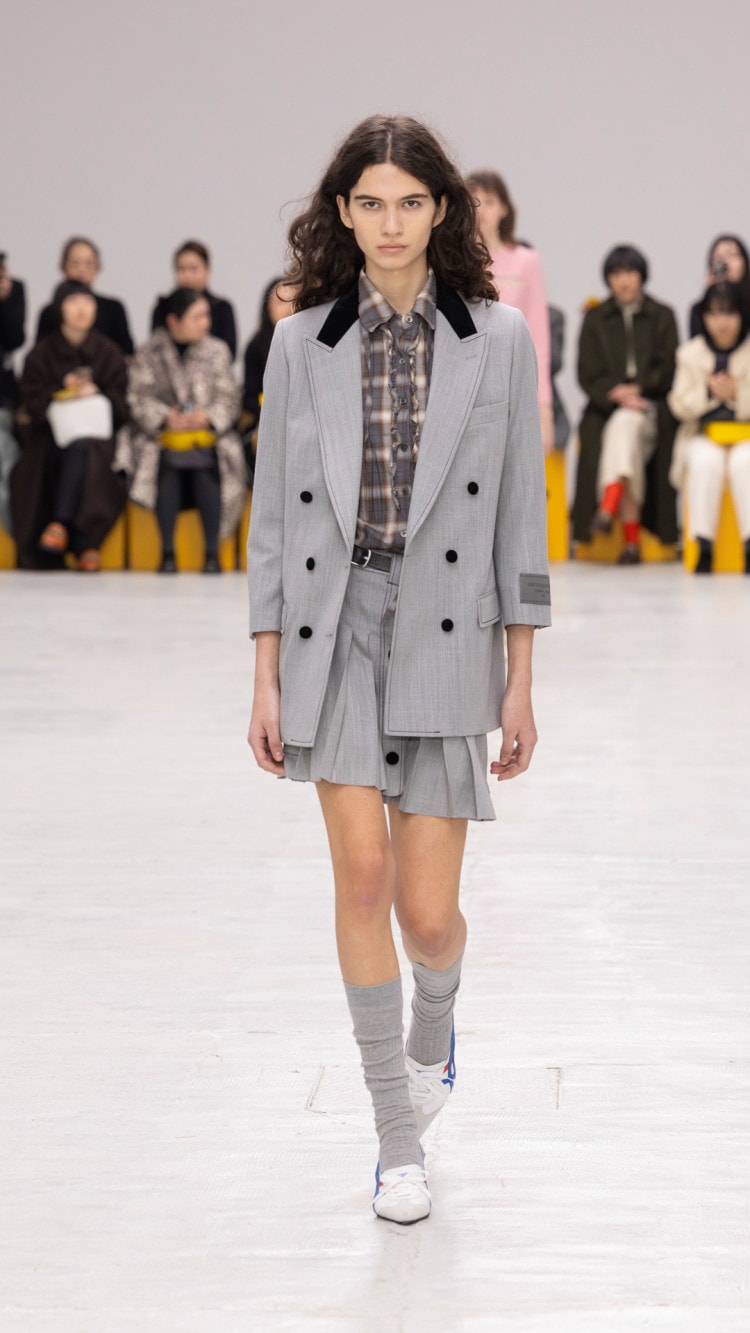
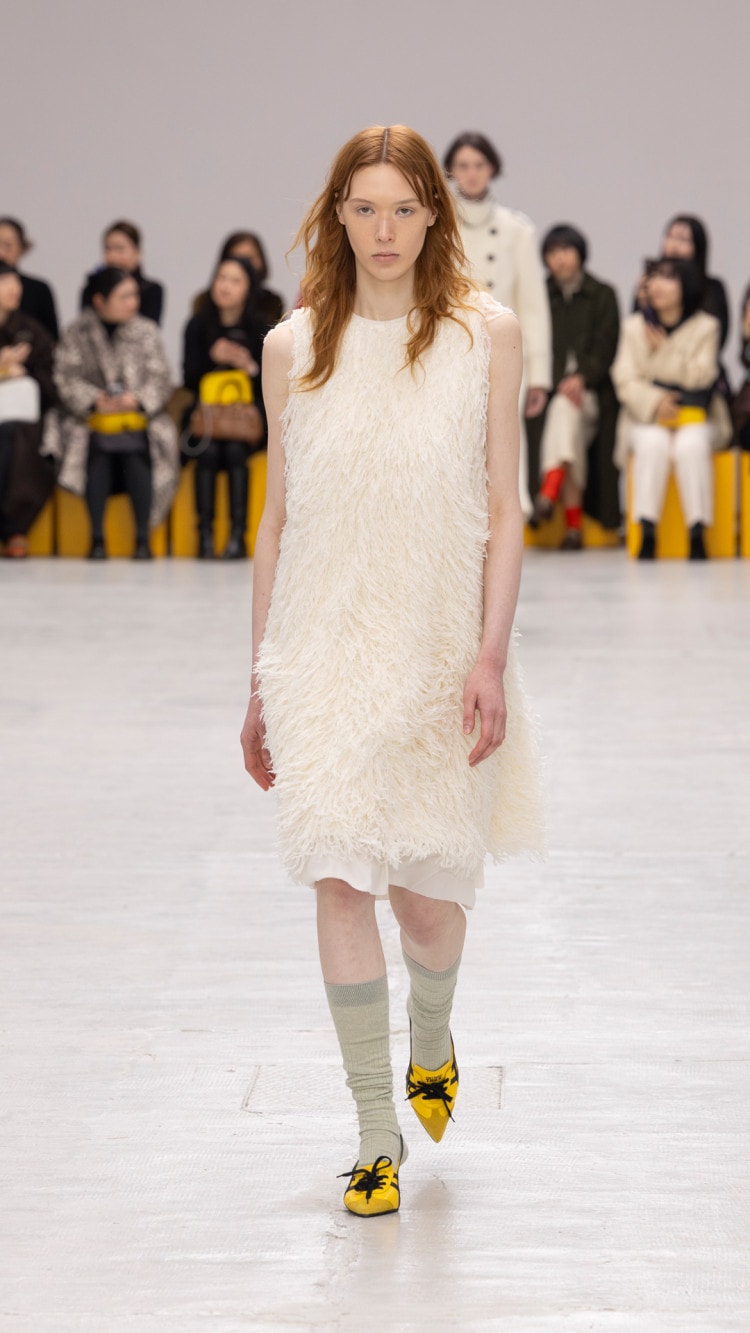
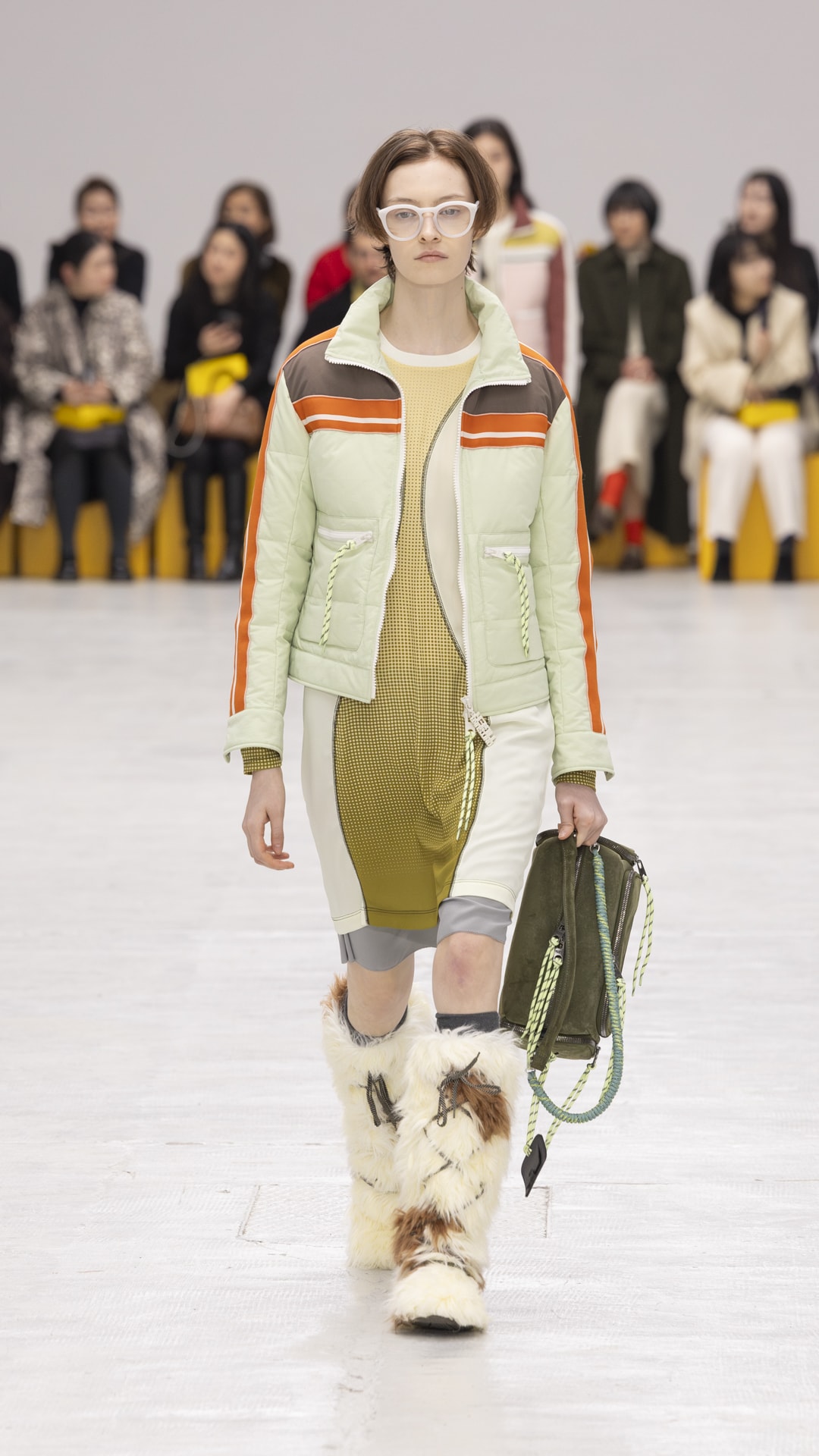
What’s different is the tone. Onitsuka Tiger already has a seat in the conversation. The scale is there. The stores are there. The shows are there. At a certain point, scale stops being vulgar and starts reading as inevitability.
Still, inevitability isn’t the same thing as longevity. The brand has worked hard to pivot the conversation away from foam soles and tiger stripes, but the more interesting question is whether it can outlast the momentum it’s engineered. For Onitsuka Tiger to become a language rather than a run of well-funded “moments,” creative director Andrea Pompilio needs room to build something cumulative. We saw it successfully with the FW24 collection, arguably the best yet with its sheer textures and lace, which suggested he got that chance. It sidestepped the expected tech-wear tropes and the tired shorthand of Japanese conceptualism in favour of something lighter, more assured.
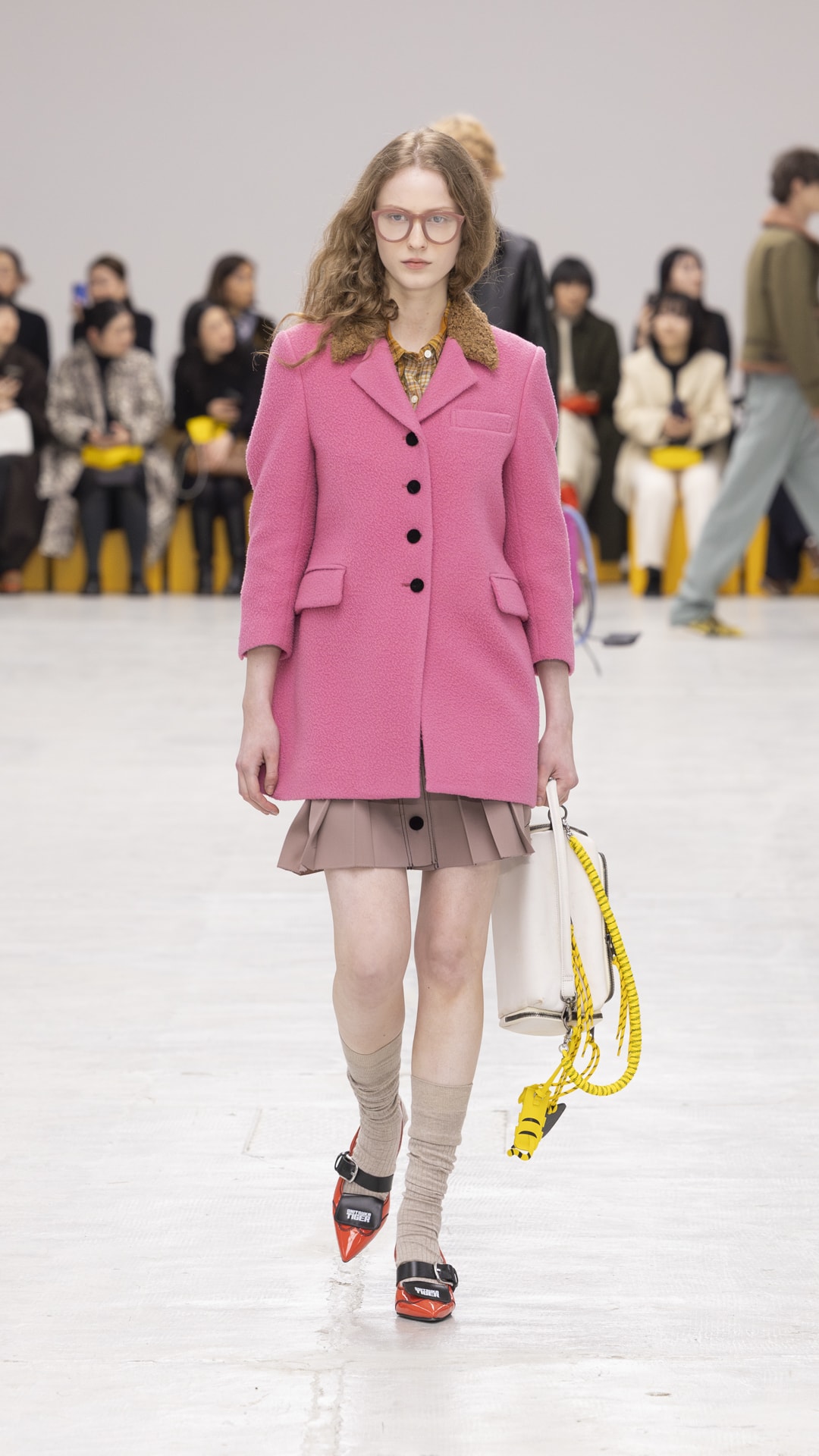
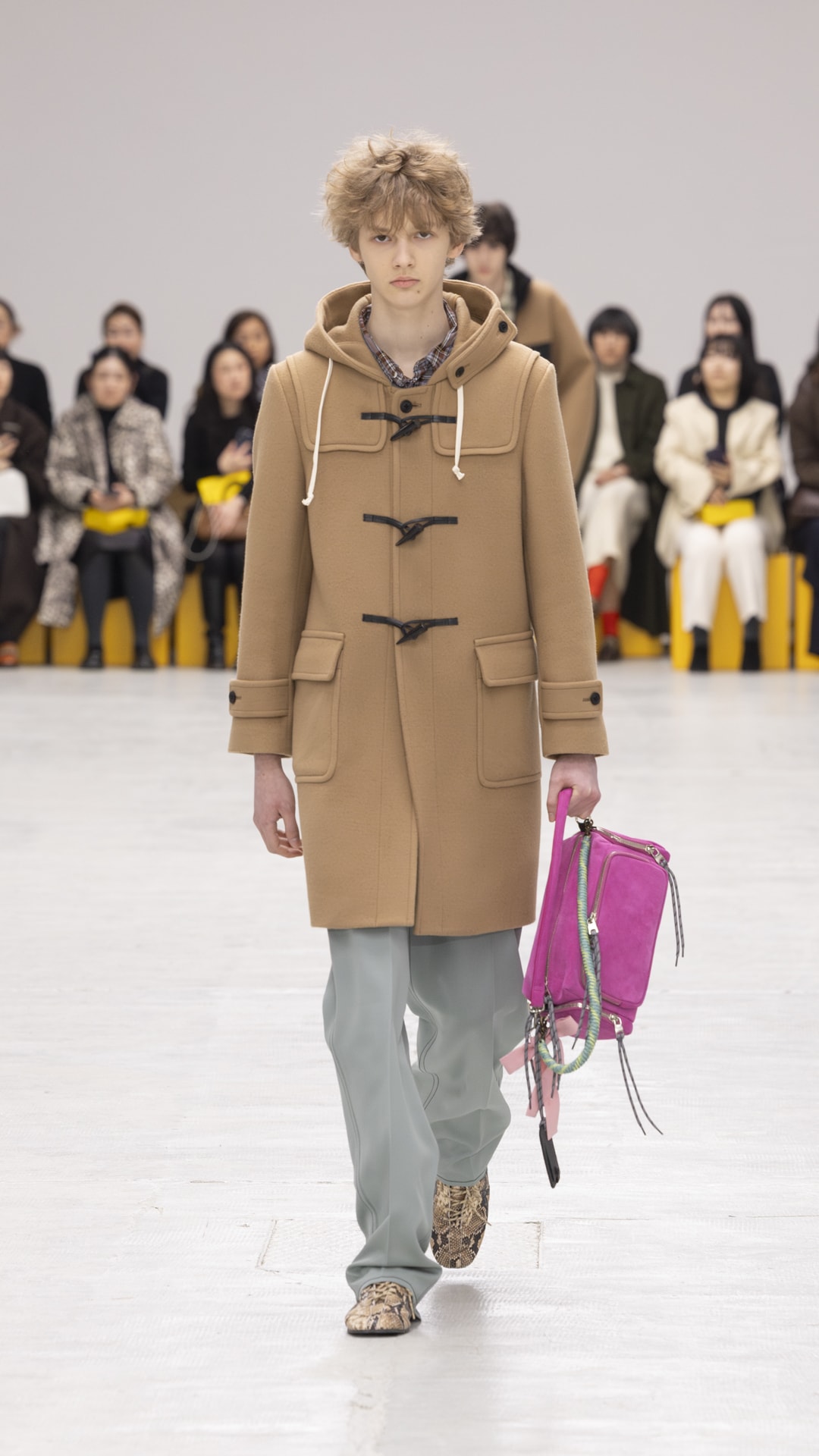
Because the truth is that innovation isn’t the point here. The shoes have handled that for decades. Nor is this about the kind of frantic reinvention that’s tripped up other Japanese giants in the 2020s. Onitsuka Tiger is playing a subtler game, one that requires shaping taste.
This season brought a radical break. For his latest outing at Onitsuka Tiger, Andrea Pompilio pushed aside the high-concept, avant-garde myths of Tokyo to embrace the raw, unfiltered vigour of youth rebellion. Indeed, “algorithm-ready” subculture — looks that marry the sturdy foundations of the brand with the gut-punching energy of a London street label — was a thrilling and much-needed development.
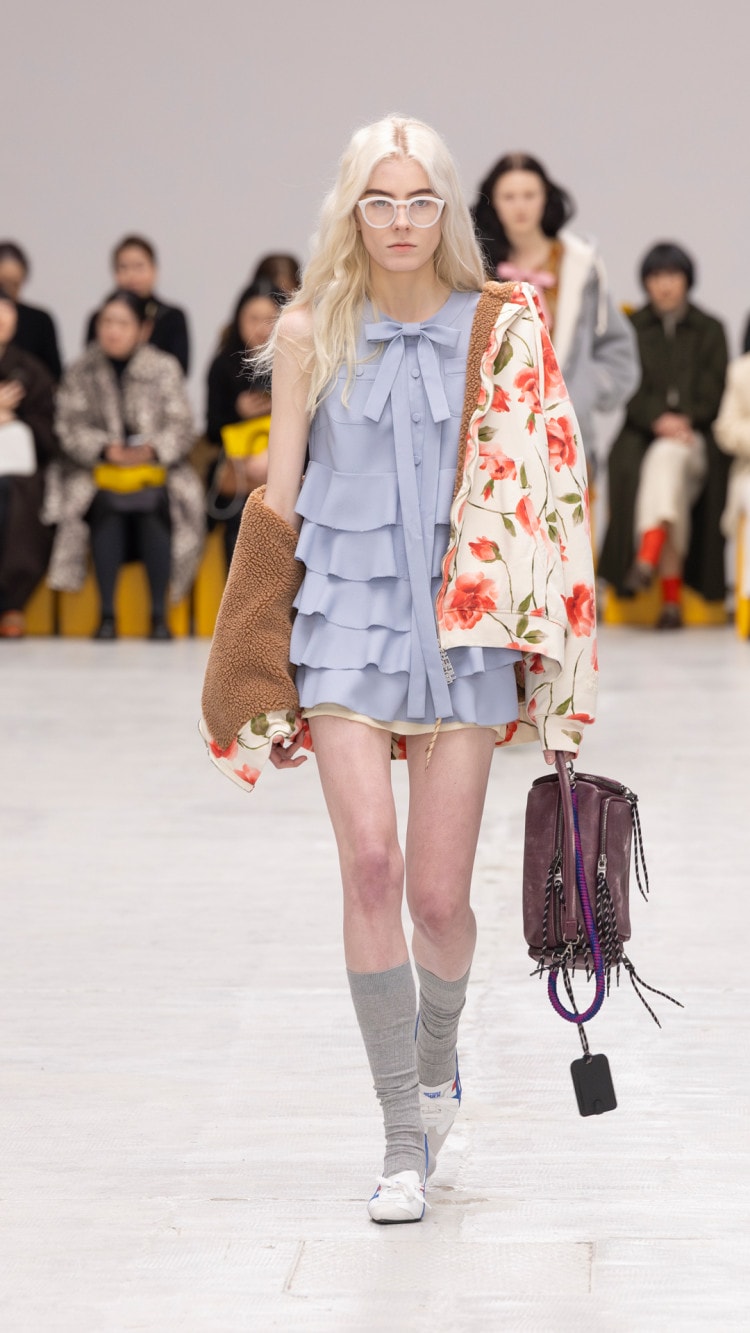
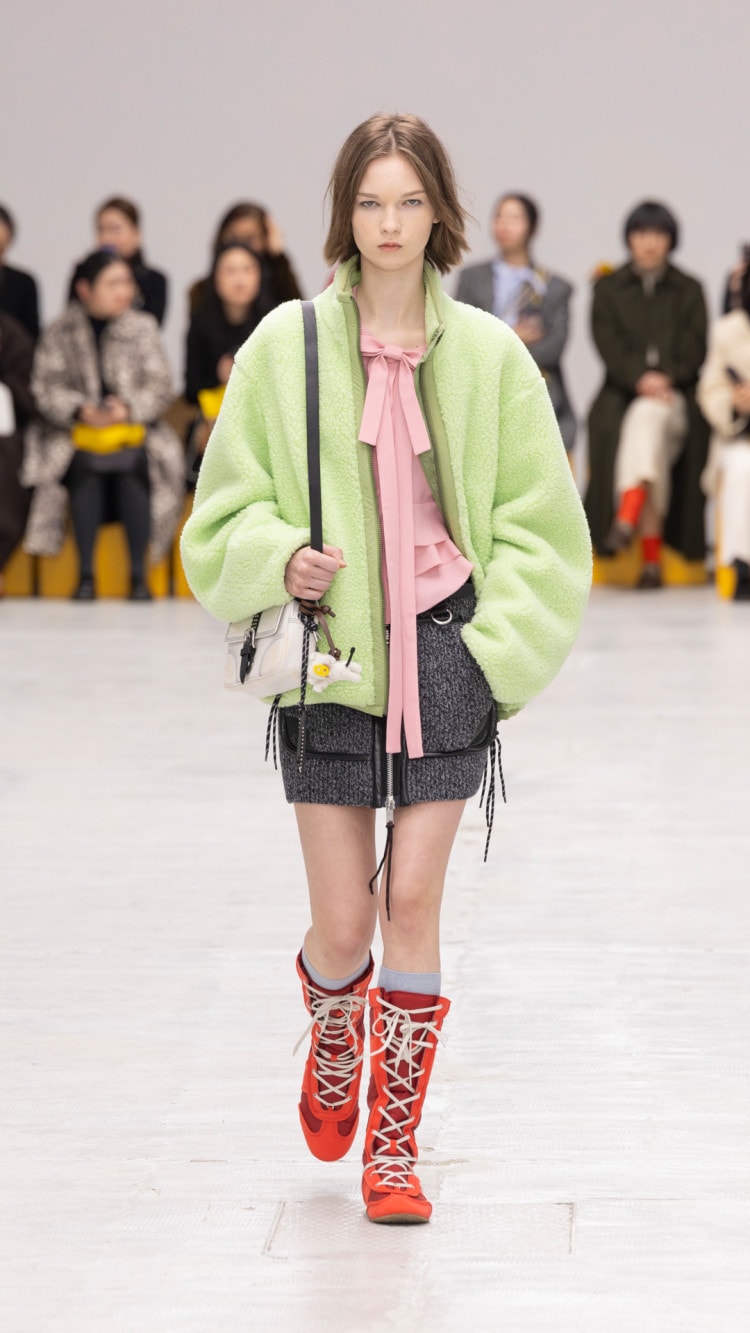
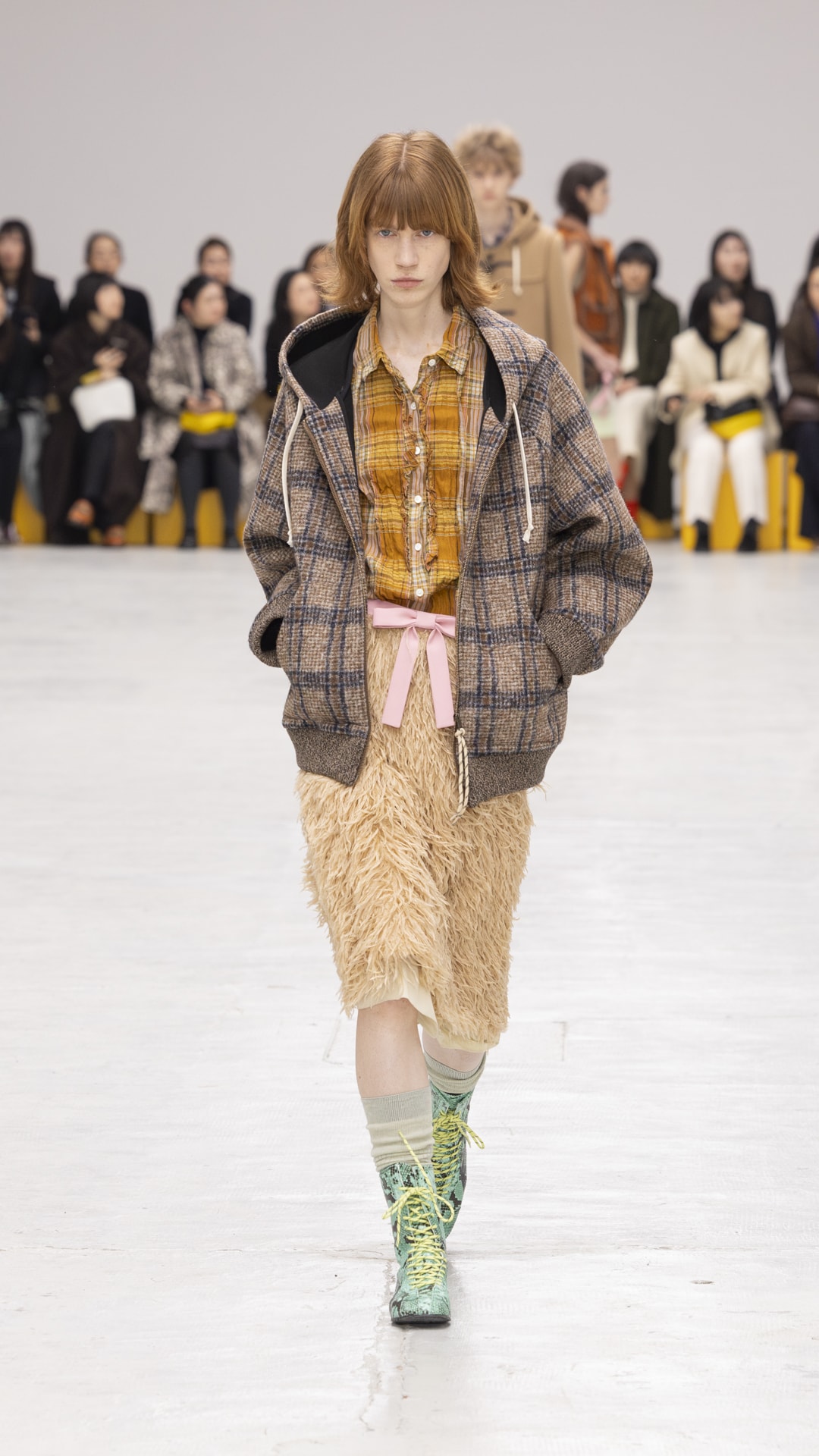
It was expressed in the heavy, rebellious looks that we think defined the collection, where leather trench coats and western-inspired jackets felt like they’d been plucked straight from the feed. Pompilio took a tactile approach with slouchy fuchsia pink suede bags that popped against the pavement of the sterile blank set. Then there were the fringes, those rhythmic, kinetic gestures that rippled across the body with every tantalising step. Whether it was the shock of a fuchsia bag or the swagger of a fringed jacket, the clothes argued for a tangible, three-dimensional identity that echoed wearability.
There’s also a noticeable lack of pretension in the clothes. Much of it is “inspired,” which is to say it draws openly from the world at large, but the brand doesn’t disguise that fact with theatrical claims of originality. It operates like a cultural processor, observing how people dress in pop capitals and refining those instincts into a clean, legible offering. Judging FW26 by couture standards misses the point. No one is waiting for a silhouette that alters fashion history. The real test is how convincingly the brand edits the present.
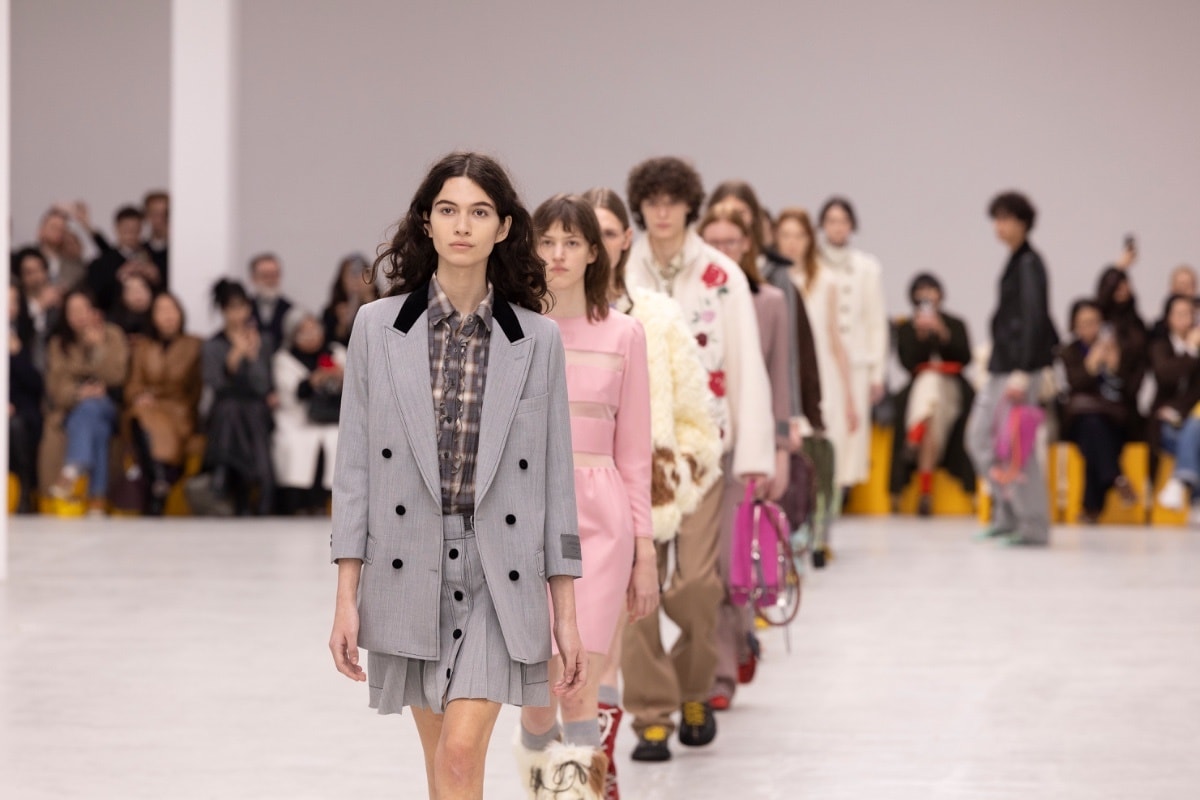
The tension in the room centred on whether a heritage brand can authentically pivot to a “gut-punching” Gen-Z aesthetic. Whether purists are persuaded feels almost beside the point; Onitsuka Tiger seems more invested in cultural resonance than historical reverence.
So, what Pompilio is producing doesn’t necessarily read as fantasy. That’s neither good nor bad. Ultimately, it’s a strategy. The garments are clear, digestible, almost pragmatic in their intent. Compared to the dense theorising that often clutters legacy houses, there’s something bracing about that clarity. You can lament the absence of a grand, soul-stirring vision, but that may be asking the wrong thing of this brand.
In that sense, it’s fashion as service: efficient, well financed, stripped of the romantic friction that once defined the runway. Some will call that hollow. Others may find it honest. In an industry still suffocating under its own mythology, there’s a strange relief in a brand that doesn’t pretend to be anything other than a powerful, expensive business with a sharp eye. It may not be poetry. But the sentences are clean, and increasingly, that feels like its own statement.
Once you are done with this story, click here to catch up with our latest issue.