When we consider the concept of “us”, does it encompass every person as a society, or does it suggest the notion of a “them” that exists? Malaysians have long taken pride in the ways we demonstrate warmth and hospitality, but has it always applied to those with whom we are familiar and understand deeply? In a collectivist society, where we thrive from identified elements of sameness, how far are we willing to go beyond our own picket fence to create equity for those who do not share the same reality as us? Performing niceties is easy when it is convenient. Still, when it involves going beyond just “thoughts and prayers”, our local NGOs come to mind, as they ground their belief in equality with tenacity. Never in it for the prestige or a pat on the back, these non-profit organisations connect the warmth and hospitality we show, then further extend it into parts of our community that need it the most.
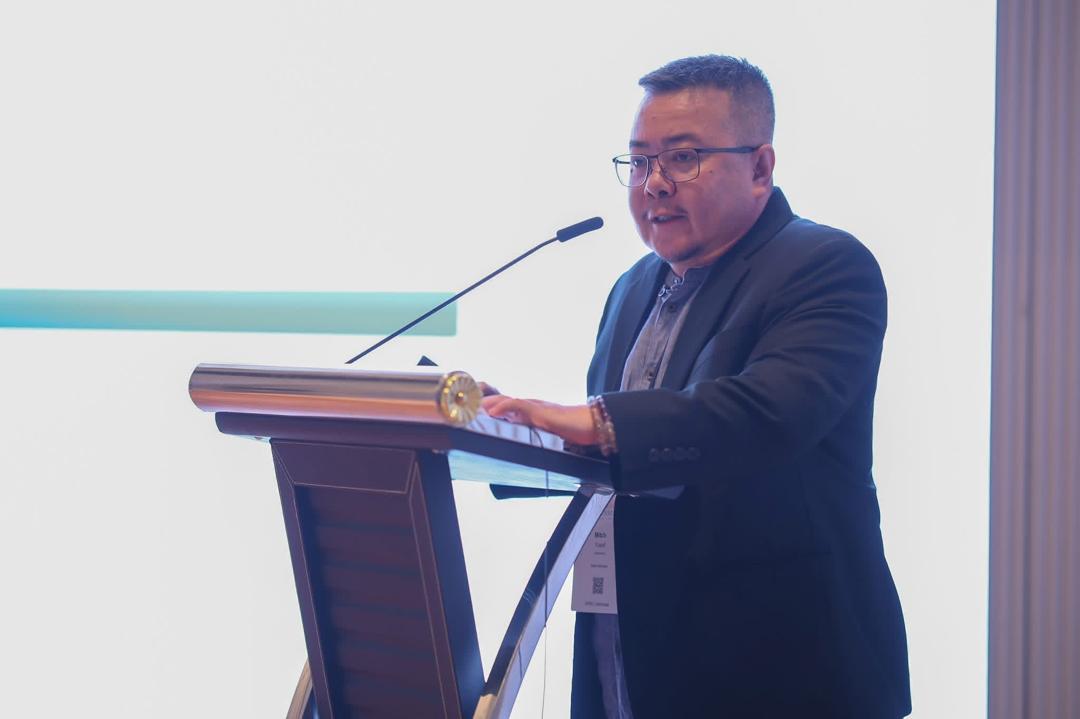
Mitch Yusof, Executive Director of SEED Malaysia
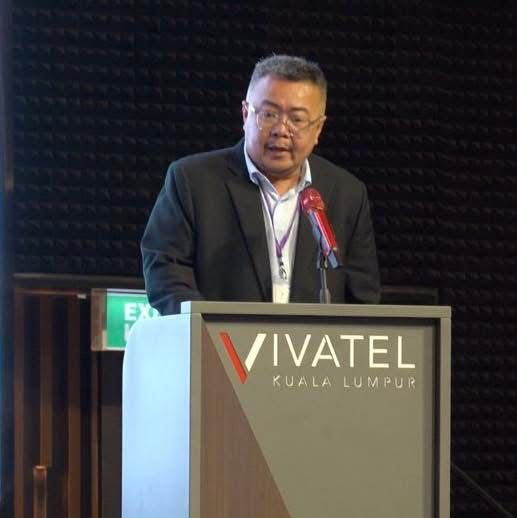
IN YOUR WORDS, HOW DOES YOUR ORGANISATION SUPPORT OUR LOCAL COMMUNITIES?
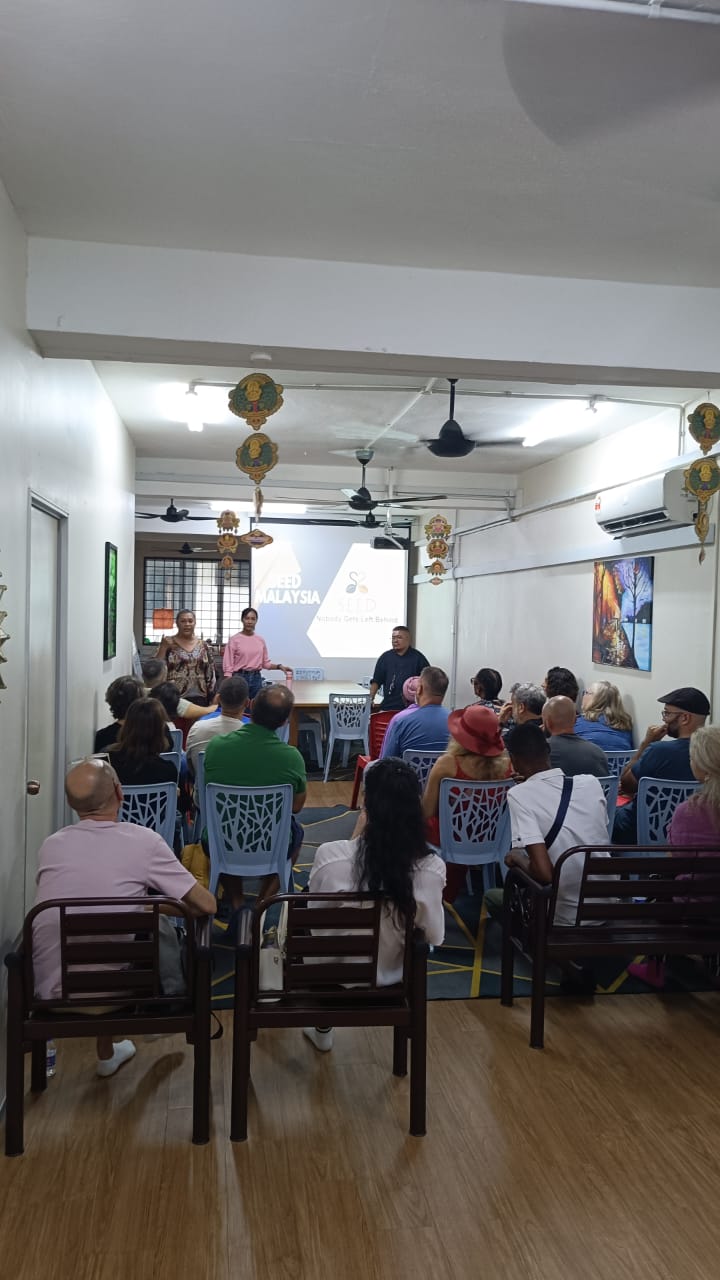
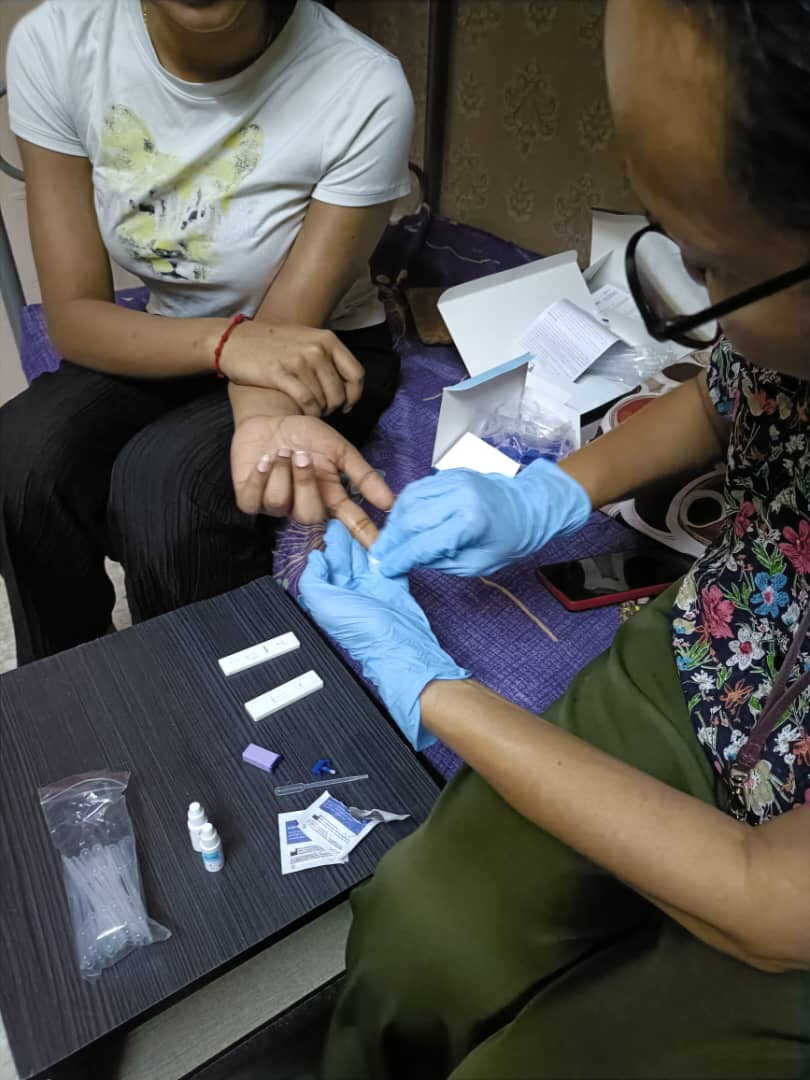
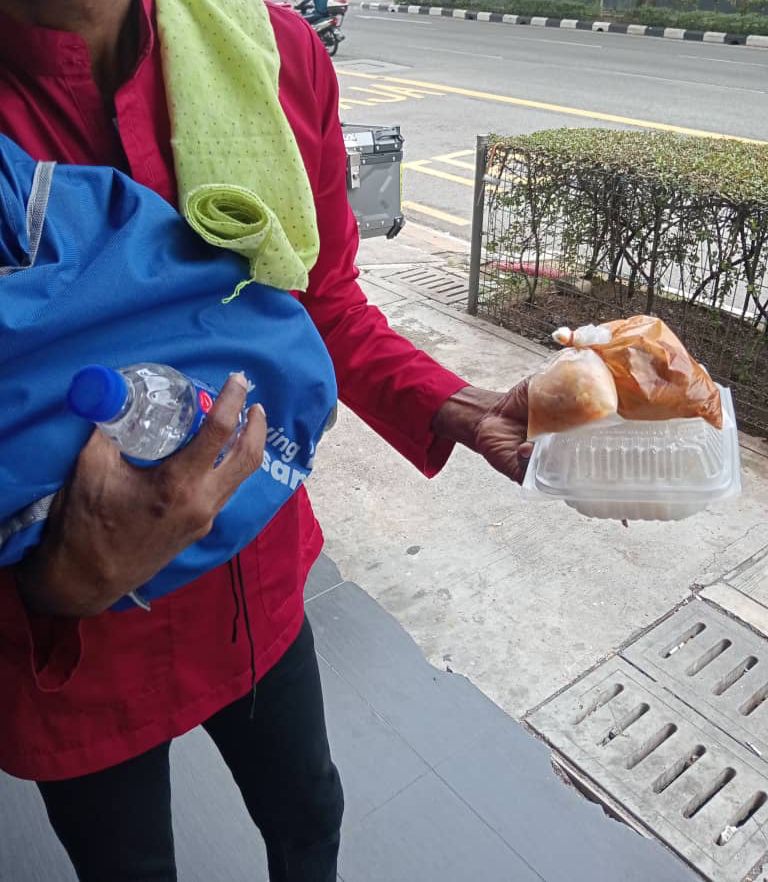
At SEED, we meet people where they are, without judgment and without conditions. Our work is rooted in dignity, ensuring that every person who walks through our doors has access to basic needs, safety, and the chance to rebuild their lives. We offer food, shelter, case management, legal and psychosocial support, health navigation, and community programmes that give people a sense of belonging.
Beyond services, we try to shift the narrative in Malaysia. We work to show that people at the margins, like, homeless communities, transgender individuals, people living with HIV, are not problems to be solved but human beings with stories, dreams and value. Our role is to hold space until society sees that too.
WHAT ARE SOME OF THE HURDLES FACED WHEN IT COMES TO CHAMPIONING THIS CAUSE?
The challenges come from multiple directions. Systemically, policies still create barriers for healthcare, employment, and safety. Culturally, stigma remains deep-rooted and is shaped by fear, misinformation, and social pressure. On a resource level, we are constantly navigating limited funding, inconsistent support, and the emotional labour that comes with frontline work.
But perhaps the toughest hurdle is the invisible one: the exhaustion that comes from having to justify our humanity over and over again. Even so, we continue… we persevere, because if we don’t show up, the people we serve are left with no one.
SOME PEOPLE MAY FEEL THE PRESSURE OF VOLUNTEERING OR ACTIVISM AS AN “ALL-OR-NOTHING” MINDSET AND MIGHT FEEL OVERWHELMED OR SHY TO PARTICIPATE IF THEY CAN ONLY CONTRIBUTE A LITTLE. WITH YOUR ORGANISATION, WHAT ARE THE LEVELS OF CONTRIBUTION CAN THOSE WHO ARE LOOKING TO SUPPORT THE CAUSE, NO MATTER BIG OR SMALL?
I always tell people that there’s no such thing as a small contribution. Not everyone can be on the frontlines, and that’s tay. We need many forms of support to make this work sustainable.
At SEED, people can contribute in different ways:
Time: Volunteering for events, outreach, administrative support, or skillbased roles.
Resources: Donations of food, clothes, hygiene items, or financial contributions that keep our centres running.
Skills: Web Designers, writers, counsellors, lawyers, healthcare professionals, they all play a part.
Advocacy: Even sharing information, correcting a misconception, or amplifying someone’s story matters.
Solidarity: Showing up, listening and treating marginalised communities with humanity is already a powerful act.
STEREOTYPES AND A LACK OF EDUCATION CAN EASILY CAUSE US TO LOSE OUR SENSE OF EMPATHY TOWARDS MARGINALISED COMMUNITIES. HOW DO WE NAVIGATE THESE UNCOMFORTABLE, YET NECESSARY CONVERSATIONS IN OUR DAY-TO-DAY LIVES?
With humility, patience, a willingness to be uncomfortable, and a willingness to listen without judgment. Change doesn’t happen through arguments; it happens through connection.
And we must also remember to protect our own energy. Not every conversation needs to turn into a battle, and you don’t have to win every battle. Choose your moments wisely, speak with kindness, and trust that small seeds of understanding can grow.
ACROSS THE YEARS WITH SEED, WOULD YOU SAY THAT THE PUBLIC AWARENESS HAS IMPROVED ABOUT THE IMPORTANCE OF SEXUAL AND MENTAL HEALTH FOR ALL? WHAT ARE SOME MISCONCEPTIONS THAT STILL PERSIST?
Yes, I do think awareness has improved. Younger Malaysians are more informed, more open, and more willing to ask questions. We see more allies and more open discussions about mental health and bodily autonomy.
But some misconceptions still linger:
● That sexual health is “immoral” to discuss, when it’s simply healthcare. That mental health struggles show weakness, when in truth they show humanity.
● That HIV is a death sentence or a “punishment”, when treatment today allows people to live full, healthy lives.
● That transgender people are “confused”, when their journeys are deeply grounded in self-knowledge and resilience. We’re improving… slowly, unevenly. There’s still a lot of work to do.
WHAT MAKES IT ALL WORTH IT AT THE END OF THE DAY?
The people. It’s always the people. It’s seeing someone who once came in hungry and afraid now managing their own apartment. It’s watching a community member get the medical support they were denied for years. It’s hearing someone say, “For the first time, I feel safe.” It’s witnessing someone rediscover hope after they thought life had nothing left for them.
At the end of the day, all of us want the same thing: to live with dignity, to be seen and to know we are not alone.
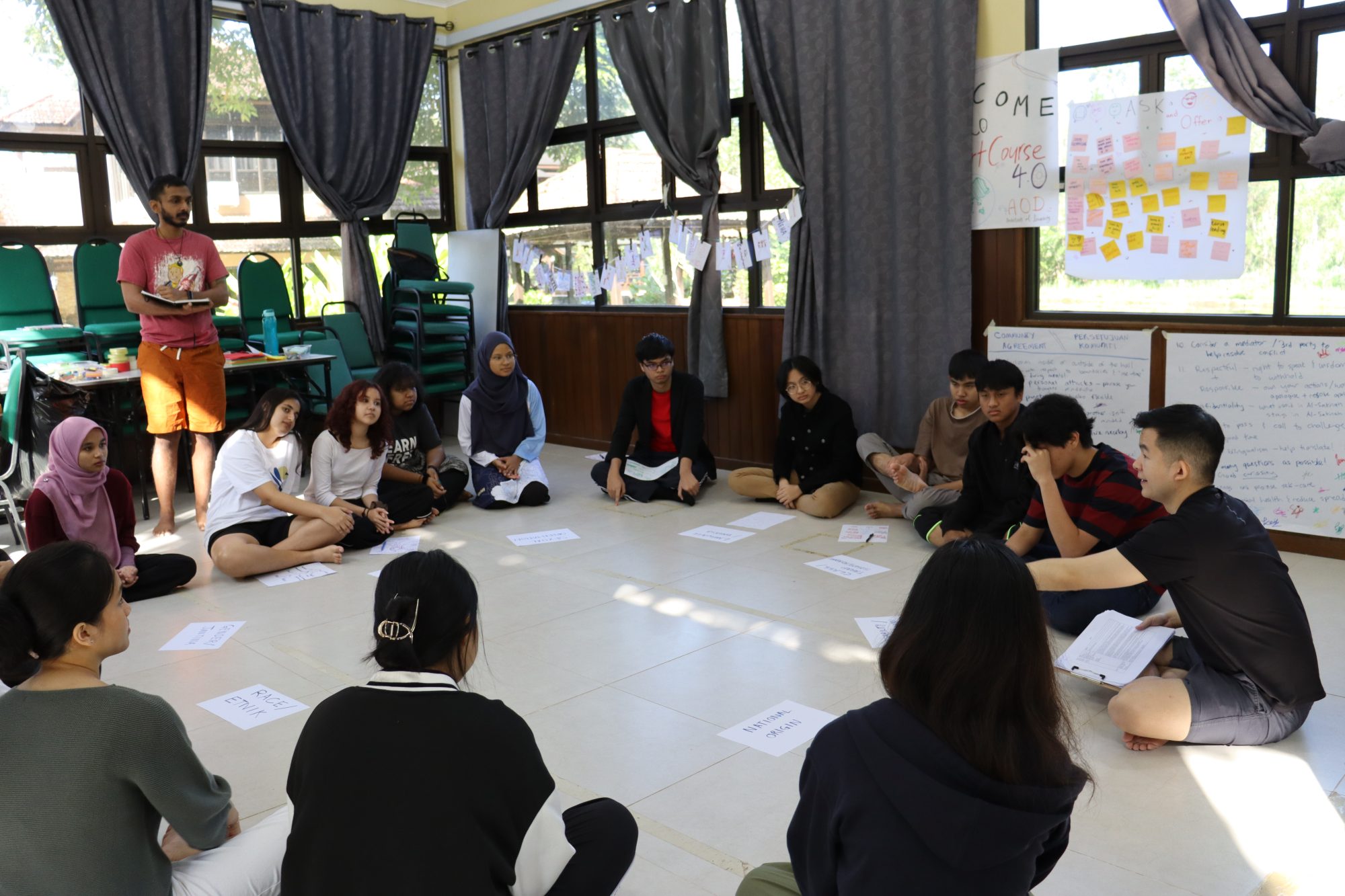
Jason Wee, Executive Director of Architects of Diversity
IN YOUR WORDS, HOW DOES YOUR ORGANISATION SUPPORT OUR LOCAL COMMUNITIES?
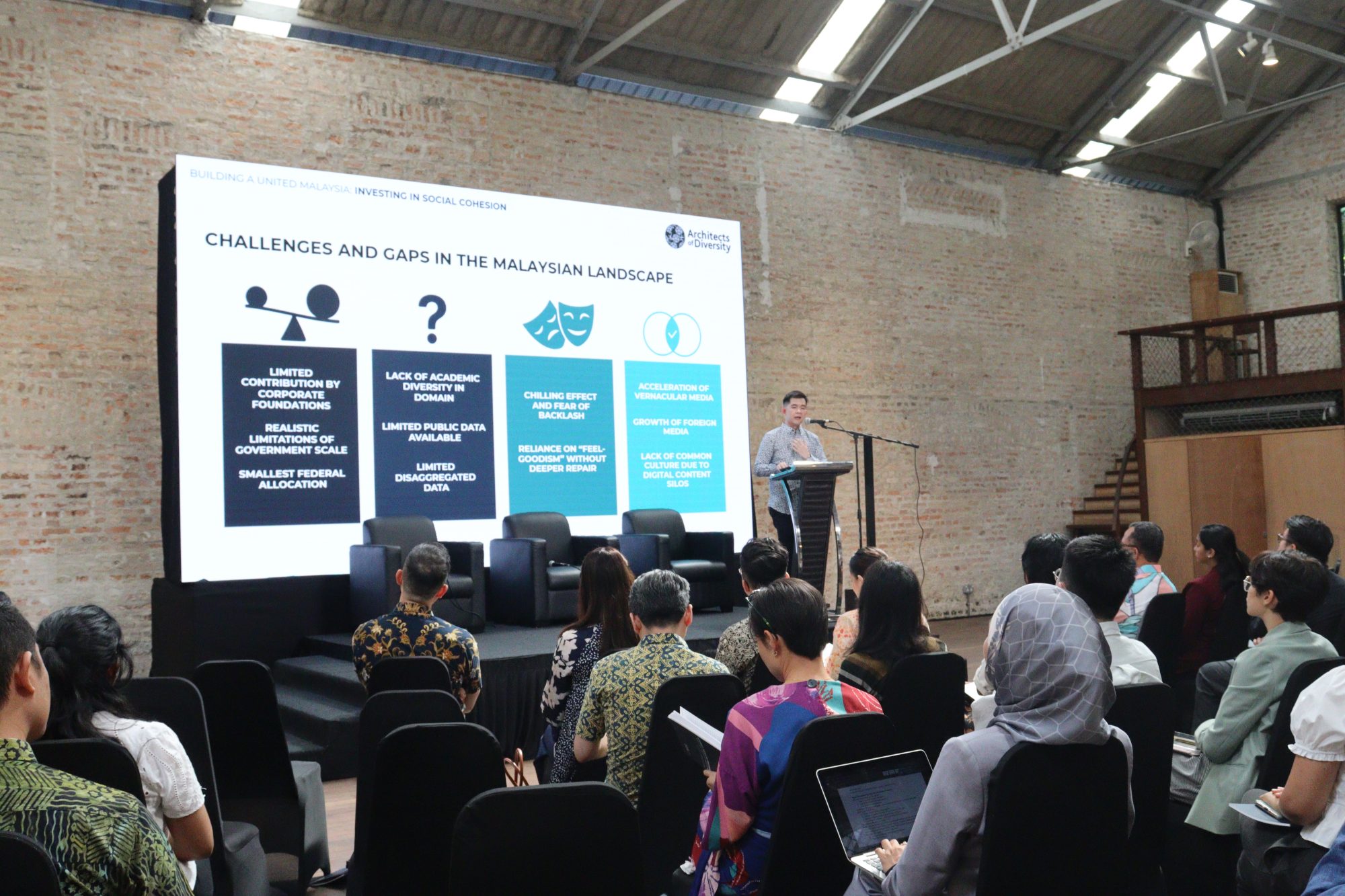
Architects of Diversity advocates for racial and religious inclusion. For instance, we have been pushing for the still-unfulfilled Residential Tenancy Act to enact protection against racial discrimination in house renting. We’re also currently supporting a group of Members of Parliament to better refine our definition and parameters of hate speech to make sure our current laws can appropriately deal with threats to all communities. In the long run, we hope to build the civic and philanthropic ecosystem that drives our nation’s aspirations to become a truly inclusive home for all Malaysians.
SOME PEOPLE MAY APPROACH VOLUNTEERING OR ACTIVISM WITH AN “ALL-OR-NOTHING” MINDSET, AND MAY FEEL OVERWHELMED OR INADEQUATE TO PARTICIPATE IF THEY CAN ONLY CONTRIBUTE A LITTLE. IN YOUR ORGANISATION, WHAT ARE THE LEVELS OF CONTRIBUTION? DOES IT WELCOME ANYONE WHO IS LOOKING TO SUPPORT THE CAUSE, WHETHER IN BIG OR SMALL WAYS?
If it was all-or-nothing, I think we would all end up with nothing. Social change needs so many levels of participation. For racial and religious inclusion, that could mean something as small as liking and reposting an infographic for a discrimination campaign to raise awareness. Taking it a level further, we need so many more people to step up and create movements of understanding in their own communities, like organising a small interfaith forum to build trust between different religious groups. We’ve been incubating and supporting initiatives across the country, and we’re always on the lookout for more creative ventures.
WHAT ARE SOME OF THE HURDLES FACED WHEN IT COMES TO CHAMPIONING THIS CAUSE? IT COULD BE SYSTEMIC, CULTURAL, RESOURCE-RELATED ETC.
In Malaysia, I think many people are still scared to touch racial and religious inclusion conversations due to the political sensitivities around the subject. You’d be surprised to know that there are no major local donors for social cohesion. We’ve also come across partners that prefer to only touch surfacelevel, feel-good messaging, but not the harder, more sensitive discussions around prejudice, stereotypes and grievances. Malaysia needs more bold leaders in positions of influence and resource to support the cause.
GIVEN THE CURRENT SOCIO-POLITICAL CLIMATE WHERE DEI CAN ALMOST COME ACROSS AS PERFORMATIVE TO SOME ORGANISATIONS, WHILE OTHERS HAVE COMPLETELY OBLITERATED IT. WHY SHOULD WE CARE ABOUT INCLUSION? DOES IT HAVE ECONOMIC BENEFITS FOR THEM TO CONSIDER?
DEI as a label has suffered because it tended to swing to performative initiatives. However, at its core, DEI is also economic inclusion. For instance, when we deny job opportunities to individuals, discriminating them based on race or gender, that hurts their economic mobility. We’ve also seen companies that have done inclusion well and seen the fruits of their expanded and better talent pool maintain their DEI initiatives.
SOME ORGANISATIONS TEND TO HONOUR SAMENESS FOR THE SAKE OF CONVENIENCE OR, MASKING DISCRIMINATION AS PREFERENCE, HOW DO WE CHALLENGE THIS NOTION AND ENCOURAGE THEM TO NOT ONLY CHAMPION DIVERSITY AS A GOOD-TO-HAVE, BUT AS A NECESSITY FOR EMPOWERED COMMUNITIES? AND CAN IT ULTIMATELY HAPPEN WHILE STAYING TRUE TO THEIR ORGANISATIONAL VALUES?
There would clearly be a conflict of values if an organisation maintains discriminatory preferences while professing empowerment. In this century, I think our world has come to acknowledge that both profit and social responsibility must be taken together. We need to put diversity at the same weight as how we’re treating environmental pollution and human rights violations.
CHANGE IS ULTIMATELY SCARY FOR SOME, ESPECIALLY WHEN PRESENT CIRCUMSTANCES WORK IN THEIR FAVOUR. HOW CAN WE SHIFT THIS MINDSET OR BREAK OUT OF OUR OWN PRIVILEGE?
Some find courage in collectives and communities of change. We might not see the change at the end of our lives, but herein lies hope and responsibility to keep us running. To quote MLK Jr, “The arc of the moral universe is long, but it bends toward justice”.
WHAT MAKES IT ALL WORTH IT AT THE END OF THE DAY?
For me, it’s sleeping well, knowing that I’m part of a story far bigger than myself and living up to my own values.
Syed Wef, Khairul and Cheng Jie, Founder of Lepas Sekolah
HOW DID LEPAS SEKOLAH FIRST BEGIN?
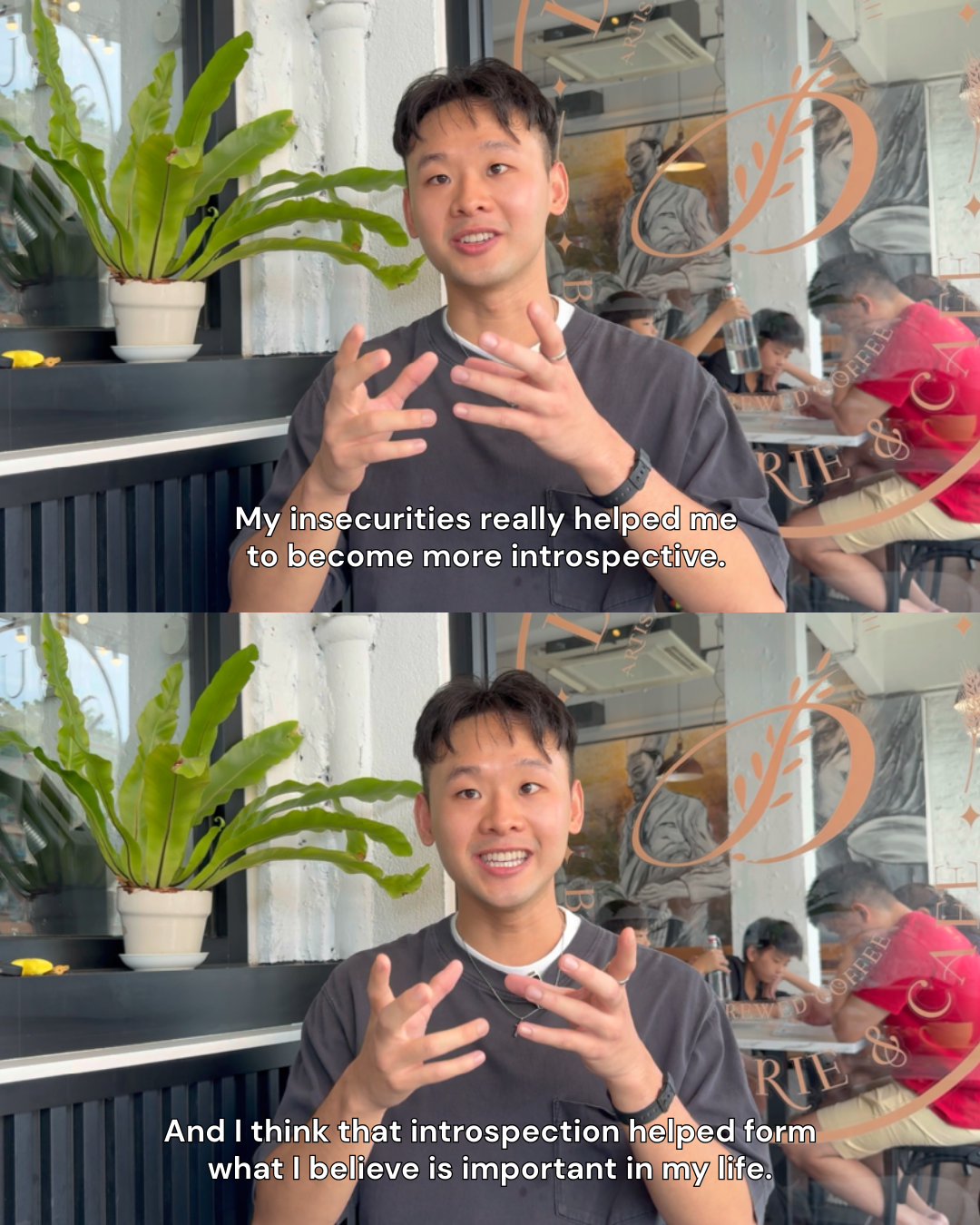
Syed Wef (SW): Lepas Sekolah was founded by a group of three friends: Syed Wef, Khairul, and Cheng Jie (Allison). While we were all pursuing our undergraduate degrees, we worked together in a student organisation which often led to long, and on many occasions, passionate discussions on the gaps that exist in Malaysia when it comes to accessibility to information on education and career pathways.
In April 2025, after many cross-time zone calls and conversations, Lepas Sekolah solidified itself with an online presence. This initiative has been paramount to the three of us exploring our passions and skills, but more importantly, it allows us to give back to our communities in some small way.
HOW DOES LEPAS SEKOLAH SUPPORT LOCAL COMMUNITIES?
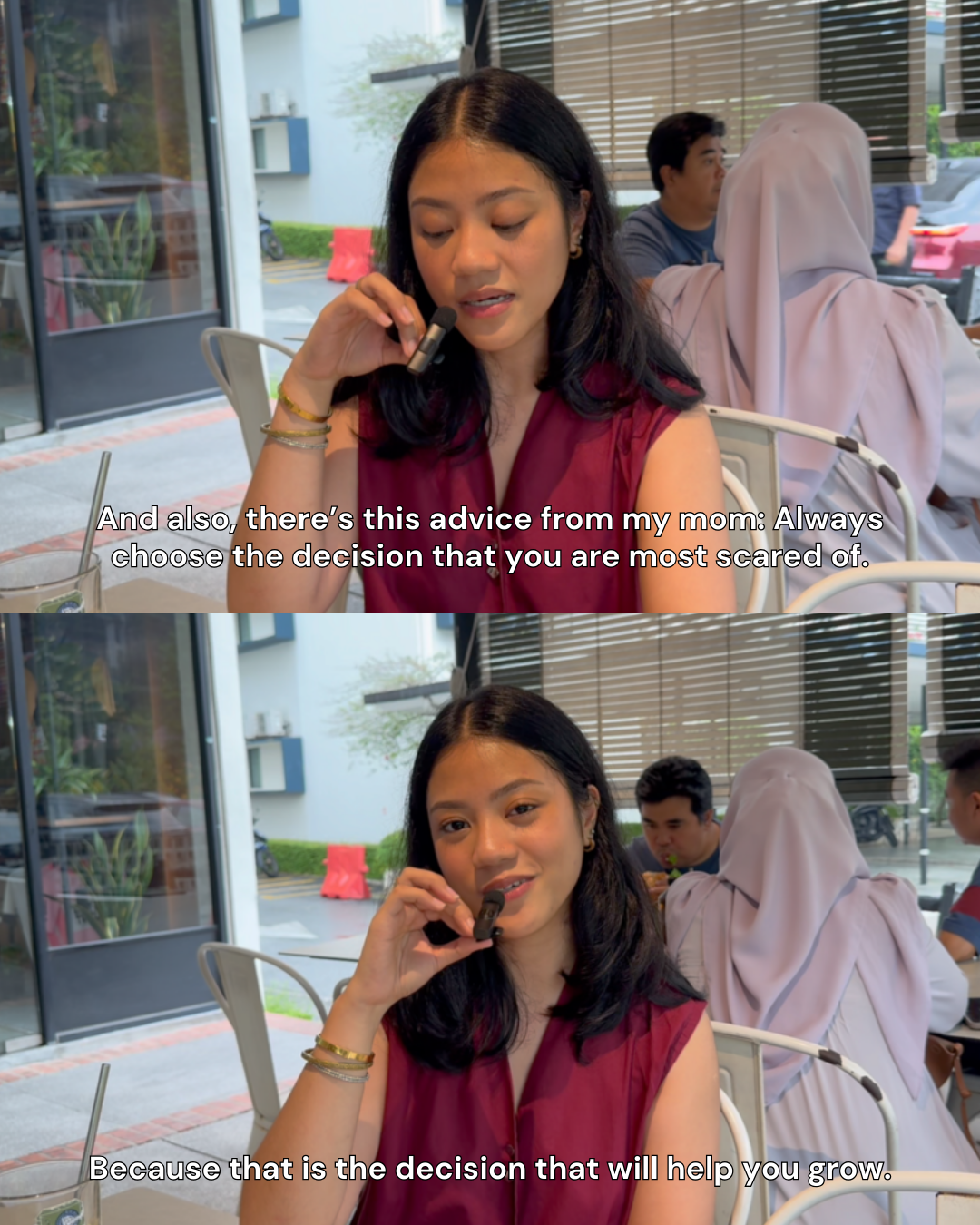
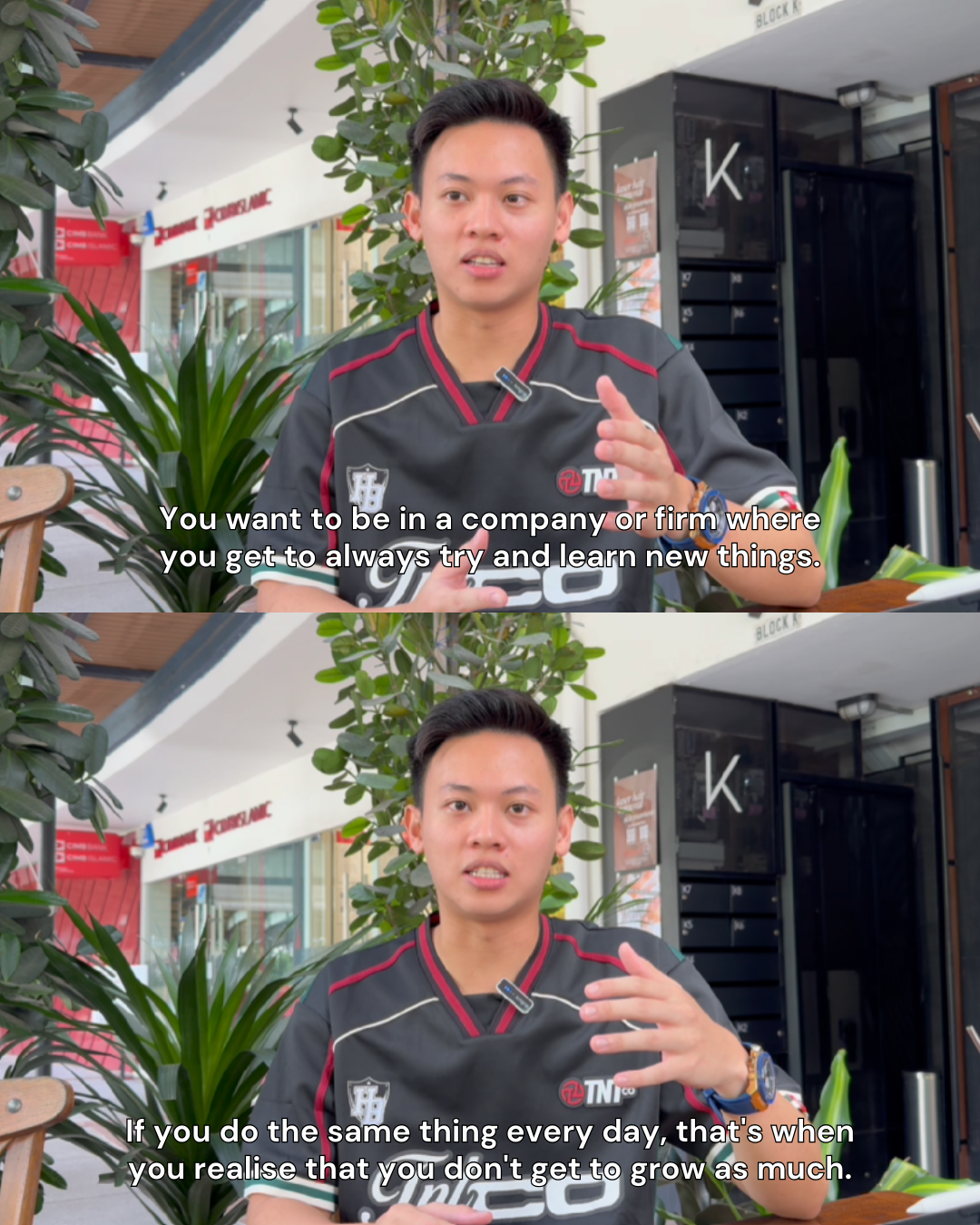
Cheng Jie (CJ): It all boils down to one word: information. Lepas Sekolah’s mission is to share myriad stories and experiences to ensure that Malaysian students are able to make informed decisions upon graduating secondary school. We believe that the extent of a student’s success should not be limited by the information they have access to and are motivated by the idea of passing on knowledge and empowering the next generation.
SW: The three of us come from fortunate backgrounds where we’ve received ample support and varying resources as we navigated life after secondary school, as well as our careers. But we also recognise that the same cannot be said for every student. While it can be difficult to cover every education and career pathway under the sun, we strive for our content to be wide-ranging, digestible and shareable — hence the infographics and bite-sized interview formats you see on our socials.
WHAT ARE THE BIGGEST CHALLENGES YOUR TEAM FACES IN CONTINUING THIS ORGANISATION? WHETHER SYSTEMIC, CULTURAL, OR RESOURCE-RELATED, WHAT GETS IN THE WAY?
Khairul (KH): The reality is that Lepas Sekolah is a passion project for all three of us alongside our full-time jobs. Balancing both plates is by no means easy and requires intentionality when it comes to our time, effort and ideas. There’s no shortage of ambition in our team, only a shortage of time; not only do we attend to this initiative after our day jobs, but our team members are scattered across Malaysia and the United Kingdom.
This time difference often puts a pin in our discussions and communications, but we’ve found the silver lining that is the ability to interview people across at least two countries. This has motivated us to diversify our interviewee pool and make room for more stories.
DESPITE THE HURDLES, WHAT MAKES THIS WORK FULFILLING FOR YOUR TEAM?
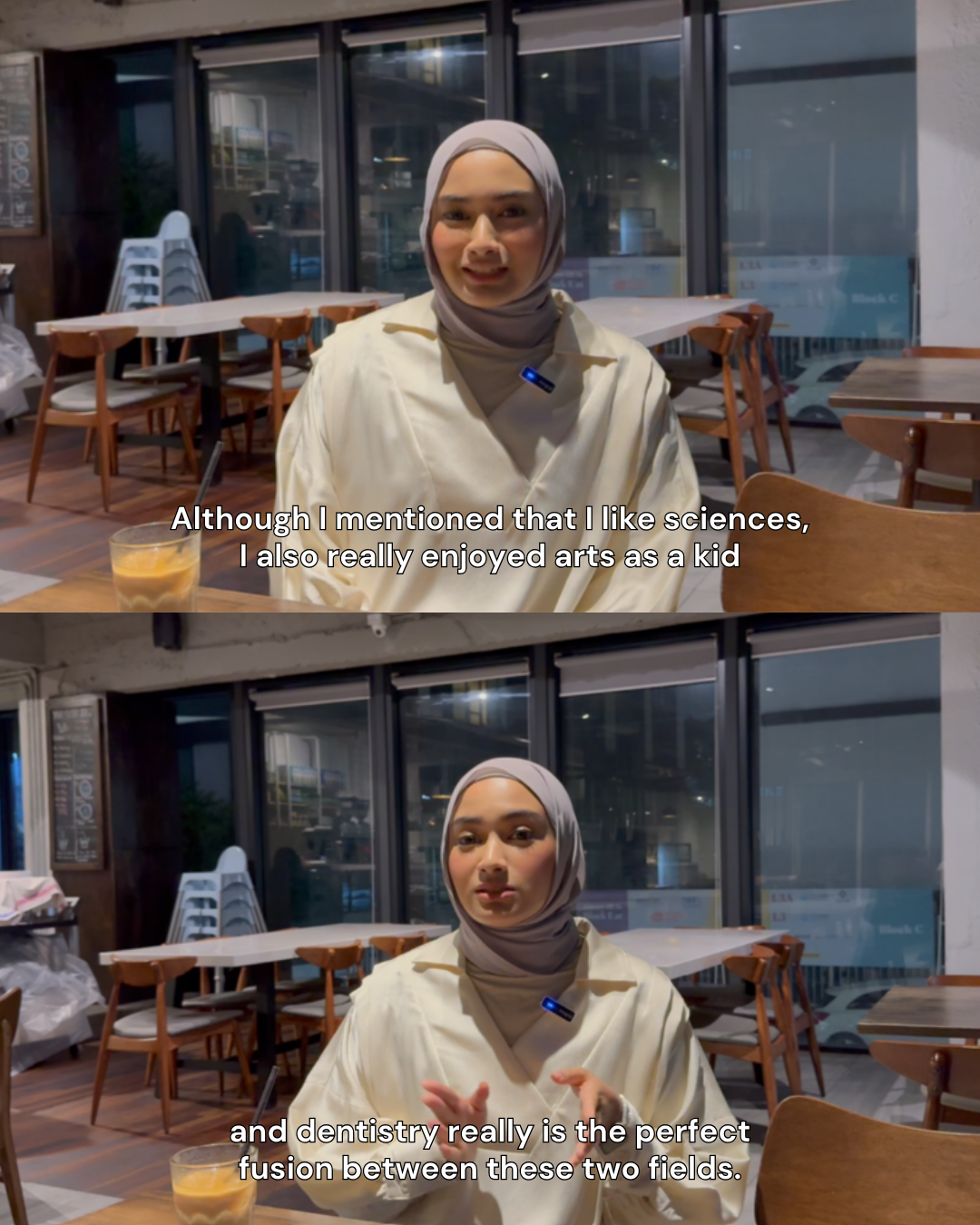
CJ: There’s one hill all three of us will die on: education is the silver bullet. No matter what kind of change a person hopes to make in their lifetime, it all begins with education. We have big dreams for Malaysia’s education landscape but, for now, we find joy, thrill and unadulterated felicity in the small wins. The idea that even one student out there might benefit from our work — pursue higher education, obtain a scholarship, reach for their dream job — is rewarding enough to keep us going.
We think there’s a saying that goes: Kuala Lumpur was not built in a day. Might have been a different city. We’re not too sure.
LOOKING AHEAD, WHAT CHANGE DO YOU HOPE TO SEE FOR THE STUDENTS IN MALAYSIA IN THE NEXT FIVE YEARS?
KH: For the sake of our students, we want to see a Malaysia where accessing information about education and career pathways is not a treasure hunt, but rather an open road with signposts that guide, not confuse. There has to be equity in this area of information for students to make informed decisions about their journeys ahead and build a future that is meaningful for themselves, their families and for our country.
As for the three of us? We’ll be thinking in five years about how to make the next five more impactful (and hopefully have better interview equipment).
Once you are done with this story, click here to catch up with our latest issue.