If we earned a dollar every time Dolce&Gabbana was dismissed as “too much” — too decorative, too brazen, too shamelessly devoted to its own mythos — we’d all be sitting front row in Alta Moda.
We are currently rotting in an era where fashion idolises restraint and rewards irony like a participation trophy. “Newness” is no longer about invention; it’s a reward, a collective nod passed from one to the next until originality feels pre-approved by the algorithm. In that ecosystem, Dolce&Gabbana is easy to write off as “cheugy,” unsophisticated, or even gauche. Yet the brand has never bothered to soft-launch a rebrand or disguise its intent. Since the beginning, the DNA has remained static: aggressively sensual, deeply Sicilian, and hovering entirely outside the borders of Parisian “good taste.”
Dolce&Gabbana has never chased the “cleverness” that earns an approval from Cathy Horyn. Season after season, the proposition loops: precise tailoring, romantic silhouettes, and bodies idealised to the point of friction. These clothes are designed for the sole purpose of flattering the wearer — a surprisingly radical concept in a market currently obsessed with deconstruction. It’s the same frequency Madonna tuned into in the 1990s, and what continues to unsettle critics isn’t that Dolce feels “out of step,” but that the formula has endured (untouched) for three decades. After all, the brand isn’t opening boutiques globally for the fun of it; they’re doing it because the garments actually sell.
It’s true that a Dolce&Gabbana ready-to-wear collection lacks the ingenuity we’ve been conditioned to look for. The Dolce&Gabbana FW26 men’s show — which debuted yesterday — offered the same beats we saw in 2016, 2006, and 1996. You could close your eyes and predict exactly when a daringly cut tuxedo with an embroidered brooch would hit the runway, and your hit rate would be 100%. In a sea of brands forcing “newness” without a soul, this lack of pivot shouldn’t be seen as a failure, but a flex.
That specific vernacular between individualism and contradiction anchored the Dolce&Gabbana FW26 lineup, where the offerings were polished and reasserted rather than reinvented. Built as a series of portraits of men, the collection resisted any singular idea of masculinity. No single way to be a man. No coherent thesis to cling to. Models emerged from the audience as if to underline the point: a confrontation up close of two designers who aren’t afraid of what they believe in.
View this post on Instagram
The studied elegance of tuxedos and high-gloss black tailoring (punctuated by cummerbunds in contrast with denim), decadent and provocative in the eveningwear, formal and willfully perverse in the tailoring. Black tie collided with summer pimp boy excess. Tuxedo sat alongside Cristiano Ronaldo–coded get ups. Refinement met Dolce’s vulgarity in all looks for the Dolce&Gabbana FW26 men’s collection.

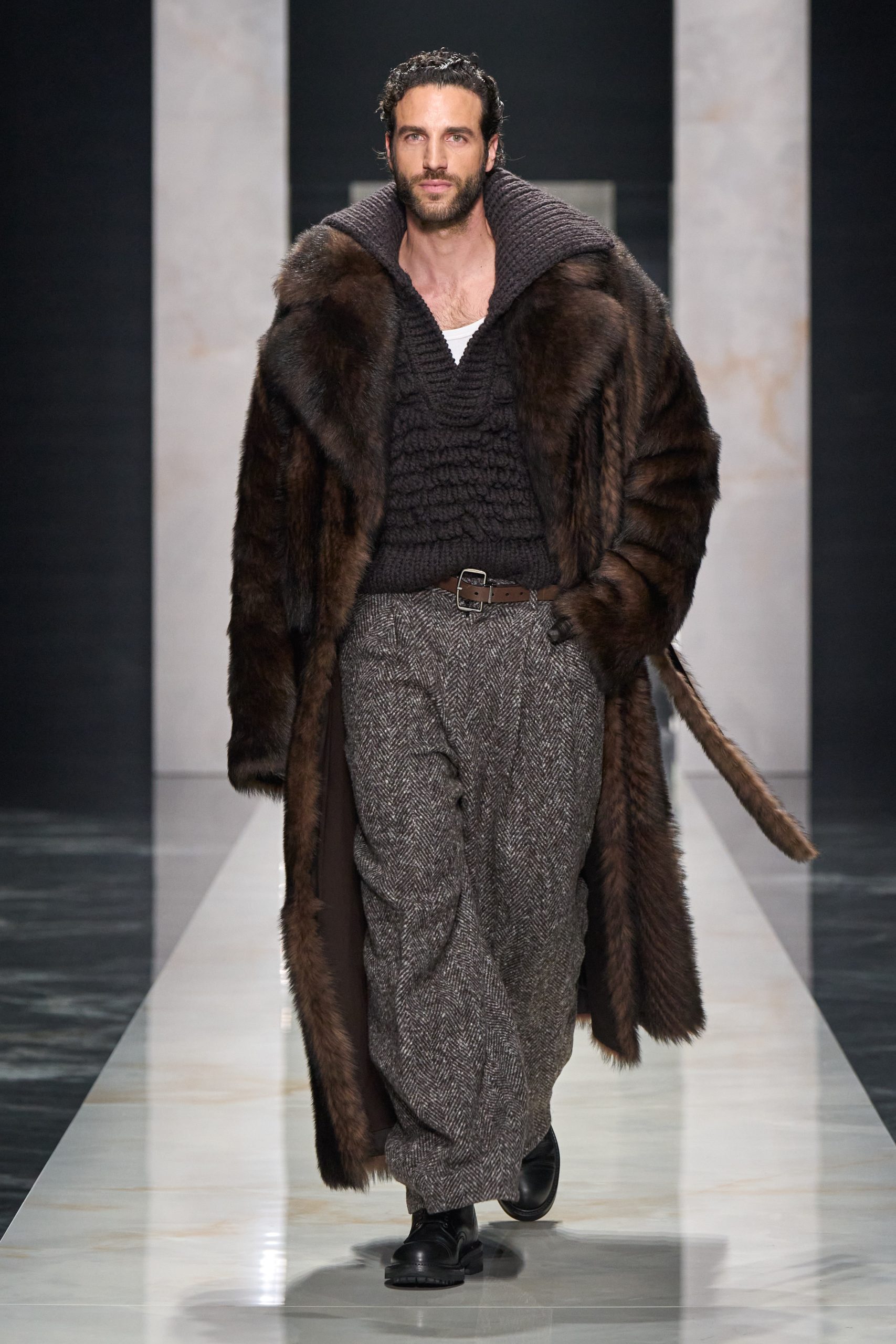
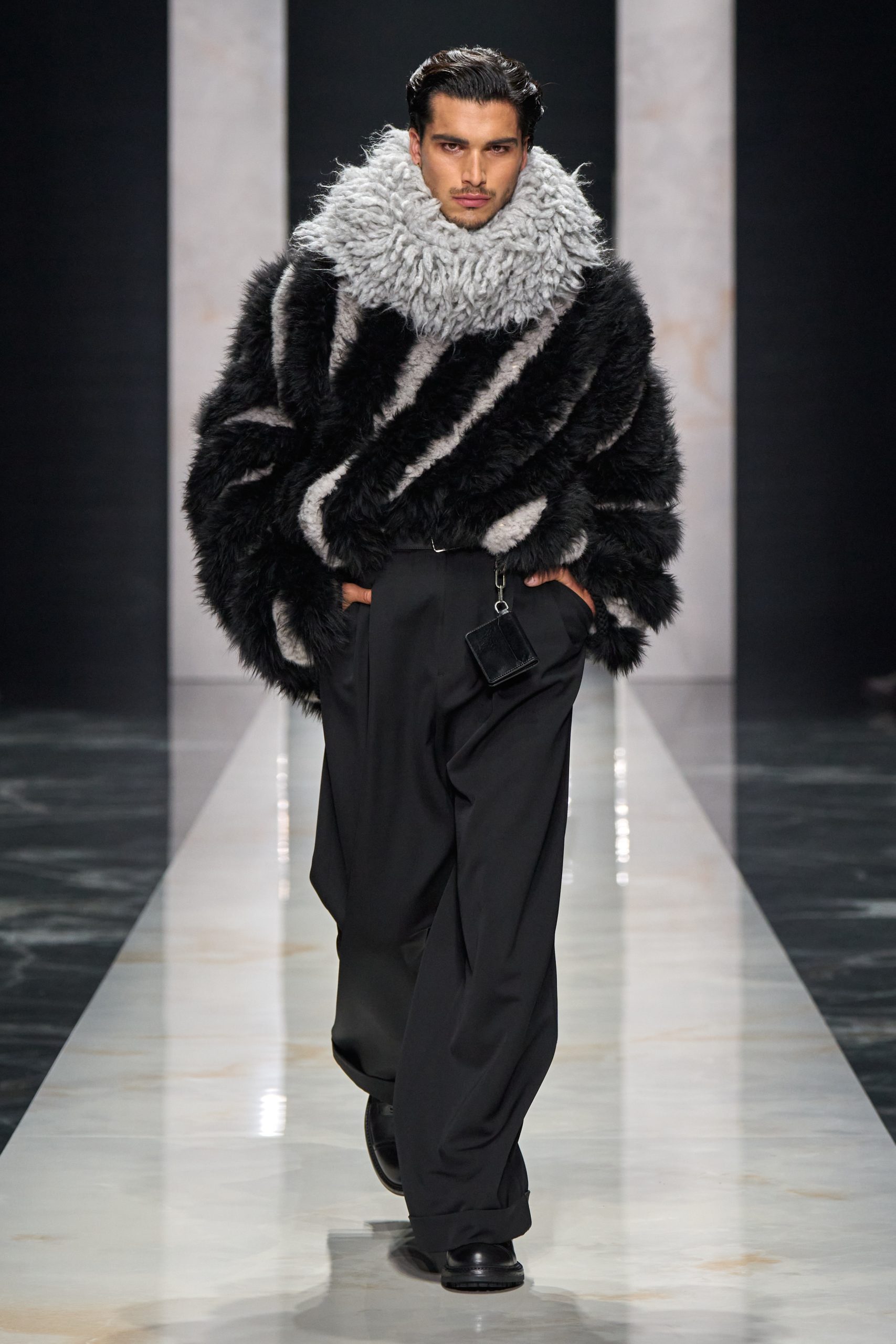
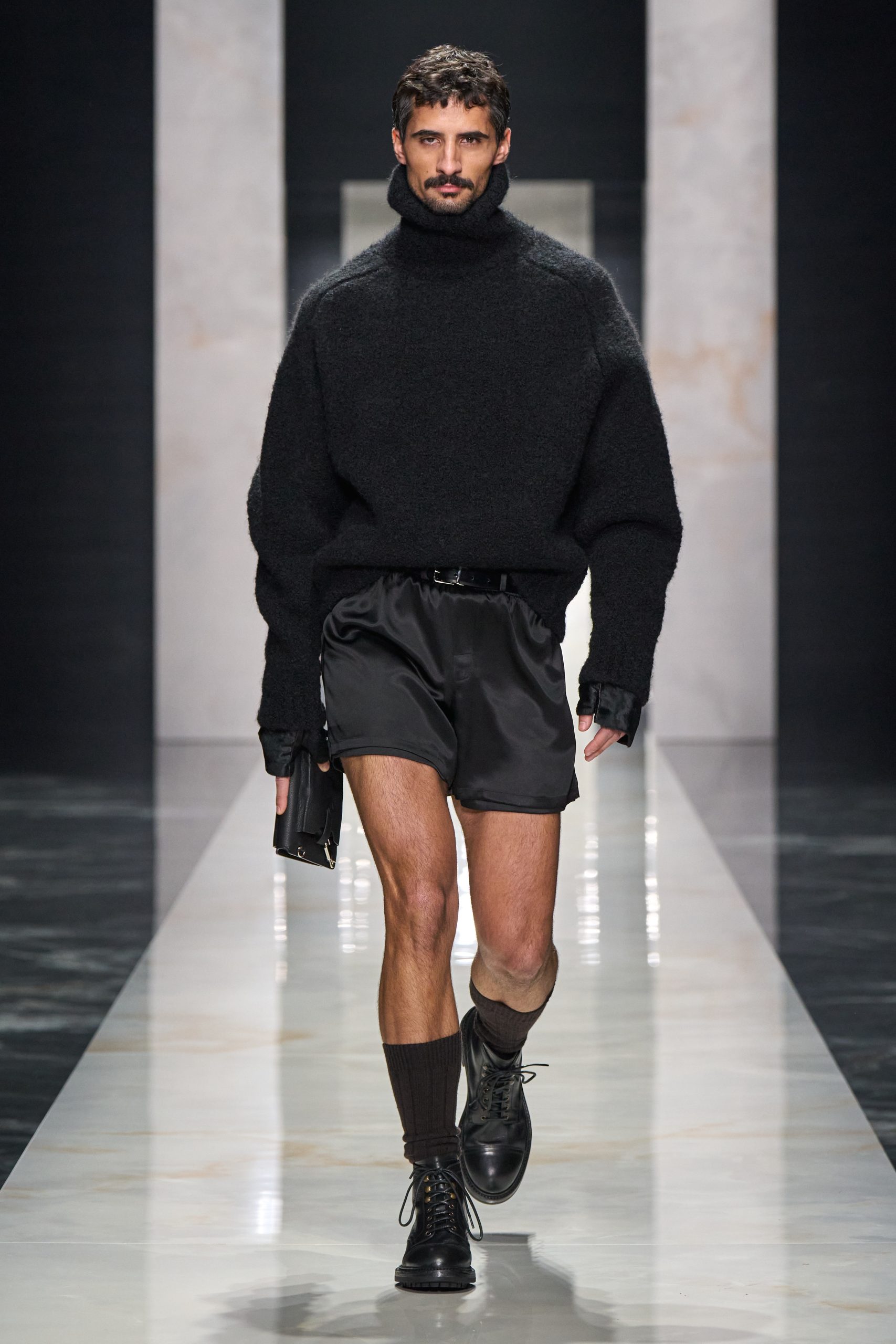
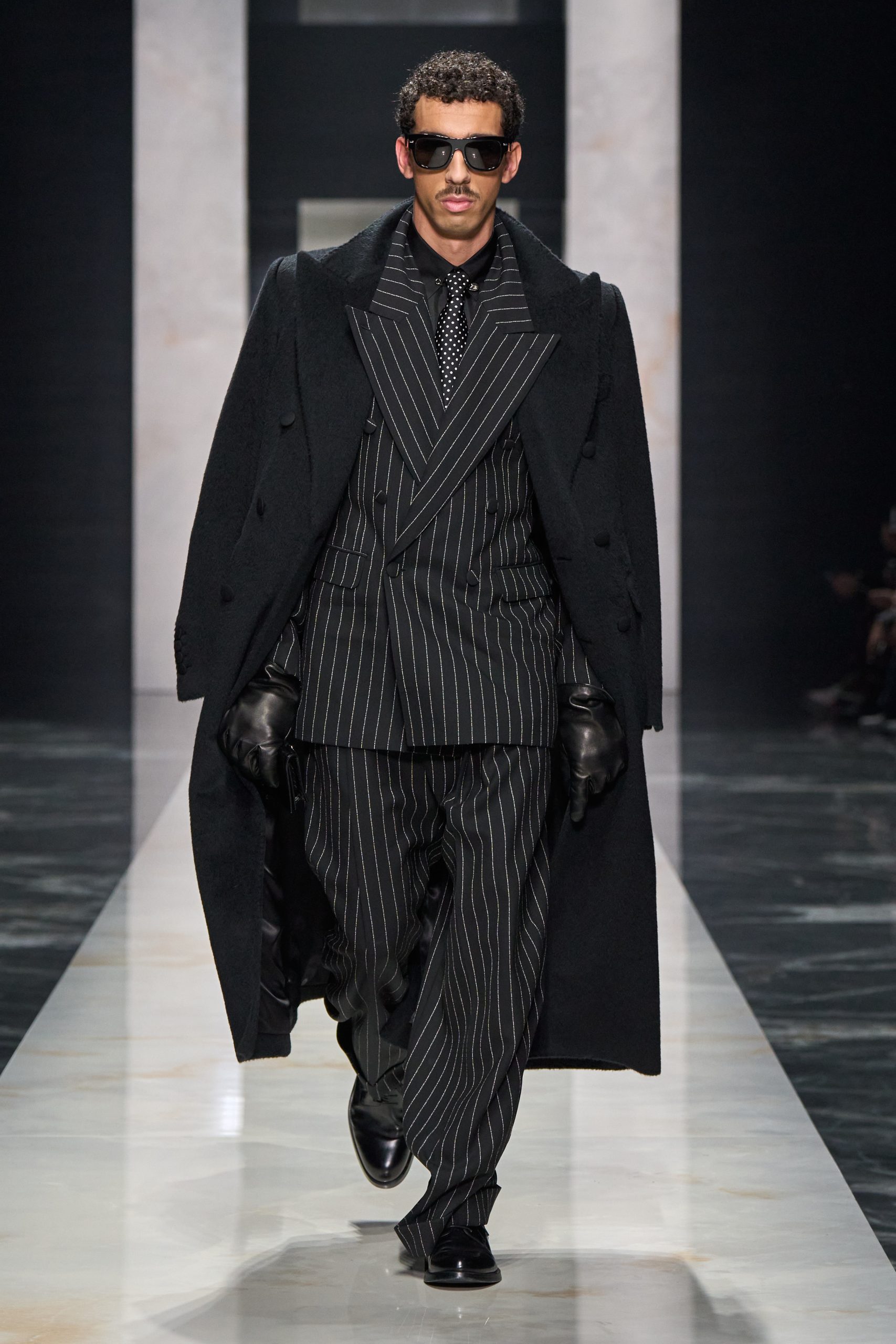
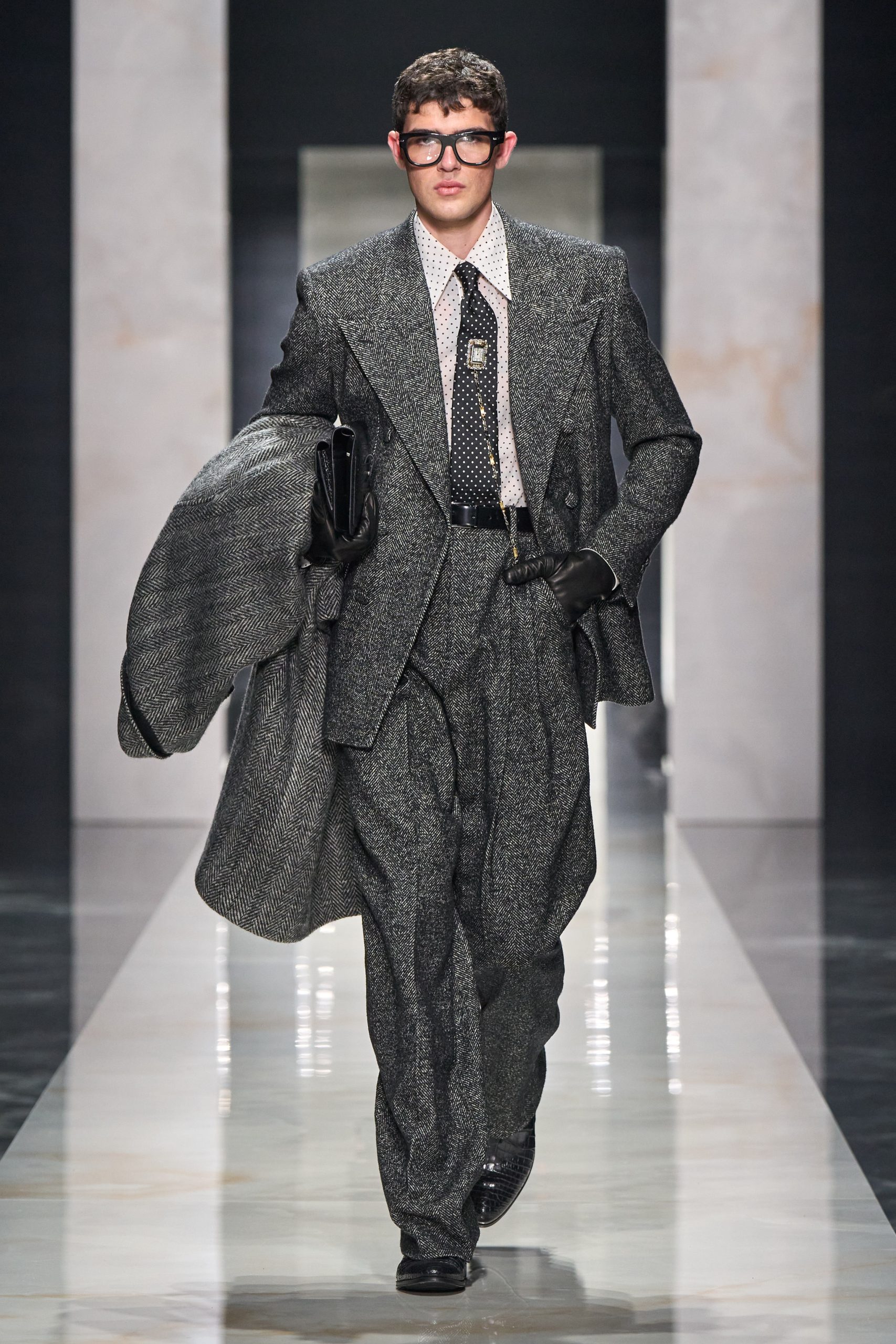
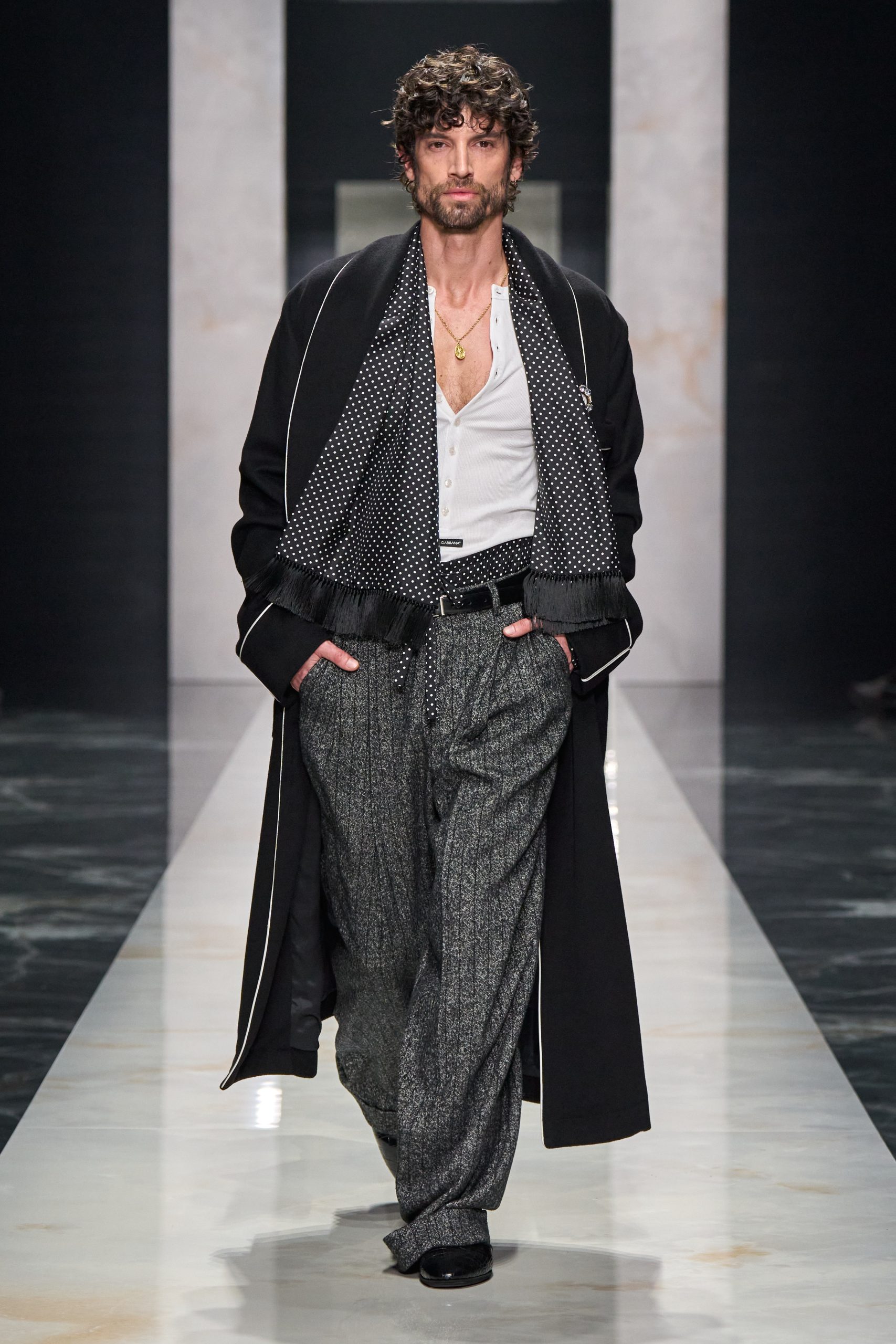
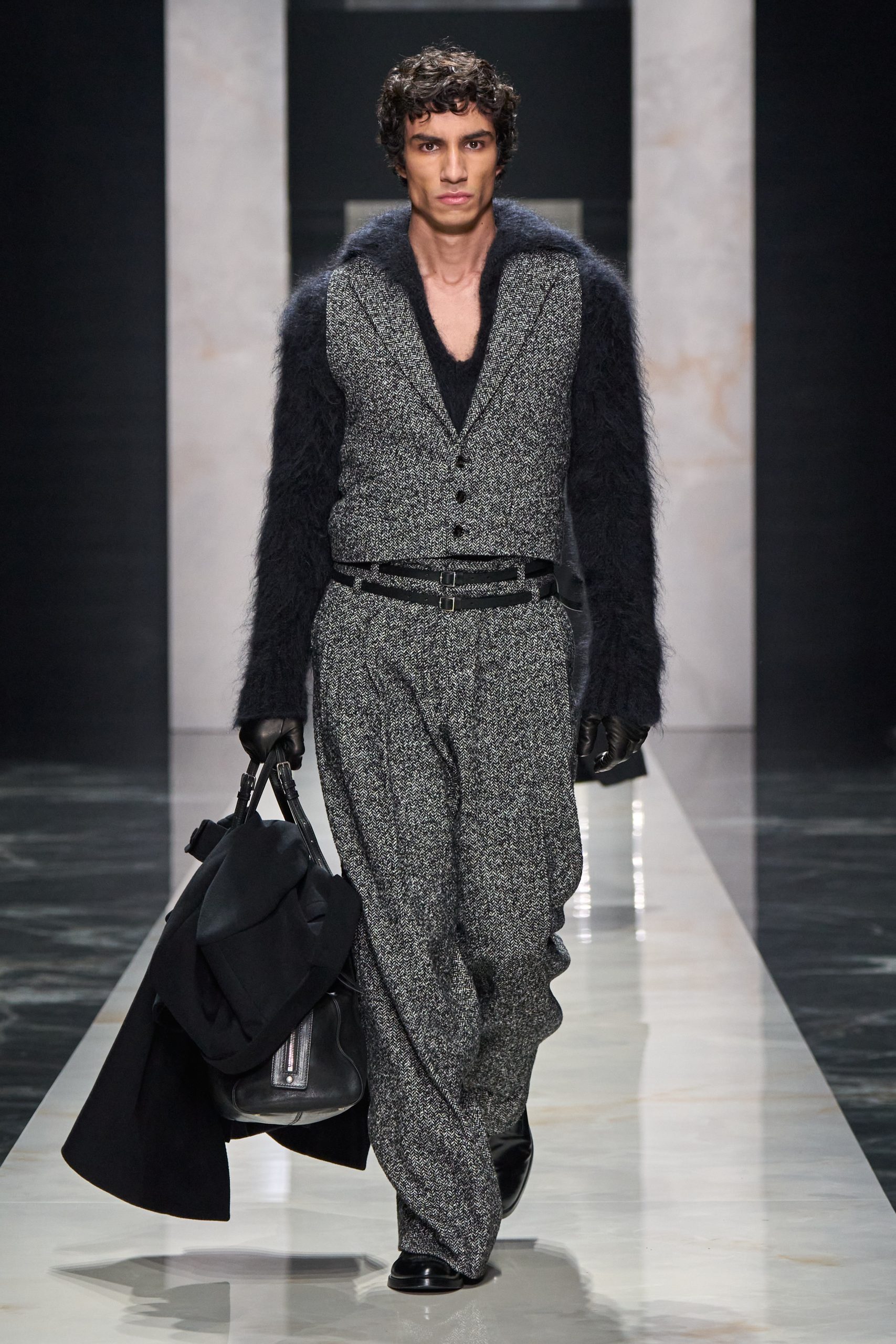
Customers aren’t looking for a radical industry shift at Dolce; they’re looking for a better version of themselves within the clothes. They want proof that Italian craft can still transform a human being into something otherworldly. These are clothes made for moments that actually happen in our lives: a dinner, a late night, a moment that matters. Isn’t that what fashion was for before it became a mood board?
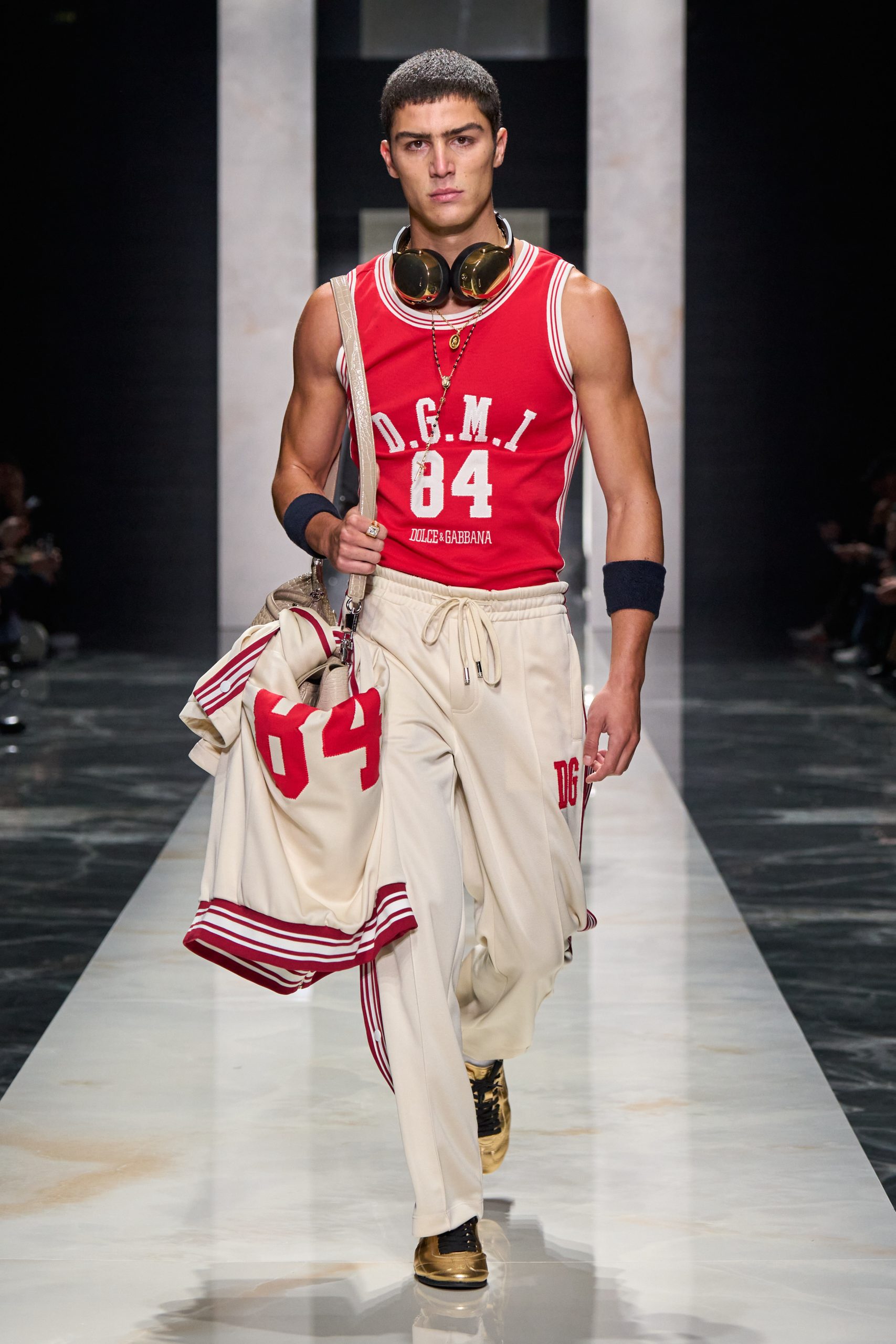
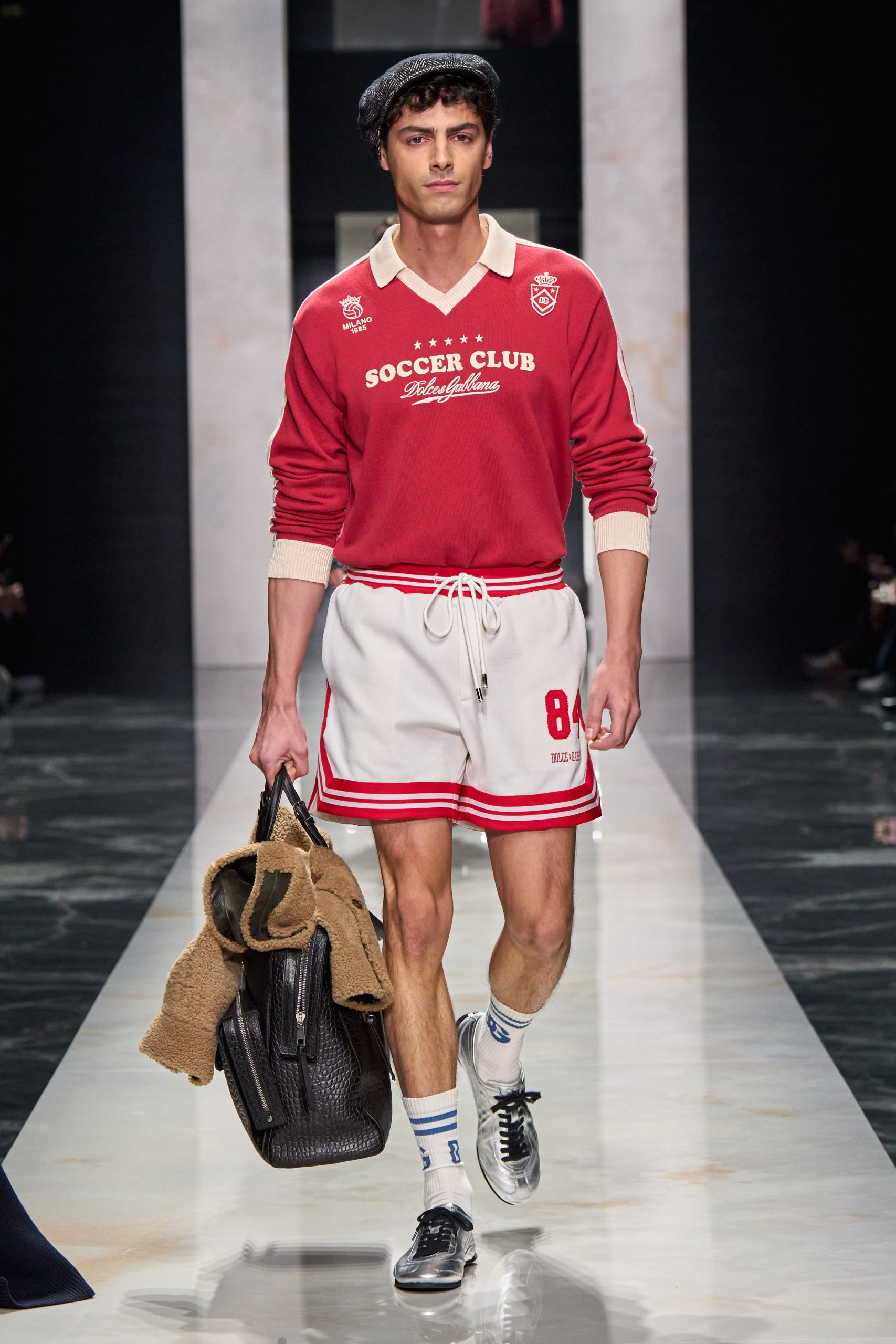
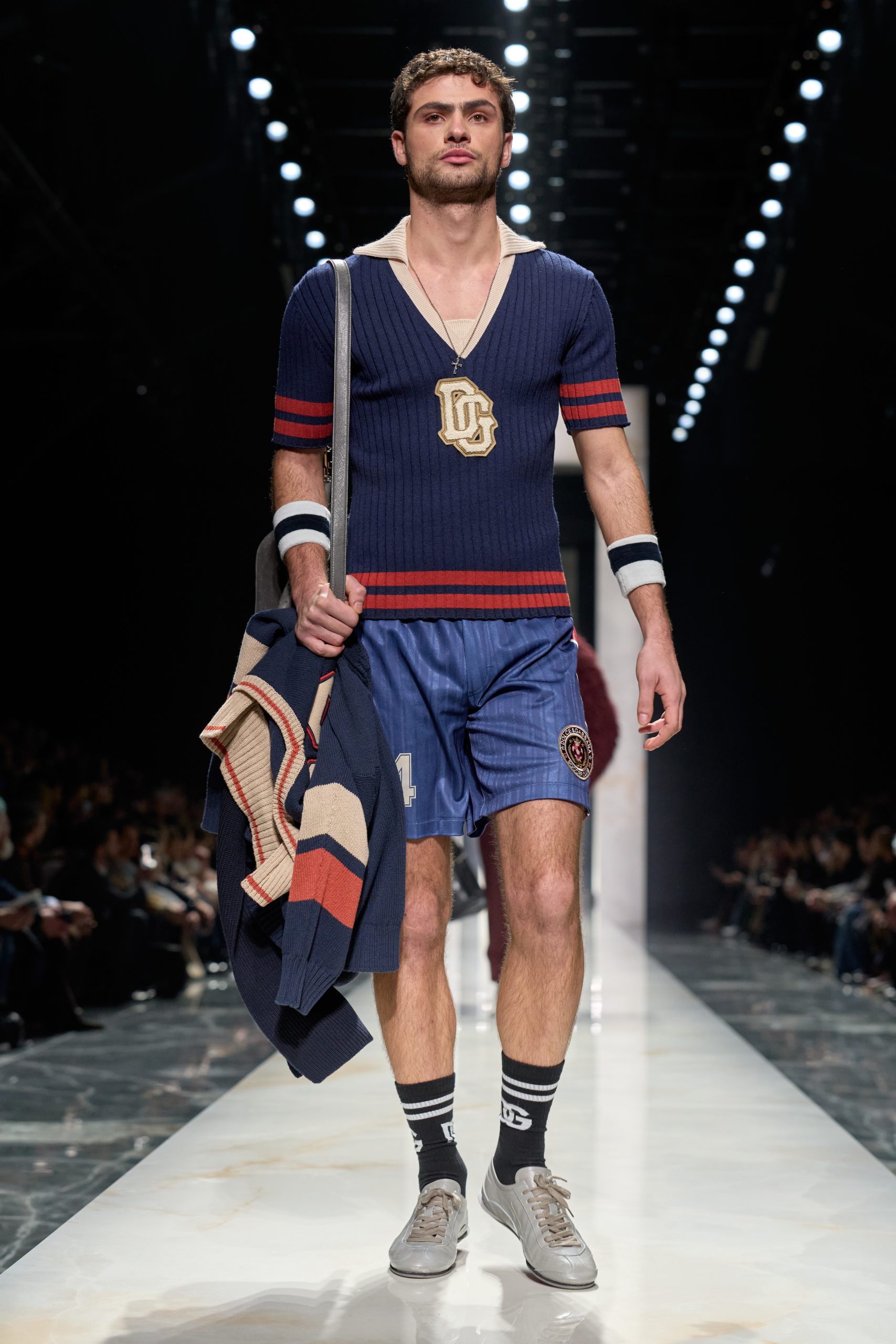
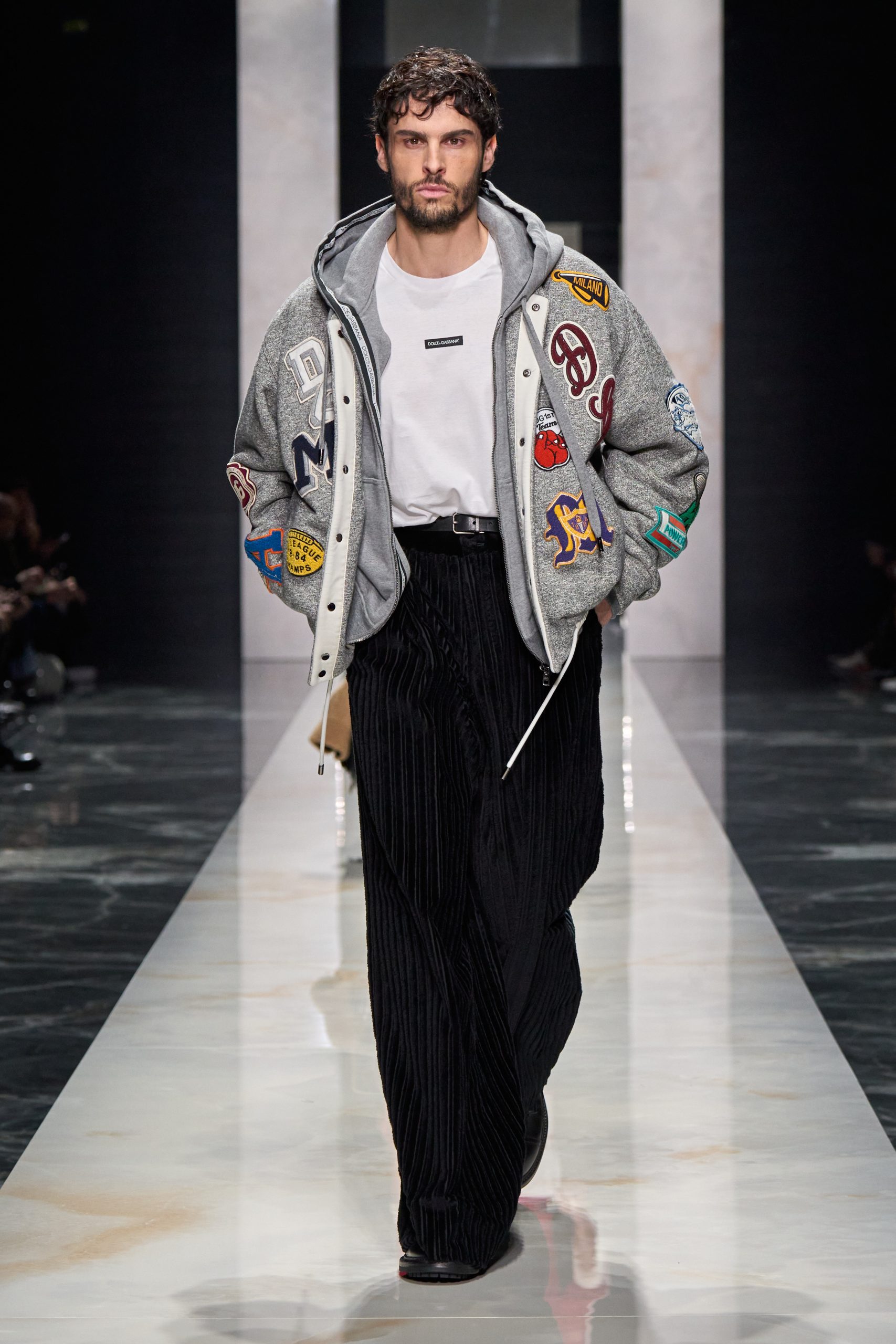
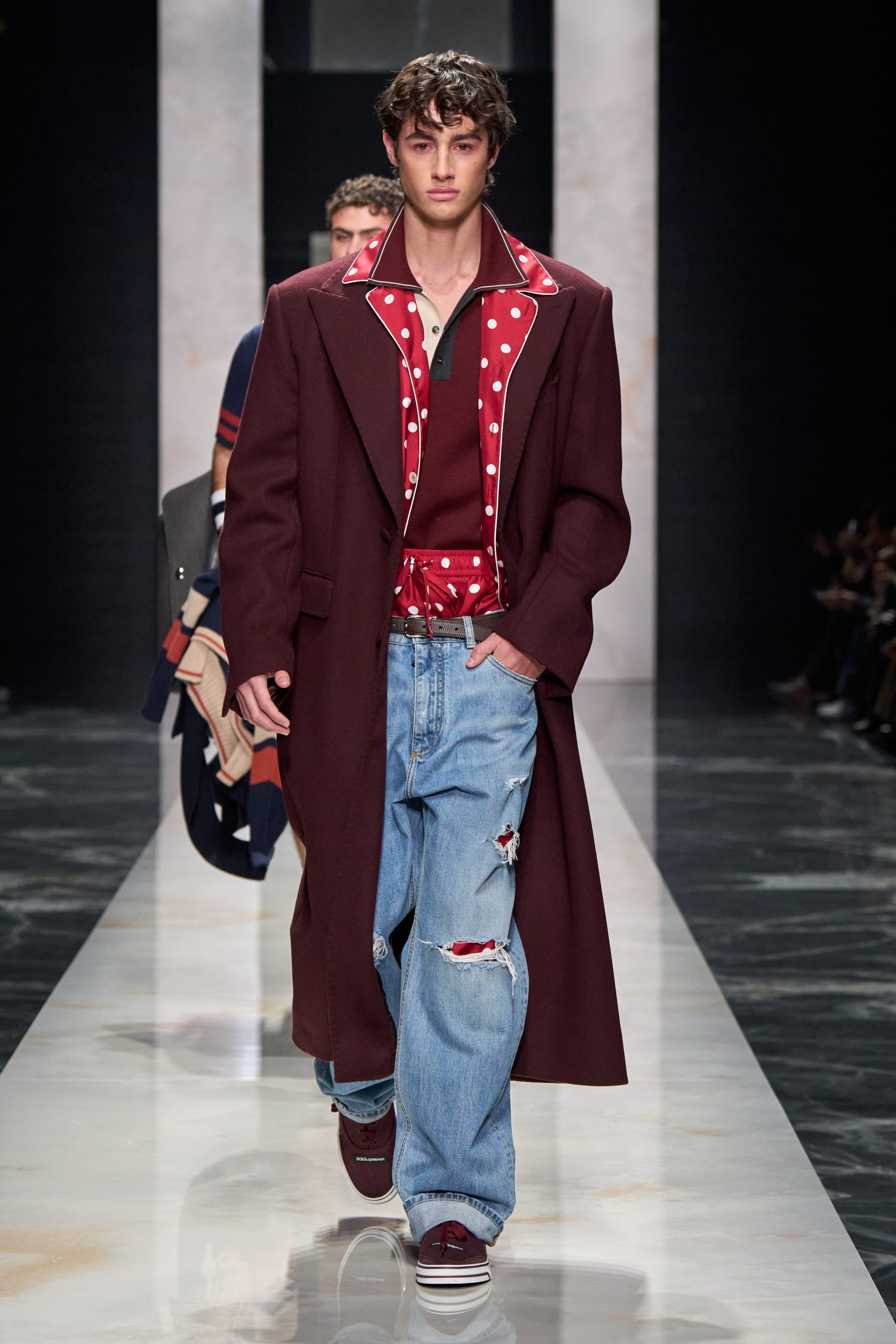
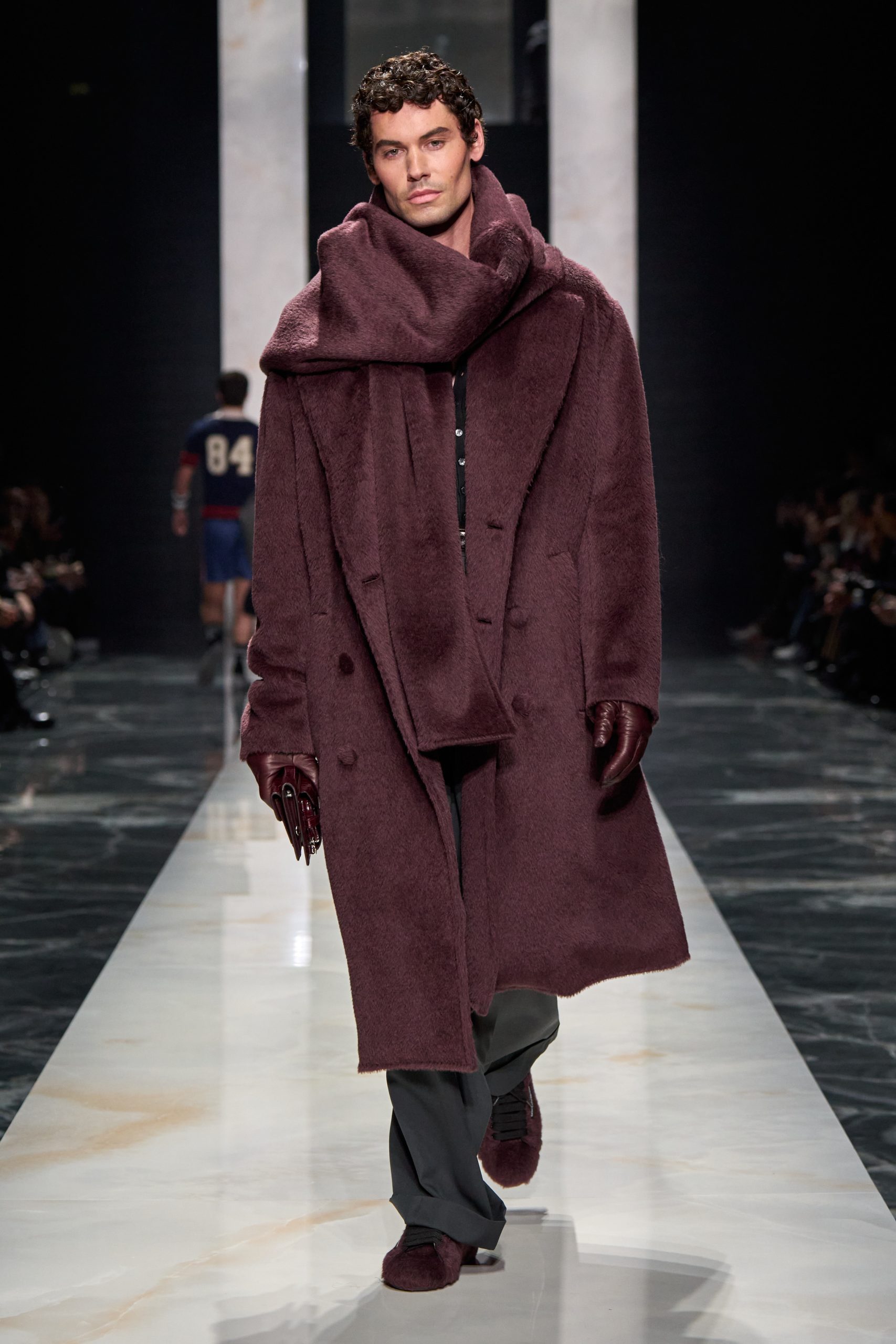
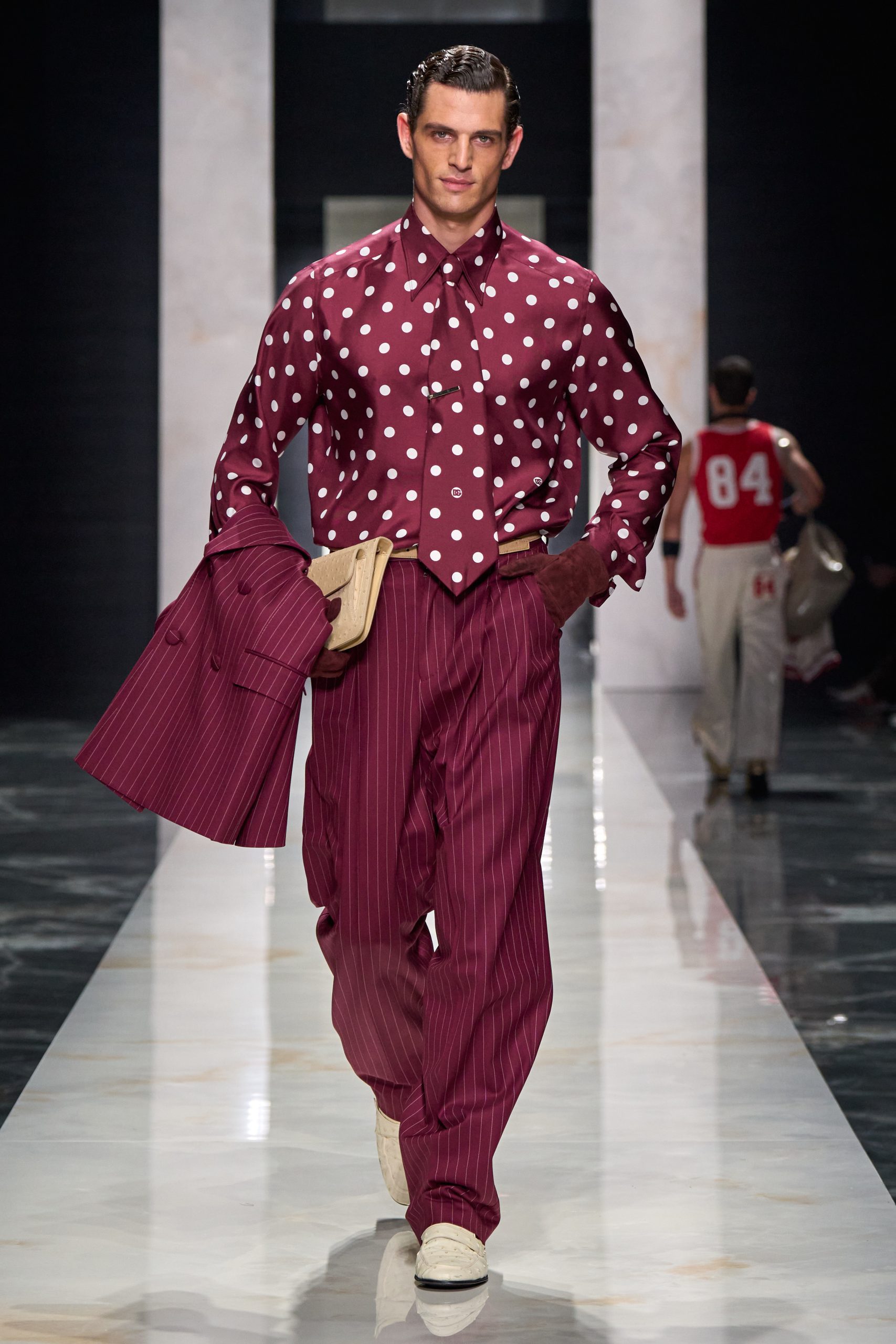
While we perform a version of ourselves that has evolved past this kind of beauty, the truth is: we still need garments that are badass, proven, and just a touch vulgar (Case in point; see the looks from the new collection below as evidence). Our tastes may have grown quieter and more self-aware, but Dolce&Gabbana reminds us that pleasure shouldn’t be a secret. In the Dolce&Gabbana FW26 show, the models moved without fragility. The clothes assume desire. They assume a world where appearance still carries weight and dressing is consequential, not just a “fit check” for some 18-year-old’s Instagram Stories.
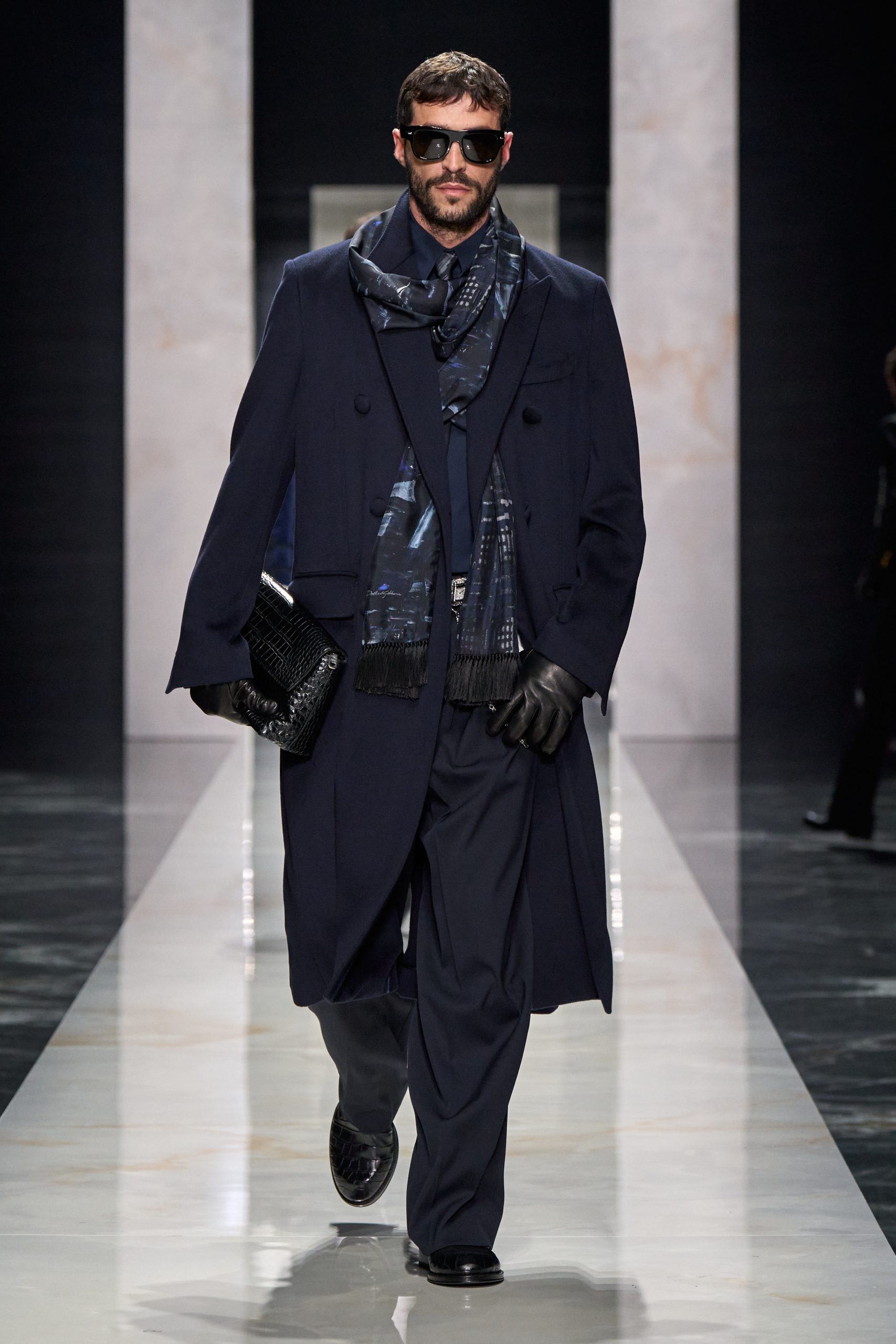
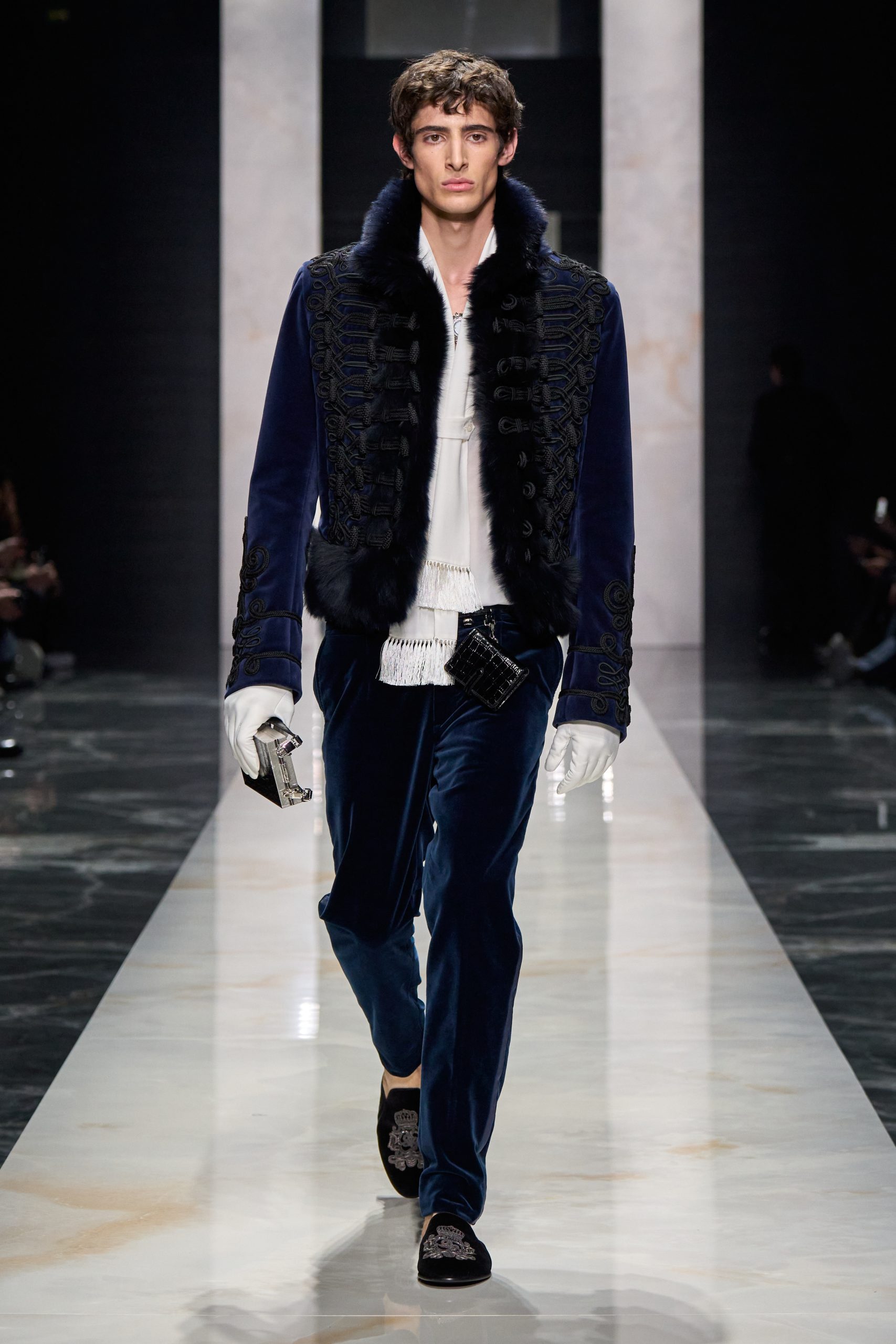
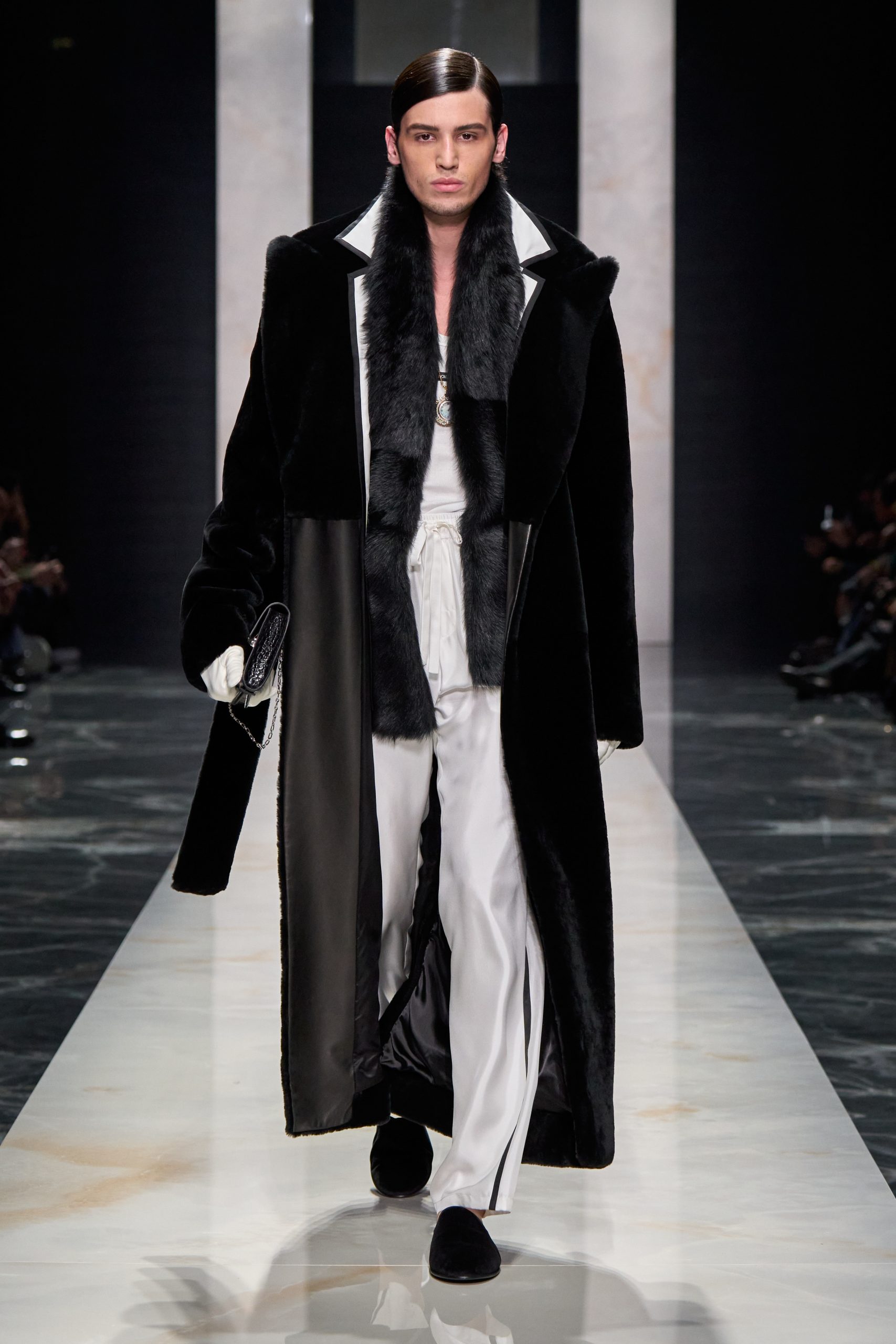
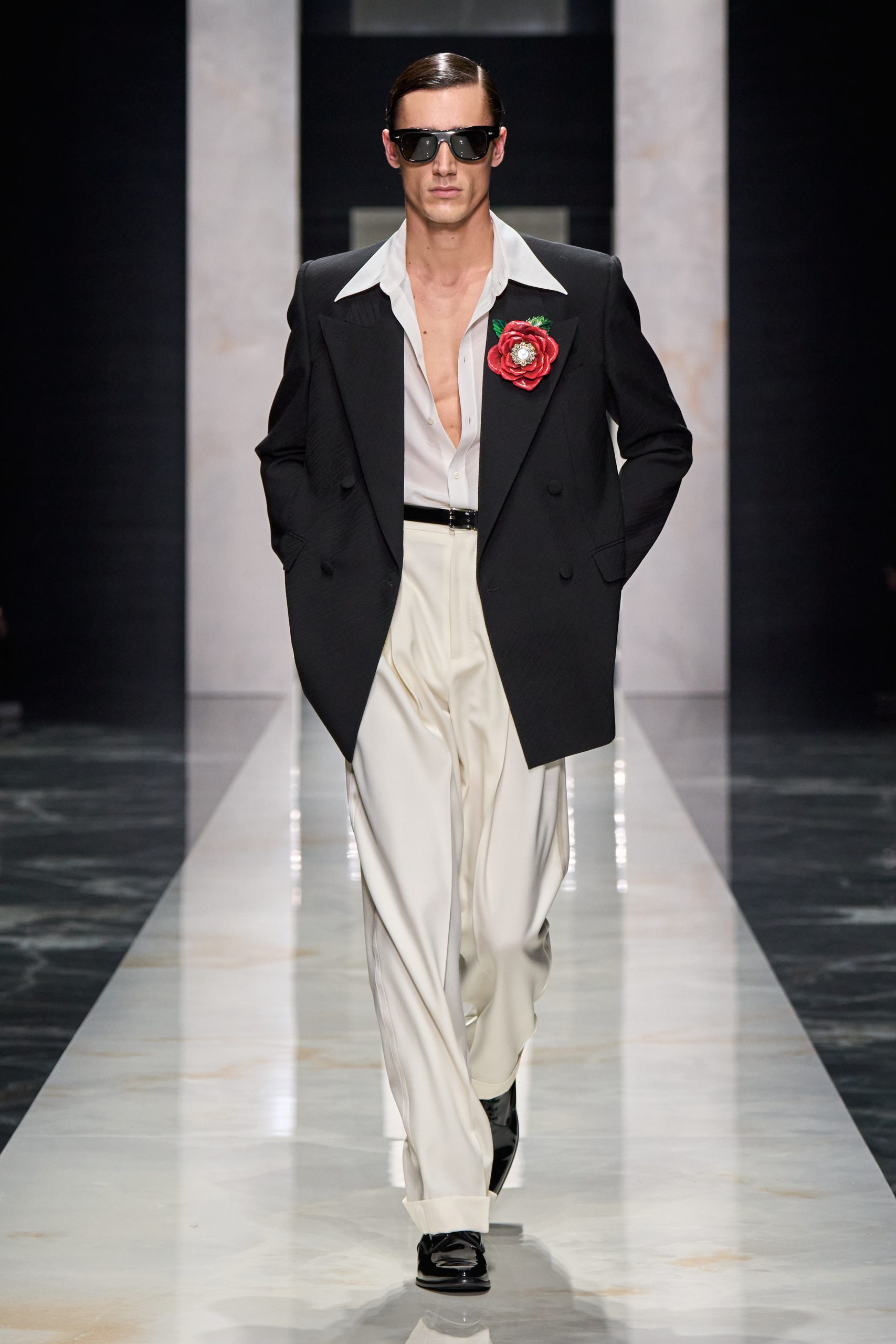
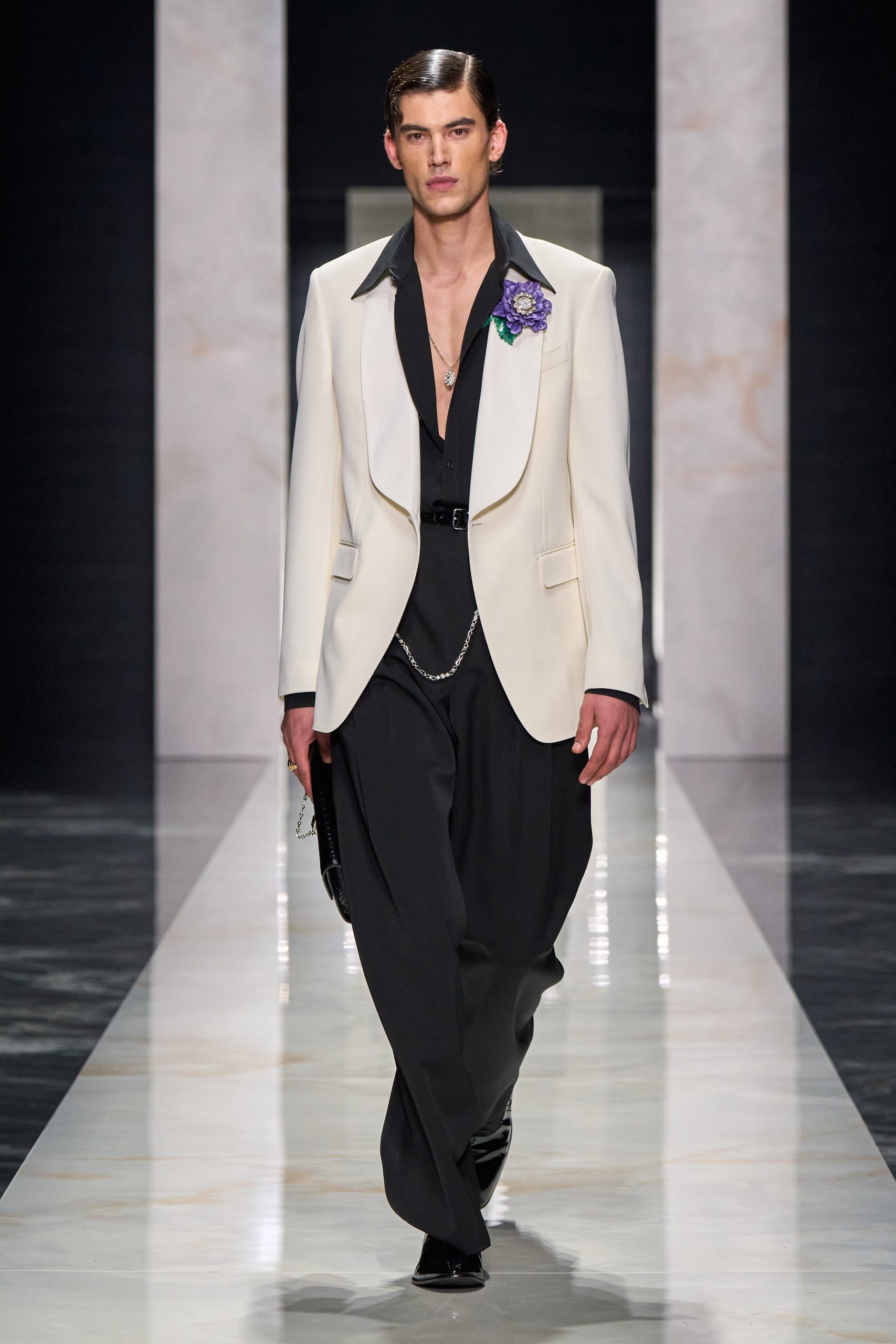
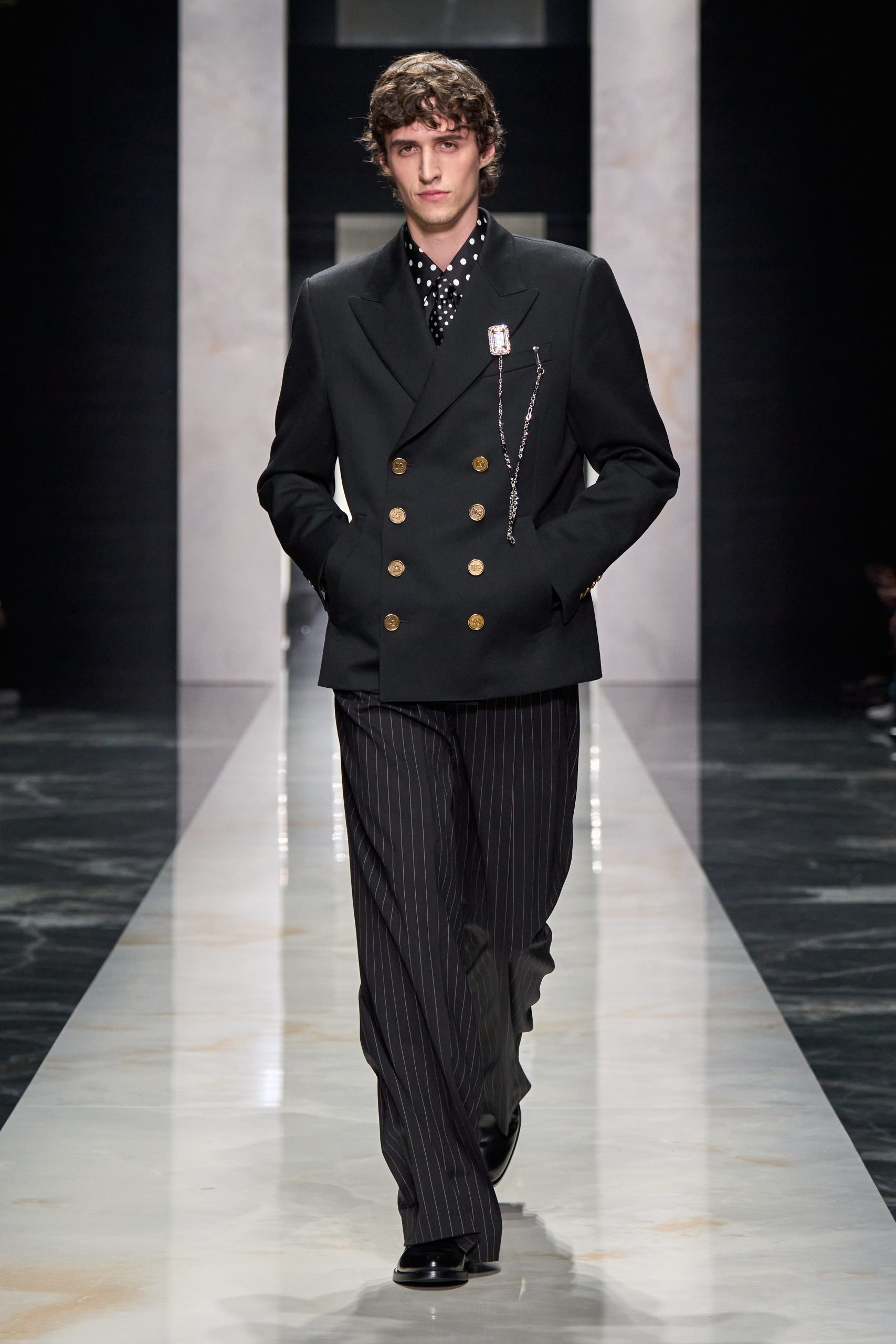
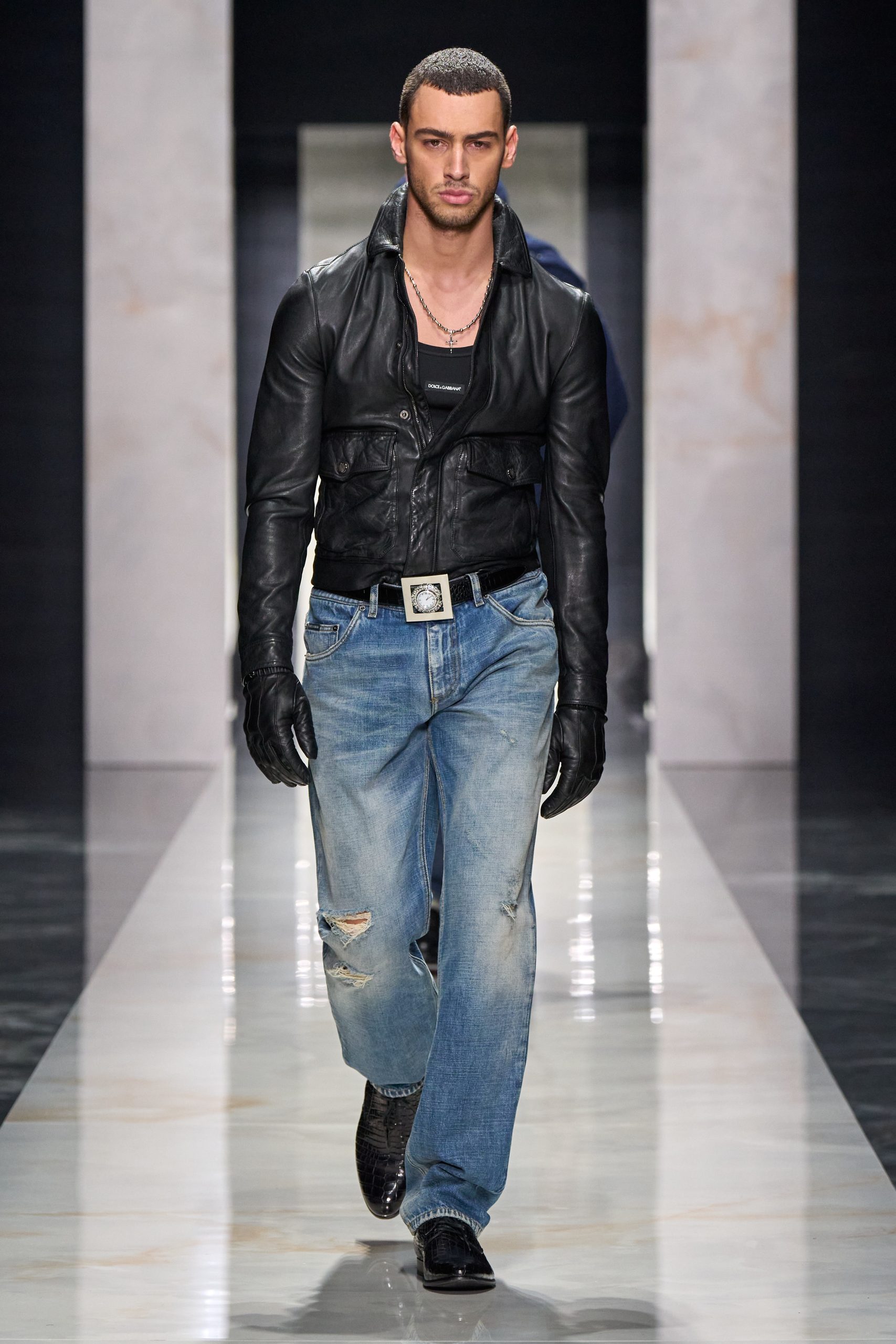
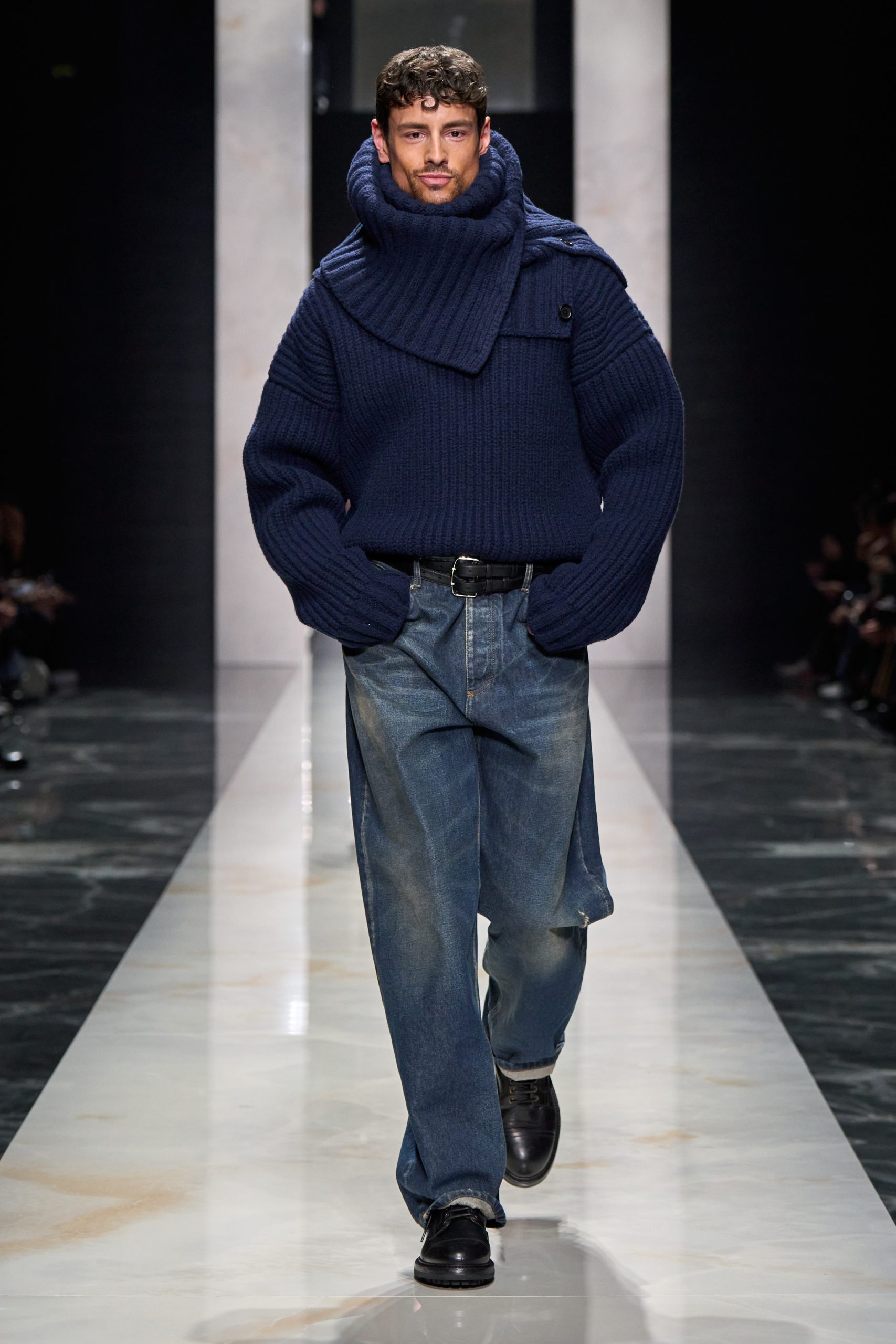
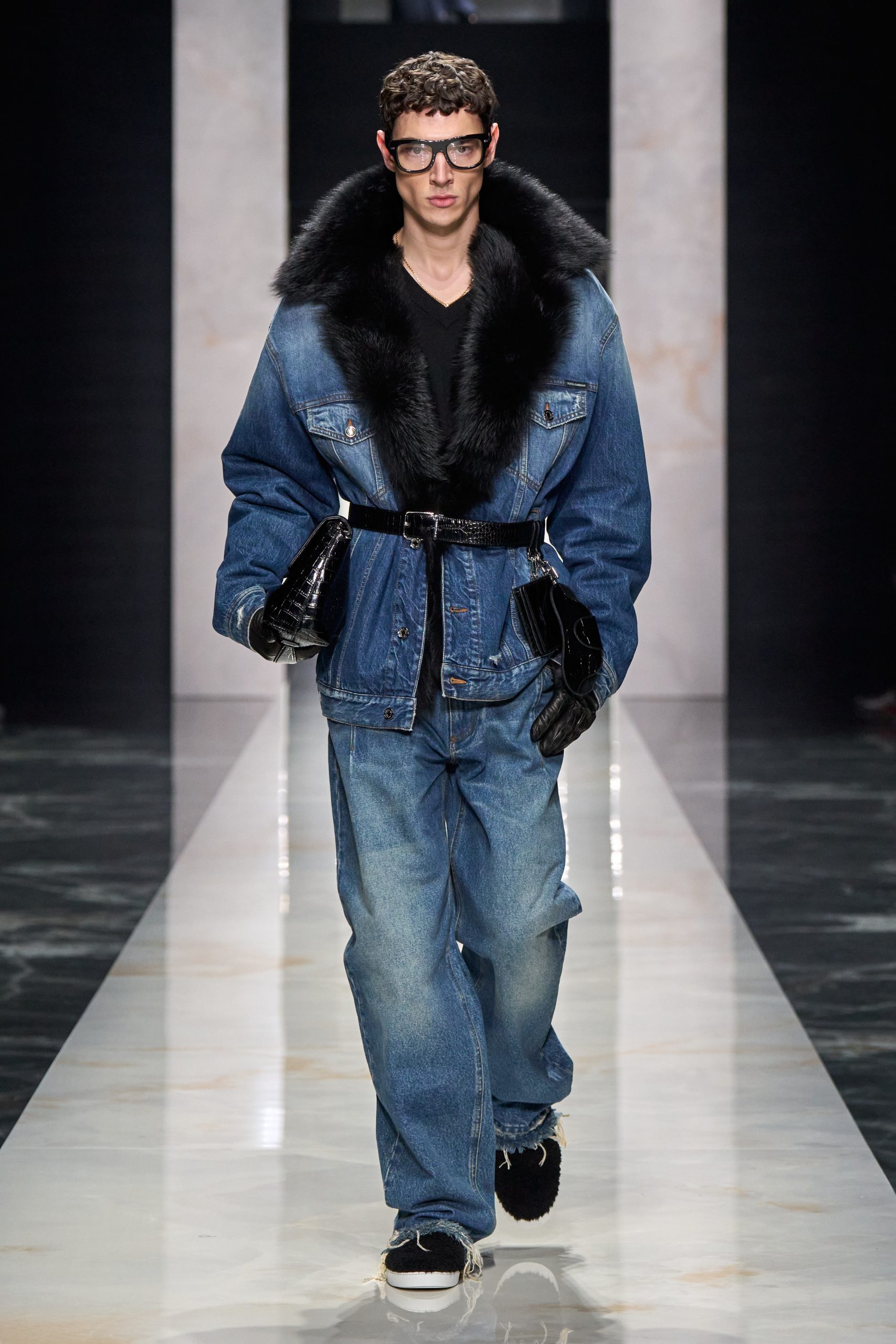
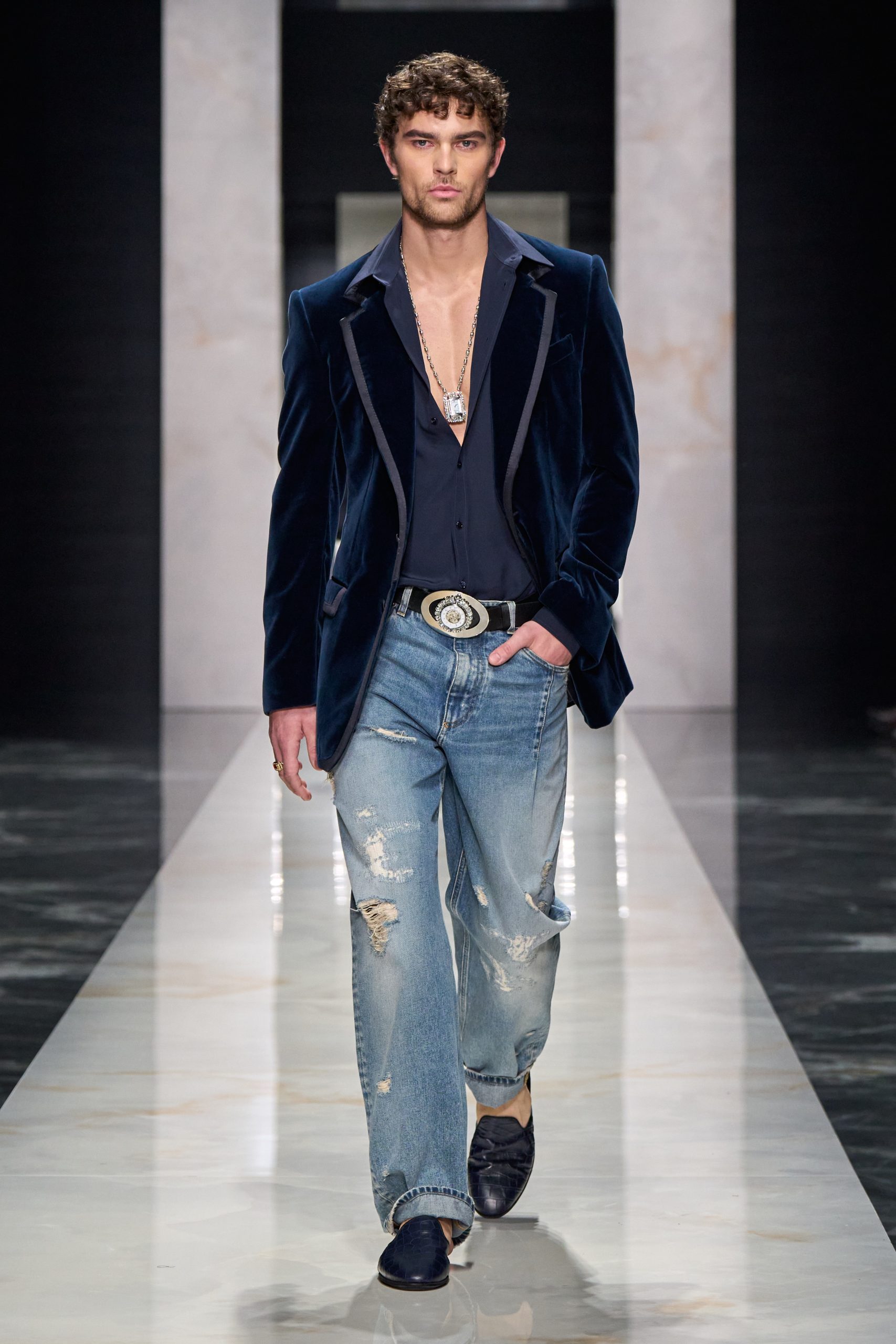
Fashion often forgets this. Too much of what we see today is designed to signal “awareness” (we know who this obscure Belgian designer is) rather than presence (guilty). Half the stock at Dover Street Market feels designed for recognition rather than wearability. Confidence has become conditional, valid only when internally approved by a niche community.
By now, we should recognise that not everything needs to “innovate” to be valid. We saw this in Duran Lantink’s debut for Jean Paul Gaultier — what a failure that was. When codes recur at Dolce, it isn’t a failure of imagination; it’s a refusal to abandon the language just because the priorities of the “contemporary” have shifted. That loyalty is risky, but it brings a clarity that is increasingly rare.
Ultimately, sophistication isn’t limited to ambivalence. There is something quietly radical about continuing to believe in beauty when the industry insists we should move past it. That is the real discomfort Dolce&Gabbana provokes. It’s not that it’s “too much,” but that it suggests the rest of fashion has become too careful, too ironic, and too hollow. When the “meta” commentary thins out, beauty has a habit of returning. Not discreetly. Not modestly. But with a vengeance. Dolce&Gabbana has been waiting for us to get over ourselves all along.
Once you are done with this story, click here to catch up with our latest issue.