What does it mean to preserve culture and tradition? The noble act of honouring living history is easy to get behind, but more challenging when it comes to managing its retail performance. It is so much more than a guarantee of authenticity and the intergenerational transfer of knowledge. At the same time, it is also about understanding the craft in ways that allow its worth to be seen and understood by younger generations, who can innovate not only to deepen and enrich its story but also reach a wider audience.
That is exactly what Jaipur Rugs, a family-owned handmade rug empire based in Jaipur, India, has come to embody with nearly half a decade of heartwork to show. Founded in 1978 by Nand Kishore Chaudhary with just two looms and nine weavers, the business has since grown to become India’s largest network of artisans, comprising more than 40,000 artisans, of whom 85 per cent are women, over 7,000 looms, and exports to more than 90 countries.
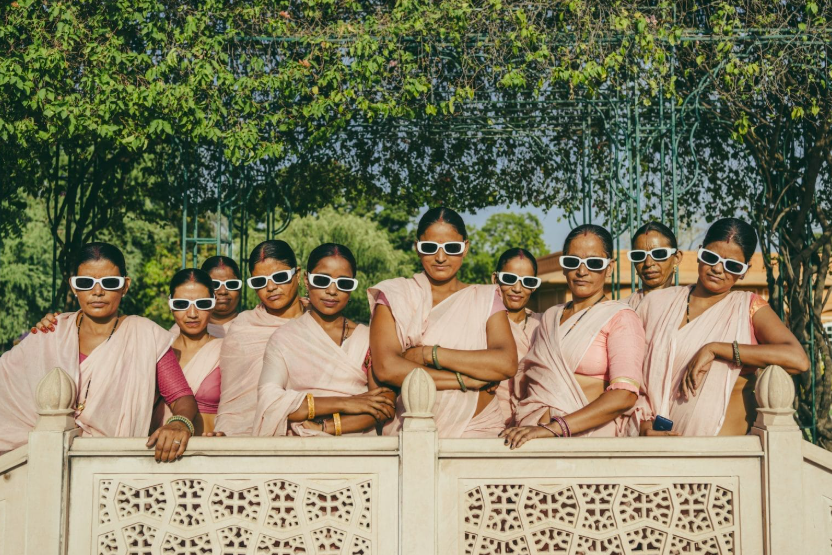
However, the numbers are far from the most impressive thing about Jaipur Rugs. Not only are they preserving the techniques of hand-knotting, hand-tufting, flat weaving, and hand-looming, they are also inviting new creative voices to add dimension to their works. Their carpets are no longer borne from the handiwork of craftsmen and craftswomen; they are invigorated by contemporary design touches from new-age visionaries that transform Jaipur Rugs’ rugs to a new level of wonder. Collaborations range from international design heavyweights like Dutch designer Richard Hutten, to fashion house Kartik Research at Paris Fashion Week, and a witty, heartfelt in-house produced campaign featuring both Wimbledon pro-player Rohan Bopanna and Jaipur Rugs’ artisan-turned-tennis stars.
We spoke to current director, Yogesh Chaudhary, the son of Jaipur Rugs founder Nand Kishore Chaudhary, to learn more about how the social enterprise is leading the way in future- proofing tradition, one warm weave at a time.
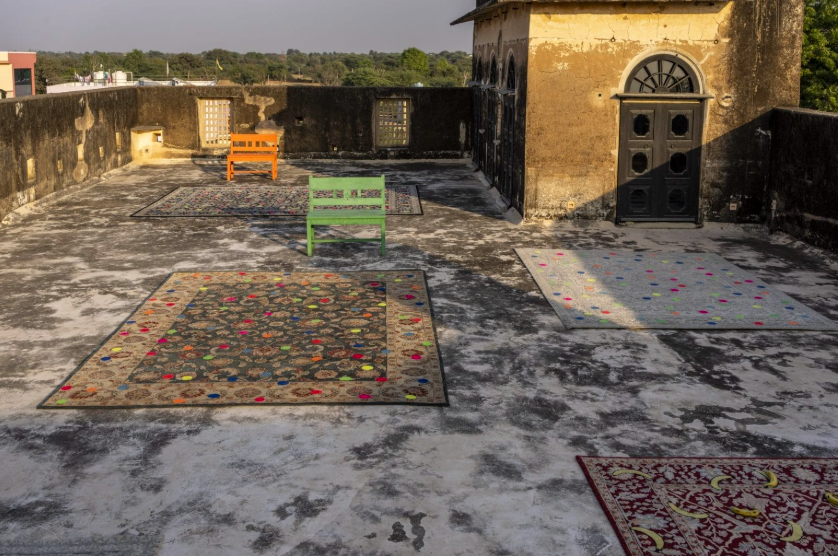
In a sentence, can you describe what Jaipur Rugs does?
Jaipur Rugs is a social-enterprise luxury brand that connects over 40,000 artisans across Indian villages to global markets, preserving centuries-old hand-knotting craft while creating sustainable livelihoods.
What makes Jaipur Rugs different from other carpet companies?
Our difference lies in how deeply we’re rooted in people and craft. We work directly with over 40,000 artisans, ensuring they receive fair wages and creative freedom, while combining their hand-knotting expertise with design innovation. Every rug carries not just a pattern, but the story of its maker.
How does Jaipur Rugs empower its artisans to innovate their craft while still preserving its roots? Especially now that your network of artisans spans such vast numbers.
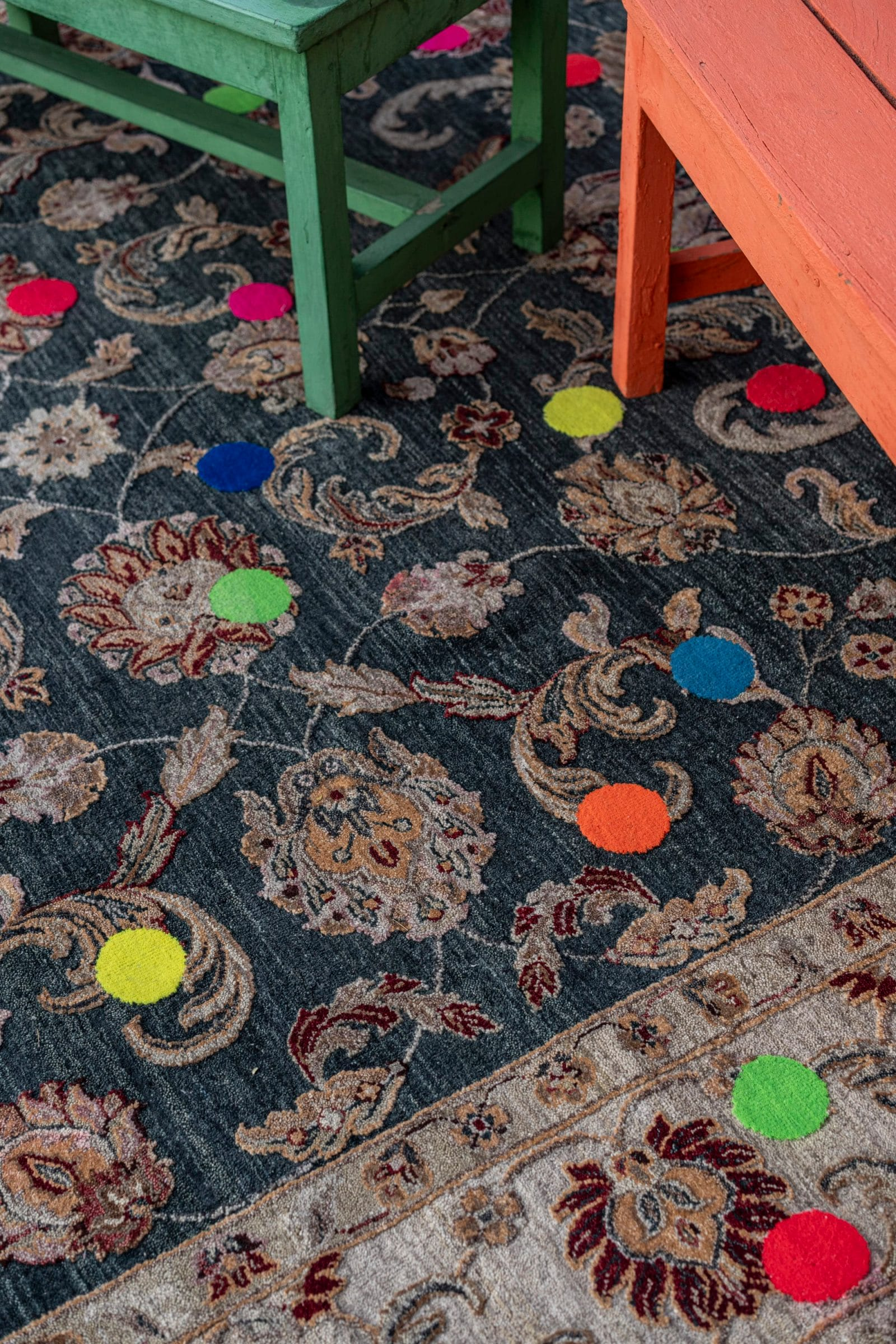
We imbibe innovation through initiatives like the Manchaha collection, it is our artists’ original program where artisans design rugs based on inspirations from their own lives, places, and stories. This is an evolution in their confidence and creative expression. Meanwhile, we are continuously upskilling them by providing digital tools, design collaborations, and training to ensure traditional techniques that adapt to contemporary tastes.
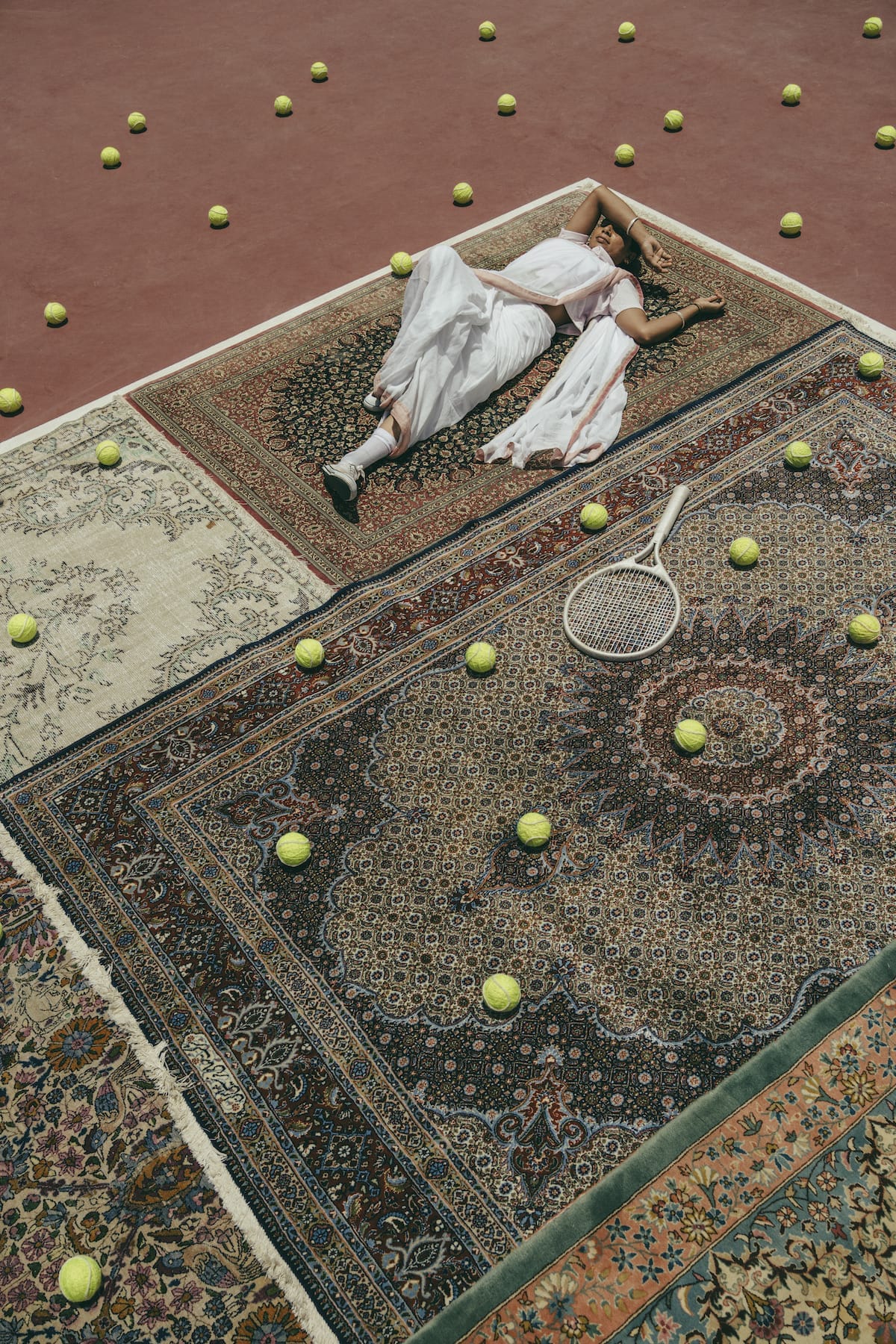
I first took notice of Jaipur Rugs via The Court of Carpets campaign on social media. Where did the idea for this campaign come from? Did this campaign teach you anything new about your audience?
The ‘Court of Carpets’ campaign was created to commemorate the opening of our new London store as a celebration of the artistry of hand-knotting with the precision and discipline of sport. Featuring a tennis court made of 93 Jaipur Rugs and a match between village weaver-players and champion Rohan Bopanna, it was intended to highlight our ethos that craft, like sport, demands years of mastery and dedication. It confirmed that audiences globally resonate deeply with creative storytelling that valorises artisan skill, tradition, and authenticity.
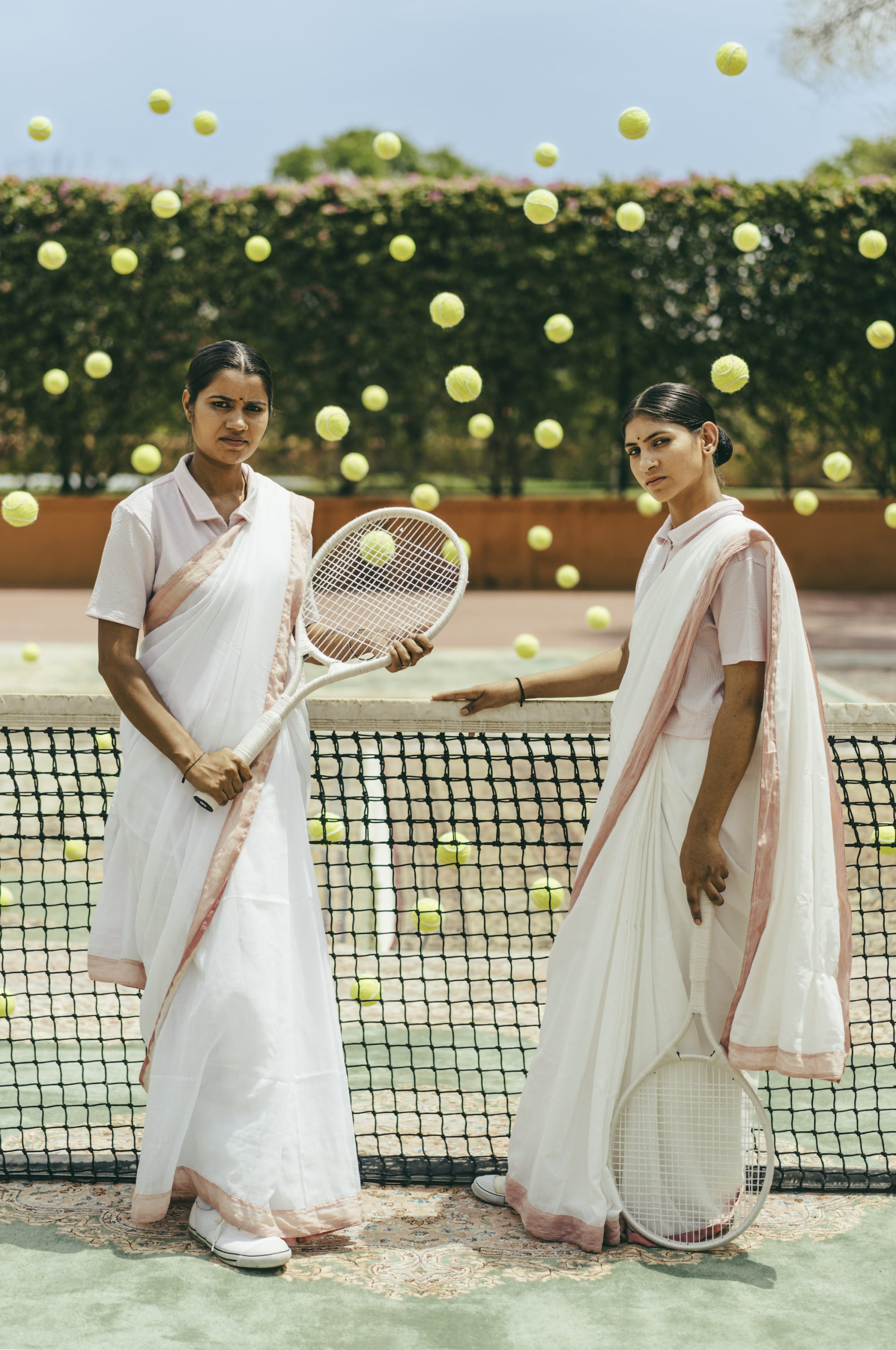
Why did Jaipur Rugs start collaborating with contemporary artists and designers, especially across various industries?
Collaborating with contemporary artists and designers enables us to refresh and expand the visual vocabulary of our rugs, blending heritage handcraft with contemporary aesthetics. It keeps the craft relevant, taps into global design conversations, and opens new markets while honouring our tradition.
What are some things you look out for in an artist when finding one to build a new collaboration with? Why are these pointers imporatant?
We look for creators who combine technical mastery with a unique vision and share values like craftsmanship, authenticity, and purpose. For instance, with Richard Hutten, it was his vision, conceptual ethos, and belief in the craft that aligned perfectly with ours. These shared values ensure collaborations contribute meaningfully to both design and artisan legacies.
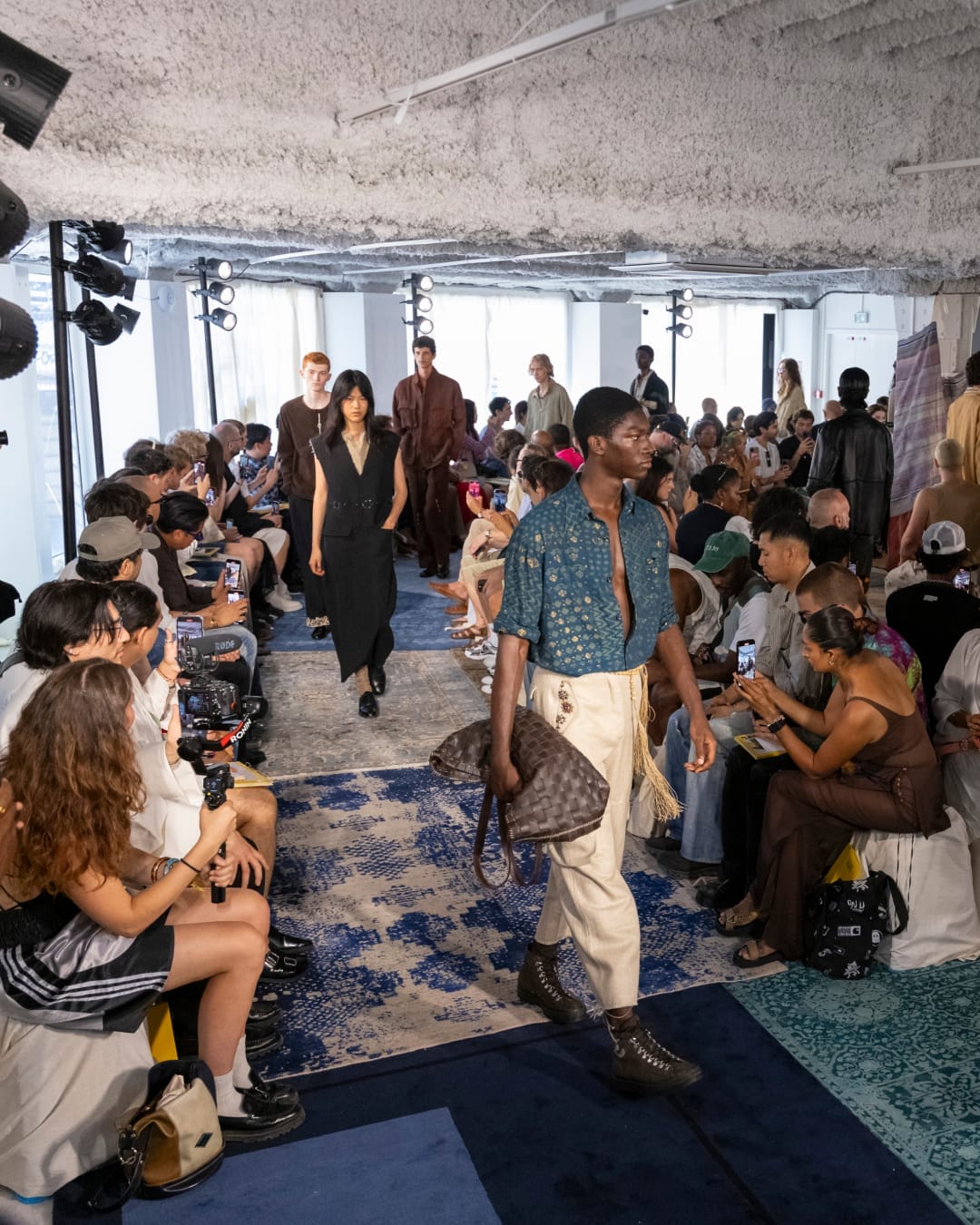
Collaboration is not new to fashion, yet truly collaborating with full respect to traditional craft in luxury is hard due to its commercial nature. How did the process of collaboration with Kartik Research come about and how was the process like?
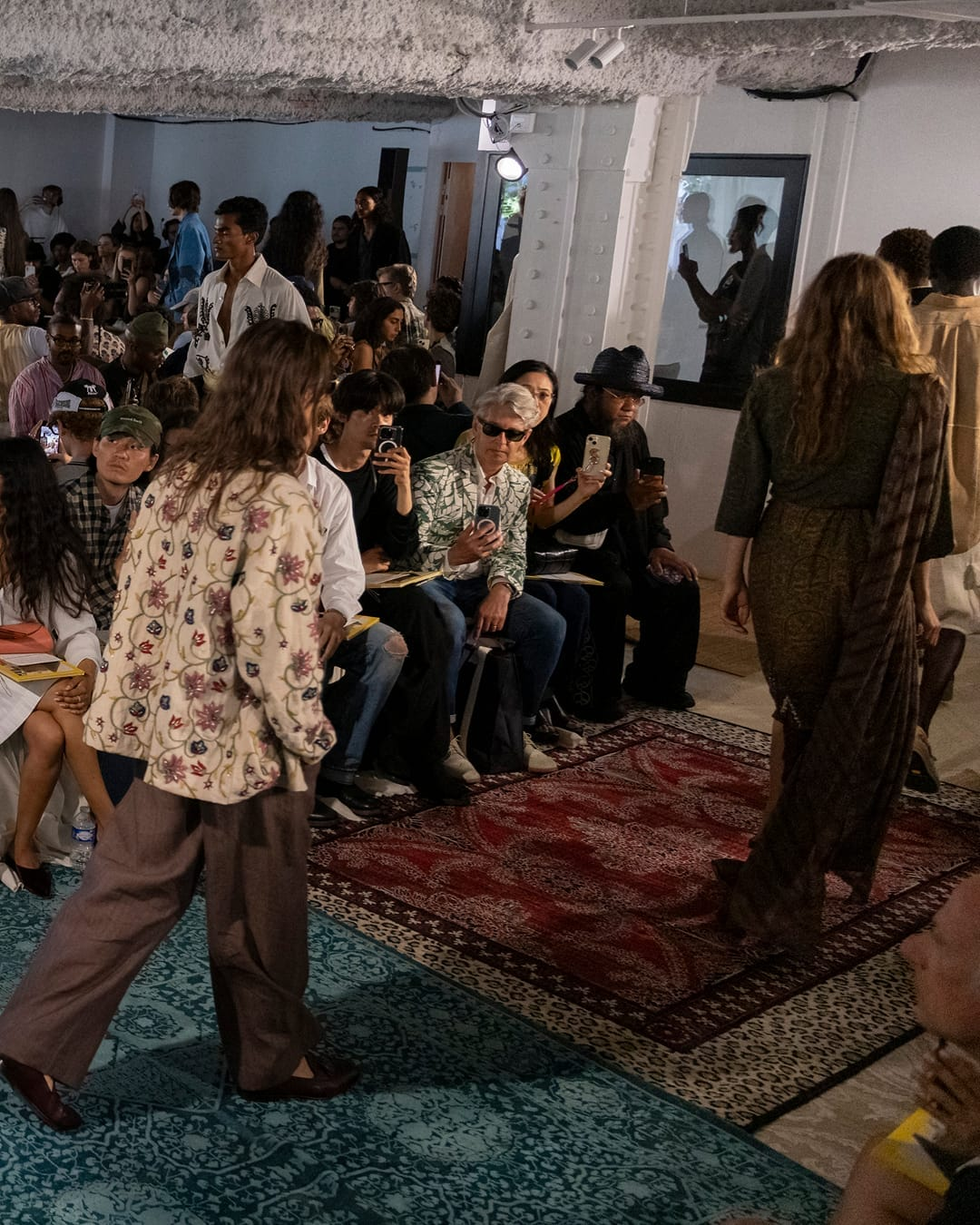
With Kartik Research, and many of our other collaborations we have tried to place the rugs where nobody expects rugs to be – on a tennis court, on the cable car in a snow-clad mountain in Kashmir and these on a runway. It is to reinforce the essence of the brand, that is to support heritage craftsmanship and what better than placing them on the runway for Kartik Research and at Paris Fashion Week. It was a great engagement where both brands found utmost synergies in aligned ethos’ and it achieved huge appreciation from around the globe.
What do you make of luxury fashion’s fascination with Indian culture over the years? It’s become quite a big topic in fashion again especially with Pharrell’s Louis Vuitton SS26 show. Has this attention brought more good or harm to your community?
There’s a growing global appreciation for the richness of Indian craft, which helps bring visibility and respect to our artisans back home. When done thoughtfully, it elevates traditions and creates new opportunities. However, misappropriation or superficial usage risks diluting meaning and fails to uplift artisans. Authenticity, credit, and fair benefit-sharing are key to ensuring this fascination brings lasting good to our communities.
What do you think count as a sustainable means of preserving culture?
Sustainability means empowering artisans with ownership of designs and livelihoods, enabling creative freedom, as seen in Manchaha and protecting their intellectual property. It also means using eco-friendly materials and technologies, and building global appreciation for handcrafted, soulful products, ensuring the craft isn’t just preserved but thrives.
How do you think Jaipur Rugs under your father is different from Jaipur Rugs under you?
My father, Nand Kishore Chaudhary, built Jaipur Rugs on the foundation of love, equality, and social enterprise, starting with two looms and nine weavers. Today, we build on that by scaling design innovation, digital transformation, and expanding into new markets, all while preserving that original ethos of empowerment and craft-first values. They may be different approaches but our vision remains aligned and we try to never forget that we owe it all to the artisans.
What is one thing Jaipur Rugs is working to achieve in the coming year that we can look our for?
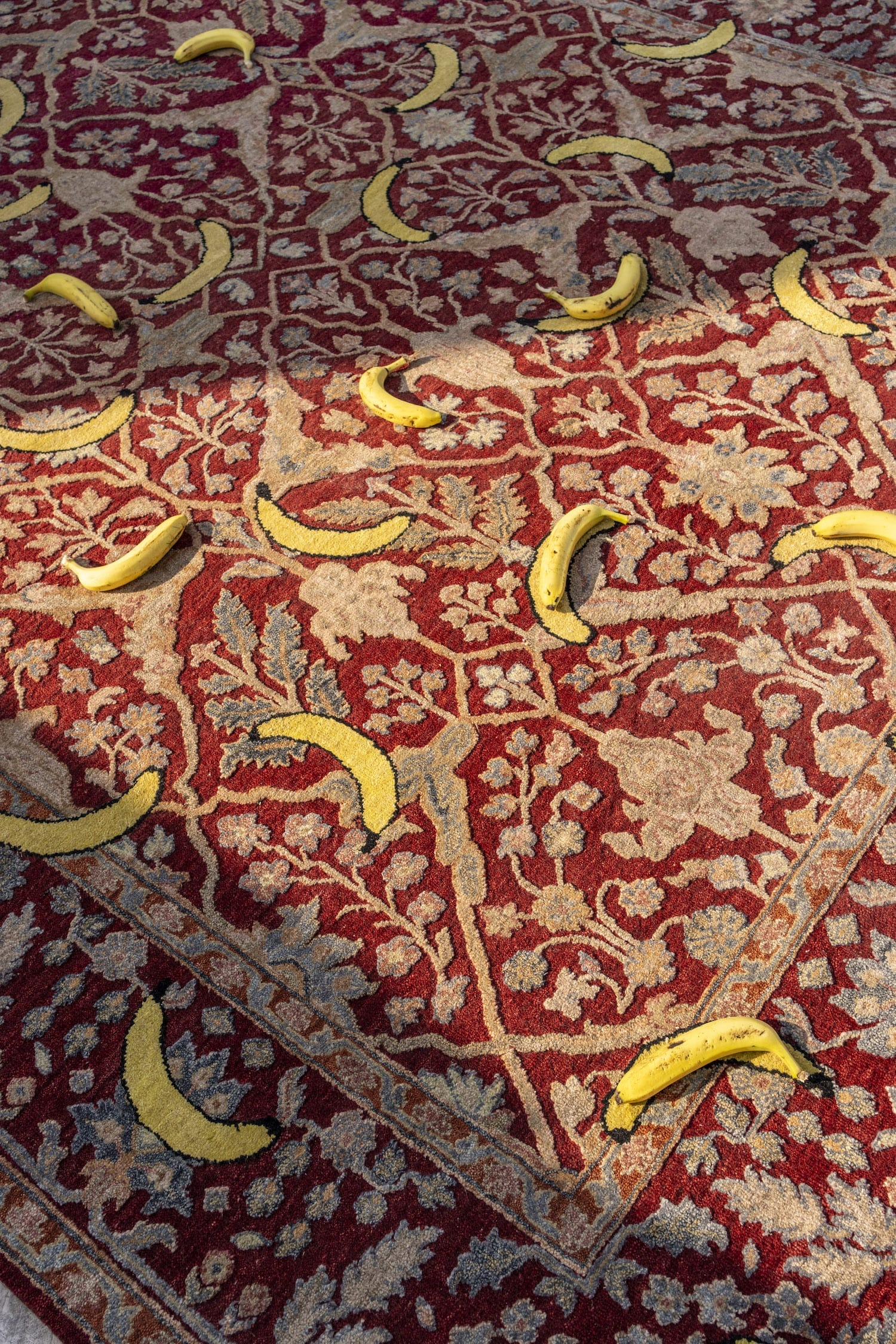
This year, September will see the launch of three of our newest collections in our South East Asian market to experience at the flagship store in Singapore – with designers Richard Hutten, Peter D’Ascoli and Tatiana DeNicolay. We are sure that after the success at Salone Del Milano, these are going to be very well received by the people of Singapore and around.
Last but not least, what do you think constitutes peak luxury in the world today?
For me, peak luxury isn’t opulence, it is authenticity. It is objects with stories, care, creativity, and humanity built into them. A Jaipur Rug is luxury because it’s handmade, sustainable, and carries the soul of an artisan’s skill. Today, that is true luxury.