Call it mixed style, call it idiosyncratic — Motofumi “Poggy” Kumi has always presented himself with a certain flair that can only be described as singular. A baseball cap to complete a tailored suit; a souvenir jacket to match a sleek pair of loafers; a double denim ensemble but never in the same wash, in fact, adorned with a constellation of sashiko stitches. It is a stark contrast from the borderline sterile level of polish we have grown accustomed to. In the mainstream, we rely heavily on referencing look for look, pulling directly from runways, Pinterest boards or feeling the need to build an outfit from solely from new pieces and a single brand.
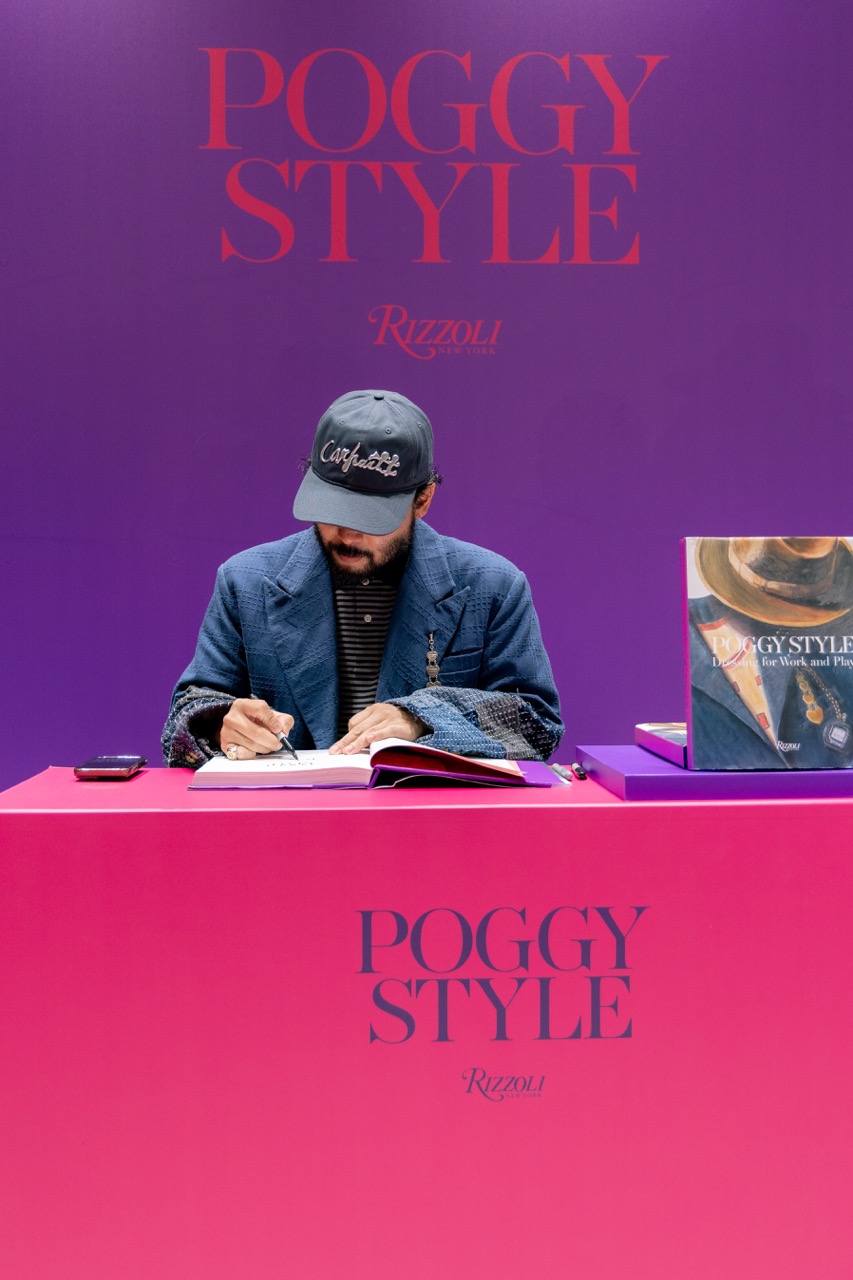
Perhaps this is the reason why Poggy points out the paradox of not feeling “stylish”, albeit having just released a fashion book POGGY STYLE: Dressing for Work and Play. Less about adopting say, the rules from a style guide like The Official Preppy Handbook, dressing to satiate his creative intuition — even if it means breaking fashion conventions — has solidified his status as a tastemaker, curator and designer. Given our climate that overemphasises the digital experience of fashion, rated through the metrics of engagements, are we still able to cultivate an intrinsic point of view? Men’s Folio speaks to the revered sartorial figurehead during his book signing event to learn more.

For Poggy, to try and merely replicate his “look for less” is to undermine the point of view and vastness of knowledge that goes into his dressing. When I first pointed out the flattening of style, a phenomenon that has everyone dressing similarly as a result of being fed the same content through social media, he agreed. “It’s why I published this book. These days, individuals don’t try to stand out too much and go against the grain — I want to create different avenues for young individuals to discover their own style,” Poggy says. Written in a way that captures his style evolution that is influenced by musical interests, cultural touchpoints and careers, he sends out the message that style is inherently personal and introspective.
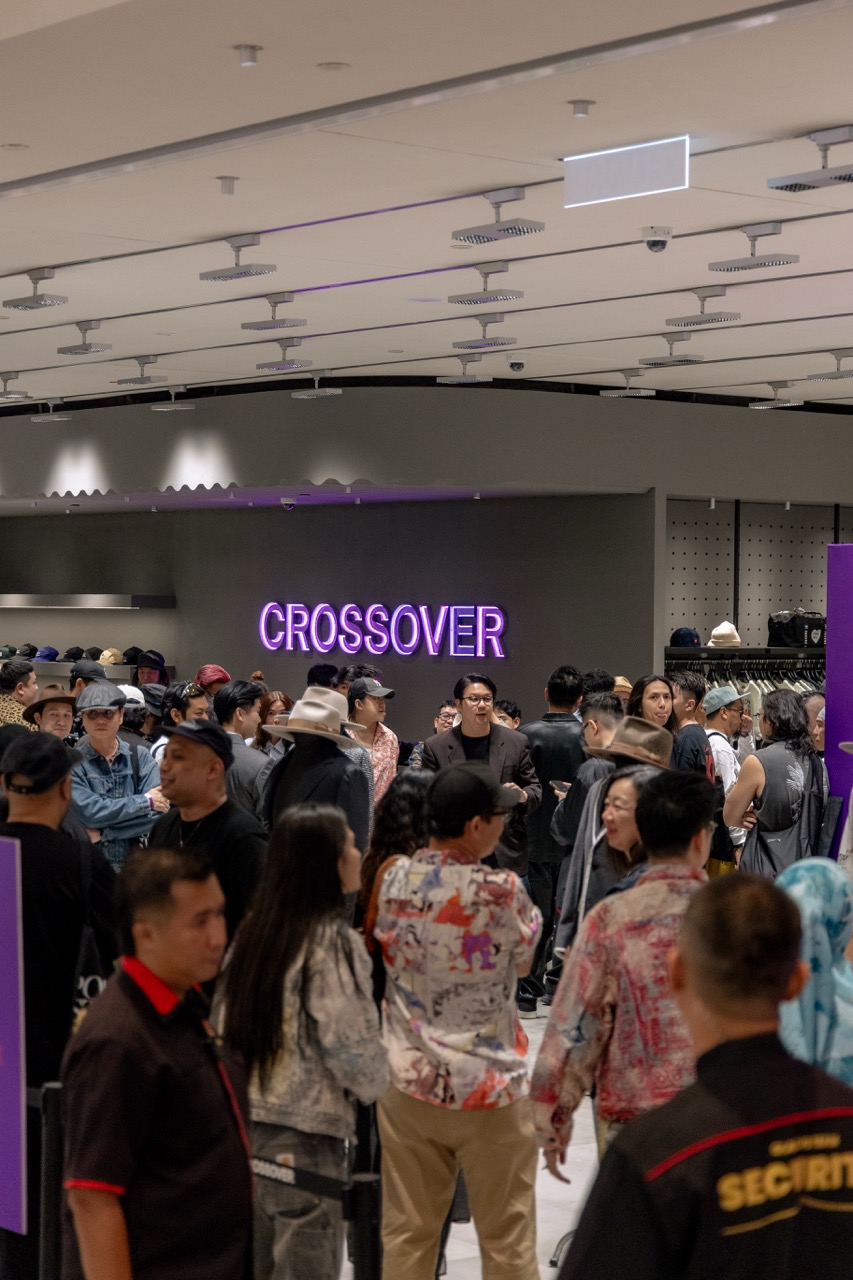 The content landscape that portrays individuals style as easily boxed-in and fully-developed from the jump has also created a feeling of pressure to cultivate one’s aesthetic in a rush. Poggy, however, stresses the importance to interpret pieces based on one’s point of view. “For classic brands like Brooks Brothers, even if both of us own the same piece, it won’t be worn the same way. Alternatively, I also enjoy wearing statement pieces that allow me to express the designer’s vision. What matters for the wearer to identify style elements that they find interesting, and then translate it through their own visual language,” he explains. Rather than striving for polishedness that almost feels sterile at times, he sees this as a process that requires constant practice.
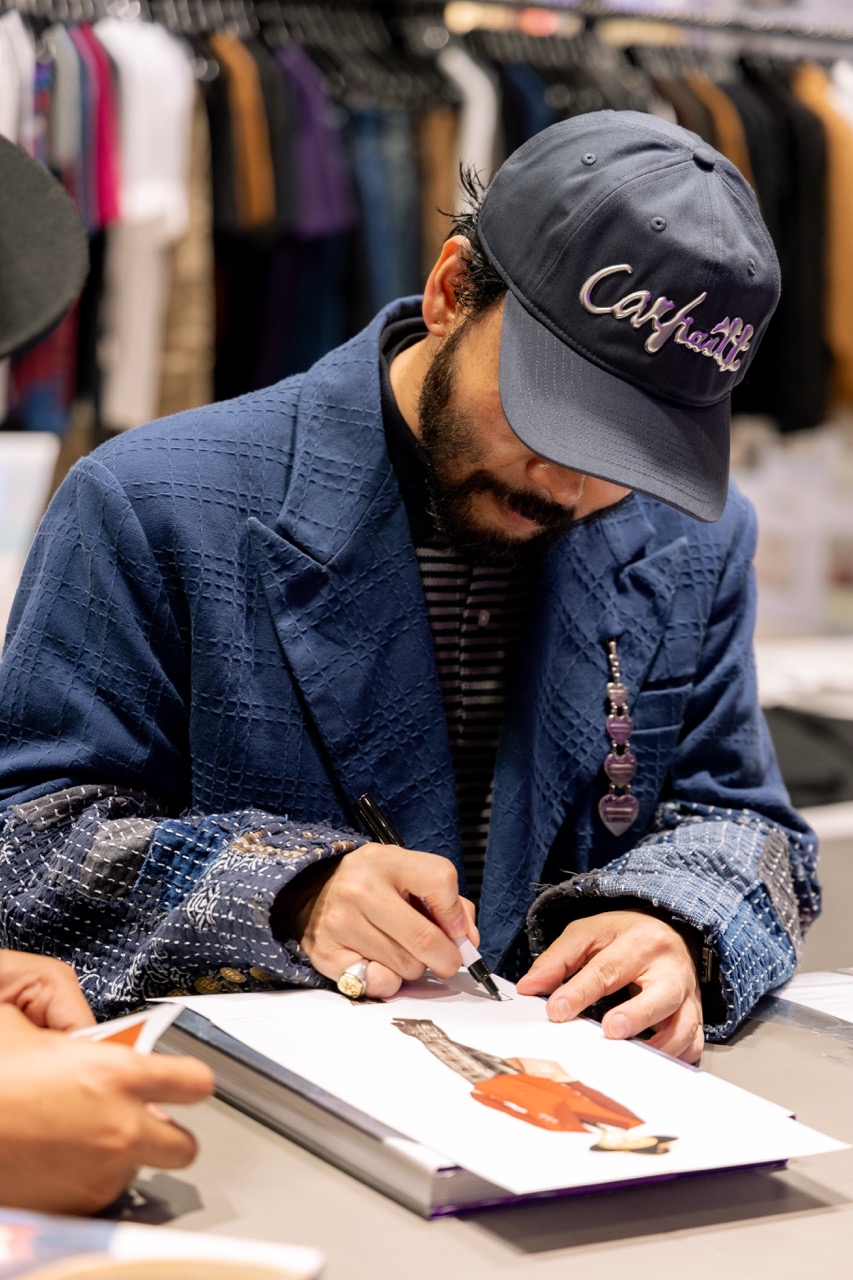
Can fashion be mere costume — punk today, Japanese Trad style tomorrow? Referencing a piece by W. David Marx from his book, he talks about how the 90s rejected 80s pop culture and observes parallels with the present. “Some people just consider fashion as costumes, while there are others who want to explore deeply into the cultures of their interests. Although championing depth is not as lucrative as covering a wider surface area, it’s still important for education,” he stresses. More than just a retail space to host his book signing, Poggy also saw stores like Crossover as important institutions that empower individuals to harness their style.
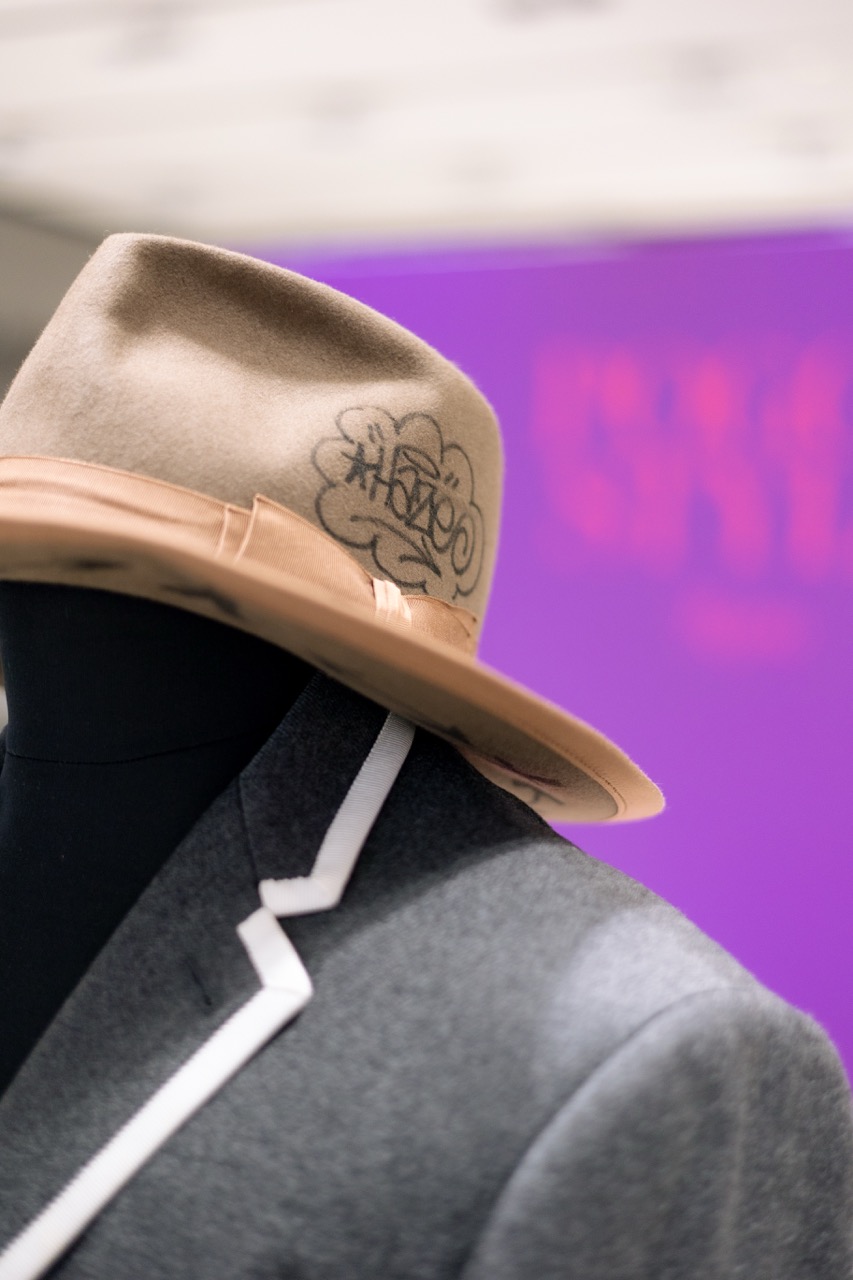
Style may be a matter of taste, but owning pieces of fashion comes down to economic reality. I asked if fast fashion has a place in his signature mixed style. “There are a lot of fast fashion brands right now, but not many will last for a long time. Uniqlo is a standout, not because of how affordable they are, but because they approach design with a very Japanese, wabi-sabi style that resonates with many who want simplicity,” he explains. He also attributes this as the reason for contemporary Japanese label, Auralee’s success in speaking to their European audience.
As fashion discovery plays a pivotal role in Poggy’s life, how does he travel? “I used to explore every spot, including nightlife. When I was in Atlanta to watch Major League Baseball, I made sure to visit local stores and search for things that I can only obtain locally.” The brick-and-mortar experience remains undefeated for Poggy, as prefers trying on pieces before purchasing them. “For items like hats, you definitely need to try it in the physical store. The mirror shows you how it actually looks like, as pieces may appear differently under lighting. You need to spend some time wearing it before knowing if it’s good for you,” he explains.
Style, as Poggy sees it is a personal journey guided through practice. Driven by a cacophony of references, his mixed style stands as a testament to his scholar-like curiosity and an irreverence that honours style as an internalised need that reveals externally. Being someone else’s best dressed may be subjective, but dressing in ways that reflects the rich textures of one’s lived experiences? That is something that lands one a Rizzoli book deal.
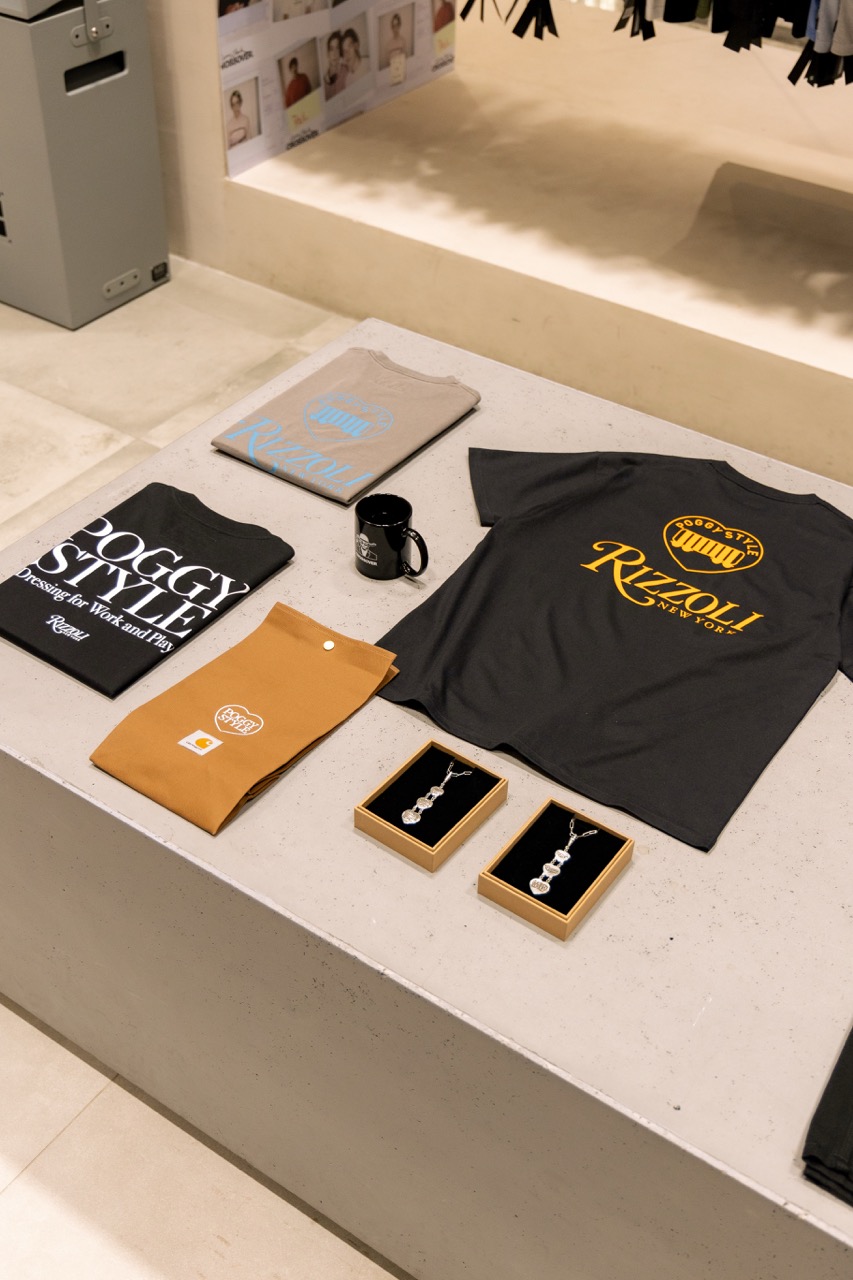
Select pieces from the Carhartt WIP | POGGY Exclusive Collection are still available at Crossover TRX, Kuala Lumpur.
Once you are done with this story, click here to catch up with our latest issue.