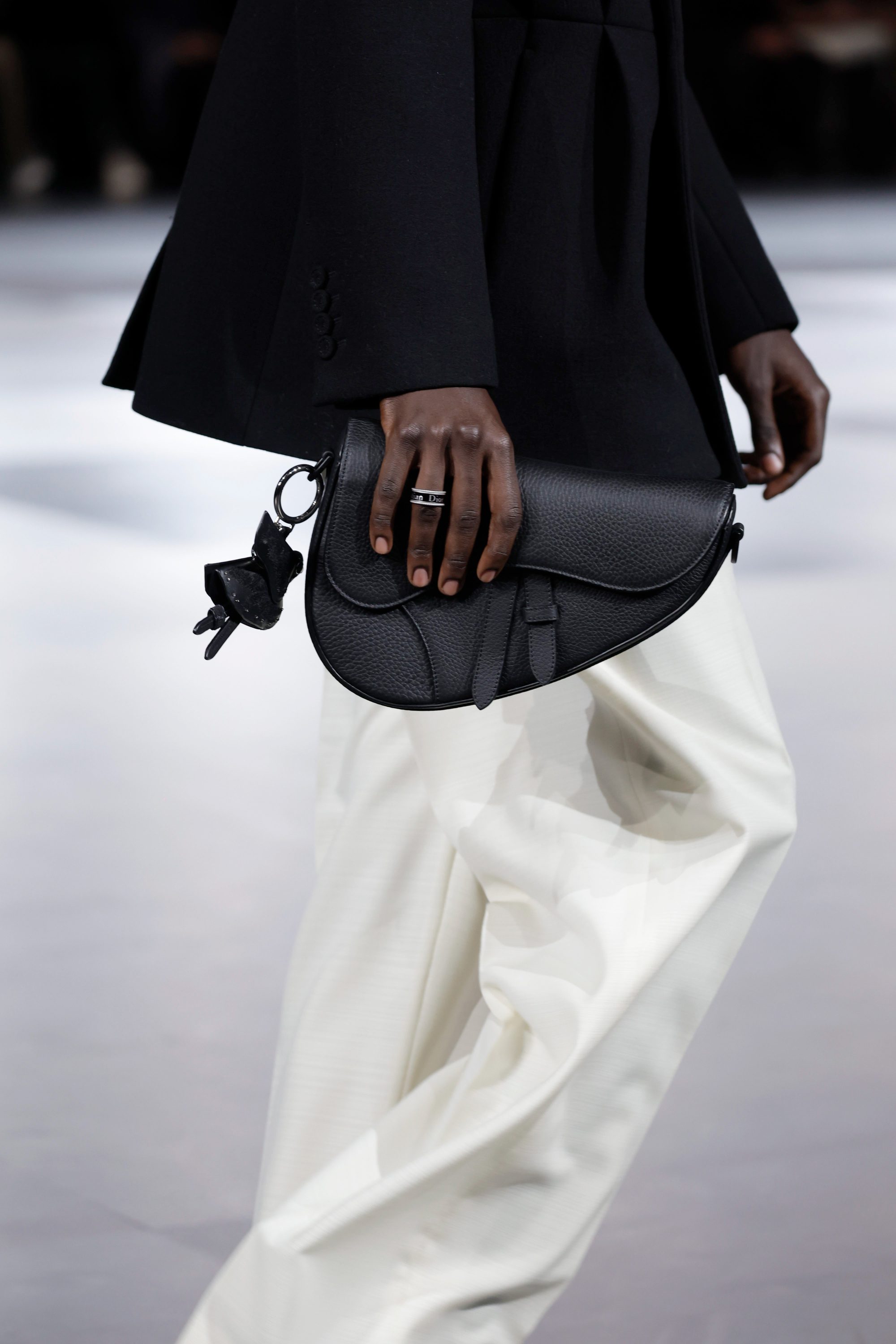
There was a time when nostalgia felt new. In the midst of constantly pushing forward, looking back came with a sense of repose. Hot off the extremities of 2010s fashion — from the high-octane indie sleaze revival consisting of noisy prints and manufactured distressing, to the stark, near-monastic, minimalistic tribes of Celine’s Philophile — the late 2010s to the early 2020s seemed a lot less optimistic about the future. Hardly surprising, given the state of a soon-to-be-pandemic-ridden world that required an immediate pause to reassess what truly mattered. When the future was presented as uncertain, we turned towards the past for a sense of solace. I will never forget the first time I came across the Dior Saddle Bag that was reissued in 2018 in person — the bag had only been seen through grainy screengrabs of Carrie Bradshaw toting it on Sex and The City. There was an air of novelty in seeing something that looked like it belonged to a different time. The same could be said about J.Lo’s green Versace dress that closed out Versace’s 2020 show, reappearing on the runway nearly two decades after it debuted on the Grammys’ red carpet. Self-referencing seemed less common, subversive, even.
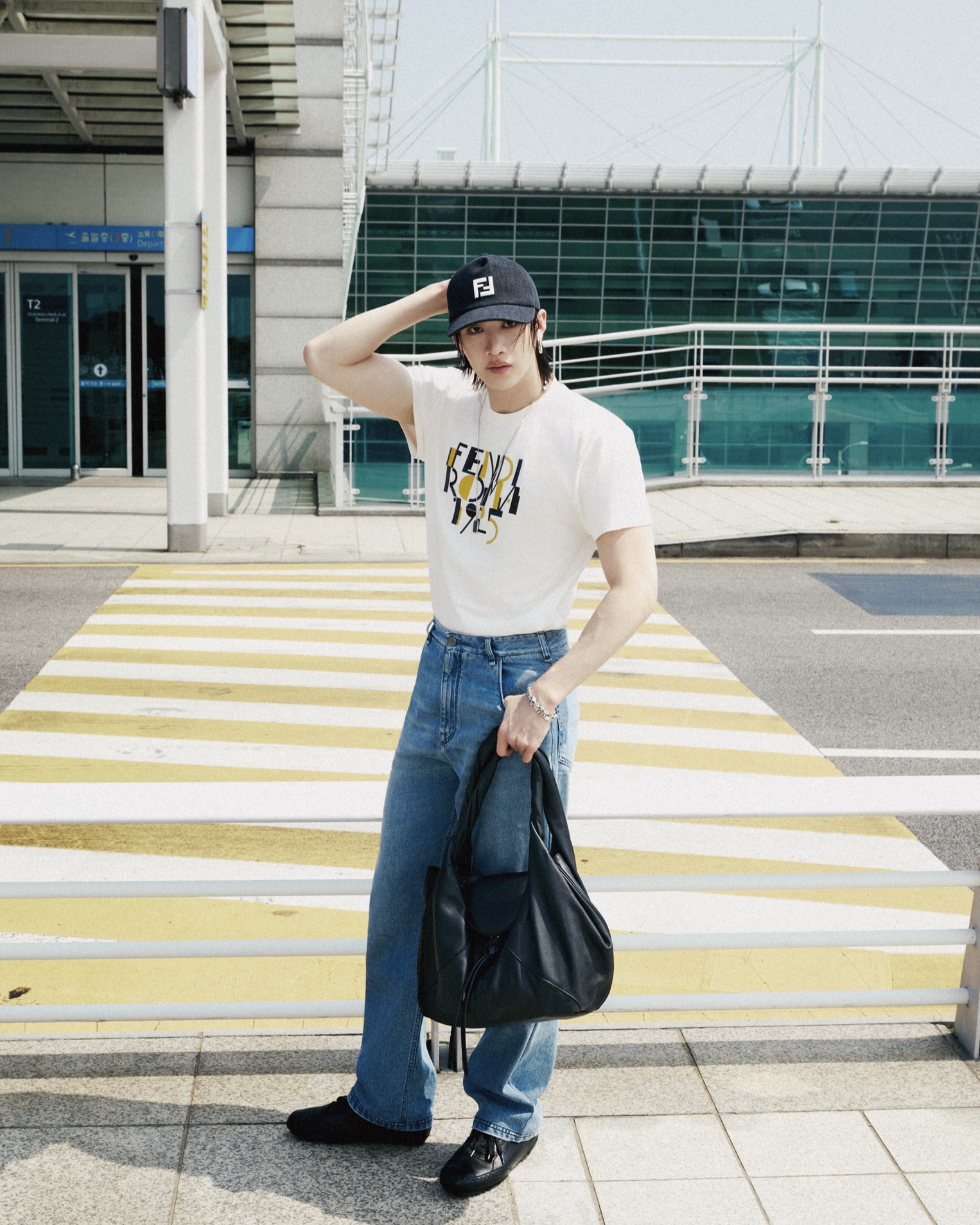
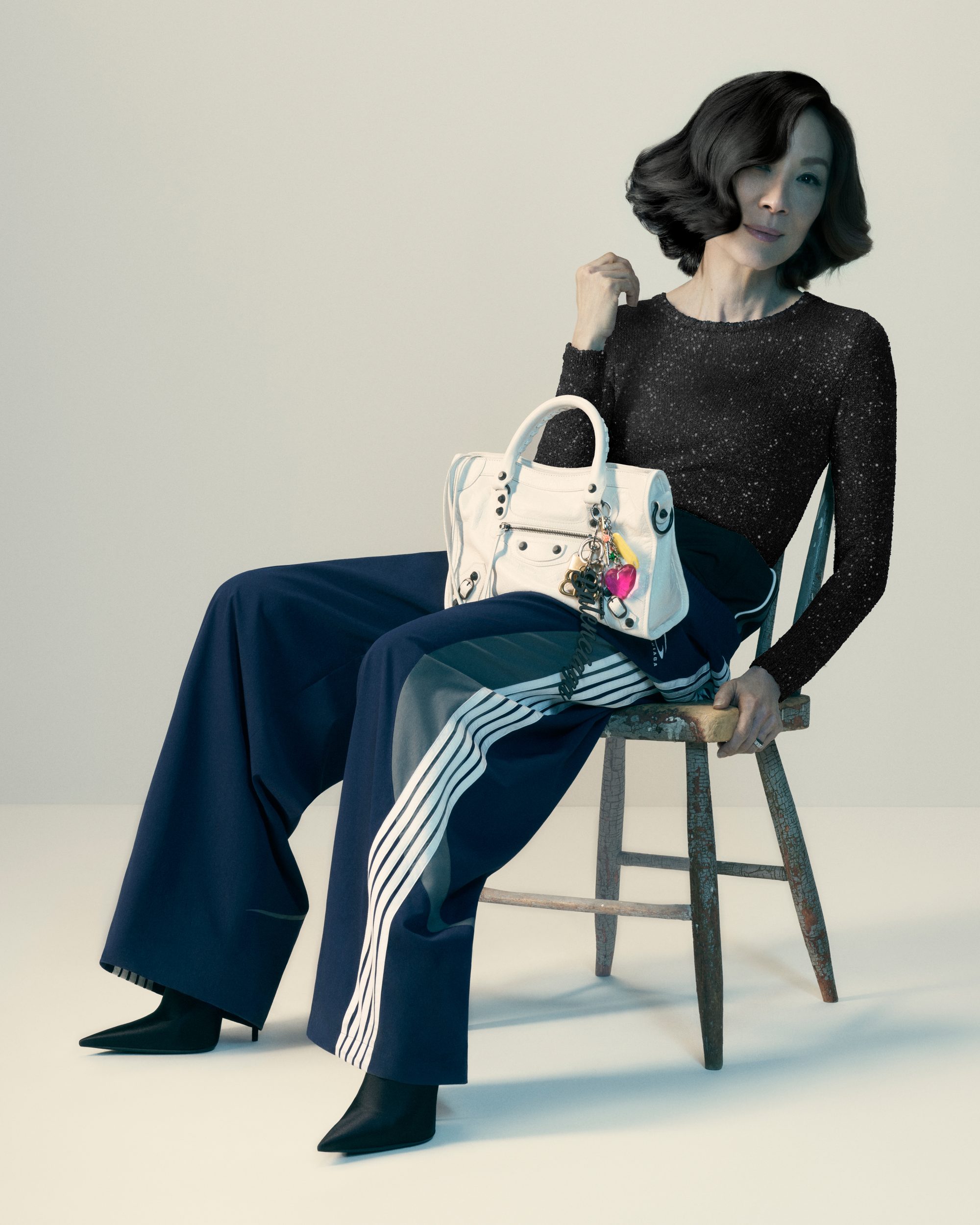
What ensued in fashion over the next 5 years to our present day has been a constant stream of nostalgia. From red carpet moments, runways to real life styling, nostalgia has become a common theme tethered to what engages and converts. Beyond reissues of classic Mugler suits through their H&M collaboration, Thierry Mugler’s infamous Fall 1995 Metropolis robot suit garnered USD13.3 million worth of media value for the label when worn by Zendaya on the Dune: Part 2 premiere. Positioned as an entry-level piece, Prada’s Re-Edition 2005 Nylon and Saffiano Mini Bag was a visible, accessible way for consumers to tap into something unmistakably Prada — given its use of the label’s iconic nylon and Saffiano leathers. The bags were a certified hit, having possessed the trifecta of price, historic value and overt representations of the brand. Similarly, Balenciaga’s reissue of their iconic motorcycle bags that were once beloved by Hollywood starlets of the early aughts, now dubbed Le City, were showcased in a campaign using actual paparazzi shots of celebrities wearing the bags in the aughts, a literal nod to the design’s legacy. The Chloé Paddington and the Fendi Spy, too, have made similar comebacks that are tied to notes of nostalgia.
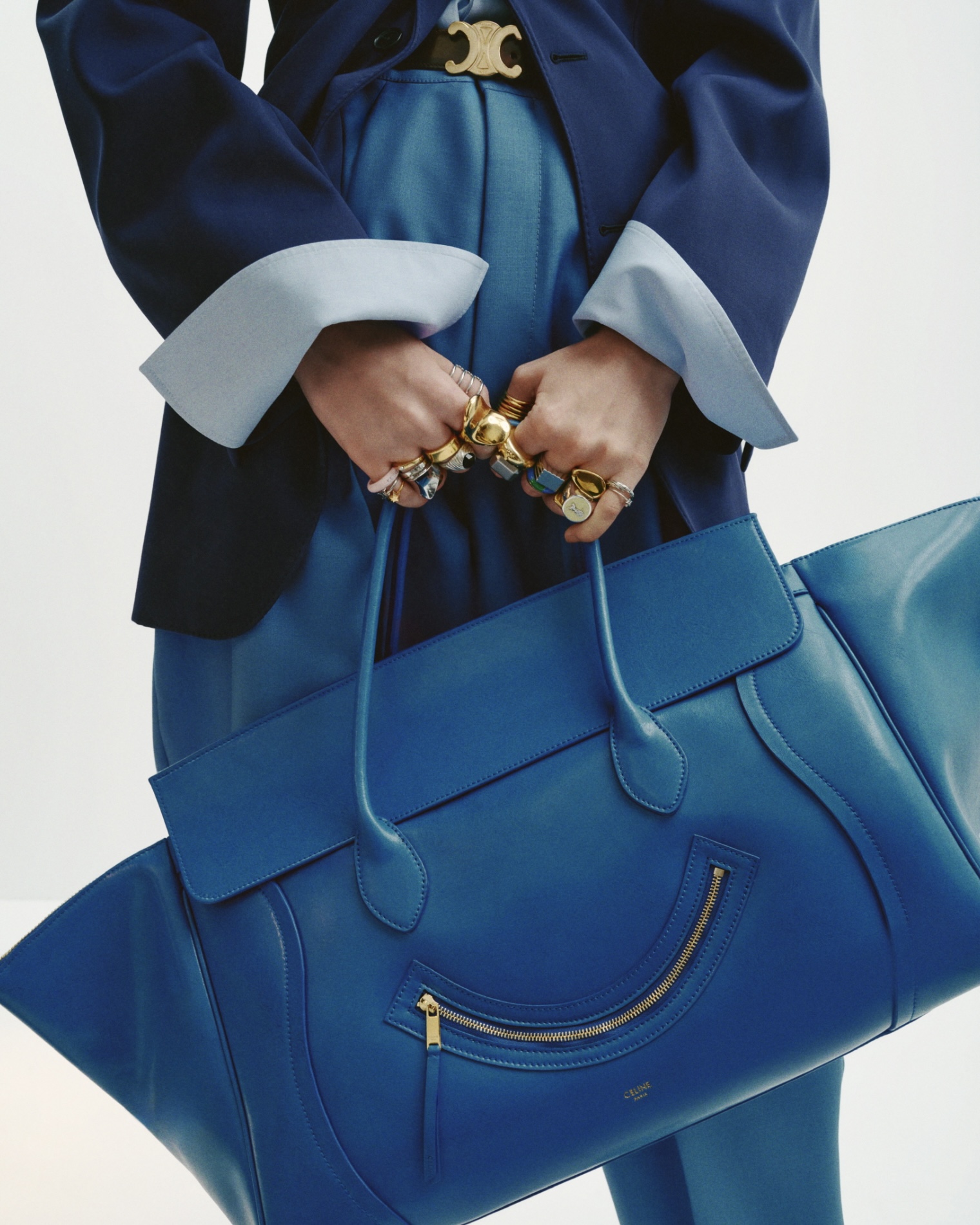
Perhaps the most surprising use of nostalgia in fashion came in the form of the Celine Luggage Tote that was reissued under Michael Rider’s debut collection. With predecessor Hedi Slimane’s radical approach that often completely obliterated all signs of a label’s creative past and earned him a signature aesthetic, the resurrection of the Luggage Tote and the Phantom at a brand new dawn opened up a can of worms for creative discourse: it has not been that long since the bag has fallen out of fashion, is it too early to bring it back? Is Celine planning to cash in on the Philophiles, who were once a big part of the business, but fell out of love when Slimane joined? Is it laziness or a pure, unadulterated homage towards the brand legacy — and do we truly need to lean on nostalgia as a way for us to tell stories and create?
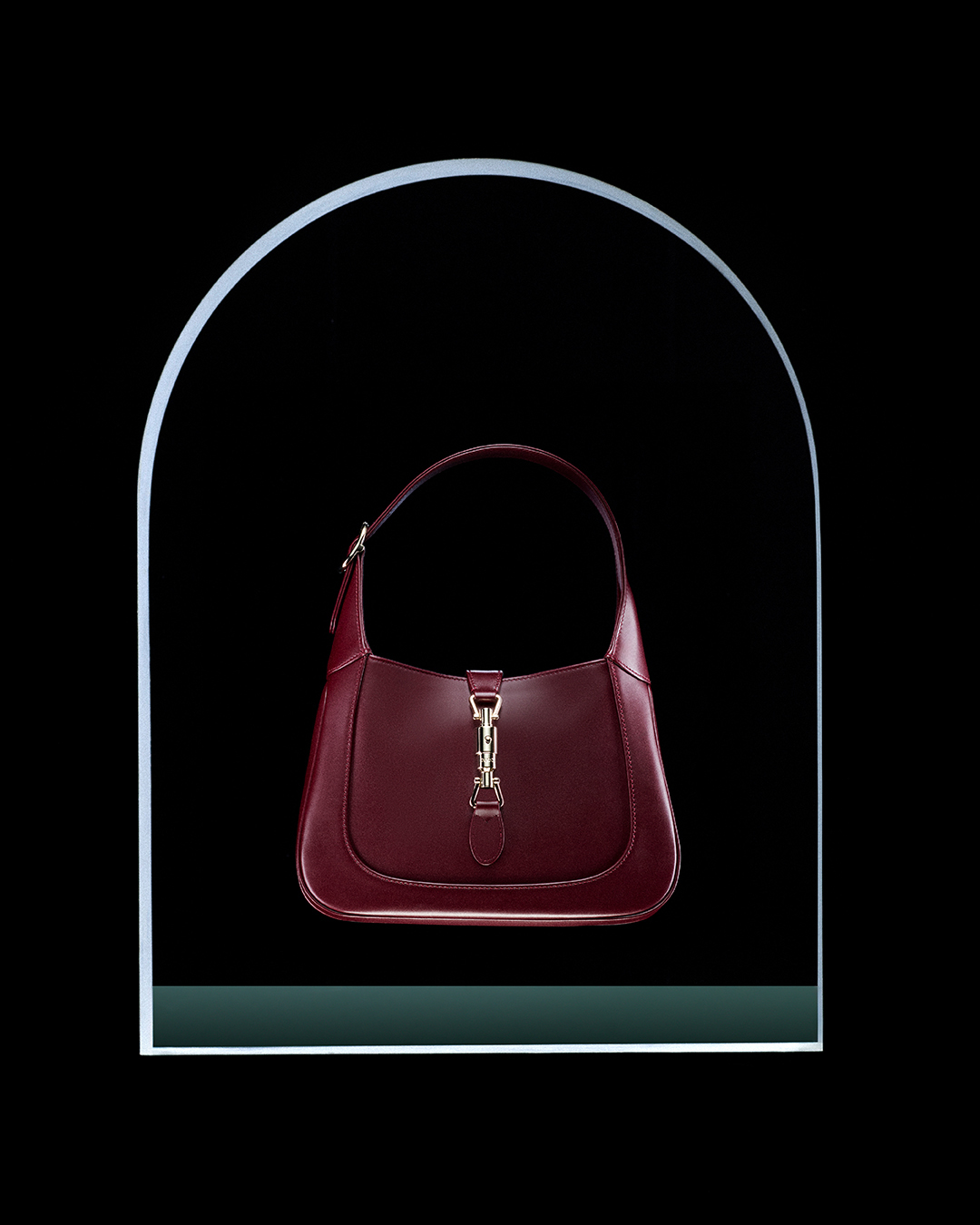
Nostalgia, in ways, has never been a completely foreign concept to fashion. Having endured different iterations under Tom Ford, Alessandro Michele and Sabato De Sarno’s creative directions, the Gucci Jackie (once named Constance) cannot simply complete its story without its namesake, Jackie Kennedy Onassis, the former first lady who once bought six from a Gucci store in the 60s and has rarely been seen without one since. The same could be said for the mythicism of Louis Vuitton’s Speedy 25; its existence could be credited to a special request from Audrey Hepburn. Or the Hermès Kelly that once hid Grace Kelly’s baby bump, and the irony behind Jane Birkin’s antifashion, anticonsumerism sensibilities that clashed with the sheer opulence associated with the Birkin — her first-ever, original Birkin was recently sold for USD 10 million. All these factors contribute to the design’s enduring appeal and legacy. What luxury fashion hinges on the most is its prestige and aspirational qualities, which uphold a brand’s infallible equity. In a case of supply and demand, it should not be surprising that brands do it because the numbers respond positively. People, especially those in the new generation of consumers, want and crave merchandise as a way to belong to a time they were not old enough to participate in. Especially for a saturated scene of merchandise that borders on design fatigue, perhaps the Chinese proverb of 姜还是老的辣 that translates into “The old ginger is still the spiciest”, turning to old heroes will give these brands a form of reprieve from irrelevance.
Fashion, like most other art forms, reflects where we are mentally. As an emotion triggered by familiar sensations, objects, conversations or other adjacent emotions like loneliness, nostalgia signals a desire to return to the past, viewed through rose-tinted glasses that suggest a better time before the life we currently lead. According to Krystine Batcho, a professor of psychology at LeMoyne College and a licensed psychologist, nostalgia is a binding agent that reconciles the multitudes of our selves over time. “Because we change constantly, we’re nowhere near the same as we were at 3 years old. Nostalgia motivates to remember the past, uniting us with that authentic self and reminding us of who we have been, before comparing that to who we feel we are today,” she shares. In the face of uncertainty, as we live in today, across social, political turmoil, nostalgia offers a form of solace, reminding us that although we are unsure what the future might bring, what we are certain of is who we have been and are today. She shares that the desire to look back also reflects a form of dissatisfaction with the present.
In writer Amy Francombe’s Substack essay “No one is bored and everything is boring”, she points out that newness often emerges when people have the space, time and material freedom to create. Living in a time of hyperproductivity when every interest and hobby has a need to be monetised, the bar to try just feels so high that creativity for the sake of curiosity feels frivolous, futile, even. She highlights that spaces have now been built to maximise profits and online engagements — any space is now a content farm. Social media, too, has disrupted how we view time, as information now exists in excess and lacks chronology or consequence, created for consumerism and capitalism. If anything, the inability for us to be bored due to a constant stream of content has obliterated any breathing room to nurture newness. Perhaps, subliminally, we keep looking back in fashion because we simply do not feel optimistic about the future.
With the current state of ugliness we currently live in, can fashion be radical, optimistic, or inspiring even? Is there a need for this art form to honestly depict our bleakest fears, or can the future be presented as hopeful? For an industry that seems to be youth-obsessed and thrives on performative newness, we still find ourselves sticking to the status quo, conservative in our approach by repurposing old formulas sometimes in the guise of honouring legacy. Could design evoke an attitude of sanguinity towards consumers who have been demoralised by the jagged edges of the world that have forced them to sand down their peculiarities? As T. S. Eliot once put “You are not the same people who left the station. Or who will arrive at any terminus,” we will continue to evolve as we move. While nostalgia often serves as an anchor to how we once perceived ourselves, it could too, in excess hinder the possibilities that lie ahead.