“Can we find someone Pan-Asian?” If I could have a dollar each time I got that question in my near-decade in the industry, casting models for shoots and runway shows… The same applies to locations, for which creatives clamour to identify places that feel vaguely foreign, suggesting somewhere overseas, just anywhere but home.
Across campaigns and editorials, even for festive launches that feature traditional garments, there is a persistence on the Western gaze. There is a collective embrace of Eurocentric ideals that blurs the borders of nations, time zones away, likely encouraged by imported television programmes and Pinterest moodboards.
The outcomes are perceptible: skies are graded to appear a little bluer, cloudless and clear; buildings and streets are captured to resemble those of other metropolitan cities (think of that one corner near the pizza place at Chow Kit, KL); and racially ambiguous models are cast.
Apart from the glowing KELUAR (translation: EXIT) sign in the back that we are about to remove digitally, how else will anyone know that this was shot in a Hygge-themed coffee shop in Mont Kiara, and not some quaint coffee shop in Copenhagen or Manhattan? In the pursuit of painting flights of fantasy and materialising aspiration to sell garments and fashion looks, creators have become almost instinctive in applying the Western gaze.
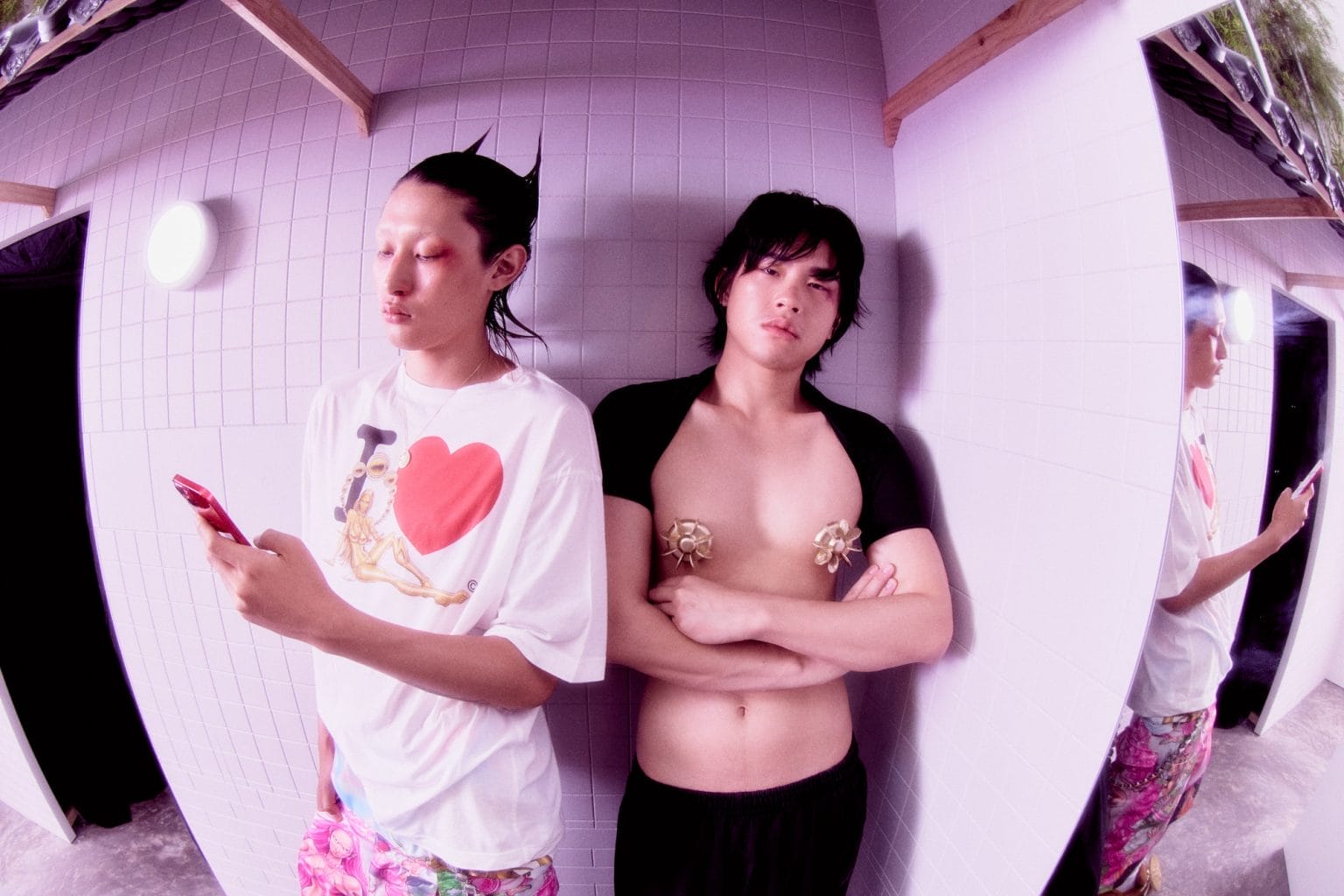
It would be impossible to lead the discourse without acknowledging that the system — from fashion to our politics and history — has been built upon Eurocentricism. Apart from legal systems and cultural norms, fashion as we know it is deeply rooted in the West.
If you consider the origins of legacy fashion houses, the fashion capitals of the world that run fashion weeks, the media we consume, down to the very concept of haute couture being a legally protected practice governed by the French, it should not come as a surprise why we have been wired to consume fashion through the Western gaze. If anything, this system has constantly reinforced the idea that to be associated with Eurocentric ideals is to demonstrate credibility.
This gaze is held, even in its contemplation of the East. According to curator Andrew Bolton, the 2015 Met Gala exhibit, China: Through the Looking Glass, was a clear example as it explored the “collective fantasy of China” rather than China in its actuality.
Aware and frank in their approach, the exhibit gathered pieces from both Chinese and Western artists, presented to showcase the dissonance between Chinese artistry and Orientalism. This perceived fantasy became an artistic movement in its own right. Karl Lagerfeld’s 2014 Cruise Collection for Chanel was another notable demonstration woven from the vision of Asia through the Western gaze.
“This man has a Chanel jacket.” Inspired by an image of a Southeast Asian fisherman taken in 1880, Lagerfeld went on to create a collection filled with tropical accents, featuring raffia details, frayed piping and mandarin collars — a faraway vision from the utopian present of Singapore, where the show took place.
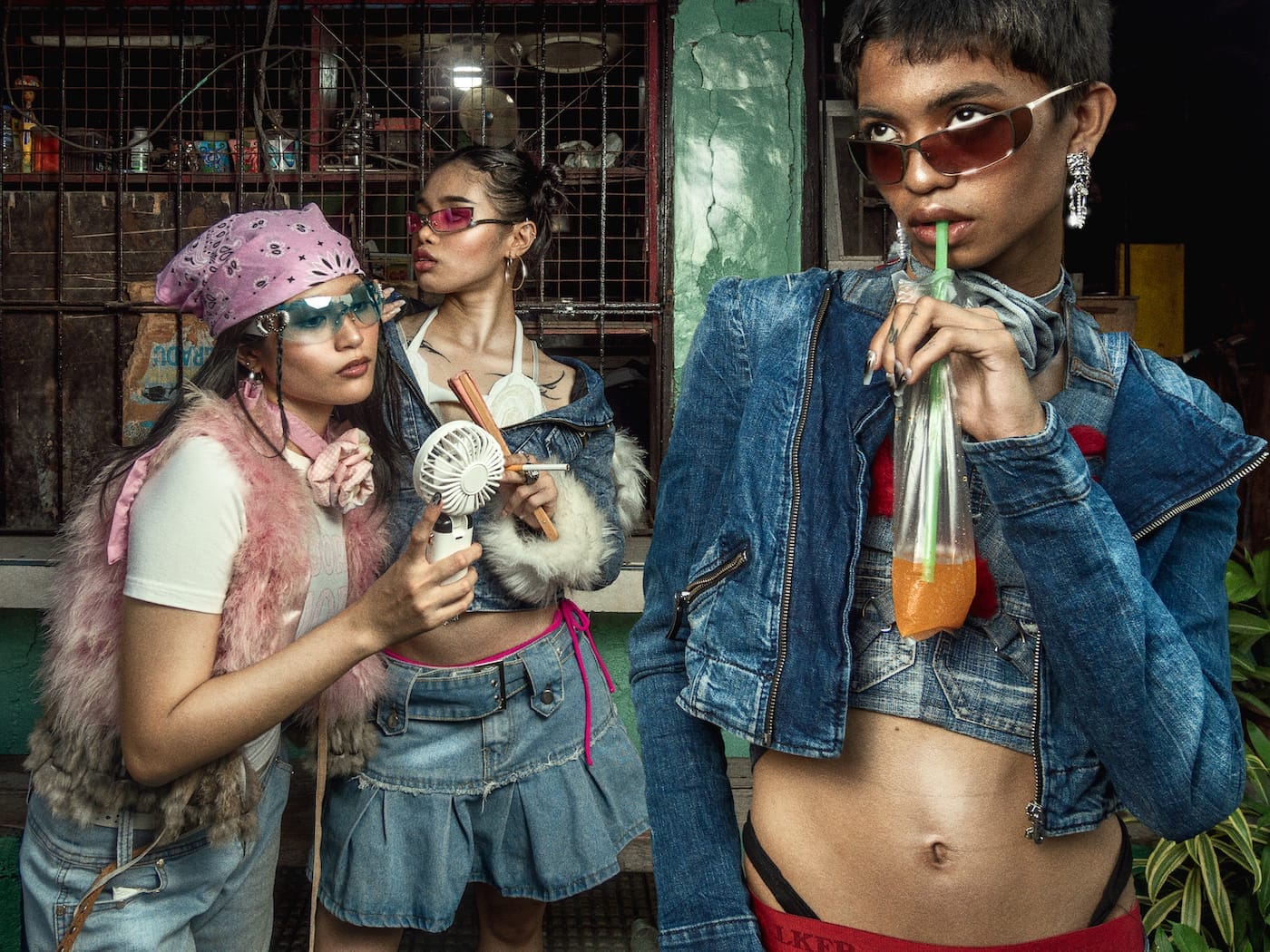
Just like any other art form, when there is convention, there will also be subversion. The first image that entered my periphery came in the form of a viral image found on X: an Asian fishmonger behind her stall in a very Southeast Asian-looking wet market, dressed in a black corset with pink bows running down her sternum, complete with a pink dropped-waist skirt and matching sheer gloves. Caption? Something along the lines of her serving [expletive].
Was it AI slop? I couldn’t confirm, as a reverse search on Google only led me to hoards of Facebook meme pages. Did it give me whiplash? Absolutely. Computer-generated or not, what was so profound about the image was that it clearly defied so many notions of what it meant to showcase: fashion.
The contrast to reality was intense in a composition that is impossibly candid and harshly lit by a cellphone flash. Compared to the sleek editorials that I scroll past in a daze, I took a long, hard look at this one, saved the image, and decided to write about it.
In similar vein, the creative duo LiFE DESiGN from the Philippines has gone viral for its irreverent tarp posters, which are hanging across the streets of Manila. Rather than for local affairs, such as birthdays and weddings, these banners have been used for highlighting international fashion news that the masses consider extremely niche.
“CONGRATULATIONS NIGO ARISTIC DIRECTOR OF KENZO. PHILIPPINES IS PROUD OF UUUU” one banner spelt out in reference to Nigo’s appointment. The image of the banner, hung against the grills of a regular Filipino house complete with worn- down roof tiles, encapsulates the similar spirit of its unapologetic Filipino identity, campness and yet appears undeniably high fashion in its literal messaging. Who else would care about this sort of announcement if not for the fashion circle?
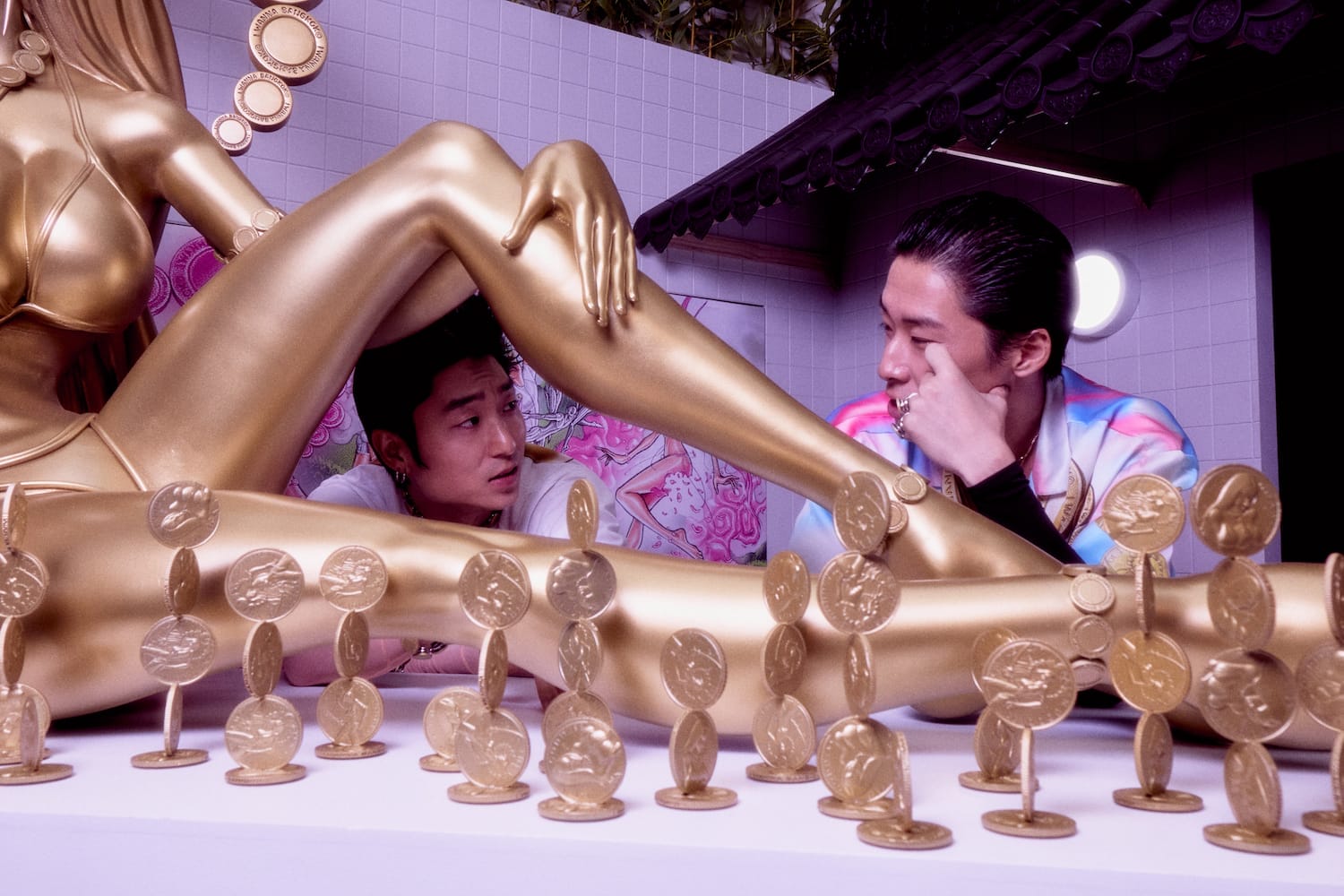
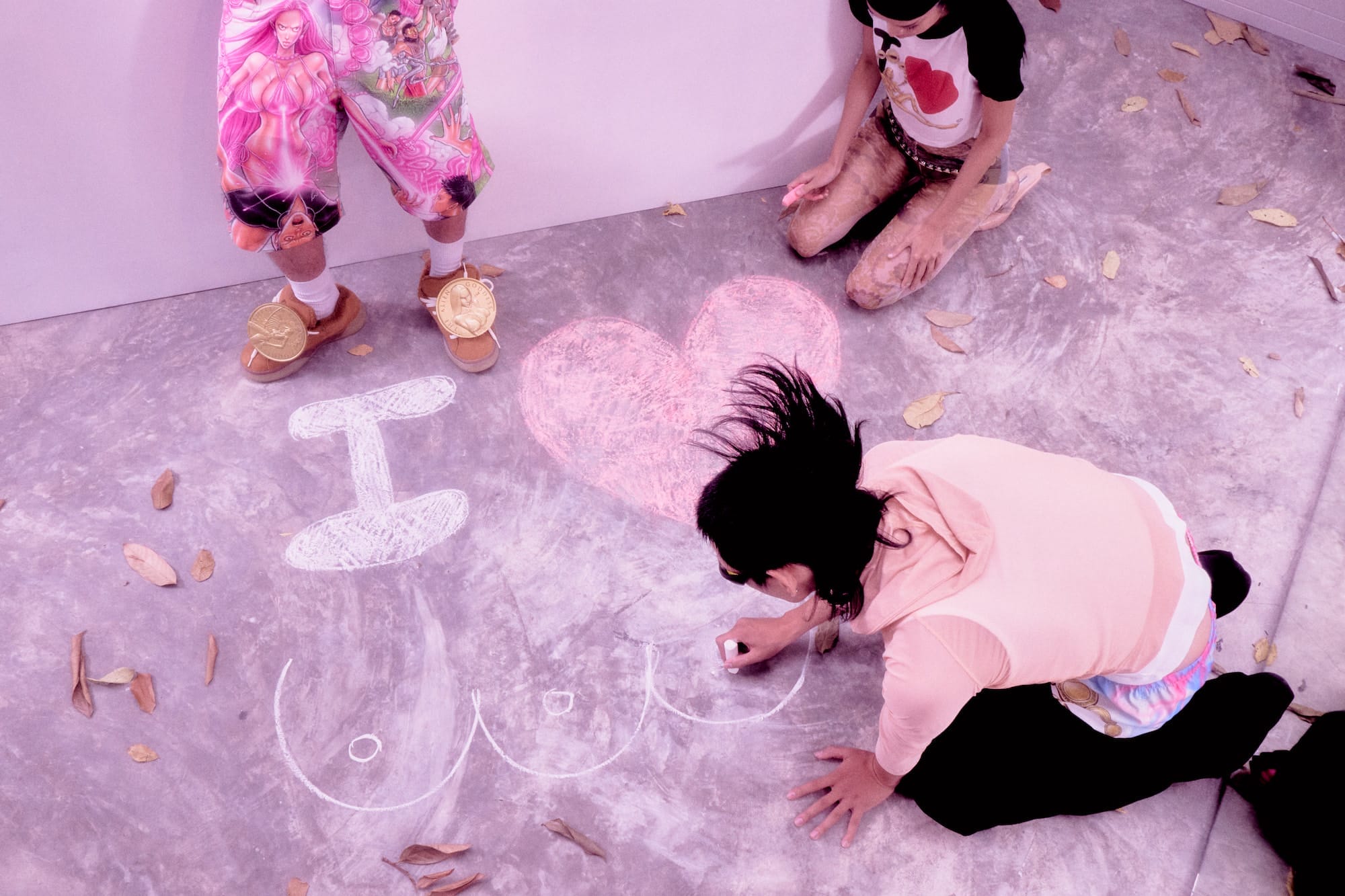
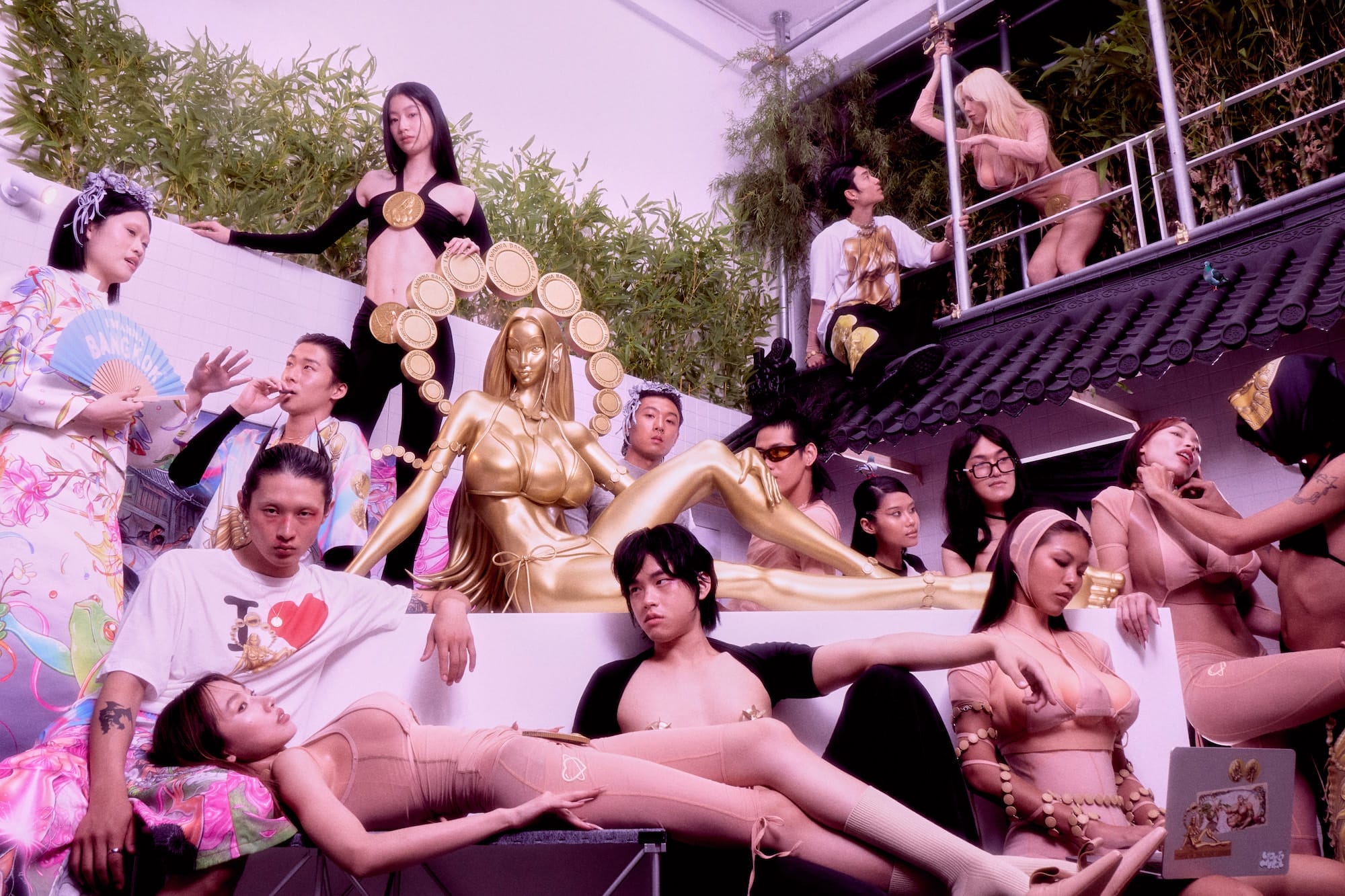
Cult label IWANNABANGKOK approaches its unapologetic display of cultural identity through a whimsier take in its collection EP.1 TEMPLE. Intersecting the emblematic temple culture of Thailand with the label’s audacious, suggestive personality, the campaign imagery is designed to draw double-takes.
Pious or faithless, there is a shared need for a safe space and finding solace in a higher being, whether one believes in prosperity or sexual liberation. On the opposite end of the spectrum, Lemaire’s Spring Summer 2024 campaign, which was shot in Vietnam, felt right at home.
Tied to more than just co-artistic director Sarah-Linh Tran’s cultural identity, visuals of locals donning the garments on motorcycles — a vital mode of transportation for the general population — created a congruent narrative with the French label’s values in creating garments that moved with ease, especially when the clothes billowed in the wind.
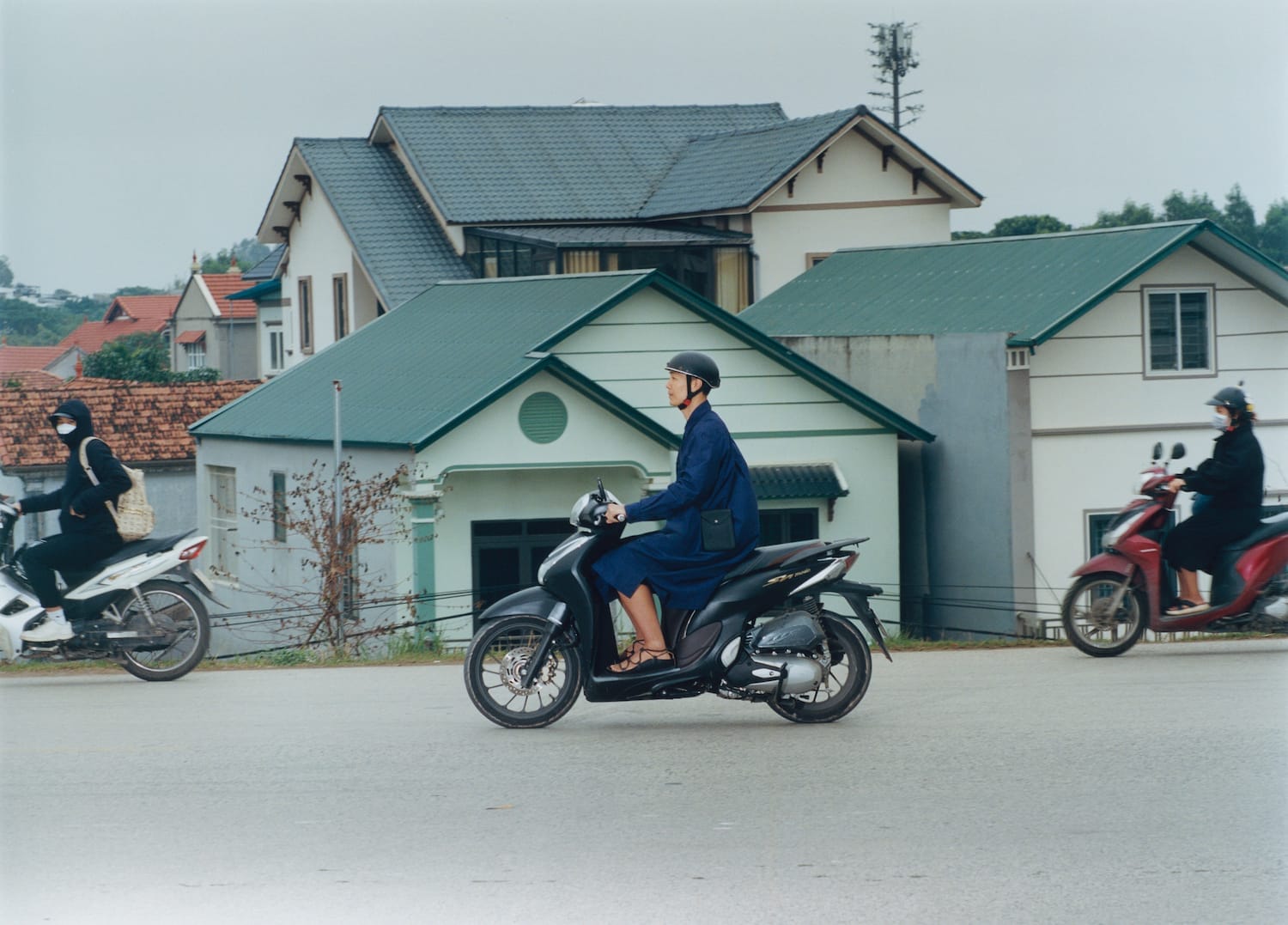
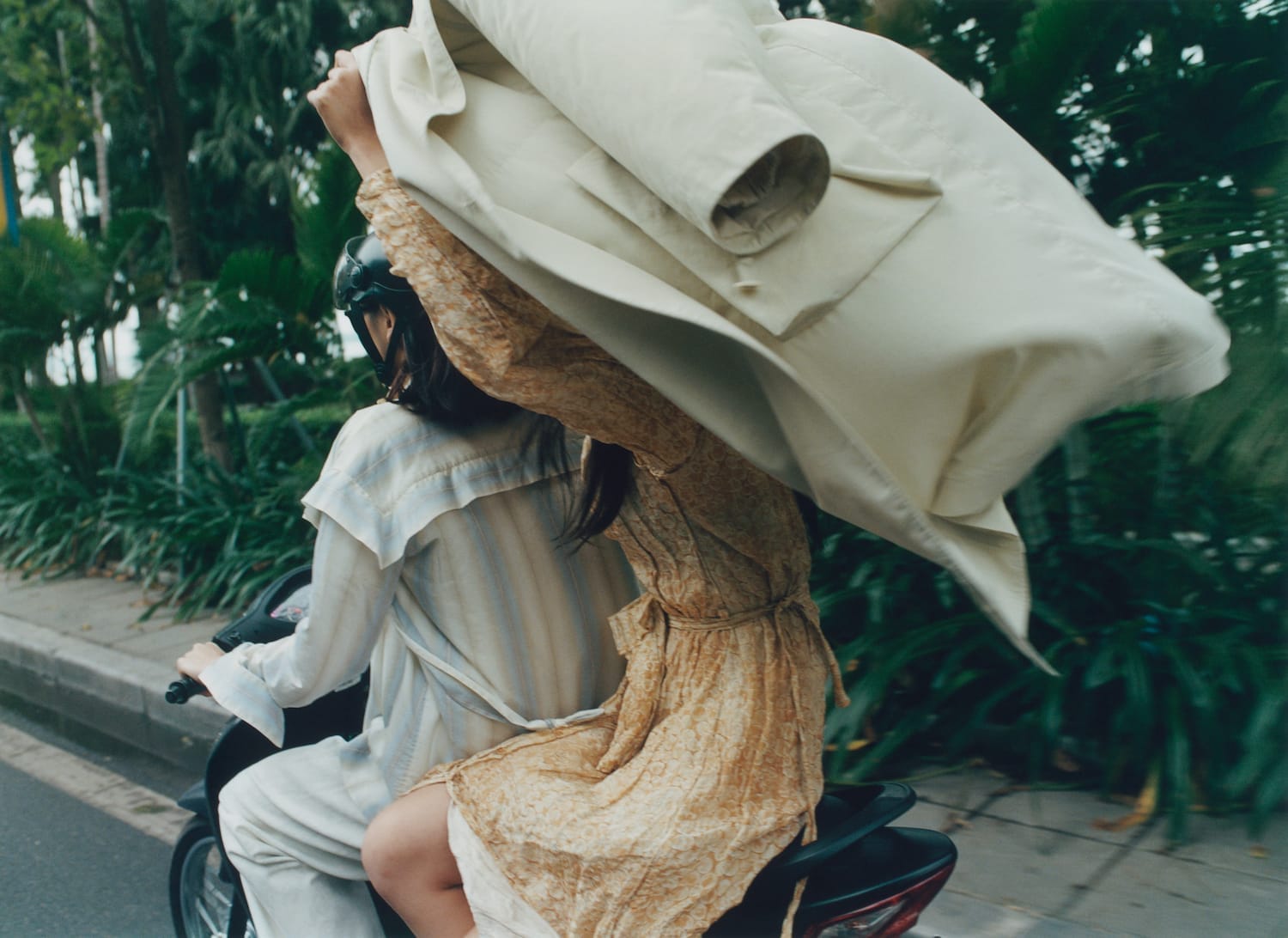
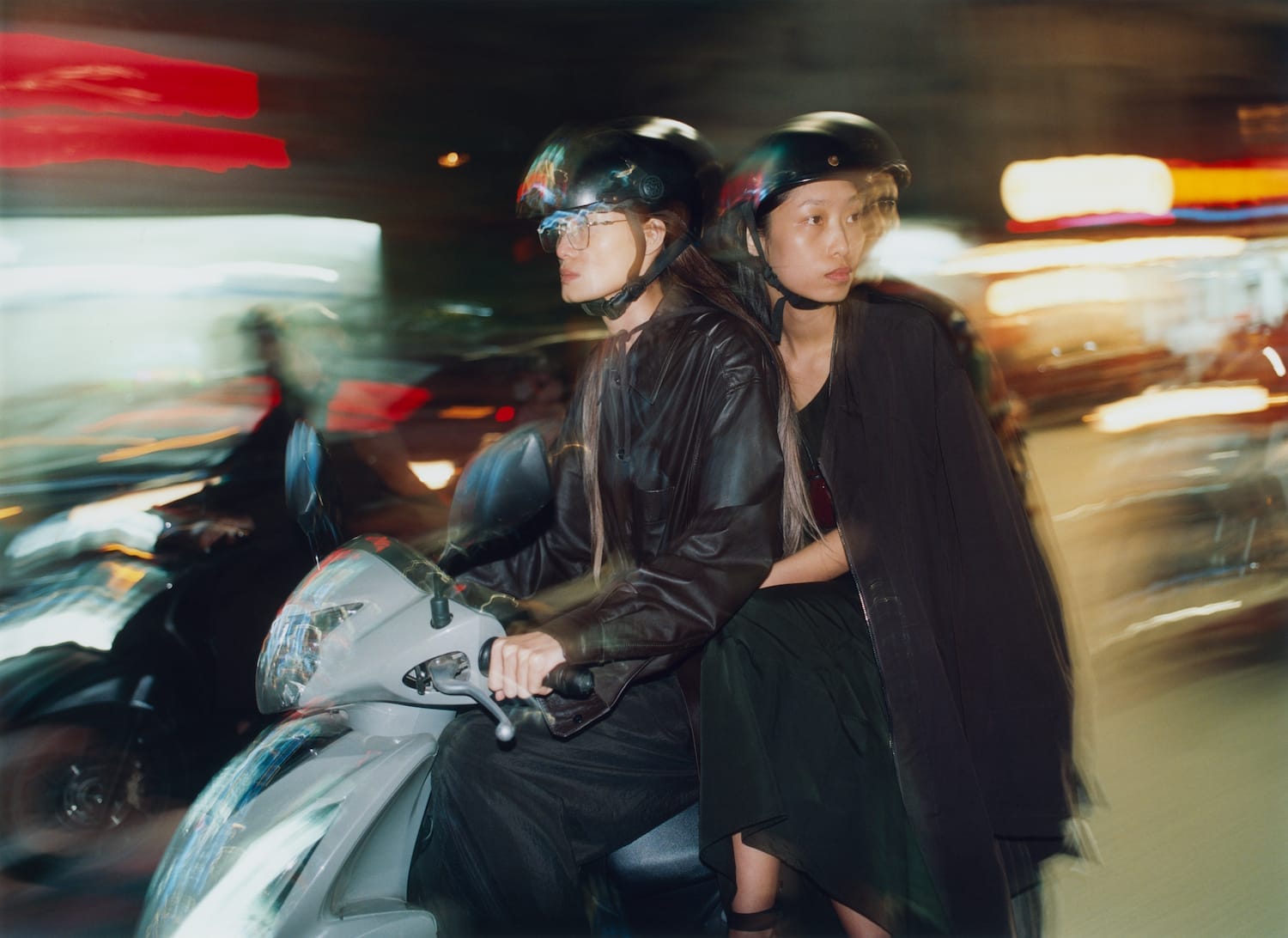
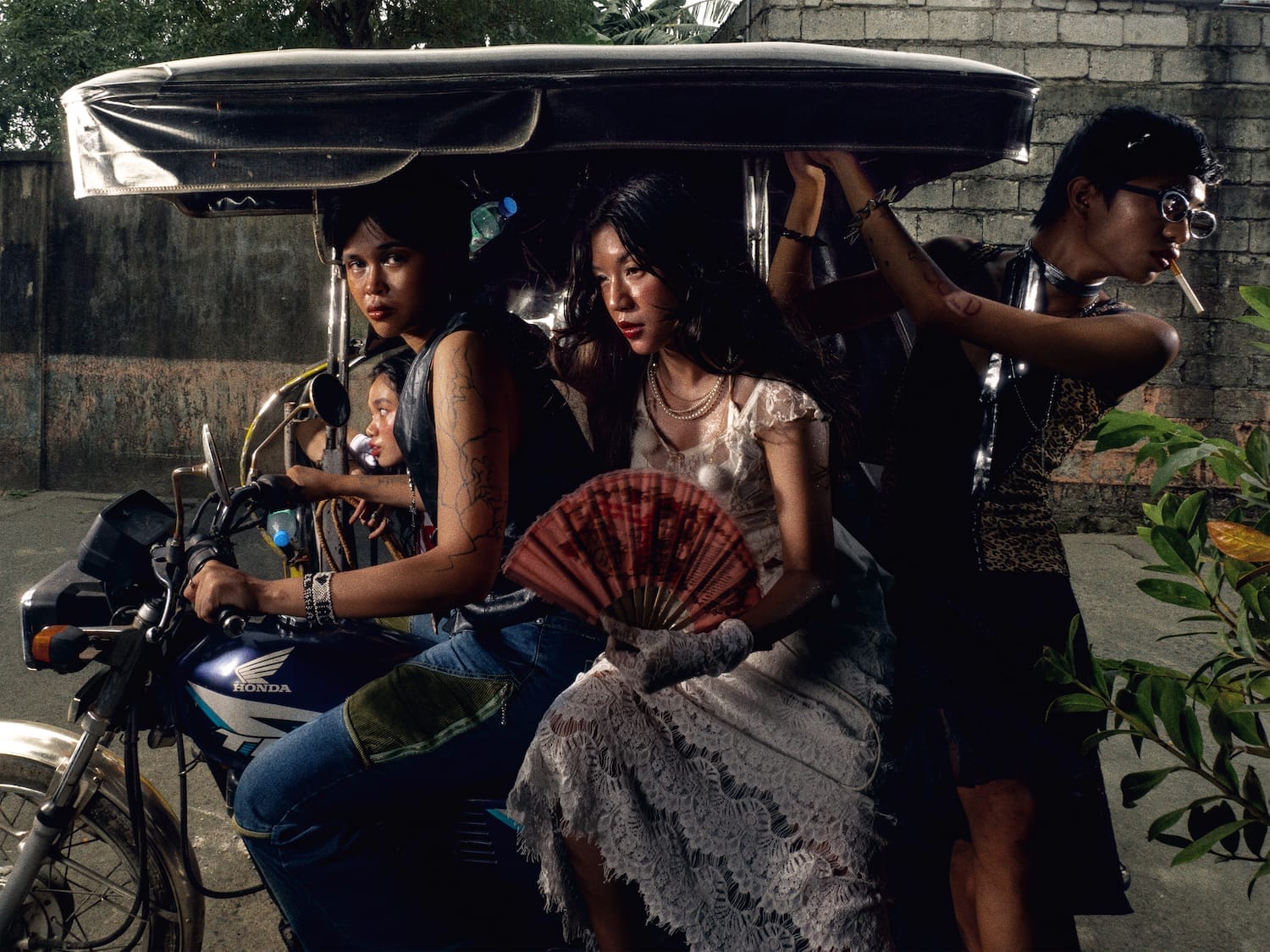
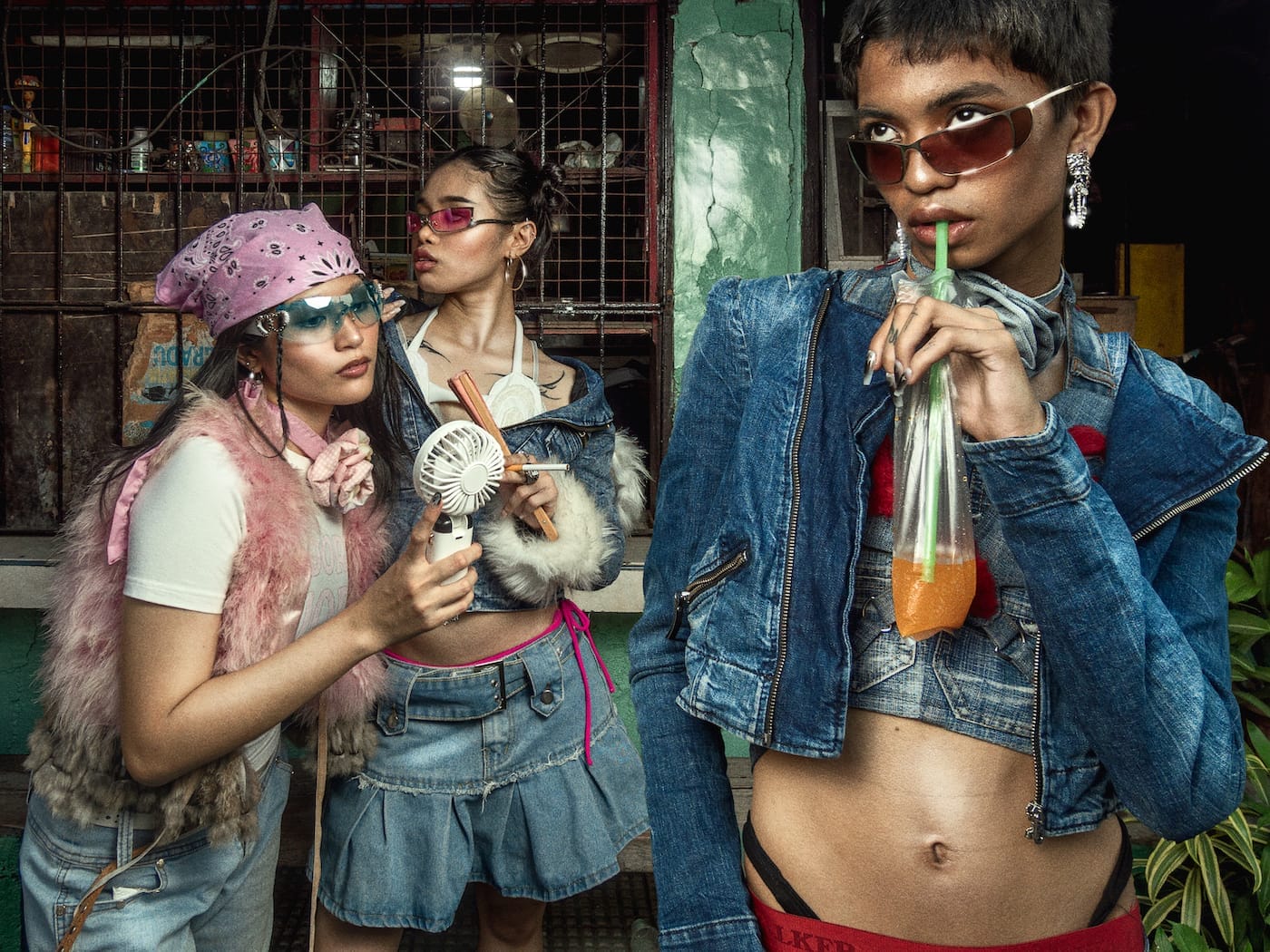
For Philippines-based photographer Kenneth Carreon, shooting locally and highlighting his surroundings unapologetically are acts of pragmatism. “When I first started shooting outdoors, the concern was always the budget.
Since I didn’t have the resources to produce studio shoots, I decided to shoot on the streets for free.” Working within the limitations — clothing, lighting, and production equipment all sourced from local thrift stores — the goal was not to create a façade, but instead to play to the strengths of his immediate surroundings.
What makes his imagery dynamic is more than just the way he lights his subjects — you can feel the air’s humidity and the scent of rust-worn railings emanate from the pixels, too. “There’s still a perception among some that looking ‘Western’ equates to being ‘world class’ that creates pressure for creatives to succumb in order to feel validated creatively,” he shares.
While showcasing a brand’s local identity in an unapologetic manner has been a longstanding approach for streetwear labels, it remains a foreign concept for contemporary labels to adopt.
Is it a sense of internalised shame towards our homegrown aesthetics because they lack the same type of representation on Pinterest, or is it just a strategic decision to market to a wider audience that still resonates with the Western gaze?
In light of erratic consumer behaviours, there has never been a clear right or wrong when it comes to setting the strategy to tell stories of a brand. But what consumers can clearly smell from a mile away is a sense of inconsistency, especially when it comes from a place of playing catch up — “let’s do it because everyone else is.”
Once you are done with this story, click here to catch up with our latest issue.