We know what the standards of fashion look like in the big fashion capitals. Paris, the effortless boho chic, red-lipped in an air of nonchalance. Milan, pulling in sensual tailoring and unapologetic glamour to the pragmatic. London, thriving on eccentricity and a punkish disregard for polished rules. Even Tokyo’s style map is instantly legible. Whether in Harajuku’s kaleidoscopic chaos or the disciplined minimalism of Yohji Yamamoto and Rei Kawakubo.
But here, in Malaysia, the picture is harder to draw. Our style is a product of centuries of cultural cross-pollination. This is thanks to migration and a shared childhood of borrowing outfits every Deepavali, Chinese New Year, and Hari Raya. It is woven from many threads, but without a universal uniform beyond traditional dress. And maybe that’s the point: in a country this plural, personal style blurs into something too fluid to pin down.
If there’s ever a place to try, it’s Kuala Lumpur Fashion Week. It is where designers reimagine what it means to dress Malaysians. Here, guests arrive in looks shaped equally by their roots and by their social media feeds.
From the runways to the streets, Men’s Folio Malaysia scouts KLFW25 and reviews standout collections. We also capture street styles that might offer at least a vivid snapshot of Malaysian fashion in 2025.
A New Kind of Pretty: Huntilanak, Doubleback & Ugly Pretty
By Zene Yong
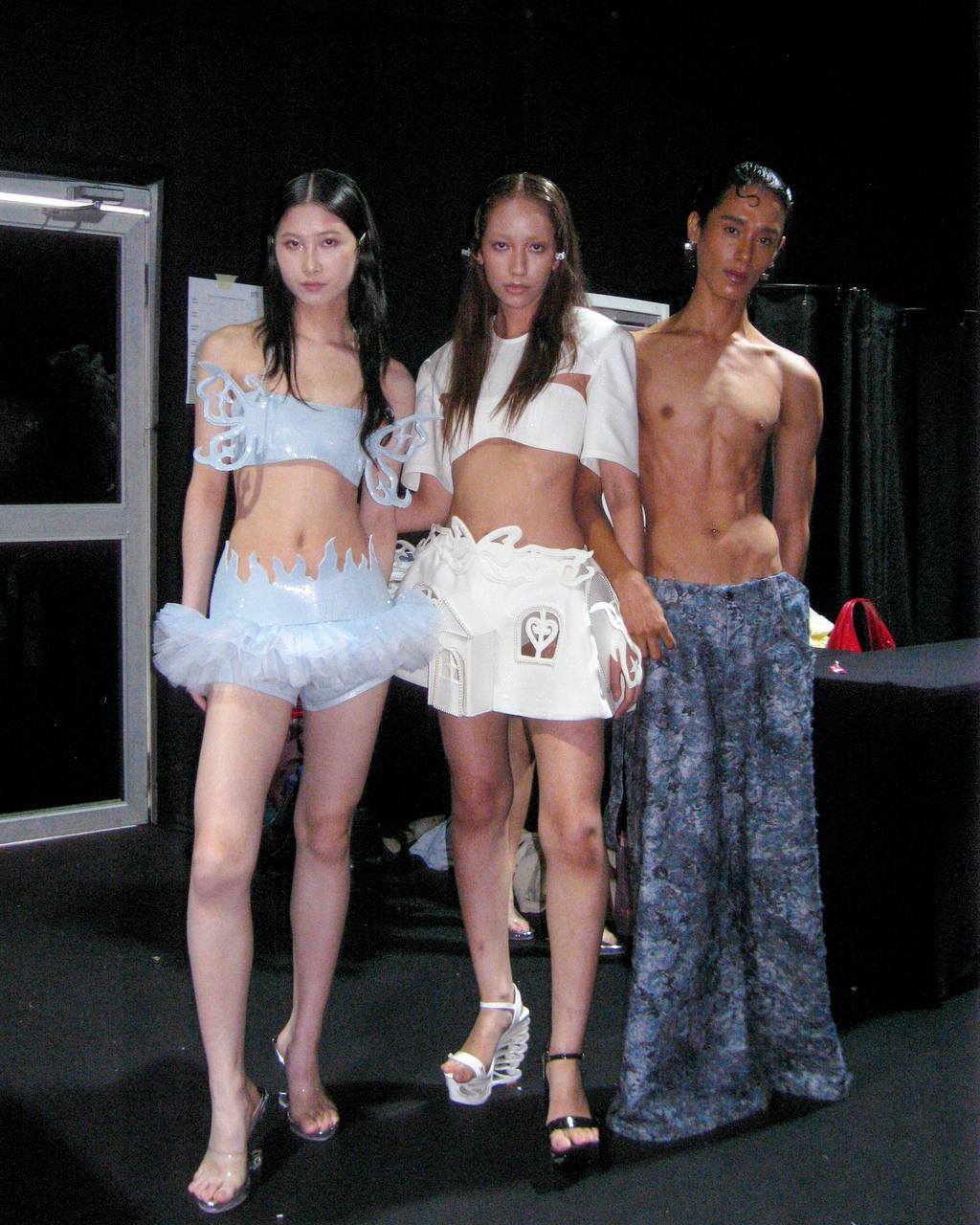


If Millennials chase the glass-skin ideal and the algorithm-perfect feed, Gen Z has reacted by doing the opposite. Their ideals are defined by photo angles being slightly ‘wrong’. Or clothes styled a bit sleazy, or an absurd sense of humour.
So it’s telling that KLFW opened with designers who have reached an unspoken consensus. That there is beauty in the things that are just a bit off.
There was a time when experimental was a backhanded compliment. A pat on the head before dismissing you for missing the mark. But now, the city’s fashion landscape is cohesively incoherent. The binary of tasteful/tasteless has blurred, “-cores” are turning over so quickly we’ve stopped naming them, and we’re tired. Tired of the pristine, perfectly curated ideals that once signalled aspiration. In its place comes a craving for something unvarnished, messy, and defiantly real. Day One’s designers pushed directly against perfection.
Ugly Pretty
Dreamed up a femininity that refuses to take a side — obtuse shapes, twisted silhouettes, and all.
DOUBLEBACK
Distressed the rules they were taught to follow, using deconstructed shapes and cuts that shouldn’t work but somehow do.
Huntilanak
Upcycled pieces of our childhood fears into deliciously displeasing talismans.
The shift suggests that ‘pretty’ fades, but the truly ‘off’ remains timeless. It is a protest against the establishment, able not only to survive within it but to thrive. These designers cut from the deepest fabric and stitch them into something hauntingly beautiful.
The Club Sirens Wear Ghostboy
By Asha Farisha

A siren is a mythological figure who seduces with beauty and presence, embodying the paradox of being both irresistible and dangerous. She is a living emblem of temptation, desire, and the peril hidden within allure. It is this tension that Ghostboy channeled at KLFW 2025, sending models down the runway like modern incarnations of this archetype. For Fall/Winter 2025, the brand envisioned a femme fatale in her most intimate moment: getting ready for the pull of strobe lights and bass-heavy beats. A club siren duirng her pre-game.
‘Rendezvous’
That vision crystallised in Rendezvous, a 21-look collection built around the brand’s interpretation of ideal club and rave wear, interspersed with loungewear. The pieces leaned into the core currency of the Ghostboy girl: seduction. Designers Han David and Cyii Cheng set out to answer a simple question, what does seduction look like in Ghostboy’s visual language?
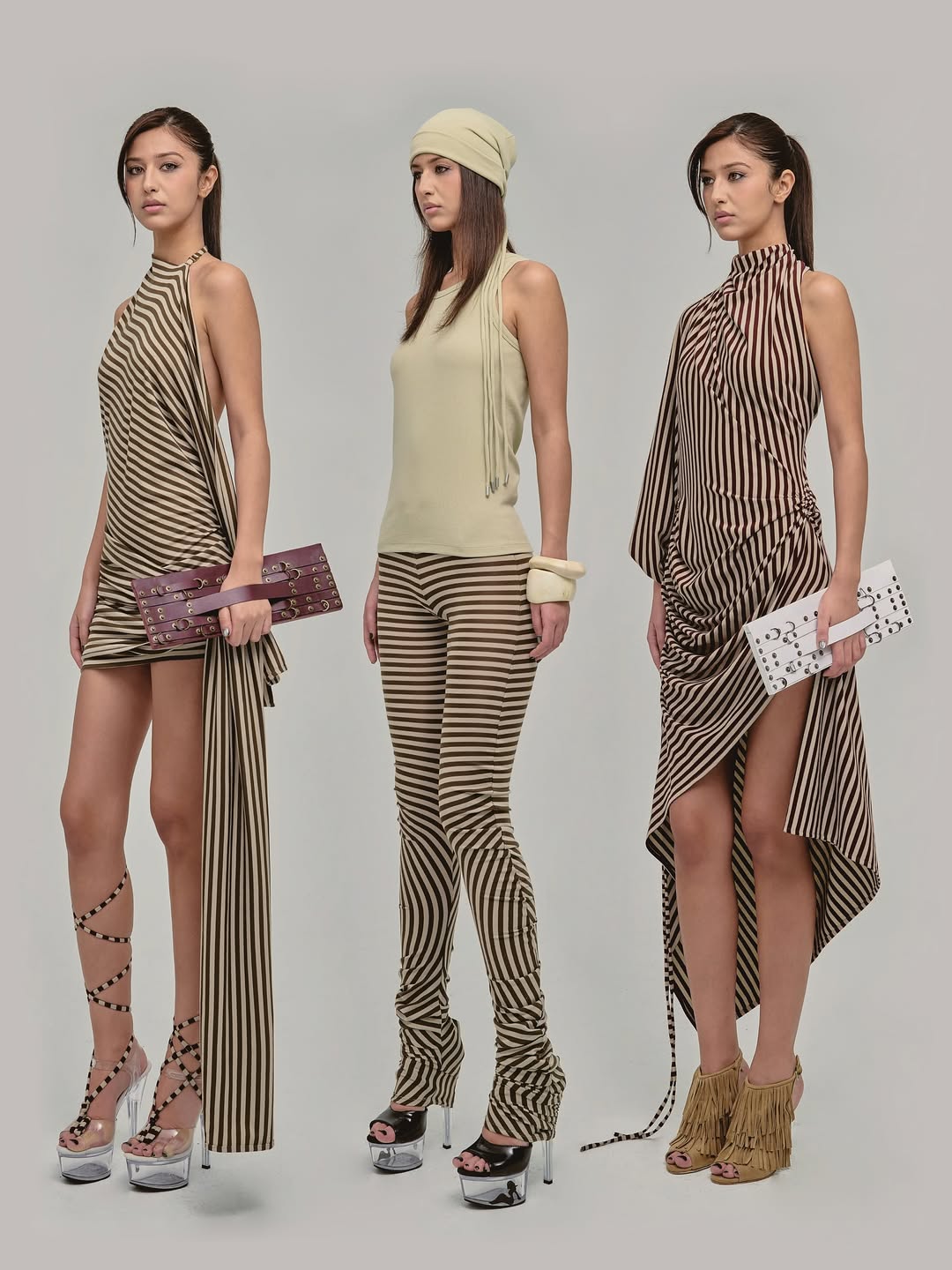
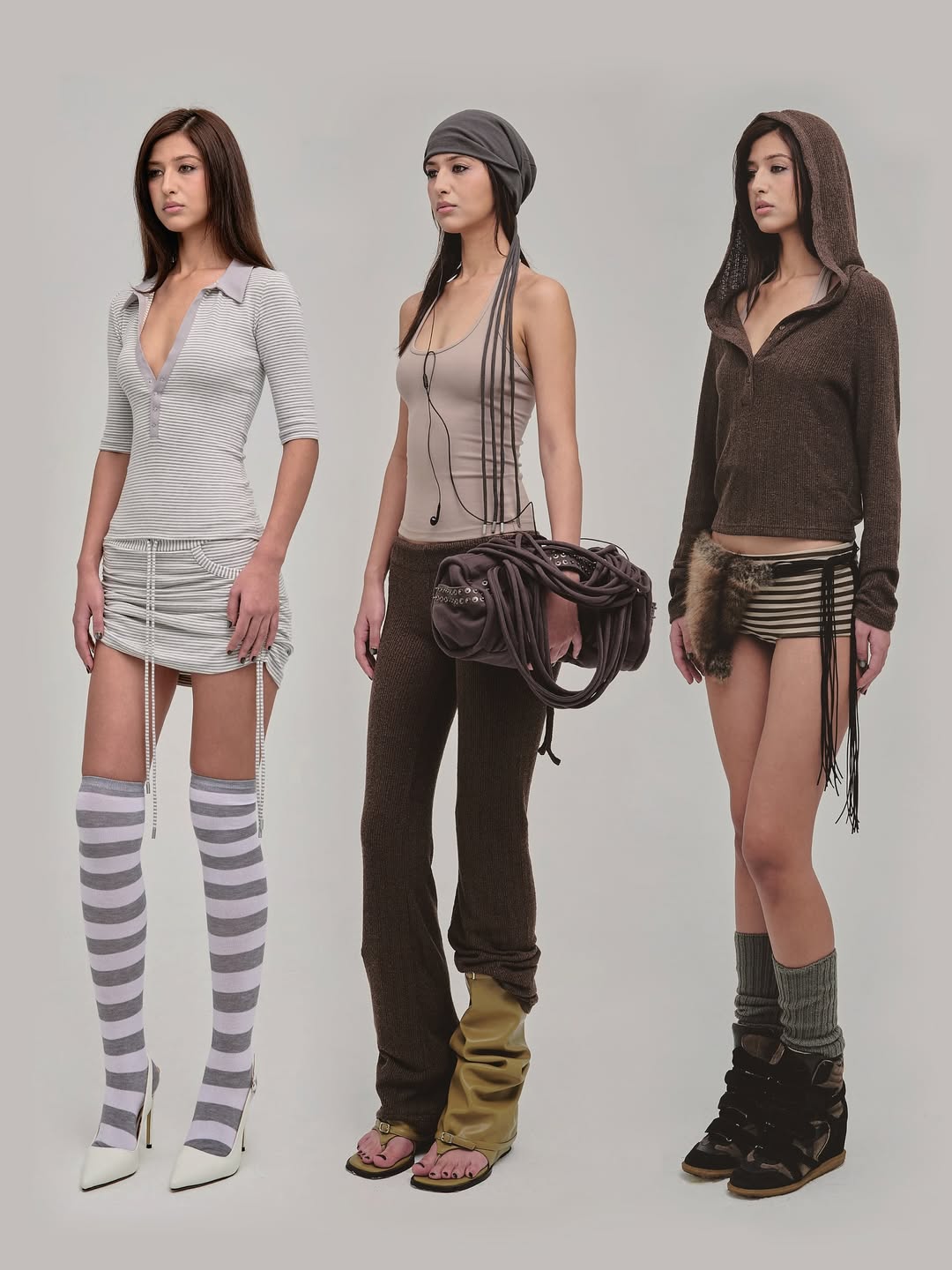
Here, seduction happens when less is more. Airy hoodies slouched just right, fur sleeves thrown over sleeveless tanks, halter dresses that drape and slouch in ways that feel accidental yet precise. They’re cut from cottons usually reserved for casualwear, now reimagined as club attire. This is the Ghostboy girl’s signature. She’s not trying too hard; she’s just chill like that, and her cool comes from a natural nonchalance that makes her both carefree and magnetic.
That effortless magnetism feeds into Ghostboy’s position as one of the most ‘now’ brands at KLFW, a sentiment echoed by many. Their styling taps directly into Gen Z’s fascination with indie sleaze — studs on skirts and accessories, fringed and furred silhouettes with traces of boho influence — aligning with a wider global conversation on boho’s luxury revival, championed by houses like Chloé, Isabel Marant, and Etro.
From KL to the World
In Malaysia, many brands have been one-hit wonders, struggling to balance creativity with commercial success. Too often, the pursuit of sales dilutes creative integrity, or pure creativity alienates potential buyers. Ghostboy, however, has managed to navigate both worlds. Each drop reinforces their cultural relevance while expanding their reach to stockists in the United States, Australia, and Vietnam. This builds a following that is, in some ways, stronger internationally than it is locally.
All of this circles back to a brand identity that has only sharpened over time. Ghostboy dresses the girls you notice without meaning to, the ones who command attention in any club or party room simply by being there. As long as these women exist, and they always will, and as long as Ghostboy continues to refine its vision with consistency, it will remain its place in the market as the go-to uniform for the femme fatales of the night.
Kit Woo’s Fall/Winter 2025 Finds Truth in Contradiction
By Aqeil Aydin

The earth is flat, the cake is a lie, the moon landing was faked. Under several falsehoods lies an understanding: a need to find truth within every distortion. For FW25, Kit Woo takes this instinct and shapes it into Earth Is Flat, a collection that toys with contradiction.
Layer upon layer, garments are built into exaggerated silhouettes that feel simultaneously precise and chaotic. Kit Woo’s classic style codes — sharp tailoring offset by unexpected proportions — return here, yet the designer chooses to muddy their clarity with intentional messiness. Uneven, asymmetrical shapes; seams that appear almost accidental; pockets placed where they shouldn’t be, as if the garments were collapsing and rebuilding themselves mid-stride. Monochrome dominates, but it’s a restless kind of black-and-white, occasionally pierced by a flash of blue, a fleeting reminder that truth is rarely absolute.
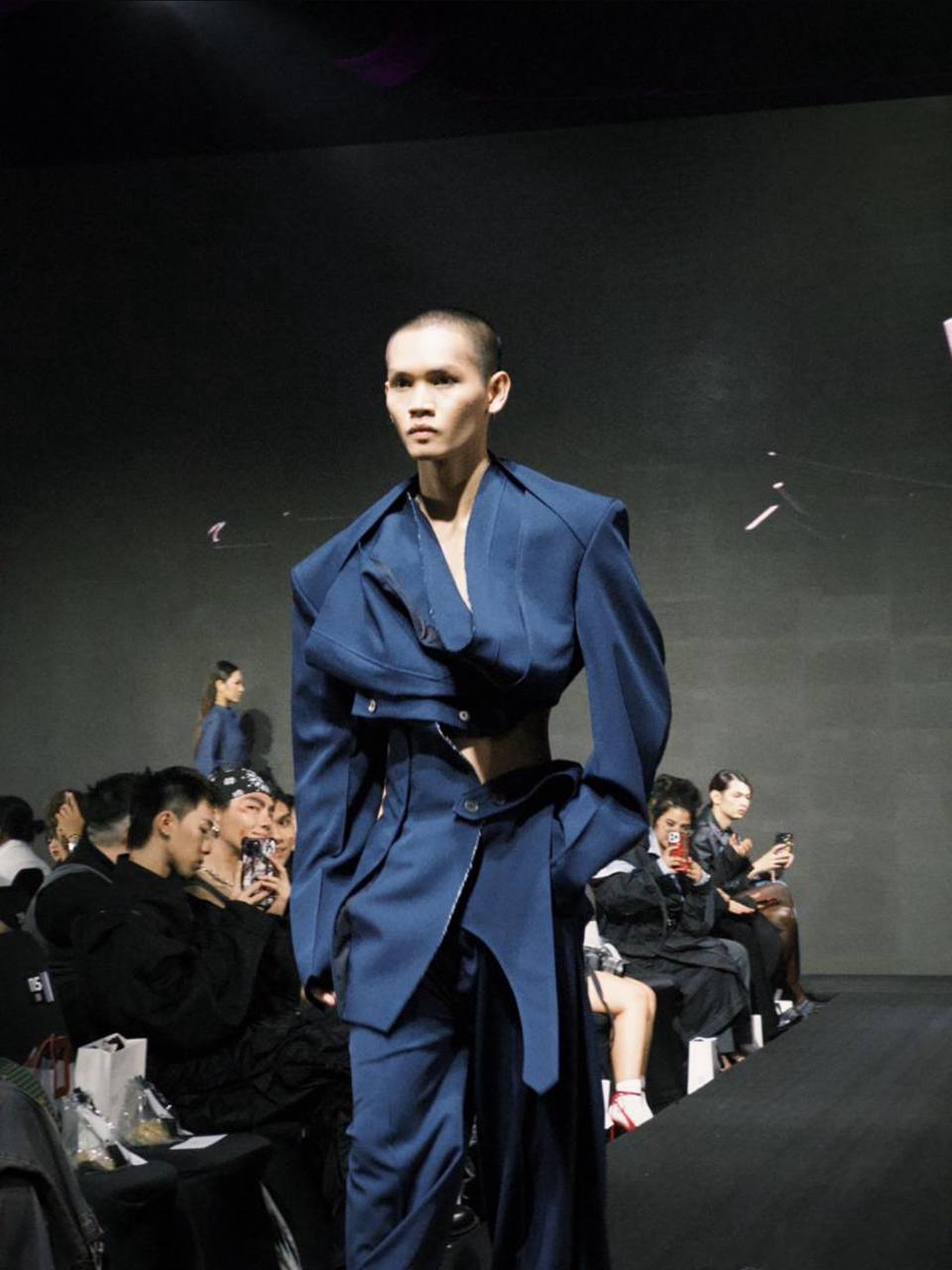
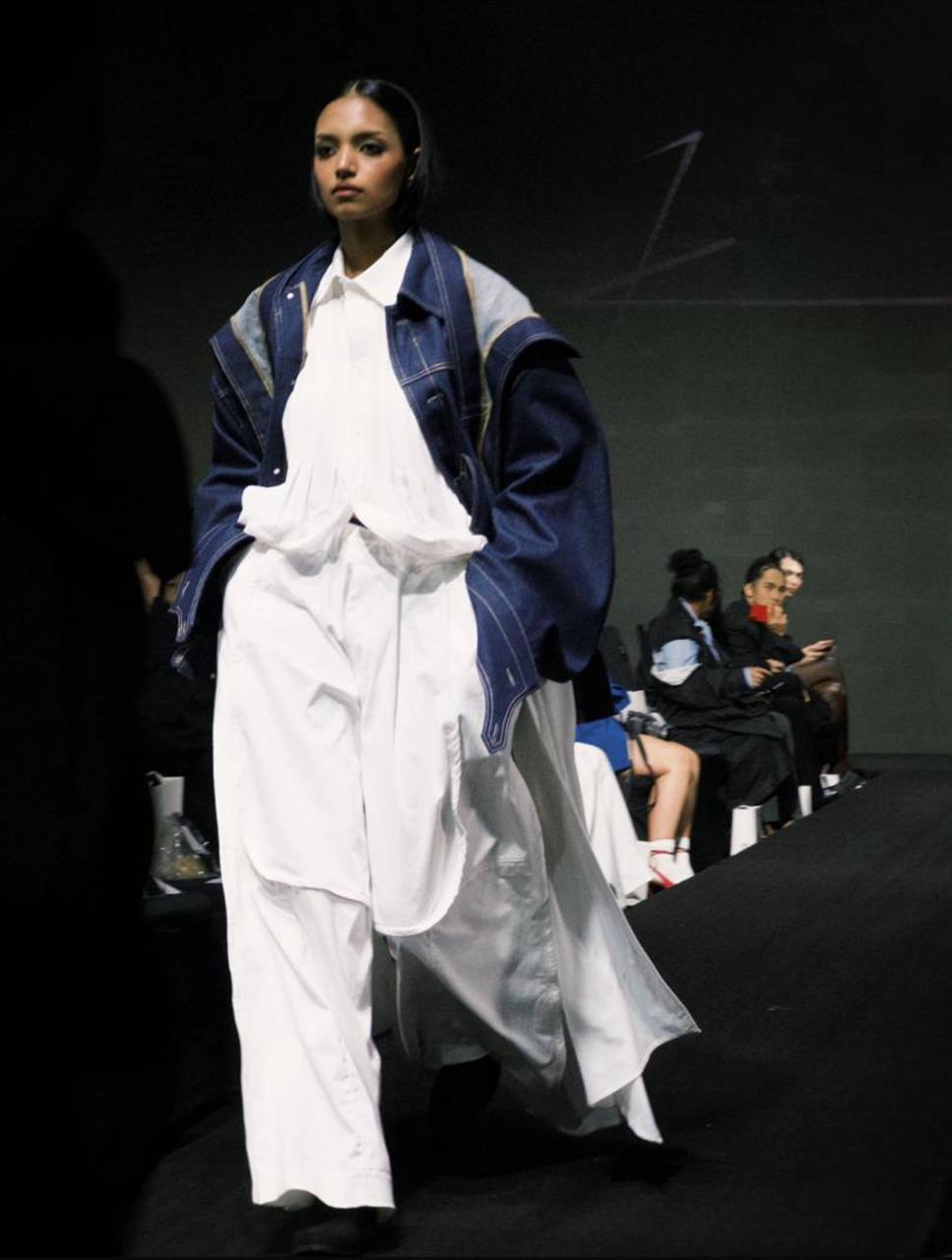
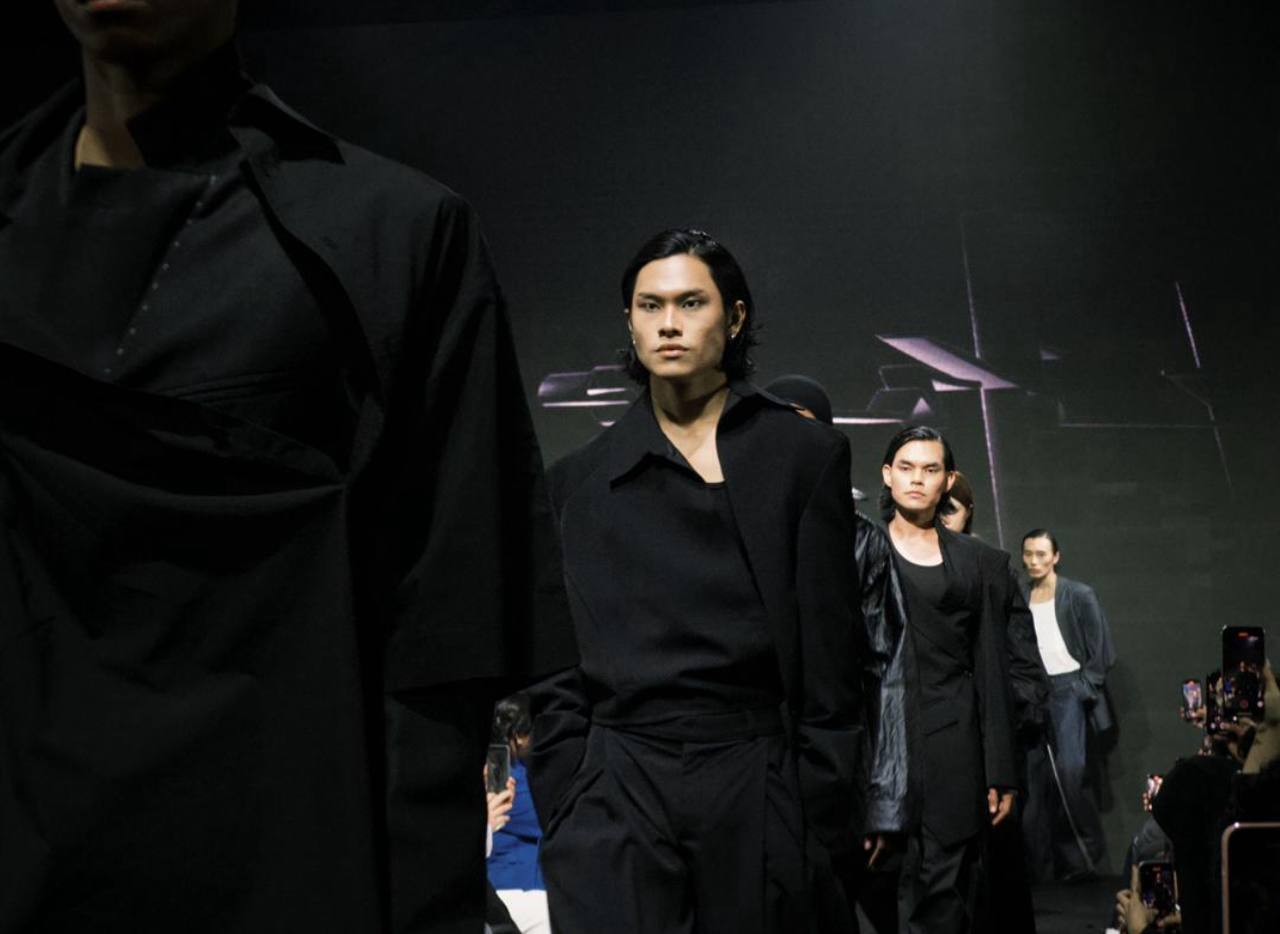
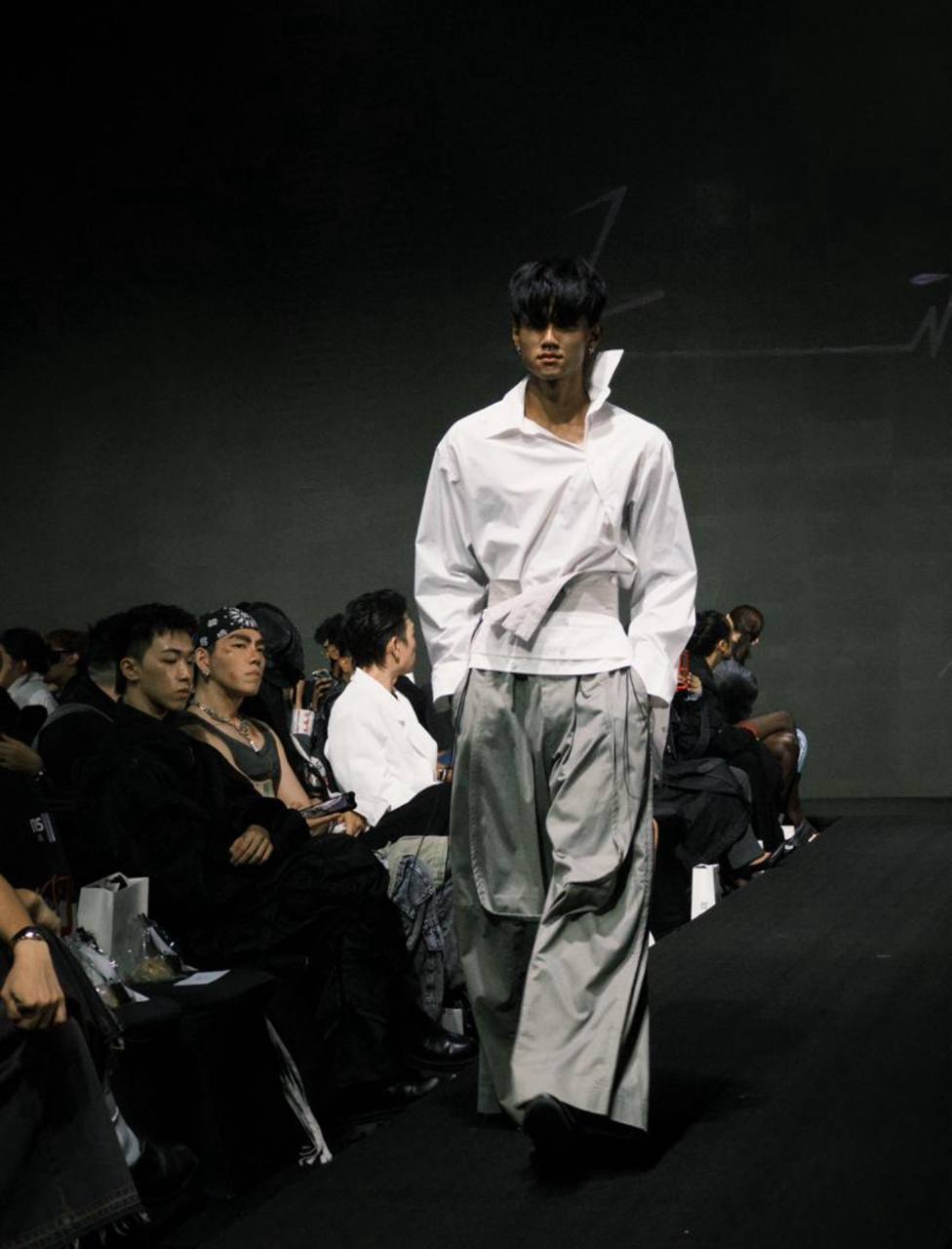
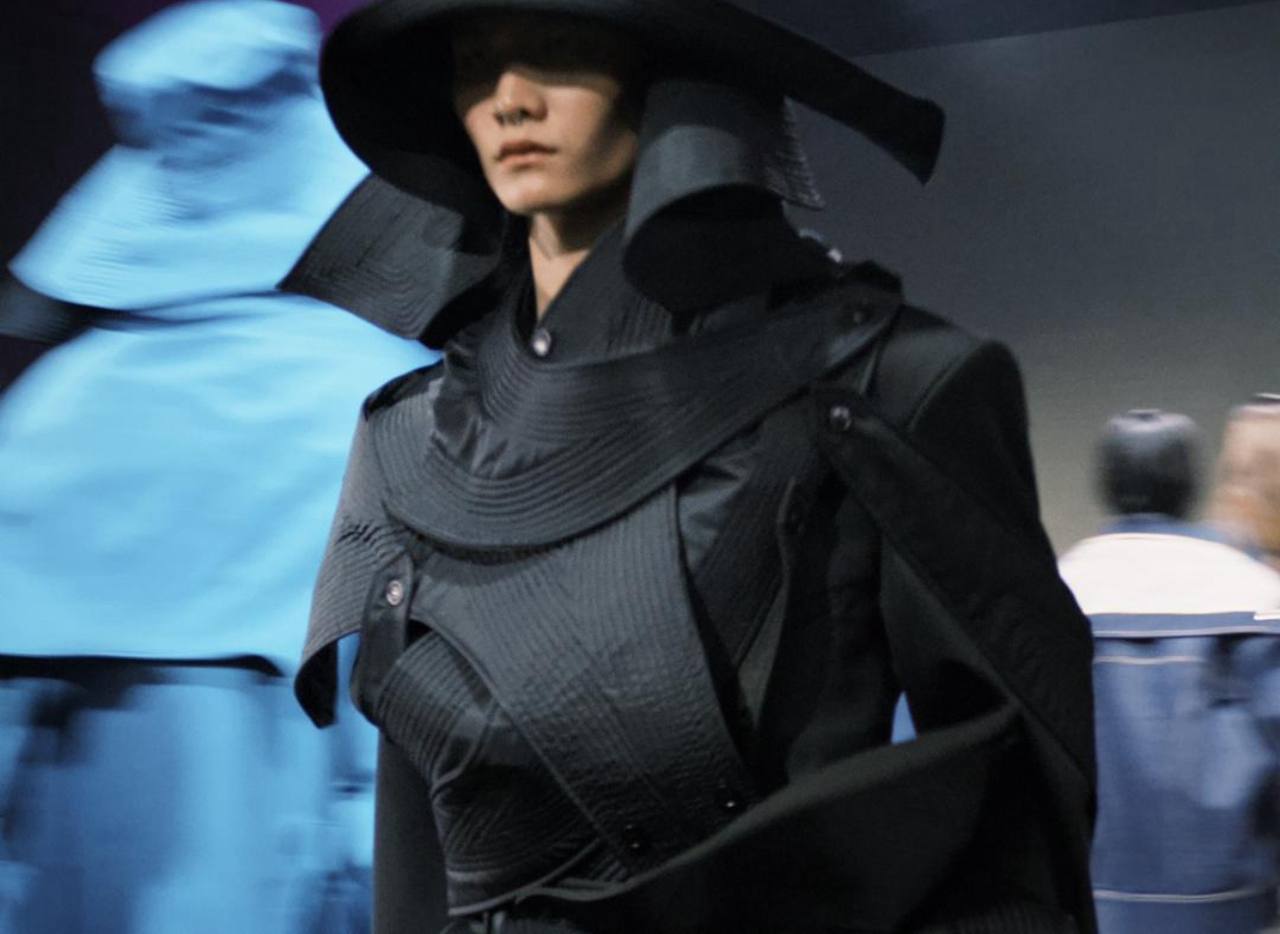
The collection urges us to slow down — not only to consume, but to observe, question, and reconsider. Is it all functional, or purely aesthetic? Can structure still be structure if the designer builds it to fail? Woo layers garments less for warmth or coverage, and more to expose the friction between what appears and what hides beneath.
Much like the myths we cling to, the garments hold their contradictions close. They are both armour and undoing, concealment and confession. And perhaps that’s where this collection leaves its quiet provocation, not in providing an answer, but in asking if the truth was ever meant to be found at all.
MSYD’s Legend Dystopia Frees Tradition From Its Boundaries
By Asha Farisha

Masyadi Mansoor, long known for fusing extravagance, avant-garde sculpture, and the swagger of streetwear, reveals another facet this season: a designer as deeply fluent in culture as he is in experimentation.
His Fall/Winter 2025 collection, Legend Dystopia, reaches into the shadowed corridors of Malay folklore and ghost stories, translating them into a modern, wearable mythology. Where many designers hesitate when modernising traditional dress, wary of losing its essence, Masyadi embraces the challenge, making us wonder if such ambition can truly hold its weight.
That answer begins as the runway opens with a tanjak crafted from plush faux fur instead of woven songket. This choice sets the tone for a collection where Behati rebuilds heritage silhouettes with unexpected materials: wrinkled sampin plaids tailored into zip-up jackets, shiny faux leather sculpted into a baju melayu. Pieces once tied to ceremony now step into the present as contemporary streetwear, equally at home on the runway and in the city.
The Pontianak’s Influence on the Runway
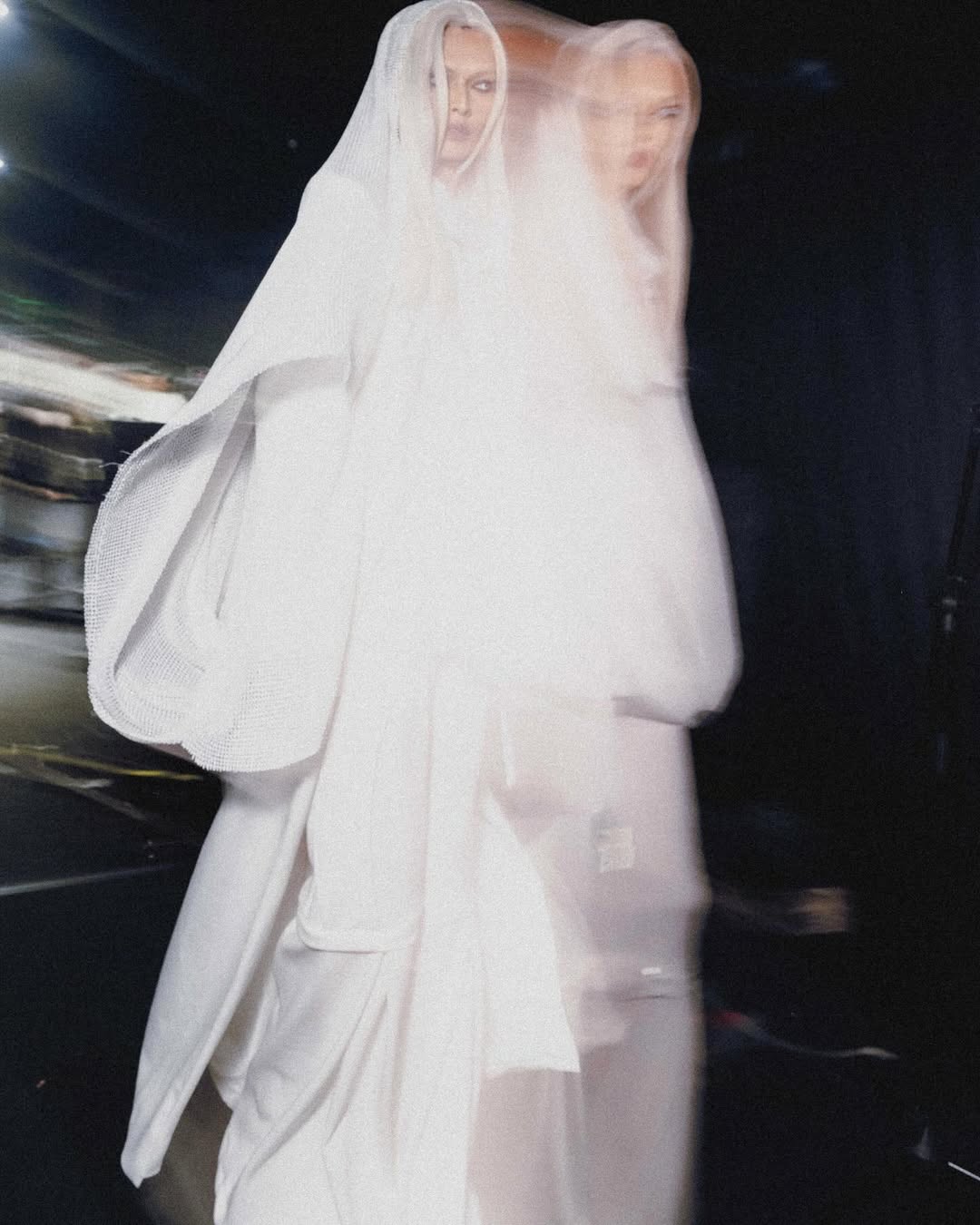

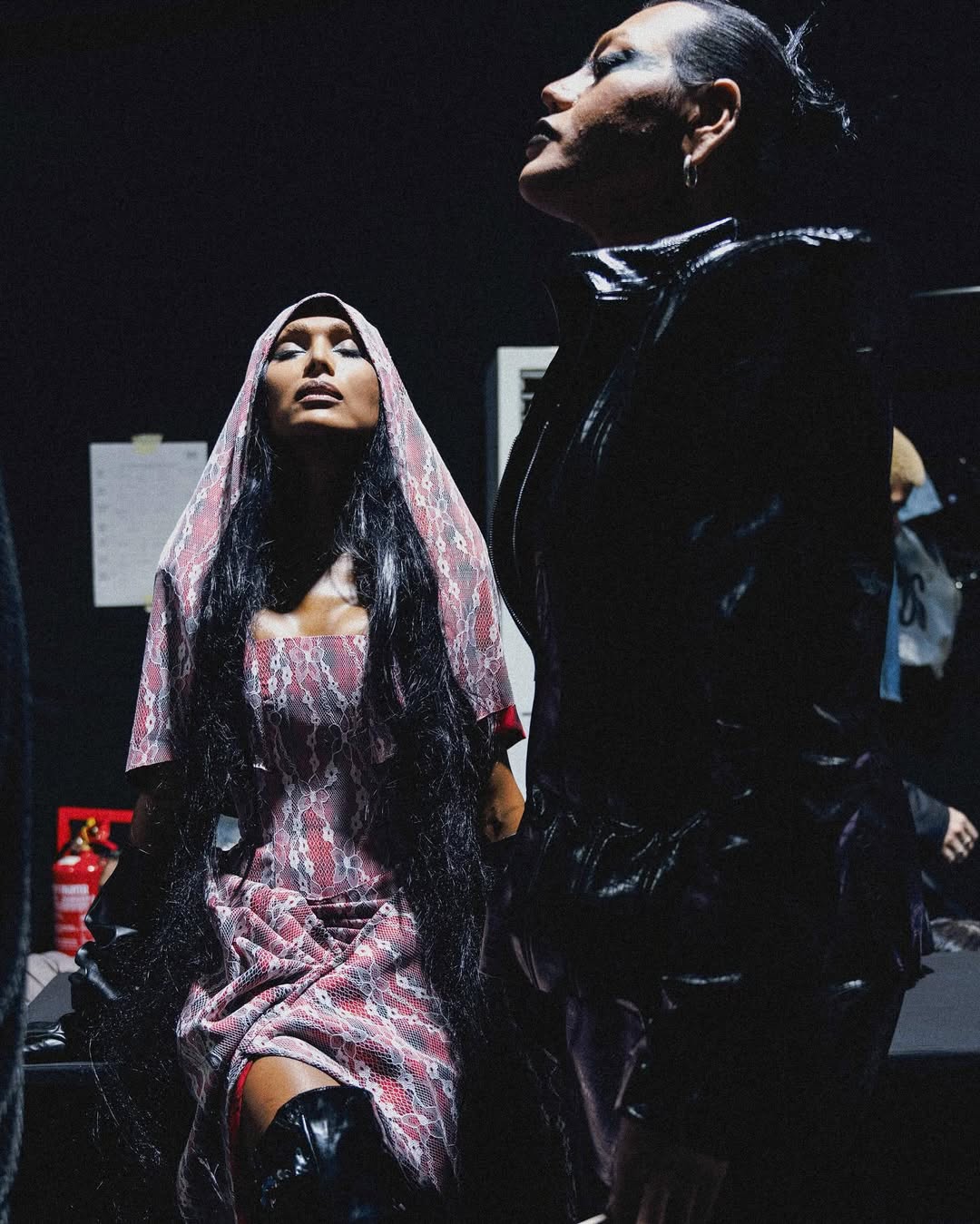
From there, the collection slips almost imperceptibly into the supernatural. The pontianak — the long-haired spirit who drifts through Malay legend — becomes the central spectre. Hair becomes fabric, a top crafted entirely from black strands. Models shrouded in floor-length locks. His signature puffer jackets, a recurring motif in his work, sat over lace dress fabrics.
Tradition, Alive and Unbound
This is not nostalgia. Masyadi frames tradition as something alive — evolving, restless, and open to transformation. The kain pelikat, baju Melayu, and tanjak break free from their fixed ensembles, reappearing in new shapes that still echo their roots. With every look, he shows us that tradition can always be renewed. With Legend Dystopia, Masyadi offers a glimpse of what traditional wear might become when it escapes its prescribed boundaries yet remains anchored in the soil that first gave it life.
United in Uniform: Behati
By Zene Yong

There’s not a singular set of characteristics to what being Malaysian looks like. When people ask what it’s like growing up in Malaysia, we often find ourselves reiterating that it’s multicultural first and foremost, and every story comes after. Behati’s ‘Merdeka’ show closes this year’s KLFW with exactly that: the faces of being Malaysian.
A Collective Identity
With the description of a melting pot, there might be an idea that each culture becomes briefly overlooked. That each group has a diluted sense of self, readjusted to fit the values and ideals of a dominant community. But our connection to the Malaysian identity grows as a collective, and Behati is at the forefront. Traditional jacquards and contrasting shades that somehow intertwine, are moulded into exaggerated shoulders and gowns unafraid of taking up space. Its modernised twists on Malaysian traditional attire refuses to put its wearer in a box, and rejects the idea that we have to level ourselves with the rest of the world.
That for as long as we exist, the stories before us will live on.
Rethinking the School Uniform

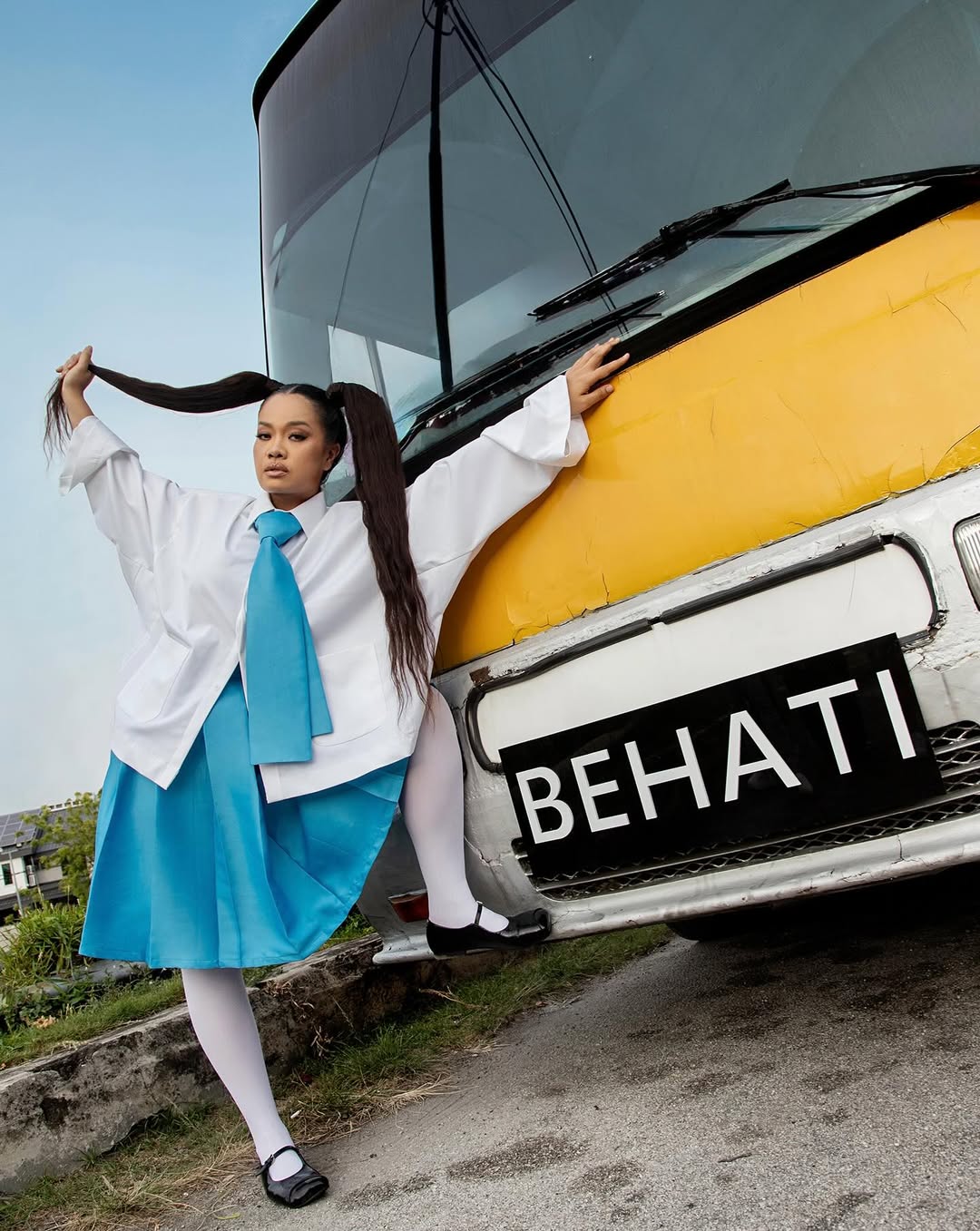

There is a preconceived notion that uniforms take away the individual’s freedom of expression. Yet, school uniforms seemed to have brought us together. Behati reimagines the classic pinafores and white button-ups, with elements of the avant-garde — from big blocky ties shapeshifting into tote bags, to structured shirts melting into soft drapes — with bits of the collective “us” seeping through. No hierarchies, no restrictions, certainly no idea of separation. Behati argues against exactly that.
The Merdeka collection subtly challenges the idea that uniformity stifles individuality. Instead, Behati proposes that in shared spaces — in the middle ground between sameness and difference — we uncover who we truly are. And for as long as we remain united, that in-between will always exist.
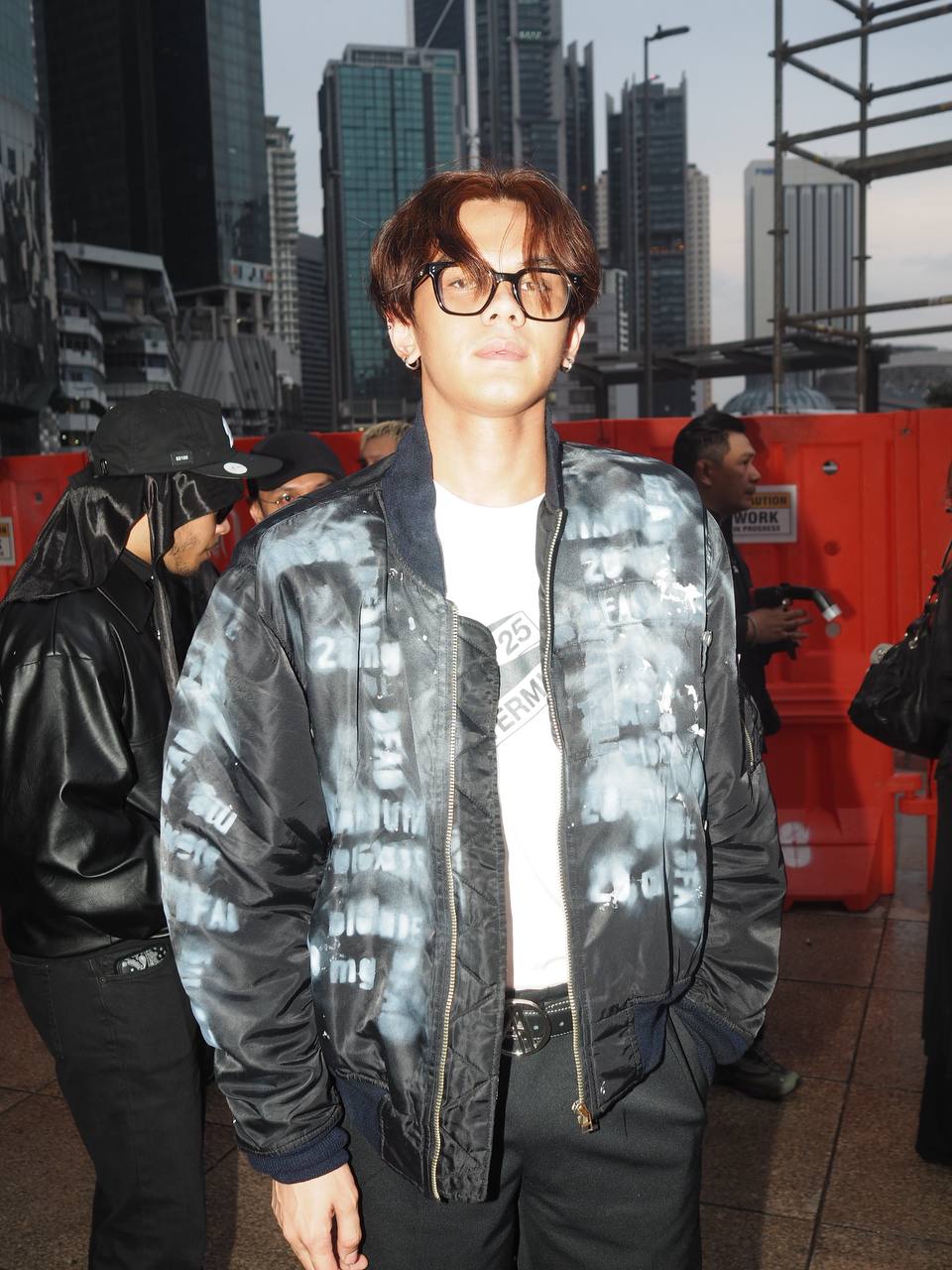
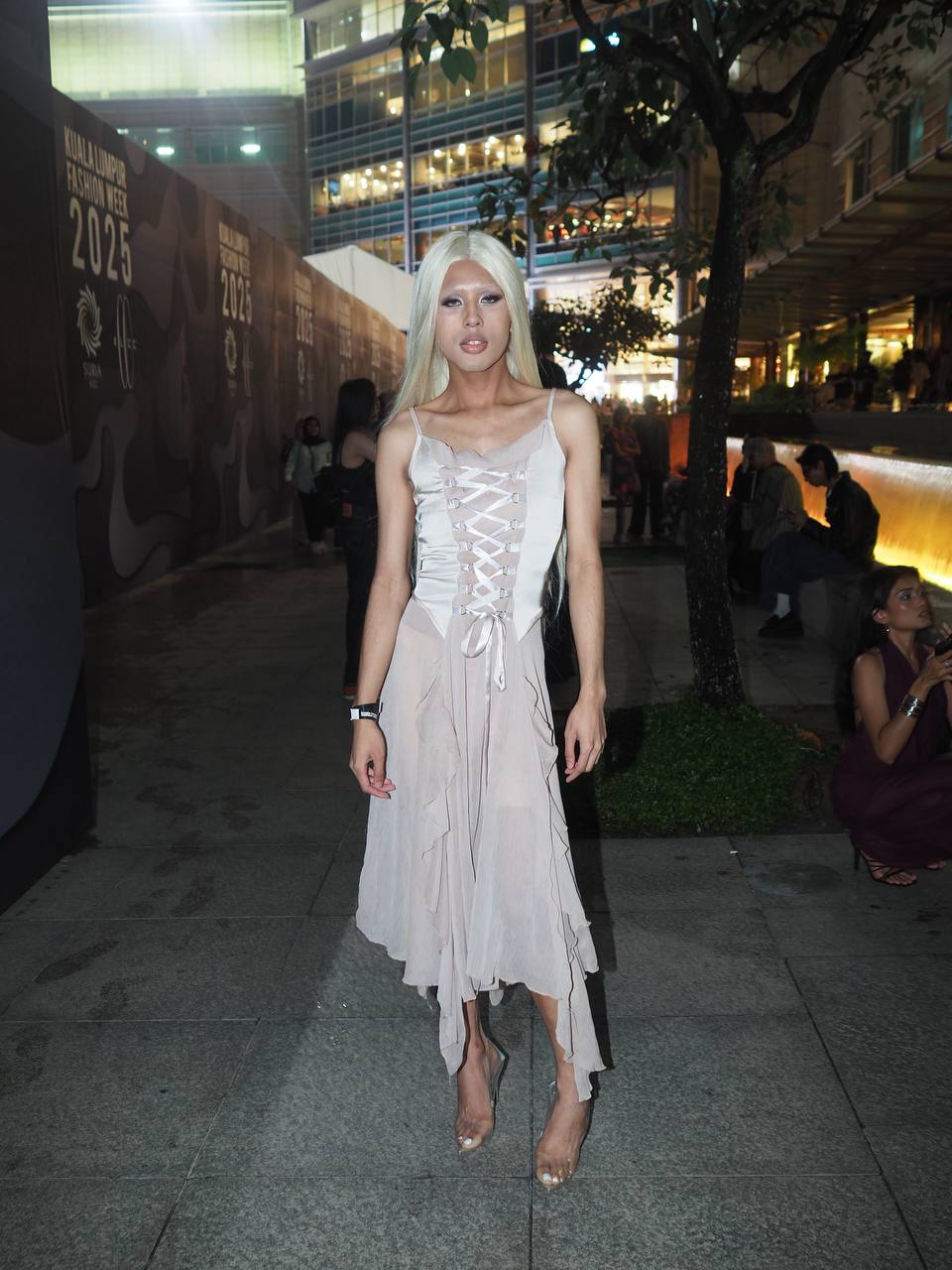
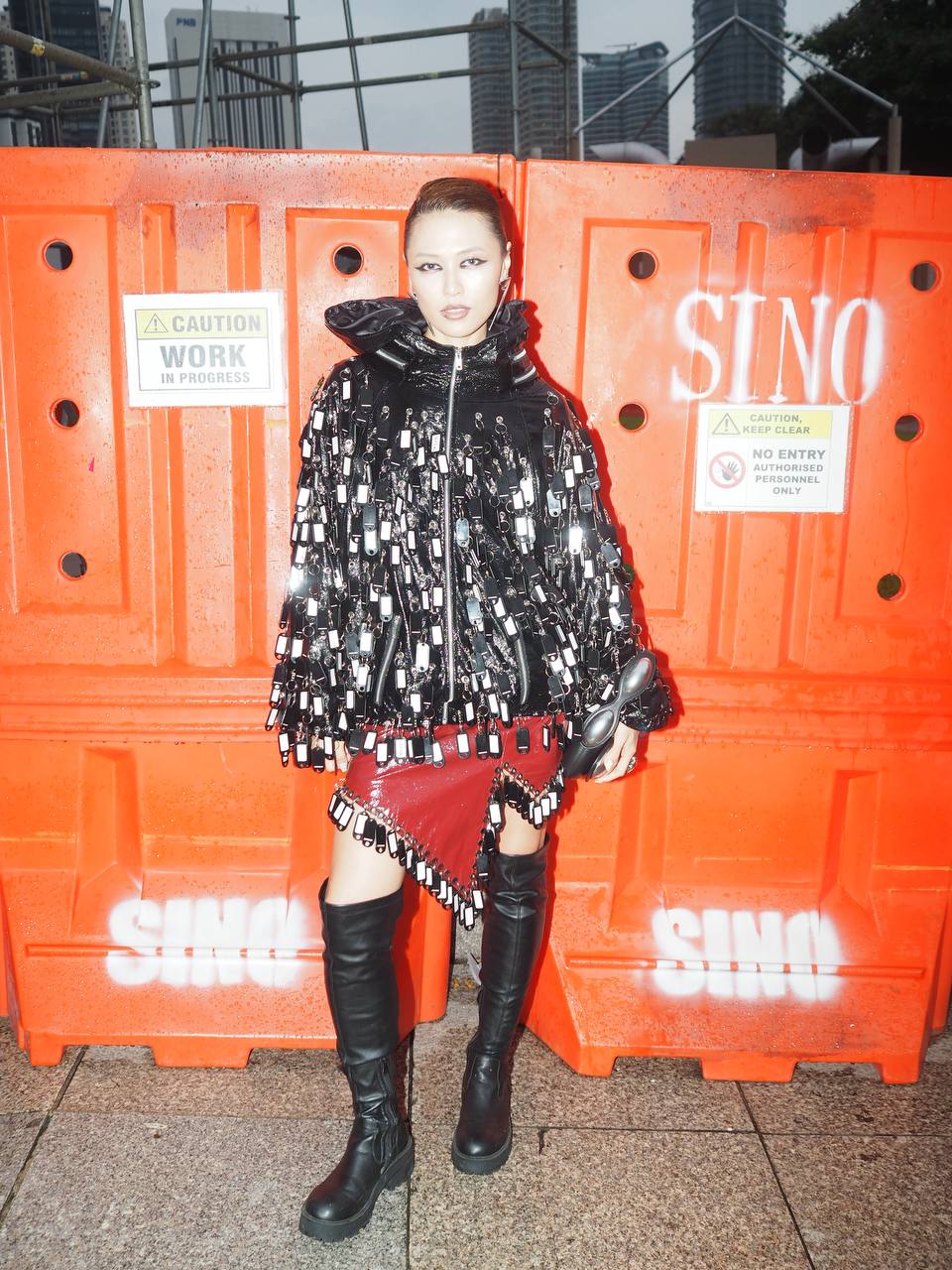
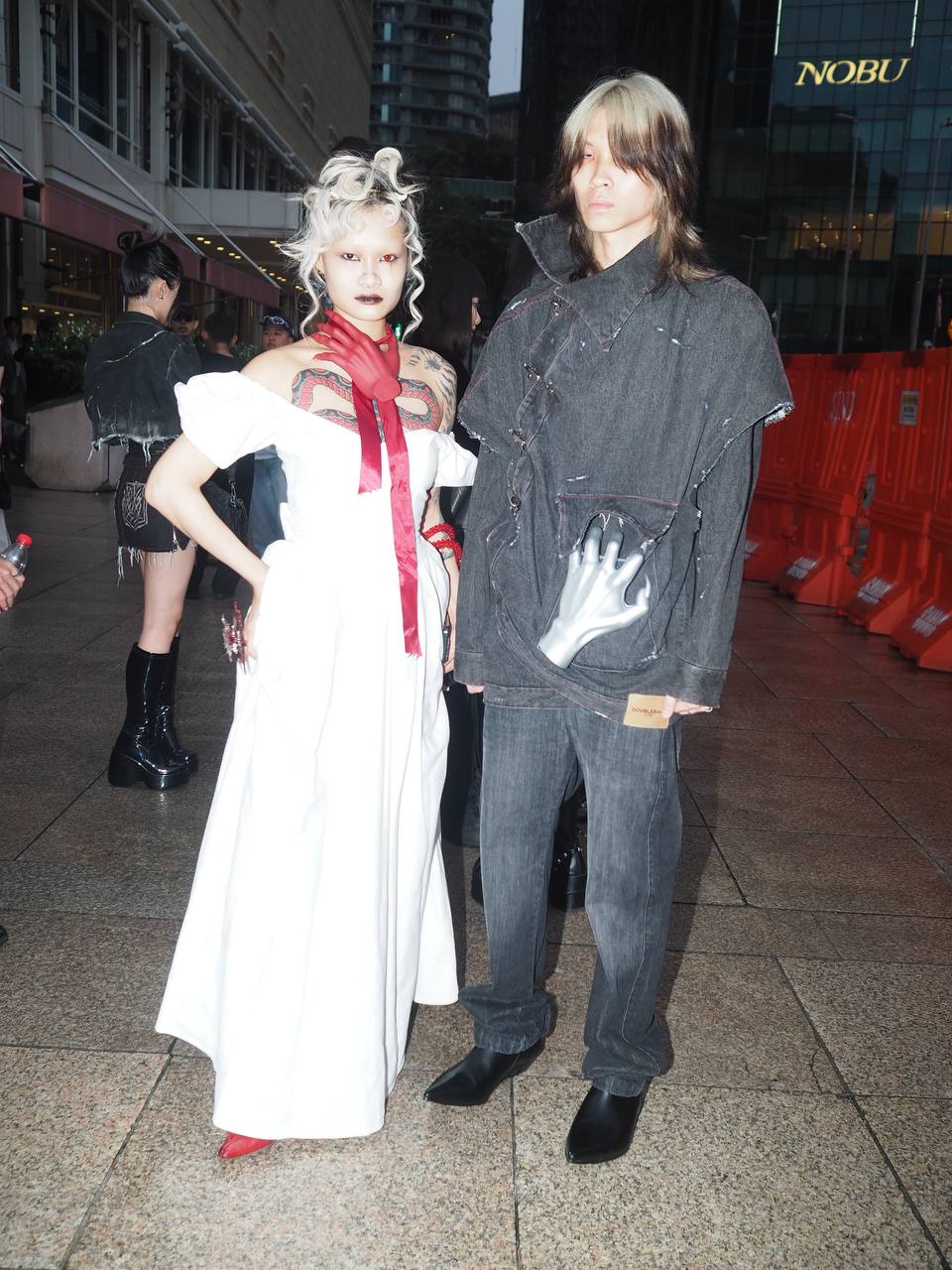
Street Style Looks from KLFW 2025
Outside the venue is where the real show takes place. This year at KLCC Park, Men’s Folio Malaysia captured the rawest looks as guests made their entrance.
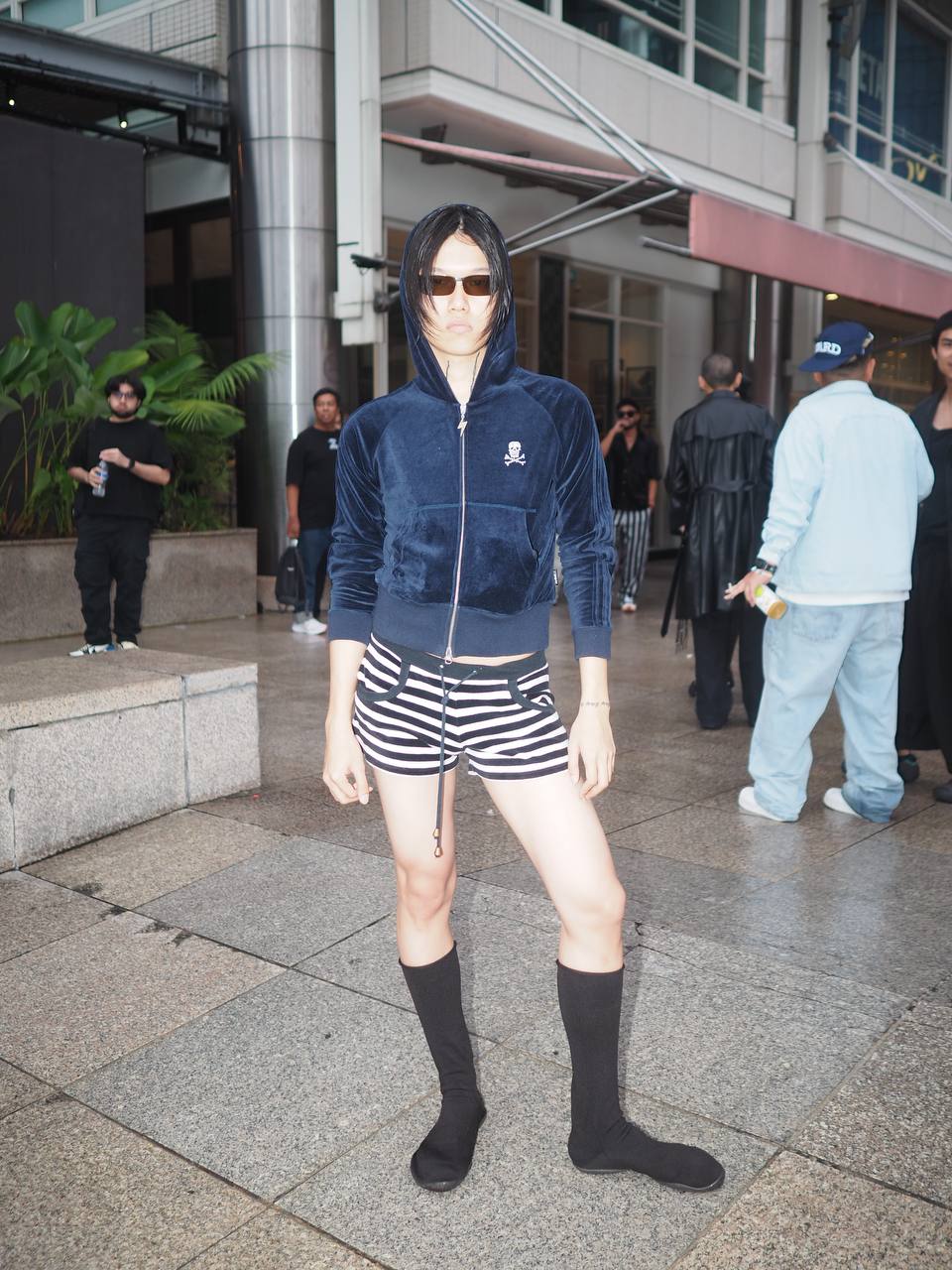
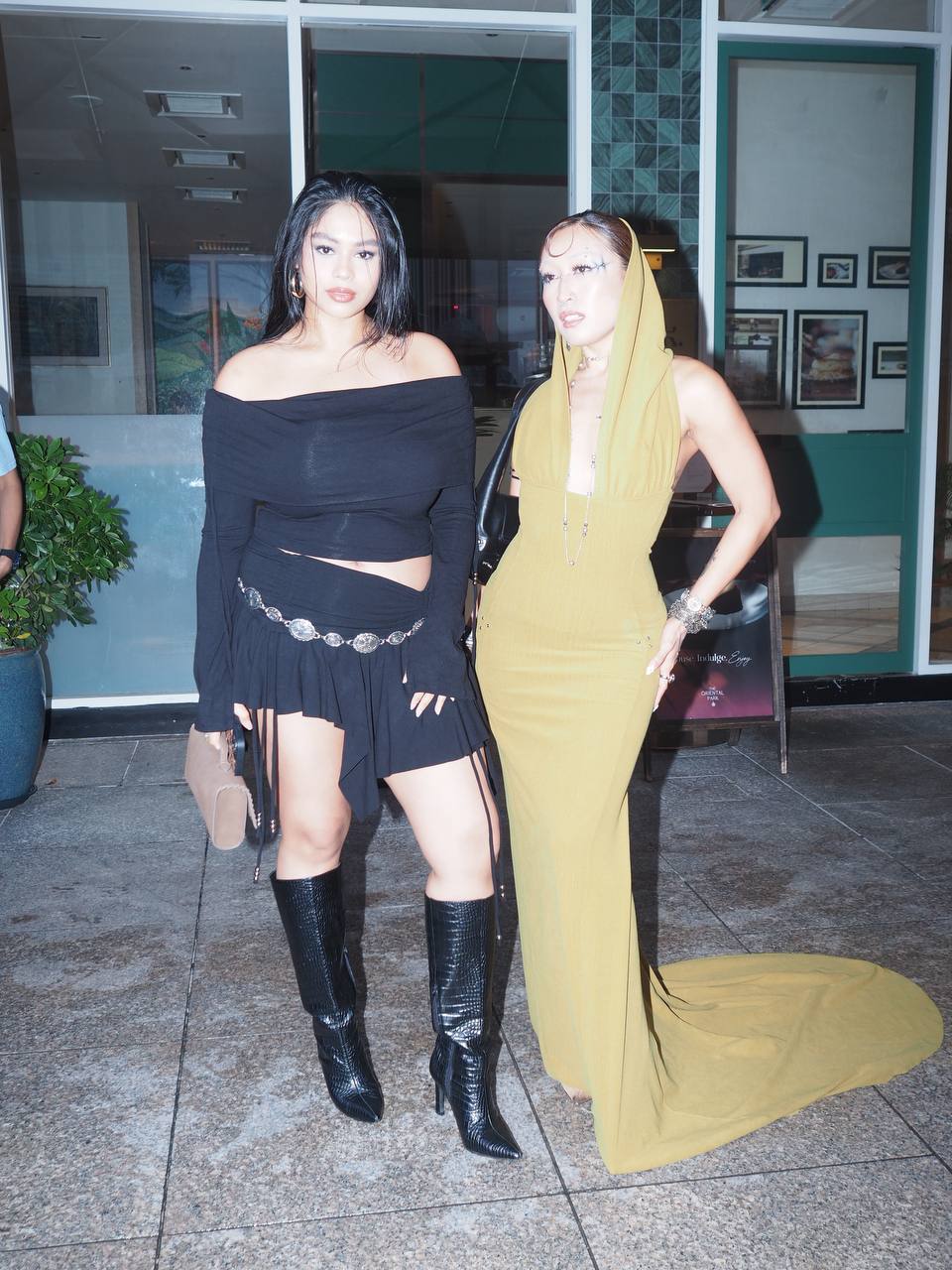
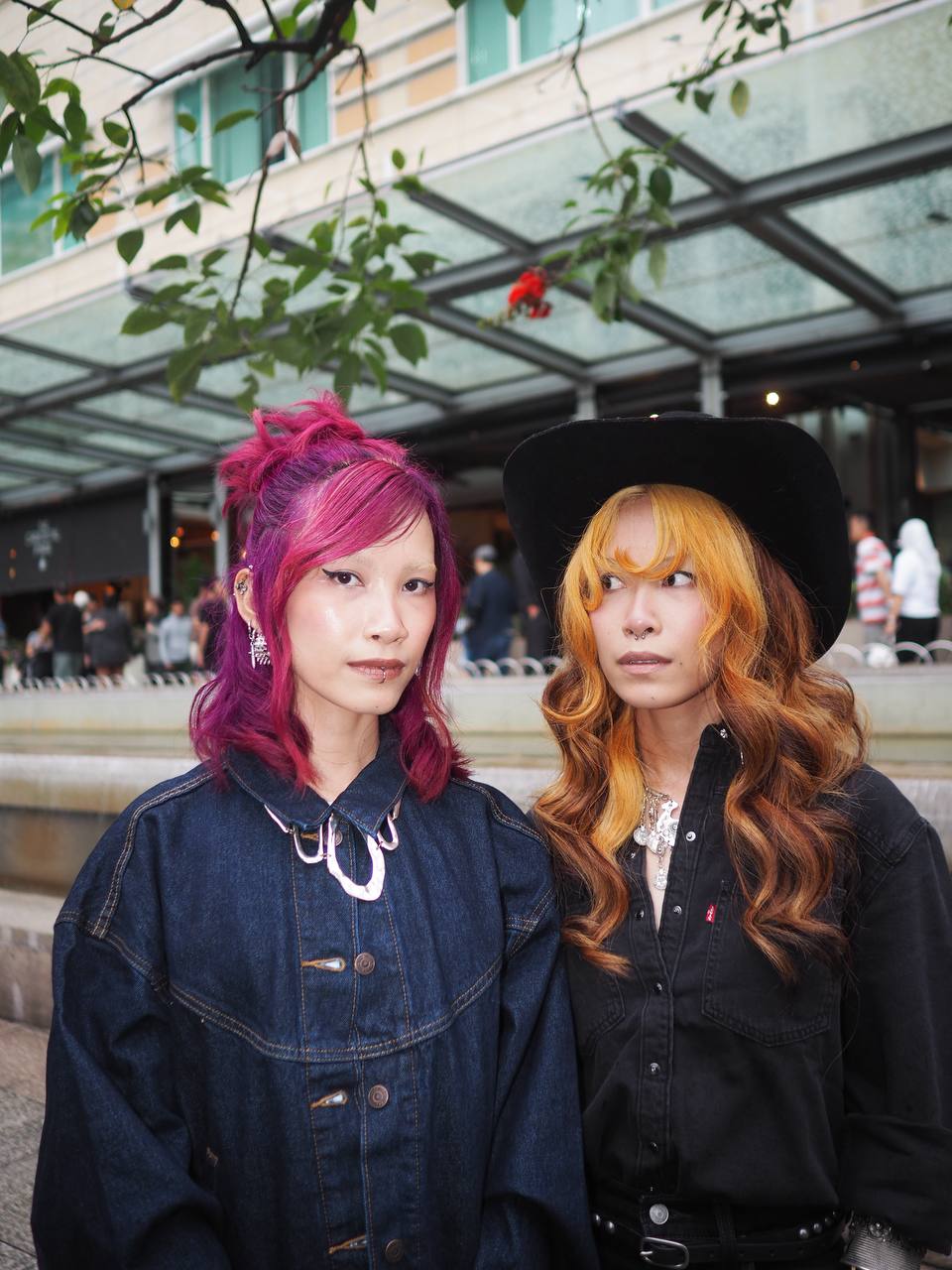
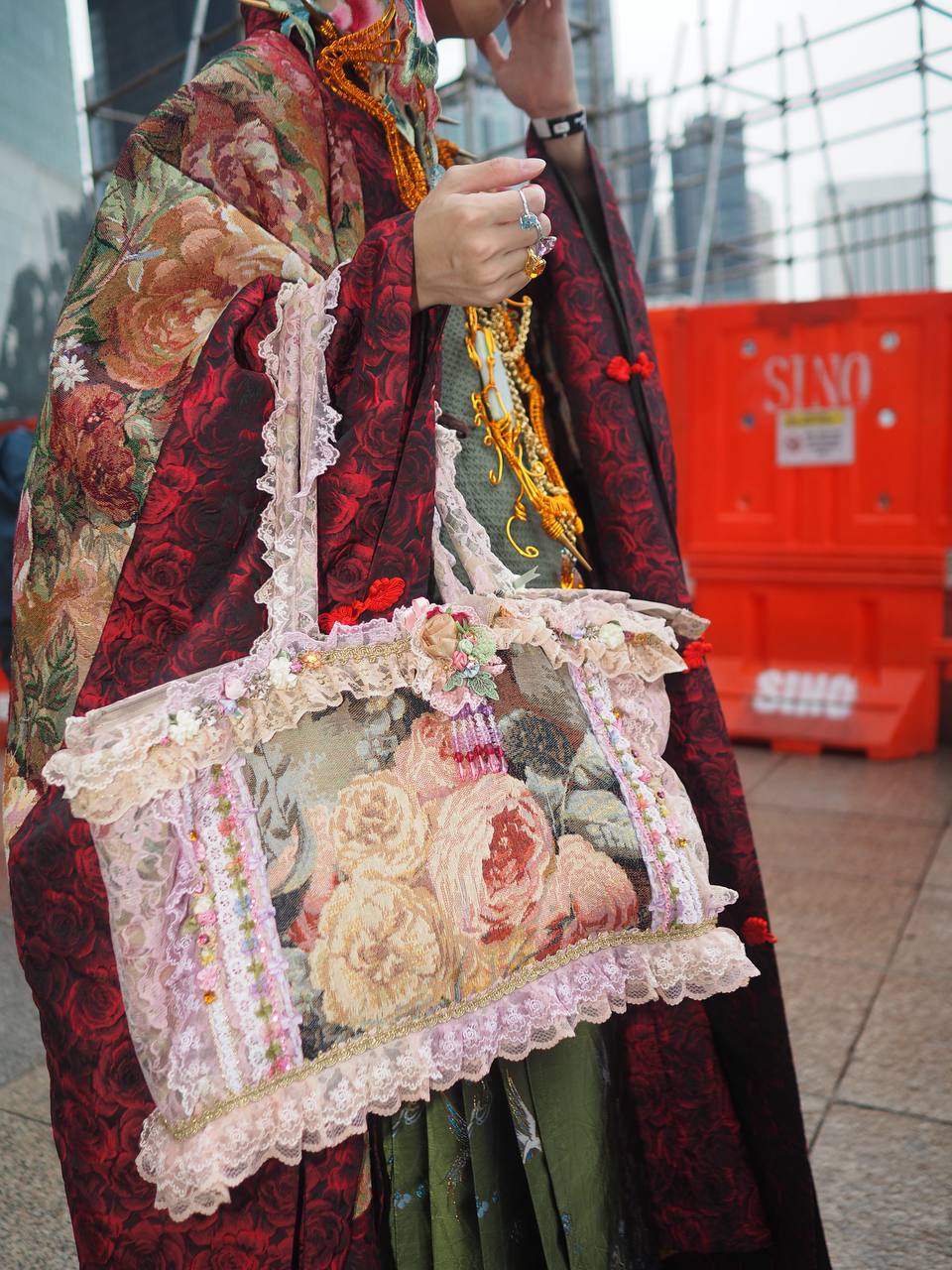
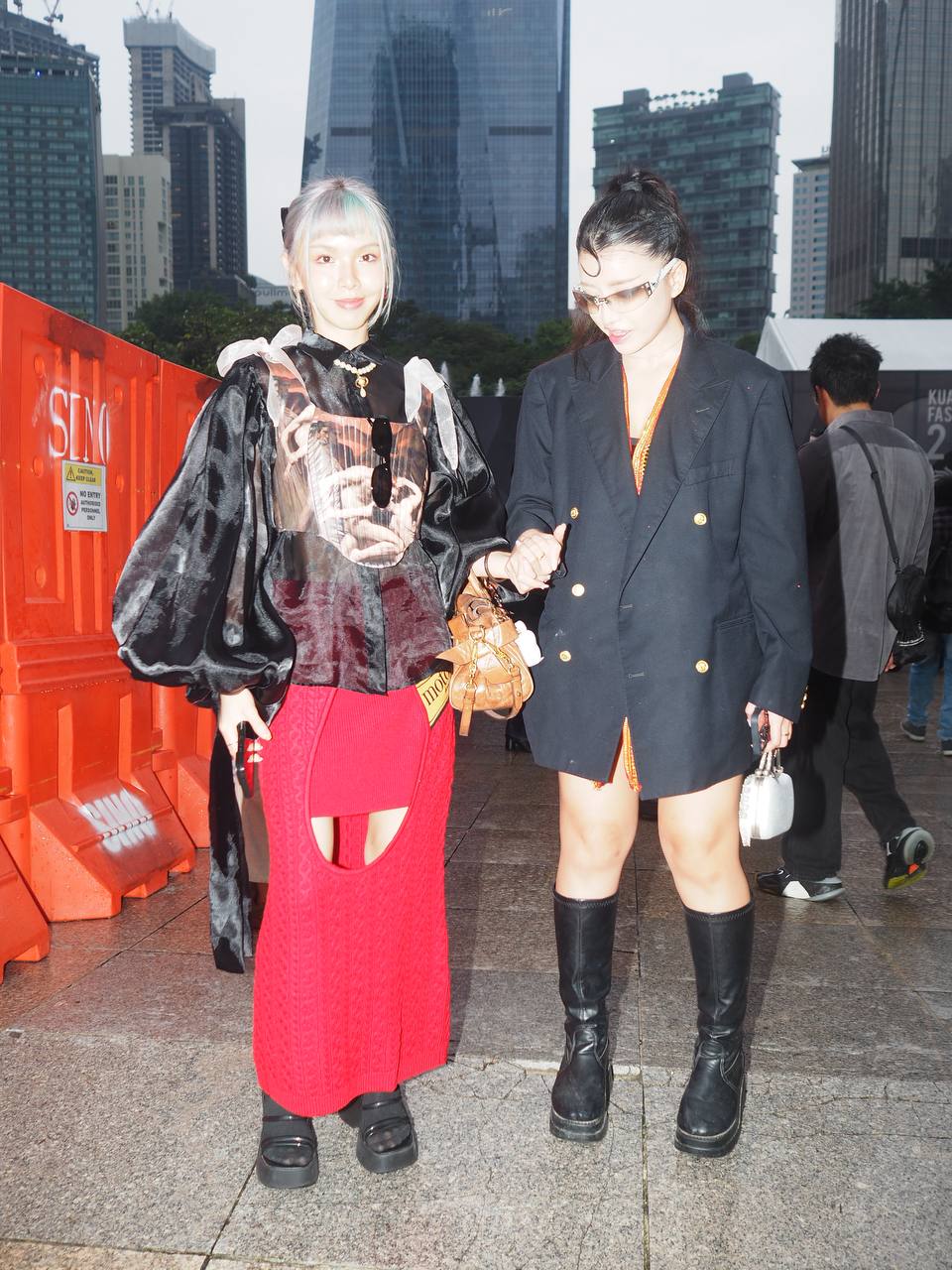
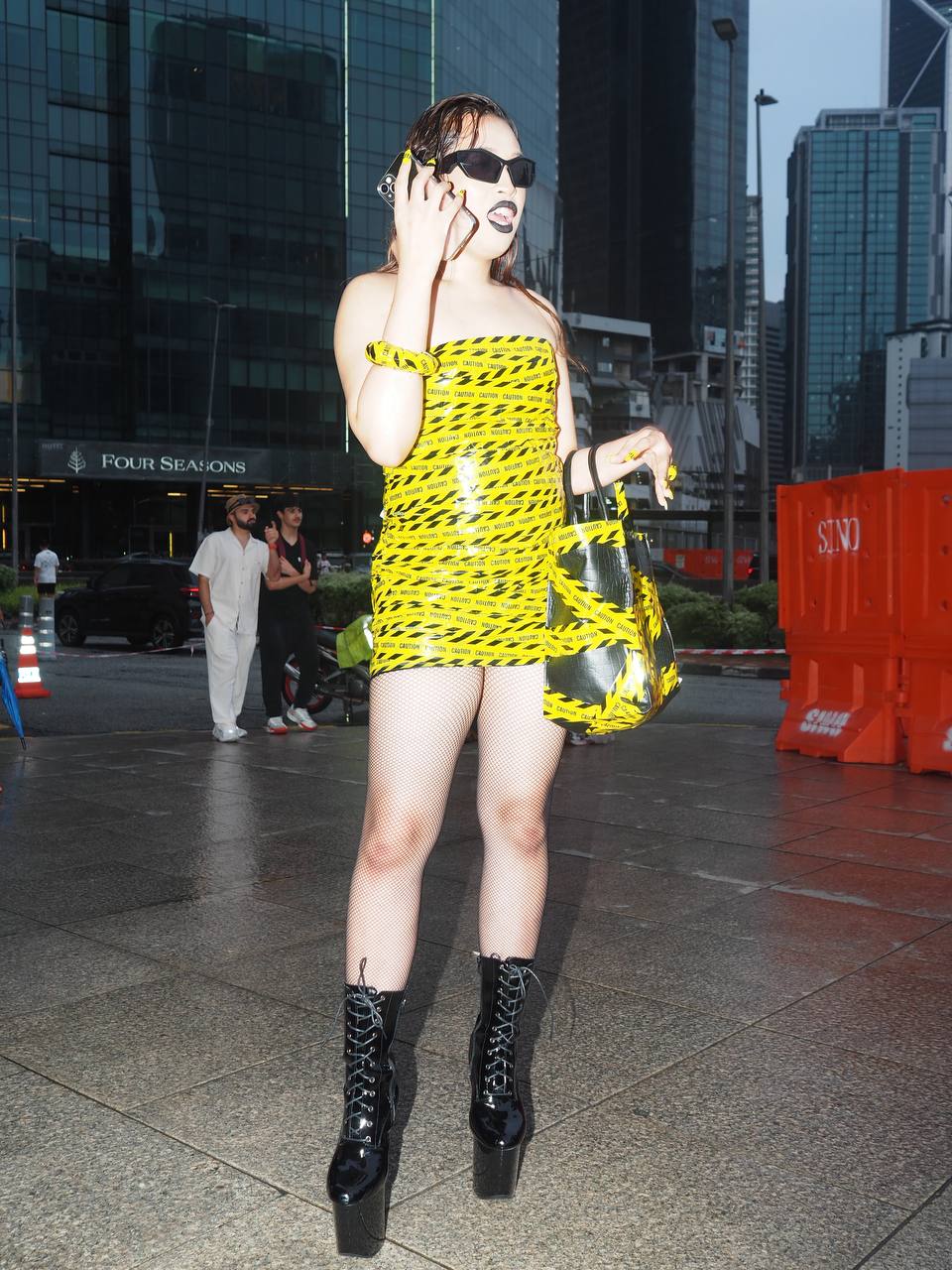
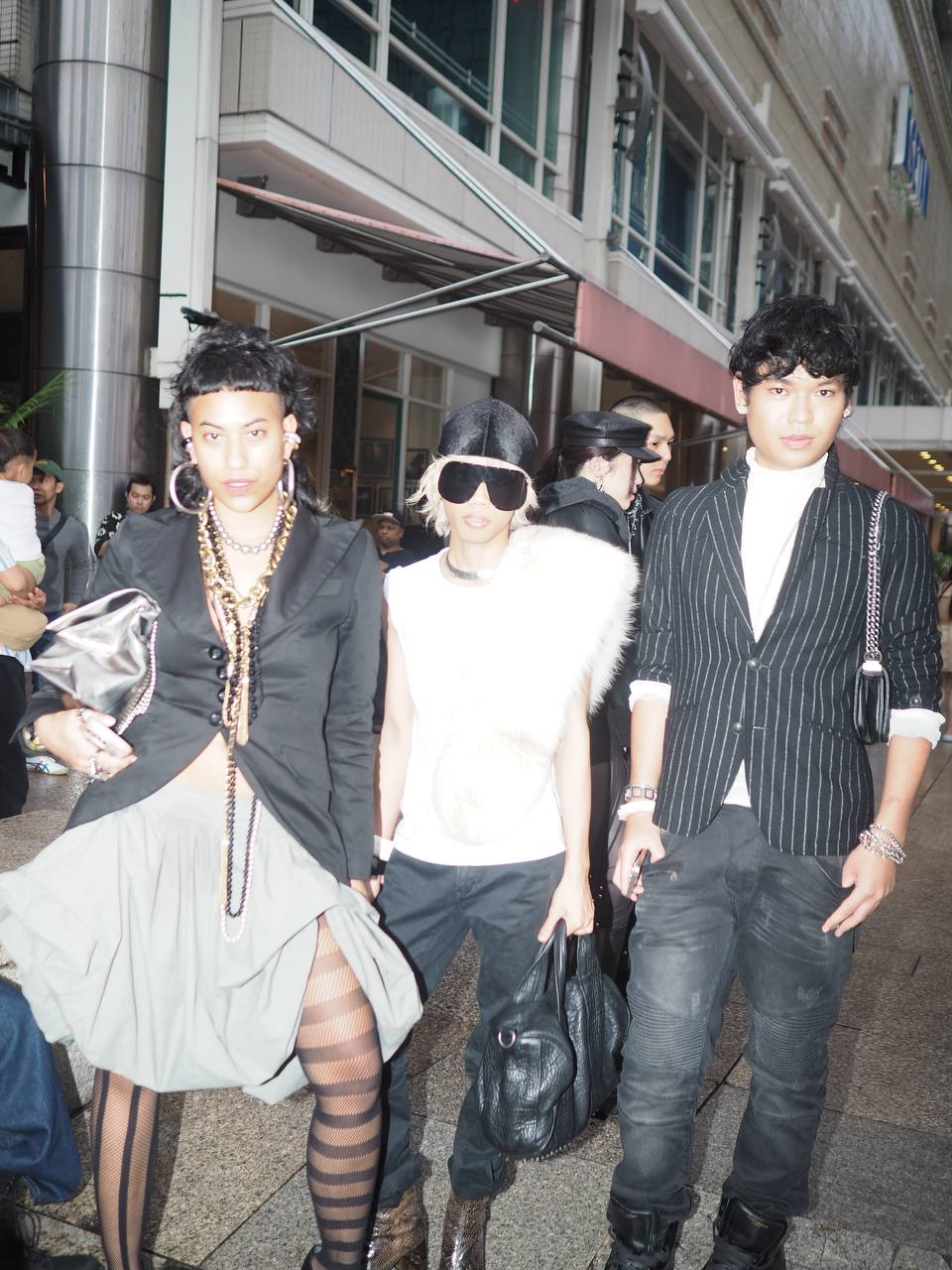
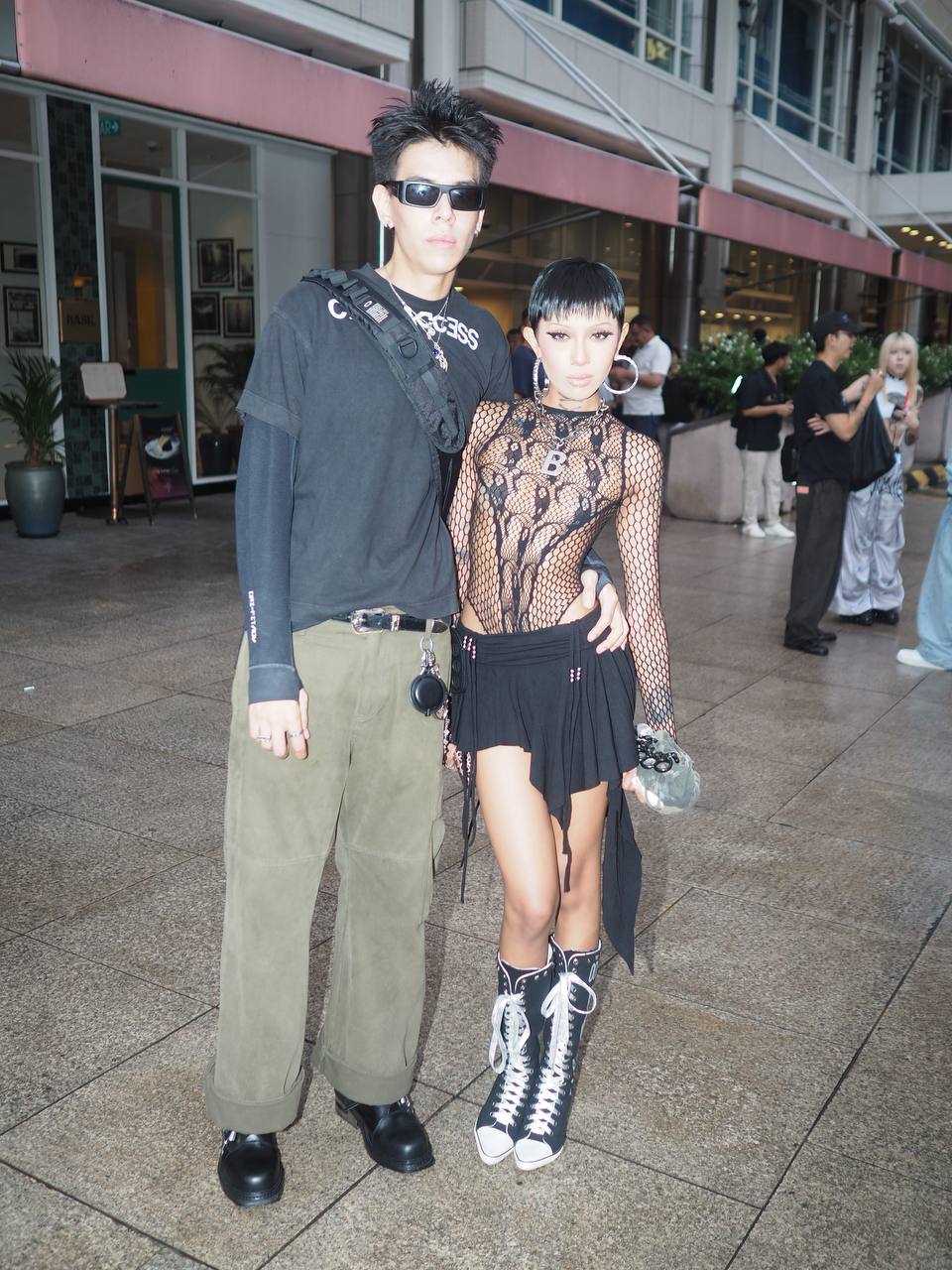
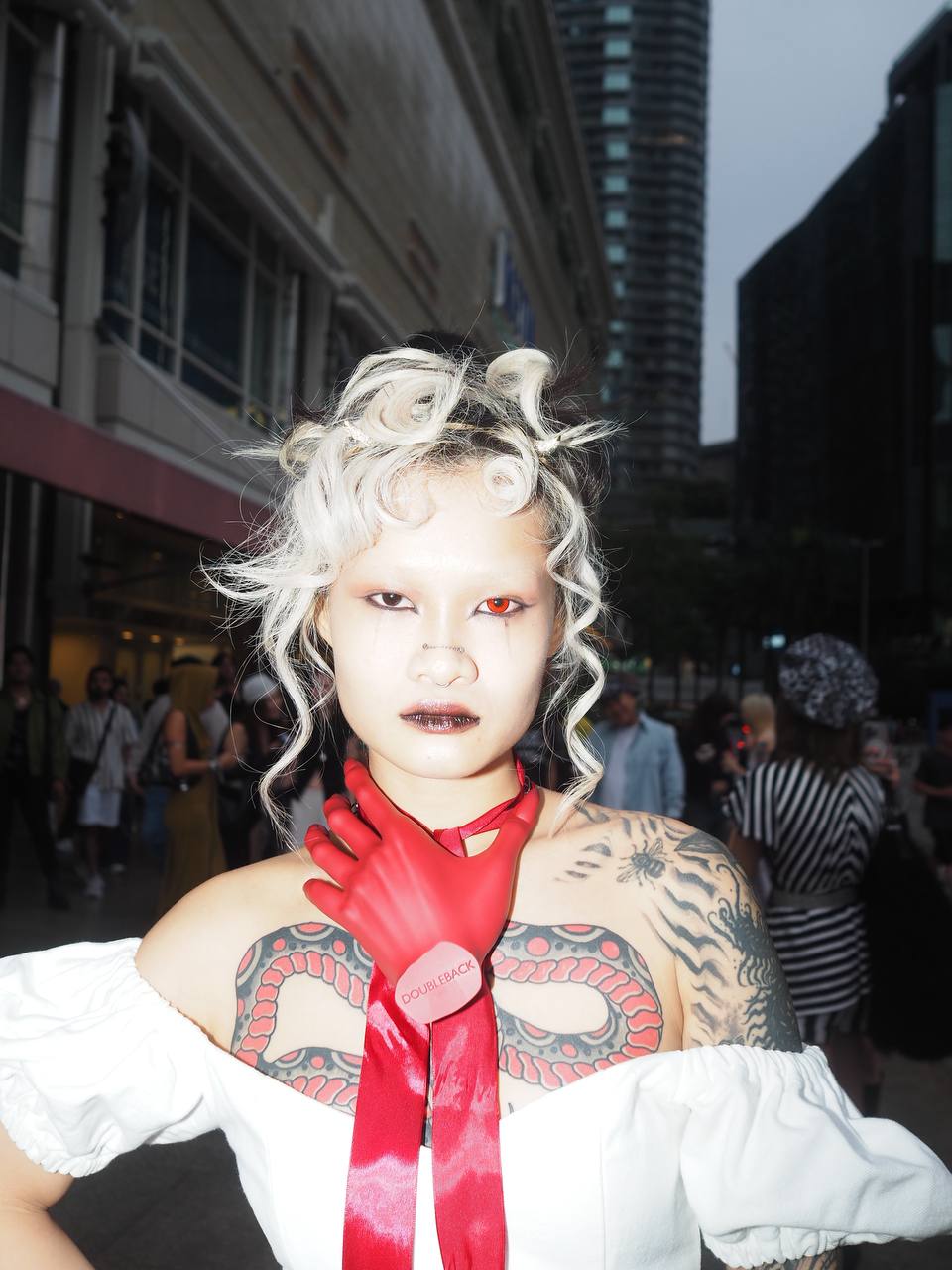
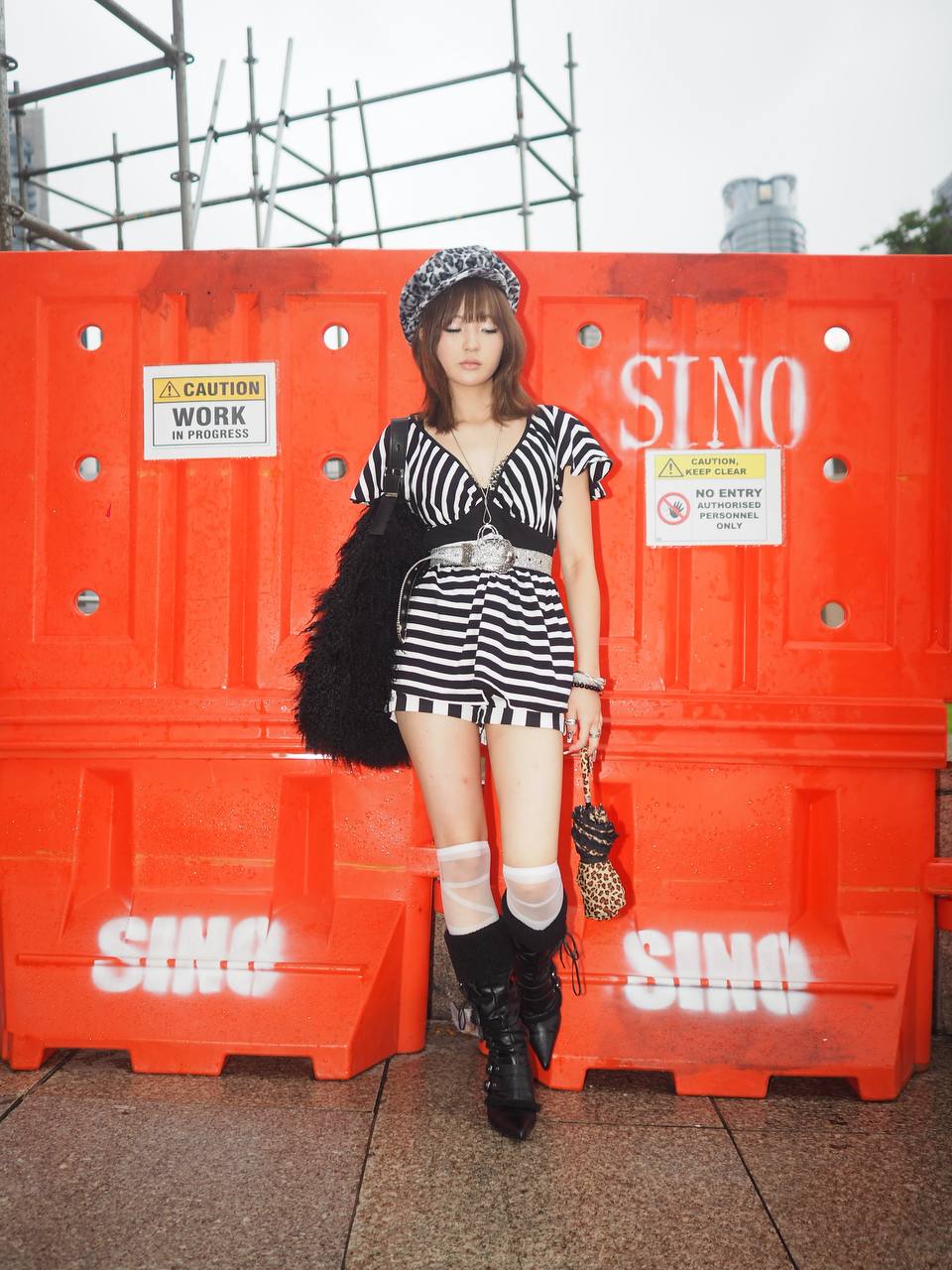
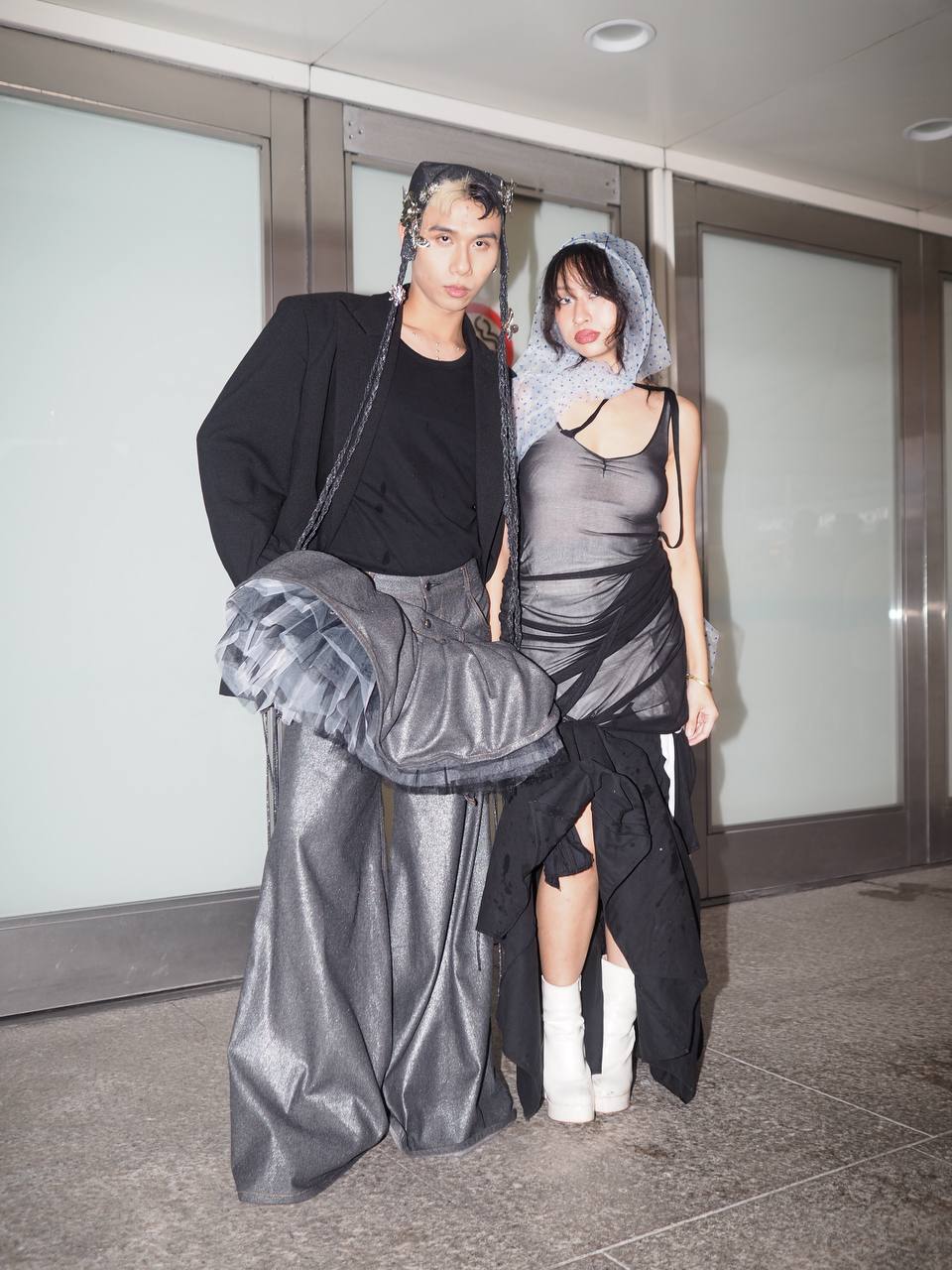
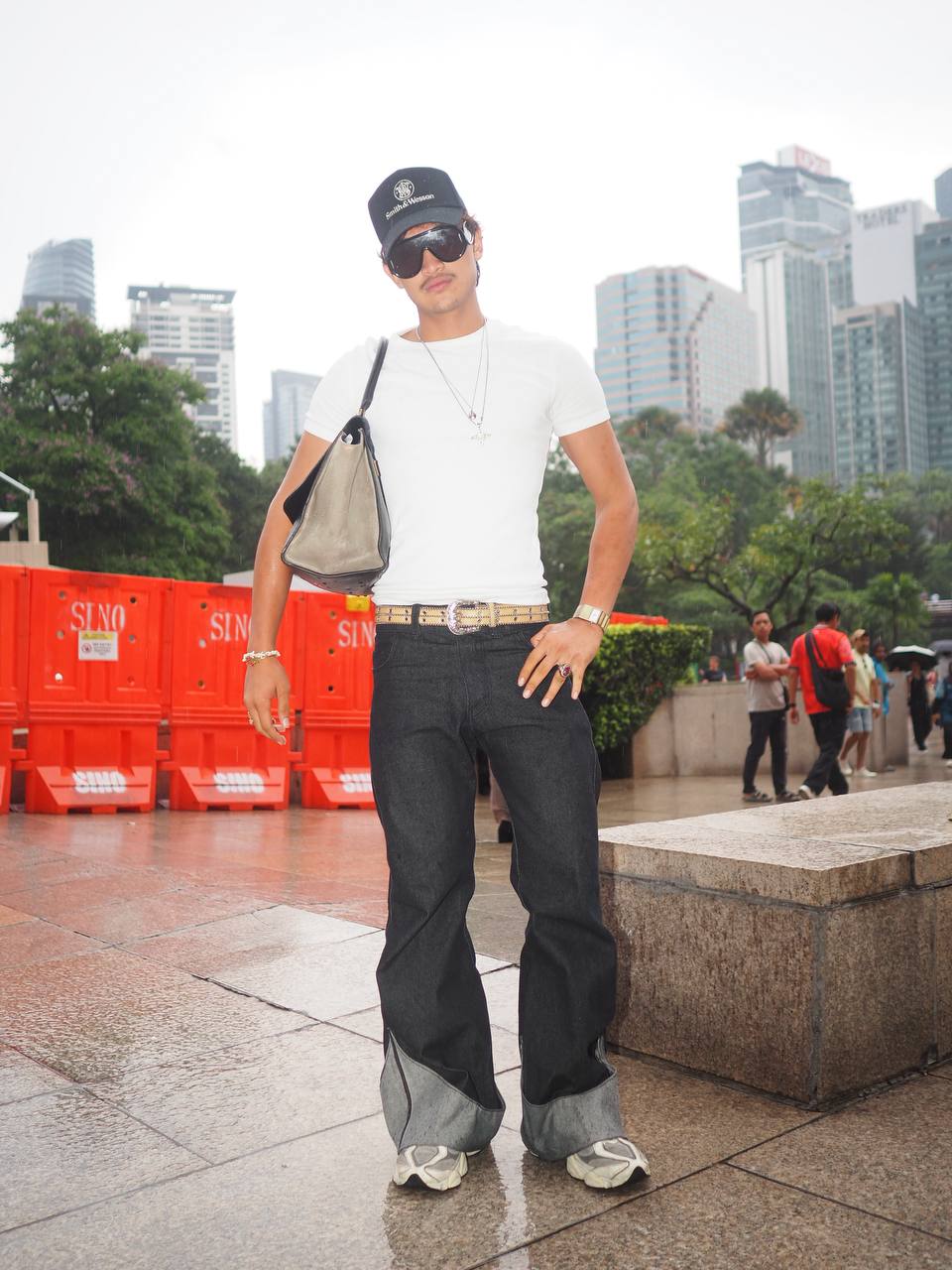
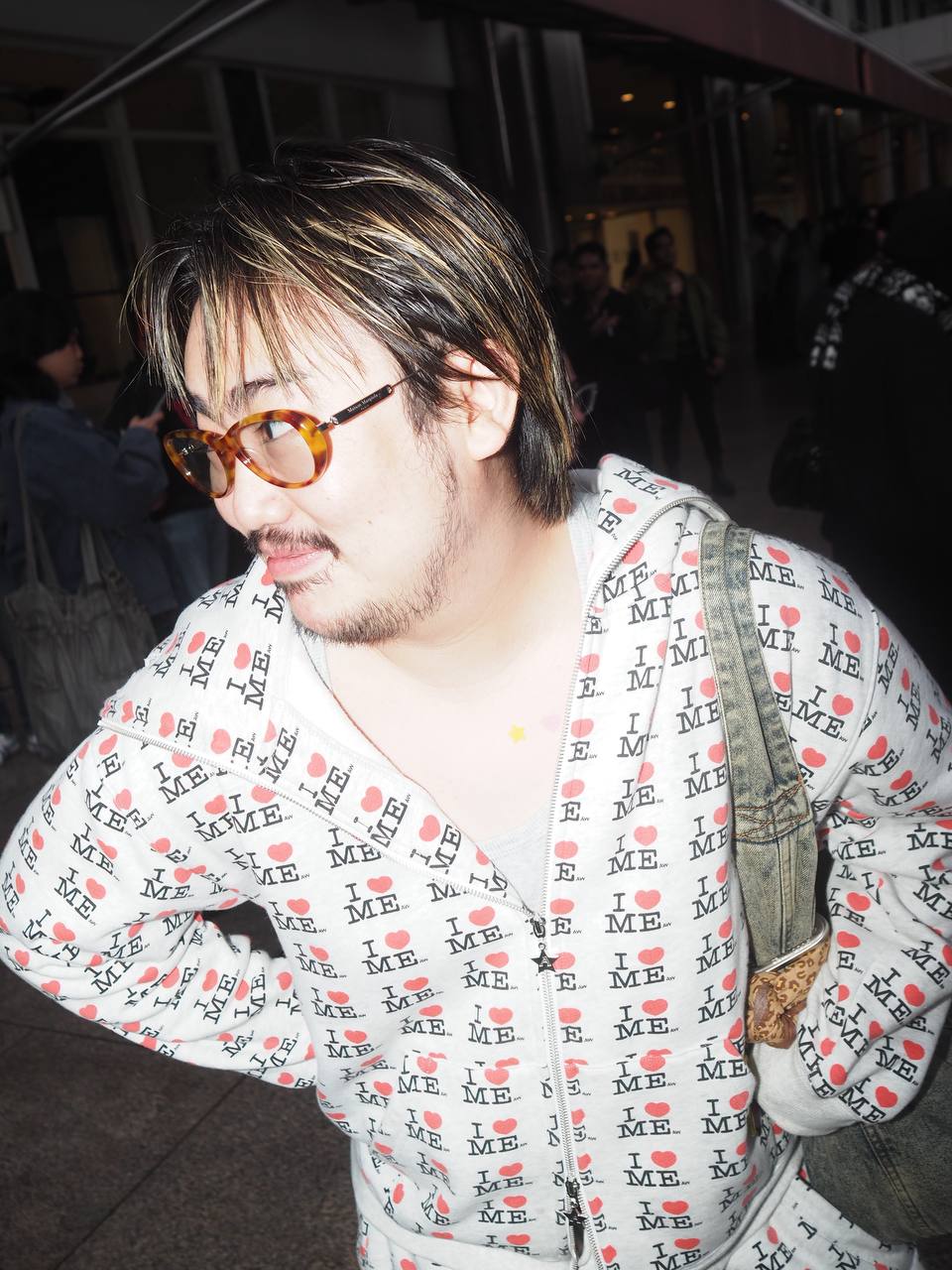
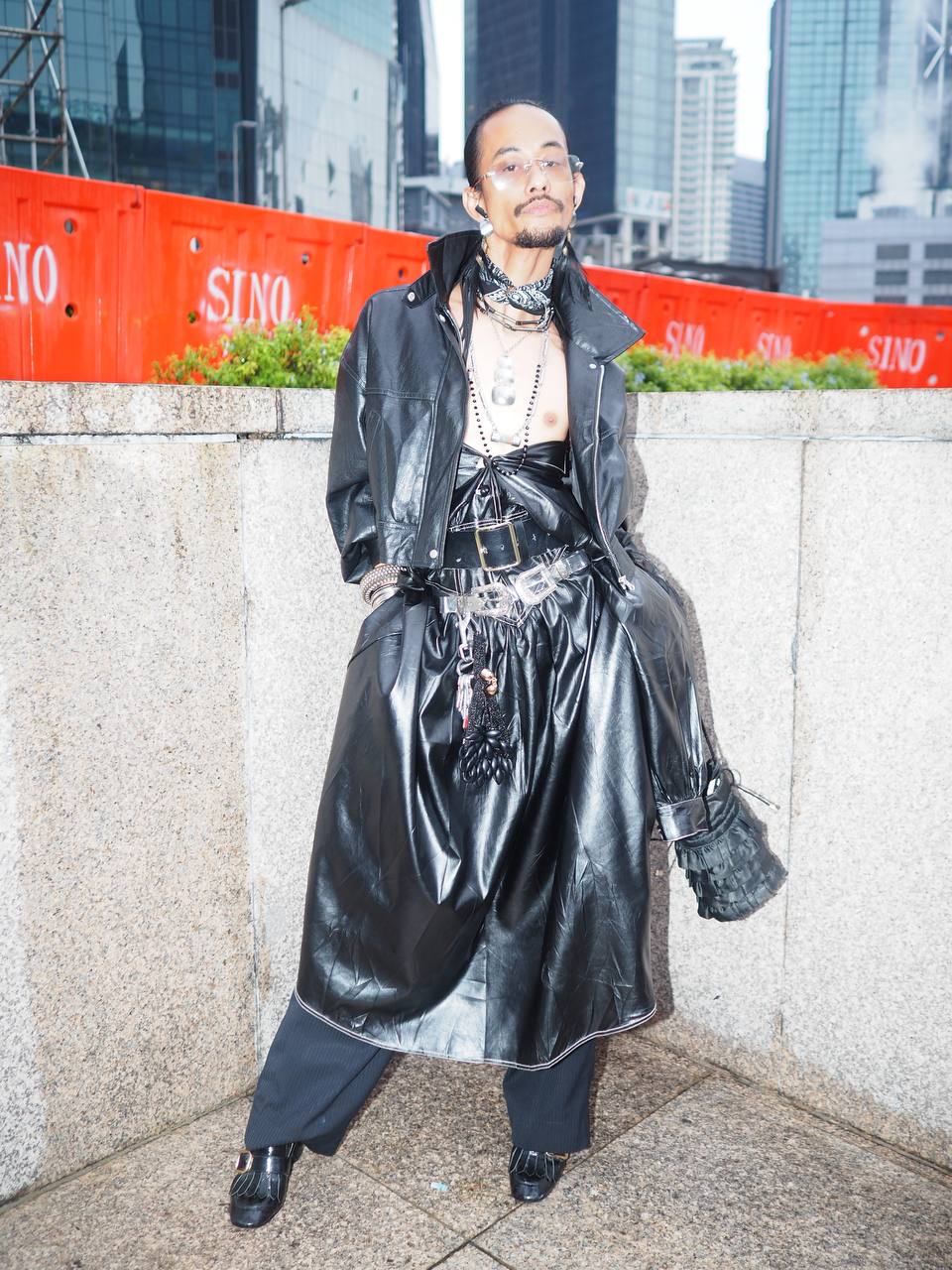
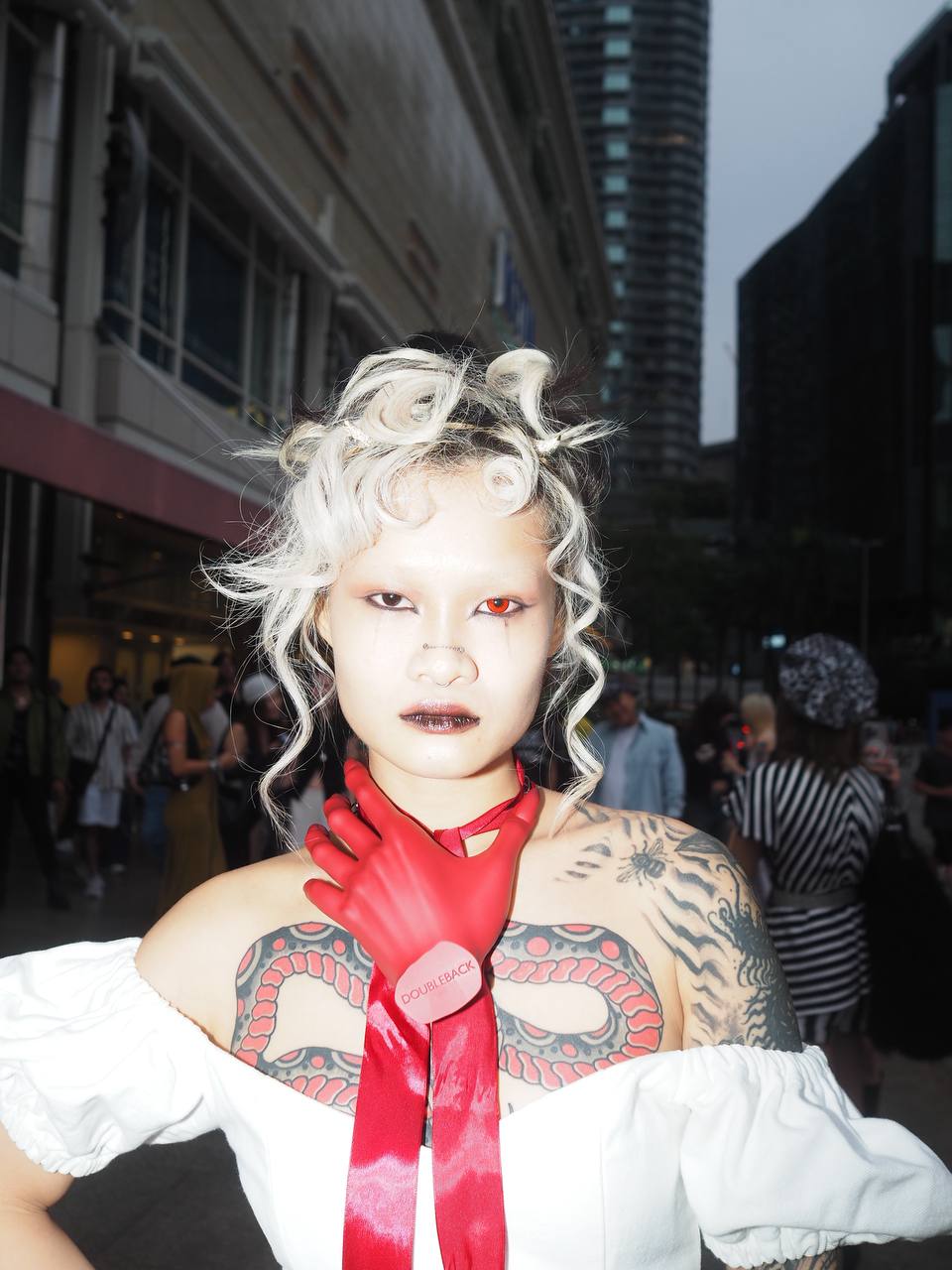
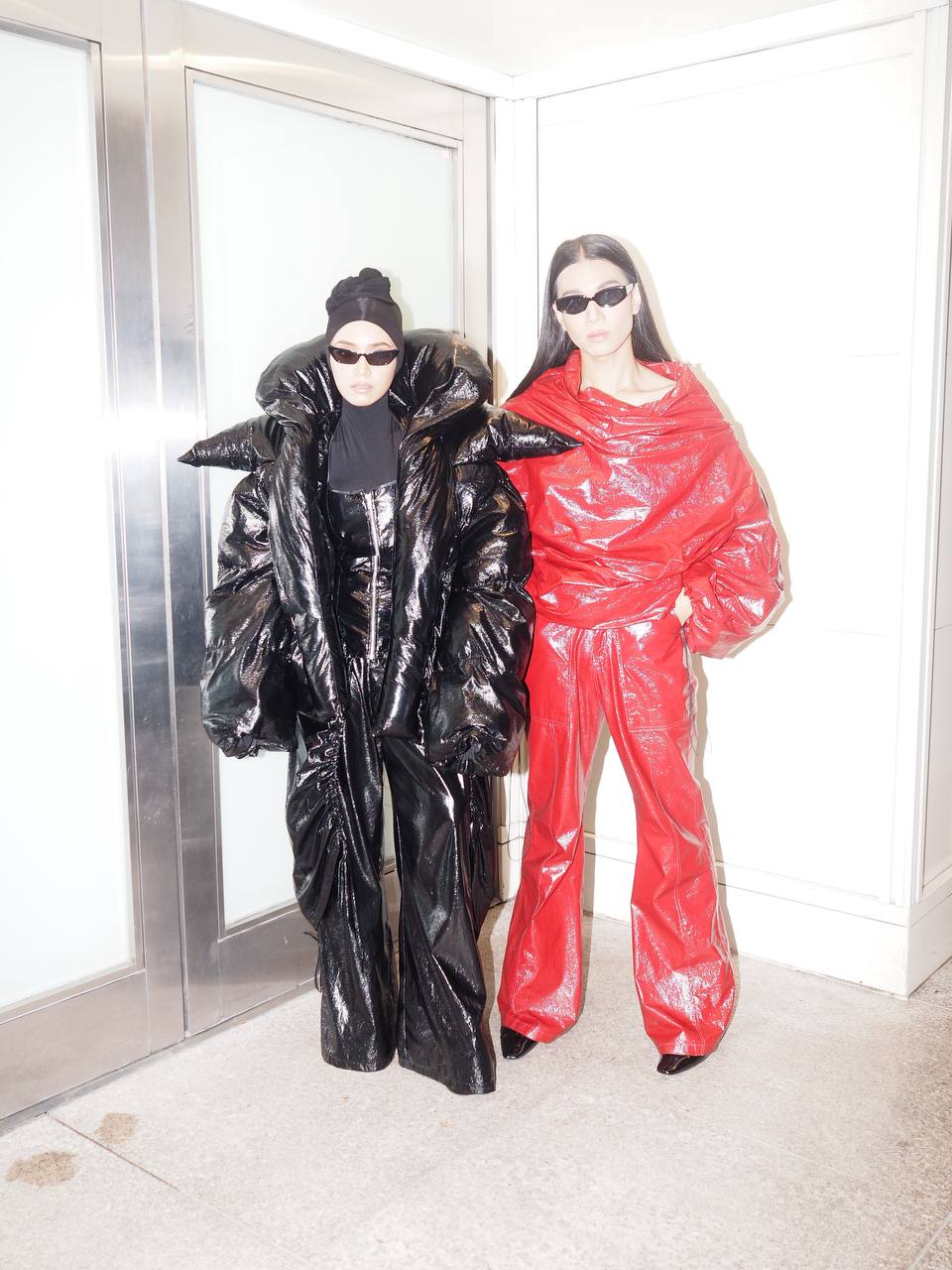
Photography Thirty Seven Studio
Once you are done with this story, click here to catch up with our latest issue.