It took a 40-hour flight path via Southeast Asia, East Asia, North America, and Central America to finally arrive at the lush and mountainous Guatemala — or, as Zacapa Rum affectionately calls it, the House Above the Clouds (2,300m above sea level). Tired beyond belief, a glass of sweet, strong rum on the rocks upon arrival was a sight for sore eyes. The missing baggage can wait. For a liquor that has long been associated with the red Solo cup kind of drink mixed with Coca Cola, and preferred by pirates portrayed in pop culture, flying to the ancient city of Antigua in Guatemala to experience Zacapa firsthand prompted the need for a fresh perspective. Involving an intimate group of journalists from Paris, London, New York, Singapore and Kuala Lumpur, and set in the rich tapestry of what was the capital of Guatemala before earthquakes struck in the late 18th century, the trip revealed that Zacapa had a different story from its contemporaries to tell. It is a story you will not hear if the goal is to pummel through cheap shots to get wasted as quickly as possible.
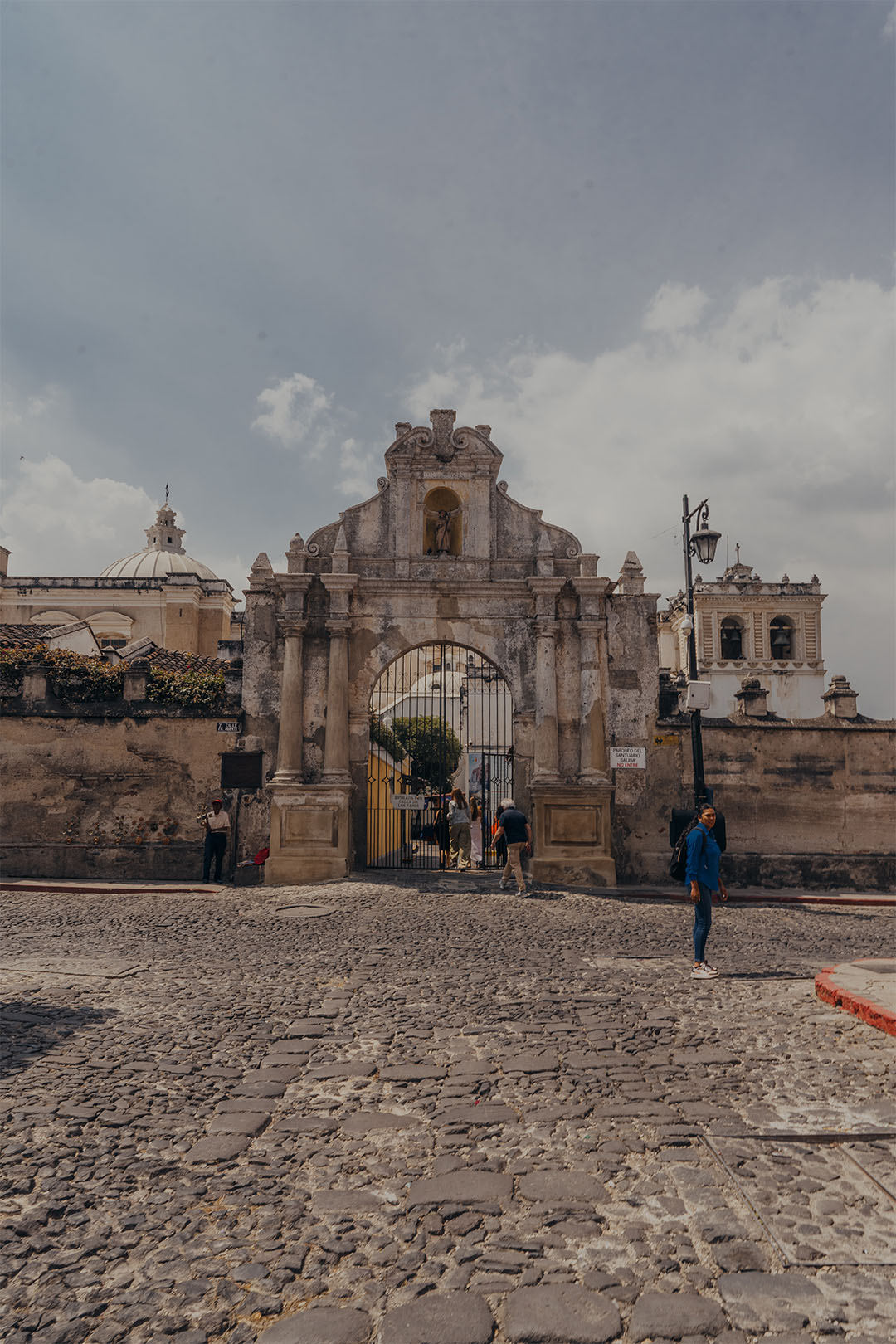
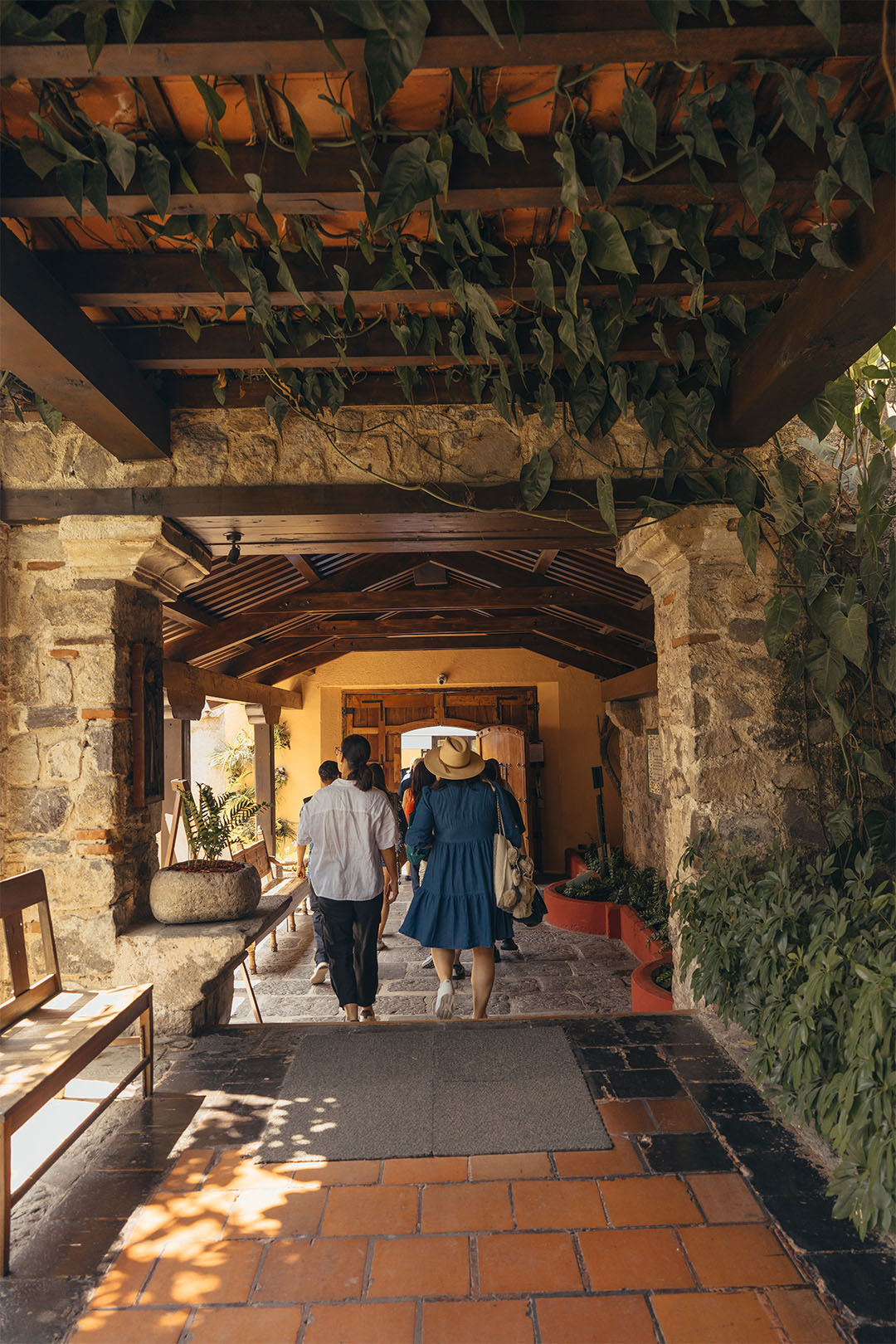
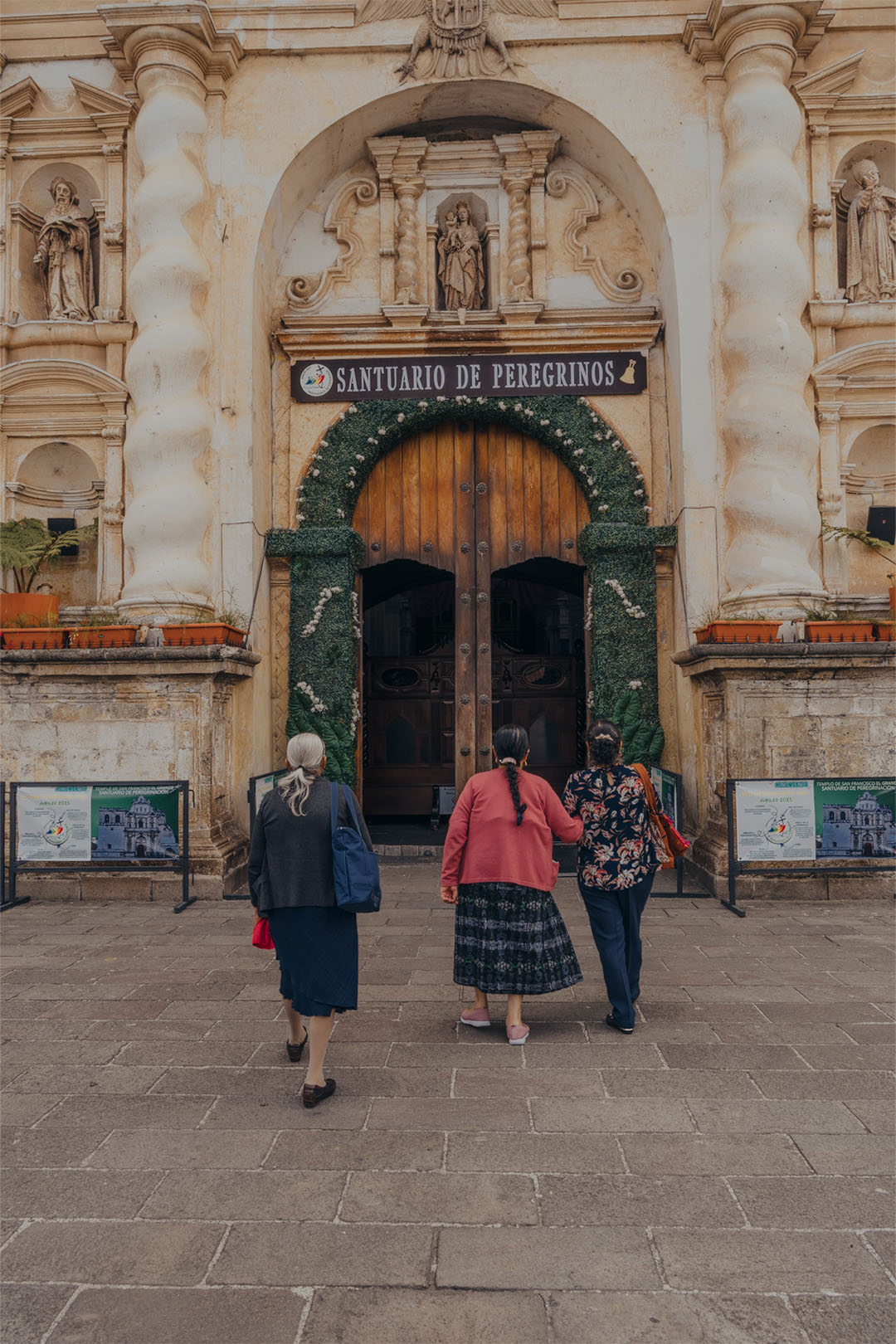
Among sun-bleached structures, cobbled pathways and a surrounding crown of volcanoes peeking through the clouds, the name Zacapa (which originates from the Nahuatl language, meaning “on the river of grass”) reflects the pride of its origins — of the land and people who make Zacapa possible. Instead of going straight into introducing the rums as finished products, we were introduced to its backstory first.
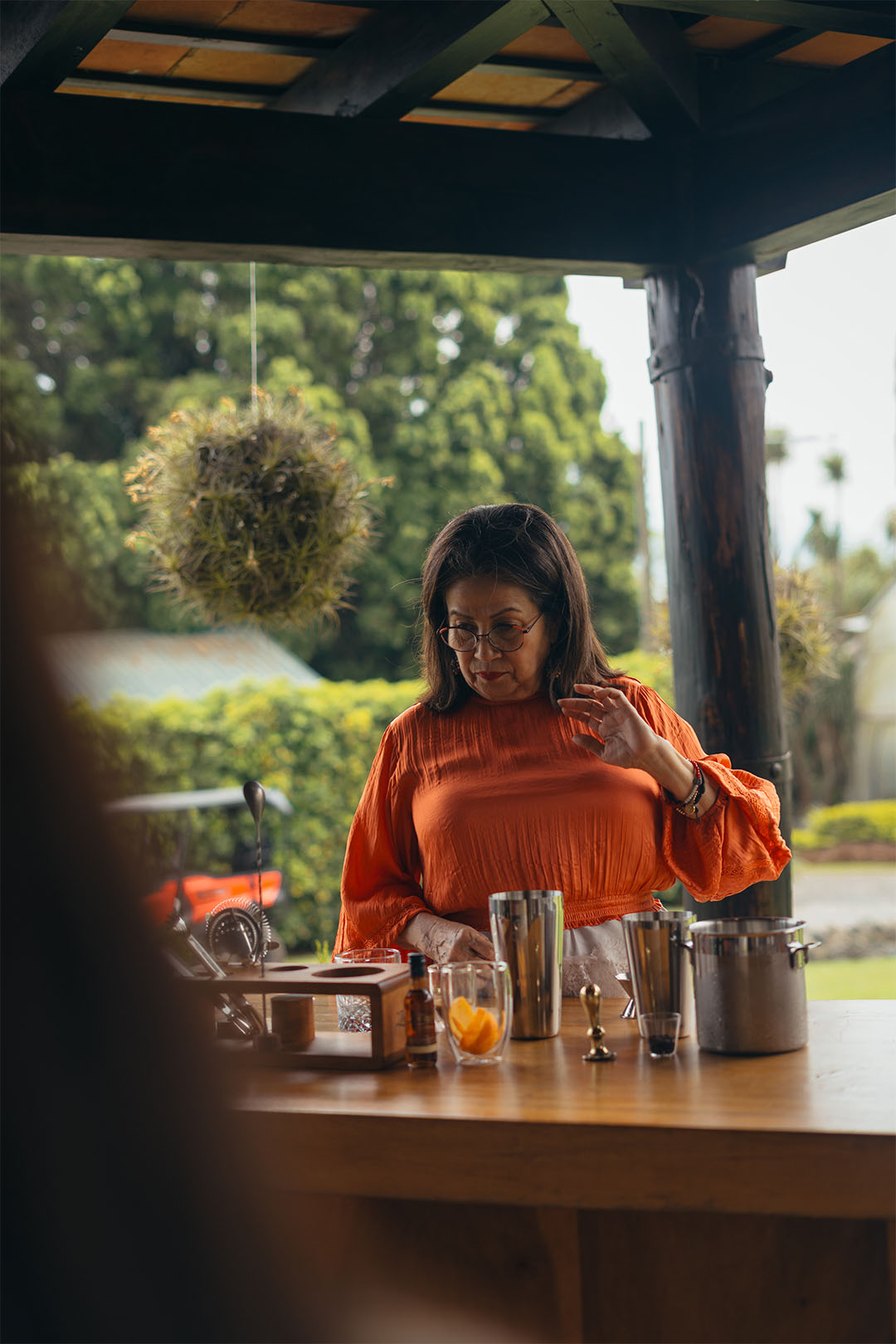
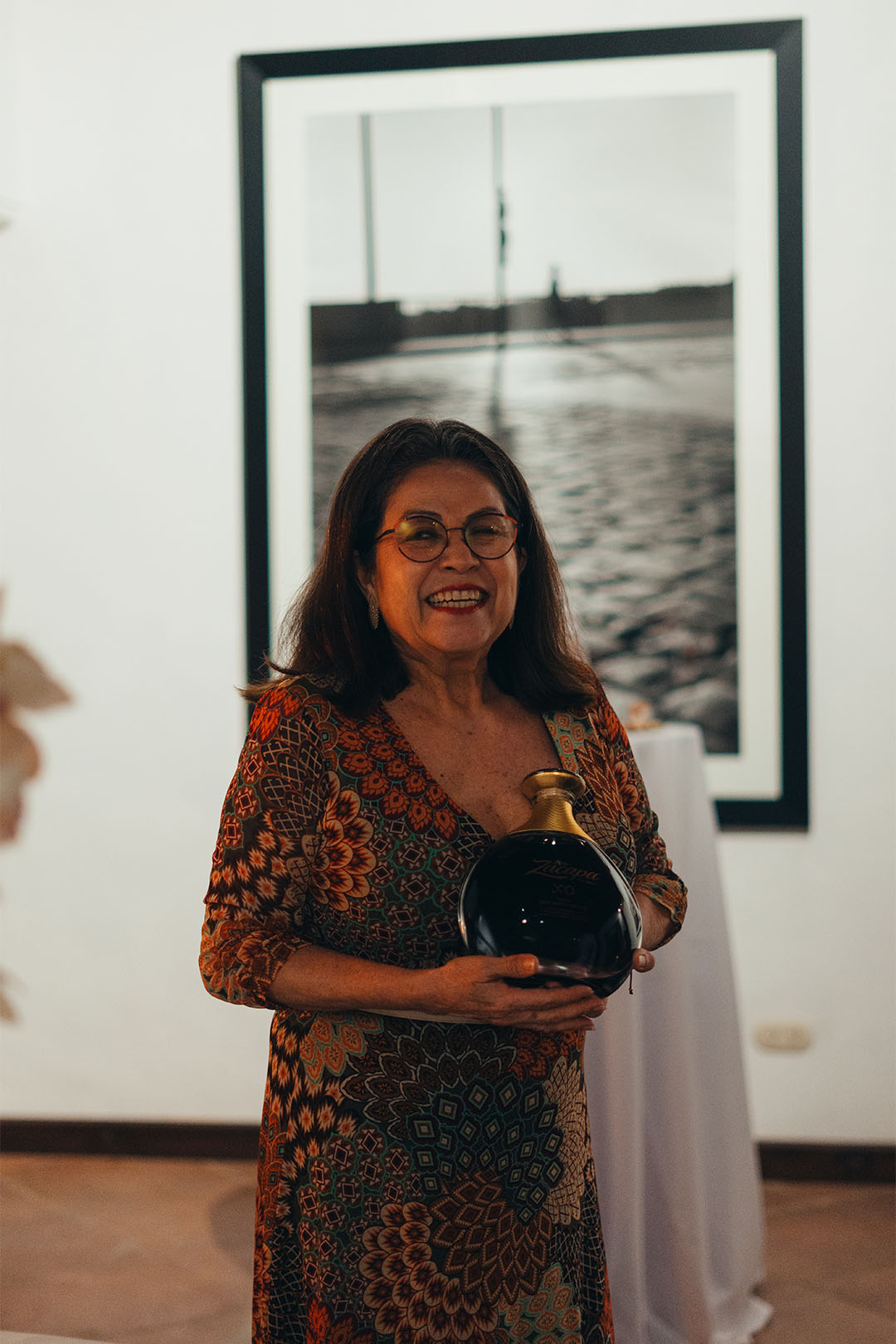
We met Master Blender Lorena Vásquez at the sprawling Villa Bokéh colonial estate. As one of the few leading women in a male-dominated industry, Vásquez is a trailblazer. She has been with the brand since 1984 and has held the title of Master Blender for four decades. Any intimidation associated with the grandeur of her title and experience was immediately relinquished upon meeting her in person — we were greeted by her jovial presence that transcended language barriers, even when the translating device was not turned on.
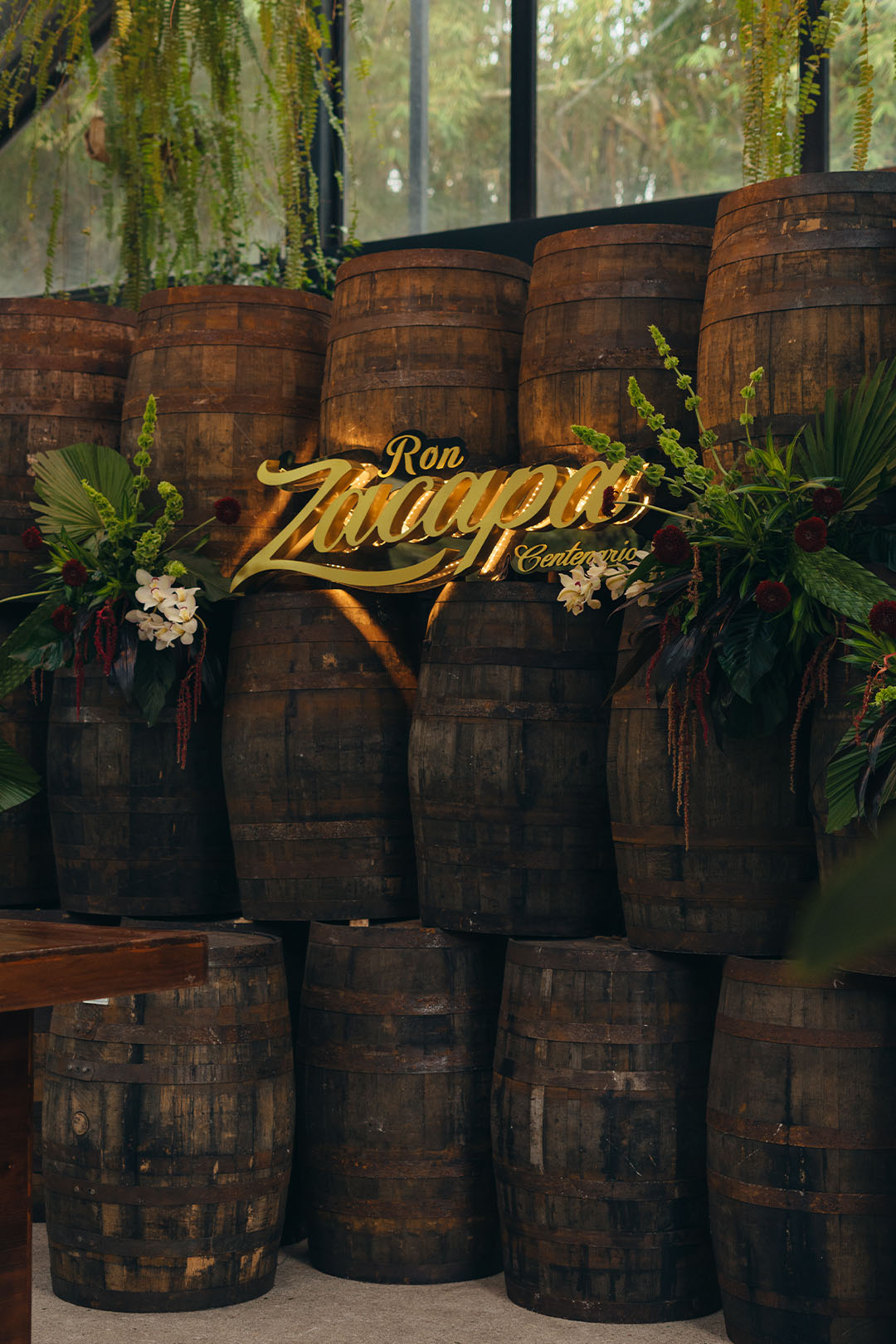
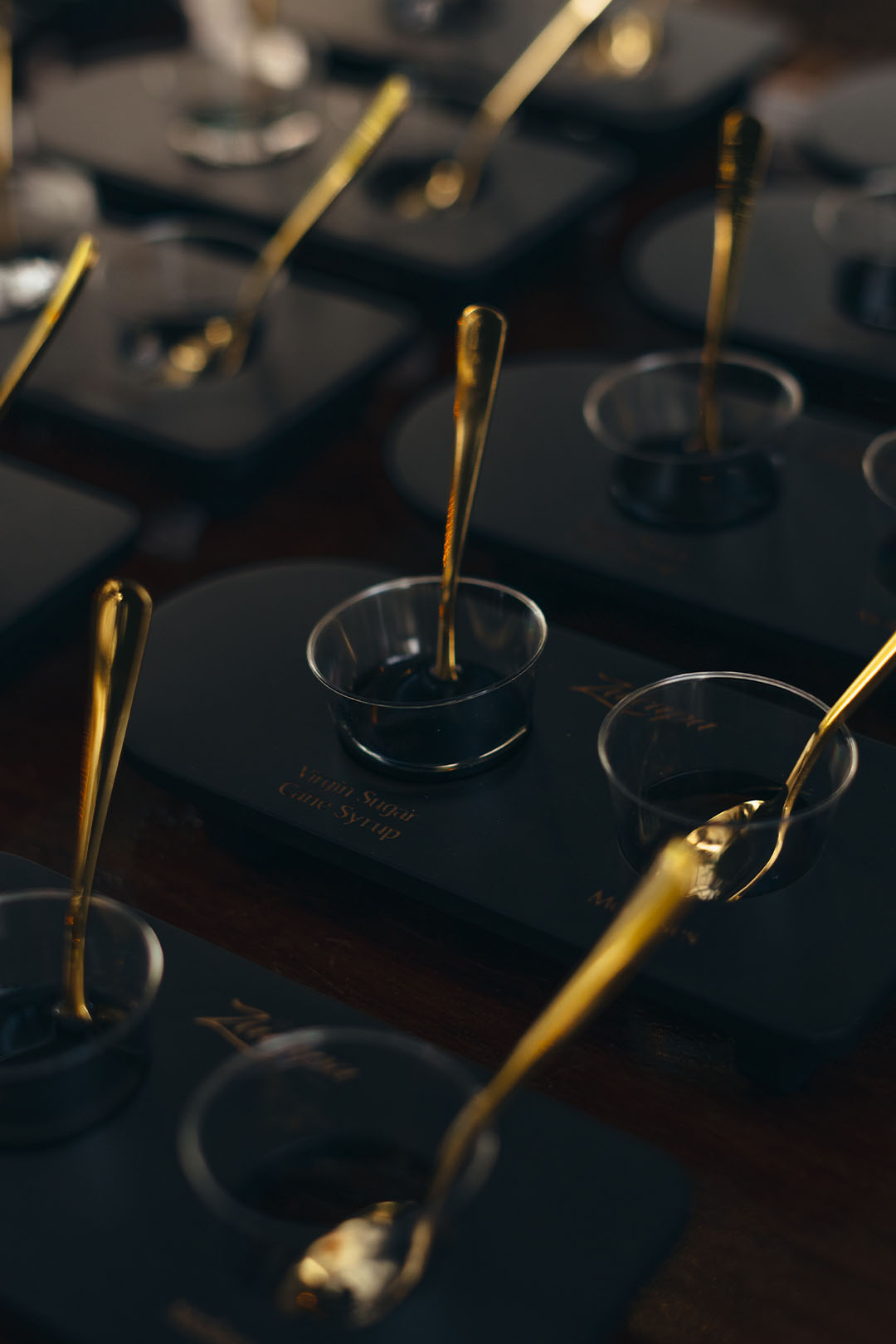
What makes Zacapa special is its elemental ingredient: virgin sugar cane syrup, instead of molasses more commonly used by other rum makers. Virgin sugar cane, presented in its purest form, gives off an intense caramelised flavour, free of the pang of metallic note that molasses imbue. The decision to work with virgin sugar cane syrup demonstrated quality by working with a pure source ingredient versus a byproduct in sugar production. Dubbed the Sistema Solera (Solera System), the first distillation fermented with pineapple-derived yeast serves as a slate of pure aroma before being matured in a fine selection of casks.
Vásquez then broke down the multitude of casks responsible for ageing Zacapa’s rums — from virgin, smoked or charred American whisky cask variants to Ex sherry wine, Pedro Ximénez and cognac, to name a few. We got to taste how each cask imbued the fresh stills with an additional layer of aroma. And when we were given the opportunity to create our unique blend of rum, I decided to go with my penchant for vanilla-like sweetness with a hint of smoke, my unique blend consisted of a mix of rum aged with Ex Pedro Ximénez, Cognac and American Whiskey in ever format. The Pedro Ximénez was Vásquez’s recommendation after hearing my brief. Would it be good enough to serve as inspiration for Zacapa’s next expression? I guess we’d have to wait and see.
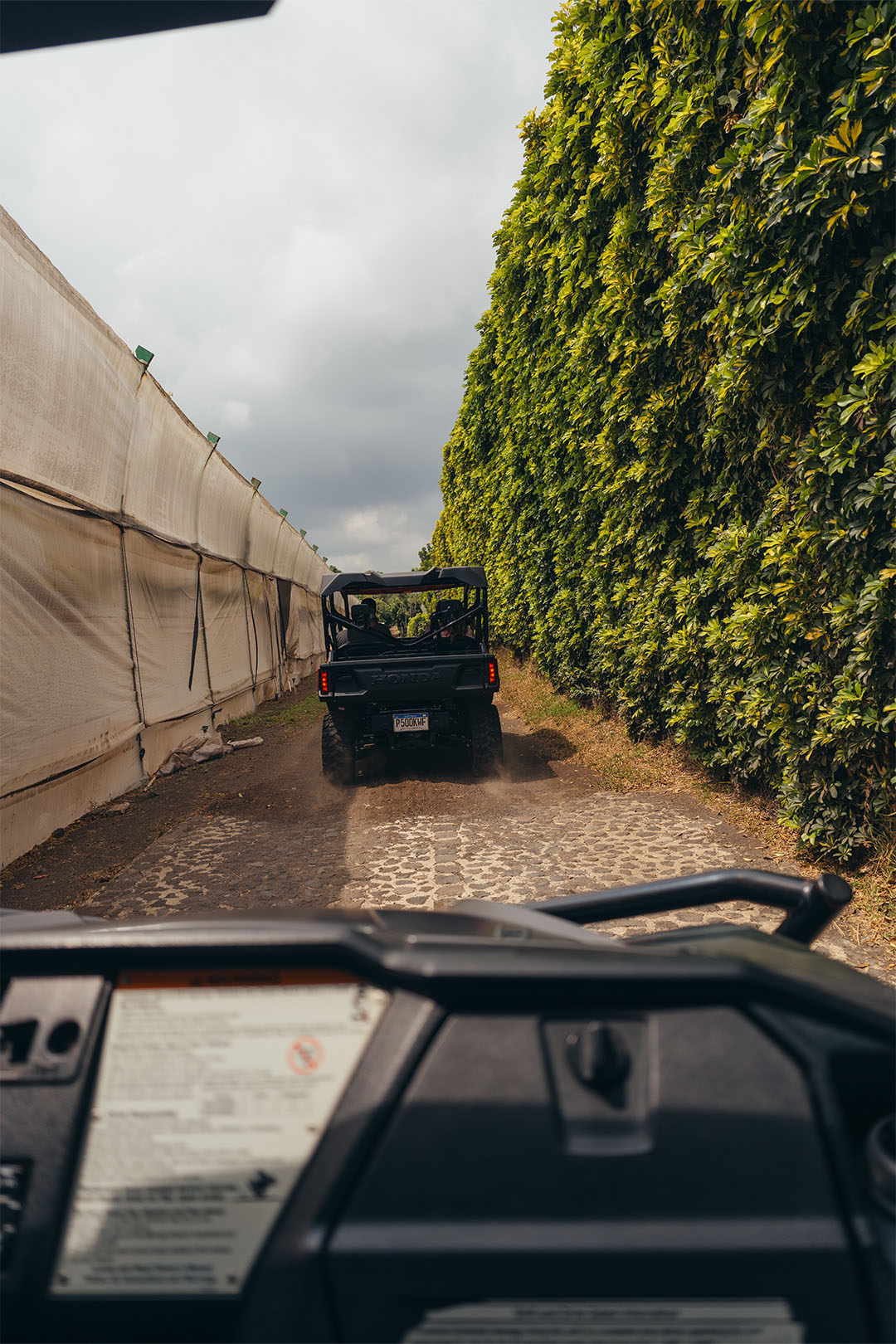
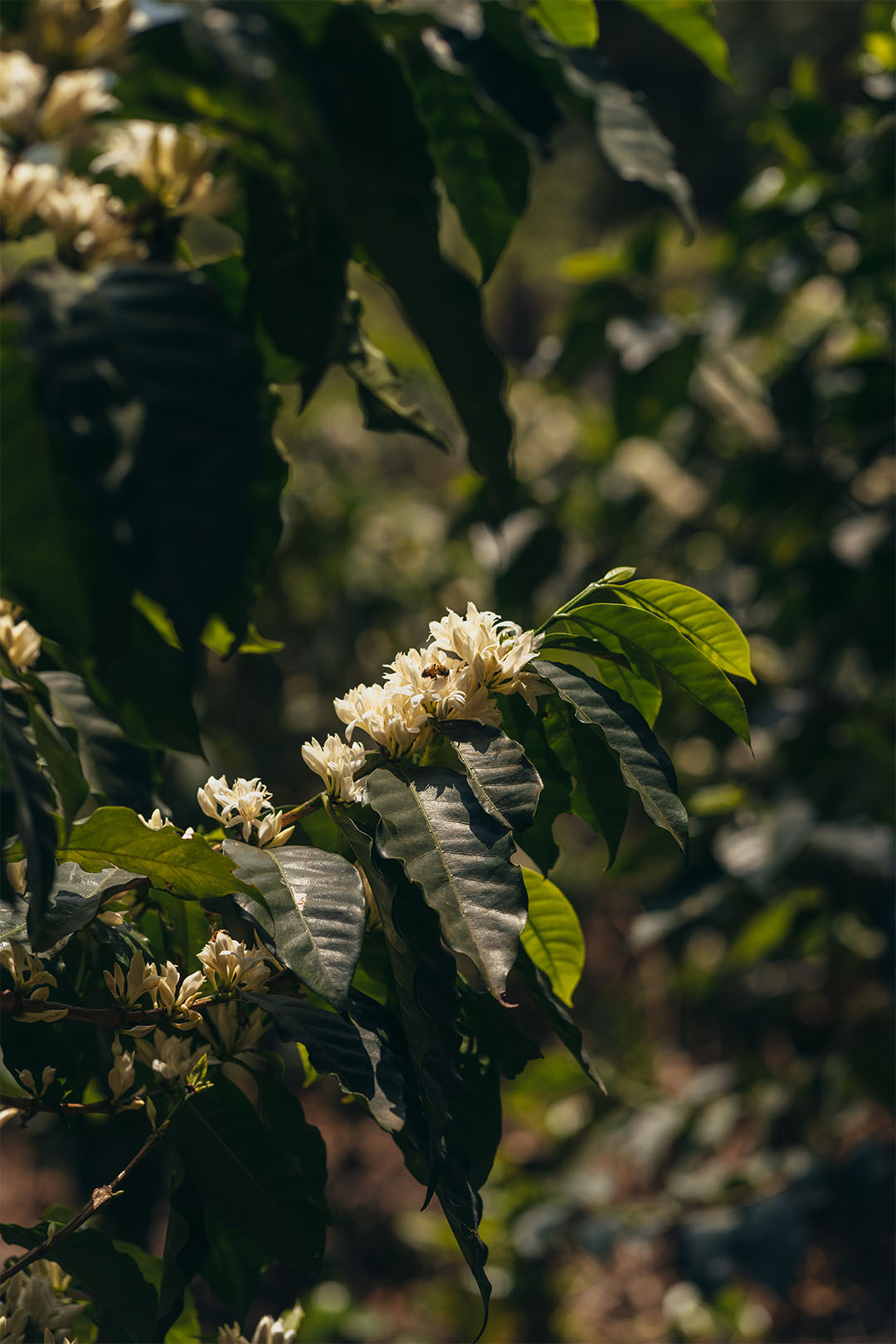
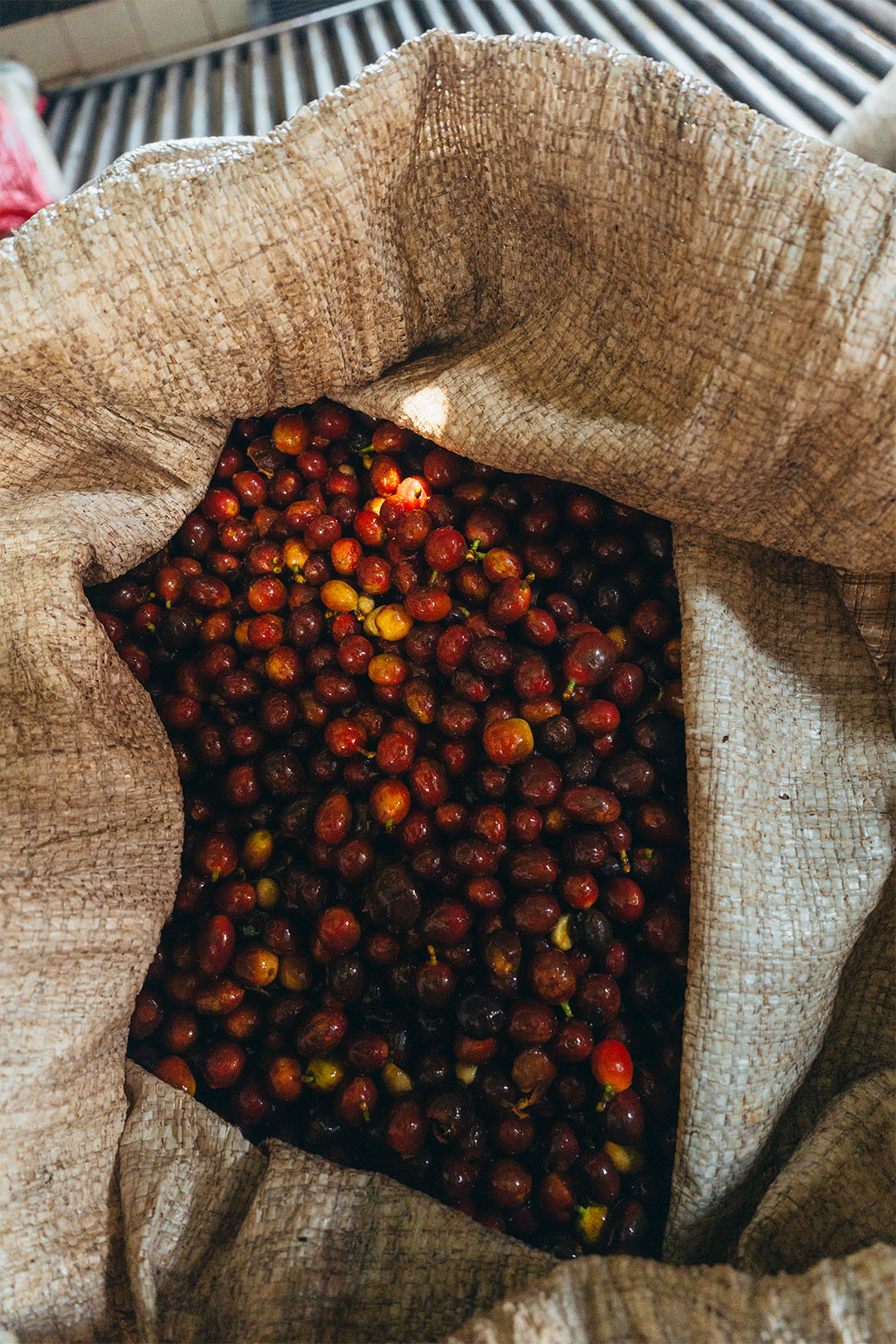
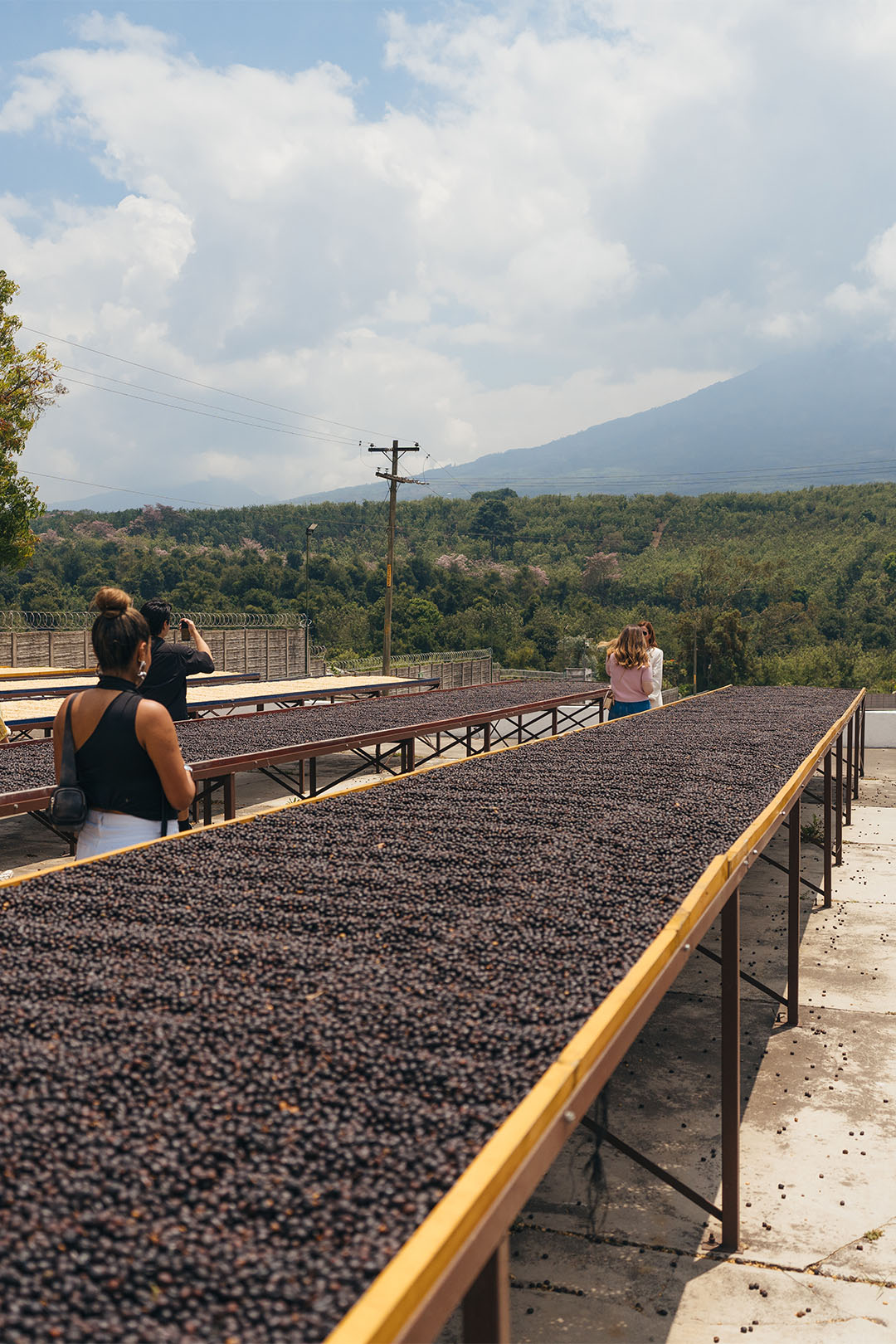
Another driving factor that makes Zacapa Rum a symbol of Guatemalan pride is its deep-rooted respect for its land and all of its volcanic splendour. It is so much more than an exotic backdrop used for marketing narratives. It begins from the volcanic soil that its sugar cane grows in, to the high altitudes that are both cool and moist, providing the perfect natural cradle for slow ageing. Nestled 2,300 metres above sea level, Zacapa developed its proprietary “House Above the Clouds” ageing process. The same appreciation for the rich volcanic terrain and high altitudes can be observed at the coffee plantation Finca el Tempixque, located at the foot of a volcano, which supplies fine coffee worldwide. This kind of kindred matrimony is found in the form of a Zacapa Espresso Martini, which we concocted on location under the guidance of Vásquez. Bright and refreshing, this cocktail is the perfect pick-me-up if you’ve been trekking through the plantation. A new appreciation was found for bartenders — most of our palms were numb with discomfort before we could even shake the concoction hard enough to produce a light layer of foam.
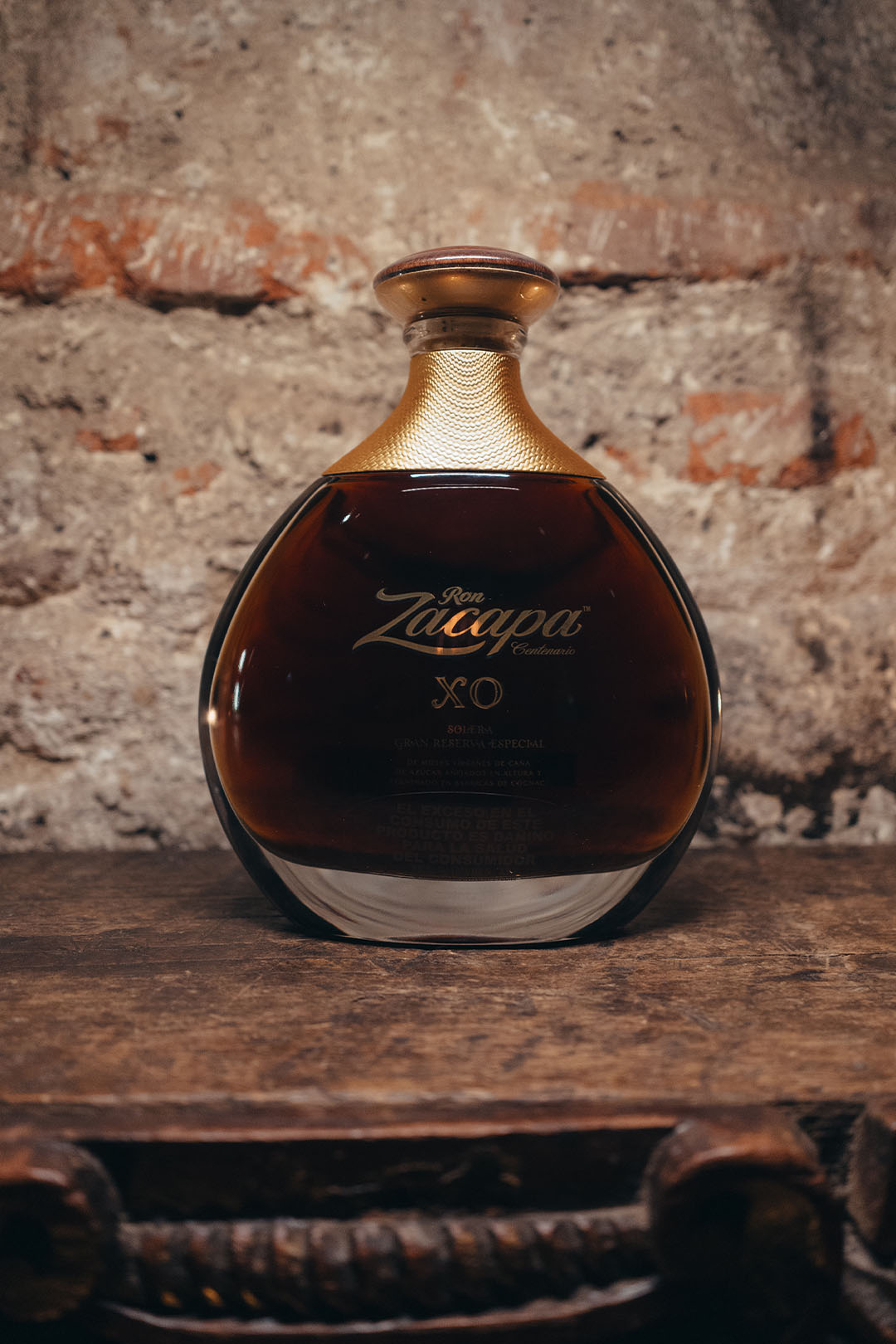
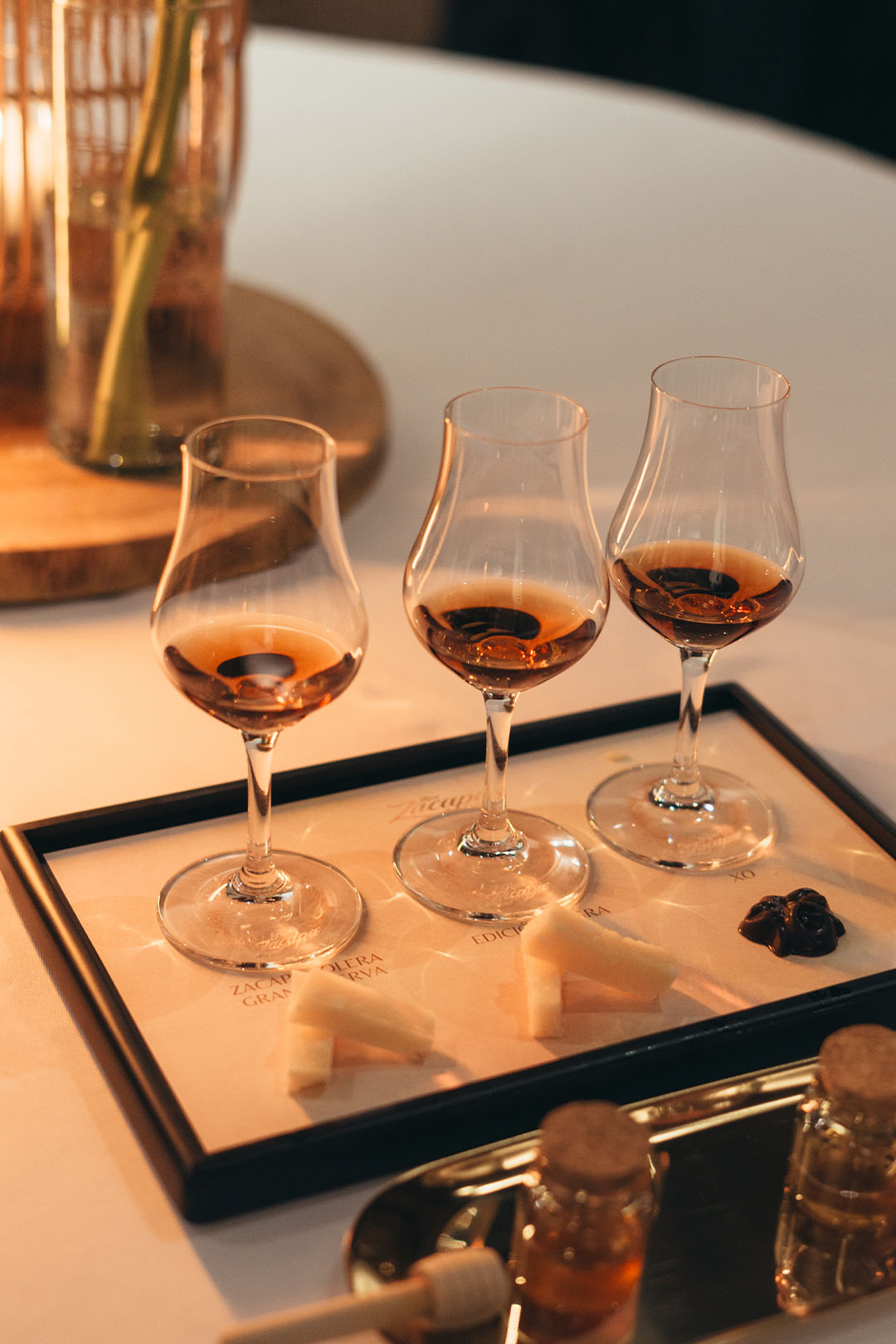
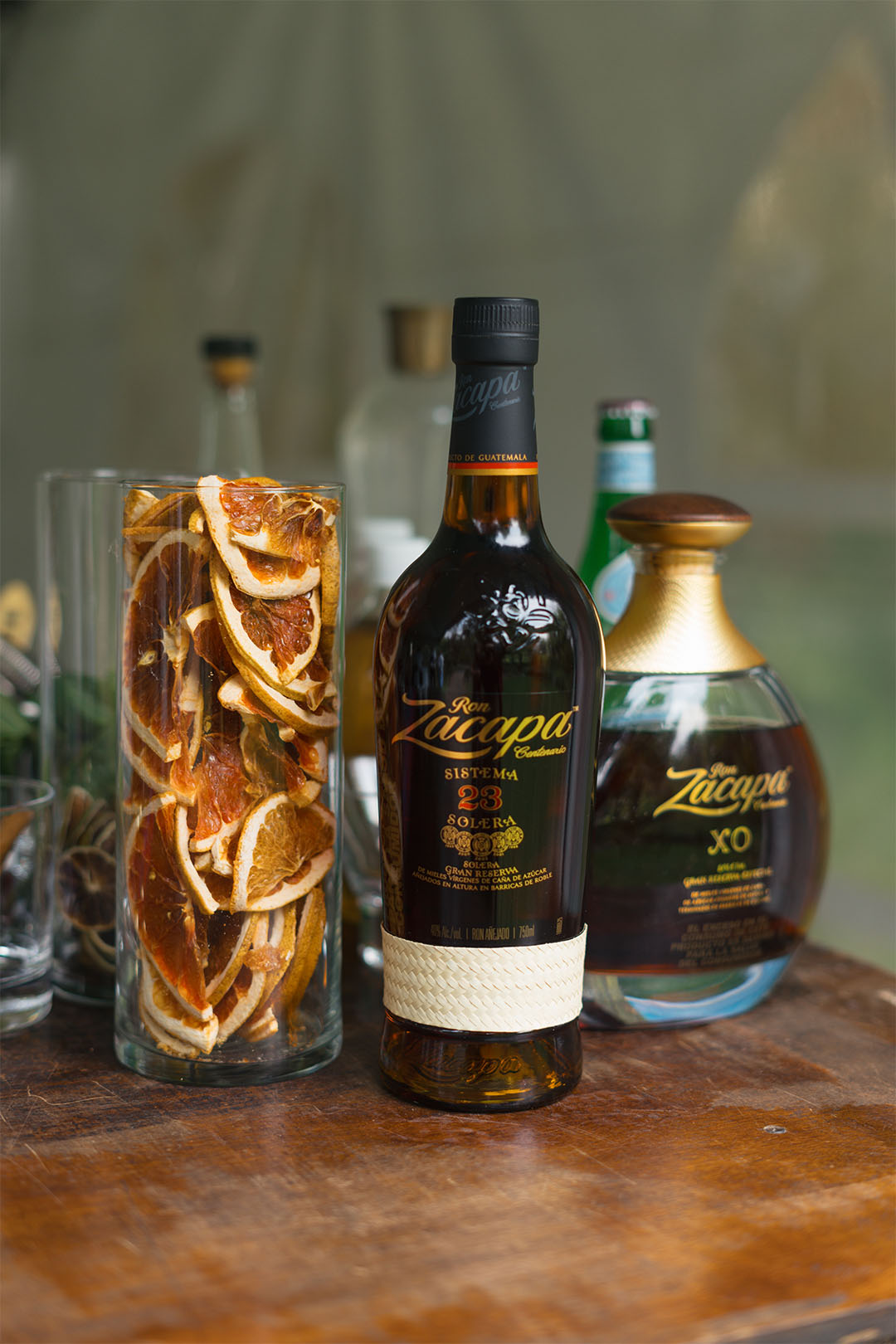
Across the meals served on the trip — from contemporary Western to traditional and everything in between — cocktails made with Zacapa No. 23 proved an immaculate pairing. Each shared undercurrents of sweetness layered with dried nuts and fruits, finished with a touch of smokiness. Master Blender Vásquez highlighted the darker, umami notes of the Zacapa Edición Negra, reminiscent of soy sauce when tasted with cheese drizzled in truffled honey. Conversely, the Zacapa XO is best enjoyed neat or paired with dark chocolate. With notes of dark cherry and prunes with clove and vanilla, it makes for an indulgent treat best sipped slowly, with intention.
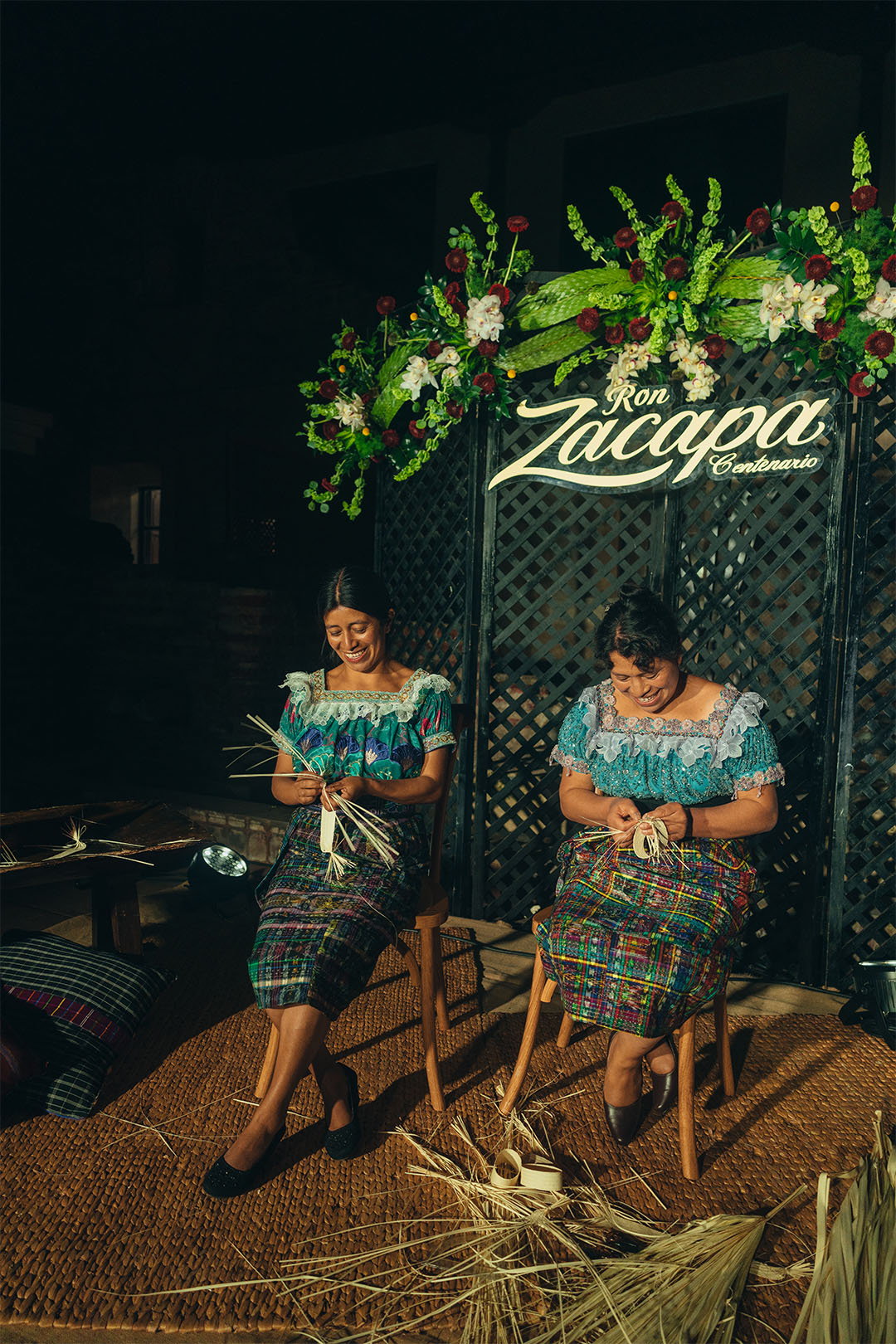
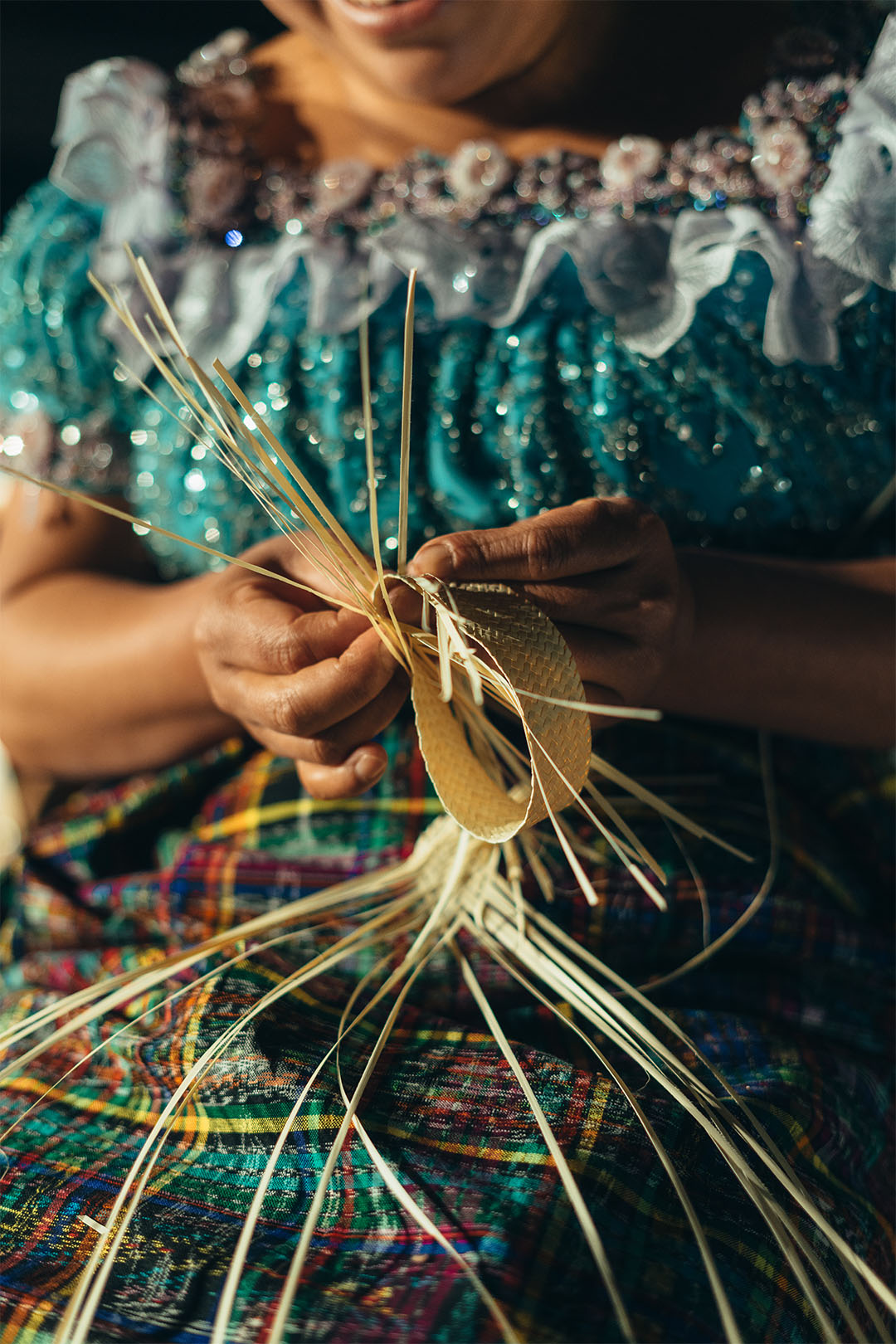
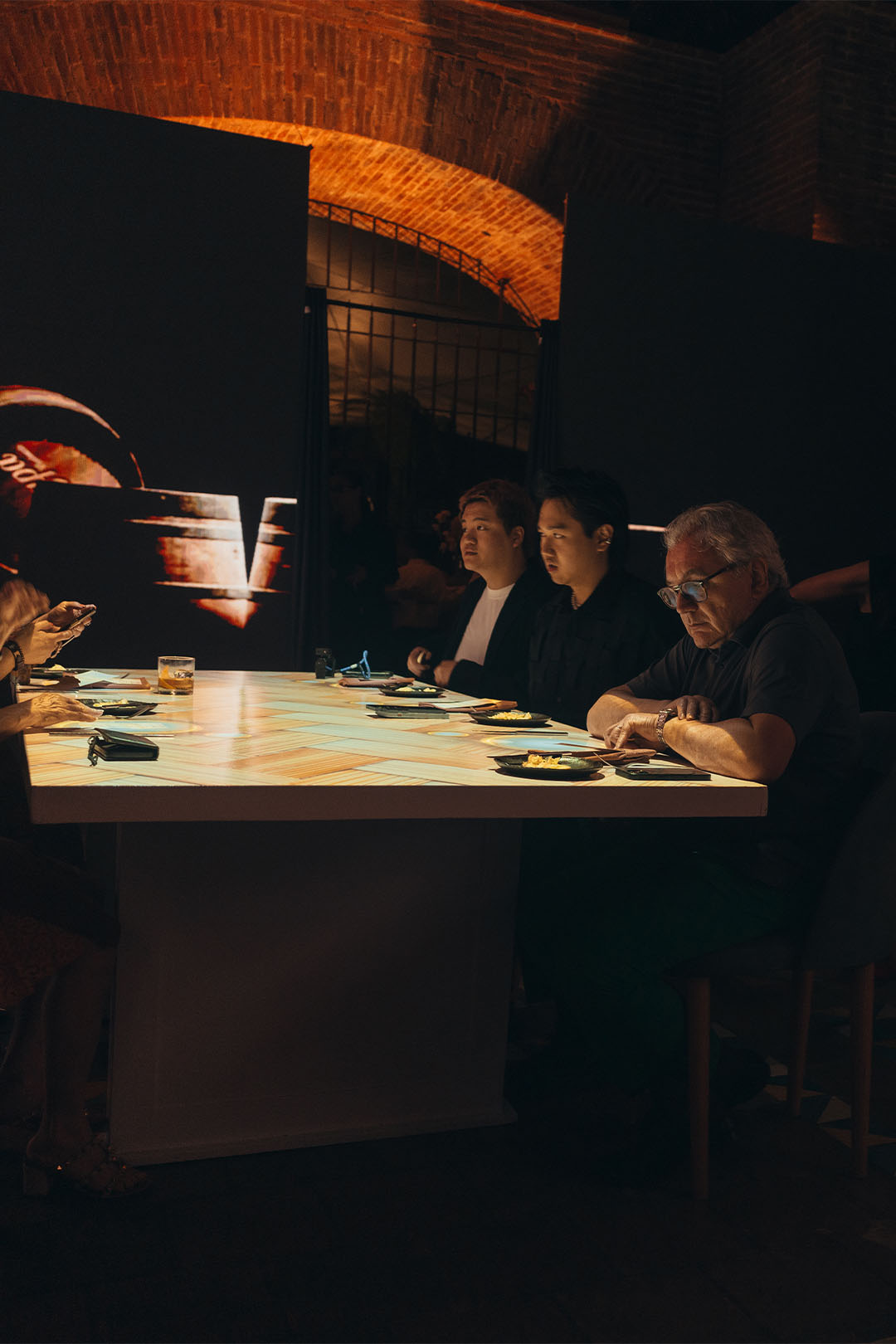
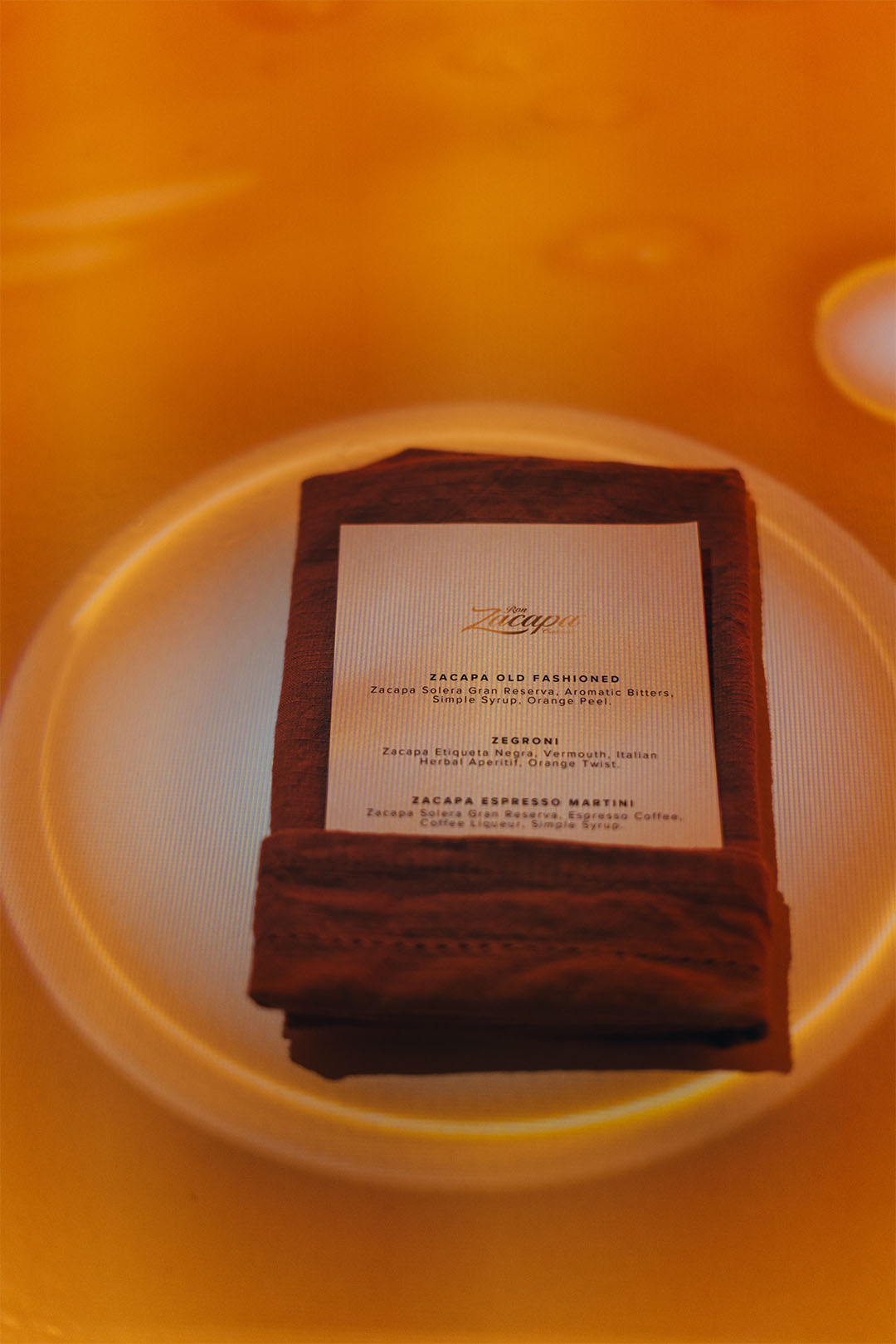
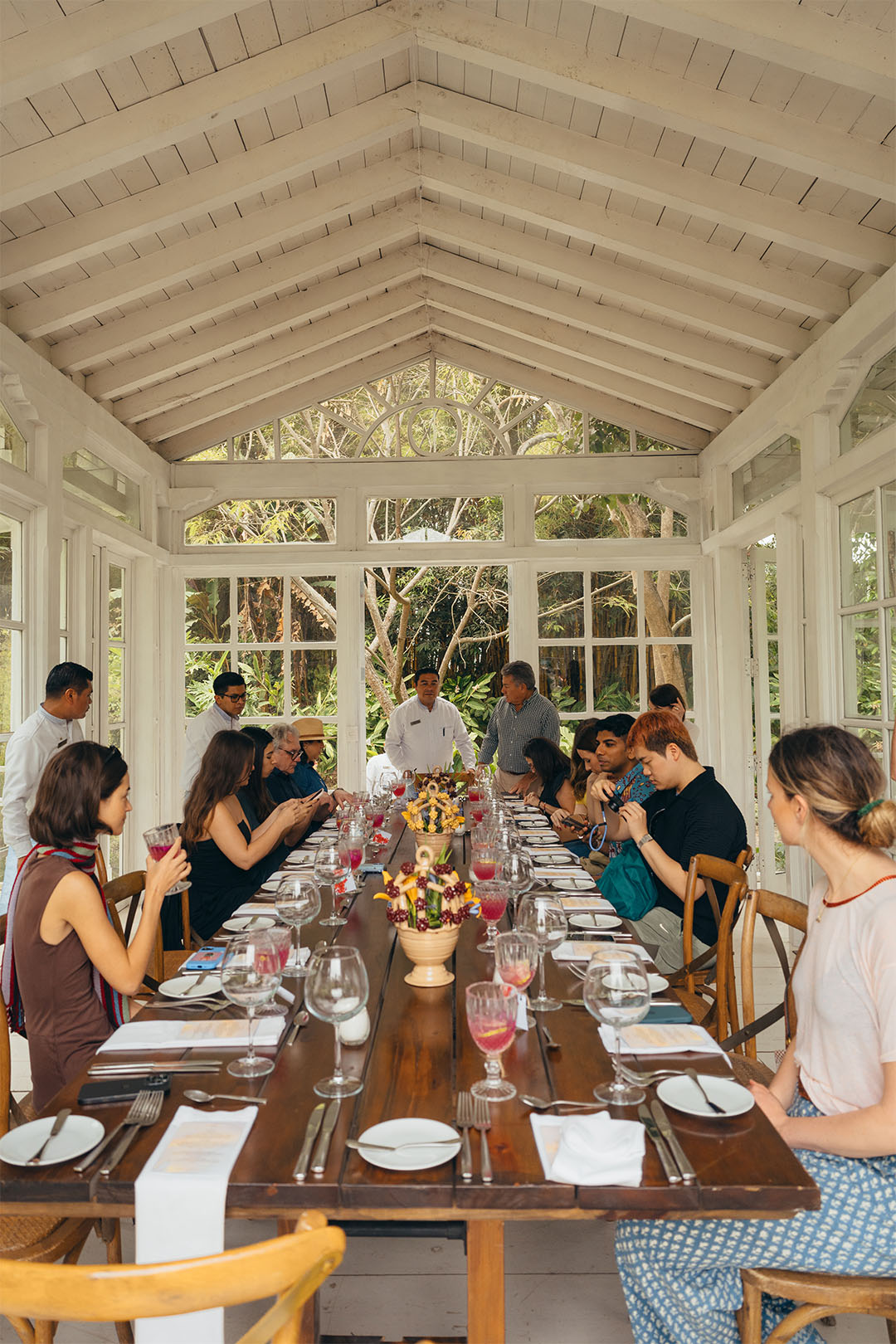
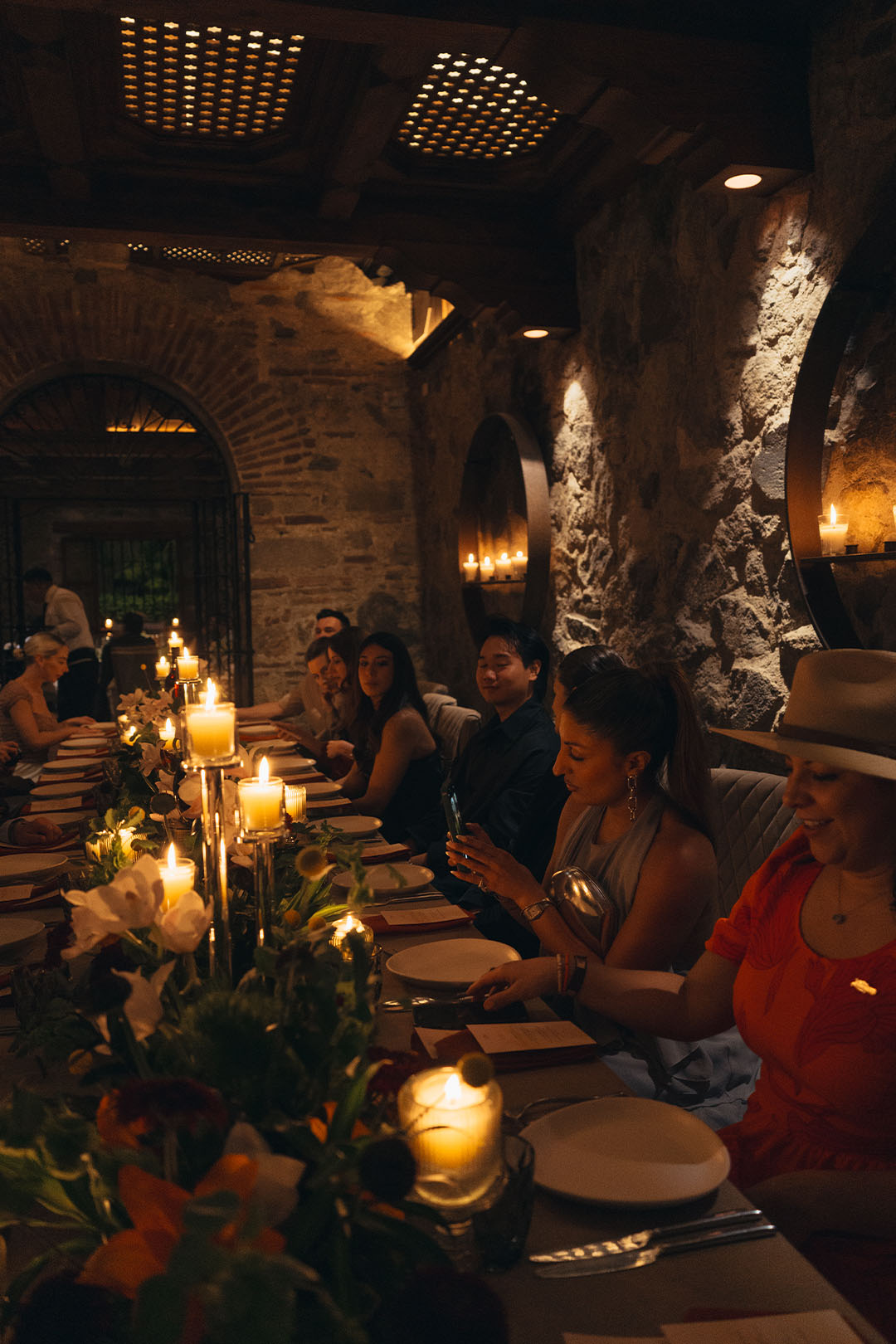
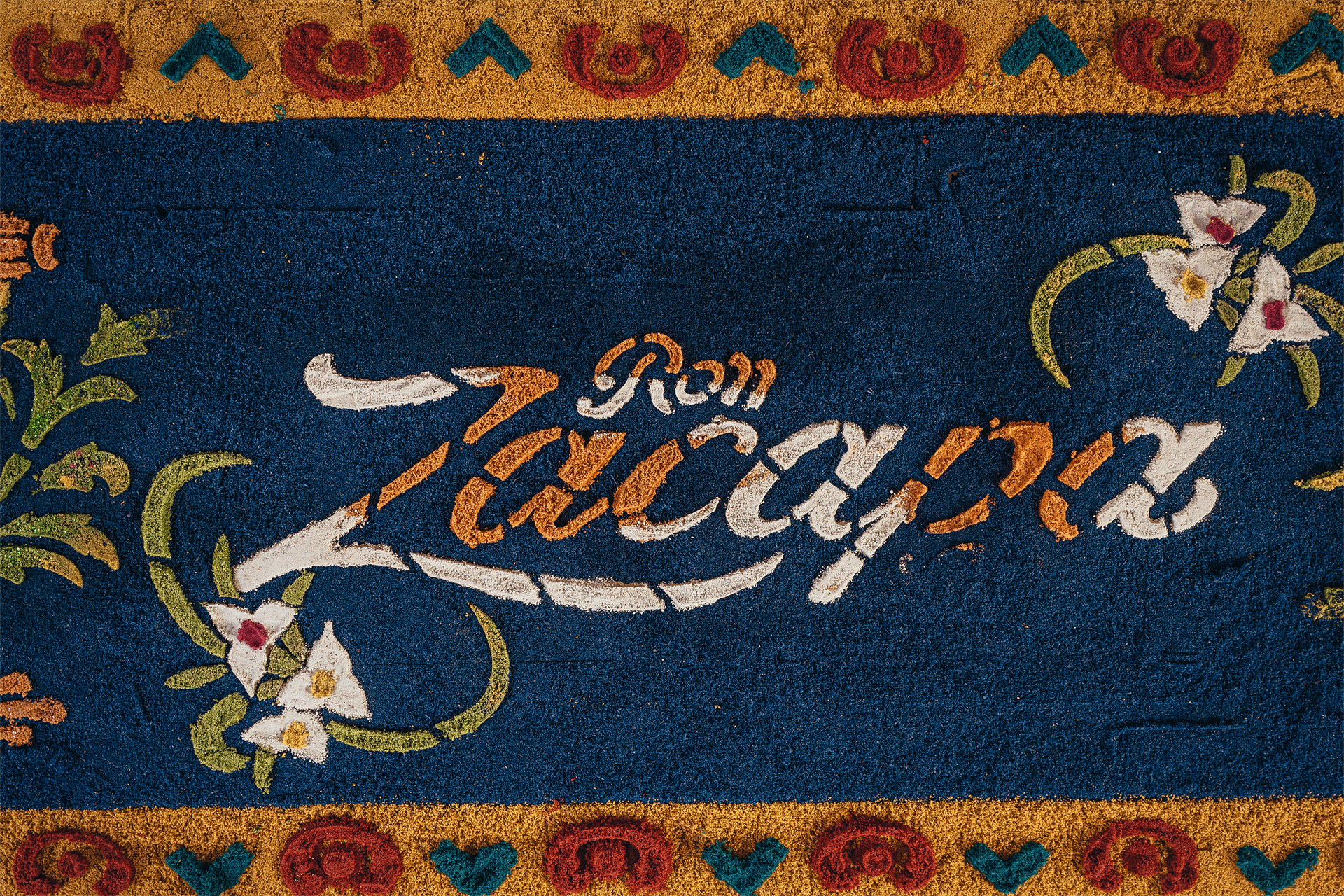
Beyond what the bottle holds, the packaging itself embodies Guatemalan pride, featuring traditional Petate bands that adorn each Zacapa bottle. Handwoven by Zacapa’s team of 700 female artisans, each band represents more than just a demonstration of artistry that connoisseurs can hold on to even after the rum has been finished. To these women, it is another form of income and a source of empowerment. During an intimate sit-down dinner with Vásquez and Zacapa Global Brand Ambassador Vanessa Leon, we discovered the brand’s inner workings that straddle their rich heritage and contemporary consumer culture. Today’s modern connoisseur seeks prestige, innovation and authenticity. Their ultimate goal is to showcase Zacapa as a labour of love that began from the land that nurtured its ingredients and artisans. “Yes! It’s just like creating fragrances; it’s something emotional but requires rigour and precision to materialise,” Vásquez responds when I asked if creating blends is similar to perfumery. Does she have a favourite scent? Not one she gets to wear to work, as her sense of smell is her most important tool. Leon cites having to think twice about putting on a scent before meeting the Master Blender.
While it is Zacapa’s quest to introduce itself to new regions of the world, it is not in a rush to showcase its artistry. It is evident through its commitment to working with the finest Guatemalan-grown ingredients, taking its time to mature the expressions and highlighting the best possible ways to enjoy its rums. The spirits, crafted with vigour so they can be consumed with intention, are meant to be indulged to reveal a sweetness that reverberates with an aroma, prompting further exploration that does not need a 40-hour journey to experience.
All images courtesy of Nirvana Nungaray
Once you are done with this story, click here to catch up with our latest issue.