Tell someone you wish to pursue fashion design in Malaysia and their first reaction is usually one of scepticism. “Are you sure? Have you thought this through?” In a city that still values practical, traditional careers, choosing fashion means committing to a path with no guarantees. It means convincing your family that four years of formal education, navigating an industry with limited infrastructure and few international bridges would be worthwhile, and accepting that recognition may take time, if it comes at all. To choose fashion here is to accept uncertainty, trusting yourself enough to keep going anyway.
At the same time, the past decade of online visibility has made fashion feel more accessible than ever. Social media and global coverage have framed the industry as exciting and open, especially to a younger generation ready to take creative risks. This visibility has however also saturated the space. When everyone wants in, the question shifts from whether the career is worth pursuing to who is shaping the conversation. Kuala Lumpur is often said to be waiting for new voices, yet many of them already exist. The talent is here — it is just that the platforms to spotlight it are simply fewerand harder to come by.
So rather than speculating, we turned to the designers themselves. Men’s Folio speaks with three emerging talents carving out their place in the local scene, asking what it takes to start out, the challenges they face, and factors that move them forward. Whether you are considering a career in fashion or simply curious about those building it from the ground up, this is a closer look at the next generation making it happen.
Amni Yah, 23
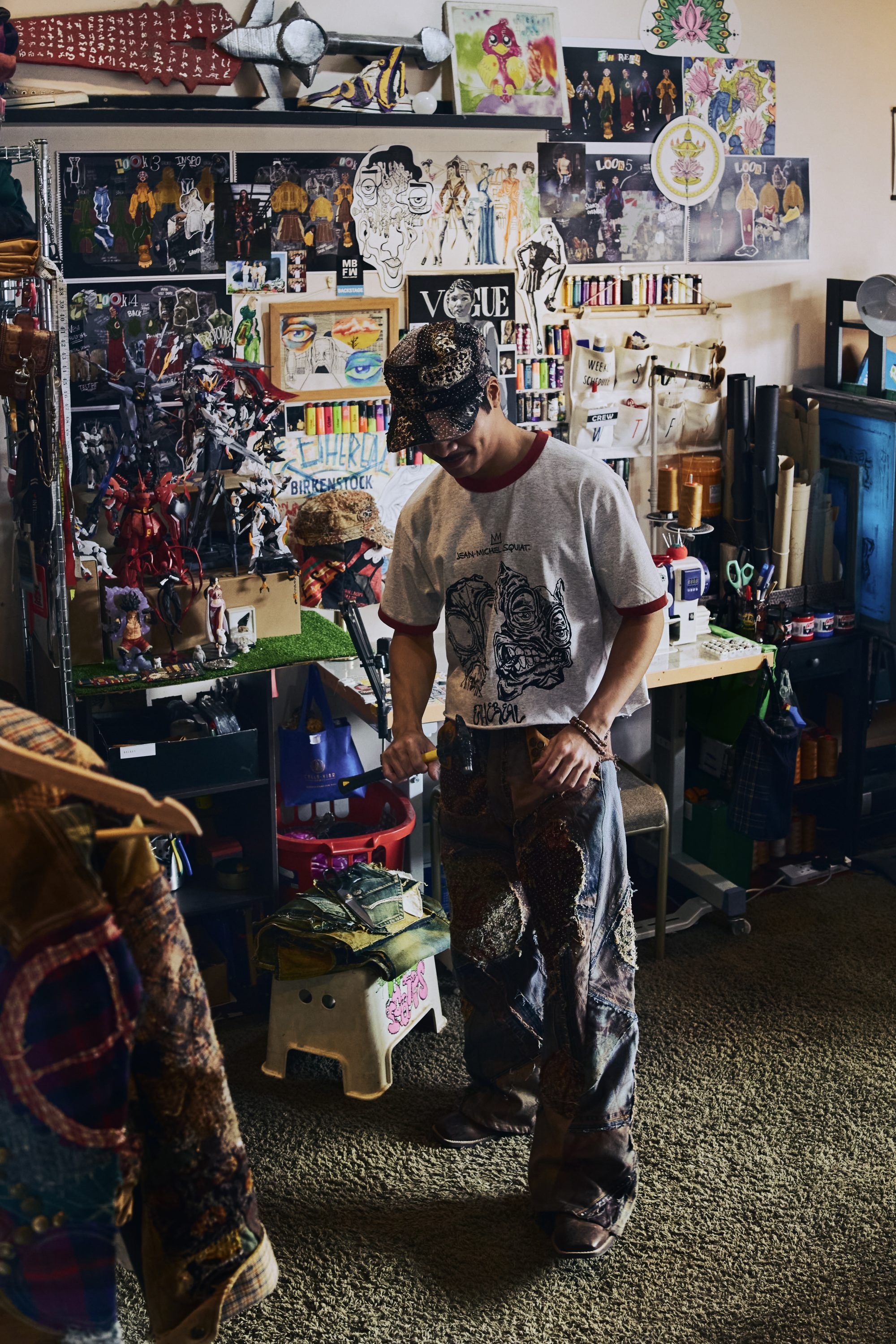
What type of designer are you?
I love surprises, so I tend to go with the flow in my process. I don’t sketch or plan things out too thoroughly — too much planning makes me feel boxed in. I’d rather let ideas move freely, follow the vibe and see where it takes me.
Some people in the office said your pieces look more like sketches or doodles than garments. Is that intentional?
Yes, and I’m really happy people notice that. If I’m honest, I see myself more as an artist than a designer. Sewing is like painting to me. Growing up in Amsterdam, and going to galleries with my mum every week, it’s organic that art has influenced me long before I ever thought about fashion.
Who do you look up to?
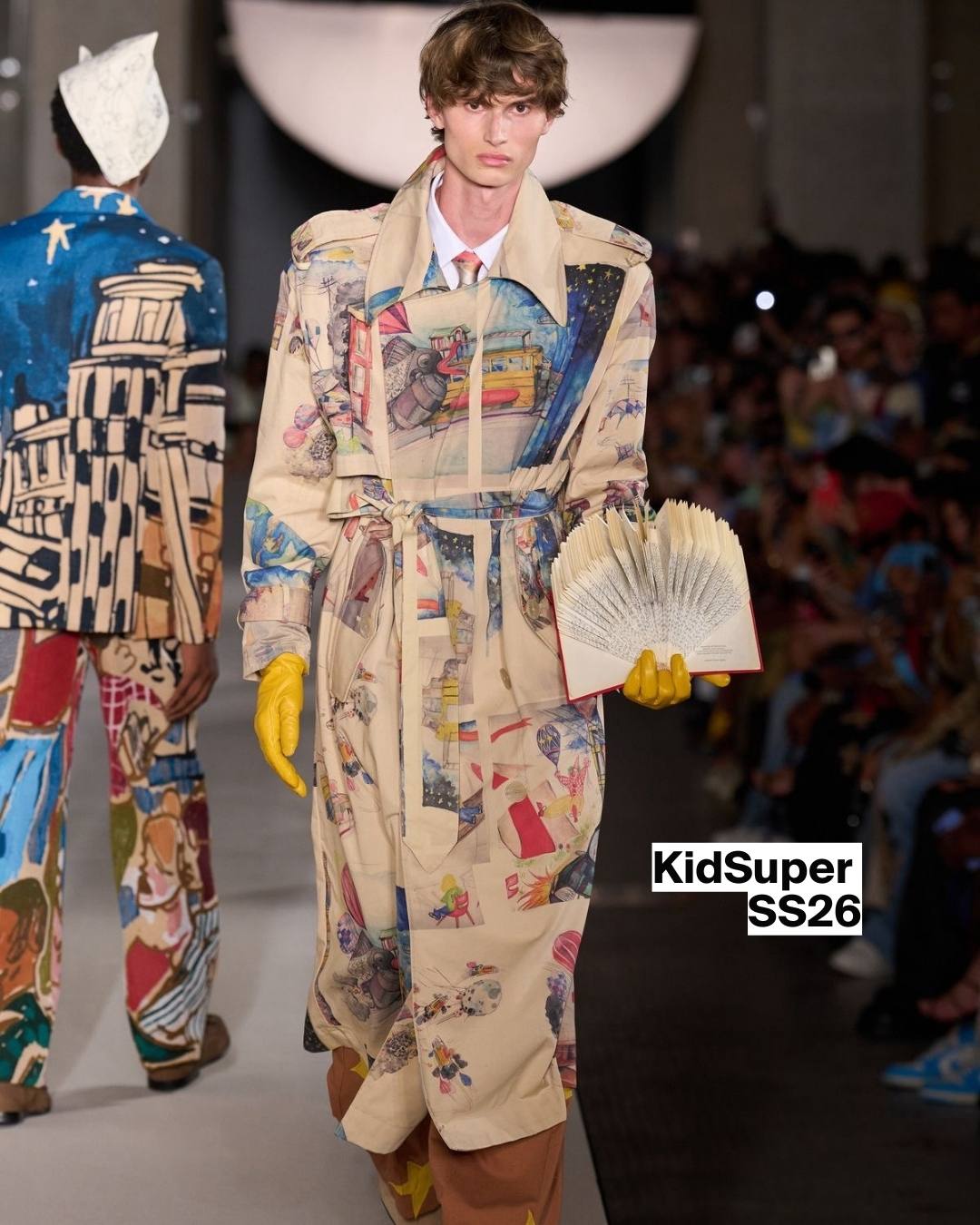
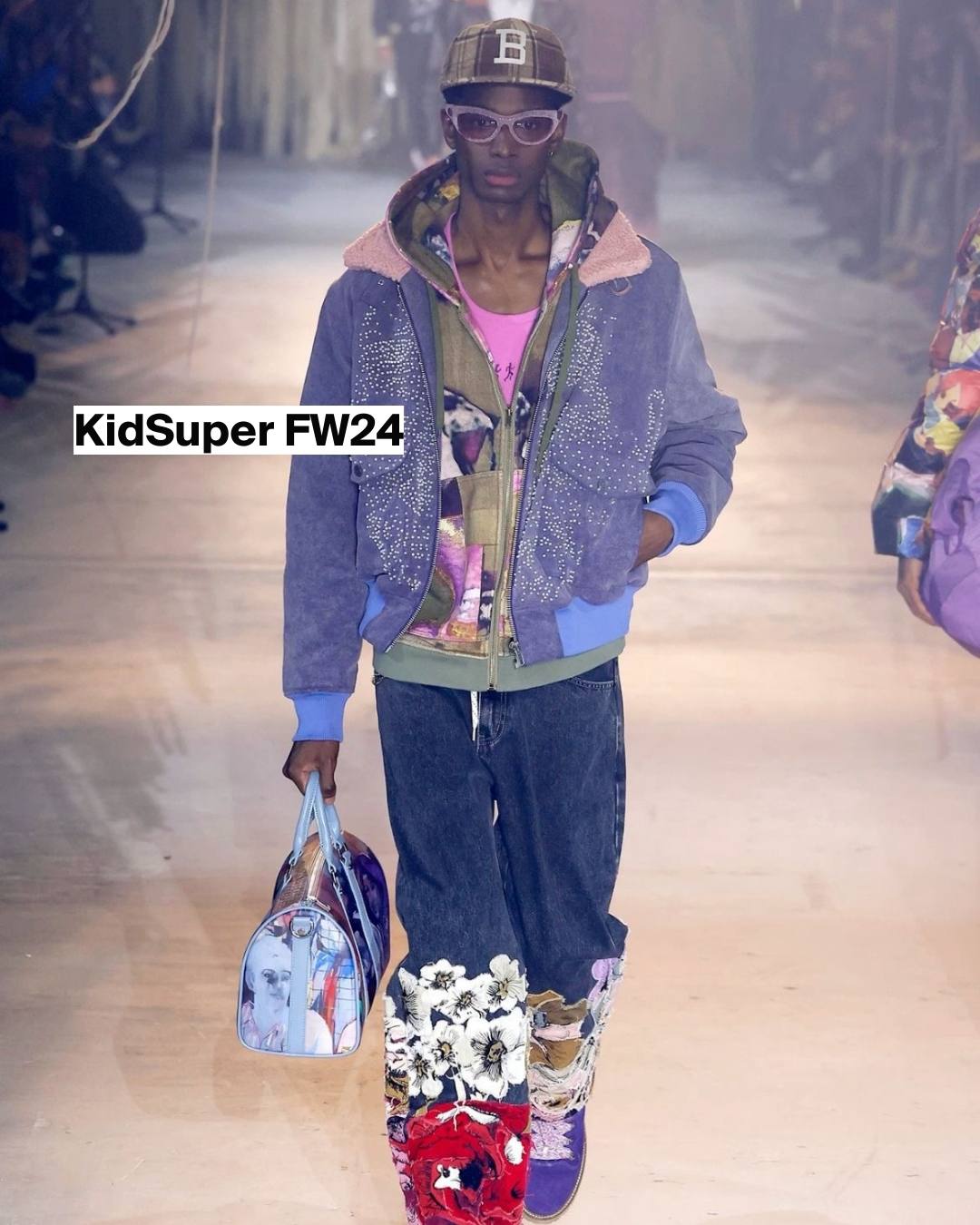
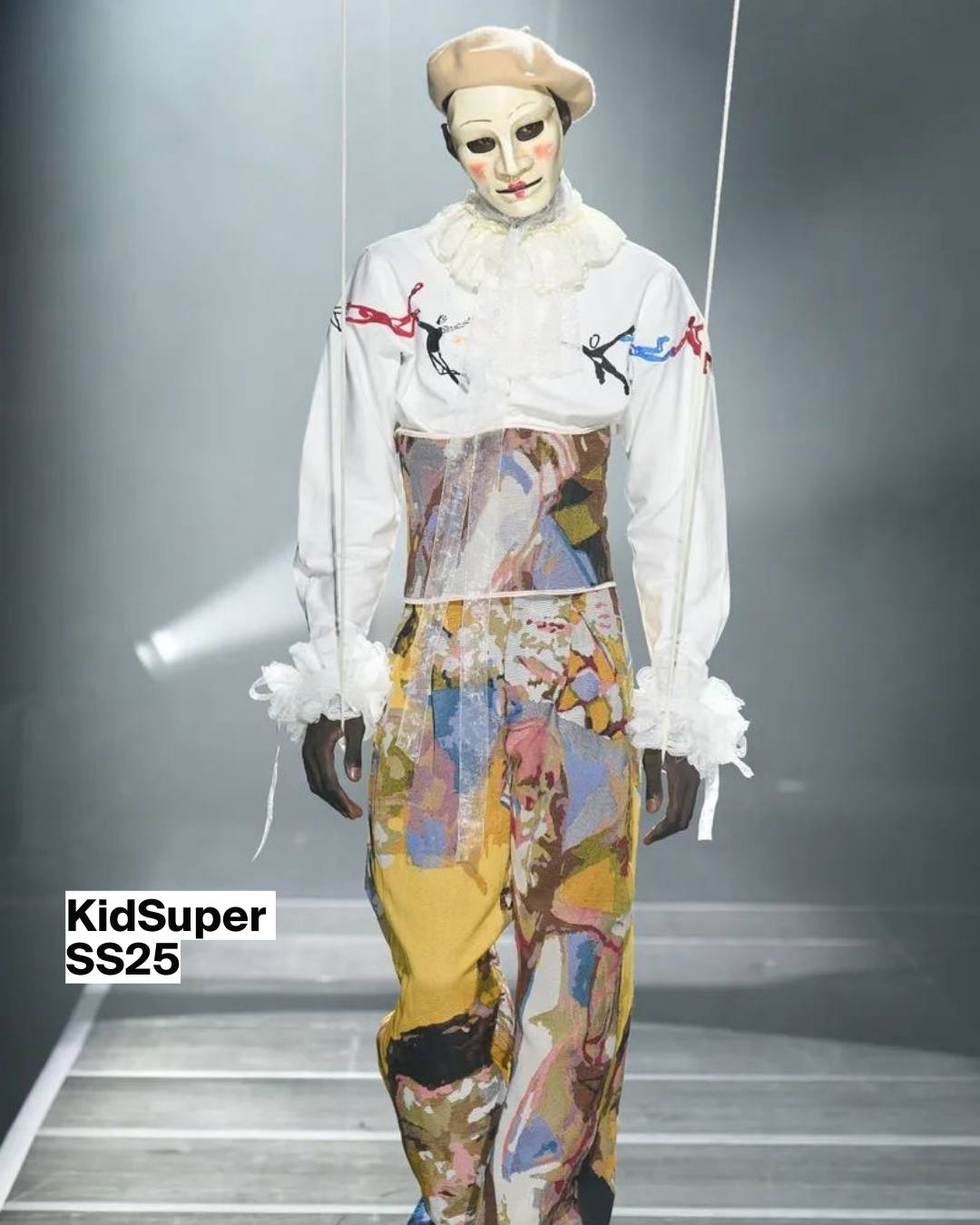
KidSuper, for how he makes things personal and fun in a way no one else can replicate. Also a Japanese brand called PROLETA LE ART, which does one-of-one handmade pieces with heavily distressed denim and vintage materials. The detail in each piece is incredible; it’s hours of work that I learn to appreciate even more. That inspires me.
Tell us about your brand, ETHEREAL.
I chose a name that’s pretty self-explanatory. Ethereal means something delicate, full of light, almost out of this world. I focus on custom garments, mostly denim, and I use patchwork techniques like Boro and appliqué. I also work with Sashiko stitching, which is a traditional Japanese hand embroidery. I like mixing these techniques together so that every piece is unique.
What mood or feeling do you aim for?
I want people to look at my pieces like old photographs — nostalgic and happy. I work mostly with vintage or reworked garments, drawn to items that remind you of a person, place, or memory. Customs are important because nothing compares to something made with your own meaning and experience built in.
Do you think your brand can sustain itself?
Absolutely. People are already tired of mass-produced goods and AI-generated products. There’s no story, no human touch. In the future, I think people will crave intention, care, and the hands behind a piece. That’s what my brand is about — handcrafted work will always be valued.
Do you think there’s less appreciation for art in Malaysia?
It’s hard to value something without spaces to support it. In Europe, museums and exhibitions are curated, marketed and celebrated. Creativity is taught to be respected. Here, that system isn’t built. People often see art and fashion as hobbies rather than careers. So when someone says they want to pursue it seriously, the first question is often: “When are you leaving for somewhere more accepting?”
What would make it easier for designers like you to stay?
There needs to be more openness to new ideas. The world is too big to see only through a local lens, especially now with the internet. In Malaysia, people tend to follow trends rather than appreciate substance. Truly thoughtful work often gets overlooked, while good marketing can make a mediocre product popular. Encouraging people to form their own tastes would make designers like me feel more supported.
Chen Gan, 26
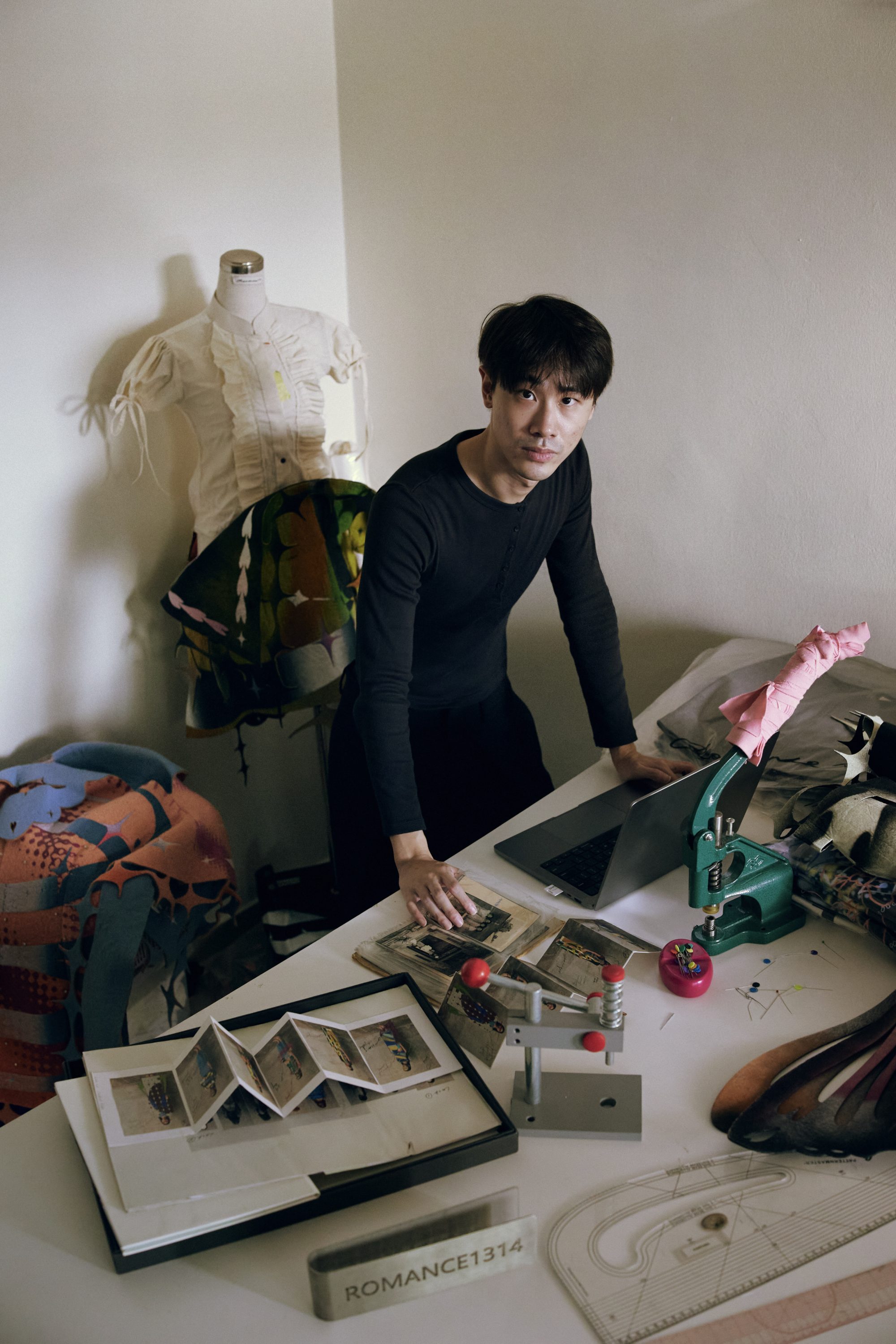
You started Romance 1314 while still at Central Saint Martins. How did it begin?
It started as a project in my final year in 2022. I was obsessed with colour and screen-printing photographs from Malaysia and Southeast Asia, mostly from the 1900s to the 1980s. It was meant to be a school project, but people started paying attention, and I realised there was something worth building.
The name is sentimental. Where does Romance 1314 come from?
The numbers 1-3-1-4 in Chinese sound like yīshēng yīshì — “a whole lifetime,” or “forever.” It combines romance and permanence.
What makes the brand romantic to you?
It came from many types of love at once. I found a box of old family photo albums at home, with photographs from the1950s through the1980s — my grandparents’ wedding, my grandmother as a young woman, my mum at university. The faded pastels and bright neon greens created a beautiful, melancholic feeling. I wanted to recreate that through screen printing.
How did Central Saint Martins shape you?
CSM gave me freedom to find my own voice. More than technical skills, it’s the people who taught me the most. Being around so many perspectives opened my mind quickly. I learnt how the industry works, things you can’t find on Google.
What’s something young designers don’t realise they should do early on?
Collaborate. After graduation, you realise how expensive it is to plan shoots, shows, and campaigns. Collaboration — especially with people who share your energy — helps you build both your portfolio and community.
What does your day as an independent designer look like?
Less designing than people expect. I spend more time on marketing and finances. Attention spans are short, so visuals must engage immediately. I study local brands like GHOSTBOY for how they’ve built identity and community. Becoming a cult favourite takes strategy and patience.
How does being based in Malaysia influence your work?
The creative scene is growing, experimental, and full of energy. But the financial side is harder. Support exists but is often invisible or inaccessible, so you learn to be resourceful.
What are you working on improving right now?
Patience, and balancing the creative and business sides without losing interest in either. I have come to accept that building a brand is about long-term consistency, not instant results.
Ying En, 22
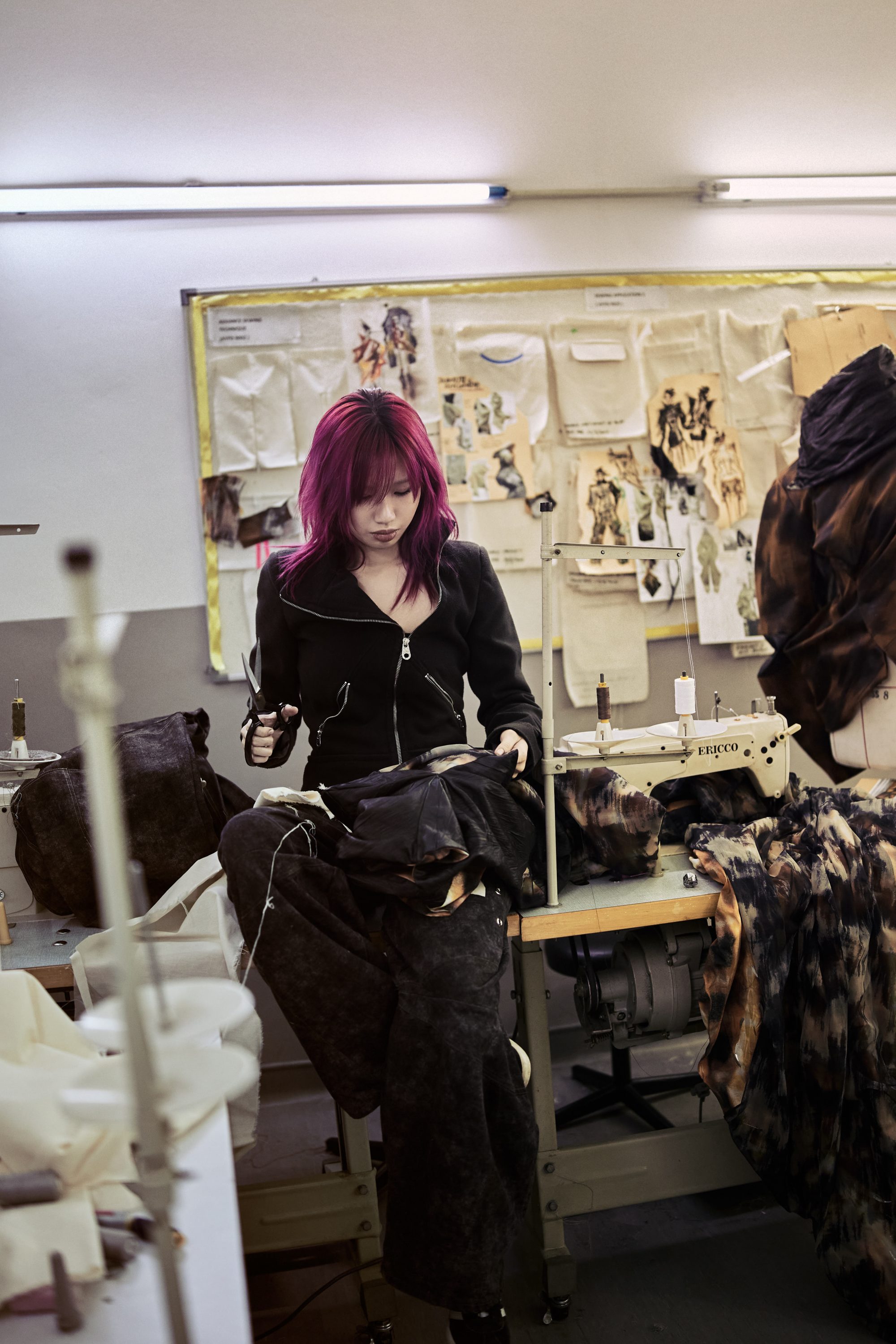
What keeps you committed to fashion design in 2026?
Obsession, and a refusal to let go of my childhood dream. I started with paper clothes for my Barbie dolls, then made my first garment for my sister. I became fixated on outdoing myself with every piece. It’s hard out here but finishing a garment still gives me a satisfaction nothing else does — it’s the only dopamine I really trust.
You mentioned that doing this is hard. What does “hard” actually look like for a young designer in Malaysia right now?
The market is small and evolving. People are more interested in local design, but it’s still niche. Many are unwilling to invest in pieces that last, which makes it hard to compete with fast fashion.
Your work started circulating online in 2025 through archive accounts and Pinterest. How did that shift things for you?
Social media changed everything. I posted a college project on Instagram and someone from Highsnobiety reposted it. Then it started floating around on Pinterest and Twitter. A stylist, Amina Ktefan (@a.ktefan), found me through Pinterest and really pushed my work forward. Since then, I’ve been getting loan requests from stylists all over the world. It reminded me how important it is to just put your work out there. You never know who’s looking.
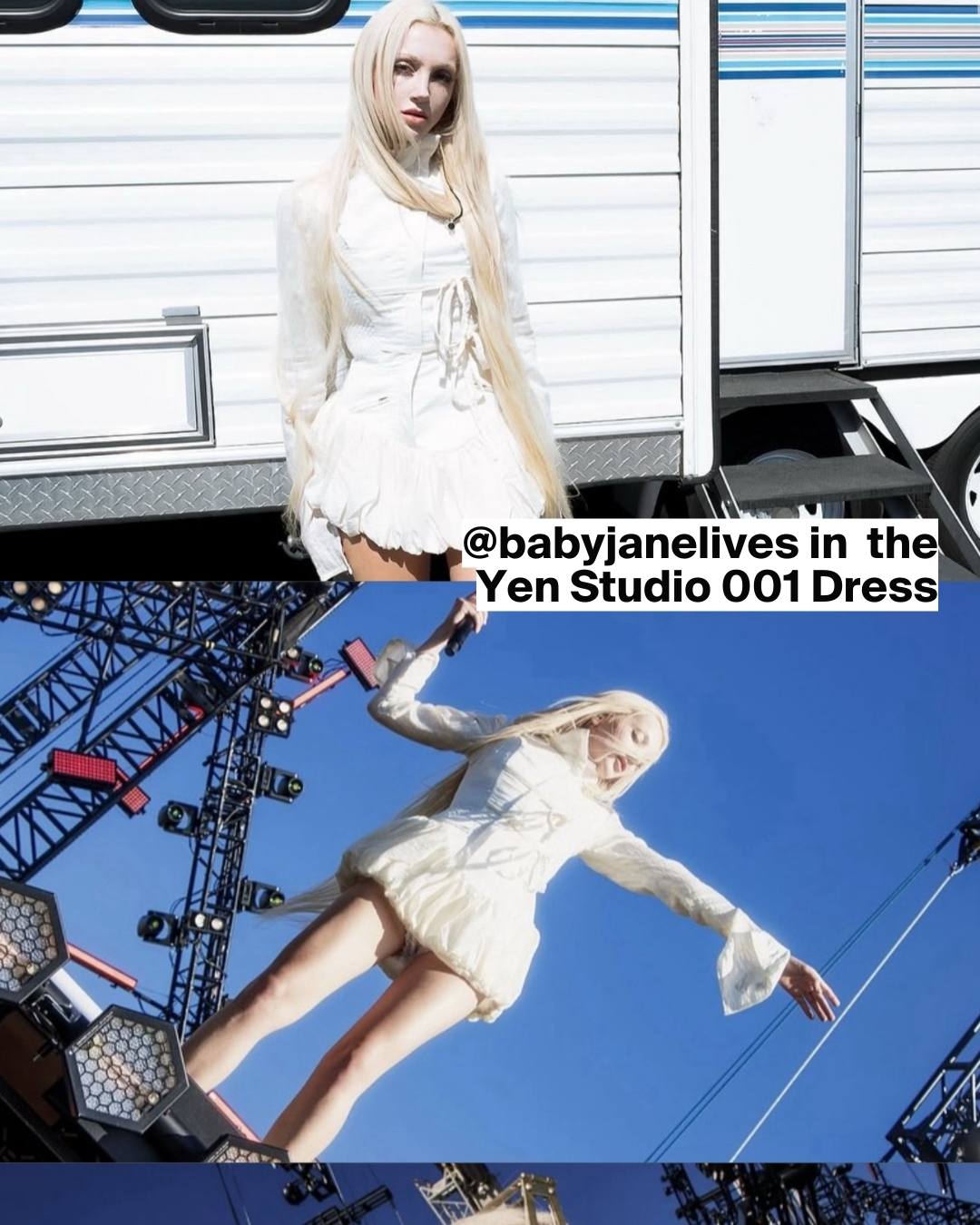
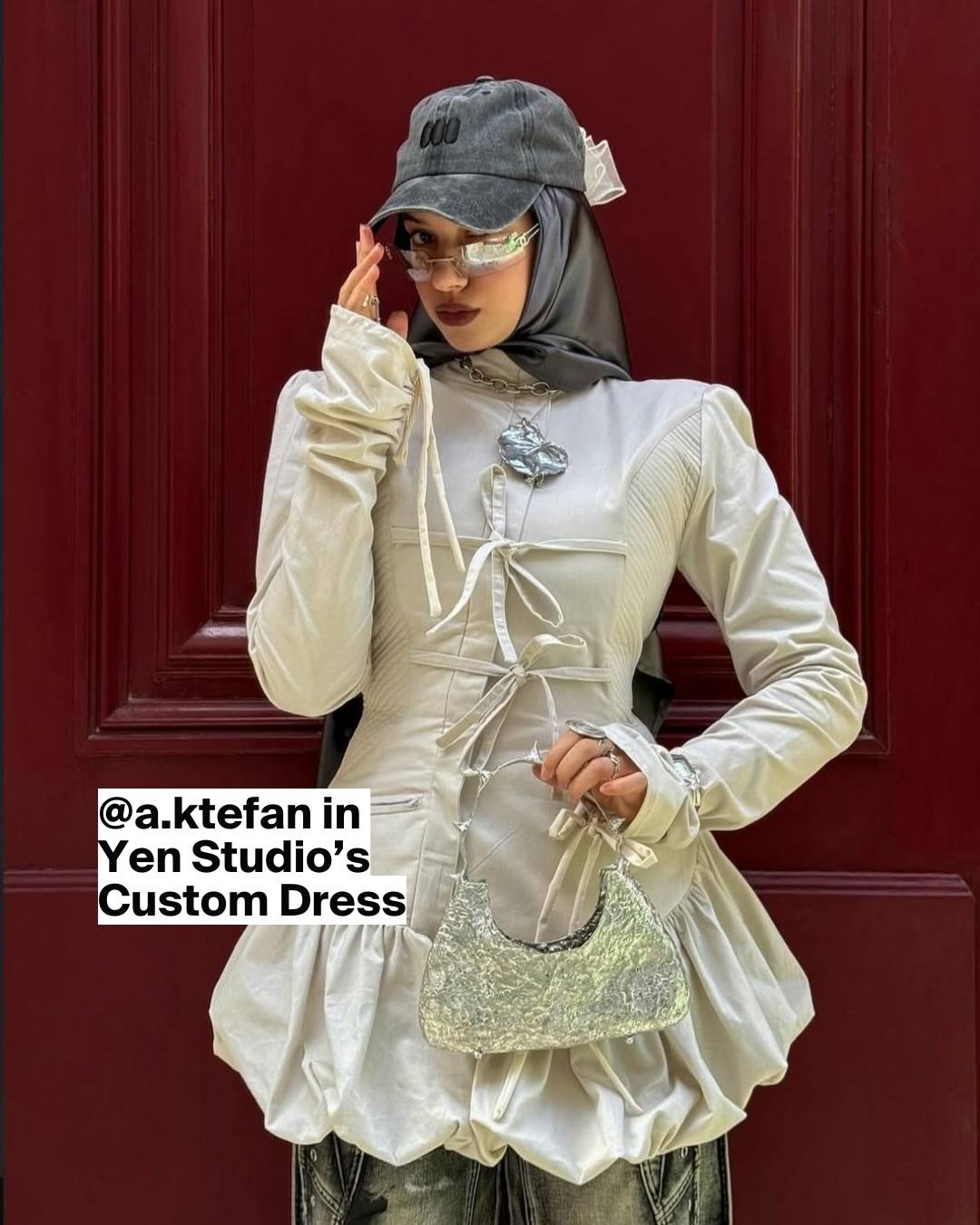
Do you feel pressure to establish a signature early?
Yes, but I’m learning to balance experimentation with wearability. Complex or conceptual work doesn’t have to be impractical.
What drives your design process?
It depends on the project. Conceptual work starts with storytelling and pushing boundaries. Ready-to-wear begins with functionality, then develops into form and aesthetic — it’s always a constant negotiation between expressing my voice as a designer while also thinking of the practicality of my audience.
What visual language defines your work?
Angular shapes, volume, exaggerated shoulders, and dramatic draping. I want it to feel strong and flattering, not costume-like.
Which values are you most protective of as your brand grows?
Intention. Every piece must feel purposeful, true to where I am creatively. Eventually, I may study or work abroad, but ideally I’d like to remain in Malaysia while expanding. Originality matters most. I want a space that allows distinct voices to take risks and be recognised for their creativity.
Once you are done with this story, click here to catch up with our latest issue.